
Buying a Car on the Weekend? Former Dealer Explains the Pros and Cons


Walk into a dealership on a Saturday afternoon and you’ll immediately feel the energy. Salespeople are moving, managers are busy, and the finance office has a line. Now picture walking in on a Tuesday morning at 10 AM: quiet showroom, attentive staff, and a manager who picks up the phone on the first ring.
Both scenarios can work in your favor. They just require different strategies.
The truth is, timing matters enormously when buying a car. However, it’s not the one-size-fits-all advice you’re likely to see online. I was a car dealer for four decades before starting CarEdge with my son Zach. What I learned over the years can help you get a fair deal with the least stress.
Whether you’re shopping on a weekend or a weekday, knowing what’s happening on the dealer’s side of the table gives you leverage.
The Weekend Reality: Chaos and Opportunity at the Same Time
Weekends account for roughly 60-70% of dealership foot traffic. That creates real challenges for buyers: salespeople juggling multiple customers, managers buried in their offices, and F&I departments with hour-plus waits.
But here’s what most car buying guides won’t tell you.
It’s true that stores are busiest during the weekends, but deals can be had because the weekends are when stores are looking for sales volume. There are usually lots of appointments scheduled plus a lot of walk-in traffic. I would suggest that there is a greater emphasis placed on making deals especially on Saturday.
In other words, the same energy that makes weekends chaotic also makes dealers hungry. The floor is busy because they want it to be. And a prepared buyer can absolutely take advantage of that.
How to Use the Weekend to Your Advantage
Go Early Saturday Morning
If you’re shopping on a weekend, get to the dealership by 9 AM. You’ll catch staff before the chaos builds, and you’ll be first in the finance queue. More importantly, you’ll have a salesperson’s full attention before they’re pulled in five directions.
Come Prepared — It’s Non-Negotiable
Weekend buyers who overpay are usually unprepared buyers. When the showroom is packed, pressure tactics thrive. Salespeople will suggest other customers are eyeing the same car. Managers will push for quick decisions. The antidote is doing your homework before you arrive.
Know the fair market value of the vehicle using tools like CarEdge’s Deal Finder. Have a pre-approval from your bank or credit union. Know your trade-in value. When you walk in with all of that, that pressure stops working.
Use the Dealer’s Motivation Against Them
Salespeople earn bonuses for closing deals on Saturdays — which means they have a personal financial reason to work with you. If you’re close on numbers, lean into that. A salesperson who earns an extra $200 for closing a deal today has more incentive to go back to the manager and push for a better number.
Don’t Let the Finance Office Drain You
The biggest weekend mistake isn’t the negotiation — it’s arriving at the F&I office mentally exhausted after a two-hour wait and saying yes to products you don’t need. If you’re going to shop on a weekend, plan for the wait. Eat beforehand. Know in advance what add-ons you’ll decline. Extended warranties, paint protection, and GAP insurance are all negotiable; GAP in particular can often be cut from $895 to under $400 if you push back.
When Weekdays Still Have the Edge
None of this means weekdays have lost their advantage. If you have flexibility, Tuesday through Thursday mornings remain the lowest-pressure environment for buying a car. Manager wait times shrink, salespeople focus entirely on your deal, and there’s no manufactured scarcity in the room.
The best time of all? A Tuesday or Wednesday morning in the final week of the month — or better yet, the final week of a quarter (late March, late June, late September, late December). Monthly and quarterly quotas stack on top of each other, and dealers are sharpening pencils to hit numbers before the deadline.
Other Timing Factors Worth Knowing
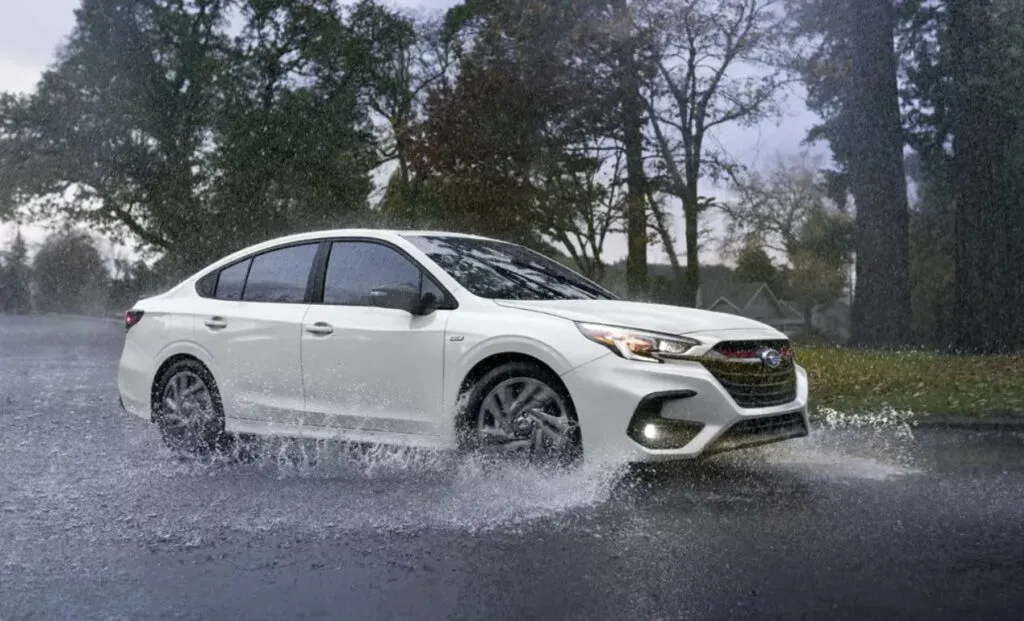
Rainy days cut foot traffic 30-40%, even on weekends. Quotas don’t change with the weather. A rainy Saturday can give you the deal volume of a weekend with the calm of a weekday.
Holiday sale weekends (Memorial Day, Labor Day) are marketing events first, deals second. The pricing is often available any other time. The Tuesday after a holiday weekend can be a hidden gem — the promotions sometimes linger, but the crowds are gone.
Model year changeovers (August-October) are when dealers most need to clear outgoing inventory. Stack that timing with end-of-quarter pressure and you’ve got real leverage going in.
Frequently Asked Questions
Is it better to buy a car on a weekend or a weekday? It depends on your situation. Weekdays offer a calmer environment and more manager availability. Weekends bring more pressure but also higher dealer motivation to close — especially on Saturdays when sales spiffs are common. A prepared buyer can do well on either day.
What is the best day of the week to buy a car? Tuesday through Thursday mornings offer the lowest pressure and most attentive service. But Saturday mornings before 10 AM can also be effective if you arrive prepared and understand how to use the dealer’s closing motivation to your advantage.
Is it better to buy a car at the end of the month? Yes. The last week of the month — particularly the final Tuesday, Wednesday, or Thursday — is when dealers are pushing hardest to hit quotas. End-of-quarter deadlines (March, June, September, December) add even more pressure in your favor.What should I bring to a dealership? At minimum: a pre-approval from your bank or credit union, documentation of your trade-in value, and research on fair market pricing for the vehicle you want. Tools like CarEdge’s Deal Finder can help you walk in knowing exactly what the car should cost.
Sponsored by Insurify
Are you overpaying for car insurance?
Compare rates from top carriers in under 5 minutes. CarEdge users save an average of $996/year on auto insurance.
*Disclosure: CarEdge may earn a commission when you compare insurance quotes through our partner, Insurify. This does not influence our editorial content.*