


 CarEdge Insights




October 2025 has become a graveyard for auto nameplates. From luxury sedans to electric crossovers, there are seven cars and trucks to bid farewell to this month. The culprits? Shifting consumer preferences, the expiration of federal EV tax credits, and corporate belt-tightening are all to blame. Here’s what’s getting the axe, and what it means for shoppers still hoping to snag one before they’re gone for good.
Cadillac CT4: A Dwindling ICE Lineup
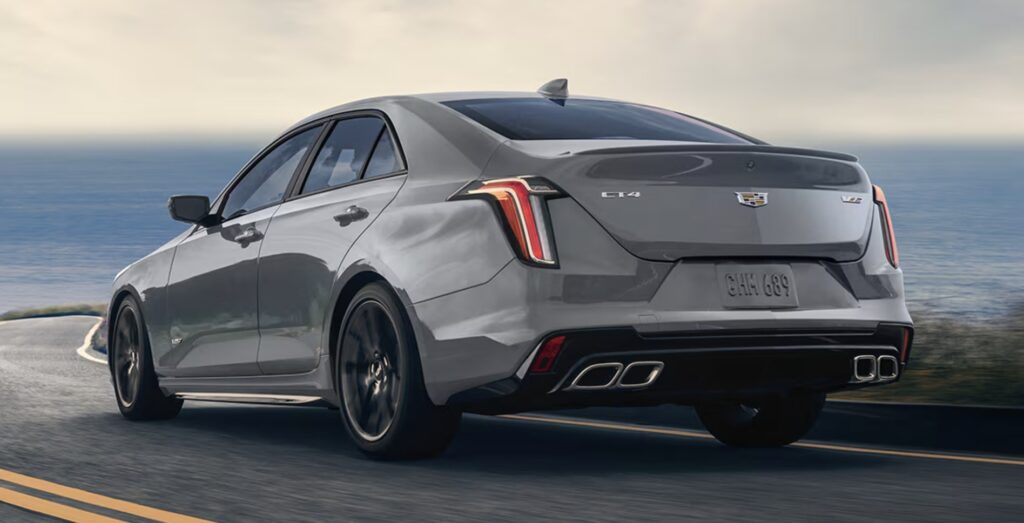
The 2026 model year will be the last for the Cadillac CT4. Car and Driver recently confirmed what had been spreading through Cadillac enthusiast communities like wildfire: John Roth, Vice President of Global Cadillac, sent a letter stating that CT4 production at Michigan’s Lansing Grand River Assembly will end in June 2026.
The writing has been on the wall for years. From August through October 2025, Cadillac sold just 1,422 copies of the CT4. These are truly dismal numbers for a brand trying to recapture its former glory as the symbol of American luxury.
As of October 2025, 2,323 CT4s remain on dealer lots with an average selling price of $49,260 according to CarEdge Pro.
👉 See remaining Cadillac CT4 inventory and negotiability factors.
Cadillac CT5: Comeback Likely
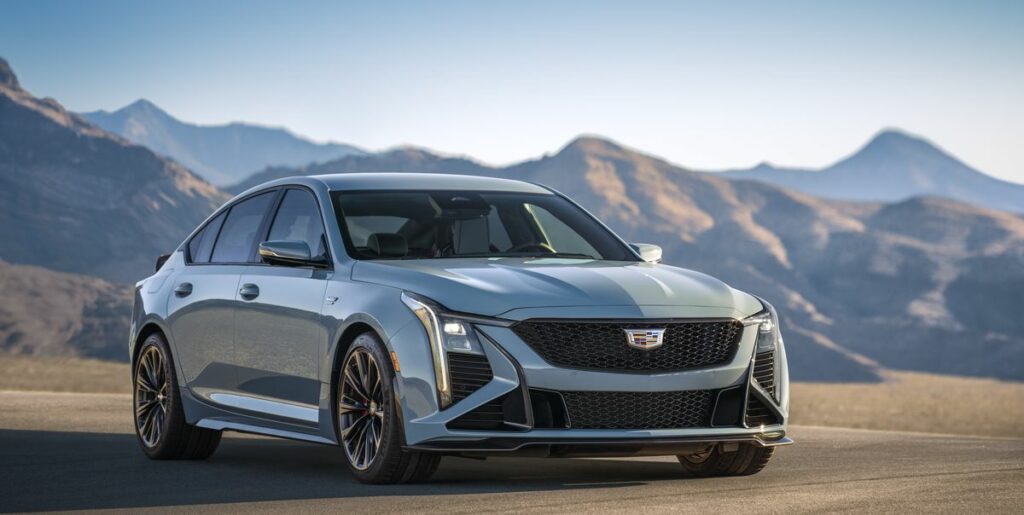
The CT5 gets a slightly longer lease on life, with production continuing through the end of 2026. But don’t cry too hard for this one. Cadillac has confirmed that a replacement powered by an internal combustion engine will arrive at some point in the future. That should alleviate fears of total EV domination for the brand. We think it’s most likely that the CT5 will return as a performance car with limited production, essentially a reimagined CT-5 V-Series.
Why are both sedans getting discontinued? The answer is simple: North Americans want crossovers and SUVs. In Q3 2025, Cadillac sold just 4,000 units of the CT5. As of October 2025, 4,037 CT5s sit on dealer lots with an average selling price of $65,824 according to CarEdge Pro.
👉 See remaining Cadillac CT5 inventory and negotiability factors.
Acura ZDX: Twice Dead

This is the second time the ZDX nameplate will be retired, and likely the last with a track record like this. Acura recently announced that production has ended for the short-lived ZDX electric SUV after just a two-year run. Car Dealership Guy first reported the ZDX’s demise, which Honda later confirmed to Car and Driver: “To better align our product portfolio with the needs of our customers and market conditions, as well as our long-term strategic goals, we can confirm the Acura ZDX has ended production.”
Internal memos made it clear that the expiration of the federal EV tax credit played a significant role. In Q3 2025, Acura sold just 1,580 copies of the ZDX in the U.S. As of October 2025, just 157 ZDXs remain on dealer lots with an average selling price of $71,309 according to CarEdge Pro.
👉 See remaining Acura ZDX inventory and negotiability factors.
Nissan Ariya: Make Way For the LEAF
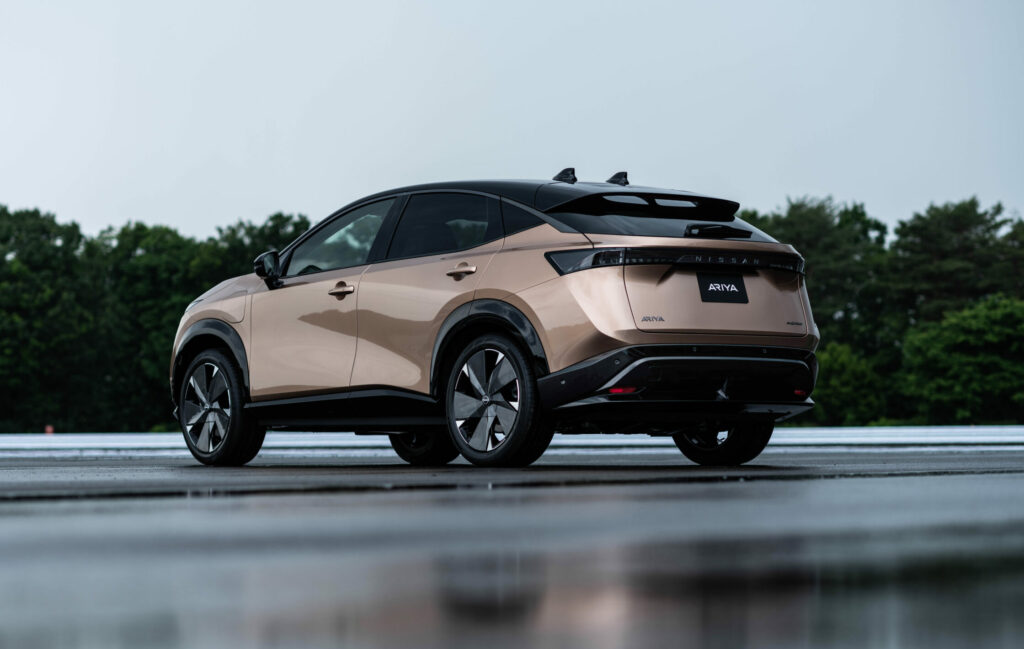
Nissan is thinning its U.S. electric lineup in response to slowing sales, import tariffs, and the expiration of federal tax incentives. “This decision enables the company to reallocate resources and optimize its EV portfolio as the automotive landscape continues to evolve,” Nissan said in a memo reported by Automotive News.
Nissan has also delayed or canceled four next-generation electric models planned for Mississippi production. The new-generation LEAF EV just launched with a starting price of $31,485, and would likely cannibalize Ariya sales anyway. In Q3 2025, Nissan sold just 3,210 Ariyas. As of October 2025, just 235 remain on dealer lots with an average selling price of $41,408 according to CarEdge Pro.
Even the new LEAF is experiencing turbulence. According to the Nikkei business daily, Nissan has slashed production by more than half for September through November due to lower-than-expected battery deliveries. For financially struggling Nissan, pausing the Ariya makes strategic sense, even if it leaves (or… LEAFs?) EV shoppers with fewer options.
👉 See remaining Nissan Ariya inventory and negotiability factors.
Jeep Gladiator 4xe: Dead Before Arrival

The 2026 Jeep Gladiator 4xe is dead before it ever officially arrived. As parent company Stellantis tightens its finances and streamlines its bloated lineup, several models are falling prey to the budget axe.
The Jeep Grand Cherokee 4xe and Wrangler 4xe remain on sale, but that’s hardly reassuring. Jeep’s two plug-in hybrids were recently bricked by software issues, leaving drivers stranded. They also rank near the bottom for overall reliability.
If that’s the fate of Stellantis’ flagship plug-in hybrid, maybe the Gladiator 4xe dodged a bullet by never launching.
Kia Soul: The Last Box Standing

The small, affordable Kia Soul crossover won’t make it to 2026. Production ended in October, marking the end of an era for quirky, budget-friendly transportation. It’s unfortunate to see yet another affordable car discontinued at a time when average car prices have officially exceeded $50,000 for the first time.
The Soul debuted in 2008 alongside the Nissan Cube and Scion xB (remember those oddities?), and outlived both by several years. The Soul’s Q3 2025 sales reached just over 14,000, which is not bad for a car on the chopping block.
As of October 2025, there’s an abundance of Souls on dealer lots: 7,450 to be exact, with an average selling price of $23,121 according to CarEdge Pro. That places it in the top five most affordable new cars on sale in 2025. If you want a cheap, quirky crossover, act quickly before the Soul is gone.
👉 See remaining Kia Soul inventory and negotiability factors.
Ram 1500 REV: Electric Truck Dreams Vanishing
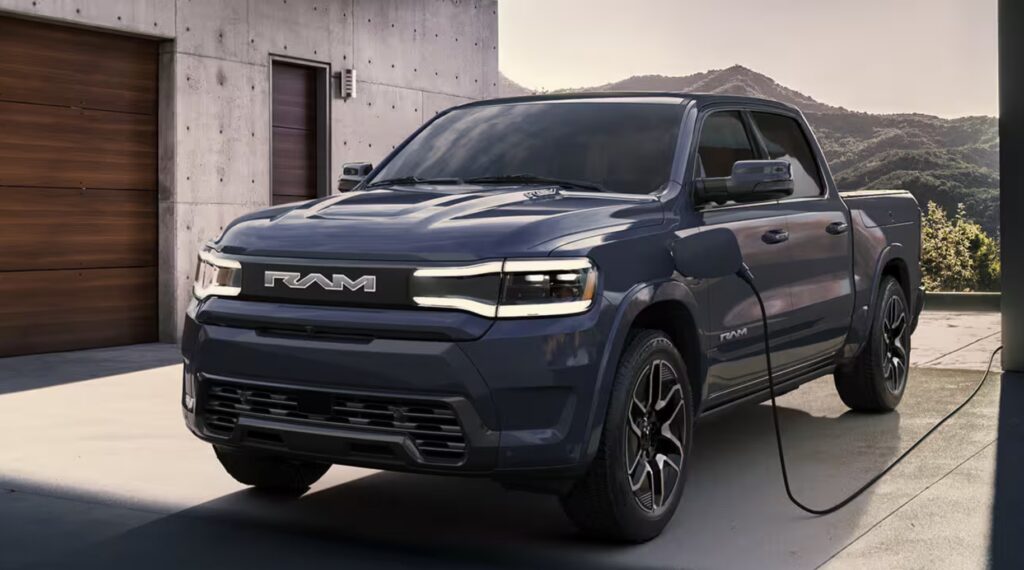
Another of Stellantis’ electrified dreams has vanished before it ever arrived. The 2027 Ram 1500 REV was slated to compete with the F-150 Lightning and Chevrolet Silverado EV, but disappointing electric truck sales sent this Ram to the graveyard before production even started.
Instead, Stellantis intends to bring a plug-in hybrid Ram truck to market in the near future. It’s a pragmatic pivot that reflects the reality of the truck market: buyers want electrification benefits without range anxiety or charging concerns.
The REV’s cancellation is a reminder that even America’s truck obsession has limits when it comes to electrification.
What This Means for Shoppers
October’s cancellation spree reveals three major trends reshaping the automotive landscape. First, sedans continue their slow death march as consumers flee to crossovers and SUVs. Second, the expiration of federal EV tax credits has manufacturers second-guessing their electric ambitions. Third, corporate consolidation and cost-cutting are claiming victims before they ever reach showrooms. All-in-all, these cancellations are bad for the consumer looking for variety, as automakers continue to prioritize high volume, high profit margin models over budget models and EV experiments.
Should you buy a discontinued car model, or are there too many risks to justify the discounts? We did a deep dive to answer these questions for you. You can check that out here.





0 Comments