

Auto Obituaries: Cars Canceled in 2026

Key Takeaways
- Automakers have started 2026 with a slew of model cancellations, including surprises from Hyundai, Tesla, and Dodge.
- From poor sales to policy changes, the reasons for models being axed are varied. Tesla even cites the need for space to build humanoid robots.
- Check back weekly as we track the latest announcements in 2026.
The car graveyard is growing faster than ever in 2026.
Every week, automakers announce another model getting the axe. In January alone, four models were dropped from the likes of Tesla, Dodge, Hyundai, and others. Some are old favorites that just couldn’t keep up. Others are failed experiments that never found a buyer. Either way, they’re all headed to the same place: automotive history.
The drumbeat of auto cancellations has grown so frequent that we decided to keep track of it all with a new resource: grimly named the Auto Obituaries. On this guide, we’ll be tracking every single cancellation as it happens in 2026. Check back often, because in today’s market, your favorite car could be next.
Kia Niro EV
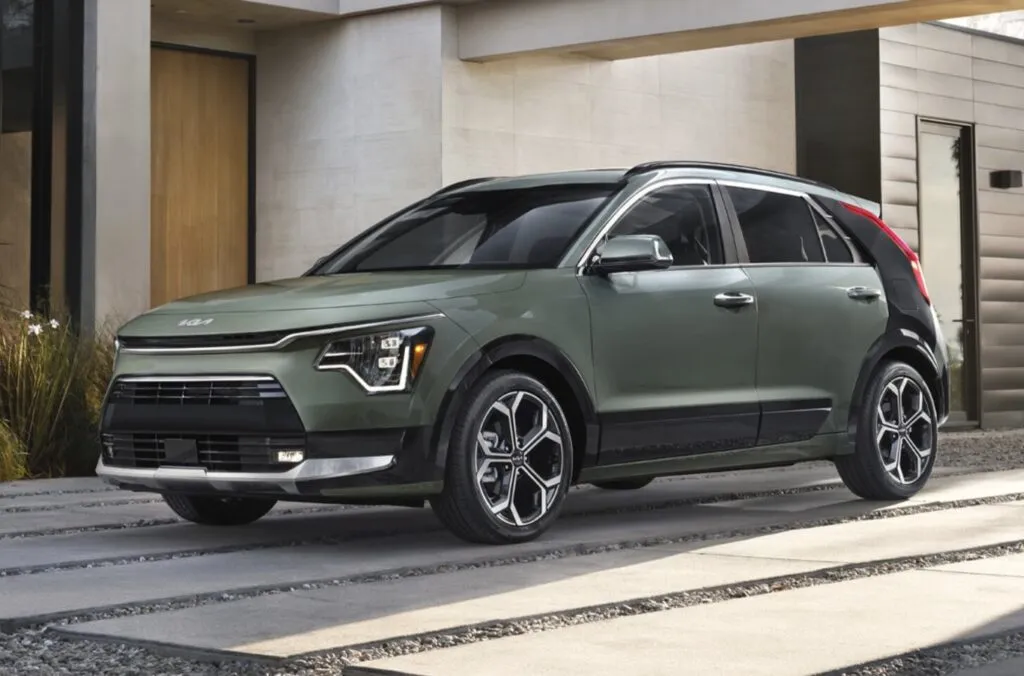
According to The Korea Herald, the Kia Niro EV has been discontinued. The first-generation Niro EV debuted in 2018, at a time when affordable electric cars were somewhat rare. The second generation debuted in 2021, bringing significant styling changes and a higher DC fast charging power input that made charging stops shorter.
All this being said, the Niro EV slowly went from lovable underdog to a hard-to-explain model in the Korean manufacturer’s U.S. lineup. With a starting price of roughly $40,000 and a 253-mile range, Kia’s cheapest EV stateside lost its shine in a market where the entry-level Tesla Model 3, which is a larger car that can go 321 miles on a full charge, starts from $36,990.
Hyundai Santa Cruz
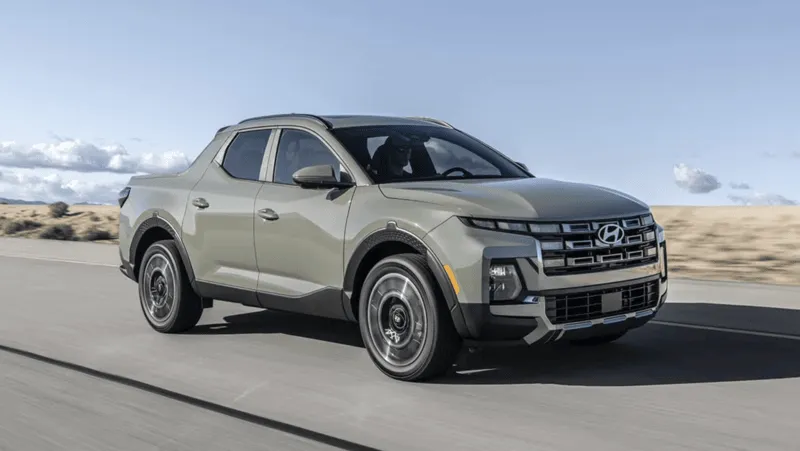
Hyundai is pulling the plug on the Santa Cruz compact pickup after just one generation, according to sources who spoke with Automotive News. Poor sales and bloated inventory are believed to be driving the decision. Ford’s Maverick outsold the Santa Cruz by a 6-to-1 margin in 2025, leaving Hyundai dealers sitting on nearly five months of unsold inventory by year’s end. Since their shared 2021 debut, the Maverick has racked up over 467,000 U.S. sales compared to just 140,000 for the Santa Cruz. The Maverick’s sub-$20,000 starting price significantly undercut the Santa Cruz’s $25,000 base MSRP. The Santa Cruz’s higher price, lack of a hybrid option, and polarizing design never caught on with buyers.
Hyundai isn’t abandoning trucks entirely. Hyundai plans to start building a midsize pickup in summer 2029, switching to traditional body-on-frame construction to compete with the Toyota Tacoma, Ford Ranger, and Chevrolet Colorado.
According to CarEdge, there were 226 days of supply for the Santa Cruz in late January, nearly triple the industry average.
Tesla Model S and Model X
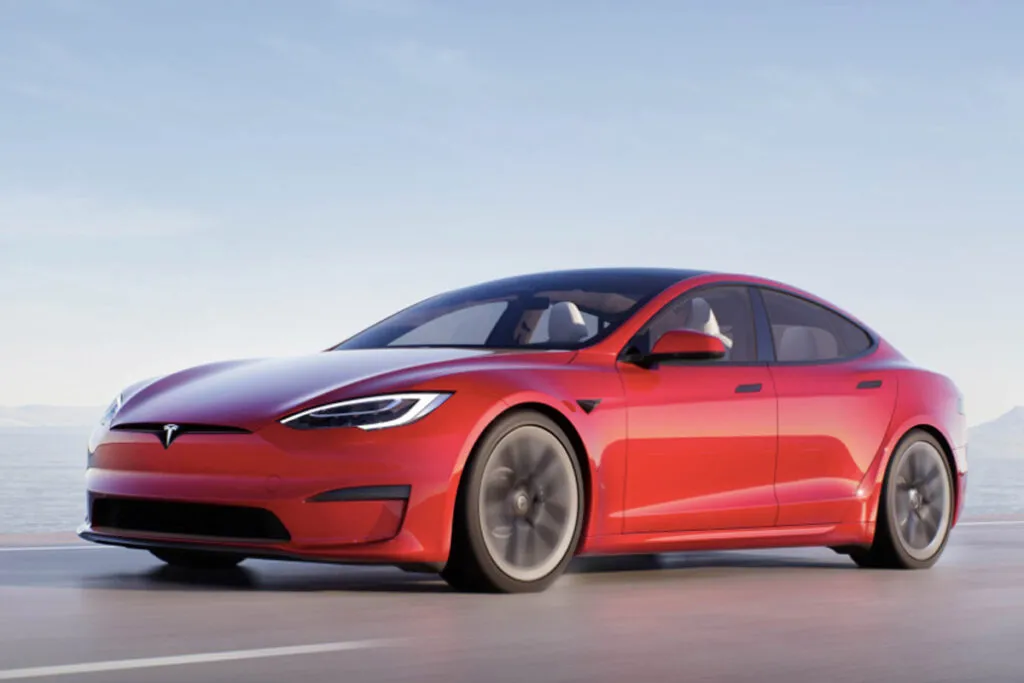
Tesla will end production of the Model S sedan and Model X crossover next quarter to make room for an Optimus robot assembly line at its California factory, CEO Elon Musk announced on January 28. Musk said discontinuing the models is part of Tesla’s shift from an automotive company to a “physical-AI provider” focused on autonomous vehicles, robotaxis, and humanoid robots.
Combined sales of the Model S, Model X, and Cybertruck plunged 40 percent in 2025 to just 50,850 units X, according to Automotive News.
The Model S launched in 2012 as Tesla’s first mass-market vehicle. Starting at $96,630 in 2026, the Model S has seen its fair share of price changes in recent years as demand peaked and then steadily fell.
The Model X followed in 2015 with signature falcon-wing doors and now starts at $101,630. Both models are being axed as Tesla doubles down on its higher-volume Model 3 and Model Y, which sold nearly 1.6 million units globally last year despite a 7 percent decline.
Dodge Hornet
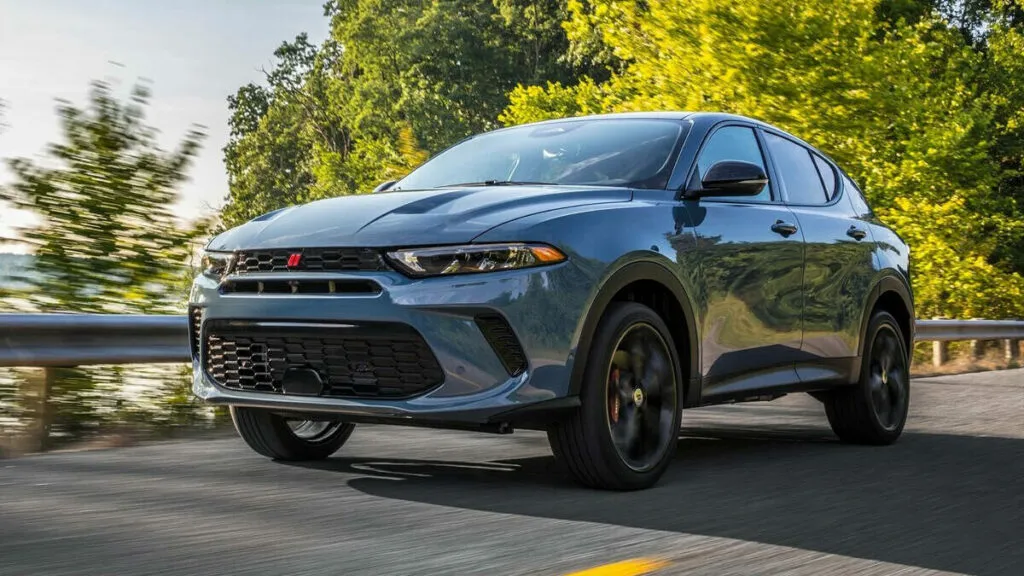
The Dodge Hornet has been discontinued after just a few years on the market, with Stellantis pointing to “shifts in the policy environment” as the reason for axing the Italy-built crossover. In reality, the Hornet has just always been a very poor seller.
Stellantis initially announced in July that the Hornet would be postponed for the 2026 model year while the company evaluated U.S. tariff impacts, but production has now officially ended.
Built alongside the Alfa Romeo Tonale, the Hornet launched in 2023 with both conventional gasoline and plug-in hybrid options, starting at $31,990 for the base GT model X. It joins a long list of short-lived Dodge small crossovers, including the Caliber, Nitro, and Journey.
Not Gone, But Slated For Change
These cars are sticking around for now, but were recently making headlines for similar reasons. Stay tuned, as this may be a sign of things to come.
Volkswagen ID.4 (soon to be ID.Tiguan)
In January, Volkswagen announced that the Tennessee-built ID.4 will soon be renamed the ID.Tiguan. Following the end of U.S. federal EV incentives, ID.4 sales fell off a cliff. With policy changes being cited by nearly every OEM in recent lineup announcements, we wouldn’t be surprised if we soon learn that the ID.4 is canceled. It’s a great EV if you can find one at the right price, so we hope a name change will brighten its future.
Chevrolet Bolt
General Motors has indicated that the recently resurrected Chevrolet Bolt will only live to see 18 months of production before it is canceled yet again. The Bolt was always a popular EV, largely due to the attainable price point around $30,000. However, policy changes seem to have gotten the best of GM’s much-hyped affordable EV strategy. At least the Bolt will stick around for much of 2027.
Wondering which cars will be axed next? Check out the slowest-selling cars in America.
Sponsored by Insurify
Are you overpaying for car insurance?
Compare rates from top carriers in under 5 minutes. CarEdge users save an average of $996/year on auto insurance.
*Disclosure: CarEdge may earn a commission when you compare insurance quotes through our partner, Insurify. This does not influence our editorial content.*