


 CarEdge Insights




On January 17, U.S. President Donald Trump announced that a new 10% tariff will be imposed on the U.K., Denmark, Norway, Sweden, France, Germany, the Netherlands, and Finland as retaliation for their opposition to Trump’s initiative to control Greenland. Trump said the tariffs on goods from these countries will rise to 25% from June 1, 2026. Greenland has been a part of Denmark since 1814, and has been an autonomous territory since 1953.
Immediately, shares of Europe’s biggest automakers began to tumble. The renewed fears of a trade-war are seen as a threat to their bottom lines, and to their ability to keep prices competitive in the U.S. market.
German, U.K. brands are most impacted
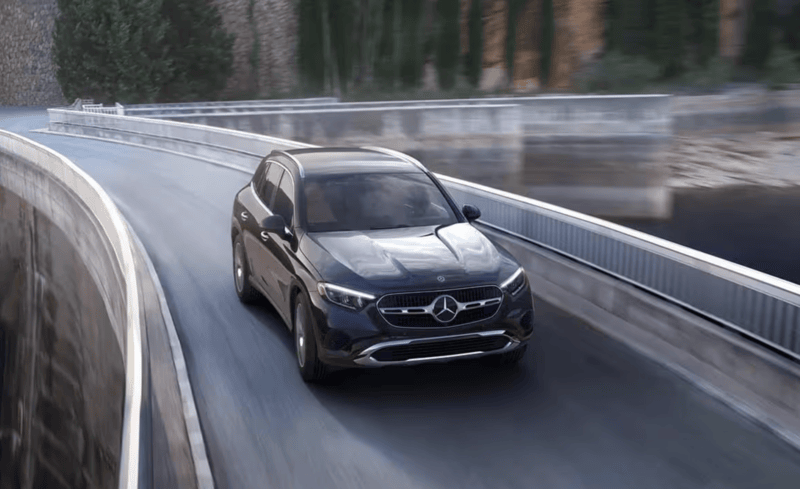
As of the most recent data from 2024, roughly 800,000 passenger vehicles were imported into the U.S. from the EU, with German automakers like Mercedes-Benz, Audi, and Porsche making up 73% of that. Other key players in the trans-Atlantic auto trade are Land Rover, MINI, and Jaguar.
Italian brands like Alfa Romeo and Maserati, both under the Stellantis umbrella, are spared from the Greenland tariffs due to the neutral stance taken by Italy’s government. If the European Union forms a more united front against the U.S., more makes and models could be subject to Trump’s Greenland tariffs.
Price hikes on the way?
Whether or not Mercedes-Benz, Land Rover, and the Volkswagen Group raise prices in 2026 comes down to one thing: how long the tariffs stick around. If the Trump administration ends up raising the tariffs to 25% as indicated, these luxury OEMs will have a hard time keeping pricing where it sits today.
Here’s a look at where average selling prices sit for these brands as of late January 2026 according to CarEdge data:
- Mercedes-Benz: $81,728
- Land Rover: $106,287
- BMW: $76,411
- Audi: $66,007
- Porsche: $133,103
If prices begin to creep higher, we could see more luxury buyers pivot to domestic or Japanese brands. In January, new car supply remains healthy for the most-affected European brands. By measure of market-day supply (how long it would take to sell all inventory at current daily sales rates), the four key players are sitting in a good spot.
BMW (82 days of supply), Mercedes-Benz (85 days of supply), Porsche (98 days of supply), and Audi (106 days of supply) are all experiencing relative stability in January, but that could soon change.
Don’t expect price hikes to come quickly. European luxury brands are in a constant fight for market share with the likes of Tesla, Cadillac, and even newcomers like Rivian and Lucid in the U.S. market.
At home in Europe, these same brands are already under pressure with Chinese brands like BYD and Xpeng winning over more buyers. Europe’s legacy automakers will hold off on price hikes for as long as possible to remain competitive.
However, if 25% tariffs do indeed arrive in June 2026, that wil be a hurdle too big to ignore, and price changes are likely to reflect that.
BMW is a different story
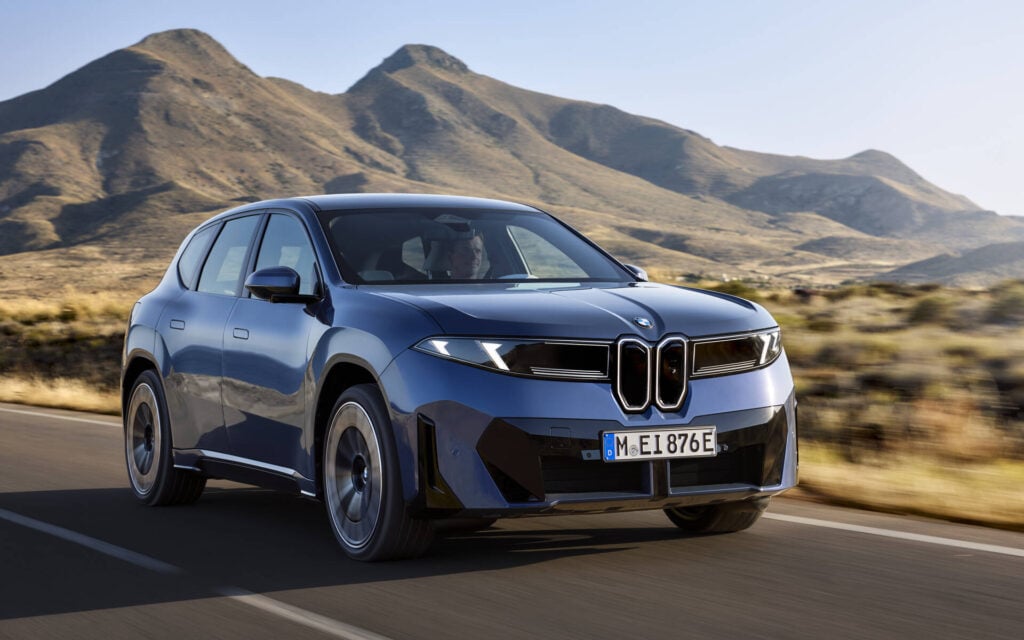
For one German luxury automaker, establishing a heavy presence stateside continues to pay off. The BMW plant in Spartanburg, South Carolina produces models like the X3, X4, X5, X6, X7, and XM. Roughly half of these vehicles are exported worldwide, making the U.S. the largest automotive exporter by value for BMW Group.
BMW’s domestic manufacturing strength in the U.S. is expected to largely shield it from auto tariffs in 2026. Luxury car buyers can expect greater price stability from BMW as a result.





0 Comments