
Honda Abandons EVs Just As Rival Toyota Dives In

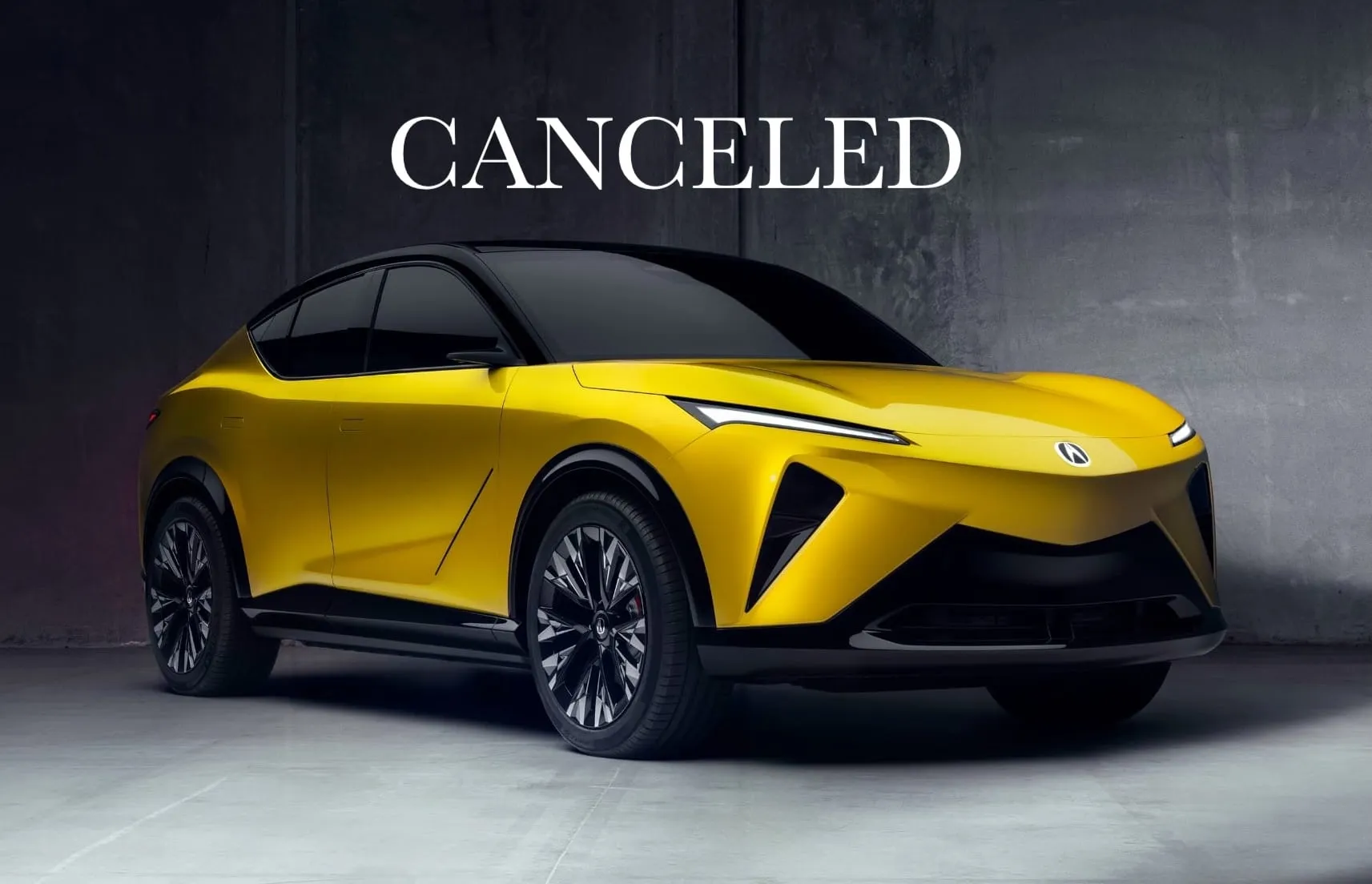
The timing couldn’t be worse for Honda. On March 12, the automaker announced it is canceling three electric vehicles that were set to debut later this year: the Honda 0 Series SUV, the 0 Series Saloon, and the Acura RSX. Honda is warning of losses up to $15.8 billion as it overhauls its EV strategy entirely.
In a press release, Honda explained the math behind the decision: “Honda determined that starting production and sales of these three models in the current business environment where the demand for EVs is declining significantly would likely result in further losses over the long term.”
Honda CEO Toshihiro Mibe was blunt about the situation. “Our first priority is to stop the bleeding,” he said. “Then, rebuilding Honda’s future business competitiveness and delivering results is our paramount responsibility.” Mibe added: “Ultimately, the responsibility lies with me. Precisely because of this, without further delay, and to avoid leaving significant liabilities for the future, I made the agonizing decision.”
The company pointed to U.S. market conditions as a key factor, noting that EV demand has slowed “due to several factors including the easing of fossil fuel regulations and revisions to EV incentives.”
That leaves the Honda Prologue as the only fully electric vehicle Honda sells in the United States, after the Acura ZDX was already discontinued. Going forward, Honda says its focus will shift to hybrid powertrains.
Honda acknowledged the broader consequences plainly: “Honda automobile business has fallen into an extremely challenging earnings situation due to various factors, including its inability to respond flexibly to these changes in the business environment.”
Meanwhile, chief rival Toyota is doing the exact opposite.
Toyota Takes the Lead on EVs
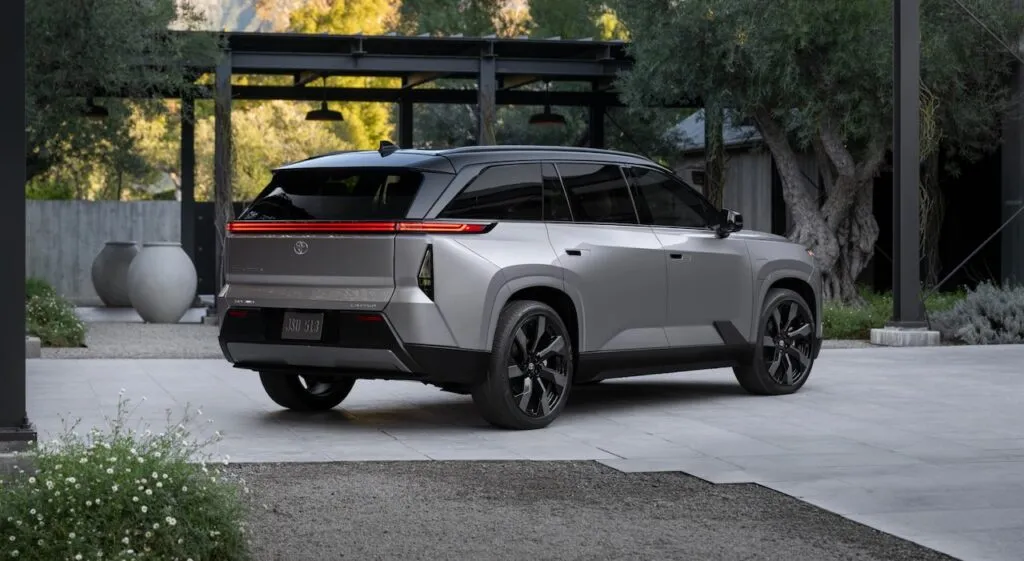
Since the start of 2026, Toyota has debuted four new electric vehicles for the U.S. market: the all-electric Highlander, the CH-R, the bZ Woodland, and a revamped bZ. Early reviews of models like the 2027 Highlander EV have been strong across the board, and the launches are drawing comparisons to Toyota’s dominance of the hybrid segment, where the RAV4 and Camry are now sold exclusively as hybrids.
Toyota’s patient approach to EVs has long been criticized as slow. Now it’s starting to look like a strategy that paid off. While Ford, GM, and now Honda have taken massive write-downs chasing early EV market share, Toyota built its brand on hybrids, maintained profitability, and is entering the EV market on its own terms with vehicles that are generating genuine enthusiasm.
What This Means for Honda Buyers
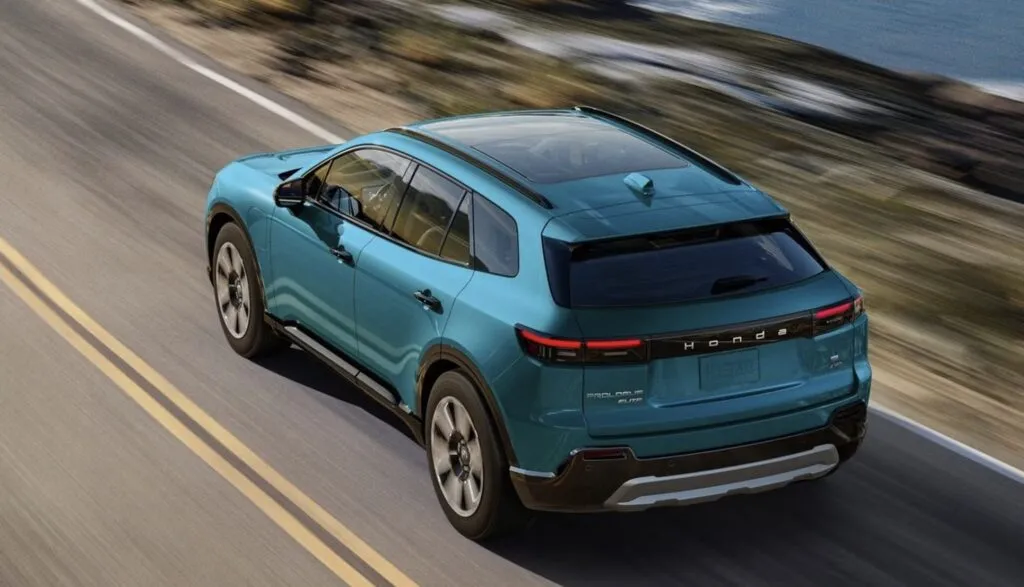
If you’re shopping for a Honda and want a fully electric vehicle, your only option right now is the Prologue, and its long-term future isn’t exactly certain given Honda’s revised priorities. CarEdge’s total cost of ownership research finds that the Prologue is among the worst EVs for your wallet, earning a D- rating as of 2025. Hybrid shoppers are in better shape: Honda’s hybrid lineup across Accord, CR-V, and others remains strong.
But Honda’s abrupt retreat from EVs raises real questions about its competitiveness over the next decade. Toyota now has a growing EV portfolio backed by a hybrid customer base that trusts the brand on electrification. Honda is starting over.
Sponsored by Insurify
Are you overpaying for car insurance?
Compare rates from top carriers in under 5 minutes. CarEdge users save an average of $996/year on auto insurance.
*Disclosure: CarEdge may earn a commission when you compare insurance quotes through our partner, Insurify. This does not influence our editorial content.*