Save $2,487 on your next car. We do all the work.
Whether you're leasing or buying, CarEdge contacts dealers for you, removes hidden fees, and handles every step — saving you time and money.


As seen in





As seen in
We work for you, not the dealer.
Other car sites sell your info to dealers. CarEdge is the only platform built entirely around the buyer.
Other Car Sites Work for Dealers
Fake information to waste your time
B.S. prices, bait-and-switch, endless games
Spam calls from multiple dealers
Your phone won't stop ringing
Hours wasted chasing the truth
Endless back and forth negotiations
CarEdge Works for You
Get the data dealers don't want you to know
Transparent prices, real inventory, no games
Stay anonymous until you're ready
No spam calls, no pressure sales tactics, no wasted time
Save time and money
We handle all the back-and-forth with dealers while you relax
Dealers never get your contact info
We handle all dealer negotiations for you
Per customer through expert negotiation
Real customers. Real savings.

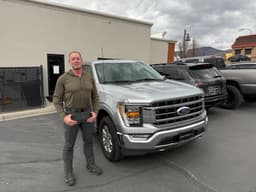
Patrick D.
2023 Ford F-150 Lariat

Nattalie K.
2026 Mazda CX-70

Julie & Adrienne T.
Kia K5 GT

Mr. Hicks
2026 Subaru Forester Premium

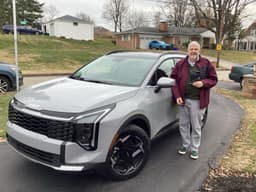
David D.
2026 Kia Sportage EX

Fernando B.
2025 Toyota Tacoma SR5

Jami Anne T.
2024 Lincoln Corsair Reserve

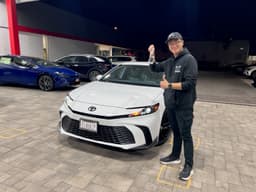
Ed F.
2026 Toyota Camry XLE AWD

Earl D.
2026 Toyota Camry LE

Jimmy
2026 Toyota Camry SE

Nathan J.'s family
2026 Dodge Durango GT

Grant G. & family
2018 Toyota RAV4 XLE

Eric S.
2026 Toyota Crown Signia Limited

Erin B.
2026 Mini Countryman S ALL4
Don't take our word for it.
“Within about 48 hours I had four cars to review. My rep negotiated the final out-the-door price of $35,337. This car’s new MSRP was $43,995. Bottom line...this IS THE WAY TO BUY A CAR.”
— Dave E.
“Stuart negotiated my deal from start to finish, and all I had to do was walk into the dealership, sign the papers, and drive away in my brand-new car. It was that simple.”
— H. Garrett
“Jerry found the exact car I was looking for in less than 3 days at significantly less out-the-door cost — incredible! Highly recommend this service!”
— Gina O.
About us
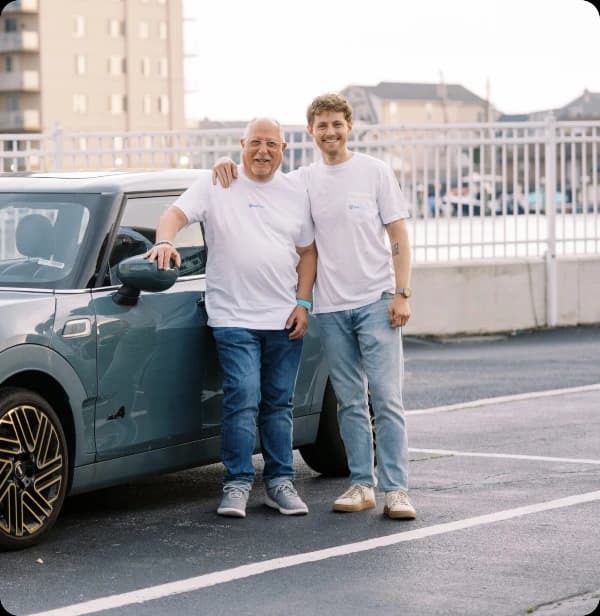
Founded in 2019 by father-and-son team Ray and Zach Shefska, CarEdge is a leading car buying service dedicated to bringing transparency and fairness in the automotive industry.
From researching vehicles to negotiating deals, CarEdge helps consumers save money, time, and hassle. We always serve the consumer, never car dealers or automakers.
Learn more about our commitment to our communityHow it works
Tell us what car you want
We'll locate vehicles that match what you are interested in.
We negotiate your best deal
We'll reach out on your behalf, keep you anonymous, and get you the best deal.
Drive away happy
CarEdge handles it all so you can save time and money.
Common questions
How long does it take?
About 72 hours total. We contact the dealer in ~24 hours, then negotiate for another ~48 hours.
Why does the real price matter?
It's the complete price — fees, taxes, everything included. Sticker price is just the start. Dealers add thousands in extra costs.
What do I get at the end?
A pre-negotiated, verified price you can walk into the dealership with. No surprises.
Will this blow up my phone?
Never. Dealers don't get your contact info. We handle all communication. Zero spam calls or emails.
What if I'm just exploring?
That's fine. Getting your best deal costs nothing. You only pay if you choose our full car buying service.
Savings are calculated from proprietary data using prices negotiated for consumers by CarEdge concierges. Savings are not guaranteed, as pricing and incentives are dynamic and subject to change, and may vary based on individual circumstances, vehicle selection, market conditions, geographic location and other factors. See our AI Negotiation Impact Report for methodology.