

Rising Oil Prices Could Give EV Sales a Boost

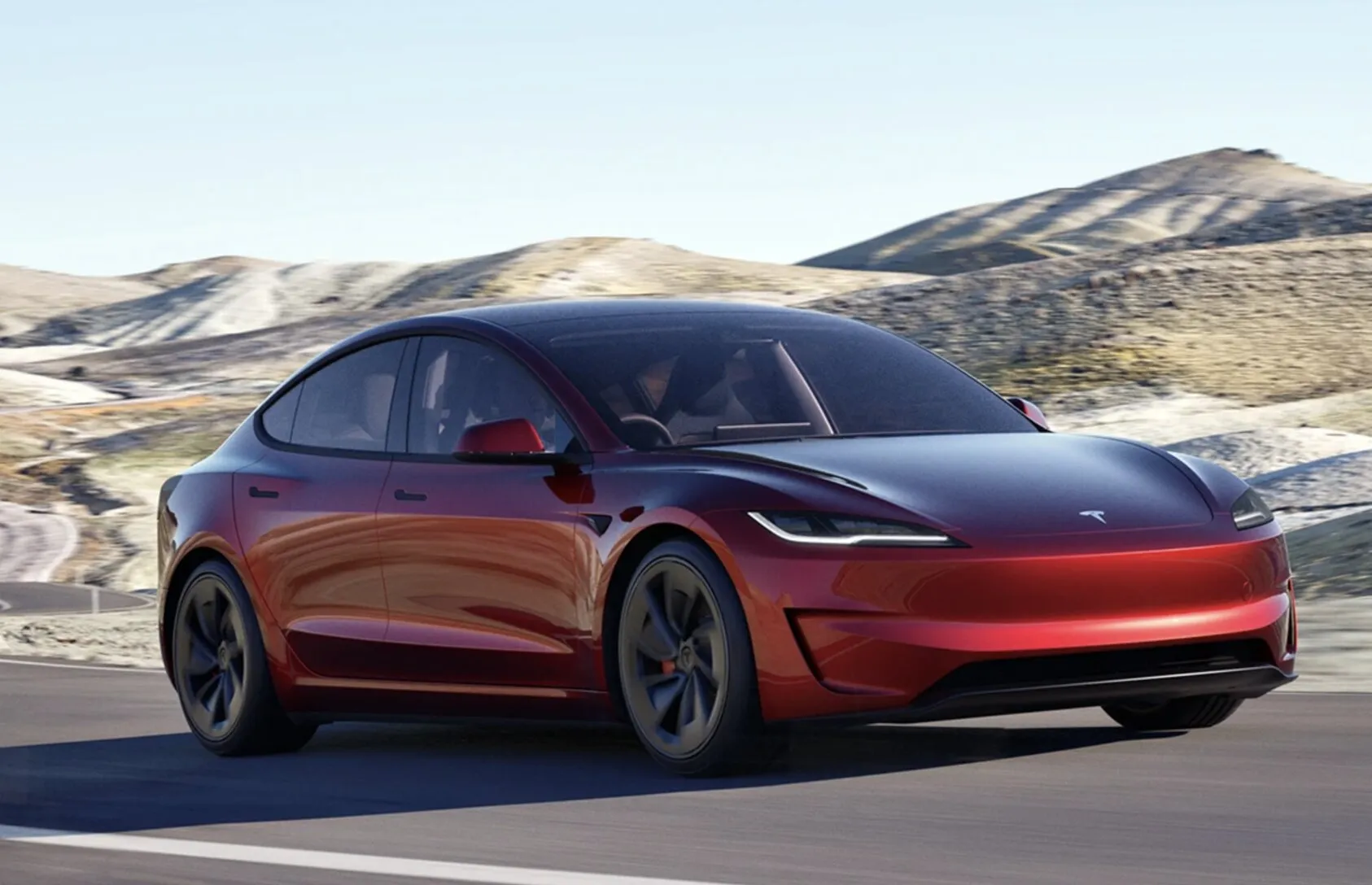
Oil prices are climbing again as tensions escalate overseas, and as the latest nationwide data shows, gas prices are already climbing. For an American electric vehicle market that has been losing momentum, that may be exactly the catalyst it needs to survive.
EV sales have fallen dramatically since the expiration of federal incentives last year. Rising fuel prices could be what gets them moving again. Here’s where things stand now, and where the EV market could be headed in the weeks ahead.
Where EV Sales Stand Right Now
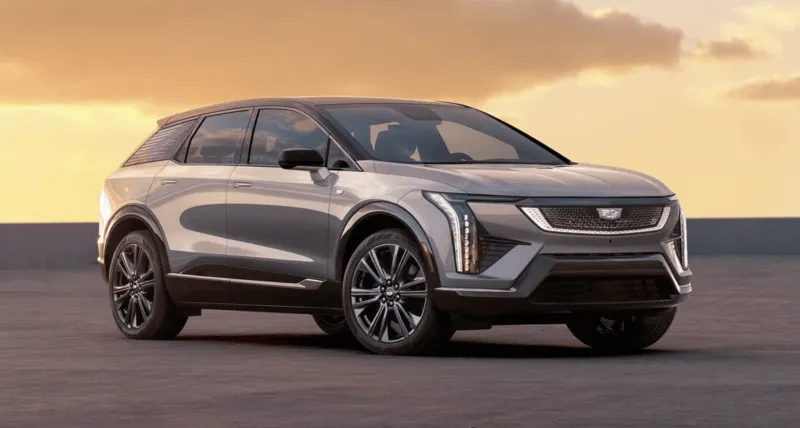
U.S. EV sales totaled roughly 66,000 units in January 2026, down nearly 30% year-over-year and about 20% lower than December. EVs made up just 6.0% of all new vehicle sales for the month. That’s a substantial decline from the 10.5% peak seen in Q3 2025.
Zooming out, 2025 still finished as the second-best year on record for EV volume. But market share slipped from 8.1% in 2024 to about 7.8%, growth clearly plateaued, and several automakers have since moderated production targets in response.
Hybrids told a different story. Electrified vehicles overall gained market share in 2025, but most of that growth came from hybrids rather than fully electric vehicles. Consumers didn’t abandon fuel efficiency — they shifted toward options that felt more practical and less risky. Changing federal incentives, reliability concerns, and lingering charging anxiety all contributed to softer EV demand, and even Tesla saw monthly volatility as category growth cooled.
The EV market isn’t in freefall. But with market share slipping and automakers pulling back on targets, rising oil prices arrive at a critical moment.
Higher Gas Prices Change the Ownership Equation
When oil prices rise, gasoline prices follow, and the math on vehicle ownership shifts quickly.
Consider a straightforward example: a 25 MPG vehicle driven 15,000 miles per year costs about $1,950 annually in fuel at $3.25 per gallon. Push that to $4.50 per gallon, and the number climbs to roughly $2,700 — a $750 annual increase. Most EV drivers, by comparison, spend somewhere between $500 and $800 per year on electricity.
Gas prices are also uniquely visible. They’re posted in large numbers on every corner, and when they rise, they shift how drivers think about affordability in a way that abstract ownership calculations rarely do. That’s why drivers and politicians alike keep close tabs on gas prices.
Hybrids Move First, Then EVs
When gas prices spike, hybrid demand usually tightens first. Brands like Toyota, Lexus and Honda benefit immediately with their heavily-electrified lineups.
But when elevated oil prices persist for months rather than weeks, buyer behavior shifts further. That’s when full EV sales tend to accelerate, as longer time horizons make the ownership math increasingly compelling. Automakers like Ford, GM, Rivian, and Tesla could see renewed momentum in that scenario.
If demand strengthens meaningfully, expect incentives to shrink along with it. In March, zero-percent financing is commonplace for slow-selling EVs. Lease deals are also stellar. If we see a steady climb in EV interest, the best incentives could vanish.
Why This Moment Is Different
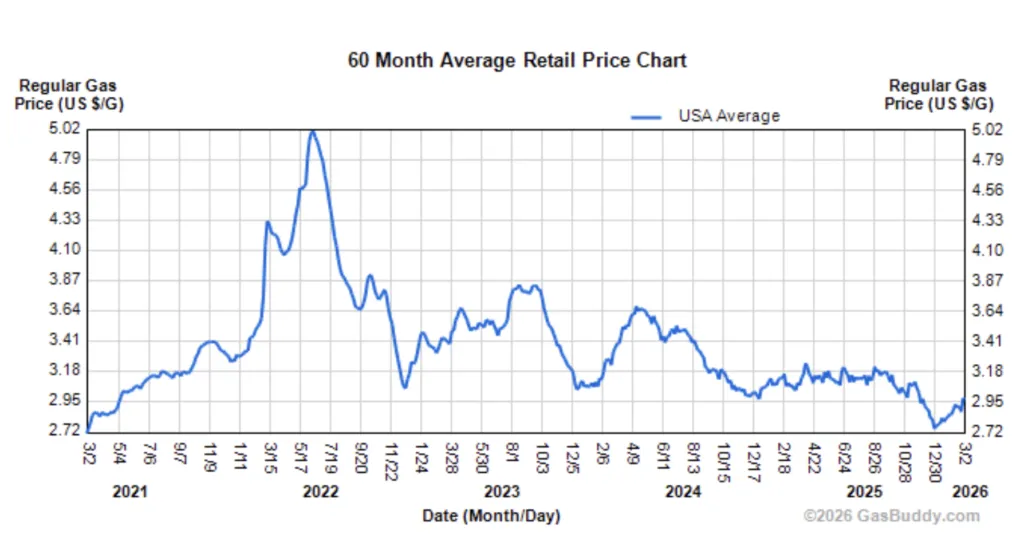
Source: Gasbuddy.com/charts
In the previous oil price spike in 2022, EV sales were limited by a smaller model lineup, thinner charging infrastructure, and a buyer pool that was largely first-adopters. That’s no longer the case. There are now more than 70 fully-electric models available in the U.S. across a wide range of price points. The public charging network has expanded significantly with newcomers like IONNA and expansions from players like Tesla, EVgo, and Electrify America. Used EV inventory is deeper and more affordable than ever.
If gas prices stay elevated this time, the EV market is better positioned to absorb and sustain a demand surge than it has been at any prior point. Whether that translates into a structural shift or a temporary bump comes down to one variable: duration.
A short spike will likely produce a temporary lift in EV and hybrid shopping — enough to move inventory, but not enough to change the market’s trajectory. Sustained high prices over 6 months or could produce something different: stronger used EV demand, accelerated investment in charging infrastructure, and automakers leaning harder into electrification timelines they might otherwise delay.
What Smart Buyers Should Do Now
If oil prices are rising and you’re thinking about your next vehicle, here’s how to approach it without letting the news cycle make the decision for you.
Run the full ownership math. A lower monthly payment on a gas vehicle can look attractive until you factor in fuel costs over five years. Compare total cost of ownership, not just sticker prices.
Consider EV leases. When buying any EV, depreciation hits hard. A two-to-three year lease keeps your options open and protects you from depreciation risk in a segment where resale values are still finding their footing. See the best leases right now.
Consider the used EV market. Prefer to own rather than lease? The used EV market is where some of the strongest value currently exists for buyers who want to reduce fuel costs without absorbing the full cost of a new vehiclea.
Of course, this is an evolving situation. Stay tuned to CarEdge for the latest industry trends, buyer tips, and the best deals of the month.
Sponsored by Insurify
Are you overpaying for car insurance?
Compare rates from top carriers in under 5 minutes. CarEdge users save an average of $996/year on auto insurance.
*Disclosure: CarEdge may earn a commission when you compare insurance quotes through our partner, Insurify. This does not influence our editorial content.*