
Electric Car Maintenance: What to Expect

Key Takeaways
- Electric vehicles are not maintenance-free, but they do drive more miles without needing service.
- Although EVs have no oil changes or belts to replace, they do go through tires quicker.
- Some EVs have battery coolant fluids that need replacing at certain intervals.
Electric car maintenance is just one of many “new” experiences you’ll encounter when you buy your first EV. Instead of spending $50 at a gas station in a five-minute fill up, EV drivers plug in at home for an overnight charge. On the other hand, road trips require more planning and flexibility with an EV.
Another adjustment for drivers making the switch concerns maintenance and routine care. Electric car maintenance is not the kind of project you can do in your home garage using tutorial videos. It’s important to start by addressing a common EV ownership myth: electric cars are not maintenance-free. Of course, no mode of transportation is maintenance-free. Even riding a bicycle requires routine and unexpected work to keep the tires in motion and in good working condition. Fortunately, fewer moving parts should mean less maintenance overall. Is that always the case?
In this electric car maintenance guide, we’ll explain routine EV maintenance, and how often you should expect to make a service center visit.
What’s Similar About Electric Car Maintenance?
The takeaway is that although electric cars require less maintenance, they do still need attention every once in a while. Just like a traditional internal combustion engine vehicle, EVs need:
- Tires monitoring and replacement
- The car’s 12 Volt battery may need replacing (it powers smaller electronics)
- HVAC maintenance
- Brake maintenance
- Cabin air filter replacement
What’s Different About Electric Car Maintenance?
Here’s the honest truth about EV maintenance needs:
Pro
- No oil changes
- Fewer moving parts means less likelihood of mechanical failure
- No timing belts, radiator fluids or fuel filters
- Brakes wear slowly due to regenerative braking
Cons
- Faster tire wear
- Don’t risk working on electrical components at home
- Any battery or electric motor work will need to be done at the automaker’s service center
Electric Car Routine Maintenance
The past decade of electric vehicle sales has shown that the vast majority of fully-electric models require less maintenance than combustion counterparts. So much so that automakers promote maintenance cost savings in their marketing campaigns for the dozens of EVs coming out in 2022.
EVs have a higher upfront cost, so it’s important to find ways of making up for the difference with fuel savings and today’s focus: electric car maintenance.
Here’s what you can expect when transitioning to a fully-electric vehicle.
Tires
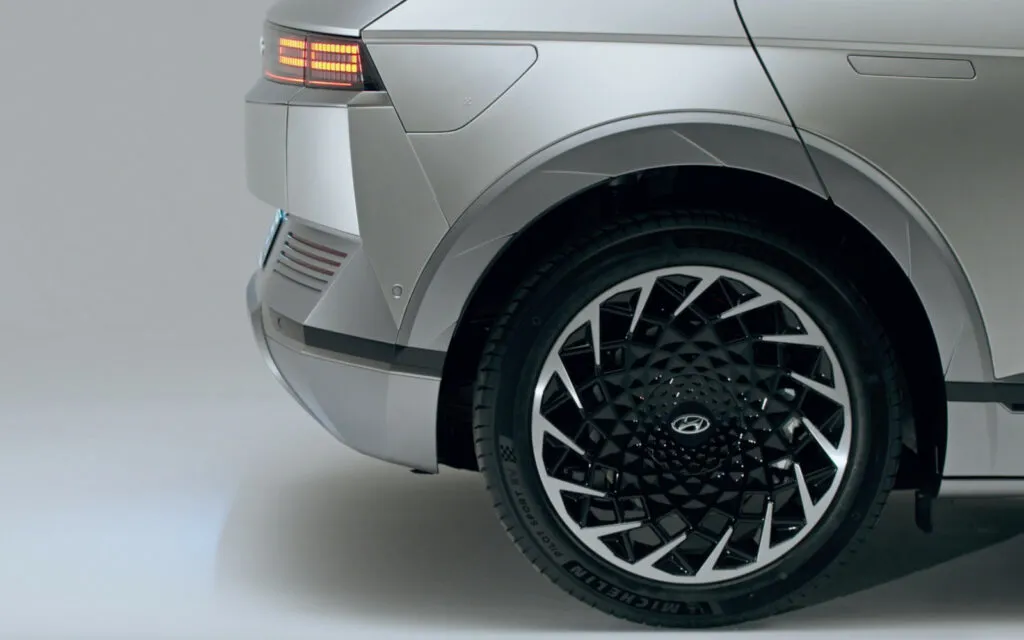
Electric vehicles are very heavy. Popular electric crossovers like the Volkswagen ID.4 and Tesla Model Y weigh as much as a heavy-duty pickup truck. Tires undergo greater wear and tear on an electric vehicle everytime the car accelerates or slows to a stop. Many EV owners report needing new tires every 20,000 miles or so.
Some EV owners choose to spend extra on tires that are rated as energy efficient. It’s not required, but EV-friendly tires can extend range by up to 5%. Regular tire pressure should be checked and adjusted often (at least once a month) to ensure proper inflation.
12 Volt Battery
Believe it or not, today’s electric vehicles still require the same kind of 12 volt battery that you’ll find under the hood of most combustion vehicles. Why? The massive battery pack under the floor of the car is engineered to be optimized for delivering power to the electric motors. The electronics and comfort features in the cabin and lights around the vehicle are all powered by a separate, smaller 12 volt battery. So yes, your state-of-the-art electric vehicle may need a new bulky battery in a few years.
In case you’re wondering, the massive battery pack that is sealed under the floor of the vehicle is meant to last for hundreds of thousands of miles without issue. Automaker vehicle warranties cover the battery for up to 10 years and 100,000 miles.
Perhaps the worst thing that could go wrong with an electric vehicle is needing a new lithium-ion battery pack outside of warranty coverage. A full battery replacement costs anywhere from $5,000 to $15,000, depending on the model.
Brakes
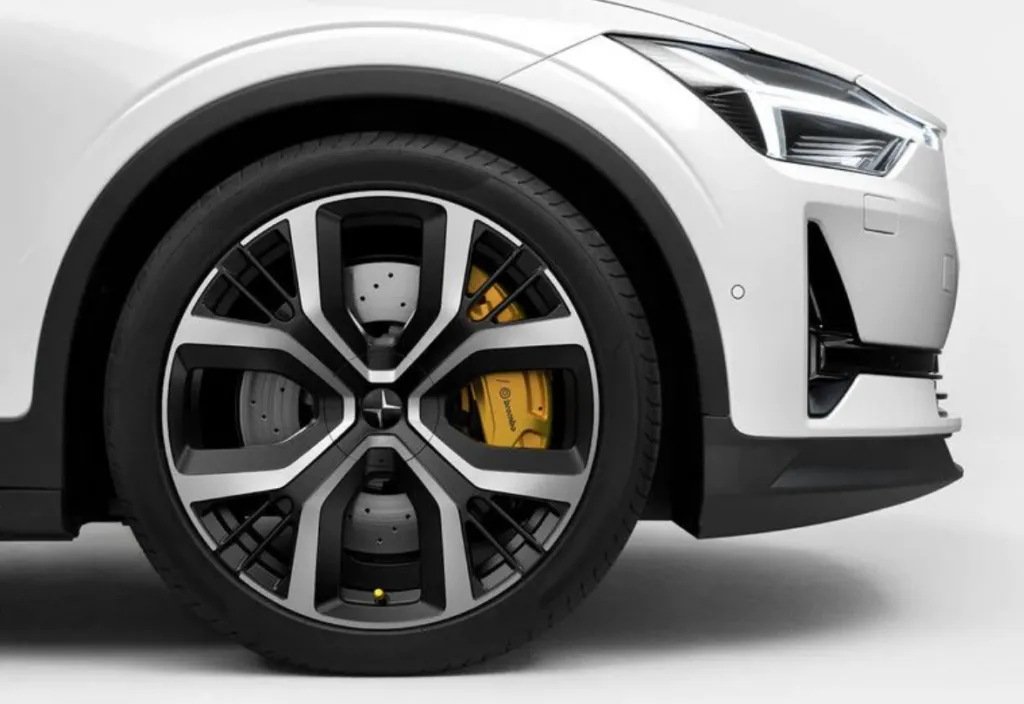
Most modern electric vehicles have regenerative braking, which harnesses the electric motor to slow the vehicle while adding charge to the battery pack. Regenerative braking not only extends range, it greatly reduces wear and tear on the brakes. Tesla’s have been known to go many years without any brake maintenance because of regenerative braking. A few EVs, such as the Volkswagen ID.4, even use old-fashioned drum brakes in the rear due to the greatly reduced use of electric vehicles brakes. Still, brakes will need to be checked during scheduled maintenance. Safety first!
Fluids
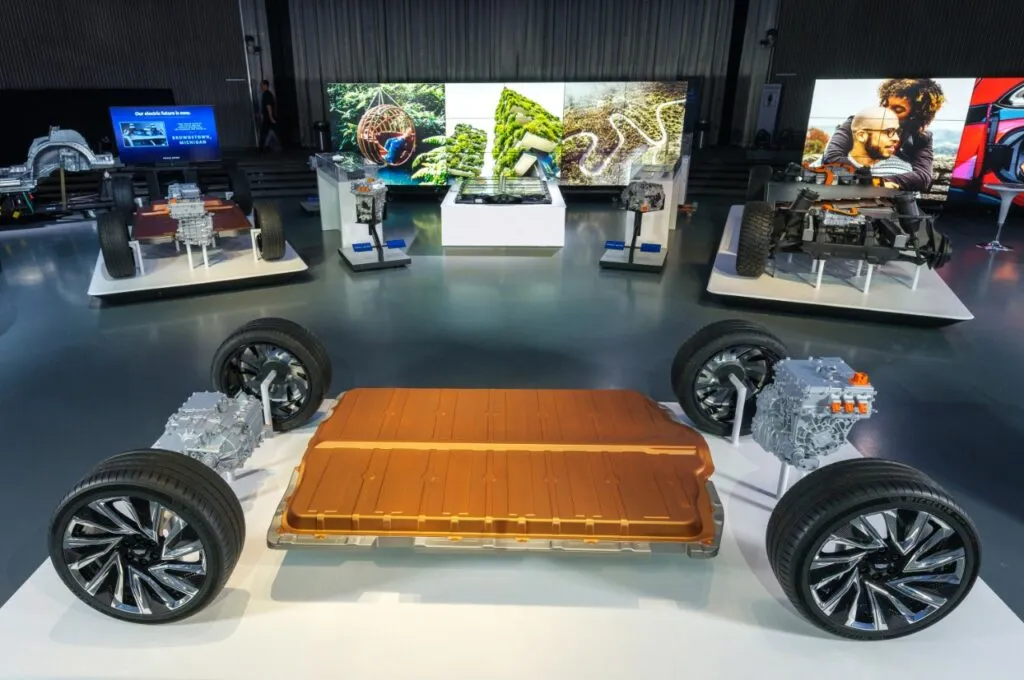
As explained above, brakes on an electric vehicle typically avoid the usual wear and tear of combustion cars due to the help of regenerative braking. Still, brake fluid should be checked during scheduled maintenance. Some EV models require battery coolant fluid exchanges at some point, albeit quite infrequently. HVAC refrigerants also need checking and top-offs as needed. Don’t forget about the windshield wiper fluid.
Filters
I’ve been a passenger in more than one smelly Tesla. I repeat, electric cars are NOT maintenance-free! They have cabin filters just like every other car. Failing to change the cabin filter at regular intervals also irritates allergies and permits air pollution into the cabin. Smelly electric car? It’s likely a cabin filter in need of changing.
CarEdge’s Take
It’s easy to forget that electric vehicles have now been on roads for over a decade. With billions of miles driven, we’re finally starting to get some idea of the reliability of electric vehicles.
There are many examples of electric vehicles that have gone hundreds of thousands of miles while following maintenance schedules. EV skepticism is understandable; it’s a whole new vehicle ownership experience. However, frugal car buyers would be mistaken to overlook the maintenance and fuel savings that electric vehicles offer for most consumers.
In the end, owners spend about the same amount of money in five years of Tesla Model 3 ownership as they would owning a cheaper Toyota Camry for the same period. How so? Fuel and maintenance savings add up quicker the more you drive and the longer you own the car.
How will dealership service center revenue streams adapt to the decreased maintenance needs of electric vehicles? Will dealers be getting in on the software-by-subscription game? Or will dealers put up a fight to preserve their wallets?
There remain many unknowns and this time of rapid change in the automotive industry. Your consumer advocates here at CarEdge are helping thousands of car buyers navigate the auto market to save more, and stress. Learn how you can save thousands without lifting a finger with CarEdge’s AI Negotiator.
Sponsored by Insurify
Are you overpaying for car insurance?
Compare rates from top carriers in under 5 minutes. CarEdge users save an average of $996/year on auto insurance.
*Disclosure: CarEdge may earn a commission when you compare insurance quotes through our partner, Insurify. This does not influence our editorial content.*