
Car Ownership Costs Skyrocket 167%: What You Need to Know

Key Takeaways
- A new survey found that drivers underestimate the total cost of owning a vehicle by 167%.
- The situation could get worse as fuel prices rise due to geopolitical tensions. Insurance costs continue to rise, too.
- Drivers should do the math to get a grasp of their current expenses, and identify opportunities to save.
If you think you know what it costs to own a car, think again. A shocking new survey from Synchrony reveals that American drivers are paying 167% more annually than they expect for vehicle ownership—a staggering $4,500 discrepancy between perceived and actual costs.
Let’s take a look at what’s driving rising car ownership costs in 2026, and why many drivers are caught off guard.
Why Car Ownership Costs Are Higher Than You Think
The survey asked drivers a simple question: What do you think you’re spending on your vehicle versus what are you actually spending? The results were eye-opening. Most respondents estimated their annual vehicle costs at just $2,738. The reality? Over $7,300.
As CarEdge co-founder and auto industry veteran Ray Shefska explains: “People just don’t want to know. It’s like buying coffee at Starbucks every day. $6 or $7 each time doesn’t feel like a lot, but it adds up. We live in a fantasy land where we pretend not to know what things actually cost.”
Insurance and Fuel: The Two Biggest Culprits
When examining what’s driving these soaring costs, two expenses dominate:
- Fuel costs: $2,000 per year on average
- Insurance premiums: $1,700 per year on average
Other significant expenses include maintenance, tires, and auto parts. And the news isn’t getting better. Oil prices have already begun spiking due to global supply chain disruptions, meaning fuel costs are likely to climb even higher in the coming months.
Insurance rates have also skyrocketed over the past few years, with no signs of slowing down. As Ray notes, “My insurance premiums keep going up slightly even though I drive less than 2,000 miles a year. The cost of repairing cars when they’re in accidents goes up dramatically, and that has to be passed on to everybody whether you’ve made a claim or not.”
That’s why it’s more important than ever to compare rates to see if you’re getting the best offer.
The True Cost of Keeping Older Vehicles
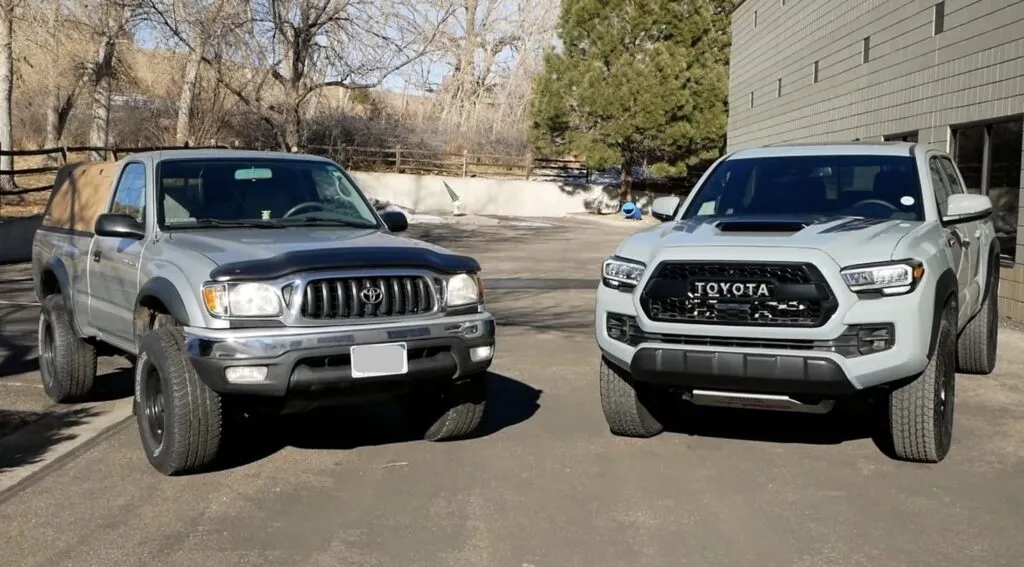
One factor contributing to rising ownership costs is that people are keeping their vehicles longer. While this might seem like a smart financial move, older vehicles come with their own set of expensive challenges.
“When it is time for that 180,000-mile vehicle to need a repair, it’s going to need a lot of repairs,” explains Ray. “The cost of keeping a vehicle has gone up dramatically.”
Maintenance costs, replacement parts, and the price of labor have all increased substantially. For owners of aging vehicles, these expenses can quickly spiral beyond initial estimates.
New vs. Used: Rethinking the Value Equation
This research should influence how buyers think about new versus used vehicles. When factoring in the total cost of ownership—including insurance, fuel efficiency, and warranty coverage—new vehicles may actually offer better value than relatively new used cars.
Here’s why:
-
Manufacturer warranty coverage protects against unexpected repair costs
-
Better fuel efficiency means lower ongoing fuel expenses
-
Modern safety features can sometimes reduce insurance premiums
-
Fewer maintenance issues in the early years of ownership
For older used cars, the ownership bill can rack up quickly, especially when combined with higher insurance rates and increased fuel consumption.
Compare total cost of ownership with this free tool.
Insurance Costs Vary Dramatically by State
Where you live makes a significant difference in your car ownership costs. According to U.S. News & World Report, the states with the lowest annual insurance rates include:
- Maine
- Vermont
- Wyoming
- Hawaii
- Idaho
- Ohio
- New Hampshire
- Indiana
- Alaska
- Wisconsin
If you’re struggling with high insurance premiums, it may be worth shopping around or considering whether your location is inflating your costs.
Alternatives on the Horizon

As car ownership costs continue to climb, alternative transportation options are becoming more attractive. Robo-taxis and services like Waymo are expanding rapidly in major metropolitan areas like San Francisco and Washington, D.C.
These services offer several potential advantages:
- No insurance costs for individual users
- No maintenance responsibilities
- Lower fuel costs (many use electric vehicles)
- No depreciation losses
The appeal of traditional public transit is also likely to rise due to high vehicle ownership costs. We’ve seen recent investments in rail and bus services nationwide.
As Ray predicts: “The future realistically will be things like Waymo and robo-taxis. People won’t be able to afford to buy [new cars]. Those who are very wealthy will be able to and will continue to buy new cars. The rest of us will no longer be buying new cars and in many cases might not even be buying used cars.”
However, these alternatives will primarily be available in large metropolitan areas. Rural communities will still need affordable personal transportation options.
How to Reduce Your Car Ownership Costs
While you can’t eliminate car ownership costs entirely, you can take steps to minimize them:
-
Shop for better insurance rates regularly—coverage costs vary significantly between providers
-
Consider fuel-efficient vehicles to reduce your biggest ongoing expense
-
Budget realistically by tracking your actual spending on vehicle-related costs
-
Maintain your vehicle properly to avoid costly repairs down the road
-
Explore alternatives like carpooling, public transit, or car-sharing when practical
The Bottom Line on Rising Car Ownership Costs
The gap between what drivers think they’re spending and what they’re actually spending reveals a broader problem: most people are operating in the dark when it comes to the true cost of vehicle ownership.
With insurance and fuel costs continuing to rise, now is the time to take a hard look at your transportation budget. Whether that means buying a more efficient vehicle, shopping for better insurance rates, or exploring alternative transportation, understanding the real numbers is the first step toward making smarter decisions.
As the data makes clear, car ownership costs are dramatically higher than most people realize. The sooner you face that reality, the better equipped you’ll be to manage it.
Sponsored by Insurify
Are you overpaying for car insurance?
Compare rates from top carriers in under 5 minutes. CarEdge users save an average of $996/year on auto insurance.
*Disclosure: CarEdge may earn a commission when you compare insurance quotes through our partner, Insurify. This does not influence our editorial content.*