
Trade-In Checklist: Get the Most For Your Car

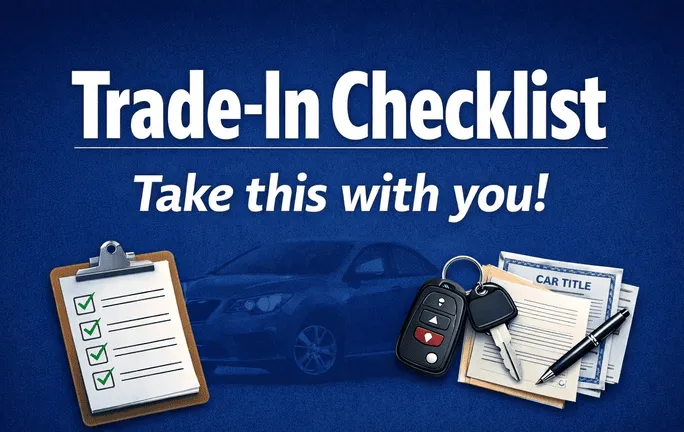
Trading in your car doesn’t have to mean leaving money on the table. With the right preparation and knowledge, you can get the best trade-in value and walk into the dealership with confidence. The key is treating your trade-in as what it really is: a separate transaction that deserves your full attention.
Too many car buyers let dealers bundle their trade-in into the new car purchase, which makes it nearly impossible to know if you’re getting a fair deal on either transaction. This CarEdge guide will show you the smart way to approach your trade-in.
Your Trade-In Checklist
1. Research Your Car’s Value
Before you even think about walking into a dealership, do your homework.
Check online valuation tools: Use Kelley Blue Book (KBB), Edmunds, and online buyers like CarMax and Carvana to get an estimated value for your car. This gives you a range of what you might expect.
Check local listings: See what similar cars in your area are selling for. Be sure to compare make/model, mileage, condition, year, and location (local market influences price). See local listings with Car Search.
Get multiple appraisals: Take your car to different dealerships and get online offers. More options = better deal.
2. Gather Necessary Documents
Having your paperwork in order makes the process smoother and shows you’re serious about the trade-in.
Title: If you own the car outright, bring the title. If you still owe, bring the payoff statement from your lender.
Registration: Ensure the car is registered and that you have the up-to-date documents.
Insurance: Show proof of insurance to prove the car has been properly maintained.
Maintenance records: If you’ve kept up with regular maintenance (oil changes, brakes, etc.), having these documents can increase the value. For cars routinely serviced at a dealership, these records may already be available online.
Any accessories or extra parts: Include anything you’ve added (new tires, roof racks, custom wheels, etc.).
Loan payoff balance: If there’s still a loan balance, bring the details about what’s left to pay off. You have two options if you still owe money on the car: (1) Pay off the remaining balance directly, or (2) Roll the negative equity into your next car loan (though this will increase your payments, often by a lot).
3. Inspect and Clean Your Car
First impressions count, and a well-maintained vehicle often gets a higher offer.
Exterior: Wash the car. This makes it easy to see the condition of the exterior.
Interior: Clean out trash, vacuum the floors, and wipe down surfaces.
Odor: Neutralize any lingering smells (smoke, pets, etc.) with air fresheners or fabric sprays.
Tires: If they’re worn, don’t worry: it’s not worth it to replace your tires before trading in. You’d be unlikely to receive the value of new tires in added trade-in value. Why? Many trade-ins are sent to dealership auctions, where they are sold to the highest bidder.
Engine bay: Clean it (just don’t use anything too harsh). A clean engine bay makes the car look well-maintained. Here’s a quick guide.
4. Fix Known Issues, But Don’t Spend Thousands
Take care of minor repairs that might be turning off buyers.
Address safety issues: Make sure things like brakes, lights, and other critical systems work properly.
Mechanical problems: If the car has engine, transmission, or suspension issues, it may be worth fixing small things that can raise the car’s value.
Check fluid levels: Top off the oil, coolant, brake fluid, and transmission fluid—this shows the car’s been taken care of. Even the windshield washing fluid should be checked.
5. Know Your Negotiation Power
Before walking in, know your car’s trade-in value and be prepared to negotiate. Have your offers from online buyers written down on paper, or better yet, printed out for leverage at the dealership.
Have a firm minimum in mind: Know what bottom price you’re willing to accept. This should be based on the online offers you will have received, and the KBB or Edmunds value. Having a minimum in mind will help you avoid emotional or hasty decisions.
Know what similar cars are selling for in the area: The dealer will want some room for profit, but you can still use nearby listings to show that you know what your car is worth.
Bring printed online offers and valuation estimates: Show the dealer that you’ve done your homework.
Be ready to walk away: Don’t let the first offer sway you. If they lowball, you can take it elsewhere.
6. Get the Trade-In Offer in Writing
When the dealer makes an offer, get it in writing so that you have a reference point.
If they try to adjust or lower the price, you’ll have the original offer to fall back on. Getting offers in writing can also serve as a tool for negotiating with other dealers.
Remember, the number one rule of trading in your car is to always treat your trade-in as a separate transaction. Don’t let the dealer tie your trade-in value to your purchase of a new car. That’s a recipe for getting a lowball offer.
Let CarEdge Handle the Hard Part
Following this checklist will put you in a strong position to get top dollar for your trade-in. But what if you could let the experts handle it? CarEdge’s car buying service doesn’t just help you maximize your trade-in value—we negotiate your entire deal from start to finish.
Your personal CarEdge Concierge negotiates with dealers on your behalf to ensure you’re getting the best possible price on your new vehicle while getting you the most for your trade-in.
We keep these transactions separate (just like you should), and we have the market data and dealer relationships to get you a deal you can feel confident about.
Ready to make your trade-in easy? Let CarEdge do the negotiating for you.
Sponsored by Insurify
Are you overpaying for car insurance?
Compare rates from top carriers in under 5 minutes. CarEdge users save an average of $996/year on auto insurance.
*Disclosure: CarEdge may earn a commission when you compare insurance quotes through our partner, Insurify. This does not influence our editorial content.*