
Will Chinese cars enter the U.S. market in 2026? This expert says it’s possible

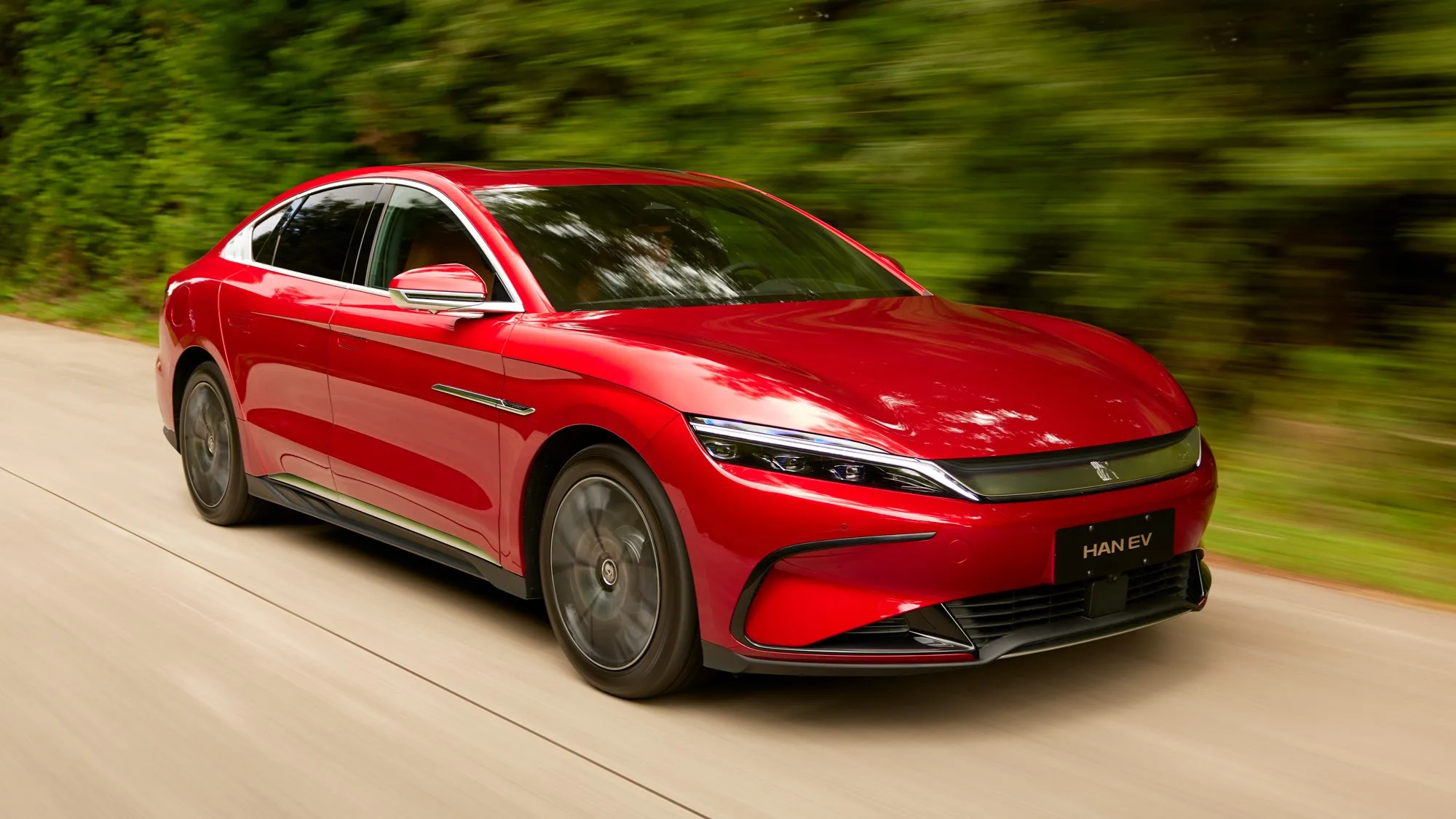
A prominent venture capitalist believes we’ll see Chinese automakers announce their U.S. market entry this year. Steve Greenfield, general partner at Automotive Ventures, says the most likely path involves partnerships with existing American automakers through joint ventures. With the current tariff and policy environment are certain headwinds, automakers could decide that the benefits to their businesses outweigh the challenges.
These collaborations could benefit both sides: Chinese manufacturers get access to the lucrative U.S. market, while legacy automakers gain critical insights into how their competitors are building vehicles faster and cheaper than anyone else.
Here’s why at least one financial figurehead thinks it’s just around the corner, and which Western automakers could have an appetite for such a move.
Steve Greenfield’s Bold Prediction
Speaking at the American Financial Services Association Vehicle Finance Conference, Greenfield laid out a scenario where Chinese brands partner with U.S. automakers to build cars domestically with American workers. The real prize? Access to Chinese manufacturing insights.
“As the Chinese did to us 20 years ago over in China, we need to figure out how they’re building cars faster and cheaper,” Greenfield told Automotive News. If legacy automakers can learn these techniques through partnerships, “they’re actually going to be more healthy as a result.” Greenfield’s comments were first reported in Automotive News.
Why? Survival of the Fittest
The stakes are high. Chinese automakers have already captured significant global market share, and Greenfield warned that struggling legacy brands face a real threat. For manufacturers that can’t compete, the Chinese auto industry “is going to drive bankruptcies,” he said. “The weakest will die.”
China’s automotive industry has a fundamental advantage: they built their entire sector from scratch using modern techniques learned from global partners. The result? Vehicles that are “dramatically better” at their price points, according to Greenfield.
And with the promise of quality cars under $20,000, Chinese manufacturers could solve America’s affordability crisis—assuming they can navigate tariffs and find the right partners to enter the market.
So, Who Could It Be?
Which legacy automakers are most likely to partner with a Chinese automaker as soon as this year to bring a new, mass-market, affordable car to the U.S.? At this point, we can only speculate. But we do have some clues.
Ford?
In 2024, Ford CEO Jim Farley’s daily driver was a Xiaomi SU7, a car he openly admitted he “didn’t want to give up.” Why did he drive a Chinese car for six months? It’s common for automakers to sample their competition, but could it have been the start of something more?
Here’s why that’s unlikely: Farley himself has become a close ally of the White House, taking part in events with President Trump as recently as December. With the ‘America First’ push of the current administration, it’s highly unlikely that Ford will do a 180 and partner with a Chinese competitor—at least in the current automotive environment. Besides, Ford has recent wins from the deregulation of fuel economy standards, which helps them sell their most profitable vehicles: full-size trucks.
Nissan?
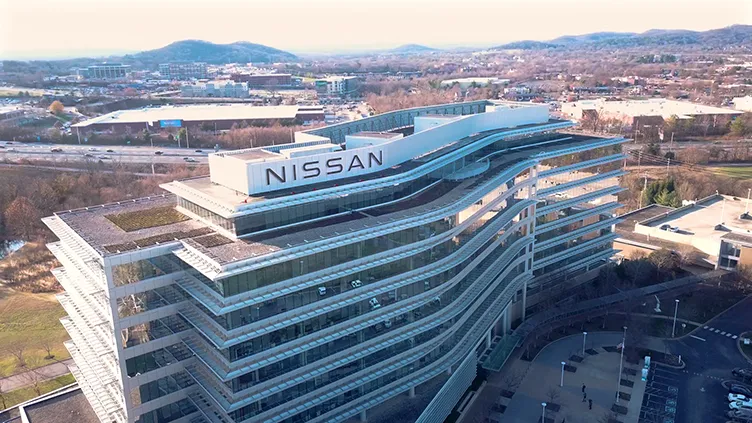
Nissan’s global sales are down 41% from their peak in 2017. In the U.S., Nissan has fared about the same, seeing sales fall 42% in that same period. And unsurprisingly, Nissan is running out of cash. After a possible partnership with Honda fell through last year, could Nissan be the surprise gateway for Chinese automakers to enter the U.S. market? Possibly. They certainly have the incentive to change how they sell cars—and to do so quickly.
A European Giant?
One more possibility is through a European behemoth like Volkswagen Group, Mercedes-Benz, or BMW. European OEMs have a few years of experience battling Chinese car brands for market share on their home turf, something American automakers lack. VW’s sales have been essentially flat so far this decade as competition from the likes of BYD, XPeng, and Nio makes dominating the European market tougher. Now, 1 in 10 cars sold in Europe is made by a Chinese brand.
German legacy brands BMW and Mercedes-Benz are also possibilities. What better way to innovate rapidly than to bring the best of China’s luxury auto segment to the West through a partnership? It’s not likely, but it’s possible. After all, Mercedes’ global sales volume fell by 9% in 2025.
The Bottom Line
We’ll keep an eye out for any hints or suggestions from automakers. Perhaps Greenfield’s speculation isn’t rooted in concrete facts. But as a venture capital veteran, he’s likely on to something. He’s made a very successful career out of following the money—and being right.
Sponsored by Insurify
Are you overpaying for car insurance?
Compare rates from top carriers in under 5 minutes. CarEdge users save an average of $996/year on auto insurance.
*Disclosure: CarEdge may earn a commission when you compare insurance quotes through our partner, Insurify. This does not influence our editorial content.*