
Will Ford Bring Chinese Cars to the U.S.? Here’s What That Could Look Like

On February 13, Bloomberg reported that Ford has discussed the possibility of a joint venture with Chinese automakers in recent talks with the Trump administration. According to people familiar with the discussions, such a controversial move could help American automakers compete against rapidly rising Chinese brands.
Sources said Ford CEO Jim Farley raised the topic during meetings with administration officials Jamieson Greer, Transportation Secretary Sean Duffy, and EPA Administrator Lee Zeldin at the Detroit Auto Show.
If Ford partners with a Chinese automaker, it would mark a historic shift for the American auto industry. Here’s how it could unfold in the near term.
How the Ford Partnership Could Work
According to Bloomberg’s sources, a possible deal would involve both partners sharing profits and technology. Ford would gain manufacturing and technology advantages over domestic competitors, while Chinese automakers would secure entry into the coveted U.S. market.
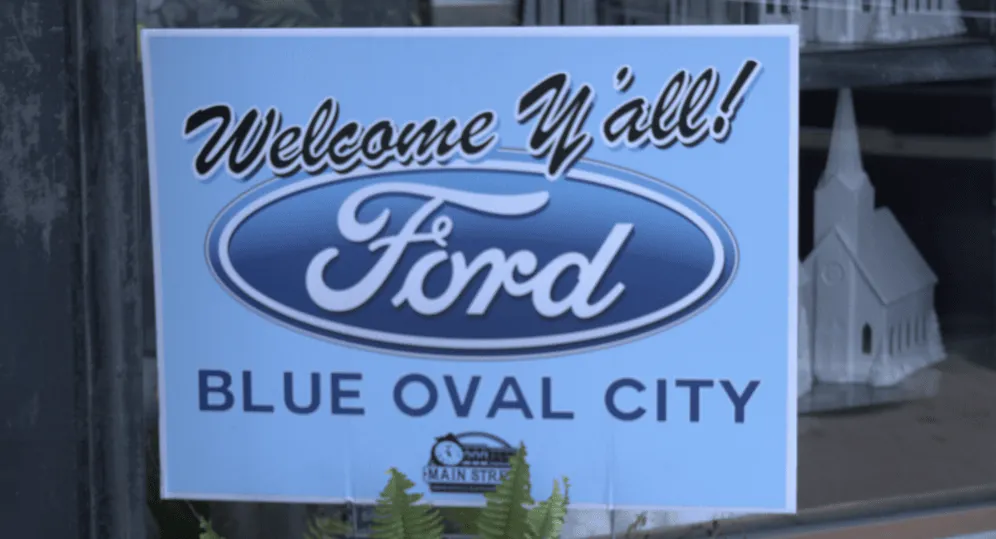
What would this look like operationally? Given Ford’s recent $19.5 billion in EV write-offs, building new facilities from scratch seems unlikely. Instead, Ford would probably retool an existing plant. The company’s BlueOval City campus in Tennessee is the natural candidate. These brand-new facilities were already designed for next-generation manufacturing. With EV sales falling short of projections, Ford leadership is likely seeking ways to recoup the $5.6 billion invested in the project.
Would these vehicles be sold at Ford dealerships? Given the power of dealership lobbies in America, almost certainly. Don’t expect Ford to pursue direct-to-consumer sales anytime soon, especially after the recent EV struggles.
What might this mean for consumers?
In 2026, the average price of a new vehicle continues to hover around $50,000. With affordability continuing to be the number one challenger for American drivers, a joint venture between Ford and a Chinese automaker would be expected to introduce more affordable, tech-heavy options into the market.
In Europe, Chinese OEMs like BYD offer entry-level EVs for around $25,000 USD. Luxury options are going toe-to-toe with German brands for half the price. In the United States, we could see the ‘affordable EVs’ Farley has long spoken about arrive as a product of this rumored joint venture, with capable, advanced models priced under $30,000.
BYD and Others Expand in North America
Chinese automakers like BYD, Chery, and JAC have already established themselves in Latin America. By late 2025, BYD had sold over 80,000 vehicles in Mexico alone, with sales doubling in 2025 as the company opened dealerships nationwide. BYD now has a Tesla-like presence in Mexico, commanding 70% of all EV sales.
Canada Is Next
Canada reached an agreement with China earlier this year allowing annual imports of 49,000 Chinese EVs at a 6.1% tariff rate—shockingly low by global standards. Canadian Prime Minister Mark Carney is seen as leading an anti-Trump trade coalition, and this automotive deal is viewed as the clearest signal yet. This development is particularly significant given the importance of Canadian manufacturing to American automakers.
A New Era for American Autos?
The potential Ford-China partnership represents a dramatic departure from traditional American automotive strategy. With Chinese automakers already gaining ground in Latin America, and now entering Canada under favorable terms, U.S. manufacturers face mounting pressure to adapt.
Whether Ford moves forward with this controversial approach or not, one thing is clear: the competitive landscape is shifting, and American automakers can no longer afford to ignore the existential threats coming from China.
Sponsored by Insurify
Are you overpaying for car insurance?
Compare rates from top carriers in under 5 minutes. CarEdge users save an average of $996/year on auto insurance.
*Disclosure: CarEdge may earn a commission when you compare insurance quotes through our partner, Insurify. This does not influence our editorial content.*