


 CarEdge Insights




If you’re asking yourself this question, you’re not alone. It’s probably the single most common question our CarEdge team gets right now. The car market has been unpredictable for years, from rising MSRPs and interest rates to the ups and downs of tariffs. No wonder shoppers are stuck on whether to buy now or sit tight for a few more months.
To make this simple, we turned to CarEdge co-founder Ray Shefska. With 43 years in the auto industry, Ray’s advice is grounded in decades of watching manufacturers, dealers, and markets cycle through ups and downs. Here’s how to use the market to your advantage in the months ahead.
New Car Buyers: Year-End Sales Are Worth the Hype
For most shoppers eyeing a new car, the timing of your purchase could make thousands of dollars’ worth of difference. Ray’s take? The smart move for most new car shoppers is to wait until year-end sales from Black Friday through December 2025.
“I think that we will see manufacturers increase their incentive spends in the last two months of this year and they will increase their advertising spends dramatically in December.”
Automakers are sitting on a lot of 2025 inventory, and they’ll need to make space for the 2026 models arriving weekly. Expect 0% APR financing, cash discounts over 10% of MSRP, and the best lease deals of the year come December.
This year, there’s another factor at play, and it’s one that actually helps buyers for a change. The next Federal Reserve meetings in September, late October, and early December are likely to bring about rate cuts for the first time since late 2024.
Ray thinks that falling rates will play a big role in year-end deals in 2025:
“With the anticipated Fed rate cuts, I would expect to see more low-APR incentives as well since the cost of doing that will be less than it has been.”
Are you open to last year’s model?
If you are, you’re in for a real treat when shopping for a car. By treat, we mean serious savings. There are still over 90,000 new 2024 models sitting on dealer lots as of September 2025, including aging vehicles from Ford, Dodge, Jeep, and others. These will be the most negotiable cars in the market until they’re gone. If you’re open to driving last year’s model, dealers are going to be far more flexible on price just to move them off their lots.
On the other hand, waiting until 2026 is unlikely to save you money. Automakers have been steadily announcing higher prices for 2026 models, whether through MSRP hikes or padded fees. Incentives also tend to dry up when a new model year launches, which means buyers holding out could end up paying more for less. The deepest discounts will be on 2025 models during late 2025, not on fresh 2026 arrivals.
Here’s the bottom line: Unless you’re in urgent need of a new car or you’re considering EVs, waiting until year-end sales in November and December is the smart play. If you wait until 2026, higher MSRPs are likely to cost you.
Buying an EV? September Is Crunch Time
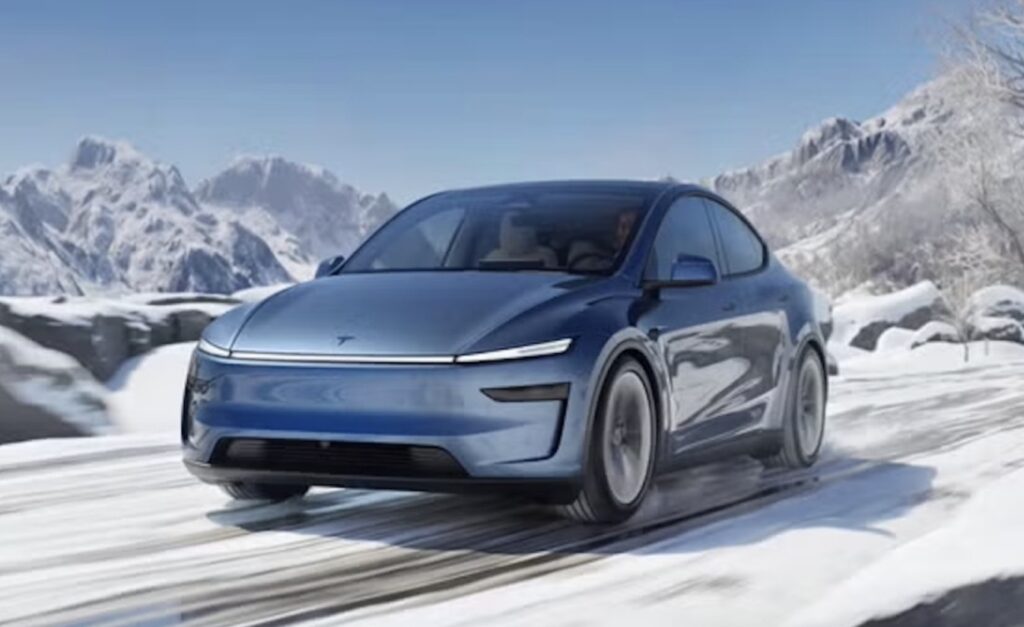
This is where timing matters most. The federal tax credit is set to expire for qualifying vehicles on September 30, 2025, with a catch. New federal guidance from the IRS has clarified that buyers have until that date to get a signed binding contract with a down payment, even if the car isn’t delivered yet. That’s welcome news as electric models are several of the fastest-selling cars right now.
“Obviously EV shoppers should take advantage of the federal tax credits before they expire on September 30th, so if you are looking for an EV do it now not later.”
That’s about as clear as it gets. EV buyers have a ticking clock that runs out at month’s end. Right now, EV leases are especially appealing. Before you rush out to purchase anything with a battery, understand that depreciation hits hard with EVs.
Here’s the bottom line: If a new EV is on your radar, buy or lease before September 30, 2025. The credit for used EVs under $25,000 will also expire on that date.
Buying Used: Leverage Seasonality to Save
The used car market doesn’t feature manufacturer incentives, but it does move with interest rates and seasonal demand.
Ray notes that if the economy weakens, it’ll ripple into both new and used prices:
“If the economy struggles, that will add pressure on both the manufacturers and dealers to be even more aggressive at year-end.”
That’s good news for buyers, since cheaper new car financing usually pulls used prices down too.
- Prices are already trending lower compared to the pandemic highs.
- Year-end new car sales steal the show in November and December, which is likely to soften prices in the used market.
- If rate cuts arrive late 2025 as expected, financing a used car could become cheaper.
- Some popular used models remain overpriced, but supply is loosening. Always shop with market data on your side.
The exception? You guessed it – used EV buyers should be aware of the expiring $4,000 federal incentive. Most electric models under $25,000 will qualify. The federal used EV incentive will be gone for good when September concludes.
Here’s the bottom line: Don’t feel rushed to buy a used car in 2025, unless you’re shopping for used EVs under $25,000. But if you’re financing, waiting a few months could save you money.
So, Should I Buy Now or Wait Until 2026?
For shoppers on the fence, here’s the big picture: waiting until 2026 could mean paying more. Some automakers are announcing price hikes for the 2026 model year, and others are being sneaky with higher ‘mandatory destination charges’ and other fees. That makes the final months of 2025 one of the best windows to grab a deal on a 2025 model.
Year-end sales will be especially aggressive. Manufacturers will crank up incentives like 0% APR financing and cash offers in November and December. Each year, this manufacturer push lines up perfectly with dealer pressure to clear out remaining inventory. Take note: this level of new car sales won’t be seen again until late 2026. In the auto industry, it’s common knowledge that the end of the year is always the best time to buy a car.
The CarEdge Take
With expiring EV incentives, MSRPs rising, and interest rate cuts looming, car buyers have some decisions to make. However, the good news is that timing can work in your favor. If you’re shopping for a new car (non-EV), November and December are shaping up to be the best months to take advantage of sales and savings. If you’re shopping for an EV, the clock is ticking. Federal incentives vanish after September 30, 2025, making this the time to act.
And if you’re open to considering a leftover 2024 model, you’re in luck: these are the most negotiable cars on the market right now. After all, they’re almost two years old!
Used car shoppers have a bit more flexibility, though late-year sales and falling rates could give you an edge. Retail used car prices have been relatively flat over the past year, and that’s unlikely to change substantially in 2026. What IS likely to shift in buyer’s favor is falling interest rates. For used car shoppers with a bit of flexibility, December is likely to be your best month to purchase with most shoppers focusing on year-end new car deals, and the likelihood of falling interest rates.
Ray summed it up best: wait until December if you can, unless it’s an EV. The manufacturers and dealers will be more aggressive than ever at the end of this year, and that’s when you’ll find the deals worth waiting for.
No matter your timeline, you don’t have to navigate this market alone. CarEdge can handle the negotiations for you, from our white-glove Concierge service to the world’s first AI car price negotiator. Either way, the best way to buy a car in 2025 is with the facts on your side.






I live in Southwest Florida and I’m Buying a new Toyota Camry. I have a 2016 Camry, and before that I had a 2005 Camry.
In 2016 I lived in New Jersey, but bought my car in Maryland. Camry SEs were going for approzimately $26,000, in maryland $19,110.00. I’ve subscribed to CarEdge
and listened to your videos. I’m thinking of purchasing the new car at the end of December, that’s when I purchased my 2016 Camry.
I found your videos to be very enlightening. When reviewed your tapes I found the cheapest state to buy was in Oregon. That doesn’t seem possible for me living in Punta Gorda, Florida. But the second lowest price State was New Hampshire, that seemed very do-able for me . My oldest son lives in New
Hampshire, I could easily visit him for the holidays and purchase the car while I’m there.
Ths is my question: If i buy my car in December in New Hampshire I’ll probably get the best price. Can I buy it in N.H. will they register
the car in Florida? Do I have to register the car in N.H. and re-register the car in Florida? The dealership In Maryland registered the car in N.J., but that was just 2 states away.
You probably don’t get this question much, But I’m 74 years old, I have the cash, but want to save as much of my money as I can. Do you have a video on this subject, I’ve looked, but can’t seem to find one.
Thank you in advance for all the help you’ve given already. I just need a clear answer.
Regards