
66% of Car Buyers Cross-Shop New AND Used: Why Dealers Hate It

The car-buying game has fundamentally changed. According to a Cox Automotive study from January 2026, 66% of buyers now cross-shop new AND used vehicles. That’s up from 57% one year ago. Even more striking: 29% of new car buyers are actively comparing leasing versus buying before they sign anything. Both numbers are all-time highs, and they represent a massive shift in how consumers approach the market.
Dealers? They absolutely hate it. And for good reason: when you cross-shop, you hold all the leverage.
Why Cross-Shopping New and Used Cars Is Exploding
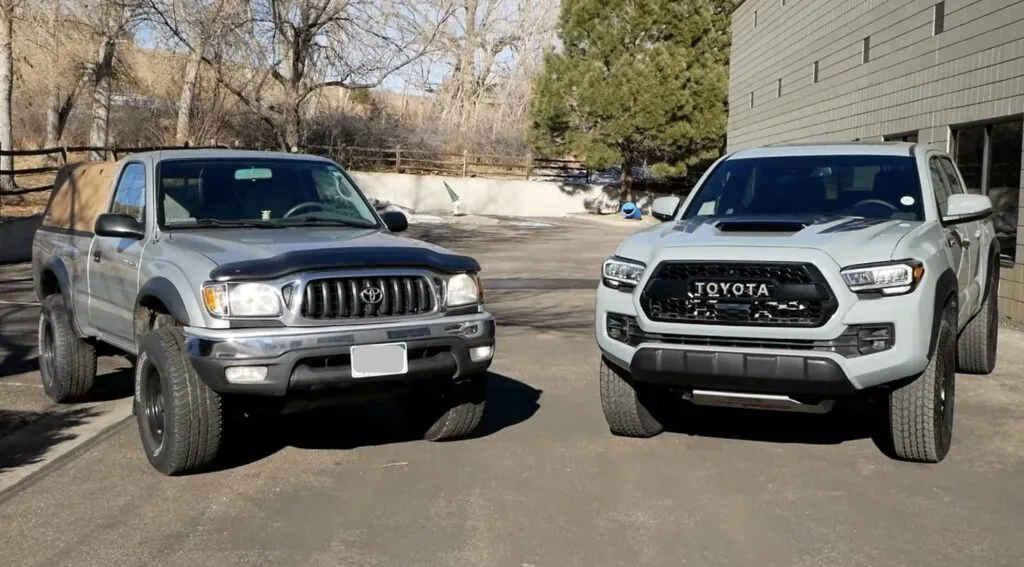
A few years ago, the playbook was simple. You walked into a dealership knowing whether you wanted new or used, and salespeople could steer you toward whatever had the best margin. But three major forces have flipped the script:
-
Inventory normalization: New car supply has recovered from pandemic lows, while used prices have cooled from their 2021-2022 peaks. The gap between new and used isn’t as predictable anymore.
-
Rate volatility: Interest rates have swung wildly. A lightly used car with a 6% rate might cost more per month than a new model with manufacturer financing at 2.9%.
-
Information access: Tools like CarEdge, ChatGPT, and even TikTok have made it trivial to compare a 2024 CPO model against a brand-new 2026 with incentives—all before you ever talk to a salesperson.
The result? Buyers are making smarter, more flexible decisions. And dealers are losing control of the narrative.
66% Cross-Shop New and Used Cars
Let’s break down what this means in practice. If you walk into a Honda dealership looking at a new Accord, there’s a two-in-three chance you’ve also priced out:
- A 2024 Accord CPO with 15,000 miles
- A 2023 Camry with similar features
- Maybe even a leftover 2025 new model at a different dealer
This isn’t indecision, it’s responsible car shopping. Buyers are treating the car market like any other major purchase: they’re comparison shopping.
Why does this frustrate dealers? Because it kills the anchor. Salespeople rely on anchoring your expectations to a single category. If you’re “a new car buyer,” they can upsell trim levels and warranties. If you’re “a used car buyer,” they can push certification fees and extended coverage. But when you’re both, they can’t box you in.
29% of New Buyers Compare Leasing vs. Buying
This one’s even more telling. Nearly three in ten buyers who do choose new are also running lease vs. finance calculations. That’s a massive behavioral shift.
Why? Because the math has gotten weird. In 2026, you might find:
- A lease on a $45,000 EV that costs $299/month (thanks to tax credit passthrough)
- A finance deal on the same car at $650/month (6.5% APR, minimal down)
Smart buyers are asking: “Do I even want to own this, or should I just lock in a low payment and reassess in three years?” Dealers hate this because leases require transparent residual calculations, and they can’t bury profit in interest rate markup as easily.
Why Dealers Hate Cross-Shopping
Cross-shopping breaks the dealership playbook. Ray’s seen this firsthand over decades in dealerships. Here’s the traditional sales process:
-
Qualify the buyer: Are they trading in? What’s their budget? New or used?
-
Isolate the vehicle: Get them emotionally attached to one car.
-
Control the numbers: Structure the deal so monthly payment feels reasonable, even if the total cost is inflated.
Cross-shopping destroys step two. When a buyer says, “I’m also looking at a CPO model across town and a new one with 0% financing,” the salesperson can’t anchor you to their inventory. You’re signaling that you’ll walk if the math doesn’t work.
Harder to Bury Profit
Dealers make money in a few key places:
- Front-end profit: The gap between invoice and selling price.
- Finance reserve: Markup on your interest rate (yes, this is legal in most states).
- Back-end products: Warranties, gap insurance, paint protection, etc.
When you cross-shop new and used, you’re implicitly comparing all three. A CPO car might have a lower sticker but a higher rate. A new car might have incentives that make financing cheaper. Suddenly, the dealer can’t hide profit in one bucket because you’re scrutinizing the whole package.
Ray’s advice? This is your power move. Don’t let them silo the conversation. If they’re pushing a used car, ask about new incentives. If they’re pushing new, ask about CPO inventory. Force them to compete against themselves.
How to Leverage Cross-Shopping Like a Pro
Step 1: Start Broad, Then Narrow
Don’t walk in with your mind made up. Even if you think you want a new 2026 RAV4, spend 20 minutes researching:
- What does a 2024 RAV4 with 20,000 miles cost?
- Are there leftover 2025s with bigger rebates?
- What’s the lease payment on a new one vs. financing a used one?
Use tools like CarEdge Pro to pull real market data. When shopping new cars, always have the invoice price. You want to walk into the dealership knowing the range of good deals, not just one target.
Step 2: Get Quotes on Multiple Scenarios
Here’s a real example from a CarEdge member in early 2026:
- Scenario A: 2024 Honda CR-V CPO, 18K miles, $32,500, financed at 6.2% for 60 months = $632/month
- Scenario B: 2026 Honda CR-V new, $36,800 MSRP, $2,000 rebate, manufacturer financing at 3.9% for 60 months = $634/month
The new car was $2/month more expensive. Guess which one the dealer wanted to sell? The used one—because they owned it outright and had more margin.
The buyer? She went with the new car. Better warranty, lower rate, and she leveraged the CPO quote to get an extra $500 off.
Step 3: Compare Leasing vs. Buying
Even if you plan to own the car long-term, get a lease quote. Why?
- It forces the dealer to show you the residual value (what they think the car will be worth in 3 years).
- It reveals manufacturer incentives you might not see on a purchase.
- It gives you a Plan B if rates are terrible.
Leasing has quickly become a popular option as rising MSRPs have put buying out of reach for many. For drivers who want something fresh and different every two or three years, leasing lets you avoid repeated depreciation hits.
Step 4: Use Cross-Shopping to Negotiate Harder
Here’s the script:
“I’m comparing this 2026 Accord at $32,000 to a 2024 CPO at $28,500 and a leftover 2025 at another dealer for $30,000. I like your car, but I need you at $31,000 to make the numbers work.”
You’re not being rude—you’re being transparent. And transparency terrifies dealers because it means you’ve done your homework.
Ray’s tip: Don’t bluff. If you say you have another offer, you better actually have it. Dealers can smell BS, and it kills your credibility.
What This Means for the Market in 2026
Buyers Have the Upper Hand
The 66% cross-shopping stat isn’t just a data point—it’s a power shift. For the first time in years, buyers are forcing dealers to compete on value, not just availability. Inventory is up, prices are negotiable again, and information asymmetry is shrinking.
But this won’t last forever. If demand spikes or rates drop sharply, dealers will regain leverage. The time to cross-shop is now.
Dealers Are Adapting (And You Should Too)
Smart dealers are already adjusting. They’re pricing CPO cars more competitively, offering transparent online quotes, and training salespeople to handle cross-shoppers without the hard sell. The dinosaurs who refuse to adapt? They’re losing deals left and right.
As a buyer, your job is to reward the good dealers and walk away from the bad ones. If a salesperson dismisses your cross-shopping research or pressures you to “decide today,” that’s a red flag. There are plenty of dealers who will work with you.
Final Takeaways
The fact that two-thirds of car buyers now cross-shop new and used isn’t a trend—it’s the new normal. And the 29% who compare leasing vs. buying? That’s a sign that buyers are getting smarter, not just more cautious.
Dealers hate it because it makes their jobs harder. But for you, it’s the best leverage you’ve had in years.
Here’s your action plan:
-
Cross-shop ruthlessly: New, used, CPO, leftover models—get quotes on all of it.
-
Compare leasing and buying: Even if you think you’ll buy, the lease quote reveals hidden value.
-
Negotiate with data: Walk in with real numbers from real competitors. No bluffing.
-
Don’t rush: The market is soft right now. Dealers need your business more than you need their car.
The power is in your hands. Use it. Learn how CarEdge can get you the best deal.
Sponsored by Insurify
Are you overpaying for car insurance?
Compare rates from top carriers in under 5 minutes. CarEdge users save an average of $996/year on auto insurance.
*Disclosure: CarEdge may earn a commission when you compare insurance quotes through our partner, Insurify. This does not influence our editorial content.*