
Toyota RAV4 Markups in 2026: What Dealers Are Charging vs. What You Should Actually Pay

Key Takeaways
- Toyota dealers already have $2,000 - $3,000 in profit built into each RAV4 sale, yet markups are still common in 2026.
- Some RAV4 trims are more prone to dealer markups, but that doesn't mean you should agree to pay more.
- You have options in today's market — flexible buyers will drive away with the best deal.
If you’ve walked into a Toyota dealership recently and asked about a RAV4, you probably felt your stomach drop. The markups on America’s best-selling SUV are, frankly, insane right now — and dealers are counting on you not knowing any better.
But here’s the thing: you don’t have to pay those inflated prices. CarEdge’s Ray Shefska has spent decades on the dealership side of the desk, and his son and co-founder Zach tracks the pricing data obsessively. Together, we’re pulling back the curtain on exactly what dealers pay for a RAV4, what they’re charging you, and what you should actually agree to spend.
Let’s break it all down.
Why Are Toyota RAV4 Markups So High?
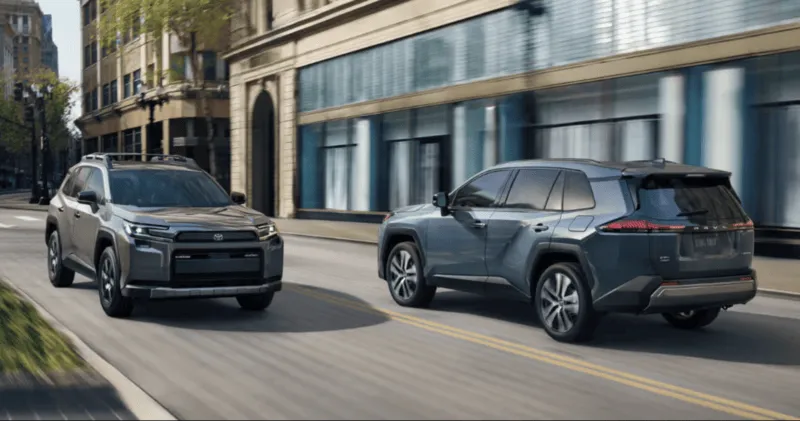
The Toyota RAV4 has been the best-selling crossover in America for years running, and 2026 is no different. Demand remains sky-high for a few key reasons:
- Bulletproof reliability reputation — Toyota’s brand loyalty is unmatched, and the RAV4 consistently ranks at the top of reliability surveys from J.D. Power and Consumer Reports.
- The hybrid and Prime models are supply-constrained — Toyota still can’t build RAV4 Hybrids and RAV4 Prime plug-in hybrids fast enough to meet demand, which gives dealers leverage. They’re consistently in the top 10 fastest-selling cars.
- Refreshed styling and tech for 2026 — The latest model year brought enough updates to fuel fresh buyer interest without a full redesign.
When demand outstrips supply, dealers add “market adjustments” — a polite way of saying they’re tacking on pure profit above MSRP. And right now, those adjustments on certain RAV4 trims are reaching $3,000 to $7,000 or more.
What Dealers Actually Pay for a Toyota RAV4 (Invoice Pricing)
Before you can negotiate effectively, you need to understand the numbers. Here’s the reality that dealers don’t want you to see — the gap between invoice price (what the dealer pays Toyota) and MSRP (the sticker price).
2026 Toyota RAV4 Invoice vs. MSRP by Trim
| RAV4 Trim | Invoice Price (Est.) | Base MSRP | Built-In Dealer Margin |
|---|---|---|---|
| LE | $28,800 | $31,090 | $2,290 |
| XLE | $30,200 | $32,590 | $2,390 |
| XLE Premium | $32,500 | $35,090 | $2,590 |
| Adventure | $34,000 | $36,690 | $2,690 |
| TRD Off-Road | $35,200 | $38,090 | $2,890 |
| Limited | $36,800 | $39,790 | $2,990 |
Note: Invoice prices are estimates based on available dealer cost data. Actual invoice may vary slightly by region and installed options.
That built-in margin of $2,000–$3,000 is already profit for the dealer — before any markup. On top of that, Toyota offers dealers holdback (typically around 2% of MSRP) and potential volume bonuses. So when a dealer tells you they’re “barely making anything” at MSRP, that’s simply not the full picture.
RAV4 Hybrid and Prime: Where Markups Get Truly Wild
The gas-only RAV4 markups are bad. The hybrid markups are worse. And the RAV4 Prime? That’s where things go completely off the rails.
| Model | MSRP Range | Typical Market Markup (2026) |
|---|---|---|
| RAV4 Hybrid | $33,090 - $41,290 | $2,000 - $5,000 over MSRP |
| RAV4 Prime SE | $44,090 | $3,000 - $7,000 over MSRP |
| RAV4 Prime XSE | $49,590 | $5,000 - $10,000+ over MSRP |
We’ve seen real listings showing RAV4 Prime XSE models with $8,000 to $10,000 “market adjustments” slapped right on the window sticker. That’s a $50,000 compact SUV pushed to nearly $60,000 before taxes and fees.
As Ray puts it: “Just because they CAN charge it doesn’t mean you should pay it. There’s always another dealer.”
What You Should Actually Pay for a RAV4 in 2026
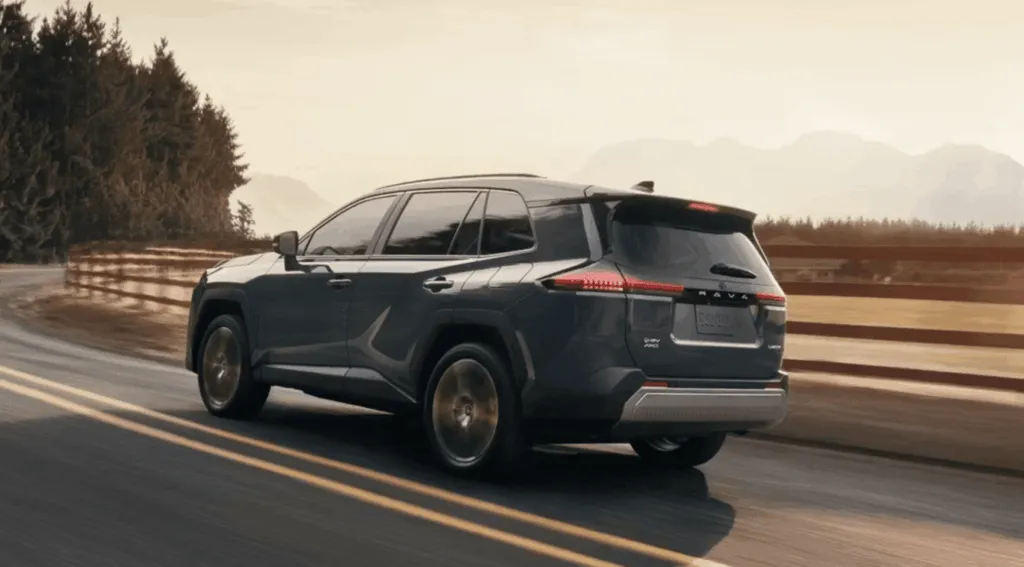
Wondering how you can put this knowledge to use saving you money in 2026? Here are the numbers you should walk into the dealership armed with.
Gas-Only RAV4: Target MSRP or Below
For the standard (non-hybrid) RAV4, inventory has improved enough that you should not be paying over MSRP. Period. In fact, depending on your market and willingness to be patient, here’s what to target:
- Good deal: MSRP (no markup, no added dealer accessories you didn’t ask for)
- Great deal: $500–$1,500 below MSRP
- Exceptional deal: Invoice + $500 (possible on LE and XLE trims sitting on lots 45+ days)
If a dealer won’t budge off a markup on a gas RAV4, walk away. There are plenty of them on lots right now.
RAV4 Hybrid: Pay MSRP, Maybe Slightly Under
Hybrid inventory has improved compared to 2023–2024, but it’s still tighter than the gas model. Your targets:
- Good deal: MSRP with no added markups or mandatory accessories
- Great deal: $500–$1,000 below MSRP
- Walk away if: The dealer is asking more than $1,500 over MSRP
RAV4 Prime: Be Strategic, Not Desperate
The Prime is the toughest nut to crack because Toyota allocates so few to each dealer. But that doesn’t mean you should light money on fire:
- Acceptable deal: MSRP to $2,000 over MSRP (given genuine scarcity)
- Walk away if: The markup exceeds $3,000 — expand your search radius instead
- Pro tip: The federal EV tax credit situation changes frequently. As of early 2026, make sure you understand whether the Prime qualifies for any credits at purchase, because that changes your effective price significantly.
How to Avoid RAV4 Dealer Markups: 7 Proven Strategies
Knowing the right price is half the battle. Here’s how to actually get it.
1. Get Multiple Quotes Before Setting Foot in a Dealership
Email or message the internet sales departments of at least 5–8 Toyota dealers within a 100-mile radius. Ask for their out-the-door price on the specific trim and color you want. This creates competition and immediately reveals who’s marking up and who’s not.
2. Use CarEdge’s Free Deal Comparison Tools
At CarEdge.com, you can check what others are actually paying for a RAV4 in your area. Real transaction data beats guesswork every time.
3. Be Willing to Travel
Markup culture varies wildly by region. Dealers in the Southeast and parts of the Midwest tend to be more competitive on Toyota pricing than coastal metros. A 3-hour drive could save you $3,000–$5,000 on a RAV4 Prime.
These are the best states for car buying, but keep in mind that you’ll always pay sales taxes to whichever state you reside in.
4. Avoid Mandatory Dealer-Added Accessories
This is the sneaky markup. Dealers will add nitrogen-filled tires, door edge guards, all-weather mats, and paint protection — items that cost them $200 total — and charge you $1,500–$2,500 as a “dealer accessory package.” This is a markup by another name.
Ask specifically: “What dealer-installed accessories are included, and can they be removed from the price?” If the answer is no, that’s a red flag.
Check out our guide to dealer add-ons and fake fees.
5. Order Direct If You Can Wait
Toyota’s allocation system doesn’t work exactly like Ford or Chevy’s factory ordering, but many dealers will take a priority order or put you on an allocation list at MSRP. If you can wait 6–12 weeks, this is one of the best ways to get a fair price on a Hybrid or Prime.
Just make sure to get your out-the-door price in writing with the dealership when you place the order. You don’t want to play any games when your car finally arrives.
6. Time Your Purchase Strategically
End-of-month, end-of-quarter, and late in the model year (September–November) are when dealers are most motivated to move units and hit manufacturer bonus targets. That $2,000 markup in March might become an MSRP deal in October.
These are the best times to buy a car.
7. Know Your Walk-Away Number
Before you walk into any dealership, write down your maximum price. If the deal doesn’t hit that number, leave. Every single time. The most powerful negotiation tool you have is your willingness to walk away — and dealers can sense it.
As Ray always says: “The dealer needs to sell you a car more than you need to buy one today.”
RAV4 vs. the Competition: Are Alternatives a Better Deal?
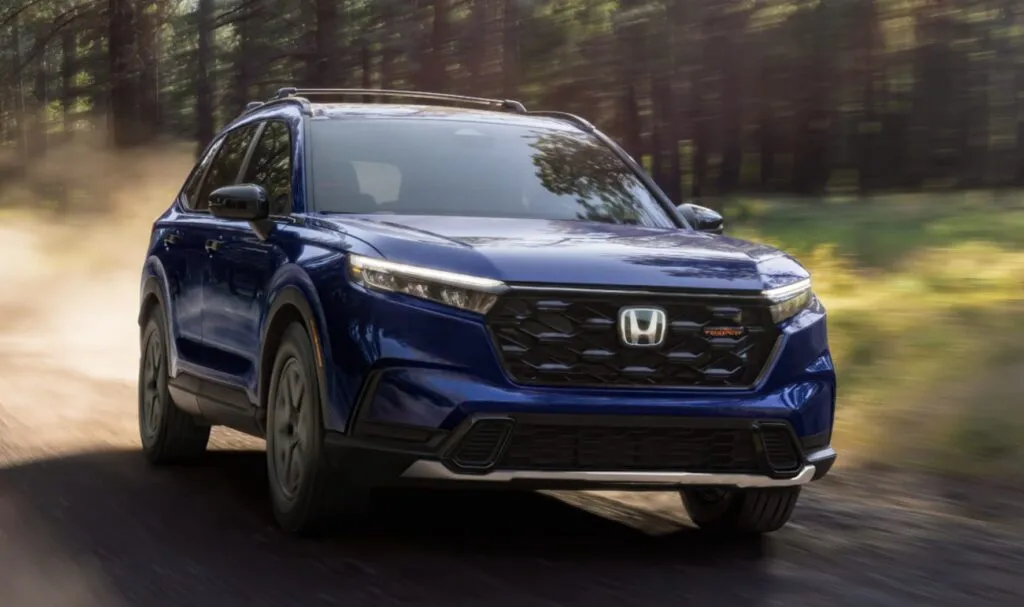
If RAV4 markups are making your blood pressure spike, it’s worth considering whether a competitor might give you better value right now.
Models Worth Cross-Shopping
- Hyundai Tucson Hybrid — Comparable fuel economy, often available at or below MSRP, longer warranty. Strong value play in 2026.
- Honda CR-V Hybrid — Honda’s hybrid system is excellent. Availability has improved, though some markups persist on the Sport Touring trim.
- Mazda CX-50 Hybrid — The newest entrant in this class, with Mazda’s premium interior feel. Dealers are dealing to build momentum.
- Subaru Forester — Standard AWD, excellent safety ratings, and typically available with modest discounts. Less fuel-efficient but reliable. There is a hybrid option in 2026.
The point isn’t that these vehicles are better than the RAV4 — it’s that paying $5,000+ over MSRP for any vehicle is rarely a smart financial move when comparable options exist at fair prices.
The Real Cost of Paying a Markup
Let’s do the math that dealers hope you won’t do.
Say you pay a $5,000 markup on a RAV4 Hybrid XLE Premium. Here’s what that actually costs you:
- $5,000 in overpayment at purchase
- ~$900 in additional sales tax (varies by state)
- ~$1,200 in additional interest over a 60-month loan at 6.5% APR
- Total real cost of that markup: ~$7,100
And here’s the kicker: that $5,000 markup does not increase your vehicle’s resale value. When you go to sell or trade in, the car is worth the same whether you paid MSRP or $5,000 over. You’re just eating that loss.
Current RAV4 Market Trends to Watch in 2026
The market is always changing, and the data gives us clues about what might be on the horizon for RAV4 shoppers:
- Gas RAV4 inventory is normalizing. Days-to-turn (how long a vehicle sits on a dealer lot before selling) for gas-only RAV4s has increased to 25–35 days in many markets, up from under 15 days in 2023. That means leverage is shifting toward buyers.
- Hybrid supply is improving but still tight. Days-to-turn for the RAV4 Hybrid is around 10–18 days — better than the “sold before it hits the lot” days, but still a seller’s market.
- RAV4 Prime remains scarce. Toyota has modestly increased Prime production, but it’s still allocated in small numbers. Expect some premium until supply meaningfully increases.
- Interest rates matter more than markup. With auto loan rates hovering in the 6–7% range for well-qualified buyers, the total cost of the vehicle — not just the sticker — should be your focus.
Final Thoughts: Don’t Let Urgency Cost You Thousands
The Toyota RAV4 is a fantastic vehicle — there’s a reason it sells in huge numbers year after year. But a good car at a bad price is still a bad deal.
Here’s your takeaway: On a gas RAV4, you should be paying MSRP or less. On a Hybrid, target MSRP. On a Prime, don’t exceed $2,000–$3,000 over MSRP, and expand your search radius before accepting more. Never pay for mandatory dealer-added accessories you didn’t request, get multiple quotes, and always be willing to walk away.
The dealers marking up RAV4s by $5,000+ are banking on two things: your impatience and your lack of information. Now you have the information. Don’t let impatience be the thing that costs you thousands.
For personalized deal analysis and real-time pricing data, check out the tools at CarEdge.com — we’re here to make sure you never overpay.
Have a RAV4 deal you want us to evaluate? Share it in the CarEdge Community forum for others to chime in.
Sponsored by Insurify
Are you overpaying for car insurance?
Compare rates from top carriers in under 5 minutes. CarEdge users save an average of $996/year on auto insurance.
*Disclosure: CarEdge may earn a commission when you compare insurance quotes through our partner, Insurify. This does not influence our editorial content.*