
How to Get Car Dealers to Compete for Your Business


Most car buyers negotiate with one dealer at a time. They find a car they like, visit the lot, sit across from a salesperson, and try to talk the price down. It rarely works well, and there’s a simple reason why.
When you’re negotiating with one dealer, you’re on their turf and playing by their rules. But when multiple dealers know they’re competing for your business, the dynamic flips completely. The buyers who consistently get the best deals aren’t better negotiators. They just know how to create competition.
Here’s exactly how to do it.
“Dealers Won’t Budge”
A lot of buyers go into the process already defeated, assuming the price is the price and there’s nothing to be done. That’s not how dealerships work in 2026.
Back in 2021-2022, dealers had the upperhand as car inventory was thinned out due to the semiconductor shortage. But those days are well behind us.
In 2026, the car market has mostly normalized. Every dealer has monthly sales targets to hit, and pressure from the manufacturer to move units. As sales for several brands slow, many are even battling their own floorplanning costs on aging inventory. When the right conditions are in place, dealers have very real motivation to compete on price. The key is making sure they know they have to.
A dealer who believes you’re ready to sign today is a different animal than one who knows you’re getting quotes from three other stores down the road. Your job is to be the second kind of buyer.
Do Your Homework Before You Contact Anyone
Playing dealers against each other only works if you know what a fair price looks like. Otherwise you can’t tell a good offer from a mediocre one.
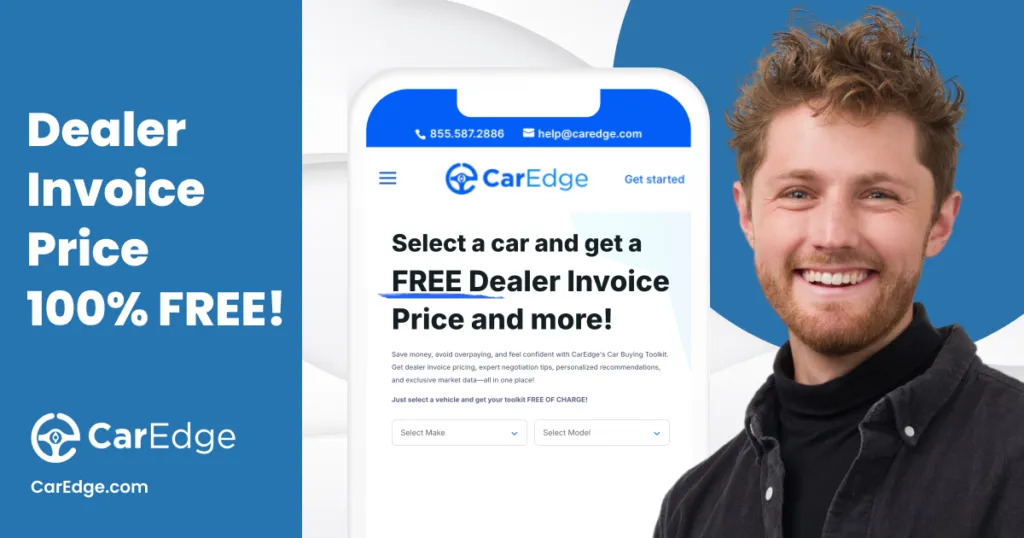
When shopping new car lots, start with the dealer invoice price. This is what the dealer actually paid the manufacturer for the vehicle, and it’s the number your negotiation should be anchored to — not the sticker price. When you know the invoice price, you know how much room the dealer has to move and whether the offer they’re presenting you is reasonable or inflated. CarEdge publishes invoice prices for free, because that information shouldn’t only be available to dealers. For slow-selling cars, you should be able to get close to the invoice price. Dealers have other ways of making money on each vehicle, so don’t hesitate to work towards that goal.
Regardless of whether you’re buying new or used, check how long the car has been sitting on the lot, and the local Market Day Supply for that year, make, and model. This metric measures how many days current inventory would last at the current rate of sales. A model sitting at 90-plus days of supply is one where dealers are motivated and inventory is plentiful. A car with 20 days of supply is flying off lots, and you’ll have far less leverage. Knowing this before you make a single call tells you how hard to push and whether your expectations are realistic.
Next, check CarEdge Dealer Reviews. Not every dealer negotiates in good faith, and walking into a store with a reputation for bait-and-switch tactics or high-pressure sales puts you at a disadvantage before you say a word. CarEdge Dealer Reviews surface real buyer experiences so you can identify which dealers in your area are worth your time and which ones to skip.
This prep work takes 15 minutes and changes everything about how the conversations go.
The Multi-Dealer Approach
Once you know the market and have a short list of reputable dealers, contact at least three of them, and even more if the car you want is in high demand.
Do this by email or text, not phone. Written communication keeps everything documented, removes the time pressure that phone calls create, and makes it easy to share competing offers later. Be straightforward in your message: tell them you’re shopping the same vehicle at multiple dealerships, you’re ready to move when the price is right, and you’d like their best out-the-door price.
Some dealers will come in strong right away to win your business early. Others will lowball hoping you’ll bite. Either way, you now have real numbers to compare.
Here’s where it gets effective: once you have two or three quotes in hand, go back to your preferred dealer with the lowest competing offer. This could be the dealer with the nicer car, or simply the one with the nicer salesperson. Most will match or beat it rather than lose the sale to a competitor down the street. That’s not a negotiating trick. It’s just how business works, and savvy buyers have been doing it for decades.
Know When to Pivot
Market Day Supply is worth revisiting once you’re in active negotiations. If the model you want has high supply nationally, push hard. Dealers on slow-moving inventory are motivated, and below-MSRP pricing is a realistic outcome.
If supply is tight on your first choice, consider whether a different trim, a different color, or a comparable model with more inventory might serve you just as well. Walking away from a low-supply vehicle and coming back in two weeks is a legitimate strategy. So is simply walking away. Dealers know that buyers who leave often return, and they’ll sometimes call with a better number before you do.
Let’s Run It Back
Fortunately for consumers, it’s quite easy to get car dealerships to compete for your business. Here’s.a quick rundown of what you can do to make negotiating savings easier than you could imagine:
1. Check the invoice price so you know what the dealer actually paid and what a fair target looks like.
2. Look up Market Day Supply to gauge how much leverage you have before you contact anyone.
3. Research dealers using CarEdge Dealer Reviews to filter out bad actors before you waste time on them.
4. Contact at least three dealers by email or text and ask for their best out-the-door price.
5. Take the lowest competing offer back to your preferred dealer and ask them to match or beat it.
If supply is tight on your first choice, be willing to pivot — different trim, color, or model — or simply walk away and revisit in a few weeks. No matter what, NEVER be a monthly payment shopper. Always get the written out-the-door price including all taxes and fees.
Let Someone Else Run the Competition for You

If this process sounds like more work than you want to take on, that’s a fair read. CarEdge Concierge exists for exactly this reason.
The Concierge team runs the multi-dealer process on your behalf — contacting dealers, collecting quotes, and negotiating pricing without you ever sitting in a showroom. They also know from experience which dealers are straightforward to work with and which ones aren’t worth the trouble.
It’s the same strategy outlined above, handled by people who do it every day. On average, CarEdge Concierges save drivers between $2,000 – $3,000 through expert negotiations.
Learn more about our Car Buying Service to see if it’s right for you.
Sponsored by Insurify
Are you overpaying for car insurance?
Compare rates from top carriers in under 5 minutes. CarEdge users save an average of $996/year on auto insurance.
*Disclosure: CarEdge may earn a commission when you compare insurance quotes through our partner, Insurify. This does not influence our editorial content.*