
CarEdge saved me over 4,500 dollars on a brand new Honda Pilot. I can't say thank you enough.
Price intelligence
Find a wide range of vehicle listings with market insights on new and used listings near you.

What can I do with CarEdge?
 CarEdge Insights
What can I do with CarEdge?
Get access to exclusive information so you can make an informed car buying decision — all in one place.

Find a wide range of vehicle listings with market insights on new and used listings near you.
Track your vehicle’s value and cash in when the time is right to sell.

Access to our proprietary data to help you find the right car, at the right price. Find these unlocked on every listing after subscribing.

With our expert-led, tech-enabled car buying service, we will locate, negotiate, and deliver your vehicle so you can get a new car hassle free.


Help us personalize your CarEdge experience — it only takes a second.
Your answers help us personalize your CarEdge journey — we’ll follow up with tips and next steps that match your buying timeline.
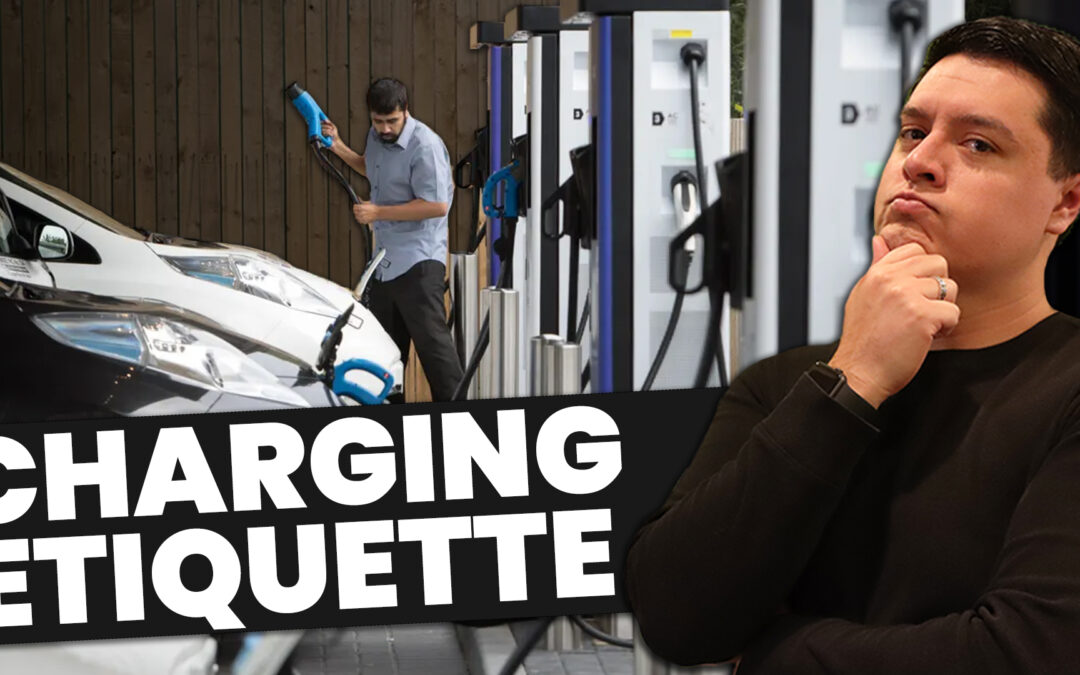
In 2022, electric vehicles make up about 5% of new vehicle sales in the US. As that figure increases, common sense and civility are going to matter a lot more at public charging stations. Charging stations are rarely crowded in 2022, but that may be about to change. We can look to California for a glimpse into our own electric future. The Golden State has seen EV market share jump to 16% of new car sales in recent months, and charging infrastructure is rushing to catch up as Tesla Superchargers and Electrify American stations fill up. With more EVs hitting the roads, now is the time to address electric car charging etiquette.
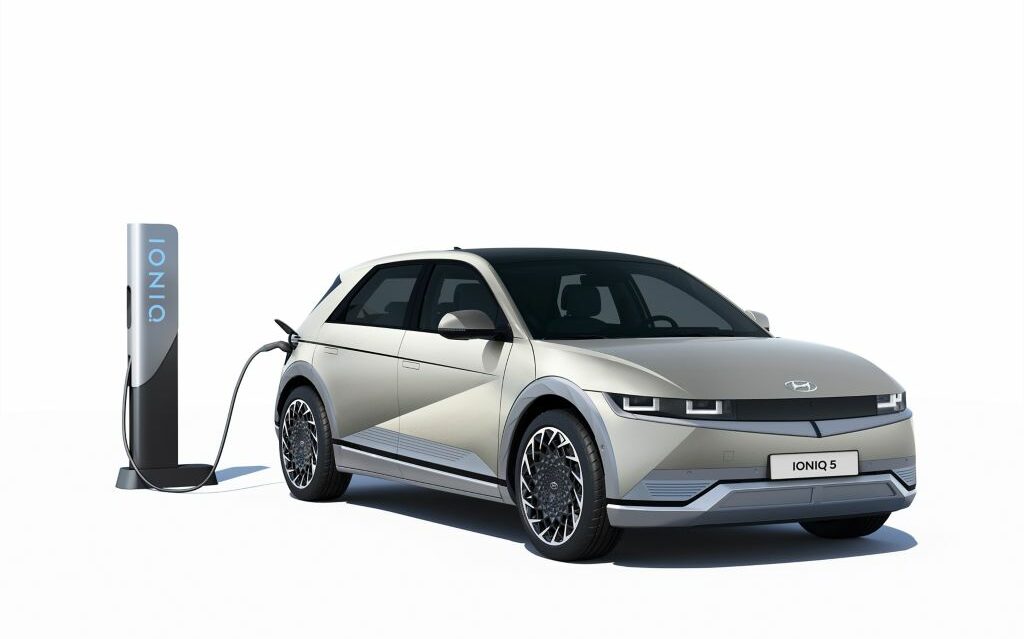
Electric vehicles are commonly judged by two important criteria: range and charging speed. In 2022, EV models vary widely in charging speed as a result of the battery management systems that electric powertrains were engineered with.
For example, these are the max power specifications (in kilowatts) that popular EVs will accept at a DC fast charger, such as those you’ll find at Electrify America or a Tesla Supercharger:
Tesla Model Y: 250 kW
Tesla Model 3: 250 kW
Hyundai IONIQ 5: 230 kW
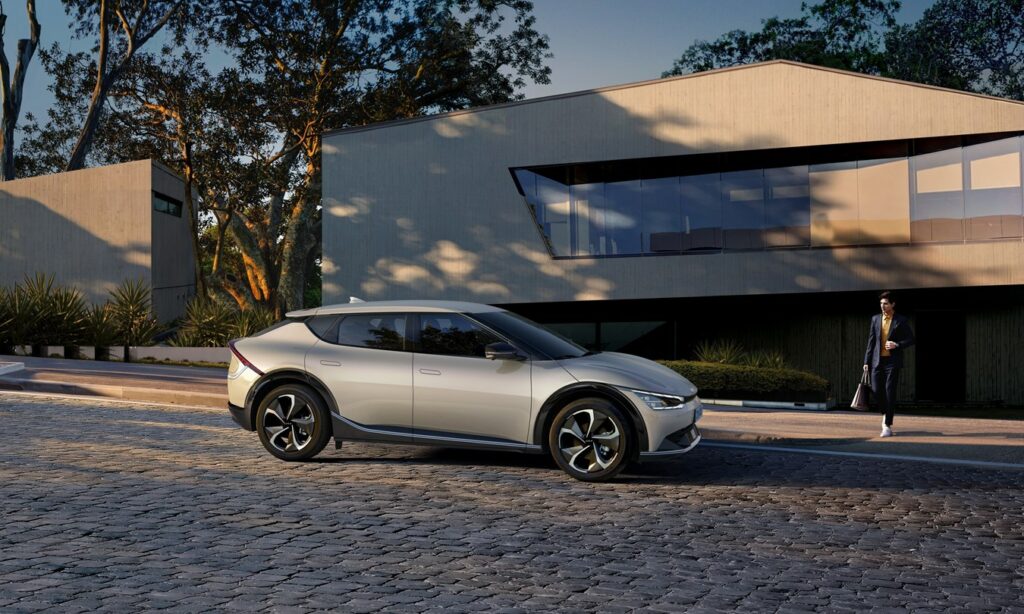
Kia EV6: 230 kW
Ford Mustang Mach-E: 150 kW
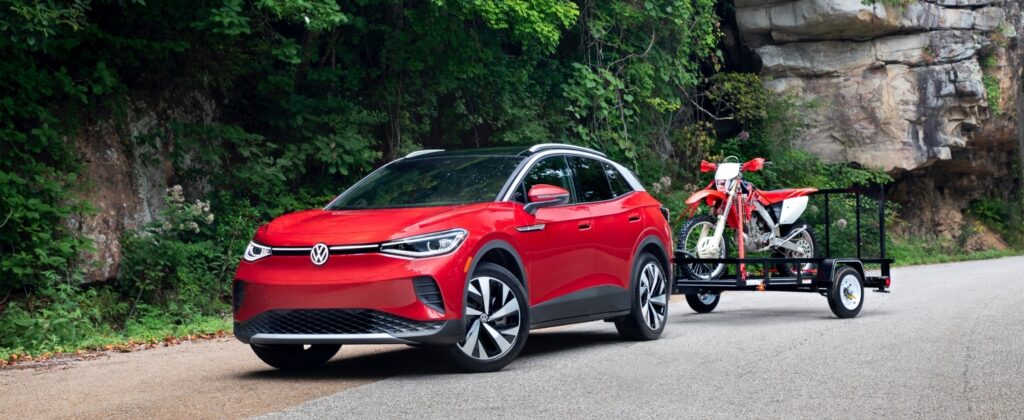
Volkswagen ID.4: 135 kW
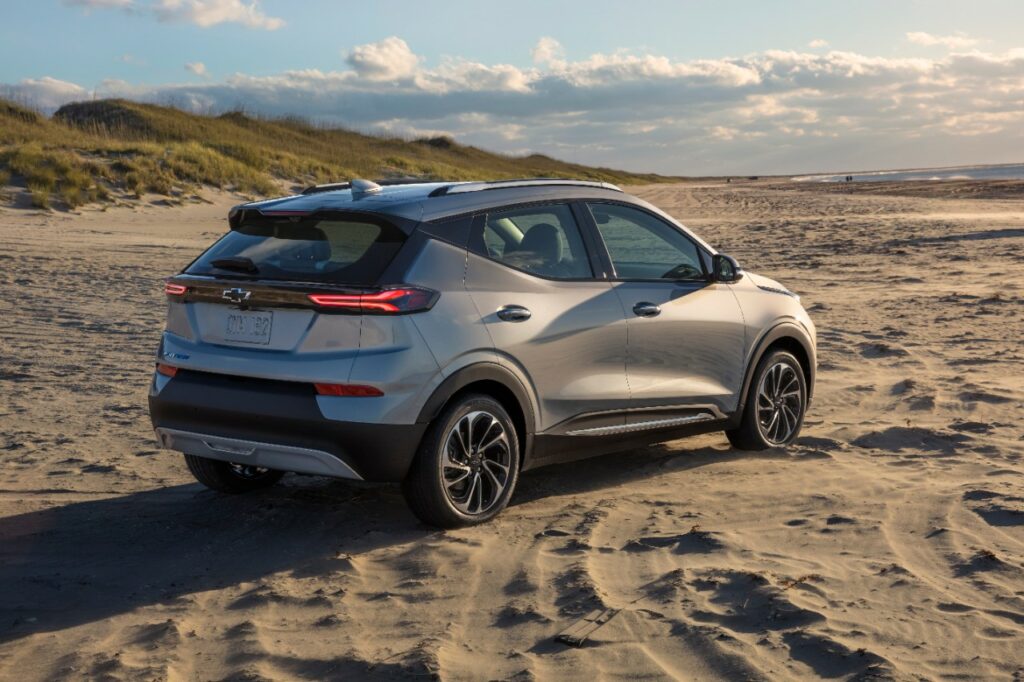
Chevrolet Bolt: 55 kW
Nissan Leaf: 50 – 100 kW (depending on trim)
Ford F-150 Lightning: 150 kW
Volvo XC40 Recharge: 150 kW
Audi Q4 etron: 150 kW
Pulling into a Level 2 station at a shopping mall, hotel or restaurant? Just plug in, you’ve got nothing to worry about with regards to max power. Level 2 charging supplies between 3kW and 19 kW of power, more often between 7-10 kW. This is nowhere near as fast as your EV can accept, so there’s no hierarchy of charging speeds to worry about. Level 2 EV chargers include Tesla destination chargers, Volta shopping center and movie theater plugs, plus many Blink and ChargePoint Level 2 stations.
Pulling into a Level 3 ‘fast charging’ station, this is where your EV’s charging speed matters, at least for non-Tesla drivers. When not charging at home overnight, Tesla drivers rely on one of Tesla’s 1,300 Supercharger locations in America for DC fast charging. No worries at Tesla Superchargers, all plugs at each location are either 150 kW power delivery (AKA V2 Superchargers), or newer 250 kW ‘V3’ Superchargers.

Older V2 Tesla Superchargers have one caveat in addition to slower charging speeds: power sharing. If you plug in at a Supercharger stall right next to another charging car, you and the other driver will have to share the power, resulting in slightly slower charging speeds for both of you. If there’s a charging stall available at least two spots down from another Tesla charging, do the other guy a favor and plug in over there. At newer V3 stations with 250 kW power, just pick a station and plug in! There’s no power sharing at V3 Superchargers or Electrify America stations.
Those of us who don’t drive a Tesla are relying more and more on Electrify America’s network of chargers. Electrify America does things a little differently. A station typically has two ultra-fast charging 350 kW stations, a few 150 kW stations, one of which has a blue CHAdeMO plug that really stands out.
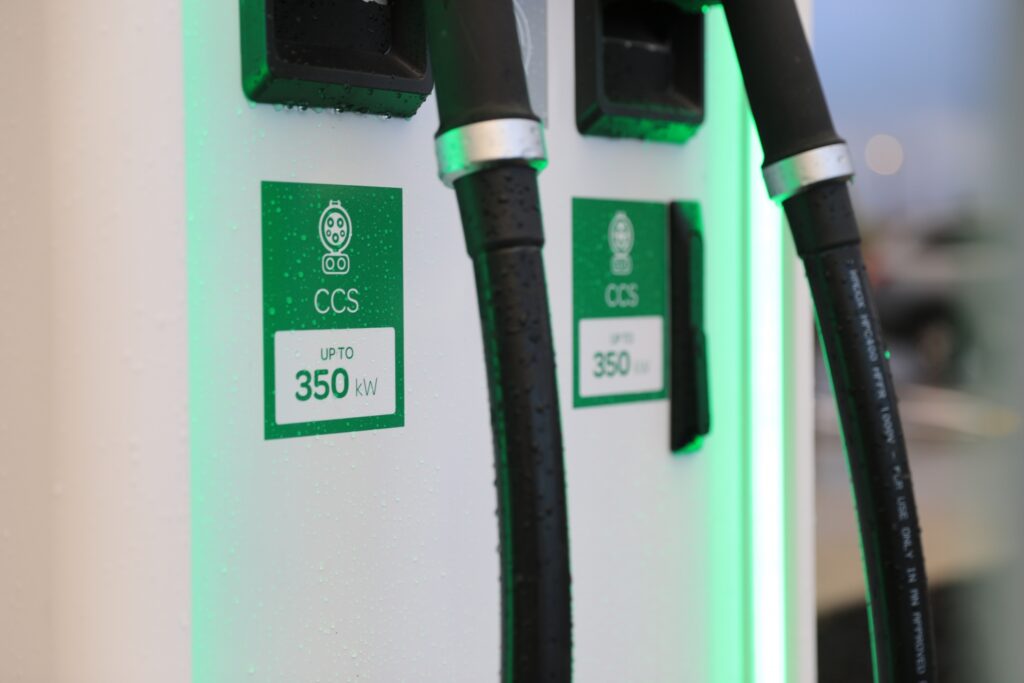
Here’s what you need to bear in mind at Electrify America:
Remember when you drove a gas-powered vehicle and made weekly stops at the gas station? What about when it was Labor Day weekend and everyone was traveling, and the gas station along the highway was packed? Isn’t it a bad move to leave your car parked at the gas pump while there’s a line of cars waiting to fill up? Well imagine doing that when the only other places to charge are many miles away. Please, move your car when you’re done charging.
If you have no plans to charge and just want to use the fancy dedicated EV parking spot, resist the temptation and park elsewhere. EV drivers like myself know that we’re more likely to have a charging stall blocked by a careless EV driver than by an ICE vehicle.
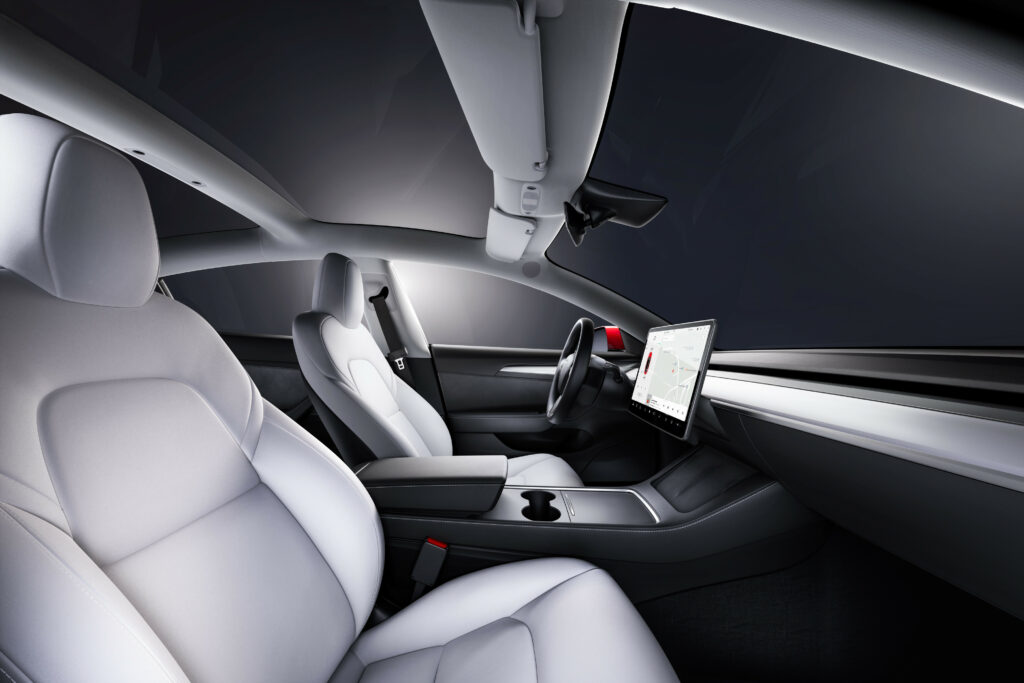
The pull-through charging stall is for drivers towing a trailer. Only use it if it’s the only one available, or if you have a trailer.
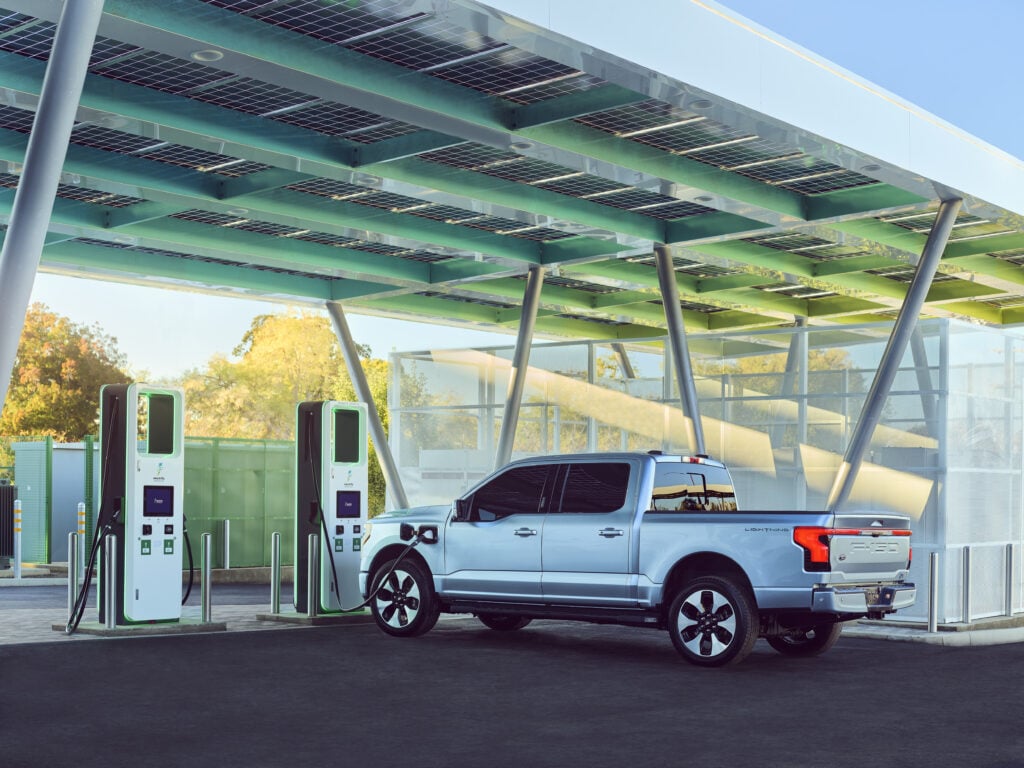
Battery management systems are designed to distribute electricity to each and every battery cell within the battery pack in the safest way possible for the health of the battery. Because of this, every single EV on the market, from the $26,000 Chevy Bolt to the $130,000+ Lucid Air, will ramp down charging speeds significantly beyond 90% state of charge. This is especially beyond 95%.
I recently did a test in my own Hyundai IONIQ 5 at Electrify America. It took 19 minutes to charge from 15% to 80%, with a peak power of 233 kW. However, because of battery management, charging from 80% to 95% took another 14 minutes. Did it matter on that day? No, I was the only one at the charger that day. Someday, with more EVs on the road, it’s going to matter.
Electric vehicle adoption isn’t a walk in the park for those of us who don’t watch EV videos on YouTube all day. If you see a neighbor struggling to charge their EV for the first time, maybe offer a helping hand, or at the very least, don’t give them dirty looks.
Please, PLEASE don’t blare music with your windows down at a charging station. Be mindful of others, and the possibility of napping little ones in the cars around you.
In 2022, EV drivers are still ambassadors of electric mobility. The world could use a little kindness!
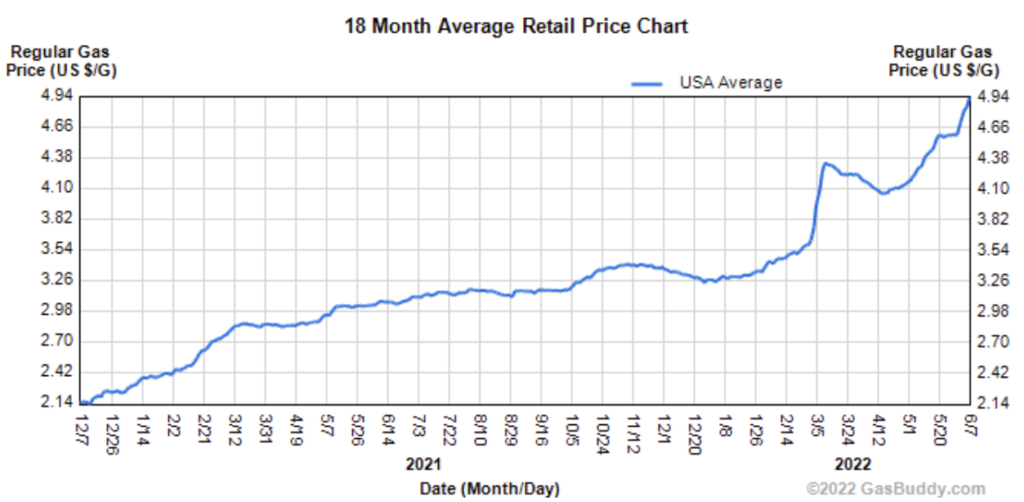
At these prices, the savings add up!
With gas prices rising above $5 a gallon, more drivers are looking for ways to save at the pump. The average American driver spends nearly $3,000 every year on fuel expenses. These 5 tips can save you big time when you fill up.
Driving around town looking for the cheapest gas comes with a caveat: you’re burning more fuel by looking for a deal! Nowadays, several popular apps help drivers find the lowest gas prices. These are the best cheap gas apps today:
GasBuddy has been around for 20 years, and is the most well-known of the cheap gas apps. GasBuddy crowdsources gas prices from users who report what they find. This works great in high-traffic areas, but less-frequented rural gas stations suffer from underreporting, and therefore out-dated prices on the app.
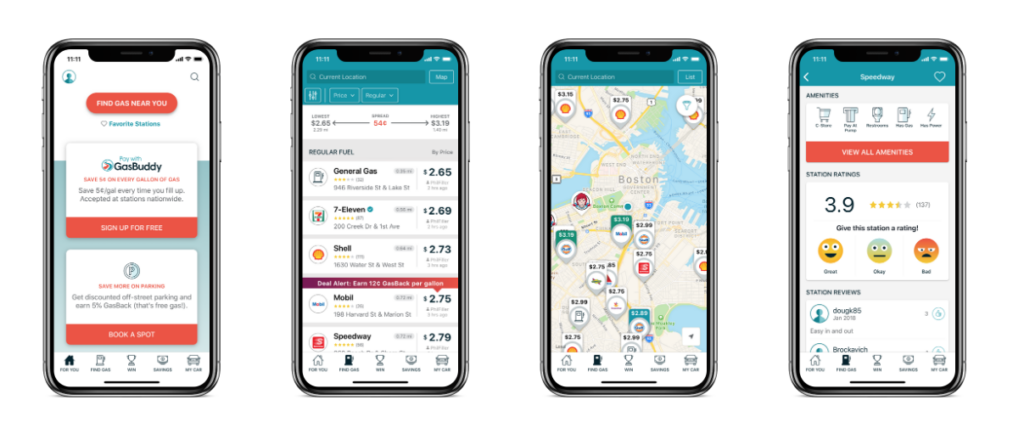
In addition to simply showing users where the lowest gas prices are in their vicinity, GasBuddy also offers a payment card that includes discounts of up to 25 cents per gallon. Taking it a step further, GasBuddy Premium guarantees a 20 cent to 40 cent per gallon discount on fuel with the $9.99/month Premium plan (or $99 annually). The catch? There’s a limit of 50 gallons per month. That’s enough for most drivers.
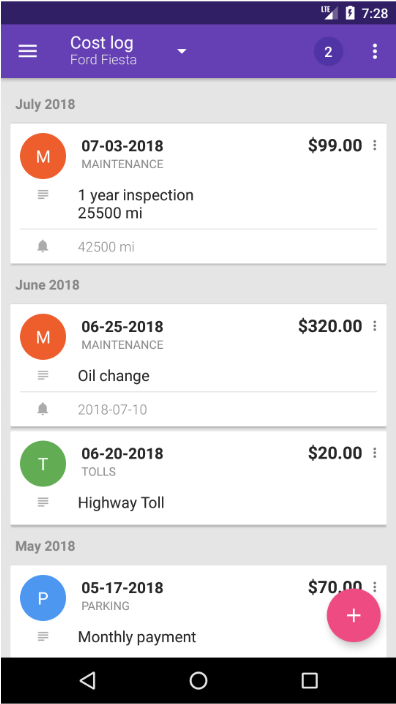
At CarEdge, we’re all about transparency in the automotive world. Fuelio brings transparency to the true cost of ownership for your vehicle. Fuelio does a lot more than help you find cheaper gas. This free app also tracks your fill-ups, fuel economy, mileage and more. Costs associated with car maintenance, tolls and parking fees are all tracked within the app. Fuelio is great for drivers who love keeping track of their expenses all in one place. You’ll get a better idea of the true cost of vehicle ownership.
Cash back for gas?! Keep your receipts! Upside helps you save up to 25 cents a gallon when you take a photo of your gas station receipt and submit it through the app. Great news for the data cautious: no need to share your bank or card information.
Upside does also offer the option to ‘check in’ and pay for fuel with a saved card, but it’s not required to get the cash back. You can choose to receive your cash back through PayPal, a digital gift card, or even an old-fashioned paper check.
Using the cheap gas apps, we can see a clear trend: gas is often more expensive along major highways. Why? Consumers pay for convenience. A quick look at GasBuddy’s gas price map shows that prices per gallon of gas are often 10 cents to 20 cents cheaper just a half mile away from stations along major highways.
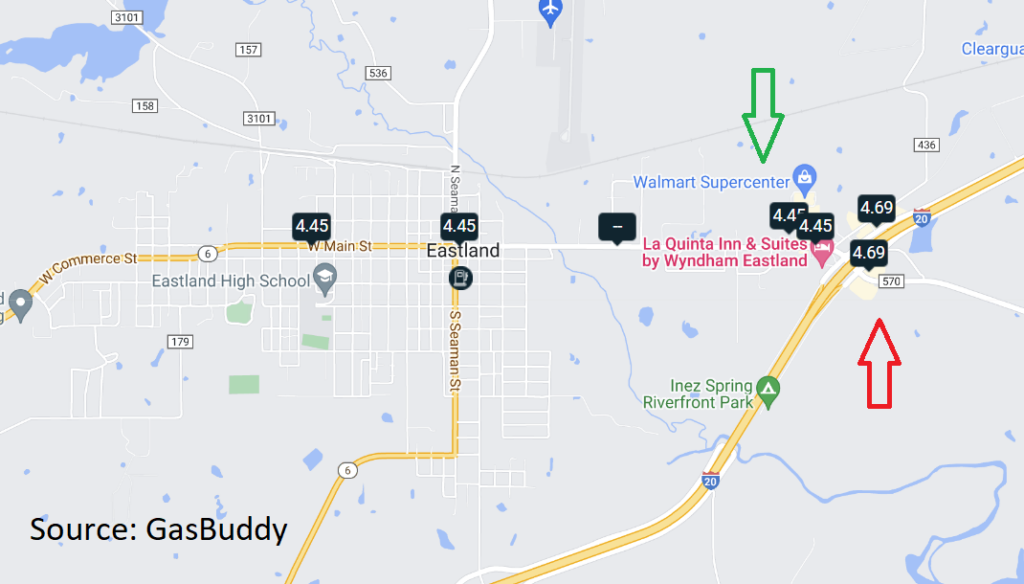
Is it worth it to drive a mile further for cheaper gas? Consider this. America’s best-selling vehicle, the Ford F-150, has a 23 gallon tank. Let’s say our driver isn’t quite running on fumes, but it’s time to refuel. Exiting off the highway, gas prices at the truck stop are $4.69 a gallon. A mile into town, gas is $4.45 a gallon. After diverting into town for the cheaper gas, the truck is filled up with 20 gallons of gasoline. The 24 cent difference between the stations resulted in $4.80 saved in one fill-up. That’s almost enough to cover lunch!
See price differences where you’re headed here.
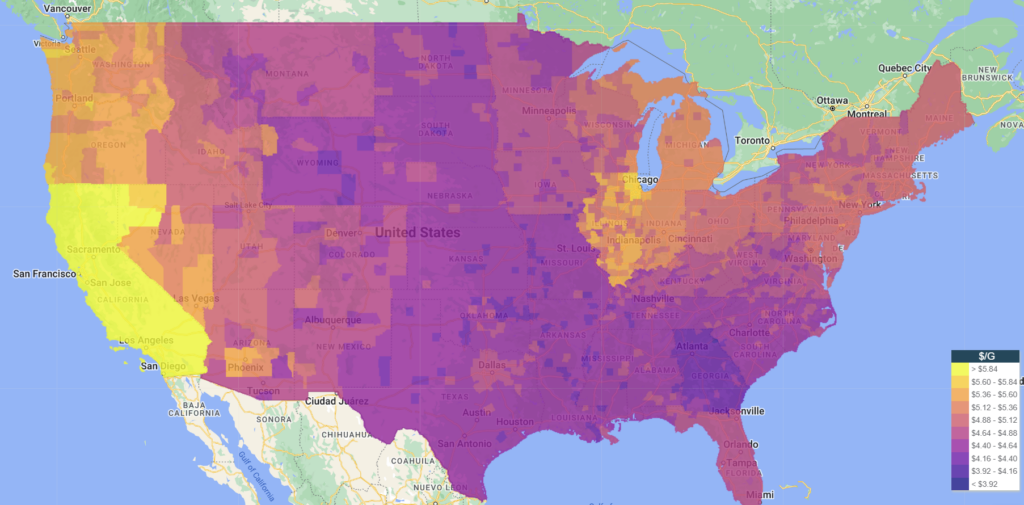
It’s amazing how much state gas taxes vary from one state to another. It’s not uncommon for gas prices to be 30 cents higher per gallon across a state line. Know which states along your travel route have the cheapest gas, and fill up before exiting those low-tax states.
Pennsylvania ($0.586)
California ($0.533)
Washington ($0.519952)
New Jersey ($0.414)
New York ($0.4045)
Alaska ($0.0895)
Hawaii ($0.16)
Virginia ($0.162)
Missouri ($0.1742)
Mississippi ($0.184)
What do state gas taxes mean for your wallet? If a driver heading north on I-79 fills up in West Virginia, gas prices are 30 cents to 50 cents cheaper per gallon than what they’ll find across the border in Pennsylvania. That adds up quickly!
Do you have a 2% cash back credit card? Or better yet, do you have a card that offers more cash back on select categories? It’s worth looking into. There are several credit cards that offer 3% cash back on fuel expenses. The average American driver spends nearly $3,000 on fuel every year. At that rate, 3% cash back means $90 back in your pocket every year. The magnitude of cash back rewards for fuel purchases only increases as gas prices increase.
I doubt anyone enjoys digging through their wallet or purse for each and every supermarket’s rewards card. With gas prices at record highs, it’s worth the hassle. Not only do grocery rewards cards save you money on your grocery bill, they often save at the gas pump.
With Kroger Fuel Rewards, you can earn generous fuel points with every grocery purchase at the Kroger family of grocery stores. Get 1 fuel reward point for every dollar spent. Earn double points when you purchase gift cards. When you have accumulated 100 points, you earn $0.10 off a gallon of gas.
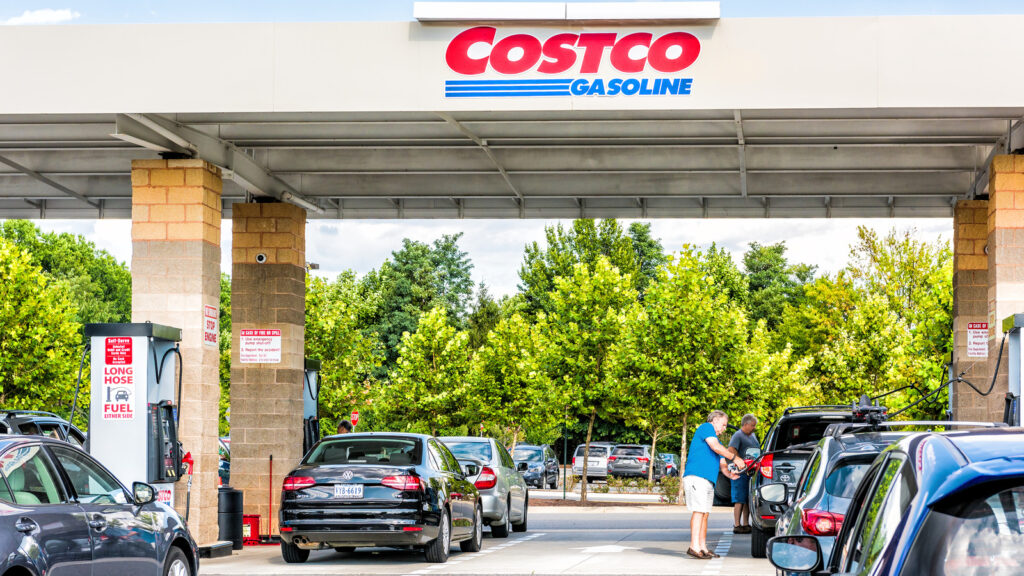
With 574 Costco warehouse stores in America, cheaper gas might be just around the corner. Costco’s gas prices are typically between 10 cents and 30 cents cheaper than surrounding gas stations. To gain access to Costco’s famously low gas prices, you’ll have to be a Costco member. An annual membership fee of $60 can easily be paid back with fuel savings.
Citi partnered with Costco to offer the Costco Anywhere Visa card that gives you 4% cash back on gas up to $7,000 per year. That’s one of the best credit card fuel rewards out there. Learn more about Costco’s Kirkland Signature fuel rewards here.
Sam’s Club’s 600 store locations are renowned for their cheap gas prices. Sam’s Club is the WalMart family’s warehouse store that is accessible by membership. For the penny-pinchers, Sam’s Club memberships start at $45. In just a few months of gas fill-ups, you could recover your membership fee in savings.
Dozens of other supermarkets and gas stations offer rewards programs, and many of them are free to join. Check with your neighborhood grocery store to see if they have a program that will help you save on gas.
Even if you’re stuck with a gas-guzzler, driving habits have a huge effect on fuel economy. The difference between getting 15 miles per gallon and 20 miles per gallon equals over $1,000 in annual fuel savings at today’s prices.
The following adjustments to your driving behaviors can save you A LOT of money:
Right now, gas prices continue to climb to new records. However, the U.S. Energy Information Administration (EIA) predicts a slight decrease in gas prices in the latter half of this year. By the third quarter of 2022, EIA predicts that retail gasoline prices will average $4.27/gal. As of this writing, the national average sits at $4.92.
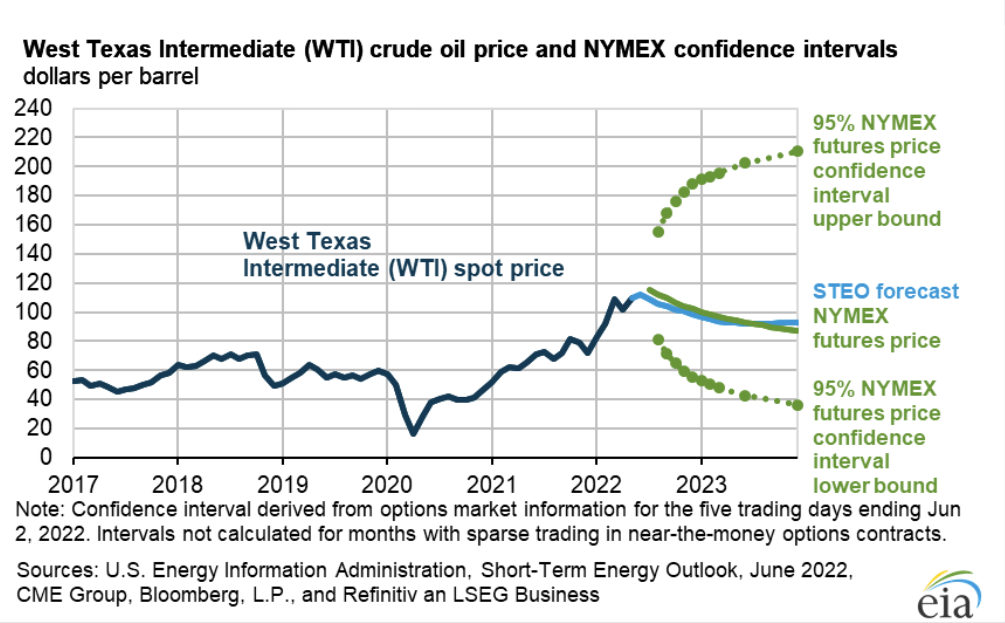
Wall Street bankers at Goldman Sachs predict that gas prices will rise until they reach a yet-uncertain point that incentivizes more oil production, and/or keeps more drivers off of the road. Goldman Sachs predicts that Brent crude oil prices will average $140 a barrel between July and September. Brent is currently trading between $115 and $125 a barrel.
We can only hope for the best. Interest in electric vehicles continues to rise, and electrified cars are taking more and more market share. However, supply shortages are holding back new car inventory, EVs remain expensive, and charging infrastructure has yet to meet the needs of all Americans. The latest data shows that driving has decreased by 3% since this time last year. If you’re looking for ways to save money on gas, clearly less driving is the most immediate cost-cutting measure.
What did we miss? If you have other tips for how to save money on gas, let us know in the comments below, or reach out to me at [email protected].

You don’t have to spend one hundred grand to purchase an electric vehicle with great range in 2022. EVs aren’t cheap, but with fuel savings taken into account, the electric lifestyle starts to sound a lot more appealing. There’s a saying in electric mobility: range is king. That’s especially true for frequent road-trippers and those who live in one of America’s remaining charging deserts. These are the electric vehicles with the most range in 2022.
Note: We’ve decided to place an emphasis on affordable electric vehicles with the most range. Affordability is a moving target in 2022’s crazy auto market, but in the realm of EVs, we’ve defined ‘affordable’ as EVs under $65,000. If you’re in the market for luxury, we’ve got those covered too.
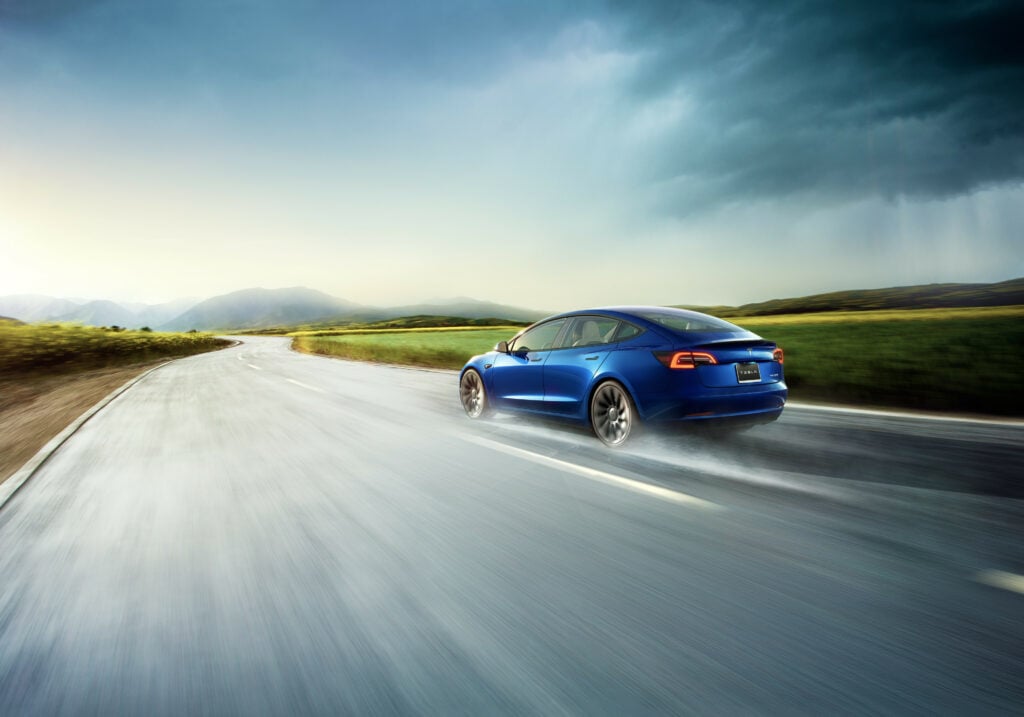
Range: 358 miles
Price: $57,190 with destination
Max charging speed: 250 kW (20-80% in 20 minutes, adding 214 miles of range)
0-60 mph (fun factor):
Federal EV tax credit qualification: No, credits were exhausted. Learn about EV incentives here.
See our full review of the 2022 Tesla Model 3 Long Range here.
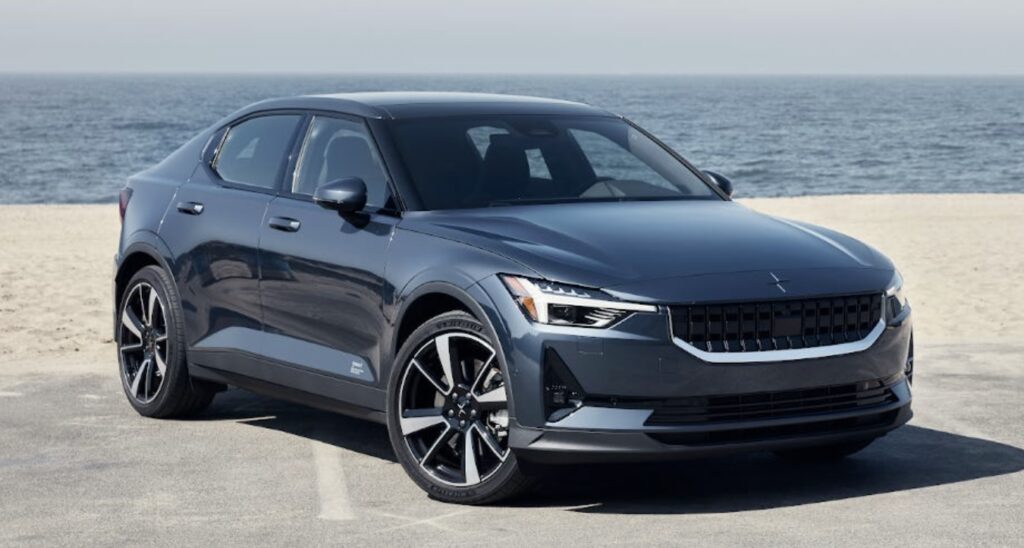
Range: 270 miles
Price: $49,800 with destination
Max charging speed: 250 kW (20-80% in 20 minutes, adding 214 miles of range)
0-60 mph (fun factor): 6.8 seconds
Federal EV tax credit qualification: Yes, learn more about EV incentives here.
See our full review of the Polestar 2 here.
Range: 272 miles
Price: $48,190 with destination
Max charging speed: 150 kW (20-80% in 20 minutes, adding 163 miles of range)
0-60 mph (fun factor): 5.8 seconds
Federal EV tax credit qualification: No, credits were exhausted. Learn about EV incentives here.
See our full review of the 2022 Tesla Model 3 here.
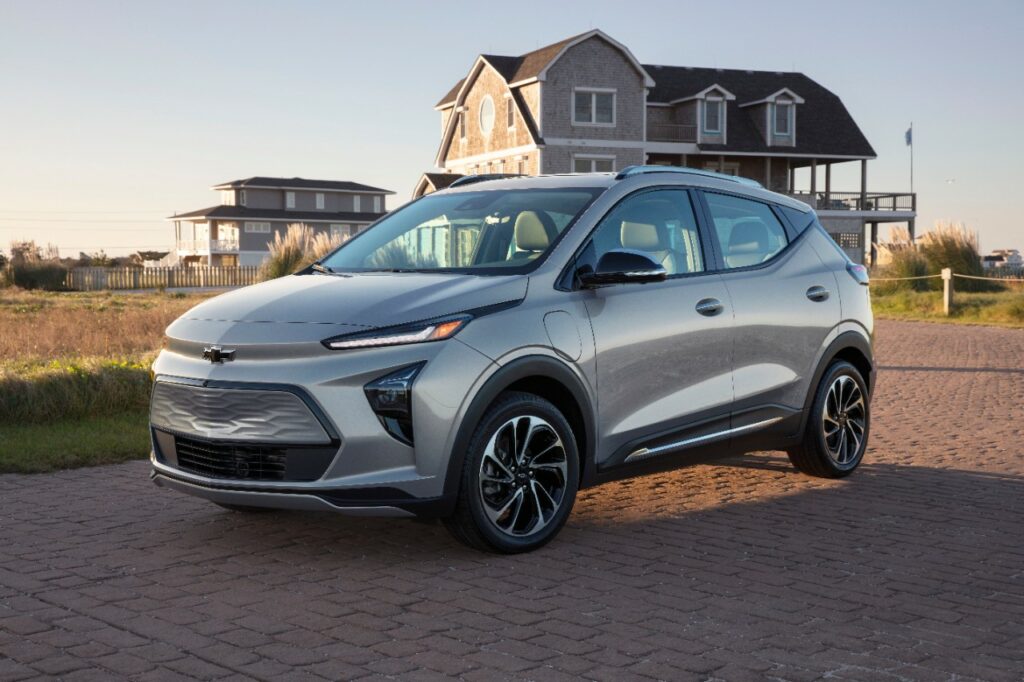
Range: 259 miles
Price: $26,595 with destination (most affordable EV available today)
Max charging speed: 55 kW (adding 100 miles of range in 30 minutes, or 200 miles of range in 75 minutes)
0-60 mph (fun factor): 6.8 seconds
Federal EV tax credit qualification: No, credits were exhausted. Learn about EV incentives here.
See our full review of the Chevrolet Bolt here.
Here’s our list of the cheapest electric cars available today
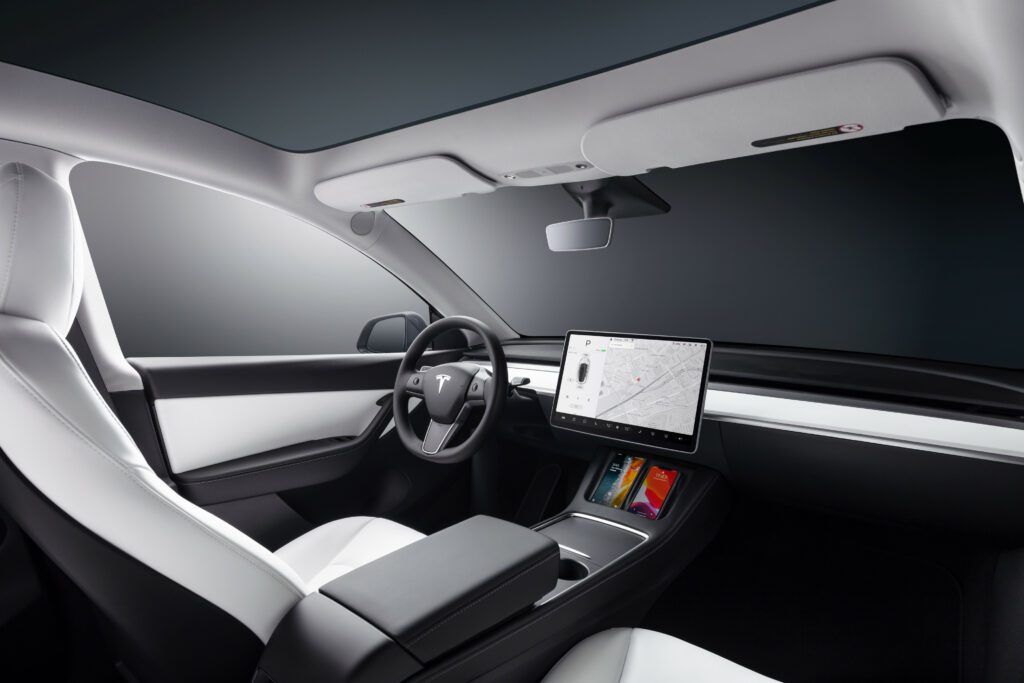
Range: 330 miles
Price: $64,190 with destination
Max charging speed: 250 kW (adding 100 miles of range in 30 minutes, or 200 miles of range in 75 minutes)
0-60 mph (fun factor): 4.8 seconds
Federal EV tax credit qualification: No, credits were exhausted. Learn about EV incentives here.
See our full review of the Tesla Model Y here.
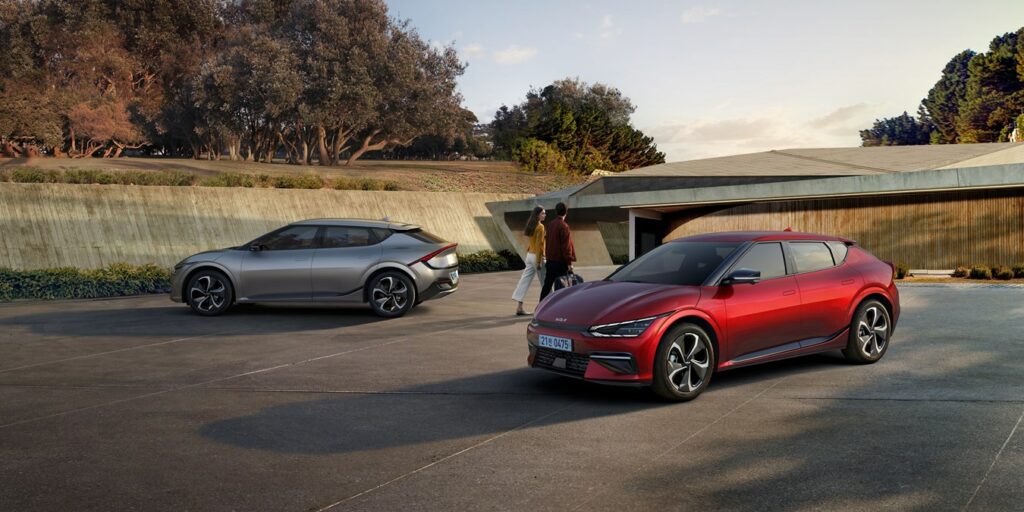
Range: 310 miles
Price: $42,155 with destination
Max charging speed: 235 kW (15-80% in 20 minutes, adding 217 miles of range in 18 minutes)
0-60 mph (fun factor): 7.3 seconds
Federal EV tax credit qualification: Yes, learn more about EV incentives here.
See our full review of the Kia EV6 here.
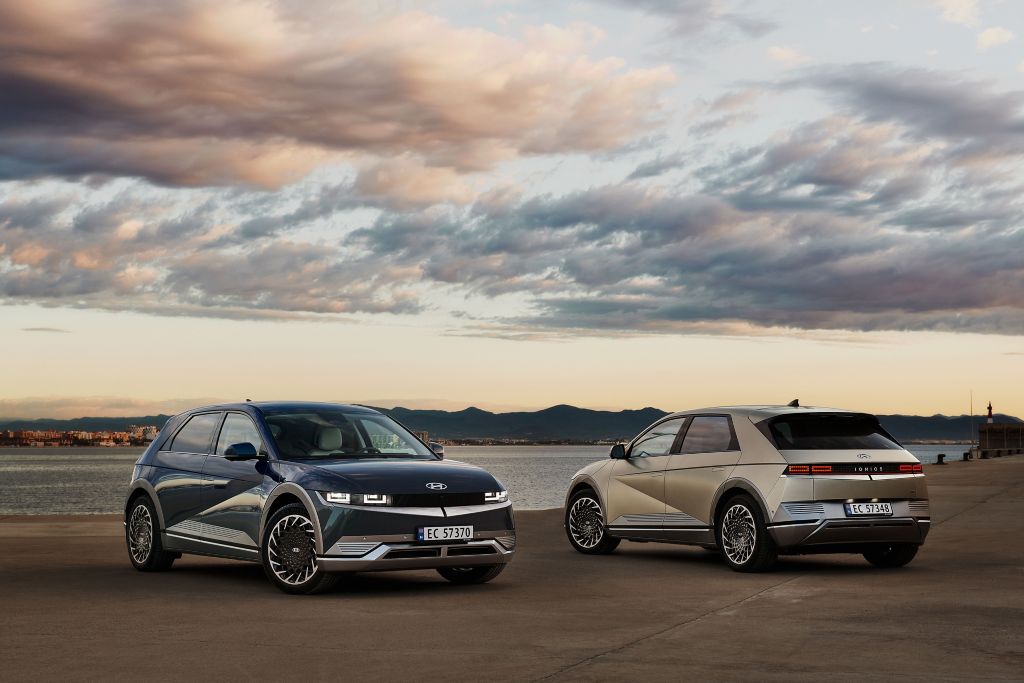
Range: 303 miles
Price: $45,295 with destination
Max charging speed: 235 kW (15-80% in 20 minutes, adding 197 miles of range in 18 minutes)
0-60 mph (fun factor): 7.5 seconds
Federal EV tax credit qualification: Yes, learn more about EV incentives here.
See our full review of the Hyundai IONIQ 5 here.
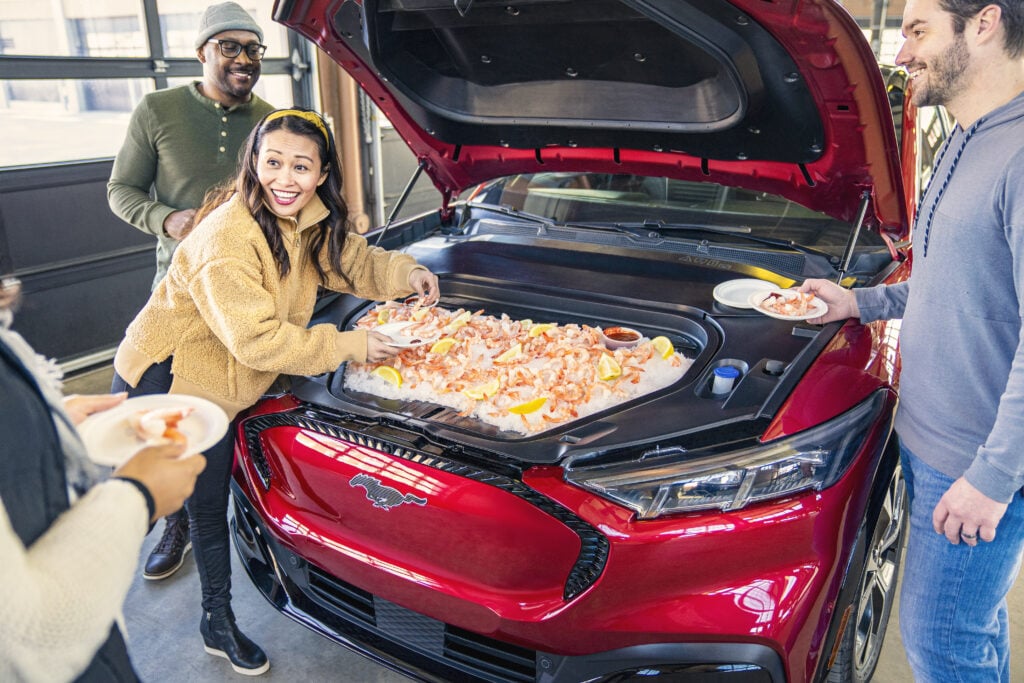
Range: 314 miles
Price: $53,550 with destination
Max charging speed: 150 kW (10-80% in 45 minutes, adding 220 miles of range)
0-60 mph (fun factor): 6.1 seconds
Federal EV tax credit qualification: Yes, learn more about EV incentives here.
See our full review of the Ford Mustang Mach-E here.
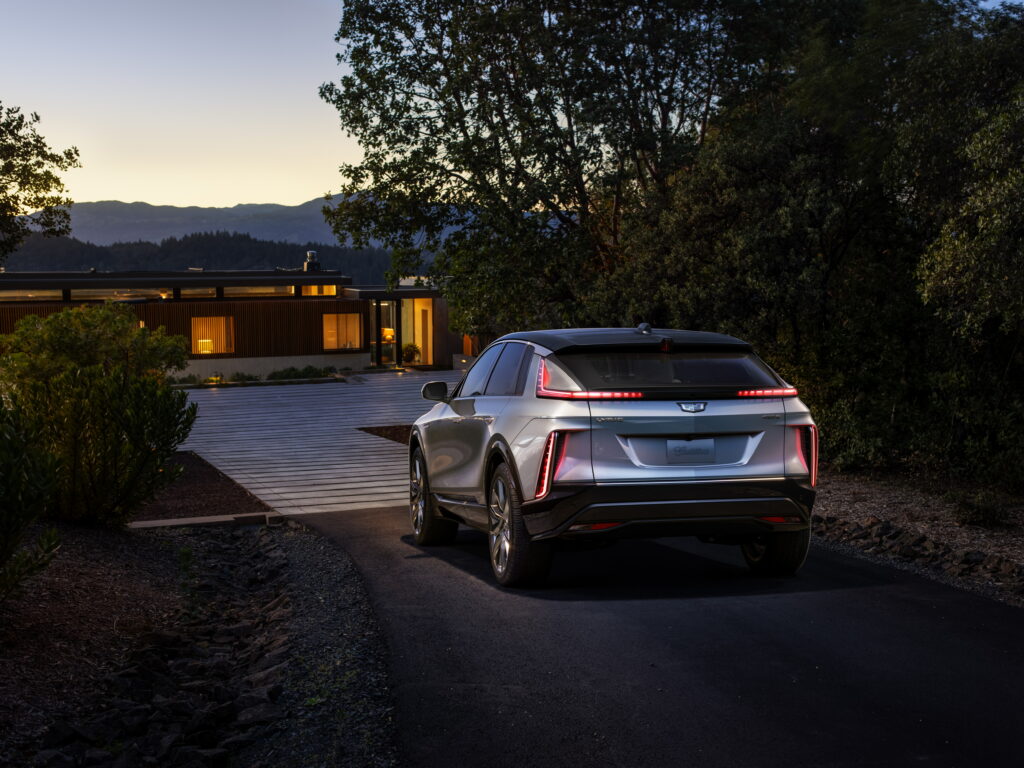
Range: 312 miles
Price: $64,185 with destination
Max charging speed: 190 kW (adding 195 miles of range in 30 minutes)
0-60 mph (fun factor): 6.4 seconds
Federal EV tax credit qualification: No, credits were exhausted. Learn about EV incentives here.
See our full review of the Cadillac Lyriq here.
See the latest EV availability and wait times for EVERY model
There are now three electric pickup trucks on American roads, but buying one is easier said than done. Everyone wants one, and wait lists extend months and in some cases, years. We’ve decided to include electric trucks that are not yet available for purchase, so long as specs have been released and reservations or orders can be placed today.
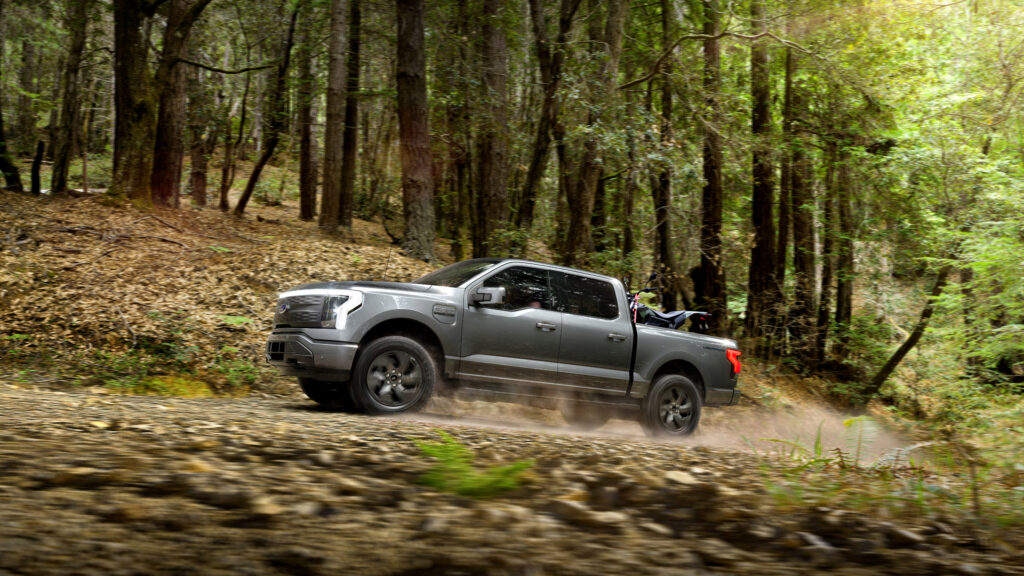
Range: 320 miles
Price: $72,474
Max charging speed: 130 kW (15-80% in 40 minutes)
0-60 mph (fun factor): estimated 4.5 seconds
Federal EV tax credit qualification: Yes, learn more about EV incentives here.
See our full review of the F-150 Lightning here.
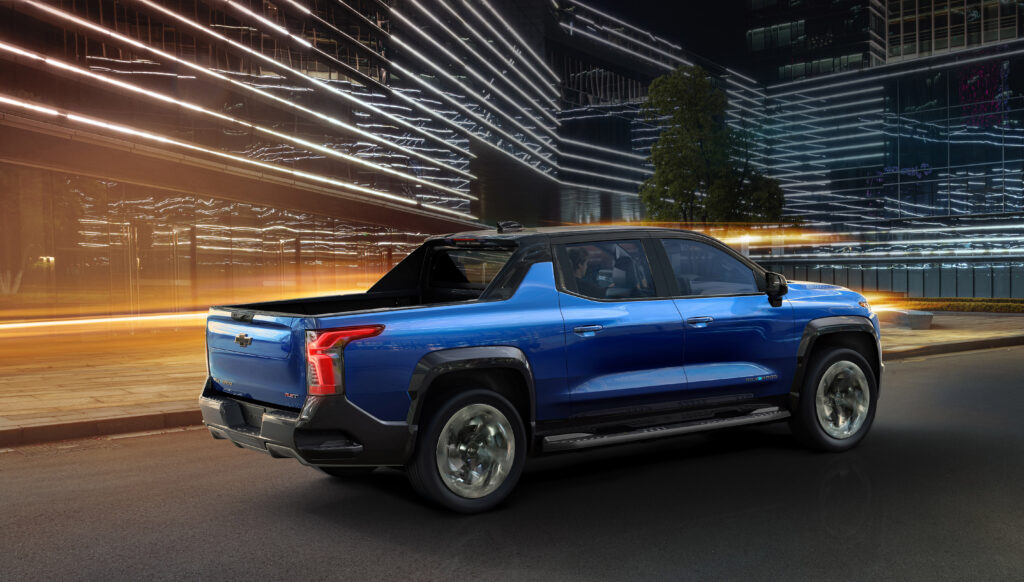
Range: Estimated 400 miles
Price: $42,000 – $100,000+
Max charging speed: 350 kW (adding 100 miles of range in 10 minutes)
0-60 mph (fun factor): N/A
Federal EV tax credit qualification: No, credits were exhausted. Learn about EV incentives here.
See our full review of the Silverado EV here.
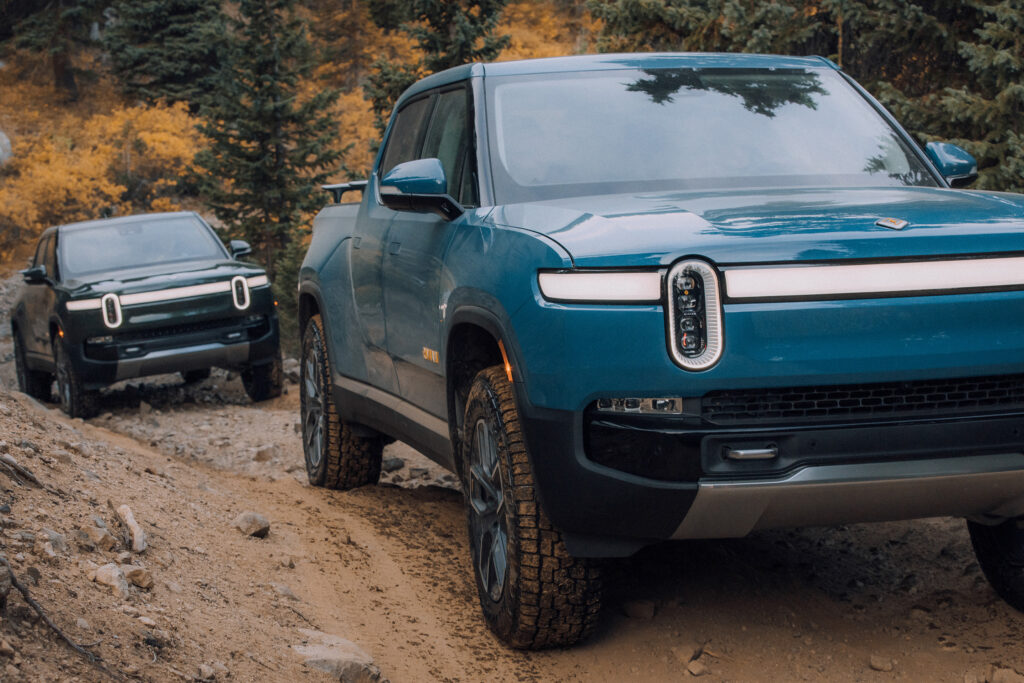
Range: 314 miles
Price: $80,000 – $100,000+
Max charging speed: 220 kW (10-80% in 40 minutes)
0-60 mph (fun factor): 3.0 seconds
Federal EV tax credit qualification: Yes, learn more about EV incentives here.
Learn more about Rivian’s R1T and R1S full-size SUV.
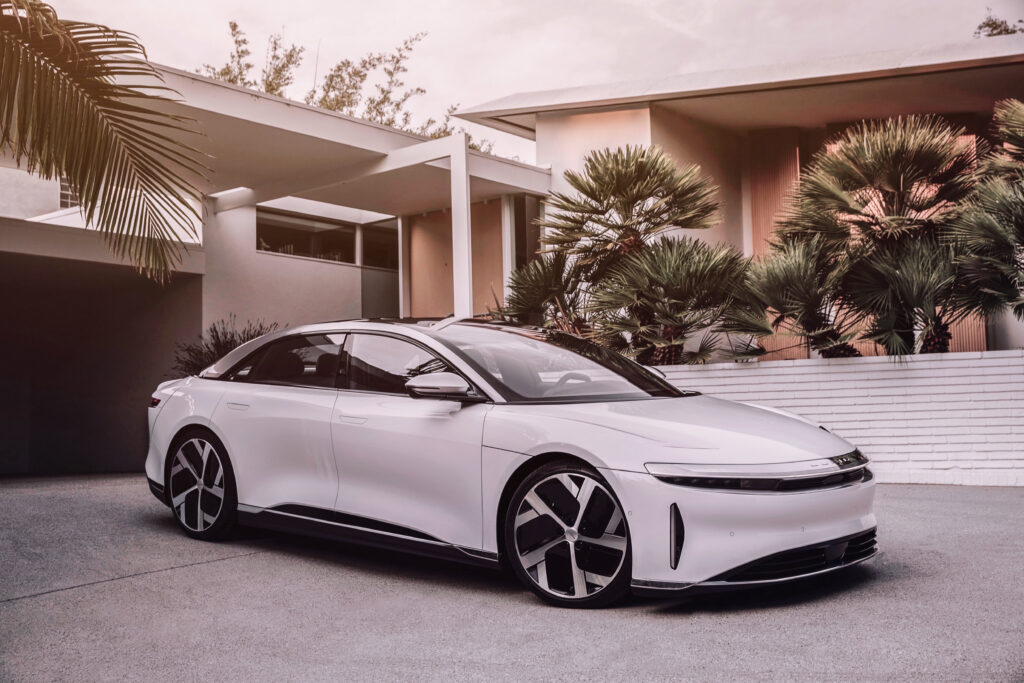
Range: 516 miles
Price: $139,000
Max charging speed: 300 kW (adding 300 miles of range in 20 minutes)
0-60 mph (fun factor): 2.6 seconds
Federal EV tax credit qualification: Yes, learn more about EV incentives here.
See our full review of the Lucid Air here.
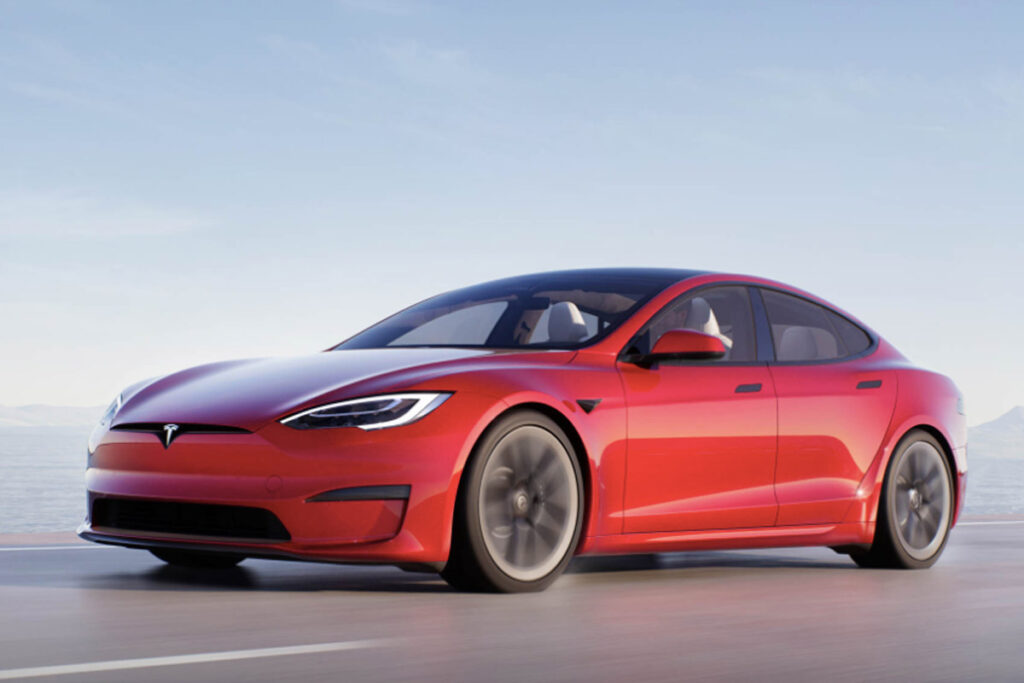
Range: 405 miles
Price: $101,990
Max charging speed: 250 kW (adding 200 miles of range in 15 minutes)
0-60 mph (fun factor): 3.1 seconds
Federal EV tax credit qualification: No, credits were exhausted. Learn about EV incentives here.
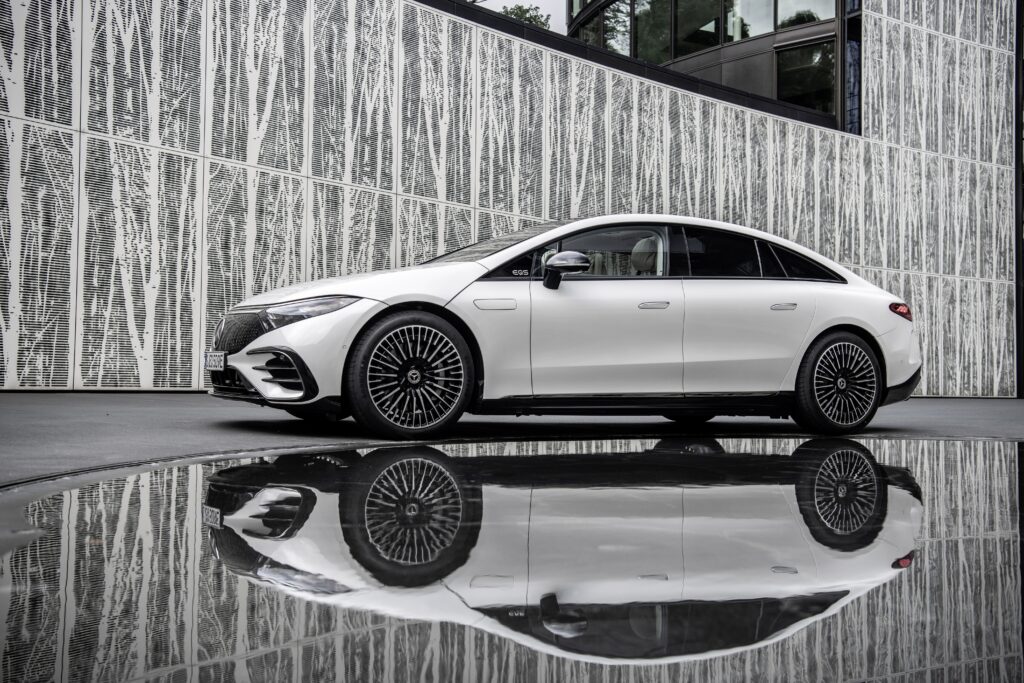
Range: 350 miles
Price: $139,000
Max charging speed: 200 kW (adding 200 miles of range in 20 minutes)
0-60 mph (fun factor): 5.5 seconds
Federal EV tax credit qualification: Yes, learn more about EV incentives here.
See our full review of the Mercedes EQS here.
What does the future hold? Not necessarily more range, surprisingly. Many auto analysts expect range for relatively affordable EVs to settle in around the 250-350 mile range. Why? Battery shortages loom on the horizon. Raw materials are in high demand, and there are only so many places on Earth to get lithium, cobalt and other materials.
Should you buy an EV now or wait? If you can find what you want for MSRP or very close to it, it just might be the right time to buy or lease. All signs point towards higher EV prices for 2023 and 2024 model years.

Just a few months ago, Ford shook up the automotive industry and ignited rumors that brought anxiety for Ford dealers. Ford’s announcement to separate all-electric and internal combustion engine (ICE) sales was seen as a nod to Tesla, and a threat to the dealership model. Direct-to-consumer sales are in the works for the maker of the top-selling vehicle in America, and others are warming up to the idea. Who’s next?
Months later, other automakers have been cornered into taking a stance with regards to the future of their franchise dealership relationship. Volkswagen’s surprise revival of the Scout brand is the latest headline to force this conversation to the forefront. Mercedes, BMW and MINI are considering similar moves. What does it all mean for the consumer? Are car dealerships going away, or is the auto industry going through an inevitable transition?
Is the Golden Age of Dealerships Coming to an End?
In 2023, there are nearly 18,000 car dealerships in the United States. Despite all of the talk from automakers over the last several months, this figure has risen by 0.6% since last year. Take into account that dealer consolidations are also changing the game, 2023 is shaping up to be a turning point for dealerships.
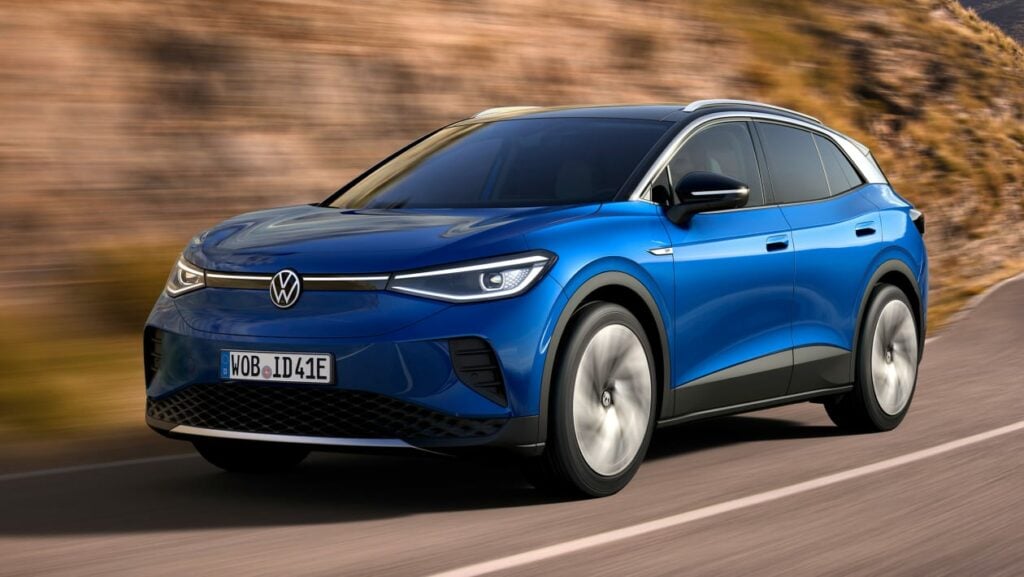
I don’t think anyone saw this coming. Last year, Volkswagen announced that it intends to revive the legendary Scout brand as an all-electric line of pickup trucks and SUVs. Volkswagen was already a leading force in the electrification of the industry, and has seen success with the ID.4 crossover in America. The revived VW Scout brand isn’t going to be a niche product with low sales volume. Scout will aim for 250,000 annual sales in America, with the first vehicles arriving off production lines in just four year’s time.
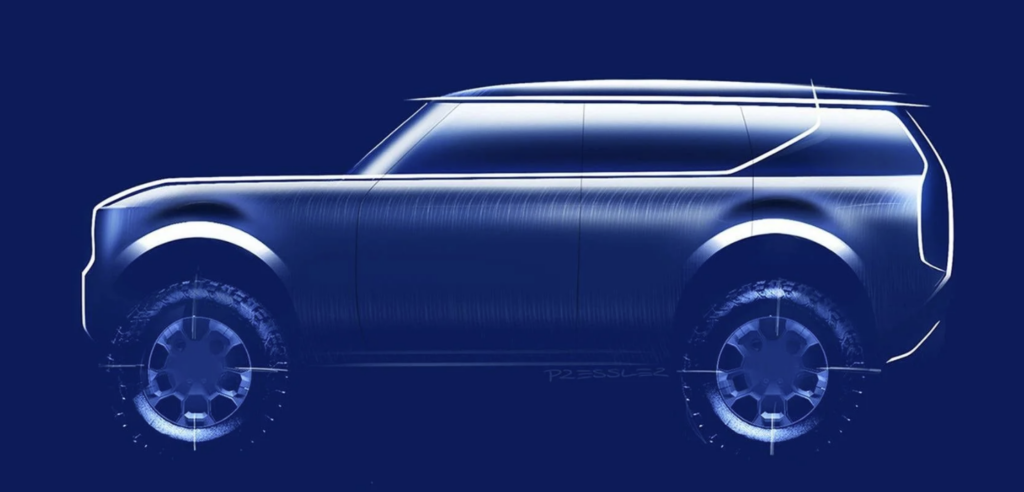
While overlanding enthusiasts were serving up plenty of skepticism for VW’s Scout ambitions, Volkswagen dealers were having a bit of a freak-out. Automotive News journalist Larry Vellequette said that the move was “enough to roil hundreds of U.S. dealers of the automaker’s eponymous brand over the last few weeks like nothing since the German automaker’s costly diesel emissions scandal.” Such a bold claim isn’t made lightly considering the long-lasting impacts of the 2015 dieselgate scandal.
Volkswagen of America CEO Scott Keogh told Automotive News what he was able to share publicly.
“Everything that I know has been reported and you have reported it,” Keogh said. “First and foremost, Scout is and always was a unique and distinctly American brand — big-time Americana — so it won’t be operated through the Volkswagen brand. In fact, it won’t be operated through Volkswagen Group of America. It will be operated independently.”
National Automobile Dealer Association CEO Mike Stanton reached out to Keogh in a letter. The letter urged VW of America to “quickly and clearly communicate Scout’s distribution plan to your dealers who have made significant investments to support VW’s business model and transformation to electrification.”
Stanton warned that “the longer your dealers go without information and answers to their questions, the more that speculation will fill the void.”
Concerns are amplified at the state level, too. North Carolina Automobile Dealers Association President Robert Glaser told Automotive News that “despite repeated assurances throughout the years by Volkswagen that its dealers are ‘partners’ in advancing and promoting VW products, this announcement produced instant dismay and concern among all VW dealers.”
Clearly, if Volkswagen wasn’t considering a direct-to-consumer sales model for at least some of their brands, they would have reassured their dealers swiftly. Now, all dealers can do is speculate and hope for the best.
One might approach comparisons between the U.S. and European automotive industries with reluctancy, but we’ve seen the connection time and time again. Take Mercedes-Benz for example. When Mercedes announced it would begin enabling level 3 autonomous driving under certain conditions in Germany, most dismissed it as a European experiment. Not even Tesla had pulled that off. Just months later, Mercedes-Benz shared their goal of bringing level 3 autonomy to American roads, where it will complement the dazzling new EQS electric luxury sedan.
Now, Mercedes has announced their intention to downsize their dealership network in Europe, and to a lesser extent elsewhere, for now. In the automaker’s homeland of Germany, Mercedes says that 15 to 20 percent of its dealers will be effectively let go. Globally, they plan to cut 10 percent of their dealerships. Right now, Mercedes says that there are no plans for ‘dealer consolidation’ in America.
Why is Mercedes-Benz cutting dealers from the brand? One of their fiercest and most recent competitors has risen to fame by adopting direct-to-consumer sales, and they want a bigger piece of the DTC pie. Tesla has managed to achieve 14% EV market share in Europe in just a decade, already having surpassed Mercedes when it comes to electric vehicles sales.
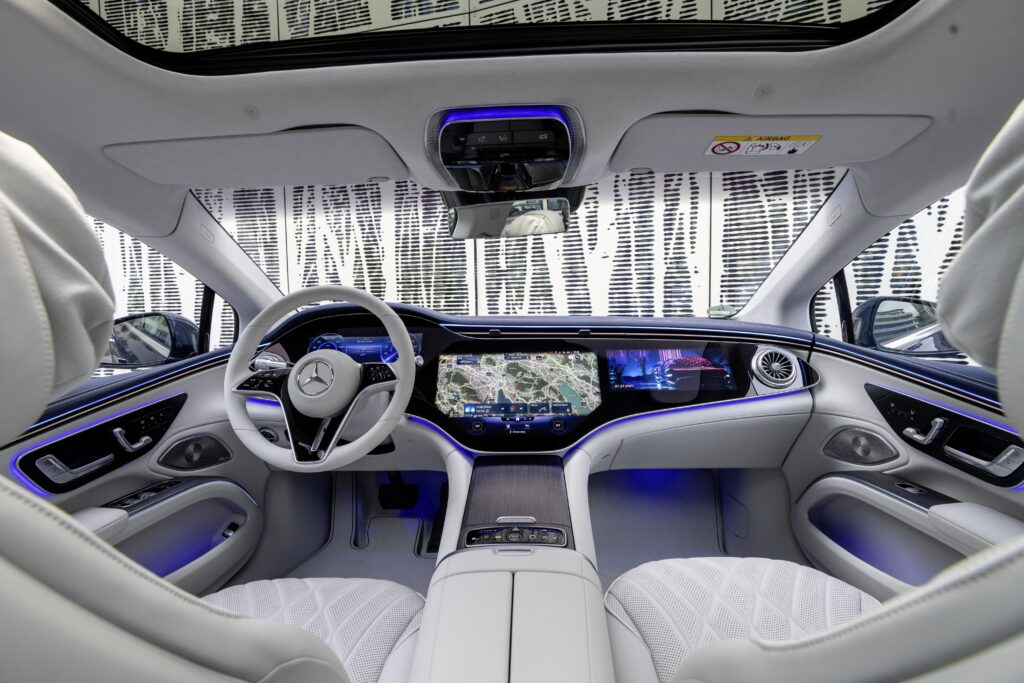
Consumers are REALLY tired of haggling with salespeople at dealerships. Tesla has shown that there are alternatives. Therefore, Mercedes-Benz is pursuing a direct-to-consumer “agency” sales model. They believe 80 percent of European sales will be direct-to-consumer by 2025.
In the dealer agency model, automakers invoice customers directly, and dealers receive a fixed fee for every vehicle sold.
Ford’s bold Model e plan doesn’t cut dealers outright. Instead, Ford Model e re-envisions the role of dealers as delivery centers for online sales. It sounds like BMW Group is a fan of Ford’s plan.
BMW Group executive Pieter Nota confirmed that both BMW and MINI are looking hard at pursuing an agency model in which authorized dealers are transitioned into a delivery and customer experience role. Nota told Automotive News that talks are underway.
“We are currently talking with our European dealers about a move to a genuine agency model,” Nota told Automotive News Europe.
Back in March, Germany’s Autohaus magazine reported that BMW plans to end MINI’s authorized dealer system in Europe in 2024 before doing the same for BMW in 2026.
Ford’s Model e plans aside, dealers continue to have a strong grip on auto sales in America. Tesla is the face of DTC sales in the U.S. for the time being. However, the tides are turning. It’s only a matter of time before European automakers bring their “agency” sales models to the U.S. Direct-to-consumer sales equal higher profits for automakers, and they’re not going to pass up the opportunity for some extra cash, especially as the costs of electrifying their lineups are approaching one trillion dollars. In other words, it’s not “if”, but “when”.

Until there’s a Carfax for electric vehicle battery health, car buyers should bear in mind the unknowns of the used EV market. We’re used to hearing of highway miles versus stop and go, or oil changes every 3,000 miles. When it comes to the health of a 1,000 pound battery pack that costs $15,000 to replace, it’s important to know how ownership habits affect the longevity and performance of a modern electric car. How does fast charging impact the health of the battery? Is it worse than plugging in at home? We’re about to address these very important questions and more.
In automotive media, we often harp on the quickest charging possible. I’m guilty of that myself, and it IS an important measure of an electric vehicle’s engineering. EVs will never win over the masses with charging rates like this. However, reliance on direct current (DC) fast charging is a real threat to the longevity of EVs that we all expect and embrace. A ruined battery with a stunted lifespan is not only an expensive fix, it’s horrible for the environment.
Every new tech revolution brings its own growing pains. With the personal computer came lessons learned about viruses, scammers and how to use email without annoying everyone. EVs bring a new set of challenges, but they’re challenges that can easily be overcome with a little bit of outreach and driver education.
So without further ado, here’s a public service announcement from CarEdge Electric:
Don’t rely on fast charging for your daily charging needs
Why is this important enough to shout from the rooftops? DC fast charging stresses batteries to the point of degradation. Let’s take a look at a recent literature review of what scientists have found.
Authors Bhagavathy et al. (2021) summarized the last decade’s worth of research in the realm of battery degradation. Here are the key takeaways:
Who cares, 3% to 6% is nothing, right? Not so. When most electric vehicles have a rated range of just 220 to 275 miles, every mile counts. Losing 6% of rated range to degradation would drop my own Hyundai IONIQ 5’s range from 256 miles on a charge down to 240 miles. I’d rather treat my battery nicely and keep that extra 16 miles of driving range. I might need it someday.
Other factors that reduce the longevity of EV batteries are:
Generally, 10% – 85% is the range of optimal battery health.
More likely than not, the electric vehicle you’re in the market for comes with some kind of free charging incentive. This is great for road trips, but be careful not to abuse the privilege. If you rely on DC fast chargers at Electrify America or Tesla Superchargers all the time simply because you can, you may end up wishing you didn’t when your range slips away quicker than expected.
Here’s everything you’ve wanted to know about Electrify America charging stations
Almost all electric vehicles use some version of the tried and true lithium ion battery. The specific chemistry of each battery is what gives it particular performance characteristics, strengths and weaknesses. Most are named after the makeup of their cathodes, the negatively-charged electrode.
To further explain, here are a few of the most common electric vehicle battery chemistries:
| Battery Chemistry | Strengths | Weaknesses | Featured In: |
|---|---|---|---|
| NCM (Lithium-Nickel-Manganese-Cobalt) | High energy density, lower cost, longer lifespan | Can't have optimal energy AND power | Ford Mustang Mach-E, F-150 Lightning, Hyundai IONIQ 5, Kia EV6, some Teslas |
| NMA (Lithium-Nickel-Manganese-Aluminum) | Cobalt-free (good for Earth) | Some have lower energy density | TBD |
| NCMA (Lithium-Nickel-Cobalt-Manganese-Aluminum) | Less cobalt (good for Earth), higher energy density | Limited supply | GM's Ultium platform, some Teslas |
| LFP (Lithium-Iron-Phosphate) | Rechargeability, long life, low cost, availability | Less energy dense, less power | Tesla Model 3 RWD |
| Solid-State (many chemistries in development) | More energy dense, safer, faster charging | Yet to be produced at mass scale | TBD |
One of the greatest strengths of the lithium-iron-phosphate (LFP) battery is its ability to withstand repeated charge and discharge cycles better than other batteries. A rear-wheel drive Tesla Model 3 with LFP batteries would not be as harmed by repeated fast-charging as an EV with other battery chemistries. Perhaps that’s why Hertz was so eager to buy 100,000 of them for their rental fleet!

For years, engineers and EV enthusiasts alike have been anticipating the arrival of the first solid-state batteries in production electric-vehicles. When will it happen at last? It’s looking like 2025 at the earliest. And even then, solid-state batteries may only arrive in hybrid or plug-in hybrid powertrains (according to Toyota’s plan).
Other than that, the future is here folks. Competing battery chemistries are in a tug-of-war for market share and ‘strategic partnerships’, as the automakers like to call it. But more important than automaker plans is the need for drivers to learn the nuances of EV ownership. Don’t fast-charge your EV just because you can, do it when you must. Otherwise, we could be looking at a used EV market swamped with degraded and abused batteries just a few years down the road. That wouldn’t help the EV revolution one bit.