
CarEdge saved me over 4,500 dollars on a brand new Honda Pilot. I can't say thank you enough.
Price intelligence
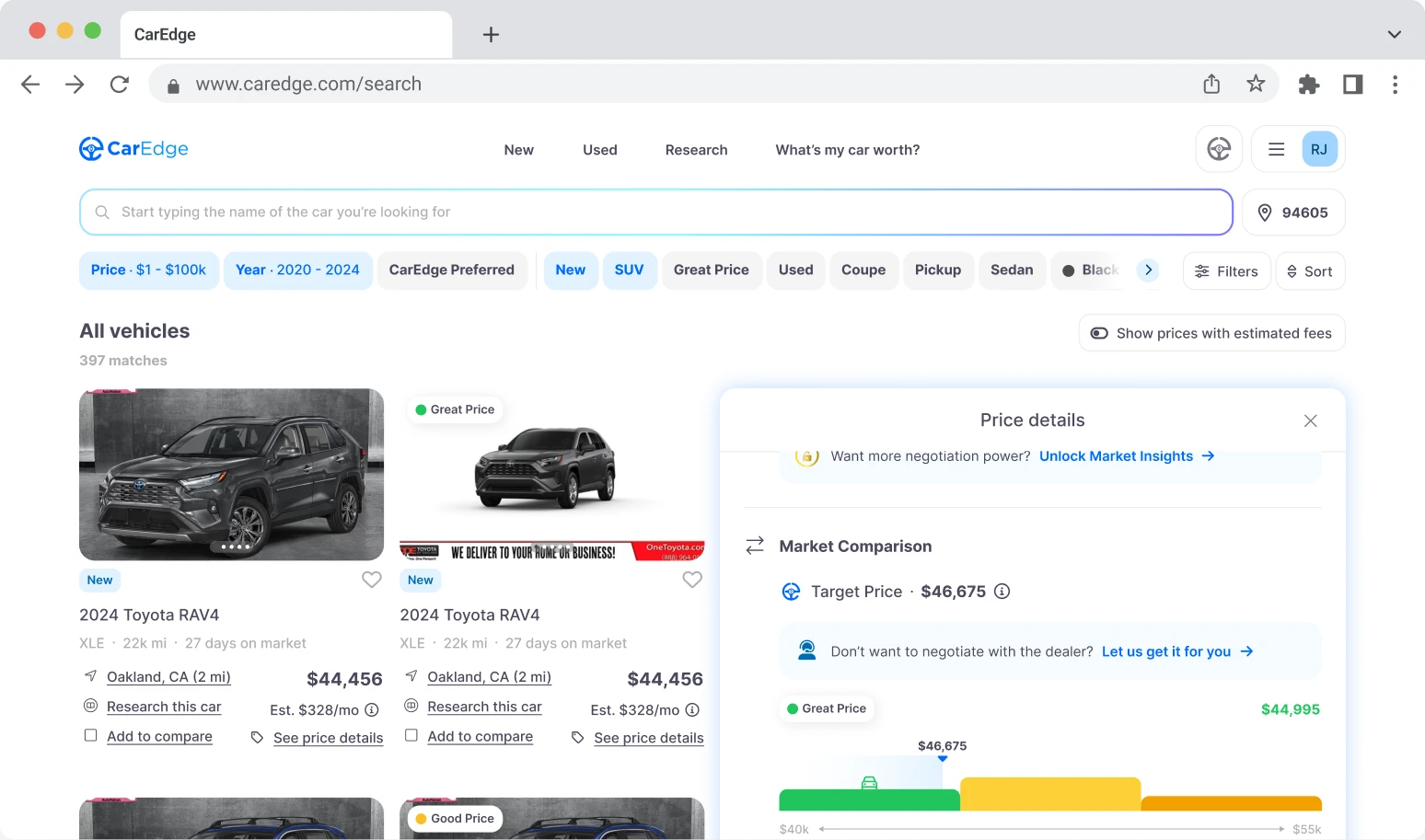
Find a wide range of vehicle listings with market insights on new and used listings near you.

What can I do with CarEdge?
 CarEdge Insights
What can I do with CarEdge?
Get access to exclusive information so you can make an informed car buying decision — all in one place.

Find a wide range of vehicle listings with market insights on new and used listings near you.
Track your vehicle’s value and cash in when the time is right to sell.

Access to our proprietary data to help you find the right car, at the right price. Find these unlocked on every listing after subscribing.

With our expert-led, tech-enabled car buying service, we will locate, negotiate, and deliver your vehicle so you can get a new car hassle free.


Help us personalize your CarEdge experience — it only takes a second.
Your answers help us personalize your CarEdge journey — we’ll follow up with tips and next steps that match your buying timeline.
Another year, another batch of cars driving off into the sunset. As automakers shift toward electrification and trim unprofitable models, 2026 will bring a surprising number of cancellations. Longtime favorites like the Nissan Altima, Ford Escape, and Cadillac XT5 will be gone in 2026, despite continuing to sell in decent volume. Whether you’re a fan of affordable sedans or luxury crossovers, you’ll want to take note of what’s leaving the showroom floor for good.
Here are all the cars, crossovers, and SUVs confirmed to be discontinued in the U.S. in 2026.
In case you missed it: All the cars being cancelled in 2025.

Production of the XT5 will end by late 2026. After already cutting the XT4 earlier in 2025, Cadillac is continuing its shift to an all-electric future, leaving fewer internal combustion crossovers on the lot.

The XT6 will end production even sooner, with 2025 marking its final model year. Cadillac’s three-row luxury SUV has never been a huge standout in the segment, and it’s being phased out as GM prepares to scale up EV production across its brands.

One of Ford’s top-selling models over the past two decades, the Escape is reaching the end of the road. According to reporting from Ford Authority, production will end after the 2025 model year. The Louisville Assembly plant that manufactures the Escape will be retooled for a new electric model.
See Ford Escape listings before they’re gone

Another sedan bites the dust. The Altima, once a darling of the mid-2000s, will be discontinued in 2026 as Nissan restructures its lineup and refocuses on more profitable segments. After retiring the Maxima last year, the Altima’s demise reflects Nissan’s move away from sedans.
See local Altima listings with price insights

In 2025, the Versa holds the title of America’s last new car under $20,000. But that affordability wasn’t enough to keep it alive. The Versa will be discontinued in 2026 due to low profit margins and dwindling demand for budget sedans. It’s a sad sign of the times: affordable new cars are becoming extinct.
Find Nissan Versa listings near you

Say goodbye to Porsche’s iconic soft-top roadster. The 718 Boxster is being phased out after 2025, making room for an all-electric successor in the coming years. Like its drop-top sibling, the Cayman will also exit the lineup.
See Porsche listings in your city

While the new Macan EV is already a hit, the gas-powered Macan is on its way out. The gas variant will be discontinued after 2025 as Porsche pushes for an all-electric lineup by the end of the decade. With Taycan sales dwindling, it’s not clear if that goal will hold up much longer.
Browse Porsche Macan listings today
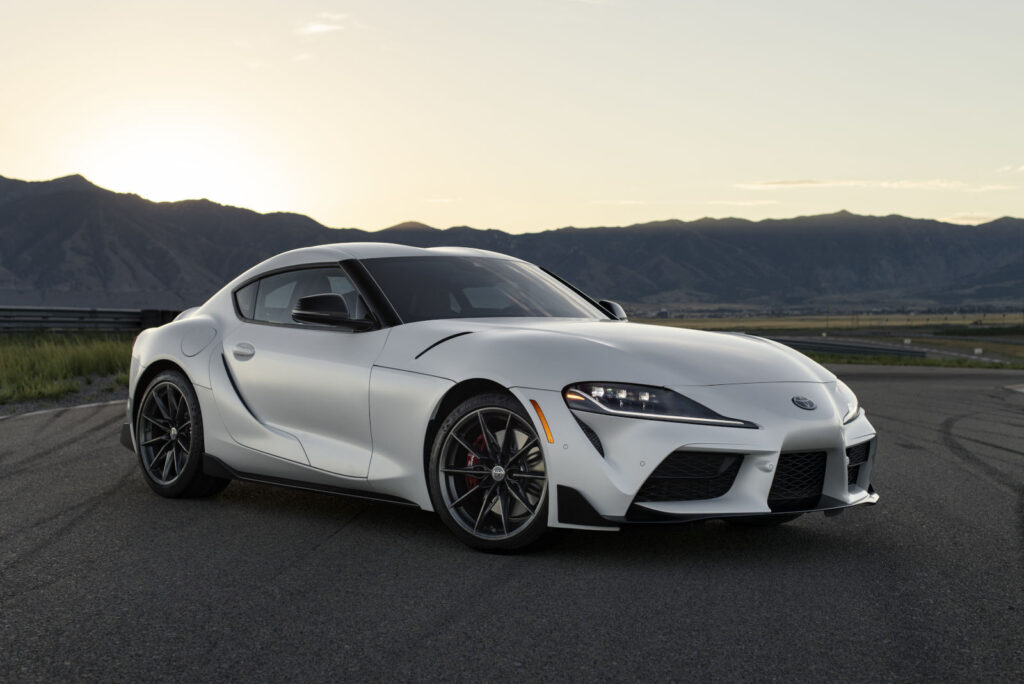
Toyota has confirmed that the current-generation Supra will end production in 2026. While it may return one day, Toyota fans will face a gap in production before a next-generation version appears. For now, the Supra nameplate is heading back into the vault.
See Toyota Supra listings in your city

Due to the ongoing global trade conflict and rising tariffs, Volvo has decided to end U.S. sales of the European-built S90 sedan. This marks the end of a premium, understated luxury car that struggled to find a large audience in America.
Browse Volvo cars for sale near you
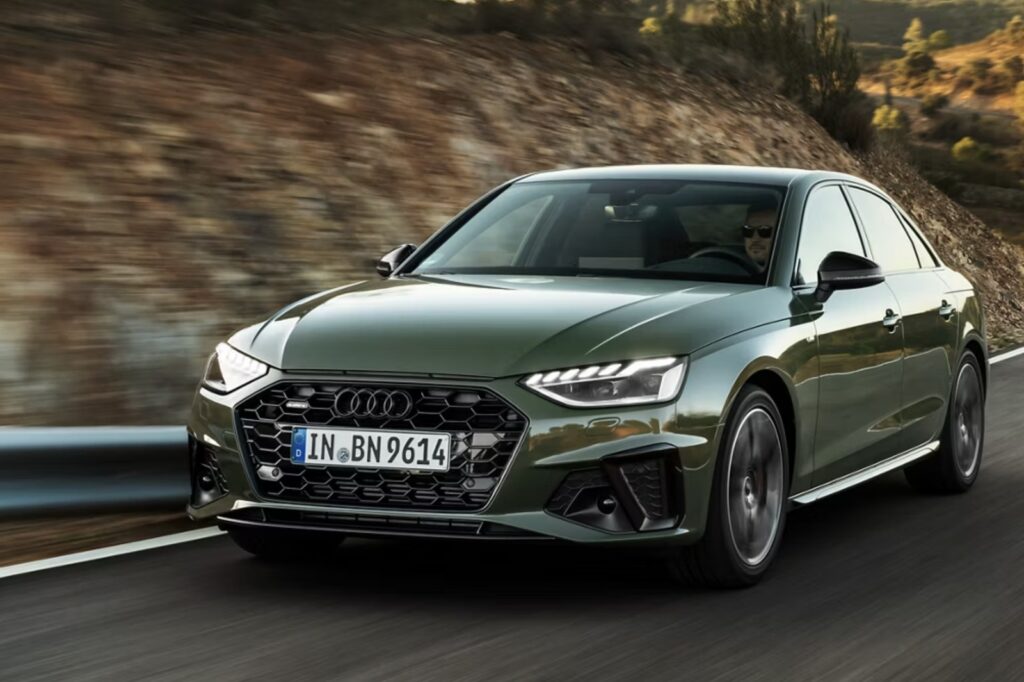
After a long and respected run, the Audi A4 is technically being retired in favor of newer electrified and performance-focused offerings. However, Audi says its spirit will live on in the Audi A5. Audi has simply decided to change their naming convention, and will now reserve even numbers for EVs. We’re not sure if name changes will be enough to lure in buyers, but we’ll see!
See Audi A4 listings before they’re gone
If you’re thinking about buying one of the models listed above, the good news is that you’ve got time to act. The cars and SUVs above will be on dealership lots through most of 2026. The bad news is that once these 2026 models are sold, they’ll be gone forever. Want help negotiating a great deal before these disappear? That’s what we’re here for.
👉 Have a pro negotiate for you with CarEdge Concierge
👉 Track local inventory and prices with CarEdge Pro
Q: Are these cars being discontinued globally or just in the U.S.?
A: Most of the vehicles listed above are being dropped from the U.S. market. Some may continue in other countries, especially where sedans are still in demand. For example, the Volvo S90 and the overseas equivalents of Nissan’s sedans will continue to be sold in Mexico, Asia, and beyond.
Q: Why are so many sedans and budget cars being discontinued?
A: profitability. Automakers make more money on crossovers, SUVs, and EVs. As sedan sales fall and costs rise, entry-level cars like the Versa are increasingly unviable.
Q: Can I still get a deal on a discontinued car?
A: Yes. As dealers try to move the last of their inventory, prices often become more negotiable. Tools like CarEdge Pro can help you spot these opportunities.
Q: What’s replacing these models?
A: In most cases, they’re being replaced by EVs or not replaced at all. For example, the gas-powered Macan is being succeeded by the Macan EV, while others like the Altima and Versa are simply ending with no direct replacement.

Some of the best July car deals didn’t arrive until after Independence Day.
Several automakers let their July 4th deals quietly expire early, only to roll out even better offers for the second half of the month. Ford just unveiled several interest-free financing offers, and best-selling SUVs from Honda, Nissan, and Hyundai are now heavily discounted. From interest-free financing to dirt-cheap leases, these summer incentives are big news.
Here’s what changed this week, brand by brand.
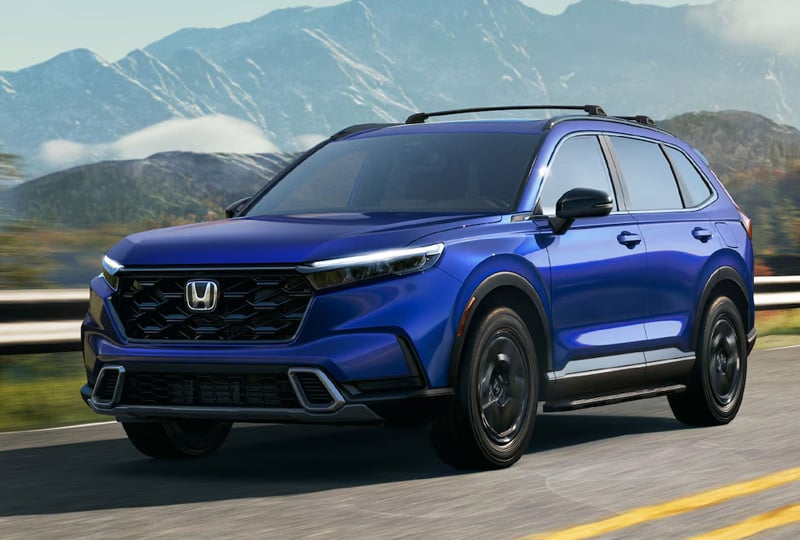
What’s Out:
Honda let attractive lease offers for the Accord expire. But there’s good news — strong new incentives are taking their place.
What’s New:
What Continues:
See Honda inventory with local market insights, and check terms and conditions.
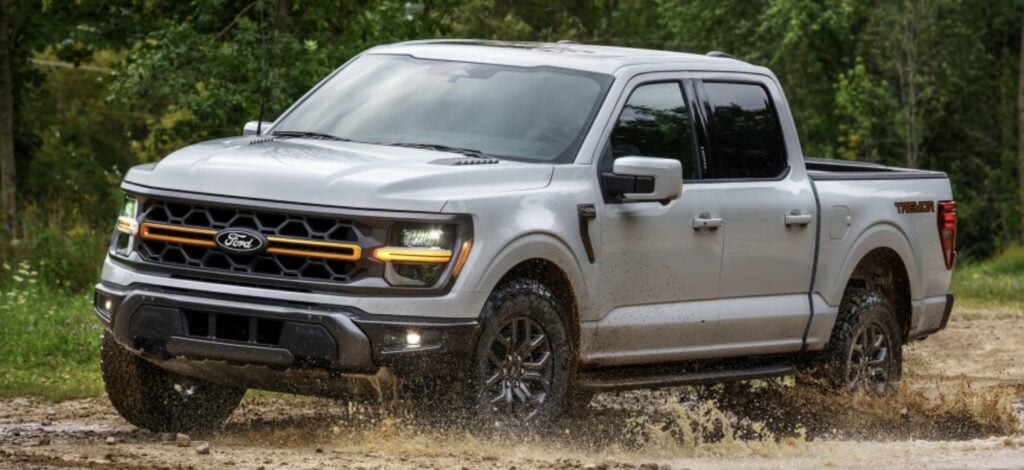
What’s Out:
Ford has ended its Ford Employee Pricing program. In its place? The new Ford Summer Sales Event, which surprisingly brings better deals than before. New offers of 0% financing, big cash offers, and some of Ford’s best lease deals in months are now live.
What’s New:
Browse Ford inventory in your area, and see deal terms and conditions

What’s Out:
Several low-APR financing offers have been replaced by something better in July. Hyundai is stepping up their game with 0% APR on a best-selling family SUV.
What’s New:
What Continues:
See Hyundai inventory near you and check offer terms and conditions
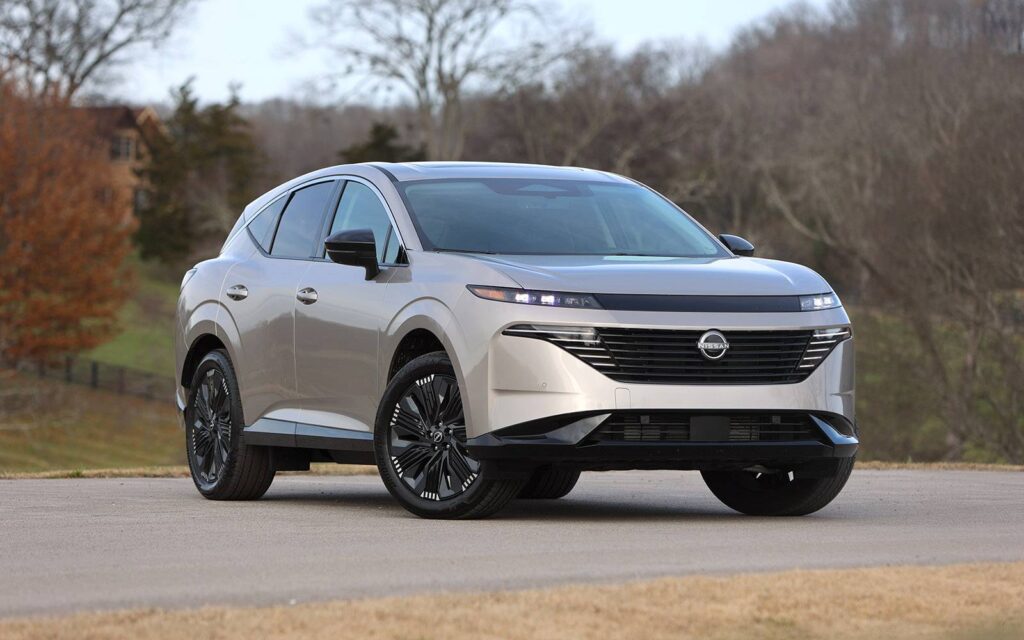
What’s New:
What Continues:
See Nissan inventory with local market insights, and check terms and conditions.
Kia’s Fourth of July deals expired on July 7 — but unlike the others, they haven’t yet released new incentives. As of July 9, 2025, Kia’s site simply says “Coming Soon.” We’ll be watching closely and will update you as soon as new offers are live. See the latest at Kia.com.
The second half of July might bring even better opportunities than the Fourth of July. But sorting through all the fine print takes time, and a whole lot of confidence.
That’s where we come in.
CarEdge helps you save time, money, and hassle. From finding the best available offer in your area to negotiating the out-the-door price, our expert car buying team works on your behalf. No stress, no games, just a car deal you can be proud of.
Artificial intelligence is changing the way Americans buy cars, and it’s a transition that is happening quickly. In the first-ever survey of its kind, CarEdge asked 500 car shoppers if they’re using AI tools like ChatGPT to research, compare, and negotiate during the car buying process.
The results confirm a major shift is underway. One in four car buyers in 2025 is already using AI tools to gain an edge, and future buyers are even more likely to embrace these technologies.
Car buyers are finding AI to be a valuable tool. Among those who used tools like ChatGPT, Perplexity, Google Gemini, and others, 88% said it was helpful. AI is quickly becoming a trusted co-pilot for car buyers.
This report offers the first data-backed look at how AI tools are reshaping the car buying experience. For the automotive industry, the message is clear: buyers are more empowered than ever — and they’re bringing AI to the dealership.

The 2025 CarEdge AI & Car Buying Survey reveals a clear and growing trend: AI tools are quickly becoming part of the car buying process for a significant portion of consumers. Here are the standout findings:
25% of car buyers in 2025 say they used or plan to use AI tools like ChatGPT during the shopping or buying process. This contrasts with a recent survey by Elon University that found 52% of Americans now use AI large language models. While signs point towards increased adoption of AI tools, the CarEdge survey found that most car buyers are still in the early stages of integrating these tools into high-stakes decisions like vehicle purchases. This suggests there’s still significant room for growth in AI adoption amongst car buyers.
Among those who haven’t bought a car yet this year, 40% say they are using or plan to use AI tools during their search or deal-making. This is nearly 3x higher than the 14% seen among those who already bought a car earlier in the year.
Among those who used AI:
Of the respondents who had already leased a car in 2025, none reported using any AI tools.
AI adoption among car buyers is still in its early stages, but clear trends are beginning to emerge.
Just 14% of those who already bought a vehicle this year used AI tools during the process. Adoption rates were nearly identical across new and used buyers, with 14% in each group saying they used AI tools.
The numbers jump significantly when looking at those who haven’t yet bought in 2025. Among this group — who represent 39% of total respondents — 40% say they either already use or plan to use AI tools during their car search and buying process.
That’s more than triple the current usage rate among recent buyers, suggesting AI adoption is accelerating as awareness grows and tools become easier to use.
This group also appears to be more proactive: 60% of those who used AI tools during their buying journey said they used them “a lot,” while 40% used them only occasionally.
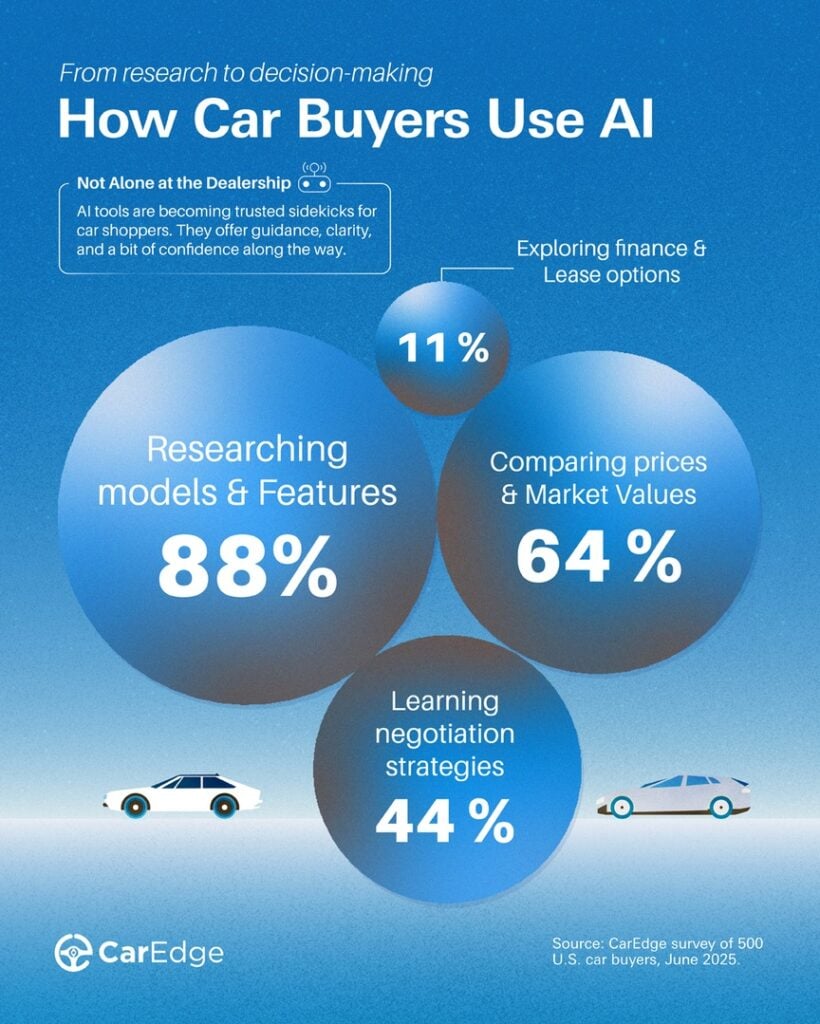
AI tools are quickly becoming essential research companions for car shoppers looking to make more informed, confident decisions. After all, why go it alone when a wealth of automotive knowledge powered by large language models (LLMs) is right in your pocket?
Among buyers who used AI tools during their car purchase or lease process, here’s how they put them to work:
The most common use by far, AI tools helped buyers learn about different models, trims, features, and reliability. For many, it was like having an always-available expert to explain the pros and cons of their options.
Buyers used AI to better understand fair pricing, from invoice pricing to out-the-door.
Nearly half of AI users leaned on these tools to prepare for conversations with salespeople. Whether role-playing negotiation scenarios or asking how to spot add-on fees, this group used AI to level the playing field at the dealership.
A much smaller portion of buyers used these tools to become familiar with leasing vs. financing, how to calculate payments, and similar queries.
Car buying has always been tilted in favor of the dealership. Information asymmetry — what the dealer knows versus what the customer knows — has long been the source of consumer frustration, confusion, and overpayment.
That dynamic is beginning to shift.
This survey confirms what many in the industry are only starting to realize: AI is giving car buyers the upper hand. Tools like ChatGPT are helping consumers cut through the noise, ask smarter questions, and avoid common dealership traps. Instead of relying on guesswork or scattered advice, buyers are turning to AI for fast, personalized guidance at every step.
But one auto industry veteran has words of caution for buyers relying heavily on AI tools.
“It’s both surprising and a little scary to see how quickly people are turning to AI to guide such a major financial decision,” said Ray Shefska, Co-Founder of CarEdge. “While tools like ChatGPT can be powerful, they’re only as good as the data behind them. AI should complement your research, not replace your own critical thinking.”
That perspective underscores the real takeaway of this report: AI works best when it’s used thoughtfully as a tool, not as a crutch. In an age where automation raises fears of job loss or decision-making without human oversight, this survey offers a more optimistic view — one where technology helps everyday consumers make smarter choices. Used wisely, AI can help level the playing field and bring more transparency and fairness to the car buying experience.
This survey was conducted by CarEdge between June 19 and June 24, 2025. A total of 500 U.S. respondents participated, recruited through the CarEdge email newsletter and social media channels. Questions were tailored based on buying status to better understand how and when AI tools were used in the car shopping process.
Founded in 2019 by father-and-son team Ray and Zach Shefska, CarEdge is a leading platform dedicated to empowering car shoppers with free expert advice, in-depth market insights, and tools to navigate every step of the car-buying journey. From researching vehicles to negotiating deals, CarEdge helps consumers save money, time, and hassle. Join the hundreds of thousands of happy consumers who have used CarEdge to buy their car with confidence.
With trusted resources like the CarEdge Research Center, fair pricing tools, and hundreds of guides on YouTube, CarEdge is redefining transparency and fairness in the automotive industry.
Follow us on YouTube, TikTok, X, Facebook, and Instagram for actionable car-buying tips and market insights. Join the CarEdge Community to connect with car buyers and sellers nationwide.
Contact for Media Inquiries:
[email protected] | www.CarEdge.com
If you’re car shopping in 2025, timing your purchase can save you thousands. But when exactly do new car models hit the lot? Whether you’re looking for the latest redesign or trying to score a deal on last year’s model, knowing when new model years arrive is key.
Let’s break down what you need to know in 2025.
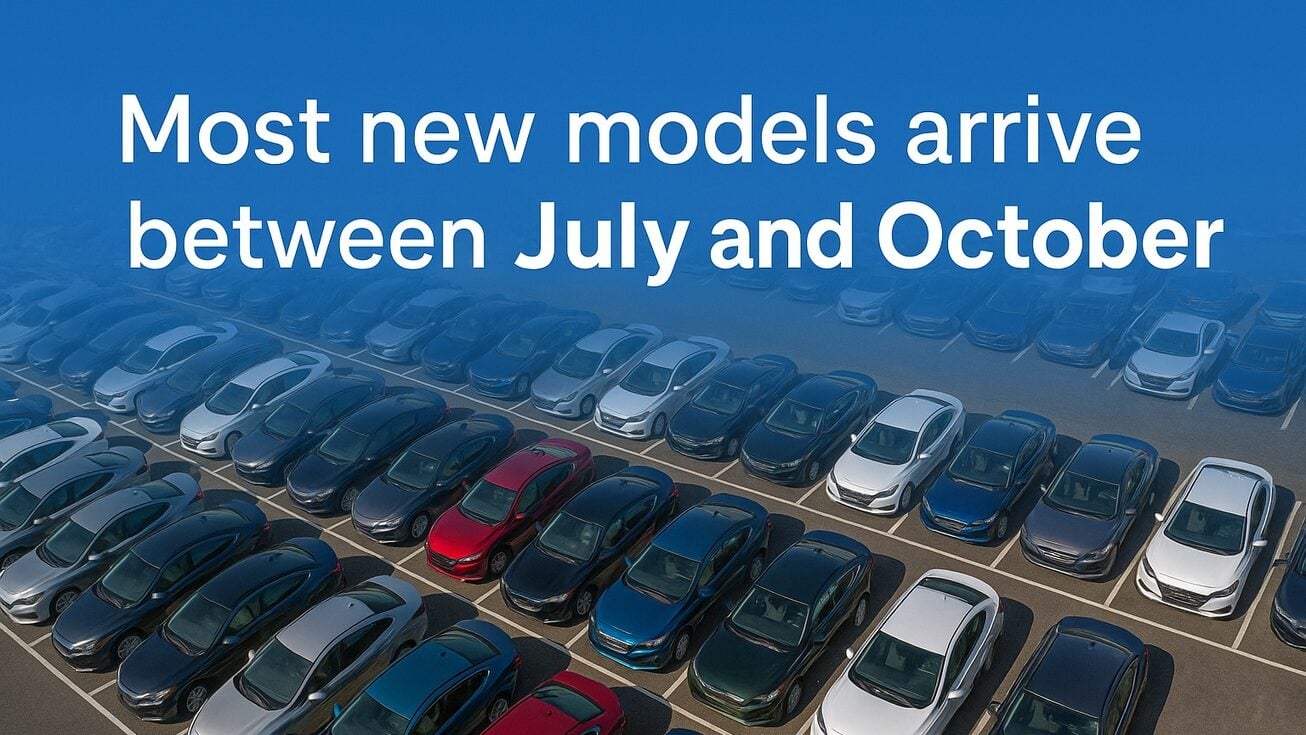
Most new car models arrive between July and October. Automakers often start announcing new models in the spring, but actual inventory availability ramps up closer to Labor Day.
However, 2025 is shaping up differently. Due to ongoing pricing uncertainty tied to U.S. tariffs on imported vehicles and components, automakers are delaying 2026 model rollouts more than usual. They’re waiting to decide if they need to raise prices, and if so, by how much.
Here’s what the cycle usually looks like in a normal year:
| Month | What Happens |
| March–May | Automakers announce new models and redesigns |
| June–August | Early shipments of select models begin |
| September–October | Most new models arrive on lots |
| November–December | Outgoing model year clearance ramps up |
In most years, Labor Day weekend marks the transition point, with dealers juggling clearance deals on remaining inventory and early shipments of the next model year.
In a word: uncertainty.
Thanks to new tariffs on imported vehicles and parts, automakers are facing higher costs — but they’re not sure how much of that to pass on to consumers. Instead of rushing to release 2026 models, many brands are delaying their rollouts as long as possible. This gives them time to assess:
That means in 2025, you’re likely to see 2026 models arrive later than usual, especially for import-heavy brands and luxury vehicles.
Why it matters: If you’re waiting for a 2026 redesign, be prepared for a later release date than in past years — and a possible price hike.
Understanding new model release timing can help you:
Score a Deal on the Outgoing Model Year — When new models arrive, dealers are motivated to clear out last year’s inventory. That’s when you’ll find end-of-model-year discounts, often paired with special financing or cash bonuses.
Avoid Buying Right Before a Major Redesign — If a model is about to be refreshed or redesigned, buying the current version could mean more depreciation. (CarEdge depreciation rankings often show big dips for just-redesigned models.)
Plan Ahead for Limited Inventory — If you’re targeting a specific trim or color of a new model, knowing when it will actually arrive helps you get ahead of low inventory or long waitlists.
Yes — some brands release models earlier or on non-traditional schedules. For example:
Always check with your local dealer or use a tool like CarEdge Car Search to track what’s in stock near you.
In most years, new car models roll out between July and October, with peak availability around Labor Day. But in 2025, the timeline is shifting. Thanks to tariff-driven pricing uncertainty, many 2026 models will arrive later than usual, as automakers wait to see how much prices will rise.
If you’re eyeing a new car, keep this in mind:
Use CarEdge Pro to identify the vehicles with the highest inventory levels and greatest negotiability in your area. These are the cars most likely to be discounted (often with some negotiation effort). CarEdge Pro is your toolkit to know exactly where the leverage is.
A: Most new car models are released between July and October, with the highest volume arriving around Labor Day. Automakers often announce new models in the spring, but dealer inventory builds closer to late summer and early fall.
A: In 2025, automakers are delaying 2026 model rollouts due to uncertainty around U.S. auto tariffs. They’re waiting to decide whether to raise prices — and by how much — which is pushing back launch timelines.
A: To find the best deals on outgoing models, shop between August and December when dealers are clearing 2025 inventory. Use tools like CarEdge Pro to spot the most negotiable cars on the lot.
A: If the model you want is getting a redesign, waiting might be worth it — but expect delays and higher prices for 2026 models. If you’re flexible, buying the current model year during clearance season could save you thousands.
Let a CarEdge Concierge do the hard work. From finding the right car to negotiating the price, CarEdge makes car buying easy.
Save time. Save money. Get the deal you deserve.

Car buying doesn’t have to be stressful. In fact, these days it’s easier than ever, but only if you know where to look.
From expert-led buying services to skipping the dealership altogether, there are now several ways to get behind the wheel without wasting time, overpaying, or dealing with pushy salespeople. Here’s how smart shoppers are simplifying the car buying process this year.

Imagine this: you tell an expert what kind of car or truck you’re looking for, and they handle everything. From finding the perfect car to negotiating the price, wouldn’t it be great if a pro would handle it all for you?
That’s exactly what car buying services like CarEdge Concierge do. The CarEdge team works for you, not the dealership. Whether you’ve already found the car you want or need help narrowing it down, CarEdge experts will negotiate on your behalf and help you avoid overpriced add-ons and dealer markups.
Other services, like those from Costco, Navy Federal, and others, claim to do something similar. However, it’s important to understand that most of them simply refer you to a participating dealer with pre-negotiated pricing. With CarEdge Concierge, we stay in the driver’s seat until the deal is done, and you’re more than happy with the result.
👉 See if CarEdge Concierge is right for you
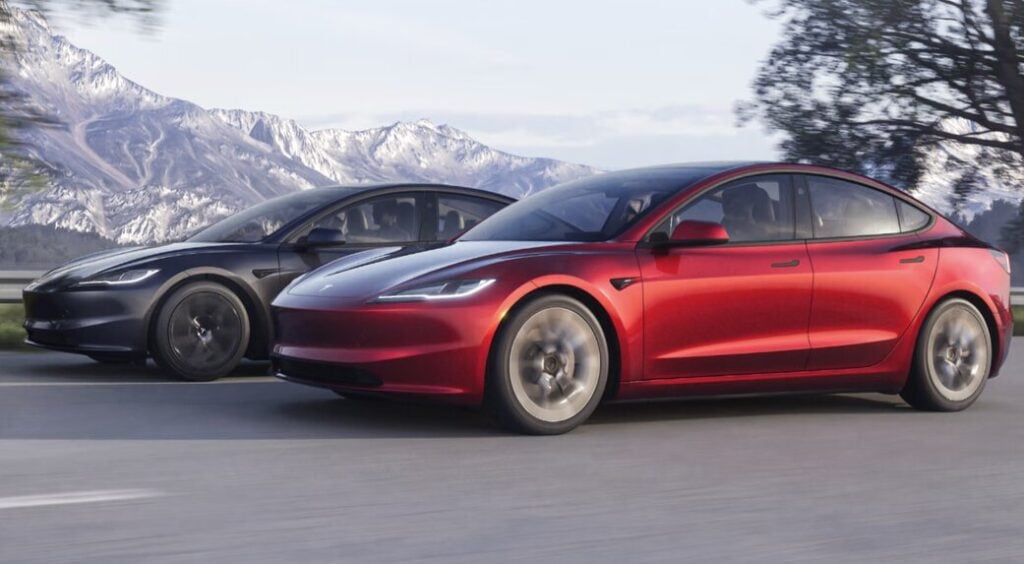
Some automakers have removed dealerships from the equation entirely.
If you’re shopping for an electric vehicle, brands like Tesla, Rivian, and Lucid let you buy or order directly from their website. That means no dealership pressure, no haggling, and a much more transparent buying experience. The downside is that service centers are fewer and farther between without an extensive network of dealerships.
With direct-to-consumer car buying, the price you see is usually the price you pay. It’s not perfect (wait times and service coverage can vary), but it’s far less stressful than the traditional dealership grind.
As of now, no traditional automakers offer true direct-to-consumer sales. But if this model works for you, it’s one of the smoothest paths to car ownership.

Prefer to do it yourself? You don’t have to start from scratch.
Instead of scrolling endlessly through listings, focus your search on the best deals available. Tools like CarEdge Pro and the Best Car Deals Hub make it easy to find low-APR financing offers, discounted leases, and cash-back incentives. You’ll save time, and likely a lot of money too.
Just remember: most manufacturer incentives have fine print, and you’ll typically need strong credit to qualify.
🔍 Browse vehicles with Car Search to filter by negotiability, price fairness, and available deals in your area.
💡 Use CarEdge Pro to compare pricing trends, market supply, and local offers.
| Goal | Best Option |
| I want a pro to handle everything | Car buying services like CarEdge and Costco |
| I’m buying an EV and want to skip the dealer | Buy direct from Tesla, Rivian, or Lucid |
| I’m doing it myself but want the best deal | CarEdge Pro and the Best Deals Hub to find car deals |
Car buying doesn’t have to be a nightmare. Today’s car buyers benefit from tools and services that weren’t around just a few years ago. Whether you go with a car buying service, direct-to-consumer sales, or DIY with data at your side, the easiest way to buy a car is the one that works best for you and your budget.
Want to learn how to buy a car the right way? Our free video series, Deal School, is the perfect place to start. Check out CarEdge on YouTube for hundreds of expert-led car buying lessons.
CarEdge is a trusted resource for car buyers, offering data-backed insights, negotiation tools, and expert guidance to help consumers save time and money. Since 2019, CarEdge has helped hundreds of thousands of drivers navigate the car-buying process with confidence. Learn more at CarEdge.com.