
CarEdge saved me over 4,500 dollars on a brand new Honda Pilot. I can't say thank you enough.
Price intelligence
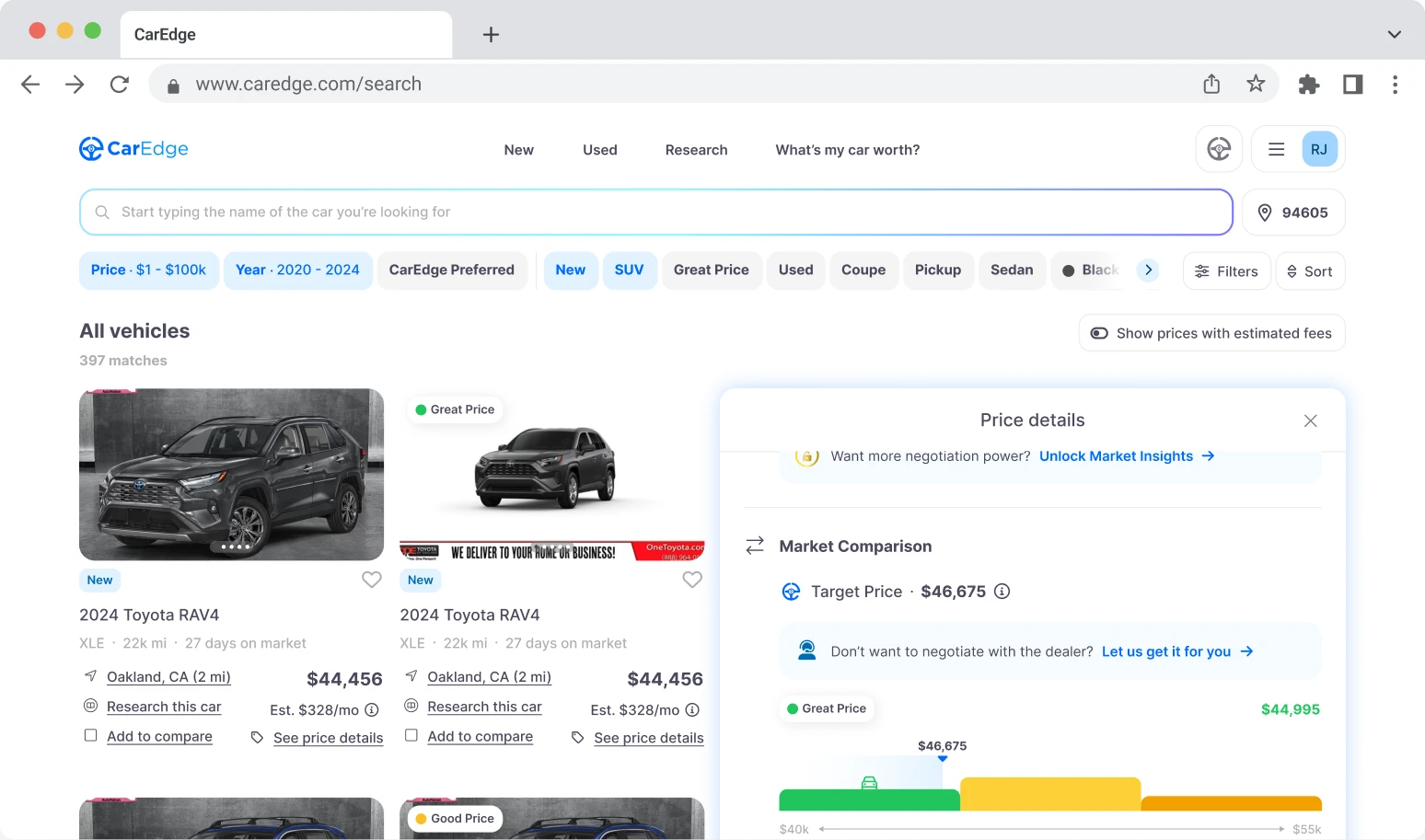
Find a wide range of vehicle listings with market insights on new and used listings near you.

What can I do with CarEdge?
 CarEdge Insights
What can I do with CarEdge?
Get access to exclusive information so you can make an informed car buying decision — all in one place.

Find a wide range of vehicle listings with market insights on new and used listings near you.
Track your vehicle’s value and cash in when the time is right to sell.

Access to our proprietary data to help you find the right car, at the right price. Find these unlocked on every listing after subscribing.

With our expert-led, tech-enabled car buying service, we will locate, negotiate, and deliver your vehicle so you can get a new car hassle free.


Help us personalize your CarEdge experience — it only takes a second.
Your answers help us personalize your CarEdge journey — we’ll follow up with tips and next steps that match your buying timeline.

Sadly, these days it’s not possible to leisurely head to a dealership and pick out the perfect vehicle. Inventory remains at record lows, and supply chain shortages are going to get worse before they get better. The electric lifestyle is an adjustment for most first-time EV buyers, and preparation eases the transition considerably. You don’t want your new car honeymoon to be ruined by missed opportunities or misconceptions. Here are five reasons why you should plan ahead before making your first electric car purchase.
Inventory is slim to none for all new autos, and electric vehicles have been hit especially hard by the supply shortages of 2021 and 2022. EVs are the product of truly global supply chains, and that makes them particularly vulnerable to disruptions. EV leader Tesla has so far avoided the worst of the supply shortages, however high demand has new orders seeing delivery dates over 8 months away.
Tesla isn’t the only automaker seeing serious delays. The popular Volkswagen ID.4, Ford Mustang Mach-E and Hyundai IONIQ 5 are all hard to find on a dealer lot nationwide. Data from Cox Automotive shows that day’s supply, the preferred industry metric for new car availability, is dismal for several electric vehicle makers.
Here’s the day’s supply for popular brands that sell electric cars in America. Tesla, Rivian and Lucid sell directly to consumers, so there is no available data for their models.
As bad as these supply estimates are, many shoppers note that many dealers have just a few cars on the lot. Don’t expect to find exactly what you want at your local dealership.
If you’re eager to get yourself into a new car as soon as possible, check out CarEdge Car Search to locate electric cars around the country. Beware misleading postings from dealerships. I’ve found that about half of dealer postings are actually misrepresenting cars that are already spoken for.
It’s not fun, but it’s worth it to call around. Soon, you may find yourself forgetting which dealers you’ve contacted, so it’s wise to keep a spreadsheet of who you’ve reached out to, and their inventory situation. While you’re at it, keep track of what their dealer markups are for EVs. Some dealers are taking advantage of the situation and charging $5,000, $10,000 or even $20,000 over MSRP.
If you don’t find what you’re looking for at a competitive price point, most automakers let you place an order for their popular EVs. Sometimes, you’ll have to order through a dealership, so keep that in mind if you don’t see a way to place an order on the automaker’s website. For example, the Hyundai IONIQ 5 and Cadillac Lyriq can only be ordered through a participating dealer.
If you have your eyes set on a Tesla, placing an order is simple. In fact, it takes just a few minutes (but requires a non-refundable deposit). However, demand far exceeds supply for Tesla models. Expect to wait 6-10 months for a Model Y.
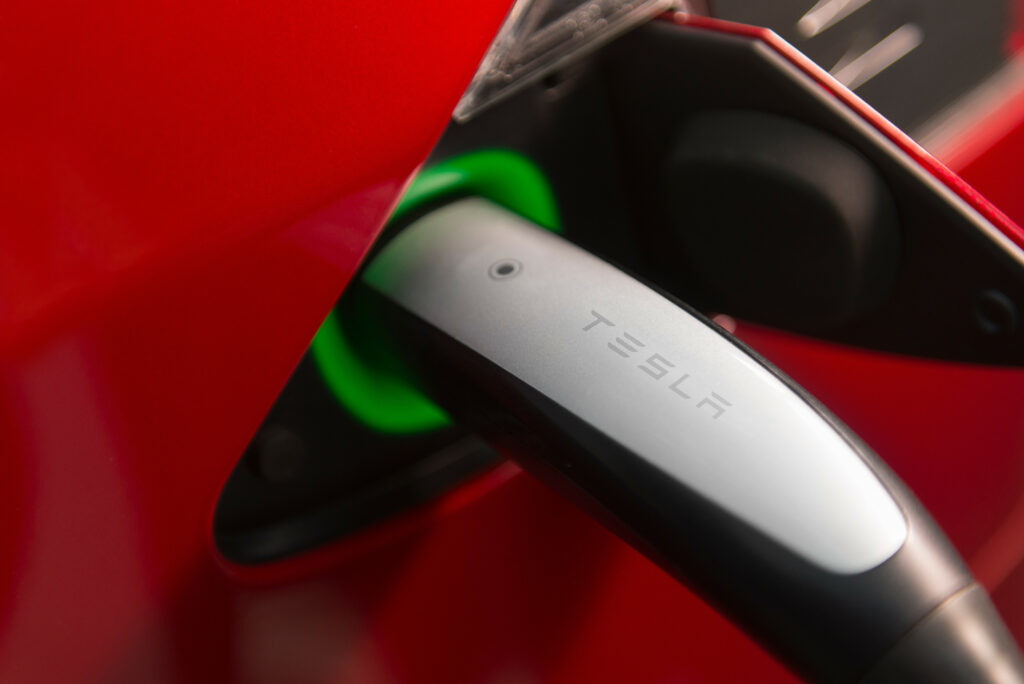
If you drive less than 30 miles a day and live near public fast chargers, don’t sweat it. However, long distance commuters and rural EV owners will be glad they thought about how to meet their charging needs.
Over 80% of electric car charging is done at home at affordable residential electricity rates, costing less than $15 for a full charge. If you skip any special home charger installation, plugging in to a typical wall socket will add two to four miles of range per hour. Over 12 hours (at night, for example), a standard wall outlet will add about 25 to 50 miles of range. However, frequent travelers will get tired of the slow charging speeds possible with basic 110-volt wall outlets.
For those who regularly drive more than 50 miles each day, it will likely be worth the investment to get a level 2 home charger installed. A level 2 charger increases power supply to 240 volts, and adds about 20 to 40 miles of range per hour. Unless you’re lucky enough to already have a 240-volt dryer outlet in your garage, installing a level 2 charger at home can cost between $700 and $1500, depending on labor costs and the condition of existing electrical infrastructure in the home.
We’ve covered all you need to know about how much it costs to charge an electric car in our CarEdge guide to charging.
At some point, a public DC fast charger will be essential for travels. If you purchase an electric vehicle with over 200 miles of range, getting to one shouldn’t be a problem. However, there continues to be wide variation in charge times, and that will make or break the EV ownership experience for frequent travelers.
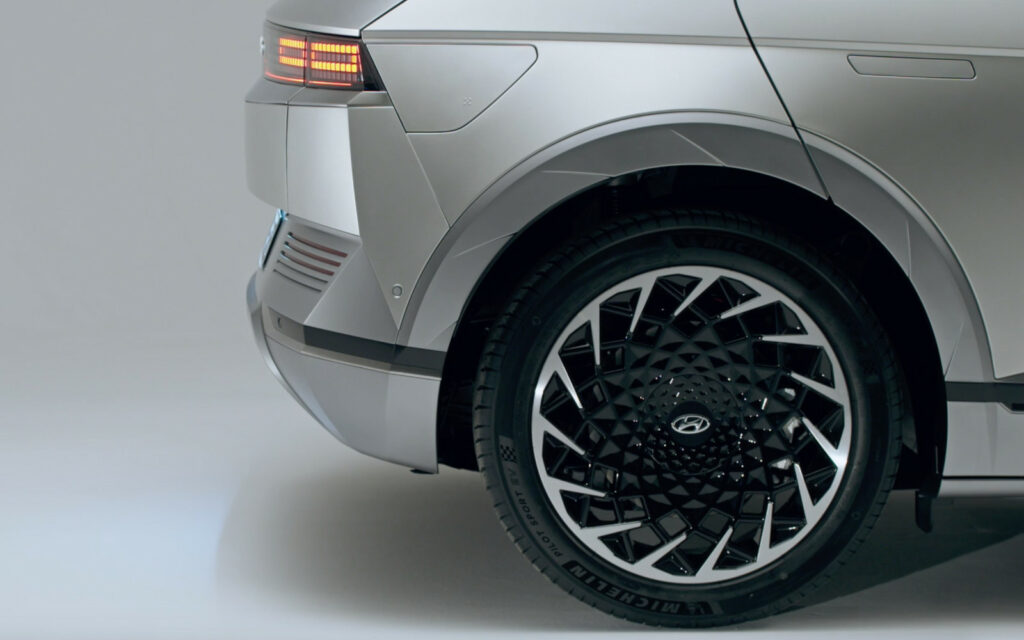
The Hyundai IONIQ 5, Kia EV6 and Tesla models can all add about 200 miles of driving range in about 20 minutes. However, the 2023 Subaru Solterra EV takes 56 minutes to add the same range. Pay attention to the details, and consider how each electric model would fit into your lifestyle and needs.
For many households, tax liability fluctuates from year to year. If you know when a particularly large tax bill will be due, it might be a great time to buy an electric vehicle. The current federal electric vehicle tax credit is worth up to $7,500, however tax filers who owe at least as much in annual tax liability will get the full benefit from the credit. For example, a family who has a federal tax liability of $5,500 will only be able to claim $5,500 of the EV tax credit. That’s why it makes sense to purchase an EV when tax liability is expected to be at least $7,500.
Plug-in hybrids qualify for between $2,500 and $7,500, depending on battery size.
The credit (non-refundable) remains in effect for all automakers who have yet to reach the law’s 200,000-vehicle limit. Tesla and General Motors have surpassed the limit, so buyers of the Bolt, Silverado EV, and Tesla models won’t benefit from this generous incentive unless Congress overhauls the law. Revisions to the EV tax credit are possible in 2022. Stay up to date with the latest EV tax credit developments here.
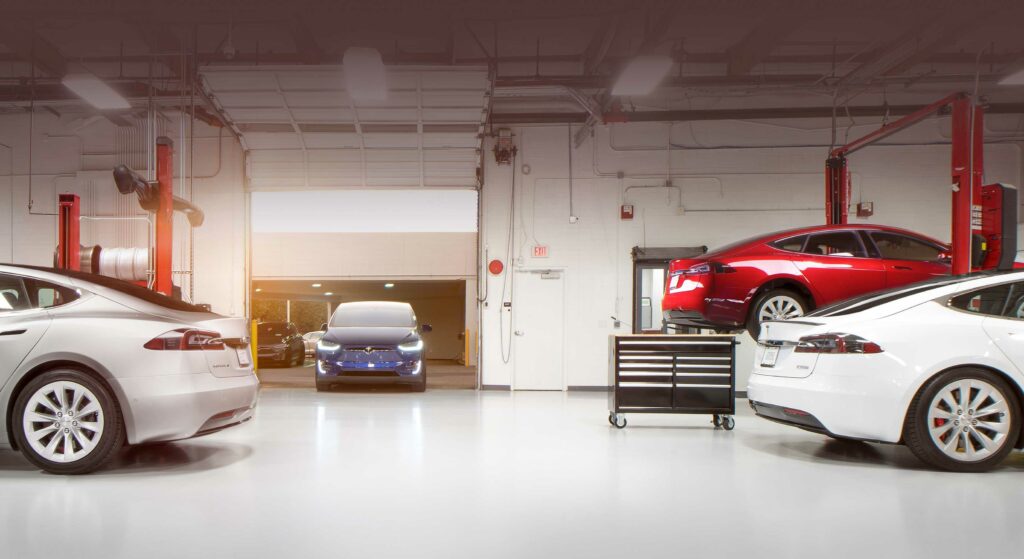
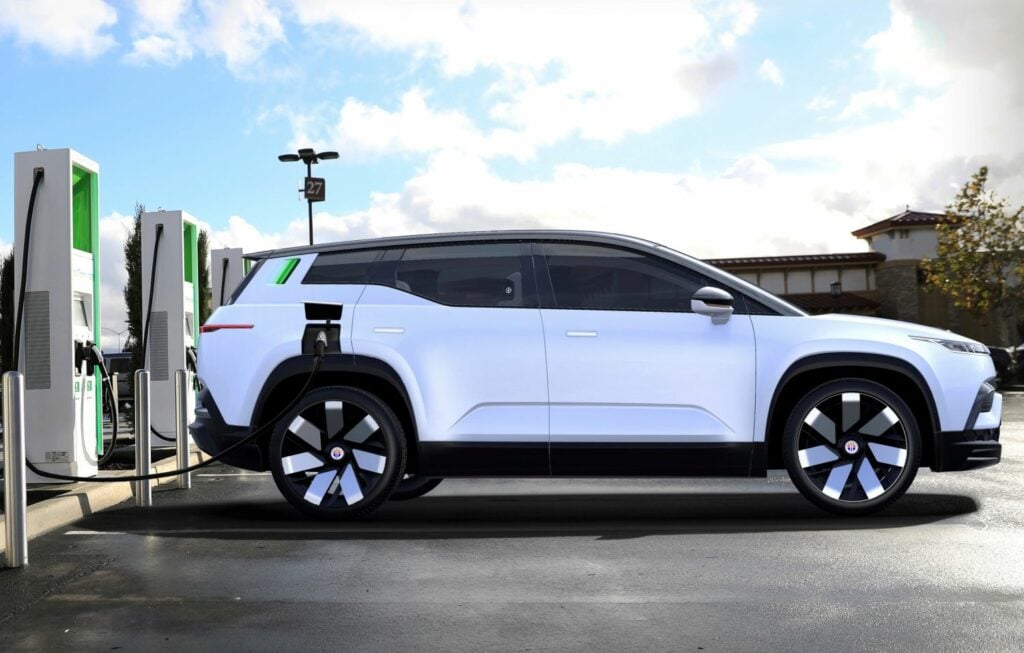
If you live anywhere near a major metropolitan area, especially along the coasts, you’ve got nothing to worry about. The rest of us need to bear in mind the limits of EV newcomers like Rivian, Lucid and Fisker when it comes to serviceability. Tesla now has 150 service centers across the country, but a few states remain without a Tesla service center. Fisker’s affordable Ocean electric SUV is loaded with impressive specs, however service centers will be few and far between for years to come.
This is where the strength of legacy automakers really stands out. A Tesla or Rivian service center will be hard to find in rural America, however legacy automakers have established dealer networks in every corner of the country.
Before you go out and buy an EV, have a plan for how and where you’ll get it serviced. Electric vehicles come with a great warranty, so you’ll definitely want a way to take advantage of it.
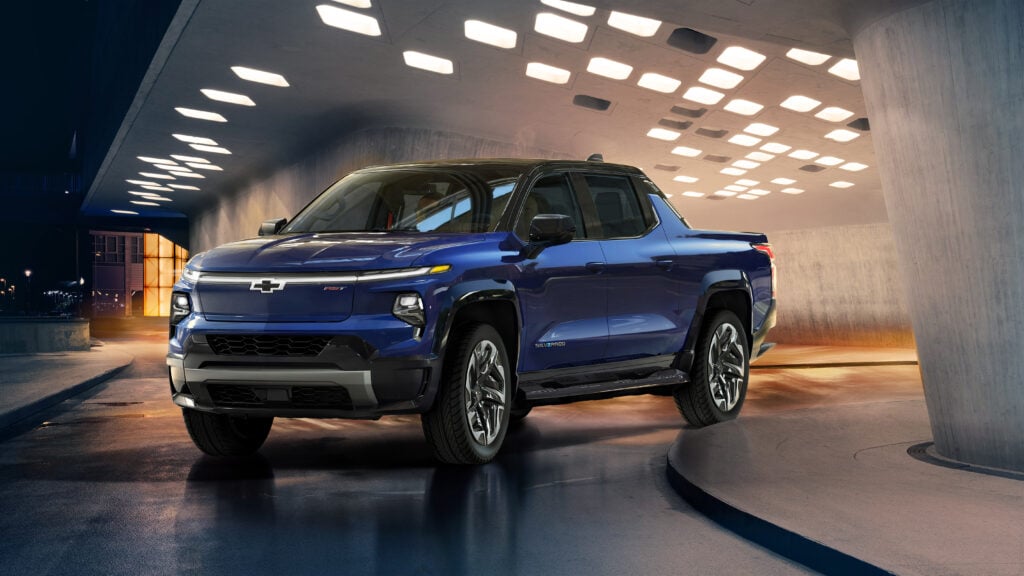
There’s always something bigger and better in the development pipeline. Newer models tout more range, faster charging and improved performance. On the other hand, prices tick upward with every added feature.
When does it make sense to hold out for the latest and greatest? It depends on what you value most, and which electric vehicle features you desire most. Looking to get more range out of a Volkswagen or Hyundai EV? 2023 models get a slight bump. Craving faster charging? Waiting a year might save you five minutes per charge. Don’t expect huge changes from one year to the next. Automakers have set the expectation for incremental improvements.
Ultimately, it will be up to you to decide what’s worth the wait, and when it makes sense to buy (or lease) an electric car.
Planning ahead for your electric car purchase not only has the potential to save you money, it also makes the transition to the electric lifestyle a lot easier. It’s important to consider your household’s unique needs and wants as you shop around. In 2022, EVs represent past, present and leading-edge technologies at a wide range of price points. Here at CarEdge, we’re keeping track of EV availability in 2022.
As always, CarEdge Electric is here to empower you with the knowledge to approach car ownership with confidence. Our weekly EV newsletter is full of helpful tips, the latest EV news, and new car reviews. Consider becoming a member for expert insights and one-on-one guidance throughout the car buying process.

Imagine using your vehicle as a backup generator for your home, or even to help a stranded motorist reach their destination. Electric vehicles claim just 5% of new vehicle market share in America, however record gas prices are spurring renewed interest in the EV lifestyle. One of the most sought-after features of electric vehicles is bidirectional charging. Also known as vehicle-to-load, or V2L, tomorrow’s cars literally have the power to do so much more than drive us around. Here’s everything you need to know about bidirectional charging in electric vehicles.
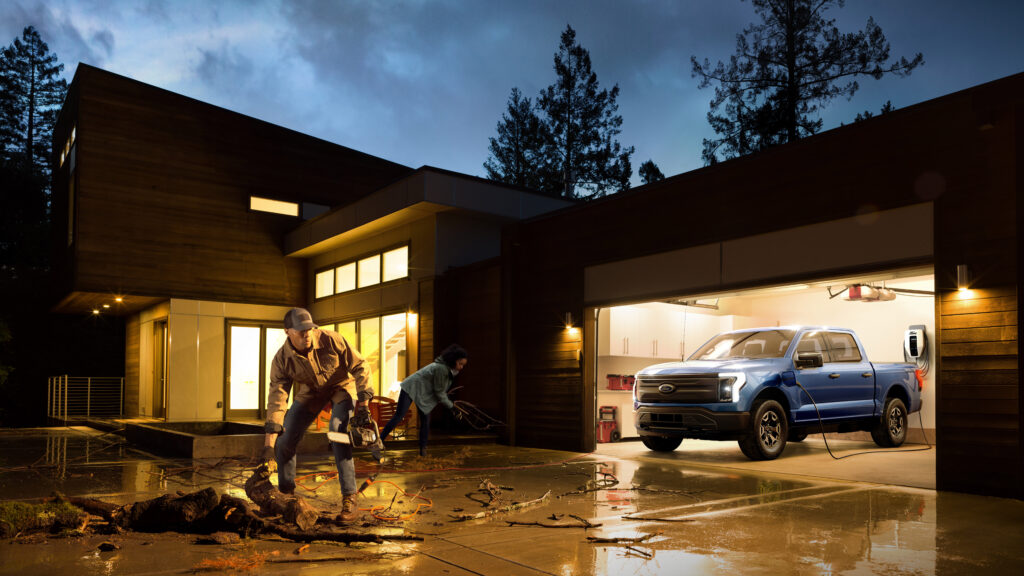
During typical use, electric cars draw electricity from the grid, and then consume that energy to power their electric motors. What if you could reverse the flow of electricity back into the grid? Better yet, imagine making money doing it. The future of mobility is about to get weird. Cars are already becoming rolling computers, so it only makes sense that they are capable of revolutionizing the world beyond the driver’s seat.
Simply put, bidirectional charging is the ability for electrical current to flow in both directions: from the grid to the vehicle (to charge the battery pack), and also from the car to the grid, another car, or household appliances.
When an electric vehicle is charged, alternating current (AC) from the grid is converted to direct current (DC) using the car’s built-in converter. To send electricity out of the battery pack and back into the grid or into another electronic device, electricity must first convert back to AC. This is done using an inverter. Vehicles that are manufactured with an inverter are already equipped with the hardware needed for bidirectional charging.
The numbers are in: see average EV prices and the latest EV market share update.
Vehicle to grid (V2G) capability enables an electric car to return electricity to the grid. V2G can help supply energy at times of peak grid demand. In most of the world, electricity demand peaks during the afternoon and early evening. Peak demand causes demand charges, which are higher rates for usage.
Vehicle to grid capability offers a way around demand charges, to the benefit of consumers and grid operators alike. The vehicle’s owner avoids demand charges or even sells electricity to the grid, and the grid gains a new source of electricity when it’s needed the most.
Although V2G is still in its infancy, the technology opens up the possibility of future revenue streams for everyday EV drivers and even automakers. Imagine if your car could make you money while it’s parked in the garage. Rental and ride-hailing fleets could double the revenue from their autonomous vehicles by serving as power suppliers to the grid. It’s a game changing option that is coming to cars in the near future.
V2L allows an electric vehicle’s battery pack to power appliances such as power tools, a coffee machine, cooking equipment, laptops, or even a party. More importantly, vehicle-to-load capability serves as the ideal emergency power source during times of need, such as following a natural disaster or power outage. Some cars, such as the 2022 Hyundai IONIQ 5, can output 3.6 kilowatts via V2L functionality. That is a LOT of power, surely enough to power an entire campsite or family-sized outdoor event.
Naturally, one of the first uses of bidirectional charging that comes to mind is powering one’s home during a power outage. Indeed, vehicle-to-home (V2H) power supply is under development, and it’s even featured in a few of today’s production EVs. It’s important to note that accessories and professional installation of associated hardware are required before any EV can power an entire home. Still, it looks like V2H capability is a real option for EV shoppers to consider in 2022. More on today’s V2H EVs below.
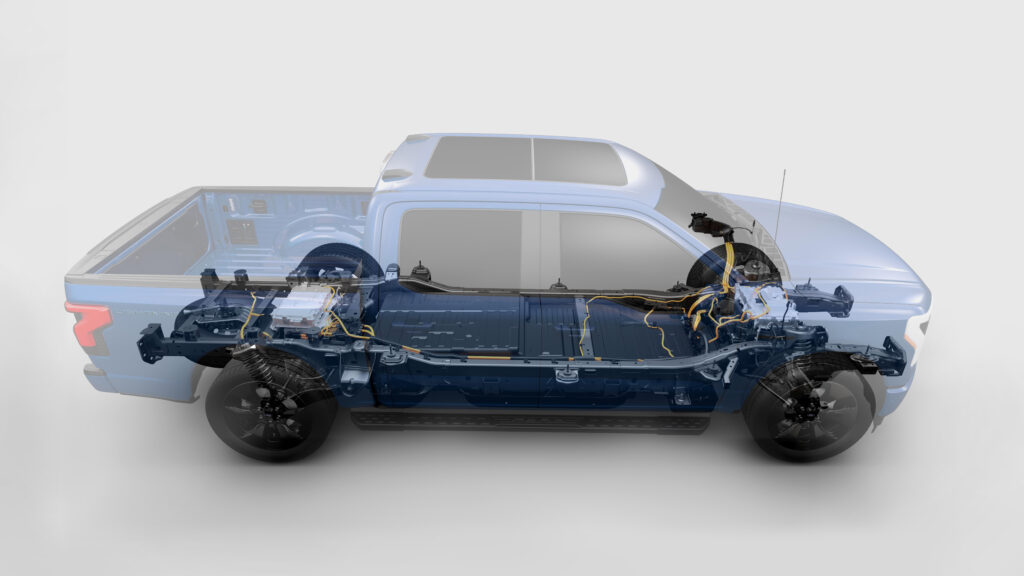
The short answer is that it depends on the battery chemistry. One of the latest battery chemistry types to be employed in EVs is lithium-iron-phosphate batteries, or LFP. LFP batteries quickly rose to prominence due to their remarkable ability to withstand the stresses of repeated charging cycles without severe battery degradation.
Other battery chemistries lose range over time as the battery is charged and discharged (referred to as a charging cycle). Even charging to 100% too often can reduce the life of some battery types. LFP batteries are the perfect companion for bidirectional charging, especially vehicle-to-grid. They handle frequent charging and discharging like a champ.
Other battery types in development are engineered with bidirectional charging capability in mind. Ford’s partnership with SK Innovation resulted in a more environmentally-friendly battery chemistry suitable for the frequent charge cycles of bidirectional charging.
Our EV extended warranty provides peace of mind. Batteries and other electrical components are covered! Get a quote for your EV today.
| Max Power Output | Date Available | V2L Capable? | V2H Capable? | V2G Capable in 2022? | |
| Chevrolet Silverado EV | 10.2 kW | 2023 | Yes | Yes | No |
| Ford F-150 Lightning | 9.6 kW | Mid 2022 | Yes | Yes | No |
| Hyundai IONIQ 5 | 3.6 kW | Now | Yes | No | No |
| Genesis GV60 | 3.6 kW | Spring 2022 | Yes | No | No |
| Genesis G80 | 3.6 kW | 2022 | Yes | No | No |
| Kia EV6 | 1.9 kW | Now | Yes | No | No |
| Toyota bZ4X | TBD | Mid 2022 | Yes | No | No |
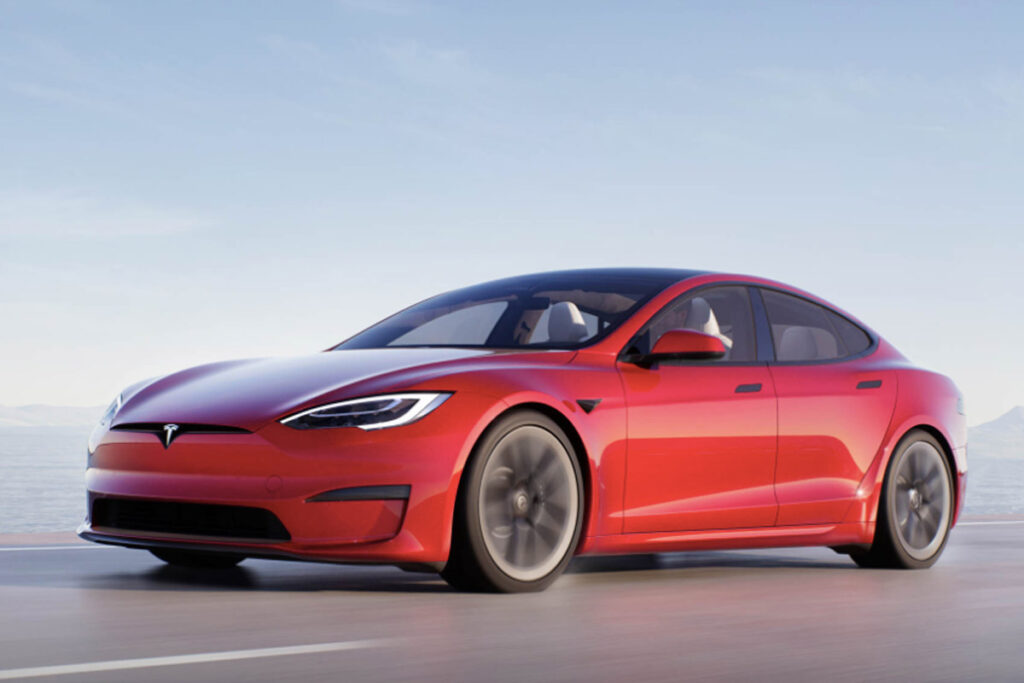
For the time being, no Tesla models are capable of bidirectional charging. It’s possible (even likely) that all 2022 Tesla models have the necessary hardware for V2G or V2L, or V2H. However, Tesla has alternative motives for delaying bidirectional charging rollout for as long as possible. If Tesla vehicles became V2H-capable, they would render the $10,500 Tesla Powerwall home battery obsolete!
A few curious Tesla owners have inquired about modifying their cars to become capable of bidirectional charging. The response from Tesla was a warning that doing so would void the vehicle’s battery warranty. So for now, don’t expect Tesla EVs to power your home or appliances.
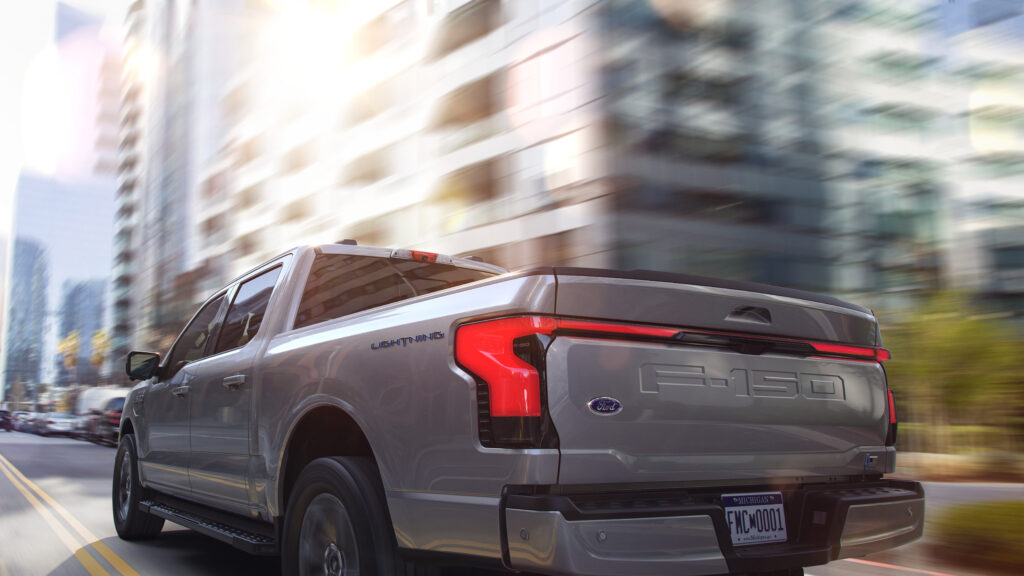
Ford’s F-150 Lightning is widely marketed as the answer to power grid anxieties. Ford Intelligent Backup Power is an available accessory to the popular F-150 Lightning electric truck. With 200,000 reservations in the books, the Lightning is already sold out through 2023.
The F-150 Lightning contains unique battery chemistry that strengthens charging cycle durability while also requiring fewer rare earth metals. Ford’s partner, SK Innovation, has developed a new battery cathode that uses 90% nickel, and 5% each of manganese and cobalt. The new battery chemistry also reduces the harmful environmental and ethical impacts of cobalt mining.
Ford’s engineers designed the new electric F-150 with V2H in mind. In the electric truck segment that’s rapidly gaining steam, automakers are looking for bold ways to make their truck a compelling buy.
“F-150 Lightning with available Ford Intelligent Backup Power can provide power and security during an electrical outage – the first electric truck in the U.S. to offer this capability; in the future, new features will offer additional ways to manage energy use and potentially save on energy costs.”
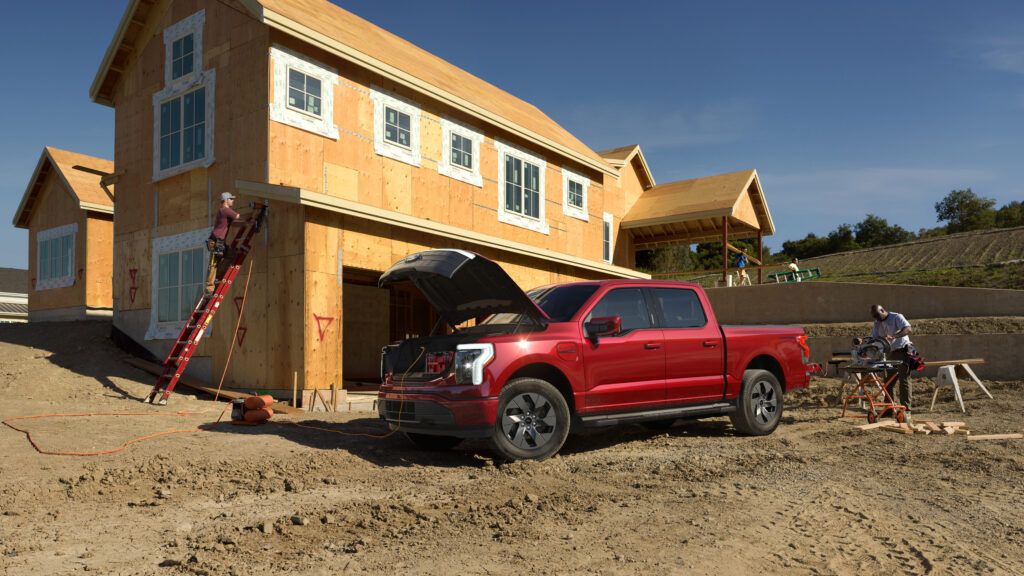
“The F-150 Lightning extended-range battery system can store 131 kilowatt-hours of energy and deliver up to 9.6 kilowatts of power in a cleaner, quieter, more efficient way versus gasoline-powered generators, and with greater capacity than many wall battery units. F-150 Lightning can also offer lower-cost energy storage in a product customers already own – their truck.”
How long should an electric truck be able to power an entire home? 12 hours? Three days? Ford says that depending on power demand, some homes could be powered for seven days with the F-150 Lightning’s extended range battery.
“With Ford Intelligent Backup Power and the Home Integration System, F-150 Lightning automatically kicks in to power your home if the grid goes down. Once power is restored, the system automatically reverts back to utility power. Based on an average U.S. home at 30 kilowatt-hours of use per day, F-150 Lightning with extended-range battery provides full home power for up to three days, or as long as 10 days when used in conjunction with solar power or rationing.”
Learn more about Ford Intelligent Backup Power in Ford’s official announcement.
The average
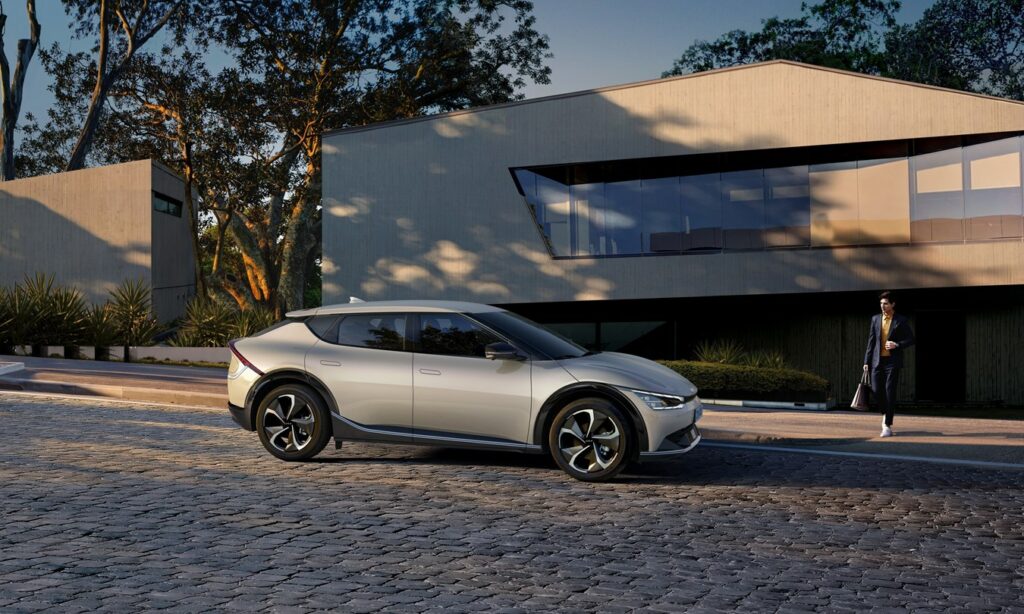
Bidirectional charging is yet another way that the electrification of the auto industry is transforming vehicle ownership. In five years (or less), trucks will be judged for how many days they can power your home, and crossovers will be expected to power household appliances with ease.
The fact that vehicle-to-home capability relies on the professional installation of accessories sold separately seems to fly under the radar for many. While vehicle-to-load may become a standard feature that we all take for granted in a decade’s time, retrofitting a home for V2H power will remain a lofty expense for the foreseeable future.
What do you think about bidirectional charging? Do you plan to power your home with your car in the future? Let us know what you think about automaker’s bold plans for EVs in the comments below, or share your thoughts with the CarEdge Community at caredge.kinsta.cloud.

Finally, the world knows why Ford has yet to name an electric vehicle the ‘Model e.’ On March 2, Ford announced the formation of a distinct unit for electric vehicle operations. The decision paves the way for the automaker to accelerate EV development while opening new avenues for direct-to-consumer sales. Ford says they are driven by the need to compete and win against both new EV competitors and established automakers.
3/3/22 Update: Ford CEO and President Jim Farley explained the move and how it affects dealers.
“This is only about creating incredible products that improve over time. To create a better customer experience than yesterday. And ultimately, to win as a company. The reality is, our legacy organization has been holding us back. We had to change.”
Ford wants a certain number of dealers to opt in to a new Model e sales model. Model e dealers would not hold inventory. Instead, they will facilitate the delivery of online orders, much as Tesla does for their customers. Electric vehicles will be sold at non-negotiable prices. That’s just one step away from direct-to-consumer sales.
“Our message to dealers is, we’re betting on you. Get ready to specialize,” Farley said.
Ford’s announcement outlines the establishment of two new operational divisions that will remain under the corporate umbrella of Ford Motor Company. Ford Model e will take on the future of electric vehicle development and sales. Ford Blue will become Ford’s combustion-powered division, encompassing everything from the F-150 to the Bronco.
The two new divisions within Ford will continue to collaborate and propel the greater Ford enterprise forward, according to the press release detailing the plans. Ford Model e and Ford Blue will join Ford Pro as the corporation continues to branch out its business model. In 2021, Ford Pro was launched as a one-stop shop for commercial and government customers.
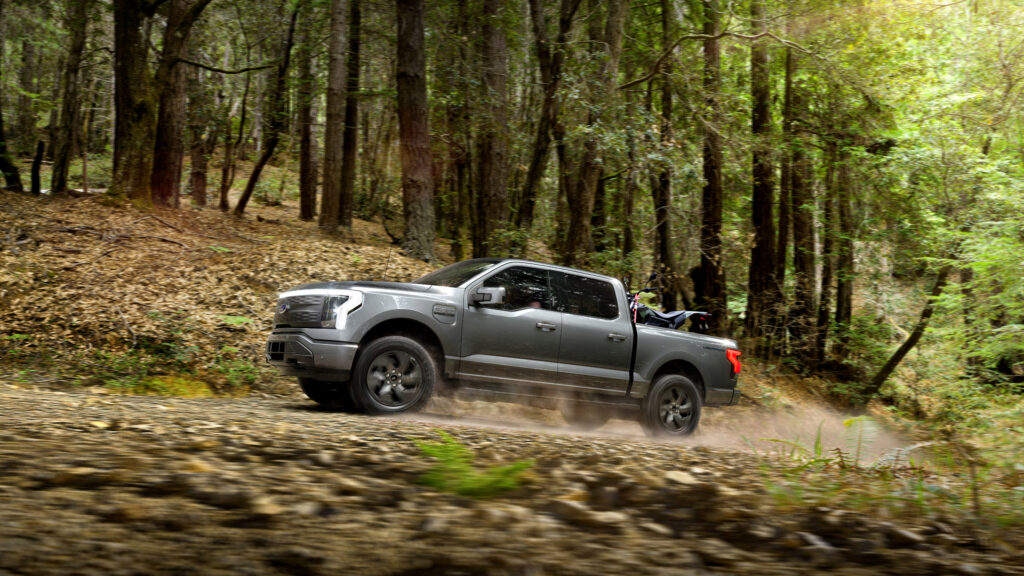
The creation of Ford Model e was driven by the success of the popular Ford Mustang Mach-e and the overflowing support for the upcoming F-150 Lightning. Interestingly, Ford cited the success of their dedicated EV division in China as another source of inspiration for the launch of Ford Model e.
Ford President and CEO Jim Farley will take on yet another role as President of Model e. Farley has long been an outspoken proponent of Ford’s ambitious electrification plans.
“Ford Model e will be Ford’s center of innovation and growth, a team of the world’s best software, electrical and automotive talent turned loose to create truly incredible electric vehicles and digital experiences for new generations of Ford customers,” Farley said.
Ford hopes that Model e will attract and retain the best engineers and software developers to Ford. As autonomous driving and wireless over-the-air updates become the norm, Ford wants to be a leader in the reimagined automotive industry that’s currently in the making. A lot more computers, and a lot less oil. They’re pushing full steam ahead with ground-up development of electric vehicles. EV platform design, battery research and development, electric motors and inverters and charging infrastructure will all fall under the umbrella of Ford Model e. There are also plans to advance recycling infrastructure in both cost-cutting and environmentally responsible ways.
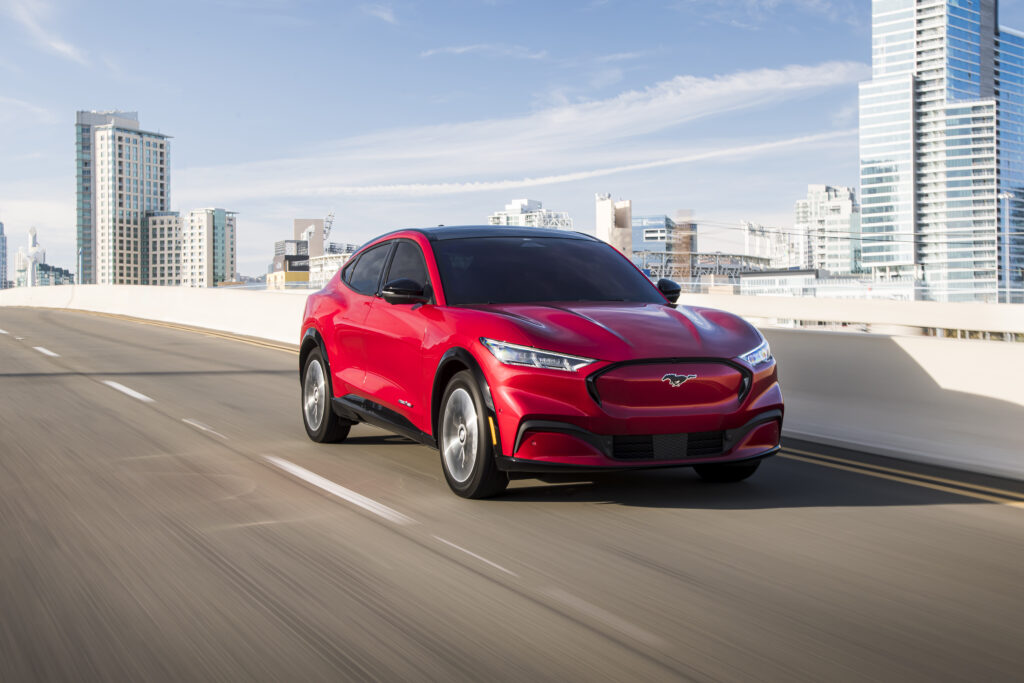
Ford not-so-subtly shared one of their larger ambitions for their new electric vehicle division: foregoing the dealership model. We’ve seen Ford’s corporate leadership speak out against outrageous dealer markups as the F-150 Lightning nears delivery. Ford’s announcement highlights the changes to their EV sales model:
“Ford Model e also will lead on creating an exciting new shopping, buying and ownership experience for its future electric vehicle customers that includes simple, intuitive e-commerce platforms, transparent pricing and personalized customer support from Ford ambassadors.”
Yeah, transparent pricing would be welcome. It’s great and almost shocking to see a legacy automaker making such a large pivot away from the status quo. Could the direct-to-consumer model win over new customers to the Ford brand?
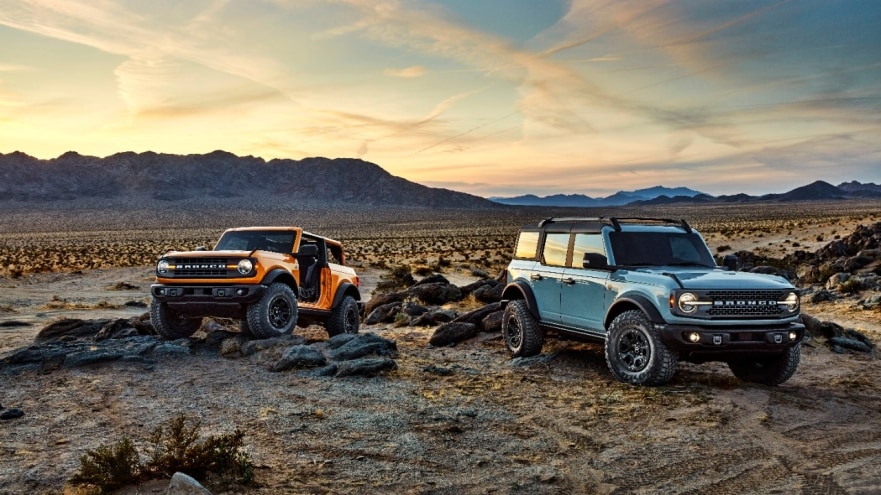
CEO Jim Farley calls the Ford+ plan the company’s biggest opportunity for growth and value creation since Henry Ford scaled production of the Model T. Ford Blue will work to optimize Ford’s combustion-powered models and profitability through strengthened consumer relationships, quality improvements and greater operational efficiency.
“Ford Blue’s mission is to deliver a more profitable and vibrant ICE business, strengthen our successful and iconic vehicle families and earn greater loyalty by delivering incredible service and experiences. It’s about harnessing a century of hardware mastery to help build the future. This team will be hellbent on delivering leading quality, attacking waste in every corner of the business, maximizing cash flow and optimizing our industrial footprint.”
Ford CEO Jim Farley has long said that Tesla needs to be taken seriously. Tesla, Rivian, Lucid and newcomer Fisker are all having success with direct-to-consumer sales. However, these automakers and any others who go this route face a maze of state laws that present roadblocks for direct-to-consumer sales. The dealership lobby is strong in much of the United States. So much so that a recent West Virginia bill was introduced that would ban most over-the-air updates in the state, all so that dealerships can continue to rake in service center revenue.
Other automakers are in the weeds with the dealership model, too. Kia’s much-lauded EV6 electric crossover is facing opposition from Kia dealerships. They’re simply not adapting to the coming rush of electric vehicles. Jalopnik reported that EV6 buyers are reaching out to them with stories of dealers who are making buying an EV6 a lot harder than it should be.
Nationwide, 17 states currently have a ban on direct-to-consumer sales. Eleven more states have carved out specific exceptions for Tesla (and in some cases, other automakers that sell only EVs). That’s why Tesla technically can’t sell directly to consumers in states like Texas and Washington. It’s an antiquated system in need of change.
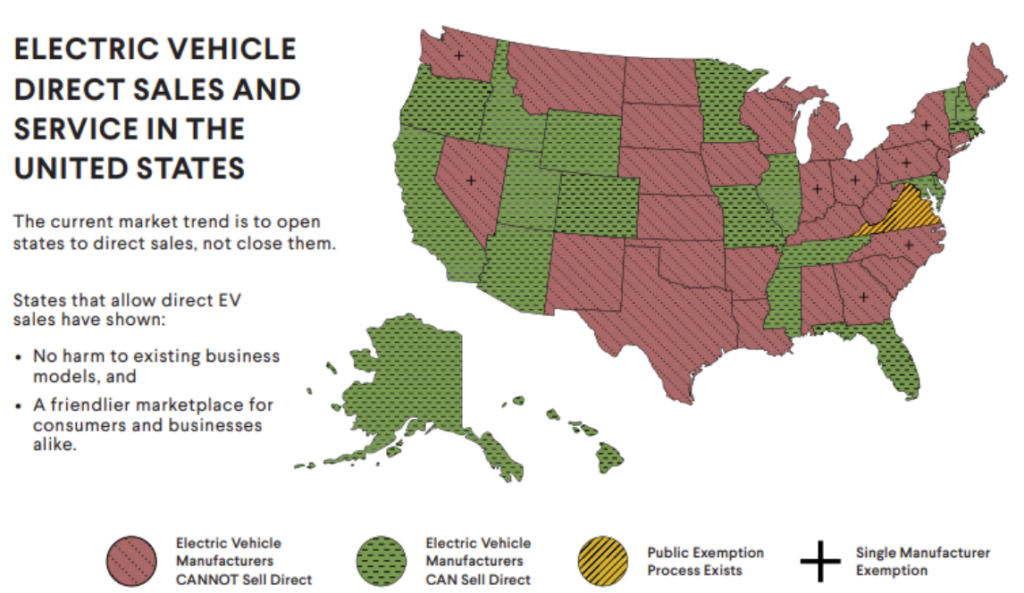
Ford recognizes the tides of change approaching automotive sales. Automotive News reported that efforts to permit direct-to-consumer sales have been introduced in 10 states. Several of the bills already failed. More are surely to come as electric vehicle market share surpasses 5% of new auto sales in America.
This is long overdue. Consumers are fed up with dealer markups, deceptive sales tactics and stressful experiences at the dealership. But this isn’t the end for dealerships. There will be a need for dealers for decades to come, even if sales shift away from their franchises.
Electric vehicles are coming, like it or not. Ford is aiming for annual production of more than 2 million EVs by 2026. They expect EVs to represent half of global volume by 2030. Automakers say that half a trillion dollars will go to electric vehicle development this decade. However, EVs currently can’t be serviced at the neighborhood repair shop, or in one’s home garage. Certified technicians certified in electric vehicle repair are quickly going to be in high demand at service centers everywhere. Dealership service centers aren’t going away. In fact, dealership service centers will likely see business grow as more consumers opt for electric vehicles.
Ford’s new Model e and Ford Blue divisions present a massive opportunity for new revenue streams and efficiency within Ford’s R&D and sales operations. Will other legacy automakers follow suit? Truthfully, they are very likely making plans as we speak. CarEdge will keep you up to date with consumer-focused automotive news. More change is surely to come.
Update 3/8/22: As the Ukraine crisis continues, automakers continue to see impacts. The possibility of a looming raw material shortages is beginning to weigh on semiconductor chip production forecasts, with the real possibility of an even worse chip shortage on the horizon. Metals used in everything from vehicle frames to catalytic converters are soaring to record prices due to the importance of Russia in the global supply. More on the latest developments below.
The ongoing crisis in Eastern Europe is affecting global automakers more than expected. As the conflict drags on into March, automotive suppliers in Russia and Ukraine are experiencing severe disruptions. Logistical nightmares are tumbling out of control as airspace restrictions are enforced. Now, cyberattacks are adding insult to injury. Here’s every automaker impacted by the conflict in Ukraine.
Transport between Europe and countries home to Asian auto manufacturers is facing unprecedented disruption as air space restrictions over Eastern Europe halt 20% of the world’s air cargo. In retaliation to bans imposed on Russia, Russia has reciprocated by banning European carriers from entering Russian airspace, which stretches 5,600 miles from Europe to East Asia. There have also been reports of Russian-based cargo ships being refused refueling at various ports in protest to the invasion of Ukraine.
Furthermore, automotive parts manufacturers located in Ukraine are shuttered, and those in Russia are subject to the effects of sanctions.
Raw materials used in the manufacturing of vehicle frames and electric vehicle batteries are soaring to record highs. Aluminum, palladium, platinum and nickel are most immediately impacted by the Ukraine-Russia conflict. About 40% of the world’s palladium is sourced from Russia. Palladium is used in catalytic converter production. Automotive News reports that auto industry suppliers are well aware of the impending impacts on manufacturing.
“When it comes to metals, Russia companies are major suppliers to Germany. In 2020, they accounted for 44 percent of Germany’s nickel imports, 41 percent of its titanium, a third of its iron, and 18 percent of its palladium.
With production of 108 million tons last year, Russia is the world’s fifth-largest producer of iron ore, according to Credit Suisse, supplying European steelmakers who now face higher prices and possible difficulties procuring the metal.”
Palladium now sits at $3,440 an ounce, 60% above where it was two months ago. Automotive-grade aluminum also hit a record high on March 7. Nickel is at a 15-year high.
Neptune Global chief executive Chris Blasi said that someone will bear the brunt of the record prices and shortage. “There is no other option beyond palladium and platinum for catalytic converters, and you cannot build a car without a catalytic converter,” Blasi said.
Around 70% of the neon used by automotive industry suppliers is sourced from raw materials in Ukraine. Neon is used in the lasers that are critical to the production of semiconductor chips. The ongoing chip shortage may become even worse if the Russia conflict extends beyond a few months. For now, chip makers are relying on existing supplies. Automotive News detailed the neon supply concerns to keep an eye on here.
Although many policy and conflict experts expected worse by now, cyberattacks have disrupted automakers in the past week, causing some plants to briefly close. The automakers themselves are not the only ones at risk. Suppliers critical to the vast automotive supply chain have been hit with cyberattacks, and the result has been felt in recent days.
Volkswagen Group, the parent company of Audi, sources a large portion of its wire harnesses from a Ukrainian supplier. Audi announced production cuts that result from these supply chain difficulties. VW Group brands are among the many who have stopped exports to the Russian market.
The critical wire harnesses that BMW uses for its vehicle production are sourced from suppliers in Western Ukraine. The closure of the suppliers and the associated supply chain bottlenecks have now caused production cuts at BMW’s German plants. BMW also halted production at a factory in Kaliningrad, a Russian exclave situated between Poland and Lithuania. BMW has also suspended vehicle exports to the country.
On March 2, Ford announced a production stop at the Ford Sollers production facility, in which it maintains a 50% stake in partnership with Russian automaker Sollers.
Ford has a 50% stake in three Russian automotive plants. Ford Sollers is the Russian joint venture between Sollers of Russia and Ford. Most of the production at Ford Sollers is for the Ford Transit and similar commercial vehicles. A company spokesperson said that employee safety is their priority, and that effects of sanctions and supply chain disruptions are being assessed.
GM says they are fortunate to have limited supply chain risks as a result of the Ukraine conflict. Still, they are stopping exports to Russia. The move is unlikely to have major impacts for GM, as they sell less than 3,000 vehicles in Russia annually. GM ended production in Russia seven years ago.
On March 2, Honda joined other automakers in pausing sales and exports to Russia. Volvo was the first to make the move.
Interfax News reported that a Russian Hyundai official announced the suspension of output at its plant in St. Petersburg. On March 4, the automaker cited supply issues in its decision to prolong the plant closure. Hyundai is a major force in Russia, selling over 10,000 vehicles per month on average (12% market share).
The UK automaker announced that it is ceasing shipments of vehicles to Russia, effective immediately. Last year, Jaguar Land Rover sold 6,900 vehicles in Russia. A spokesperson said Jaguar Land Rover’s priority was “the wellbeing of our entire workforce and their families, as well as those within our extended network”. The statement went on to cite global supply chains and sanctions. “The current global context also presents us with trading challenges, so we are pausing the delivery of vehicles into the Russian market and continually monitoring the situation on behalf of our global customer base.”
Global auto manufacturer Magna announced the closure of its six Russian plants on March 7, citing “the unfortunate situation in Ukraine.” Magna Spokeswoman Tracy Fuerst shared the company’s support for the Ukrainian people. “Although we don’t have facilities in Ukraine, we have the privilege of working with thousands of Ukrainian colleagues in our Magna operations around the world as well as those from Russia who share the same values of human rights, diversity and inclusion,” Fuerst said. The Canada-based automotive supplier builds parts and entire vehicles for brands ranging from Toyota to Mercedes-Benz.
Mercedes-Benz sources multiple components from suppliers in Ukraine. Mercedes-Benz will reduce production at some European plants this week due to supply shortages. Mercedes sources many components from suppliers in Ukraine. Production shifts will see cuts, but the automaker does not expect to fully stop production outside of Russia. Mercedes is halting production at its Russian plant and pausing the export of passenger cars and vans to the country. They cite sanctions as the cause of the move.
Following Volvo’s lead, Mitsubishi announced that it will halt production and sales of their vehicles in Russia, effective March 1st. Mitsubishi has 2.2% market share in Russia.
Stellantis established a task force to identify disruptions from the ongoing conflict. Stellantis CEO Carlos Tavares said that the automaker has 71 employees in Ukraine. They are ensuring compliance with the rapidly-evolving sanctions in place.
Stellantis, the result of a merger between Fiat Chrysler and Peugeot, produces and sells the Peugeot, Citroёn, Opel, Jeep, Fiat brands in Russia. In January, Stellantis announced that they will begin exporting Russian-made commercial vehicles to Western Europe. The latest developments will likely put a hold on their plans. In 2021, Stellantis brands had just 1% market share in Russia.
On March 2, Toyota announced an indefinite pause in production at its Russian factory. Toyota produces about 80,000 vehicles at its St. Petersburg plant. They are also pausing imports into Russia.
All 14 domestic factories were closed on February 28 after critical supplier Kojima was taken down by a cyberattack that included a threatening message. The supplier was hit with a virus soon after Japan’s government announced support for Ukraine.
Toyota announced that it would resume production at all facilities in Japan the following day. Kojima was unable to operate, and Toyota said they do not stockpile the parts made by the supplier. Toyota relies on 60,000 suppliers, an immense vulnerability that Toyota is surely rethinking.
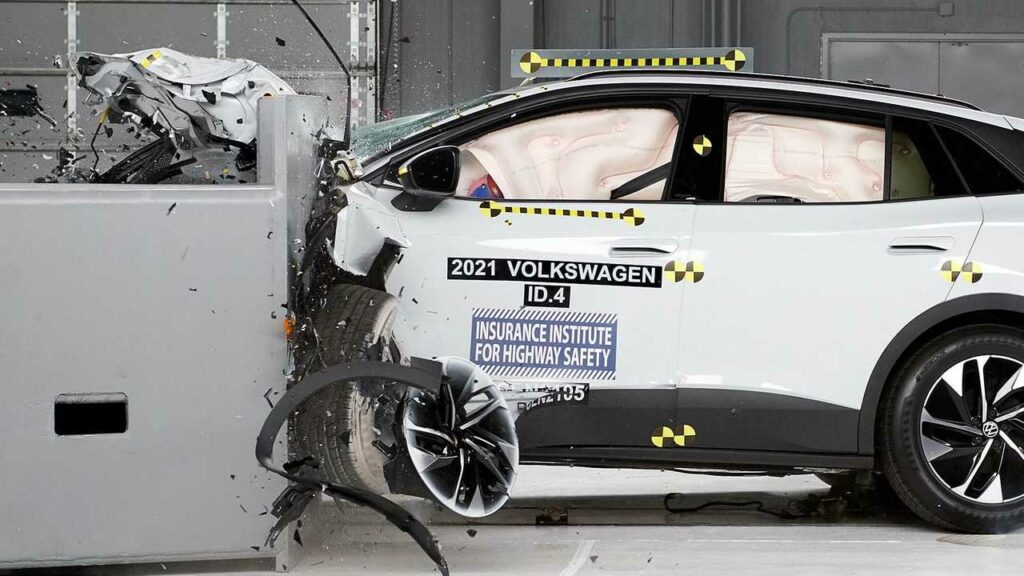
Volkswagen Group, which includes Audi, Bentley, Cupra, Porsche, Lamborghini, Skoda, SEAT and Volkswagen, continues to face supply chain constraints. VW branded vehicles are produced using wire harnesses sourced in Ukraine. As reserve supplies run low, more production cuts are possible. Production of Volkswagen’s electric vehicles is halted because of supply chain disruptions. The Volkswagen ID.4, ID.3 and new ID.5 electric vehicles are especially affected.
On Thursday March 3, Volkswagen said it is suspending its Russian business until further notice. No cars from VW Group brands will be exported to Russia. VW delivered 216,000 cars in Russia in 2021, about 2.4% of Volkswagen Group’s global vehicle sales.
As supply chain vulnerabilities surface, VW says it will idle the massive Wolfsburg plant. The VW Zwickau and Dresden plants are also closed for the week. Prior to the Ukraine-Russia disruptions, there was already a 6-12 month wait for buyers ordering a Volkswagen ID.4 in North America.
On February 28, Volvo became the first automaker to cease shipments of new vehicles to Russia. The Swedish automaker (owned by Geeley of China) cited their desire to avoid possible conflicts with the rapidly changing sanctions being imposed on Russia by the European Union, United States, and allies. Volvo sold 9,000 cars in Russia in 2021.
The Russia-Ukraine conflict adds a new dimension to the production delays and supply chain disruptions that have been dragging on for well over a year. The latest chip shortage forecasts show a delayed recovery, despite earlier optimism. So far in 2022, AutoForecast Solutions has increased their projection of vehicles lost in production due to the chip shortage by 63%, from 767,700 to 1,253,100.
Severe sanctions on Russia and instability in Ukraine may persist far longer than originally expected. Now that cyber security vulnerabilities are being targeted, sporadic production halts are becoming the new normal. Automakers impacted by the Ukraine conflict are in for prolonged uncertainty. Automakers may be entering a period of disruption being the new normal, even as the chip shortage will eventually wind down.
What do these five cars have in common? They stink for one reason or another. Transportation is the second biggest purchase most people will ever make, so it’s important to get it right. With the automotive market at all-time highs, it wouldn’t be a good time to have buyers remorse. Here are five cars to avoid in 2022, and why you should steer clear of them.
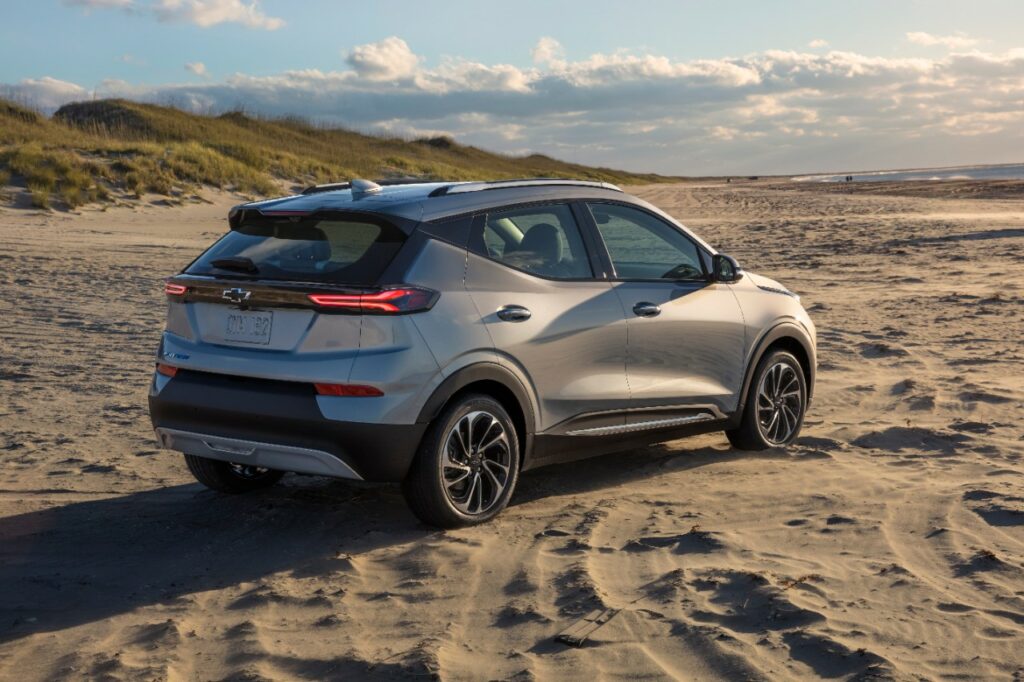
Right now, the socially-distancing Chevrolet Bolt is up a shocking 42% since a year ago. Why do so many people want to buy a rolling fire hazard? Dealerships aren’t even allowed to sell Bolts until they work through the backlog of recall fixes. The stop-sale may come to an end soon, but does that mean you should buy one? With the lowest charging speeds on the market and a damaged reputation, don’t buy a Bolt. Plus, it’s likely to be discontinued! GM doesn’t mention the Bolt in their future roadmaps for electrification. If you really want an affordable electric vehicle from GM, CEO Mary Barra is touting the Chevrolet Equinox EV just around the corner. Do you know how long it takes to charge a Chevy Bolt to full at a public fast charger like Electrify America? An hour and 20 minutes. So many EVs on the market today charge up in half that time. Please don’t buy a Bolt!
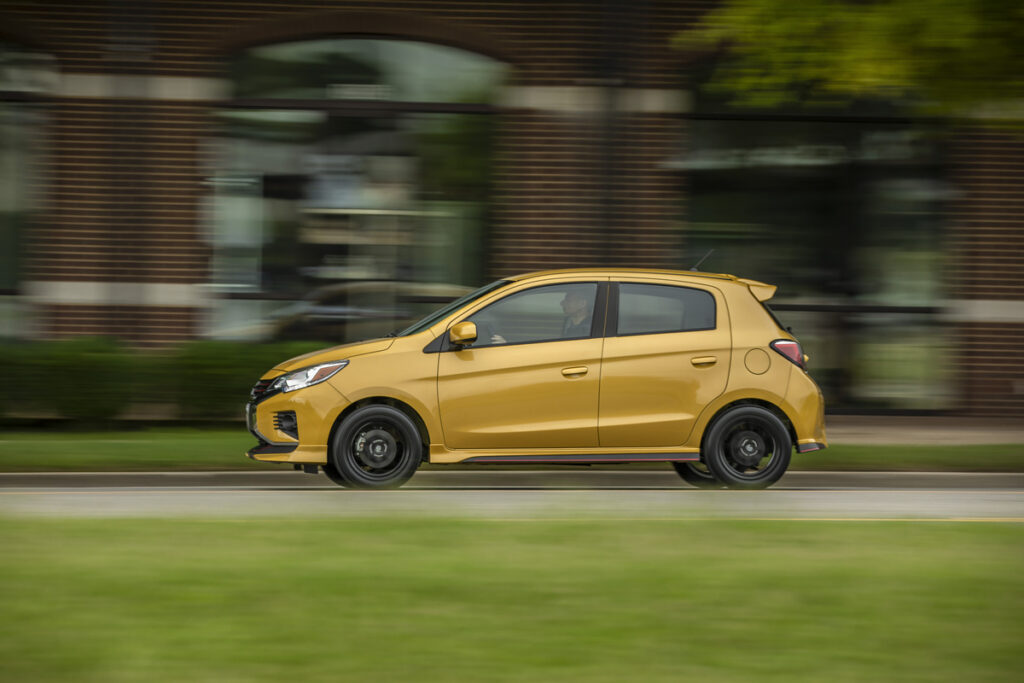
The world needs more affordable cars, but the Mitsubishi Mirage has appreciated way too much to justify the purchase. This sub-compact car has appreciated over 52% on the used vehicle market since 2020. The average used Mirage sells for $14,404, which is amazing considering a new one costs $14,600. The Mirage has some of the worst performance and comfort ratings in existence. It’s noted for ‘seats that feel more like cloth-covered chairs’ as Edmunds put it. Car and Driver gave in 2.5 stars out of TEN. It’s always best to buy and hold, rather than taking a big hit on depreciation after driving off the lot. Is the Mitsubishi Mirage a car you’d want to keep for a decade? probably not.
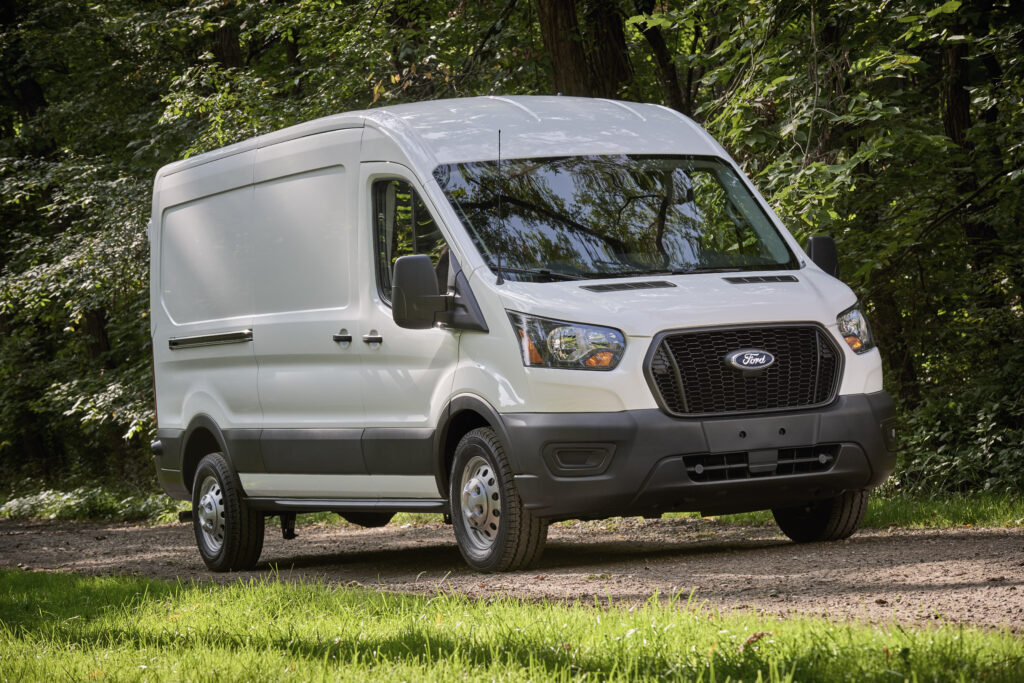
Now is not the time to buy a van. Full-sized vans have appreciated by 55% this past year, and minivans have jumped 42%. While the Ford Transit starts at an MSRP around $35,000, most dealers are asking over $48,000 for the base trim. The Transit is a solid van with great utility, but there’s no way its long term value will reflect the current price. That could be said about most cars on the market now, but 55% appreciation is through the roof. You’re buying a van, not a house.
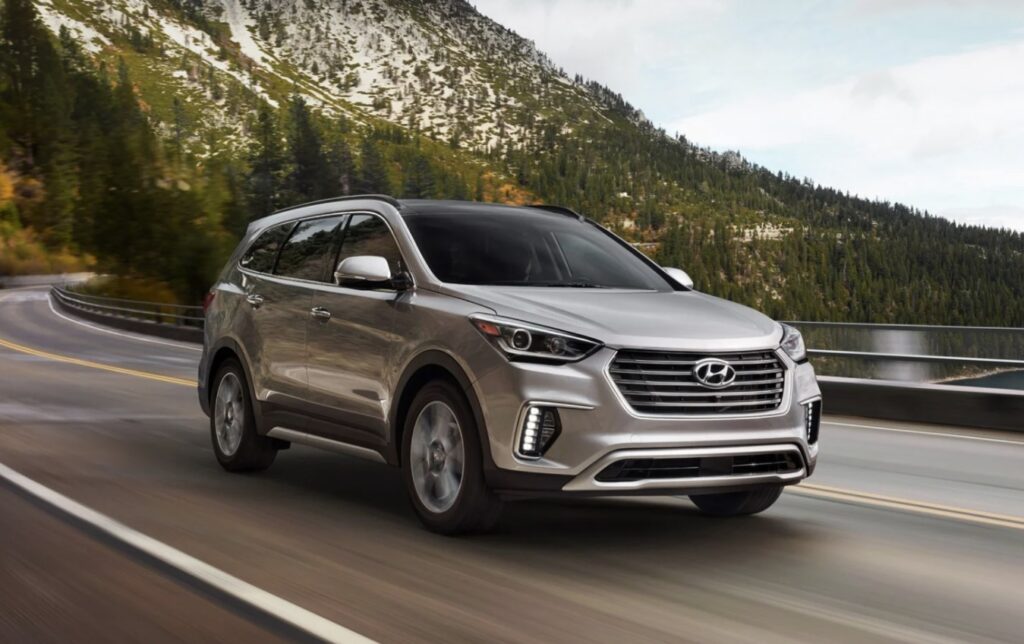
Sometimes, a vehicle is too popular. If you are determined to get yourself into a Hyundai Santa Fe in 2022, expect it to come at a substantial cost. Year-over-year, prices for the Santa Fe are up 48%! On top of unattractive prices, the Santa Fe is involved in a major recall affecting half a million cars. While most consumers are happy with their Hyundai SUVs, Consumer Reports recently stopped recommending the Santa Fe due to poor reliability. Once the chip shortage ends, resale values will drop. Don’t get stuck with a vehicle you paid 48% appreciation for!
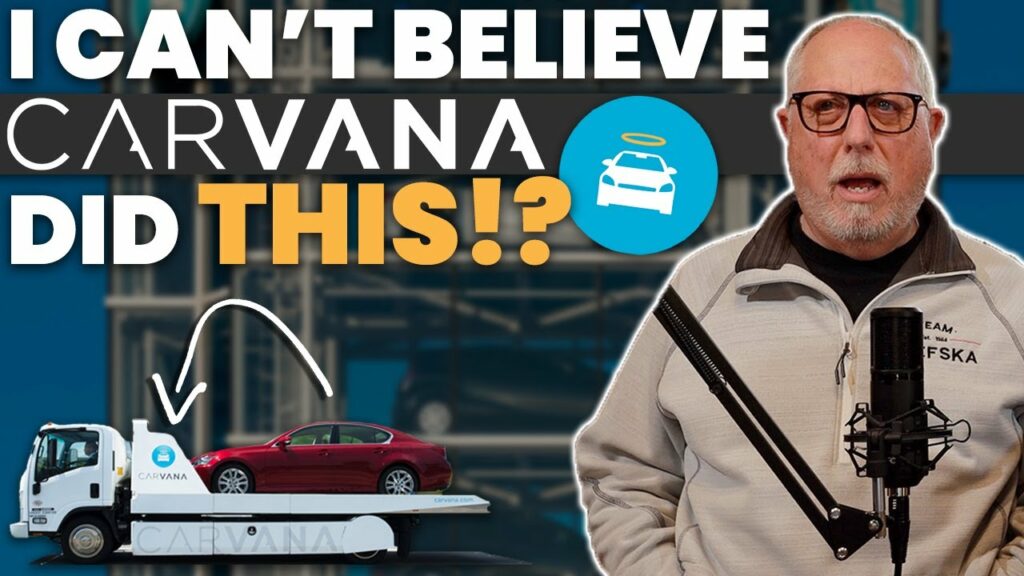
No pre-purchase inspection? Not okay! Want to buy a used car with fast food still in the back seat? Want to make sure you DON’T get your title anytime soon? I don’t think you do. Selling to Carvana or Vroom might make you a pretty penny, but buying from Carvana could be a disaster. The ongoing Carvana lawsuit makes for an uncertain future for Carvana. It’s best to stay out of that mess and take your money elsewhere, at least for the time being. In today’s world, a pre-purchase inspection is a must-have for any used vehicle. Sure, there may be a 7-day return period, but it’s a huge pain to undo a big-money transaction like buying a car. Don’t do it!
These are cars to avoid in 2022 if your goal is to make a purchase you won’t regret. What about the five cars to buy in 2022? Here’s our list of the top buys in the market right now.