
CarEdge saved me over 4,500 dollars on a brand new Honda Pilot. I can't say thank you enough.
Price intelligence
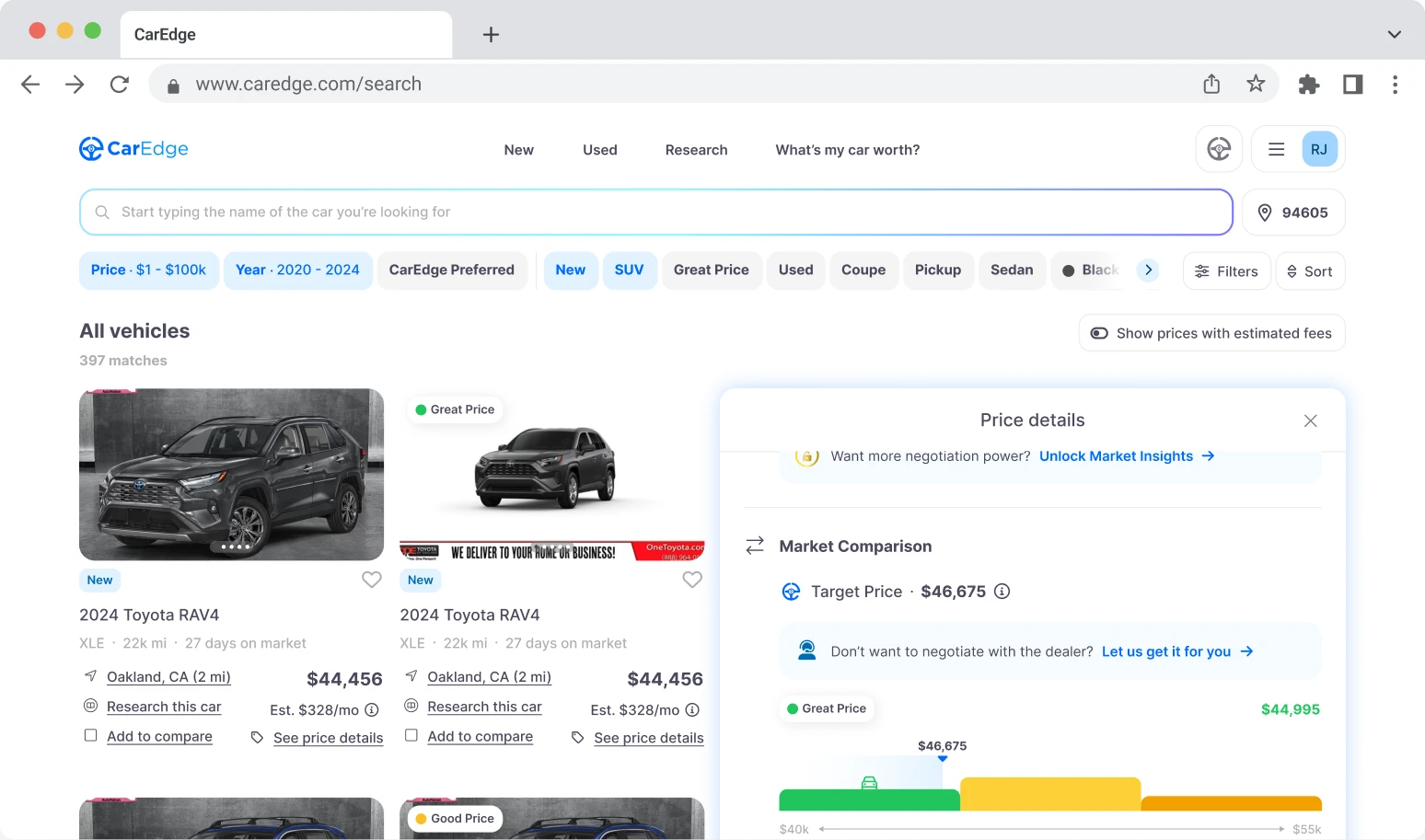
Find a wide range of vehicle listings with market insights on new and used listings near you.

What can I do with CarEdge?
 CarEdge Insights
What can I do with CarEdge?
Get access to exclusive information so you can make an informed car buying decision — all in one place.

Find a wide range of vehicle listings with market insights on new and used listings near you.
Track your vehicle’s value and cash in when the time is right to sell.

Access to our proprietary data to help you find the right car, at the right price. Find these unlocked on every listing after subscribing.

With our expert-led, tech-enabled car buying service, we will locate, negotiate, and deliver your vehicle so you can get a new car hassle free.


Help us personalize your CarEdge experience — it only takes a second.
Your answers help us personalize your CarEdge journey — we’ll follow up with tips and next steps that match your buying timeline.
CarEdge recently shared 5 vehicles to avoid in 2022. What about the best deals on the market today? These five vehicles have high resale values, excellent reliability, and reasonable prices. If you’re looking to make a purchase you won’t regret, these 5 models are safe bets. Here are the best cars to buy in 2022.
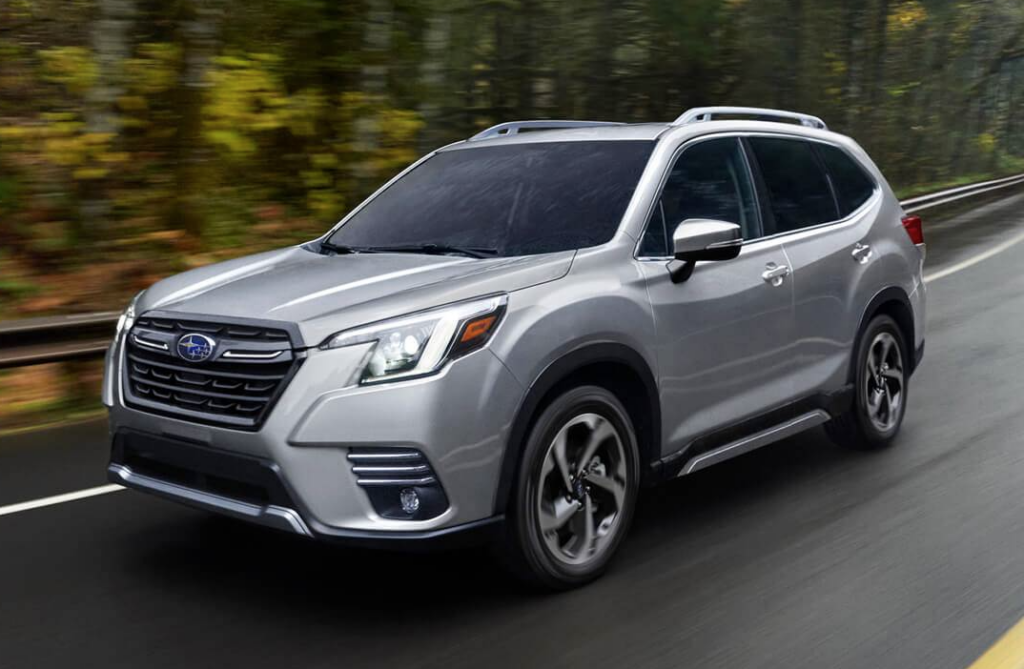
Why are there so many Subarus on the road these days? Drivers love their all-wheel drive crossovers, and Subaru represents the best of the best. Subarus consistently retain unusually high resale values, and that helps to soften the impact of today’s higher prices. The Subaru Forester is known for solid reliability (especially in older models) and class-leading safety ratings. Today’s Subarus also get decent fuel economy, especially on the highway. All-wheel drive and a comfortable, spacious interior make the Subaru Forester the ultimate all-weather roadtripper. The challenge will be finding one. Subaru has been hit hard by the chip shortage, but things may improve later this year.
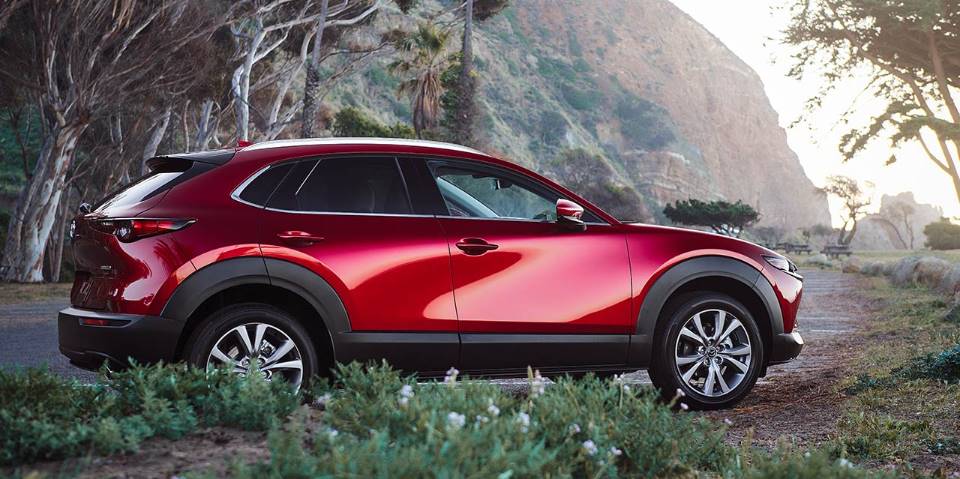
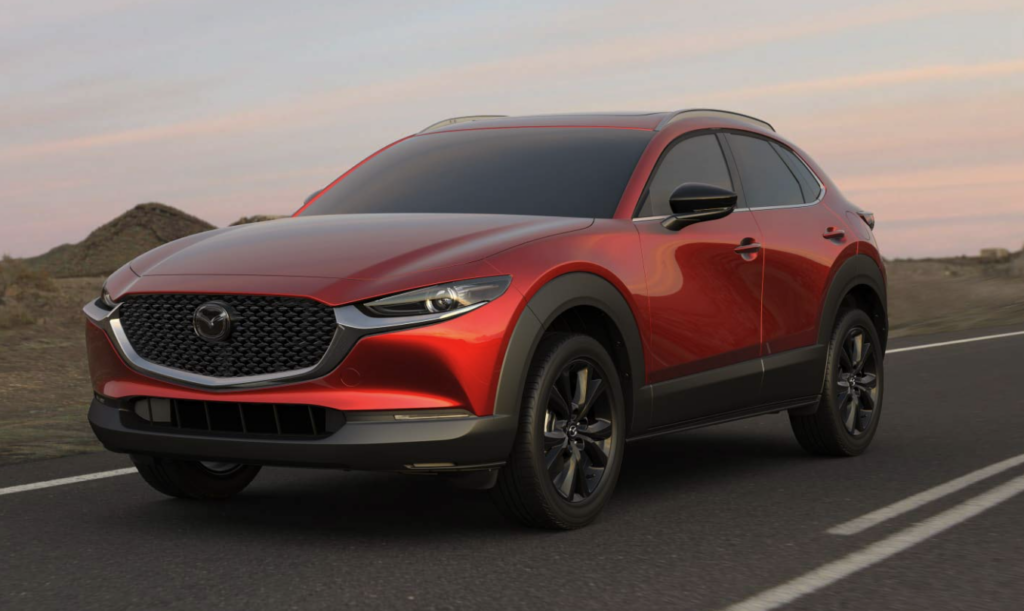
Reviewers and owners love the agile handling, generous interior of the Mazda CX-30. New for 2022, the CX-30 now comes with standard all-wheel drive and a more plush interior. In today’s market, the CX-30 represents the best value within the Mazda line. The Mazda CX-30 is ‘only’ up 23%, much less than the overall Mazda brand, which is up 35% year-over-year. Cost of ownership is relatively low for the CX-30, and a great factory warranty offers peace of mind. This is the Mazda to buy in 2022.
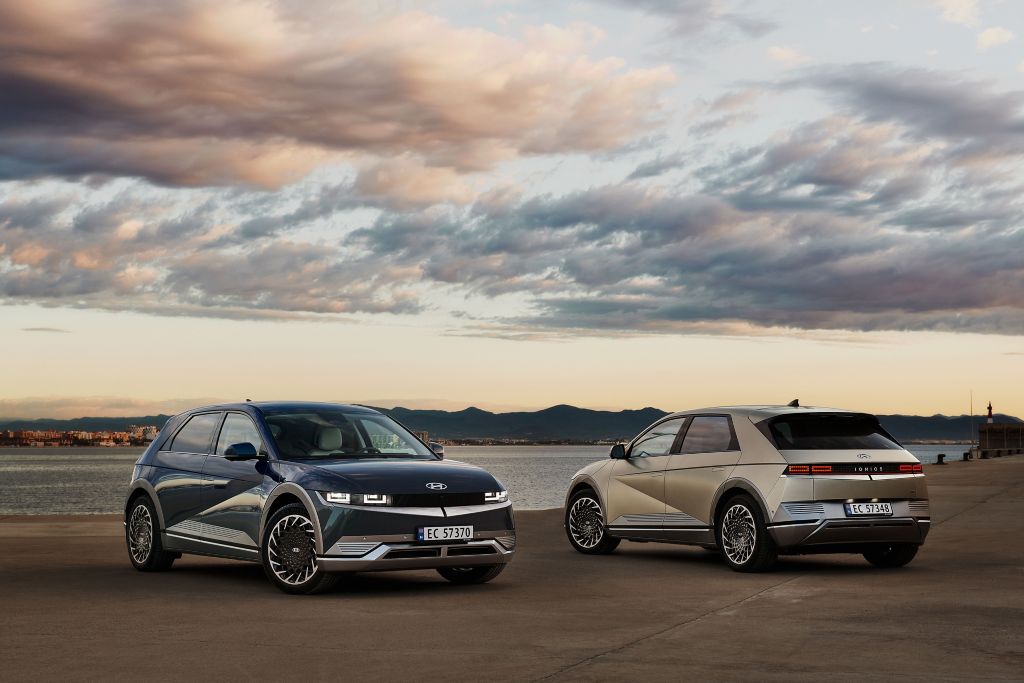
This retro-inspired family-sized electric crossover is sure to stand out on the road. Over the past few decades, Hyundai has completely transformed its reputation in North America. Now, Hyundai’s push to electrification sees the brand strengthening its image as a tech-savvy and reliable automaker. The IONIQ 5 is the fastest charging electric vehicle you can buy for under $50,000. Two years of FREE charging at Electrify America can save frequent travelers thousands of dollars. The $7,500 federal tax credit for electric vehicles is icing on the cake. We recently covered the IONIQ 5 in-depth at CarEdge, check out our first look here.
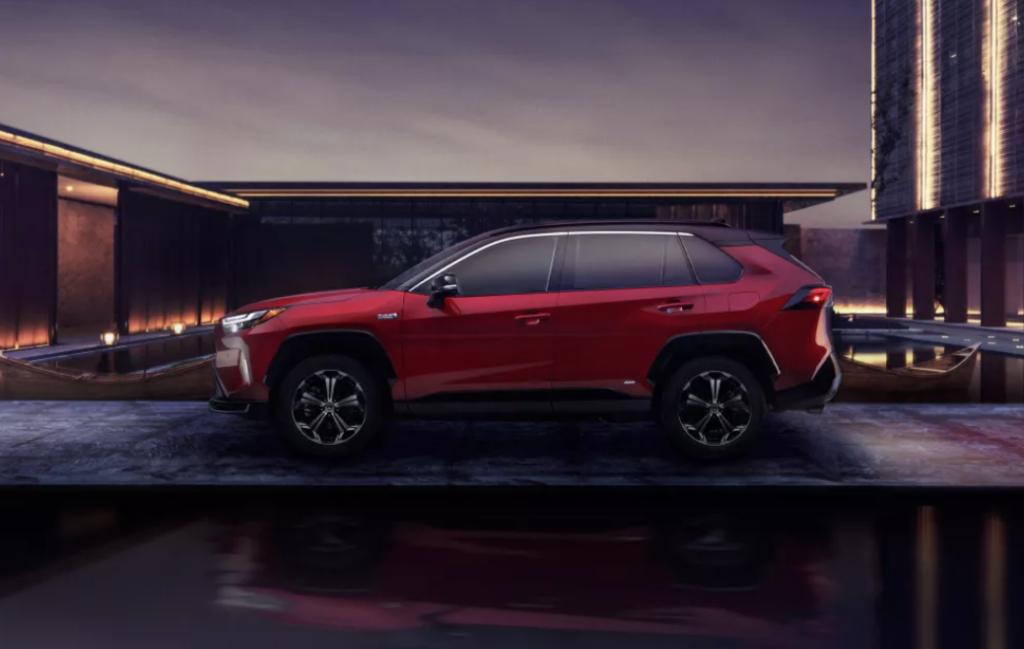
You’re probably not shocked to see Toyota on the list of the 5 best cars to buy in 2022. Over the past year, the Toyota RAV4 Prime has not appreciated to the extent that many of its competitors have. The RAV4 Prime combines Toyota’s superior build quality with an innovative powertrain meant to bridge the gap between combustion and EVs. Expected resale value is 67% after five years, which is incredible.
The 2022 RAV4 Prime features a spacious interior and a surprising amount of power with a 0-60 time of 5.7 seconds. If you’re thinking about going electric but can’t quite overcome range anxiety, this is the vehicle for you. There’s a hybrid engine (gas-powered) under the hood, an electric motor up at the front, and another electric motor powering the rear axle. These three power plants combine forces to provide standard all-wheel drive, the option of all-electric driving, and range-boosting hybrid mode when going the distance. You can plug in, but you don’t have to. The RAV4 Prime is a future-proof Toyota at under $50,000!
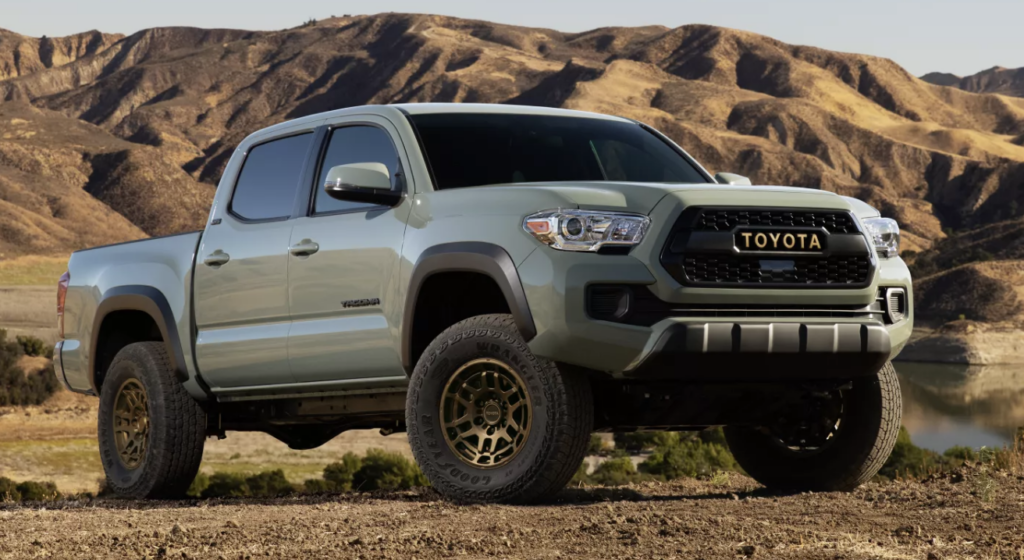
Low cost of ownership, plenty of utility and the highest resale value on the market earns the Toyota Tacoma top honors. After five years of ownership, you can expect to retain 79% of the original value with the Tacoma. That is remarkable! The 2023 Tacoma refresh brings a new engine and muscular looks to the popular truck. The Tacoma is a safe bet in the crazy auto market in 2022. Your best chance to get one is to put your name on a dealer allocation. The Tacoma doesn’t sit on the lot for very long with value like this.
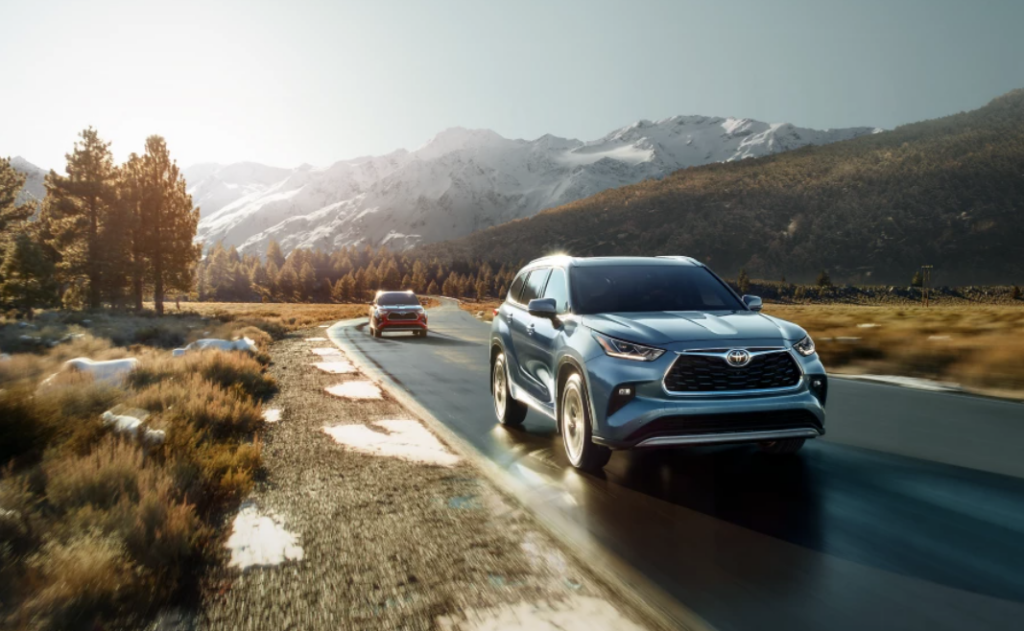
The Toyota Highlander is a family-sized SUV with great resale value. Toyota as a brand is up 40% on the used car market, but the spacious and reliable Highlander is ‘only’ up 33%. Not bad considering today’s circumstances. J.D. Power gives the Toyota Highlander top scores for reliability.
CarEdge Is Here to Empower the Consumer
Did we miss anything? What would your list look like? Let us know if you agree with our CarEdge top picks. If you think we missed the mark, we’d love to hear your top cars to buy in 2022.
Don’t forget to check out the CarEdge list of 5 vehicles to avoid in 2022. Our picks came as a shock to some, but we shared exactly why you should steer clear of these models for now.
It’s a strange time to be in the market for a vehicle. Don’t go it alone! At caredge.kinsta.cloud, we strive to empower the consumer with car buying know-how that makes finding your next vehicle less of a pain. CarEdge Car Search provides unique auto industry insights that other car listings don’t show you. CarEdge TotalPrice™ shows you the out-the-door price so that you know what to expect before you walk into the dealership.

What do these five cars have in common? They stink for one reason or another. Transportation is the second biggest purchase most people will ever make, so it’s important to get it right. With the automotive market at all-time highs, it wouldn’t be a good time to have buyers remorse. Here are five cars to avoid in 2022, and why you should steer clear of them.
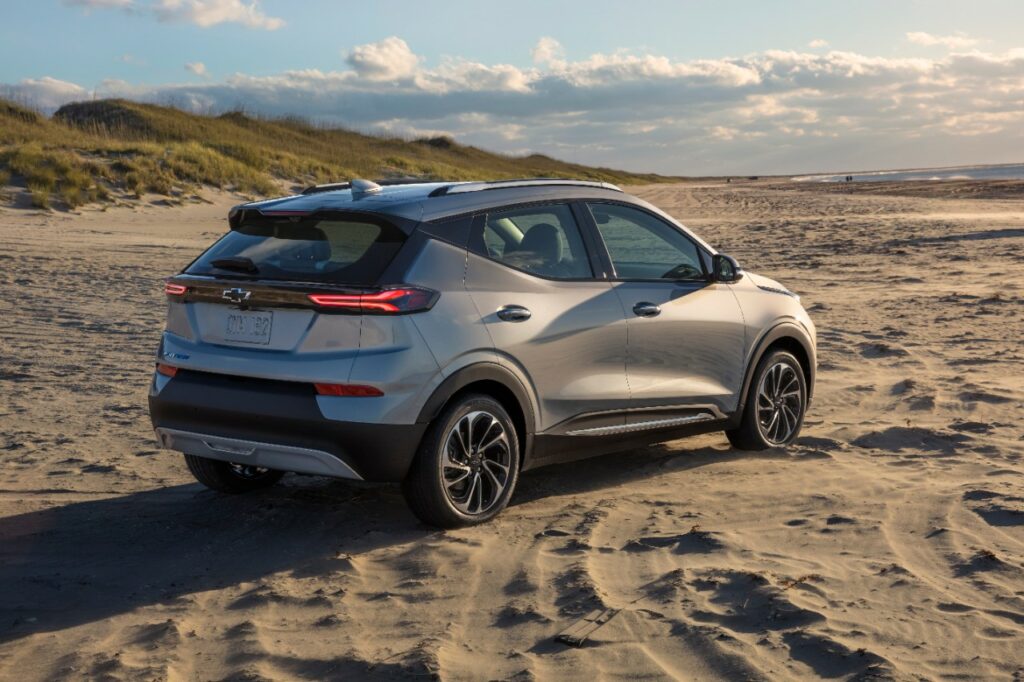
Right now, the socially-distancing Chevrolet Bolt is up a shocking 42% since a year ago. Why do so many people want to buy a rolling fire hazard? Dealerships aren’t even allowed to sell Bolts until they work through the backlog of recall fixes. The stop-sale may come to an end soon, but does that mean you should buy one? With the lowest charging speeds on the market and a damaged reputation, don’t buy a Bolt. Plus, it’s likely to be discontinued! GM doesn’t mention the Bolt in their future roadmaps for electrification. If you really want an affordable electric vehicle from GM, CEO Mary Barra is touting the Chevrolet Equinox EV just around the corner. Do you know how long it takes to charge a Chevy Bolt to full at a public fast charger like Electrify America? An hour and 20 minutes. So many EVs on the market today charge up in half that time. Please don’t buy a Bolt!
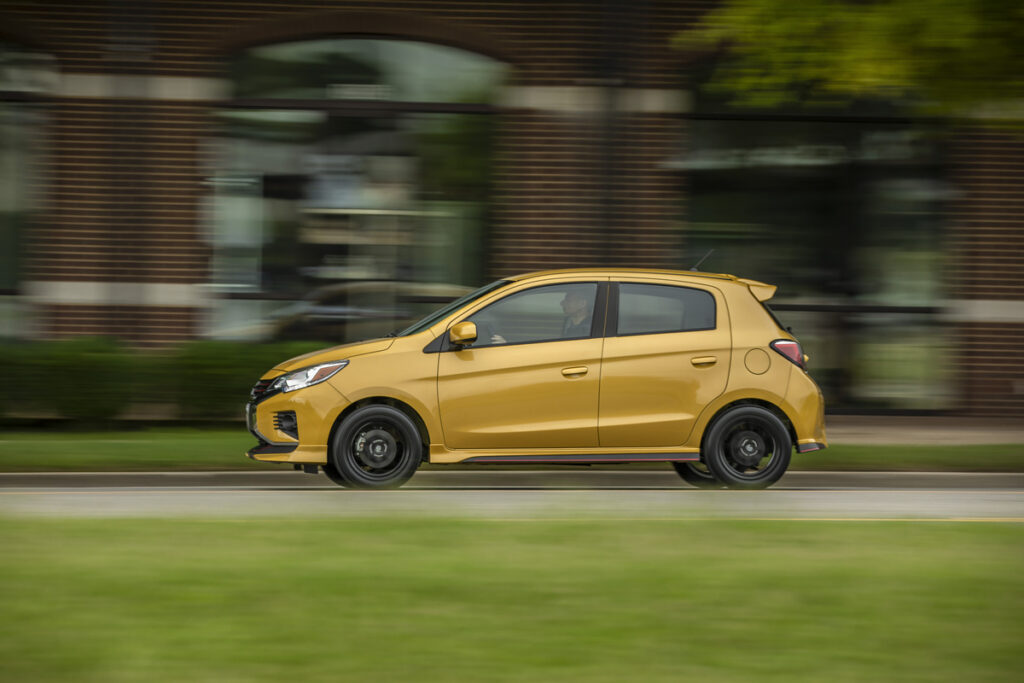
The world needs more affordable cars, but the Mitsubishi Mirage has appreciated way too much to justify the purchase. This sub-compact car has appreciated over 52% on the used vehicle market since 2020. The average used Mirage sells for $14,404, which is amazing considering a new one costs $14,600. The Mirage has some of the worst performance and comfort ratings in existence. It’s noted for ‘seats that feel more like cloth-covered chairs’ as Edmunds put it. Car and Driver gave in 2.5 stars out of TEN. It’s always best to buy and hold, rather than taking a big hit on depreciation after driving off the lot. Is the Mitsubishi Mirage a car you’d want to keep for a decade? probably not.
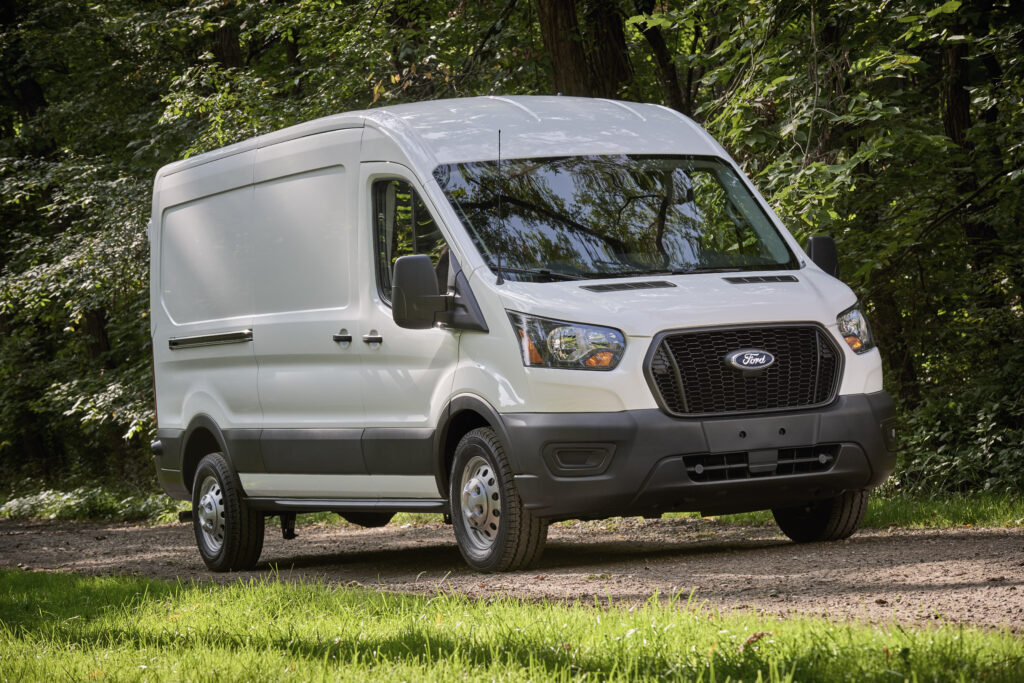
Now is not the time to buy a van. Full-sized vans have appreciated by 55% this past year, and minivans have jumped 42%. While the Ford Transit starts at an MSRP around $35,000, most dealers are asking over $48,000 for the base trim. The Transit is a solid van with great utility, but there’s no way its long term value will reflect the current price. That could be said about most cars on the market now, but 55% appreciation is through the roof. You’re buying a van, not a house.
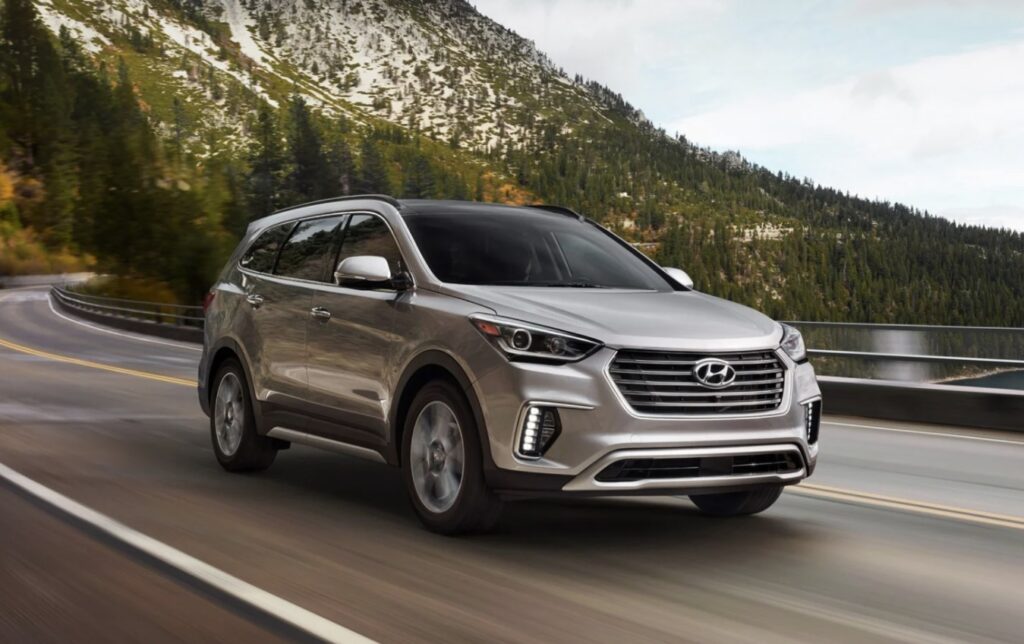
Sometimes, a vehicle is too popular. If you are determined to get yourself into a Hyundai Santa Fe in 2022, expect it to come at a substantial cost. Year-over-year, prices for the Santa Fe are up 48%! On top of unattractive prices, the Santa Fe is involved in a major recall affecting half a million cars. While most consumers are happy with their Hyundai SUVs, Consumer Reports recently stopped recommending the Santa Fe due to poor reliability. Once the chip shortage ends, resale values will drop. Don’t get stuck with a vehicle you paid 48% appreciation for!
No pre-purchase inspection? Not okay! Want to buy a used car with fast food still in the back seat? Want to make sure you DON’T get your title anytime soon? I don’t think you do. Selling to Carvana or Vroom might make you a pretty penny, but buying from Carvana could be a disaster. The ongoing Carvana lawsuit makes for an uncertain future for Carvana. It’s best to stay out of that mess and take your money elsewhere, at least for the time being. In today’s world, a pre-purchase inspection is a must-have for any used vehicle. Sure, there may be a 7-day return period, but it’s a huge pain to undo a big-money transaction like buying a car. Don’t do it!
These are cars to avoid in 2022 if your goal is to make a purchase you won’t regret. What about the five cars to buy in 2022? Here’s our list of the top buys in the market right now.

In today’s reminder that combustion vehicles are more fire-prone than electric cars, Korean giants Hyundai and Kia are issuing a recall for half a million American cars, according to an announcement by the US National Highway Traffic Safety Administration (NHTSA).
“Kia Motors America and Hyundai Motor America recommend that owners of select model year 2014-2016 Kia Sportage, 2016-2018 Kia K900 and 2016-2018 Hyundai Santa Fe vehicles park their vehicle outdoors and away from other vehicles or structures due to a risk of fire, even if the vehicle is turned off.”
The recall affects 126,747 Kia vehicles and 357,830 Hyundai vehicles in the United States. The NHTSA statement says that Kia and Hyundai have identified an increasing risk of an engine compartment fire.
“Although the cause remains unknown, the manufacturers believe an electrical component in the anti-lock brake system may experience an internal electrical short circuit that could increase the risk of fire both while the vehicle is being driven or parked.”
If you or someone you know have been impacted by this recall, visit NHTSA.gov/Recalls to find out if a specific VIN number is affected. If it is, the owner should park their vehicle outdoors until the recall repair is completed.
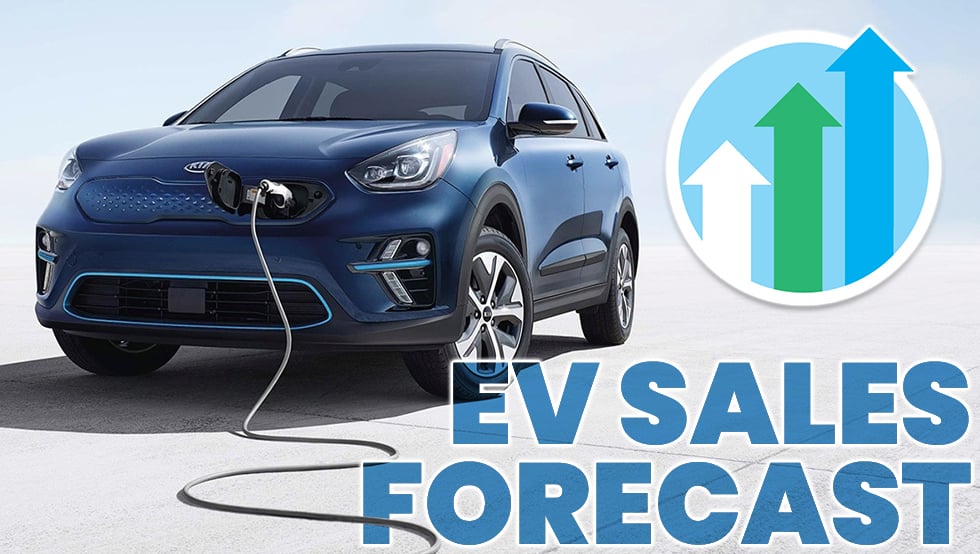
Electric vehicles now make up 9% of the global market, and 4.5% of American auto sales. Estimates vary, but many analysts expect electric vehicle sales to reach 40% market share in 2030. Will their crystal ball prove correct? It’s now looking possible. New data from the International Energy Agency beat previous forecasts by 26%. In 2020, Loren McDonald of EVAdoption predicted that electric vehicle sales would make up 3.55% of the US market in 2021. With the official tally now coming in a full percentage point higher, the electric momentum is accelerating. When the chip shortage finally ends, the production of EVs will likely be prioritized by automakers. Considering the massive half-trillion dollar investments OEMs have committed to electrifying their lineups, I’m sure they’re happy to see that there’s a growing market for their future products.
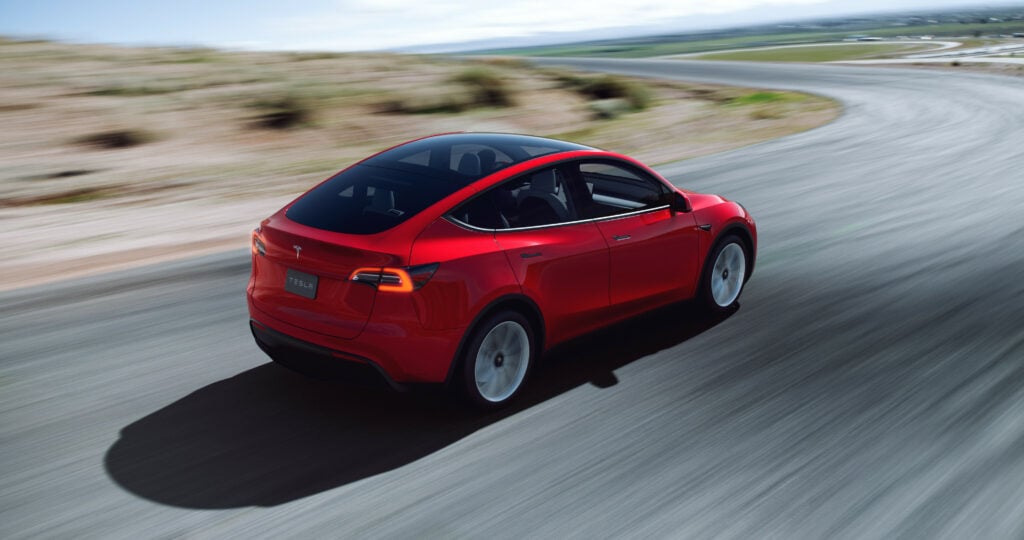
Tesla’s pioneering Supercharger network of DC fast chargers remains the industry standard for electric vehicle charging. With 3,476 locations, hassle-free plug-and-charge and consistent reliability, only Electrify America has come remotely close to what Tesla offers. For the past decade, Superchargers have been known for convenience and accessibility, but a few pending developments could change that. Here’s what we’re watching:
Tesla continues to dominate electric vehicle sales in America and abroad. In 2021, Tesla year-over-year sales grew 87% to 936,172 vehicles globally. In the United States, Cox Automotive estimates that Tesla delivered 352,472 vehicles to customers. Tesla’s 2021 sales were enough to (probably) unseat BMW as luxury sales leader in the US.
In 2021, Tesla installed 8,221 new Superchargers at 912 stations around the world. This represents 35% growth in just one year, a huge accomplishment for the EV leader. However, will it be enough? Sales have been outpacing Supercharger growth for years now. The vast majority of charging stations never see a crowd, but that could change soon as Tesla’s zero-hassle sales model and superior technology have drawn more buyers to the brand.
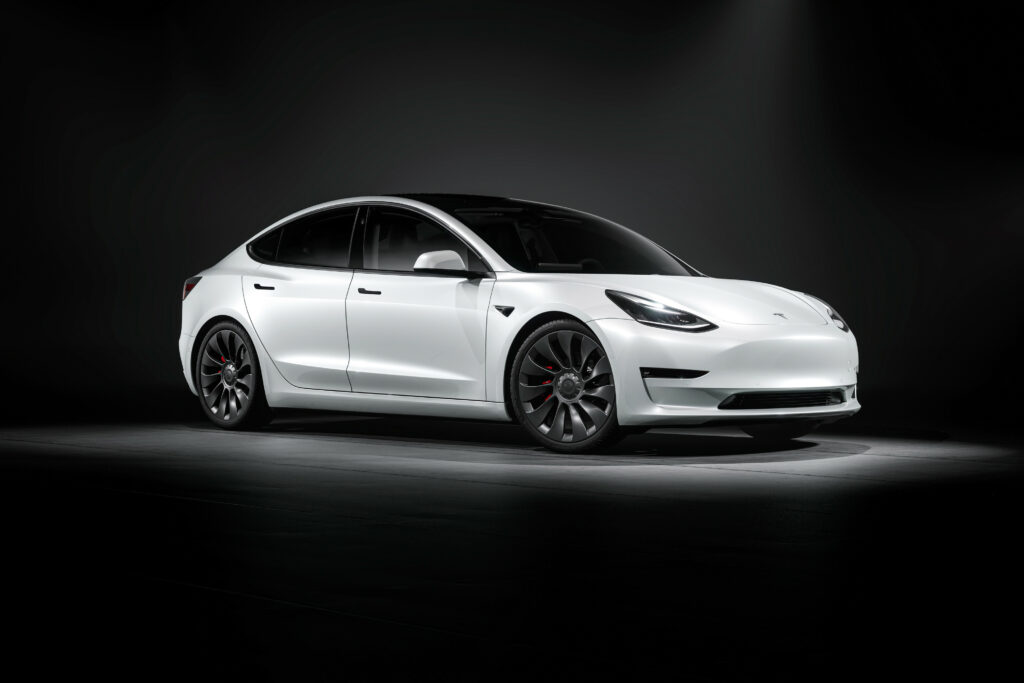
Tesla CEO Elon Musk confused Tesla owners and thrilled non-Tesla owners when he shared the company’s intentions to open up some Superchargers to non-Tesla cars. In early 2022, several Supercharger locations in France, Norway and the Netherlands are open to all. If open access spreads to North America, Superchargers will see a flood of traffic as Ford Mustang Mach-E’s, Volkswagen ID.4’s, Hyundai IONIQ 5’s and dozens of other models gain access to America’s largest fast charging network.
Something positive came out of Volkswagen’s dieselgate debacle. As part of a 2016 settlement with the United States Environmental protection Agency and the California Air Resources Board, VW was ordered to spend $2 billion on something that would clean up the air. The result was the birth of Electrify America.
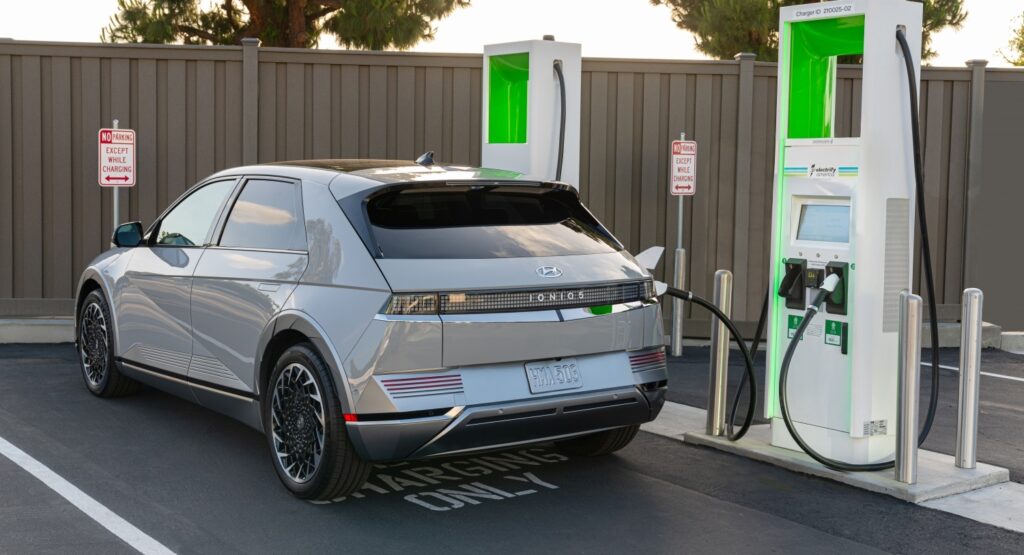
After installing their first chargers in 2018, Electrify America now has 3,500 charging stations at 800 locations around the US. The big difference between Electrify America and Tesla Superchargers is accessibility. Any electric vehicle can pull up to an EA station to charge. Only Tesla models are allowed to charge at Superchargers, except for select Superchargers in Europe that are open to all.
Electrify America has its faults though. Drivers often encounter out-of-order chargers, and most vehicles are not yet compatible with the convenient plug-and-charge capability that you’ll find at Tesla Superchargers. Reports indicate that reliability is improving at Electrify America, and several automakers say their new EVs will have seamless plug-and-charge capability.
Tesla’s record growth is great news for the automaker, but the picture is more complicated for Tesla owners. Tesla Superchargers in California and East Coast hotspots already fill up during peak travel. You could argue that gas stations do too, but waiting in line to plug in and then wait another 20 minutes to charge is not the same thing.
Fortunately, charging is about to get a lot easier in America. Public and private partnerships are currently designing a National Charging Network that will bring charging to remote locations and more American highways. The Supercharger network will continue to grow, as evidenced by the hundreds of ‘coming soon’ locations just added to the Tesla Supercharger map.
Some gas stations are getting into the charging game. Why don’t more add DC fast chargers to their parking lots? DC fast charger installation is expensive. We’re talking over $100,000 in most cases. Public-private partnerships appear set on helping businesses overcome the prohibitive costs of installing chargers. That would certainly benefit a rapidly electrifying nation of drivers.
Let us know what you think in the comments below. Better yet, connect with auto experts and fellow car enthusiasts at caredge.kinsta.cloud/community, where we work for YOU.

Some may think of electric vehicles as a concept of the future, but over 2 million EVs are already on American roads. By 2030, that figure may exceed 5 million. Where will all of these EVs juice up on road trips? Say hello to the gas station of the future. Charging stations are growing as more automakers commit to electrification.
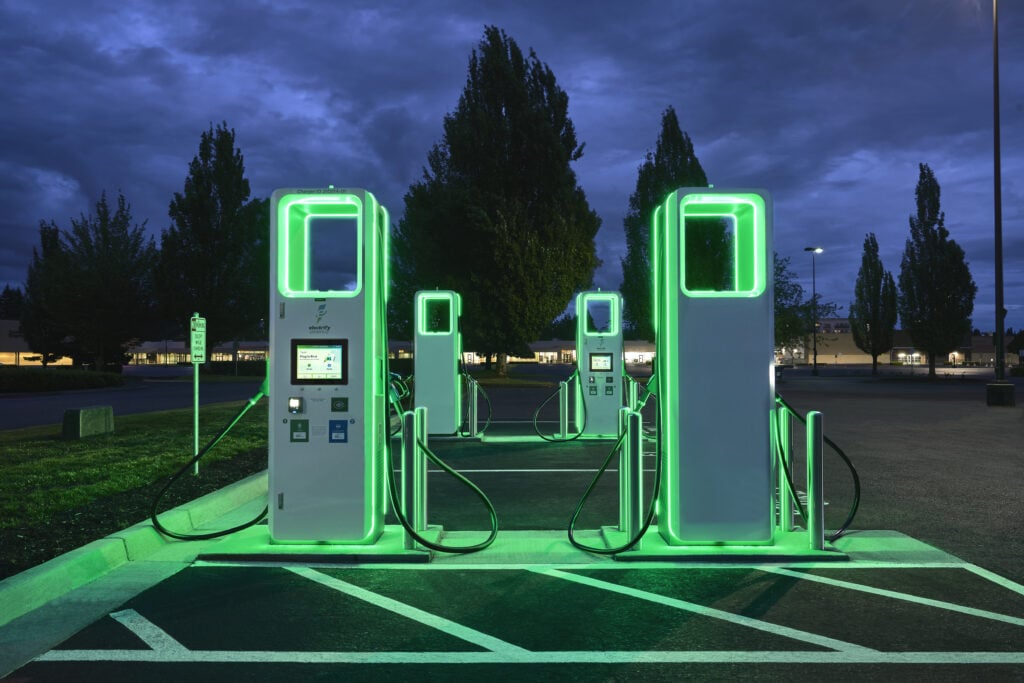
Among the key players in EV charging is Electrify America. With roots in the 2015 dieselgate debacle, Electrify America is out to show the masses that electric cars are accessible and convenient. Maybe you’ve even seen their glowing green stations in your local Walmart parking lot. Who knows, you might find yourself at an Electrify America station sooner than you think.
Let’s cover the basics of Electrify America:
Let’s dive in.
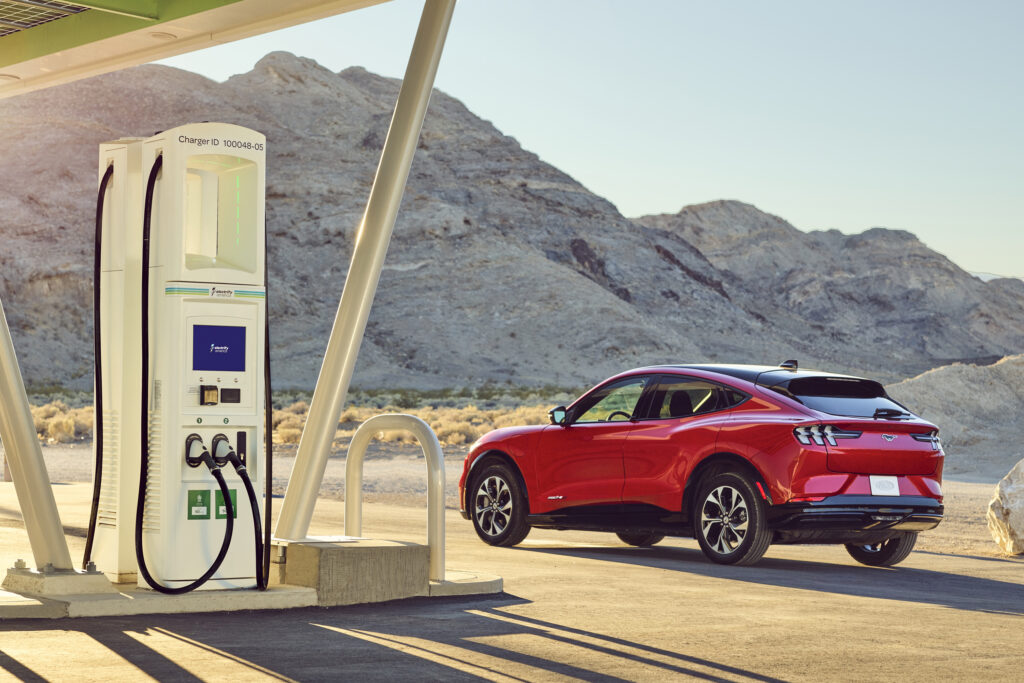
Electrify America is the rebranded name for the initiative that Volkswagen created and funded as part of its 2016 settlement with the United States Environmental protection Agency and the California Air Resources Board. VW was caught red-handed cheating on emissions tests for millions of diesel cars sold in the US. Remember when everyone had to sell back their cool Golf TDI? VW hit rock bottom in 2015. As part of the $2 billion punishment, Volkswagen is prohibited from branding the charging network as a VW enterprise.
So here we have it, Electrify America! Storied past aside, EA is now a large and rapidly growing player in the world of electric vehicles. Despite initial skepticism, EA showed it was serious by following through on their initial goal of adding 2,000 DC fast chargers within a few years. An average of four EA stations were opened every week since the official debut of Electrify America in May of 2018. Now, EA is embarking on the next stage of growth.
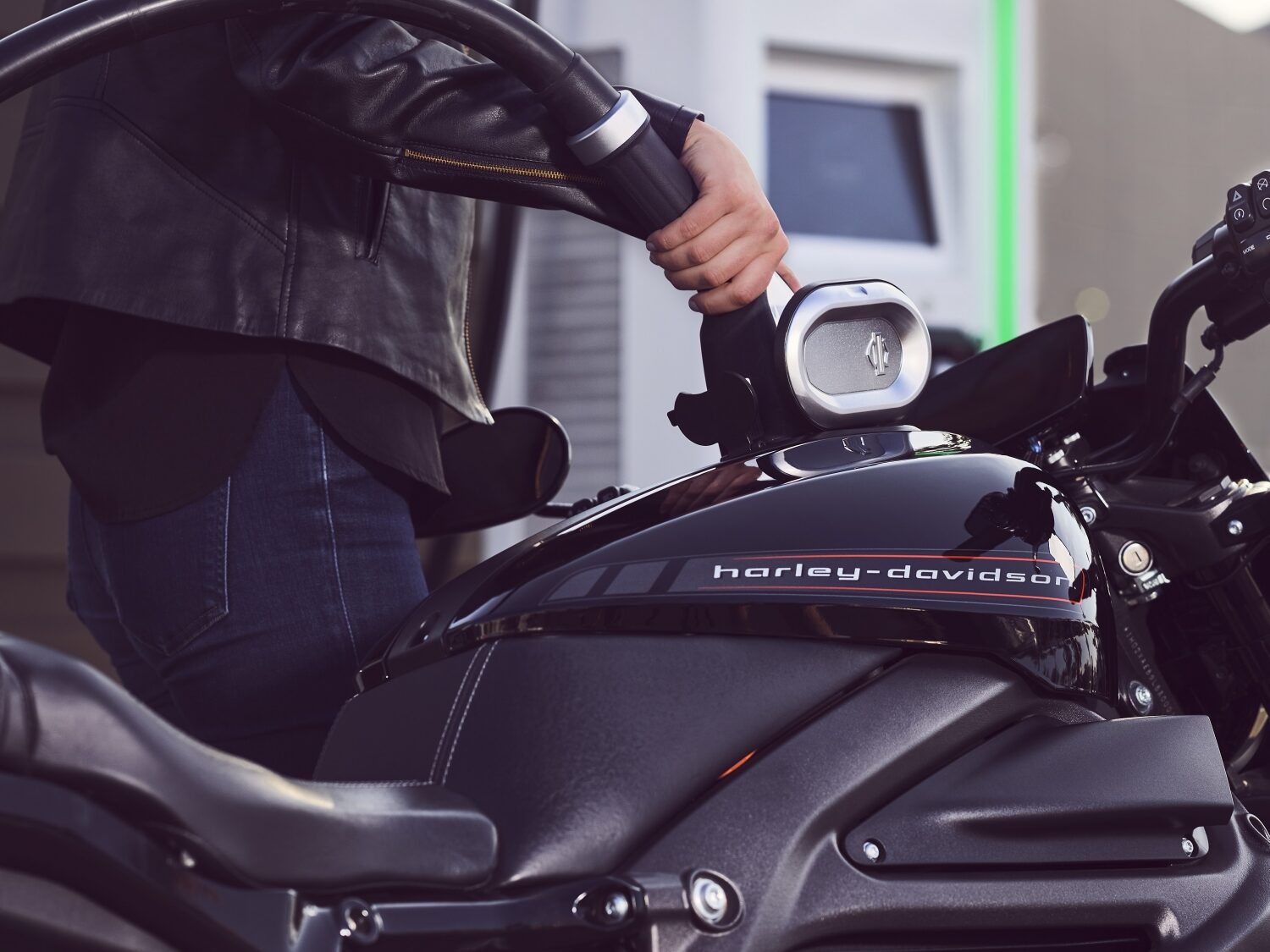
Good news! Any electric vehicle model can plug in at Electrify America charging stations. Even Teslas can charge here, despite having their own exclusive Supercharger network. Tesla may have a walled garden for its customers, but EA is open to all. EA stations include several CCS plug types, which work with nearly all EV models. The stations also have a CHAdeMO plug, which only the Nissan Leaf uses as of 2022.
Plug-and-charge is a convenience feature popularized by Tesla, but now spreading among automakers. Considering Electrify America’s Volkswagen roots, you’d think plug-and-charge would be a given for VW electric cars. Not so, at least not yet. However, it looks like automakers are at fault here, not EA. The 2022 Ford Mustang Mach-E already offers plug-and-charge, saving time and hassles for owners. GM says it will soon, but not by the time Cadillac Lyriq deliveries begin this year.
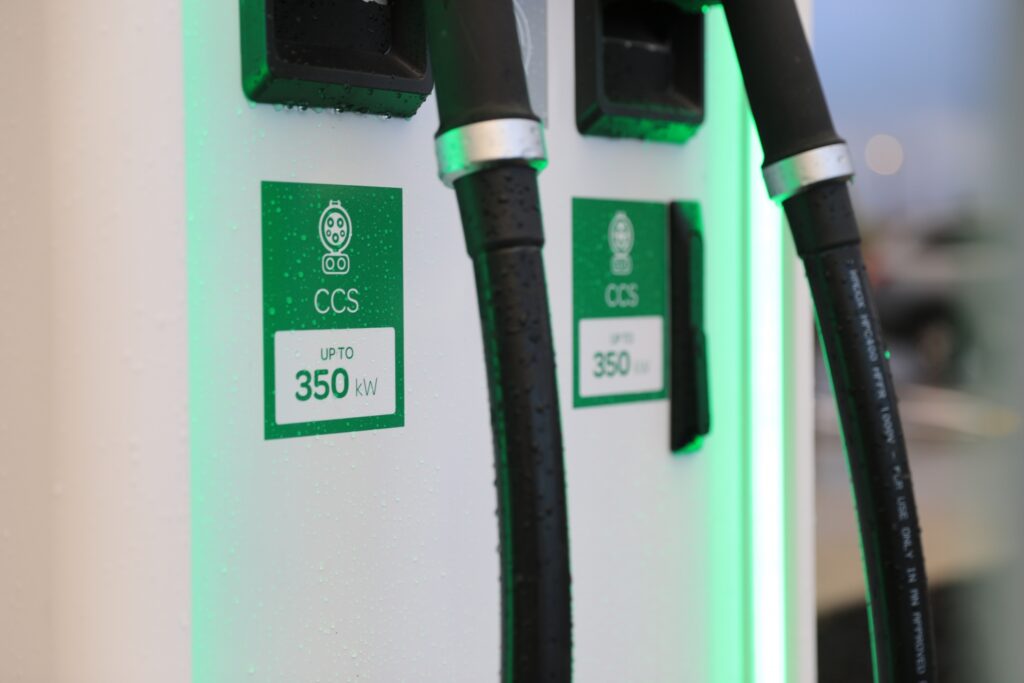
Electrify America charging stations are installed with future-proofing in mind. The vast majority of stations are capable of supplying the latest EVs with up to 350 kW charge speeds. In 2022, only a few EVs are capable of such rapid charging. The Hyundai IONIQ 5, Lucid Air and Porsche Taycan are a few examples. If your EV only accepts slower charging speeds, Electrify America certainly has the power you need to juice up.
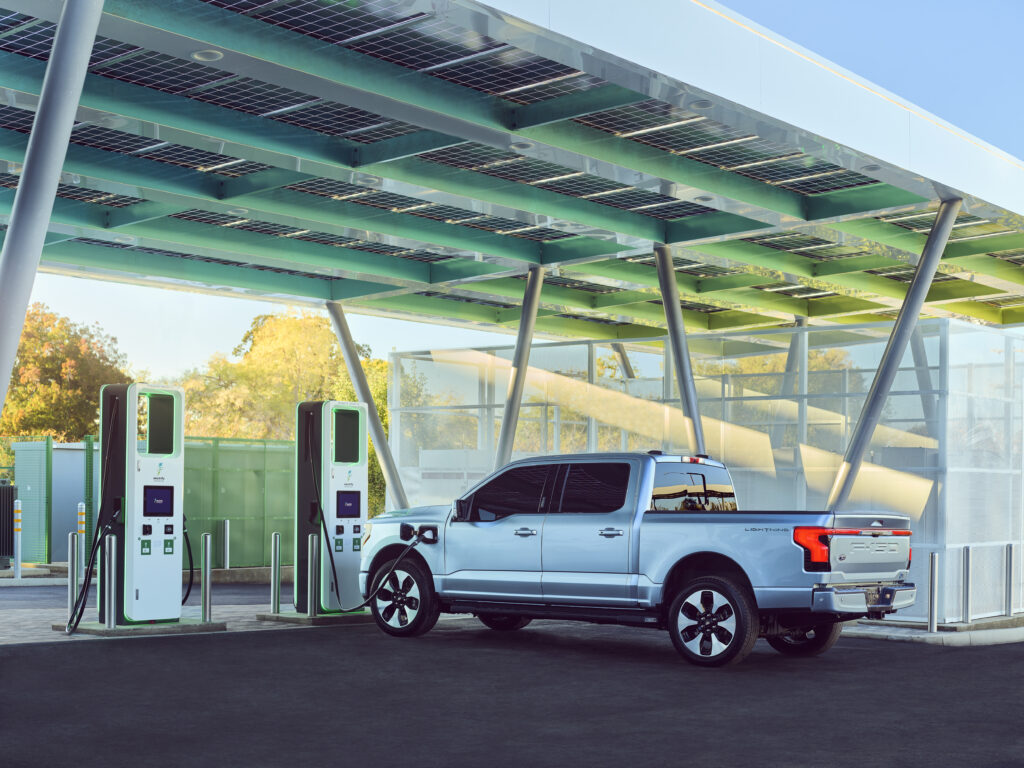
Some lucky EV drivers will have some amount of free charging at Electrify America. The Volkswagen ID.4, Hyundai IONIQ 5, Polestar 2 and even the Lucid Air all come with two or three years of complimentary charging at EA.
Electrify America pricing is determined by the following price tiers. Customers can either pay $0.43 per kilowatt-hour of electricity, or become a Pass+ member for just $4/month and charge up at $0.31 per kWh. For the Ford Mustang Mach-E with the standard battery, a full charge will cost about $21.00 as a Pass+ member, but $30.00 as a guest.
Having such an affordable membership plan is an interesting approach. It almost seems like Electrify America is aiming to become a subscription that everyone with an EV will buy into for a sense of range security, even if they rarely use the network. Learn more about Electrify America pricing and how much it costs to charge an electric vehicle at home or on the road here.
After an extremely fast build-out, EA now has chargers in 47 states. Only North Dakota, Wyoming and West Virginia have yet to receive EA chargers. Some states have many chargers. Metro areas like Washington DC, Atlanta, New York City, and of course all of California have a high density of EA charging stations.
A large number of EA stations are located in Walmart parking lots. Others are at Target stores, shopping malls, gas stations, and other frequented stops. With the new federal push for a national EV charging network, highway rest areas may soon get their own charging stations.
As of early 2022, Electrify America has 710 charging stations active in the US. Over 100 more are on the way soon. Three-quarters of existing charging ports are of the CCS type. The remainder are CHAdeMO-type plugs, almost exclusively for the Nissan Leaf. The rest of the EV world has moved on from CHAdeMO.
Here are all of the Electrify America charging locations as of early 2022. Future stations are in gray.
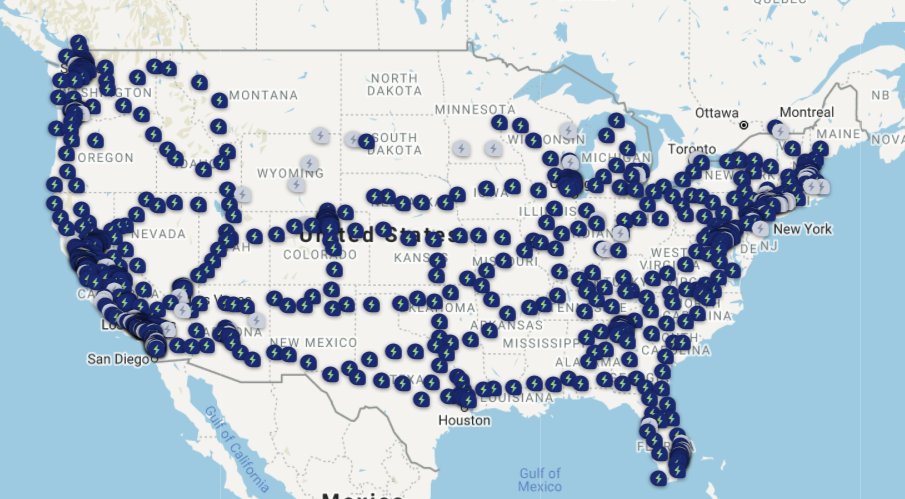
Source: Electrify America
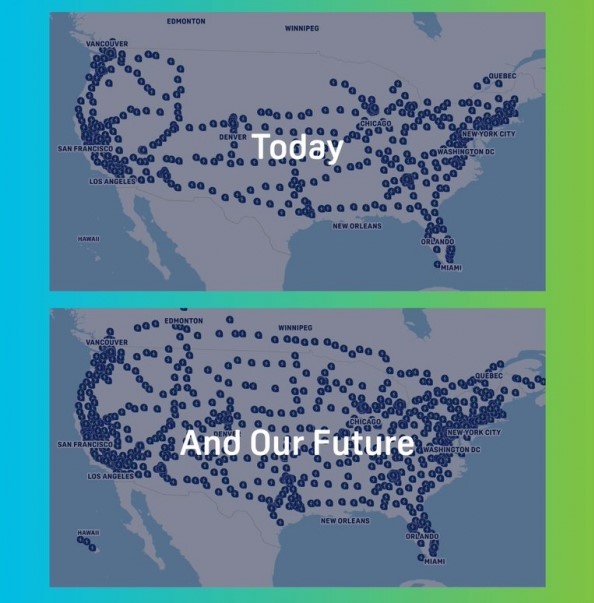
Electrify America’s original goal was to have about 800 charging stations and approximately 3,500 individual chargers in the U.S. by the end of 2021. As you can see above, they clearly exceeded that ambitious goal. Now, EA is looking ahead to their 2025 Boost Plan. The new plan calls for increasing the total number of charging stations to more than 1,700 and 9,500 individual chargers by the end of 2025. Soon, all 50 states will be home to EA charging stations. For me in West Virginia, that can’t come soon enough. It’s a charging desert out here in the hills.
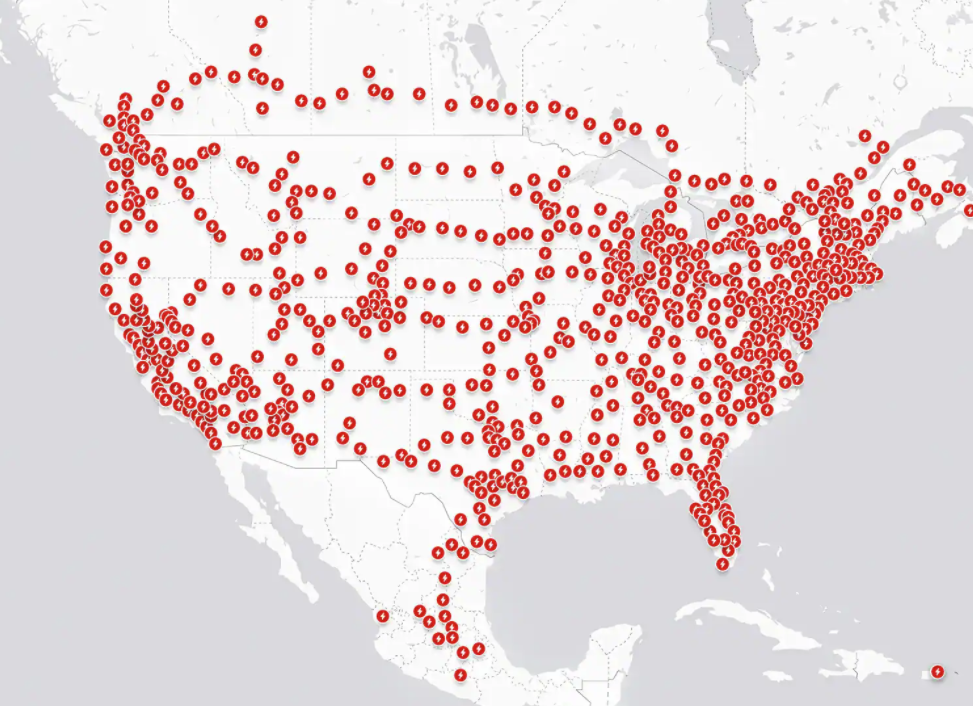
With so much competition arriving in the electric vehicle segment, buyers have far more options than they did just a few years prior. Back in 2018, it was Tesla, the Chevy Bolt and the Nissan Leaf that were selling in big numbers. Now look at the list of every EV on sale in 2022. Consumers have options! And by the time Electrify America’s 2025 Boost Plan is carried out, EV sales are expected to make up at least 12% of total vehicle sales.
Still, Tesla continues to lead electric sales by a large margin. Tesla drivers can charge at Electrify America stations if they bring their own plug adapter. Unfortunately, only Tesla cars can plug in at the sprawling Tesla Supercharger network. Tesla’s proprietary network of exclusive chargers just reached a major milestone. As of late 2021, there are 30,000 charging stalls at over 5,000 locations worldwide. One-sixth of those charging stations were built in the latter half of 2021 alone. In the US, there are nearly 1,000 Supercharger locations, a figure that is rapidly growing.
Tesla also has a level 2 Destination Network at tourist destinations, hotels, restaurants and other destinations. Soon, there will even be a Megacharger Network to support the coming Tesla Semi. Rumors abound that Tesla will open up the Supercharger network to non-Tesla cars, as they have already tried in select European countries. Until that officially happens in the US, Superchargers remain off limits to Ford, GM, Hyundai and every other automaker’s EVs.
Tesla Superchargers are not free. In fact, charging will cost $0.28 per kilowatt-hour of electricity in most markets. Learn more about how much it costs to charge an electric vehicle in our recent report.
Clearly, electricity is cheaper than gasoline, no matter where you plug in:
| Cost of Charging to 100% at a Tesla Supercharger | Cost of Charging to 100% at Electrify America as a Member | Cost of Charging to 100% at Electrify America as a Guest | Cost of Filling up an 18 Gallon Tank of Gas at $3.25/Gallon |
| $22.96 | $25.42 | $35.26 | $58.50 |
The automotive industry is commiting to EVs. With nearly half a trillion dollars committed to EV development this decade, is this a ‘too big to fail’ moment? However, what good are EVs if there’s nowhere to charge them? Actually, over 80% of electric vehicle charging happens at home. Still, road trips would be dead if automakers electrify without having public fast chargers as widespread as today’s gas stations.
Aside from the Tesla Supercharger network, Electrify America is the best shot we have at rapidly building out a DC fast charging network across America. Automakers, utilities and even the federal government are currently figuring out how to grow charging infrastructure in America. The recent National EV Charging Summit highlighted those efforts, and also the immense challenges ahead. Electrify America’s 2025 Boost Plan offers a glimpse of the electric future to come along American highways.
What do you think? Will Electrify America and the growing Tesla Supercharger network be enough for EVs to comfortably reach the forecasted 30-40% market share in 2030?