
CarEdge saved me over 4,500 dollars on a brand new Honda Pilot. I can't say thank you enough.
Price intelligence
Find a wide range of vehicle listings with market insights on new and used listings near you.
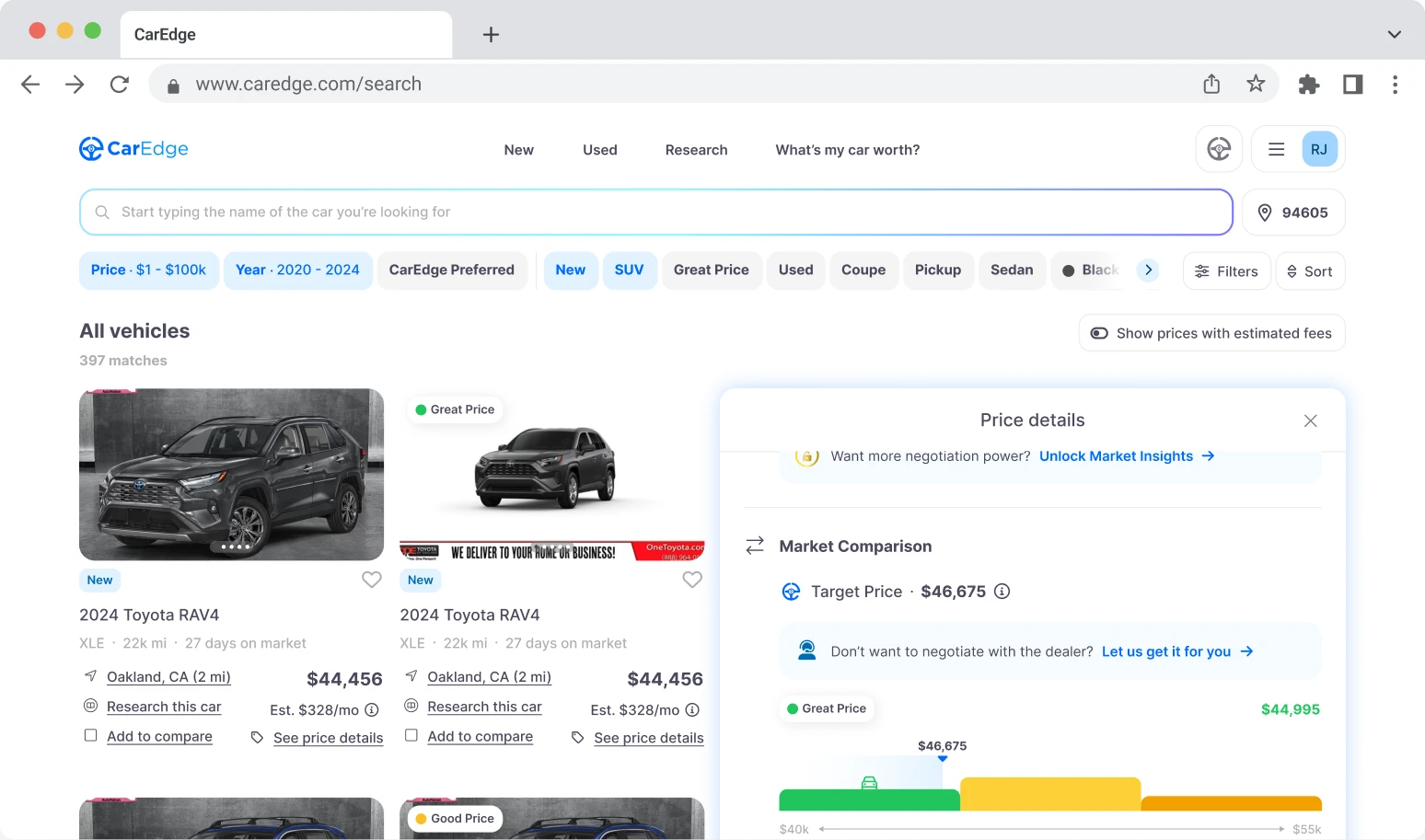

What can I do with CarEdge?
 CarEdge Insights
What can I do with CarEdge?
Get access to exclusive information so you can make an informed car buying decision — all in one place.

Find a wide range of vehicle listings with market insights on new and used listings near you.
Track your vehicle’s value and cash in when the time is right to sell.

Access to our proprietary data to help you find the right car, at the right price. Find these unlocked on every listing after subscribing.

With our expert-led, tech-enabled car buying service, we will locate, negotiate, and deliver your vehicle so you can get a new car hassle free.


Help us personalize your CarEdge experience — it only takes a second.
Your answers help us personalize your CarEdge journey — we’ll follow up with tips and next steps that match your buying timeline.
![Labor Day Lease Deals: The Best Offers From Every Automaker [2025]](https://caredge.com/wp-content/uploads/2023/08/Labor-day-deals-1080x675.png)
If you’re looking for the cheapest way to get into a new car, leasing is the way to go. Labor Day lease specials are here, with manufacturer deals that last through September 2, 2025. Expect nothing less than leases under $200/month, low money down, and the last big hurrah of EV lease deals before the tax credit expires. We’ve pulled the best Labor Day lease deals that offer the best value right now.
As always, the following advertised manufacturer offers exclude taxes, title, and fees. The dealer sets the final price.
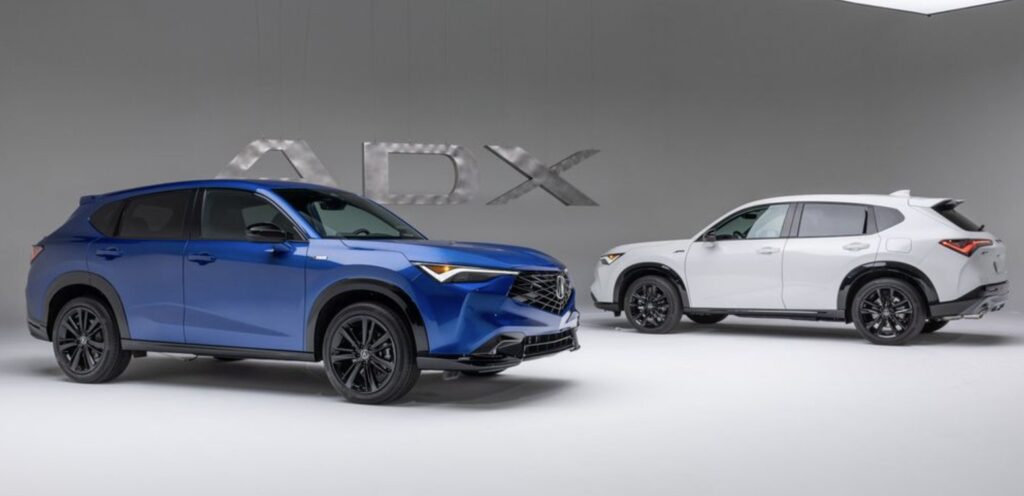
Lease the 2025 Acura ADX for $429/month for 36 months, $3,499 due at signing
See offer details, and view local Acura listings
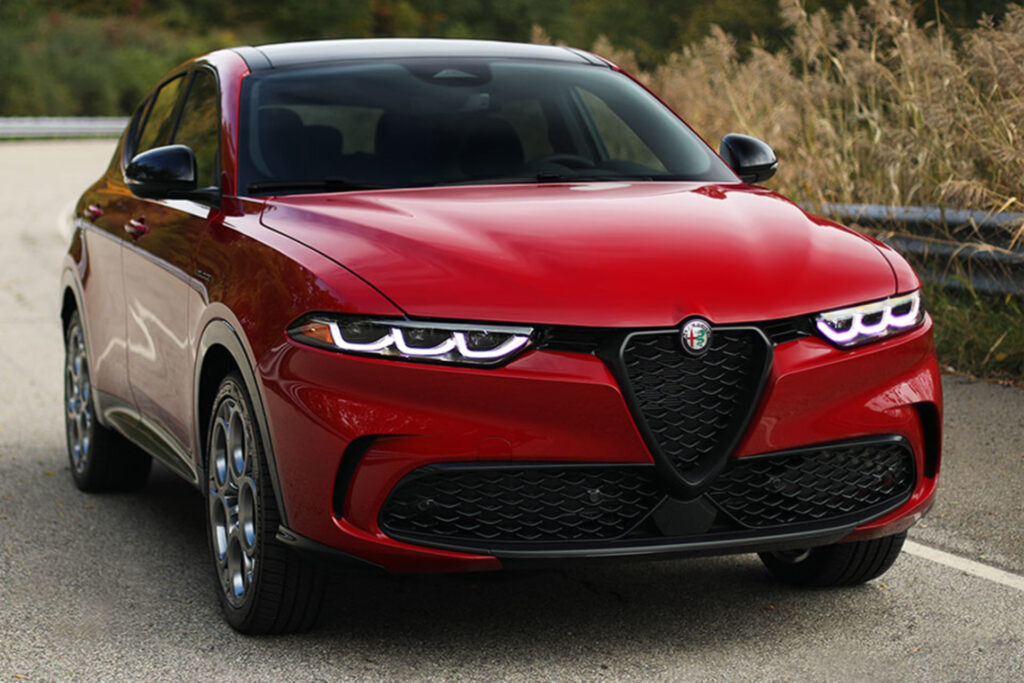
Lease the 2025 Alfa Romeo Tonale for $294/month for 36 months, $4,999 due at signing
See offer details, and view Alfa Romeo listings

Lease the 2025 Audi Q4 e-tron for $299/month for 24 months, $4,244 due at signing
See offer details, and view Audi listings in your area
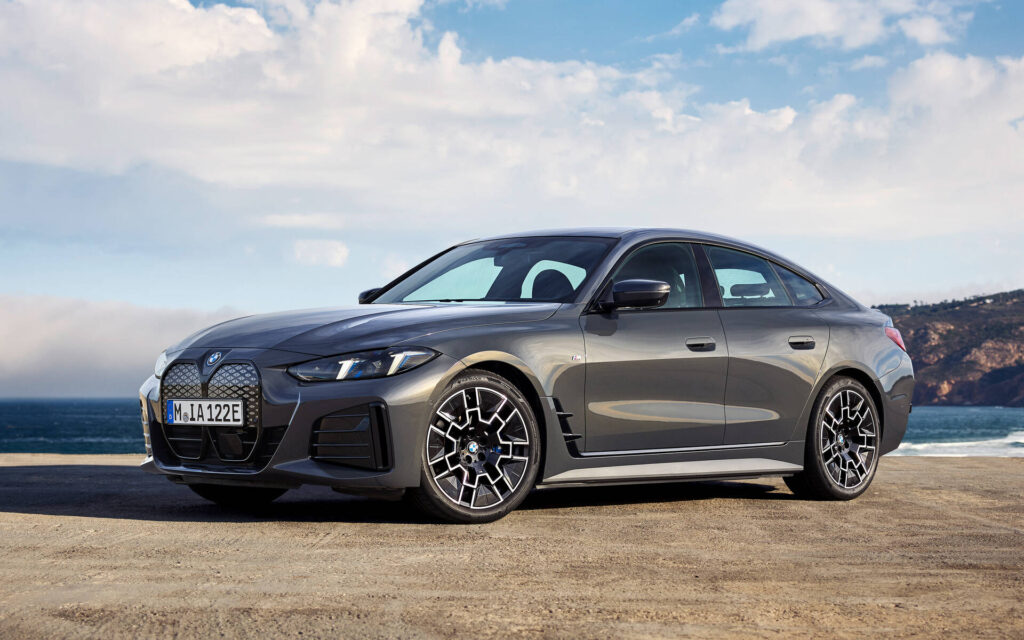
Lease the 2025 BMW i4 eDrive40 for $399/month for 36 months, $4,999 due at signing
See offer details, and view local BMW listings

Lease the 2025 Buick Encore GX AWD Preferred for $349/month for 39 months with $0 down at signing for current GM lessees (2020 model or newer)
See offer details, and view local Buick listings
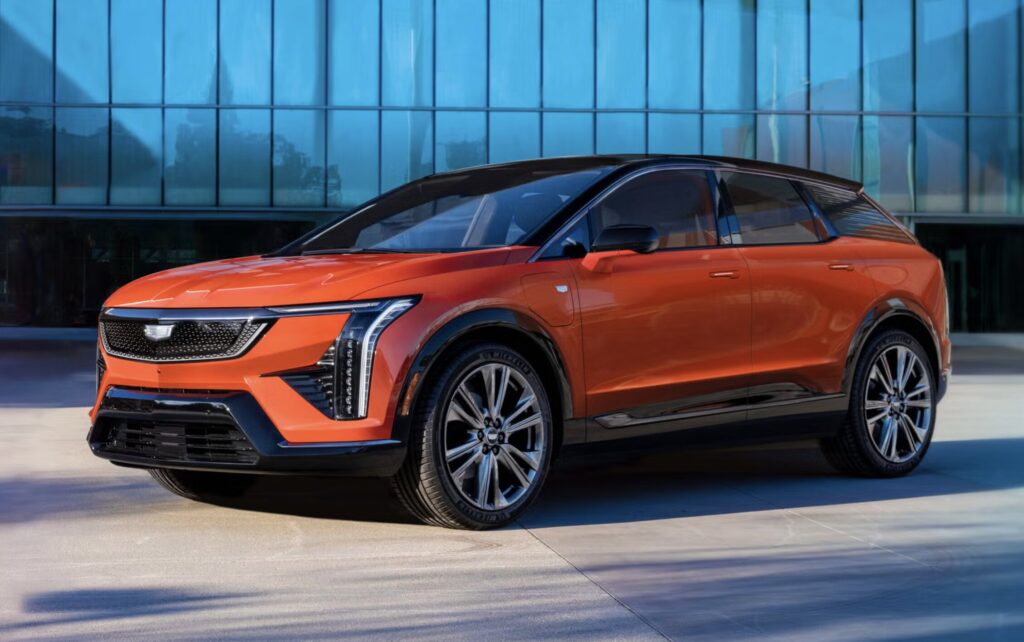
Lease the 2025 Cadillac Optiq EV with $479/month for 24 months, $4,989 due at signing
This offer includes a $2,000 lease incentive for current owners or lessees of 2011 or newer Cadillac vehicles.
See offer details, and view local Cadillac listings

Lease the 2025 Chevrolet Trax for $269/month for 36 months, $2,509 due at signing
See offer details, and view local Cadillac listings
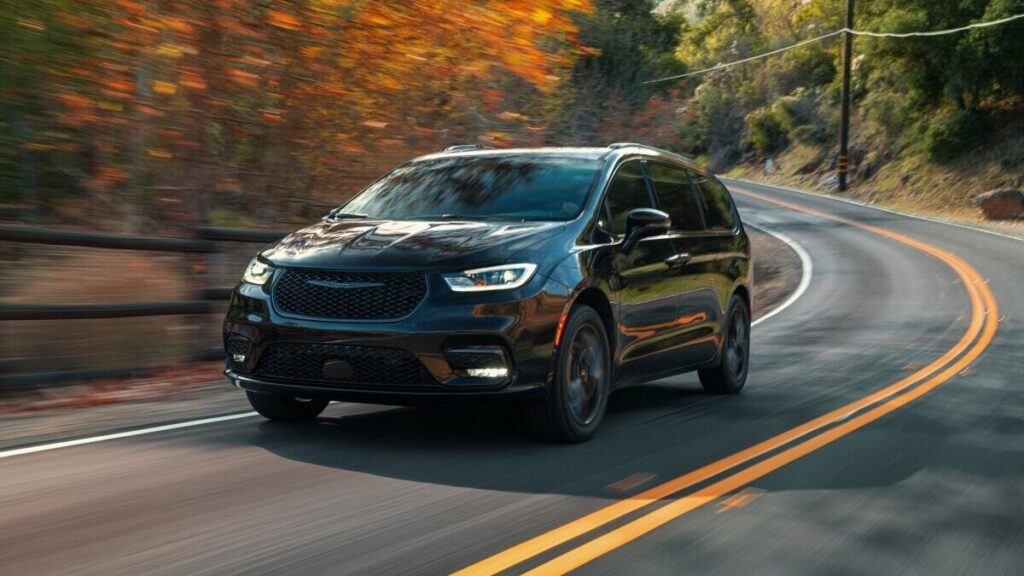
Lease the 2025 Chrysler Pacifica Plug-In Hybrid for $513/month for 39 months with $3,999 due at signing
This offer includes a $7,500 EV incentive from Chrysler.
See offer details, and view local Chrysler listings

Lease the 2025 Dodge Durango for $459/month for 36 months, $3,999 due at signing
See offer details, and view local Dodge listings

Lease the 2025 Ford F-150 STX for $499/month for 36 months, $499 due at signing
This is the best F-150 Labor Day lease deal we’ve ever seen, hands down.
See offer details, and view local F-150 listings
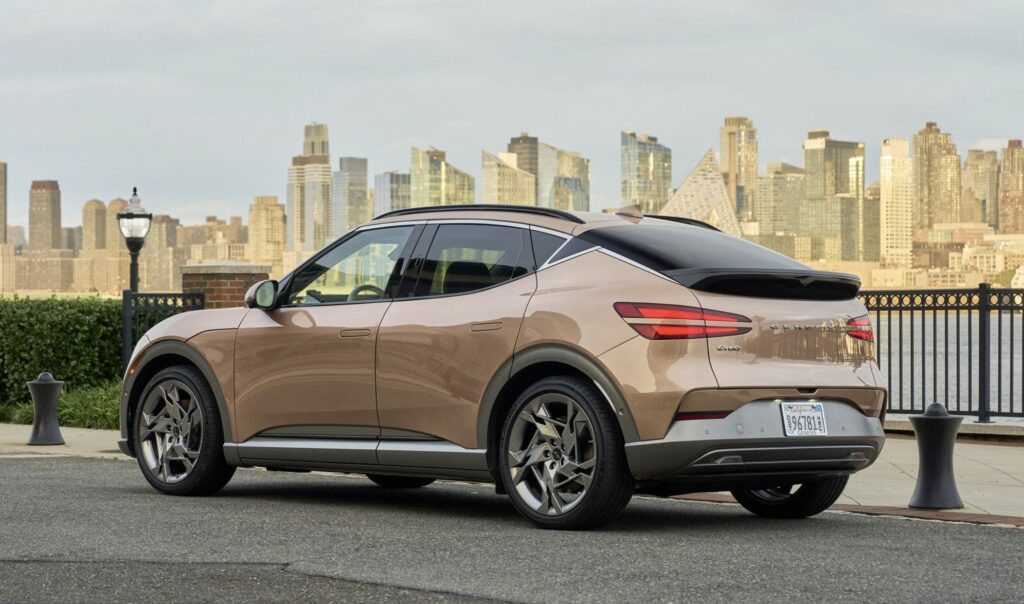
Lease the 2025 Genesis GV60 Standard RWD for $389/month for 33 months, $5,999 due at signing
This offer includes $13,750 in lease incentives, making it the best luxury lease deal for Labor Day 2025.
See offer details, and view local Genesis listings

Lease the 2025 Honda Prologue AWD EX for $159/month for 24 months, $2,599 due at signing
This lease well under $200/month with little money down is the best EV lease offer for Labor Day. This offer includes the application of the federal EV tax credit, which ends on September 30, 2025.
See offer details, and view local Honda listings
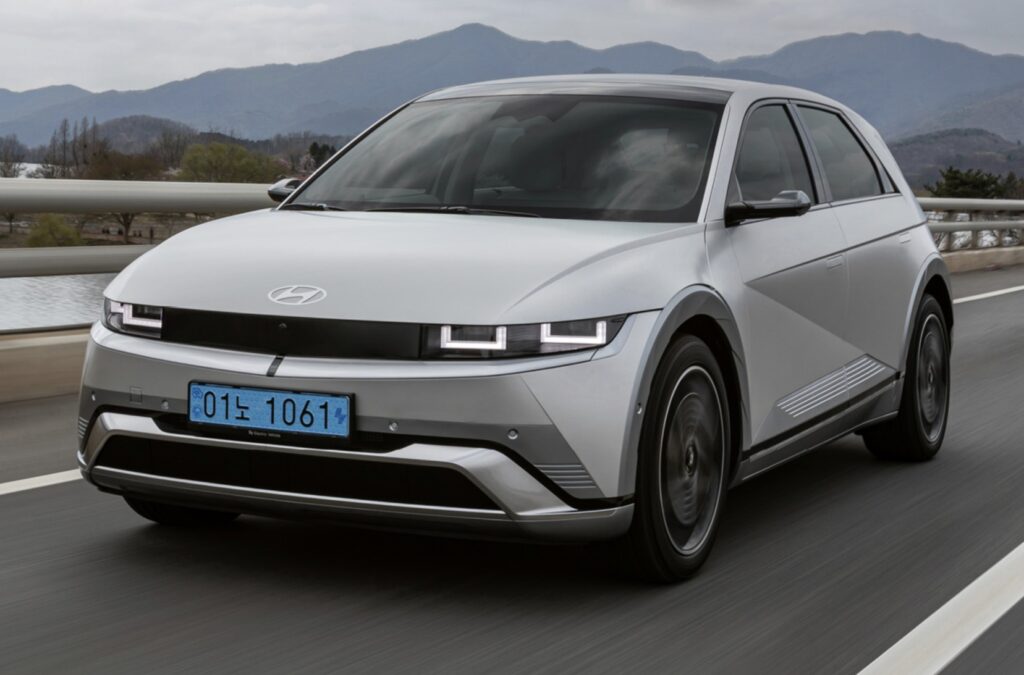
Lease the 2025 Hyundai IONIQ 5 SE RWD for $199/month for 24 months, $3,999 due at signing
This offer includes the $7,500 EV lease bonus, which is likely to expire after September 30.
See offer details, and view local Hyundai listings

Lease the 2025 Infiniti QX50 Pure AWD for $509/month for 36 months, $6,569 due at signing
See offer details, and view local Infiniti listings
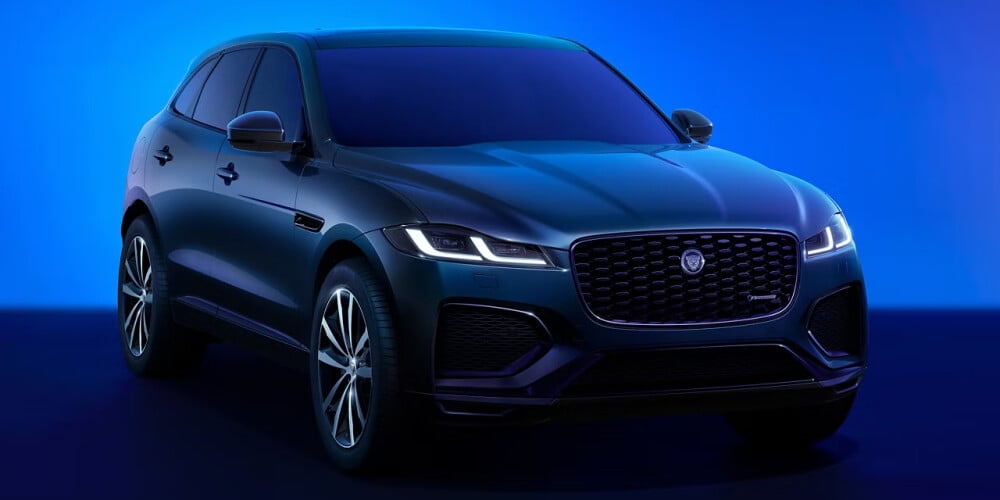
Lease the 2026 Jaguar F-PACE for $949/month for 36 months, $6,995 due at signing
See offer details, and view local Jaguar listings
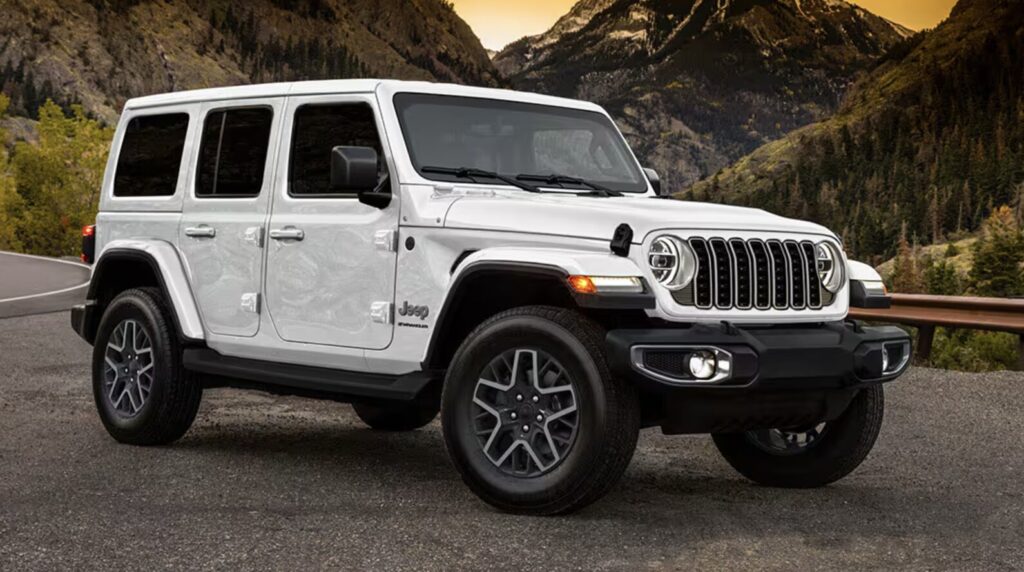
Lease the 2025 Jeep Wrangler 4xe for just $293/month for 24 months, $3,999 due at signing
This offer includes the $7,500 Jeep incentive for plug-in hybrids.
See offer details, and view local Jeep listings

Lease the 2025 Kia Niro EV for $109/month for 24 months, $3,999 due at signing
Kia is practically giving the Niro EV away with a shockingly low monthly payment of just over one hundred bucks.
See offer details, and view local Kia listings

Lease the 2025 Range Rover Velar for $749/month for 36 months, $6,995 due at signing
See offer details, and view local Range Rover listings
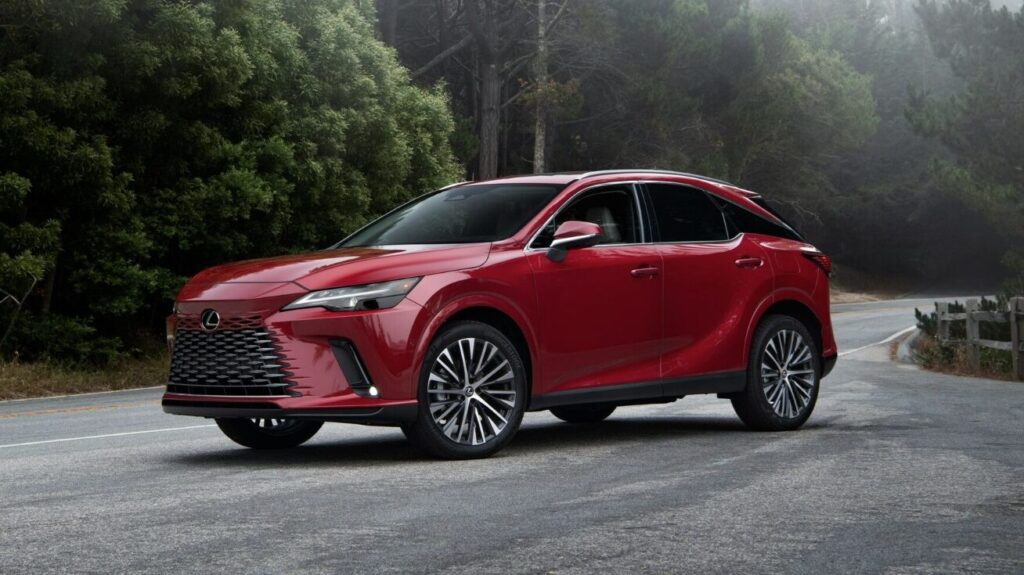
Lease the 2025 Lexus RX 350 Premium AWD for $569/month for 36 months with $4,999 due
See offer details, and view local Lexus listings
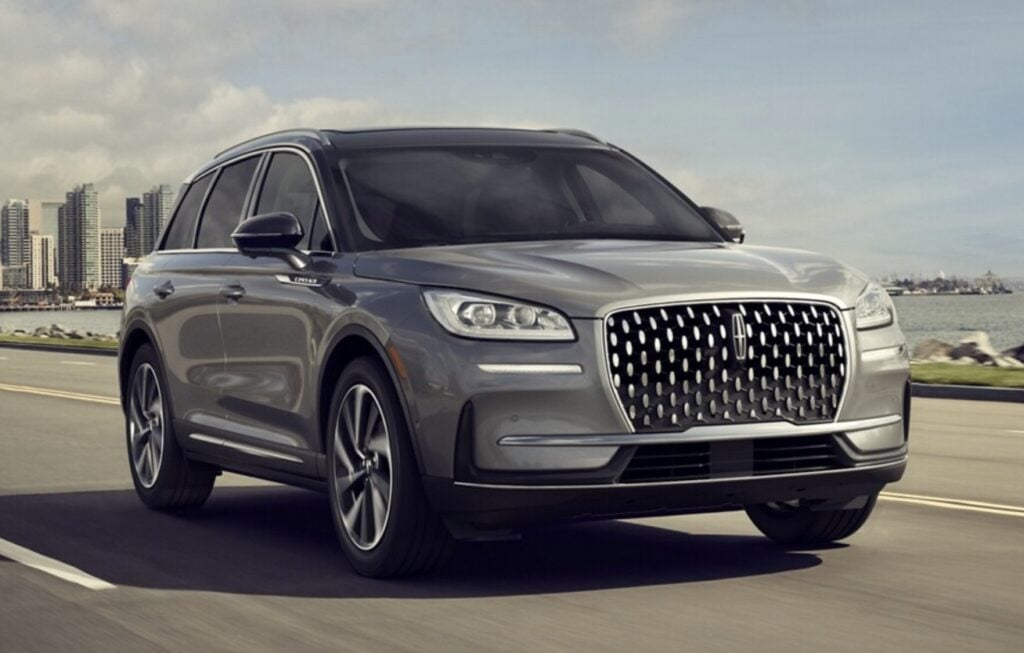
Lease the 2024 Lincoln Corsair for $276/month for 24 months with $4,325 due at signing
It’s important to note that this offer is for remaining 2024 inventory, but it’s the most affordable Lincoln offer we’ve seen in recent years.
See offer details, and view Lincoln listings

Lease the Lucid Air Pure for $509/month for 36 months with $2,869 due at signing
This is a shockingly low luxury EV lease deal for Labor Day 2025.

Lease the 2025 Mazda CX-90 Plug-In Hybrid for $109/month for 24 months, $6,749 due at signing
If you can afford the amount due at signing, this is a stellar deal. In fact, it might be Mazda’s best lease offer in recent years.
See offer details, and view local Mazda listings

Lease the 2025 Mercedes-Benz GLA 250 SUV for $469/month for 36 months, $4,663 due at signing
See offer details, and view local Mercedes-Benz listings

Lease the 2025 MINI Hardtop 2-Door for $299/month for 39 months, $4,119 due at signing
See offer details, and view local MINI listings

Lease the Nissan Sentra SV FWD for $269/month for 36 months, $2,409 due at signing
See offer details, and view Nissan listings
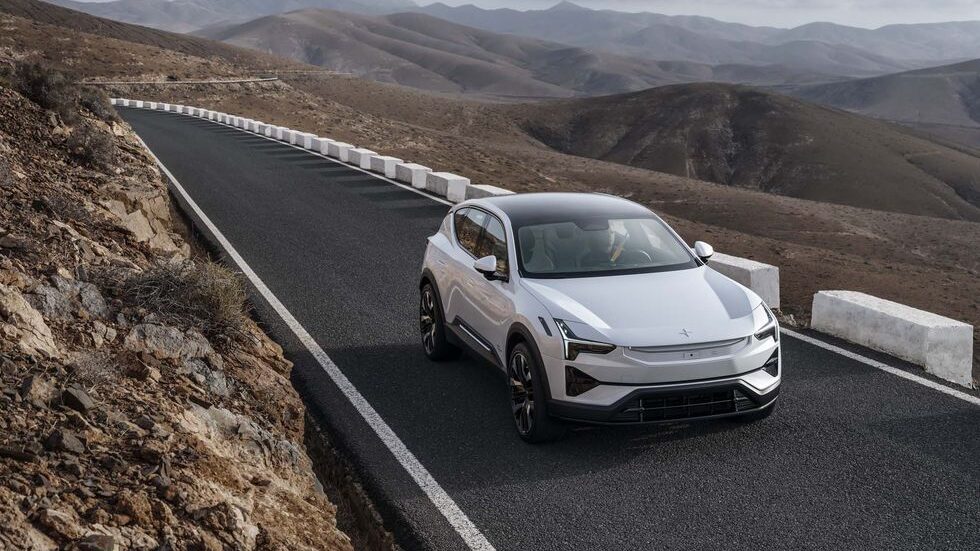
Lease the 2025 Polestar 3 for $399/month for 27 months with $5,399 due at signing
See offer details, and view Polestar inventory
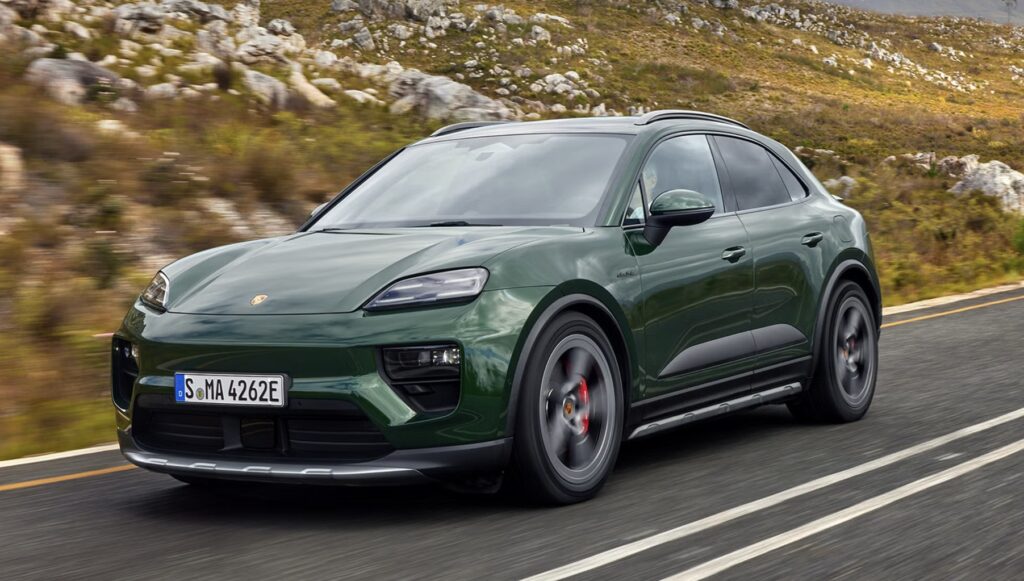
Lease the all-new Porsche Macan Electric for $949/month for 39 months, $4,929 due at signing
See offer details, and view Porsche listings
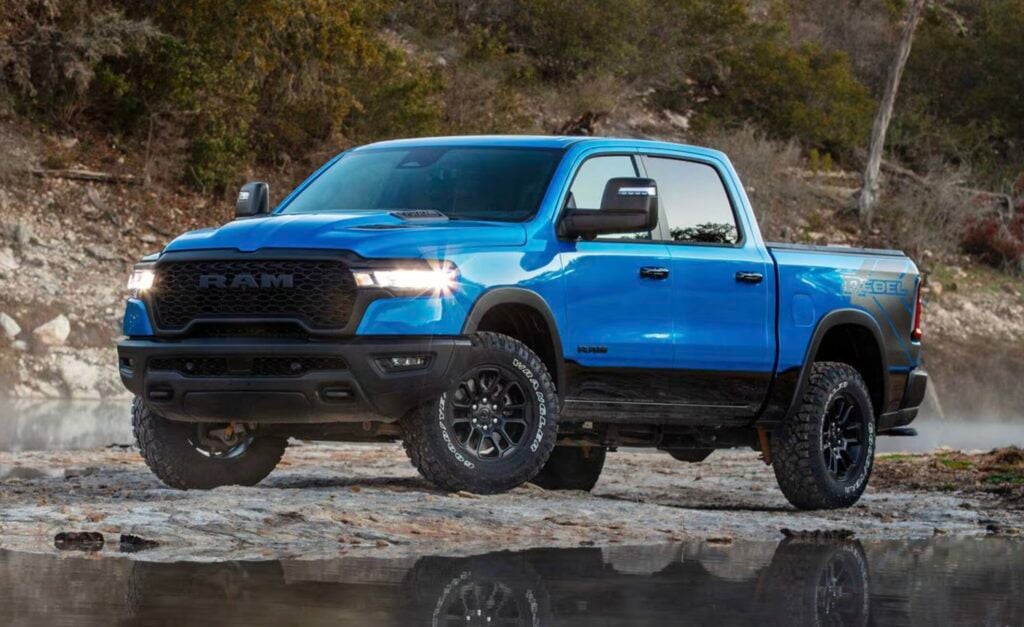
Lease the 2025 Ram 1500 Big Horn for $429/month for 42 months, $3,999 due at signing
This offer is for returning FCA lessees (Ram, Chrysler, Jeep, Dodge, and others).
See offer details, and view Ram listings

Between $12,000 – $15,500 in lease savings
For Labor Day deal season, Rivian is offering an Endless Adventure Bonus, and an Electric Refresh offer.When you combine those lease specials with the $7,500 EV tax credit ending in September, you get well over $10,000 in lease savings.
See offer details at Rivian.com

Lease the 2024 or 2025 Subaru Solterra for just $299/month with $299 due at signing
This is one of the best Subaru lease specials in recent years, and is not likely to last past September 2.
See offer details, and view local Subaru listings

Lease the 2025 Corolla for $189/month for 36 months with $3,999 due (select markets)
See offer details, and view Toyota listings
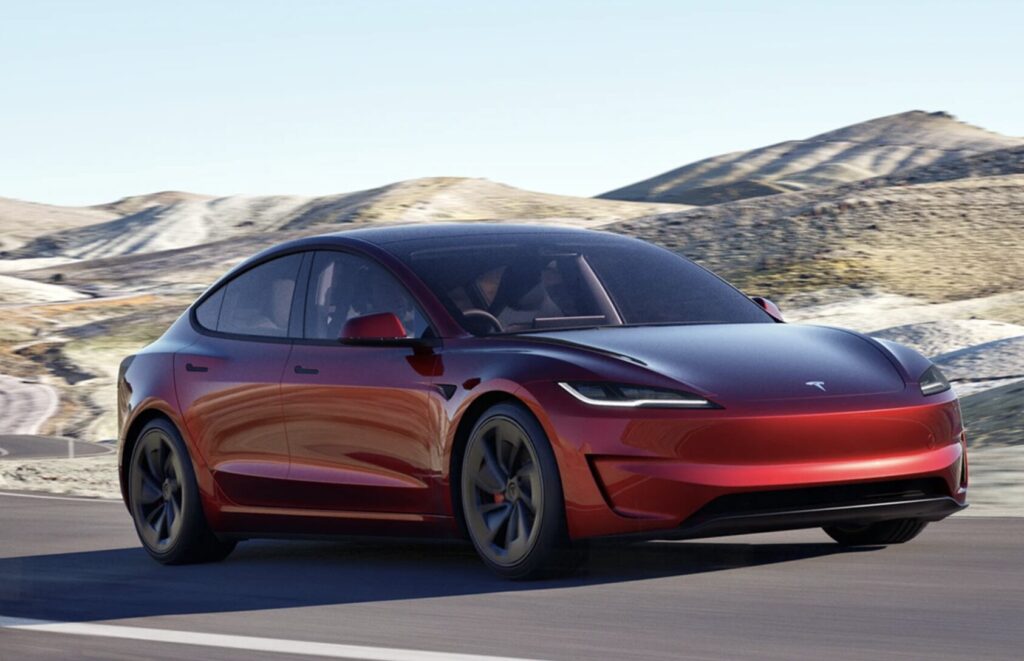
Lease the 2025 Model 3 for $299.month for 24 months with $3,000 due at signing
This Tesla Labor Day offer includes the $7,500 EV tax credit, which will end on September 30.
See offer details at Tesla.com

Lease the 2025 Volkswagen Tiguan S for $299/month for 36 months, $3,999 due at signing
See offer details, and view Volkswagen listings
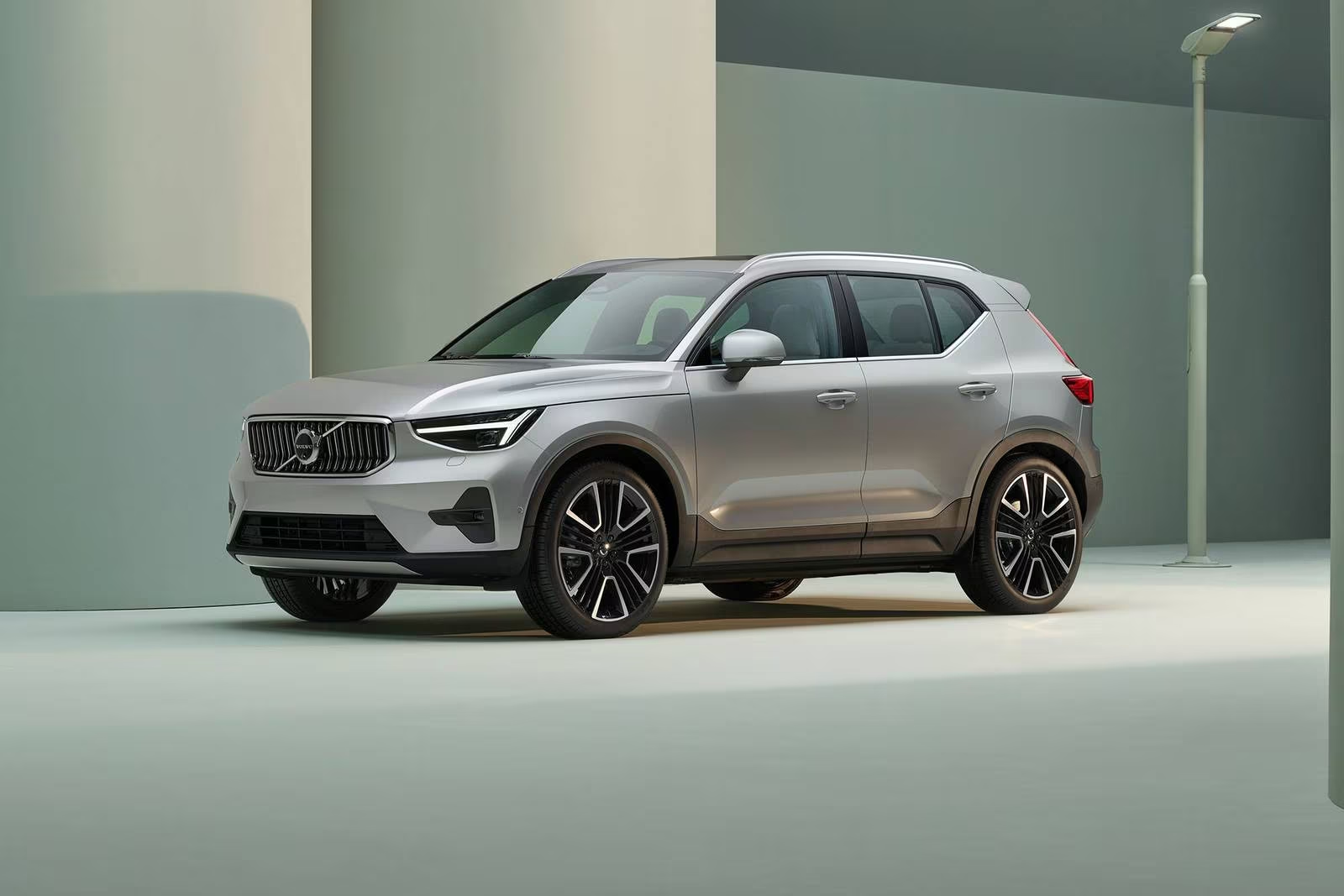
Lease the 2025 Volvo XC40 Core Bright for $409/month for 36 months, $2,689 due at signing
See offer details, and view Volvo listings
Labor Day is one of the few times of the year that lease offers truly shine. Dealers want 2025 inventory gone before 2026 models start to crowd dealership lots. That’s why we’re seeing a flood of great lease offers in September.
Time is of the essence for Labor Day 2025 lease deals. Most manufacturer incentives end on September 2, but some dealer-specific sales could stretch through the month.
Tired of car buying hassles? Let a professional do it for you! Learn more about CarEdge Concierge, the most-trusted car buying service out there.
![Every Labor Day 0% APR Offer [2025]](https://caredge.com/wp-content/uploads/2025/08/Labor-Day-2025-0-APR-sales-1080x638.jpg)
Why pay interest if you don’t have to? Labor Day is when automakers roll out their best 0% APR deals to clear out inventory before year-end sale season. We cut through the noise and gathered every 0% APR offer for Labor Day 2025. Take advantage of these Labor Day sales before they expire on September 2, 2025.

0% APR for 72 months for the 2024 Acura ZDX
This offer expires on 9/2/2025. See Acura listings with local market data

0% APR for 60 months: Equinox EV, Blazer EV and Silverado EV
0% APR for 36 months: 2025 Chevrolet Silverado 1500
This offer expires on 9/2/2025. See Chevrolet local pricing insights
0% APR for 72 months for the 2025 Chrysler Pacifica PHEV
This offer expires on 9/2/2025. See Chrysler local market insights

0% APR for 72 months for the 2024 Dodge Charger Daytona and 2024 Dodge Hornet eAWD
This offer expires on 9/2/2025. See Dodge local pricing insights
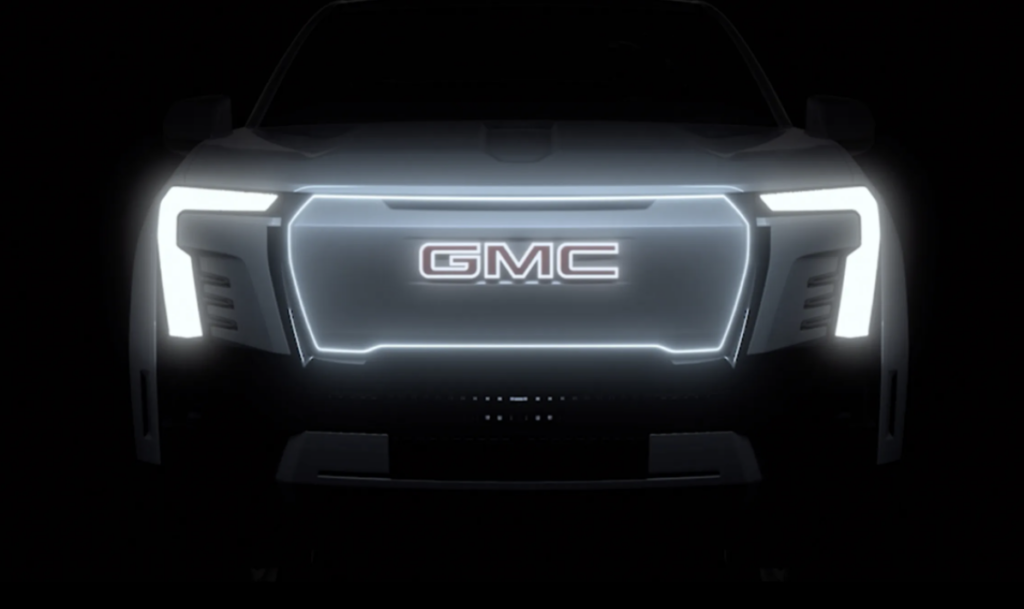
0% APR for 36 months: 2025 GMC Sierra 1500, GMC Hummer EV
This offer expires on 9/2/2025. See GMC local pricing insights and listings

0% APR for 60 months: 2025 Honda Prologue
This offer expires on 9/2/2025. See Honda local pricing insights and listings

0% APR for 60 months: 2025 Hyundai Palisade
0% APR for 60 months: 2025 Hyundai Santa Fe
0% APR for 48 months: 2025 Hyundai IONIQ 6
This offer expires on 9/2/2025. See Hyundai local market insights

0% APR for 72 months: 2025 Kia Niro EV
0% APR for 60 months: 2025 Kia EV6
0% APR for 48 months: 2025 Kia EV9, 2025 Kia Sportage, 2025 Kia Sorento
These offers expire on 9/2/2025. See Kia local market insights
0% APR for 72 months: 2024 Jeep Grand Cherokee 4xe, 2024 Jeep Wrangler 4xe, 2024 Jeep Wagoneer S
This offer expires on 9/2/2025. See Jeep local pricing insights and listings

0% APR for 60 months: 2025 Mitsubishi Outlander
0% APR for 48 months: 2024 Eclipse Cross
This offer expires on 9/2/2025. See Mitsubishi local market insights
0% APR for 60 months: 2025 Nissan Rogue, 2025 Nissan Pathfinder, 2025 Nissan Murano
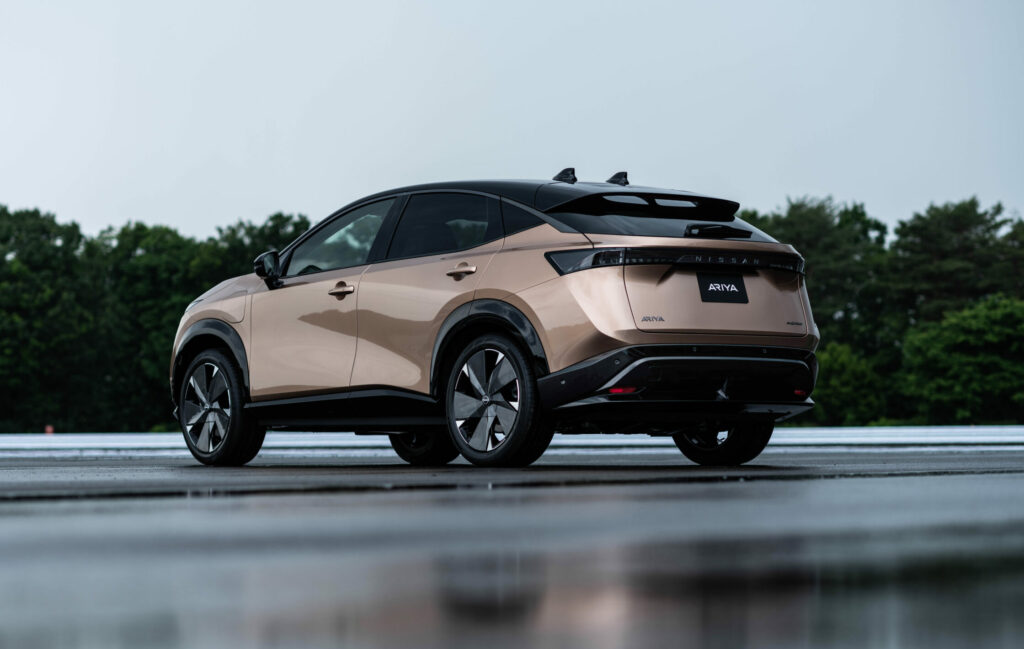
0% APR for 72 months: 2025 Nissan Ariya, 2025 Nissan LEAF
These offers expire on 9/2/2025. See Nissan local market insights
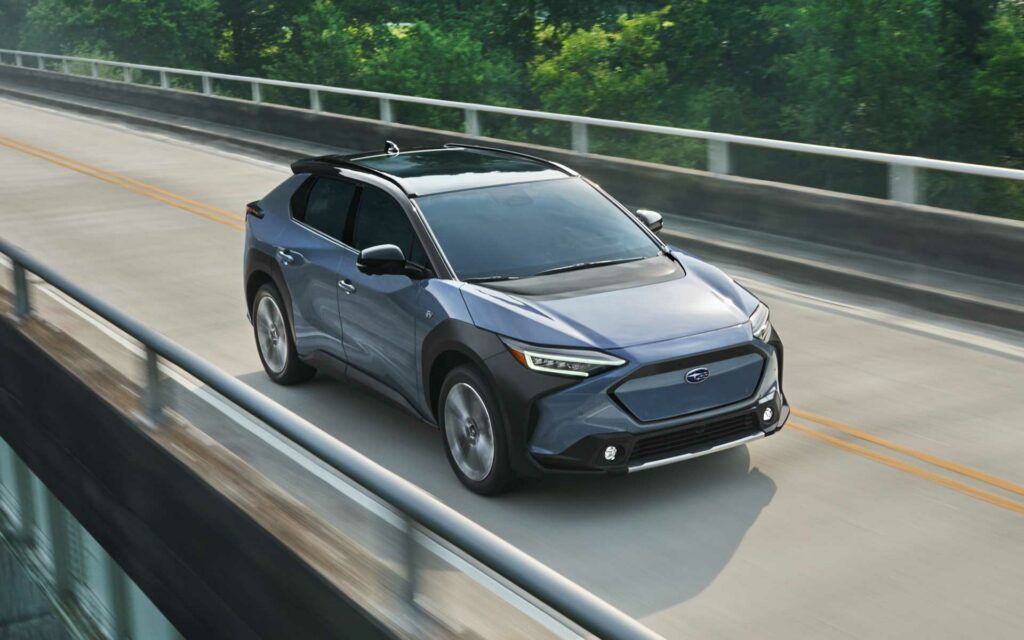
0% APR for 72 months: Solterra EV
These offers expire on 9/2/2025. See Subaru local market insights
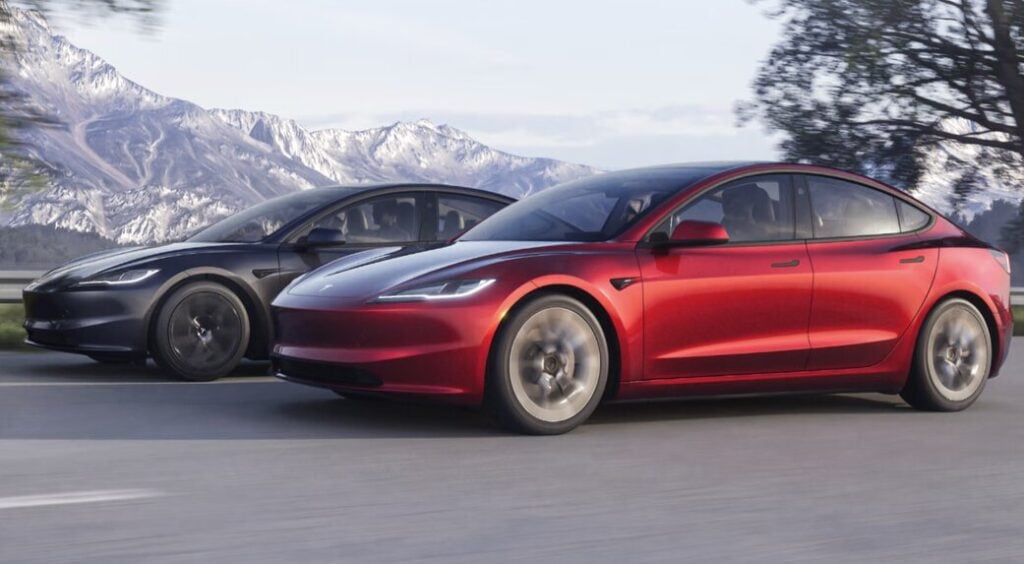
For Labor Day, Tesla is offering zero percent financing for the 2025 Tesla Model 3 and Tesla Cybertruck, but only with the purchase of FSD.
Note that Tesla’s offers are subject to change at any time, not necessarily at month’s end. Learn more at Tesla.com.

0% APR for 60 months: 2025 Toyota bZ4X
See Toyota local market insights

0% APR for 72 months (or $5,000 cash offer): 2025 Volkswagen ID.4
See VW local market insights + the BEST deals
Labor Day is one of the few times the numbers lean your way. Dealers want 2025 inventory gone before 2026 models start to crowd dealership lots. That’s why we’re seeing a flood of 0% APR offers in August and September. As CarEdge Co-Founder and auto industry veteran Ray Shefska always says, financing is just one piece of the deal—lock the out-the-door price first. Don’t tip your hand on how you’ll finance, and don’t mention a trade-in until the price is set.
Time is of the essence for Labor Day 2025 car sales. Most manufacturer incentives end on September 2, but some dealer-specific sales could stretch through the month.
Tired of car buying hassles? Let a professional do it for you! Learn more about CarEdge Concierge, the most-trusted car buying service out there!
A few times a year, the calendar hands car buyers a major advantage. Labor Day is one of the few times when the numbers actually lean your way. Expect nothing less than 0% APRs, cash on the hood, and ridiculously cheap leases. CarEdge’s Ray Shefska has been in this business long enough to know not every “deal” is a deal, so we asked him to share the 10 best offers that actually save you money this Labor Day. Here are the best of the best in August and early September.

Lease from $499/mo for 36 months with just $499 due at signing
Ford doesn’t usually let you drive off in an F-150 with this little down. For a pickup this size, it’s a surprisingly cheap way to get in. However, there’s plenty of competition from Ram and Toyota this month as you’ll see below. See Ford offer details.
👉 Check F-150 listings with local market insights
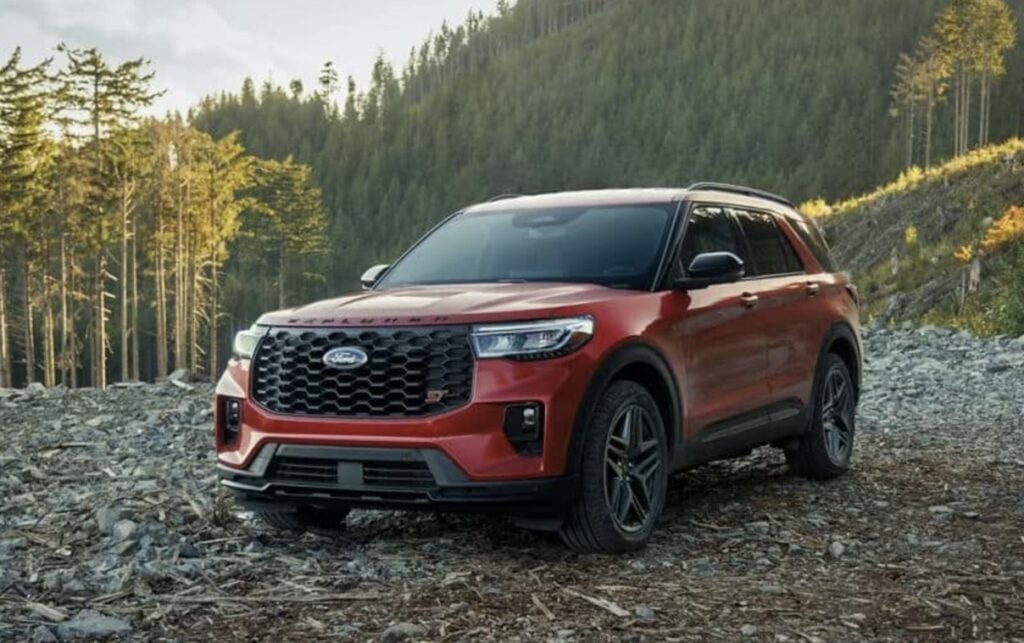
Lease from $499/mo for 36 months with $499 due at signing
Ford’s Labor Day lease sale is truly something special. If you’re considering any Ford model in the months ahead, it’s probably worth it to consider acting sooner to lock in lease savings. See Ford offer details.
👉 See Explorer deals with local market insights
1.9% APR for 72 months
The Ram 1500 is one of the ‘big three’ trucks, but that doesn’t mean it’s a fast-seller. But with 77 days of market supply, incentives seem to be doing their job. This is the best sales rate for the Ram 1500 in recent memory.
In select markets, Ram is also offering the option of 15% off MSRP plus 3.9% APR for 72 months. See Ram offer details.
👉 See Ram 1500 listings with local market insights
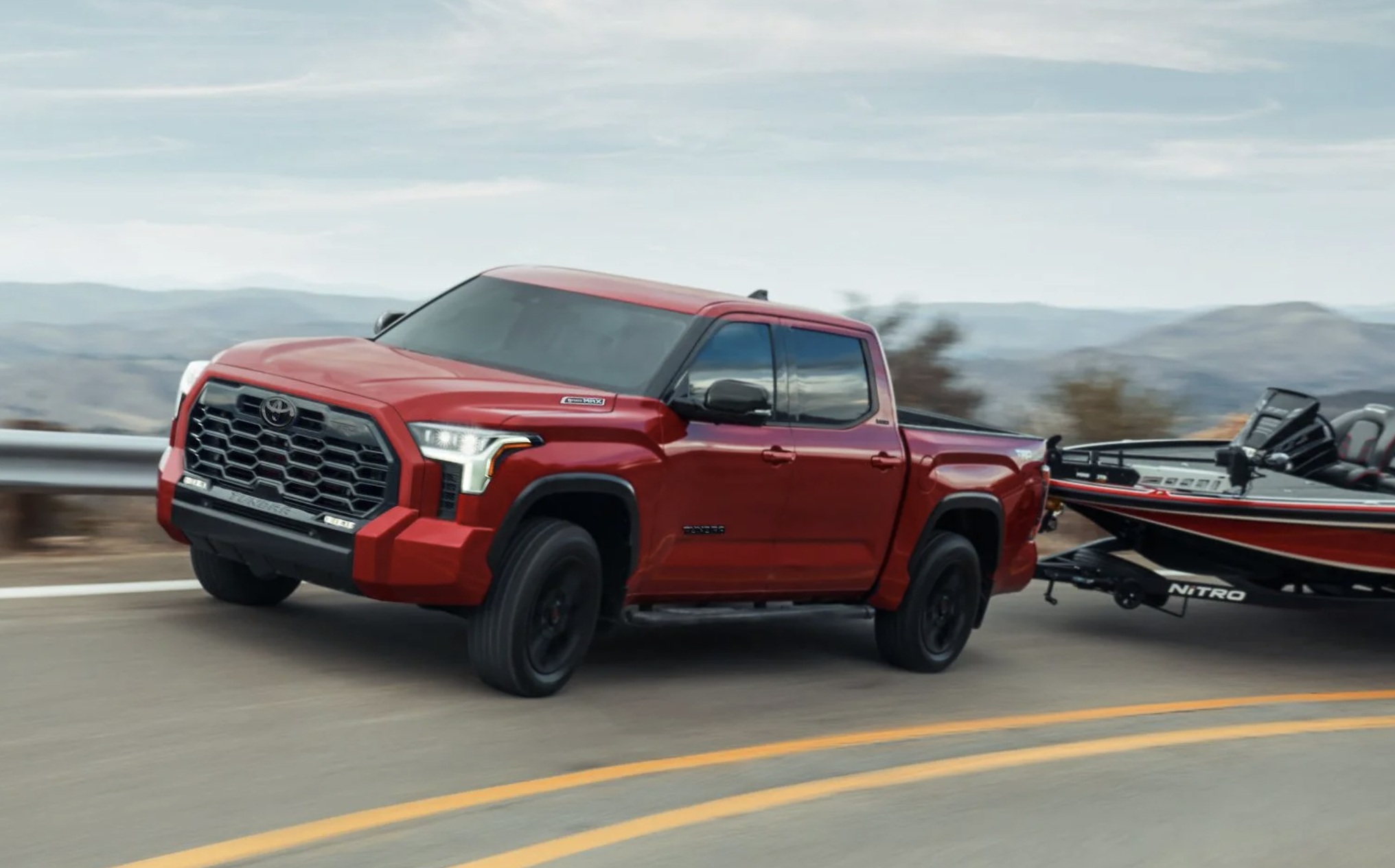
1.99% APR for 72 months in select markets
The Tundra is a full-size truck that’s just as capable as the competition from Ford and GM. With six years of low-APR financing, this is a deal worth the test drive. See Toyota offer details.
👉 View Tundra listings with local market insights

0% APR for 60 months (tax credit expires September 30)
Chevy’s Equinox EV is the best-selling non-Tesla EV, with sales nearing the 10,000 mark in the month of July. Buyers see the Equinox EV as a standout value with pricing well under $40,000 and zero percent financing, and that’s before the tax credit is taken into consideration. Speaking of the federal EV tax credit, buyers have until the end of September to take advantage of the incentive. See Chevrolet offer details.
👉 Browse Equinox EV inventory
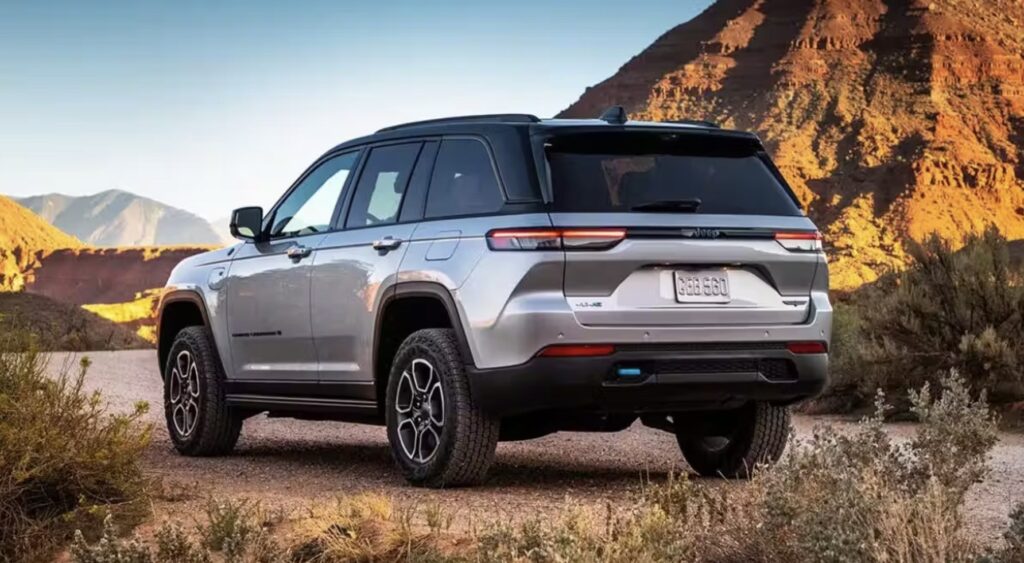
0% APR financing for 72 months
Among popular SUVs and crossovers, this interest-free offer from Jeep stands out. As a bonus, the Grand Cherokee 4xe plug-in hybrid qualifies for federal EV incentives. See Jeep offer details.
👉 Browse the most negotiable Jeep inventory

0% APR for 60 months, or lease for $159/mo for 36 months with $2,599 due
I think it’s safe to say that Honda has been surprised by the instant hit they’ve had with the Honda Prologue. Inventory is selling quickly as buyers rush to get ahead of the September tax credit deadline. See Honda offer details.
👉 Find Honda deals near you

0% APR for 60 months + up to $1,500 cash + 90-day payment deferral
The Palisade has always been a hot seller for Hyundai. That’s why it’s a big deal that zero percent financing is offered for Labor Day 2025. This is an excellent choice for families needing a 3-row SUV. See Hyundai offer details.
👉 Search Palisade inventory with local market insights

$10,000 lease cash, for a lease offer from $285/mo for 24 months with $3,999 due
Lease cash this high is virtually unheard of in today’s market. A three-row plug-in hybrid for under $300/month? That’s almost too good to be true. The flexibility of the PHEV powertrain means that you can drive electric in the city with a gas-powered hybrid for the highways. See Mazda offer details.
👉 See Mazda CX-90 PHEV listings near you
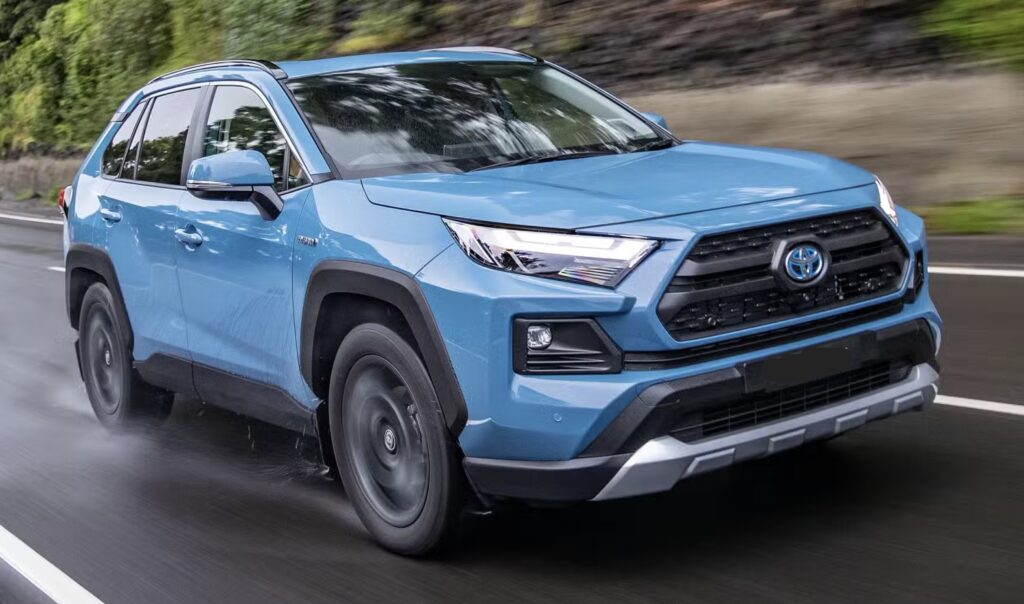
$6,500 lease cash in select markets
Toyota is the fastest-selling automaker in America in 2025, with everything from the RAV4 to the bZ4X flying off dealer lots. That’s precisely why this deal is special. Toyota has little incentive to cut prices, so take advantage of this Labor Day while it lasts.
👉 Find Toyota RAV4 deal near you

These offers expire in just a few weeks. Dealers will flip the switch once September passes, especially for electric vehicles that are selling much faster than expected ahead of the sunset of the EV tax credit. There’s no excuse for walking into the dealership blind. Use the tools we’ve built at CarEdge to make sure you’re getting the real deal, not just dealer talk.
From unwanted add-ons to costly markups and fees, buying a car is still a pain in 2025. That’s where CarEdge can help.
Use CarEdge’s AI Negotiator to have an autonomous agent get the best deal without you lifting a finger.
Or, try CarEdge Concierge if you want car buying experts to handle the search, negotiation, and every aspect of your deal for you.
DIY car buyers can dive into CarEdge Pro to unlock behind-the-scenes car market info that puts YOU in control of your deal.
At CarEdge, we’re your advocate in a confusing car market. Our team of professionals is here to help you research, compare, and negotiate every step of the way. Whether you’re looking for personalized help or want AI to do the haggling for you, we’re here to make sure you never overpay. Learn more about how we serve car buyers every day at CarEdge.com.

Some August car deals are so big, you might think the automaker made a typo. We’re talking five-figure discounts, including a staggering $15,000 off one model. Automakers are pulling out all the stops to move metal before 2026 models arrive, and the result is a clearance sale you don’t see every summer. These Labor Day offers are the best new car deals out there, period.

August Savings: $15,000 off MSRP
Offer valid through: 9/30/2025
Base MSRP: $126,795
Audi is offering one of its largest cash discounts ever on the S e-tron GT quattro. The $15,000 incentive applies to both purchases and leases. Not in the market for an electric sports car? No problem. Most Audi models are advertised with cash discounts between $2,000 and $6,000 right now.
See Audi S e-tron GT listings in your city
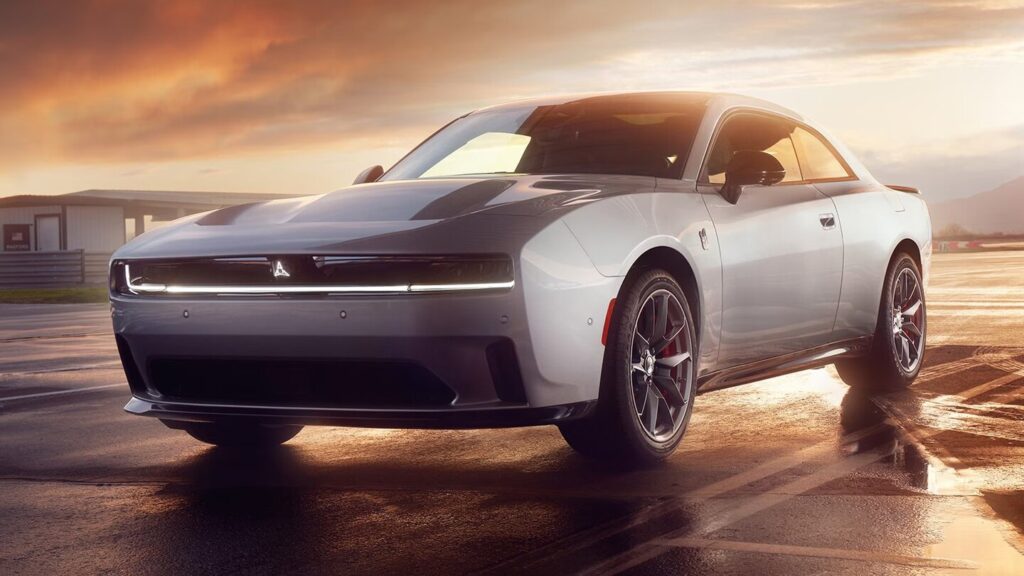
August Savings: $12,250 (2024 models) or $7,750 (2025 models)
Offer valid through: 9/2/2025
Base MSRP: $61,590
Dodge is offering huge incentives to clear out the last of the 2024 inventory. But before you get too excited about the $12,250 cash allowance, it’s important to note that this offer is for the Charger Daytona EV. It’s fast and has the classic muscle car look, but the only engine burbles you’ll be hearing are artificially produced with speakers. That’s a tough pill to swallow for muscle car enthusiasts.
Compare Dodge Charger listings in your city
August Savings: $10,000 lease cash
Offer valid through: 9/2/2025
Base MSRP: $51,475
Lease: $285/month for 24 months with $3,999 due at signing (before taxes and fees)
Mazda is going big on the CX-90 PHEV this month, offering $10,000 in lease cash. With three rows, plug-in hybrid efficiency, and the most savings we’ve seen from Mazda in a long time, the CX-90 PHEV is a compelling alternative to pricier luxury SUVs. Unfortunately, the Mazda CX-90 PHEV does not qualify for the federal tax credit for PHEVs, which ends on September 30, 2025.
See Mazda CX-90 Plug-In Hybrid listings in your city
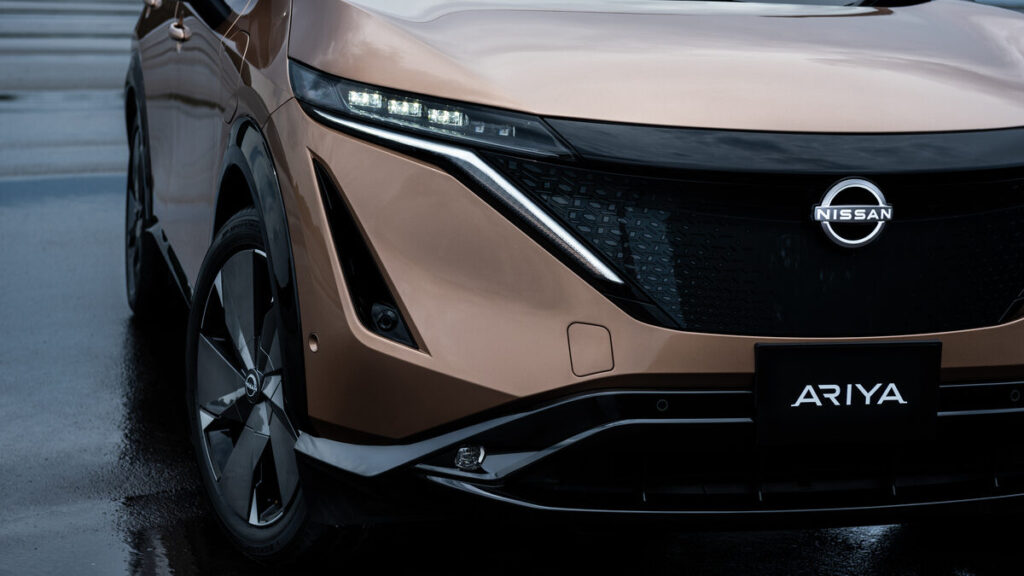
August Savings: $10,000 off MSRP
Offer valid through: 9/2/2025
Base MSRP: $41,160
Nissan is offering $10,000 customer cash on the all-electric Ariya crossover, but this offer can’t be combined with Nissan’s 0% APR for 72 months. Most owners say that the Ariya is great for around town, but it’s not the fastest-charging EV for road trips.
See Nissan Ariya listings in your city
August Savings: $7,500 off MSRP (purchase only)
Offer valid through: 9/2/2025
Base MSRP: $41,045
Kia’s Niro EV gets $7,500 customer cash this month, nearly a 20% discount off MSRP. This offer applies to purchases only, not leases, making it the best deal in August for anyone ready to commit to EV ownership. With 253 miles of range yet painfully slow charging (expect about 50 minutes for 10 – 80% at a public fast charger), the Niro EV is best for commuting around town.
The Niro EV does not qualify for federal tax credits.
See Kia Niro EV listings in your city

August Savings: $7,750 off MSRP
Offer valid through: 9/2/2025
Base MSRP: $93,945
Jeep is offering $7,750 off the flagship Grand Wagoneer after stagnant sales caused a buildup of last year’s models. The more affordable Wagoneer and Wagoneer S EV are both offered with similar cash discounts in August 2025.
Compare Jeep Grand Wagoneer listings in your city
August Savings: $7,750 off MSRP
Offer valid through: 9/2/2025
Base MSRP: $41,400
Stellantis is doing everything it can to sell aging inventory. At this point, some Dodge Hornets are approaching two years on dealership lots. In August, Dodge is offering $7,750 off the Hornet. Two-thirds of Dodge Hornet lot inventory are remaining 2024 models. There are even about 100 2023s still unsold.
See Dodge Hornet listings in your city
August Savings: $5,250 cash allowance
Offer valid through: 9/2/2025
Base MSRP: $54,595
Minivan shoppers, take note: the Pacifica PHEV is offering $5,250 cash allowance this month. With room for seven, a fuel-sipping hybrid drivetrain, and Chrysler’s Stow ‘n Go seating, it’s a great deal for big families.
Compare Chrysler Pacifica listings in your city
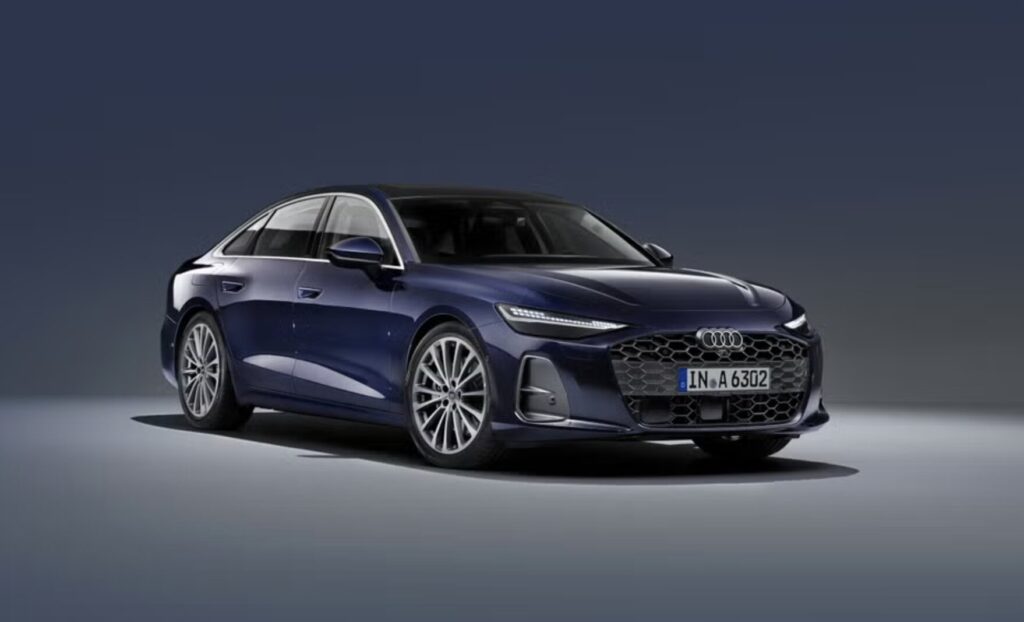
August Savings: $5,000 off MSRP
Offer valid through: 9/2/2025
Base MSRP: $60,700
Audi’s A6 55 TFSI quattro sedan is available with $5,000 off MSRP whether you buy or lease. Audi’s U.S. sales have been falling, and Volkswagen Group is pushing incentives to sell these higher margin luxury models before they become last year’s cars.
See Audi A6 listings in your city

August Savings: $5,000 off MSRP
Offer valid through: 9/2/2025
Base MSRP: $50,290
Jeep is offering $5,000 off the 2025 Grand Cherokee L Limited 4×4 in August. The Grand Cherokee is one of the better-selling Jeep models right now, but with an oversupply on dealership lots, even the Grand Cherokee isn’t safe from clearance sales.
See Jeep Grand Cherokee L listings in your city
We believe in shopping the deals, saving money, and stressing less when buying or leasing a car. That’s why we keep track of ALL the best deals each month over at the CarEdge Deal Hub.
But if you’re tired of haggling over prices, add-ons, and financing, we totally understand.
Have a CarEdge Pro handle your deal, with help now available for a fraction of the cost.
Learn more about the EASIEST way to buy or lease a car in 2025.
CarEdge is a trusted resource for car buyers, offering data-backed insights, negotiation tools, and expert guidance to help consumers save time and money. Since 2019, CarEdge has helped hundreds of thousands of drivers navigate the car-buying process with confidence. Learn more at CarEdge.com.
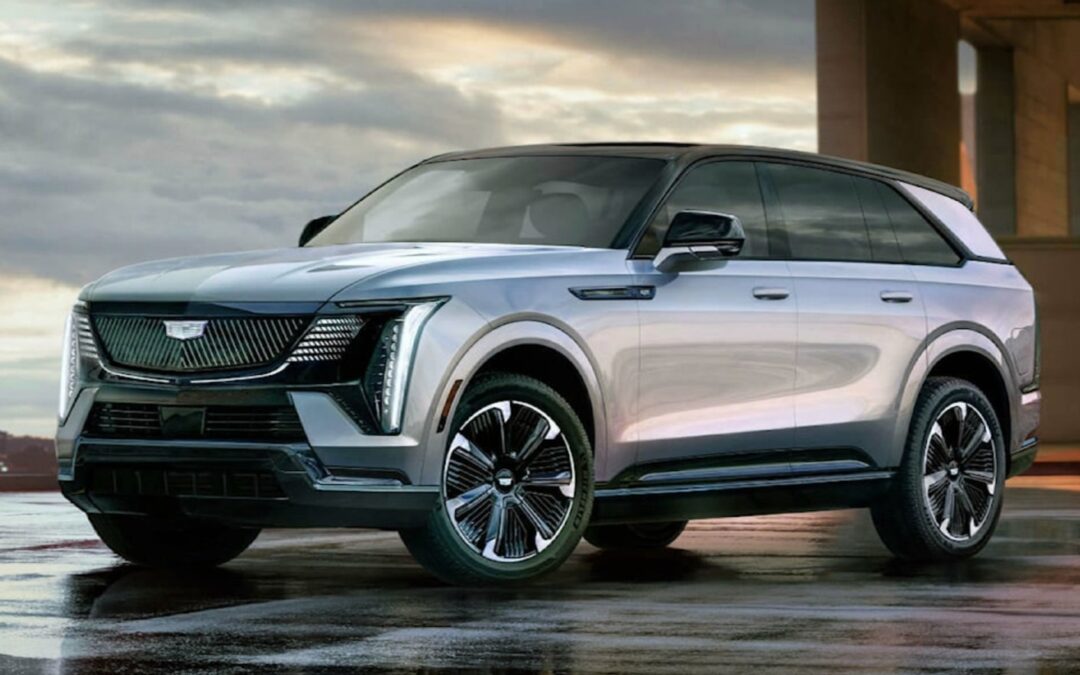
Electric vehicles continue to carve out an ever-so-slightly bigger slice of the car market, but demand isn’t evenly spread. Some EVs are flying off dealer lots in a matter of weeks, while plenty of others are sitting unsold for more than eight months. Knowing which models are moving quickly, and which are stagnant, can give you the upper hand.
We analyzed August car market data to find the EVs with the lowest and highest market day supply (MDS). MDS measures how many days it would take to sell through current inventory at the current sales pace. Here are the standouts in today’s EV market.
These are the EVs with the lowest market day supply as of August 2025. That means they’re in high demand right now, and likely harder to negotiate on due to limited availability.
| Make | Model | Market Day Supply | Total For Sale | Total Sold (45 days) | Average Selling Price |
|---|---|---|---|---|---|
| Toyota | bZ4X | 32 | 1,511 | 2,123 | $42,248 |
| Acura | ZDX | 36 | 1,122 | 1,397 | $68,906 |
| Mercedes-Benz | EQB | 39 | 766 | 882 | $60,956 |
| BMW | i4 | 44 | 1,835 | 1,875 | $66,829 |
| Nissan | LEAF | 49 | 513 | 470 | $28,695 |
| Nissan | Ariya | 49 | 2,456 | 2,045 | $40,049 |
| Lexus | RZ | 53 | 1,167 | 999 | $50,696 |
| Chevrolet | Equinox EV | 57 | 12,061 | 9,594 | $41,909 |
| Mercedes-Benz | EQS | 59 | 363 | 277 | $118,731 |
| Chevrolet | Blazer EV | 68 | 5,814 | 3,835 | $51,083 |
Source: CarEdge Pro
Toyota’s bZ4X tops the list this month at just 32 days of supply, showing that Toyota loyalists will consider an EV with the Toyota badge. This is intriguing since Toyota has been kicking its EV transition down the road for as long as it could. The 2026 Toyota bZ will replace the bZ4X in name, and will look a lot better in our opinion.
Nissan scored a rare double appearance with both the LEAF and Ariya selling quickly. But don’t let Nissan’s EV sales rate fool you: they’re still selling electric models in much lower volumes than Chevrolet, Hyundai, Ford, and obviously Tesla.
Mercedes-Benz and Chevrolet also have two models each in the top 10. The Chevy Equinox EV is the best-selling electric car outside of Tesla right now, at least in terms of total sold.
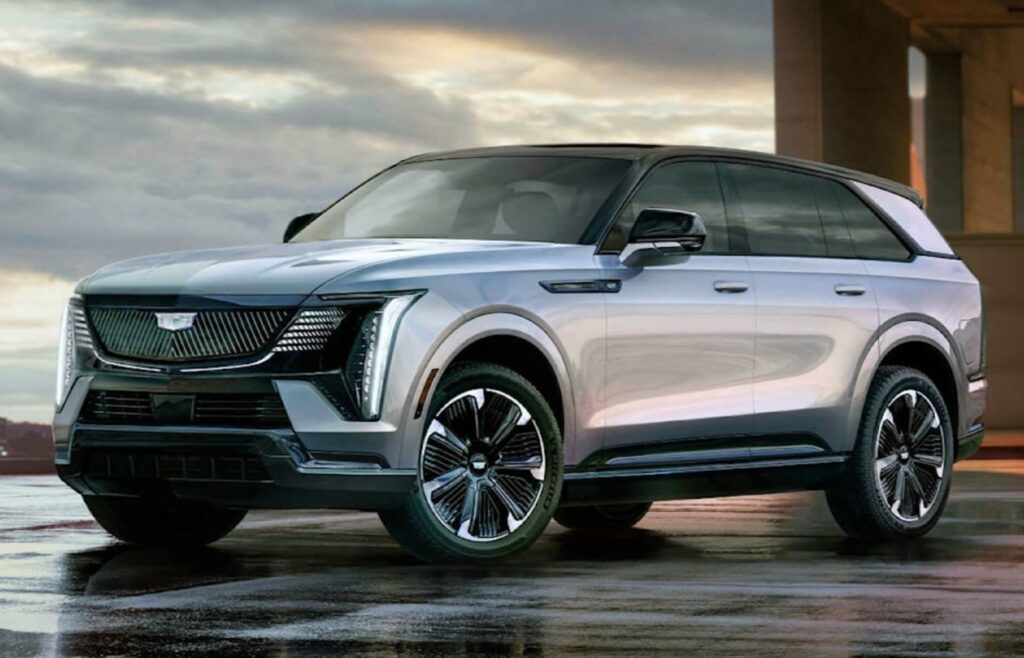
These EVs have the highest MDS, meaning they’re sitting unsold for far longer than average. Buyers may be able to score bigger discounts on these models — especially with CarEdge’s AI Negotiator doing the legwork for you.
| Make | Model | Market Day Supply | Total For Sale | Total Sold (45 days) | Average Selling Price |
|---|---|---|---|---|---|
| Cadillac | Escalade IQ | 254 | 4,274 | 757 | $144,271 |
| Ford | Mustang Mach-E | 238 | 23,363 | 4,426 | $48,656 |
| Porsche | Taycan | 229 | 1,937 | 380 | $143,805 |
| Volkswagen | ID. BUZZ | 216 | 3,473 | 722 | $67,433 |
| Audi | Q6 e-tron quattro | 196 | 6,003 | 1,380 | $74,856 |
| GMC | Sierra EV | 173 | 3,789 | 985 | $92,215 |
| Volkswagen | ID.4 | 173 | 6,330 | 1,648 | $47,670 |
| Hyundai | IONIQ 9 | 172 | 4,438 | 1,162 | $71,002 |
| Cadillac | Vistiq | 170 | 4,842 | 1,279 | $98,815 |
| Kia | EV6 | 155 | 4,541 | 1,321 | $50,536 |
Source: CarEdge Pro
Cadillac’s Escalade IQ is the slowest-selling EV in America right now, with an eye-popping 254 days of supply. Luxury EVs dominate the slowest sellers, including the Porsche Taycan, Audi Q6 e-tron. The Ford Mustang Mach-E also finds itself here again, with nearly 8 months of supply on dealer lots despite big incentives. For buyers, these numbers point to opportunities, but only if you know how to negotiate.
If you’re chasing a deal, start your search with the slowest sellers. High inventory levels give you leverage, and dealers will be more motivated to talk price. Always check the latest EV incentives.
In August and September, expect an EV buying frenzy for any models that qualify for the new and used EV tax credits. Those incentives are going to expire on September 30, 2025.
“If you’re shopping for a slow-selling EV, you have more negotiating power than you might think,” says auto industry veteran Ray Shefska. “But with the federal tax credits ending September 30, you can combine dealer discounts with a major incentive — that’s a rare opportunity to save big.”
See which electric vehicles qualify for federal tax credits ending on September 30.
Thinking about leasing? It’s worth considering. EVs tend to depreciate faster than gas-powered cars, and leasing can protect you from steep resale losses down the road. See depreciation forecasts for free with CarEdge’s Research Hub.

With CarEdge Concierge, our experts handle everything from finding available inventory to negotiating with dealers. Already know the exact EV you want? Use our first-ever AI Negotiator and let CarEdge AI negotiate with dealers anonymously on your behalf. It’s our most affordable car buying help ever!
You can also explore free tools like cost of ownership comparisons, car market updates, and our most popular free resource, downloadable negotiation cheat sheets. There’s no reason to shop unprepared in 2025.