
CarEdge saved me over 4,500 dollars on a brand new Honda Pilot. I can't say thank you enough.
Price intelligence
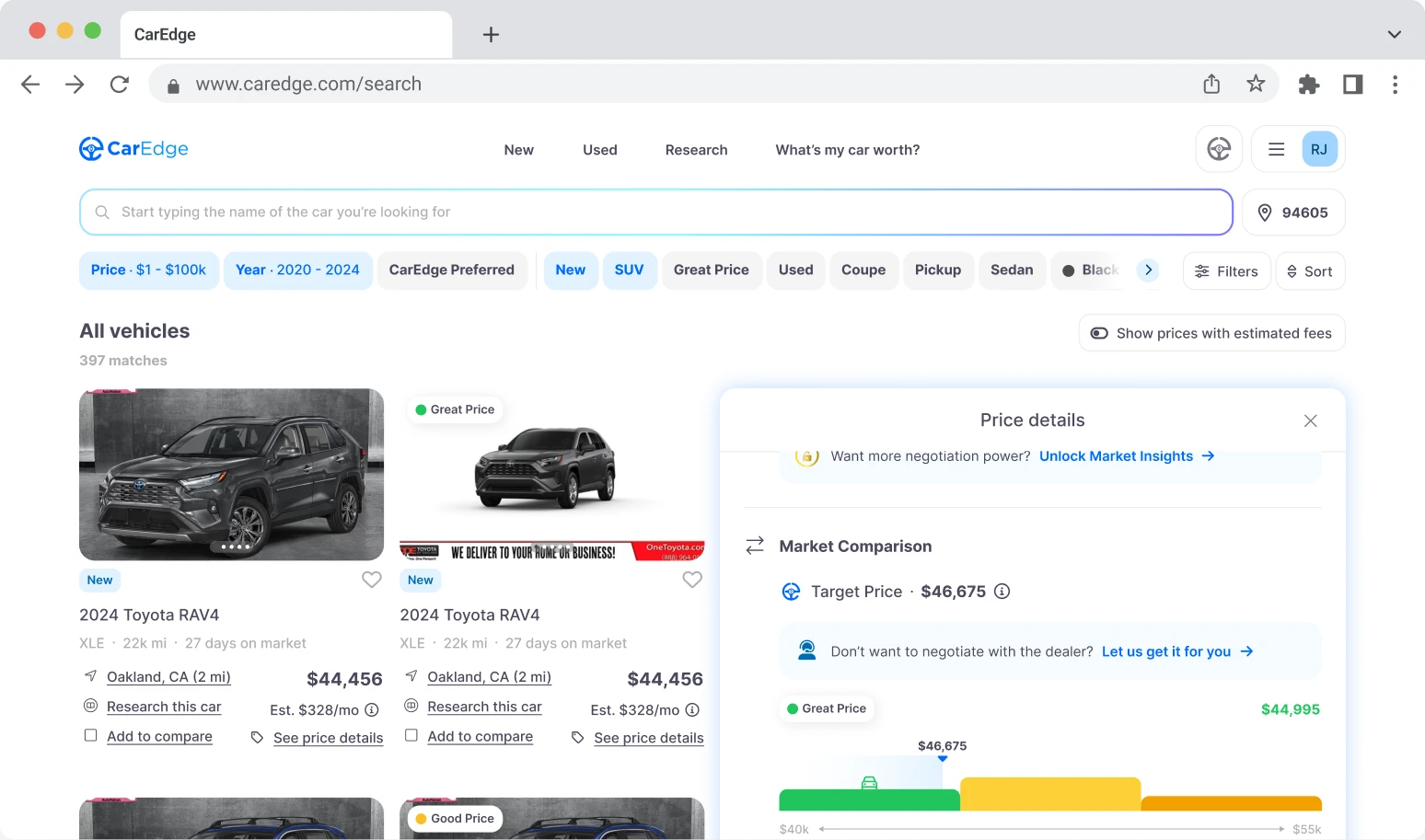
Find a wide range of vehicle listings with market insights on new and used listings near you.

What can I do with CarEdge?
 CarEdge Insights
What can I do with CarEdge?
Get access to exclusive information so you can make an informed car buying decision — all in one place.

Find a wide range of vehicle listings with market insights on new and used listings near you.
Track your vehicle’s value and cash in when the time is right to sell.

Access to our proprietary data to help you find the right car, at the right price. Find these unlocked on every listing after subscribing.

With our expert-led, tech-enabled car buying service, we will locate, negotiate, and deliver your vehicle so you can get a new car hassle free.


Help us personalize your CarEdge experience — it only takes a second.
Your answers help us personalize your CarEdge journey — we’ll follow up with tips and next steps that match your buying timeline.
When my dad and I founded CarEdge in 2019 we knew that the way people bought cars was inevitably going to change. Our best guess was that the hassle of negotiating a car deal would stick around for another 20, maybe 30 years. We hoped that by then the price of a car would simply be the price of a car, and the “grind it out” nature of trying to buy an auto at a fair price would be long forgotten.
Well, I think we may have been wrong.
Over the past week, two memos have been leaked from major domestic automakers. One from Ford, and another from GM (screenshots below). Both of the letters are directed towards their dealer bodies, and they each make it clear: stop screwing around with customers and tarnishing our brand.
Could the beginning of the end of car dealerships be happening right before our eyes? I think the answer is a resounding “yes”.
Before we unpack the memos from Ford and GM, let’s take a trip down memory lane. Why do car dealerships even exist?
Reports vary, but the first car dealership was opened in either 1897 or 1898. Automakers of this era leveraged a variety of sales channels to sell their initial vehicles, dealer partners being one of them. These partners were exactly that; partners. Dealers were not owned and operated by the automaker, instead they were independent third party businesses that agreed to abide by rules and regulations put in place by the automaker.
Automakers loved this model. It was (and still is) highly profitable for them. They loved it so much that they lobbied state-by-state to pass “franchise dealer” laws that make it illegal for a vehicle manufacturer to sell directly to a consumer, instead they have to sell through a franchised dealer.
Traditional automakers are great at designing, manufacturing, and distributing their product. They are not interested in day-to-day customer engagement, setting up service appointments, or doing anything beyond building and selling cars to their dealers.
Automakers get paid when they wholesale a vehicle to their dealer partner. Then the dealer has to (no pun intended), deal with the end user. In this way, legacy automakers have been able to separate themselves from the expensive practices of customer engagement and instead pass that along to their dealer partners.
Why do car dealerships exist? Because automakers have been able to generate massive profits from this system. However, after 100+ years, it appears another model may potentially be even more valuable for them.
Tesla notoriously refused to sell their cars through dealer partners. Instead, the upstart EV automaker insisted on having their customers purchase directly from them. This is illegal in many states, however after lobbying for many years, most states now have “carve out” laws that allow EV manufacturers to sell directly to consumers.
Here’s example of that “carve out” language in Connecticut:
Would allow a manufacturer to receive a dealer’s license if it does not have a franchise agreement with a new-car dealer in the state, if it builds only electric vehicles and only sells the vehicles it builds, and if it does not have a controlling ownership link to a manufacturer licensed as a dealer in the state.
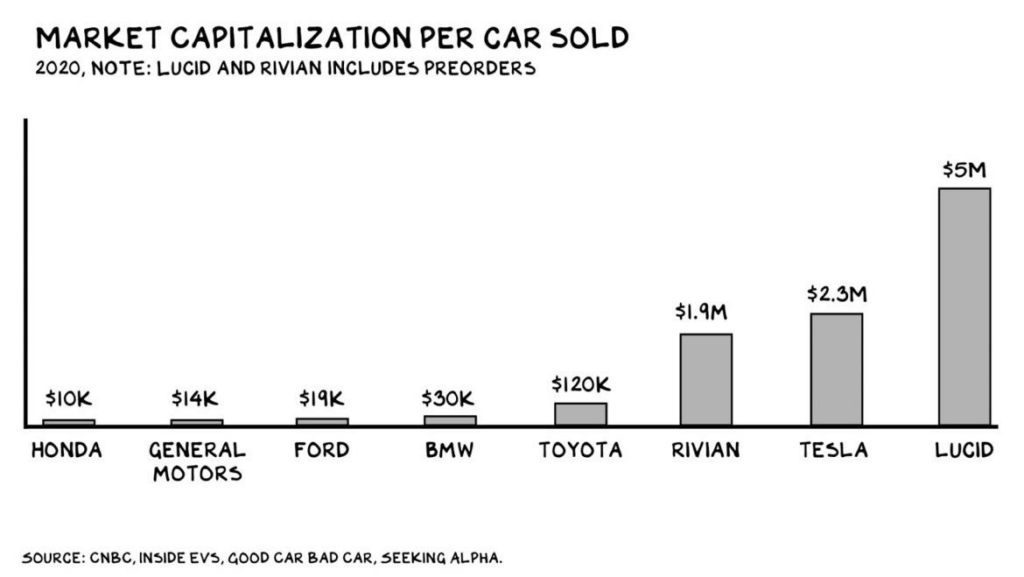
Nowadays EV automakers can sell direct to consumer in many states via the internet, and they are just starting to prove how lucrative this business model can be. Tesla, Rivian, and Lucid are shining examples of how valuable direct to consumer sales models can be. Tesla is a $1T+ company, and Rivian, even though they’ve only sold a few hundred vehicles is valued at north of $100B. Ford, GM, and other legacy automakers want to catch up. For perspective, Toyota, the highest valued traditional automaker, is “only” worth $330B.
Within the past week both Ford and GM have sent memos to their dealers that say the exact same thing: don’t tarnish our brand, treat customers well, or lose allocation of inventory from us. These leaked memos represent the first attempt Ford and GM are taking to “stand up” to their dealers.
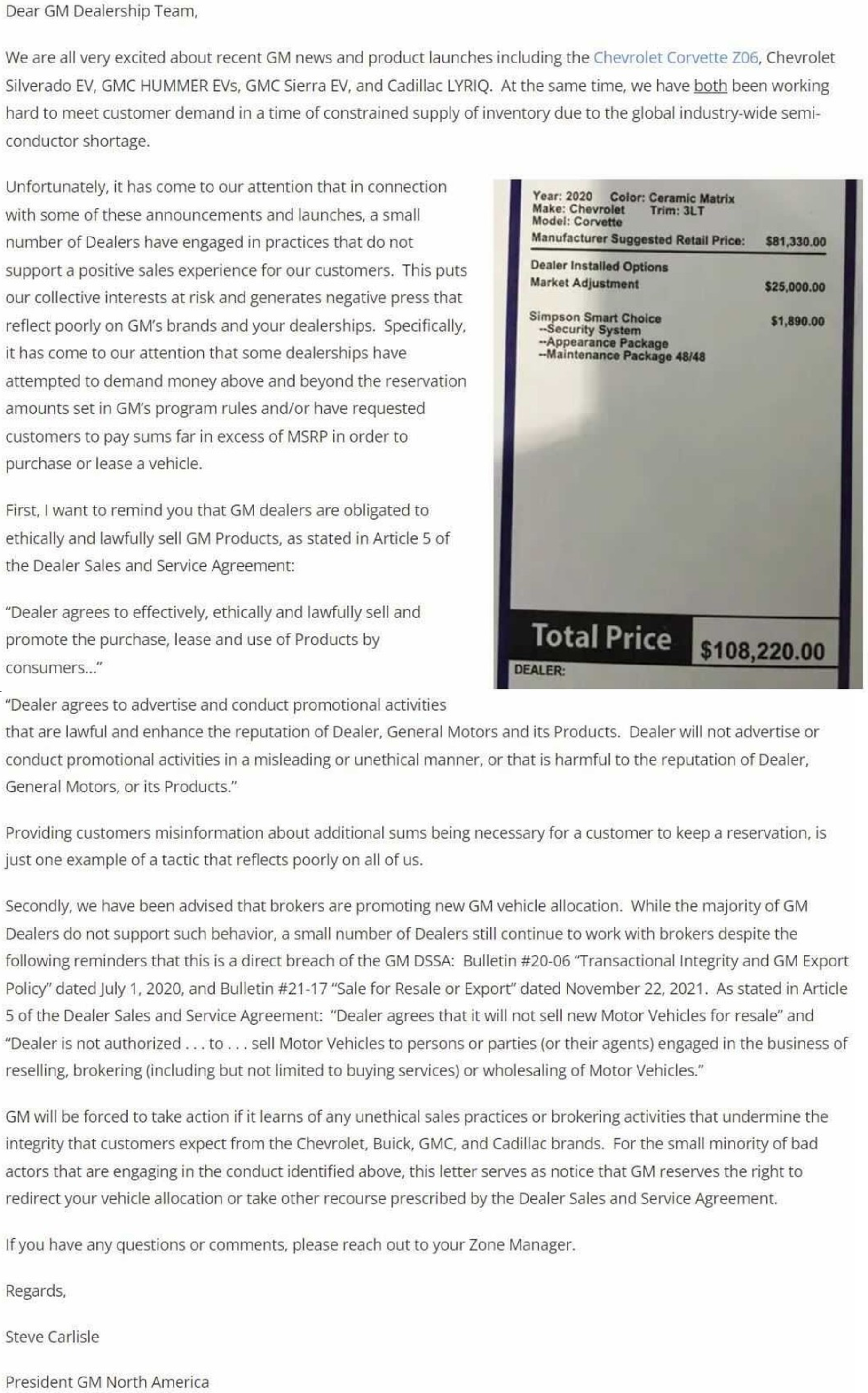

Both memos reference the dealership’s franchise agreement, and both make it clear that if the dealership does not treat customers in a way that enhances their brand, they will take away allocation of inventory.
Sure, these memos represent the first time we’ve seen automakers stand up to their dealers, and for that reason, we’re excited to see them, however the issue is, if GM or Ford actually tries to enforce their own rules they’ll certainly get taken to court. Why? Because nearly every Ford and GM dealership in the United States breaks their rules, so if they begin to selectively enforce the rules, you can be certain some dealer groups will fight back.
While the franchise dealership model has served automakers well for 100+ years, it’s clear as day that a transition away from that model is upon us. This transition won’t happen overnight, and we shouldn’t expect dealerships to simply vanish. Dealerships play a vital role in society, especially when it comes to vehicle repairs and maintenance, however it appears clear that Ford, GM, and many other automakers want to catch up to Tesla’s valuation, and one of the ways they’ll do that is by taking more control of the sales process.
Dealerships aren’t going anywhere anytime soon, but the shift away from the dealer model is happening 20 years earlier than we had imagined. It will be interesting to see how this market evolves, especially as Tesla and other EV startups continue to get praise.
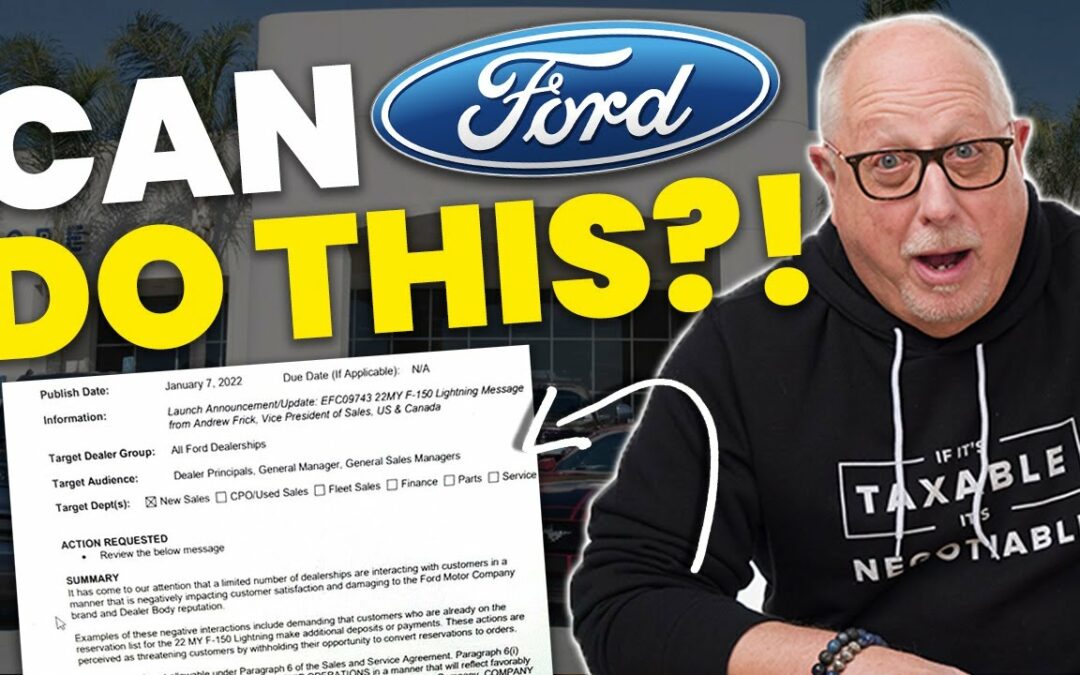
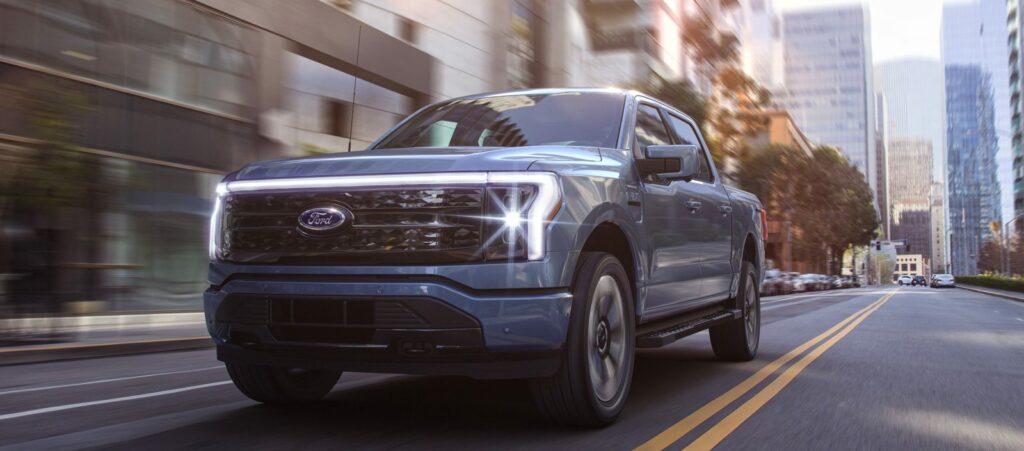
It goes without saying that the Ford F-150 Lightning is one of the hottest new electric trucks to hit the market in 2022. With over 200,000 reservations and a groundswell of support to produce more EV trucks, Ford appears to be “all-in” on the F-150 Lightning. So much so that Ford is beginning to play a bit of hardball with their dealers and their customers, unlike anything we’ve ever seen before.
👉 A memo sent from Ford corporate to their dealers was recently leaked online, and from it we learned a lot about how the legacy automaker is thinking about the release of the F-150 Lightning. “It has come to our attention that a limited number of dealerships are interacting with customers in a manner that is negatively impacting customer satisfaction and damaging to the Ford Motor Company brand and Dealer Body reputation.” Huh, a car dealer interacting with customers in a way that is not consumer-centric? We’ve never heard of that!
Here’s what you need to know about the new 2022 Ford F-150 Lightning, it’s pricing, how dealers are (and aren’t) marking it up, the “no sale” clause and more.
Pricing for the 2022 Ford F-150 Lightning was recently announced and confirmed by Ford. The MSRP before options for each trim level are:
An additional $10,000 will get you the Extended Range battery pack, and myriad other options can easily increase the MSRP of a new 2022 F-150 Lightning.
There are no currently no incentives on the Ford Lightning (with the exception of existing military and first responder discounts). Ford continues to offer financing incentives, which may become more attractive as the Federal Reserve contemplates interest rate hikes in 2022.
Pricing for the F-150 Lightning is competitive with the other electric trucks that are on the market and have been announced by major automakers.
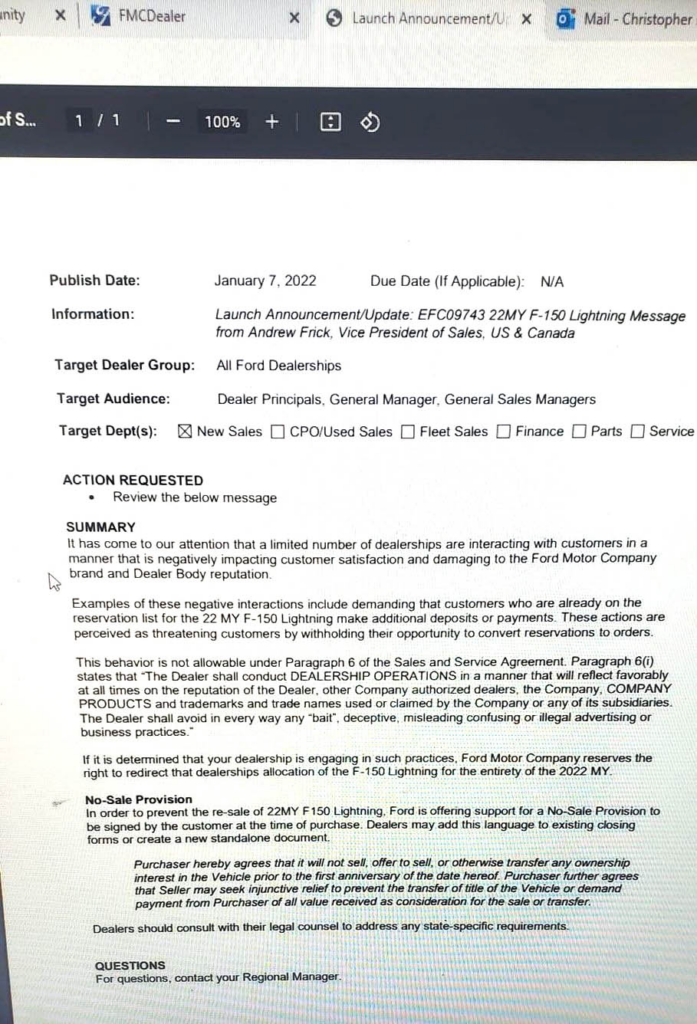
In the memo from Ford to their dealers they explicitly stated, “Examples of these negative interactions include demanding that customers who are already on the reservation list for the 22 MY [2022 model year] F-150 Lightning make additional deposits or payments. These actions are perceived as threatening customers by withholding their opportunity to convert reservations to orders.”
If you are on a Lightning reservation list and your dealer is requesting you put down an additional deposit or pay extra to retain your reservation, you DO NOT need to do that. Reference this memo when you reply to the dealer. Ford is adamant about preserving some sort of “positive” customer experience when it comes to purchasing the Lightning.
For the first time in a long time, we have an automaker standing up to their dealer body. Traditionally, automakers let their dealers do whatever they want with customers. At the end of the day MSRP does stand for “Manufacturers Suggested Retail Price”. That being said, Ford recognizes that companies like Tesla (which is currently valued at 10 times the valuation of Ford) have improved the customer experience, and Ford needs to catch up.
The memo goes on to read:
“This behavior is not allowable under Paragraph 6 of the Sales and Service Agreement. Paragraph 6(i) states that ‘The Dealer shall conduct dealership operations in a manner that will reflect favorably at all times on the reputation of the Dealer, other Company authored dealers, the Company, Company products and trademarks and trade names used or claimed by the Company or any of its subsidiaries. The Dealer shall avoid in every way any ‘bait’, deceptive, misleading confusing or illegal advertising or business practices.'”
This part of the memo is a bit humorous since Ford could easily reprimand all of their dealers for false advertising. As we all know bait and switch practices, deceptive pricing, and misleading and confusing tactics are used day in and day out at countless dealerships. That being said, Ford is threatening to not allocate F-150 Lightning inventory to dealers who behave in this way with the Lightning. That’s newsworthy as it’s the first time Ford or any major automaker has stood up to their dealers on a mass-market vehicle, and it could signal the beginning of the end for unilateral dealer control over the customer experience.
Ford is not only exhibiting control over their dealers, they’re also trying to control the re-sale market of the Lightning. From the memo, “In order to prevent the re-sale of 22MY F-150 Lightning, Ford is offering support for a No-Sale provision to be signed by the customer at the time of purchase. Dealers may add this language to existing closing forms or create a new standalone document.”
The language Ford sent to their dealers reads, “Purchaser hereby agrees that it will not sell, offer to sell, or otherwise transfer any ownership interest in the Vehicle prior to the first anniversary of the date herof. Purchaser further agrees that Seller may seek injunctive relief to prevent the transfer of title of the Vehicle or demand payment from Purchaser of all value received as consideration for the sale or transfer.”
The memo goes on to state, “Dealers should consult with their legal counsel to address any state-specific requirements.”
Not only is the legality of this language a question, the ethics of it are questionable too. How can Ford try and control what a consumer can do after allowing their dealers have been adding additional dealer markup to their vehicles for over a year now?
Ford recognizes that their customers could make a profit by buying a new 2022 F-150 Lightning and re-selling it on the used car market. They have added this language to prevent them from doing that, but they haven’t done anything to stop their dealers from adding tens of thousands of markup to their vehicles. This seems like an overstep. Instead of trying to control consumers, Ford should focus on controlling their dealers first.

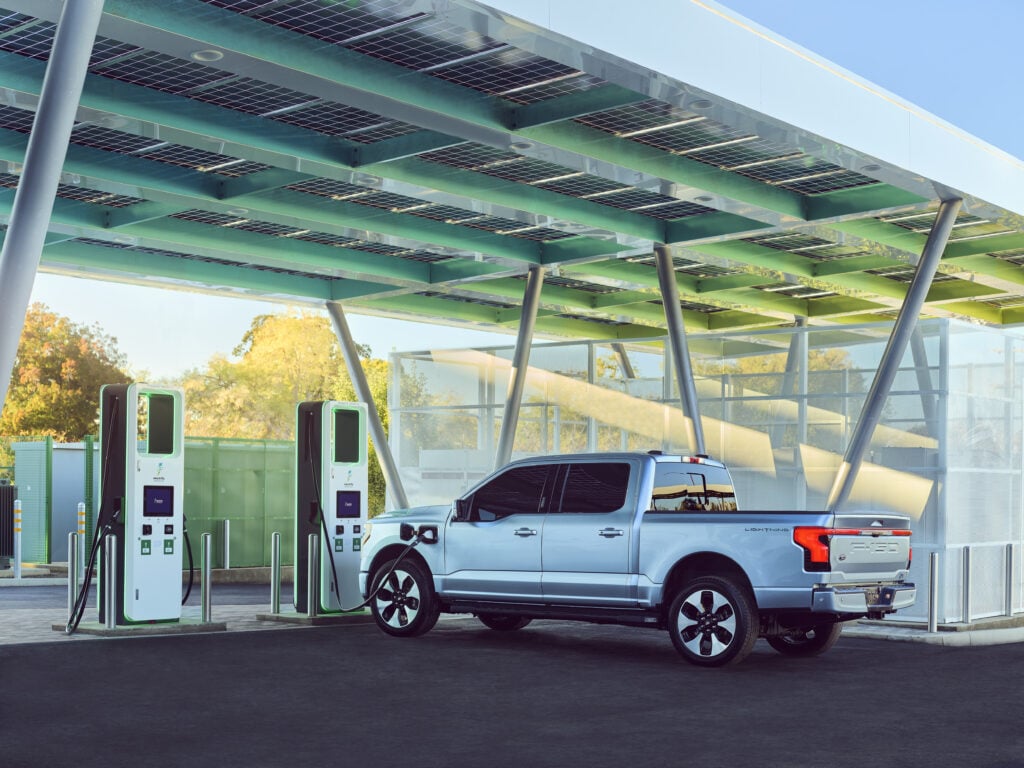
Update: Every day that we wake up to higher gas prices, the case gets stronger for EV adoption. If only EV prices weren’t sky-high. With gas at $4.50, the average American driver commuting 15,000 miles per year can easily save $150 per month or more by going electric. Check out the details below.
Charging an electric vehicle is a whole new experience, one that brings advantages and disadvantages for drivers. If you’ve been stopping at gas stations for decades, the thought of plugging in and waiting for your car to charge may be a bit too much to swallow. But over 80% of EV charging is done at home, where the cost savings are greatest. Two out of three American drivers are considering going electric for their next vehicle, and billions of dollars are being funneled into EV development and infrastructure.
EVs have a higher upfront cost than combustion vehicles, so it’s important to find ways of making up for the expense with fuel savings. Unfortunately, not all charging options are affordable. Here’s how you can save money when charging your EV in 2022.
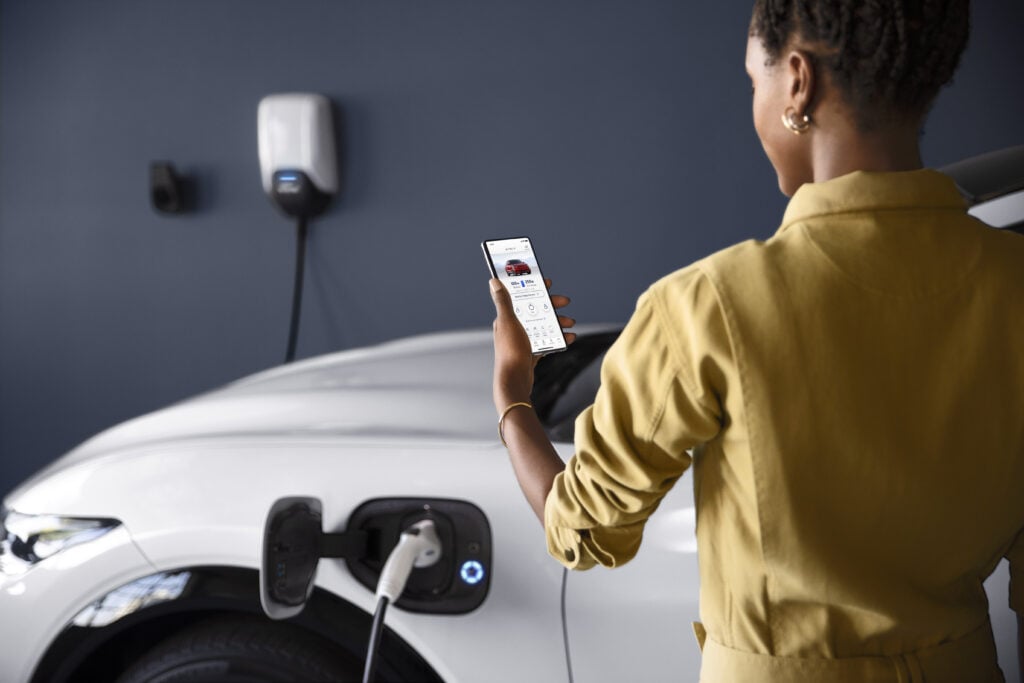
When do you usually charge your phone? While you sleep at home? Oddly enough, for most drivers, that’s exactly how their EVs are charged! Data from the US Department of Energy shows that the vast majority of electric vehicle charging is done at home. Whether you plug in to a simple 120 volt outlet in your driveway or have a more powerful 240 volt outlet in your garage, charging at home is usually the most affordable way to power up.
In the US, the average residential electricity rate is $0.14 per kilowatt-hour, however rates vary widely from one state to another. In Hawaii, the average rate is a whopping $0.34 per kWh, while it’s between $0.10 and $0.14 per kWh in more affordable energy states like Washington and Texas.
What does that all mean? Say you have a level 2 charger capable of filling up your battery from empty in about 7 hours. Plug in every evening, and wake up with a full battery every morning. What did that full ‘tank’ of electrons cost? Let’s consider a real-world example. The 2022 Tesla Model 3 has a 82 kWh battery, so at average American residential rates, at home charging a Tesla Model 3 at home costs just $11.48 for a full charge. That’s enough electrons for 358 miles of driving.
What about if the same Model 3 owner lived in California instead? At typical California residential electricity rates, the same charge would cost $18.04. Considering that a tank of gas costs over $75 today, the savings add up. But clearly, it depends on the rates you pay for power and miles driven per year to maximize savings. If you’d like to know more about average residential electricity rates in each state, you can find that information here.
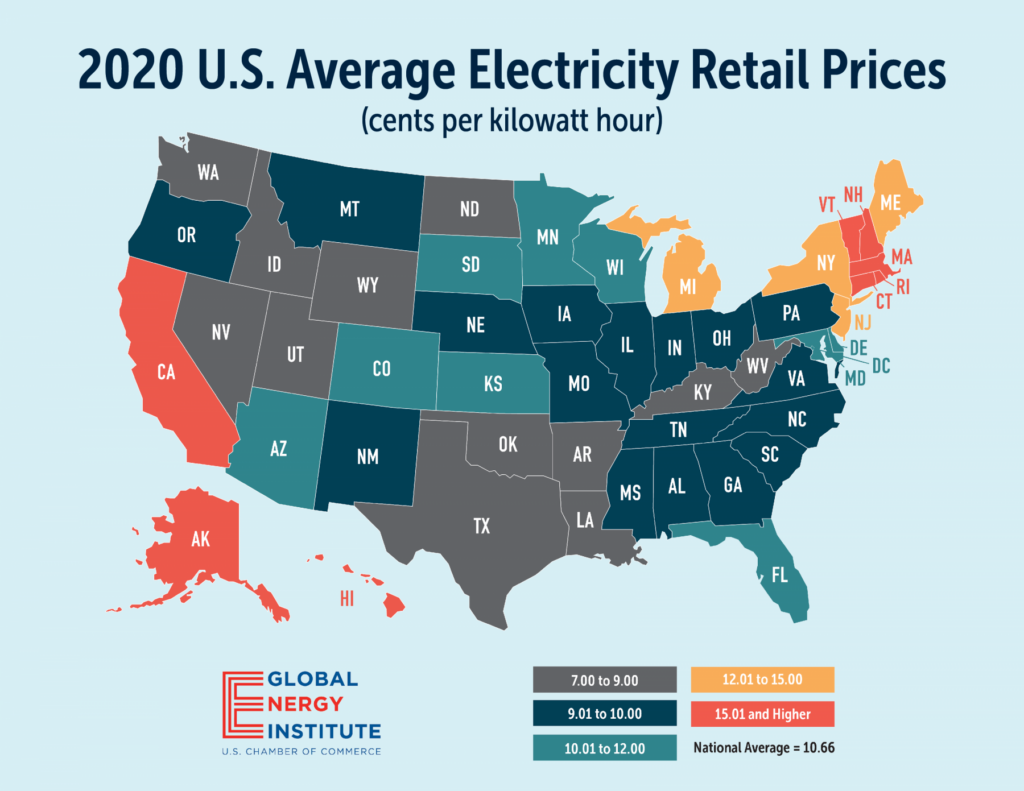
Here’s how much EV drivers from each state can expect to pay for a full charge. The examples below specifically reflect an EV with an 82 kWh battery, such as a Tesla Model 3 or Model Y. My own Hyundai IONIQ 5 has a 72.5 kWh battery.
The stark difference between home charging and public fast charging highlights the fact that going electric likely only brings savings when most charging is done at home.
| State | Residential Electricity Rate ($ per kWh) | Cost of Charging to 100% at Home (82 kWh battery) | EV Fuel Savings Compared to Filling an 18 Gallon Tank at $4.50/Gal | Annual Savings: 15,000 miles/year, 25 MPG versus 300 miles on a charge |
|---|---|---|---|---|
| Alabama | $0.14 | $11.48 | $69.52 | $2,126 |
| Alaska | $0.23 | $18.86 | $62.14 | $1,757 |
| Arizona | $0.13 | $10.66 | $70.34 | $2,167 |
| Arkansas | $0.11 | $9.02 | $71.98 | $2,249 |
| California | $0.22 | $18.04 | $62.96 | $1,798 |
| Colorado | $0.14 | $11.48 | $69.52 | $2,126 |
| Connecticut | $0.23 | $18.86 | $62.14 | $1,757 |
| Delaware | $0.14 | $11.48 | $69.52 | $2,126 |
| DC | $0.14 | $11.48 | $69.52 | $2,126 |
| Florida | $0.12 | $9.84 | $71.16 | $2,208 |
| Georgia | $0.13 | $10.66 | $70.34 | $2,167 |
| Hawaii | $0.34 | $27.88 | $53.12 | $1,306 |
| Idaho | $0.11 | $9.02 | $71.98 | $2,249 |
| Illinois | $0.14 | $11.48 | $69.52 | $2,126 |
| Indiana | $0.14 | $11.48 | $69.52 | $2,126 |
| Iowa | $0.13 | $10.66 | $70.34 | $2,167 |
| Kansas | $0.13 | $10.66 | $70.34 | $2,167 |
| Kentucky | $0.12 | $9.84 | $71.16 | $2,208 |
| Louisiana | $0.12 | $9.84 | $71.16 | $2,208 |
| Maine | $0.18 | $14.76 | $66.24 | $1,962 |
| Maryland | $0.14 | $11.48 | $69.52 | $2,126 |
| Massachusetts | $0.23 | $18.86 | $62.14 | $1,757 |
| Michigan | $0.18 | $14.76 | $66.24 | $1,962 |
| Minnesota | $0.14 | $11.48 | $69.52 | $2,126 |
| Mississippi | $0.12 | $9.84 | $71.16 | $2,208 |
| Missouri | $0.11 | $9.02 | $71.98 | $2,249 |
| Montana | $0.12 | $9.84 | $71.16 | $2,208 |
| Nebraska | $0.11 | $9.02 | $71.98 | $2,249 |
| Nevada | $0.13 | $10.66 | $70.34 | $2,167 |
| New Hampshire | $0.21 | $17.22 | $63.78 | $1,839 |
| New Jersey | $0.16 | $13.12 | $67.88 | $2,044 |
| New Mexico | $0.14 | $11.48 | $69.52 | $2,126 |
| New York | $0.21 | $17.22 | $63.78 | $1,839 |
| North Carolina | $0.12 | $9.84 | $71.16 | $2,208 |
| North Dakota | $0.12 | $9.84 | $71.16 | $2,208 |
| Ohio | $0.13 | $10.66 | $70.34 | $2,167 |
| Oklahoma | $0.13 | $10.66 | $70.34 | $2,167 |
| Oregon | $0.12 | $9.84 | $71.16 | $2,208 |
| Pennsylvania | $0.15 | $12.30 | $68.70 | $2,085 |
| Rhode Island | $0.22 | $18.04 | $62.96 | $1,798 |
| South Carolina | $0.14 | $11.48 | $69.52 | $2,126 |
| South Dakota | $0.13 | $10.66 | $70.34 | $2,167 |
| Tennessee | $0.12 | $9.84 | $71.16 | $2,208 |
| Texas | $0.13 | $10.66 | $70.34 | $2,167 |
| Utah | $0.11 | $9.02 | $71.98 | $2,249 |
| Vermont | $0.21 | $17.22 | $63.78 | $1,839 |
| Virginia | $0.13 | $10.66 | $70.34 | $2,167 |
| Washington | $0.11 | $9.02 | $71.98 | $2,249 |
| West Virginia | $0.14 | $11.48 | $69.52 | $2,126 |
| Wisconsin | $0.15 | $12.30 | $68.70 | $2,085 |
| Wyoming | $0.12 | $9.84 | $71.16 | $2,208 |
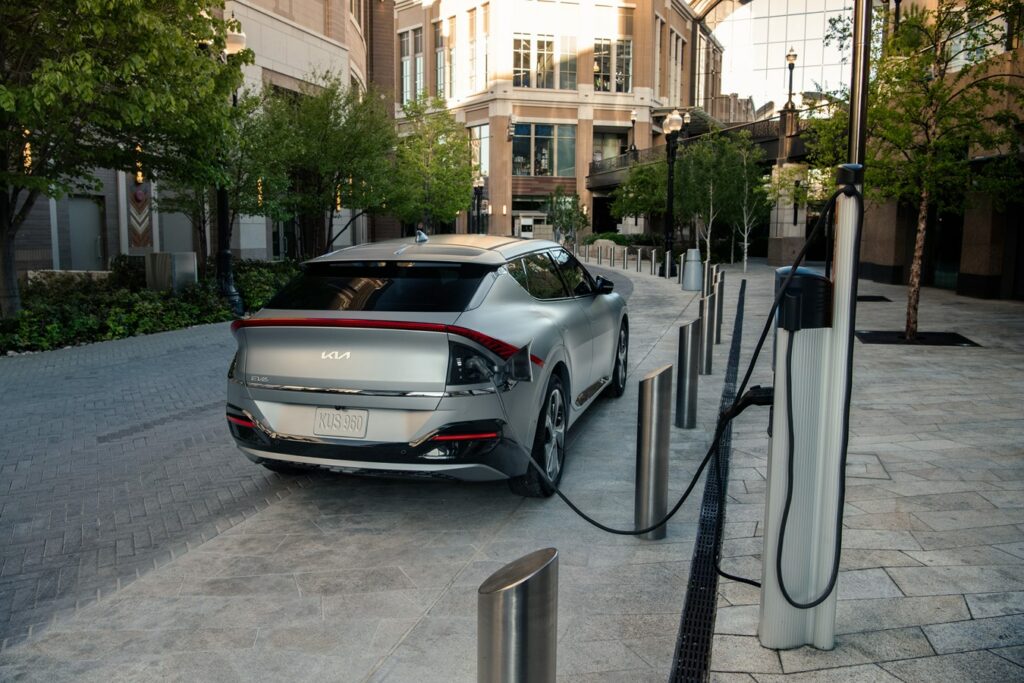
If you already have a 240 volt dryer outlet within reach, you’re all set for just about any scenario. If you don’t, you’re left with two options. If you drive less than 40 miles on most days and live within a reasonable distance of a public charger (in case you need it), you will save the most money by using the so-called ‘trickle charge’ supplied by the charger included with the car. You simply plug into a standard three-prong 120 volt wall outlet. This is called level 1 charging.
Depending on the vehicle, trickle charging typically adds 3-4 miles of charge per hour to the battery, or about 40 miles per night if you leave your car plugged in. So, how much does it cost to charge an electric car? If the above scenario describes your driving habits, you’ll just pay the same residential electricity rates that your pay to power your home.
If that’s not quite enough recharge for your daily needs, you’ll either need to make weekly visits to public fast chargers, or spend anywhere from $800 – $2000 on installation of a level 2 charger. Level 2 chargers supply more power in less time. They plug into a 240 volt outlet, the exact same kind that is used for dryers, ovens and other large appliances at home.
If you already have a conveniently located dryer outlet within reach of where you park the car, you can purchase a power splitter for as little as $300. Splitters send charge to the home appliance (such as a dryer) when needed, and then divert power to charging the car when the appliance is not in use. This saves A LOT of money versus getting electrical work done!
In summary, if you drive less than 40 miles a day, it usually makes the most sense to avoid the costly level 2 charger and stick with a regular wall outlet. If you drive significantly more, consider installing a level 2 charger or simply topping off your battery once or twice a week at a local public fast charger to avoid the expense of electrical work.
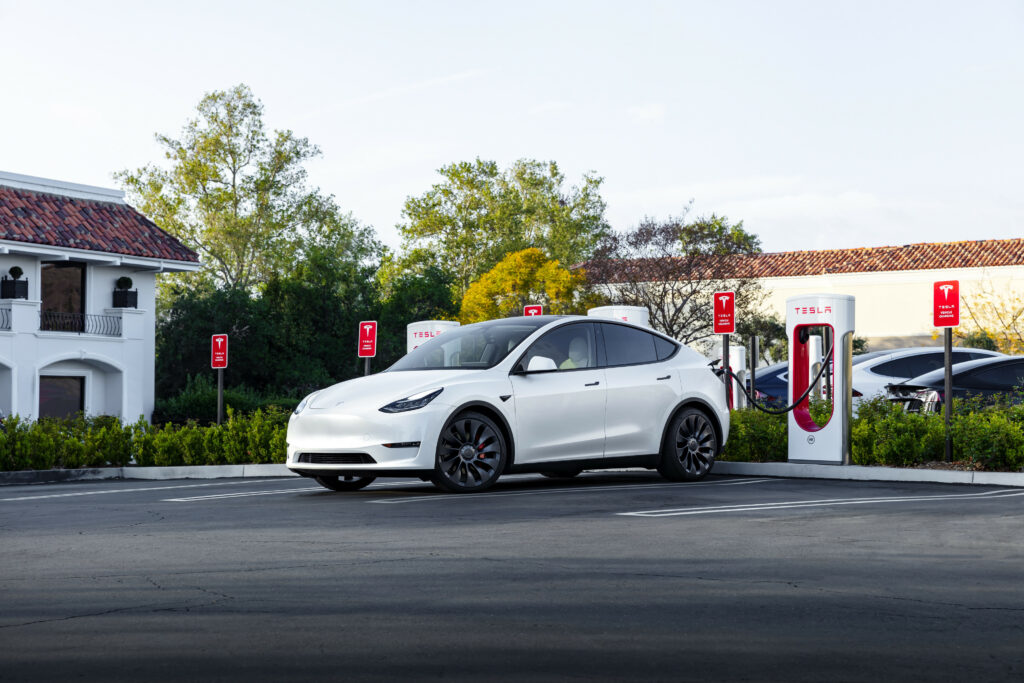
First, there’s one thing we need to make clear. Electric vehicles are not meant to be charged at public DC (direct current) fast chargers every time a charge is needed. It stresses the battery, and it costs a lot more than charging at home. For instance, fast chargers can charge a Model 3 from 10-80% in less than 20 minutes. That much energy transfer puts wear on the vehicle’s battery management system. Fast charging is great for road trips or when you’re in a pinch, but that’s all they’re meant for.
How much can you expect to pay for charging at a public DC fast charging station? Let’s consider the two largest charging networks in the nation: Tesla Superchargers and Electrify America.
As of early 2022, most Tesla Superchargers charge $0.28 per kWh of electricity. For a 2022 Tesla Model Y with a 82 kWh battery pack, that adds up to a cost of $22.96 to go 330 miles on a charge. Some Superchargers have variable pricing dependent on demand charges, as noted on Tesla’s Supercharging support page. “Certain Supercharger stations offer on-peak and off-peak rates. The rates and peak times are both displayed in the navigation application on the touchscreen.”
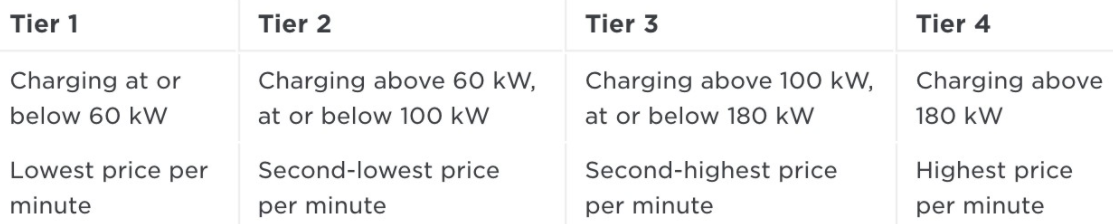
Depending on state and local regulations, some Tesla Superchargers charge per minute, rather than per kilowatt-hour of electricity. Tesla recently updated the rate structure for their per-minute Superchargers. With Tesla’s plug-and-charge, customers simply plug in the vehicle and the charger communicates with the car, begins charging and bills the customer’s Tesla account.
Here’s how the updated rate structure is tiered in 2022:
Source: Tesla
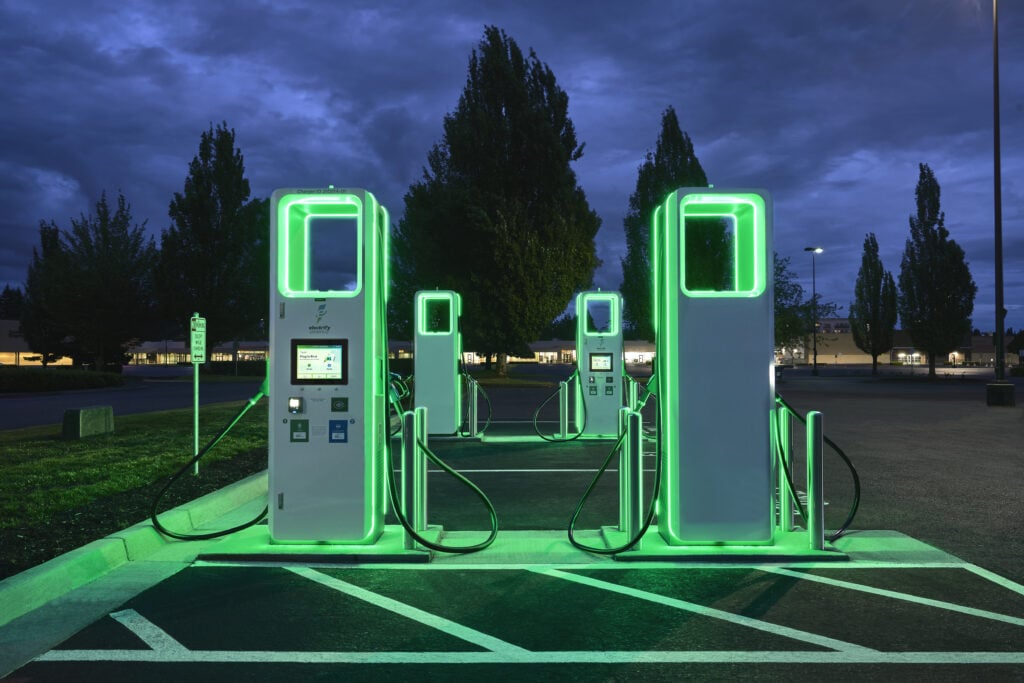
Over at Electrify America, customers can either pay $0.43 per kWh of electricity, or become a Pass+ member for just $4/month and charge at $0.31 per kWh. Having such an affordable membership plan is an interesting approach. That is to say, it almost seems like Electrify America is aiming to become a subscription that everyone with an EV will buy into for a sense of range security, even if they rarely use the network. Down the road, I’m sure prices will go up.
For a Ford Mustang Mach-E, filling up the 98 kWh battery from empty will cost $30.38 with the Pass+ membership. However, the cost jumps to $42.14 without it. Clearly, the fuel savings we often associate with going electric evaporate if charging costs are too high.
| Cost of Charging to 100% at a Tesla Supercharger | Cost of Charging to 100% at Electrify America as a Member | Cost of Charging to 100% at Electrify America as a Guest | Cost of Filling up an 18 Gallon Tank of Gas at $3.25/Gallon |
| $22.96 | $25.42 | $35.26 | $58.50 |
If you know someone who pulls up to Tesla Superchargers in their 2014 Model S and leaves without paying a dime, don’t expect the same perks when shopping for a 2022 Tesla. Early adopters received free supercharging ‘for life’, and there are plenty of Tesla owners out there who keep driving their high-mileage, slow-charging old Model S just for the free charging incentive.
If you’re hoping to score free charging with any of the 2022 EV models, I’ve got good news for you. Many 2022 models come with free charging at Electrify America charging stations. These new EVs all come with a free charging incentive for a limited time:
Some employers, especially large corporations and tech companies, offer free charging for EVs at dedicated parking spots. However, if your employer doesn’t offer charging, maybe you can be the one to spark the idea and help make it happen.
Prices have plummeted in recent years, and having an EV is yet another incentive to go solar. Most utility customers can participate in a net metering program that compensates homeowners for unused solar electricity contributed to the grid. If the sun is shining bright while you’re away at work, you still receive bill credits for the unused power your panels generated. The utility bill credits you’ll receive may cover the entire cost of charging your car. That’s 100% clean, free power for both your home and transportation!
How much does it cost to charge an electric car? As you can see, it depends on utility rates, incentives and if you charge at home or at public fast chargers. Fuel savings is one of the greatest benefits of switching from a combustion vehicle to an electric vehicle. As your consumer advocate, we want to make it clear that EVs don’t always save money. However, for the vast majority of American drivers, affordable electricity rates mean that at least $1,000 could be saved each year by going electric. And that doesn’t include the lower maintenance costs that most EVs have. For those who are fortunate to have a place to plug in at home or work, switching to an electric vehicle is a no-brainer.
Have any questions or comments? How are you feeling about the electrification of the auto industry? Let us know in the comments below, or check out the CarEdge Community forum at caredge.kinsta.cloud. You can also reach out to me at [email protected].
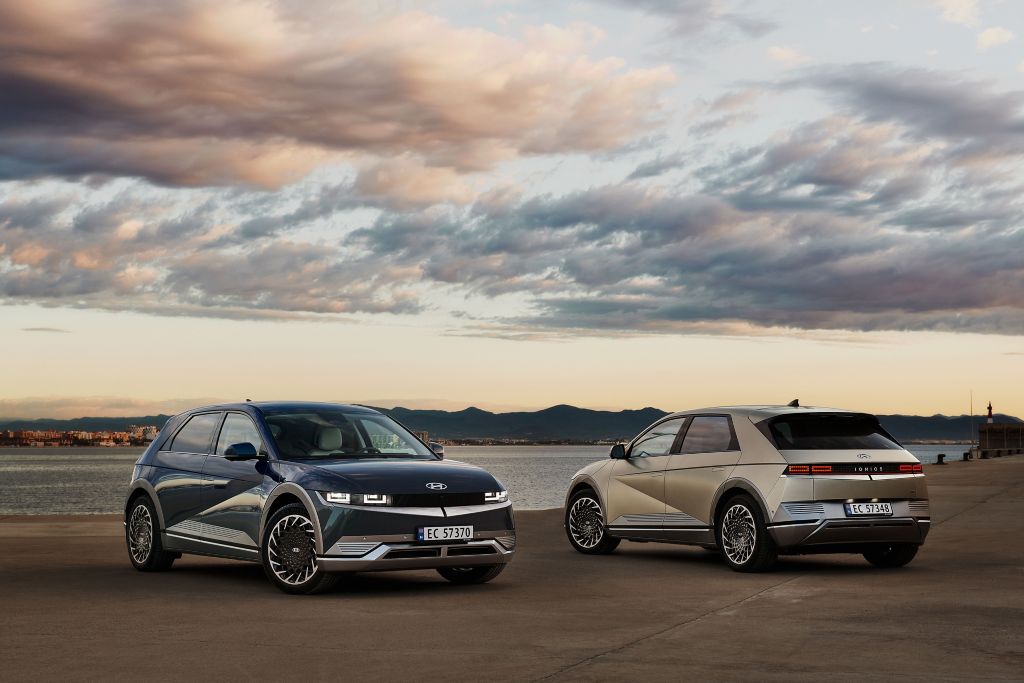
(Updated for Summer 2022)
As anyone who’s fallen head over heels for one of the many 2022 electric vehicles and clicked that ‘Order’ button can attest, just because you can order an EV in 2022 doesn’t mean you can drive it home this year. This was a problem I faced myself, but I finally broke the code and got a Hyundai IONIQ 5 at MSRP (here’s how).
Soon after I began my online car search, it became clear that if I wanted a brand-new vehicle, my options were limited by availability. To make the most of the situation, I thought I’d share what I’ve learned about the availability and estimated delivery times for EVs on the market today. Here’s what we know as we kick off the new year.
Note: These are fully-electric models that can either be ordered now or purchased at a dealership today. Many more have been announced but are not yet officially available.
| Make | Model | Class | Starting MSRP | Estimated Delivery/Lot Availability* |
|---|---|---|---|---|
| Audi | e-tron | crossover SUV | $65,900 | Available Now |
| Audi | Q4 e-tron | crossover SUV | $43,900 | Available Now |
| Audi | RS e-tron GT | sedan | $103,445 | Available Now |
| BMW | iX | SUV | $88,050 | Mid-2022 |
| BMW | i4 | sedan | $55,400 | Mid-2022 |
| Cadillac | Lyriq | SUV | $62,990 | Late-2022 |
| Chevrolet | Bolt | hatchback | $31,000 | Available Now |
| Chevrolet | Bolt EUV | crossover SUV | $33,500 | Available Now |
| Fisker | Ocean | crossover SUV | $37,499 | 2023 |
| Ford | Mustang Mach-E | crossover SUV | $43,895 | Available Now |
| Ford | F-150 Lightning | truck | $39,974 | 2023-2024 |
| GMC | Hummer EV | truck | $99,995 | Mid-to-late 2022 |
| Hyundai | IONIQ | crossover SUV | $33,245 | Available Now (Discontinued) |
| Hyundai | IONIQ 5 | crossover SUV | $43,650 | Available Now |
| Hyundai | Kona | crossover SUV | $34,000 | Available Now |
| Jaguar | I-Pace | crossover SUV | $69,900 | Available Now |
| Kia | Niro | crossover SUV | $39,990 | Available Now |
| Kia | EV6 | crossover SUV | $42,115 | Available Now |
| Lucid | Air | sedan | $77,400 | Mid-2022 |
| Mazda | MX-30 | crossover SUV | $33,470 | 2022 - CA Only |
| Mercedes | EQS | sedan | $102,310 | Available Now |
| Mercedes | EQB | SUV | ~$55,000 | Late 2022 |
| Nissan | Leaf | hatchback | $27,400 | Available Now |
| Nissan | Ariya | crossover SUV | $47,125 | Late 2022 |
| Polestar | Polestar 2 | sedan | $45,900 | Available Now |
| Porsche | Taycan | sedan | $82,700 | Available Now |
| Rivian | R1T | truck | $67,500 | 2023 |
| Rivian | R1S | SUV | $70,000 | 2023 |
| Subaru | Solterra | crossover SUV | $46,220 | Mid-to-late 2022 |
| Tesla | Model S | sedan | $94,990 | Late 2022 - 2023 |
| Tesla | Model 3 | sedan | $46,990 | Mid-to-late 2022 |
| Tesla | Model X | SUV | $104,990 | 2023 |
| Tesla | Model Y | crossover SUV | $62,990 | Late 2022 - 2023 |
| Toyota | bZ4X | crossover SUV | $43,215 | Mid-to-late 2022 |
| Volkswagen | ID.4 | crossover SUV | $40,760 | Mid-2022 |
| Volvo | XC40 Recharge | crossover SUV | $55,300 | Available Now |
| *For a vehicle ordered in May 2022, unless there's existing dealership supply. |
A few things might stand out to you on this list. Not a lot of options are available if you need a new vehicle right now. VW Group’s new EVs are available at many dealerships, although there are reports of major dealer markups. It’s quite easy to find EVs of the previous generation on dealer lots. Think Kia eNiro, Hyundai Kona EV, Nissan Leaf and the like.
The vast majority of 2022 electric vehicles are crossovers. No surprise there given the sales trends over the past decade. Honda doesn’t have a single EV arriving in the North American market until the 2024 Prologue electric SUV. That is surprising considering the popularity and good reputation of the brand. What will it take for automakers to catch up to demand? An end to the chip shortage would be a great step in the right direction. There’s also the supply versus demand factor. Ford, Rivian, Tesla and VW are all swamped with orders well into 2022, and even into 2023. All except Tesla are EV newcomers who are facing the same production ramp-up struggles that Tesla just barely survived a few years ago. We’ll update this page regularly as more information becomes available, so save it to your bookmarks!
Did we miss anything? Let us know in the comments below, or shoot an email to [email protected].

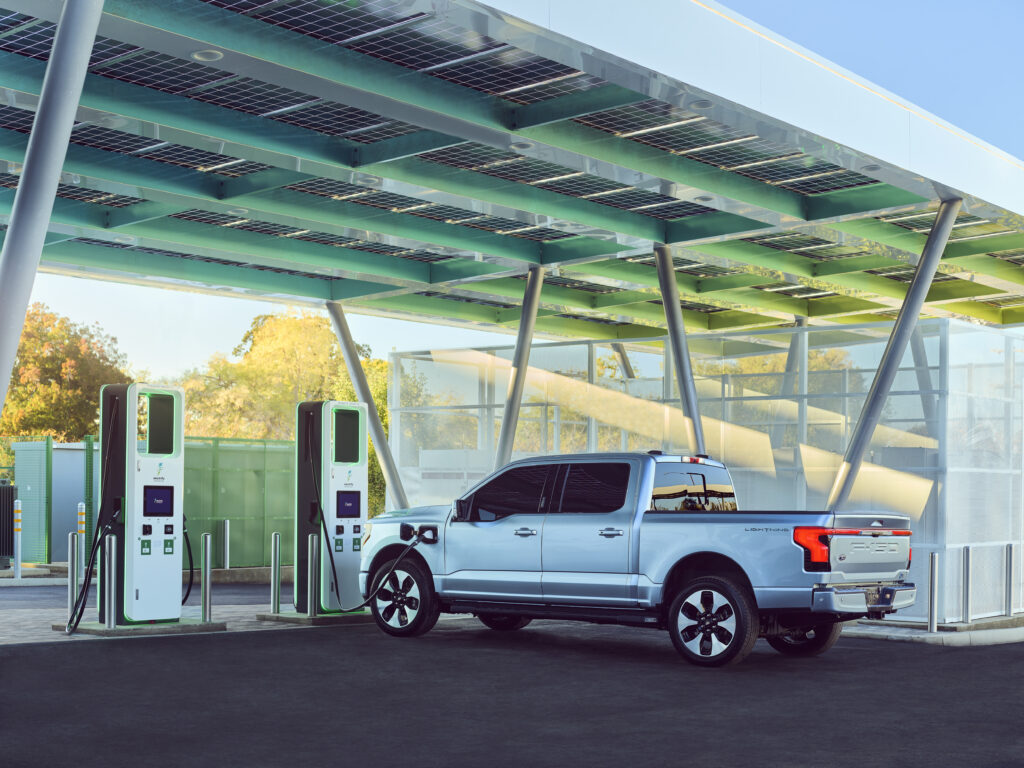
As if anyone needed one more reason to be anxious, some of today’s electric vehicles have inspired a new kind of dread: range anxiety. If you’re new to the world of EVs, you may be wondering why electric vehicle range figures are compared and analyzed meticulously. Maybe you’re even skeptical of EVs because of the sub-300 mile ranges touted as the latest and greatest. The largest automakers are committed to electrification, and American drivers are finding that shopping for an EV is a different experience. There’s no doubt it takes some getting used to. Is the instant acceleration and cheaper fuel worth the learning curve that comes with EV adoption?
Electric vehicle charging stations are still few and far between in most of America. Even charging technologies vary widely from one vehicle to the next. A few new EVs are behind the times when it comes to charging speed, most notably the Chevy Bolt. Others, like the Hyundai IONIQ 5 and Porsche Taycan, are progressing forward with the fastest top-up times in the industry. Thankfully, charging an EV in America is about to get a lot easier in 2022. Billions of dollars in both private and public funding is being funneled into growing the nation’s public charging infrastructure over the next two years. EV range figures will likely become less defining for each new EV that hits the market as charging becomes quicker and easier to find.
As we enter 2022, range is still top of mind for consumers. But estimating EV range is not an exact science. Some vehicles regularly exceed EPA mileage ratings, but many others fall short of the advertised figures. Here’s what consumers need to know about real-world range in today’s growing EV market.
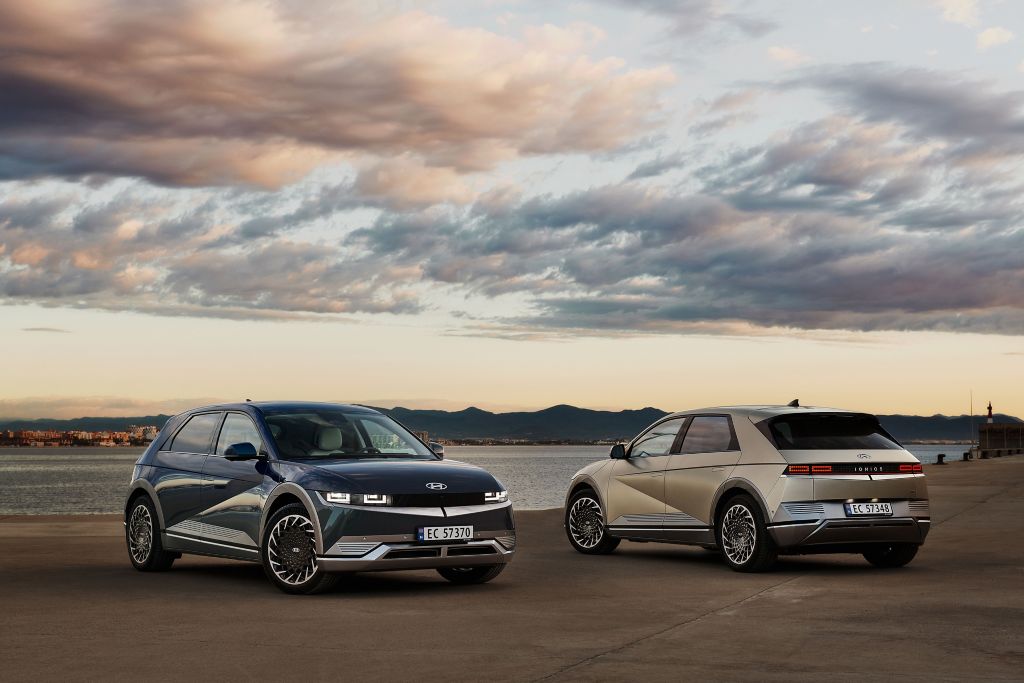
Speed is the number one factor that determines electric vehicle range. The relationship between city/highway driving and range is the opposite with an EV than you’ll find with a combustion-powered vehicle. With a traditional combustion vehicle, better gas mileage is achieved at highway speeds, usually between 50-70 miles per hour. That’s not so with EVs.
EVs are more efficient at lower speeds, even in stop-and-go traffic. Let’s consider the example of the best-selling Tesla Model Y. The 2022 Model Y’s combined range rating is 330 miles, or 125 mpg equivalent. A closer look at the city and highway figures tells an interesting story. On the highway, the US EPA calculates the Model Y’s fuel economy as 131 mpge. Real-world testing at 70 mph finds that the Model Y can make it about 275 miles on a charge. However, in city driving scenarios at lower speeds, the Model Y is good for an astounding 131 mpge, or over 350 miles of range. The story is the same for most other EVs: slower driving around town yields greater efficiency and more range.
Why is speed such an important factor for electric vehicle range? It all comes down to something engineers can’t control, only accommodate: physics. At higher speeds, a vehicle encounters higher friction as it pushes through the air. Friction causes drag, and drag can only be overcome by more force. In this case, the additional force is supplied by higher power output from the electric motors. This is why EV stats often include the ‘drag coefficient’ along with horsepower, torque, curb weight and the rest of the usual metrics for comparison.
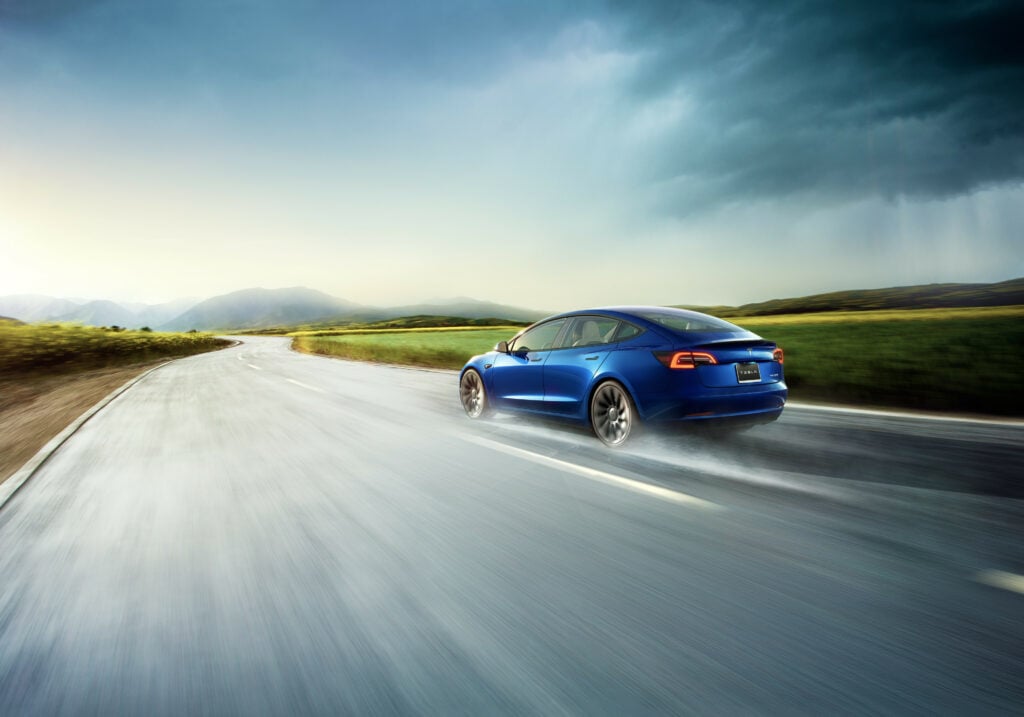
Temperature, wind and even precipitation can all affect electric vehicle range, especially at higher speeds. Every battery-electric motor platform has an ideal operating temperature. Usually, the ideal temperature is somewhere near 70 degrees Fahrenheit. At the ideal temperature, the vehicle can attain up to 115% of its official rated range. That means a Ford Mustang Mach-E rated for 270 miles may actually make it over 300 miles on a single charge in perfect conditions.
Summer heat eats into range somewhat, but winter cold is the real range killer. Effects vary from one model to another, but it’s not uncommon for an EV to lose 30% of its range in freezing temperatures. Why? The cold itself is responsible for about 10% of the range loss, but it’s actually running the heater that demands so much energy, and range takes an even bigger hit. Winter weather is so problematic for EVs that many OEMs are installing heat pumps in their latest models in an effort to reduce range loss in the cold.
As long-haul truck drivers know well, a headwind or severe crosswind kills range for all vehicles, regardless of fuel type. An EV normally rated for 250 highway miles might not even make it 200 with a strong headwind. On the other hand, a tailwind can extend range far beyond the usual performance. Once again, this is similar to what drivers of combustion vehicles will experience.
Rain and snow also reduce range by adding to drag. Think of it this way: any vehicle, electric or otherwise, uses more fuel to literally push through the air as precipitation falls onto it.
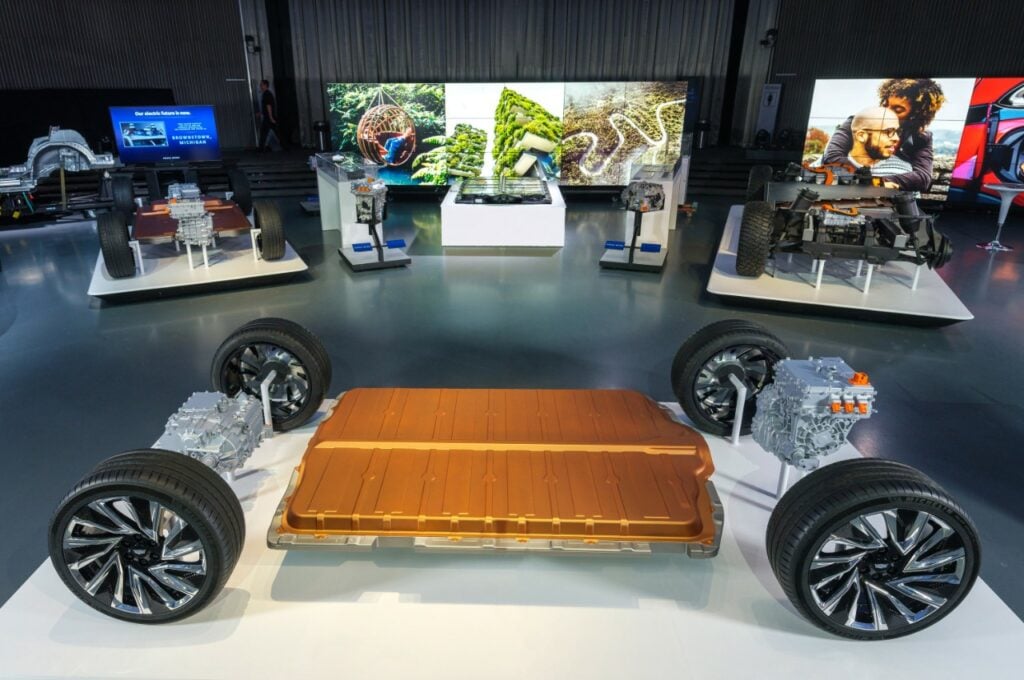
All EVs lose rated range as they accumulate miles on the odometer. It’s just a part of battery wear and tear. The range loss is greatest as the vehicle is ‘broken in’ so to speak. Tesla vehicles lose about 5% of their range within the first 30,000 miles of driving, but range loss slows down afterward. There are many examples of Teslas with 200,000 miles on the odometer that continue to carry 90% of the original range, and almost all retain at least 85% by this point. Other EVs show similar range loss over time.
Battery degradation is unavoidable, but there are measures that EV drivers can take to minimize it. Limiting level 3 fast charging to only when necessary (such as road trips) is the biggest effort anyone can make to preserve the health of their battery. Charging at home on a level 1 or 2 charger to 80% or 90% state of charge is recommended for most EVs. Only when the extra mileage is needed should EVs be fully charged to 100%. One notable exception is the 2022 Tesla Model 3. Tesla has decided to put lithium-iron-phosphate (LFP) batteries in the standard range variants of the Model 3, making this the first EV on the market to withstand regular charging to 100% without notable battery degradation. Perhaps this was a factor in Hertz’s recent decision to buy 100,000 Model 3’s.
With so many factors going into EV range, you might be wondering how one can reliably estimate the range of their EV in real time. Luckily, engineers saw the need for real-time range estimators and got ahead of this challenge. Today’s EVs include smart range estimators (that some affectionately call guess-o-meters) that factor in a number of variables to display the remaining range for the driver. Real-world range figures don’t necessarily make road trips challenging, but for the time being, it is something else for drivers to monitor while charging stations remain uncommon.
Curious as to how your favorite electric vehicles match up in real-world range? The EV experts over at InsideEVs have compiled a database of how every model they’ve tested firsthand performs in the real world. Some EV models far exceed their official EPA ratings, while others come up short. Below are a few of their more notable findings.
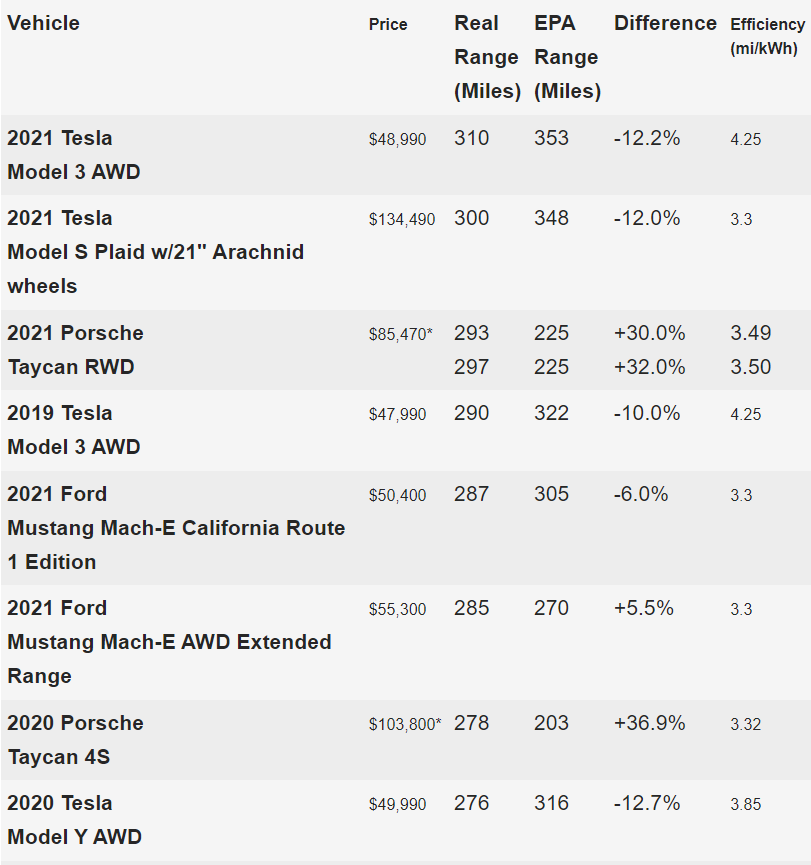
Source: InsideEVs
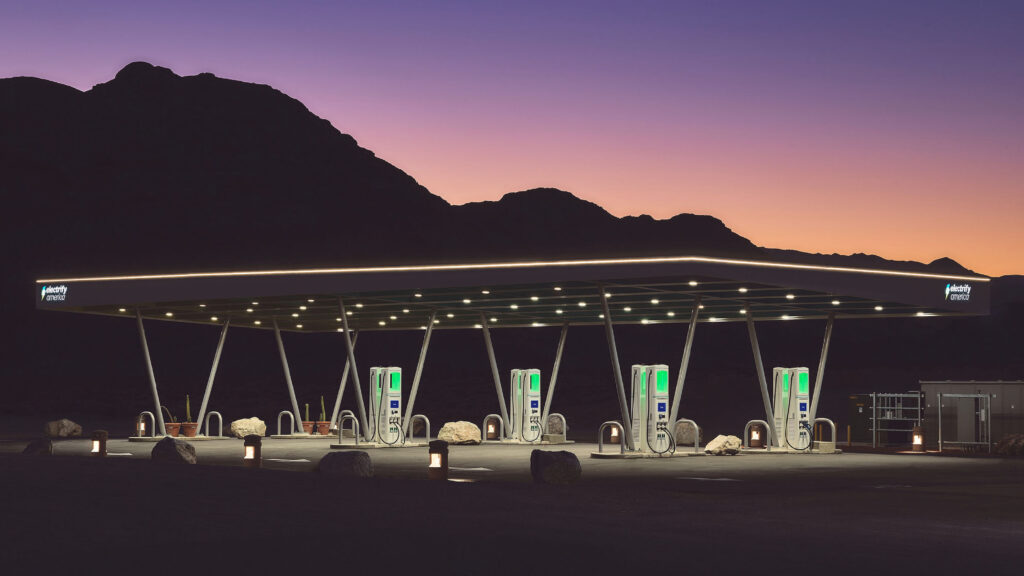
Today’s EVs are expected to retain 85-90% of their original range after 100,000 miles, and possibly even over 200,000 miles. This normal range loss is due to battery wear after repeated charging and discharging cycles. Real world range is something for EV shoppers to bear in mind when comparing models. Remember: If an EV is EPA rated for 250 miles, it will likely only achieve 225 miles on a full charge after 100,000 miles of driving.
The data from InsideEVs shows that some automakers consistently underperform their ratings, while others exceed expectations. Will range anxiety turn buyers away, or will tech and sporty handling compel more drivers to think about going electric? Let us know your thoughts in the comments below. We’ll continue to keep you informed as electrification overtakes the auto industry.