
CarEdge saved me over 4,500 dollars on a brand new Honda Pilot. I can't say thank you enough.
Price intelligence
Find a wide range of vehicle listings with market insights on new and used listings near you.
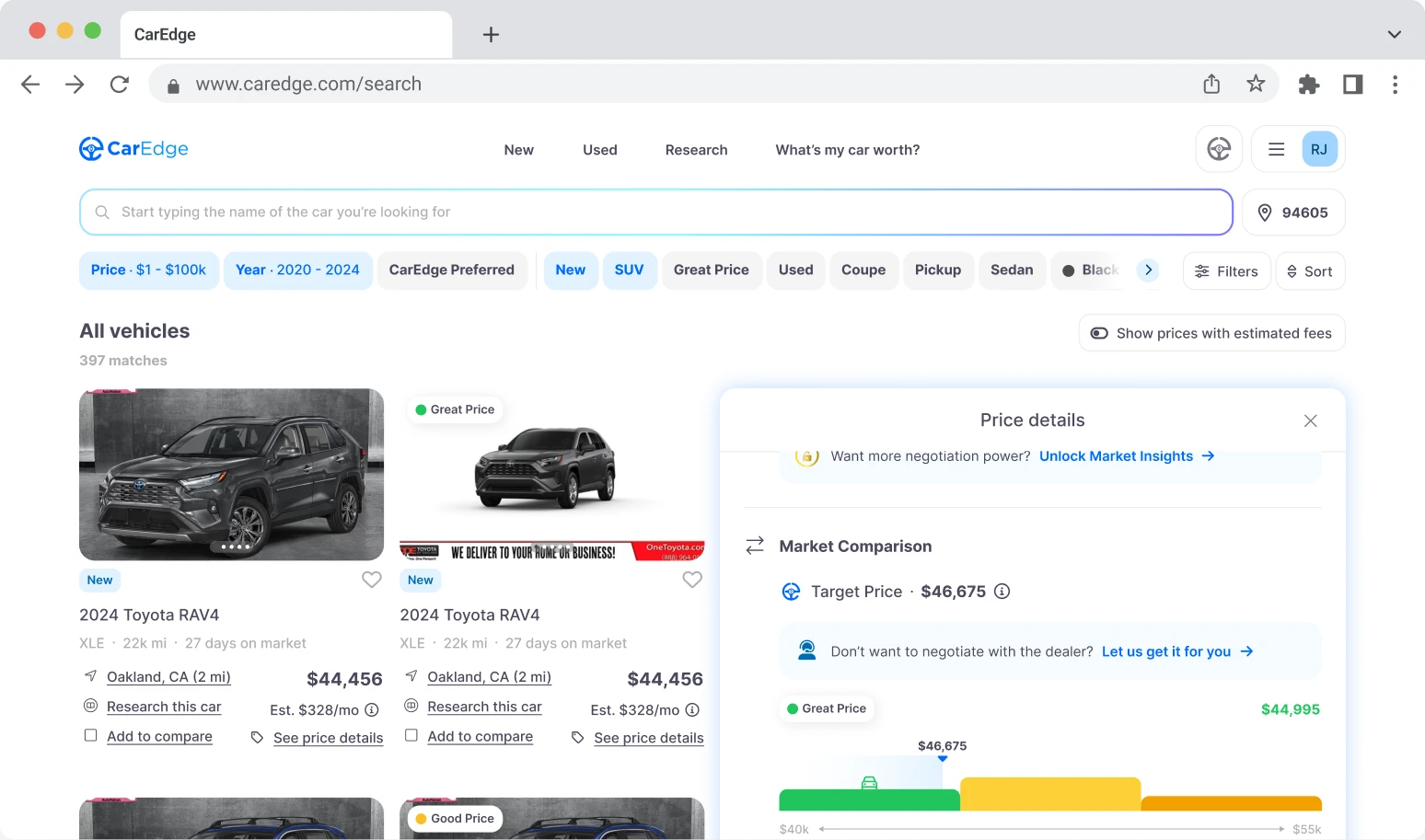

What can I do with CarEdge?
 CarEdge Insights
What can I do with CarEdge?
Get access to exclusive information so you can make an informed car buying decision — all in one place.

Find a wide range of vehicle listings with market insights on new and used listings near you.
Track your vehicle’s value and cash in when the time is right to sell.

Access to our proprietary data to help you find the right car, at the right price. Find these unlocked on every listing after subscribing.

With our expert-led, tech-enabled car buying service, we will locate, negotiate, and deliver your vehicle so you can get a new car hassle free.


Help us personalize your CarEdge experience — it only takes a second.
Your answers help us personalize your CarEdge journey — we’ll follow up with tips and next steps that match your buying timeline.
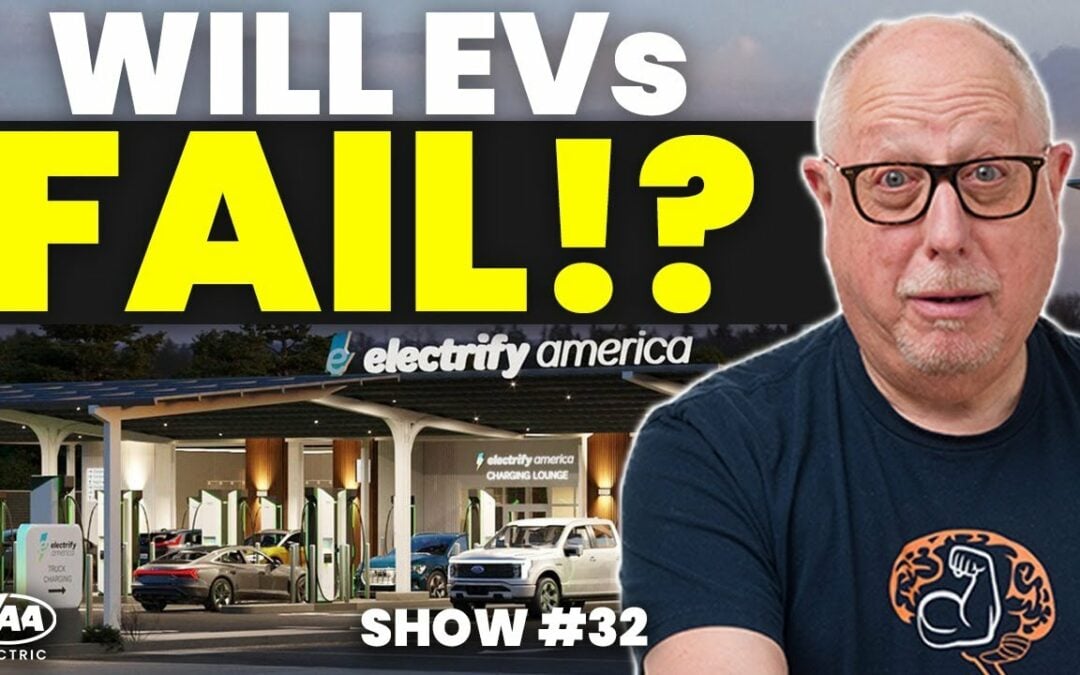
After four months of electric vehicle ownership, my perspectives about the mass transition to electric vehicles have evolved. I no longer think that everyone should run out and buy an EV right now (besides, that’s not possible). I have a greater understanding of the skepticism that accompanies the push to EVs. All-in-all, I feel that I now understand the arguments from both sides: electric vehicles are amazing, better for the planet (in the long run) and fun to drive, however EVs are not even close to being ready for mass adoption.
Automakers have committed well over half a trillion dollars to electric vehicle research and development, marketing and most importantly, charging infrastructure buildout. But the grid isn’t ready, charging providers aren’t ready, and the American public has a LOT to learn before making the switch. EVs could still fail, and bring down the automotive industry with them. We’d hate to see that. These are 5 things that must happen in this decade to prepare the world for electric mobility.
The average price paid for an EV surpassed $66,000, on par with the overall luxury segment.
For years and years, I touted the coming cost parity that would finally make EVs just as affordable as any other car. Industry experts always told us that EV price parity would come when battery costs dropped below $100 per kilowatt-hour. Just as that milestone arrived, the world was turned upside down by the COVID-19 pandemic.
Global factory shutdowns disrupted the supply chains that all automakers rely on, and most notably those related to semiconductor chip production. Without the parts to make the cars, electric vehicle growth was held back just as the public warmed up to them. Raw materials used in both vehicle and battery manufacturing increased in cost by over 100%, and many automakers have passed the premiums on to consumers.
Today, electric vehicles cost more, and inventory is slim. Kelley Blue Book’s June 2022 car price data shows that the average EV transaction was $66,000, $18,000 over the overall car market average of $48,000. One year ago, the average EV transaction was $52,486, or 10.8% less than it was in June of 2020. In short, EV prices are headed in the wrong direction just as automakers are getting serious about making them.
In the age of record smashing, here’s one that will give pause: In June, the estimated average monthly payment increased to $730, which is a new record high. A new car monthly payment now costs as much as rent in many parts of the country. We’re seeing more and more car payments over $1,000 a month. The insane records don’t end there.
More cars are being repossessed as more auto payments are going past-due. With the way things stand today, either EVs will have to become more affordable, or their luxury pricing will soon risk worsening the auto loan crisis.
Earlier this year, Rivian CEO and Founder RJ Scaringe predicted that battery shortages would be the next disruption that the automotive industry would face. In fact, automakers are already rationing the batteries they have, and those they have lined up. Ever wondered why there are so few electric full-sized SUVs? Building those at scale would require a lot more batteries.
The average EV contains $8,255 of raw materials according to CNBC. That’s more than double the amount in combustion-powered counterparts. President Biden has even authorized use of the Defense Production Act to aid the situation by increasing domestic EV production and related supply chains.
For the most part, automakers don’t make their own batteries. They rely on contracts with battery manufacturers like Panasonic, LG Chem, and CATL to supply what their lofty plans for electric vehicles will need. That’s changing little by little. Tesla has started to produce small quantities of its new 4680 battery cells next to Giga Austin.
General Motors just received a $2.5 BILLION dollar loan from the U.S. Department of Energy for manufacturing the Ultium battery in Tennessee. Slowly but surely, some OEMs are taking control of their own battery supply chains. This will be key to avoiding battery shortages.
EV market share SOARS in America. See the latest numbers.

Over 62% of Americans support building out a nationwide charging network, and 39% of American drivers are considering buying an electric vehicle next time they’re in the market for a car. Frugal drivers are welcoming the fuel savings, albeit at a higher upfront cost. At current residential electricity rates, charging up is equivalent to spending about $1.00 per gallon of gas. The most expensive public chargers may approach $2.50 per gallon equivalent.
However, many Americans live in a charging desert. What good is the EV revolution if there’s nowhere to charge? Most EV drivers plug in at home, but not everyone can do that. From apartment dwellers to rural residents, owning an EV simply isn’t viable if there aren’t chargers for road trips, family visits and work transportation needs. When it makes sense for consumers, electric vehicles offer plenty of benefits. Cheaper fuel, less maintenance, sporty performance and no tailpipe emissions to name a few. But EVs risk remaining a symbol of luxury and impracticality if it doesn’t get a lot easier to charge up in America.
2021’s Bipartisan Infrastructure Act included $7.5 billion for the build-out of a national charging network. In summary, federal funding is supposed to get the ball rolling, and the private sector will take it from there. EV charging stations, particularly DC fast chargers, are really expensive to install. On top of upfront costs, America’s electrical grid is not ready for the demand that would be generated by mass adoption of EVs.
The deadline is nearing for states to submit their plans for how they will spend their allocated funding for EV charging. Will they use the funding to install reliable, standardized fast charging stations along major transportation corridors and rural areas alike? We’ll soon find out.
The following are all things I’ve encountered at Electrify America charging stations:
We need to do better to educate EV buyers and prospective EV buyers about how to drive electric without the hassles. We can’t blame the consumer, EVs bring a very different ownership experience. But whose responsibility is it to educate drivers? The dealership? The automaker? The driver themself? Guys like me?
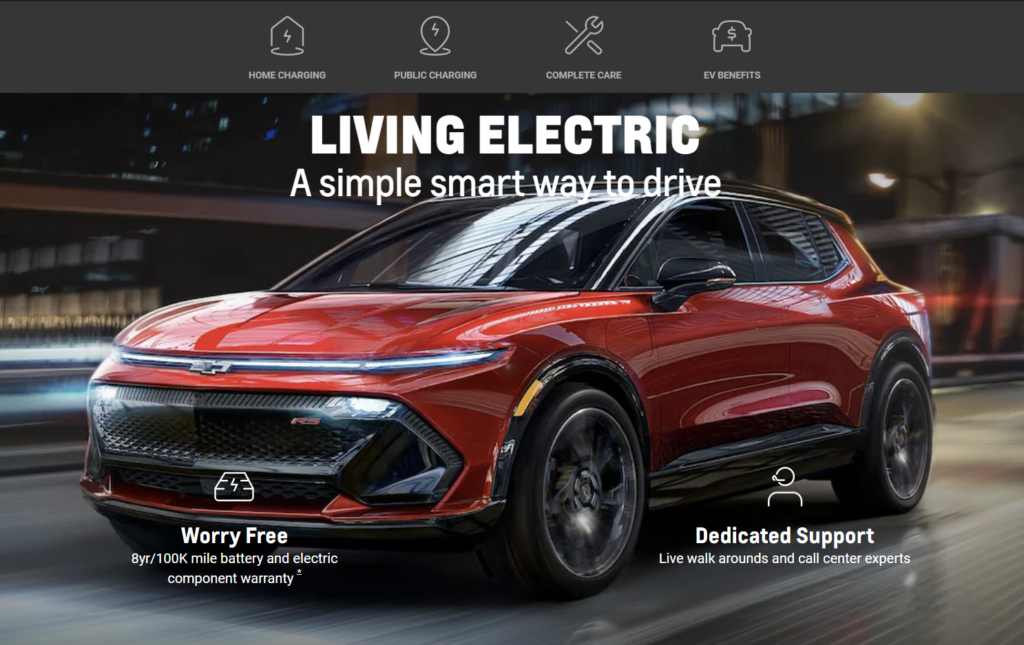
In reality, it will need to be all of the above. General Motors is leaning heavily on the success of what they call affordable EVs to dominate sales by the end of this decade. In the first real sign that OEMs might be taking their newfound responsibility seriously, Chevrolet just launched a great live chat and immersive experience on their website that is entirely devoted to educating the public about their EVs, with an emphasis on the ownership experience. We need more of that, and soon.
The woman I met who arrived at a charging station with 0% state of charge and no A/C should, in my opinion, be upset with her Kia dealer. She loved the car, but no one had explained to her how to plan for interstate travel in an EV. Dealers sell most vehicles in America, but the dealership sales model is under serious threat from the rising popularity of direct-to-consumer sales. Everyone wants to be Tesla. If legacy automakers are to stand a chance in the EV race, more OEMs need to prepare their dealer networks for the public education that comes along with selling EVs.
Does the lack of affordability, charging infrastructure and public awareness mean the electrification of the auto industry is doomed for failure? No, not at all. That’s because there’s still time to right wrongs, and to build out the nation’s charging infrastructure the right way. EVs are still under 6% market share in the U.S. (See the latest EV market share numbers here.) If these same problems persist when we exceed 15%, that will be real cause for concern.
It’s true that the electrical grid isn’t ready for mass adoption of EVs, but it’s getting there. Grid-scale battery megapacks (also pioneered by Tesla) are already being deployed to provide grid stability in times when the supply of electricity is not keeping up with demand. The sun only shines in the day, the wind is intermittent, but grid-scale batteries store and supply power from these renewable sources whenever they are most needed. Now, it’s like the sun is shining at night. These changes take time. Plus, the push for grid-scale battery storage could throw a wrench in EV battery supply chains. Nothing is certain, but things are moving in the right direction.
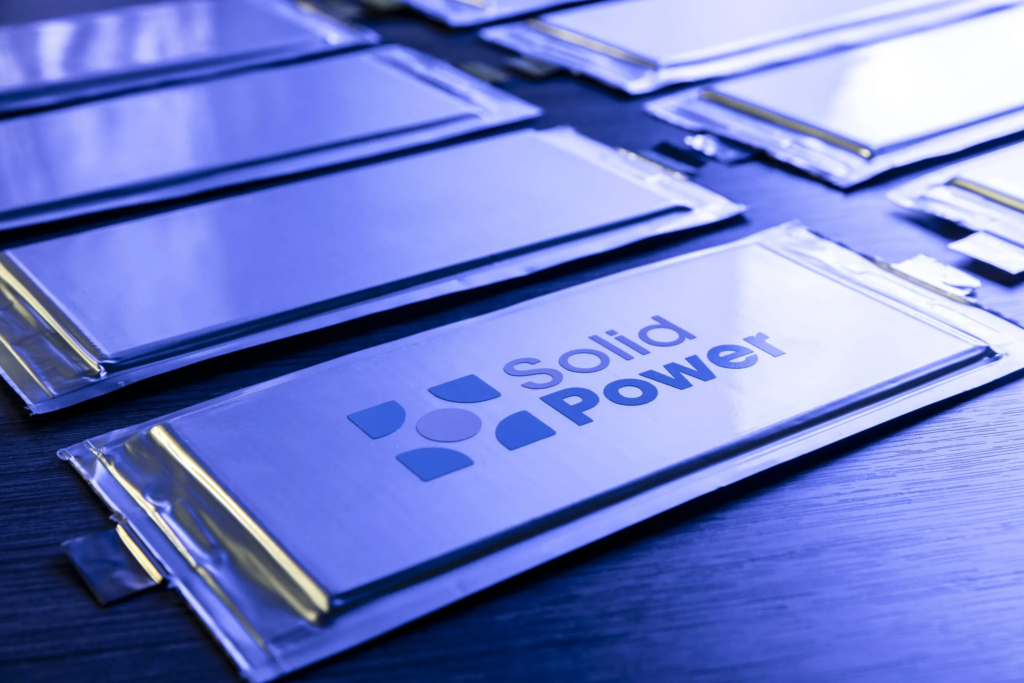
These are some innovations that have the potential to make electric vehicles more affordable with longer ranges, faster charging and improved safety. These innovations also make EV supply chains less damaging to the environment and less harmful to vulnerable communities worldwide.
How can the nation as a whole get to where it needs to be by, say, 2025? I’ll leave you with my own suggestion for legacy automakers and policymakers: don’t be afraid to learn from Tesla. A seamless, almost hassle-free EV ownership experience already exists in America, from plug-and-charge, reliable fast charging to the peace of mind that comes with the vast Supercharger network. I encourage all policymakers and engineers to learn from Tesla’s successful growth strategies. Will automakers and politicians have the courage to consult Elon Musk’s Tesla, or will they try to figure it all out on their own? What do you think?
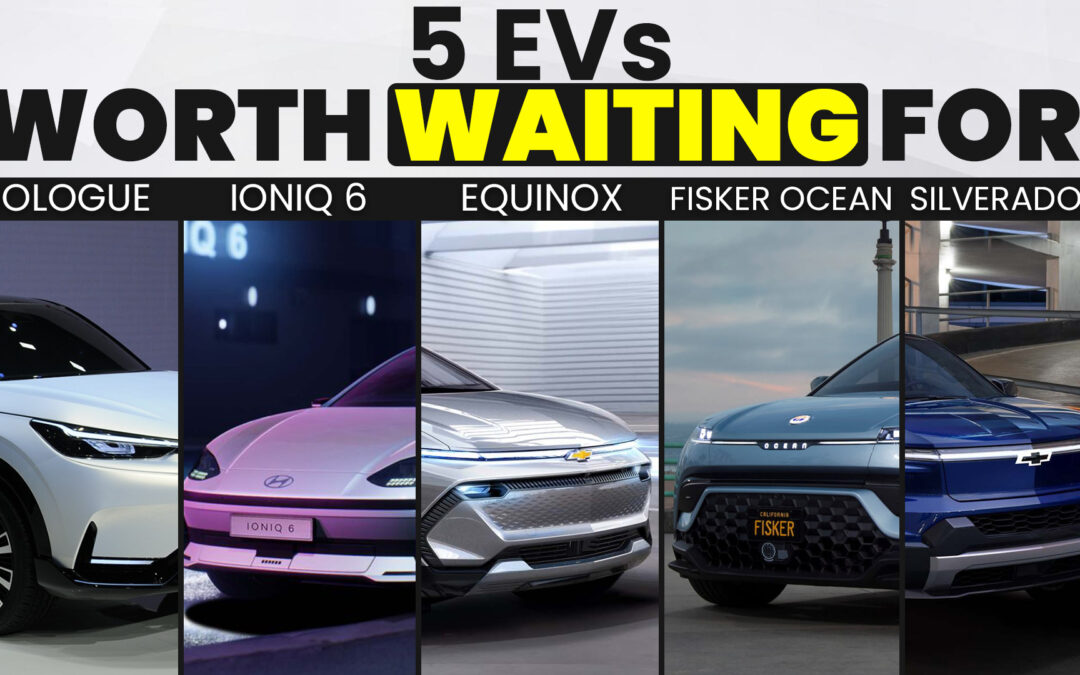
Will 2023 bring more affordable EVs with more range and faster charging? These are the five best new electric models coming to a charging station near you.
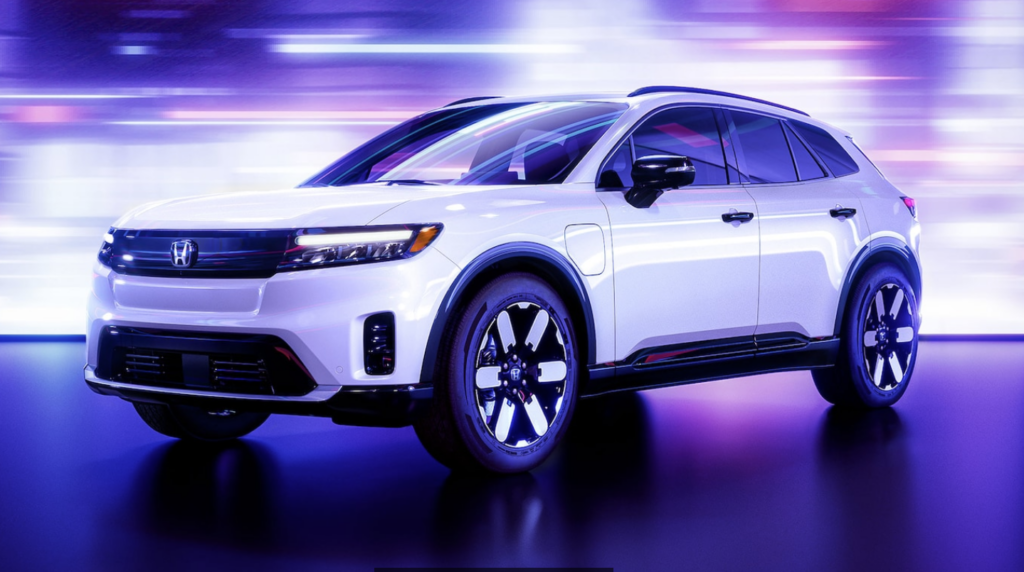
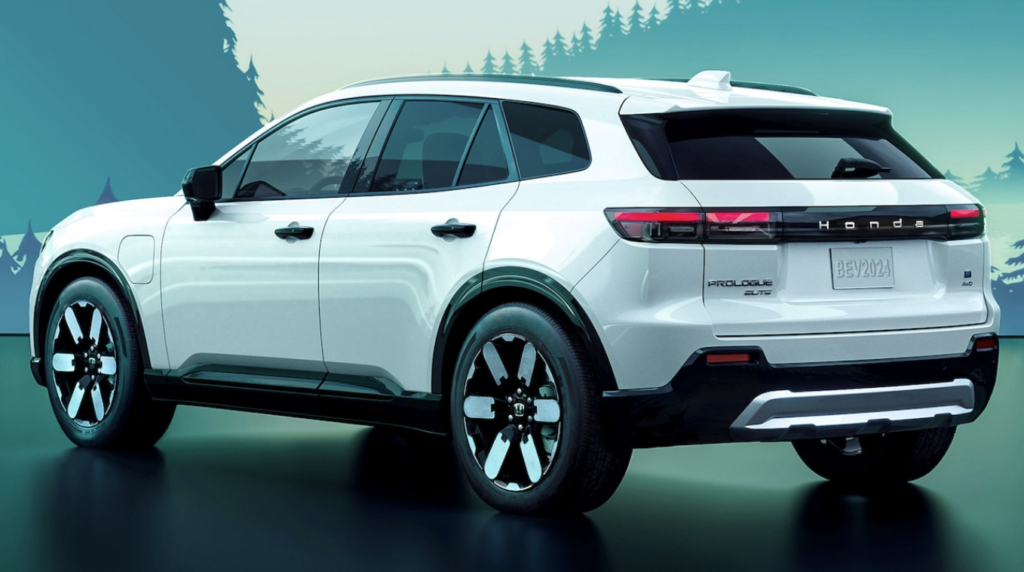
Later this year, Honda’s first electric vehicle to take to North American roads will be beginning production ramp-up. The Honda Prologue electric crossover is expected to be a 2024 model with a late-2023 arrival. However, we’re looking forward to the Prologue for reasons you might not expect.
Honda waited too long to get into the EV game. While many argue that Honda’s decision to focus on hybrid powertrains was a good move for their sales and bottom line, the delay ultimately resulted in Honda looking for strategic partners as an avenue for electrification. In the case of the 2024 Honda Prologue, Honda is working closely with General Motors to bring the same Ultium powertrain in the Chevrolet Silverado EV into Honda’s first American-made EV. But this won’t be a Chevy Bolt 2.0. The Prologue will benefit from a new, much better generation of EV engineering.
What makes GM’s Ultium electric powertrain so special?
Not only is the Honda Prologue going to be powered entirely by GM’s Ultium electric platform, GM is going to build the Prologue EV from start to finish. This begs the question, is the Prologue even a Honda at all? It’s starting to sound a lot like Chevrolet’s Equinox EV with the Honda nameplate.
Why then are we looking forward to the Honda EV that’s really a Chevy with a Honda badge? It’s all about the hope and promise of the Ultium platform. Here’s why this is worth getting excited about:
Want to know more about the Honda Prologue electric crossover SUV? Here’s our full breakdown of the Prologue.
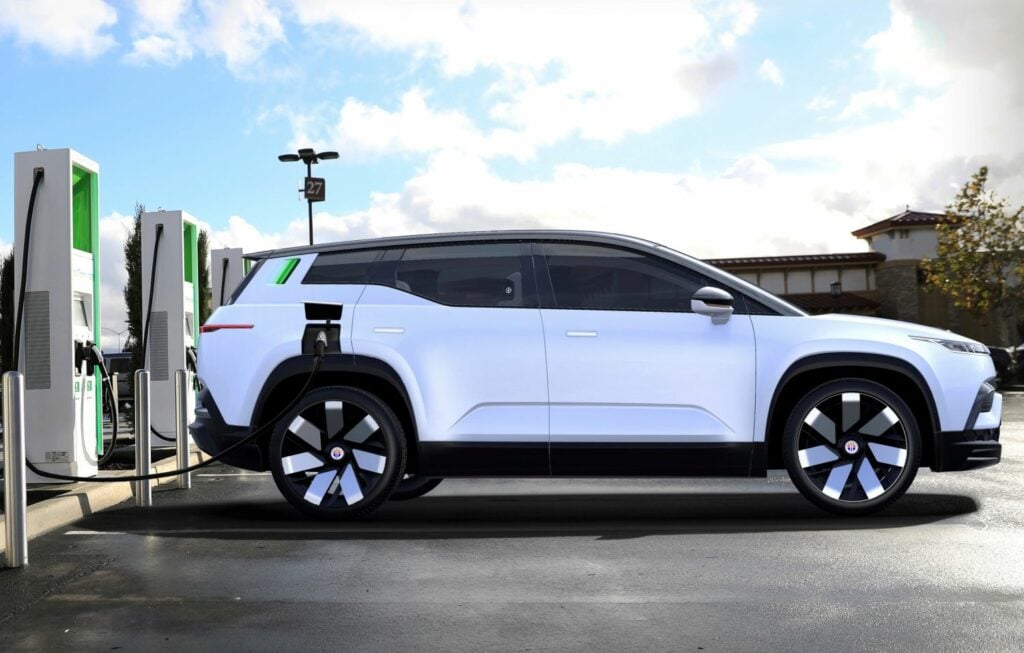
Ironically, Fisker’s first shot at vehicle production ended when the first batch of Fisker Karma electric sports cars succumbed to the saltwater floods of Hurricane Sandy in 2012. But that didn’t stop Fisker from naming their next vehicle the Fisker Ocean.
The Ocean is an electric crossover that targets three consumer demands that EV automakers have so far struggled to unite under the umbrella of one electric model: over 300 miles of range, versatile capabilities, and affordable pricing. It’s almost as if the Fisker Ocean is on track to be an electric Subaru Forester with goals like that.
Plus, if you’re the type of driver that shies away from commitment, Fisker has a sweet deal for you. The innovative Fisker Flexee Lease option lets you lease the Ocean for $379/month with no term commitment. You can hand back the car at any time. It’s essentially a long-term rental with no strings attached.
The Fisker Flexee Lease requires an initial payment of $2,999, and it includes up to 30,000 miles per year. Maintenance is covered. Sounds like a great deal if you ask me!
Here’s what we love about the 2023 Fisker Ocean:
Learn more about the Fisker Ocean electric crossover in our deep dive review. More to come!
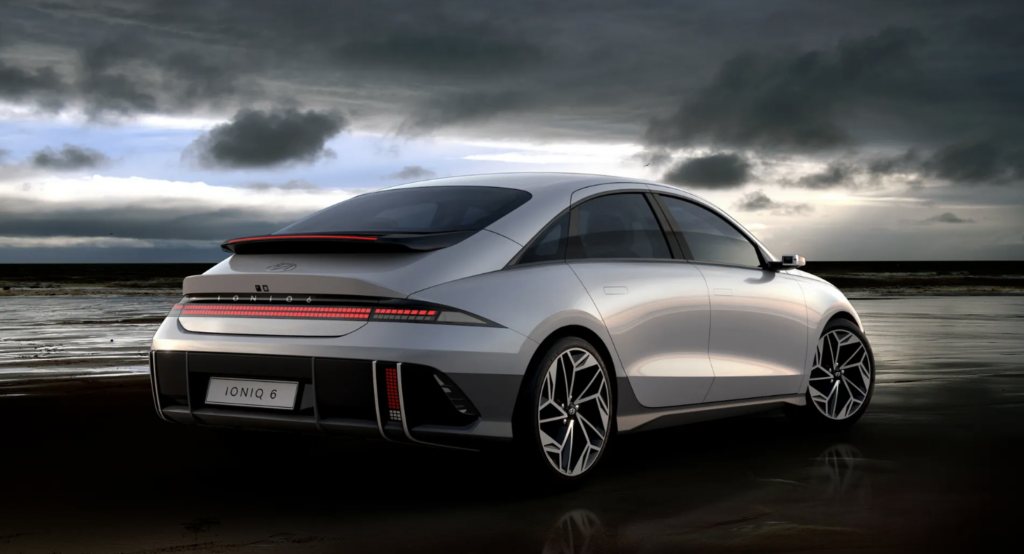
Three out of four car buyers today opt for a crossover, SUV or truck. We’ve all heard it before: sedans are on their way out. Not so, says Hyundai. And judging from the reactions to the IONIQ 6’s design debut, the masses still have an appetite for a sleek sedan, as long as it brings something new to the table.
In a welcome surprise, the IONIQ 6 went on sale months earlier than expected. With up to 361 miles of range and ultra-fast charging speeds adding 200 miles of range in under 20 minutes, this is one of the best. Browse Hyundai IONIQ 6 listings in your area.
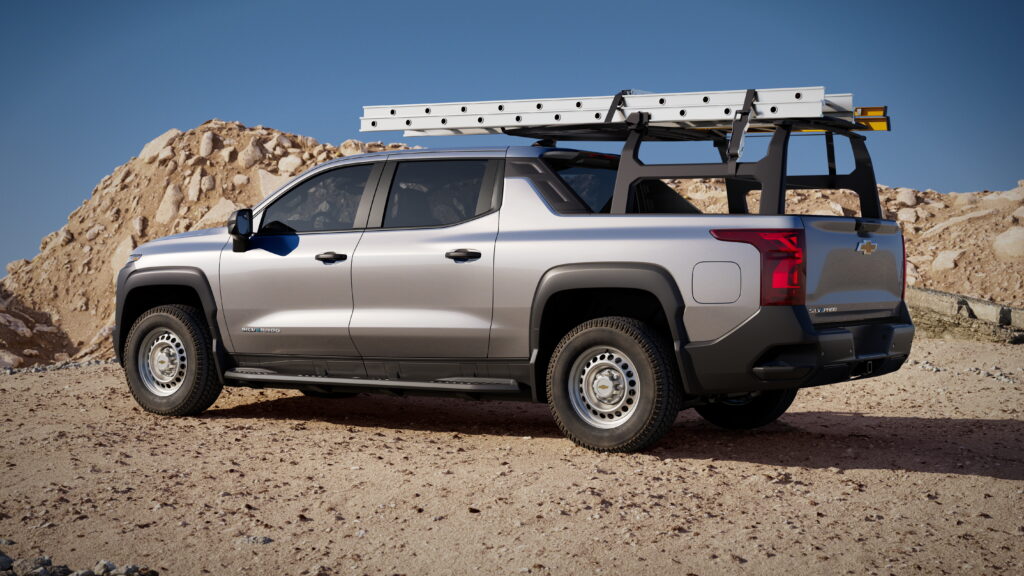
Just one year ago, there wasn’t a single electric pickup truck available for purchase. Tesla’s Cybertruck started the electric pickup conversation with the swing of a sledgehammer in 2019, but other automakers are much closer to bringing electric trucks to market. The outdoorsy Rivian R1T has begun deliveries, and the GMC Hummer EV is crab-walking its way into customers’ hands. But these two premium offerings are at a higher price point than what the majority of drivers can afford. Enter the Ford F-150 Lightning (on sale now) and its chief competition, the all-new Chevrolet Silverado EV.
The electric Silverado is not just a standard truck with an electric motor. It’s much more than that, and far more capable.
Is the Silverado EV better than the F-150 Lightning? Here’s how they compare:
| Starting Price | Fully-Loaded | Range | Max Charge Speed | Vehicle-to-Load Output | EV Tax Credit | |
|---|---|---|---|---|---|---|
| Silverado EV | $39,900 | $105,000 | "up to 400 miles" | 350 kW | 10.2 kW max | No (cap reached) |
| F-150 Lightning | $39,974 | $90,874 | 230 to 320 miles | 150 kW | 9.6 kW max | Yes |
Something to keep in mind: F-150 Lightning buyers have already had their hopes dashed by outrageous dealer markups. What was supposed to be a reasonably-priced electric truck is more often selling to the highest bidder. Will the same happen to the Silverado EV late next year? Considering that Ford, not GM, is the automaker publicly working on a way to end EV dealer markups, it appears likely.
Still, this electric truck is going to be awesome. Here’s our full review of the Silverado EV.
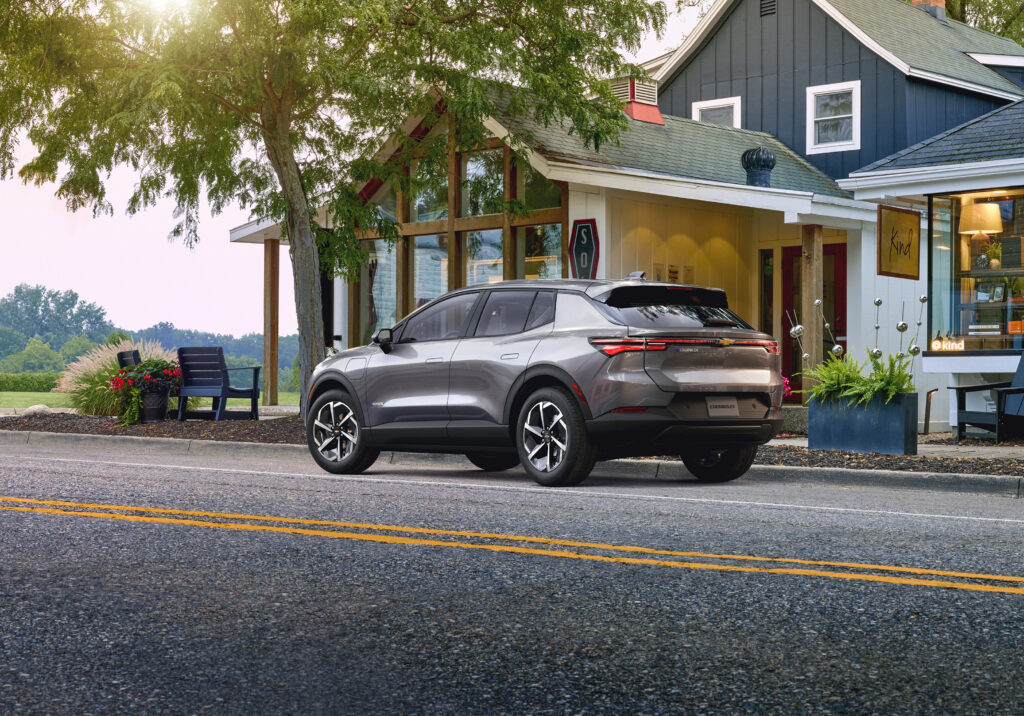
Two Chevys on this list? Crazy, right?! GM’s $2.3 billion joint venture with battery engineering powerhouse LG Chem is beginning to work it’s way into products, and we’re thrilled for what’s to come.
Just about all we know of the upcoming Equinox and Blazer EVs is by way of CEO Mary Barra’s online enthusiasm. Here’s what we know so far.
As you can see, there’s not a lot to say about the 2024 Chevy Equinox EV. Why are we so excited about it then? The mere prospect of an affordable EV is almost too good to be true at this point. The average EV sells for $56,000, a whole $10,000 more than the average combustion-powered vehicle. Should consumers in the market for an affordable EV be stuck with the range and charging limits of the Chevy Bolt and Nissan Leaf? We hope GM follows through on their promise to bring a truly desirable budget EV to the masses in 2023.
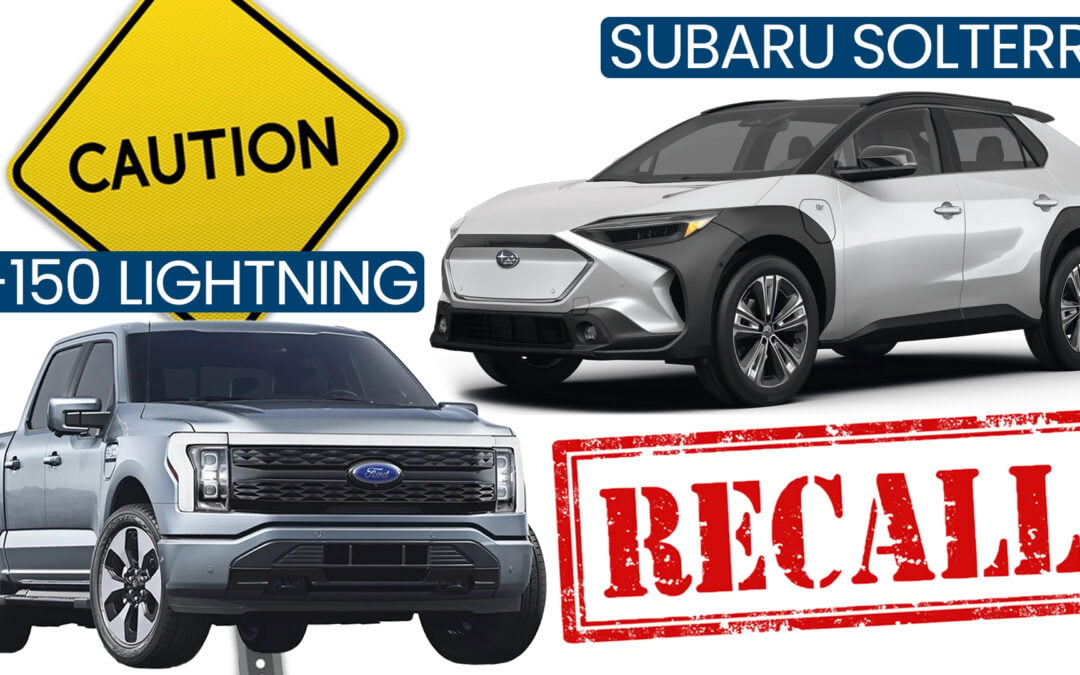
As drivers warm up to the idea of going electric, every electric vehicle recall is sure to turn heads, regardless of severity. 2022 is a huge year for automakers unveiling their next generation of electric vehicles. With over half a trillion dollars invested in EVs, there’s a lot riding on the success of these new arrivals. Several electric vehicle models have already been subjected to recalls. Fortunately, most of them do not directly involve electric powertrains. These are the EVs facing recalls in 2022. We’ll update this page as future recalls are inevitably announced.
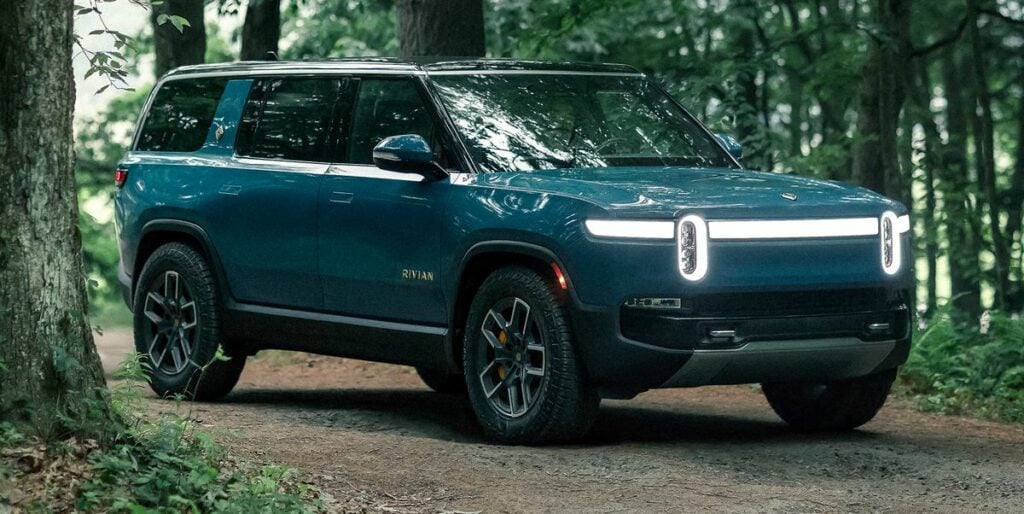
October 2022 – Rivian recalled every vehicle it has produced, including all R1T electric trucks, R1S electric SUVs, and EDVs produced for Amazon. The vehicles were recalled because of concerns that a bolt in steering assemblies wasn’t sufficiently tightened.
No accidents have been reported, but the recall is still causing massive headaches for the young automaker. The recall fix is already available, it’s as simple as tightening a (very important) screw. However, the challenge lies in the limited locations of Rivian Service Centers. For example, the state of Texas has one service center in Houston. There are just 5 Rivian service centers on the entire East Coast. Most locations are in California. See the full list of locations.
Fortunately, Rivian has mobile service technicians, but they’ll surely have their hands full. See additional details on the Rivian recall here.
June 23, 2022 – The Toyota bZ4x and Subaru Solterra are EV siblings co-developed by the two Japanese automakers. Just a month into deliveries, the two models have been recalled globally due to an issue with their wheel hub bolts that could in fact cause the wheels to fall off. Fortunately, the issue does not involve Toyota and Subaru’s brand-new electric powertrain.
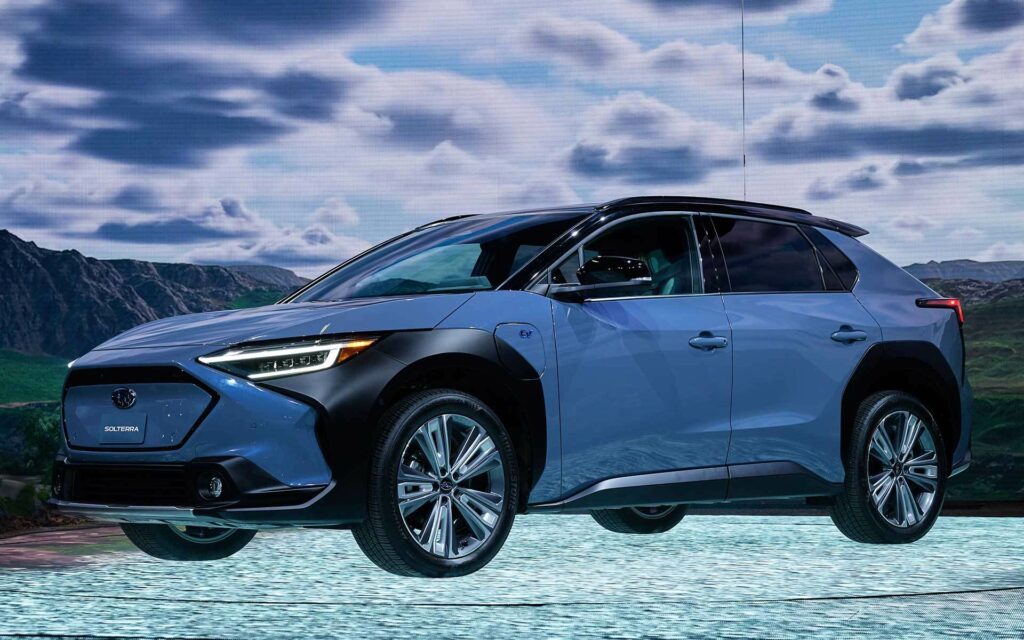
The US National Highway Traffic Safety Administration (NHTSA) recall notice warns owners not to drive their vehicles until they are repaired. This isn’t a good look considering the significance of Toyota’s first all-electric vehicle. A bZ4X and Solterra recall remedy is currently under development according to the US NHTSA.
“The cause of the issue and the driving patterns under which this issue could occur are still under investigation,” the notice says.
The recall affects 2,700 bZ4x models and 2,600 Solterras globally. See if your Toyota bZ4X VIN number is subject to the recall at Toyota’s official recall page. You can check if your Subaru Solterra is impacted at Subaru’s official recall site.
June 27, 2022 – The electric F-150 Lightning is the most-anticipated new model making a debut this year. Ford Motor is recalling 2,906 F-150 Lightnings because of a software issue that could result in a failure to provide low tire pressure warnings. The 200,000 F-150 Lightning reservation holders are certainly relieved to find that this recall is not related to Ford’s all-new electric powertrain.
In this particular recall, simple human error is at fault. Ford says that the recommended tire cold inflation pressure was incorrectly set to 35 psi instead of 42 psi. No accidents have resulted from this F-150 Lightning recall, but it’s the fix that’s noteworthy. The recall gives Ford a publicized opportunity to show the world that the F-150 Lightning is OTA capable. Over-the-air updates, first implemented on a large scale by Tesla, are no easy feat. Plenty of automakers can update navigation and infotainment via OTA update, but few are capable of firmware OTA updates that tinker with the powertrain.
Learn more about how over-the-air updates are changing how cars get serviced.
F-150 Lightning Recall Fix: Those who wish to receive the recall fix immediately may head to a Ford dealership service center immediately. Otherwise, Ford says the over-the-air update will be available to download via home WiFi within a few weeks. Check to see if your F-150 Lighting VIN number is impacted by the recall at Ford’s official recall page.
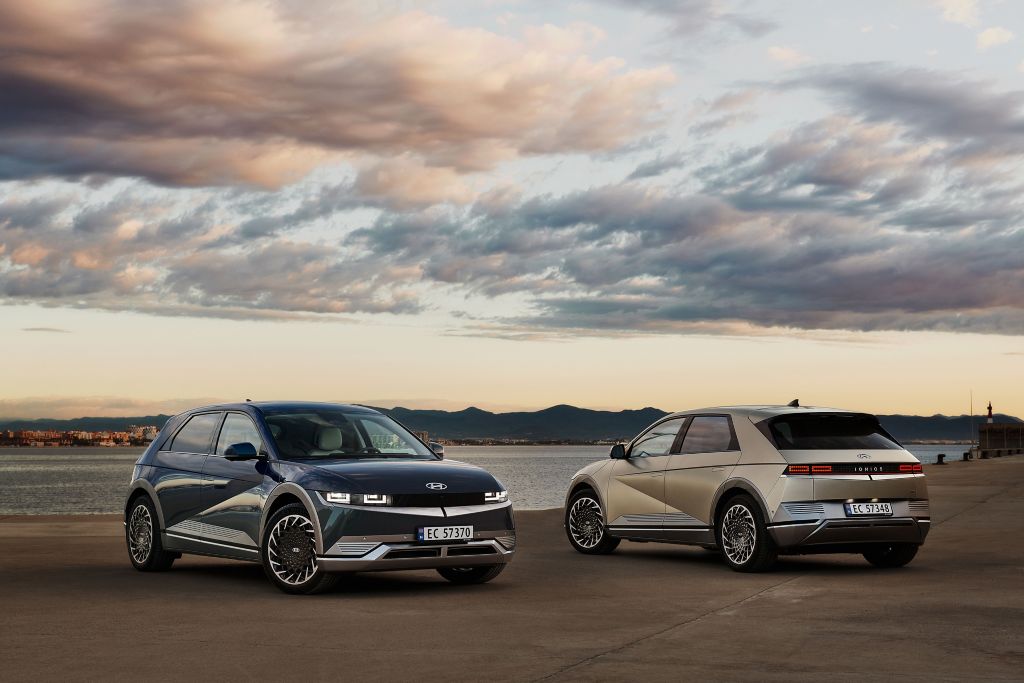
May 13, 2022 – As an IONIQ 5 owner myself, I was not thrilled to see the first manufacturer recall coming in one month into ownership. The US National Highway Traffic Safety Administration (NHTSA), Hyundai and Kia have announced a recall for select VIN numbers of the 2022 model year Hyundai IONIQ 5 and Kia EV6.
The IONIQ 5 and EV6 share Hyundai Motor Group’s new e-GMP electric platform. The recall is for the potential for disruptions to the vehicle’s parking actuator system when the vehicle is off. Sudden voltage fluctuations may occur while the vehicle is off, potentially causing the parked vehicle to disengage from ‘Park’ momentarily. If this occurs while the vehicle is parked on uneven terrain, vehicle rollaway is possible.
IONIQ 5 and EV6 recall fix: A fix is already available, but you’ll have to visit your Hyundai or Kia dealership service center. I just got the recall fix done at my local Hyundai dealer. They had never seen an IONIQ 5 before, and one employee asked if I was coming in for an oil change. Nevertheless, I was in and out of the dealership in about 30 minutes.
Check to see if your Hyundai IONIQ 5 is involved in this recall at Hyundai’s official recall page. You can see if your Kia EV6 is impacted at Kia’s official recall page.
Learn more about the IONIQ 5 recall here. Unfazed by the recall and looking to buy an IONIQ 5? Here’s how I found a Limited AWD IONIQ 5 at MSRP. It wasn’t easy.
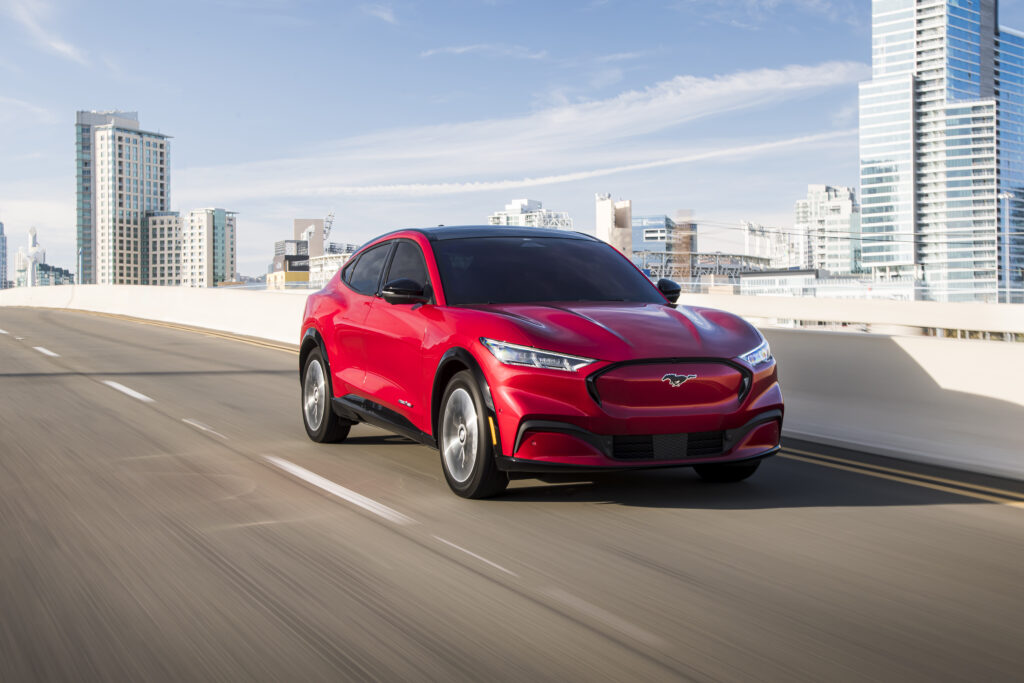
June 14, 2022 – Ford is recalling all 50,000 Mustang Mach-E electric crossovers because of the risk of power loss. The possible power loss could occur while the vehicle is in motion or parked.
The recall is due to problems with the Mustang Mach-E’s battery contactor, which is a switch that determines which vehicle components the battery sends power to. Interestingly, the power loss is more likely to occur when putting the pedal to the metal for maximum acceleration, according to Ford. If power loss occurs, a powertrain malfunction warning light will illuminate on the dashboard, and the vehicle will display “Stop Safely Now’ in the gauge cluster behind the steering wheel. Clearly, it’s time to pull over immediately with a message like that.
Ford Mustang Mach-E recall fix: Ford has pursued Tesla in more ways than one. In addition to ending EV lease buyouts and going for direct-to-consumer sales via Ford Model e, Ford has brought over-the-air updates to its lineup. Ford says that Mustang Mach-E owners will receive an over-the-air update sometime in July to install a software remedy for the recall. Until then, a stop-sale is in place.
Learn more about the Ford Mustang Mach-E recall at Ford’s official recall page.
Several hundred automotive recalls happen every year across vehicle classes and powertrains. There will surely be more to come. What we’ll be keeping an eye on is how the latest electric powertrains are performing. Luckily, most of the EV recalls to date have been for components other than the electric powertrain. However, we all remember how the Chevrolet Bolt recall and fire hazard tarnished GM’s reputation. Check back for the latest updates!
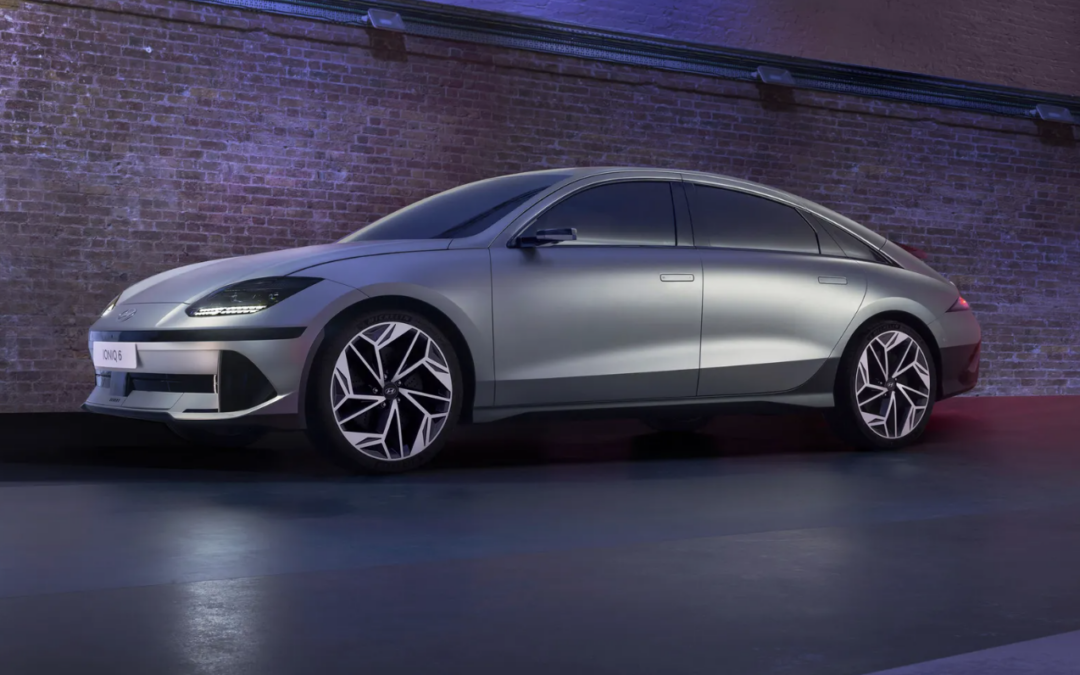
Hyundai and Kia’s new e-GMP electric platform has seen plenty of success (and a few hiccups), and the Korean giants are just getting started. Everyone from Tesla die-hards to Bloomberg News heap praise on the new IONIQ 5 electric crossover. I love it so much that I even bought one for my family. However, not everyone wants a cavernous crossover. There’s still a sizable market for sedans, especially electric sedans with impressive range and performance figures. Enter the 2024 Hyundai IONIQ 6, the next in line to debut from Hyundai Motor Group’s quickly growing electric lineup.
How much does the IONIQ 6 cost? What’s the range, charging speed and battery size? We finally have some answers. Here’s what we know. Check back as this page will be updated as Hyundai released more information.
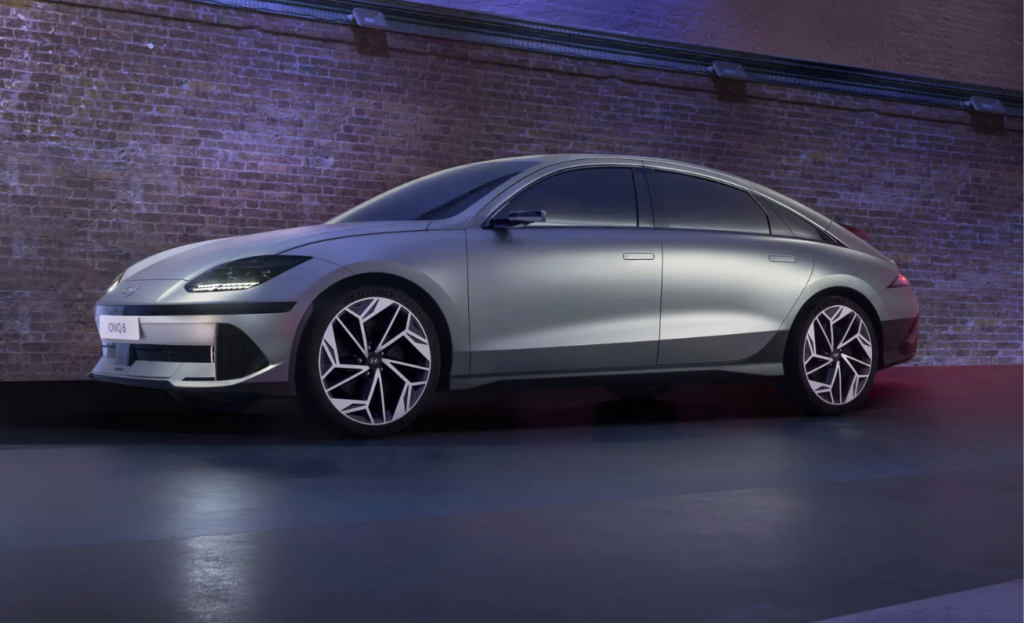
What did we all drive before 75% percent of us drove crossovers, SUVs and pickup trucks? You guessed it, sedans. Despite record gas prices, sedans haven’t rocketed to popularity quite as they had in previous gas price spikes. Is there any hope for the future of sedans? If we turn to the world of EVs, clearly there is. Tesla’s Model 3 continues to sell hundreds of thousands of Model 3s annually, outselling the likes of BMW and Mercedes ICE sedans.
In the realm of electric mobility, range is king. Range will reign supreme until charging stations are widespread and reliable, which is likely years away. Electric sedans offer a major advantage over other EVs, despite a lower profile and lesser interior volume. Electric cars dominate range and efficiency. They’re more aerodynamic, and it shows in the official numbers.
Tesla’s Model 3 gets well over 350 miles of range, and the new Lucid Air luxury sedan exceeds 500 miles on a charge. Now, Hyundai’s IONIQ 6 electric car is joining the gaggle of electric sedans. Will it be the new range king? probably not, but it’s likely to offer far more miles on a charge than its crossover relatives.
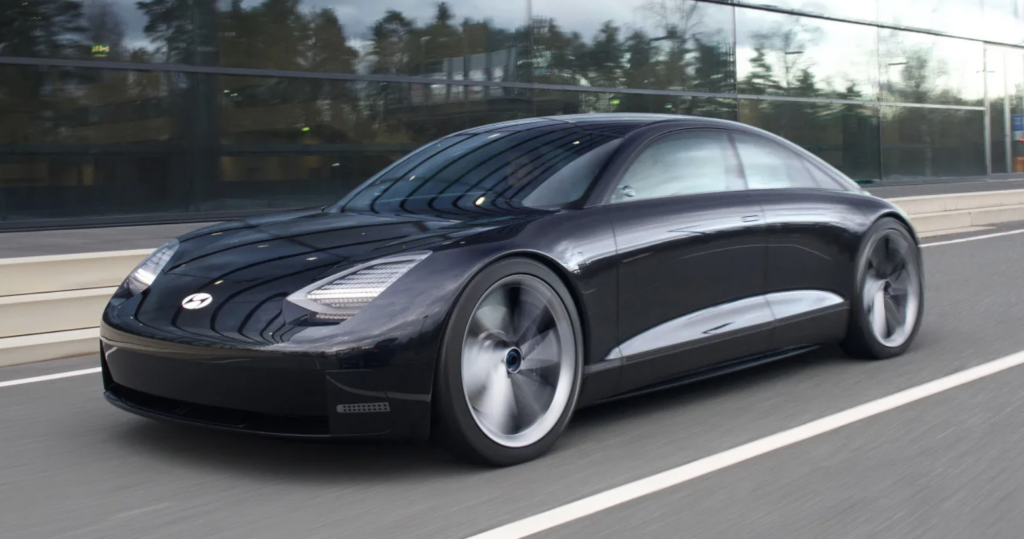
In 2020, there was a lot going on in the world, so you probably don’t remember Hyundai’s string of electric future unveilings. One of them was the ‘Prophecy’ concept. Another was the Hyundai ‘45’ concept, which was later brought to life as the award-winning IONIQ 5. Many noticed that Hyundai did the unexpected: they made a concept car into reality with minimal design changes. How was this possible? It turns out the interior and exterior designers get to have lots of fun with EVs due to the flexibility of the electric platform. Batteries lie beneath the floor, and electric motors are the size of a duffle bag. Now, we can see that the IONIQ 6 follows the same path to production, and that’s a great thing!
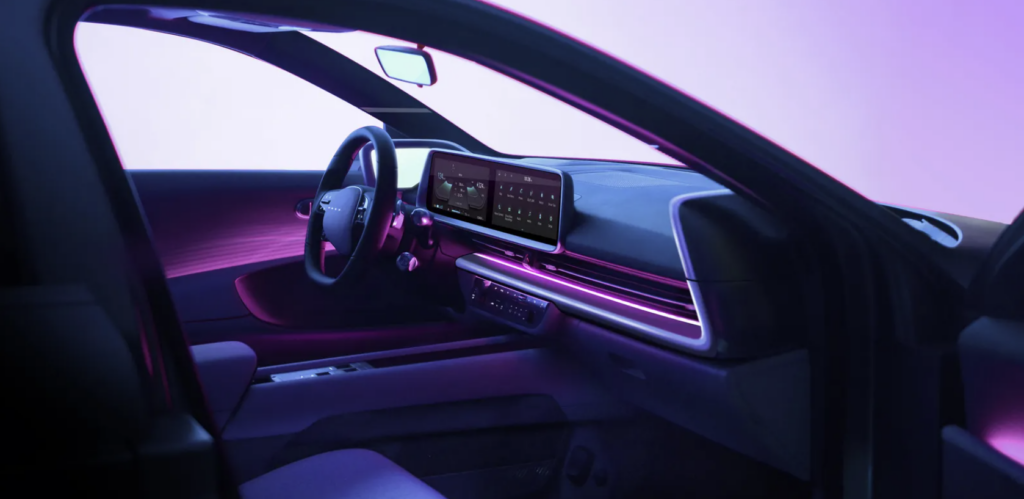
Hyundai has been teasing the IONIQ 6’s specs for weeks now. Here’s what we know:
Looking for an electric vehicle available sooner that the IONIQ 6’s 2024 arrival? Here’s every EV’s availability and wait times.
Check back for the latest updates. More information will be available from Hyundai soon!
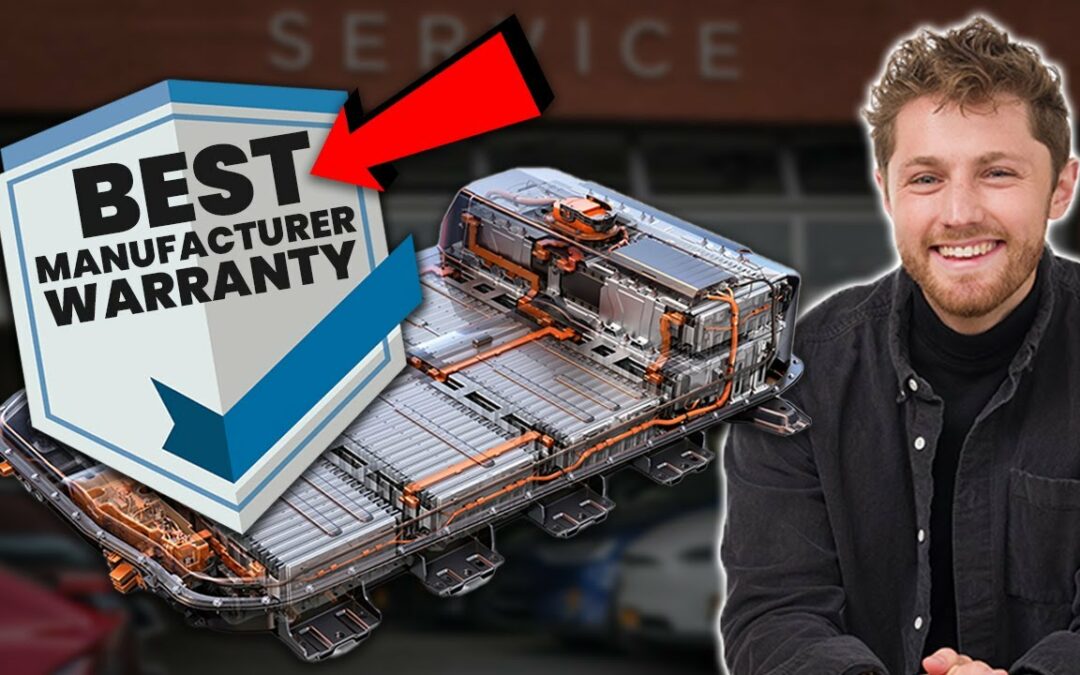
Electric vehicle batteries are expensive to replace — often $10,000 to $20,000 for a fully electric car. While battery costs are expected to drop in the coming years, today’s EV drivers need strong warranty coverage to protect their wallet.
By federal law, all EV and hybrid batteries must be covered for at least 8 years or 100,000 miles. In California, that coverage extends to 10 years or 150,000 miles. But not all warranties are created equal. Some go further than others when it comes to battery degradation, replacement criteria, and coverage for second owners.
So, which EV brands offer the most comprehensive battery warranties in 2025? The top spot might surprise you.
Rivian (8 years or 175,000 miles)
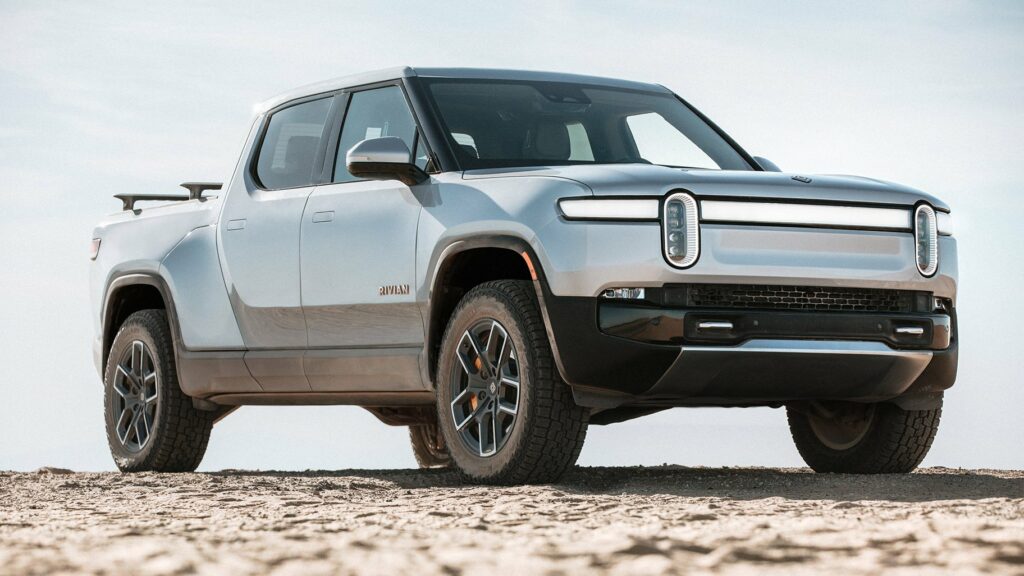
Surprise! The best EV warranty is offered by Rivian for the all-new R1T electric truck and R1S electric SUV. Coverage includes all components inside the high-voltage battery and 70% or more of the battery capacity for 8 years or 175,000 miles, whichever comes first.
Drivetrain components are also covered for 8 years or 175,000 miles. It can be unnerving to purchase a vehicle from a startup like Rivian, so at least they’re offering the best battery warranty there is. Learn more about Rivian’s warranty here.
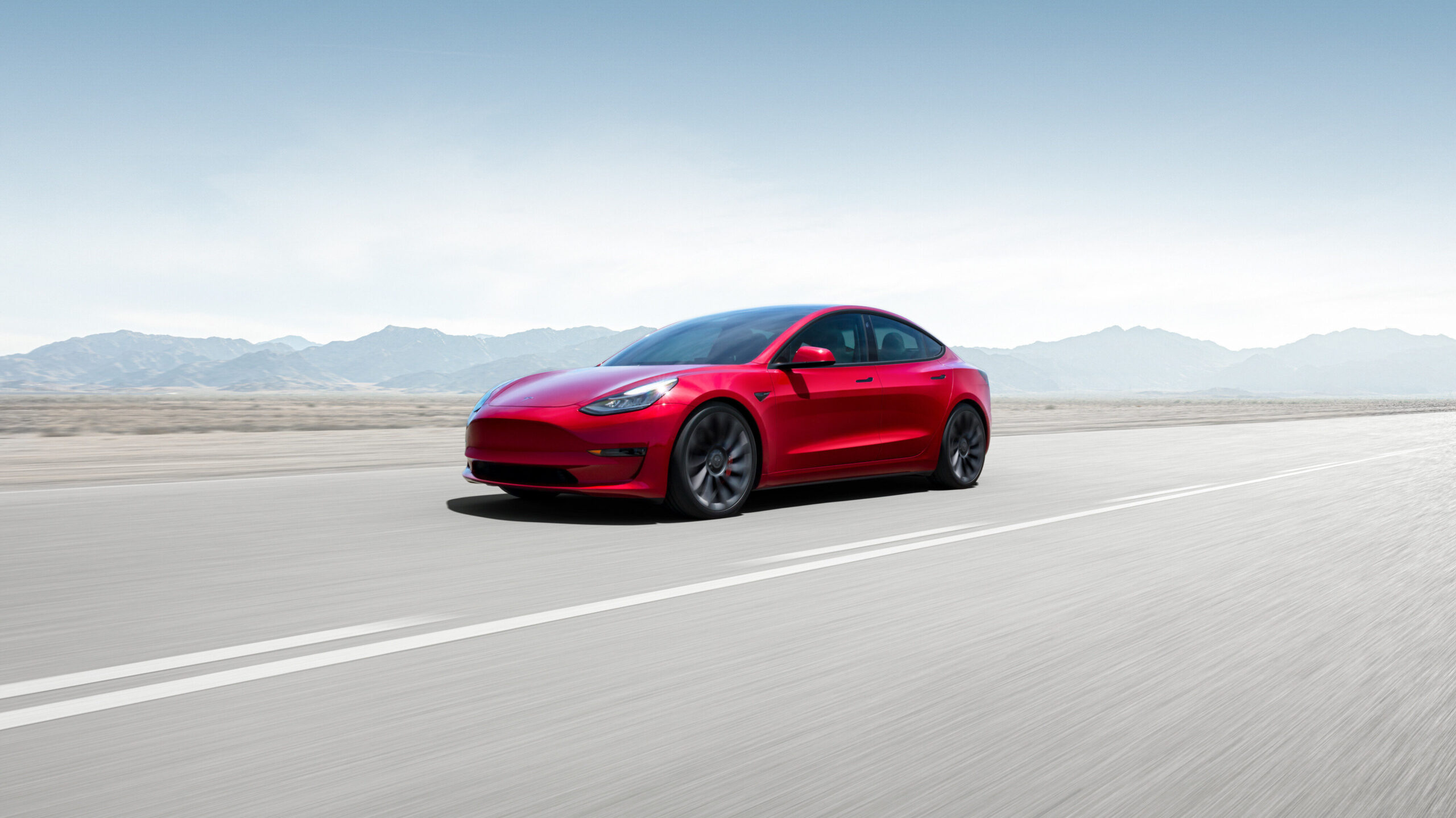
Tesla’s electric powertrain warranty is split into two tiers.
Learn more about Tesla’s battery warranty.
Hyundai and Kia (10 years or 100,000 miles)
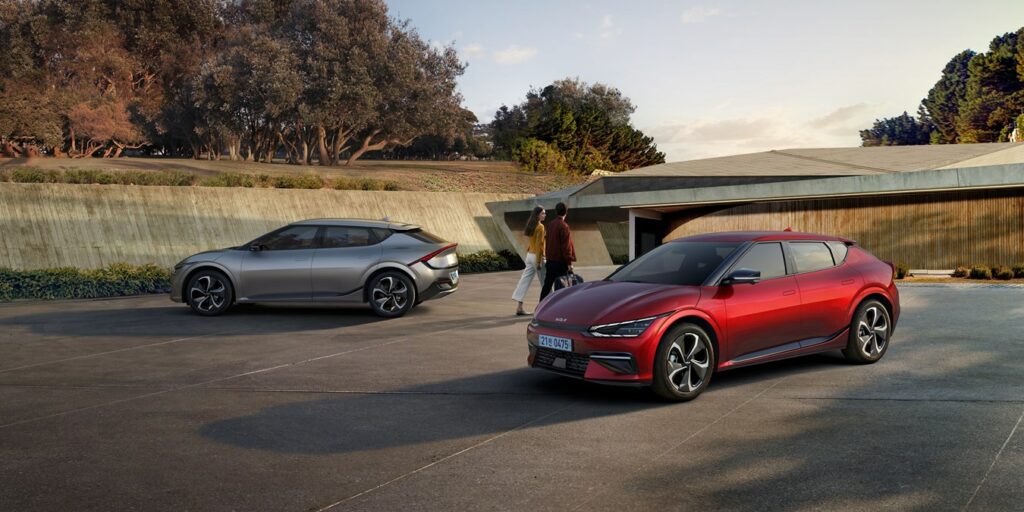
When shopping affordable EVs, you can’t beat Hyundai and Kia’s 10 year/100,000 mile EV warranty. The Hyundai EV warranty covers batteries, motors and powertrain components. There’s also the guarantee of at least 70% battery capacity retention. Hyundai lays it out clearly: “While all electric-car batteries will experience degradation over time, ours will not degrade more than 70 percent of the original capacity during the warranty period.”
Learn more about Hyundai’s electric vehicle battery warranty. You can find Kia’s EV warranty details here.
In 2025, it looks like the industry standard for EV manufacturer warranties is 8 years or 100,000 miles, whichever comes first. This manufacturer warranty applies to the following electric vehicles in 2024:

GM electric models like the Chevrolet Equinox EV, Blazer EV, and Cadillac Lyriq have 8 year/100,000 mile battery warranties with a notable catch. The battery retention portion of the warranty will replace the battery if it falls below 60% of the original capacity under coverage. See the full details here.
Q: What do EV battery warranties cover?
A: Most EV battery warranties cover defects in materials and workmanship, as well as capacity loss beyond a certain threshold (usually 70% of the original capacity). If your battery fails or degrades too quickly, it should be repaired or replaced under warranty.
Q: How long are EV battery warranties?
A: Federal law requires at least 8 years or 100,000 miles of coverage. In California and other CARB-aligned states, coverage extends to 10 years or 150,000 miles. Some automakers go above and beyond these minimums.
Q: Who has the best EV battery warranty in 2025?
A: As of 2025, Hyundai and Kia offer some of the most generous EV battery warranties, with 10-year/100,000-mile coverage that includes transferable protection and specific degradation thresholds. Tesla, Ford, and Toyota also offer strong warranties, but terms vary, especially for used EVs.
Q: Do EV battery warranties transfer to new owners?
A: In many cases, yes — but not always. Some automakers offer fully transferable warranties, while others reduce or void coverage after resale. Always confirm the terms before buying a used EV.
Q: Can I get extended protection for my EV battery?
A: Yes. If you plan to keep your EV long-term, an extended warranty can provide added peace of mind. With CarEdge extended warranty plans, you can cover high-cost components like the battery and electric motor after the factory warranty ends.
CarEdge is a trusted resource for car buyers, offering data-backed insights, negotiation tools, and expert guidance to help consumers save time and money. Since 2019, CarEdge has helped hundreds of thousands of drivers navigate the car-buying process with confidence. Learn more at CarEdge.com.