CarEdge saved me over 4,500 dollars on a brand new Honda Pilot. I can't say thank you enough.
Price intelligence
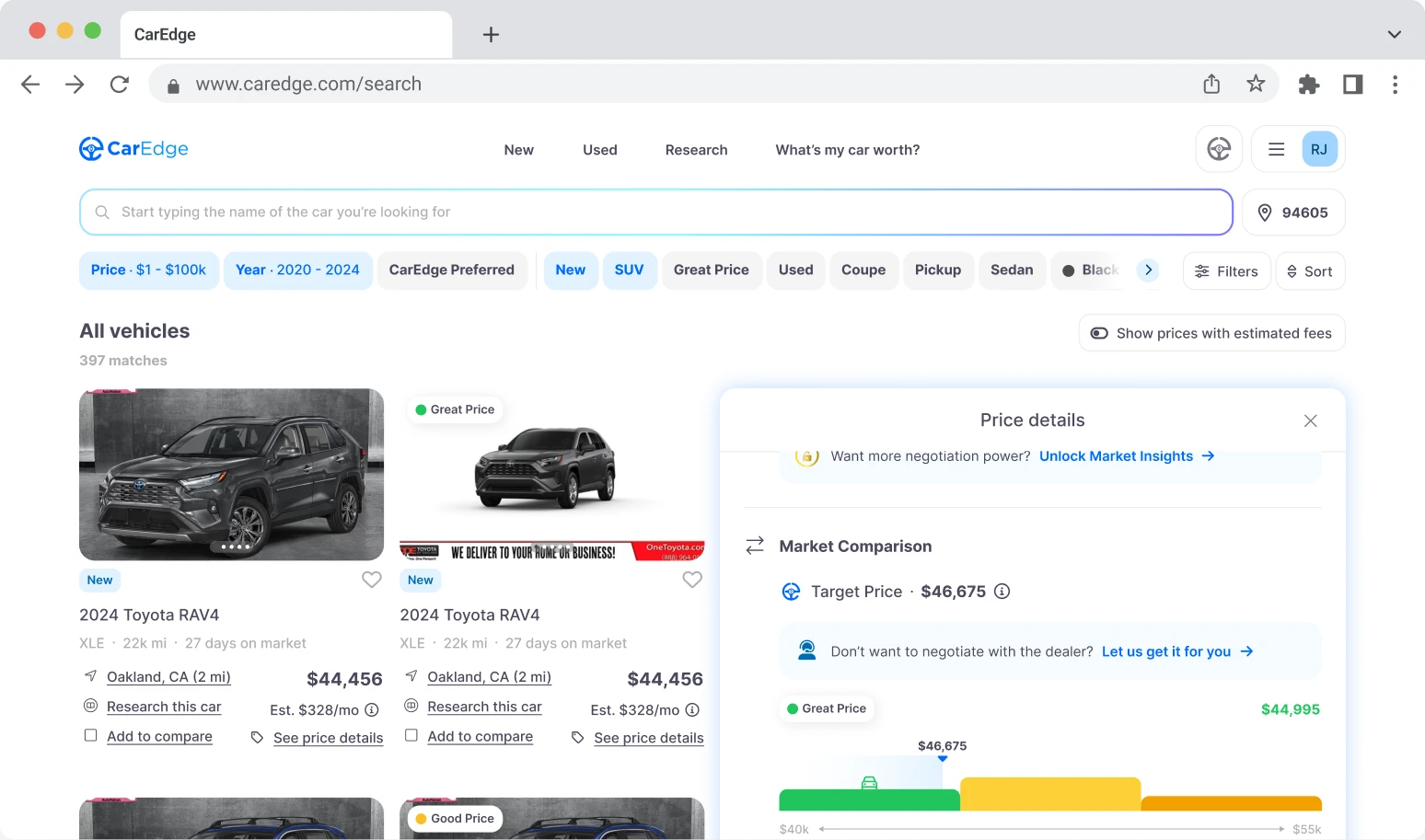
Find a wide range of vehicle listings with market insights on new and used listings near you.

What can I do with CarEdge?
 CarEdge Insights
What can I do with CarEdge?
Get access to exclusive information so you can make an informed car buying decision — all in one place.

Find a wide range of vehicle listings with market insights on new and used listings near you.
Track your vehicle’s value and cash in when the time is right to sell.

Access to our proprietary data to help you find the right car, at the right price. Find these unlocked on every listing after subscribing.

With our expert-led, tech-enabled car buying service, we will locate, negotiate, and deliver your vehicle so you can get a new car hassle free.


Help us personalize your CarEdge experience — it only takes a second.
Your answers help us personalize your CarEdge journey — we’ll follow up with tips and next steps that match your buying timeline.
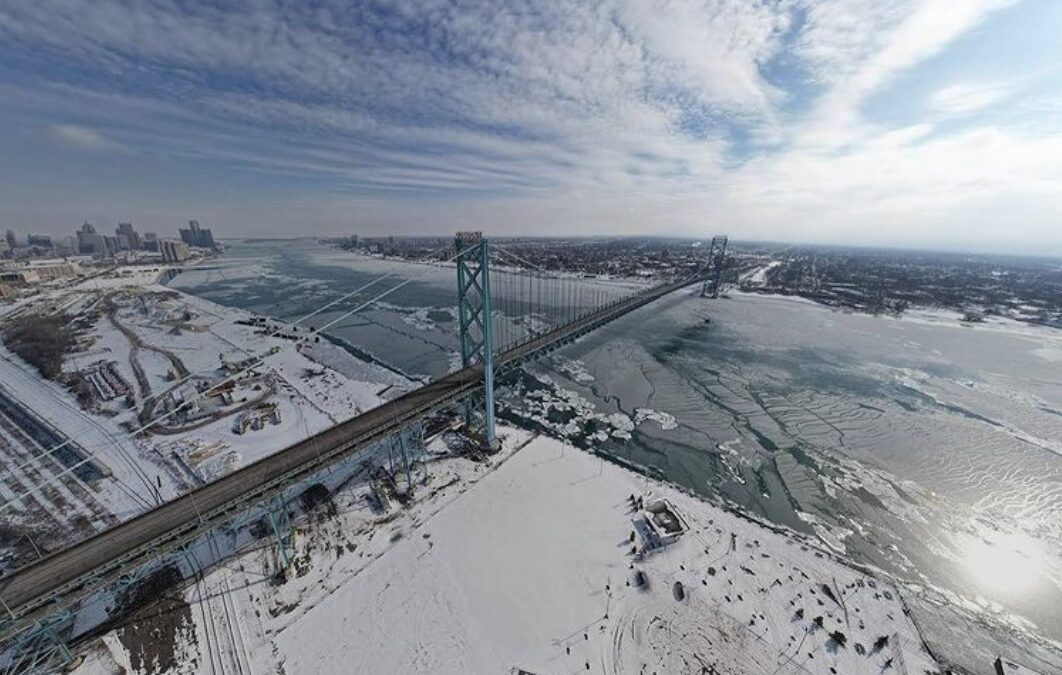
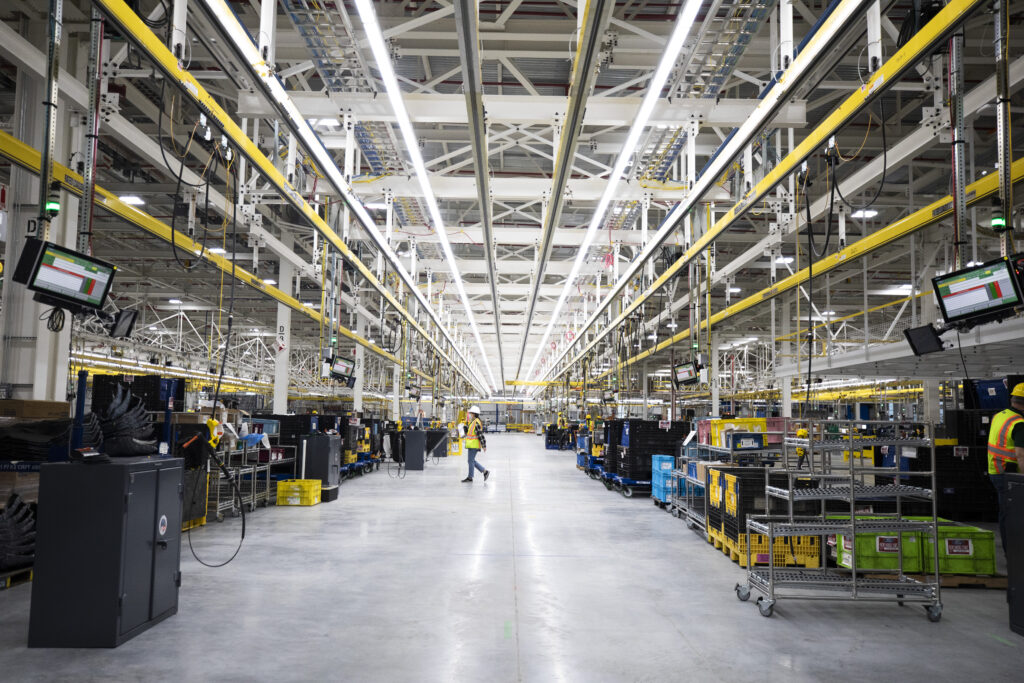
Now that the Ambassador Bridge is fully open, automakers are starting to assess the damage. Millions in unexpected expenses and manufacturing delays have extinguished whatever traces of normalcy were left in factories following a year of worsening supply shortages. Now the question is, who will absorb the costs?
Automotive industry analysts at Anderson Economic Group found that the total impact of the Ambassador Bridge blockade is likely to be $155 million for automakers on both sides of the US – Canada border. Lost wages at manufacturing plants are estimated to reach $145 million.
Just as some automakers were beginning to use airplanes to fly parts across the border, Canadian Prime Minister Justin Trudeau invoked emergency powers to force the bridge back open.
The automotive industry is Canada’s second-largest economic export sector, right behind natural resources such as oil and forestry materials. One-quarter of all goods traded between the two countries passes through the Ambassador Bridge linking Detroit, Michigan with Windsor, Ontario. The corridor is crucial for $100 billion in annual trade.
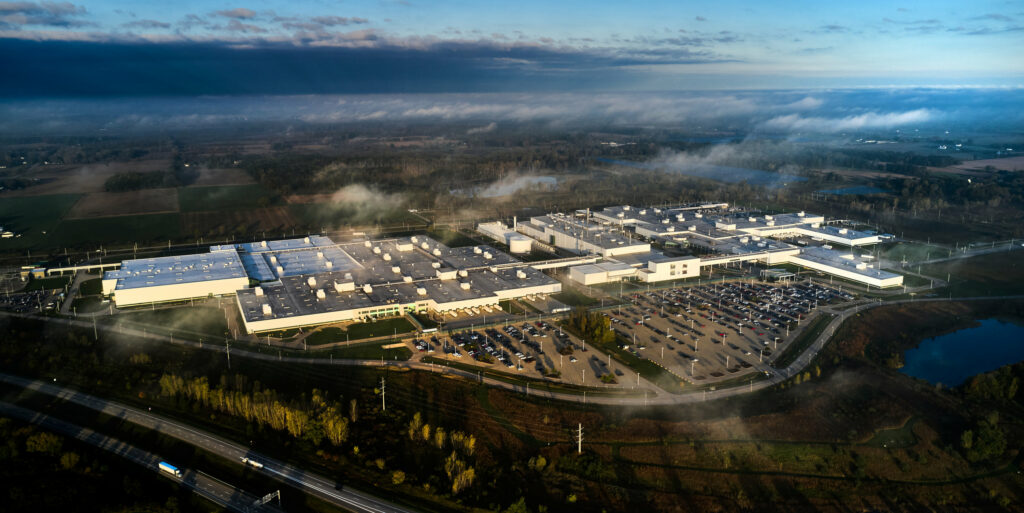
Michael Brady, co-chair of the automotive industry group at Warner Norcross + Judd, told Automotive News that one silver lining coming out of the Ambassador Bridge blockade is that the auto industry was much better prepared to handle unexpected disruptions following 2 years of challenges coming from every direction. Pandemic-related shutdowns and supply chain constraints have ultimately made the automotive industry as a whole more resilient.
Still, adapting to disruptions results in higher production costs. Someone will have to foot the bill. Brady also said that contractual terms are likely to determine who will ultimately absorb the cost of the Ambassador Bridge blockade. Some automakers are more likely to absorb the hit, while others may fight for every last dollar.
Complicating matters further, automakers know they can’t live without the suppliers, and suppliers know that they need good relationships with their clients if they are to stay in business. Right now, suppliers and automakers are taking a wait-and-see approach. They are most certainly consulting their legal and financial teams before making any moves.
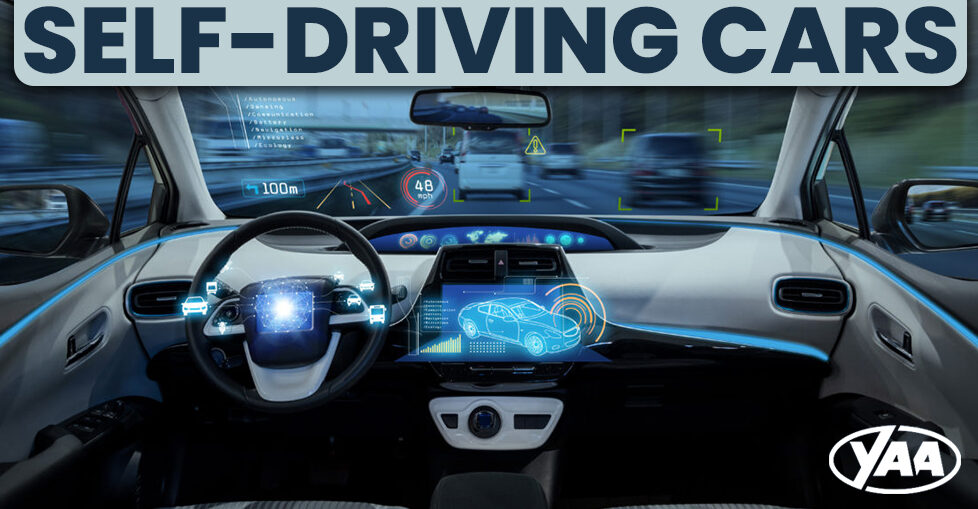
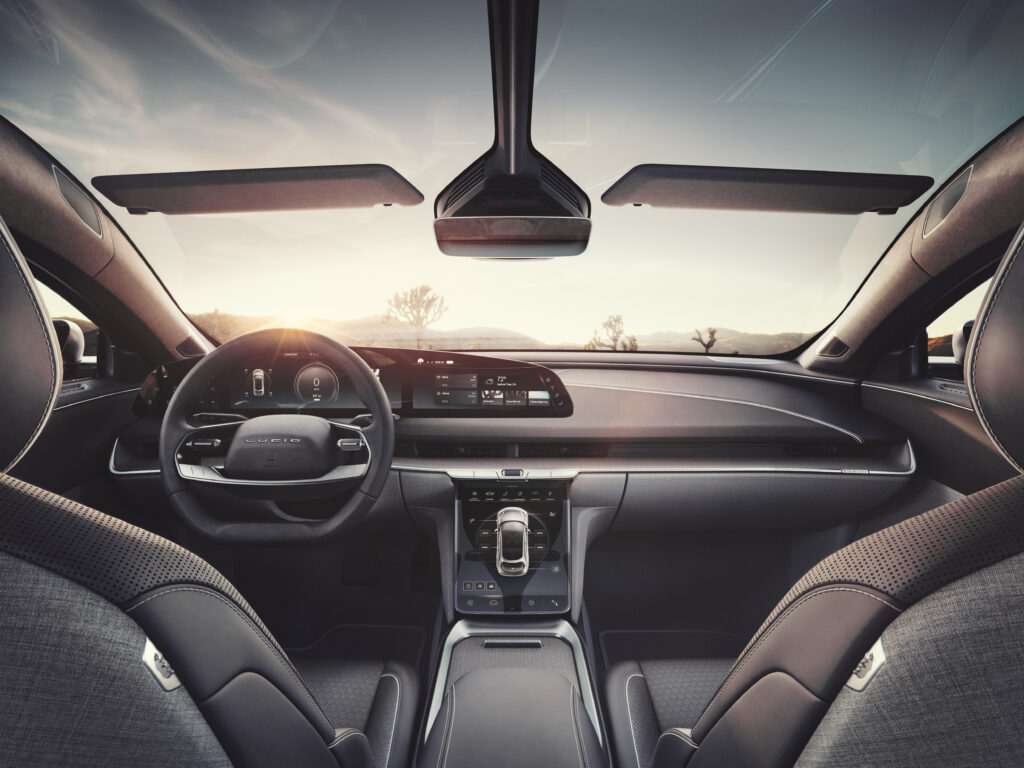
What does 2022 have in common with the 1939 World’s Fair? It’s the feeling that autonomous vehicles are right around the corner. Nearly every automaker, from Tesla to Ford, has overpromised and underdelivered on their plans for autonomous driving. Tesla CEO Elon Musk said it himself recently in an interview with researcher Lex Fridman. “I thought the self-driving problem would be hard, but it’s harder than I thought. I thought it would be very hard, but it was even harder than that,” Musk reflected. He’s not the only one to misjudge the enormity of the task at hand. You’d think automakers would stop giving themselves deadlines that are destined for letdowns.
It turns out that there’s been one overarching theme in the learnings from the past decade of development. Engineers now see that in order for self-driving cars to be safe and successful, cars will have to learn to think like a human. Computers are exceedingly good at performing repetitive tasks. What they’re not great at is responding to unique situations full of unknowns. The human brain is more capable than some give it credit for. We’re very good at dealing with unknowns and making complex decisions on the fly.
After reading this article, you’ll better understand what self driving cars are, the difference between self-driving cars and autonomous vehicles, and the terms and jargon associated with self-driving cars. Let’s dive in.
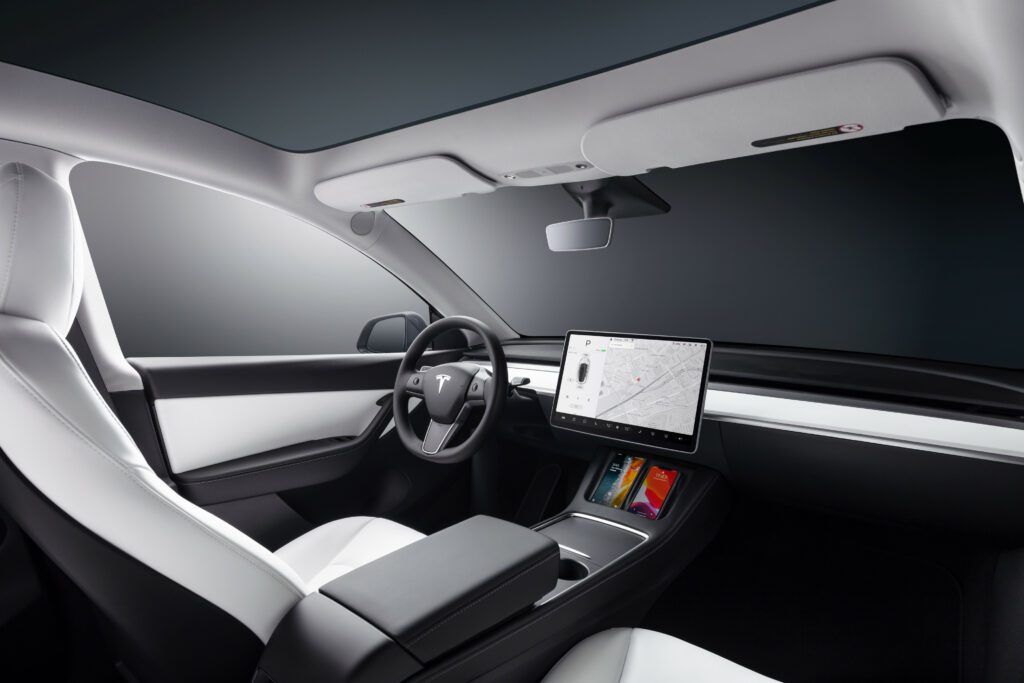
As you’re soon about to learn, the world of autonomous cars and self-driving technology is full of terms worth defining. For starters, what is self-driving in the world of transportation? Self-driving cars can drive in some or even all situations without driver input, but a human must always be ready to take control. Think of them as a crucial stepping stone on the path to full autonomy.
Self-driving cars are not fully autonomous. In the world of professional engineering, ‘automation’ is the preferred term for the sliding scale of vehicle operation status. In fact, the United States National Highway Traffic Safety Administration (NHTSA) refrains from using the term “self-driving” at all, and most engineers disagree with the use of the term. Let’s dive into the terms and definitions that relate to so-called self-driving cars, and the future of automation as a whole.
First, let’s clear the confusion. Talking about automated cars warrants a glossary of its own. Being well-informed is the key to knowledge, and we all know knowledge is power. Here’s a list of the terminology you’re likely to encounter in a self-driving world. In most cases, the difference is in the finest of details.
These are technological features designed to improve driving safety. These software-based systems improve a driver’s ability to react to adverse situations on the road. Examples include adaptive cruise control, forward collision warning and lane departure warning. ADAS features are very common in newer car models.
This term is thrown around a lot, but a true autonomous vehicle is capable of sensing its environment and operating without human involvement. Human passengers can take their eyes off the road and just enjoy the ride. Imagine entering the destination address, and that’s it. Autonomous vehicles can do everything that an attentive human driver can do.
Usually referring to Tesla Autopilot, which is a suite of ADAS features that enable the vehicle to steer within a lane and adjust speed in response to surrounding traffic. It’s essentially adaptive cruise control plus lane centering. Autopilot is standard on all new Tesla models.
Tesla “Full Self-Driving” in its current iteration is not much different from driver assistance technologies. Tesla enthusiasts, relax. That’s likely to change as Tesla updates the software regularly via over-the-air updates that simply require WiFi to install. Automotive engineers generally refrain from using this term altogether, as it’s more associated with marketing than with engineering automation. A true full self-driving car can navigate roads with human supervision. Tesla’s program is getting close, but as thousands of videos online will show you, Tesla FSD is not quite there yet. It is impressive though. Tesla FSD can be yours (someday) for an additional $12,000 when you buy a new Tesla vehicle.
This is when a vehicle’s operation is limited to a restricted geographic area. For example, Waymo’s driverless vehicles are geofenced to only operate in the Phoenix metropolitan area. Geofenced autonomous vehicles will grow in popularity before true, independent autonomous vehicles put rubber on public roads.
Light Detection and Ranging. LiDAR is the go-to ‘radar’ technology for nearly all self-driving innovators. Except of course for Tesla, who seems to think image processing with cameras is the way to go. LiDAR can ‘see’ through low visibility conditions, including fog and heavy rain.
When a vehicle can perform most driving tasks in a geofenced area, but with constant human monitoring and intervention when needed, some in the automotive industry consider it to be self-driving. The degree of human input varies. More on that below…
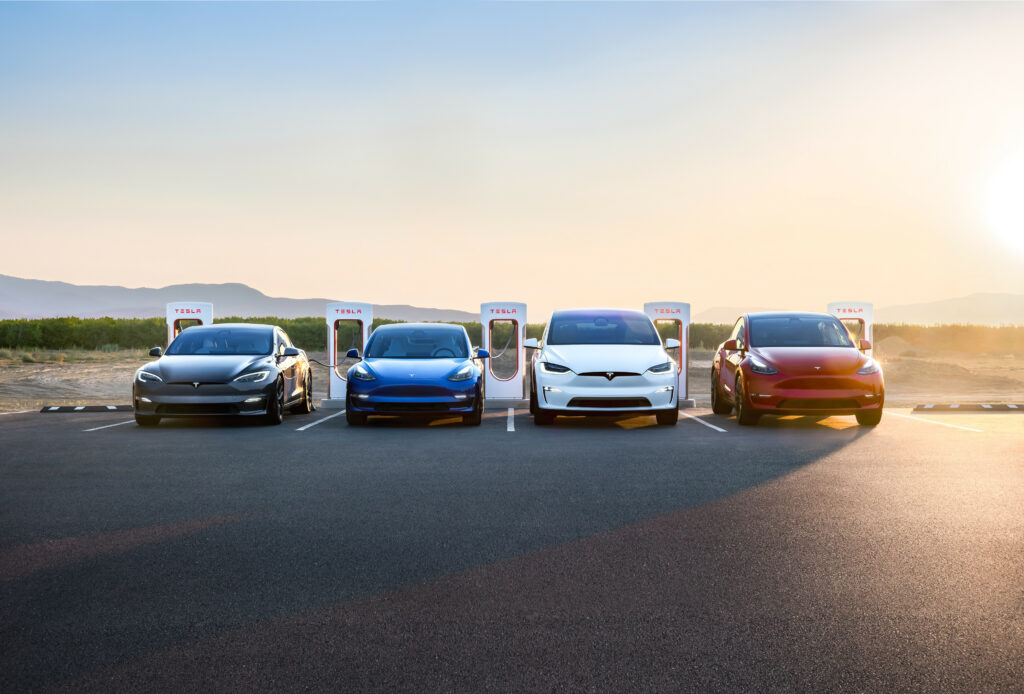
But wait, there’s more! Engineers rate the levels of automation based on how independently the system can perform tasks, and how much human input and supervision is required. Here are the basics of the five levels of automation, according to the Society of Automotive Engineers.
Now that we’ve covered the engineering and industry jargon, let’s revisit our definition.
What exactly is self-driving technology? The most agreeable definition is that self-driving cars fall within level 3 or level 4 automation, in which the vehicle can perform most driving tasks in a geofenced area, but with constant human monitoring and intervention when needed. Fully autonomous vehicles fall within the ultimate frontier of automotive engineering, Level 5. A true autonomous vehicle can operate from start to finish without driver input or attention. Imagine reading a book or taking a nap on your way to work.
No cars on today’s roads are capable of fully autonomous driving. Automated driving remains years away, however tremendous resources are committed to the cause of unraveling the ultimate challenge in automotive engineering. Tesla’s Autopilot and Full Self-Driving features are branded as Level 2 systems, which means that constant supervision is required, and intervention is to be expected. This discrepancy between the Level 2 classification of Tesla’s driver assistance systems and the names of the products remains the source of much controversy among engineers and driver safety advocates alike. Can’t we all agree that honest advertising is always in the interest of safety and responsibility?
Aside from automakers, there are dozens of other companies innovating in the autonomous driving space. Waymo, Argo AI and Cruise are all putting geofenced autonomous cars on the road today for real-world testing and limited customer use for ride-hailing. What is a self-driving car in 2022? It’s likely a prototype with limited use.
Tesla is the clear leader in advanced driver assistance systems. However, the extent of Tesla’s lead among industry competitors is not nearly as clear as it was a few years ago. Tesla has taken a bold step away from using radar for sensory inputs. The decision to remove LiDAR from new Tesla models starting in 2020 was so controversial that some senior engineers quit in protest.
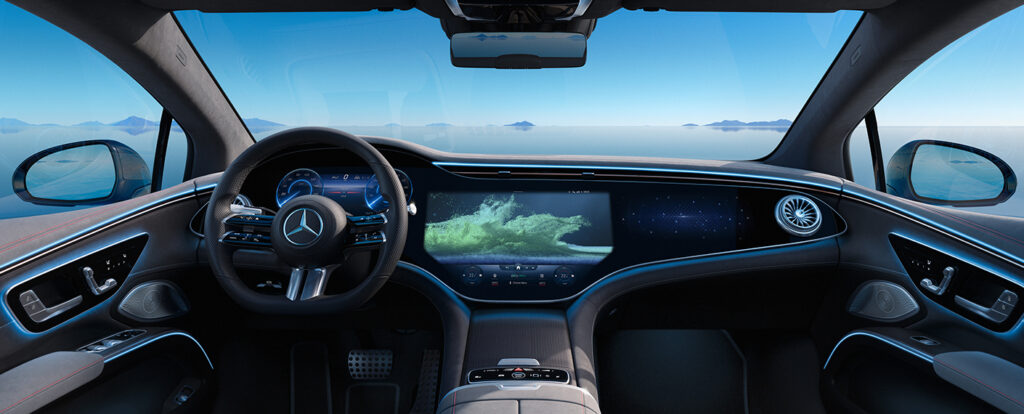
Remarkably, Tesla is no longer the only automaker breaking autonomy barriers. In 2021, Mercedes-Benz became the very first automaker to get regulatory approval for Level 3 autonomous driving on limited public roads. For now, Mercedes Drive Pilot is available on 8,197 miles of German highways at speeds up to 37 miles per hour. What makes Mercedes Drive Pilot so special is that it is the first approved consumer-ready system to permit the driver to take their attention away from the road while the vehicle is in motion. Even Tesla’s Full Self-Driving feature does not permit the driver to direct their attention elsewhere, despite evidence of the contrary on social media.
For the foreseeable future, American roads will see even more Level 2 driver assistance systems calculating their way through traffic as nearly every automaker in the market steps up their autonomy game. Level 3 remains in development, even for Tesla. Mercedes has not announced if it will seek approval in the US anytime soon, likely due to the murky regulatory environment.
Fully automated driving is likely in our future, but no one knows when it will be safe and accessible to all. The pace of innovation ebbs and flows. Engineers, regulatory agencies and insurance companies have some hard problems to solve. For now, proceed with caution when at the wheel of a “self-driving” vehicle. Their arrival is a great reason to look twice when crossing the street. You never know who (or what) might be coming around the corner.
CarEdge Just Launched a New Search Engine to Make Buying Your Next Car Easier!
We have thousands of vehicles listed today. Each listing includes industry insights, empowering data and the true TotalPrice that will make buying a car the transparent process it should’ve always been. We show you what dealers don’t want you to know. We believe that data can be your superpower when buying a car. Check it out here!
Over 100 million people tune into the Super Bowl each year, and a decent portion show up just for the commercials. Why is the Super Bowl the only night of the year when viewers actually want to see advertising? When a 30 second slot costs millions of dollars, it better be catchy. We’ve gathered every automaker Super Bowl commercial and tallied up how much money automakers spent on the big game. Prepare to be shocked.
This year, it was NBC’s turn to host the game. In September, NBC executive Dan Lovinger said that a typical 30 second commercial costs $6.5 million in 2022. A recent press release from NBC shows that several 30 second advertising slots sold for $7 million. Calling this a record doesn’t even begin to describe just how much prices for Super Bowl ads have skyrocketed. Prices had stagnated over the past few years, with half-minute slots ‘only’ going for $5.5 million in 2021. I guess inflation is hitting NBC too…
Multi-million dollar price tags didn’t stop six automakers and two online car sellers from shelling out cash. Here is every Super Bowl car commercial from Super Bowl 56.
The German luxury brand is so serious about it’s all-new iX electric SUV that not only did they pay at least $13 million for their 60 second commercial, they hired Arnold Schwarzenegger and Salma Hayek to do it. The pair play Greek gods wandering through a lavish California lifestyle where electricity seems to be everything.
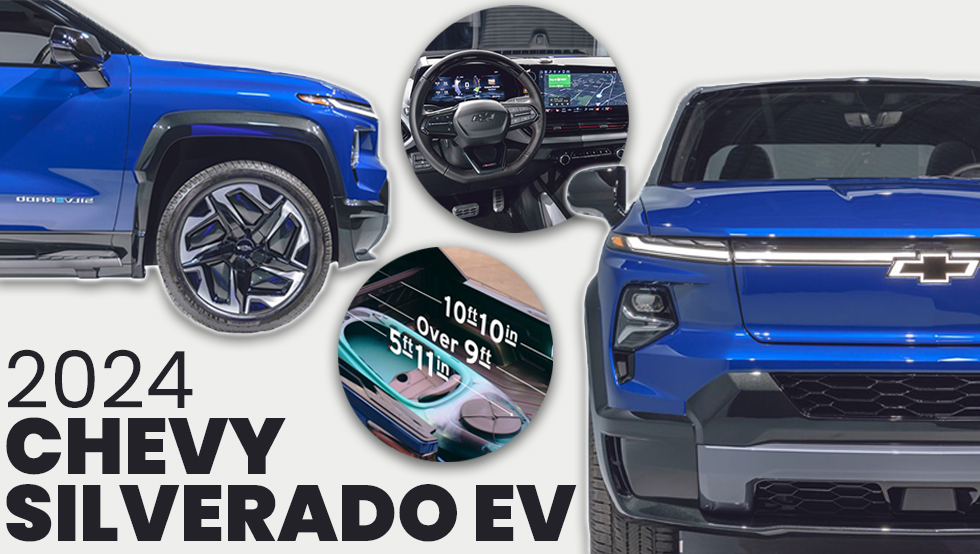
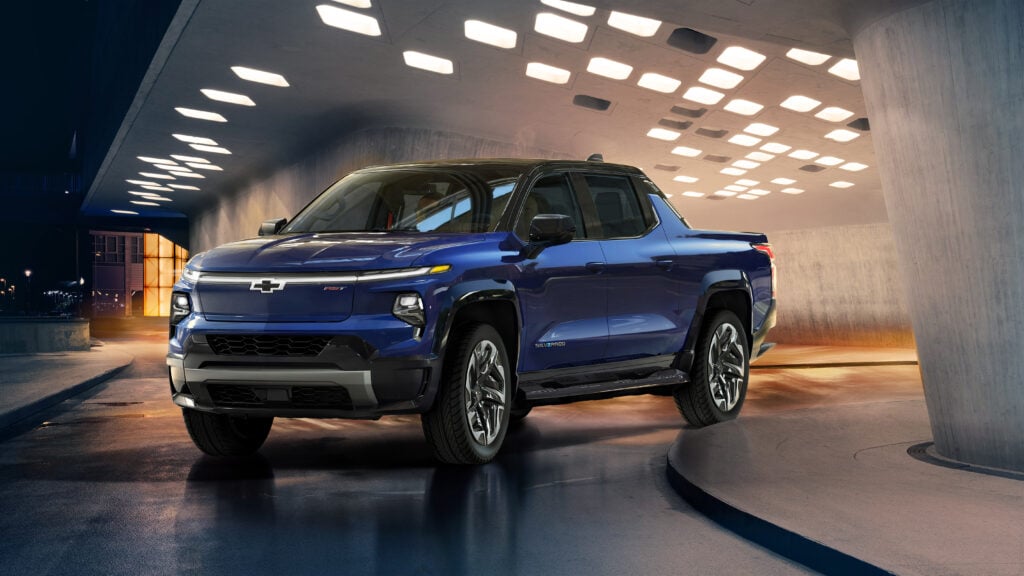
What do you do when you’ve committed to spending $35 billion on electric vehicle development? You spend $32 million more to advertise them at the Super Bowl! General Motors ran two different commercials, one minute-long ad solely for the 2024 Chevrolet Silverado EV, and another Austin Powers rendition touting the Ultium electric platform that powers their electric future. They went all-out for this one, showing off the Silverado EV, Hummer EV, Cadillac Lyriq, Cadillac concept all in a 1:30 commercial. Oh yeah, it looks like GM snuck in a first peek at a new GMC Hummer SUV tucked behind the Hummer truck.
The Sopranos Reimagined
Austin Powers Goes Electric
Kia not only showed off the new and highly-acclaimed EV6 electric crossover, they also introduced viewers to the idea of bidirectional charging. In Kia’s one-minute Super Bowl commercial that set them back at least $13 million, a robo dog chases down the EV6, but the battery runs out right at the last moment. Here to save the day is the driver of the EV6, who charges up the robo dog using the EV6’s bidirectional charging capability.
In a full-minute spot, Nissan highlighted the performance and styling of the revived Nissan Z. Nissan’s commercial stars Eugene Levy, Catherine O’Hara, Danai Gurira, Dave Bautista and Nissan Brand Ambassador Brie Larson. The 2023 Nissan Ariya sneaks in for a glimpse or two for a healthy dose of electric vehicles. For a commercial like this, Nissan would have paid at least $13 million. That’s not including paychecks for all of those actors.
No voice overs, no punchlines, no Dieselgate, no conquering Mars. That’s how Polestar pitched the all-electric Polestar 2. There was no disguising the punches thrown at Tesla, Volkswagen Group, GM and just about everyone else in the industry. They sure did cram a lot of controversy into thirty seconds. At least their production costs must be low for this one, considering that NBC charged them at least $6.5 million for the spot.
The only combustion-only automaker Super Bowl ad in 2022 was from Toyota. The minute-long commercial was a wholehearted promotion for the newly redesigned 2022 Toyota Tundra. It’s a play on ‘keeping up with the Jones’’, and stars Tommy Lee Jones, Leslie Jones, Rashida Jones and a few seconds of Joe Jonas for an odd twist.
Toyota, long a top sponsor of the Paralympics, also had a 1:30 commercial about the perseverance of brothers who never gave up.
For Toyota’s two and a half minutes of air time, they likely wrote NBC a check for around $32.5 million, unless they were cut a deal for the good cause they promoted in the longer one.
The two online car buying giants made their pitch to football fans for two different reasons. Vroom, in a 30 second clip, did their best to appeal to those selling their cars in a musical-themed ad. Vroom must be in serious need of some inventory if they spent $6.5 million to attract sellers rather than buyers.
Carvana spoke to the masses through the voice of… an annoying mom? The 30 second slot featured a mom oversharing her joyous experience buying from Carvana. The final moments featured what appeared to be a 2022 MINI Cooper SE. Was MINI in on this? It’s not certain, but perhaps they helped to pay for this primetime spot.
In total, automakers spent at least $110 million on commercials in Super Bowl 56. Throw in production costs and pricey actor paychecks, and the total goes even higher. It’s clear that the game is still relevant to automotive brands. Will it do them any good? Tesla’s formidable rise has been accomplished with almost zero dollars spent on advertising. Considering that almost all of the car commercials in Super Bowl 56 were EV-related, it will be fascinating to see if car buyers take to the latest advertising push from legacy automakers like GM, BMW and Kia.
Which Super Bowl car commercial was your favorite? Were there any new cars you were surprised to see absent from Super Bowl 56 commercial breaks? Let us know in the comments. Share your thoughts with fellow automotive enthusiasts and car buyers at caredge.kinsta.cloud/community.
CarEdge Just Launched a New Search Engine to Make Buying Your Next Car Easier!
We have thousands of vehicles listed today. Each listing includes industry insights, empowering data and the true TotalPrice that will make buying a car the transparent process it should’ve always been. We show you what dealers don’t want you to know. We believe that data can be your superpower when buying a car. Check it out here!
CarEdge recently shared 5 vehicles to avoid in 2022. What about the best deals on the market today? These five vehicles have high resale values, excellent reliability, and reasonable prices. If you’re looking to make a purchase you won’t regret, these 5 models are safe bets. Here are the best cars to buy in 2022.
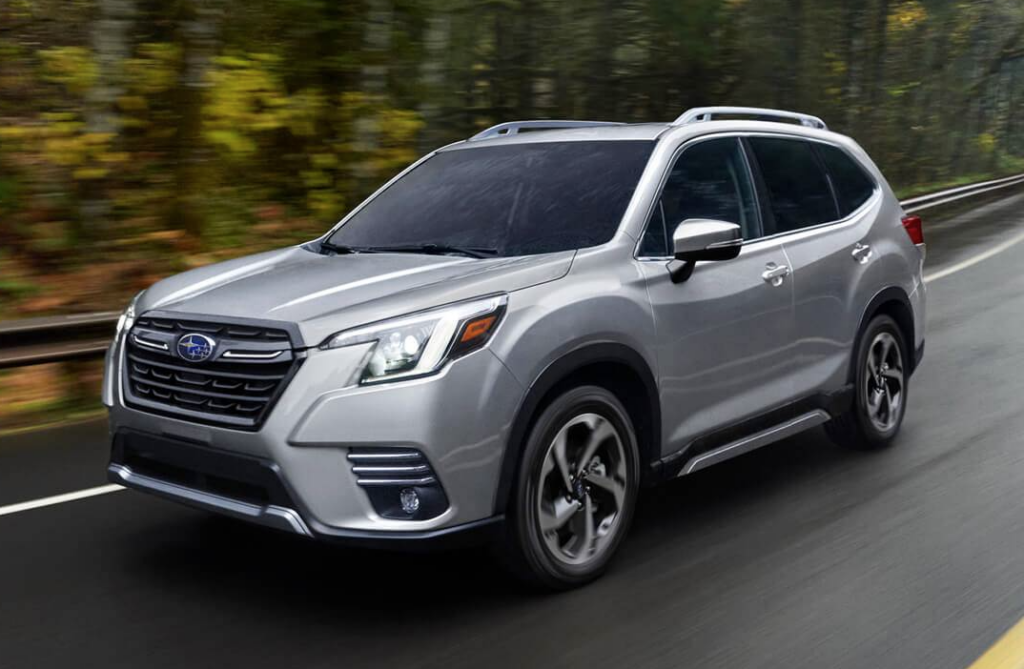
Why are there so many Subarus on the road these days? Drivers love their all-wheel drive crossovers, and Subaru represents the best of the best. Subarus consistently retain unusually high resale values, and that helps to soften the impact of today’s higher prices. The Subaru Forester is known for solid reliability (especially in older models) and class-leading safety ratings. Today’s Subarus also get decent fuel economy, especially on the highway. All-wheel drive and a comfortable, spacious interior make the Subaru Forester the ultimate all-weather roadtripper. The challenge will be finding one. Subaru has been hit hard by the chip shortage, but things may improve later this year.
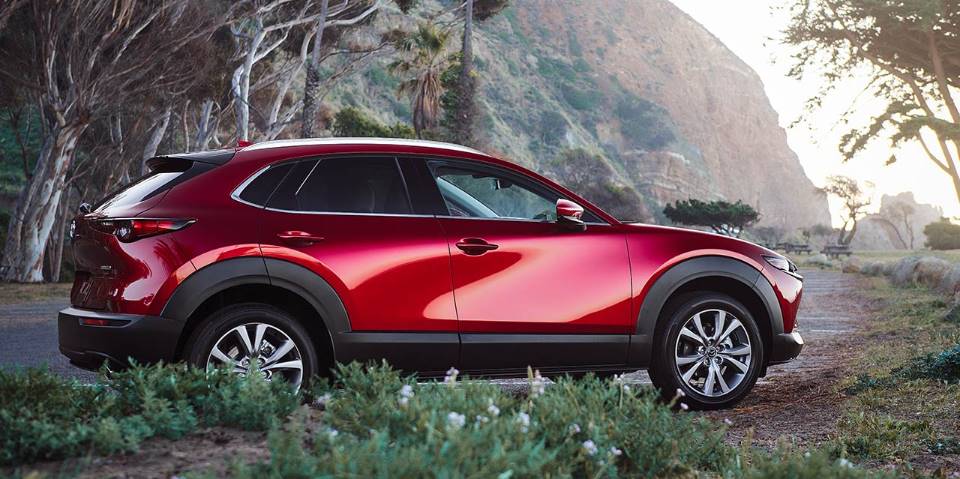
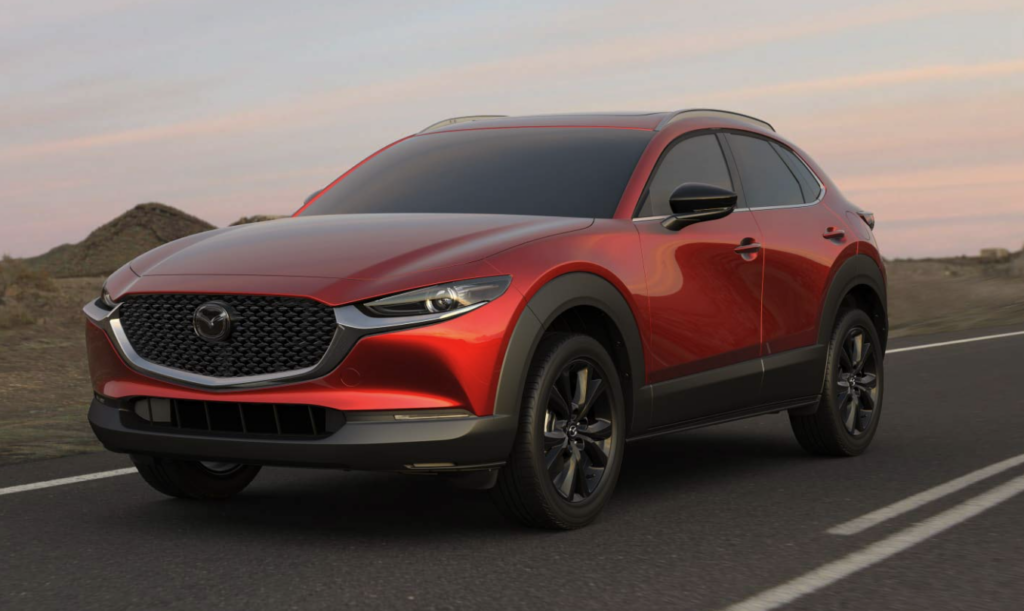
Reviewers and owners love the agile handling, generous interior of the Mazda CX-30. New for 2022, the CX-30 now comes with standard all-wheel drive and a more plush interior. In today’s market, the CX-30 represents the best value within the Mazda line. The Mazda CX-30 is ‘only’ up 23%, much less than the overall Mazda brand, which is up 35% year-over-year. Cost of ownership is relatively low for the CX-30, and a great factory warranty offers peace of mind. This is the Mazda to buy in 2022.
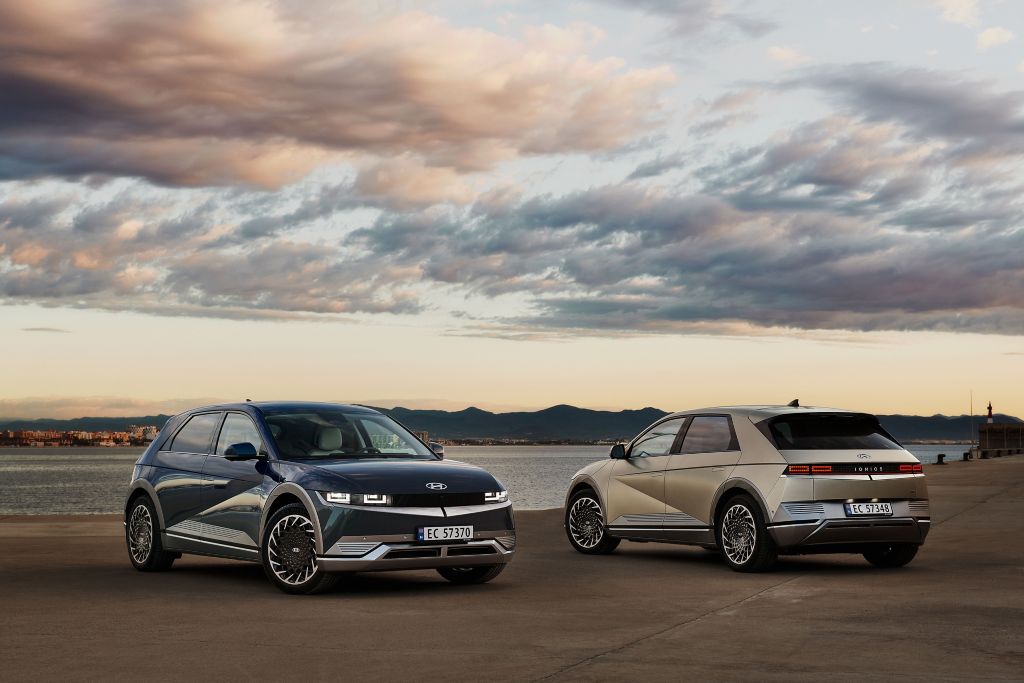
This retro-inspired family-sized electric crossover is sure to stand out on the road. Over the past few decades, Hyundai has completely transformed its reputation in North America. Now, Hyundai’s push to electrification sees the brand strengthening its image as a tech-savvy and reliable automaker. The IONIQ 5 is the fastest charging electric vehicle you can buy for under $50,000. Two years of FREE charging at Electrify America can save frequent travelers thousands of dollars. The $7,500 federal tax credit for electric vehicles is icing on the cake. We recently covered the IONIQ 5 in-depth at CarEdge, check out our first look here.
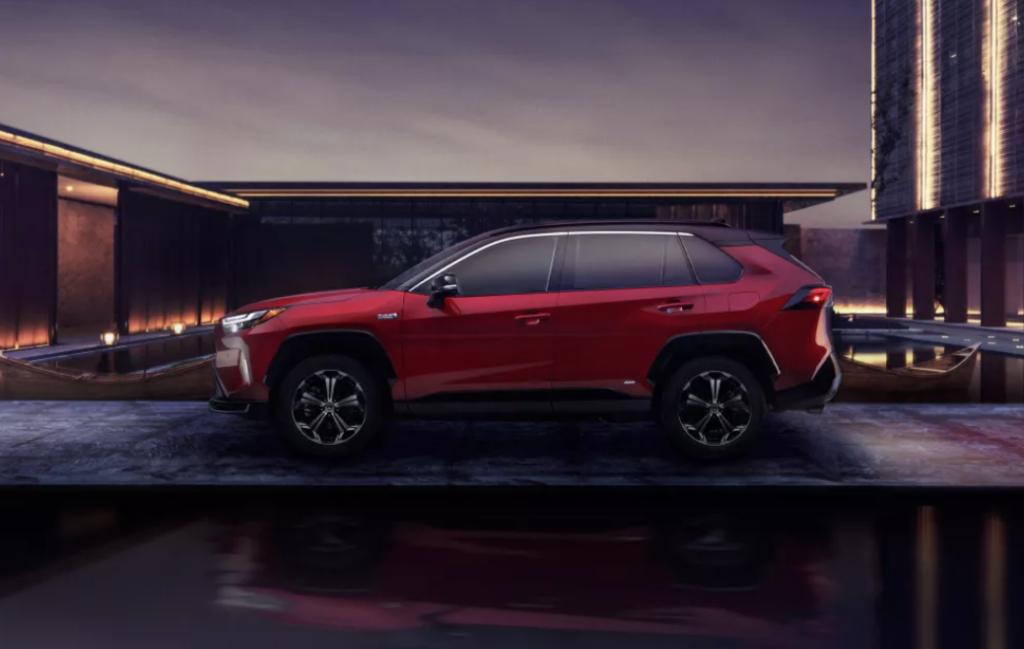
You’re probably not shocked to see Toyota on the list of the 5 best cars to buy in 2022. Over the past year, the Toyota RAV4 Prime has not appreciated to the extent that many of its competitors have. The RAV4 Prime combines Toyota’s superior build quality with an innovative powertrain meant to bridge the gap between combustion and EVs. Expected resale value is 67% after five years, which is incredible.
The 2022 RAV4 Prime features a spacious interior and a surprising amount of power with a 0-60 time of 5.7 seconds. If you’re thinking about going electric but can’t quite overcome range anxiety, this is the vehicle for you. There’s a hybrid engine (gas-powered) under the hood, an electric motor up at the front, and another electric motor powering the rear axle. These three power plants combine forces to provide standard all-wheel drive, the option of all-electric driving, and range-boosting hybrid mode when going the distance. You can plug in, but you don’t have to. The RAV4 Prime is a future-proof Toyota at under $50,000!
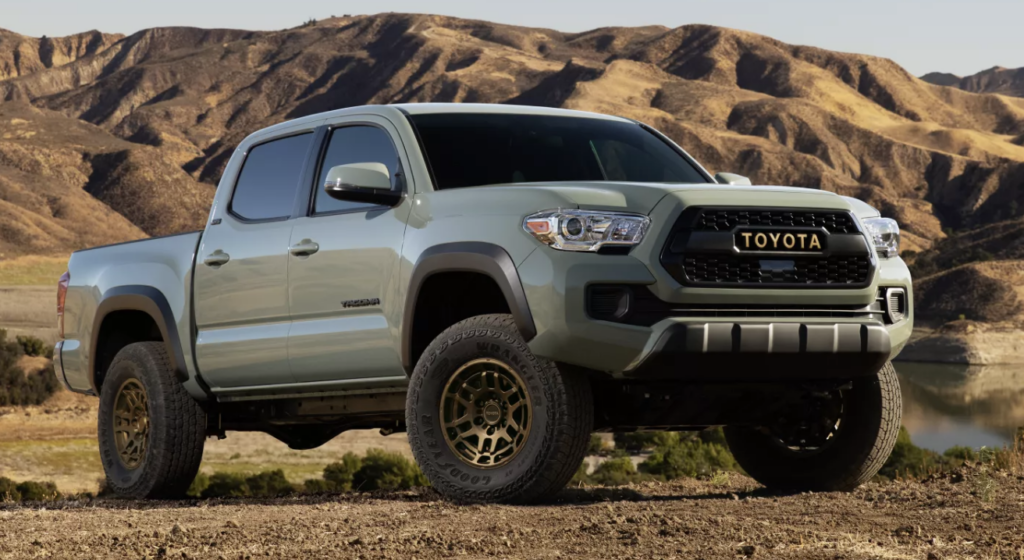
Low cost of ownership, plenty of utility and the highest resale value on the market earns the Toyota Tacoma top honors. After five years of ownership, you can expect to retain 79% of the original value with the Tacoma. That is remarkable! The 2023 Tacoma refresh brings a new engine and muscular looks to the popular truck. The Tacoma is a safe bet in the crazy auto market in 2022. Your best chance to get one is to put your name on a dealer allocation. The Tacoma doesn’t sit on the lot for very long with value like this.
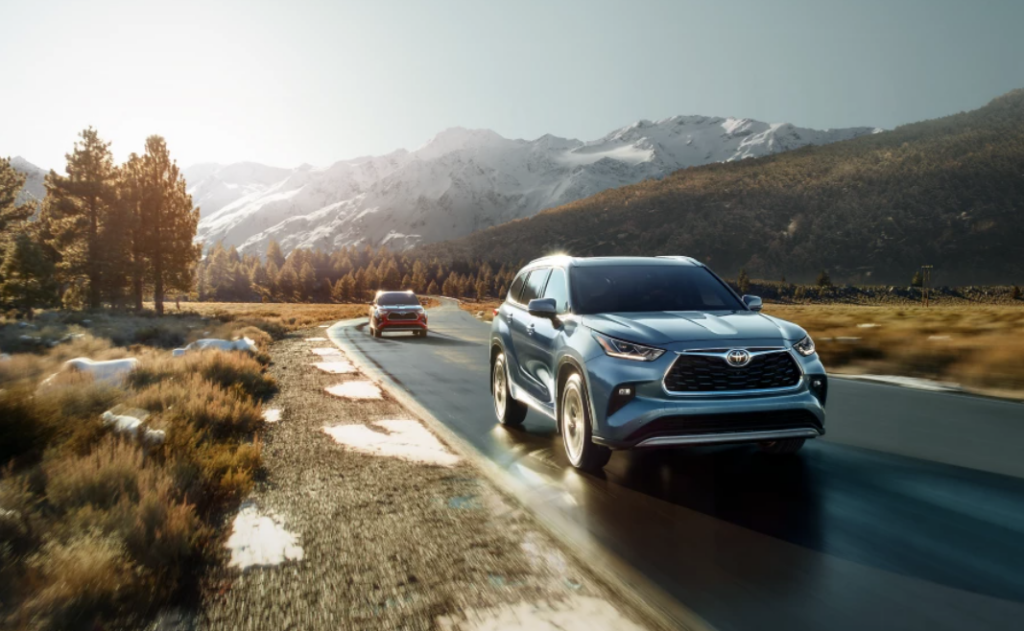
The Toyota Highlander is a family-sized SUV with great resale value. Toyota as a brand is up 40% on the used car market, but the spacious and reliable Highlander is ‘only’ up 33%. Not bad considering today’s circumstances. J.D. Power gives the Toyota Highlander top scores for reliability.
CarEdge Is Here to Empower the Consumer
Did we miss anything? What would your list look like? Let us know if you agree with our CarEdge top picks. If you think we missed the mark, we’d love to hear your top cars to buy in 2022.
Don’t forget to check out the CarEdge list of 5 vehicles to avoid in 2022. Our picks came as a shock to some, but we shared exactly why you should steer clear of these models for now.
It’s a strange time to be in the market for a vehicle. Don’t go it alone! At caredge.kinsta.cloud, we strive to empower the consumer with car buying know-how that makes finding your next vehicle less of a pain. CarEdge Car Search provides unique auto industry insights that other car listings don’t show you. CarEdge TotalPrice™ shows you the out-the-door price so that you know what to expect before you walk into the dealership.

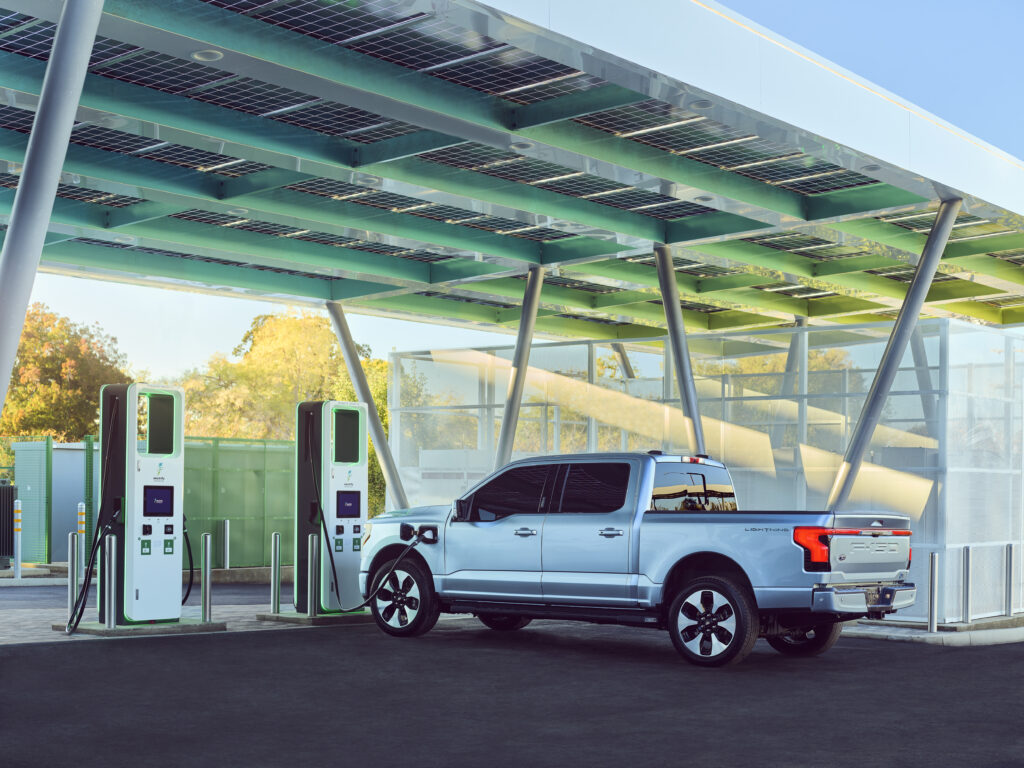
The Bipartisan Infrastructure Bill passed by Congress and signed into law in November allocated federal funding for the build-out of a National Charging Network as soon as possible. In official guidance released by the Biden administration on Thursday, new details were announced for the first phases of implementation.
Nearly $5 billion in funding will be available for installing DC fast chargers over the next five years. DC fast chargers enable an electric vehicle to charge to full in as little as 20 minutes. While crucial for the mass adoption of EVs in America, DC fast chargers are expensive to install, often costing over $100,000 per location.
US Department of Transportation Secretary Pete Buttigieg said that the government will make $615 million available for use in 2022. In order to have access to their own piece of the pie, states must submit a plan and win approval before funds are dispersed this year.
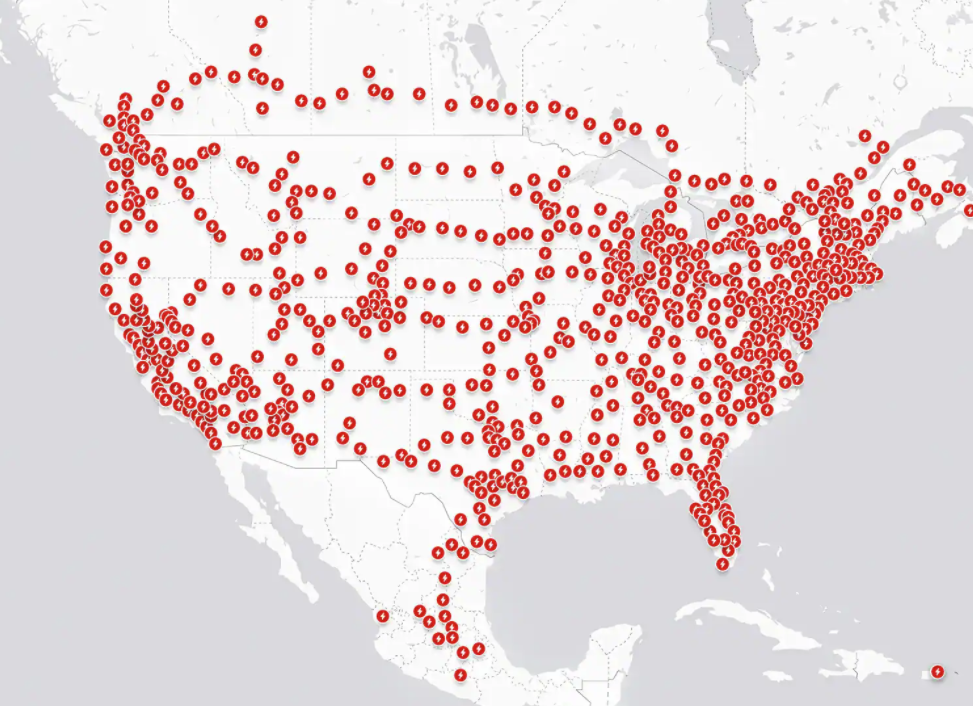
Thursday’s new guidance says that states should specifically fund the installation of DC fast chargers along interstate highways. The goal should be to fund the installation of fast chargers every 50 miles along the highway to make long-distance travel much easier for drivers of electric vehicles.
The federal government expects private entities to take on the charger installations. We’ll likely see a lot more Electrify America and Tesla Supercharger stations in the next few years, as well as the likes of lesser-known charging providers like EVgo and ChargePoint picking up business. Federal funds will cover 80% of DC fast charger installation costs, with private or state funds filling in the gaps.
Following charger network buildout along interstate highways, the guidance recommends that states work to install chargers in other underserved areas, such as rural areas and lower-income urban areas.
If you’re into policymaking jargon, you can read the entire guidance at the Department of Transportation.
Congress axed the Build Back Better Bill in its current form back in December. For now, the electric vehicle tax credit remains a $7,500 value for those who owe as much in federal taxes. Tesla and GM have already exhausted their allocation for the tax credit. Unless revisions to the EV tax credit are passed by Congress, Tesla and GM will not qualify in 2022.
CarEdge will stay on top of the latest electric vehicle news. The 2020s are becoming the whirring 20s as automakers transition away from fossil fuels and invest half a trillion dollars in electrification. It looks like a National Charging Network is just a few years away. Join our weekly newsletter for all of the latest EV and automotive industry news, always with a consumer focus.