
CarEdge saved me over 4,500 dollars on a brand new Honda Pilot. I can't say thank you enough.
Price intelligence
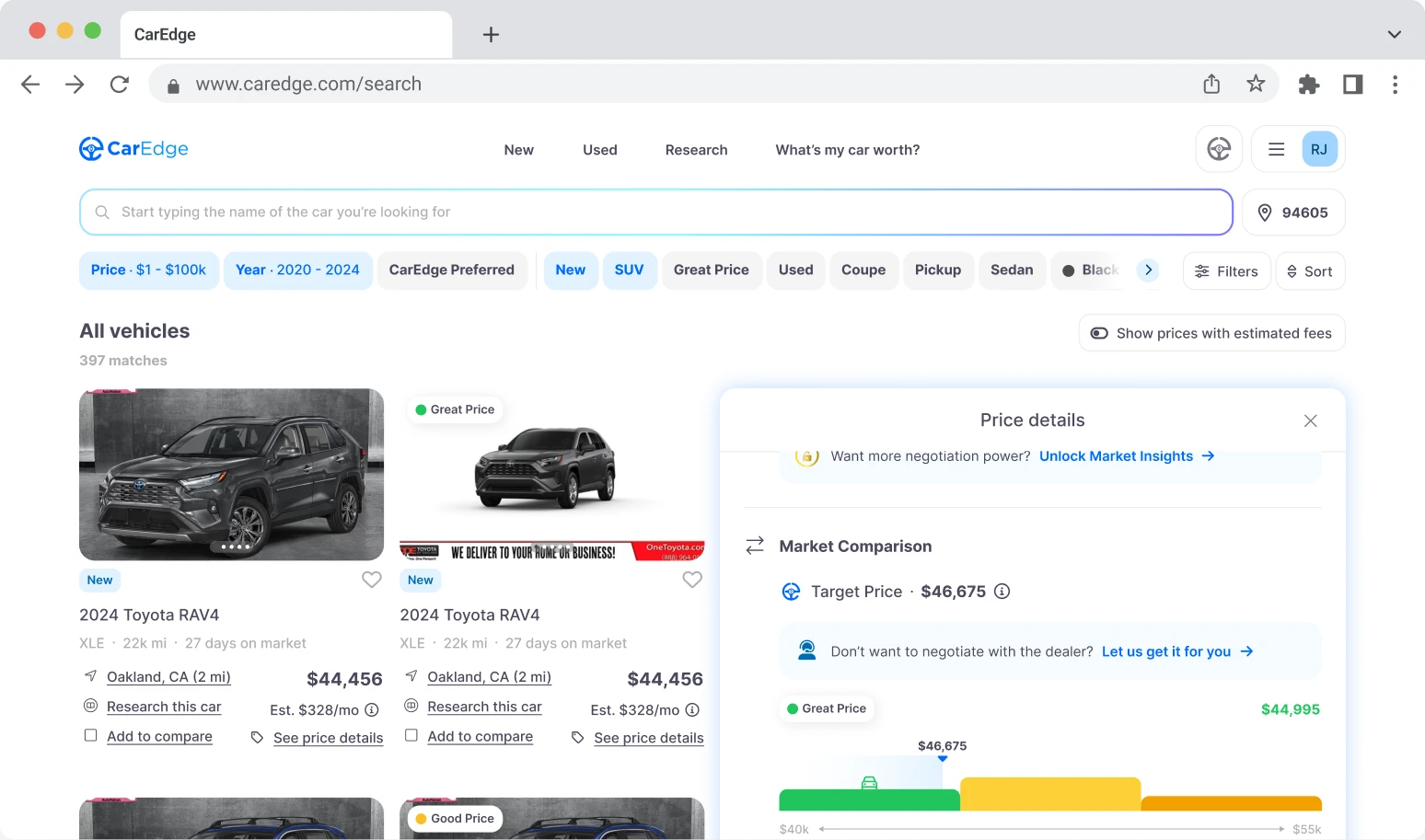
Find a wide range of vehicle listings with market insights on new and used listings near you.

What can I do with CarEdge?
 CarEdge Insights
What can I do with CarEdge?
Get access to exclusive information so you can make an informed car buying decision — all in one place.

Find a wide range of vehicle listings with market insights on new and used listings near you.
Track your vehicle’s value and cash in when the time is right to sell.

Access to our proprietary data to help you find the right car, at the right price. Find these unlocked on every listing after subscribing.

With our expert-led, tech-enabled car buying service, we will locate, negotiate, and deliver your vehicle so you can get a new car hassle free.


Help us personalize your CarEdge experience — it only takes a second.
Your answers help us personalize your CarEdge journey — we’ll follow up with tips and next steps that match your buying timeline.
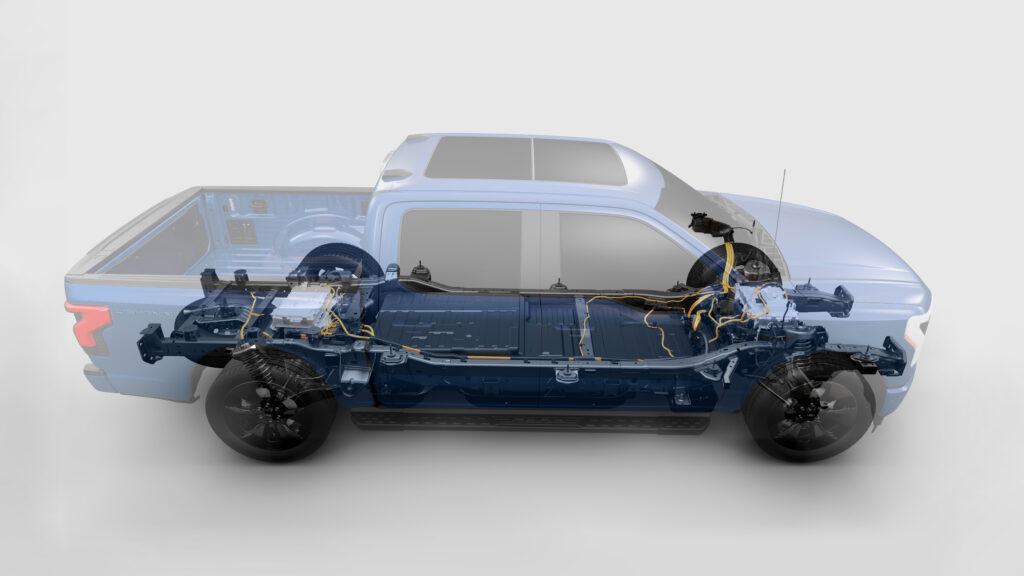
Despite industry-wide inventory constraints and overall slow new-car sales growth throughout the year, sales of electric vehicles in the US surged to hit a new record in 2021. At the same time that overall new vehicle sales were up just 3.4%, 535,000 electric vehicle were sold in America, a jump of 72% over 2020.
In just two years, electric vehicle market share has risen from under 2% to nearly 5% in the United States. It’s not just happening in America. Worldwide, electrified sales reached 8.6% in 2021 (that’s 108% growth since 2020). For perspective, EV sales were merely science experiments in 2010, making up just 0.01% of global automotive sales at the time.
You don’t need to be a math wizard to see the trend. The wave is coming, and industry analysts know it. Here’s where the data points for 2030 and beyond.
After a false-start in the 1990s, the Nissan Leaf and Chevrolet Volt hit the American market in 2011. At the time, the only two plug-in cars on the market had what were considered to be solid sales numbers. In the US, 2011’s 17,000 electric vehicle sales grew to 96,000 by 2013 when the first Tesla Model S landed in customer’s hands.
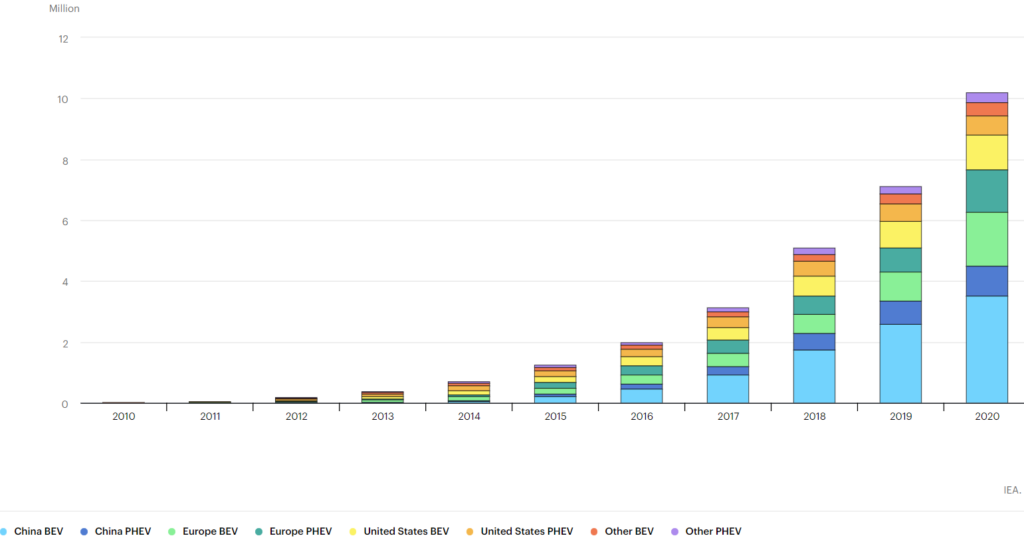
In 2015, global EV sales surpassed half a million for the first time. It would be years before market share reached 1% in the US. The bug-eyed Nissan Leaf led EV sales for years on end. In a transfer of power that few saw coming at the time, Tesla overtook Nissan, Chevrolet and BMW as EV sales leader in 2015.
2017 saw electric vehicles screech past 1% of US market share, however it was the following year that everyone remembers. 2018 turned out to be an unexpected banner year for electric vehicles. Industry analysts hadn’t seen the 81% jump in electric sales coming, but it happened. What changed? Tesla released the popular and more affordable Model 3 sedan, and it was selling like hotcakes.
The pandemic brought everything screeching to a halt just as Tesla was introducing the even more popular Model Y crossover. Still, all-electric sales rose 11% in 2020. In the US, EV market share had reached 1.7%.
Electric vehicle sales more than doubled in 2021, reaching 9% market share globally and 4.5% in the US. It was yet another year that analysts and industry experts called a turning point. Where do we go from here? Follow the money. Automaker investments in electric vehicles now total over half a trillion dollars. Some are even shuttering their combustion engine development arms.
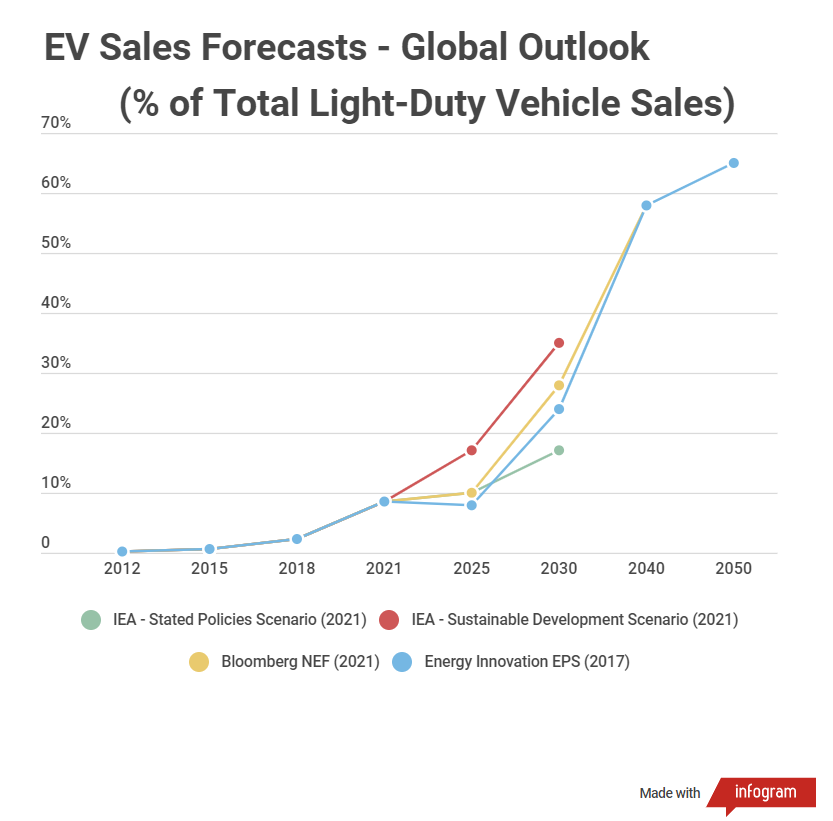
Recent surveys of Americans show that nearly 40% are seriously considering buying an electric vehicle for their next purchase. Combining public sentiment with many industry data points and trends, the momentum is growing for electric vehicle dominance. But when? Here’s where the brightest minds in the automotive industry think EV sales are headed in the decades to come.
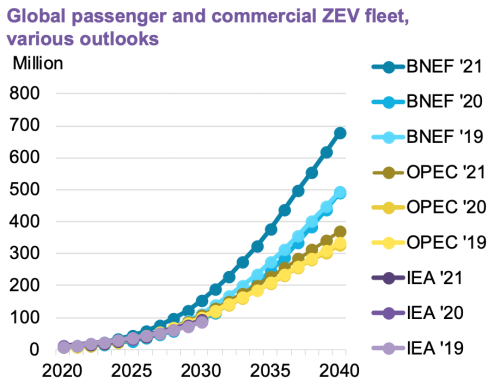
Most industry analysts have revised their EV sales forecasts upwards. Bloomberg NEF has raised its own forecast for the global ‘zero-emissions vehicle’ fleet in 2040 from 495 million vehicles in its 2019 forecast to 677 million in its 2021 Electric Vehicle Outlook. Bloomberg analysts predict that even with no further incentives for electric vehicles, EVs will make up 88% of passenger vehicle sales in the year 2050.
The International Energy Agency (IEA) raised its 2030 battery electric vehicle forecast by 7% since 2019. For 2030, the Net Zero Emissions by 2050 scenario projects 300 million electric cars on the road. This would be considered a high-end scenario that forecasts electric vehicle market share exceeding 60% of new car sales globally.
The US Energy Information Administration predicts that light-duty electric vehicles (including plug-in hybrids) will grow from 0.7% of the global fleet in 2020 to 31% in 2050, reaching 672 million vehicles.
Disruption creates opportunity, and automakers seem to be harnessing the disruptions caused by the pandemic to accelerate their transitions to EVs. Ford will only sell electric cars in Europe from 2030. Overall, Ford expects 40% to 50% of its global vehicle volume to be fully electric by 2030.
General Motors plans to offer only electric light-duty vehicles by 2035, and is prepared to electrify everything from the entire Cadillac lineup to the top-selling Chevrolet Silverado.
Volkswagen aims for 70% electric car sales in Europe, and 50% in China and the United States by 2030. Stellantis wants ‘low emissions vehicle’ sales to reach 70% in Europe and 40% in the United States in 2030. Volvo will only sell electric cars starting in 2030.
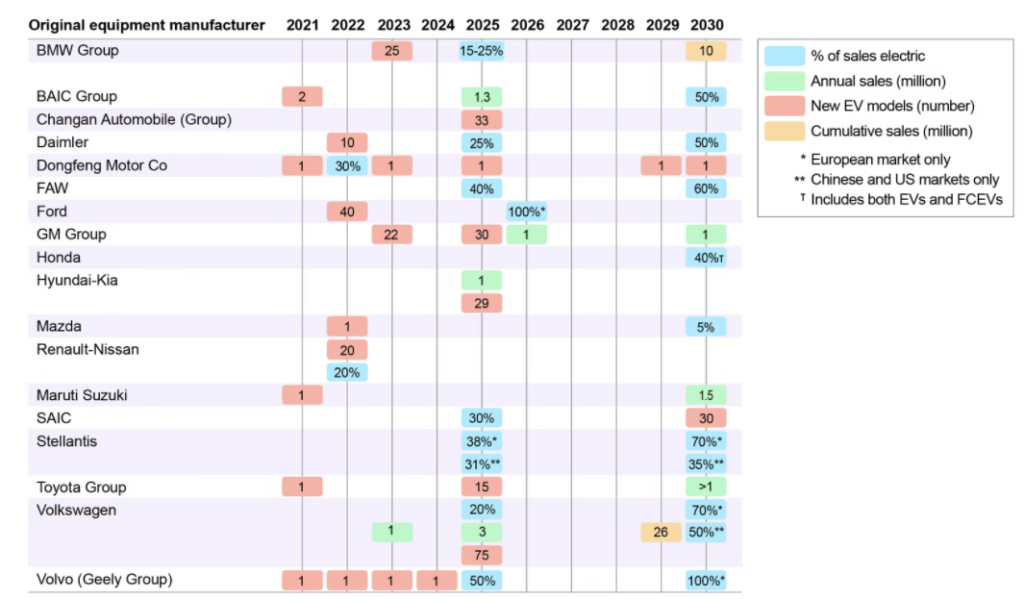
Overall, the IEA says that announcements from global automakers will translate to cumulative light-duty electric vehicle sales of 55 to 72 million by 2025.
The world’s largest oil cartel severely underestimated the adoption of EVs. The Organization of Petroleum Exporting Countries (OPEC) issued a pessimistic forecast in their 2015 World Oil Outlook. OPEC believed that 4.7 million battery electric vehicles would be on the road in 2040.
They were wrong by a long shot. The global fleet of electric vehicles hit 4.7 million in 2020, meaning OPEC’s 2040 scenario arrived 20 years ahead of schedule. OPEC has still only raised its 2040 estimate for the global electric and fuel cell vehicle fleet by 11%.
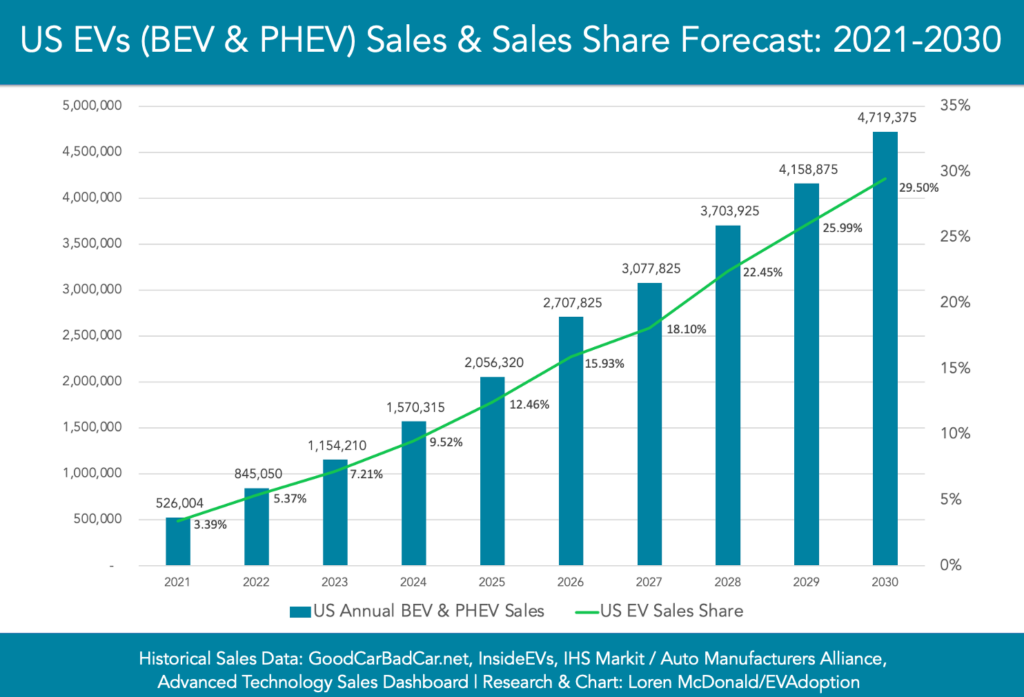
Loren McDonald of EVAdoption.com is an electric vehicle industry expert with decades of experience in the automotive industry. In his latest EV adoption forecast, McDonald expects electric vehicle sales to reach approximately 29.5% of all new car sales in 2030. This forecast calls for a more than six-fold increase over the 4.5% EV market share in 2021. This would also see sales increase to 4.7 million from 535,000 in 2021.
In the US, state-level targets to phase out sales of internal combustion engines now cover a quarter of auto sales in the country. There is no nationwide phase-out target like exists in many other countries. Sales trends and manufacturer commitments indicate that at this point, the transition to EVs is happening on its own.
Although the EV takeover is looking more and more likely, a few bottlenecks, engineering challenges and policy uncertainties loom over the optimism of industry forecasts. In the United States, the $7,500 federal EV tax credit and dozens of state programs incentivize the purchase of electric vehicles. If these incentives were to disappear, how attractive would an electric vehicle purchase be for the average consumer? The most affordable Tesla remains well over $40,000, and you can count the electric models under $35,000 on one hand.
There also remains uncertainty throughout the electric vehicle supply chain. For instance, lithium and other rare earth metals are in extreme demand not only in the US, but in other electric vehicle manufacturing hubs, such as China. And then there’s batteries. Even Tesla with the most technologically advanced battery chemistry and Battery manufacturing plans can’t seem to keep up with their demand for electric vehicles.
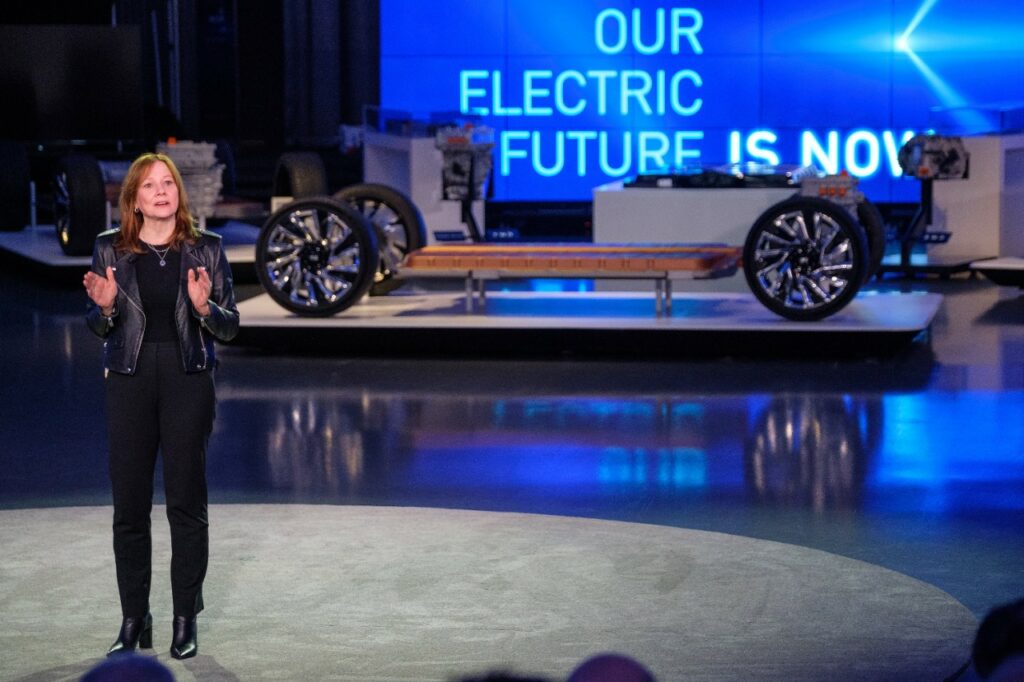
Legacy automakers have bold plans to meet their coming battery needs. General Motors is launching the game-changing Ultium battery and powertrain, and other automakers have similarly ambitious plans. They know that if there are no batteries, there will be no electric vehicle future. Could we be talking about battery shortages instead of chip shortages in just a few years’ time?
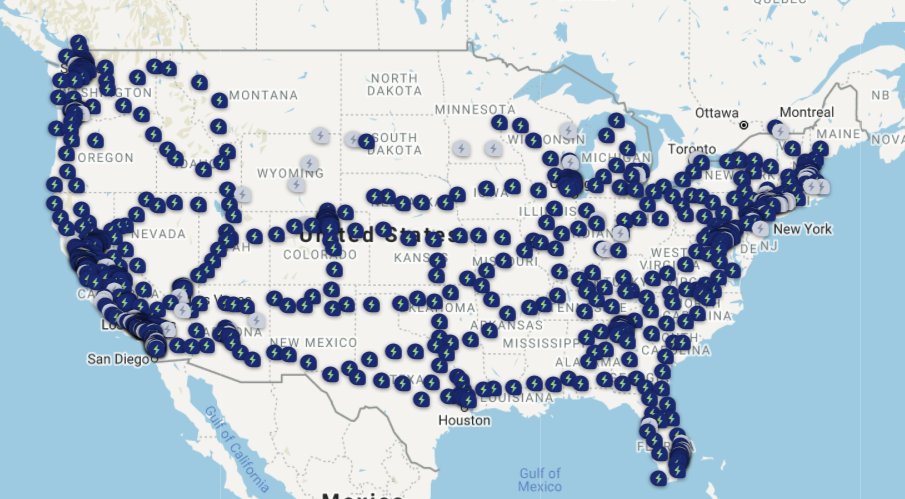
In the United States, access to electric vehicle charging stations is limited to affluent urban centers and sporadic highway sites. Over 80% of charging happens at home, but peace of mind matters to drivers. America needs more chargers.
The federal government, private enterprise and utilities are teaming up to plan out the future of the National Charging Network in the United States. If successful, a National Charging Network would bring fast charging to all interstate highways in the United States, rural areas and underserved urban areas. The mass adoption of electric vehicles will likely hold off until charging gets much easier in America.
Are forecasts for electric vehicle adoption overly optimistic? Or might they be under estimating the pace of EV adoption in America and abroad? The 2020s promise to be a time of change and adaptation for automakers and consumers alike. Here at CarEdge, we’ll be following the latest developments closely.

Winter is well underway, and we know that means slower vehicle sales. But new seasonally-adjusted data shows that the picture is improving ever so slightly. New vehicle supply is ticking up, and it looks like new vehicle prices peaked back in December. Here’s what the latest data reveals.
According to a Cox Automotive analysis, new vehicle inventory increased gradually in the last weeks of January after starting the month near record lows. About 1.08 million new cars were on dealer lots at the end of January. While this is only slightly higher than the 1.08 million cars available at the end of December, a closer look at the data shows that inventory increased towards the end of the month.
In another barely noticeable improvement, the days’ supply of unsold new vehicles was 37 on February 1st, up from 35 days a month earlier. New vehicle inventory has been gradually rising since bottoming out at just 25 days of supply at the end of September. The seasonally-adjusted annual rate (SAAR) of sales was 15.0 million last month, down from 16.8 million in January 2021 (-12%).
Buyers in today’s market will be relieved to learn that inventory of vehicles priced below $30,000 increased slightly in January after reaching record lows. Michelle Krebs from Cox Automotive put this intriguing datapoint into perspective for us:
“The available inventory of vehicles priced below $30,000 increased in January compared to the end of December. At the same time, there were significantly fewer vehicles priced above $60,000. This inventory mix – more bargains, less luxury – helped push the national average down from the December record. Still, new-vehicle prices in the U.S. remain elevated and consumers are routinely paying above sticker for a new vehicle.”
Affordability remains an issue for Americans. Vehicles under $20,000 asking price had the lowest days’ supply at just 28 days. All other segments had inventory between 32- and 37-days’ supply.
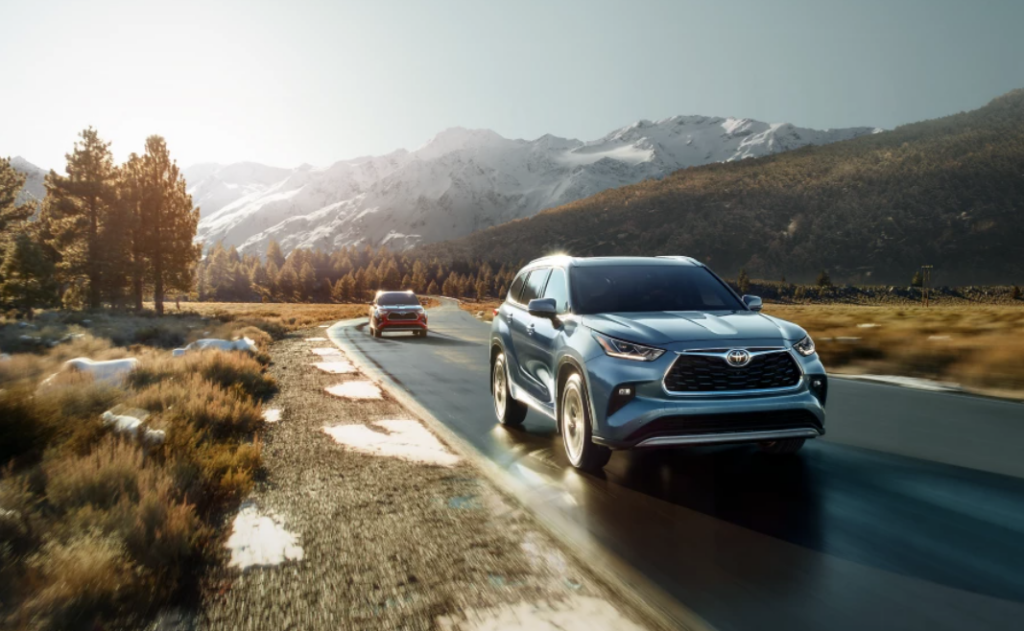
Toyota, Kia, Honda, Acura, Land Rover, Porsche and Subaru all finished January 2022 with inventory levels below the industry average. Buick, Volvo, Infiniti, Cadillac and GMC had the strongest available inventory.
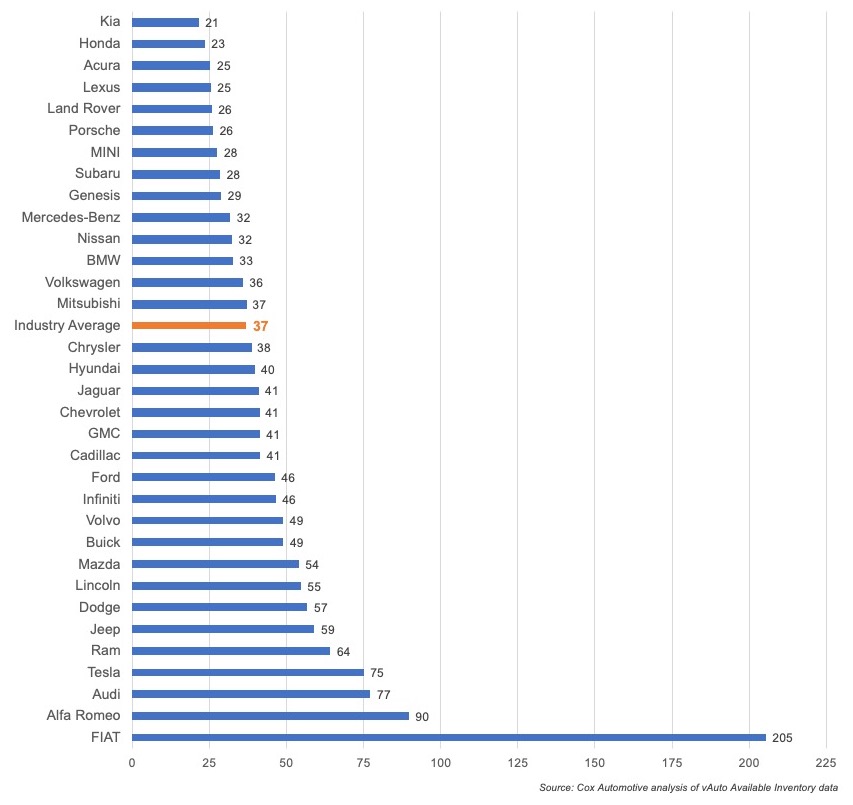
Minivans remain hardest hit, followed by all kinds of luxury vehicles.
After setting records month after month, the average listing price dropped to $44,892 by the end of January. The average transaction price – the price consumers paid – also decreased in January to $46,404, according to data from Kelley Blue Book. That’s down slightly from December’s all-time high.
Although this all might sound like marginally good news, we can’t forget the big picture. Cox data shows that available supply was down 60% in January from the same period in 2021. In raw numbers, the supply of unsold new vehicles was more than 1.6 million vehicles less than the stock of a year ago, and 2.2 million less than in 2020. The days’ supply at the end of January remained 46% below January 2021 levels.
Prices are still sky-high, even if conditions are improving ever so slightly. The average listing price for a new vehicle remains 12% above where it was one year ago. Manufacturer and dealer incentives continue to plummet, and this directly affects the final transaction price that buyers will pay.
In the past week, AutoForecast Solutions has increased their projection of vehicles lost in production due to the chip shortage to 1,253,100, a 63% increase in forecasted losses since the beginning of 2022. This is a bad trend to see right before the spring buying season gets underway. Will these marginal increases in new vehicle inventory and the slight dip in prices continue much longer?
The next month will be crucial in determining how prices and inventory will turn as we head into spring. CarEdge publishes weekly updates on the chip shortage and its impacts on inventory and prices. Be sure to bookmark the CarEdge chip shortage page to stay on top of the latest in these very volatile times.

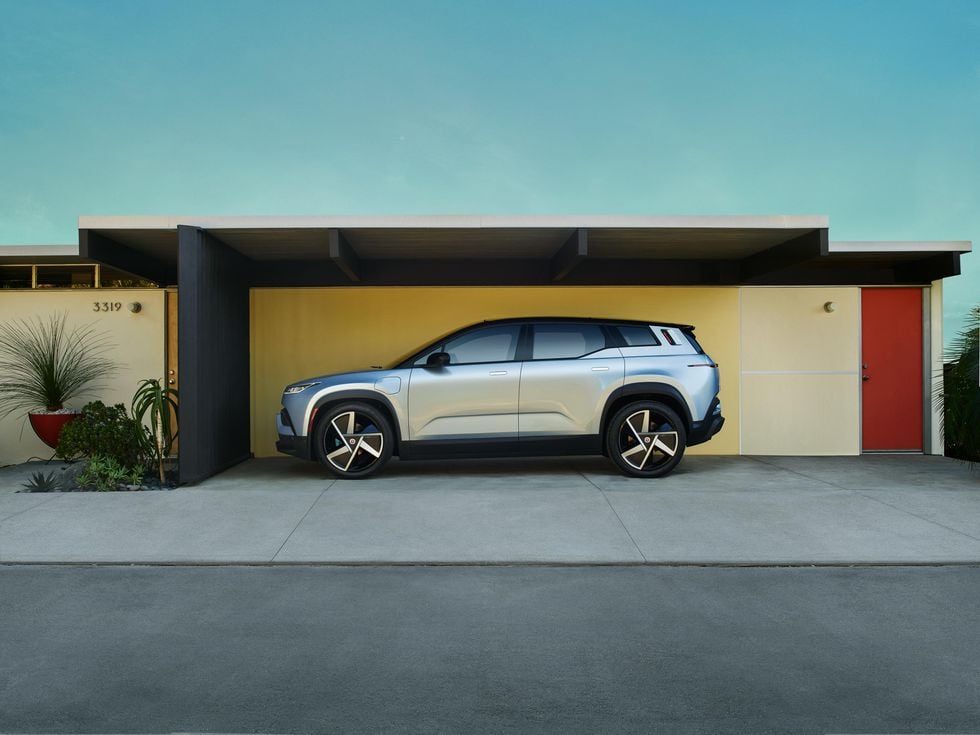
At a time when the average transaction price for a new car is approaching $50,000, a sub-$40,000 electric crossover sounds too good to be true. The Fisker Ocean introduces rare value in the crowding EV segment, however it represents something more for its creator.
Rarely does a designer have creative freedom over an entire vehicle’s development. The all-new Fisker Ocean shows what’s possible when art, luxury and sustainability are front and center from start to finish. Here’s everything you need to know about the latest sporty crossover to pull up to the electric vehicle party: the 2023 Fisker Ocean.
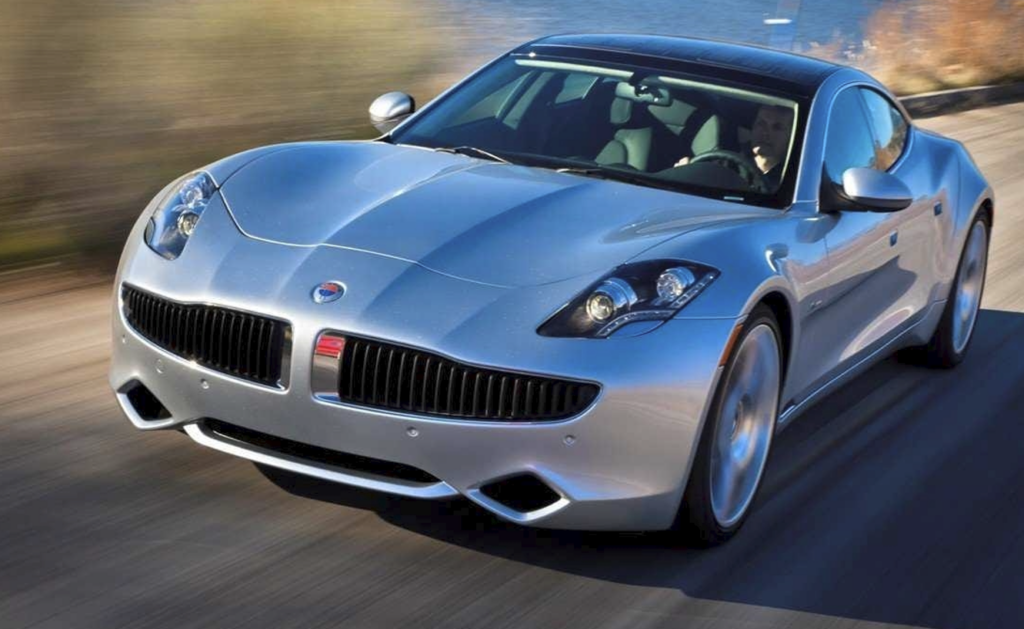
Car enthusiasts will remember Hurricane Sandy for the thousands of vehicles that were flooded in saltwater at East Coast ports. A large batch of those flooded cars were Fisker’s first deliveries of the 2012 Fisker Karma hybrid sports car. Famed vehicle designer Henrik Fisker co-founded Fisker Automotive in 2007 with Bernhard Koehler and Quantum Technologies, and things were not going well when 338 brand-new cars sat smoldering in six feet of ocean water.
Completely losing your first batch of production vehicles is just about the worst thing that could happen for any young auto brand. Fisker had overcome a lawsuit from Tesla, the failure of its battery supplier, and laying off most employees. Bankruptcy soon followed, and vehicle development screeched to a halt. Fisker burned through $1.3 billion in its short history before failing altogether.
However, that was certainly not the end for the Fisker brand and vision. In 2014, Fisker Automotive’s Karma vehicle design, tooling and a manufacturing facility in Delaware were purchased by Wanxiang Group, a Chinese auto conglomerate. They continue to produce the Karma sports car today.
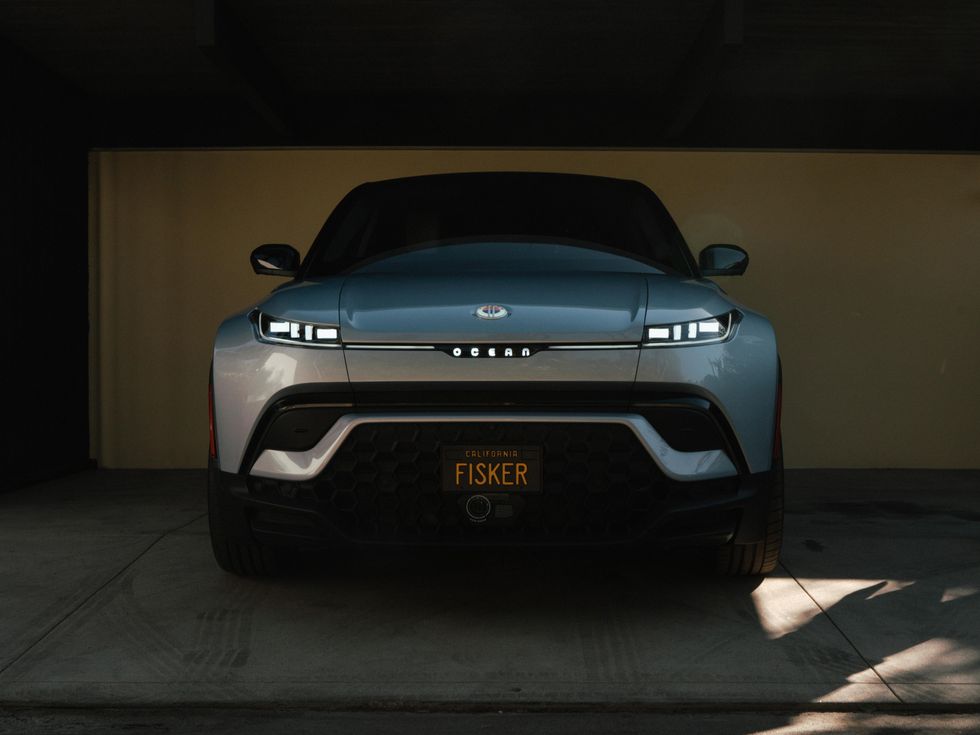
A few years later, Henrik Fisker rebranded his sustainable transport projects into Fisker Inc. A lot had changed over the 2010s. Tesla succeeded against all odds, crossovers were replacing sedans everywhere, and electric vehicles were entering the mainstream. Most importantly for Fisker, electric vehicle battery technologies were maturing.
In 2020, Fisker opened up reservations for a new electric crossover dubbed the Ocean. It’s not clear if the name choice is a healthy dose of irony or a real coincidence considering what brought the brand to its knees in 2012. This time around, Fisker seems to truly have the wind in its sails. Fisker is officially partnering with Magna to mass produce the Ocean electric crossover starting in late 2022.
The 2021 LA Auto Show brought a real emphasis on electric vehicles. From legacy automakers to EV startups, the world was excited to show off the future. Among the many EV headlines at the LA Auto Show was the unveiling of the production-ready Fisker Ocean electric crossover. Here’s why the Fisker ocean is seriously a car to look forward to in 2022.
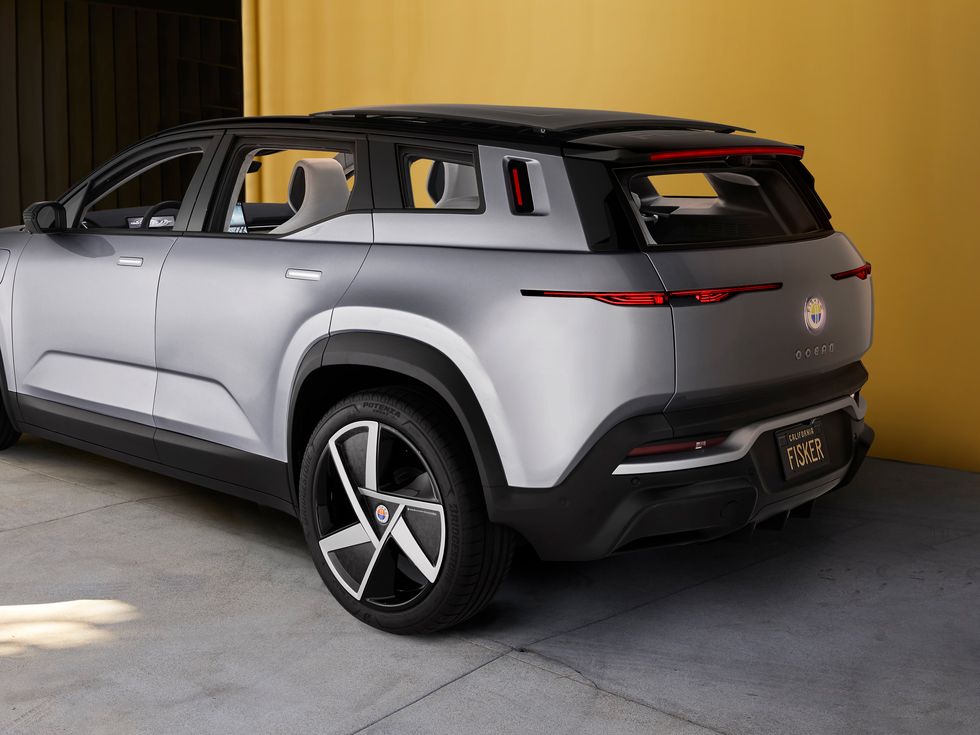
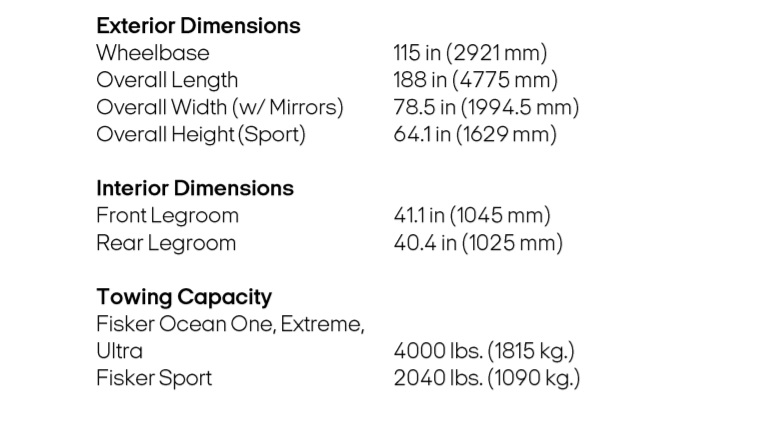
Just look at those curves, that front fascia, and the limited glimpses we have of the interior. The Fisker Ocean is one gorgeous crossover. It’s muscular yet composed, and there’s nothing out there like it. The Ocean is slightly larger than the popular and more expensive Tesla Model Y when it comes to height, width and length.
Fisker says that the interior is surprisingly spacious due to the compact electric motors and skateboard battery design underneath the floor. Much of the interior is made of recycled materials, of course with a luxury flare.
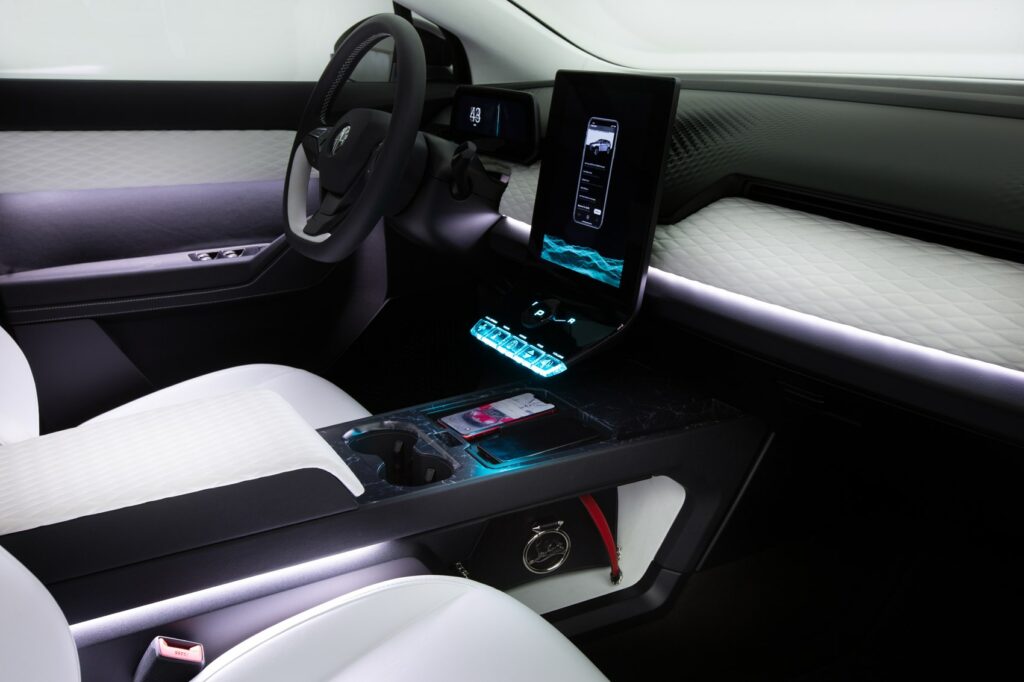
The Fisker Ocean will enter the U.S. market at a starting MSRP of $37,499 (excluding incentives). In some states, tax credits and state rebates will bring the effective cost of an entry-level Ocean below $30,000. Tired of one-size-fits-all trim options? Fisker offers compelling option packages to customers across the Ocean’s entire price range.
Starting MSRP: $37,499
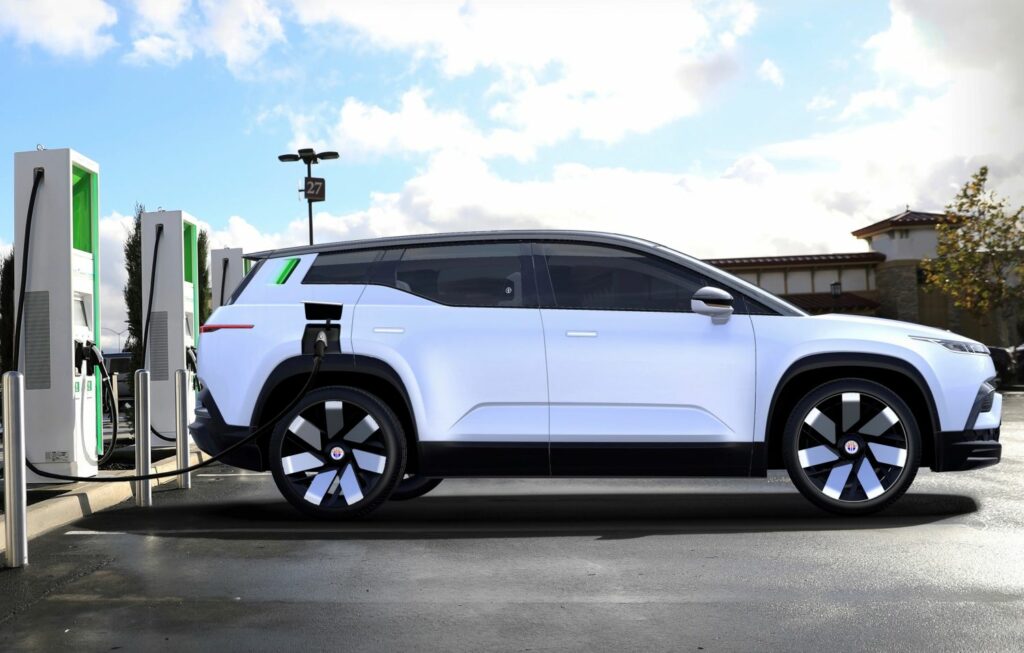
The entry-level Ocean still comes well-equipped with a 17-inch central touchscreen, premium sound and a BigSky roof. The Ocean Sport is powered by a single front-wheel drive motor that’s more than enough power for most. The Fisker Ocean Sport starts at an MSRP of $37,499.
Starting MSRP: $49,999
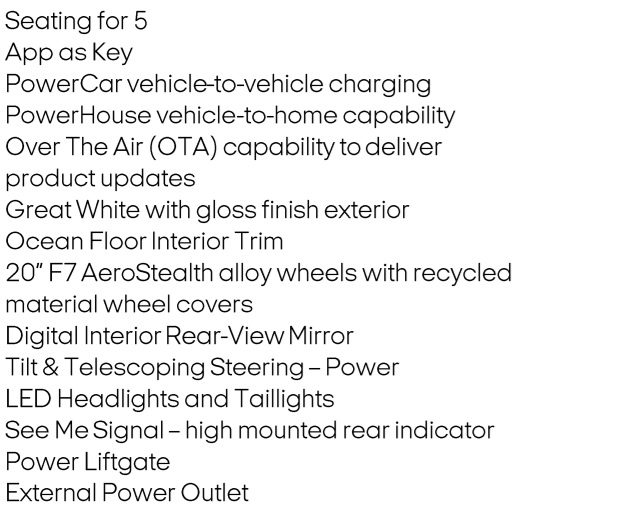
The Ocean Ultra will be the option that most buyers will go for. Stepping up to the Ultra gets you dual motor all-wheel drive, three drive modes for diverse driving conditions, and 360-degree cameras.
There’s a LOT more. The Ultra also tacks on Fisker’s more expansive OpenSky glass roof, unique interior trim options, and phone-as-a-key.
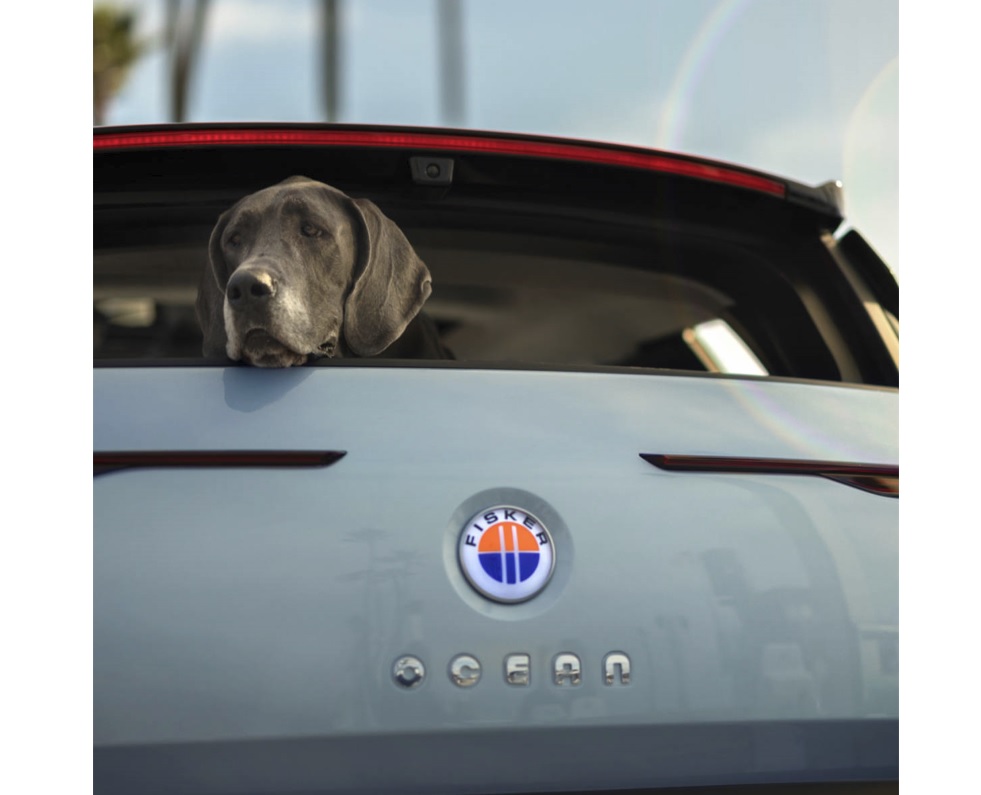
The Fisker Ultra is also where the brand’s famous California Mode becomes accessible to buyers. Fisker California Mode lowers all windows, including the rear window, effectively turning the cabin of the Ocean into open-air space perfect for breezes and sunshine.
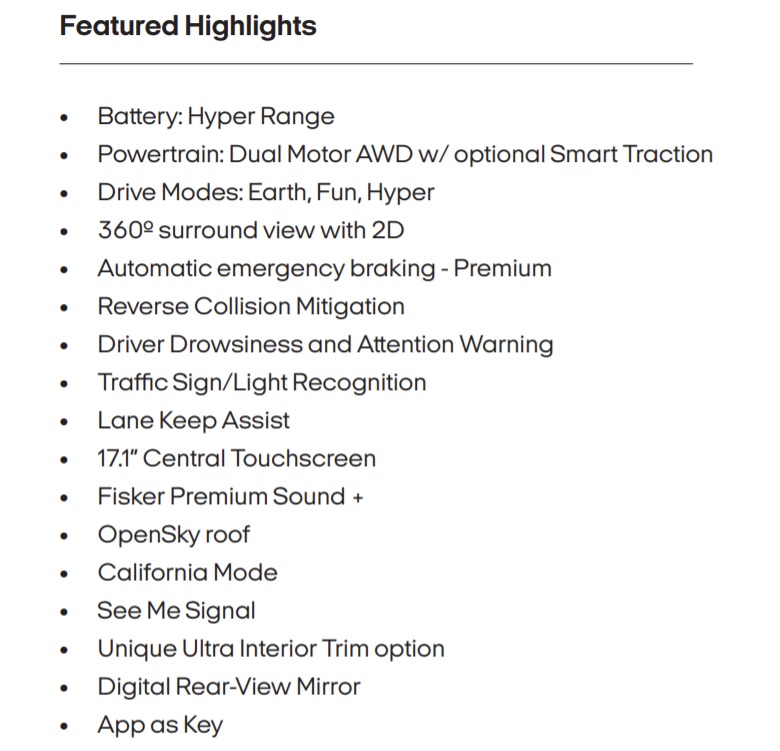
The Fisker Ocean Ultra starts at $49,999, a noticeably lower base MSRP than you’ll find in most similarly equipped competitors.
Starting MSRP: $68,999
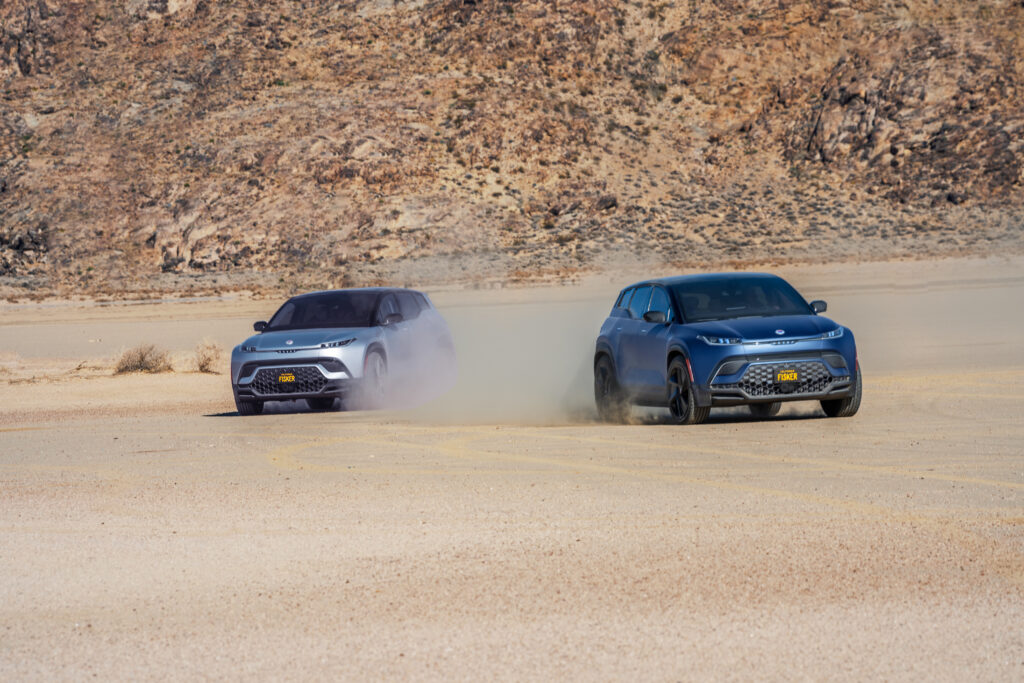
Want a solar roof on top of your car that can harness the sun for up to 2,000 miles of range every year? You can have that and more with the Fisker Ocean Extreme. The Ocean Extreme comes packed with an abundance of high-end luxury amenities at a more premium price point.
On top of what the Ocean Ultra offers, the Extreme gets Park My Car, and advanced driver assist systems like lane change assist. The 17” screen found in all Ocean trims turns into a revolving screen that can flip horizontal or vertical.
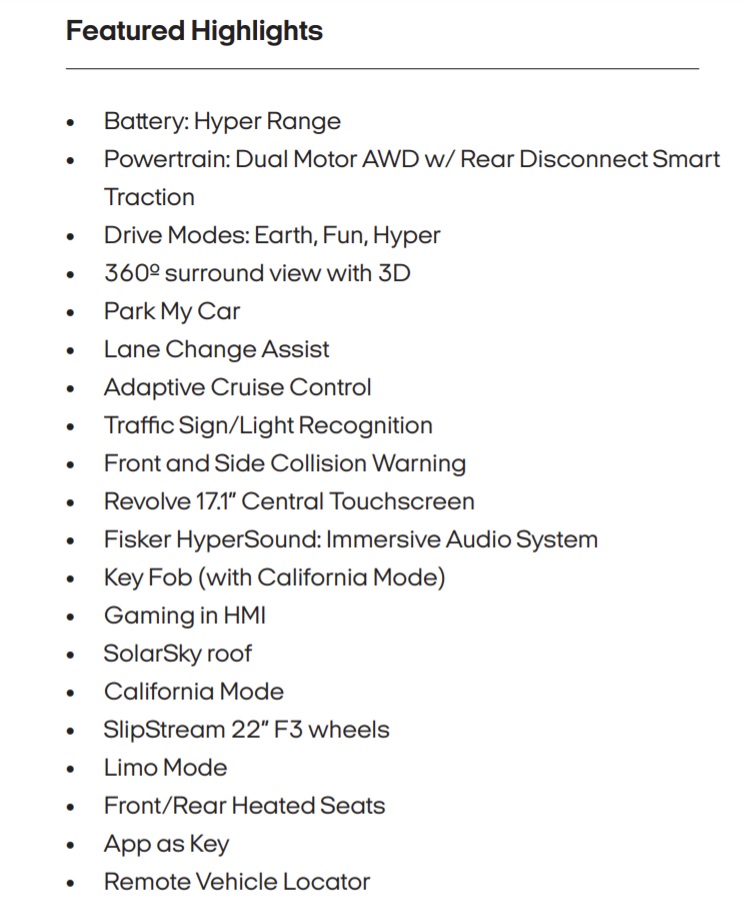
The Ocean Extreme also gets Fisker Limo Mode, which allows rear-seat passengers the ability to control audio volume, heating and cooling. The Fisker Ocean Extreme starts at $68,999, but you get a whole lot of quirks and features.
Starting MSRP: $68,999 (sold out)
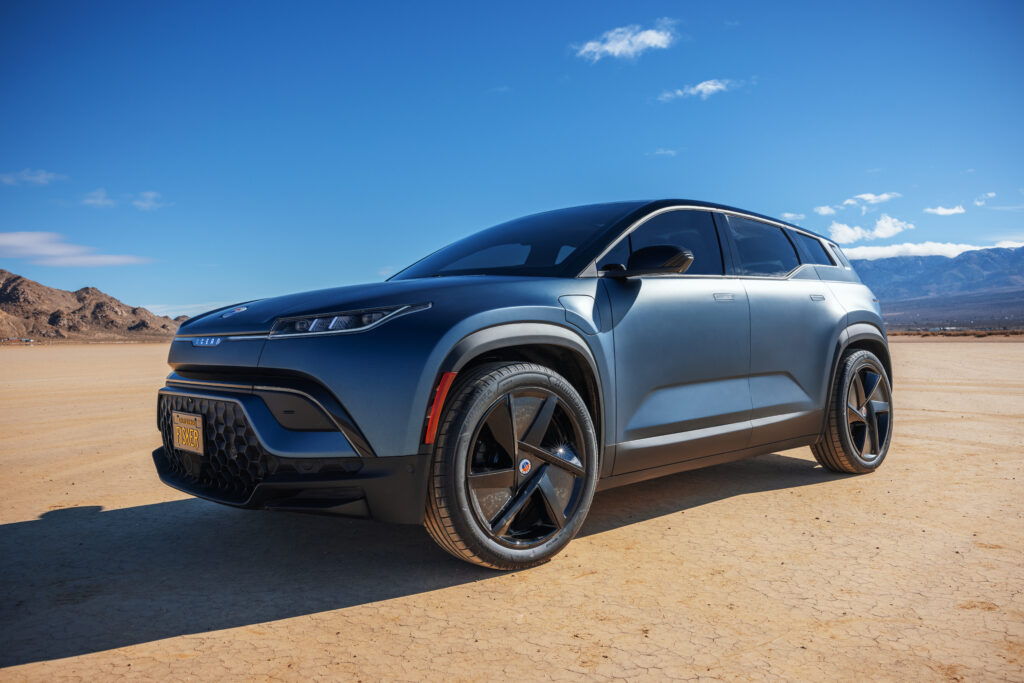
The launch-edition Fisker Ocean One will be the first-ever vehicle launched by Fisker Inc. Unfortunately for today’s buyers, the Ocean One is limited to the first 5,000 units produced. All are spoken for, so the Ocean Extreme is your next best bet. This luxury edition comes fully loaded with all available premium features.
The Fisker Ocean Sport will have an expected 0-60 mph time of 6.9 seconds with peak horsepower of 275 hp. The Fisker Ocean Ultra drops the 0-60 time to just 3.9 seconds with a peak of 540 HP. That’s a full second quicker than the dual motor, long range Tesla Model Y. The Fisker Ocean Extreme and Fisker Ocean One will have an estimated 0-60 mph time of 3.6 seconds, with 550 HP.
The Fisker Ocean Sport will have Earth and Fun drive modes, while the Fisker Ocean Ultra and Fisker Ocean Extreme will add Hyper mode. The Fisker Ocean Extreme and the Fisker Ocean One will also have an Off-Road mode. The Fisker Ocean Ultra, Fisker Ocean Extreme, and Fisker Ocean One trims will have a Smart Traction torque-vectoring system to enhance performance and safety.
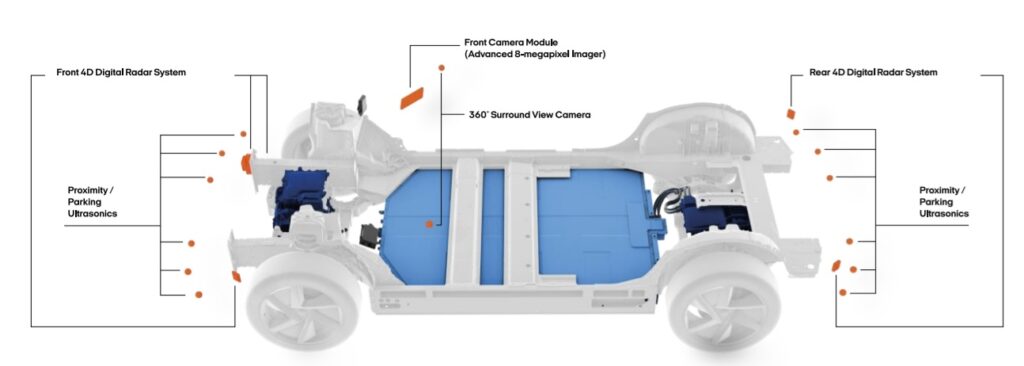
Fisker estimates that the EPA range of the front-wheel-drive, single-motor Fisker Ocean Sport will be 250 miles on a single charge. The Ocean Sport gets a lithium-ion phosphate (LFP) battery cell chemistry supplied by respected battery supplier CATL. EPA ranges for the all-wheel-drive, dual-motor Fisker Ocean Ultra and Fisker Ocean Extreme are estimated at 340 miles and 350-plus miles, respectively.
The Ocean Ultra, Ocean Extreme and limited-edition Ocean One will use CATL-supplied battery packs with a nickel-manganese-cobalt cell chemistry. Fisker says that they’ve worked in close collaboration with CATL to create reliable, high-energy packs for the Fisker Ocean.
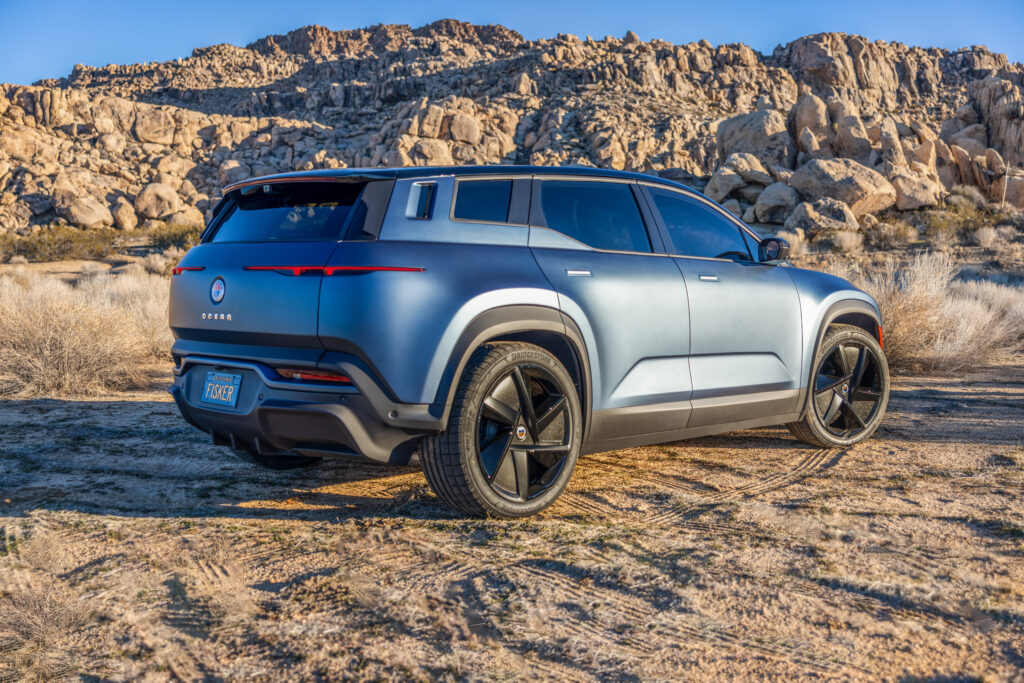
For just $379 per month (a bargain these days!), you can lease a Fisker Ocean SUV under a very untraditional lease agreement. Fisker says that they believe electric vehicles should be affordable to all, and this is how they’re going to try to get there.
With a Fisker Flexee Lease, there are no term limits and you can cancel at any time. It’s basically a long-term rental that appears to be worry-free. After twelve years of leased driving, Fisker will retire and recycle the electric SUV. The Fisker Flexee Lease requires an initial payment of $2,999, and it includes up to 30,000 miles per year. Maintenance is covered. Sounds like a great deal if you ask me!
In the United States, buyers of the Fisker Ocean qualify for up to $7,500 in federal electric vehicle tax credits, depending on annual tax liability. Many states offer additional electric vehicle rebates and tax credits that drop the effective price of the Fisker Ocean well below $30.000. US lawmakers are considering revisions to the Electric Vehicle Tax Credit that could possibly up the incentive amount to over $10,000 for the Fisker Ocean, and even higher for vehicles made in the United States with union labor. Your electric utility may even offer some kind of EV rebate.
You can jump on the Fisker reservation list with a $250 refundable deposit, but know you’re signing up for a waiting game. Fisker is proud to announce that production is scheduled to begin at Magna’s state-of-the-art, zero-emissions factory in November 2022. The first 5,000 Oceans made will be the top-tier Ocean One that is already sold out. We expect those who get in line for a top-trim Fisker Ocean in early 2022 will likely take delivery in the second half of 2023. There’s a longer wait ahead if you’re interested in the more affordably priced ocean trims – 2024 at the earliest.
The first two Fisker Experience Centers will open soon in Los Angeles and Munich, Germany. Later in 2022, the company plans to open at least four additional centers in London, New York, Miami and Copenhagen.
Your automotive advocates at caredge.kinsta.cloud are feeling optimistic about Fisker. The car is beautiful and the specs are promising, but the price points are very competitive for what you get. We would not be so enthusiastic about the brand if it had not already announced strategic partnerships that elevate reliability ratings from day one. Austrian automaker and supplier Magna-Steyr has been building luxury vehicles for the likes of BMW, Jaguar and Mercedes. CATL’s battery packs are arguably the best out there. Even Tesla uses them for some manufacturing.
Of course, our opinions can only be so strong when no reviewers have had the chance to take a ride in a production-ready Fisker ocean just months before production is set to start.
Another thing to consider when making any vehicle purchase is how close you live to Fisker’s planned Experience Centers. It’s never a great idea to be too far away from maintenance if you need it. For example, I’d love to purchase a Fisker Ocean myself, but I live in West Virginia. I doubt Fisker will be coming to the Mountain State anytime soon. We don’t even have a Tesla showroom or service center in the state.
At this price point and with these specs, the 2023 Fisker Ocean just might shake up the electric crossover segment like never before. We will be keeping our eyes on Fisker as they enter the American market.

Carvana’s 150 point inspection can’t seem to catch some pretty significant problems, such as STOLEN and damaged vehicles. A Denver man has entered into an arbitration lawsuit with Carvana after the online retailer sold him a vehicle that was stolen from Hertz rental company 7 months prior, several states away.
After completing an online purchase of the car from Carvana, Dennis Atencio says that a repo truck showed up in his driveway to haul his beloved car away. The disgruntled customer was later able to get his car back, but the problems didn’t stop there. In what turned out to be a post-sale, stolen vehicle inspection, the owner found that the vehicle had previously been in an unreported accident and had sustained significant damage that Carvana had not “noticed” during their so-called 150 point inspection. CarEdge always recommends a pre-sale independent inspection for exactly this reason.
Carvana’s contract language makes it so that customers can’t sue the online retailer. However, Dennis is seeking other avenues of legal recourse. To make matters worse for Dennis and other Carvana customers, the point-of-sale is technically out of state in most scenarios, so state regulators rarely have any jurisdiction over Carvana. Consumer protection attorney Matt Osborne told The Denver Channel that buying from Carvana is really like buying in the Wild, Wild West.
Dennis’ problems are just the tip of the iceberg. An ongoing class action lawsuit against Carvana alleges many missteps the company has taken when interacting and selling to their customers. The most appalling accusations are the multitude of title and registration issues that prevent Carvana customers from legally driving the vehicles they’ve purchased. Now you can add ‘selling stolen vehicles’ to the pile of problems.
Despite what the annoying mom in Carvana’s Super Bowl ad has to say, proceed with extreme caution if you are considering buying from Carvana or any online vehicle seller.

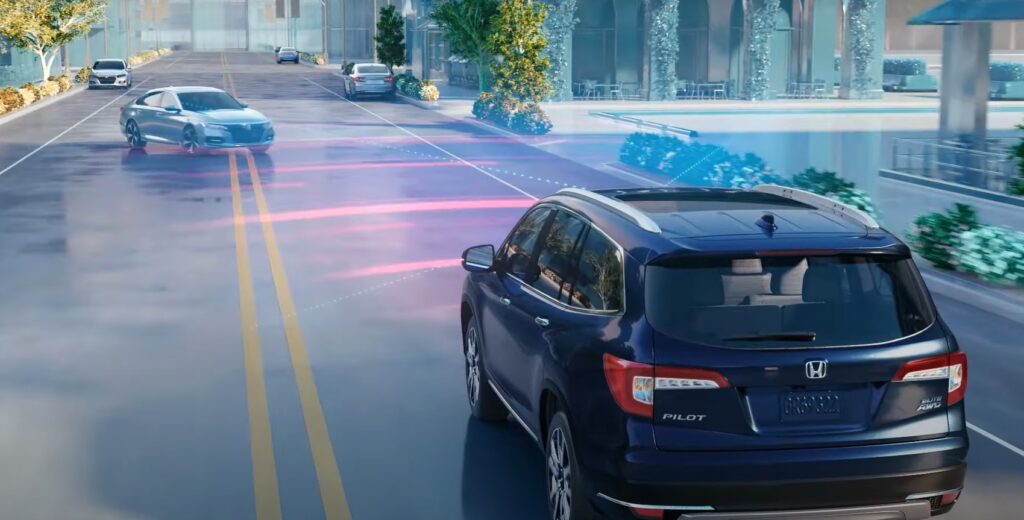
Independent start-ups, big tech conglomerates and hordes of automakers are all working on self-driving technology. The infinite unknowns of the driving world aren’t going to keep them from confronting the greatest challenge in automotive history. Some are going it alone, while most are partnering up. We’ve gathered all of the milestones and strategic partnerships shaping the development of autonomous transportation. As automakers with bottomless pockets have learned, no amount of autonomous vehicle investments can overcome the enormity of this engineering challenge.
In 2010, just about everyone was hopping aboard the autonomous driving train. General Motors, Ford Motor Company, Mercedes-Benz, Volkswagen, Audi, Nissan, Toyota, BMW, Volvo, Nissan and a very young Tesla were all getting to work on the issue in the early 2010s. How much has been accomplished? Well, a lot, but the pace of innovation has been slower than most anticipated. Plus, there have been plenty of missed deadlines and dead ends along the way. Here are just a few of the many examples:
A possible game-changer surfaced in early 2021 when the NHTSA finally amended the Federal Motor Vehicle Safety Standards (FMVSS) to include clarified language regarding autonomous vehicles and advanced driver assistance systems as a whole. In a lackluster revision, the new NHTSA rules essentially say that automakers are obligated to protect vehicle occupants to the fullest extent possible, no matter the level of automation. In other words, automakers can’t treat the American public like test mules for their latest technology.
Now that US regulations are modernized, automakers are likely to accelerate their timelines for development and testing of Level 3 automation on American roads. In fact, a few automakers intend to roll out their very best in 2022.
Some automakers keep their cards close, and that’s no surprise in a competitive market. However, there are dozens of partnerships, acquisitions and investments that shine light on the accelerated path towards autonomous mobility. It’s been a long time coming. If you need to polish up your understanding of the six levels of autonomy, we’ve got you covered here. This is what we know in 2022:
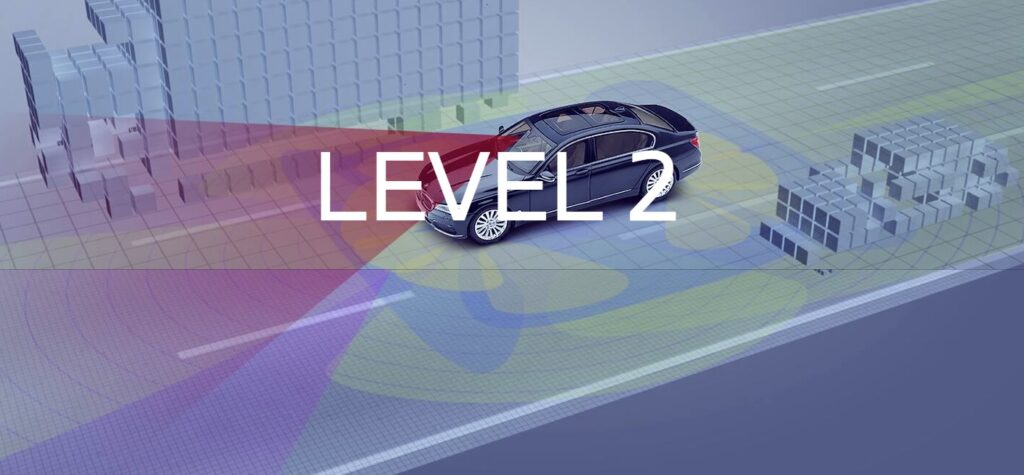
In 2019, BMW teamed up with Daimler to strive towards Level 4 automation by 2024. In a quest to leapfrog Tesla, BMW will add Level 3 autonomy to the 7 series sedan in 2022. Stellantis is even in on the deal (more on that below). BMW has a whole campus dedicated to testing autonomous driving technology. Engineers are seeing tremendous progress at the BMW Autonomous Driving Campus in Germany. BMW is committed to investing $35 billion in autonomous vehicle and EV development by 2025.
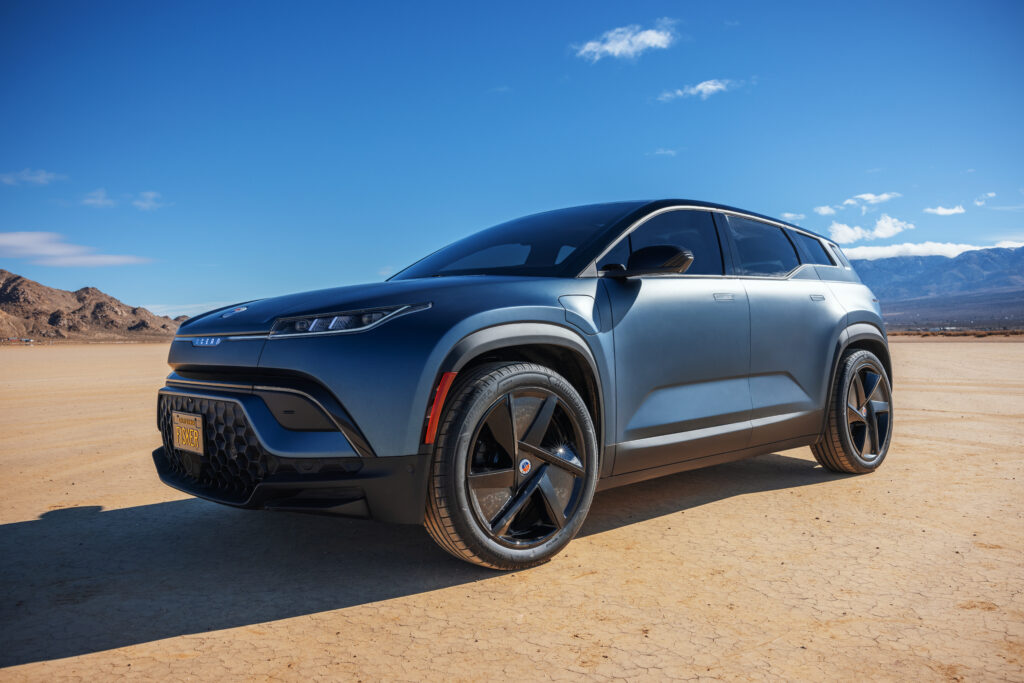
The 2024 Fisker Ocean electric crossover will be built by European auto manufacturer Magna. As part of Fiskers agreement with Magna, the nascent automaker will take advantage of Magna’s new proprietary suite of sensors and over the air update capabilities to launch the Fisker Ocean with Fisker Intelligent Pilot. Known as FI-Pilot, not much else is known about Fisker’s advanced driver assist system. Fisker claims that FI-Pilot will be industry-leading, but the brand’s first production vehicles won’t be out until 2023.
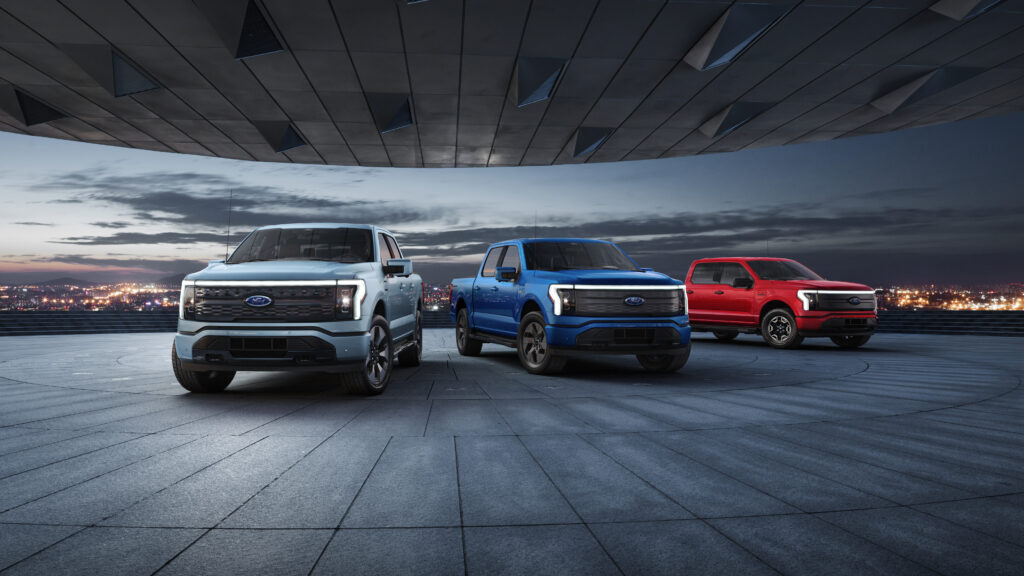
Ford is investing $5 billion in autonomous vehicle development between now and 2025. The American giant already invested in a partnership with Argo AI in collaboration with Volkswagen Group. Ford is now testing self-driving vehicles in Pittsburgh, Palo Alto, Miami, Washington, D.C., and Detroit. Lyft will be the first beneficiary of the new Ford autonomous driving investments. Their test vehicle of choice to represent the future? The discontinued Ford Fusion Hybrid.
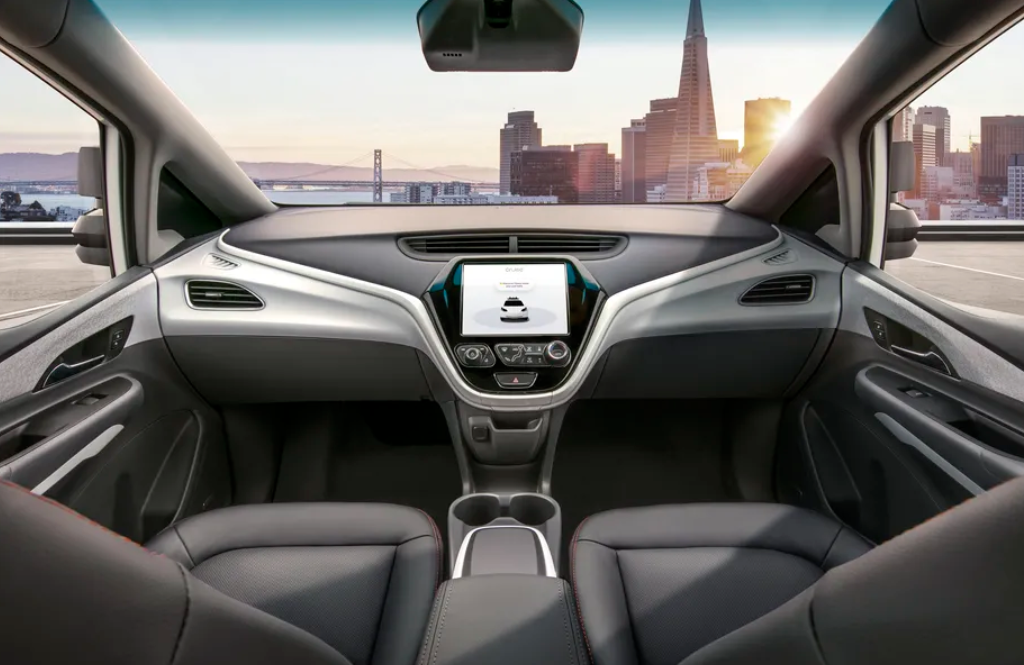
GM has upped its combined investments in electric and driverless vehicles to $35 billion, including $1 billion for autonomous vehicle investments. At CES 2022, General Motors CEO Mary Barra announced that GM plans to sell fully autonomous vehicles to the public “by mid-decade.” In 2016, GM bought self-driving startup Cruise, and has since worked on further development while integrating what it now calls Super Cruise into the automaker’s vehicles.
In 2022, Super Cruise advanced driver assistance is available in the Cadillac Escalade, Cadillac CT4, Cadillac CT5, Chevrolet Silverado, GMC Hummer EV and GMC Sierra. Chevrolet even calls Super Cruise the “world’s first true hands-free driving system for the freeway.” Note that eyes still need to be on the road. GM is far from bringing driverless cars to market.
Ever heard of the Honda Legend? Me neither. It’s a popular sedan in Honda’s Japanese homeland. Even more intriguing is the fact that Honda came out of nowhere with the very first production car with Level 3 autonomy. In early 2021, Honda Sensing Elite became available for the Honda Legend.
The story gets weirder! In 2018, Honda invested $2.75 billion in a partnership with General Motors. The partnership let’s Honda use Cruise, the autonomous transportation subsidiary that GM acquired in 2016. Microsoft joined the Cruise party with a $2 billion autonomous vehicle investment in 2021, effectively teaming up with GM and Honda. It’s not yet clear if Honda Sensing Elite is a product of the Cruise partnership, or if perhaps the result of other behind-the-scenes developments.
Back in 2019, Hyundai announced a $35 billion investment in autonomous driving technologies that will fund research, partnerships and innovation by 2025. The South Korean government is a partner in the investment. The government expects that Hyundai will launch Level 4 vehicles for fleets by 2024, and for the public in 2027.
Hyundai-Kia’s 2018 investment in Aurora Innovation is expected to drive innovation. The two had been working on a hydrogen fuel cell vehicle called NEXO, but it’s unclear whether that piece of the partnership will continue with hydrogen losing favor to electricity-powered vehicles.
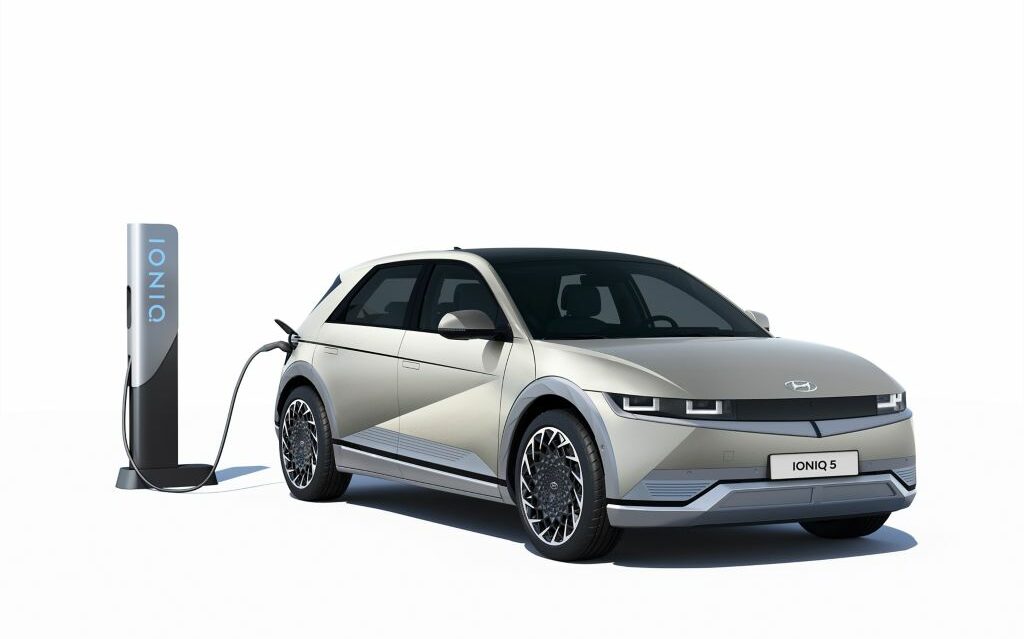
After rejecting rumors that they were working with Apple on automotive tech, Hyundai and Kia quietly began delivering vehicles with Level 2 advanced driver assistance. The popular Hyundai IONIQ 5 electric vehicle includes Highway Driver Assist 2, which combines lane assist with adaptive cruise control to steer the car on the highway.
One feature that stands out in Hyundai’s Highway Driver Assist 2 is automatic lane changing, which even Tesla Autopilot does not yet offer. Next up for Hyundai and Kia? We’ll see if they can follow through on their target of having Level 4 autonomous vehicles by 2024.
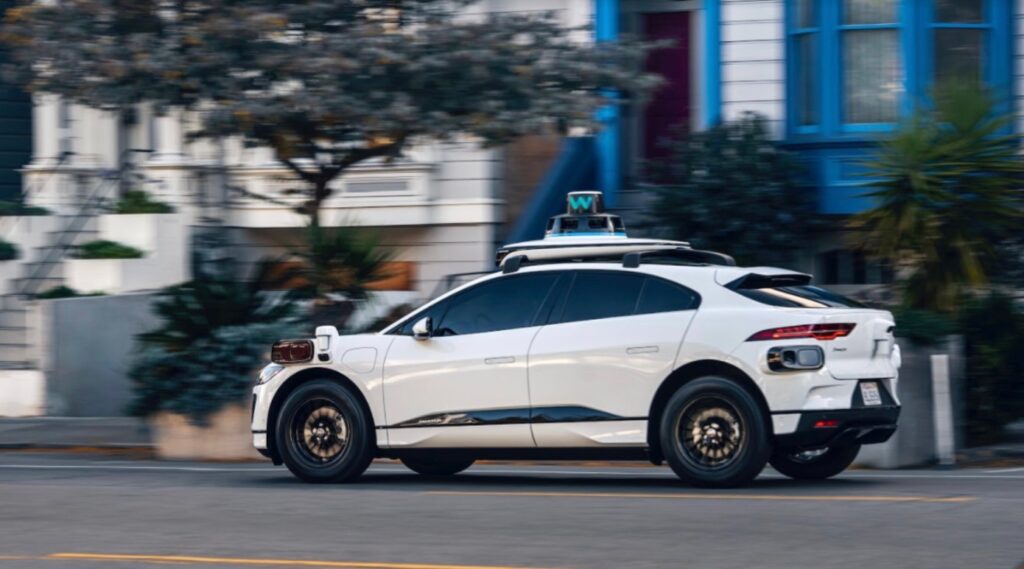
The British luxury brands are working on both strategic partnerships and solo projects in the autonomous vehicle space. Driverless ride-hailing company Waymo wants up to 20,000 electric Jaguar I-Pace vehicles for their driverless markets. project Vector is Land Rover’s autonomy-ready vehicle platform under development.
Jaguar Land Rover is already testing an advanced suite of Level 2 driver assistance features. “The initial tests will involve vehicle-to-vehicle and vehicle-to-infrastructure communication technologies that will allow cars to talk to each other and roadside signs, overhead gantries and traffic lights. Ultimately, data sharing between vehicles would allow future connected cars to co-operate and work together to assist the driver and make lane changing and crossing junctions easier and safer.”
In 2021, Mercedes-Benz became the first automaker to get regulatory approval for Level 3 autonomous driving in Europe. For now, Mercedes Drive Pilot is available on 8,197 miles of German highways at speeds up to 37 miles per hour. Mercedes’ Level 3 system is accessible to far more vehicles than Honda’s Sensing Elite. The 2022 all-electric EQS and S-Class models get Mercedes Drive Pilot, but full functionality is not yet available in North America.
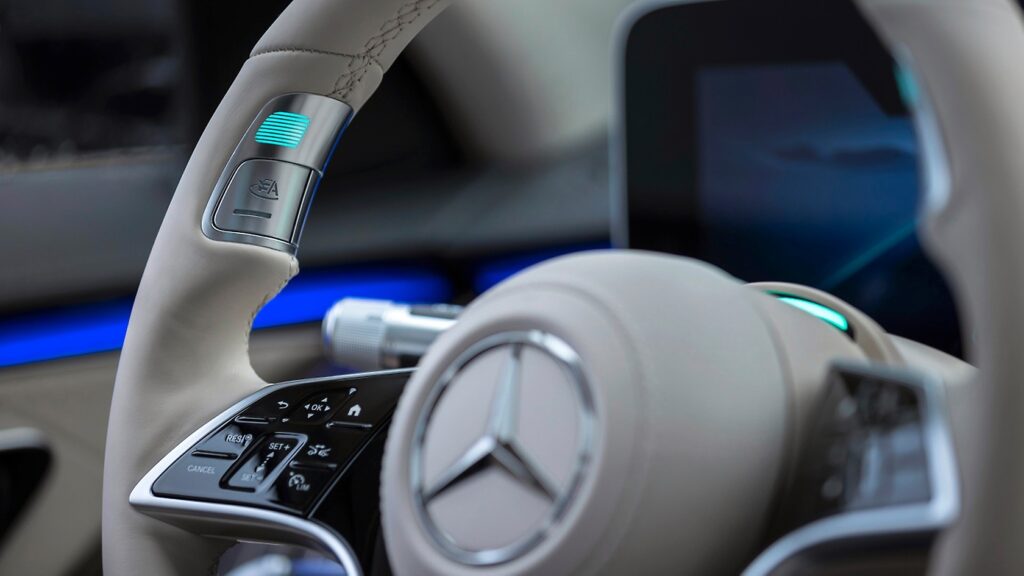
Mercedes-Benz is already looking ahead to the next iteration of autonomous tech. They announced a partnership with self-driving sensor maker Luminar Technologies to enable fully automated driving on highways for its next-generation vehicles. The next generation of Mercedes autonomous vehicles should arrive mid-decade.
In 2019, Mercedes parent company Daimler partnered up with rival BMW to spend around $1 billion on accelerating the development of autonomous vehicles. Daimler also invested $573 million on autonomous commercial trucks, with the possibility of spillover into passenger vehicle R&D.
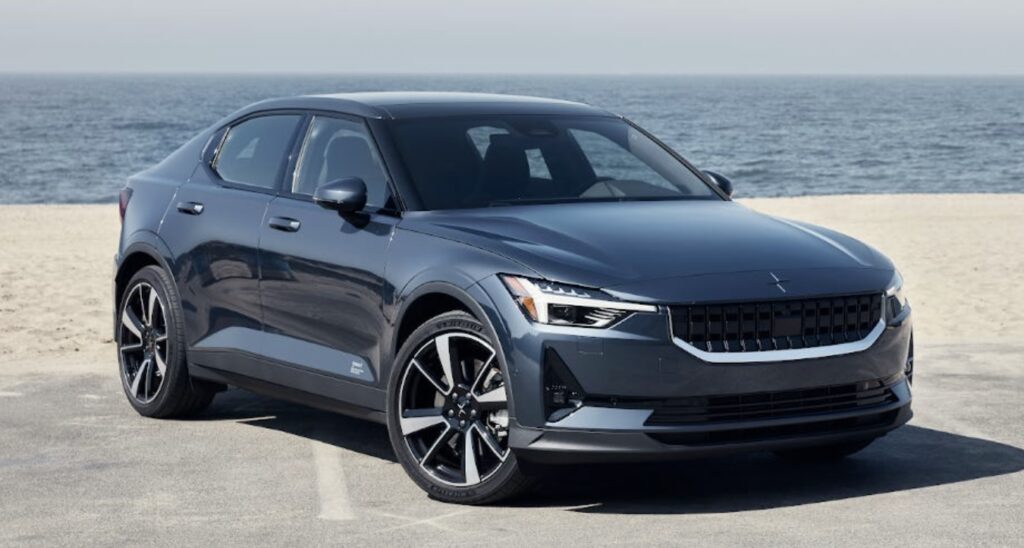
Many had never heard of this Volvo subsidiary until the fierce Super Bowl commercial came out of nowhere and called out rivals like Tesla and Volkswagen. Riding on the waves of success with the Polestar 2 electric sedan, the Nordic automaker will offer a Level 3 autonomous driving system in the upcoming Polestar 3 SUV. Polestar’s autonomous driving partnerships with Luminar, Nvidia, and Zenseact will power the tech.
Stellantis is clearly on the verge of a major shift in strategy. They recently shared the beautiful Chrysler Airflow concept, and declared full electrification of the Chrysler brand by the end of this decade. Now, Stellantis is shooting for Level 3 autonomy by 2024. Surprisingly, the automaker said that the Level 3 capability is being developed in partnership with BMW.
Stellantis aims to generate $23 billion in added revenue from software-driven features by 2030. Stellantis has plans for three new software platforms called STLA Brain, STLA SmartCockpit, and STLA AutoDrive.
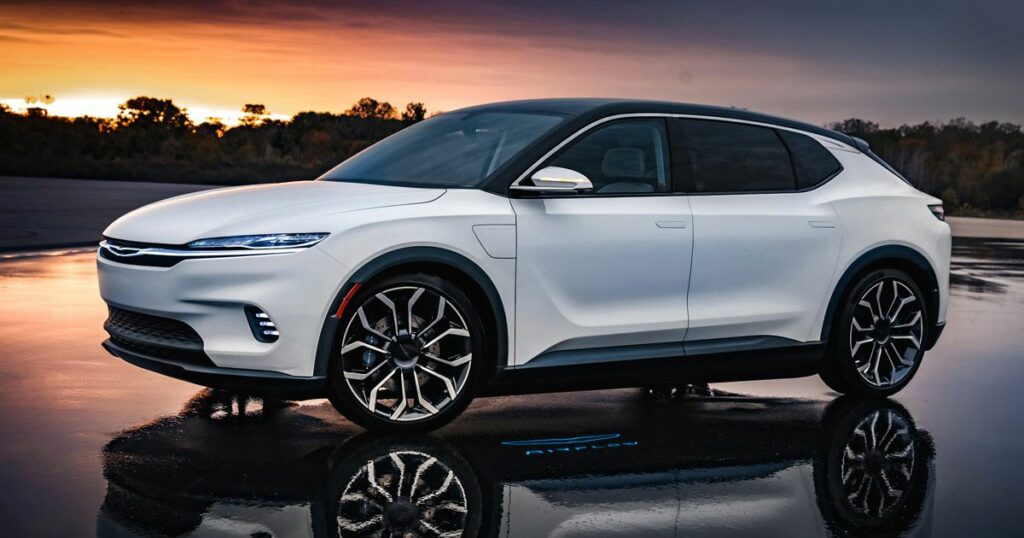
Automotive News reports that Waymo is involved in the next generation of Stellantis software. “The automaker said that STLA Brain, due for rollout in 2024, would be updateable over-the-air to allow its Level 2 semi-autonomy to be upgraded to allow hands free Level 3 driving. For more advanced Level 4 autonomy and Level 5 full autonomy, Stellantis will partner with Alphabet’s Waymo self-driving unit, it said. Waymo already deploys Pacifica Hybrid minivans from Stellantis’ Chrysler brand equipped with the Waymo Driver hands-free technology to provide fully autonomous rides in Phoenix, Arizona.”
By 2024, Stellantis plans to employ 4,500 engineers and software developers worldwide as they spend $33 billion on electrification and autonomous vehicle investments. With Level 3 as the next goal, driverless cars are not in the picture for Stellantis at this time.
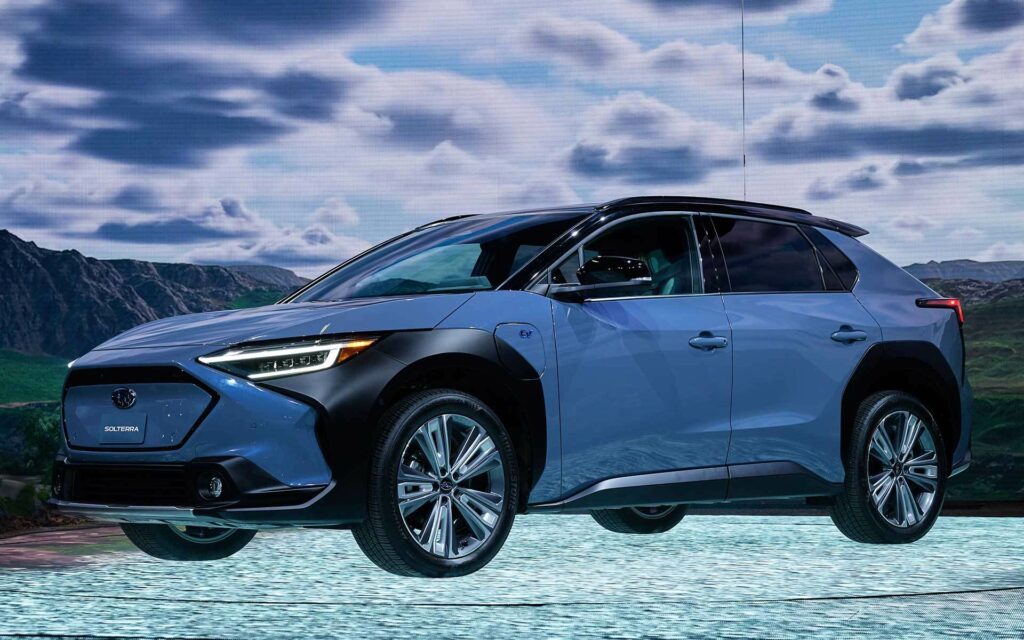
Subaru is a bit behind when it comes to autonomous vehicle development. As numerous competitors are releasing Level 2 advanced driver assistance systems in 2022, Subaru announced that their goal is to achieve Level 2 autonomy in “the second half of the 2020s.”
Subaru plans to develop the system utilizing its EyeSight Driver Assist Technology and artificial intelligence to interpret the environment even in poor visibility. Depending on how the successes of the rest of the industry go, Subaru may find itself quite behind in five years’ time.
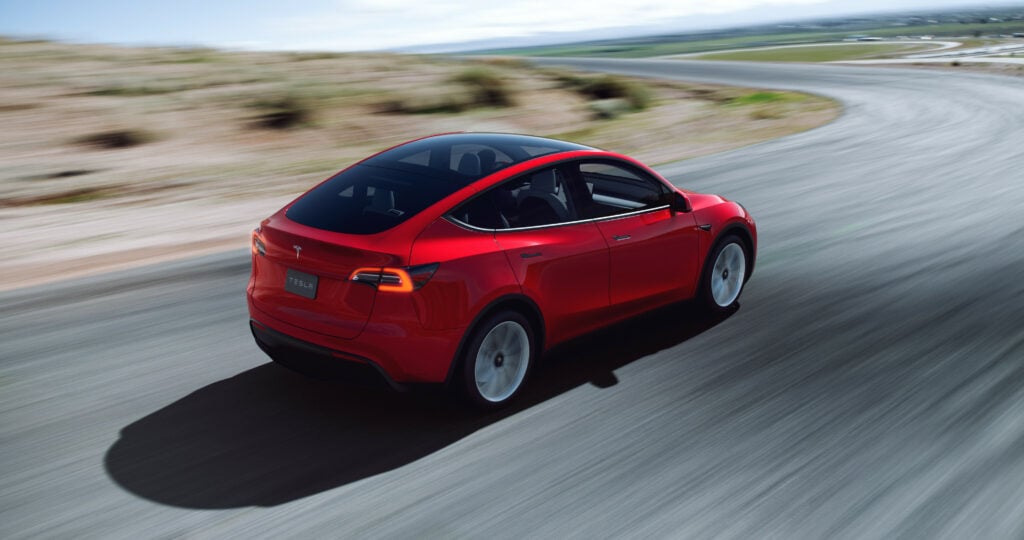
Tesla has been aiming for Level 5 autonomous driving since the beginning. With optimistic leadership, Tesla announced target dates for everything from a million robotaxis to no longer needing a steering wheel at all. Of course, these headline-grabbing goals underestimated the engineering feats that must be overcome before safe autonomous vehicles can seek regulatory approval in the US.
That isn’t to say that Tesla is any kind of failure. Quite the opposite. Tesla’s controversially-named “Full Self-Driving” package is available for $12,000 today. The thing is, it does not enable full self-driving. At least not yet.
The past few years have seen Tesla implement microchip upgrades in preparation for true Level 3-5 autonomy, yet many saw a misstep when Tesla decided to remove radars from new models. Tesla says that their autonomous driving system will learn to navigate the world like a human driver does, using only image processing. In other words, cameras not radars. For that reason alone, many engineers are wondering just how successful Tesla’s autonomous driving approach will turn out to be.
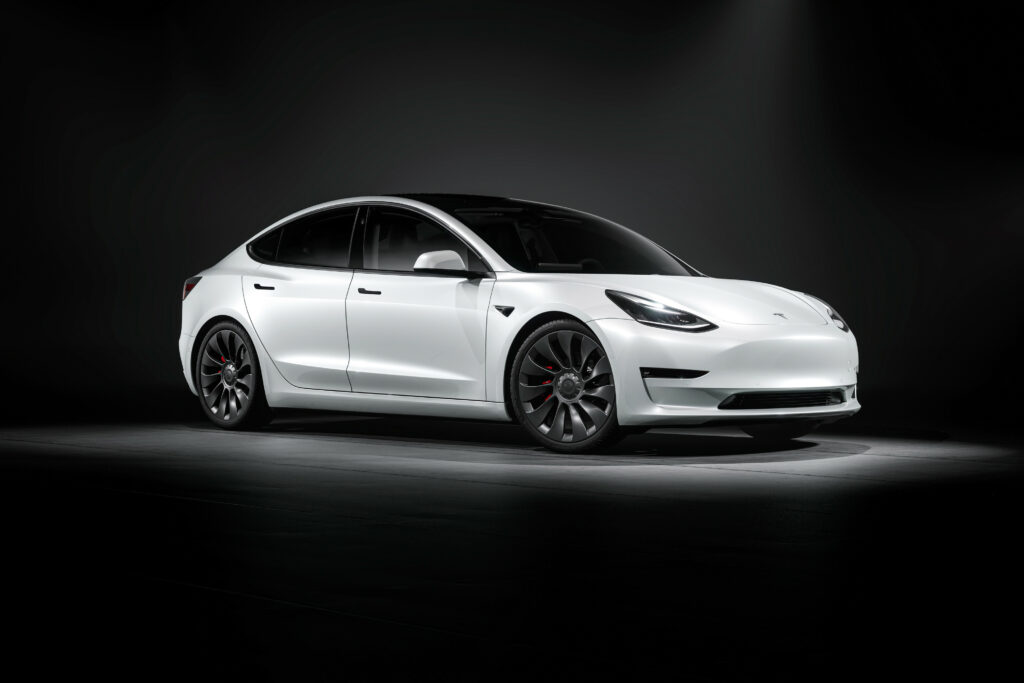
All Tesla vehicles come equipped with Tesla Autopilot, a Level 2 advanced driver assistance system. It’s essentially lane-keep assist paired with adaptive cruise control. However, it’s arguably the best in the industry right now. Tesla is in the process of transitioning all vehicles to Tesla Vision, Tesla’s camera-based Autopilot system.
Tesla could follow through on their bold promises and send an OTA update to millions of cars overnight that launches the auto industry into Level 4 autonomy. Will it happen? That’s more of a wait-and-see game.
Toyota just announced that it is launching its own operating system to prepare for the age of autonomous vehicles. The system, named Arene, will be able to control vehicle operation and advanced safety features. Arene will open the door to autonomy that goes beyond Level 2. Toyota Arene should arrive in 2025, which happens to be right around the same time that Mercedes-Benz, GM, Ford, Stellantis and others aim to unveil similar vehicle operating systems.
But that’s not all. Toyota has invested hundreds of millions of dollars in other autonomous vehicle companies. In 2021, Toyota bought Lyft’s autonomous vehicle development division for $550 million. Previously, the Japanese automaker bought two tech startups, Carmera and Renovo, for an undisclosed sum. Toyota also invested in the following startups who are all focused on an automated future: Pony.ai, Momenta and Ridecell.
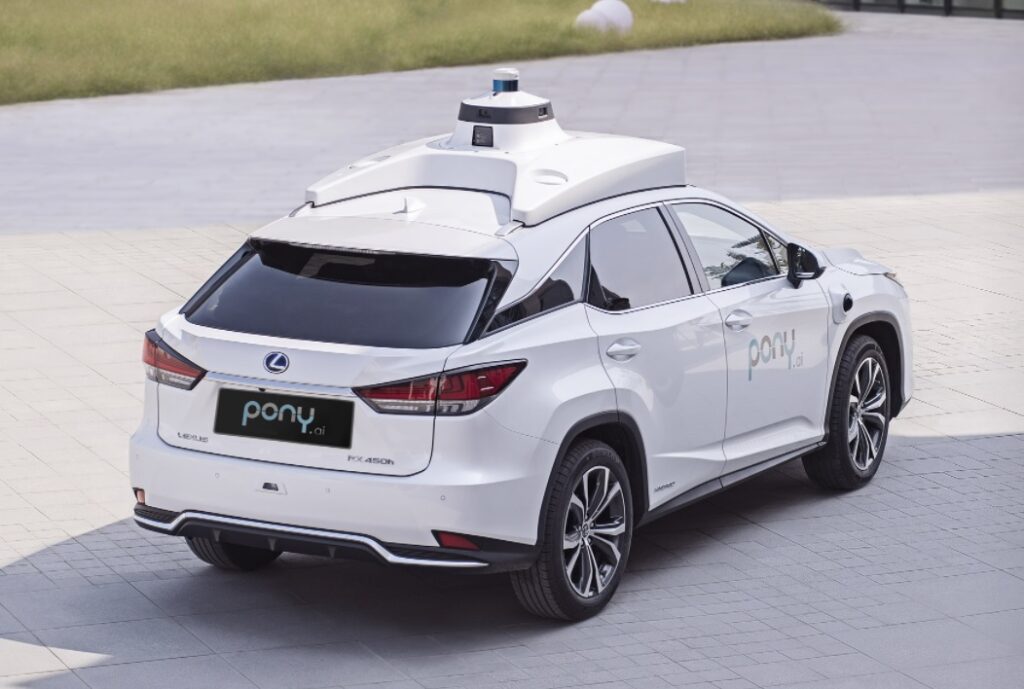
The investment in Pony.ai alone was worth $400 million, bringing the grand total of Toyota’s investments in automated vehicles to somewhere over $1 billion. Toyota has been admittedly slow catching up to electric vehicle competitors. We can only imagine how much money went into the development of the Toyota Mirai. The hydrogen-powered sedan has dismal sales numbers and almost no where to refuel.
For years, Toyota bet against EVs. They ran marketing campaigns bragging about what they misleadingly called ‘self-charging hybrids’ (there’s no such thing). One glance at automotive industry trends in 2022 makes it clear that that was not a good bet to make. However, over $1 billion of autonomous vehicle investments shows that Toyota is serious about remaining a major player in the future of transportation.
In 2019, Volkswagen group announced a $2.6 billion investment in Argo AI as part of its global partnership with Ford. VW’s autonomous vehicle investment came after Ford lifted Argo AI into the spotlight by investing $1 billion dollars in 2017.
Three years later, Volkswagen’s half of the deal is moving along nicely. Beginning in 2021, the all-new ID Buzz van began testing on German roads. The ID Buzz is equipped with Argo AI’s bulky autonomous hardware on the outside, and leading edge software on the inside. Both VW and Argo AI intend to prepare the autonomous technologies for a commercial ride-sharing service to launch in 2025.
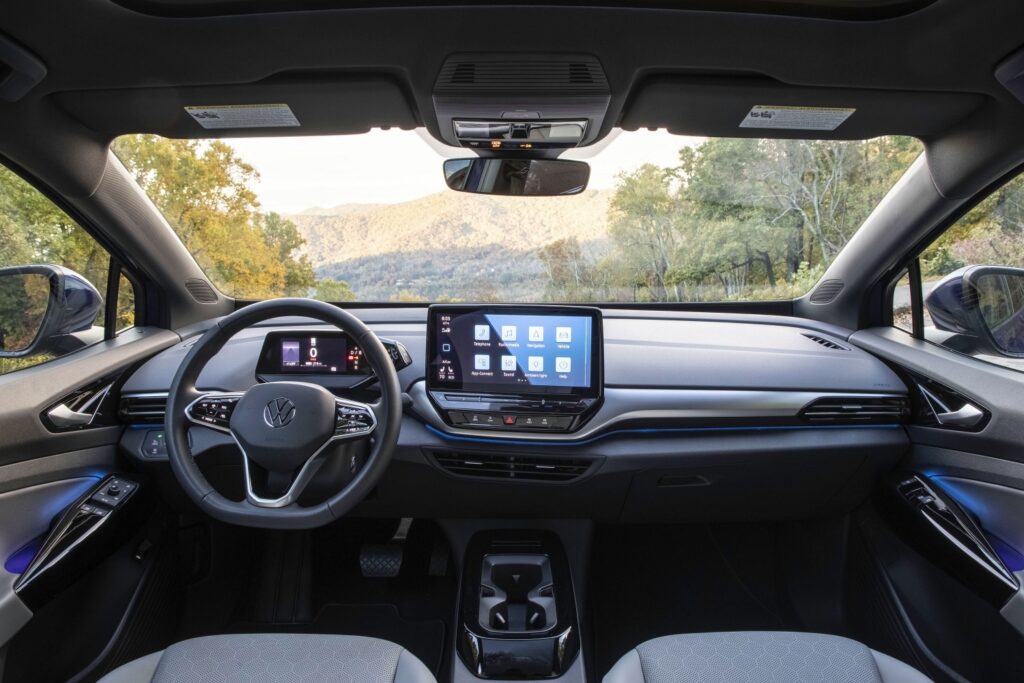
Volkswagen is getting creative with how they plan to monetize their future autonomous vehicles. Volkswagen board member Thomas Ulbrich told Die Welt that Volkswagen leadership is seriously considering a number of subscription services to generate revenue from not only autonomy features, but also games, extended range, and performance features. In a thinly veiled shot at Tesla, the board member suggested this helps consumers by lowering the price of entry into an autonomous vehicle.
Just how much would a Volkswagen autonomous-driving subscription cost? Ulbrich says around $8.50 per hour is a ballpark estimate for what VW customers could expect to pay. Furthermore, Volkswagen plans to begin offering pay-per-use features in its MEB platform cars starting later in 2022. They think subscription Services could eventually net hundreds of millions of dollars every year for the company.
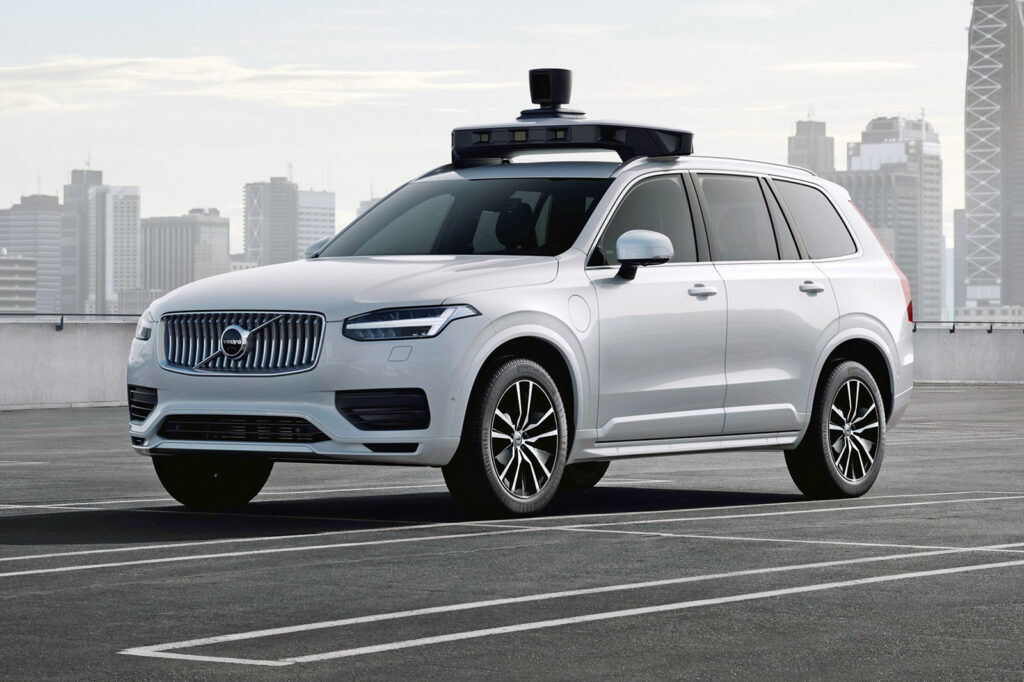
At CES 2022, Volvo made three big announcements. Ride Pilot, a new Level 3 autonomy system, is coming to Volvo’s all-new electric SUV to be unveiled later this year. Volvo Ride Pilot will enable hands-free driving, however only on the highway. Volvo drivers wanting to try out Ride Pilot will need to subscribe to the feature. Pricing has not been announced.
Ride Pilot is currently undergoing testing in Europe. Volvo expects testing in California to begin this summer. Initially, Ride Pilot will only be available in California. Why California? Volvo says “the climate, traffic conditions and regulatory framework provide a favorable environment for the introduction of autonomous driving.” They suggest that there will be a gradual release nationwide, but the timeline is unclear.
Volvo has committed to partnerships with autonomy giant Waymo, as well as smaller startups like Apex.AI. Volvo’s commercial arm is working with NVIDIA and Aurora on the development of autonomous commercial vehicles. Volvo has not announced how much they’ve put into autonomous vehicle investments, but hundreds of millions of dollars appears likely.
Legacy automakers have publicly shared investments in autonomous vehicle development totaling $48 billion through 2025. Add in related electric vehicle investments of over half a trillion dollars, and it’s clear that automakers are betting their money on an autonomous, electric future.
The crazy thing is, there’s no guarantee that any automaker or startup will succeed at Level 5 autonomy in this decade, despite the endless investments in the cause. As Tesla CEO Elon Musk recently quipped, “I thought the self-driving problem would be hard, but it’s harder than I thought.” Hopefully the brightest minds and fattest wallets get it done.
Check back for updates as Tesla, legacy automakers and dozens of startups race to the finish line, without anyone in the driver’s seat.