
CarEdge saved me over 4,500 dollars on a brand new Honda Pilot. I can't say thank you enough.
Price intelligence
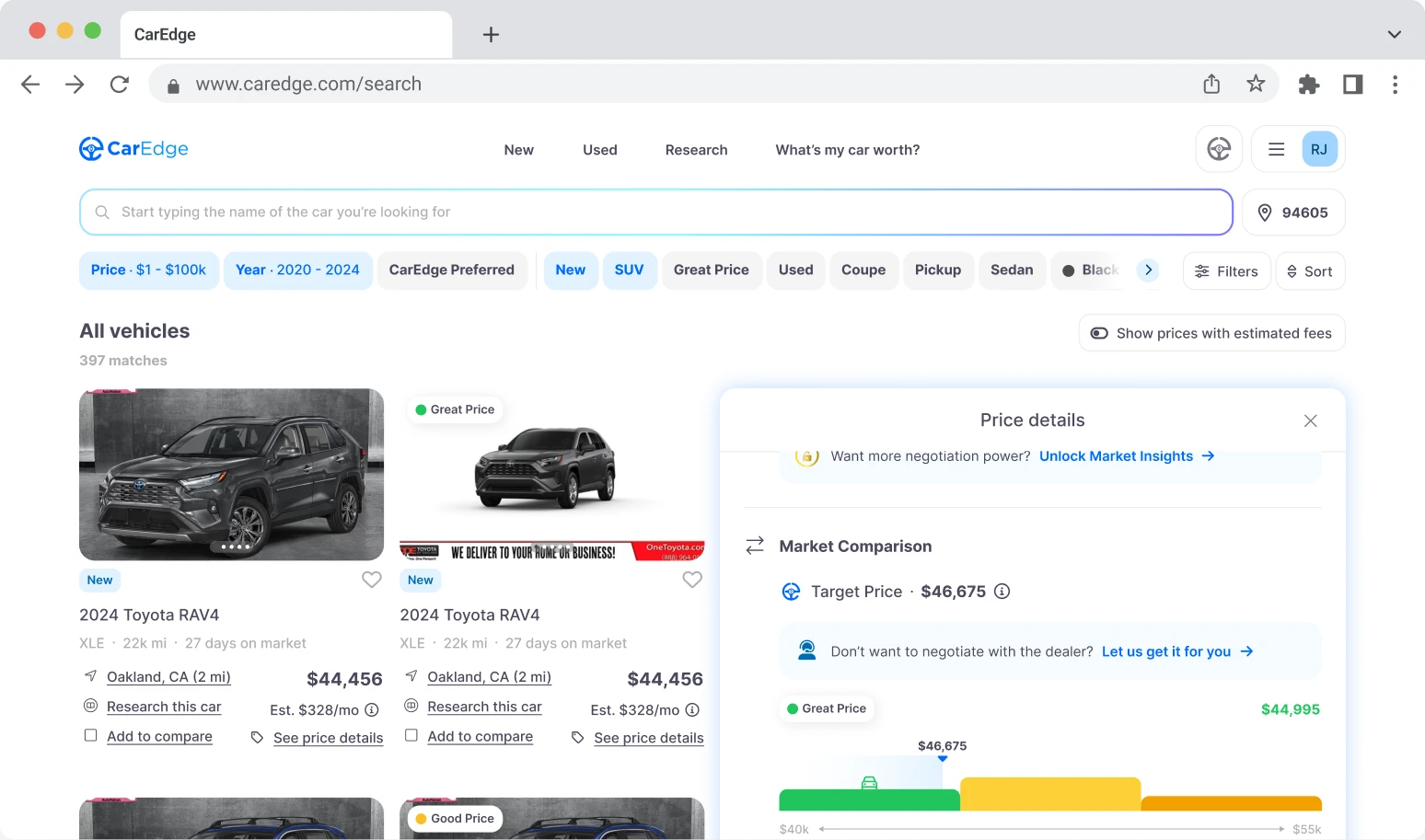
Find a wide range of vehicle listings with market insights on new and used listings near you.

What can I do with CarEdge?
 CarEdge Insights
What can I do with CarEdge?
Get access to exclusive information so you can make an informed car buying decision — all in one place.

Find a wide range of vehicle listings with market insights on new and used listings near you.
Track your vehicle’s value and cash in when the time is right to sell.

Access to our proprietary data to help you find the right car, at the right price. Find these unlocked on every listing after subscribing.

With our expert-led, tech-enabled car buying service, we will locate, negotiate, and deliver your vehicle so you can get a new car hassle free.


Help us personalize your CarEdge experience — it only takes a second.
Your answers help us personalize your CarEdge journey — we’ll follow up with tips and next steps that match your buying timeline.
Buying an EV today is no walk in the park, but a good deal can be had with patience, research and flexibility. And having just gone through this process myself, I can confirm it was totally worth the work. These are my secrets to success, and how you can adapt these buying strategies to your unique situation in 2023.
Plus, be sure to check out the free template below to help you find the best deal on an EV in today’s competitive market.
In 2023, it will save you a lot of strife to figure this out from the get-go. Which electric car models are you serious about? Are you solely considering Tesla with their direct-to-consumer, non-negotiable prices, or are you heading out to dealerships to find the best deal? Have you test driven your favorite EVs or even rented them on a service like Turo?
Once you have your short list of electric cars, trucks or SUVs that made the cut, it’s time to talk trim options, powertrains, and colors.
Do you prefer better range, or traction and acceleration? For some, all-wheel drive versus rear-wheel drive is front of mind. My driveway in snowy West Virginia is as steep as it gets, so I knew that AWD was a must for me. There’s always a tradeoff though. RWD electric cars get better range, sometimes 20% more. However, they’re not as fast for the speed freaks out there. Do you care more about going the extra mile on the highway, or zipping around town with the best 0-60 time?
And then there’s charging time. Before you settle on an EV model, have a plan for how you’ll charge it. If you live near a major metro area or along a major interstate, don’t fret. Fast chargers are already available near you. However, charging at home is MUCH more affordable.
Would you be okay with adding a few miles of driving range per hour (30 miles overnight) by simply plugging in to a normal 110 Volt wall outlet? Or would you rather spend $1000 on the installation of a faster charger for your home? The answer to that question may depend on what the rated range and charging speeds of your car are.
It’s often easier to find a base trim at MSRP. I just experienced the hassle of finding a fully-loaded IONIQ 5 Limited in America. There aren’t many out there. Depending on the EV you’re in the market for, finding the trim you want may or may not be a challenge. For Tesla, it’s a non-issue. I’ve found that the only way to avoid regretting your trim selection is to experience each trim firsthand.
Remember: The average price for an EV remains 20% higher than the overall market in 2023. Buying an EV under MSRP is possible, as proven by our own CarEdge Car Coaches. However, if a higher trim makes it more likely that you’ll keep the vehicle long-term, it might be worth it to shell out a few thousand more dollars to get the upgrade. I’m glad I did.
The real value (and fuel/maintenance savings) of an EV will only be had if you keep it long-term (or if it ends up keeping good residual value down the road).
How long are you willing to wait? How far are you willing to go over MSRP? What will you do if the dealer tries to force add-ons? Would you be patient to save thousands of dollars? These are all questions you should be asking yourself early on.
As ridiculous as it is, I took a one-way flight 600 miles to New York to pick up my lovely new car at MSRP. Sure, I could have bought a base trim with a $3000 markup a few hours away, but my plane ticket was only $250. What are you willing to do for the perfect car at the perfect price (by 2022 standards)? How far would you go? Would you rather travel to pick up the electric car, or pay $1,000 – $2,000 for delivery?
How much are you willing to pay? Strictly the manufacturer-suggested retail price (MSRP), or a tad more? What will be your plan of action if the perfect car is local for $2,000 or $3,000 over, but the same car is at MSRP five hours away? Remember, EVs ARE negotiable in 2023.
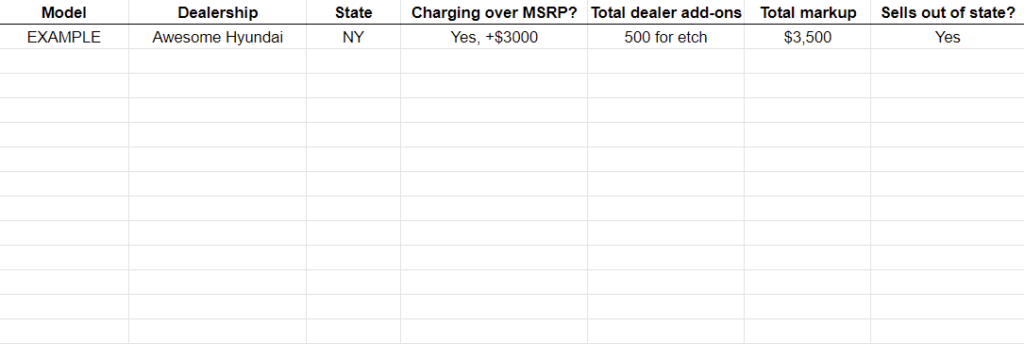
I’m a spreadsheet guy. Google Sheets and Microsoft Excel are my best friends. Perhaps you prefer lists on a notepad or on your phone. Whatever the case, get organized. If you don’t, you may end up calling the same dealership twice, or even worse, losing track of where the best deals are.
Here are some important things to keep track of:
Here’s an example template that you can copy and make your own.
I can not emphasize the importance of staying organized throughout your car search, especially if you don’t want to spend more time than absolutely necessary on this.
Now it’s time to contact dealers and fill up that spreadsheet. Fingers crossed! Do you prefer phone calls, or messaging the internet sales team? I was impatient, so I called each dealer, and if it sounded like they might be one to work with, I then began the email process. It’s VERY wise to document all communications (especially about pricing) in emails or at least text messages.
Don’t make it any harder than it has to be. Start with a search radius you’re comfortable with, and work outward from there. In fact, start with CarEdge Car Search to find the inventory leads, and don’t forget to check out CarEdge Car Dealer Reviews, where dozens of electric car buyers have already shared their dealership experiences. Don’t forget to add yours!
When you find what you want (hopefully with no dealer markup and no or negotiable add-ons, find out if you can place a deposit. Some dealerships don’t accept deposits, which means you’d have to show up on the day the car arrives. Even then, nothing is a guarantee. Do a risk/reward analysis.
Does the price and spec of the car justify what it would take to get the car?
When you find the deal you’d like to move forward with, get EVERYTHING in writing.
Specifically, these bits of info should be documented at the very least:
Make sure you’re aware of the possible arrival date if awaiting a shipment. Be flexible. My delivery date was actually moved up, but others have had to wait a few extra weeks.
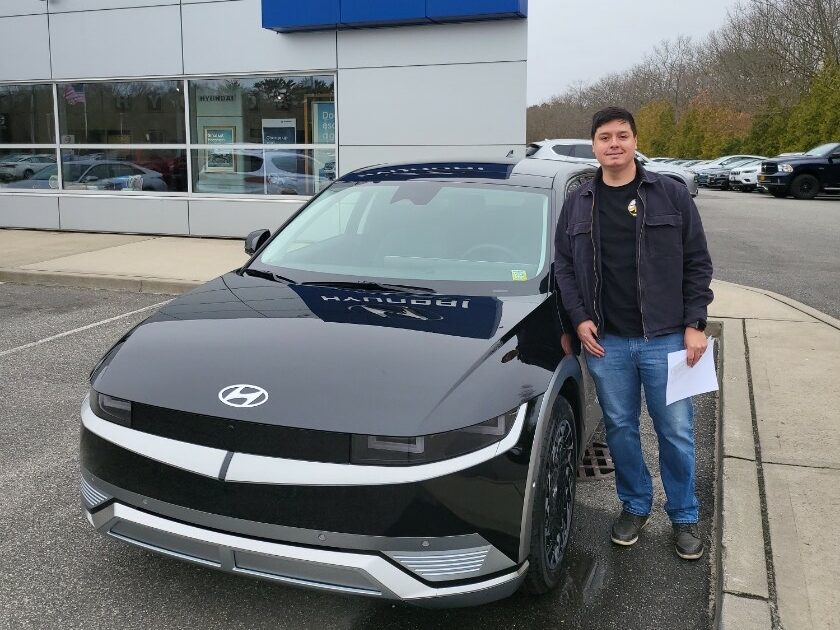
Even in today’s hectic, supply-constrained auto market, I’m confident that electric car buyers can find a great deal by following this game plan. Clearly, documenting everything is my thesis. Let us know if you have any questions, thoughts or suggestions. We’d especially love to know how your electric car buying experience turns out!
Be sure to leave a dealer review to help others find pro-consumer dealerships!
Plus, check out our new CarEdge Electric live show every Monday, Wednesday and Friday. We’re excited for what’s to come, and we’re thrilled to have you along for the ride.
We recently shared five affordable electric cars to buy in 2022. “Affordable” only goes so far in today’s auto market, and not a single top pick lists for under $35,000. With battery and charging advancements around every corner, leasing is a great way to keep up with the pace of technology without having to purchase a new car. All things considered, these are the 5 best electric cars to lease in 2022.
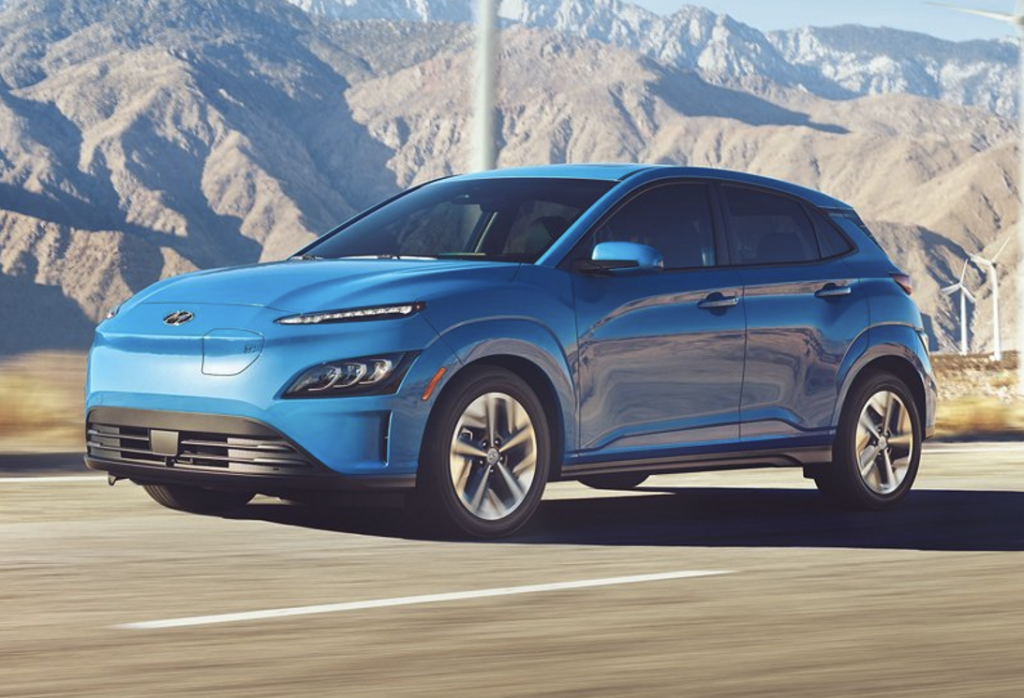
The often overlooked Hyundai Kona EV was the Korean automaker’s electric flagship years before the fancy new IONIQ 5 stole the show. When it comes down to numbers, the Kona EV is a great value. We featured it in our recent CarEdge list of the best affordable electric cars.
This front-wheel drive subcompact crossover gets 258 miles on the charge, exceptional range for a budget EV. Some owners get over 275 miles on a single charge. If you plug in at home, charging to 100% from a 240-volt dryer outlet will only take you about 9 hours from 10% state of charge. That will get you a full battery overnight while you’re sleeping. At a DC fast charger, the Kona is behind the competition. In 47 minutes, the Kona Electric charges from 10% to 80% capacity. For perspective, the new Hyundai IONIQ 5 can do the same in 18 minutes, but it costs nearly twice as much.
You can lease the Hyundai Kona EV for just $259 /mo with $3,699 due at lease signing for 36 months and 10,000 miles of driving allowance per year. If this is your price range, the Chevy Bolt, Nissan Leaf, and the Kona’s cousin the e-Niro are the only other options. You can’t go wrong with the Kona at this price point.
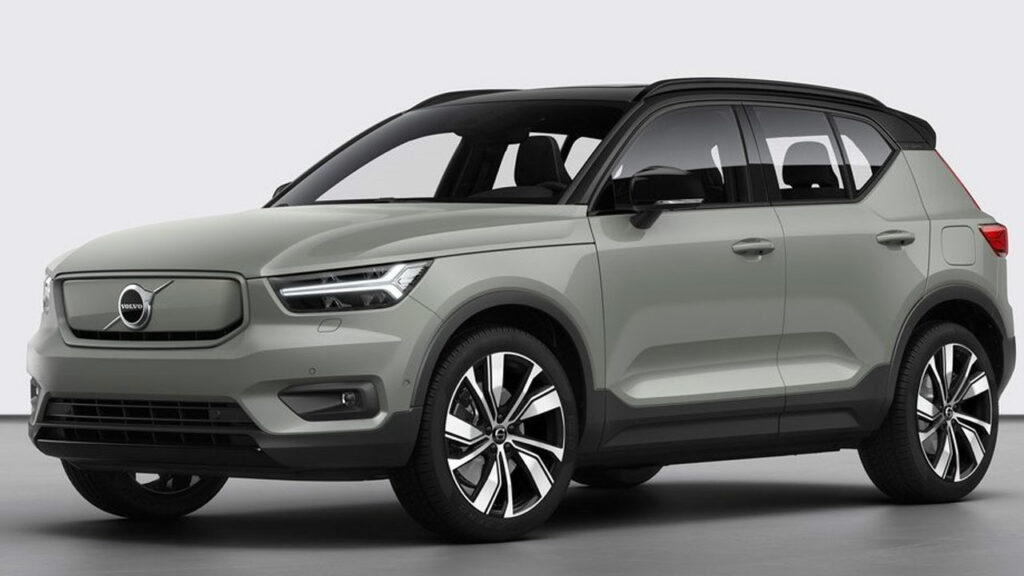
Volvo and sibling Polestar are ramping up their commitment to electrification. The Volvo XC40 Recharge (pure electric) has been the darling of auto reviewers time and time again. Test drivers share a common theme: the XC40 Recharge is a lot more fun to drive than they had expected.
It may look like a family car, but this electric Volvo can launch to 60 mph in just 4.7 seconds as it puts down power via dual electric motors. With 223 miles of range on a charge and up to 150 kW charging speeds at a public fast charger, the XC40 Recharge is just about average for an electric car in 2022. It IS a solid road-tripper, unlike some other options on this list.
Infotainment runs on Google’s Android Auto operating system, much like the popular Polestar 2. An upscale cabin adorned with the elegant and dark-themed interior we’ve come to expect from Volvo features plenty of hidden storage and generous room in the back seat. This electric crossover feels a lot larger than it really is.
Leasing the XC40 Recharge is available for $540 a month with $3,500 down, and 10,000 miles of annual driving allowance. If you’re looking for a peppy electric crossover with a Scandinavian flair, Volvo’s XC40 Recharge just might be the one.
Learn more about the 2022 XC40 Recharge here.
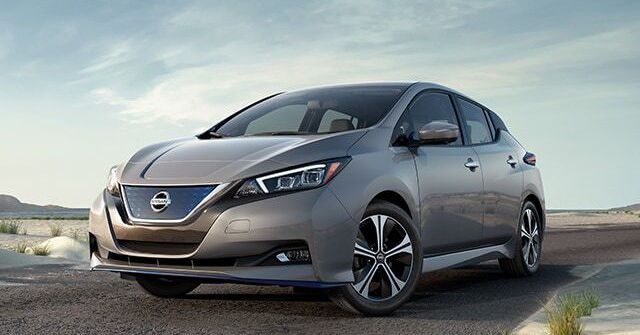
If you’re shopping on a tight budget, don’t overlook the original posterchild of EVs, the Nissan Leaf. A few years before Tesla’s sales ballooned into EV domination, the Leaf was leading electric car sales in America. Why did it fall out of favor? It looks like an appliance, drives like an appliance, can’t make it very far on a charge, and charges slower than most of the competition. But it’s cheap!
With those complaints aside, the Nissan Leaf is still a solid choice for a lease in 2022. We can only recommend the Leaf in the extended range, faster charging versions. That would be the Plus models, which are rated for up to 226 miles on a charge, and can charge at 100 kW charging speeds at a DC fast charger equipped with the CHAdeMO adapter.
The Leaf is not recommended for frequent long-distance travelers. It’s just too much of a pain to stop so frequently and charge for a whole hour once every 180 miles. But for everyone else, the Leaf is a great electric car for around town. Plus, it still qualifies for the EV tax credit.
As of April, the 2022 Nissan Leaf is available for $179 per month for 36 months with $4,179 due at signing. It’s important to note that Nissan keeps the EV tax credit when you lease a Leaf. Regardless, that’s as cheap as it gets to lease a new EV in 2022.
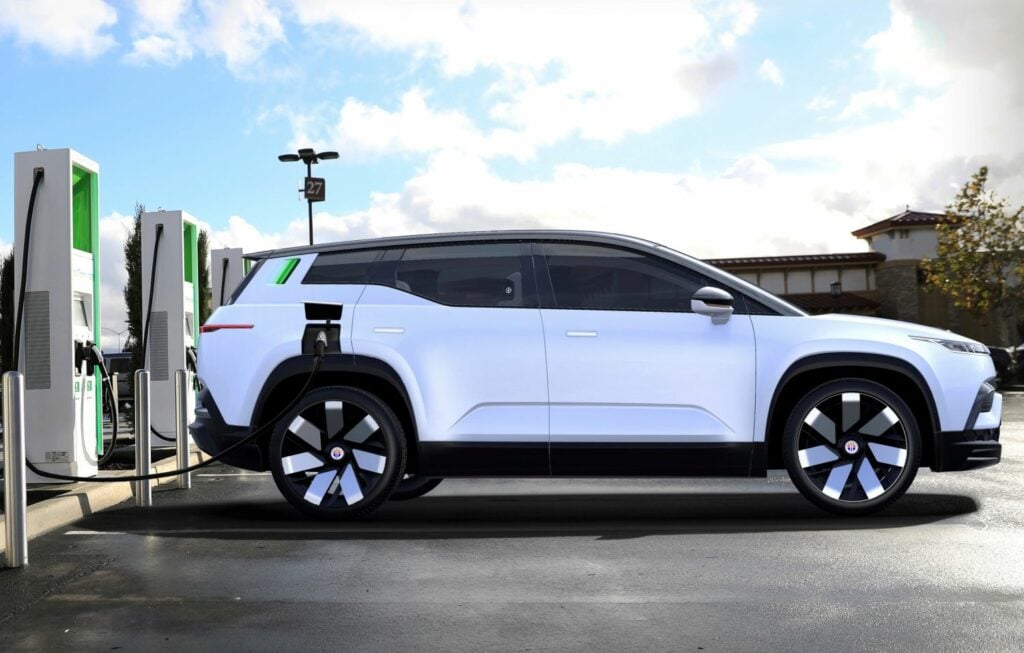
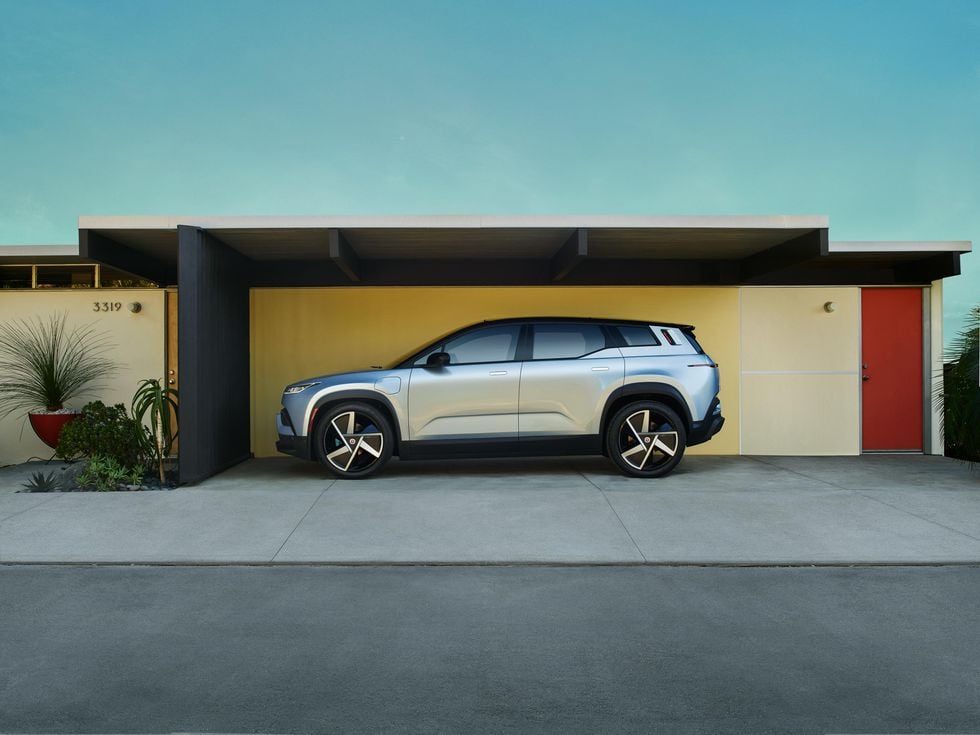
At a time when the average transaction price for a new car is approaching $50,000, a sub-$40,000 electric crossover sounds too good to be true. The Fisker Ocean introduces rare value in the crowded EV segment. We recently shared an in-depth review of the Fisker Ocean.
For just $379 per month, you can lease a Fisker Ocean SUV with the new Fisker Flexee Lease offer. Fisker says that they believe electric vehicles should be affordable to all, and this is how they’re going to try to get there.
With a Fisker Flexee Lease, there are no term limits and you can cancel at any time. It’s basically a long-term rental that appears to be worry-free. After twelve years of leased driving, Fisker will retire and recycle the electric SUV. The Fisker Flexee Lease requires an initial payment of $2,999, and it includes up to 30,000 miles per year. Maintenance is covered.
The Fisker Ocean will be available in very limited quantities late this year. It won’t be until 2023 or even 2024 that a Fisker lease will be easy to come by. Nevertheless, keep it on your radar!

Sadly, these days it’s not possible to leisurely head to a dealership and pick out the perfect vehicle. Inventory remains at record lows, and supply chain shortages are going to get worse before they get better. The electric lifestyle is an adjustment for most first-time EV buyers, and preparation eases the transition considerably. You don’t want your new car honeymoon to be ruined by missed opportunities or misconceptions. Here are five reasons why you should plan ahead before making your first electric car purchase.
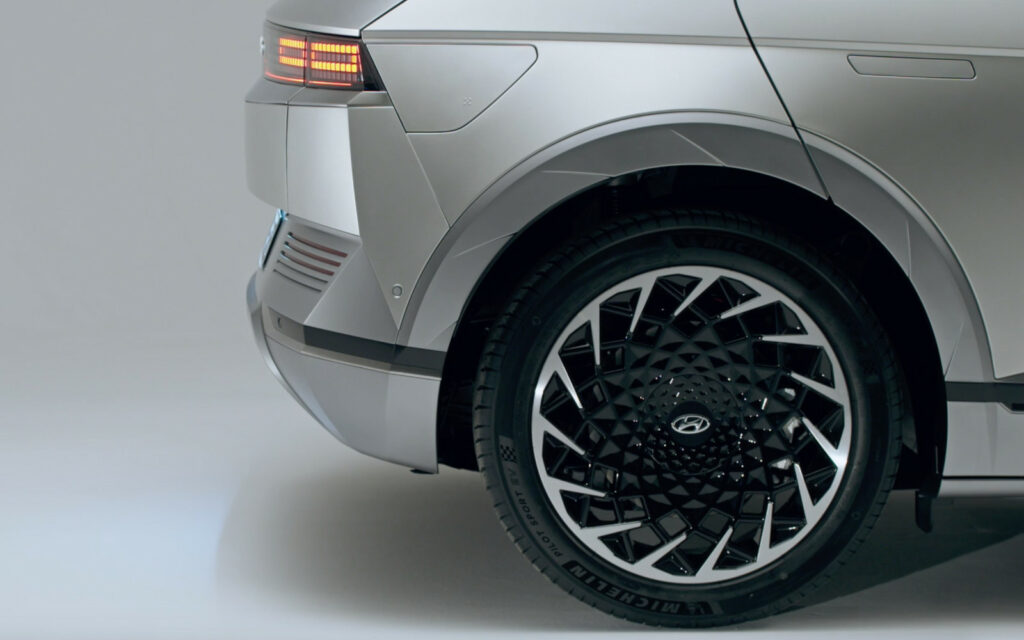
Inventory is slim to none for all new autos, and electric vehicles have been hit especially hard by the supply shortages of 2021 and 2022. EVs are the product of truly global supply chains, and that makes them particularly vulnerable to disruptions. EV leader Tesla has so far avoided the worst of the supply shortages, however high demand has new orders seeing delivery dates over 8 months away.
Tesla isn’t the only automaker seeing serious delays. The popular Volkswagen ID.4, Ford Mustang Mach-E and Hyundai IONIQ 5 are all hard to find on a dealer lot nationwide. Data from Cox Automotive shows that day’s supply, the preferred industry metric for new car availability, is dismal for several electric vehicle makers.
Here’s the day’s supply for popular brands that sell electric cars in America. Tesla, Rivian and Lucid sell directly to consumers, so there is no available data for their models.
As bad as these supply estimates are, many shoppers note that many dealers have just a few cars on the lot. Don’t expect to find exactly what you want at your local dealership.
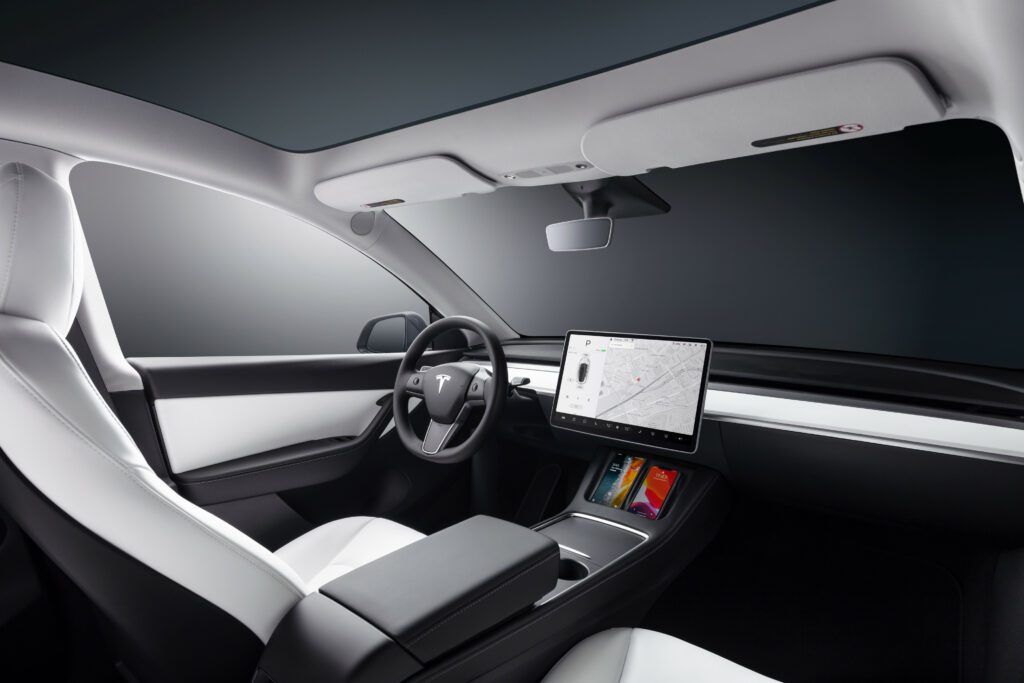
If you’re eager to get yourself into a new car as soon as possible, check out CarEdge Car Search to locate electric cars around the country. Beware misleading postings from dealerships. I’ve found that about half of dealer postings are actually misrepresenting cars that are already spoken for.
It’s not fun, but it’s worth it to call around. Soon, you may find yourself forgetting which dealers you’ve contacted, so it’s wise to keep a spreadsheet of who you’ve reached out to, and their inventory situation. While you’re at it, keep track of what their dealer markups are for EVs. Some dealers are taking advantage of the situation and charging $5,000, $10,000 or even $20,000 over MSRP.
If you don’t find what you’re looking for at a competitive price point, most automakers let you place an order for their popular EVs. Sometimes, you’ll have to order through a dealership, so keep that in mind if you don’t see a way to place an order on the automaker’s website. For example, the Hyundai IONIQ 5 and Cadillac Lyriq can only be ordered through a participating dealer.
If you have your eyes set on a Tesla, placing an order is simple. In fact, it takes just a few minutes (but requires a non-refundable deposit). However, demand far exceeds supply for Tesla models. Expect to wait 6-10 months for a Model Y.
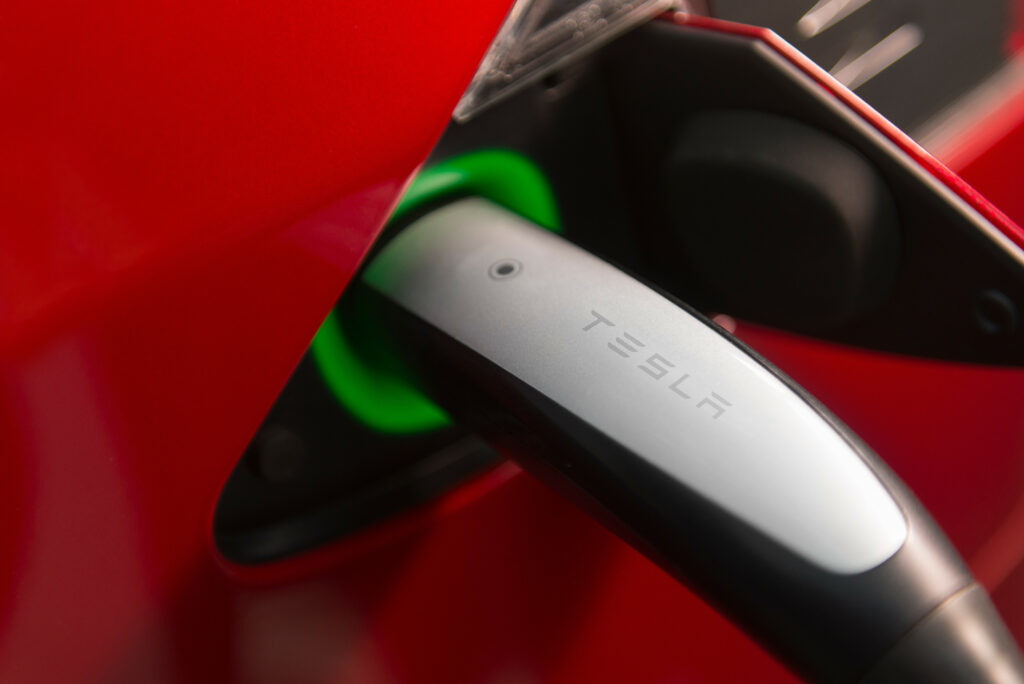
If you drive less than 30 miles a day and live near public fast chargers, don’t sweat it. However, long distance commuters and rural EV owners will be glad they thought about how to meet their charging needs.
Over 80% of electric car charging is done at home at affordable residential electricity rates, costing less than $15 for a full charge. If you skip any special home charger installation, plugging in to a typical wall socket will add two to four miles of range per hour. Over 12 hours (at night, for example), a standard wall outlet will add about 25 to 50 miles of range. However, frequent travelers will get tired of the slow charging speeds possible with basic 110-volt wall outlets.
For those who regularly drive more than 50 miles each day, it will likely be worth the investment to get a level 2 home charger installed. A level 2 charger increases power supply to 240 volts, and adds about 20 to 40 miles of range per hour. Unless you’re lucky enough to already have a 240-volt dryer outlet in your garage, installing a level 2 charger at home can cost between $700 and $1500, depending on labor costs and the condition of existing electrical infrastructure in the home.
We’ve covered all you need to know about how much it costs to charge an electric car in our CarEdge guide to charging.
At some point, a public DC fast charger will be essential for travels. If you purchase an electric vehicle with over 200 miles of range, getting to one shouldn’t be a problem. However, there continues to be wide variation in charge times, and that will make or break the EV ownership experience for frequent travelers.
The Hyundai IONIQ 5, Kia EV6 and Tesla models can all add about 200 miles of driving range in about 20 minutes. However, the 2023 Subaru Solterra EV takes 56 minutes to add the same range. Pay attention to the details, and consider how each electric model would fit into your lifestyle and needs.
For many households, tax liability fluctuates from year to year. If you know when a particularly large tax bill will be due, it might be a great time to buy an electric vehicle. The current federal electric vehicle tax credit is worth up to $7,500, however tax filers who owe at least as much in annual tax liability will get the full benefit from the credit. For example, a family who has a federal tax liability of $5,500 will only be able to claim $5,500 of the EV tax credit. That’s why it makes sense to purchase an EV when tax liability is expected to be at least $7,500.
Plug-in hybrids qualify for between $2,500 and $7,500, depending on battery size.
The credit (non-refundable) remains in effect for all automakers who have yet to reach the law’s 200,000-vehicle limit. Tesla and General Motors have surpassed the limit, so buyers of the Bolt, Silverado EV, and Tesla models won’t benefit from this generous incentive unless Congress overhauls the law. Revisions to the EV tax credit are possible in 2022. Stay up to date with the latest EV tax credit developments here.
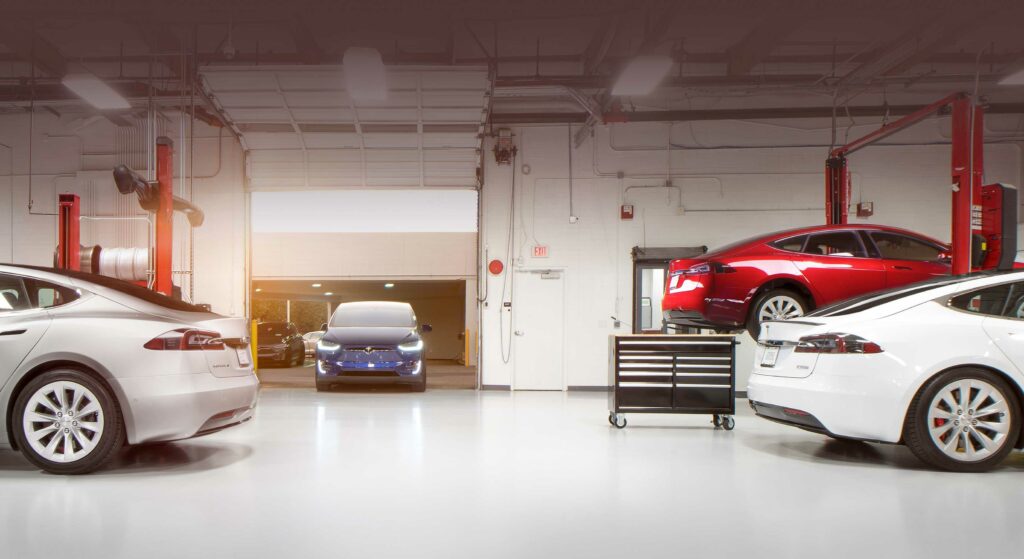
If you live anywhere near a major metropolitan area, especially along the coasts, you’ve got nothing to worry about. The rest of us need to bear in mind the limits of EV newcomers like Rivian, Lucid and Fisker when it comes to serviceability. Tesla now has 150 service centers across the country, but a few states remain without a Tesla service center. Fisker’s affordable Ocean electric SUV is loaded with impressive specs, however service centers will be few and far between for years to come.
This is where the strength of legacy automakers really stands out. A Tesla or Rivian service center will be hard to find in rural America, however legacy automakers have established dealer networks in every corner of the country.
Before you go out and buy an EV, have a plan for how and where you’ll get it serviced. Electric vehicles come with a great warranty, so you’ll definitely want a way to take advantage of it.
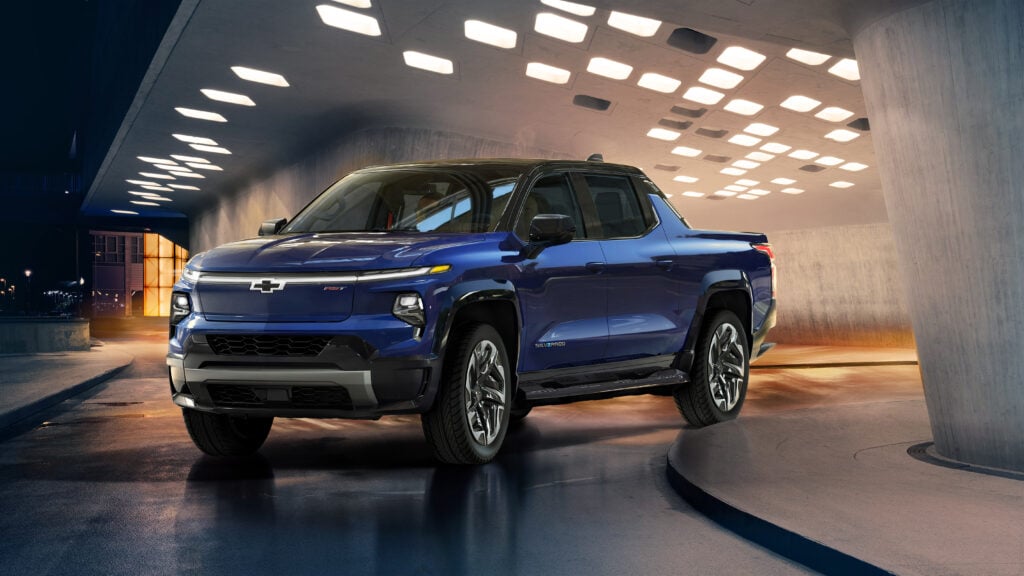
There’s always something bigger and better in the development pipeline. Newer models tout more range, faster charging and improved performance. On the other hand, prices tick upward with every added feature.
When does it make sense to hold out for the latest and greatest? It depends on what you value most, and which electric vehicle features you desire most. Looking to get more range out of a Volkswagen or Hyundai EV? 2023 models get a slight bump. Craving faster charging? Waiting a year might save you five minutes per charge. Don’t expect huge changes from one year to the next. Automakers have set the expectation for incremental improvements.
Ultimately, it will be up to you to decide what’s worth the wait, and when it makes sense to buy (or lease) an electric car.
Planning ahead for your electric car purchase not only has the potential to save you money, it also makes the transition to the electric lifestyle a lot easier. It’s important to consider your household’s unique needs and wants as you shop around. In 2022, EVs represent past, present and leading-edge technologies at a wide range of price points. Here at CarEdge, we’re keeping track of EV availability in 2022.
As always, CarEdge Electric is here to empower you with the knowledge to approach car ownership with confidence. Our weekly EV newsletter is full of helpful tips, the latest EV news, and new car reviews. Consider becoming a member for expert insights and one-on-one guidance throughout the car buying process.


The manufacturing of electric vehicles is a global process, with raw materials from every corner of the globe playing a vital role in battery chemistry. New forecasts from automotive energy analysts predict massive increases in electric vehicle production costs due to the entanglement of EV supply chains in the ongoing Russian invasion of Ukraine. The latest supply chain worries are on top of the ongoing chip shortage that threatens to stretch through 2022.
In 2021, fully-electric and plug-in hybrid passenger vehicles soared to 9% of global new vehicle market share. In Europe, EVs now make up 19% of all passenger vehicle sales. Even in the United States, electric car market share is approaching 5%. Although EV sales continue to be subdued by supply shortages and lack of inventory, most automakers remain on a path towards 100% electrified sales. However, getting there is easier said than done without the raw materials needed to make gigawatt-hours of batteries. There are dozens of EVs on sale in 2022, but finding one on a dealer lot is no easy task.
A new report by S&P Global Mobility highlights the unforeseen costs piling onto EV battery production because of the Russian invasion of Ukraine, and the resulting international sanctions. Building an electric car is about to get costlier, and buying one will get more expensive.
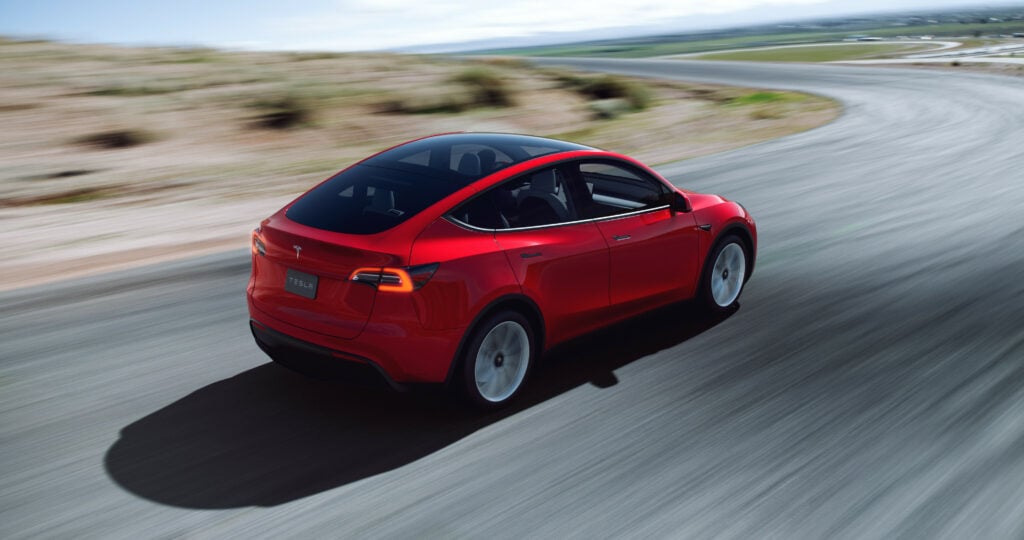
The analysts at S&P Global Mobility estimate that the best-selling Tesla Model Y could see input costs for battery raw materials surge by $8,000 per vehicle this year. Tesla recently increased Model Y prices for the tenth time in as many months to a base price of $62,990. Just a year ago, the same model listed for $49,990.
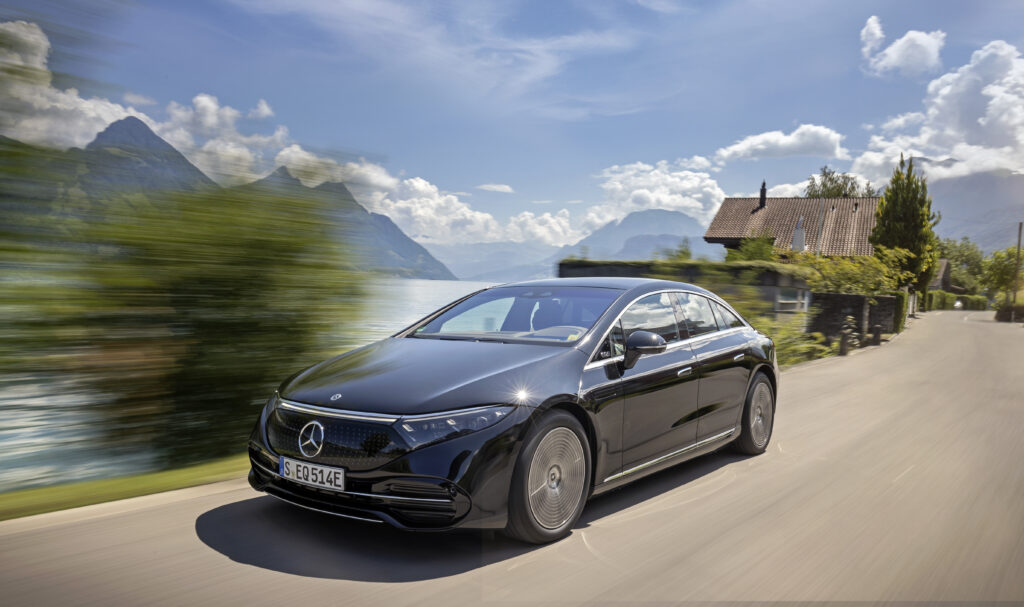
The same report forecasts that production costs for the popular Mercedes-Benz EQS could skyrocket by $11,000 year-over-year. The EQS luxury sedan already starts at an MSRP of $103,360, and climbs to $126,360 for the highest trim. With production costs eating into Mercedes’ margins, MSRPs are likely to climb higher any day now.
For years, EV advocates (and Elon Musk) have touted the importance of electric cars reaching cost parity with combustion-powered vehicles. It’s widely believed that when electric cars cost the same as an equivalent ICE car, the masses will rapidly transition to electric mobility.
The latest supply chain disruptions have analysts delaying the arrival of EV cost parity. In the months leading up to the war in Ukraine, raw materials needed for battery production were already becoming more costly. Cleantechnica reported back in November that lithium carbonate prices surged by 313%, cobalt hydroxide was up nearly 82%, and nickel sulfate rose by 34% over the course of 2021.
S&P Global Mobility said that Russia’s invasion of Ukraine is inflating raw material prices even further. Russia is the world’s third-largest supplier of nickel. German supplier BASF said it will not sign new agreements with Russian nickel suppliers because of the invasion. The analysts suspect that other manufacturers will take similar actions.
The latest data and expert analyses point towards a 5-10% increase in prices for most EV models in 2022. Tesla has already seen a 26% increase in prices since 2022, including steep price hikes in early 2022.
There are rumors that Hyundai may soon be raising MSRPs for the popular IONIQ 5, and Ford increased prices for the Mustang Mach-E by $1,000-$3,000 in February. When is the most affordable time to buy an electric car? If you’re set on buying an EV in 2022, make a purchase as soon as possible. Unfortunately, it looks like inventory and pricing are only going to get worse for the foreseeable future.

Buying a car is tricky in today’s market, and even leasing can feel like three-dimensional chess these days. Although 2022 isn’t the best time in history to buy or lease a car, some shoppers don’t have a choice. It doesn’t help that the average new car payment is a bank-draining $650 a month in 2022. Fortunately, leasing provides a window of opportunity for those who don’t mind what is essentially a long-term rental. These are the best car lease deals in 2022. All examples assume a 5% down payment at signing.
Not sure where to start? Head over to our CarEdge complete guide to leasing to find out what leasing a car is, and when it’s a good idea.
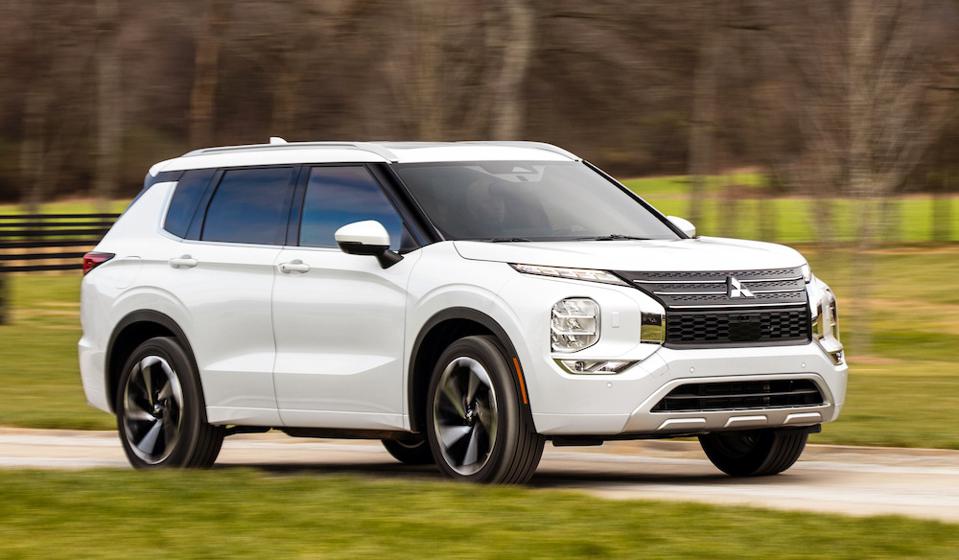
The plug-in hybrid (PHEV) version of the Mitsubishi Outlander sells for an average MSRP of $40,356 depending on the trim. If leasing is an option, you can get into this versatile SUV for $412 per month with an allowance of 12,000 miles a year. How does a plug-in hybrid work? The Outlander can drive 24 miles on pure electricity (which is much cheaper than gas), and then can drive another 300 miles as a regular hybrid system with the help of a combustion engine. It’s kind of the best of both worlds, especially for a lease.
The Kona EV made our CarEdge list of the five best electric cars you can get for under $50,000. The Hyundai Kona EV has an average MSRP of about $40,000, and you can lease one for just $401 a month. The Kona is a great alternative for those considering the Chevy Bolt. Plus, it comes with Hyundai’s unbeatable 10 year, 100,000 mile battery and electric powertrain warranty. This front-wheel drive subcompact crossover gets 258 miles on the charge, exceptional range for a budget EV. Some owners get over 275 miles on a single charge.
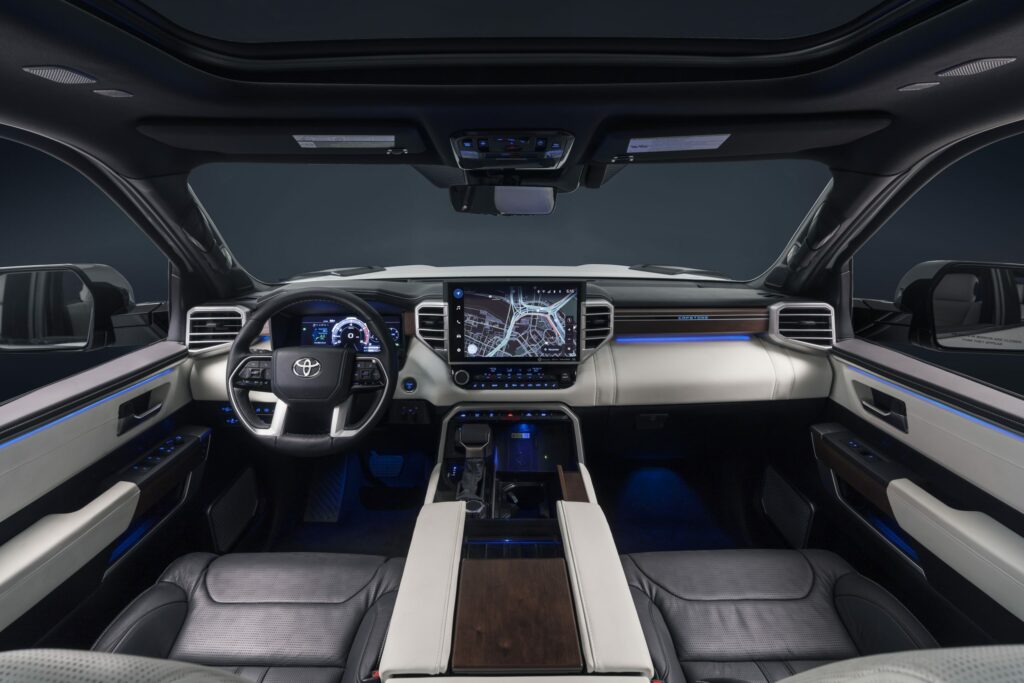
If you can find one that’s not marked up, the 2022 Toyota Tundra 4WD is $51,400 at MSRP. If you’re open to leasing, you can sign up for $525 a month for 36 months and 36,000 miles. That’s $125 less per month than today’s average monthly finance payment. The downside? The Tacoma gets 14 miles per gallon when gas prices are well over $4 per gallon.
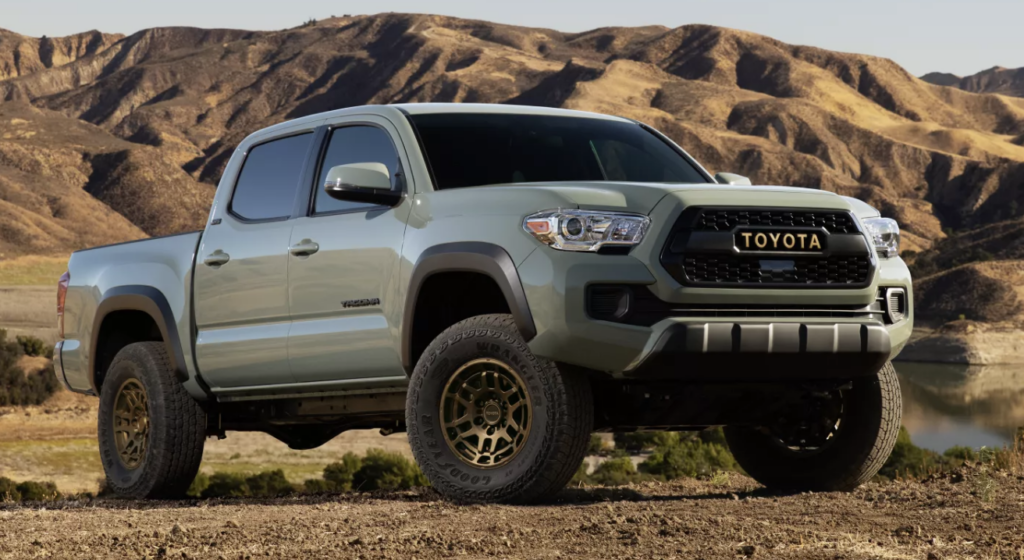
Last year, the Toyota Tacoma won Best Buy of the Year award from Kelly Blue Book in the mid-size truck category, and now you can lease a 2022 model for under $400 a month. If you buy, the 2022 Tacoma has an average MSRP of $36,300. If you lease, monthly payments are as low as $361.
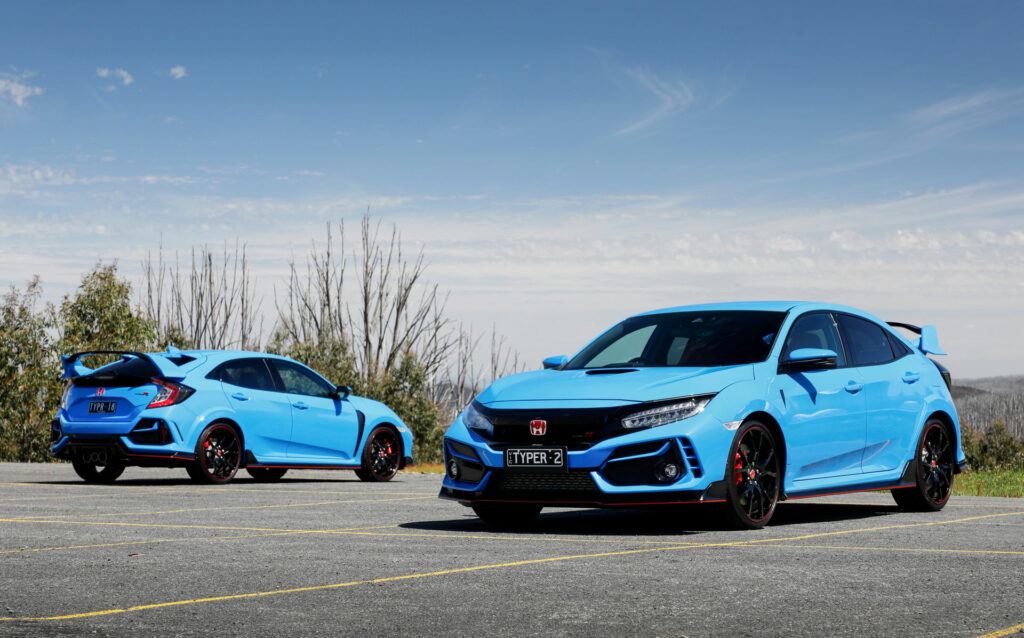
With an MSRP of $41,900, it’s a pleasant surprise that you can get into a Civic Type R lease for just $410 a month. Over 300 horsepower propels this budget racer to 60 mph in just 5.3 seconds. The challenge is finding one on a dealer lot.
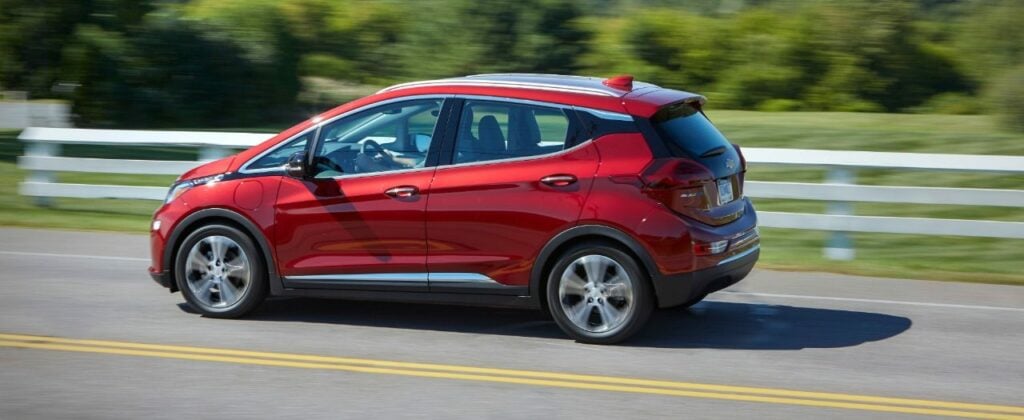
Pre-facelift, the 2021 Chevy Bolt was the least ‘sexy’ electric vehicle on the market. It may look bland, have slow charging, and be subject to one of the most scrutinized recalls in recent memory, but you can lease one for cheap. The 2021 Chevrolet Bolt sells for $38,567 (average MSRP across trim levels), but you can lease one for $367.63 a month. Just make sure that you have proof from the dealer that your Bolt has already had the recall fix. Learn more about the Chevy Bolt recall and vehicle specs here.
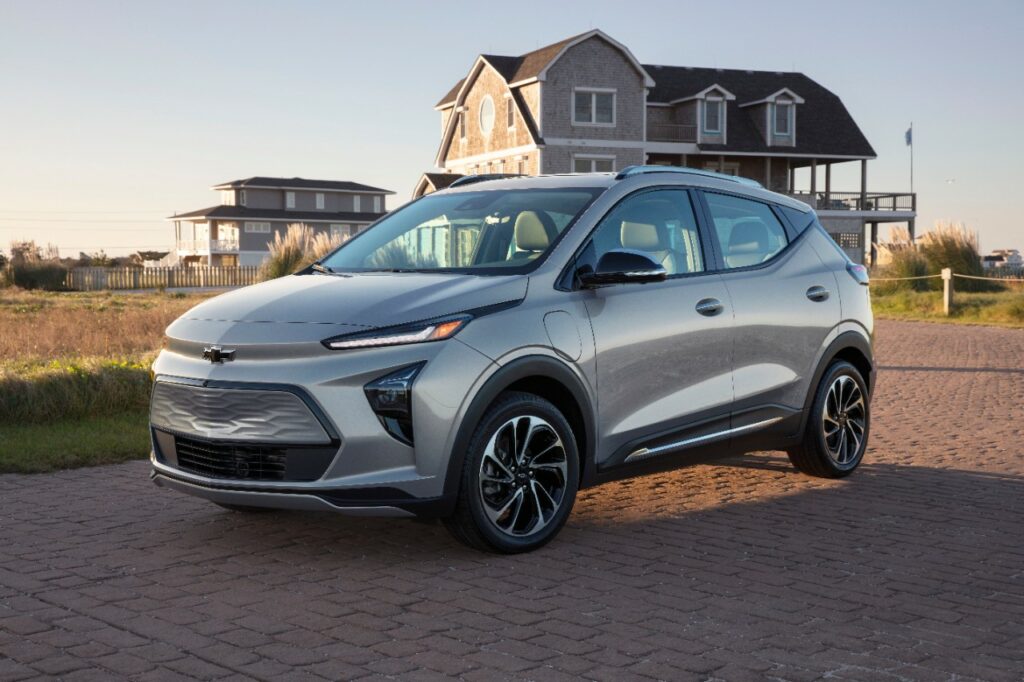
The 2022 model year gets a refreshed, modernized front fascia and improved interior. Sadly, driving range figures for the 2022 year remain the same. At least it doesn’t look like a cheap appliance anymore. Here’s the great news: the 2022 Chevrolet Bolt has a lower MSRP than the 2021 model. GM electric vehicles no longer qualify for the federal EV tax credit, so GM must have felt compelled to keep pricing competitive. Whether you go for a 2021 or 2022 Bolt, ensure that the car has had all of the mandatory fire-related recall fixes completed.
You can lease a 2022 Chevy Bolt for $312 a month for 36 months. If you’re considering buying, remember that the $33,595 price tag will not get any help from the federal tax credit. State and local incentives may apply, depending on where you live. Here’s everything you need to know about the 2022 Chevrolet Bolt.
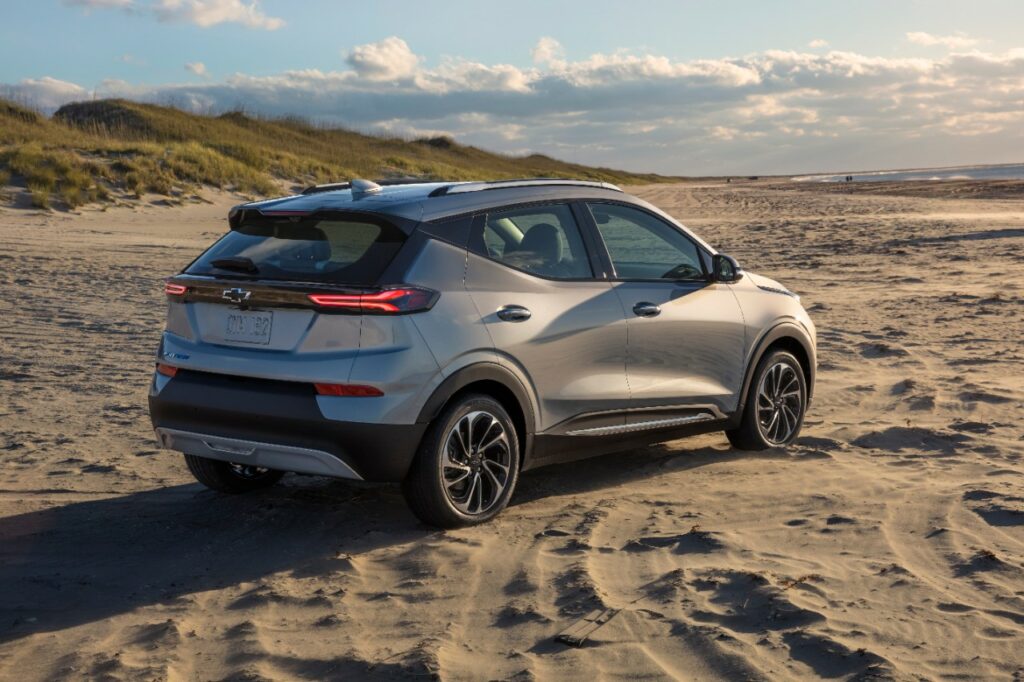
The Bolt EUV is the slightly larger new sibling to the regular Chevy Bolt EV. The EUV sells for $36,245, but you can lease one for just $341 per month. Range is 247 miles, but charging isn’t that great. Learn more about the Bolt here.
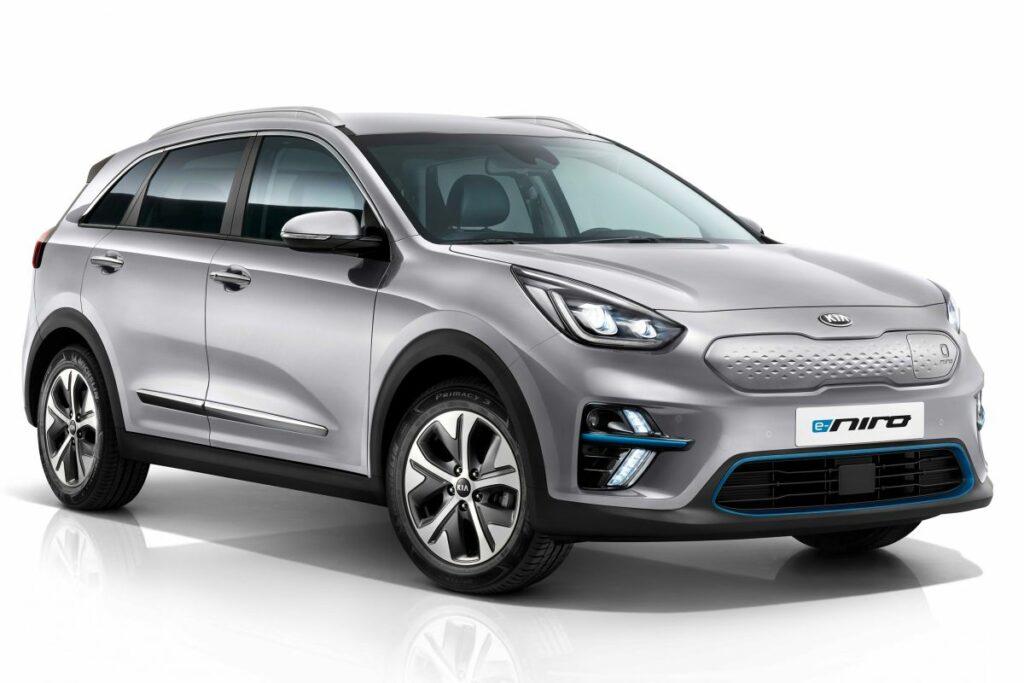
The 2022 Kia Niro EV has an average MSRP of $43,500, but it can be all yours (for 36 months) for just $395 with a lease. There’s generous lease support for the Niro for a few reasons. The Kia Niro is about to receive a major upgrade in 2022, and it’s being overshadowed by the new Kia EV6 electric crossover. The Niro can make it 239 miles on a charge, and charging from 0-80% takes about one hour at a DC fast charger. However, if you plug it in at home, it should work just fine for those who drive less than 50 miles a day.
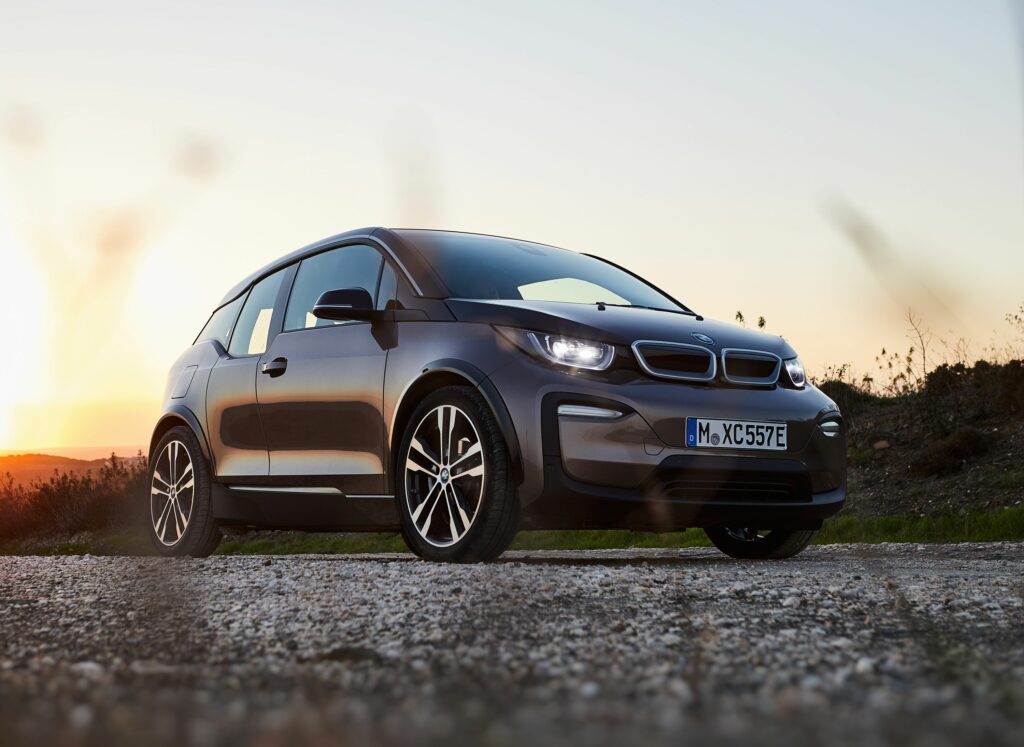
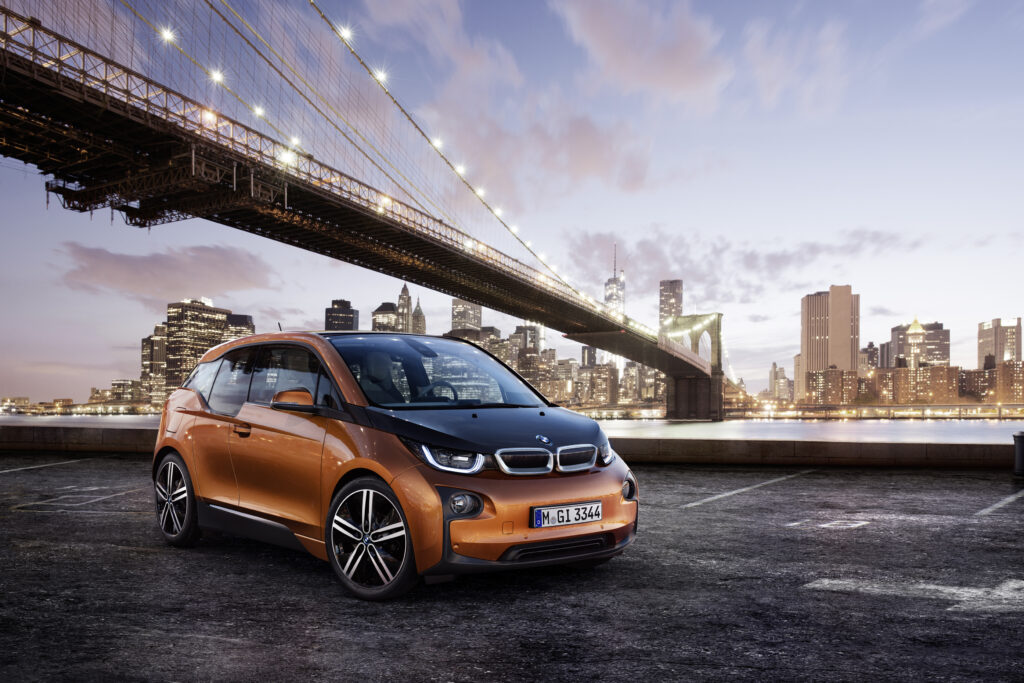
Why is the 2021 BMW i3 such a phenomenal deal in 2022? It was recently discontinued, but it’s still a great option if you’re looking for an affordable, low-emissions way to get around town. Keep in mind that it’s no Tesla. The i3 gets 200 miles of range, 153 of which are on pure electricity. Not to be confused with the new BMW iX3, the 2021 i3 has an optional range extender (on the BMW i3 REX version). All trims considered, the 2021 BMW i3 has an average MSRP of $48,970 while supplies last.
If you’re looking for an all or mostly-electric bargain lease, you can lease the 2021 BMW i3 for $425/month. That’s well under the budget-friendly 10% threshold for a smart lease.
Have questions or comments about the best car lease deals in 2022? Or maybe you’d simply love to connect with fellow car buyers and auto enthusiasts? Check out the CarEdge Community at caredge.kinsta.cloud!