
CarEdge saved me over 4,500 dollars on a brand new Honda Pilot. I can't say thank you enough.
Price intelligence
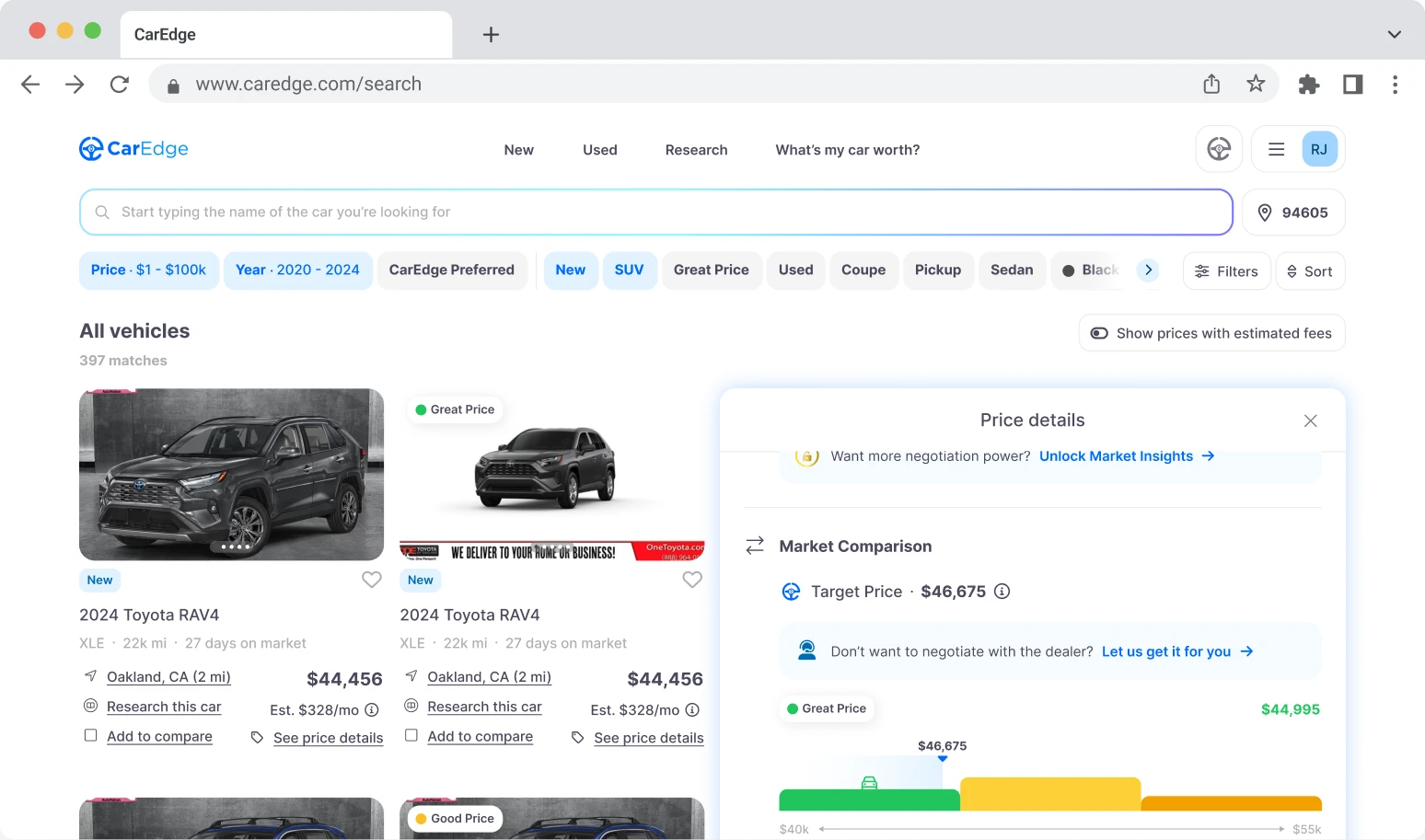
Find a wide range of vehicle listings with market insights on new and used listings near you.

What can I do with CarEdge?
 CarEdge Insights
What can I do with CarEdge?
Get access to exclusive information so you can make an informed car buying decision — all in one place.

Find a wide range of vehicle listings with market insights on new and used listings near you.
Track your vehicle’s value and cash in when the time is right to sell.

Access to our proprietary data to help you find the right car, at the right price. Find these unlocked on every listing after subscribing.

With our expert-led, tech-enabled car buying service, we will locate, negotiate, and deliver your vehicle so you can get a new car hassle free.


Help us personalize your CarEdge experience — it only takes a second.
Your answers help us personalize your CarEdge journey — we’ll follow up with tips and next steps that match your buying timeline.
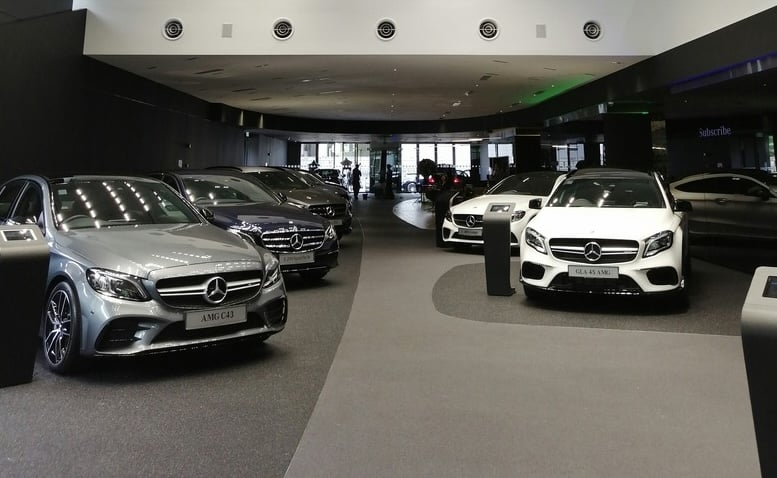
January is the most underrated month of the year for car buying. Cold weather, holiday spending strain, and a perception that December is the end-all for car buying all tend to keep shoppers at home. However, a strategic approach can help you score limited-time deals in January, as market conditions now heavily favor informed buyers. For example, an iSeeCars study shows that the industry-wide average for leftover 2025 model-year inventory is a whopping 21%, making these cars among the most negotiable today.
Excess vehicle inventory places pressure on dealerships to make room for 2026 models and manage floor planning, which allows for inventory financing. Dealerships ultimately pay off the vehicles they acquire on credit following sales. With cash flow and sales projections requiring a delicate balance, many dealerships need floorplanning. Automaker dealer bonuses for volume targets compound this January sales motivation.
To clear stock, dealerships commonly offer incentives like low-interest financing, steep cash rebates, and lease deals.
High-inventory segments are especially prime for January incentives. These segments commonly include compact and subcompact cars/SUVs, luxury SUVs, electric vehicles, and full-size trucks. Among these segments, unsold 2025 models will remain the most negotiable. As we’ve seen in January, these cars will also be subject to the steepest discounts and financing incentives.
Where exactly can we expect to find the most negotiable cars right now? Here’s a look at the brands with the most remaining 2025 inventory today:
| Brand | Total inventory | Leftover 2025s | % 2025 Inventory |
|---|---|---|---|
| Alfa Romeo | 1,990 | 1,321 | 66% |
| Audi | 36,797 | 22,228 | 60% |
| Maserati | 1,015 | 546 | 54% |
| Mitsubishi | 15,501 | 8,186 | 53% |
| Ford | 489,105 | 231,917 | 47% |
| Jeep | 174,035 | 71,226 | 41% |
| Mazda | 88,902 | 34,146 | 38% |
| Cadillac | 29,277 | 9,254 | 32% |
| Kia | 162,815 | 46,297 | 28% |
| Nissan | 183,849 | 51,538 | 28% |
Data source: CarEdge.com
See unsold 2025 cars and trucks near you
Since dealerships need a reason to offer savings, such as leftover inventory, deals for higher-selling brands tend to be less prevalent. However, big-name automakers such as Ford, Mazda, and Nissan still have plenty of leftover 2025 inventory to move.
In late January, nearly half of all Ford inventory is leftover 2025 models. Jeep is close at 41%, followed by Mazda at 38% of inventory. Despite making headlines last year over financial woes, Nissan is doing slightly better with ‘just’ 28% of inventory being leftover 2025 models.
Despite January representing a prime opportunity for car-buying deals, the best incentives won’t come to you. To attain negotiation leverage, you’ll need to prepare beyond checking a single automaker’s website for incentives. Key steps include researching fair market values with CarEdge, comparing prices and incentives across nearby dealerships, and using CarEdge’s out-the-door pricing calculator before setting foot on a car lot.
Understanding data like out-the-door pricing helps you prioritize the total cost over monthly payments, helping you avoid value traps like hidden fees and longer loan terms.
Similarly, arranging financing before car shopping puts the ball in the dealership’s court to beat your rate or match the car’s price. You’ll need a credit check across multiple lenders for pre-approved financing, but completing this within a 14-day window minimizes credit score impact.
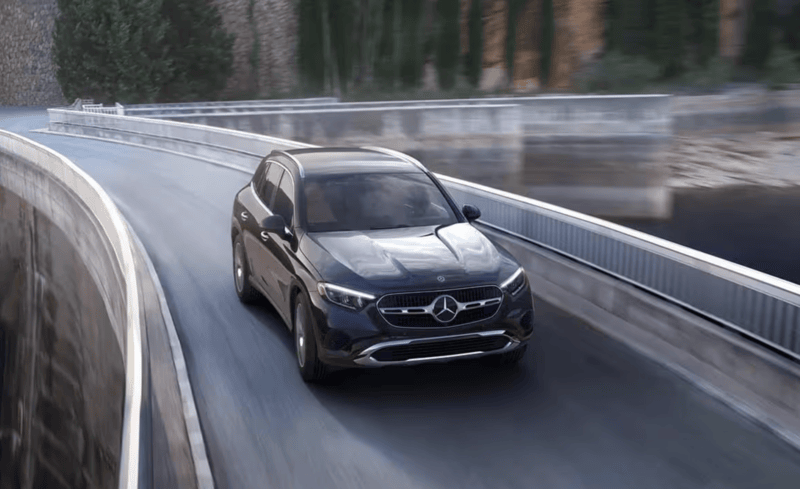
January is an especially significant buying window for drivers considering European luxury brands, primarily luxury ones, such as:
With ongoing tariff uncertainty under President Trump surrounding Greenland, European luxury brands may raise prices to offset potentially higher U.S. export costs. However, President Trump stated that he had formed the “framework of a future deal” on Greenland, with new tariffs no longer needed on opposing European nations, according to CNN.
While the January buying window for attractive limited-time incentives is narrowing, you should avoid rushing into a purchase without preparation. Focusing on 2025 models gives you the best odds of attaining maximum savings, and brands with consistently tight inventories, such as Honda, remain an option.
Simplify your ability to score January deals with CarEdge’s free car buying cheat sheets, which teach negotiation strategies when dealerships won’t budge, dealership industry terms to keep you ahead of the curve, and much more.
On January 17, U.S. President Donald Trump announced that a new 10% tariff will be imposed on the U.K., Denmark, Norway, Sweden, France, Germany, the Netherlands, and Finland as retaliation for their opposition to Trump’s initiative to control Greenland. Trump said the tariffs on goods from these countries will rise to 25% from June 1, 2026. Greenland has been a part of Denmark since 1814, and has been an autonomous territory since 1953.
Immediately, shares of Europe’s biggest automakers began to tumble. The renewed fears of a trade-war are seen as a threat to their bottom lines, and to their ability to keep prices competitive in the U.S. market.
As of the most recent data from 2024, roughly 800,000 passenger vehicles were imported into the U.S. from the EU, with German automakers like Mercedes-Benz, Audi, and Porsche making up 73% of that. Other key players in the trans-Atlantic auto trade are Land Rover, MINI, and Jaguar.
Italian brands like Alfa Romeo and Maserati, both under the Stellantis umbrella, are spared from the Greenland tariffs due to the neutral stance taken by Italy’s government. If the European Union forms a more united front against the U.S., more makes and models could be subject to Trump’s Greenland tariffs.
Whether or not Mercedes-Benz, Land Rover, and the Volkswagen Group raise prices in 2026 comes down to one thing: how long the tariffs stick around. If the Trump administration ends up raising the tariffs to 25% as indicated, these luxury OEMs will have a hard time keeping pricing where it sits today.
Here’s a look at where average selling prices sit for these brands as of late January 2026 according to CarEdge data:
If prices begin to creep higher, we could see more luxury buyers pivot to domestic or Japanese brands. In January, new car supply remains healthy for the most-affected European brands. By measure of market-day supply (how long it would take to sell all inventory at current daily sales rates), the four key players are sitting in a good spot.
BMW (82 days of supply), Mercedes-Benz (85 days of supply), Porsche (98 days of supply), and Audi (106 days of supply) are all experiencing relative stability in January, but that could soon change.
Don’t expect price hikes to come quickly. European luxury brands are in a constant fight for market share with the likes of Tesla, Cadillac, and even newcomers like Rivian and Lucid in the U.S. market.
At home in Europe, these same brands are already under pressure with Chinese brands like BYD and Xpeng winning over more buyers. Europe’s legacy automakers will hold off on price hikes for as long as possible to remain competitive.
However, if 25% tariffs do indeed arrive in June 2026, that wil be a hurdle too big to ignore, and price changes are likely to reflect that.
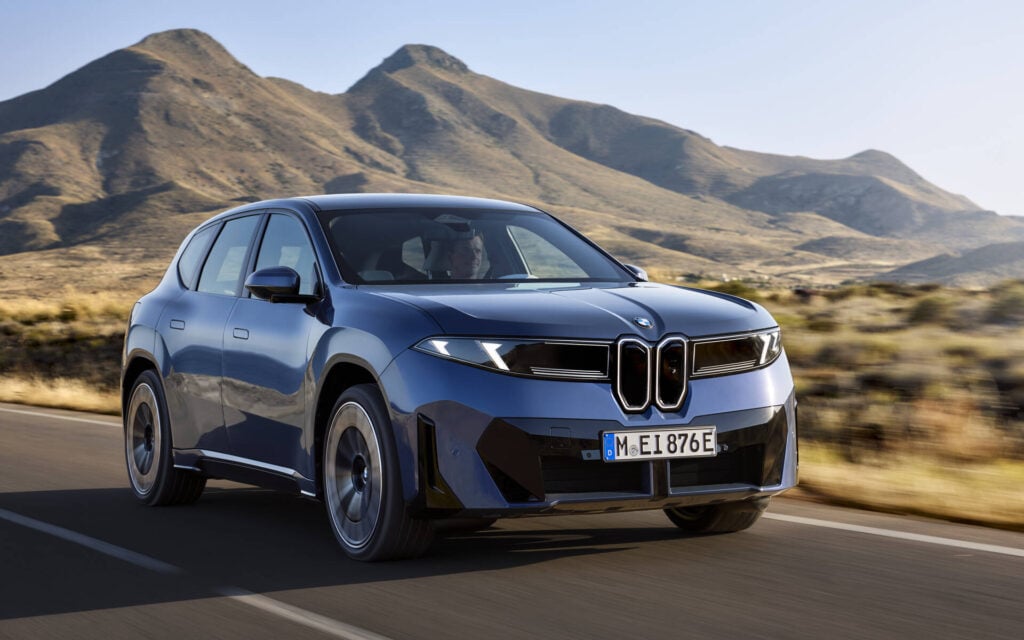
For one German luxury automaker, establishing a heavy presence stateside continues to pay off. The BMW plant in Spartanburg, South Carolina produces models like the X3, X4, X5, X6, X7, and XM. Roughly half of these vehicles are exported worldwide, making the U.S. the largest automotive exporter by value for BMW Group.
BMW’s domestic manufacturing strength in the U.S. is expected to largely shield it from auto tariffs in 2026. Luxury car buyers can expect greater price stability from BMW as a result.
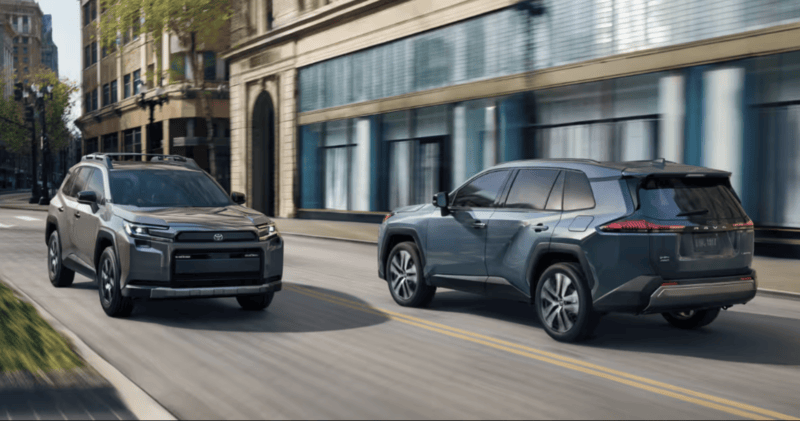
Consistently among the fastest-selling car brands, this import automaker enters the first quarter of 2026 with a handful of can’t-miss lease and purchase deals. It’s worth pointing out that Toyota is already offering big incentives for brand-new 2026 models. Whether this is a sign of a slowing market or simply Toyota doing what it does best (aggressively taking market share) remains to be seen.
If you’ve casually been considering a new Toyota, these deals may not be groundbreaking enough to get you off the couch. But for those who want to negotiate during the last days of January (always the best time of the month to buy), game time is quickly approaching.
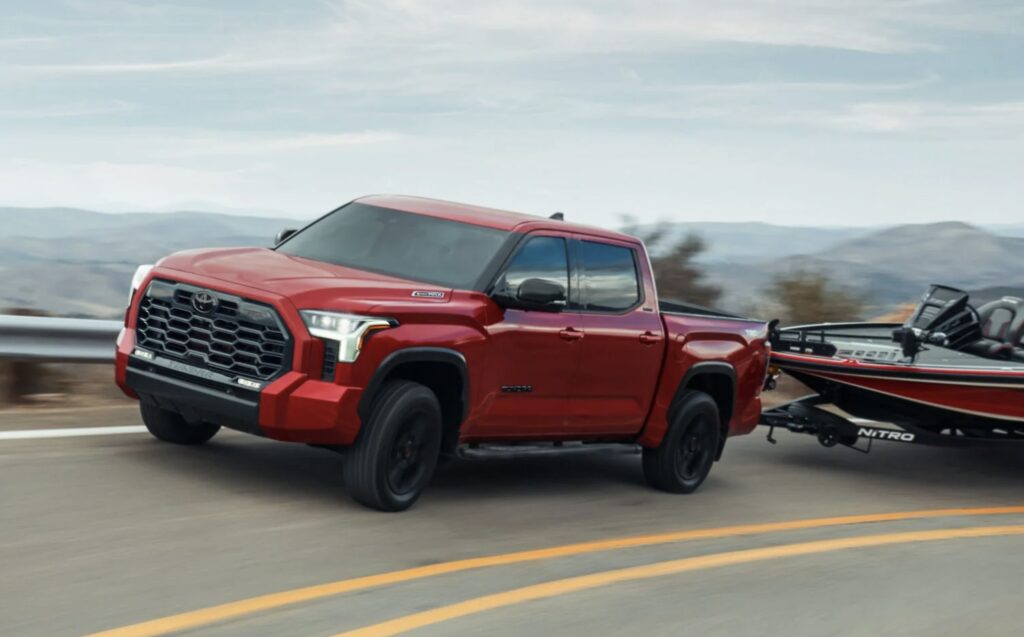
Best Deal: 0% APR for 60 months
Situated among the best popular pickups available, the Toyota Tundra holds its own against domestic giants like Ford, Chevy, and RAM. No interest for five years on the outgoing Tundra model means you stand less of a chance of being underwater on your loan. That’s always a plus in today’s volatile car market.
Note that just 1,600 of the 25,000 Tundras on sale nationwide are 2025 models, so this offer will vanish soon.
This offer expires February 2, 2026. See Toyota for more details.
Explore Toyota Tundra deals using local market data

Best Deal: $209/month for 39 months with $3,999 down
Although the saying, “If it ain’t broke, don’t fix it,” fits the Toyota brand in general, it’s probably most applicable to the Corolla nameplate, which has been around longer than today’s Gen Z drivers have been alive.
Offer ends February 2, 2026. See Toyota for more details.
Explore Toyota Corolla deals using local market data
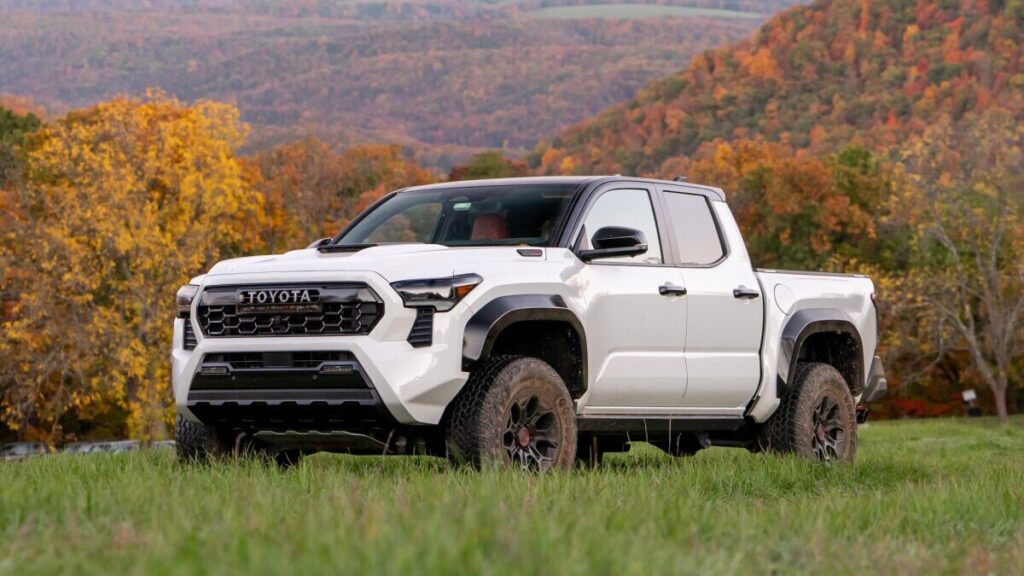
Best Deal: 3.99% APR for 72 months
Having already surpassed the Nissan Frontier as one of the leading smaller pickups, the Tacoma ranks third for best value—coincidentally, behind the GR86 and the Corolla Hatchback, two other Toyota models.
Get this offer before it ends on February 2, 2026. See Toyota for more details.
Explore Toyota Tacoma deals using local market data
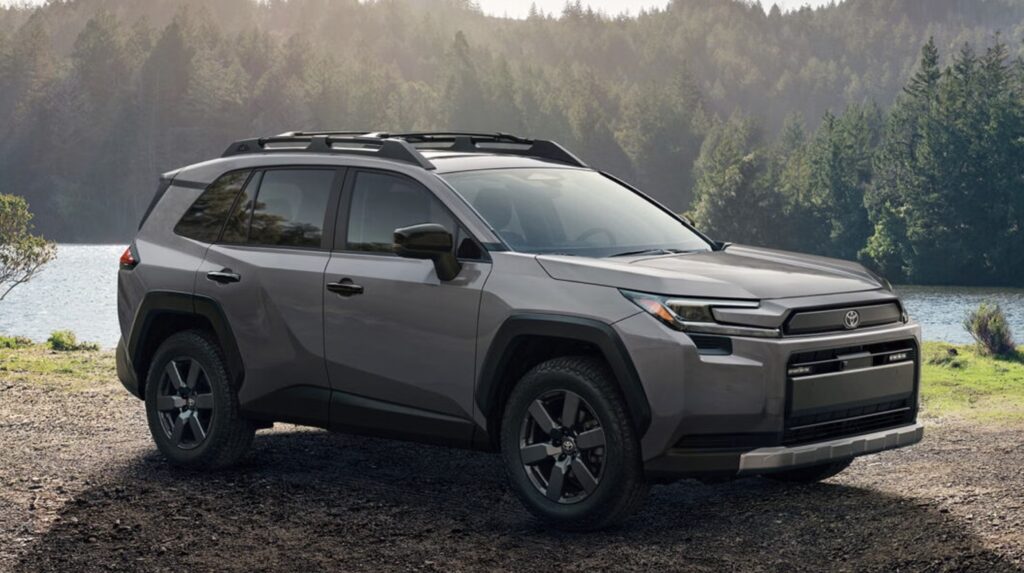
Best Deal: 5.99% APR for 72 months
All-new for 2026, the RAV4 is now more capable and feature-packed than ever before. Better yet, the price barely budged, even with several upgrades.
The fastest- and slowest-selling SUVs in January 2026 showcased the RAV4 as king, but you’ll find several other Toyota models among the top 10 as well. Toyota sold nearly 480,000 RAV4s in 2025.
This offer expires February 2, 2026. See Toyota for more details.
Explore Toyota RAV4 deals using local market data
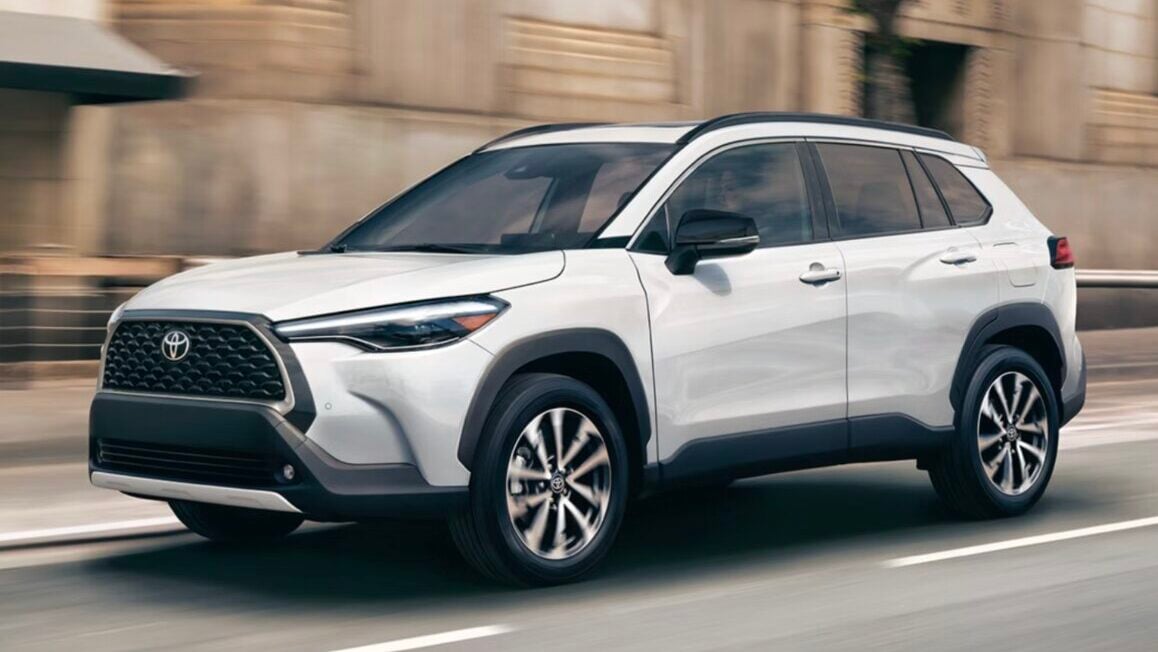
Best Deal: $259/month for 39 months with $3,999 down
Compact SUVs have been edging out four-door sedans for a few years now, and the Corolla Cross is one of Toyota’s newest models on the scene. It also costs less than $5,900 to maintain over the first decade of ownership—among the most affordable crossovers to maintain, period.
Get this offer before it expires on February 2, 2026. See Toyota for more details.
Explore Toyota Corolla Cross deals using local market data
We ranked Toyota first among brands with the best resale value after five years, but its long-standing rival, Honda, is only a few spots behind. Competition pits the Honda CR-V against the Toyota RAV4 in the SUV arena, but the big “H” leaves CR-V fans wanting with little in the way of compelling incentives. Select markets offer 3.99% APR financing for 60 months on the 2026 CR-V, but remember that the RAV4 is all-new for 2026, making the now-outdated CR-V a tough sell without better incentives.
In January, most buyers cross-shopping the two rivals will go for Toyota’s offers.
Although we’ve officially closed the books on 2025, the automotive industry continues to shift in response to evolving hot-button issues, from trade-related tariffs to the future of electric vehicles. Staying current with everything can prove exhausting, but with CarEdge Pro, you gain access to insider data and an AI agent that negotiates on your behalf.
At CarEdge, we’re simply here to make buying a car more transparent, fair, and less stressful. Here’s how we can help.
With nine solid zero-down Ford lease offers to choose from in January 2026, the iconic domestic brand makes it easy to check off at least one resolution. The Blue Oval’s incentives listed below include a mix of models, from the powerful Mustang and its EV counterpart, the Mustang Mach-E, to the workhorse F-150 in its many forms. Note that all of these lease offers are on 2025 models, because Ford’s not about to let those new arrivals go quietly just yet.
Here’s a look at all of the zero-down lease deals from Ford this month. These are hands-down the best Martin Luther King Jr. Day car sales right now.

Best Deal: $399/month for 36 months with $399 due at signing
The money you save on leasing a 2025 Mustang might go straight to paying your insurance premium, but as the saying goes, “You only live once.”
Offer expires on 2/2/2026. See Ford’s website for more details.
Browse local Ford Mustang listings
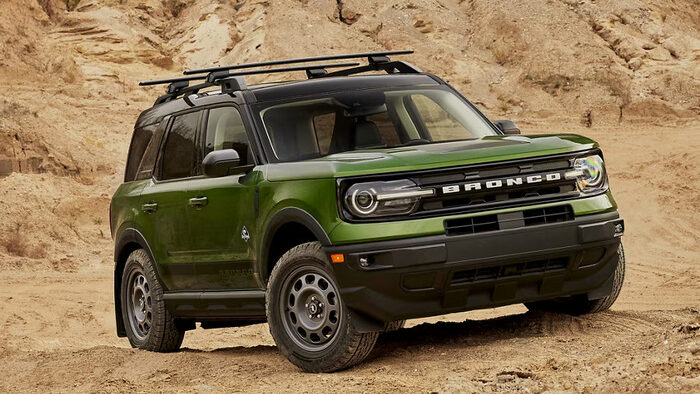
Best Deal: $399/month for 36 months with $399 due at signing
The Bronco Sport Big Bend carves out its own niche in the popular compact crossover SUV segment, alongside the Escape and several other strong competitors.
This offer expires on 2/2/2026. See Ford’s website for more details.
Browse local Ford Bronco Sport listings

Best Deal: $399/month for 36 months with $399 due at signing
The National Highway Traffic Safety Administration awarded the 2025 Ford Escape 5 out of 5 stars in overall safety.
Get this offer before it expires on 2/2/2026. See Ford’s website for more details.
Browse local Ford Escape listings
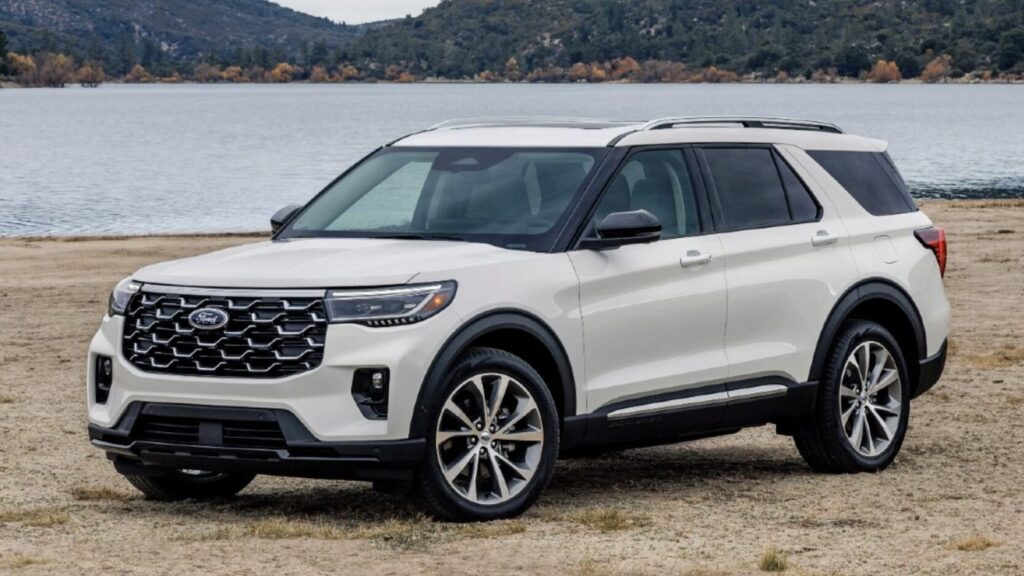
Best Deal: $499/month for 36 months with $499 due at signing
If you were born before 1991, you’re officially older than the Ford Explorer—and the film Jurassic Park, which featured a 1992 Explorer XLT as the park’s memorable mode of transportation.
Hurry in before this offer expires on 2/2/2026. See Ford’s website for more details.
Browse local Ford Explorer listings

Best Deal: $447/month for 36 months with $447 due at signing
While we suspect Ford won’t be producing a Goose name plate anytime soon—somehow it just doesn’t fit the brand’s vibe—you can still fly high with a monthly lease payment under $450 with nothing down and only your first month’s payment due at signing.
Get this offer before it expires on 2/2/2026. See Ford’s website for more details.
Browse local Ford Maverick listings
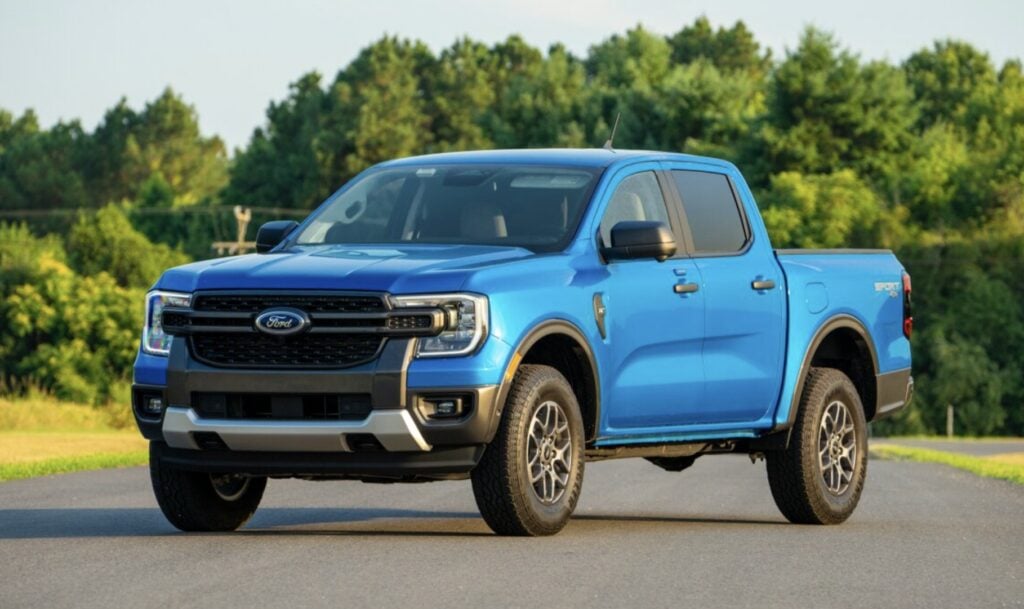
Best Deal: $471/month for 36 months with $471 due at signing
Recently resurrected, the Ford Ranger competes with several strong midsize pickups, including the Nissan Frontier, Toyota Tacoma, and Chevrolet Colorado.
Get this offer before it expires on 2/2/2026. See Ford’s website for more details.
Browse local Ford Ranger listings

Best Deal: $479/month for 36 months with $479 due at signing
Leasing an F-150 can help you figure out which trim level best suits your needs before you buy.
If you plan on purchasing later, check out how much pricing varies between 100 Ford dealers on the same F-150.
This offer expires 2/2/2026. See Ford’s website for more details.
Browse local Ford F-150 listings

Best Deal: $462/month for 36 months with $462 due at signing
The all-electric F-150 Lightning was discontinued from the Ford lineup for 2026, but great lease deals remain for leftover 2025 models.
This offer expires 2/2/2026. See Ford’s website for more details.
Browse local Ford F-150 Lightning listings
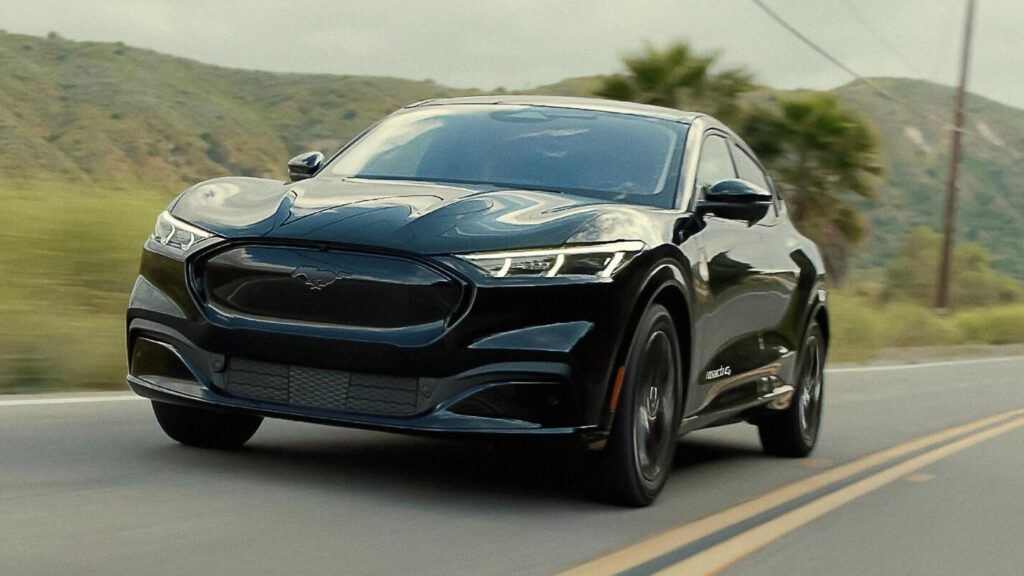
Best Deal: $358/month for 36 months with $358 due at signing
Federal tax credits for EV purchases ended in September of 2025, but you can still lease the outgoing Mustang Mach-E for less than $400 a month for three years.
This offer expires March 31, 2026. See Ford’s website for more details.
Browse local Ford Mustang Mach-E listings
Purchase incentives run on the slim side for drivers looking to finance in January. Well-qualified buyers can get up to $3,000 bonus cash and 0% APR for 72 months on the 2025 Ford Mustang Mach-E and the 2025 Ford F-150 Lightning. Hurry in by February 2 to get 2.9% APR for 60 months on the 2025 Ford Explorer, or score the same deal and up to $3,250 bonus cash on the 2025 Ford F-150 XLT (all as available in select markets).
Calculating the cost of leasing versus buying a car can help you decide which arrangement works best. Enlist a CarEdge Concierge to contact dealers and wade through the red tape.
👉 Schedule your free consultation—via phone or live chat—today to get started.

If you’ve ever been anxious about car buying, you’re not alone. Vehicle ownership is a major financial commitment. With this in mind, how much of your monthly budget should you spend on a car? Today, we’re going to answer that question with the 10% rule.
You’re likely to find many different opinions on how much you should spend on a car. Truthfully, there is no perfect answer. At the end of the day, you have to make a decision that you feel comfortable with.
That being said, we do have some advice we’d recommend you follow. We’re here to help you learn about the 10% rule, and how it helps you determine how much you should spend on your next car.
First things first, to determine how much you should spend on a car, you need to assess your financial situation. This means auditing your monthly gross income. How much gross (before taxes) income do you make each month?
I say monthly income on purpose, because most car buyers are shopping for a monthly payment that meets their budget. This is as good a time as ever to mention that if you can afford to buy a car in cash, and you intend to keep it for decades, please do that. However, make sure to do it the right way (we go over the details here). Paying cash is the most financially responsible car buying decision you can make.
Having said that, most of us aren’t in a position to pay for a car in cash upfront. If that’s you, then start this exercise by analyzing your monthly gross income.
Write that number down, we’re going to come back to it.
Are you buying a car because you need transport from point “a” to point “b,” or are you getting a car to make a statement?
When I worked at an Acura dealership in the early 2000’s, a customer came in and purchased an Acura RL in the top trim. This was an expensive and luxurious car. The same day this customer took home his new car he came back. Why? Because his wife wanted him to buy a Lexus instead. To her, the Acura didn’t portray the image she wanted to her neighbors.
In this case, the “why” behind purchasing a car was to make a material statement, not to simply get from point “a” to point “b.”
If you’re trying to make a statement, it’s my strong recommendation you figure out a cheaper, more fiscally responsible way to make that statement. Consider buying a watch, a house, a painting … literally anything other than a car. Cars simply lose value too quickly.
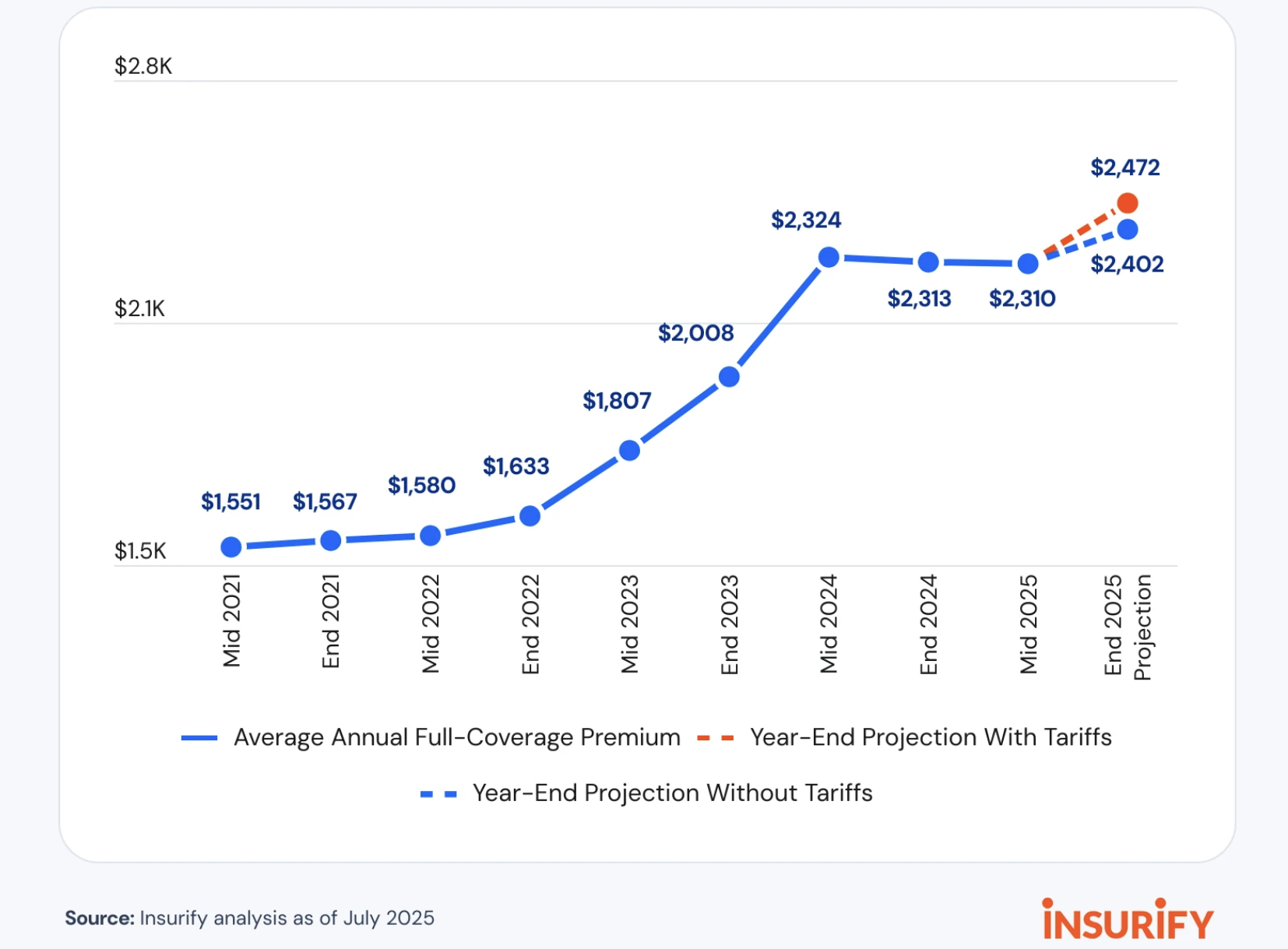
Buying a car entails a lot more than making a monthly car payment. Insurance, gas, maintenance, depreciation, the list goes on and on. If you’ve ever owned a car before, you know just how expensive it is. Plus, insurance costs are rising quickly.
That being said, it’s critically important to consider the total cost of ownership when thinking, “How much should I spend on a car?” Your monthly car payment should include:
When you factor each of these items into your monthly car payment you see that a $500/mo car payment is actually $1,000/mo. And this is where the 10% comes in. I’ve always advised all of my customers to spend no more than 10% of their gross income on their car.
That means that if you make $60,000 per year ($5,000 per month), you can aim for up to $500 per month to go towards your car payment. That doesn’t mean you can afford any car that has a monthly payment of $500, it means the combined cost of the payment, the insurance, and maintenance all needs to be under 10% of your gross income, or in this example, under $500.
Some personal finance gurus suggest that you can afford to spend much more than 10% of your gross income on a car, and banks will even loan you the money you need to purchase a car so long as your debt to income ratio is below 40%.
The 10% rule isn’t a commandment, it’s simply a suggestion. Spending more than 10% of your monthly gross income on a depreciating asset is a tough pill to swallow, but for some it’s worth it.
If you drive less than the average driver each year, I highly recommend you consider leasing a car instead of buying. This is especially advised for those who prefer to upgrade to a new car every few years or so.
Leasing has some distinct advantages compared to purchasing; mainly, you know exactly what you are signing up for. The cost of depreciation and maintenance are built into the lease, whereas when you buy a car outright neither of those factors are known.
The 10% rule also applies to leasing. For example, if my monthly income is $4,000, then my next Mini Cooper lease should be under $400/month since I’ll have to factor in insurance and gas costs.
Leasing allows for a certain level of cost certainty since most lease terms are in the 24 to 36 month range, and cars are under warranty for most (or all) of that time. Some brands even include free scheduled maintenance during your lease term, essentially making the monthly payment and the cost of fuel and your insurance premium your total car expenses.
Trust me, cost certainty is a huge advantage for drivers. Once you experience it, you’ll wonder how you ever lived without it.
Ultimately, how much you spend on a car comes down to how much money you are willing to set aside on a monthly basis. Additionally, always remember that when you buy a car, it will lose value. Vehicles are not investments.
How do you play it smart then? My recommendation is that you follow the 10% rule. It’s fair, it’s reasonable, and it’s not overly constrictive. Plus, when you drive somewhere in your new car, if you follow the 10% rule, you’ll still have some money in your pocket to pay for things when you get there!
Ready for a car-buying expert to get YOU the best deal?

If you’ve ordered anything from Amazon, you’re familiar with boxes of your latest purchases showing up on your doorstep. However, with the introduction of Amazon Autos, you can get more than just your essentials delivered. But is buying a car on Amazon a good idea? Here’s everything you need to know about how this new option compares to buying a car the old-fashioned way.
Dubbed Amazon Autos, the largest online retailer’s new database of online car listings has generated headlines over the past year for a number of reasons. Some even heralded the launch as a true game-changer in the car market. But in reality, buying a car on Amazon isn’t all that different from buying one from your average dealership. That’s both good and bad news for consumers.
Here’s how buying a car on Amazon works:
Make no mistake: you’re still buying from a dealer; Amazon Autos only acts as an online marketplace for cars. The cars listed there are the same ones that dealerships list on their own and third-party websites. Amazon just makes online car shopping feel like the branded experience nearly 200 million Americans know and use frequently.
Amazon doesn’t hold any of the inventory you see online. They’re merely combining the online shopping experience consumers expect from this global ecommerce giant with online car shopping. In most cases, this approach requires trading no-haggle, “competitive” pricing for convenience.
In addition, dealers advertise no-haggle pricing to ensure healthy profit margins on their end while playing on consumers’ dislike of dealing with salespeople and negotiating. Remember, dealers have plenty of profit in the form of holdbacks, manufacturer-to-dealer cash, and even volume bonuses. That’s not to mention the money they make when you finance your purchase, especially if you opt for an extended warranty or similar add-on.
All of this means that you’re much more likely to overpay on the car you choose than if you were to go your own way and negotiate confidently. Admittedly, for some, Amazon Autos might be a compromise worth making to skip the haggling process. Yet, it’s important to recognize that you’re instantly limiting your ability to land a great deal when you forfeit your right to negotiate car pricing.
If there’s anything we’ve learned about the car buying process, it’s that exploring your options only helps you make a better deal and drive away without that sinking weight of buyer’s remorse. Should you choose to browse cars for sale on Amazon Autos, keep the following three tips in mind to make sure you’re not leaving money on the table.
Always research demand factors for the cars you’re interested in. Are you shopping for a car that’s less popular than the hottest sellers on the market? Does it sell slower than the market average in your area?
If so, you’re much more likely to overpay with “no-haggle pricing.” Search for inventory that has been sitting on the dealership lot the longest. Those are the cars that dealers are motivated to sell at a discount, not the ones listed on Amazon.
The out-the-door (OTD) price includes the full picture, from the vehicle’s selling price to local taxes and fees. Before making a purchase on Amazon Autos, or anywhere for that matter, ask for the OTD price before you show you’re serious about any vehicle. Dealers often attempt to sneak in unwanted add-ons or fees into the sale. The OTD price will reflect that.
On a related note, don’t be a monthly payment shopper. When car dealership salespeople see that all you’re focused on is the monthly payment, that’s purely encouragement for them to throw on some extras you don’t need or want ‘for only $5 more each month.’
Remember, this money adds up to a much larger sum over time. Use this free Out-the-Door Price Calculator to get an idea for what to expect.
Always compare the prices you see on Amazon Autos with what’s available elsewhere. Avoid going with the first offer you see. Remember to always compare the OTD price from multiple sellers and use their competing offers to your advantage.
Taking negotiations off the table can remove much of the stress associated with buying a car. But what if AI could negotiate for you? With CarEdge Pro, you get access to fair pricing, insider data, and an AI agent that does all the talking.
In summary, when you buy a new or used car on Amazon, you’re still buying through a traditional dealership. The vehicles listed on Amazon Autos belong to participating dealerships; they’re not even owned by Amazon or stored within their warehouses. And while Amazon Autos may offer no-haggle pricing, there’s something crucial most shoppers overlook: you’re rarely getting the best price possible.
If you want to skip the tense negotiation process but still walk away with a good deal, have an expert handle your deal with CarEdge. Join more than 10,000 happy drivers who’ve used our car buying service to ensure their next big purchase is one they can be proud of.
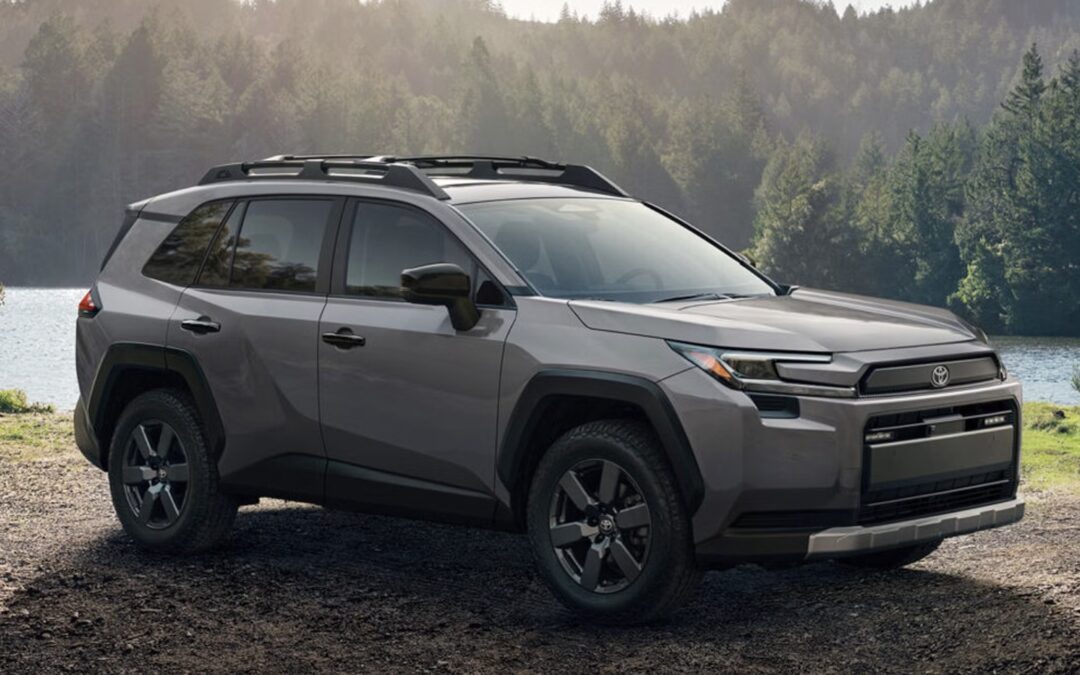
Out with the old, and in with the new seems to be the theme in this month’s rankings of the fastest and slowest-selling SUVs and crossovers. In early 2026, the glory days of EV sales are gone, and reliable namesakes from Toyota are back at the top. Right now, some SUVs are being scooped up as soon as they hit the lot, while others are sitting unsold for nearly a year on average.
We analyzed January 2026 auto market data to find the SUVs with the lowest and highest market day supply (MDS). MDS is a measure of how many days it would take to sell through current inventory at the current sales pace. Here are the winners and losers so far in 2026’s SUV market.
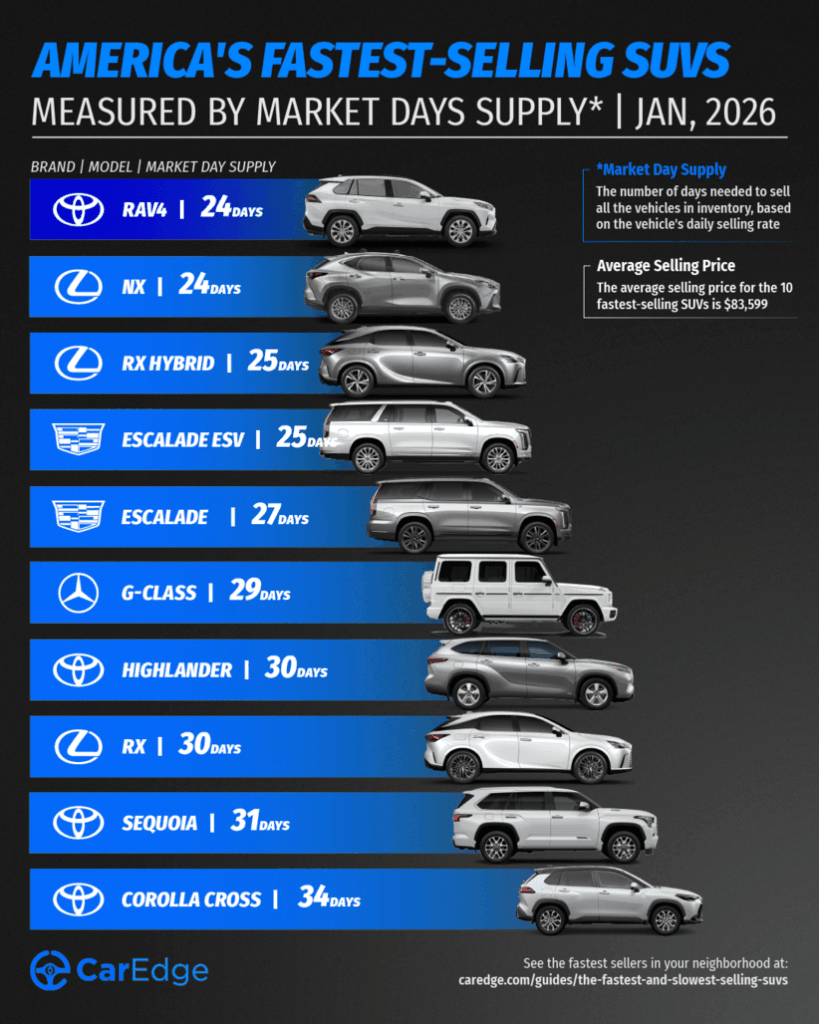
These are the SUVs and crossovers with the lowest market day supply in January 2026. That means they’re in high demand right now, and are likely harder to negotiate on due to limited availability.
| Make | Model | Market Day Supply | Total For Sale | 45-Day Sales | Average Selling Price |
|---|---|---|---|---|---|
| Toyota | RAV4 | 24 | 38,923 | 73,186 | $37,389 |
| Lexus | NX | 24 | 3,008 | 5,713 | $51,475 |
| Lexus | RX Hybrid | 25 | 5,027 | 9,227 | $64,200 |
| Cadillac | Escalade ESV | 25 | 1,149 | 2,057 | $127,519 |
| Cadillac | Escalade | 27 | 2,381 | 3,919 | $125,506 |
| Mercedes-Benz | G-Class | 29 | 1,062 | 1,643 | $201,631 |
| Toyota | Highlander | 30 | 5,480 | 8,100 | $52,703 |
| Lexus | RX | 30 | 5,954 | 8,828 | $59,760 |
| Toyota | Sequoia | 31 | 3,644 | 5,254 | $84,101 |
| Toyota | Corolla Cross | 34 | 15,087 | 20,040 | $31,703 |
Source: CarEdge Pro
Toyota is back on top yet again in January. Seven of the 10 fastest-selling SUVs are Toyota or Lexus models. If you’ve been following along for a while, this isn’t unusual. Toyota’s reputation for reliability, affordability, and overall value continues to be a hit with buyers. Consumer Reports named Toyota as the most-reliable brand yet again last year.
If you haven’t noticed, SUVs are no longer budget-friendly vehicles for the most part. No one wants a $50,000 crossover that lacks in reliability. Buyers are valuing reliability and affordability above all else right now, and the latest data reflects that.
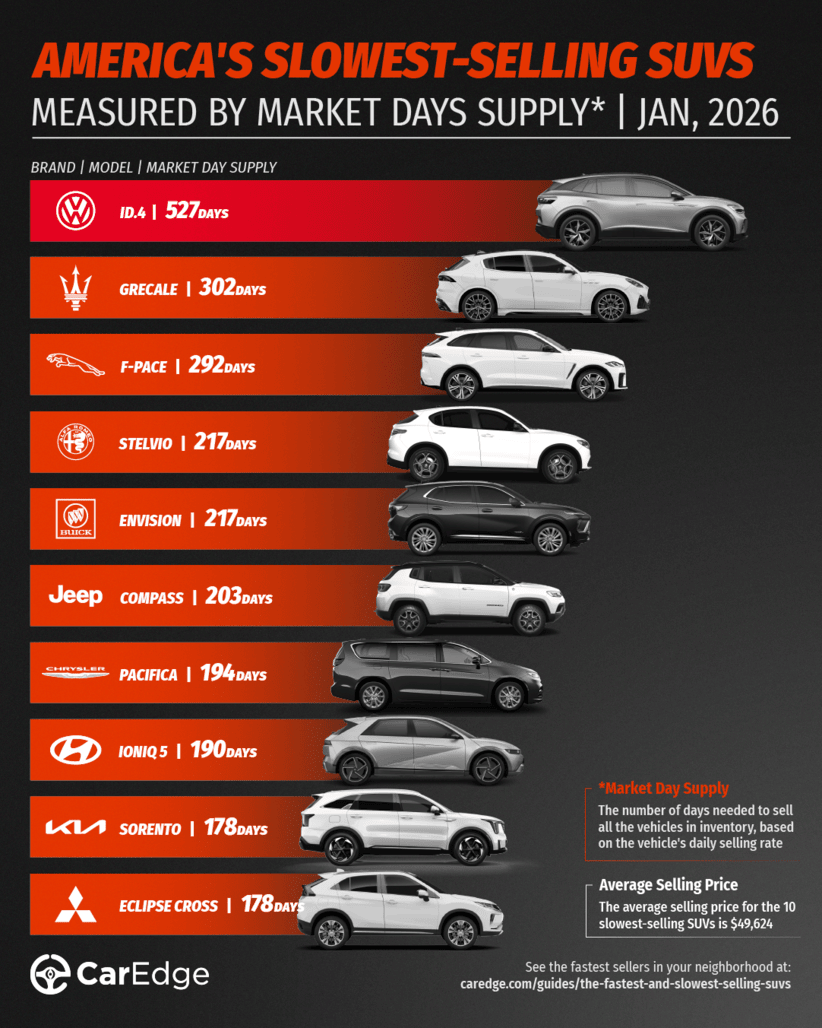
These SUVs have the highest market day supply, which means they’re sitting unsold for longer. Buyers may be able to score better deals on these slowest-selling SUVs in January 2026, especially with this new AI negotiator doing the work for you.
| Make | Model | Market Day Supply | Total For Sale | 45-Day Sales | Average Selling Price |
|---|---|---|---|---|---|
| Volkswagen | ID.4 | 527 | 1,500 | 128 | $49,534 |
| Maserati | Grecale | 302 | 638 | 95 | $84,448 |
| Jaguar | F-PACE | 292 | 2,148 | 331 | $69,503 |
| Alfa Romeo | Stelvio | 217 | 887 | 184 | $55,467 |
| Buick | Envision | 217 | 8,352 | 1,735 | $40,150 |
| Jeep | Compass | 203 | 27,375 | 6,063 | $32,392 |
| Chysler | Pacifica | 194 | 16,442 | 3,815 | $46,694 |
| Hyundai | IONIQ 5 | 190 | 10,693 | 2,536 | $47,865 |
| Kia | Sorento | 178 | 35,349 | 8,955 | $40,126 |
| Mitsubishi | Eclipse Cross | 178 | 2,715 | 685 | $30,058 |
Source: CarEdge Pro
With the federal EV tax credit now over, the Volkswagen ID.4 is the slowest-selling car in America for the second month in a row. There’s a year and a half of market supply right now, meaning that an ID.4 on a dealer’s lot today may see 2027 before finding a buyer.
Several of the others fall into the luxury segment. With recent inflation and persistently high interest rates, buyers are thinking twice about buying luxury vehicles in 2026.
Four Stellantis models are in the bottom 10 this month. Jaguar’s F-PACE has been a slow-selling model for all of the past year, despite being the top model by volume for the British automaker.
For any of these slow-selling SUVs, prices will be more flexible if you come equipped with negotiation know-how.
If you’re looking for a SUV deal in 2026, start with the slowest sellers this month. High inventory levels mean dealers are likely motivated to talk pricing if you negotiate with confidence. It’s always best to take a look at the best incentives of the month, too.
“If you’re shopping for a slow-selling SUV, the ball is in your court,” says auto industry veteran Ray Shefska. “Dealers know those vehicles aren’t moving, and that gives you the upper hand in price negotiations.”
Shopping Toyota, Honda, or Lexus? Expect tighter inventory and less room for negotiation unless market dynamics shift dramatically. You may need to move quickly if you find the right trim. However, this is no reason to pay for unwanted add-ons or dealer markups!
With CarEdge Concierge, our experts do the legwork for you, from researching inventory to negotiating with dealers. Already know what you want? Use our AI Negotiation Expert service and have CarEdge AI negotiate with car dealers anonymously!
Explore more free tools and resources with car buying guides, cost of ownership comparisons, and downloadable cheat sheets. There’s no reason to shop unprepared in 2026.
CarEdge is a trusted resource for car buyers, offering data-backed insights, negotiation tools, and expert guidance to help consumers save time and money. Since 2019, CarEdge has helped hundreds of thousands of drivers navigate the car-buying process with confidence. Learn how to buy a car the easy way at CarEdge.com.
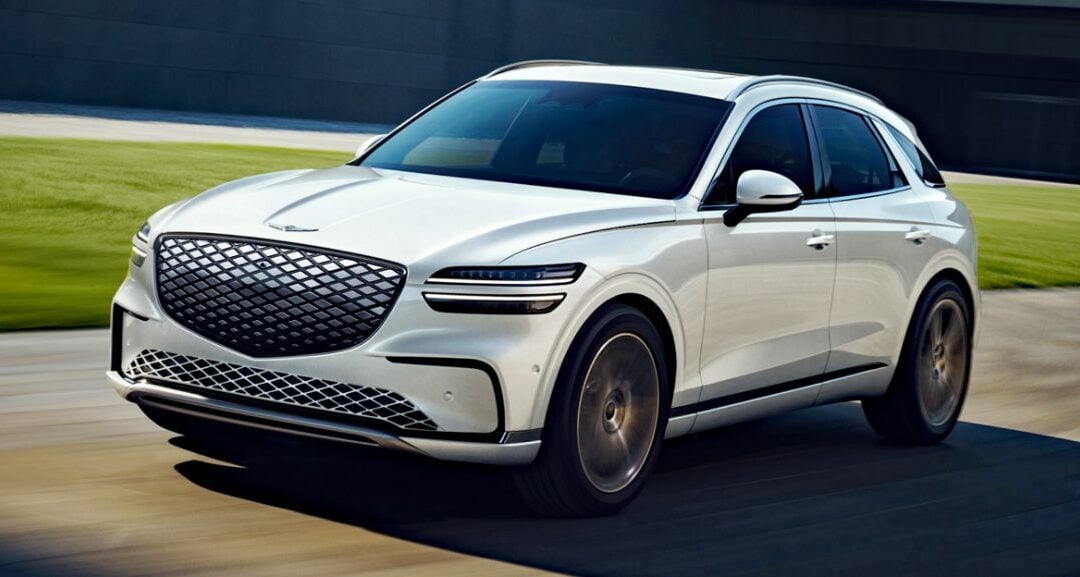
As the world moves further into the new year, the best luxury car incentives will soon be fading in the rearview mirror. Wait much longer, and you risk missing out on deals that could save you thousands. Below are 10 of the best luxury car and SUV offers you’re likely to see for some time as 2026 unfolds.
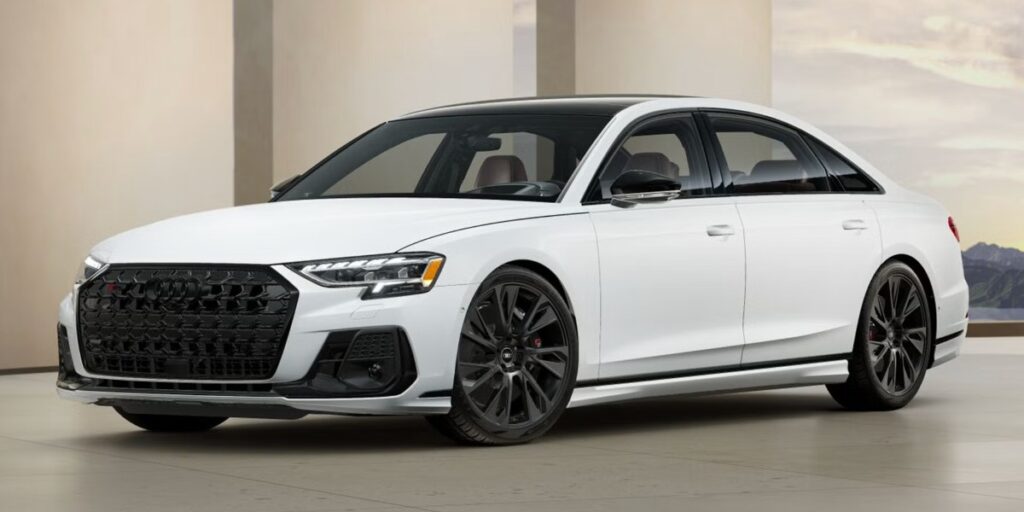
Best Deal: $10,000 bonus cash
Get $10,000 bonus cash on a brand-new 2026 Audi S8 quattro. Blending poise and performance, the S8 quattro starts at $130,000.
This offer expires February 2, 2026. See Audi for more details.
Find your next Audi S8 using local market data
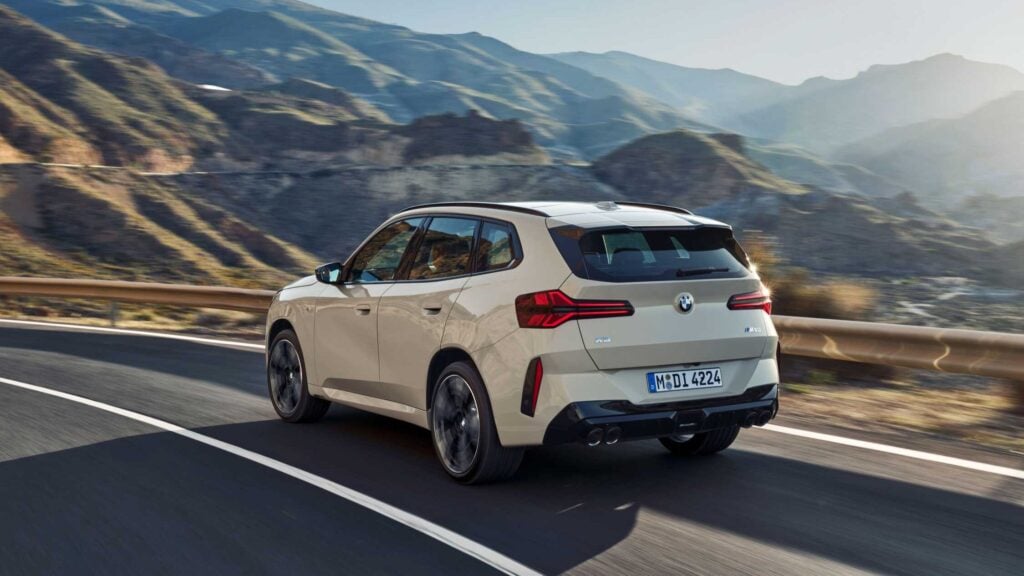
Best Deal in January: 1.99% APR for 60 months, or $599/month for 39 months with $5,239 down
Whether you choose to lease or purchase the 2026 BMW X3, the xDrive off-road capabilities ensure that any weekend trips you take don’t leave you stranded.
Offer ends February 2, 2026. See BMW for more details.
Find a BMW X3 with the power of local market data

Best Deal: 2.99% APR for 48 months
One of three Lexus models on our list, the 2026 RX joins several others available with a 2.99% APR for a four-year loan. Multiple deals like these are rare for the popular luxury brand.
This offer expires February 2, 2026. See Lexus for more details.
Find your next Lexus RX using local market data
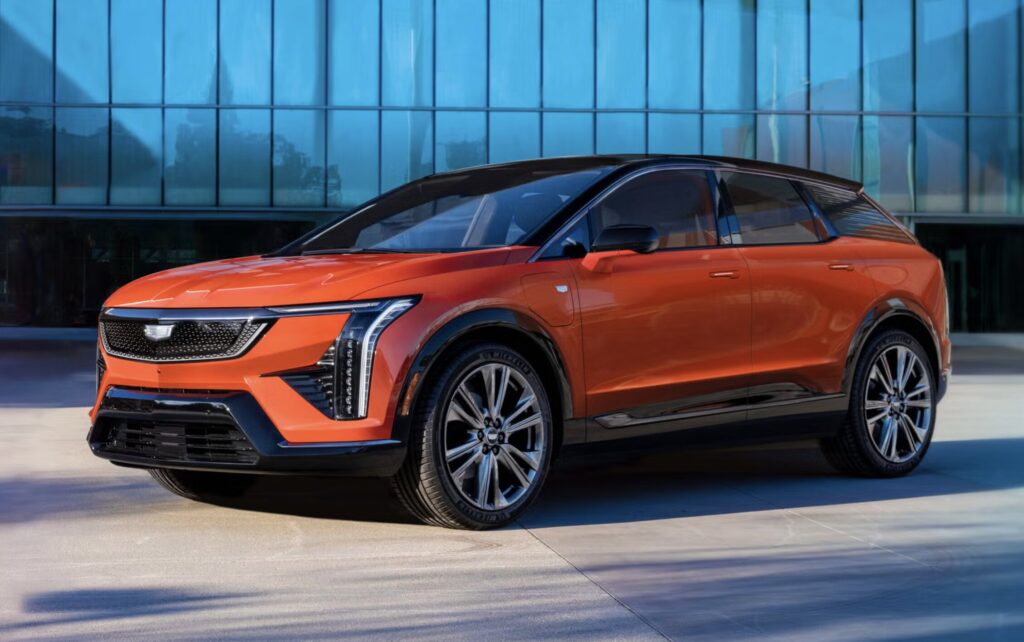
Best Deal: 2.9% APR for 60 months plus $2,000 cash allowance
One of four electric vehicles (EVs) of SUV proportions in the Cadillac stable, the 2026 OPTIQ benefits from a $2,000 cash allowance, alongside the 2026 VISTIQ EV.
Get this offer before it ends on February 2, 2026. See Cadillac for more details.
Find your next Cadillac OPTIQ using local market data
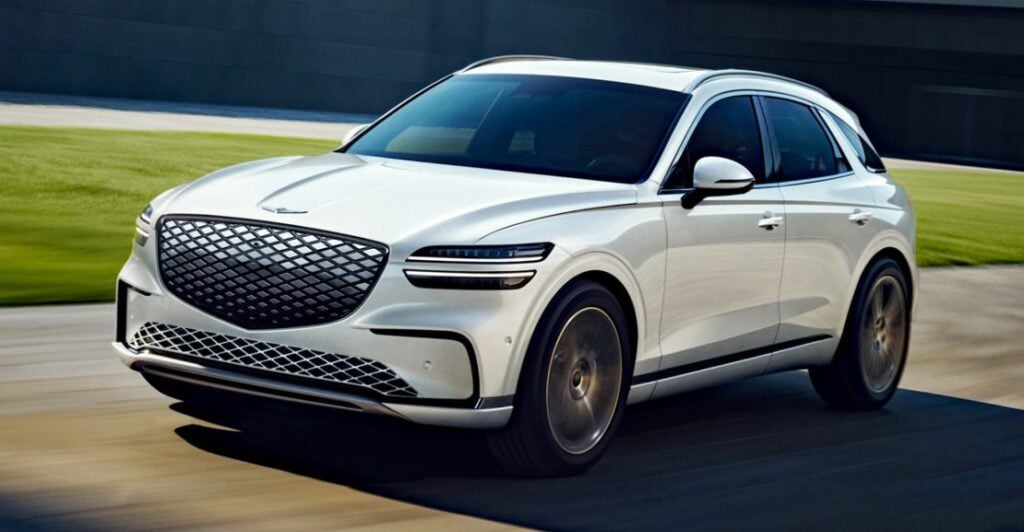
Best Deal in January: 0% APR for 60 months
Luxury and speed are the the Genesis Electrified GV70 proves enticing with no interest accrued on a five-year loan.
This offer expires February 2, 2026. See Genesis for more details.
Find a Genesis GV70 with the power of local market data

Best Deal: $509/month for 42 months with $3,999 down
Toyota’s luxury brand offers a three-and-a-half-year lease on the 2026 Lexus NX 350 AWD for just over $500 a month and less than $4,000 due at signing.
Get this offer before it ends on February 2, 2026. See Lexus for more details.
Find your next Lexus NX using local market data
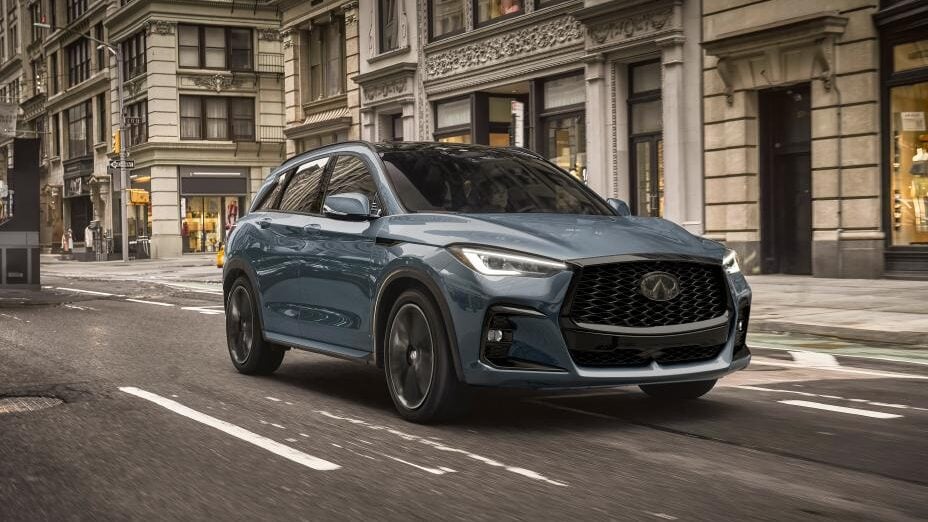
Best Deal in January: $6,500 cash offer
Get Infiniti’s $6,500 cash offer before it’s gone on the 2025 QX50 and 2025 Infiniti QX55. These two models are going out of production this year, and are unlikely to return.
Offer ends February 2, 2026. See Infiniti for more details.
Find an Infiniti QX50 with the power of local market data

Best Deal: $649/month for 36 months with $6,995 down for the Velar P250 S
A hidden gem among the 10 luxury leases featured, the 2026 Velar’s lease incentives can put you behind the wheel for less than $650 per month and just under $7,000 due at signing.
Offer ends February 2, 2026. See Land Rover for more details.
Find your next Land Rover Range Rover Velar using local market data
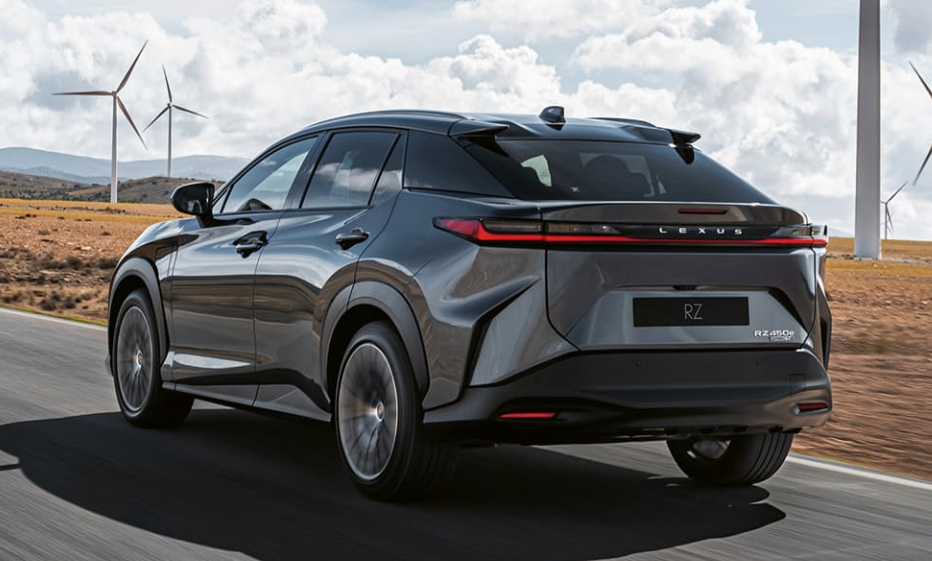
Best Deal in January: 0% APR for 72 months
Looking for another popular luxury EV option? The stealthily silent 2026 RZ still turns heads.
Get this offer before it expires on February 2, 2026. See Lexus for more details.
Find a Lexus RZ with the power of local market data
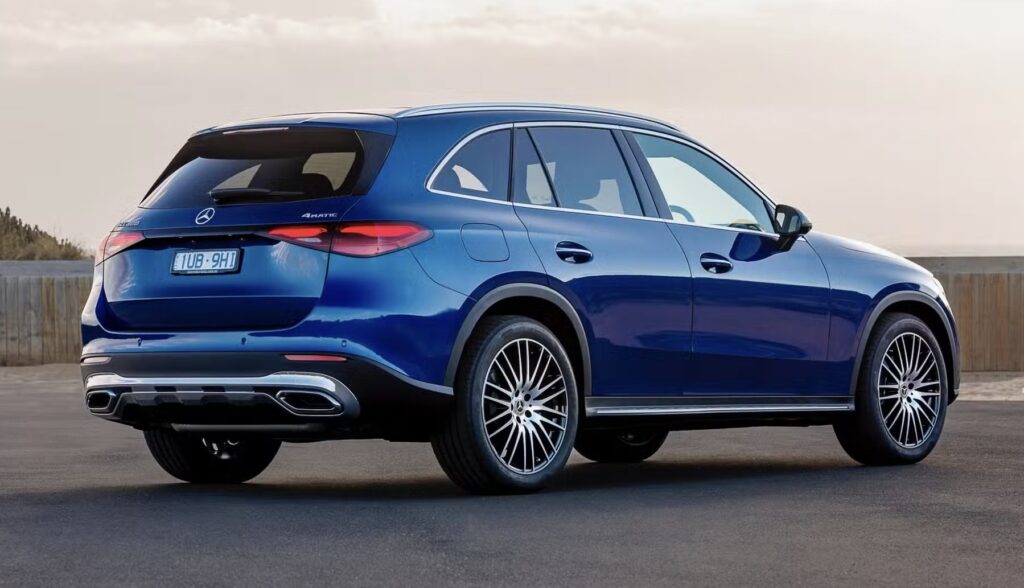
Best Deal in January: $459/month for 36 months with $5,183 down
Class-leading luxury and a mild hybrid powertrain seamlessly combine in this premium two-row SUV from Mercedes-Benz, available to lease for less than $500 a month for three years.
Offer ends February 2, 2026. See Mercedes-Benz for more details.
Find a Mercedes-Benz GLC with the power of local market data
As 84-month loan terms (that’s seven years’ worth of interest) gain traction among automakers and dealerships, it’s worth taking a second look at the numbers before inking a deal. Two of the worst luxury incentives to avoid include 6.9% APR on the 2026 GMC Sierra 2500 Denali and 0.9% on the 2025 Lincoln Corsair Grand Touring.
Despite its pedigree, the 2026 Jaguar F-PACE hasn’t been leaping off showroom floors over the past year or two. The import luxury brand’s lease offer on the P250 R-Dynamic S AWD model—$679 a month for 36 months with $6,995 down—puts it in the same price range as the much more luxurious Range Rover Velar. Even offering a 3.9% APR for 48 months to purchase the sophisticated SUV may not be enough.
While January still holds promise for luxury car buyers, deals like these are fading fast. Brand-new models with the latest features and technology have already begun to fill showroom floors, with the weight of boosting the first quarter’s numbers placed squarely on their shoulders. When you’re ready to take advantage of these offers, partner with a CarEdge Concierge to improve your car-buying experience and ward off buyer’s remorse.
Sure, the year-end sales bonanza is behind us, but January still has plenty of solid deals if you’re willing to dig a little. The catch? Not every offer is worth your time. Some are downright underwhelming once you read the fine print. We went through the latest manufacturer incentives to flag the ones you should probably ignore. Here are the 5 worst manufacturer incentives for new cars this month.
Don’t miss our roundup of the best January deals, featuring the best values in the market.

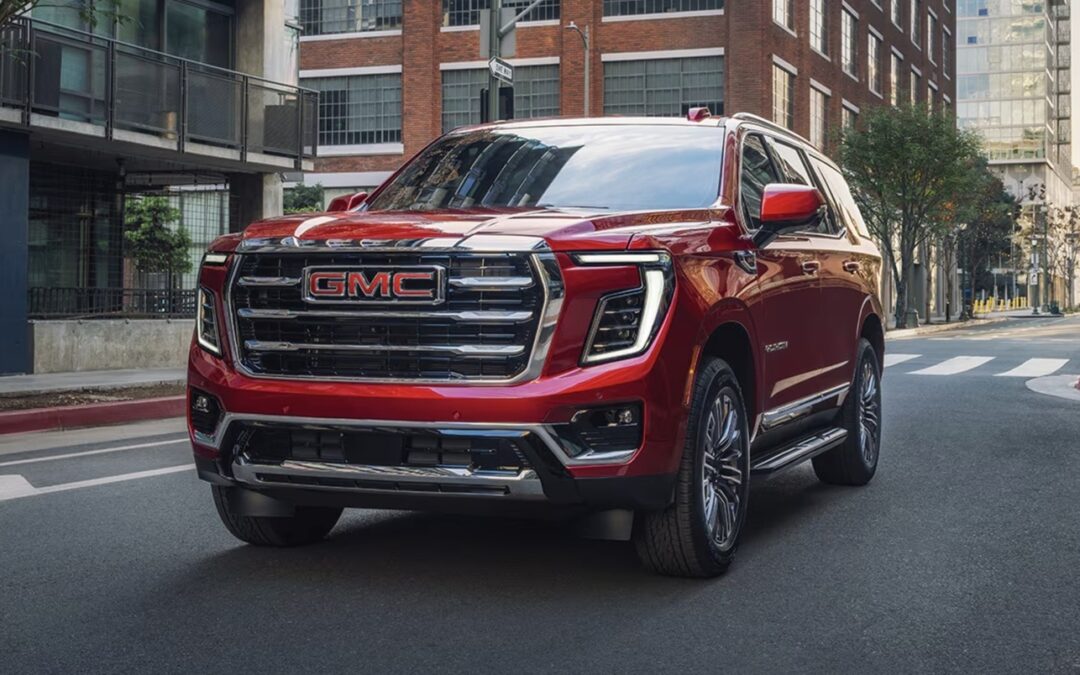
In January, Jeep is advertising a Grand Wagoneer lease starting at $1,320/month for 39 months with $3999 due at signing. Worse yet, this is for the base model. There are better lease offers to be found with the Chevrolet Tahoe and Ford Expedition. Did we mention that this model is already a year old, too?
See Jeep offer details, or browse local listings like a pro.

Unless there’s zero chance that you’ll EVER be trading in your truck for something newer, the consumer advocates here at CarEdge plead that you stay far away from any seven year auto loans. In January, GMC is advertising 6.9% APR financing for 84 months when you finance a Sierra 1500 Denali. That’s going to put a lot of folks in negative equity, and that’s not something GMC should be proud of.
See GMC offer details, or browse local listings like a pro.
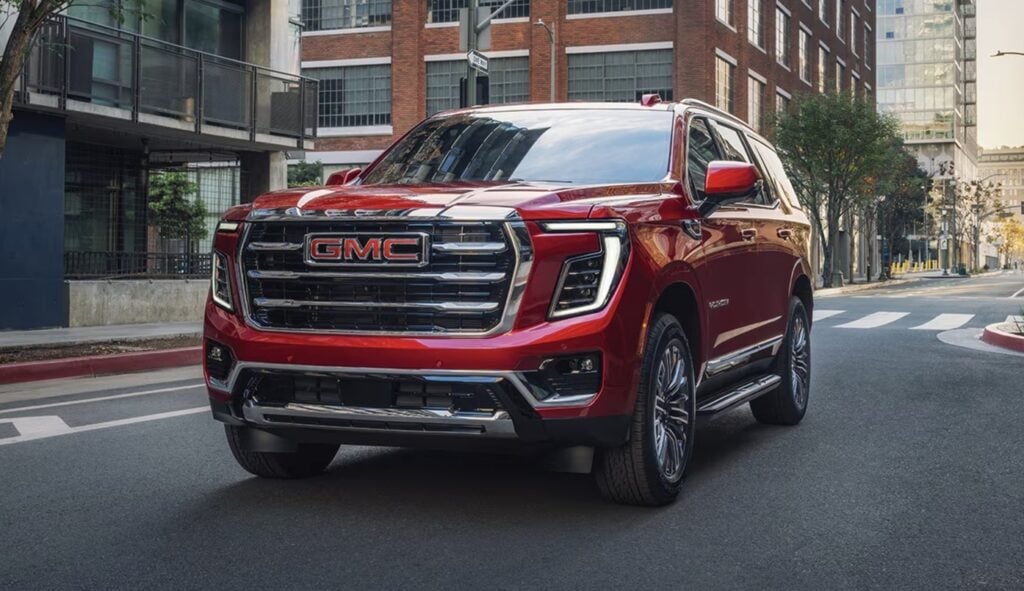
Rarely do you come across a non-luxury lease deal advertising $14,749 due at signing, but that’s exactly how GMC is diving into the new year. And as with any lease advertisement, this is before taxes and fees. In some cases, lessees will be putting about $20,000 down at signing for a vehicle they’ll never loan. Yikes!
See GMC offer details, or browse local listings like a pro.
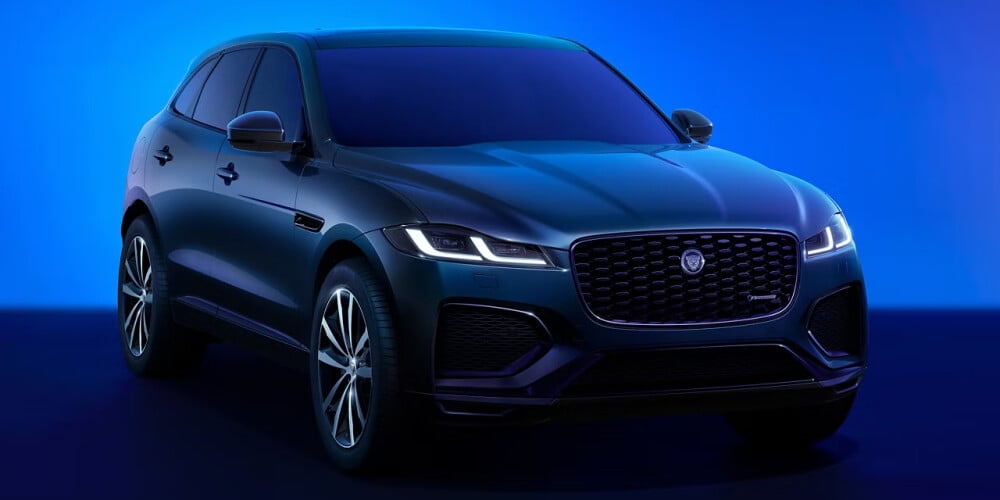
The F-PACE has been one of the slowest-selling luxury models for months on end. With those market conditions in mind, you’d think there would be bargains. However, the best offer in January is a F-PACE P250 R-Dynamic S AWD lease for $679/month for 36 months with $6995 due at signing. That’s a mouthful. Or, finance with 3.9% APR for 48 months.
That might not seem bad on the surface, but again, this is one of the slowest-selling cars in America right now. Nearly $7,000 due at signing just doesn’t add up.
See Jaguar offer details, or browse local listings like a pro.

For a year-old new car, you’d expect major savings, perhaps 10-15% off MSRP. In January 2026, the best Stellantis can do is just $1,500 in cash savings for the 2025 Dodge Hornet GT and GT Plus. We’d call it shocking, but it’s par for the course from Stellantis. Skip this deal!
See Dodge offer details, or browse local listings like a pro.
Automakers have finally announced their first round of new car incentives for 2026. With inventory levels trending higher and 850,000 leftover 2025 models sitting on dealership lots, APR, cash, and lease savings can certainly be found. These are the top 10 year-end car deals in January 2026, featuring the deals with standout value in today’s car market. Although there are far fewer offers this month, there are still some gems to be found if you know where to look.
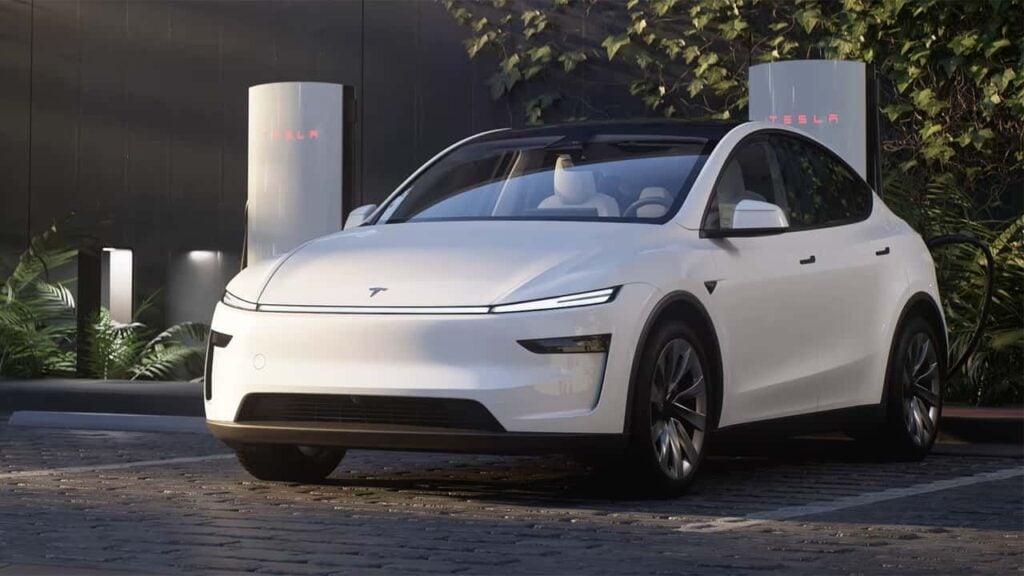
Best Deal in January: 0% APR for 72 months for the Model Y Standard Rear-Wheel Drive
The Model Y is still the best-selling EV in America, but as incentives wane and sales slow, Tesla is bringing out their best financing incentives ever. Just beware of steep depreciation when buying new. In fact, it’s smart to check used Tesla listings before committing to a new purchase.
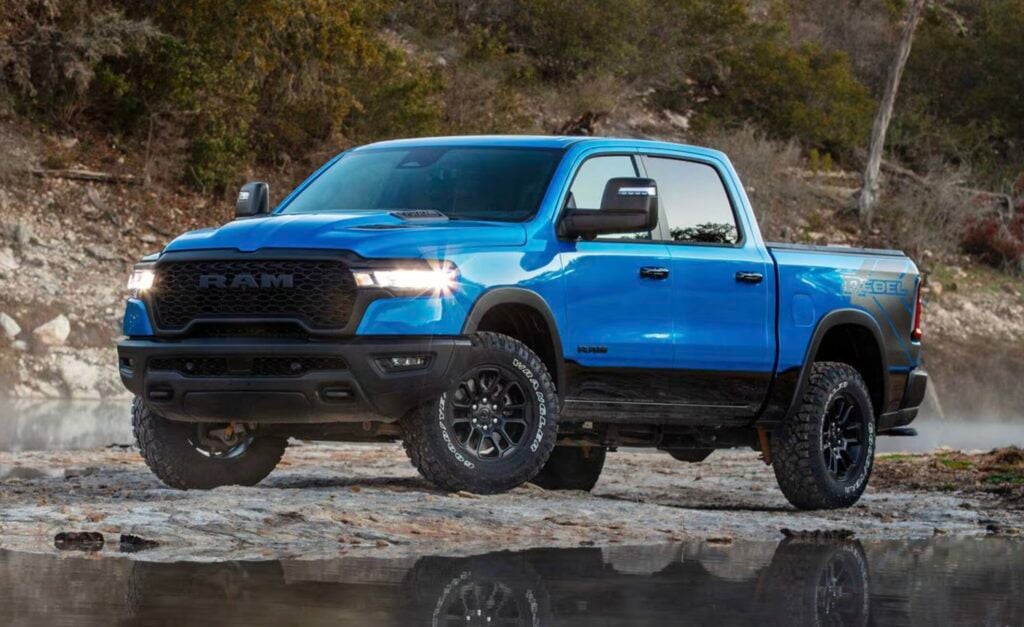
Best Deal: 0% APR for 72 months on 2025 models, or 0% APR for 60 months on 2026 models
Ram is offering interest-free financing on both 2025s and brand-new 2026 Ram 1500 models. This is the best full-size truck deal on the market in January.
This offer expires on January 20, 2026. See offer details.
Browse Ram 1500 listings with the power of local market data
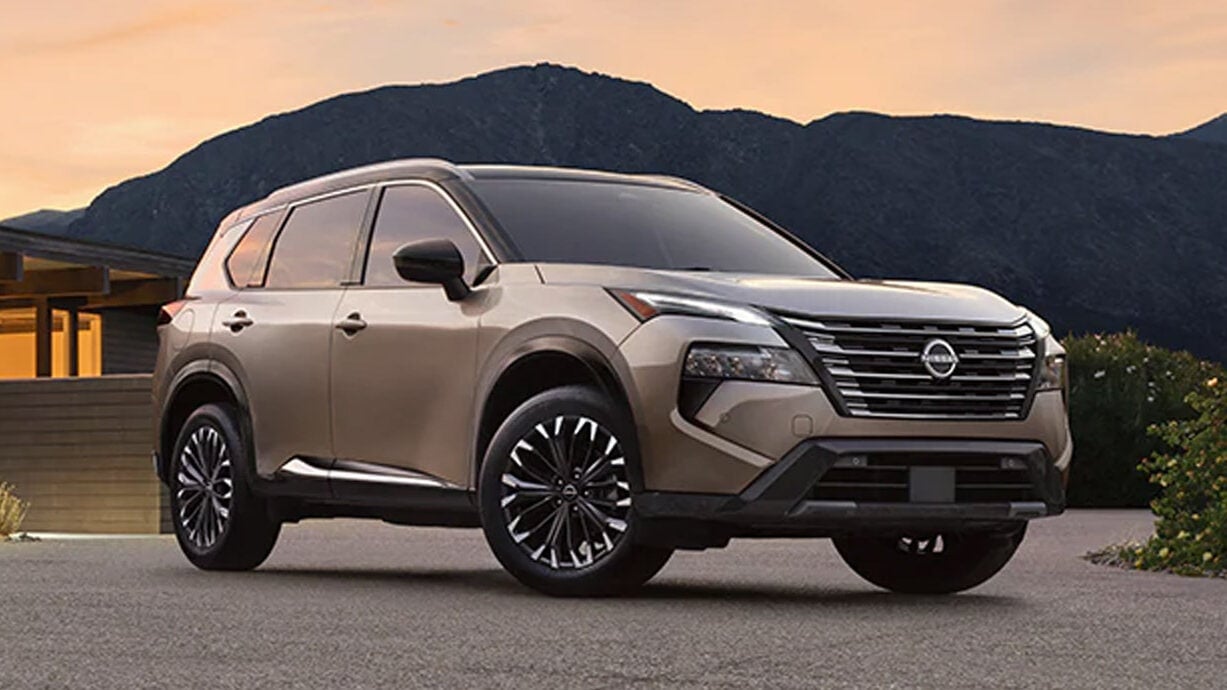
Best Deal in January: 0% APR for 60 months for the Rogue, as well as the 2025 Pathfinder and 2026 Murano
Nissan continues to fight hard to win back market share previously lost to Toyota, Honda, Kia, and Hyundai. In January, Nissan is offering zero-percent financing for three popular SUV models.
This offer expires on February 2, 2026. See offer details.
Browse Nissan Rogue listings with the power of local market data
Best Deal in January: $0-down lease, $479/month for 36 months
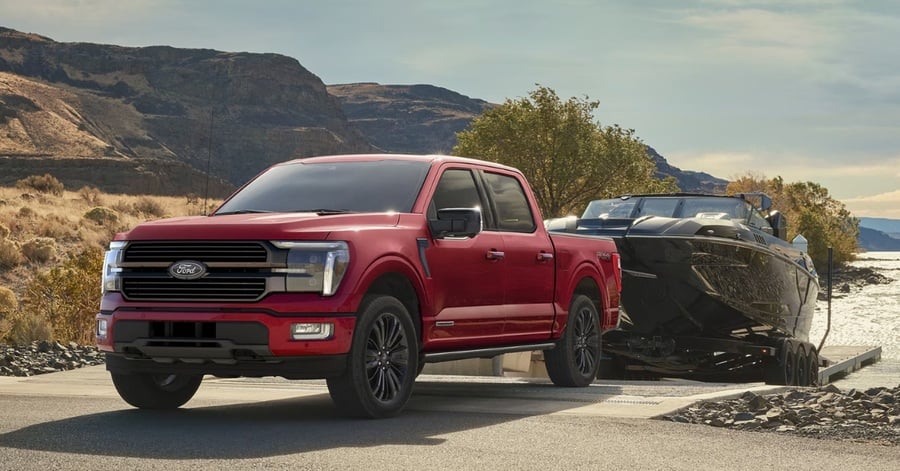
The best-selling vehicle in America is now available with no money down. Ford’s zero-down lease on the F-150 STX is the best pickup truck lease in January. The STX comes well-equipped with features like the 2.7-liter turbocharged V6 engine.
This offer expires on January 20, 2026. See offer details.
Browse Ford F-150 listings with the power of local market data
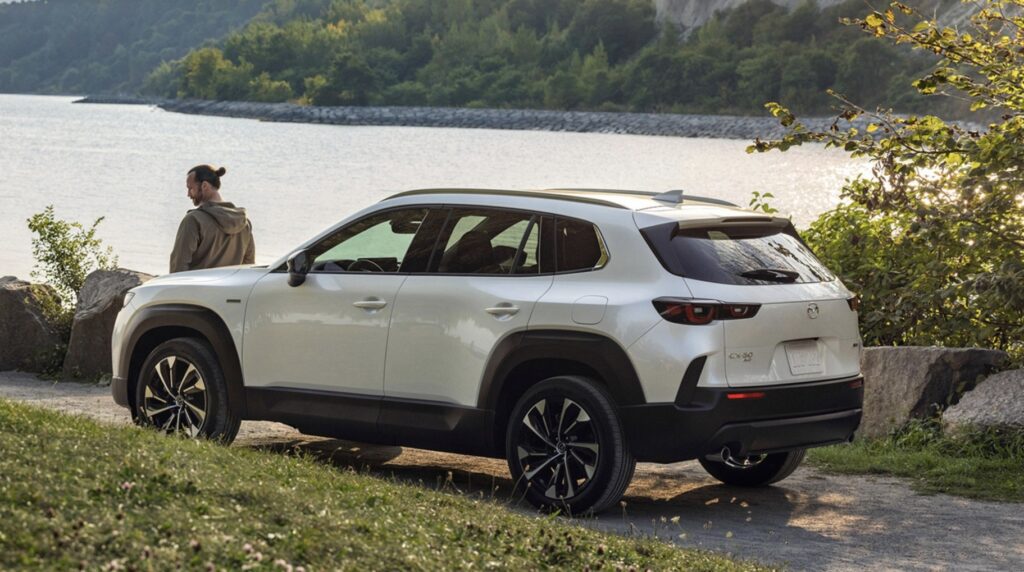
Best Deal in January: 0.9% APR for 72 months
Low-APR financing for six years on one of the most well-rounded crossovers in its class is something to move on if you’re in the market. Mazda regularly offers low-APR offers for 60 months, but this sweetens the pot.
This offer expires on February 2, 2026. See offer details.
Browse Mazda listings with the power of local market data
Best Deal in January: Lease the 2026 Corolla SE frim $209/month for 36 months with $3,999 due
Urban commuters, take note. This is a steal considering the legendary reliability and overall value of the Toyota Corolla. If you’re not ready to go electric for your work or school commute, this is a great, affordable alternative.
This offer expires on February 2, 2026. See offer details.
Browse Toyota listings with the power of local market data
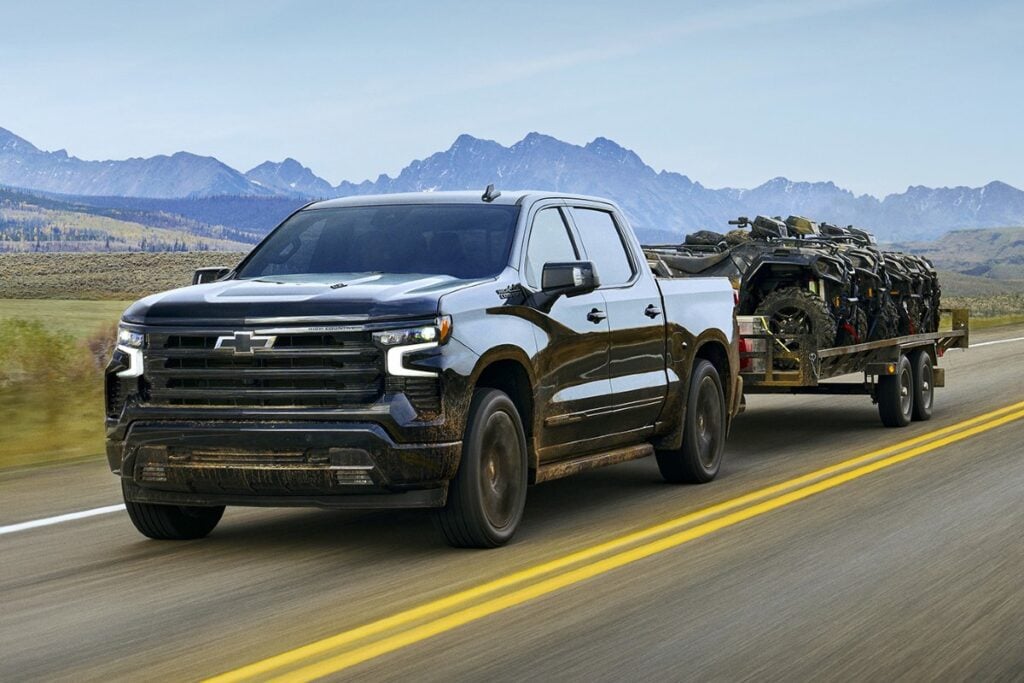
Best Deal in January: Lease the 2026 Silverado 1500 LT 4WD from just $379/month for 36 months with only $1,379 due
Although Ford’s F-150 lease deal is even better, Chevy loyalists will have a hard time beating this Silverado lease deal with little money due at signing. It’s a great offer for those who want a full-size pickup without owning it long term.
This offer expires on January 2, 2026. See offer details.
Browse Silverado listings with the power of local market data
Best Deal in January: This zero-down lease for the 2025 Bronco Sport Big Bend 4×4 starts at $399/month for 36 months with just the first month due at signing.
The off-road capable crossover segment has gotten crowded in recent years. Now, Ford is fighting to reclaim market share with a zero-down lease deal for the Bronco Sport Big Bend.
This offer expires on February 2, 2026. See offer details.
See Bronco Sport listings with the power of local market data
Best Deal in January: Lease the Explorer Active 4WD from $499/month for 36 months with $499 due at signing
Ford’s best-selling family SUV is available for a dirt-cheap lease in January. Time is of the essence, as this offer expires right after MLK Jr. Day, so act fast.
This offer expires on January 20, 2026. See offer details.
Browse Explorer listings with the power of local market data
Best Deal in January: 1.9% APR for 60 months
In early 2026, BMW has more inventory than they’re used to. In order to move the metal, they’re offering a rare low-APR offer on a top-selling model in the entry-level luxury market, the 2026 BMW X3 xDrive.
This offer expires on February 2, 2026. See offer details.
Browse BMW X3 listings with the power of local market data
Last month’s huge sales have now been followed up with fewer true gems. Last month, there were 44 offers of zero-percent financing. In January 2026, there are just 18 interest-free deals. Still, these ten top incentives show that inventory is building for some models, and automakers are looking to get ahead before they have a problem on their hands. For buyers and lessees, that’s good news. It’s still a buyer’s market in January.
Tired of the car buying hassle? CarEdge Concierge handles the entire process for you, from finding the right vehicle to negotiating the best price. Or, if you prefer a DIY approach with professional tools, CarEdge Pro gives you insider data and an AI agent to negotiate on your behalf.
We’re here to help!