
CarEdge saved me over 4,500 dollars on a brand new Honda Pilot. I can't say thank you enough.
Price intelligence
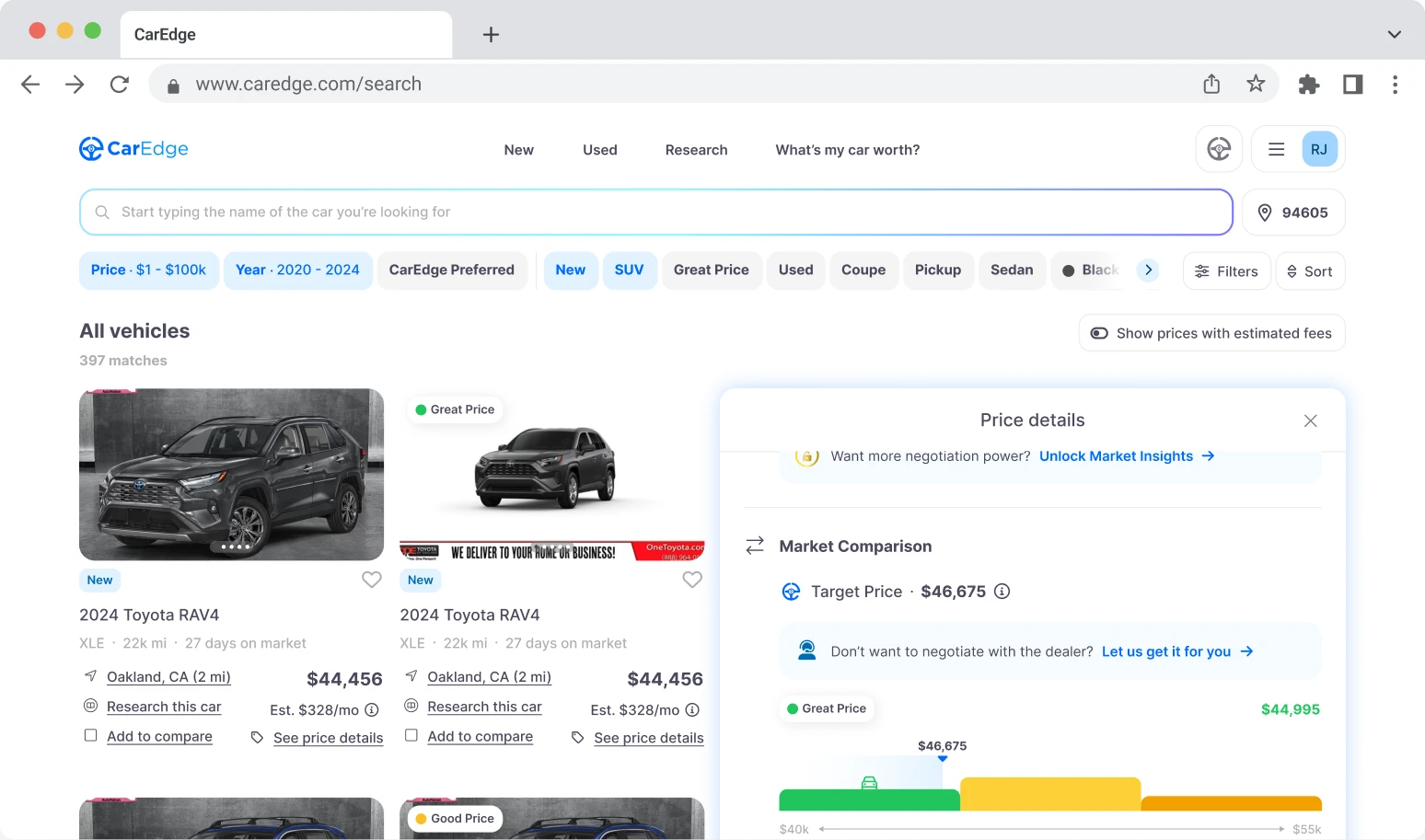
Find a wide range of vehicle listings with market insights on new and used listings near you.

What can I do with CarEdge?
 CarEdge Insights
What can I do with CarEdge?
Get access to exclusive information so you can make an informed car buying decision — all in one place.

Find a wide range of vehicle listings with market insights on new and used listings near you.
Track your vehicle’s value and cash in when the time is right to sell.

Access to our proprietary data to help you find the right car, at the right price. Find these unlocked on every listing after subscribing.

With our expert-led, tech-enabled car buying service, we will locate, negotiate, and deliver your vehicle so you can get a new car hassle free.


Help us personalize your CarEdge experience — it only takes a second.
Your answers help us personalize your CarEdge journey — we’ll follow up with tips and next steps that match your buying timeline.
In 2024, most EVs charge much faster than you’d expect. Although some laggards still take nearly an hour to add 200 miles of range, today’s best-sellers are capable of ultra-fast charging. Unless you’re considering a bargain EV lease for short commutes, you’ll want to make sure that your vehicle is capable of fast charging.
These are the charging times for the fastest charging electric vehicles on the market today. Charge times are reflected as 10% to 80% since charging speeds slow significantly beyond 80% state of charge. You might have noticed that your phone and laptop do the same thing. Let’s dive in.
Wind Rear-Wheel Drive
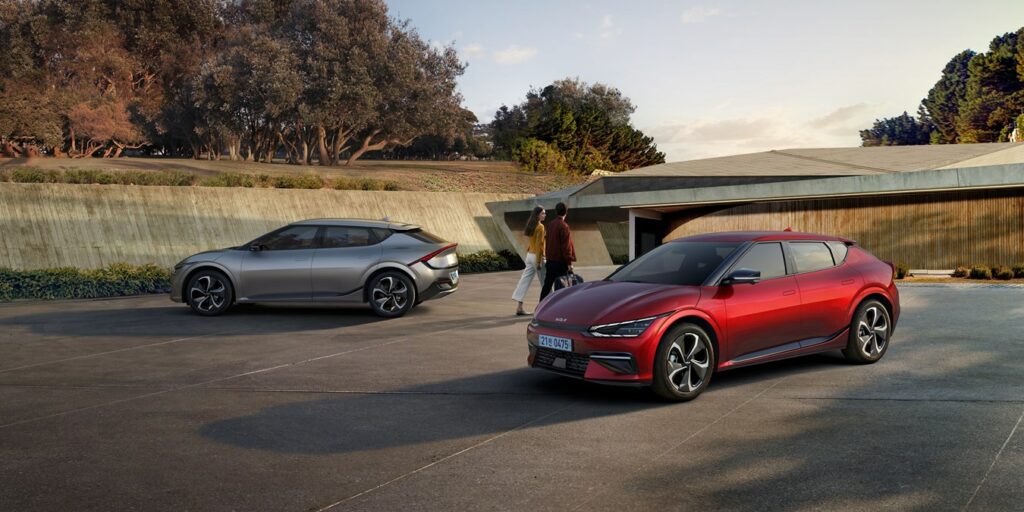
10-80% (217 miles of range gained) in 18 minutes
Peak charging power accepted: 235 kilowatts
Range at 80%: 248 miles
Range at 100%: 310 miles
Starting price with destination charges: $43,975
Federal EV tax incentive: Does not qualify (not produced in America)
*Note: The all-new EV9 three-row electric SUV also charges extremely fast. It’s based on the exact same powertrain. However, prices for the EV9 start closer to $60,000. Check out EV9 listings.
See Kia EV6 listings with local market insights
Rear-Wheel Drive
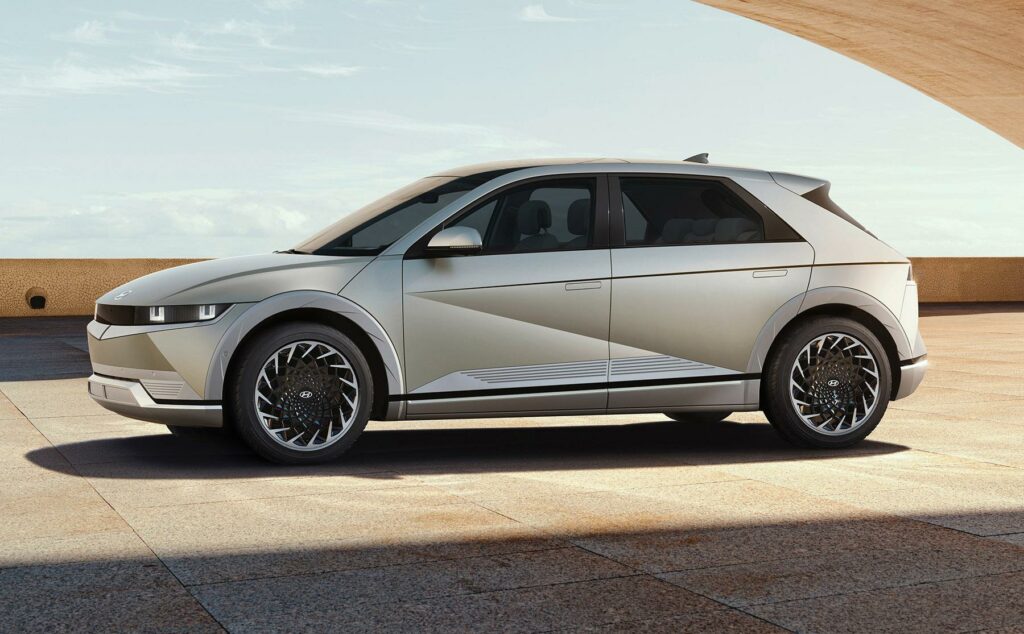
10-80% (212 miles of range gained) in 18 minutes
Peak charging power accepted: 235 kilowatts
Range at 80%: 242 miles
Range at 100%: 303 miles
Starting price with destination charges: $47,225
Federal EV tax incentive: Does not qualify (not produced in America)
See IONIQ 5 listings with local market insights
Long Range Dual Motor
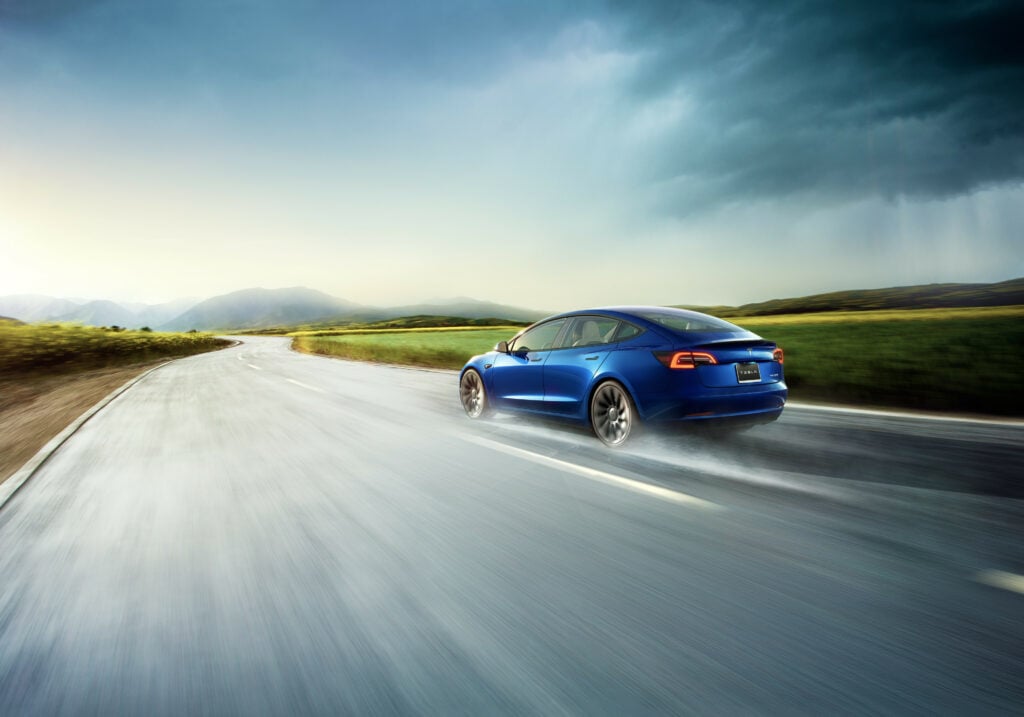
10-80% (251 miles of range gained) in 22 minutes
Peak charging power accepted: 235 kilowatts
Range at 80%: 273 miles
Range at 100%: 341 miles
Starting price with destination charges: $49,130
Federal EV tax incentive: No, but the Model 3 Performance qualifies.
Learn more about the Tesla Model 3
Rear-Wheel Drive
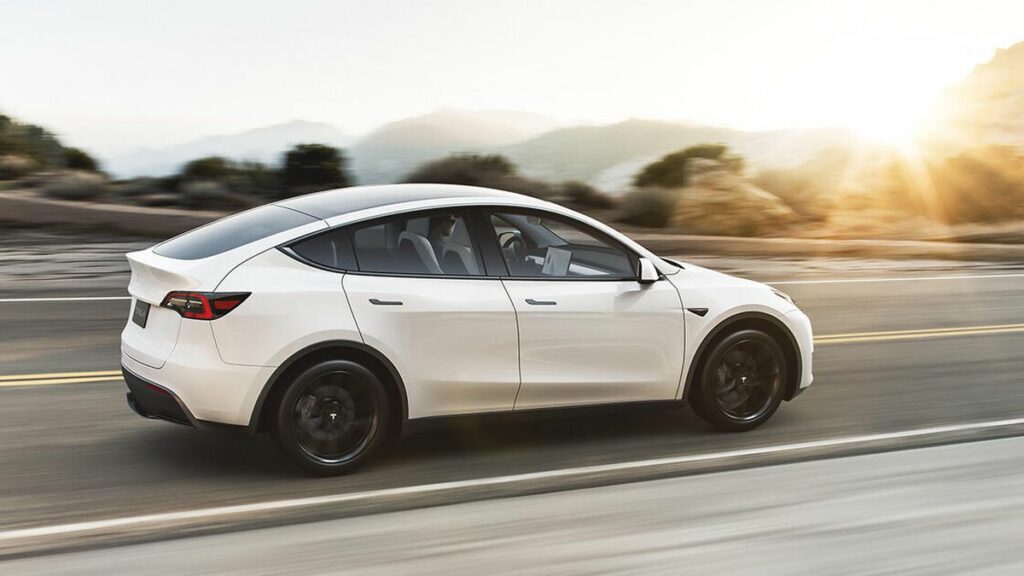
10-80% (180 miles of range gained) in 22 minutes
Peak charging power accepted: 235 kilowatts
Range at 80%: 208 miles
Range at 100%: 260 miles
Starting price with destination charges: $46,380
Federal EV tax incentive: Qualifies under price caps. Learn more.
Dual-Motor
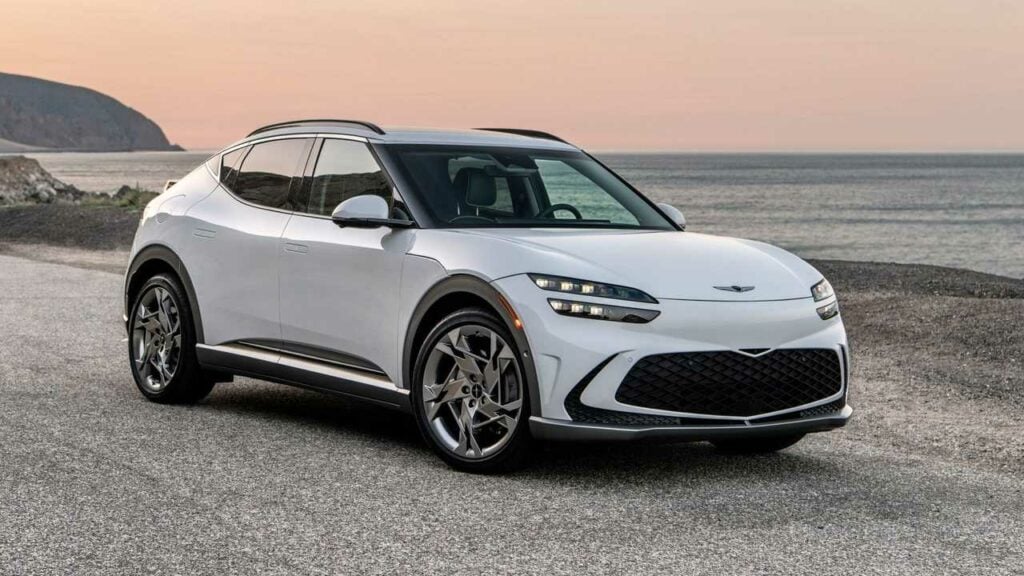
10-80% (174 miles of range gained) in 18 minutes
Peak charging power accepted: 235 kilowatts
Range at 80%: 198 miles
Range at 100%: 248 miles
Starting price with destination charges: $59,980
Federal EV tax incentive: Qualifies under $55,000 price cap
See GV60 listings with local market insights

10-80% (287 miles of range gained) in 22 minutes
Peak charging power accepted: 300 kilowatts
Range at 80%: 328 miles
Range at 100%: 410 miles
Starting price with destination charges: $71,400
Federal EV tax incentive: No (too expensive)
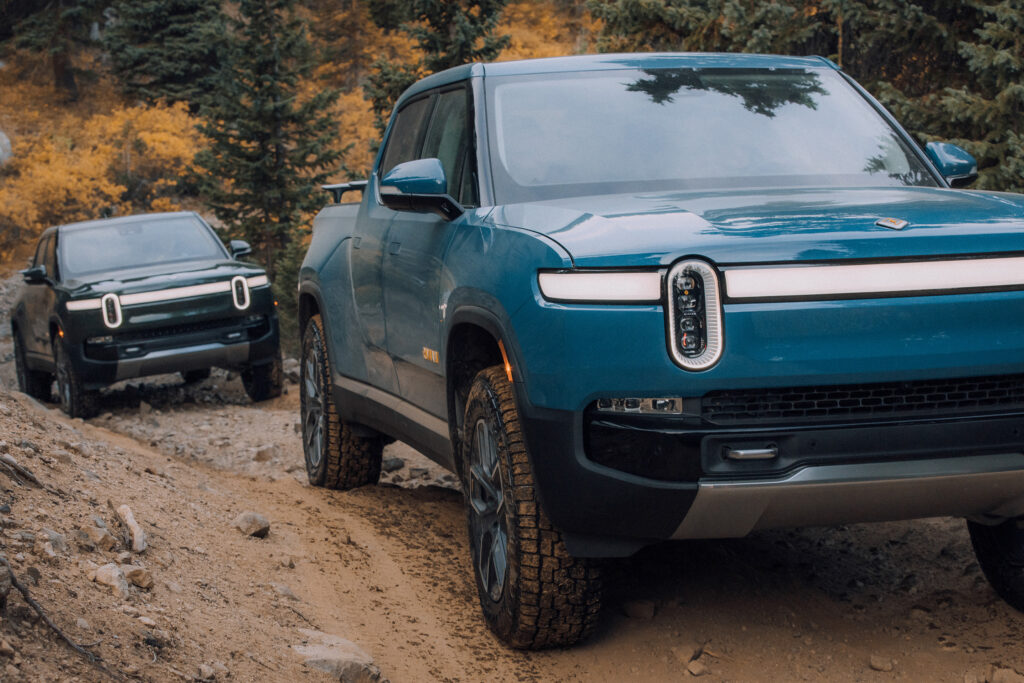
Charging time: 10-80% (246 miles of range gained) in 41 minutes
Peak charging power accepted: 220 kilowatts
Range at 80%: 282 miles
Range at 100%: 352 miles
Starting price: $71,700
Federal EV tax incentive: Qualifies under price caps. Learn more.
Learn more about the Rivian R1T
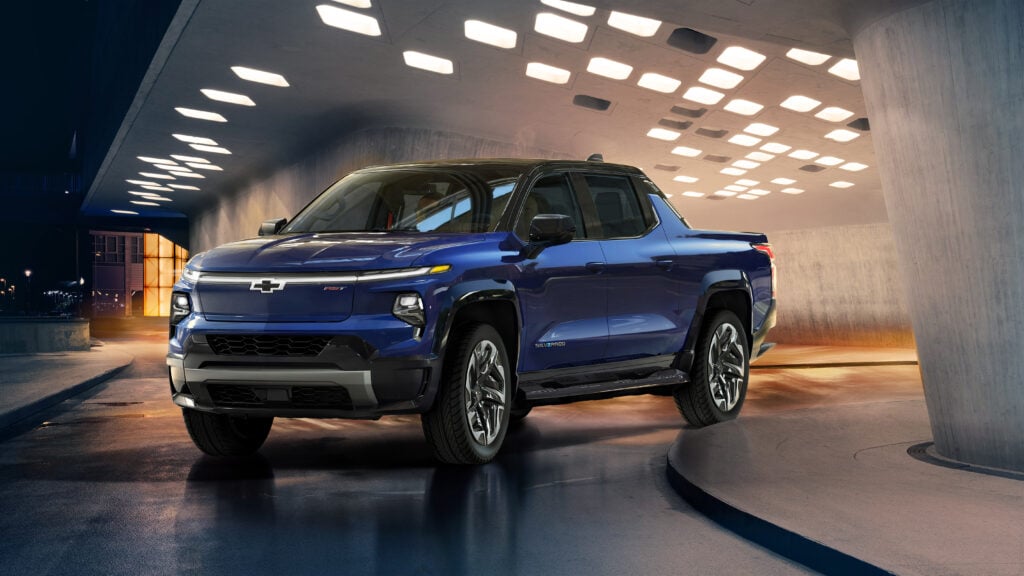
Charging Time: 10-80% (gaining 308 miles of range) in 28 minutes.
Peak charging power accepted: 350 kilowatts
Range at 80%: 352 miles
Range at 100%: 440 miles
Starting price: $74,800 (until the WT is released)
Federal EV tax incentive: Qualifies under the $80,000 price cap. Learn more.
See Chevrolet Silverado EV listings with local market insights.

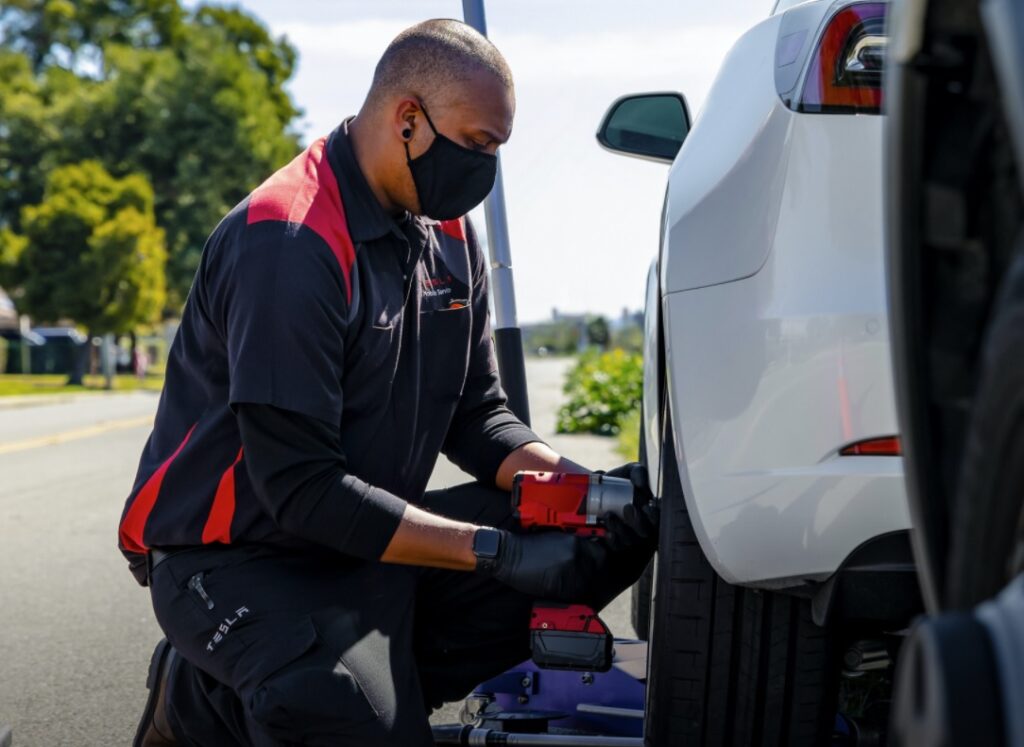
Electric car maintenance is just one of many “new” experiences you’ll encounter when you buy your first EV. Instead of spending $50 at a gas station in a five-minute fill up, EV drivers plug in at home for an overnight charge. On the other hand, road trips require more planning and flexibility with an EV.
Another adjustment for drivers making the switch concerns maintenance and routine care. Electric car maintenance is not the kind of project you can do in your home garage using tutorial videos. It’s important to start by addressing a common EV ownership myth: electric cars are not maintenance-free. Of course, no mode of transportation is maintenance-free. Even riding a bicycle requires routine and unexpected work to keep the tires in motion and in good working condition. Fortunately, fewer moving parts should mean less maintenance overall. Is that always the case?
In this electric car maintenance guide, we’ll explain routine EV maintenance, and how often you should expect to make a service center visit.
The takeaway is that although electric cars require less maintenance, they do still need attention every once in a while. Just like a traditional internal combustion engine vehicle, EVs need:
Here’s the honest truth about EV maintenance needs:
The past decade of electric vehicle sales has shown that the vast majority of fully-electric models require less maintenance than combustion counterparts. So much so that automakers promote maintenance cost savings in their marketing campaigns for the dozens of EVs coming out in 2022.
EVs have a higher upfront cost, so it’s important to find ways of making up for the difference with fuel savings and today’s focus: electric car maintenance.
Here’s what you can expect when transitioning to a fully-electric vehicle.
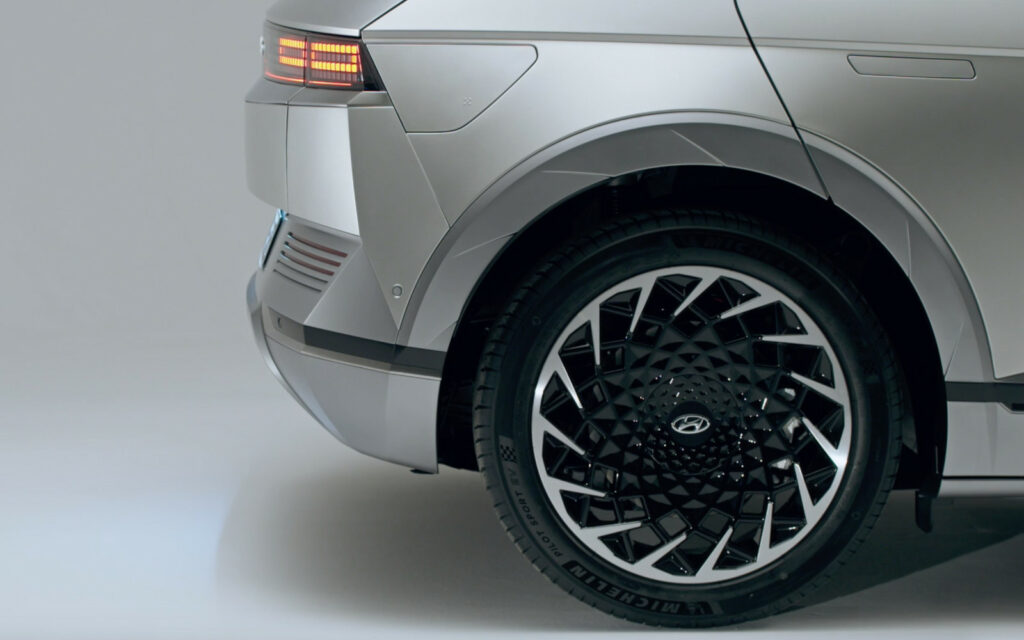
Electric vehicles are very heavy. Popular electric crossovers like the Volkswagen ID.4 and Tesla Model Y weigh as much as a heavy-duty pickup truck. Tires undergo greater wear and tear on an electric vehicle everytime the car accelerates or slows to a stop. Many EV owners report needing new tires every 20,000 miles or so.
Some EV owners choose to spend extra on tires that are rated as energy efficient. It’s not required, but EV-friendly tires can extend range by up to 5%. Regular tire pressure should be checked and adjusted often (at least once a month) to ensure proper inflation.
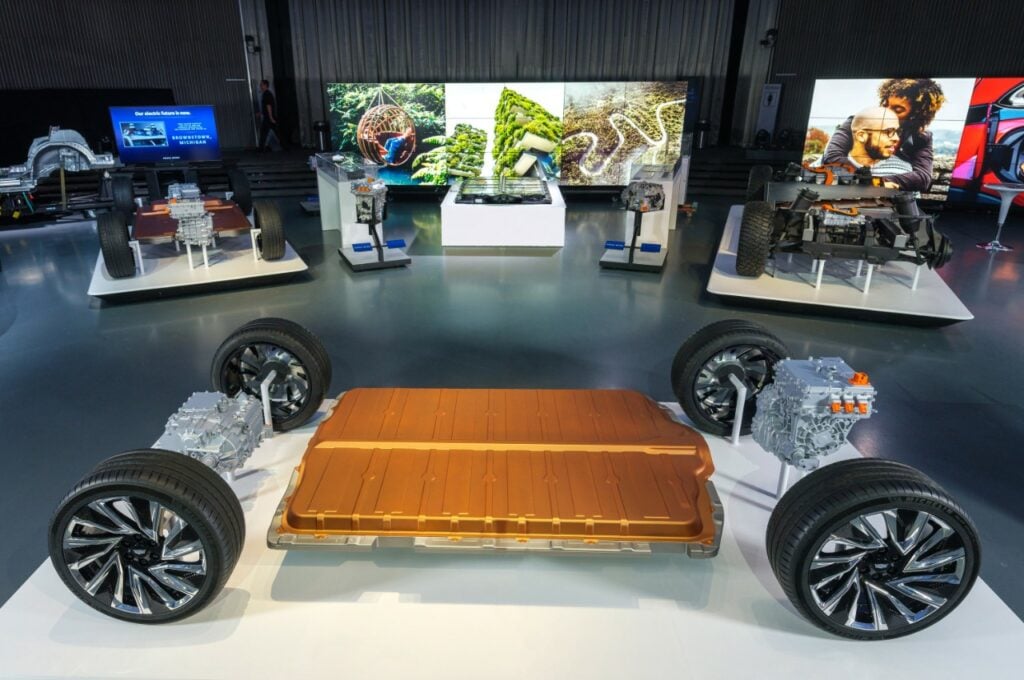
Believe it or not, today’s electric vehicles still require the same kind of 12 volt battery that you’ll find under the hood of most combustion vehicles. Why? The massive battery pack under the floor of the car is engineered to be optimized for delivering power to the electric motors. The electronics and comfort features in the cabin and lights around the vehicle are all powered by a separate, smaller 12 volt battery. So yes, your state-of-the-art electric vehicle may need a new bulky battery in a few years.
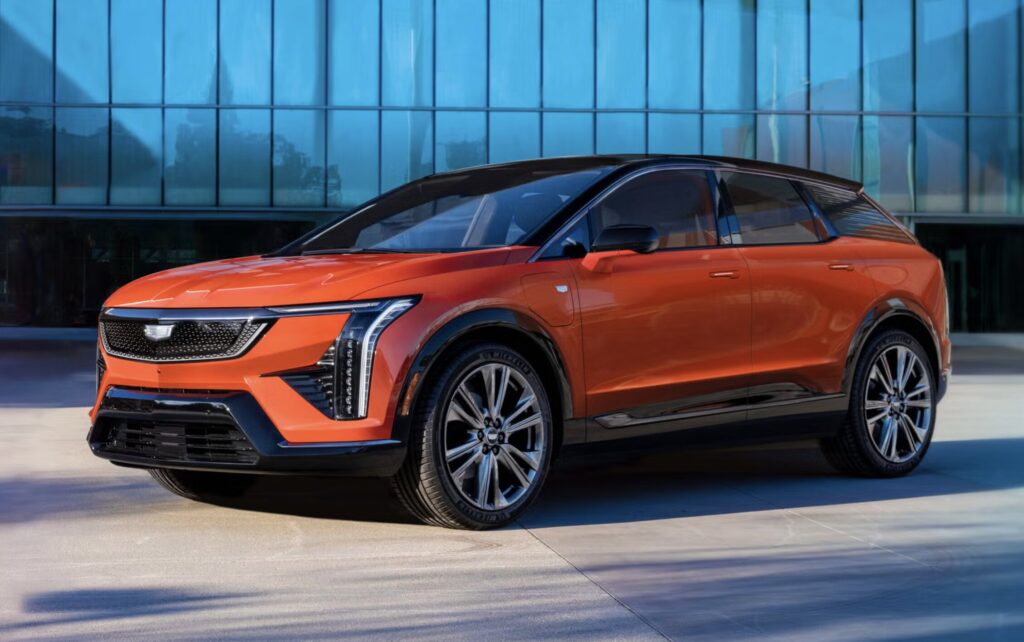
In case you’re wondering, the massive battery pack that is sealed under the floor of the vehicle is meant to last for hundreds of thousands of miles without issue. Automaker vehicle warranties cover the battery for up to 10 years and 100,000 miles.
Perhaps the worst thing that could go wrong with an electric vehicle is needing a new lithium-ion battery pack outside of warranty coverage. A full battery replacement costs anywhere from $5,000 to $15,000, depending on the model.
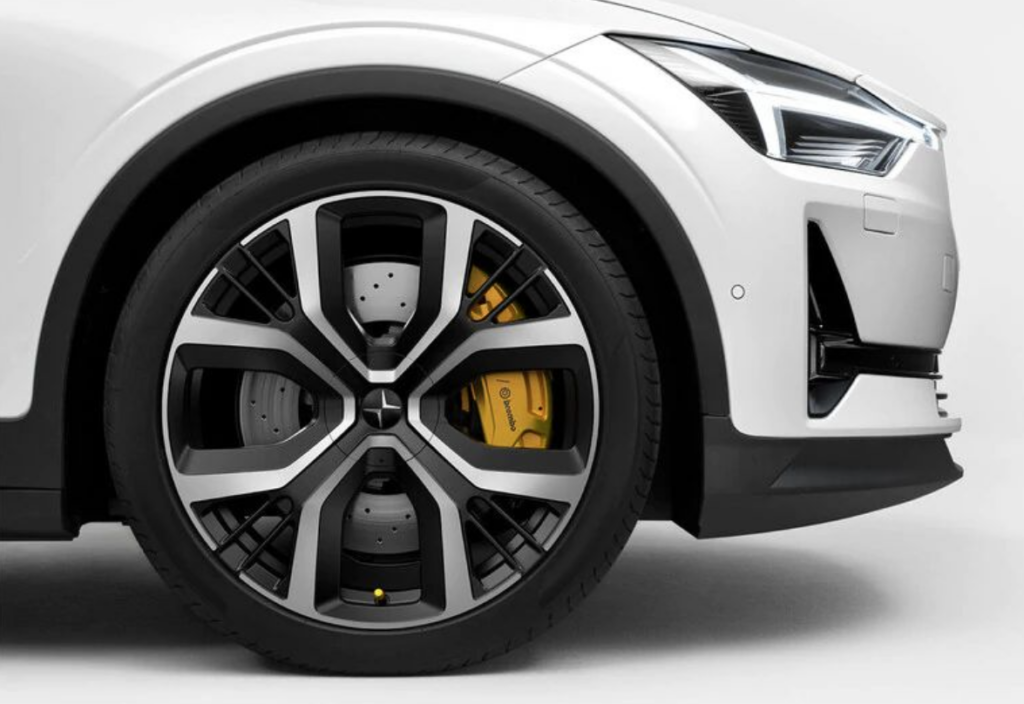
Most modern electric vehicles have regenerative braking, which harnesses the electric motor to slow the vehicle while adding charge to the battery pack. Regenerative braking not only extends range, it greatly reduces wear and tear on the brakes. Tesla’s have been known to go many years without any brake maintenance because of regenerative braking. A few EVs, such as the Volkswagen ID.4, even use old-fashioned drum brakes in the rear due to the greatly reduced use of electric vehicles brakes. Still, brakes will need to be checked during scheduled maintenance. Safety first!
As explained above, brakes on an electric vehicle typically avoid the usual wear and tear of combustion cars due to the help of regenerative braking. Still, brake fluid should be checked during scheduled maintenance. Some EV models require battery coolant fluid exchanges at some point, albeit quite infrequently. HVAC refrigerants also need checking and top-offs as needed. Don’t forget about the windshield wiper fluid.
I’ve been a passenger in more than one smelly Tesla. I repeat, electric cars are NOT maintenance-free! They have cabin filters just like every other car. Failing to change the cabin filter at regular intervals also irritates allergies and permits air pollution into the cabin. Smelly electric car? It’s likely a cabin filter in need of changing.
It’s easy to forget that electric vehicles have now been on roads for over a decade. With billions of miles driven, we’re finally starting to get some idea of the reliability of electric vehicles.
There are many examples of electric vehicles that have gone hundreds of thousands of miles while following maintenance schedules. EV skepticism is understandable; it’s a whole new vehicle ownership experience. However, frugal car buyers would be mistaken to overlook the maintenance and fuel savings that electric vehicles offer for most consumers.
In the end, owners spend about the same amount of money in five years of Tesla Model 3 ownership as they would owning a cheaper Toyota Camry for the same period. How so? Fuel and maintenance savings add up quicker the more you drive and the longer you own the car.
How will dealership service center revenue streams adapt to the decreased maintenance needs of electric vehicles? Will dealers be getting in on the software-by-subscription game? Or will dealers put up a fight to preserve their wallets?
There remain many unknowns and this time of rapid change in the automotive industry. Your consumer advocates here at CarEdge are helping thousands of car buyers navigate the auto market to save more, and stress. Learn how you can save thousands without lifting a finger with CarEdge’s AI Negotiator.

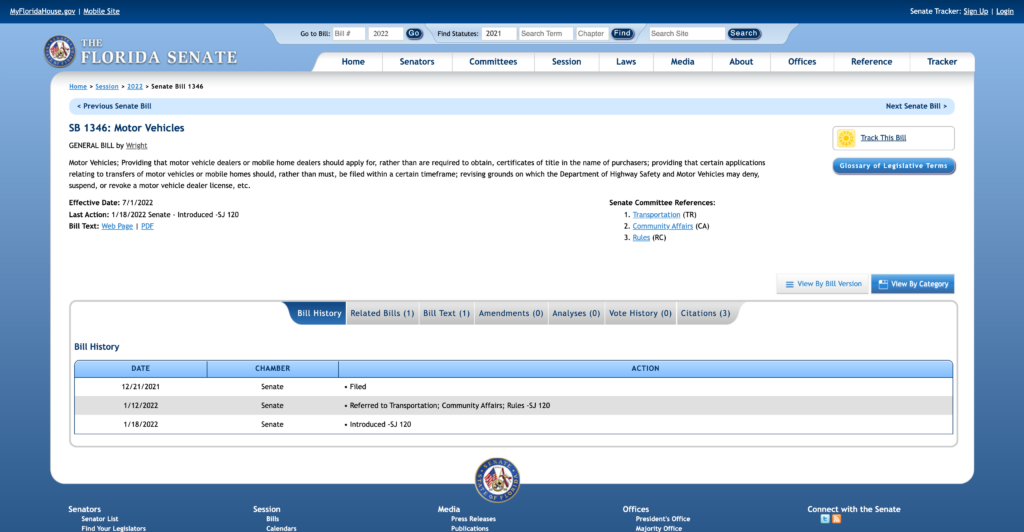
A new bill in the state of Florida is quite possibly the most confusing and concerning piece of legislation we’ve seen in years as it relates to consumers and car buying. SB 1346: Motor Vehicles in the Florida state Senate was proposed by Senator Tom Wright of Florida’s district 14.
We have contacted Mr. Wright’s office and have not heard back from them.
The bill as proposed would remove the legal requirement for a car dealer or motor home dealer to “obtain certificates of title”. The bill would also remove the requirement that a dealer be required to inform the state about transfers of ownership of a vehicle.
This is pure craziness, especially amidst the ongoing lawsuit against Carvana that claims the company has not been able to get customers the permanent title and registration for their vehicles. How convenient would it be if the law changed to no longer make that a requirement? Wow.
Carvana and other startup online car dealers like Vroom and Shift have been plagued with issues. Their Better Business Bureau pages paint a concerning story. Many customers have waited months to get their permanent registration for their vehicle. Without the title and registration you cannot get insurance or legally operate a vehicle. This issue has occurred in many states.


Now, this proposed law in Florida would get rid of that issue by simply removing the law that required Carvana and all dealers to obtain the title of a vehicle. That’s purely insane, as the title is the one document that states who truly owns the property.
Here is the complete language of the bill:
Motor Vehicles; Providing that motor vehicle dealers or mobile home dealers should apply for, rather than are required to obtain, certificates of title in the name of purchasers; providing that certain applications relating to transfers of motor vehicles or mobile homes should, rather than must, be filed within a certain timeframe; revising grounds on which the Department of Highway Safety and Motor Vehicles may deny, suspend, or revoke a motor vehicle dealer license, etc.
We’ll update this page as the bill progresses through the Florida state Senate.
In October 2025, U.S. dealerships have 2.83 million new vehicles in stock, representing an increase from this spring’s car buying rush.
Retail sales of new vehicles have followed seasonal patterns this year. Although trade wars, global instability, and broader economic conditions have all added complexity to today’s car market, 2025 has mostly been good news in terms of inventory.
Here are important definitions that will help you understand and interpret the car market data below:
Market Day supply: This is the number of days needed to sell all vehicles in inventory, based on the previous month’s daily selling rate. Learn more about MDS.
Inventory: This is the unit count of vehicles on hand at dealerships, factory lots, ports of entry, and in transit.
All data is sourced from CarEdge Pro and Cox Automotive.
Let’s dive in!

As we can see below, Stellantis brands, Ford, and Mazda have the most inventory among the mainstream automakers. Toyota and Honda brands have the least inventory, and as a result, the least negotiable prices.
| Brand | Brand Days of Supply (MDS) | Total New Inventory | Trend (MDS) |
|---|---|---|---|
| Total New Market | 79 | 3,021,724 | Steady |
| Acura | 98 | 30,024 | higher |
| Audi | 103 | 48,335 | Lower |
| BMW | 80 | 66,637 | Higher |
| Buick | 104 | 44,201 | Higher |
| Cadillac | 101 | 45,385 | Steady |
| Chevrolet | 76 | 312,715 | Steady |
| Chrysler | 124 | 11,639 | Higher |
| Dodge | 112 | 17,722 | Steady |
| Ford | 106 | 476,793 | Steady |
| GMC | 88 | 132,149 | Steady |
| Genesis | 124 | 23,096 | Higher |
| Honda | 57 | 187,202 | Lower |
| Hyundai | 84 | 200,666 | Lower |
| Infiniti | 98 | 11,597 | Steady |
| Jeep | 123 | 142,348 | Higher |
| Kia | 80 | 165,396 | Lower |
| Lexus | 37 | 37,421 | Lower |
| Lincoln | 119 | 29,093 | Steady |
| Mazda | 94 | 89,045 | Lower |
| Mercedes-Benz | 98 | 73,289 | Steady |
| Mini | 138 | 10,548 | Higher |
| Mitsubishi | 109 | 15,363 | Lower |
| Nissan | 102 | 172,674 | Steady |
| Porsche | 85 | 14,226 | Lower |
| Ram | 149 | 126,961 | Higher |
| Subaru | 83 | 124,820 | Higher |
| Toyota | 34 | 264,164 | Lower |
| Volkswagen | 105 | 83,465 | Steady |
To provide car buyers with additional insights, we’ve pulled the latest inventory data for the best-selling cars in America for top brands. Looking for local data? Check out CarEdge Pro.
| Make | Model | Day Supply | Total For Sale | Inventory Trend |
|---|---|---|---|---|
| Ford | F-150 | 103 | 109,017 | Steady |
| Ford | Explorer | 81 | 39,068 | Lower |
| Ford | Escape | 95 | 30,878 | Lower |
| Ford | Bronco Sport | 124 | 40,100 | Steady |
See Ford listings near you with local market data
| Make | Model | Day Supply | Total For Sale | Inventory Trend |
|---|---|---|---|---|
| Chevrolet | Silverado 1500 | 86 | 70,152 | Lower |
| Chevrolet | Equinox | 68 | 40,736 | Lower |
| Chevrolet | Traverse | 75 | 25,430 | Higher |
| Chevrolet | Trailblazer | 76 | 16,432 | Lower |
| Chevrolet | Trax | 47 | 24,639 | Lower |
See Chevrolet listings near you with local market data
| Make | Model | Day Supply | Total For Sale | Inventory Trend |
|---|---|---|---|---|
| Toyota | RAV4 | 38 | 60,855 | Higher |
| Toyota | Camry | 16 | 22,029 | Lower |
| Toyota | Corolla | 20 | 17,892 | Lower |
| Toyota | Highlander | 42 | 7,128 | Higher |
| Toyota | Tacoma | 49 | 60,489 | Steady |
See Toyota listings near you with local market data
| Make | Model | Day Supply | Total For Sale | Inventory Trend |
|---|---|---|---|---|
| Honda | CR-V | 54 | 51,749 | Steady |
| Honda | Civic | 50 | 19,734 | Lower |
| Honda | Accord | 69 | 28,601 | Steady |
| Honda | Pilot | 60 | 17,669 | Steady |
See Honda listings near you with local market data
| Make | Model | Day Supply | Total For Sale | Inventory Trend |
|---|---|---|---|---|
| Hyundai | Tucson | 106 | 51,764 | Steady |
| Hyundai | Elantra | 85 | 30,877 | Lower |
| Hyundai | Santa Fe | 92 | 35,661 | Steady |
| Hyundai | Palisade | 50 | 23,789 | Lower |
| Hyundai | Kona | 80 | 12,128 | Higher |
See Hyundai listings near you with local market data
| Make | Model | Day Supply | Total For Sale | Inventory Trend |
|---|---|---|---|---|
| Kia | K4 | 46 | 15,055 | Lower |
| Kia | Telluride | 62 | 15,704 | Steady |
| Kia | Sorento | 102 | 24,141 | Steady |
| Kia | Carnival | 99 | 16,273 | Higher |
See Kia listings near you with local market data
| Make | Model | Day Supply | Total For Sale | Inventory Trend |
|---|---|---|---|---|
| Mazda | CX-5 | 137 | 34,185 | Higher |
| Mazda | CX-30 | 106 | 13,560 | Lower |
| Mazda | CX-50 | 101 | 25,025 | Lower |
| Mazda | CX-90 | 36 | 6,846 | Lower |
See Mazda listings near you with local market data
| Make | Model | Day Supply | Total For Sale | Inventory Trend |
|---|---|---|---|---|
| Subaru | Outback | 79 | 30,486 | Lower |
| Subaru | Crosstrek | 86 | 45,287 | Lower |
| Subaru | Forester | 72 | 22,928 | Steady |
| Subaru | Ascent | 101 | 7,757 | Higher |
See Subaru listings near you with local market data

Ready to outsmart the dealerships? From negotiating a deal to leasing a car the smart way, it’s all available for instant download. Get your FREE cheat sheets today!

Can a car dealer charge you more than the manufactures suggested retail price (MSRP)? If you live in the United States, the answer is yes.
W,e’ll walk you through the laws that allow car dealers to sell their inventory priced over MSRP. We’ve included a bonus “craziest markups” section at the bottom of this post to give you some context as to how out of control new car pricing currently is.
In this post we’ll also give you some suggestions for how you can find dealers that are not marking their new cars over MSRP, as well as the “word tracks” you can use when trying to negotiate with a salesperson or sales manager.
Let’s dive in!
Many goods are sold by manufacturers through their network of dealers or agents. Think about insurance as an example. Many insurance products are sold by an agent, who is simply a licensed producer that represents an insurer. Could you buy insurance directly from the insurer? Sure, some companies allow for that, but not all. Many insurance companies don’t want to have to deal with selling their own product. As strange as that sounds, it’s pretty common, and instead of selling directly to consumers they employ agents to do that for them.
The same dynamic applies in retail automotive. Can you buy a car directly from a manufacturer? Yes. Do most manufacturers not sell directly to consumers because they don’t want to deal with all that it entails? YES. The hassle of dealing with customers, plus franchise dealer laws in all 50 states make it an easy decision for automakers to leverage their dealer partners to sell cars. The exception in 2025 and beyond is with direct-to-consumer automakers like Tesla, Rivian, and Lucid.
So long as most new cars are sold through dealers, the dealers will have their discretion to price their inventory however they’d like. MSRP does stand for manufacturers suggested retail price after all. At the end of the day, the franchise dealer model is simple:
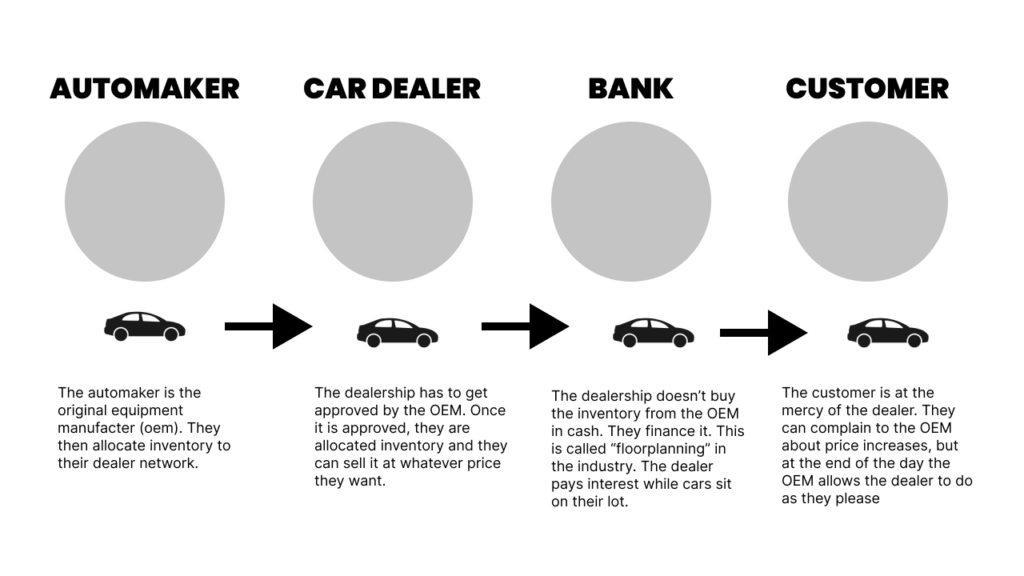
The automaker is responsible for producing the vehicle. The dealer is responsible for selling the vehicle. The bank is responsible for financing the purchase of inventory for the dealer. The customer is responsible for negotiating and purchasing the vehicle.
Within the franchise agreements that dealers sign with their OEMs they do not have rules that prevent them from marking up vehicles beyond the suggested retail price. If automakers wanted to be consumer advocates and cap the price of their vehicles, they could do this by simply adding and enforcing a price cap rule with their dealer body.
This will likely never happen. Why? Because gross profit on new cars has never been higher, and automakers and dealers alike are enjoying this new reality. If automakers attempted to stop their dealers from selling above MSRP they would be picking a fight with their best customer (remember, the dealer buys the inventory from them!).
Some dealerships refuse to sell their cars for more than MSRP. That’s great. The issue is that they add all sorts of add-ons and accessories to a vehicle that you didn’t ask for. Here’s a perfect example of that from a Land Rover dealership:
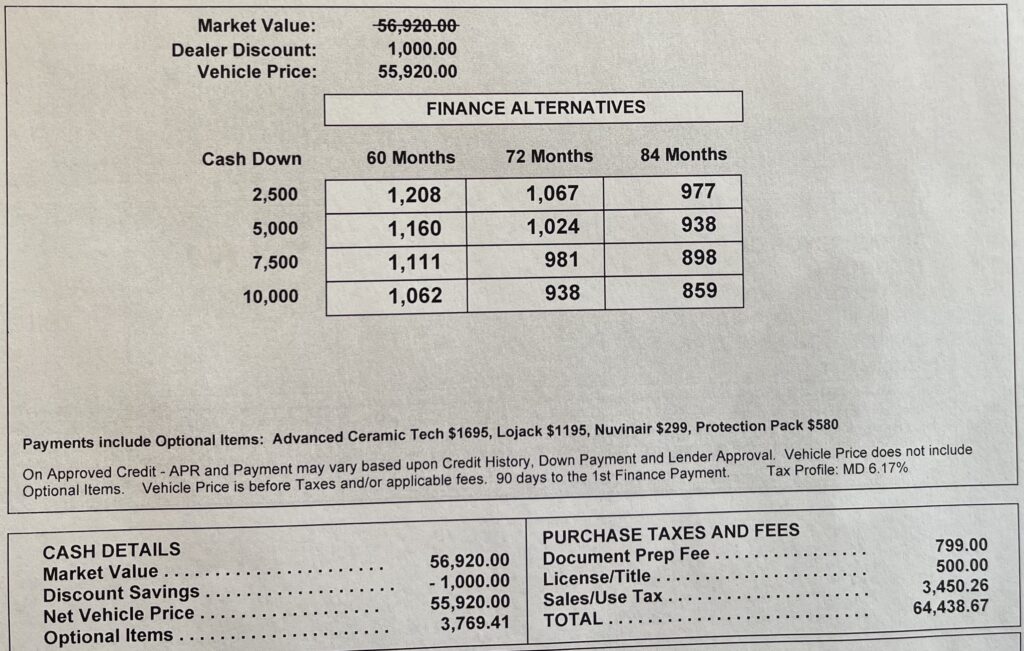
In this case the dealer discounted their price by $1,000. That’s awesome! Then they added $3,769.41 in accessories and add-ons…
The accessories they added are:
Our recommendation in this case (and in the current market) would be to negotiate the cost of the accessories down to the dealer’s cost. The dealership incurs a cost to their service department to install these products. That cost is likely a few hundred dollars (refer to the table below). With that in mind, you’ll want to ask for the RO (repair order) they issued for the installation of the accessories.
| Item | Cost to Dealer | Retail Price | Dealer profit |
| Interior protection | $50 | $500 | $450 |
| Paint protection | $100 | $850 | $750 |
| Undercoating | $200 | $700 | $500 |
| Rustproofing | $50 | $800 | $750 |
| Car alarm | $300 | $800 | $500 |
| VIN etching | $75 | $400 | $325 |
| Lojack | $325 | $1,000 | $675 |
| Nitrogen-filled tires | $35 | $250 | $215 |
| Window tinting | $25 | $300 | $275 |
Many car dealerships are selling their new cars above MSRP, and they aren’t shy about it. Every new car comes with a window sticker, also known as a Monroney Label. Many dealers are adding additional stickers to new cars with their additional dealer markup. Here’s an example:
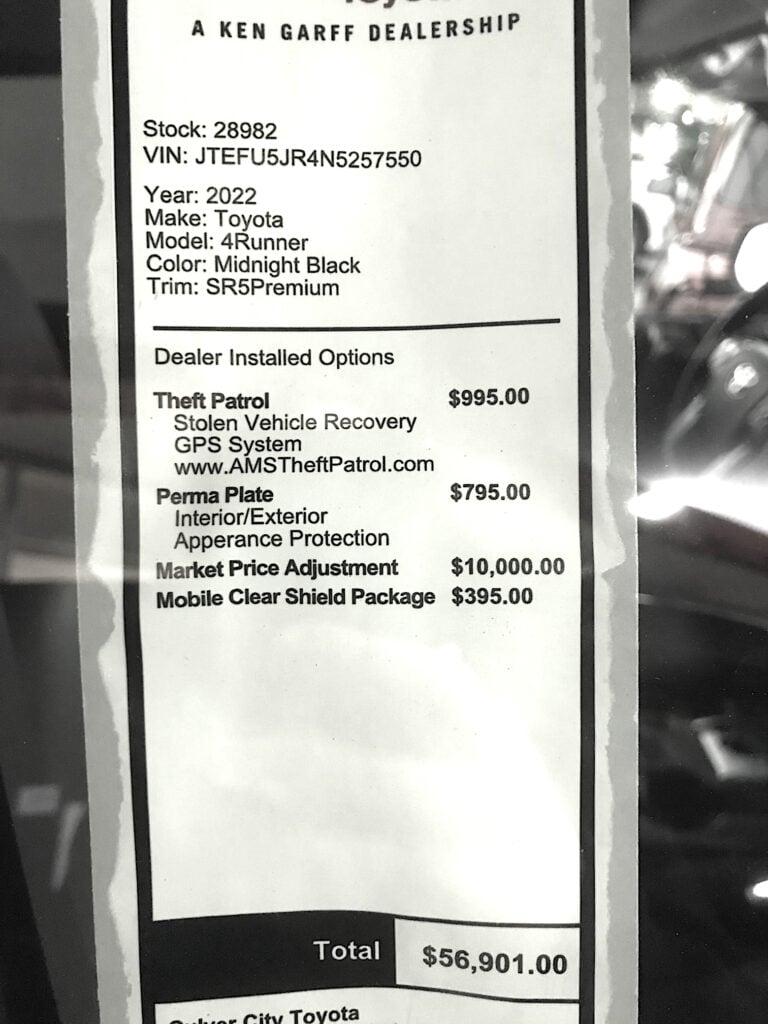
In this case the dealership added both add-ons (Theft Patrol, Perma Plate, and Mobile Clear Shield Package), and a “Market Price Adjustment” of $10,000. The market adjustment is additional dealer markup. You get nothing in exchange for having paid an additional $10,000. It is pure profit for the dealership.
What can you do when a new car is for sale over MSRP? How can you negotiate a lower price? Well, as always, remember “if it’s taxable, it’s negotiable.” That means if it’s taxed on the bill of sale, you can negotiate its price.
As a refresher, here are the fees that you can and cannot negotiate on.
When it comes to additional dealer markup and add-ons we encourage you to not settle for what the dealer is asking for. Dig your heels in a bit and try and get some money back in your pocket. Just because they are asking for $10,000 in additional markup doesn’t mean they won’t accept $5,000.
If the dealer is adamant about their pricing and won’t budge, consider factory ordering a new vehicle. When you factory order you can get a legally binding signed buyers order for the agreed upon selling price at the time you place the order.
If you found this article helpful, you’ll love what we have in store for you at CarEdge. From free car buying guides to expert negotiation help, we’re proud to make car buying easy for every shopper. Check us out!