
CarEdge saved me over 4,500 dollars on a brand new Honda Pilot. I can't say thank you enough.
Price intelligence
Find a wide range of vehicle listings with market insights on new and used listings near you.

What can I do with CarEdge?
 CarEdge Insights
What can I do with CarEdge?
Get access to exclusive information so you can make an informed car buying decision — all in one place.

Find a wide range of vehicle listings with market insights on new and used listings near you.
Track your vehicle’s value and cash in when the time is right to sell.

Access to our proprietary data to help you find the right car, at the right price. Find these unlocked on every listing after subscribing.

With our expert-led, tech-enabled car buying service, we will locate, negotiate, and deliver your vehicle so you can get a new car hassle free.


Help us personalize your CarEdge experience — it only takes a second.
Your answers help us personalize your CarEdge journey — we’ll follow up with tips and next steps that match your buying timeline.

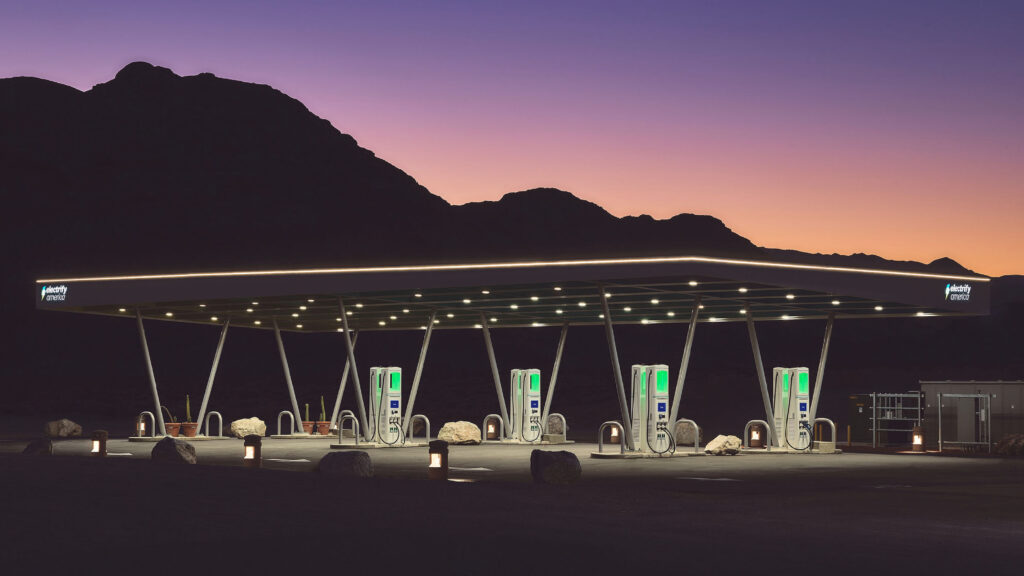
Electric vehicles are far from cheap, but many 2022 EVs come with free charging incentives that sweeten the deal. If you travel America’s interstates often, you’ll want to check out these free charging incentives. It adds up quickly!
The new Audi Q4 e-tron includes 250kWh of complimentary charging at Electrify America. Audi e-tron GT buyers get three years of free charging at Electrify America. With an EPA-rated range of 241 miles with a 77 kilowatt-hour battery pack, you’ll be good to go for plenty of charging stops. The Q4 e-tron will take about 40 minutes to charge from 10% to 80%. The much pricier e-tron GT can do the same in as little as 22 minutes.
The 2022 BMW iX SUV and i4 electric sedan will come with two years of 30-minute complimentary charging sessions at Electrify America charging stations. Depending on how much you travel, that could save you a few thousand dollars in public charging costs!
This is a better deal than it sounds. Level 2 home charging is not cheap to install, unless you’re lucky enough to live where incentives abound. Chevrolet will cover standard installation of a Level 2 charging outlet for customers who purchase or lease a 2022 Bolt EUV or Bolt EV. Learn more here. Here’s our review of the 2022 Bolt and Bolt EUV.
The 2023 Fisker Ocean is looking like it will be a popular electric crossover once it arrives. Fisker has partnered with Electrify America, however it’s not been shared if there will be a complimentary charging incentive for Ocean drivers. Regardless, it’s an amazing vehicle (on paper for now). We’re big fans of the innovative Fisker Flexee lease program.
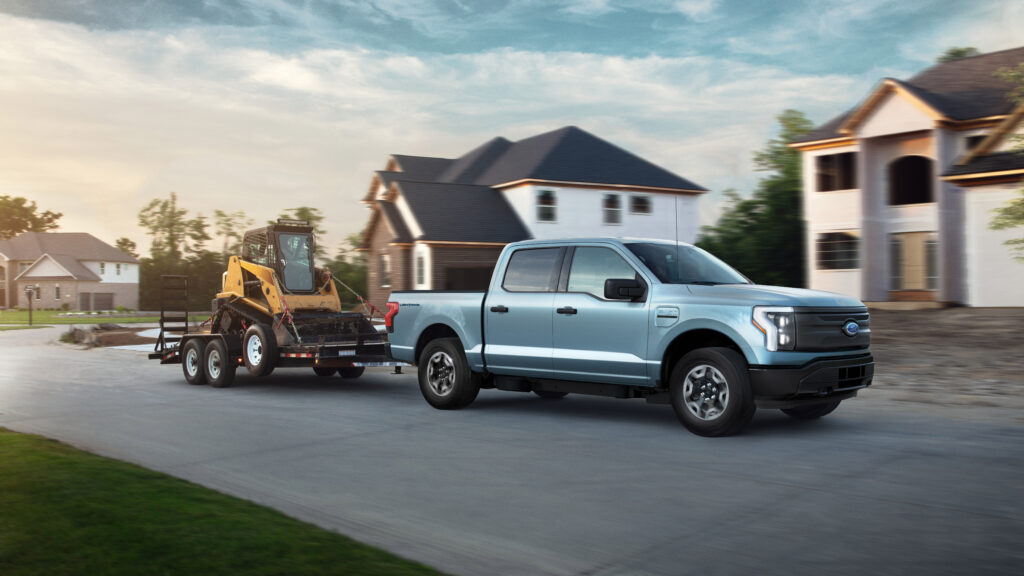
Yes, the truck we’ve all been waiting for does come with 250 kilowatt-hours of free charging at Electrify America. That’s equal to about two and a half fill-ups, or enough to drive about 700 to 800 miles in the F-150 Lightning. Once the incentive expires, expect a big charging session at Electrify America to cost about $25-35 in the F-150 Lightning. Learn more about the 2022 F-150 Lightning here.
Wondering which EVs are available in 2022? Here’s the full list, with pricing and wait times updated regularly.
Just like the F-150 Lightning, Mustang Mach-E drivers will get 250 kilowatt-hours of free charging at Electrify America. That’s enough to have about three or four free charging sessions on your first road trip. Here’s our review of the 2022 Mustang Mach-E, which by the way is one of the top-selling EVs in America (but still far behind Tesla).
The Genesis GV60 is the upscale sibling to my very own Hyundai IONIQ 5, but it comes with an even better charging incentive. Genesis GV60 buyers will get free 30-minute charging sessions for three years at Electrify America.
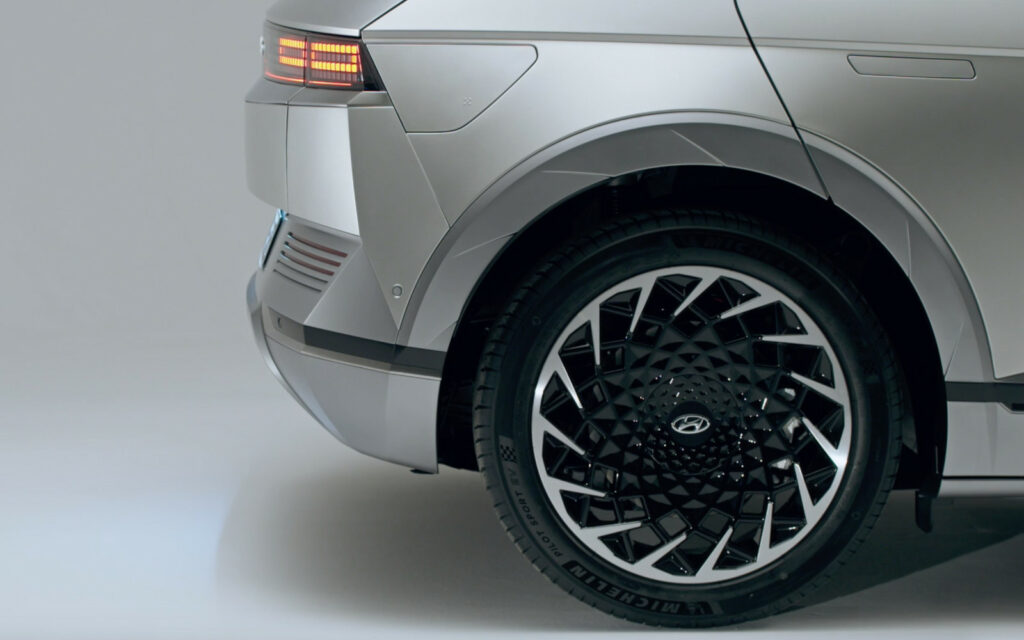
Hyundai and Kia have raced towards the top of the EV sales charts since launching their twin electric crossovers (some would argue they’re oversized hatchbacks). The Hyundai IONIQ 5 comes with two years of unlimited 30-minute charging sessions at Electrify America’s 800 stations nationwide. Electrify America is growing quickly, so it’s likely there are more than a few EA chargers along your most frequented routes.
I recently bought an all-wheel drive IONIQ 5 Limited, and I love it. Here’s how I bought one at MSRP (no markup!), plus all you ever wanted to know about the vehicle in this CarEdge review.
Kia decided to do things differently when setting up their partnership with Electrify America. EV6 owners 1,000 kilowatt-hours of free charging at Electrify America stations. The EA incentive expires after three years. With the efficiency of the Kia EV6, 1,000 kWh of free charging is likely to be good for about 3,500 miles of driving. Full review of the Kia EV6
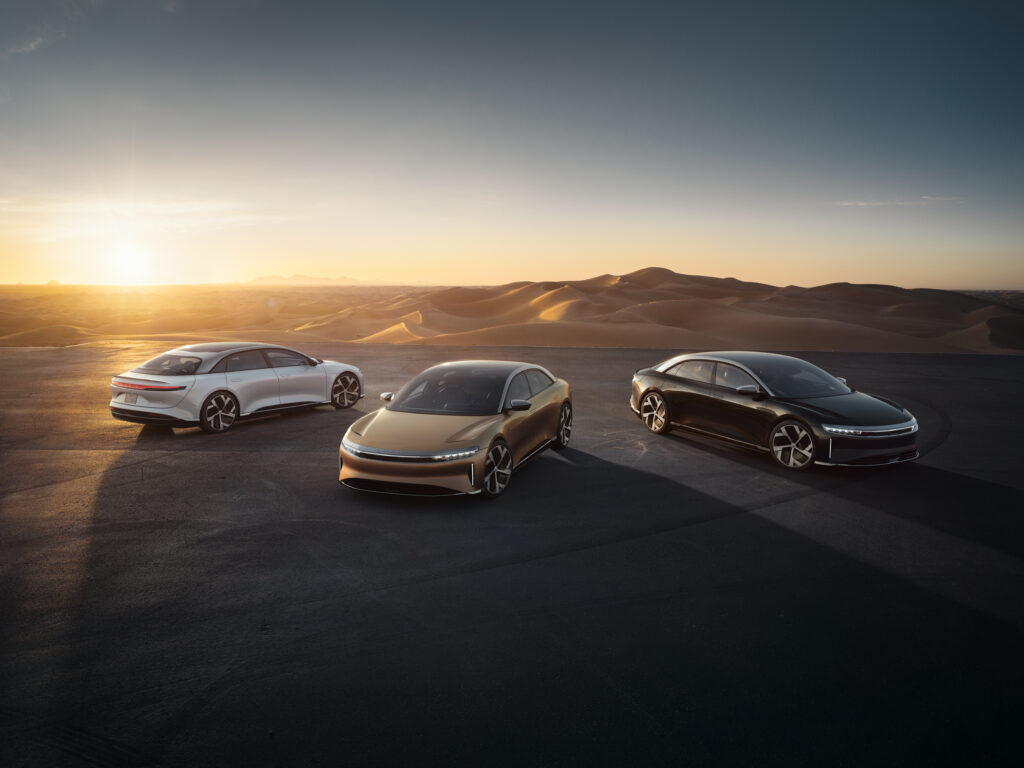
Lucid has EXTENDED their free charging partnership with Electrify America. Now, all Lucid customers who place their vehicle order before June 30, 2022 will get three years of free charging at Electrify America. Better get that wallet out! The Lucid Air starts at $77,400, however prices for top-level trims exceed $170,000. See the details here.
America’s first mass-market electric vehicle, the Nissan Leaf, is still a solid bargain in 2022.
(Check out the only cheap EVs available today)
Drivers purchasing or leasing a new Nissan LEAF receive $250 EVgo charging credits, which could last you a while with the Leaf’s 150 to 226 mile range. Here are the details from EVgo.
The first 10,000 customers who reserved a 2023 Nissan Ariya by January 31, 2022 get a $500 credit for EVgo’s growing network of charging stations. If you’re just now thinking about buying an Ariya, it’s a bit too late. Still, the Ariya is looking to be one of the nicest Nissan’s ever. Is it worth the price tag? Here’s what we think.

The Polestar 2 has several advantages over its competitors: it’s available now, starts under 50 grand, and features a no-haggle direct-to-consumer price. Another benefit of the Polestar 2 is a free charging incentive. The Polestar 2 comes with two years of free 30-minute charging sessions at Electrify America stations. That could save drivers thousands of dollars, depending on how many road trips you take.
Although it’s fantastic that Rivian is building its own charging network (like Tesla did), it’s a bit of a letdown for Rivian buyers who hoped to get a free charging incentive at Electrify America. The map below is where Rivian plans to have Adventure Network chargers, NOT where they currently are. All buyers of the Rivian R1T electric truck and R1S electric full-sized SUV will get one year of free charging on the Rivian Adventure Network.

The upside? This charging network will be specializing in rural destinations like National Parks, National Forests and the like. That will be transformative for charging in America.
Despite announcing a ‘partnership’ with America’s third-largest charging network EVgo, there’s no free charging incentive for now. As mentioned above, EVgo has 800 public fast-charging locations and 1,200 Level 2 charging stalls spanning 68 metropolitan areas and 35 states.
Although we’re a Subaru household (prior to taking ownership of our new IONIQ 5), the Solterra EV’s range, charging speed and price are a real bummer. Here’s our full review of the 2023 Subaru Solterra.
Back in the early days of the Model S, Tesla did offer insanely good free charging incentives on its young Supercharger network. From 2012 to 2018, some Tesla vehicles had free charging for life. If you’re looking for free charging or generous federal EV incentives, you’ll have to shop elsewhere.
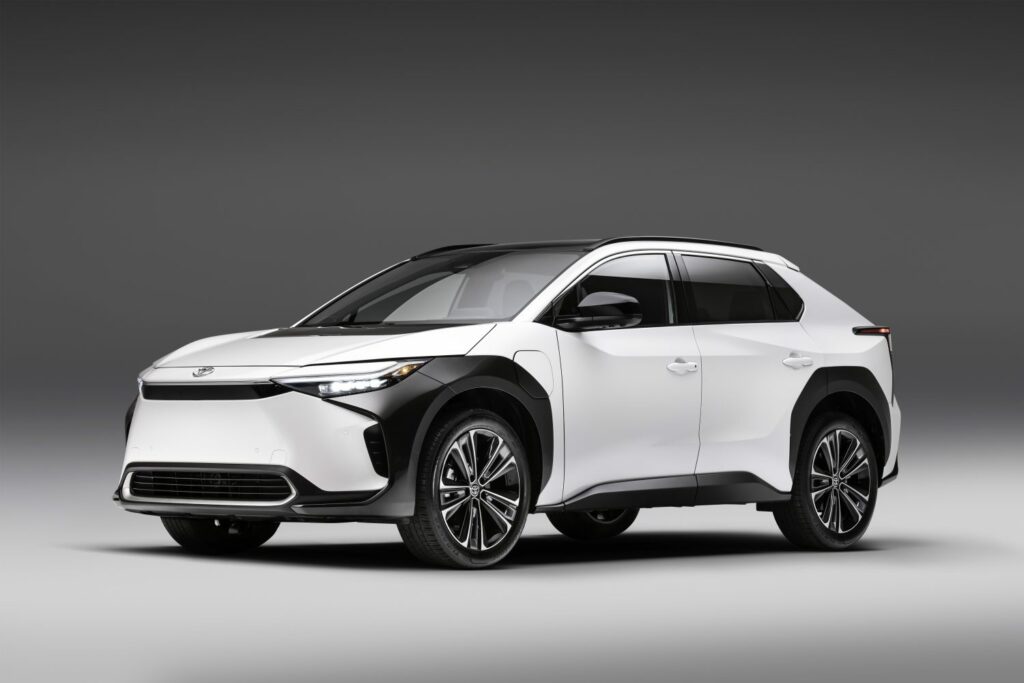
The all-new Toyota bZ4X electric crossover takes an hour to charge (at a ‘fast’ charger), has merely okay range, and isn’t all that affordable, but at least you get one year of free charging at EVgo’s network of chargers. EVgo has 800 public fast-charging locations and 1,200 Level 2 charging stalls in 35 states. Here’s why we aren’t fans of the bZ4X. Just buy a RAV4 Prime! That’s probably what Toyota wants you to do anyway.
The ID.4 has one of the best free charging incentives available today. Although the 2021 model year’s offer of three years of UNLIMITED free charging has ended, the 2022 Volkswagen ID.4 includes three years of free 30-minute charging sessions at Electrify America stations. With the 2022 model’s quicker charging rate and improved charging curve, this should be enough for most sessions to be free. Rarely will ID.4 drivers need to stay plugged in for more than 30 minutes at a DC fast charger. Full review of the VW ID.4
Buyers of the C40 Recharge and XC40 Recharge get 250 kilowatt-hours of free charging at Electrify America. But that’s not all: Volvo is also enticing drivers with a year of free access to Electrify America’s Pass+ membership, which offers charging at a discounted rate. The Pass+ membership offers charging at about 30% lower rates than using the network as a guest, but membership normally costs $4 per month.
Making the switch to an electric vehicle would be a no-brainer if they weren’t so darn expensive. It’s hard to find a cheap EV, but a few are out there. For many, free charging incentives are compelling enough to close the deal. Personally, I’ve saved a few hundred dollars in charging costs over the first few months of EV ownership by using my IONIQ 5’s Electrify America incentive.
This begs the question: would you rather have faster charging times, or longer range? Does stopping for 15 minutes every 200 miles sound better than stopping for 45 minutes every 300? Let us know what you think the future of EV charging should look like. One thing is for sure, EVs are coming to roads near you.

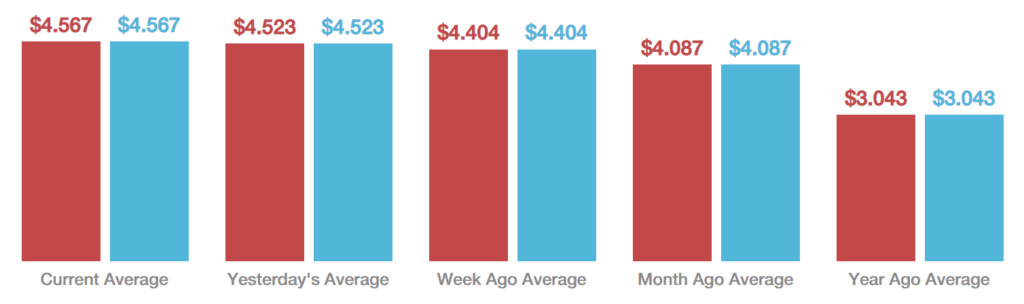
As of May 18, the national average gas price is an all-time record of $4.57 per gallon according to AAA. Just one month prior, gas prices crept above $4.00 a gallon nationally for the first time since 2008. What’s different this time around? It looks like $4.00+ gas prices are going to stick around for a while. Here’s what’s driving gas prices up in 2022. It’s complicated.
Memorial Day is just around the corner, and demand forecasts are weighing heavily on oil prices. However, other factors are at play. This is the time of year when oil refineries slash gasoline production and pivot to making more jet fuel and diesel ahead of the summer travel season.
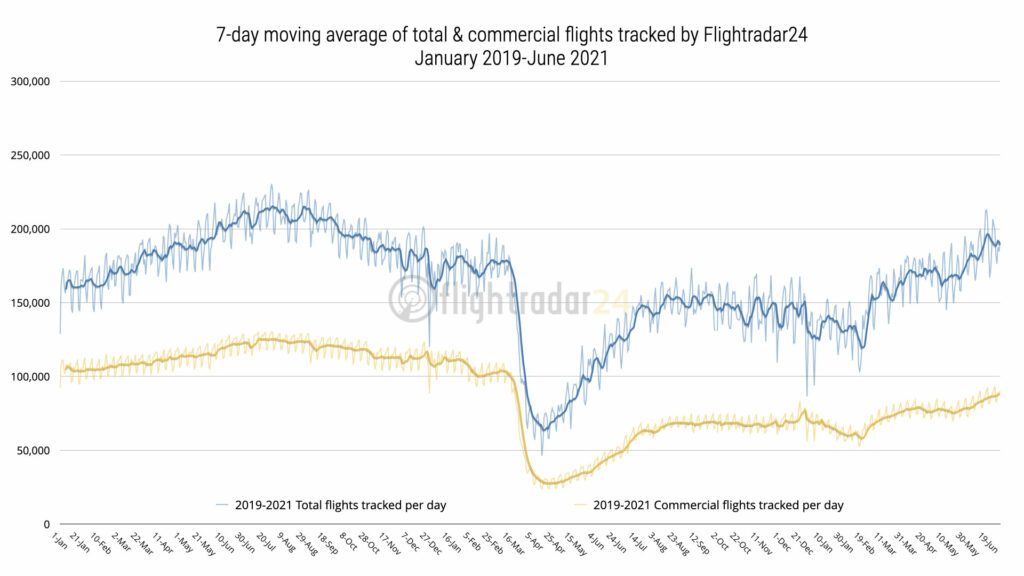
Over 10% of global oil demand is for jet fuel, and roughly 1 million barrels of oil are needed to fuel the world’s aircraft daily. Following an unprecedented drop in flights in 2020, aviation has clawed back to nearly pre-pandemic levels. Top it off with the end to COVID lockdowns (outside of China), and the economy as a whole is more thirsty for oil than it has been in years. Of course, geopolitics have entered the picture, adding more complexity to the situation.
Yes, the Russian invasion of Ukraine has been a significant contributor to the higher gas prices in 2022. Russia produces roughly 10% of global oil supply, with much of it going to European and Asian markets. Sanctions have hit Russia hard, and the oil sector is no exception. The Biden administration has ordered the release of one million barrels of oil per day from the U.S. strategic oil reserves in an effort to soften the rise in gas prices.
The White House characterized the release of oil from the strategic reserves as a bridge until output increases from American oil producers. Officials estimate that domestic production will grow by 1 million barrels per day this year and an additional 700,000 barrels daily in 2023.
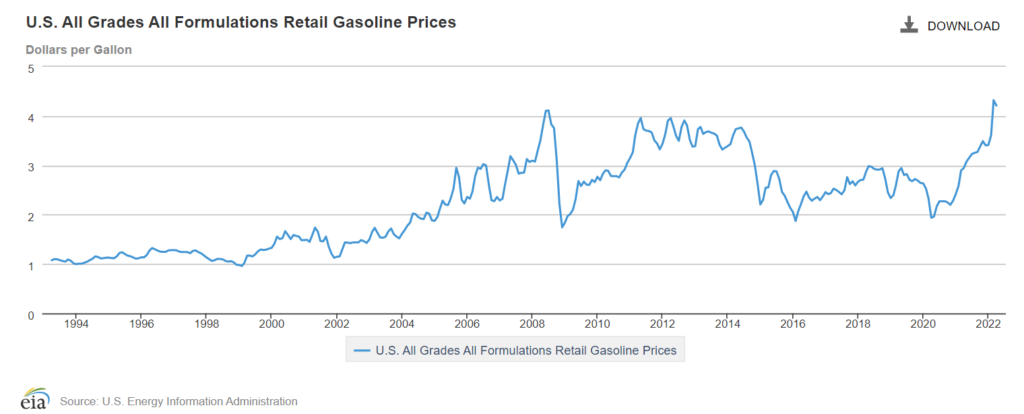
An alarming prediction by JPMorgan analyst Natasha Kaneva is sending shivers down the spine of ICE drivers everywhere. This week, the average price for a gallon of gasoline hit $6.00 in California, the first time that has happened anywhere in U.S. history.
“There is a real risk the price could reach $6+ a gallon by August,” Natasha Kaneva, head of global oil and commodities research at JPMorgan, told CNN.
“With expectations of strong driving demand…US retail price could surge another 37% by August,” JPMorgan noted in a recent report on near future gas prices.
The big bank isn’t the only one forecasting gas price doom. Economists at Kiplinger see elevated (and even record) gas prices dragging on into the future. “This intense volatility is likely to continue, but we expect WTI to stay above $100 for now, which means continued high fuel prices for consumers and businesses,” noted Jim Patterson in Kiplinger’s Energy Outlook.
Can Congress really do anything to bring down record gas prices? probably not, according to most analysts. Nevertheless, lawmakers have introduced House Bill 7688. HB 7688 would give the Federal Trade Commission the power to penalize oil companies if the government can prove they are inflating gas prices. The bill has little chance of getting enough support among lawmakers to pass. Why? The thinking goes that there’s no tangible way that the proposed law could have a real effect at all.
What makes high gas prices different this time around? It’s the likelihood that they will stick around for a prolonged period of time. Electric vehicles continue to gain market share, but automotive supply shortages are greatly limiting how many EVs automakers can produce. If you’ve shopped around for an EV, you’ve likely encountered long wait lists and outrageous dealer markups. Here’s how long you’ll wait for every EV on the market.
What’s the fix? If you’re in the market for a new vehicle, consider prioritizing models with higher gas mileage. Even if you’re needing an SUV or pickup truck, you’d be surprised with how variable fuel economy can be among competing models.
In my household, the GasBuddy app has saved us hundreds of dollars by helping us to find the cheapest gas in my area.
We’ll continue to share resources as more information becomes available. Join the CarEdge Community, where the power of community really shines. From buying a new or used car to sharing ownership experiences and connecting with fellow car enthusiasts, the CarEdge Community is the fastest-growing automotive community today. We hope to see you there!

Over the past two years, the median household income in the United States has nudged upward from $67,500 to $75,500 as of March 2022. Meanwhile, new cars have risen from an average transaction price of $37,000 in early 2020 to $46,000 today, a 24% increase. The cost of transportation in our very car-dependent country has climbed above what’s possible for most driver’s budgets. Now, more than ever, price matters. These are the most marked up cars in 2022.
Consumer Reports recently released eye-opening data on the price disparities between automakers as dealer markups amplify the madness of the auto industry in 2022. Kia is overwhelmingly the winner of the award for most ridiculous new car pricing in 2022.
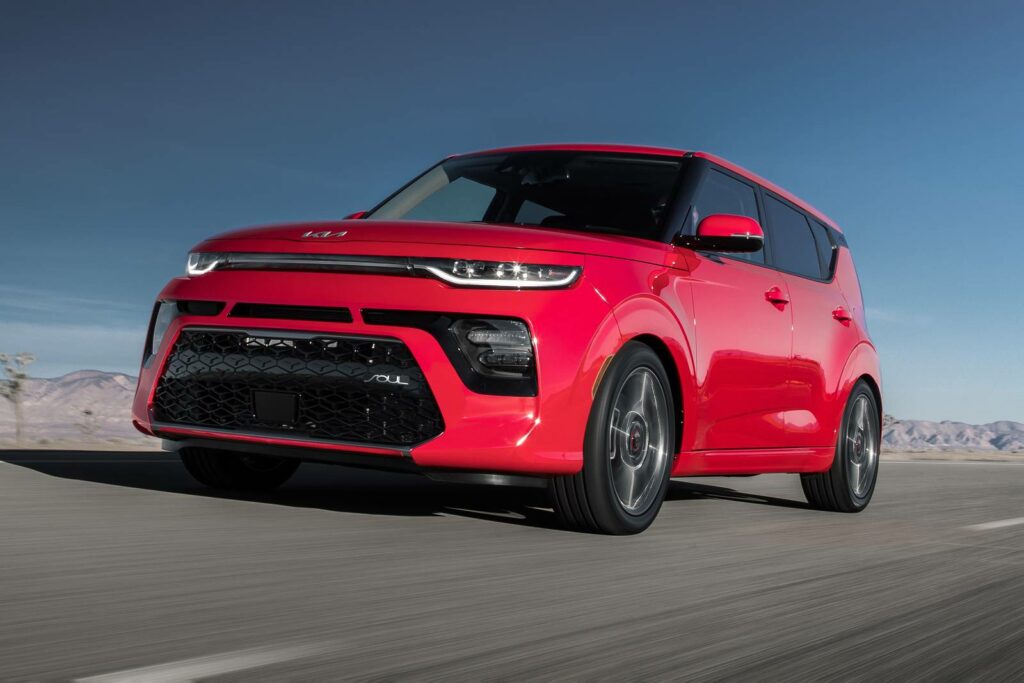
The 2022 Kia Soul is a subcompact SUV that car buyers are eager to get their hands on. In fact, demand is so high that Kia dealers keep pushing the limits of Kia Soul pricing ever higher. In 2022, Consumer Reports finds that the average price for a Kia Soul in the US is 21% over MSRP.
When we take a look at CarEdge Car Search, we see that there are just over 1,000 new Kia Souls for sale in America right now. The Soul is in short supply. Shockingly, some go for nearly $40,000! Sure enough, CarEdge Car Dealer Reviews shows that buyers are having a hard time finding a good deal on the Soul in 2022.
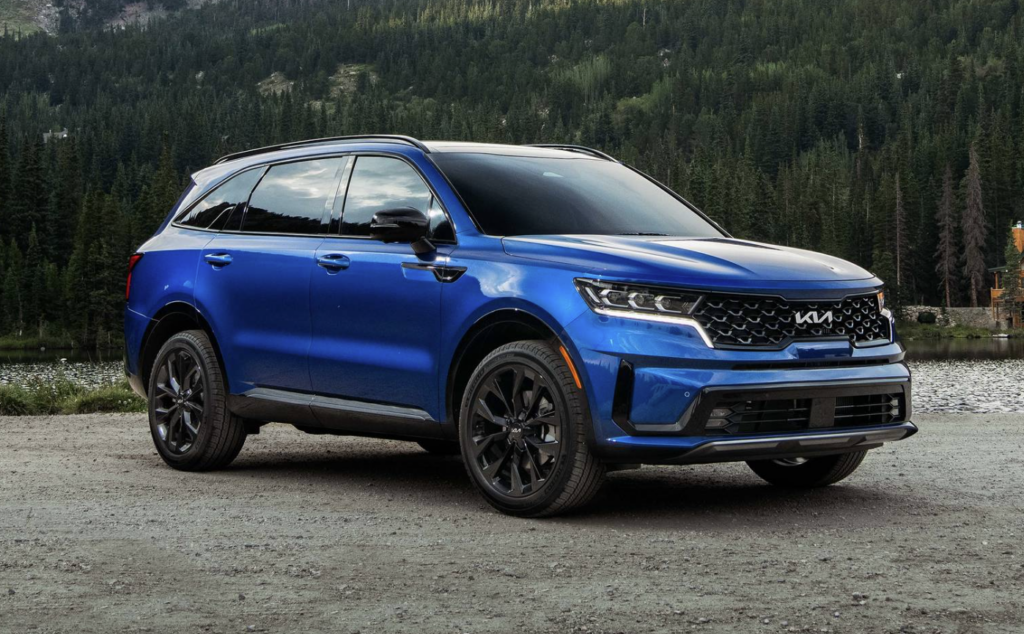
Kia’s hot-selling mid-size SUV is also listed for 21% over MSRP on average. Kia has been able to keep a higher supply of Sorentos on dealer lots, with nearly 3,000 available nationwide. I just about dropped my coffee when I saw that Kia Sorento plug-in hybrids (PHEVs) are listed for over $60,000 in some parts of the country. See the Sorento listings near you here.
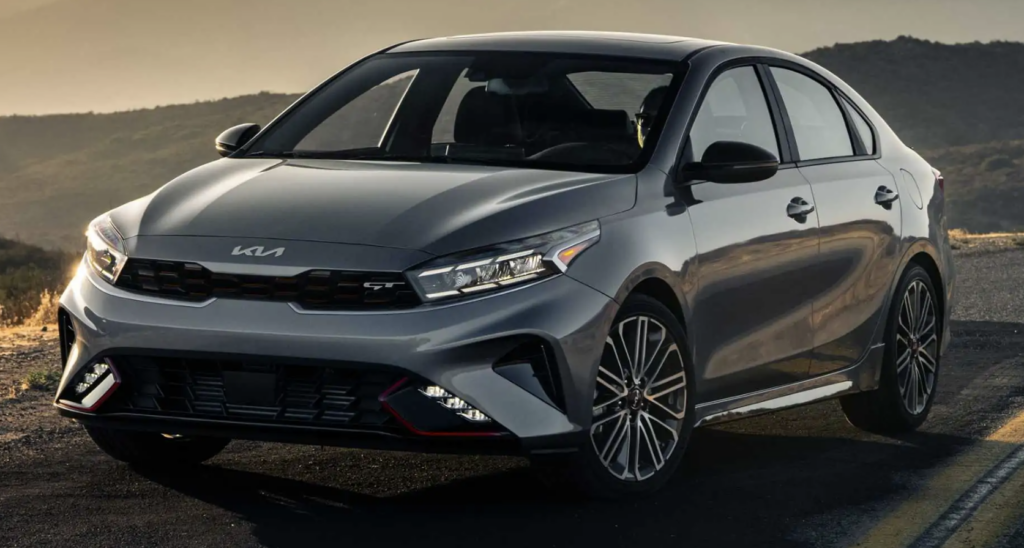
The third Kia model with a 21% average markup in 2022 is the Forte budget sedan. The consensus among reviewers of the Forte is that it’s simply an ‘okay’ car. Is it worth $34,000? Some dealers seem to think so.
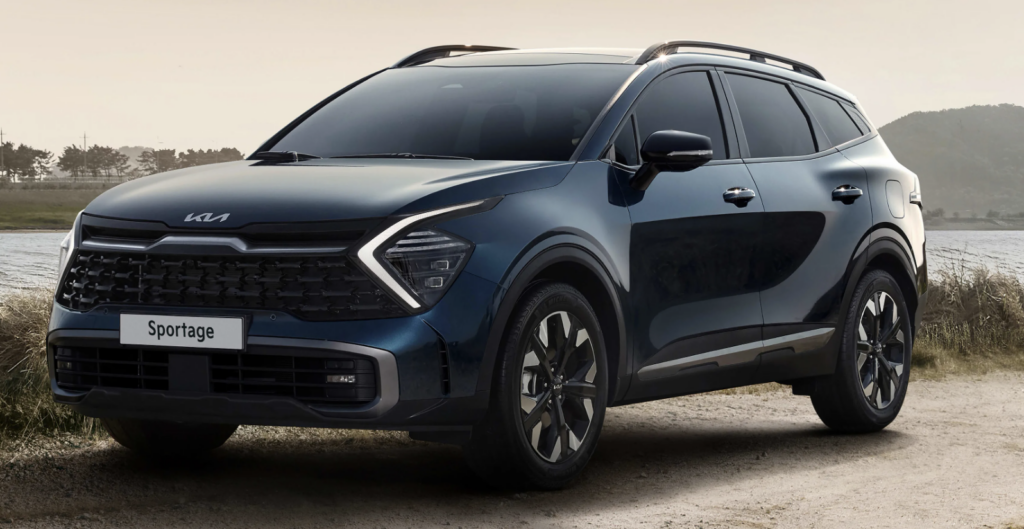
With a 19% average markup, this typically affordable compact SUV is no longer cheap. The Sportage has a starting MSRP of $24,090, but it’s very hard to find one under $35,000, and some approach $50,000. Would you pay that much for a Kia compact SUV?
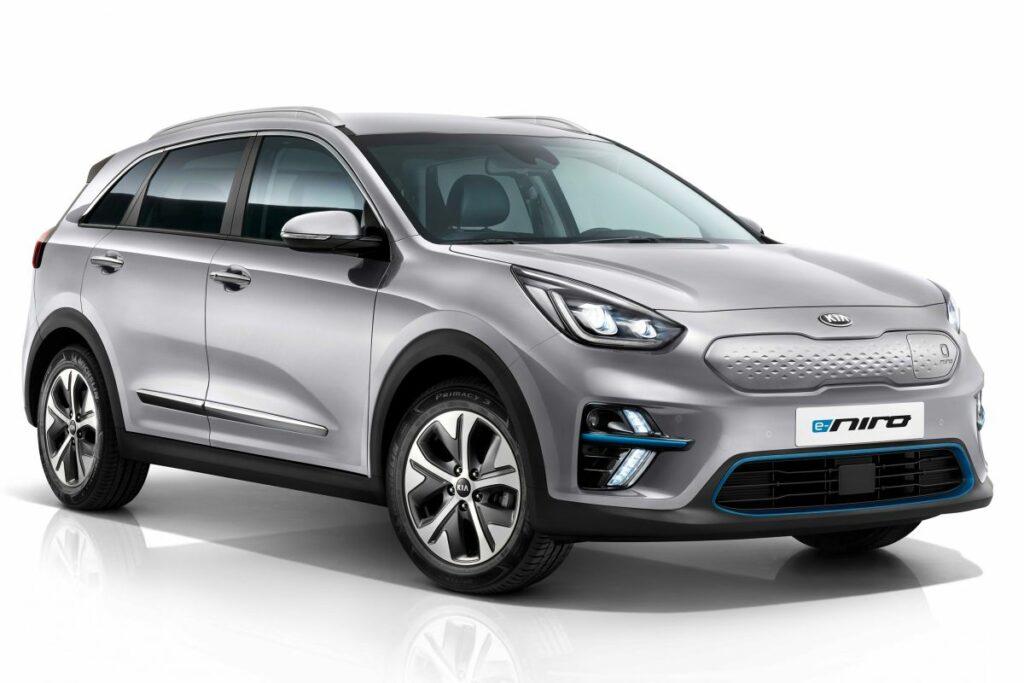
The Niro is popular, having sold well over 20,000 units annually in the U.S. before the chip shortage slashed production. Does its popularity justify the 19% average markup on the Niro? The electric version of the Niro has seen the most ludicrous price increases. Although the MSRP for a 2022 Niro EV EX Premium is $44,650, dealer prices reach up to $52,000 before taxes and fees.
It’s not just new car prices that are out of control. At CarEdge, we’ve been tracking used car price trends, and it’s hardly any better at the auction house. Seasonal price trends have gone out the window, and supply chain disruptions continue to put a damper on any semblance of normalcy. We’ve seen new car inventory plummet and struggle to climb back at all.
What will it take for the car price bubble to burst? Supply will have to catch up to demand. Until that happens, dealers (and automakers) have the upperhand when it comes to pricing. Be sure to join the CarEdge Community to stay up to date with the very latest car price and inventory news.

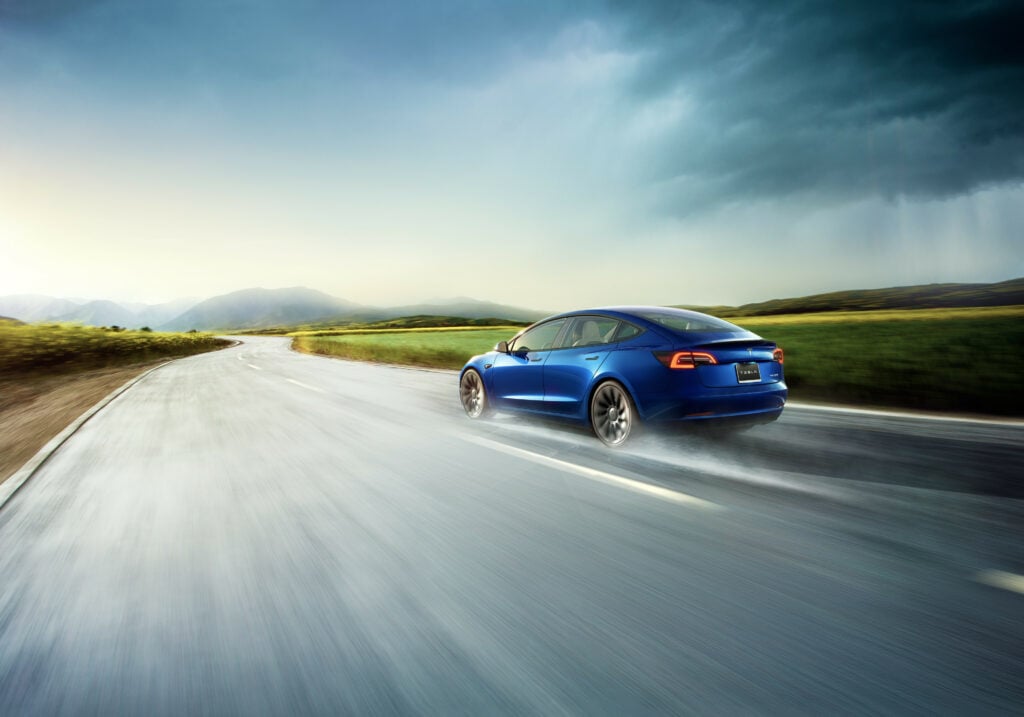
Until charging stations are commonplace, owning an electric vehicle will require more planning and preparation than one would expect for a day’s drive. Range is the new MPG, however real-world range isn’t easy to pin down. When the U.S. EPA provides official range ratings, the figures are based on vehicles driving in controlled environments on a predetermined track. EV ownership is full of nuances, and one of the greatest is the affect of weather on range. Let’s explore how electric vehicles perform in cold weather, hot weather, rain and wind.
Cold weather reduces EV range, but how much depends on how toasty you keep the cabin. Sub-freezing temperatures reduce range by between 12% and 30%, but that’s without the climate control on to warm the cabin. Data from AAA found that once the heater is turned on, EV range can drop by as much as 41%. Some real-world tests have found range losses closer to 50% with below-zero temperatures. That’s not good if you travel long distances across the northern states or the Interior West. More on specific impacts below.
Yes, hot weather does reduce EV range. According to research conducted by AAA, hot temperatures don’t have quite as great of an impact as cold temperatures, but it’s still noticeable. In temperatures of 95 degrees Fahrenheit and the air conditioning on, driving range decreases by 17% on average.
A 17% drop in range would mean that a Model Y normally rated for 330 miles on a charge would get closer to 273 miles. Not too big of a deal. For electric vehicles with less EPA-rated range, it matters more. The standard range 2022 Nissan Leaf normally gets 150 miles on a charge, but that would drop to 124 miles in 95-degree weather. Ouch.
Rain, snow and anything else falling from the sky does lower EV range. Why? It creates drag, and EV efficiency is all about aerodynamics. The heavier the rain, the greater the impact on range, even if temperatures are perfect for battery performance.
Speaking of which, what is the ideal temperature for electric vehicle battery performance? Geotab’s analysis of data from 4,200 EVs found that 70 degrees Fahrenheit (21.5 Celsius) is ideal for battery performance. That’s not only perfect for maximum range, it’s great weather all around. Learn more in Geotab’s full report.
Similarly, wind’s impacts on electric vehicle range have to do with drag. Drag is in essence aerodynamic friction. Your fancy new electric car can’t slide through the air so efficiently with friction working on it.
Wind can work against you or for you. With a steady tailwind pushing you along, it’s common to exceed range expectations even on the highway. When there’s a substantial headwind, range drops, and sometimes by quite a lot. The impacts of wind on EV range are much more noticeable at highway speeds. It’s possible to gain or lose up to 20% of expected range depending on wind direction.
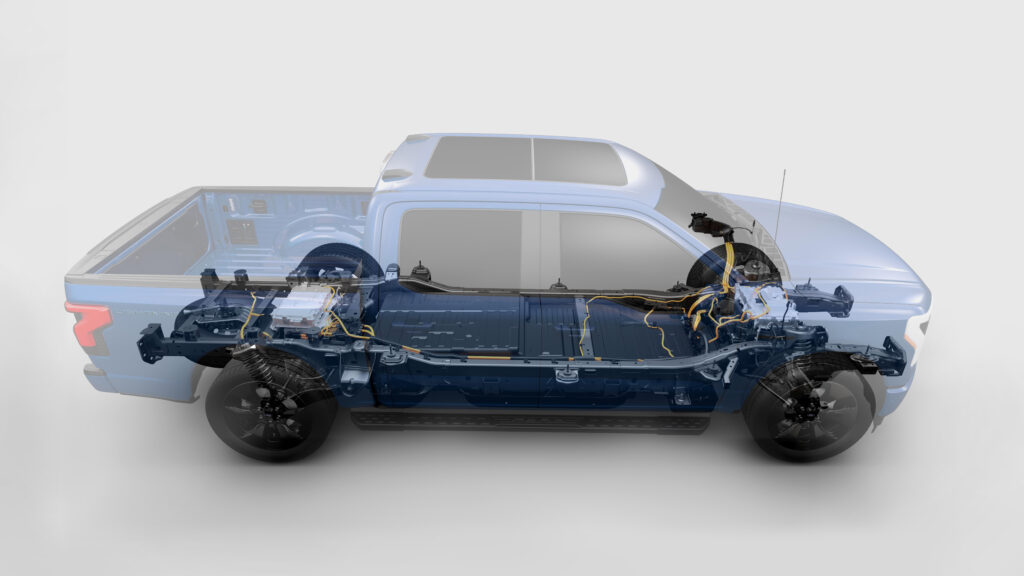
Temperature impacts battery performance differently depending on battery type and overall vehicle engineering. Features such as a heat pump, advanced battery preconditioning and even heated seats are just some of the many ways that engineers can do their best to optimize EV performance in suboptimal weather.
EV data specialists at Recurrent looked at data from all of the popular electric vehicle models. They found that EV range in hot and cold weather varies widely from one make and model to another.
Here’s how some of America’s most popular electric vehicles are affected by cold weather and summer heat.
| Make | Model | Rated Range | Real-World Range (70 deg F) | Cold Weather Range Loss |
|---|---|---|---|---|
| Tesla | Model 3 | 353 miles | 339 miles | 335 miles (-5% from rated range) |
| Tesla | Model Y | 330 miles | 320 miles | 323 miles (-2% from rated range) |
| Tesla | Model S | 405 miles | 397 miles | 380 miles (-6% from rated range) |
| Tesla | Model X | 351 miles | 326 miles | 326 miles (-7% from rated range) |
| Ford | Mustang Mach-E | 305 miles | 284 miles | 198 miles (-35% from rated range) |
| Chevrolet | Bolt | 259 miles | 254 miles | 171 miles (-34% from rated range) |
| Nissan | Leaf | 226 miles | 237 miles | 205 miles (-9% from rated range) |
| Hyundai | Kona | 258 miles | 288 miles | 240 miles (-7% from rated range) |
| Audi | e-tron | 222 miles | 224 miles | 206 miles (-7% from rated range) |
For a full breakdown of Recurrent’s findings, check out their 2021 report here.
The U.S. Department of Energy says that vehicles powered by traditional internal combustion engines (ICE) also suffer efficiency losses as a result of hot and cold weather. ICE vehicles are especially impacted by hot weather due to air conditioning power requirements. The Department of Energy estimates that ICE vehicles lose about 25% of their typical fuel economy when operating with air conditioning on high settings.
One major difference between EVs and ICE vehicles is the affect of cold weather. Electric vehicles use quite a bit of energy to run the heater, whereas ICE vehicles redirect heat generated by the engine and therefore avoid significant effects on efficiency.
Although EV charging stations are becoming commonplace around major cities, many interstate highways have sparse charging infrastructure. Until charging stations are more reliable and easier to find, driving an EV in cold and hot weather will complicate EV ownership and delay EV adoption. A national charging network is on the way, and public fast-charging networks are growing quickly. With EV market share soaring every month, it’s imperative that we find solutions to this seasonal challenge that affects millions.

Update: I just got the recall fix done at my local Hyundai dealer. They had never seen an IONIQ 5 before, and one employee asked if I was coming in for an oil change. Nevertheless, I was in and out of the dealership in about 30 minutes.
As an IONIQ 5 owner myself, I was not thrilled to see the first manufacturer recall coming in one month into ownership. I love the car, and it would take a lot to change that. Here’s what you need to know about the 2022 Hyundai IONIQ 5 recall.
On May 12, Hyundai dealers received notification of a stop-sale for IONIQ 5 electric crossovers built between November 2021 and April 2022. The US National Highway Traffic Safety Administration (NHTSA) and Hyundai have announced a recall for select VIN numbers of the 2022 model year IONIQ 5.
The IONIQ 5 recall is for the potential for disruptions to the vehicle’s parking actuator system when the vehicle is off. Sudden voltage fluctuations may occur while the vehicle is off, potentially causing the parked vehicle to disengage from ‘Park’ momentarily. If this occurs while the vehicle is parked on uneven terrain, vehicle rollaway is possible.
While no incidences have been reported in North America, 4 incidences have occurred in South Korea. No injuries have been reported. This is a serious recall with the potential for crashes and injuries if preventative action is not taken.
My own IONIQ 5 is affected, so I’ve experienced this firsthand. Upon entering my vehicle’s VIN number into Hyundai’s online recall search tool, the following summary and technical information was displayed:
“Hyundai is initiating a safety recall to address a condition involving the parking actuator system in certain 2022 model year Hyundai IONIQ 5 vehicles in the U.S. and Canada. Hyundai is initiating this action to ensure the safety of its vehicles for Hyundai customers.”
“The shift-by-wire system in the subject vehicles contains a shifter control unit (“SCU”) and electronic parking pawl actuator. A voltage fluctuation may occur with the vehicle off and in the park (P) position, which could impact the command signal from the SCU to the parking actuator, resulting in momentary disengagement of the parking pawl and potential vehicle rollaway. Vehicle rollaway after parking increases the risk of a crash and/or injuries.”
“Hyundai recommends all affected owners to use their electronic parking brake (“EPB”) when parking their vehicles to mitigate the risk of vehicle roll-away before the recall is performed. All owners of the subject vehicles will be notified by first class mail with instructions to bring their vehicles to a Hyundai dealer to have the SCU software updated. This remedy will be offered at no cost to owners for all affected vehicles, regardless of whether the affected vehicles are still covered under Hyundai’s new vehicle limited warranty.”
I’m not a fan of all-caps, so I typed it out for you above. But here’s how Hyundai shared the recall information:
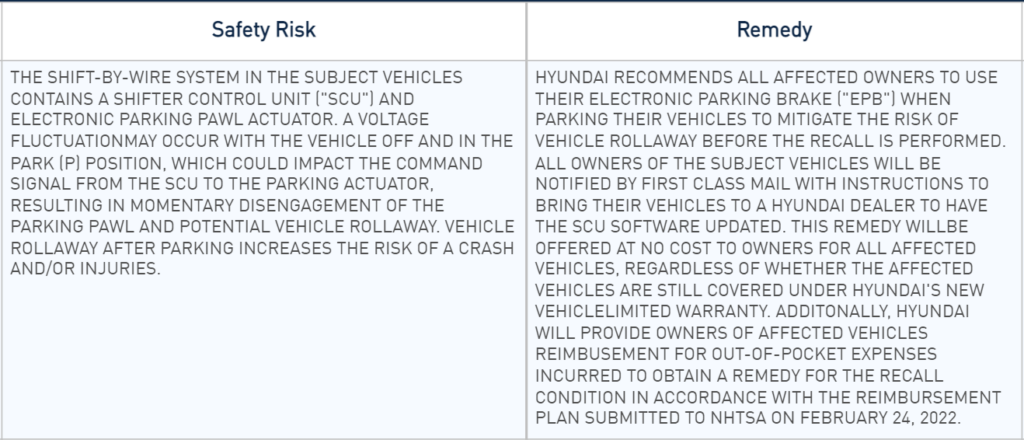
To see if your Hyundai IONIQ 5 is affected by this recall, enter your vehicle’s VIN number into the database at Hyundai’s online recall search tool. Affected owners will be notified, but the quickest way to find out if you’re affected is to use the online tool.
Recalls happen all the time, but I sure wish this could be fixed with an over-the-air update from the convenience of my home. Even Tesla electric vehicles see an abundance of recalls, but Tesla’s integration of OTA update capability rarely makes them an inconvenience. While you await your dealer service center visit, Hyundai says it’s best to engage the parking brake to prevent possible vehicle roll-away. Don’t park on a hill without the parking brake engaged.
As an IONIQ 5 owner myself, I’ll be following the situation closely. Check back for updates.