
CarEdge saved me over 4,500 dollars on a brand new Honda Pilot. I can't say thank you enough.
Price intelligence
Find a wide range of vehicle listings with market insights on new and used listings near you.
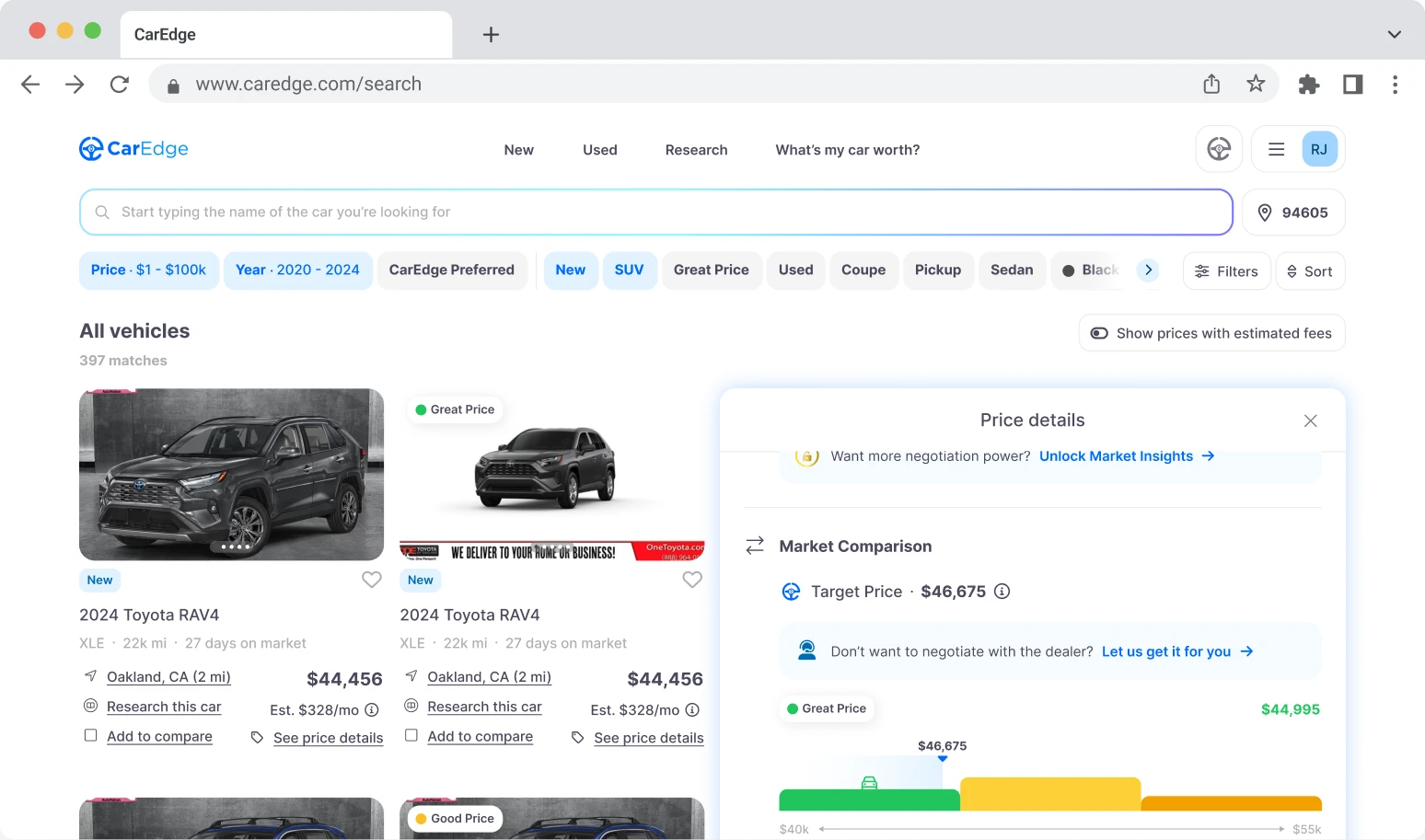

What can I do with CarEdge?
 CarEdge Insights
What can I do with CarEdge?
Get access to exclusive information so you can make an informed car buying decision — all in one place.

Find a wide range of vehicle listings with market insights on new and used listings near you.
Track your vehicle’s value and cash in when the time is right to sell.

Access to our proprietary data to help you find the right car, at the right price. Find these unlocked on every listing after subscribing.

With our expert-led, tech-enabled car buying service, we will locate, negotiate, and deliver your vehicle so you can get a new car hassle free.


Help us personalize your CarEdge experience — it only takes a second.
Your answers help us personalize your CarEdge journey — we’ll follow up with tips and next steps that match your buying timeline.

A major milestone is fast approaching in the auto market: the average new car selling price is about to surpass $50,000 for the first time. After years of rising MSRPs, stubbornly high interest rates, and climbing insurance costs, drivers are feeling the pressure from every angle. However, there are still ways to find value if you know where to look. Here’s why industry experts are confident that new car prices will reach this unfortunate milestone in 2025, and what car buyers can do to still come out on top.
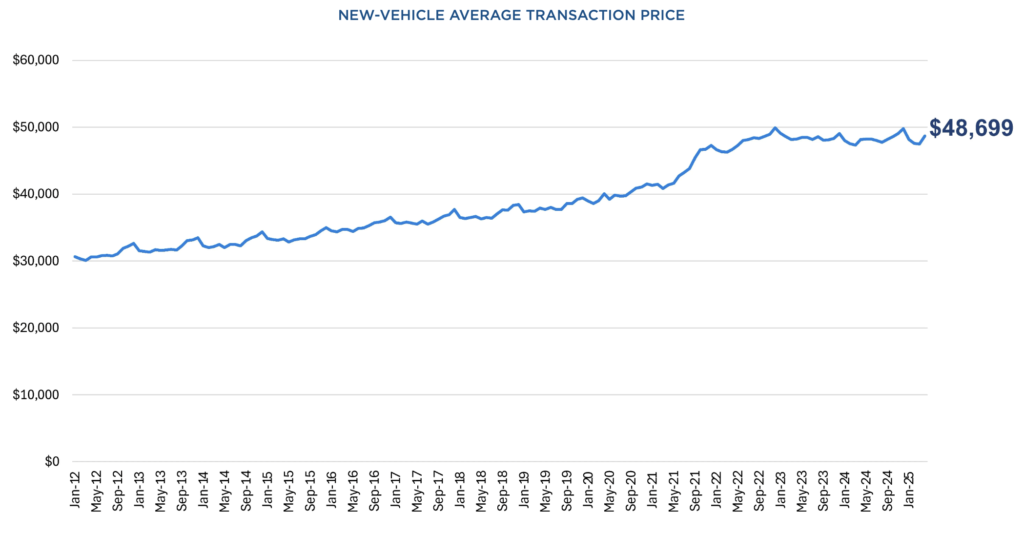
According to the latest data from Cox Automotive, the average new car transaction price currently sits at $48,699, just shy of the December 2022 peak of $49,929. Car price inflation has been unstoppable since the COVID-19 pandemic. While prices cooled slightly at times in 2023 and 2024, two key developments are pushing them back up again:
1. 2026 model year pricing is arriving, and most prices are marching higher.
2. Tariffs on imported vehicles are beginning to trickle into pricing. Even American-made cars are being hit as global supply chains prove tough to adapt to the new trade landscape. In response, automakers like Subaru and Ford have already announced mid-year price hikes. We could see more sneaky price increases from other brands this summer.
It’s important to remember: the $50,000 figure is just an average. There are still dozens of new cars for sale under $30,000 in 2025, though the number is shrinking. The last new car under $20,000, the Nissan Versa, is being discontinued after this year. If you’re shopping with a tighter budget, check out our list of new cars under $25,000 in 2025.
Not all cars are getting more expensive in 2025. In fact, a few are seeing price cuts. Let’s take a look at where there’s wiggle room, and where prices continue to rise.
Prices aren’t rising evenly across the market. In fact, some of the biggest increases are hitting the most budget-conscious buyers.
Prices are rising fastest for these cars:
These cars are holding steady (for now):
If you’re buying a car this summer, all hope is not lost. With inventory rising for certain brands and models, some cars and trucks are more negotiable than others. Our data tools make it easy to spot where the deals are. Check out CarEdge Pro to see how you can find the most negotiable new and used cars in your area. Ready for pros to take the wheel? Let us negotiate on your behalf to help you save thousands.
“This isn’t the time to walk into a dealership unprepared,” says Ray Shefska, Co-Founder of CarEdge. “Car prices are high, interest rates are brutal, and insurance isn’t letting up. But there are deals to be had if you know where to look — and how to negotiate. That’s what we help people do every day.”
It’s also important to remember that price is just one part of the equation. New car loan rates remain near 30-year highs, averaging around 9% APR, while used car loans hover around 14% APR. On top of that, auto insurance rates jumped 15% in 2024 and are still climbing. That’s why it’s essential to factor in the total cost of ownership, not just the sticker price. Use our free CarEdge cost of ownership tools to get the full picture before you buy.
We’ll be watching the market closely this summer and will keep you posted as prices continue to evolve. Hopefully we’re wrong, but all signs point to the $50,000 average becoming the new normal sometime in 2025.
From 0% financing to zero-down leases, June 2025 is shaping up to be a surprisingly strong month for new car deals. Despite pressure from tariffs and the arrival of fresh 2026 models, these automakers are stepping up to lure in buyers. In fact, a few early Fourth of July promotions are already live.
Let’s dive into this month’s top offers.

0% APR for 60 months plus $1,750 bonus cash
Nissan’s Summer Sales Event is finally delivering the goods. In addition to 0% APR, buyers can opt for 1.9% APR for 72 months — still a fantastic offer.
Looking to lease? Nissan is advertising $299/month for 39 months with $4,329 due for the Rogue Platinum AWD.
👉 See local Nissan Rogue listings with pricing insights
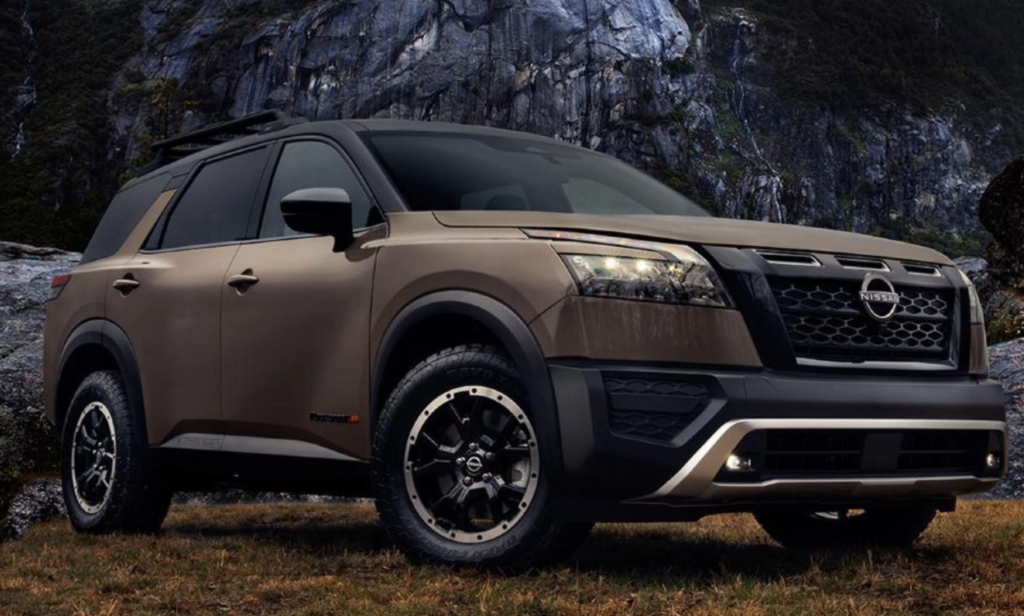
0% APR for 60 months plus $1,000 bonus cash
This is one of the best deals available on a three-row SUV this month. Like the Rogue, Nissan’s 1.9% APR for 72 months is also available if you need a longer term.
👉 See local Nissan Pathfinder listings with pricing insights
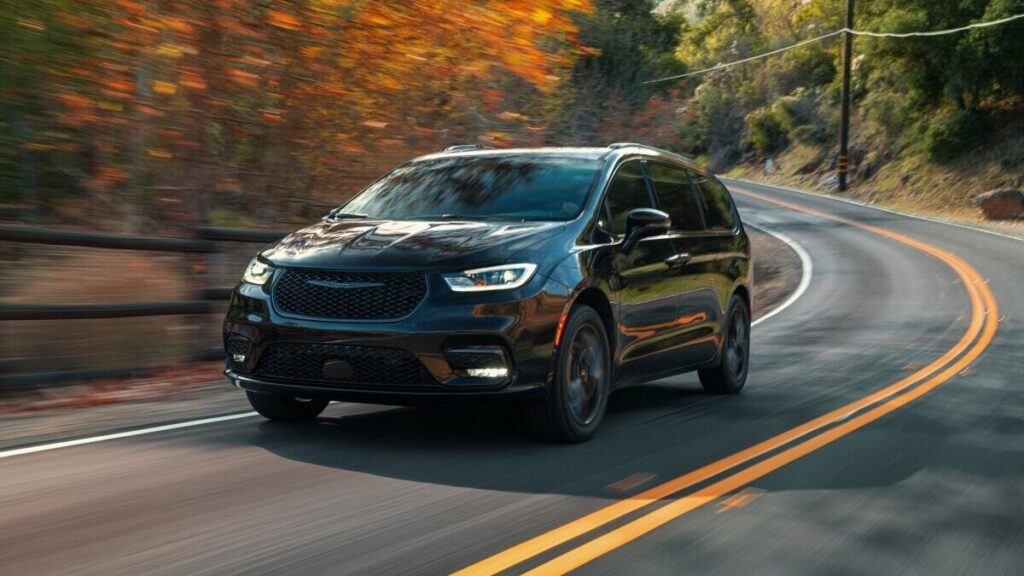
0% APR for 72 months
With seating for up to eight and the efficiency of a plug-in hybrid, this is a family-focused minivan deal. Chrysler is also offering a lease at $499/month for 36 months with $4,449 due at signing. Don’t expect incentives like this on a minivan from Toyota or Honda!
👉 See local Chrysler Pacifica listings with pricing insights
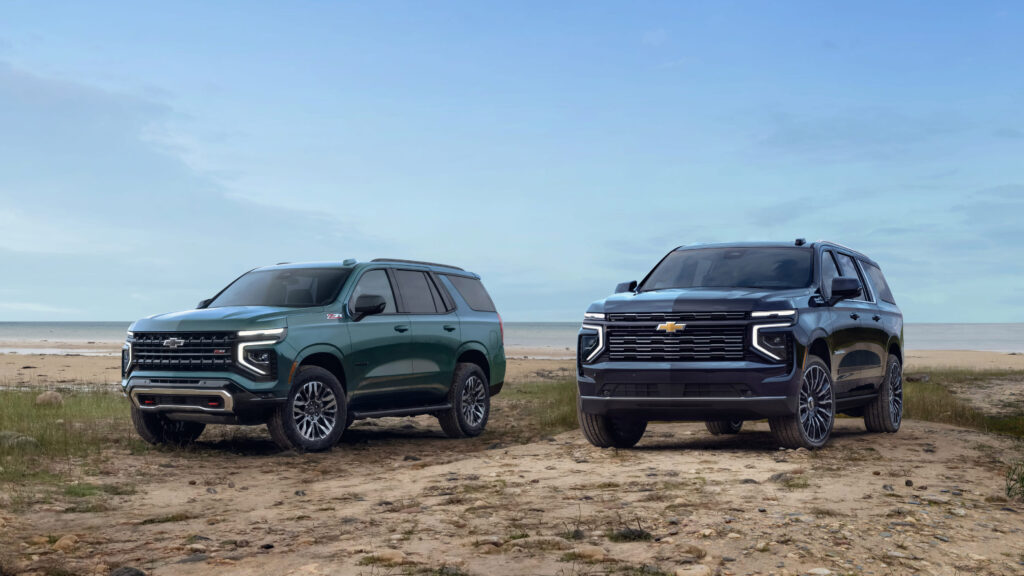
0% APR for 60 months
Chevy still has around 200 of the outgoing 2024 Tahoes to move. With 0% APR financing, this is a rare opportunity to score a deal on one of America’s most popular full-size SUVs.
👉 See local Chevrolet Tahoe listings with pricing insights

Zero-down lease deal
GM is offering current lessees of 2020+ models a $297/month lease with $0 down, $0 first month, and $0 security deposit. Others can still get in with $2,250 due at signing. This is one of just two true zero-down lease deals this month.
👉 See local Buick Encore GX listings with pricing insights
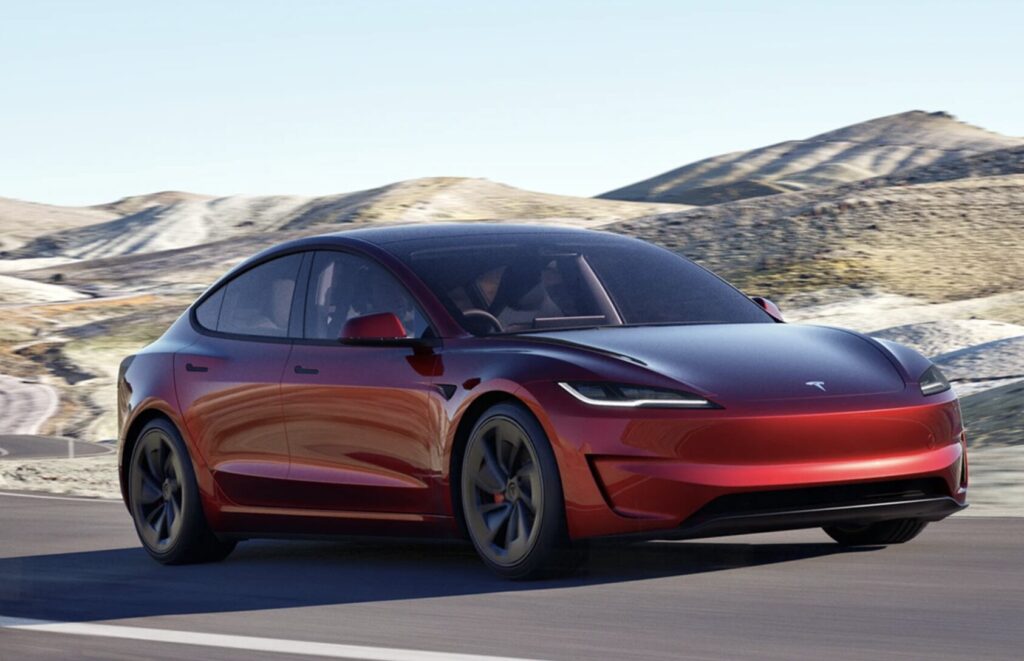
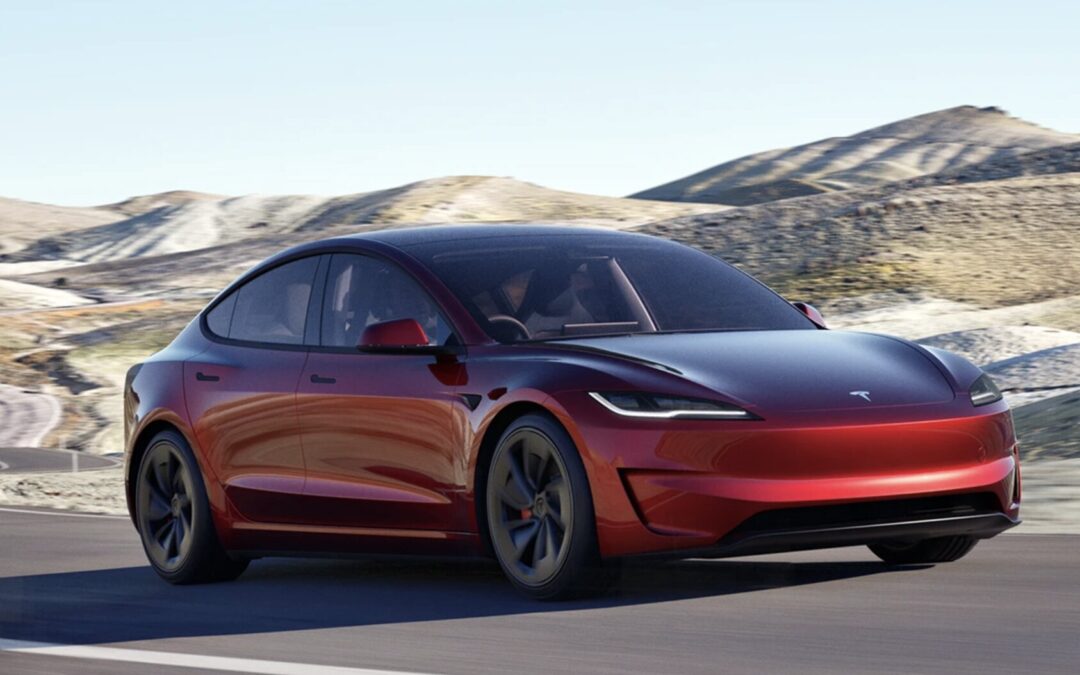
0% APR financing for 60 months, or lease the Model 3 for 24 months with $0-down and $349/month.
Just a few years ago, we’d never expect to see a Tesla with 0% financing or zero-down leases. But in June 2025, this Model 3 deal is one of the best in the EV segment, especially considering Tesla’s low maintenance costs and premium tech.
👉 Configure your Tesla Model 3, or see used Model 3 listings near you

1.9% APR for 72 months
No tricks here! Stellantis is offering 1.9% APR regardless of down payment, so buyers with solid credit can finance this full-size truck for less. Truck deals like this are usually only for last year’s model, but not this time.
👉 See local Ram 1500 listings with pricing insights
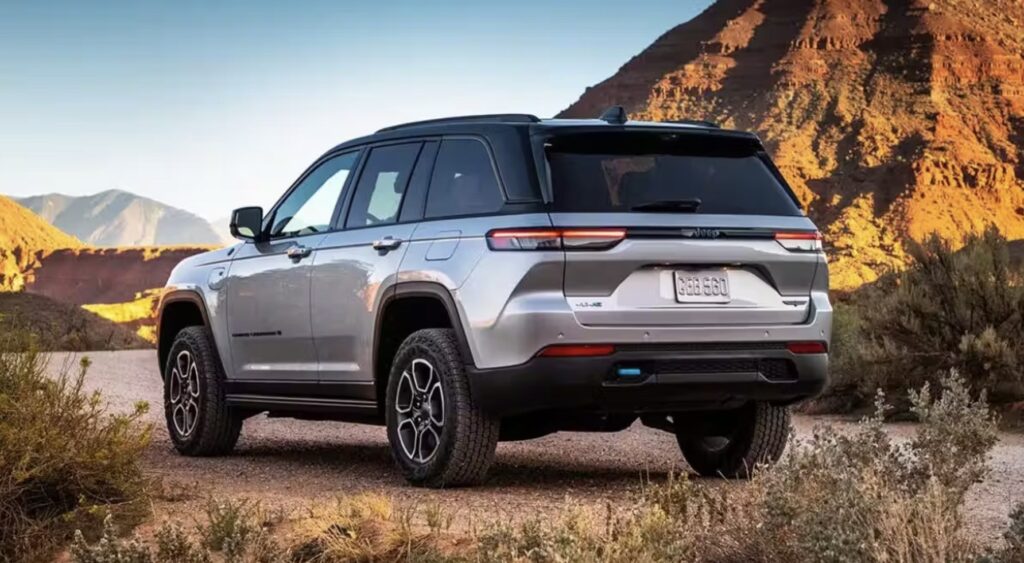
1.9% APR for 72 months
While Jeep is pushing employee pricing, the 1.9% APR financing will save more for most buyers. This hybrid SUV has plenty of inventory, so deals should be negotiable.
👉 See local Jeep Grand Cherokee 4xe listings with pricing insights
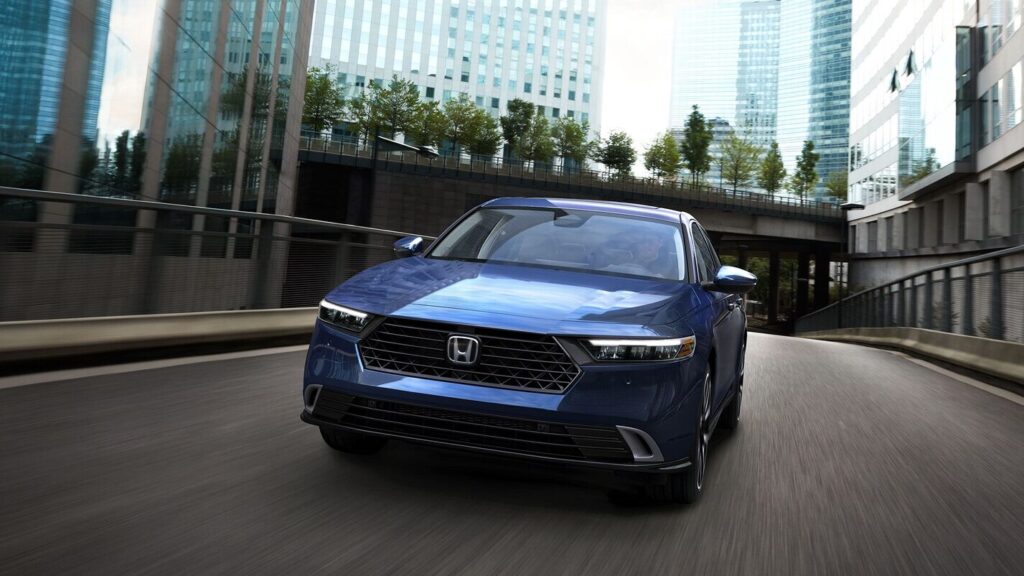
2.99% APR for 60 months, or lease from $249/month for 36 months with $3,699 due.
A sub-3% interest rate is rare for Honda, especially on the Accord. This midsize sedan offers exceptional value, reliability, and low total cost of ownership.
👉 See local Honda Accord listings with pricing insights
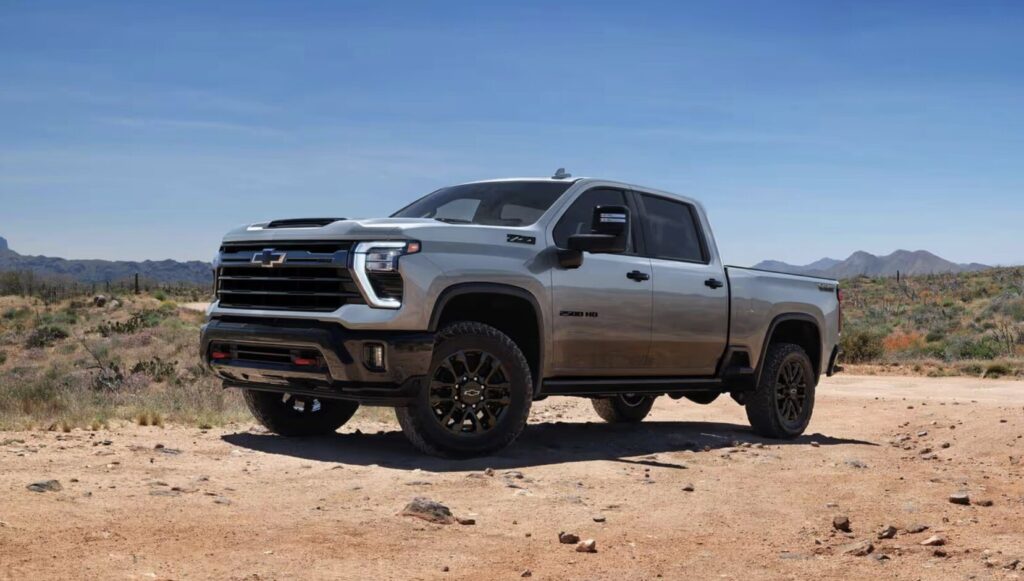
$6,500 cash back with trade-in or lease from $429/month with $3,369 due
Truck shoppers take note: Chevy’s cash back offer equals nearly 10% off MSRP, and the lease is highly competitive. Compared to Ford’s employee pricing deals, the Silverado is clearly the better value in June.
👉 See local Chevrolet Silverado 1500 listings with pricing insights
From 0% APR on SUVs to rare zero-down lease offers, June 2025 presents a golden opportunity for summer buyers and lessees prepared to act quickly. With fresh 2026 pricing arriving and tariffs adding uncertainty, we don’t expect these deals to last beyond the Fourth of July.
Want expert help navigating these deals?
Get the insider pricing, expert negotiation, and peace of mind you deserve.
👉 Have experts negotiate your car deal
👉 Prefer DIY negotiation? Use CarEdge Pro to know what to pay
Each week, CarEdge rounds up the latest mainstream vehicle recalls so you don’t have to dig through the fine print. All recall data is sourced directly from the National Highway Traffic Safety Administration (NHTSA).
If you’re not sure whether your car has an open recall, check right now using the NHTSA recall lookup tool — all you need is your VIN.

Issue: The center information display may go blank when shifting into reverse, violating FMVSS 111 on rear visibility.
Remedy: Nissan dealers will update the display software free of charge. Owner notification letters are expected to be mailed by July 1, 2025.
See if your Nissan is included in this recall.

Issue: A software issue may impact the dashboard infotainment system and rear camera function.
Remedy: Dealers will push out an over-the-air software update. Ford will begin mailing safety notifications by June 16, 2025, with a second letter to follow when the fix is ready.
See if your Ford or Lincoln vehicle is included in this recall.

Issue: Moisture can enter the reverse light assembly and cause light failure.
Remedy: Dealers will replace both reverse light assemblies and repair wiring as needed, free of charge. Notification letters will be mailed starting June 30, 2025. For more help, contact Toyota at 1-800-331-4331.
See if your Toyota Tundra is included in this recall.

Issue: A software bug may distort the rearview camera image when reversing, failing FMVSS 111 standards.
Remedy: Dealers will update the camera software at no cost. Letters to owners will begin mailing July 18, 2025. VW customer service can be reached at 1-800-893-5298.
Check if your Atlas or Atlas Cross Sport is impacted by this recall.
Even a minor recall can impact your safety. Always check your vehicle’s recall status by entering your VIN at the NHTSA Recall Lookup. If you’re car shopping, don’t forget that CarEdge Car Search shows you open recalls before you buy, so you can make an informed decision.
Check out car listings with recall information, local market insights, and more →

The summer car buying season is here, but June 2025 brings new challenges that could trip up even seasoned shoppers. Between the expiration of Memorial Day deals, tariff-induced price hikes, and the arrival of 2026 models, buyers need to play it smart this month.
If you’re shopping for a new or used car in June, here’s how to stay in control of your deal, and ultimately save more while stressing less.
Most Memorial Day offers, including 0% APR financing and cash incentives, officially end on June 2. If you’re hoping to lock in a deal you saw in May, don’t wait.
After that, expect automakers to scale back incentives. With tariffs pressuring profit margins and interest rates creeping up again, many brands are already pulling back on generous financing and lease offers.

Pricing strategies are all over the map right now, and it’s creating confusion for buyers. Recent pricing announcements show that automakers are still figuring out how to navigate ongoing 25% tariffs on auto imports:
While some automakers are trying to keep buyers engaged, others are already adjusting prices in anticipation of tighter margins.
On May 28, a federal court put the Trump administration’s proposed reciprocal tariffs on hold, offering a brief reprieve in the broader trade fight. However, it’s important to note that this ruling does not affect the ongoing 25% tariffs on imported vehicles and parts, which remain in full effect.
These tariffs continue to put pressure on automakers that rely heavily on imports. Brands most affected include:
Meanwhile, automakers with large U.S. production footprints (such as Toyota, Honda, Ford, and General Motors) are somewhat more insulated, although they still face higher costs for imported components.
👉 New: The Best (and Worst) American-Made Cars and Trucks
The takeaway? Tariff-driven cost increases are still rippling through the market, especially for brands with global supply chains. Price hikes may continue as automakers adjust to these lasting headwinds.
Use our free Tariff Checker to see which cars are directly impacted
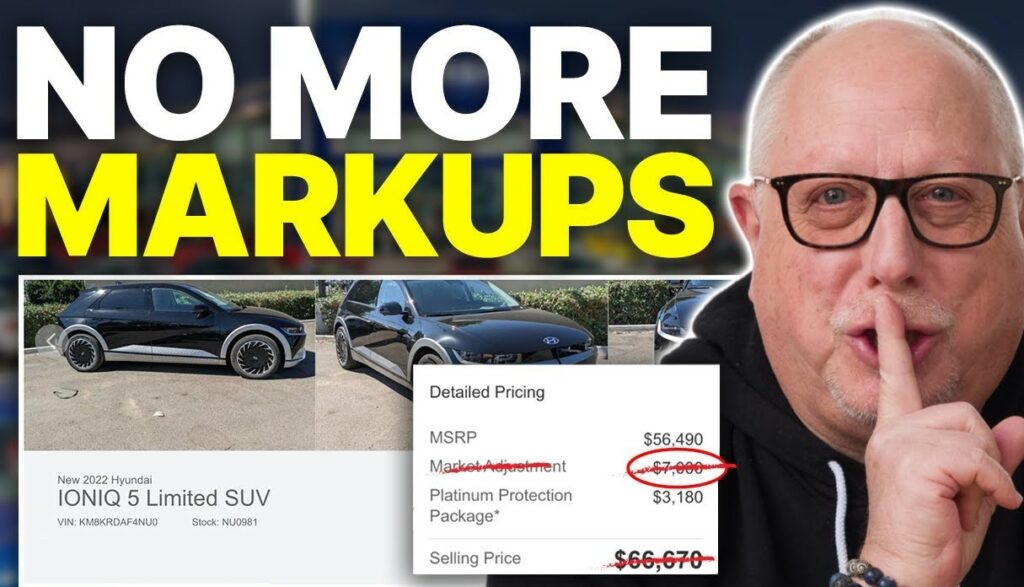
Cheap lease deals and 0% financing are fading. Interest rates remain near 30-year highs, and with bond market volatility, we’re seeing rates drift even higher.
That said, not all segments are affected equally. Automakers are more likely to incentivize vehicles they need to move, including:
Use tools like CarEdge Pro to zero in on the most negotiable cars near you.
After a frenzy of spring buying, new car inventory is finally creeping up. According to CarEdge Pro, market day supply jumped 15% from early April to late May, going from 72 to 83 days.
But it’s not an even playing field:
Here’s a look at new car inventory for the top 20 car and truck brands in America. Brands with a higher inventory (as measured by market days of supply) are more likely to offer the best deals in June, along with having the most negotiable prices:
| Brand | Days of Market Supply | Cars For Sale | Negotiability Score | Average Selling Price |
|---|---|---|---|---|
| Toyota | 37 | 289,117 | Low | $43,366 |
| Ford | 109 | 492,443 | High | $53,551 |
| Chevrolet | 75 | 308,835 | Average | $48,101 |
| Honda | 61 | 194,477 | Below Average | $37,898 |
| Nissan | 111 | 177,222 | High | $33,488 |
| Hyundai | 122 | 229,928 | High | $36,768 |
| Kia | 80 | 156,788 | Average | $36,401 |
| Subaru | 86 | 113,548 | Average | $36,192 |
| GMC | 93 | 138,937 | Above Average | $65,559 |
| Jeep | 119 | 139,449 | High | $48,439 |
| Ram | 139 | 115,170 | High | $60,992 |
| Mazda | 127 | 109,159 | High | $37,019 |
| Volkswagen | 113 | 66,458 | High | $37,045 |
| BMW | 83 | 58,463 | Average | $76,057 |
| Lexus | 38 | 40,210 | Low | $61,475 |
| Mercedes-Benz | 109 | 82,593 | High | $79,714 |
| Audi | 143 | 49,687 | High | $66,087 |
| Buick | 82 | 38,474 | Average | $35,629 |
| Cadillac | 101 | 45,727 | High | $77,527 |
| Dodge | 97 | 17,746 | Above Average | $50,100 |
We’re approaching a symbolic milestone: the average transaction price is nearing $50,000, according to Cox Automotive. It’s hovered just below that figure multiple times in the past three years. June or July are likely to be the month we finally cross that line.
Why? 2026 models are arriving, and with them come modest price increases. Our recent analysis of 2026 pricing shows that MSRP hikes remain the norm, not the exception.
With prices rising, incentives drying up, and market conditions shifting fast, having a solid strategy is more important than ever. Here’s how to shop confidently and get the best possible value in today’s market.
When you think of American-made cars and trucks, you might picture muscle cars, pickup trucks, and 3-row SUVs. But not all vehicles built in the U.S. are created equal. At CarEdge, we’ve analyzed the latest data from CarEdge Research and Consumer Reports to highlight which American-assembled models are worth your money in 2025, and which are best avoided. No matter what you’re shopping for, this list will help you separate the winners from the letdowns.
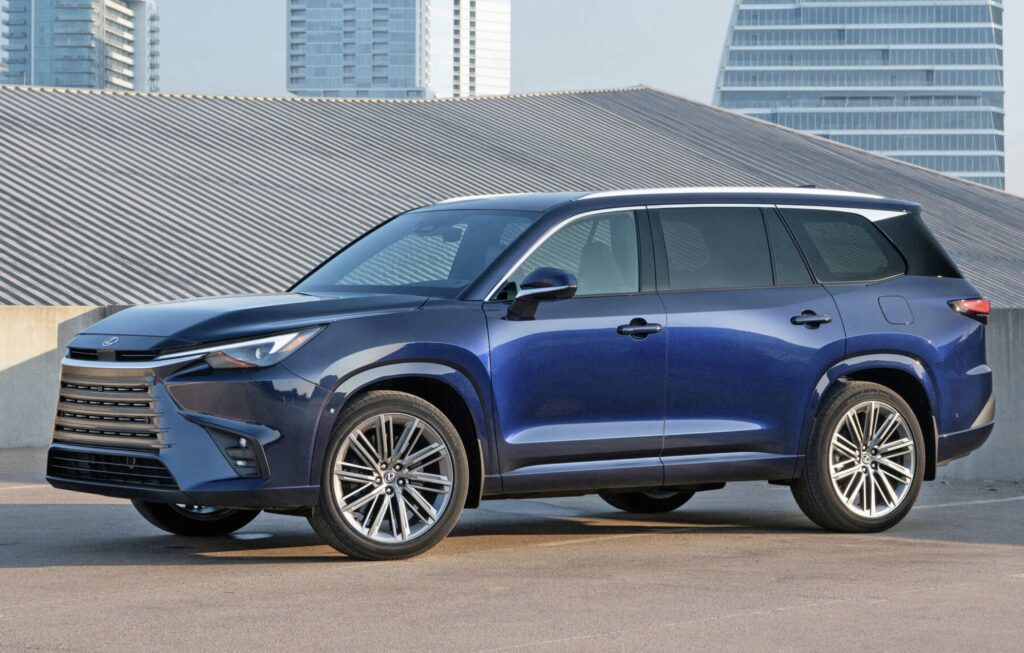
It’s surprising to see only one of the Big Three automakers represented here. Aside from a lone Cadillac, General Motors, Ford, and Stellantis (CDJR) are missing from the list of the most recommendable American-made cars. While it’s no shock that Toyota and Honda dominate, many might not realize that much of their top-selling inventory is built right here in the United States.
Without further ado, here are the 10 best American-made cars in 2025:
Where It’s Made: Princeton, Indiana
CarEdge Value Rating: A+
Consumer Reports Overall Score: 85
Why It’s Great: Owners praise the smooth ride, luxurious interior, and impressive MPG for a vehicle of its size.
Where It’s Made: Greensburg, Indiana
CarEdge Value Rating: A
Consumer Reports Overall Score: 78
Why It’s Great: Drivers love its comfort, flexibility, and low cost of ownership.
Where It’s Made: Lafayette, Indiana
CarEdge Value Rating: A
Consumer Reports Overall Score: 80
Why It’s Great: Many drivers appreciate the ride height and versatility, especially in snowy or rainy areas.
Where It’s Made: Marysville, Ohio
CarEdge Value Rating: A
Consumer Reports Overall Score: 75
Why It’s Great: Owners love its responsive turbo engine and upscale interior at a competitive price point.
Where It’s Made: San Antonio, Texas
CarEdge Value Rating: A-
Consumer Reports Overall Score: 82
Why It’s Great: Drivers often highlight how comfortable and fuel-efficient the Camry is for daily commuting, especially with a hybrid powertrain now standard.
Where It’s Made: Marysville, Ohio
CarEdge Value Rating: A-
Consumer Reports Overall Score: 78
Why It’s Great: Owners say it feels more premium than its main competitor, the Toyota Camry.
Where It’s Made: West Point, Georgia
CarEdge Value Rating: A-
Consumer Reports Overall Score: 76
Why It’s Great: Drivers like the sporty design and user-friendly tech inside the cabin for well under $30,000. The K5 was recently joined by the similar but smaller K4, which replaces the Forte in the lineup.
Where It’s Made: Marysville, Ohio
CarEdge Value Rating: A-
Consumer Reports Overall Score: 73
Why It’s Great: Owners enjoy its agility and the available manual transmission, a rarity in 2025.
Where It’s Made: Lafayette, Indiana
CarEdge Value Rating: B
Consumer Reports Overall Score: 85
Why It’s Great: Owners highlight the Outback’s practicality, comfort, and confidence in all driving conditions. However, it’s not as fuel efficient as many competitors.
Where It’s Made: Lansing, Michigan
CarEdge Value Rating: B
Consumer Reports Overall Score: 70
Why It’s Great: Drivers appreciate its powerful engine choices and luxurious highway ride.
When it comes to the worst American-made cars in terms of reliability, driver satisfaction, and overall value, Stellantis takes the crown. However, General Motors and Ford aren’t far behind. Here are the ‘Made in America’ cars we can’t recommend in 2025:
Where It’s Made: Detroit, Michigan
CarEdge Value Rating: F
Consumer Reports Overall Score: 52
What drivers say: Owners frequently report quality control issues and reliability concerns, despite liking the SUV’s design and off-road potential.
Where It’s Made: Arlington, Texas
CarEdge Value Rating: F
Consumer Reports Overall Score: 59
What drivers say: While praised for its size and towing, many drivers complain about high ownership costs.
Where It’s Made: Detroit, Michigan
CarEdge Value Rating: F
Consumer Reports Overall Score: 63
What drivers say: Durango owners say the V8 is fun, but outdated tech and frequent maintenance needs are major downsides.
Where It’s Made: Warren, Michigan
CarEdge Value Rating: F
Consumer Reports Overall Score: N/A
What drivers say: Many drivers love the luxury features but are disappointed by poor fuel economy and persistent reliability issues.
Where It’s Made: Louisville, Kentucky
CarEdge Value Rating: F
Consumer Reports Overall Score: N/A
What drivers say: Owners enjoy the spacious cabin but report frustrating issues with infotainment and build quality.
Where It’s Made: Smyrna, Tennessee
CarEdge Value Rating: D+
Consumer Reports Overall Score: 55
What drivers say: Some appreciate the affordable EV entry point, but many express dissatisfaction with range limitations and outdated charging tech. It’s basically 2012 technology in a 2025 model.
Where It’s Made: Tuscaloosa, Alabama
CarEdge Value Rating: D+
Consumer Reports Overall Score: 56
What drivers say: While luxurious, the American-built GLE is often criticized for inconsistent quality and expensive repairs.
Where It’s Made: Canton, Mississippi
CarEdge Value Rating: D
Consumer Reports Overall Score: N/A
What drivers say: Owners describe it as comfortable but outdated for the near-luxury price point. However, the 2025 refresh may change that. It’s too soon to tell.
Where It’s Made: Arlington, Texas
CarEdge Value Rating: D-
Consumer Reports Overall Score: 56
What drivers say: Escalade owners love the presence and luxury but report recurring electronic issues and poor fuel economy. Expect a very high total cost of ownership.
Where It’s Made: Chicago, Illinois
CarEdge Value Rating: D-
Consumer Reports Overall Score: 56
What drivers say: Drivers say it looks and feels luxurious, but real-world reliability and frequent service visits are a common complaint.
Also 👉 Every Car, Truck, and SUV Built in America
Cars like the Lexus TX and Honda CR-V prove that reliability, comfort, and affordability can come from domestic factories. On the other hand, models like the Jeep Grand Cherokee and Cadillac Escalade show how costly ownership and reliability issues can outweigh even the flashiest features. Before you buy, check whether your next car truly delivers on value, no matter where it’s built.
For the most-trusted car buying help in America, check out CarEdge Concierge, now featuring more affordable options. Or, learn more about DIY car buying tools to save time, money, and hassle when you buy or lease.