
CarEdge saved me over 4,500 dollars on a brand new Honda Pilot. I can't say thank you enough.
Price intelligence
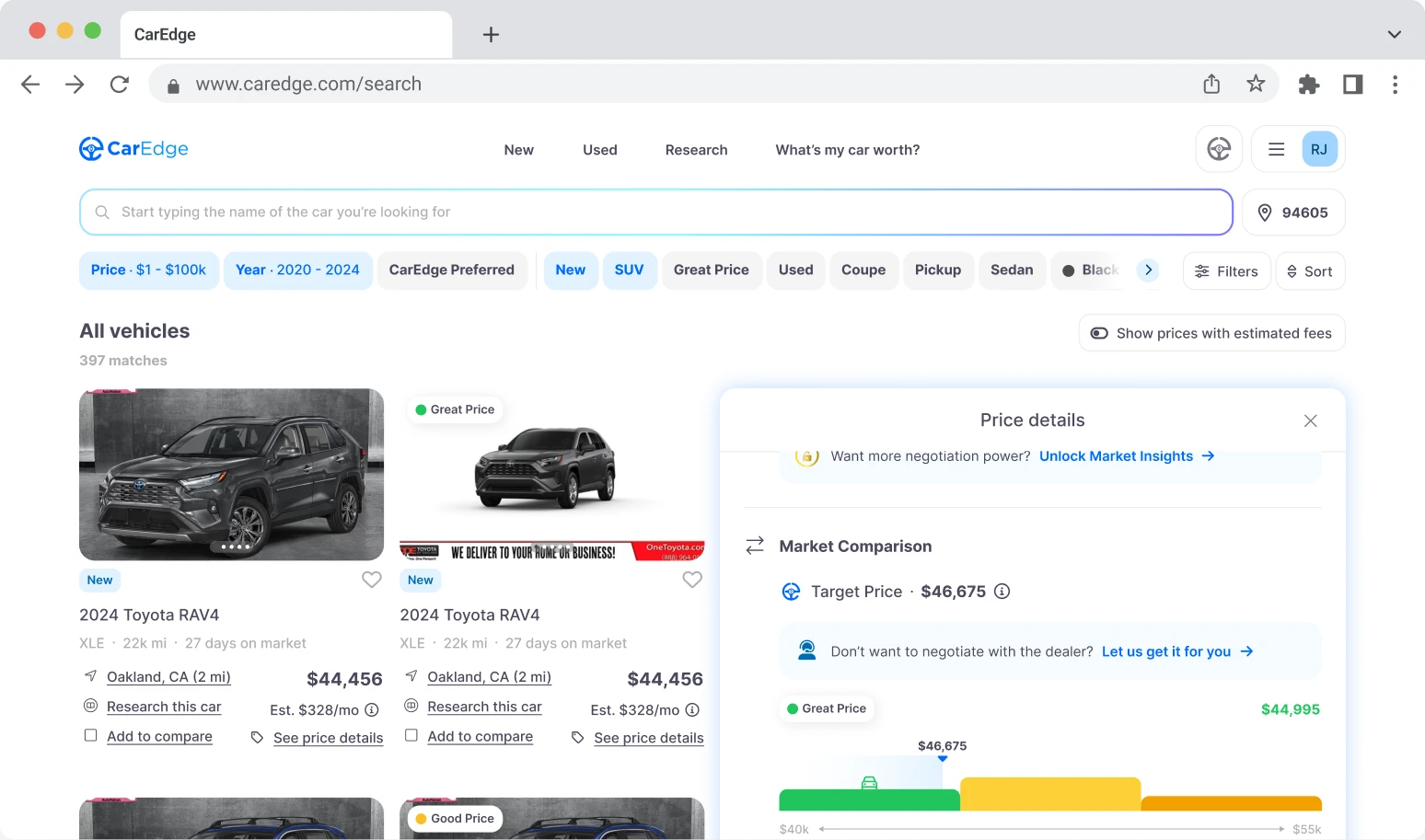
Find a wide range of vehicle listings with market insights on new and used listings near you.

What can I do with CarEdge?
 CarEdge Insights
What can I do with CarEdge?
Get access to exclusive information so you can make an informed car buying decision — all in one place.

Find a wide range of vehicle listings with market insights on new and used listings near you.
Track your vehicle’s value and cash in when the time is right to sell.

Access to our proprietary data to help you find the right car, at the right price. Find these unlocked on every listing after subscribing.

With our expert-led, tech-enabled car buying service, we will locate, negotiate, and deliver your vehicle so you can get a new car hassle free.


Help us personalize your CarEdge experience — it only takes a second.
Your answers help us personalize your CarEdge journey — we’ll follow up with tips and next steps that match your buying timeline.
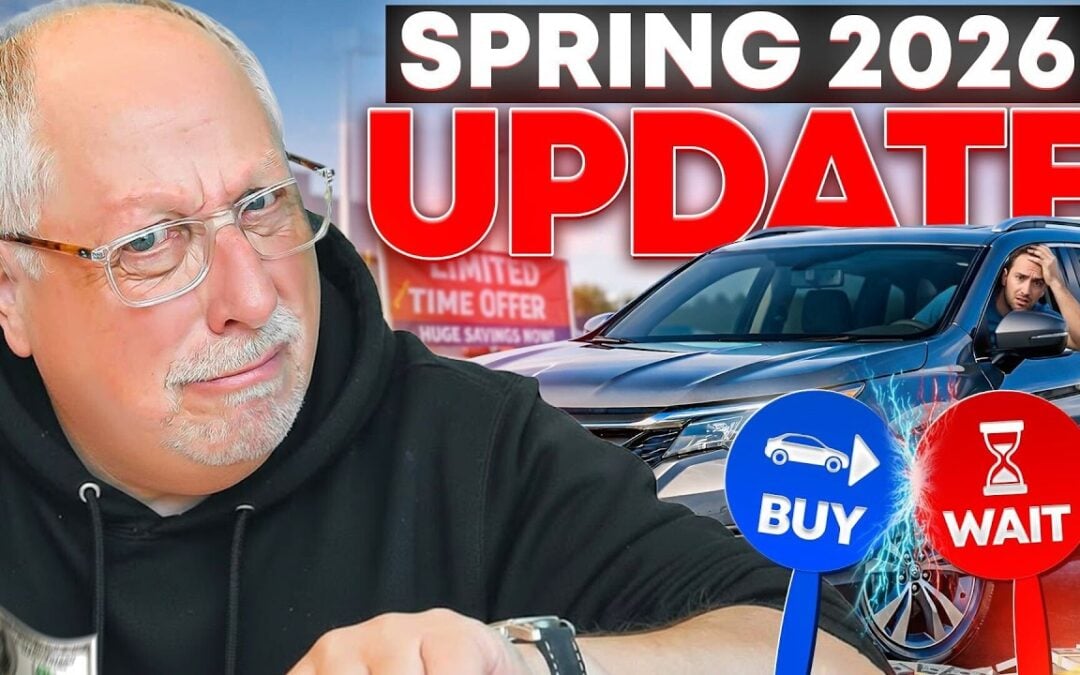
If you’re planning to buy a new or used vehicle this spring, understanding the current state of the car market is essential. With average new car prices hovering near $50,000, used car interest rates exceeding 10%, and wildly different inventory levels across brands and regions, the landscape is anything but simple.
Here’s a comprehensive breakdown of the new and used car markets for spring 2026, including where the deals are, which brands give you the most leverage, and whether now is the right time to buy or sell.
The average transaction price for a new car is now almost $50,000. That staggering figure has a ripple effect across the entire market. Fewer consumers can afford to participate, and those who can are increasingly willing to stretch their budgets. In fact, 20% of new car buyers are now taking on monthly payments of $1,000 or more—a number that becomes even more alarming when you factor in insurance costs that can add another $300 to $500 per month.
The result? Automakers are essentially appealing to a shrinking pool of buyers who can actually afford these vehicles, while a growing number of consumers are being priced out of the new car market entirely.
One of the most important metrics to understand before walking into a dealership is market day supply. Currently, the nationwide new car market day supply sits at 98 days, meaning it would take more than three months to sell all available inventory at the current sales pace. Dealers have roughly 2.7 million new cars in stock.
A 98-day supply is relatively high compared to the pandemic era when inventory was severely constrained. Generally speaking, the higher the day supply, the more leverage you have as a buyer.
But there’s a nuance: not all brands are on the same page.
The differences in inventory across brands are dramatic, and they directly impact how much room you have to negotiate:
What constitutes a “great deal” is entirely relative. A great deal on a Lexus might mean paying MSRP with no added fees, while a great deal on a Volkswagen could mean thousands off the sticker price. Especially for the slowest-selling car in America.
Inventory levels also vary significantly by state. For example, Maine has a 114-day supply of new cars, while Utah has just a 43-day supply. Your local market dynamics—including regional demand, weather patterns, and dealer competition—will influence the deals available to you.
There’s a silver lining in the spring 2026 new car market. Industry expectations point toward lower overall sales, which should translate to more deals for consumers. Additionally, there are still 580,000 leftover 2025 model year vehicles sitting on dealer lots.
With the Federal Reserve holding steady on interest rates, manufacturers are stepping in with subvented financing rates—think 0%, 0.9%, and 1.9% APR—to move aging inventory. Keep in mind, however, that these promotional rates typically require top-tier credit. As your credit score drops, the rates climb. Here’s what it means to be a well-qualified buyer.
Leasing is also making a comeback. About a quarter of new car customers are now choosing to lease, drawn by advertised payments of $250–$350 per month as a more affordable alternative to buying. The best lease deals of the month include zero-down lease deals, even for a few luxury models.
Overall, the spring 2026 new car market lands in neutral-to-fair territory. It’s neither a strong buyer’s market nor a seller’s market. However, it tilts decidedly toward a buyer’s market for leftover 2025 vehicles, where dealers and manufacturers are eager to clear inventory. For current model year vehicles from popular brands, you’ll need to work harder to secure a meaningful discount.
The average transaction price for a used car in 2026 is $26,000. Used car prices are up 18% over the past five years and 4% year-over-year. While that’s roughly half the cost of a new car, don’t be fooled into thinking used vehicles are affordable. The average interest rate on a used car loan is over 10% APR, which significantly inflates the total cost of ownership and monthly payments. For used car buyers with bad credit, APRs easily top 15%.
The used car market has a 49-day supply of inventory—considerably tighter than the 98-day supply on the new car side. While that’s 5% higher than last year, it’s still lower than the 2022–2024 period. In short, used car inventory remains tight.
One of the most fascinating dynamics in today’s used car market is the K-shaped divergence in vehicle values:
Why is this happening? Many consumers who are priced out of the new luxury car market are turning to pre-owned luxury vehicles instead, driving up demand and values in that segment.
The composition of available used car inventory should give buyers pause:
The quality of used cars available today may be at its lowest level ever in terms of mileage, vehicle condition, and dealer preparation. This makes getting a pre-purchase inspection before buying any used car absolutely essential.
Spring is historically when used car values appreciate, and 2026 is no exception. Auction data shows that used car values have already started appreciating 2–3 weeks earlier than normal. This trend is driven by dealers stocking up on inventory ahead of tax return season and the warmer weather that brings more buyers to dealerships.
This has two important implications:
Unlike the neutral new car market, the used car market tilts toward a seller’s market for spring 2026. Tight inventory, rising prices, seasonal appreciation, and high financing costs all work against buyers. If you must purchase a used vehicle this spring, do your homework on local pricing, get pre-approved for financing to avoid dealer markup on rates, and always get an independent inspection.
Whether you’re buying new or used this spring, the single most important thing you can do is research your specific market. National averages tell one story, but your local brand inventory, regional pricing, and available incentives tell another. Arm yourself with data before you set foot on a dealer lot, and you’ll be in a far stronger position to negotiate.

If you’re thinking about trading in your car, when you do it matters almost as much as what you’re trading in. We’re talking about a difference of several hundred dollars based purely on timing. For high-dollar luxury models, large SUVs, and trucks, the difference can reach into the thousands.
Spring 2026 is almost here, and it happens to be the best time of year to get the most for your trade-in. There are some interesting reasons why dealerships pay more for trade-ins during the spring.
In this guide, we’ll break down exactly why spring is your best window, what makes dealers more generous during this season, and how you can position yourself to get every dollar your car is worth.
Here’s what happens every spring: millions of Americans get their tax refunds, and a significant chunk of that money goes toward buying a car. Usually, tax refunds tend to have a more pronounced impact on the used car market compared to the new car market as budget shoppers head out in droves. This is great news for sellers.
Dealers know this, and they start scrambling for inventory in March to meet the surge in demand.
When dealers need inventory, your trade-in becomes more valuable to them. During tax refund season, the prospect of a buyer walking in to buy your trade-in makes dealers more willing to pay you a fair trade-in value. They’d rather buy your car than have to haul more inventory from dealer auctions to their lot.
Dealers are forward-thinking. By April and May, they’re already preparing for summer, which is traditionally one of the busiest car-buying seasons. Families plan road trips, and people simply feel more optimistic when the weather improves. Most of us are more likely to spend money when we’re in a good mood.
Your trade-in in April isn’t just inventory for today—it’s inventory they’re confident they can move quickly over the next few months. That confidence translates into better offers for you.
👉 Review these trade-in tactics for success, no matter when you’re in the market.
Here’s a reality of the car business: every day your trade-in sits on their lot costs them money. Interest on their floor plan financing, depreciation, and opportunity cost all add up. In the business, we call this ‘floorplanning costs’. In spring, dealers know they can turn your trade-in faster, which means less risk. Less risk means they can afford to pay you more.
Compare that to trading in your car in November when their lot might be full and sales are slowing down. Same car, different value, purely based on how quickly they think they can sell it.
This one’s practical: spring weather makes used cars look better and sell faster. Your car is cleaner, buyers can actually inspect it without freezing or getting soaked, and test drives are more pleasant.
Convertibles and sports cars particularly benefit from spring timing—nobody’s excited about a convertible in January, but in April? That’s a different story. Even for regular sedans and SUVs, warmer weather means more foot traffic at dealerships and more impulse purchases.
The spring selling season doesn’t end on June 1st. Early summer continues to be a strong time for trade-ins, though you start to see the window closing as July progresses.
Come June, many families realize that their current vehicle isn’t going to cut it for that big road trip they’ve been planning. SUVs and minivans move quickly during this period. If your vehicle fits that profile, June can be just as good as April.
High school and college graduations create a wave of first-time car buyers in May and June. Parents who promised their kid a car after graduation are shopping, and young adults entering the workforce need transportation. This is definitely more noticeable on the used car market.
By late July, dealers start shifting their focus beyond the summer rush. They’re less interested in taking on trade-ins because they’re trying to clear space for incoming vehicles for the next model year. After all, those typically arrive around autumn. Your trade-in value starts dropping not because your car got worse, but because dealer priorities changed.
If you’re considering a summer trade-in, get it done before the Fourth of July for best results.
These are the worst months for trade-in value. Dealer lots are quieter, buyers are focused on holiday expenses, and bad weather keeps people home. Dealers also know that anyone trading in during these months probably needs to, which weakens your negotiating position.
Winter weather also works against you. Road salt, dirty conditions, and gray skies make every used car look worse than it actually is. It’s silly, but it’s true (especially if you live in a cold climate).
During this period, dealers are laser-focused on moving current-year new inventory before next year’s models arrive. They’re already drowning in cars and the last thing they want is your trade-in adding to the pile. You’ll get lowball offers simply because they don’t have room or attention for your vehicle.
Post-holiday periods are tough because buyers have tapped out their budgets on gifts, travel, and celebrations. Fewer buyers means dealers need less inventory, which means lower trade-in offers for you.
1. Get your car in good shape
Don’t wait until April to think about this. Take February and early March to get your car in the best possible condition:
2. Get multiple offers online
This should be done when you’re finally ready to trade-in. Before you accept any offer, be sure to compare offers from multiple buyers, such as:
Spring timing works in your favor because all of these buyers are competing for the same limited inventory. Use that competition.
3. Time it right
The sweet spot is mid-March through May. Early enough that you’re ahead of the summer rush, but late enough that tax refunds are flowing and dealers are in a mood to buy.
Memorial Day weekend can still work, but you’re cutting it close. After that, you’re into the gradual decline of summer.
4. Consider your vehicle type
Some vehicles have their own timing:
Getting the most for your trade-in is about understanding basic supply and demand. When dealers need inventory and have confidence they can sell it quickly, they pay more for trade-ins. Spring offers that perfect combination of tax refund money, optimistic buyers, good weather, and dealer demand.
If you’re planning to trade this year, start preparing your vehicle now. Get it cleaned up, gather your paperwork, and plan to gather some official offers soon. The difference between trading in during the best month versus the worst month can easily be $1,000–$2,000 on a typical vehicle.
Your car isn’t getting any younger, but at least you can control when you trade it in. Make spring 2026 work for you.
👉 Use this trade-in checklist to avoid mistakes and get the best deal
Luxury vehicles are packed with features and performance, but not all of them are built to last. In fact, luxury models tend to rank lower for reliability than their more affordable counterparts. That doesn’t quite make sense, does it? Often, the saying ‘you get what you pay for’ couldn’t be further from the truth.
With repair costs climbing and technology becoming more complex every year, reliability matters more than ever in 2026. Which luxury cars are most reliable in 2026? To answer this question, we can take a look at the luxury sedans, crossovers, and SUVs with the highest reliability scores from Consumer Reports. There are some clear winners.
Here are the most reliable luxury cars and SUVs this year, and what the numbers really mean for buyers.
Consumer Reports bases its reliability ratings on data from hundreds of thousands of vehicle owners. CR tracks reported issues across multiple categories — including powertrains, electronics and infotainment, and more.
Each vehicle receives a predicted reliability score based on historical data, recent redesigns, and reported trouble areas. A higher score means fewer expected problems.
But reliability is only part of the equation. Depreciation, resale value, and ownership costs matter too, and sometimes the most reliable vehicle isn’t the one that makes the most financial sense long term.
For a more complete picture of how these reliable luxury vehicles affect your wallet, we’ve included expected 5-year depreciation for each model. Let’s dive in.
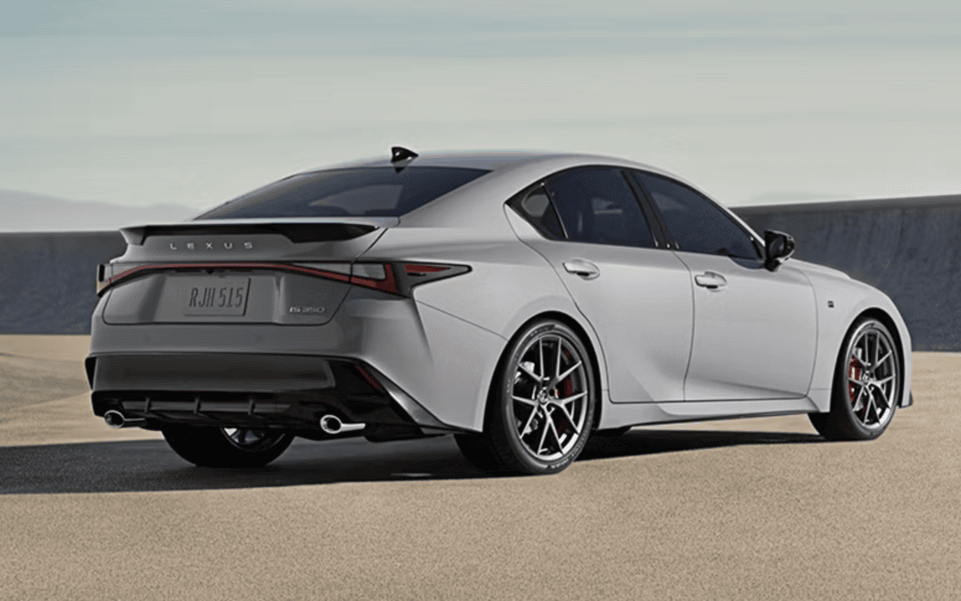
Consumer Reports Reliability Score: 84/100
CarEdge Projected Depreciation: 41% over 5 years
The Lexus IS stands at the top of the luxury sedan rankings this year. Its strong reliability score isn’t surprising. Lexus continues to rely on proven powertrains and incremental updates rather than risky overhauls.
From a financial standpoint, projected depreciation of 41% over five years is competitive for a luxury sedan. That balance of durability and value retention makes the IS one of the safest bets in this segment.
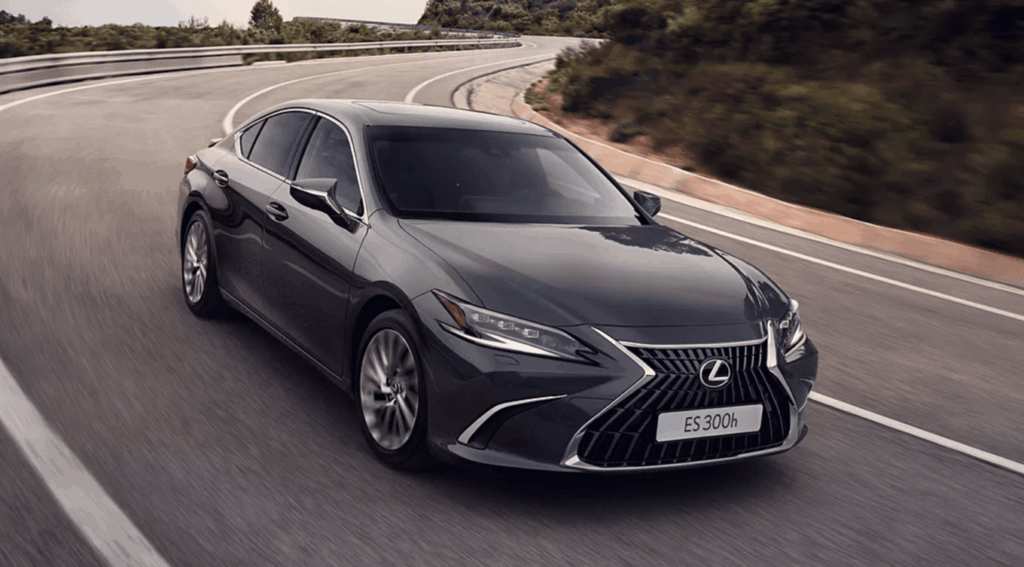
Consumer Reports Reliability Score: 77/100
CarEdge Projected Depreciation: 35% over 5 years
The current-generation ES Hybrid continues to perform extremely well in reliability rankings. While a redesign is coming in 2026, the outgoing model benefits from years of refinement.
The standout number here may actually be depreciation. A projected 35% five-year value loss is excellent for a luxury vehicle.
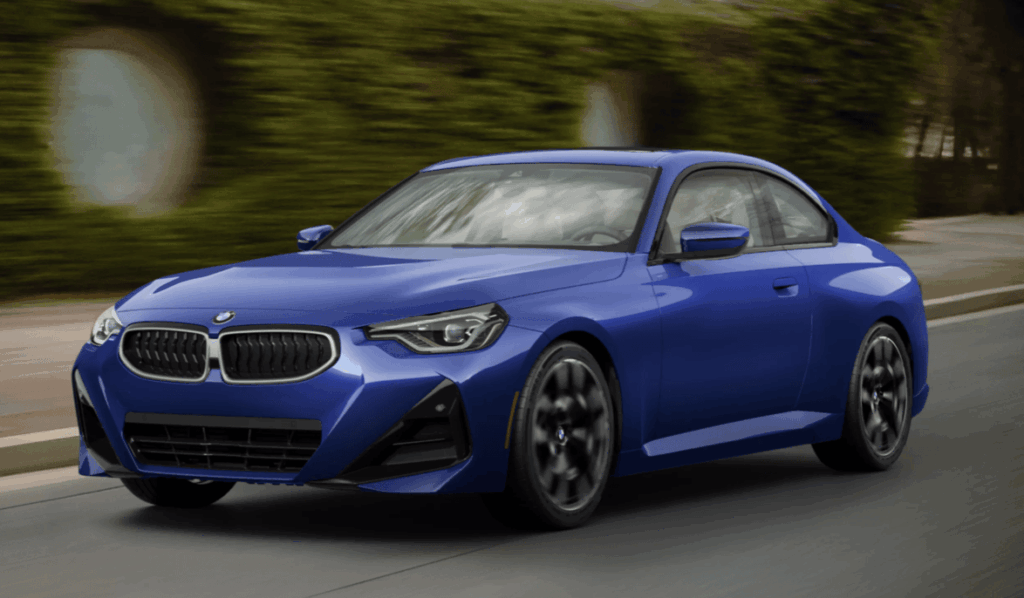
Consumer Reports Reliability Score: 73/100
CarEdge Projected Depreciation: 40% over 5 years
The BMW 2 Series earns a solid reliability score while still delivering the driving dynamics buyers expect from the brand.
Depreciation sits at 40% over five years, which is fairly typical for luxury performance models.
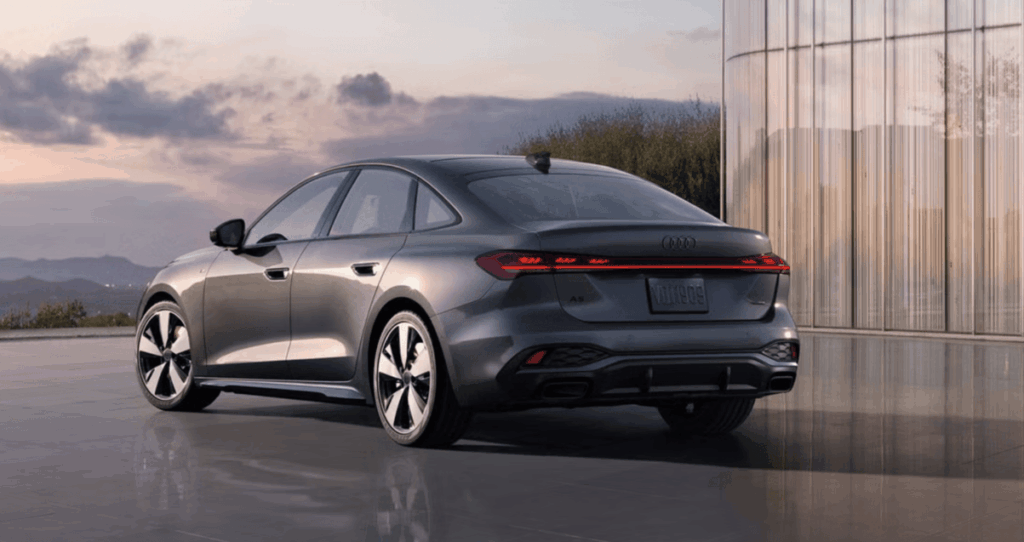
Consumer Reports Reliability Score: 65/100
CarEdge Projected Depreciation: 46% over 5 years
Audi’s naming structure is shifting for 2026, with electric models taking even numbers, and ICE models getting odd numbers. So, the Audi A4 is now the 2026 Audi A5.
A CR reliability score of 65 is respectable but not class-leading. Depreciation, however, is projected at 46% over five years. Buyers should expect faster value loss than competitors from Lexus, for instance. Even a few BMW models do better.
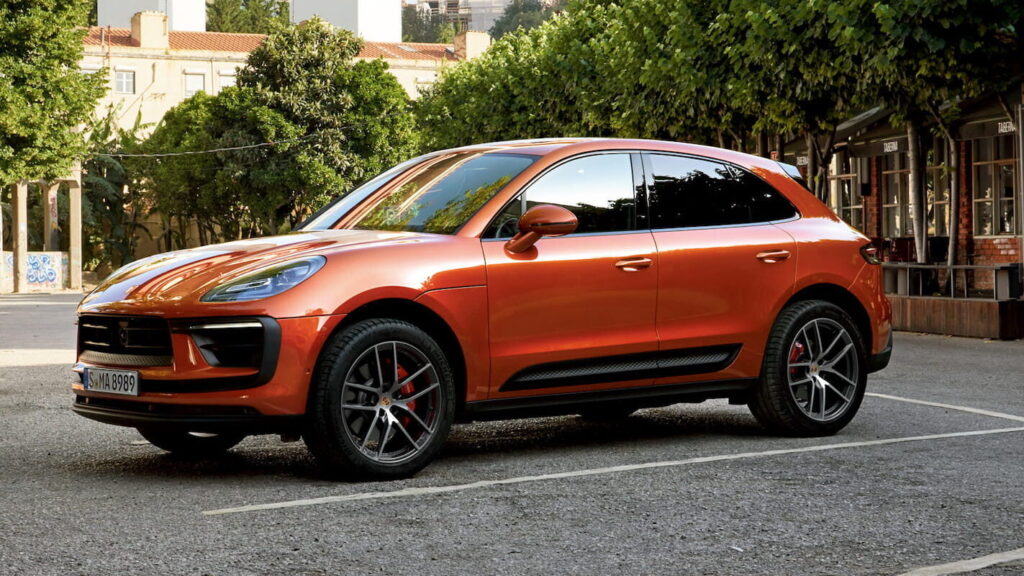
Consumer Reports Reliability Score: 84/100
Shockingly, the Macan ties for the highest reliability score in the Consumer Reports’ most recent testing. That’s impressive for a performance-oriented luxury crossover.
Porsche has refined this platform over time, and it shows. Porsche shoppers looking for a family-sized sporty SUV without sacrificing dependability should take note.
Depreciation data isn’t yet available, but reliability at this level is uncommon among luxury brands.
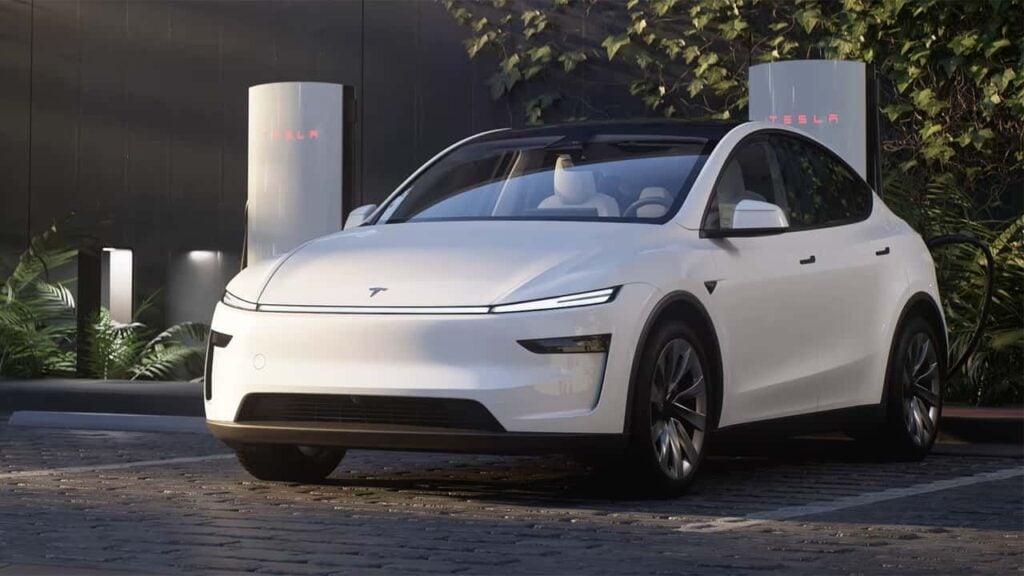
Consumer Reports Reliability Score: 81/100
CarEdge Projected Depreciation: 61% over 5 years
Is the Model Y still considered a luxury model? Considering the advanced driver assistance and performance features, we think it’s at home in this category. The Model Y posts a strong reliability score for 2026, but depreciation tells a different story.
With projected five-year value loss at 61%, it carries the steepest depreciation of any model in this group. That doesn’t mean it’s a bad vehicle. It just means buyers should understand the long-term financial trade-offs before buying. In fact, the used market (or a lease) is the smart choice for most drivers.

Consumer Reports Reliability Score: 71/100
CarEdge Projected Depreciation: 41% over 5 years
The Lexus NX remains one of the safer choices in the compact luxury SUV space. Reliability is above average, and depreciation is reasonable.
It’s worth noting that plug-in hybrid models vary in reliability, with the NX PHEV scoring much lower. The NX Hybrid earns higher scores. Buyers should compare powertrains carefully.
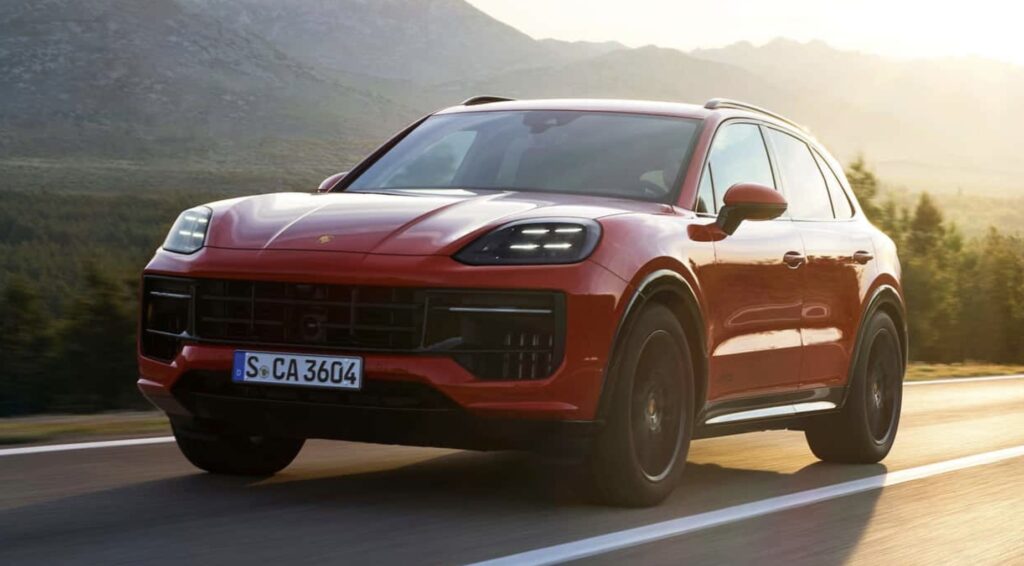
Consumer Reports Reliability Score: 71/100
According to Consumer Reports, the Cayenne delivers above-average reliability for a midsize performance SUV in 2026.
While it doesn’t lead the segment, it’s far above competing models from Mercedes-Benz and Audi. Depreciation data is not yet available, but expect ownership costs to vary widely depending on configuration and options.

Consumer Reliability Score: 69/100
CarEdge Projected Depreciation: 33% over 5 years
The Lexus RX may not post the highest reliability score here, but its depreciation projection is the lowest in the group at just 33%.
That combination of strong durability and excellent value retention makes it one of the smartest luxury SUVs for your wallet in 2026. At today’s typical car prices, lower depreciation will often outweigh small reliability score differences.
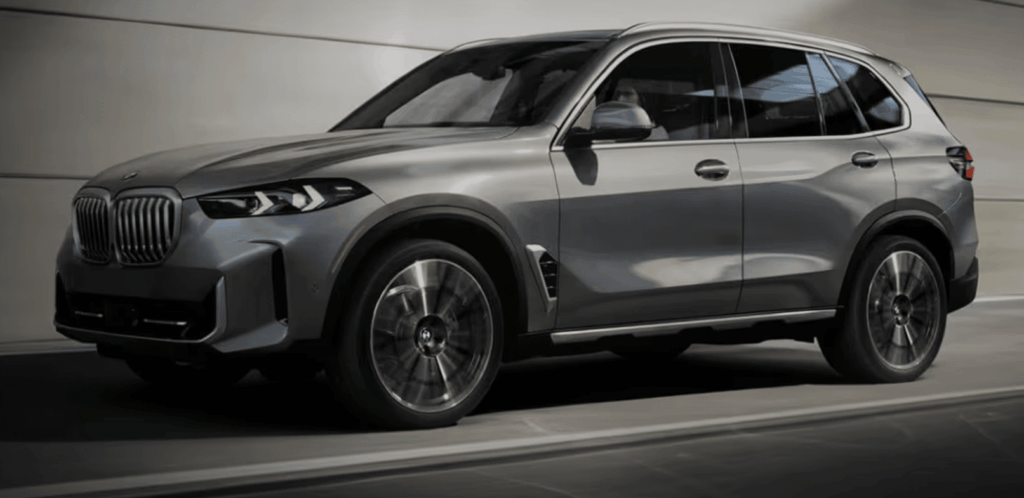
Consumer Reports Reliability Score: 65/100
CarEdge Projected Depreciation: 59% over 5 years
The BMW X5 lands in the middle for reliability, but depreciation is steep at 59% over five years.
For buyers who lease or plan short ownership periods, this may matter less. But long-term owners should factor both repair risk and resale value into their decision.
A few trends stand out in the latest Consumer Reports reliability rankings and CarEdge depreciation data:
One important takeaway: the most reliable vehicle is not always the best long-term financial decision. Strong resale value can offset slightly lower reliability scores, while steep depreciation can erase the advantage of a high reliability rating.
Luxury buyers in 2026 have solid options, but understanding both durability and value retention is what separates a smart purchase from an expensive one.
See the complete luxury vehicle reliability rankings at Consumer Reports, and check out depreciation forecasts for new and used vehicles at CarEdge.
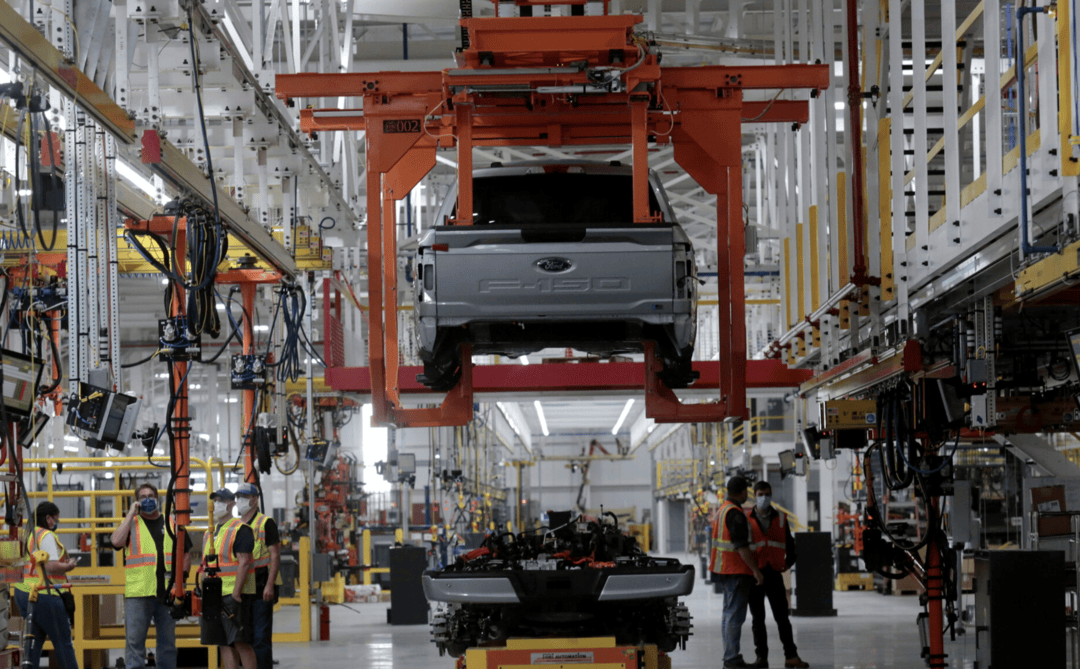
On February 13, Bloomberg reported that Ford has discussed the possibility of a joint venture with Chinese automakers in recent talks with the Trump administration. According to people familiar with the discussions, such a controversial move could help American automakers compete against rapidly rising Chinese brands.
Sources said Ford CEO Jim Farley raised the topic during meetings with administration officials Jamieson Greer, Transportation Secretary Sean Duffy, and EPA Administrator Lee Zeldin at the Detroit Auto Show.
If Ford partners with a Chinese automaker, it would mark a historic shift for the American auto industry. Here’s how it could unfold in the near term.

According to Bloomberg’s sources, a possible deal would involve both partners sharing profits and technology. Ford would gain manufacturing and technology advantages over domestic competitors, while Chinese automakers would secure entry into the coveted U.S. market.
What would this look like operationally? Given Ford’s recent $19.5 billion in EV write-offs, building new facilities from scratch seems unlikely. Instead, Ford would probably retool an existing plant. The company’s BlueOval City campus in Tennessee is the natural candidate. These brand-new facilities were already designed for next-generation manufacturing. With EV sales falling short of projections, Ford leadership is likely seeking ways to recoup the $5.6 billion invested in the project.
Would these vehicles be sold at Ford dealerships? Given the power of dealership lobbies in America, almost certainly. Don’t expect Ford to pursue direct-to-consumer sales anytime soon, especially after the recent EV struggles.
In 2026, the average price of a new vehicle continues to hover around $50,000. With affordability continuing to be the number one challenger for American drivers, a joint venture between Ford and a Chinese automaker would be expected to introduce more affordable, tech-heavy options into the market.
In Europe, Chinese OEMs like BYD offer entry-level EVs for around $25,000 USD. Luxury options are going toe-to-toe with German brands for half the price. In the United States, we could see the ‘affordable EVs’ Farley has long spoken about arrive as a product of this rumored joint venture, with capable, advanced models priced under $30,000.
Chinese automakers like BYD, Chery, and JAC have already established themselves in Latin America. By late 2025, BYD had sold over 80,000 vehicles in Mexico alone, with sales doubling in 2025 as the company opened dealerships nationwide. BYD now has a Tesla-like presence in Mexico, commanding 70% of all EV sales.
Canada reached an agreement with China earlier this year allowing annual imports of 49,000 Chinese EVs at a 6.1% tariff rate—shockingly low by global standards. Canadian Prime Minister Mark Carney is seen as leading an anti-Trump trade coalition, and this automotive deal is viewed as the clearest signal yet. This development is particularly significant given the importance of Canadian manufacturing to American automakers.
The potential Ford-China partnership represents a dramatic departure from traditional American automotive strategy. With Chinese automakers already gaining ground in Latin America, and now entering Canada under favorable terms, U.S. manufacturers face mounting pressure to adapt.
Whether Ford moves forward with this controversial approach or not, one thing is clear: the competitive landscape is shifting, and American automakers can no longer afford to ignore the existential threats coming from China.
Ford is off to a rough start in 2026. The company just reported its worst earnings miss in four years as EV investments fail to deliver. Making matters worse, Ford is already leading in 2026 automaker recalls at a time when the company is aiming to better its reputation with consumers.
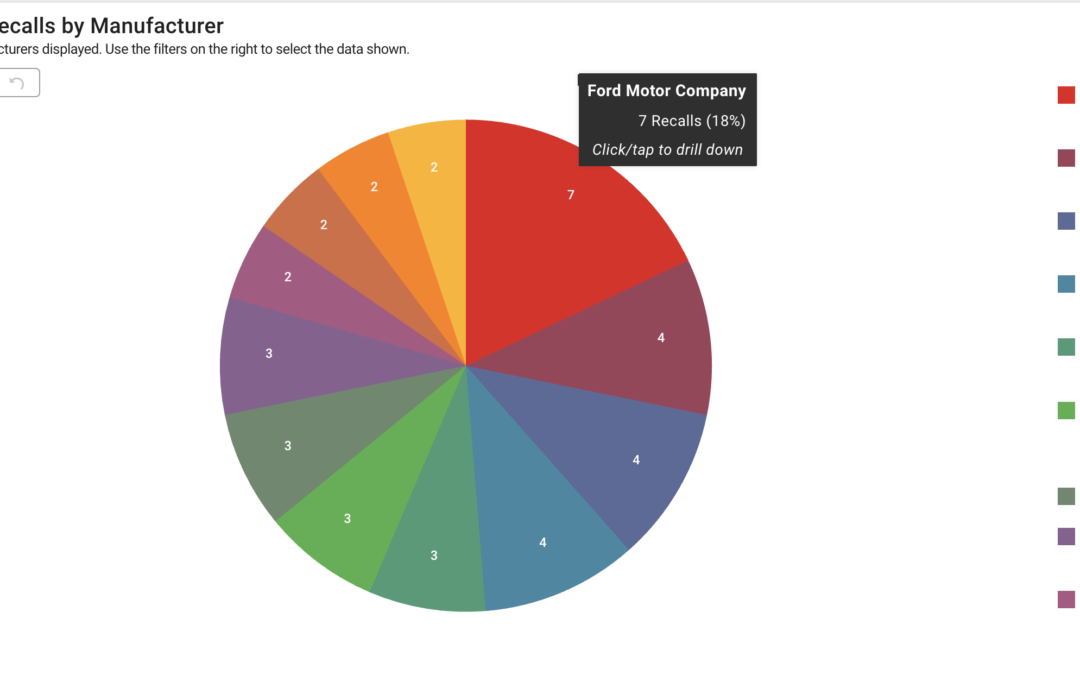
Less than two months into the new year, Ford has issues seven recalls for Ford and Lincoln models. At the same time, the company is boosting employee bonuses after reporting improvements in “initial quality.”
Two very different headlines. Let’s break it down.
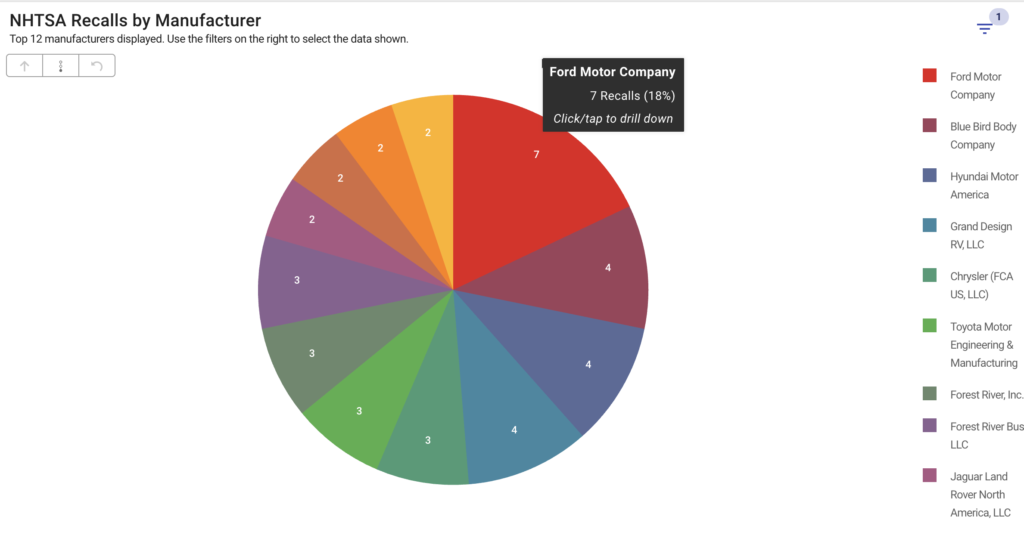
According to the National Highway Traffic Safety Administration (NHTSA), Ford has issued seven recalls in the first 40 days of 2026 alone. Those recalls have already impacted 123,448 vehicles under the Ford Motor Company umbrella.
Models affected this year include the Ford Explorer, Ford Escape, and Ford Transit, among others. Some Lincoln models have also been impacted.
If you own a Ford or Lincoln, it’s worth running your VIN through NHTSA’s free recall lookup tool. Ford CEO Jim Farley has recently hinted that more recalls are likely as the company ‘gets to the root of the problems’, so it would be wise to check your car regularly in 2026.
Ford’s early lead in 2026 follows a difficult 2025. Last year, Ford recorded more than 150 recalls affecting roughly 13 million vehicles, earning the unofficial title of “most-recalled manufacturer.” The year before that, Ford was neck-and-neck with Tesla for the same distinction.
So while it’s still early in 2026, the trend hasn’t exactly reversed.
For context, Hyundai Motor America currently sits in second place this year with four recalls so far.
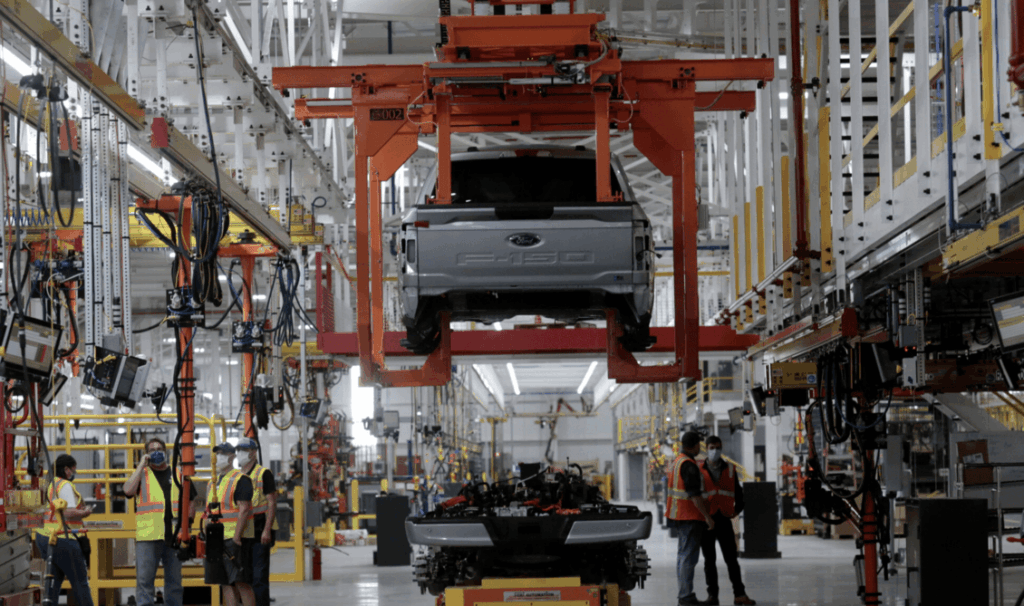
Here’s where things get interesting. Despite the recall count, Ford leadership recently announced higher companywide bonuses tied to improvements in vehicle quality.
According to reporting from Reuters, CEO Jim Farley told employees during a town hall that bonuses would be set at 130%. The move came after Ford delivered on its goal to improve “initial quality” — a metric that measures repairs in the first 90 days of ownership.
Farley reportedly told employees that initial quality is the best it has been in a decade. He also described the higher payouts as an investment in workers as the company works toward an 8% EBIT margin by 2029.
Ford has struggled for years with high warranty costs and repeated recall campaigns. Farley has previously acknowledged that recalls could rise in the short term as the company works through lingering issues. His argument: initial quality is the better indicator of whether Ford’s turnaround efforts are working. Recalls don’t matter, at least not yet.
On paper, Ford leads the industry in recalls yet again. Internally, leadership says quality metrics are improving in meaningful ways. Strange times indeed for car buyers on the hunt for a reliable, well-built car.
Ford’s early 2026 recall numbers are hard to ignore. Seven recalls in 40 days affecting over 120,000 vehicles is not a good look.
At the same time, the company says its vehicles are performing better in the first 90 days of ownership than they have in a decade, and it’s rewarding employees accordingly.
Both things can be true.
Recalls measure one side of quality. They usually pertain to safety defects and regulatory compliance. Initial quality measures early ownership experience. They don’t always move in lockste, so it will be interesting to see how both evolve in 2026.
For now, Ford remains under a microscope. Whether 2026 becomes another record year for recalls, or the year quality truly turns the corner, is something we’ll be watching closely.
Don’t forget to check your car or truck for recalls. That free tool could become a Ford driver’s best friend if the trend continues this year.