
CarEdge saved me over 4,500 dollars on a brand new Honda Pilot. I can't say thank you enough.
Price intelligence
Find a wide range of vehicle listings with market insights on new and used listings near you.

What can I do with CarEdge?
 CarEdge Insights
What can I do with CarEdge?
Get access to exclusive information so you can make an informed car buying decision — all in one place.

Find a wide range of vehicle listings with market insights on new and used listings near you.
Track your vehicle’s value and cash in when the time is right to sell.

Access to our proprietary data to help you find the right car, at the right price. Find these unlocked on every listing after subscribing.

With our expert-led, tech-enabled car buying service, we will locate, negotiate, and deliver your vehicle so you can get a new car hassle free.


Help us personalize your CarEdge experience — it only takes a second.
Your answers help us personalize your CarEdge journey — we’ll follow up with tips and next steps that match your buying timeline.
Over the past two years, the median household income in the United States has nudged upward from $67,500 to $75,500 as of March 2022. Meanwhile, new cars have risen from an average transaction price of $37,000 in early 2020 to $46,000 today, a 24% increase. The cost of transportation in our very car-dependent country has climbed above what’s possible for most driver’s budgets. Now, more than ever, price matters. These are the most marked up cars in 2022.
Consumer Reports recently released eye-opening data on the price disparities between automakers as dealer markups amplify the madness of the auto industry in 2022. Kia is overwhelmingly the winner of the award for most ridiculous new car pricing in 2022.
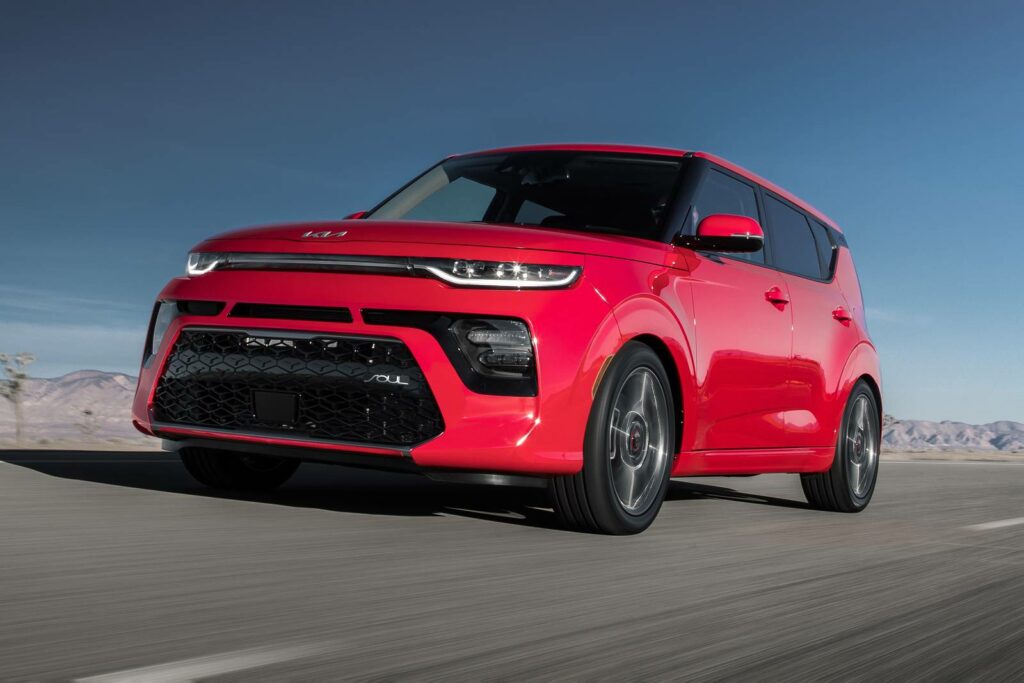
The 2022 Kia Soul is a subcompact SUV that car buyers are eager to get their hands on. In fact, demand is so high that Kia dealers keep pushing the limits of Kia Soul pricing ever higher. In 2022, Consumer Reports finds that the average price for a Kia Soul in the US is 21% over MSRP.
When we take a look at CarEdge Car Search, we see that there are just over 1,000 new Kia Souls for sale in America right now. The Soul is in short supply. Shockingly, some go for nearly $40,000! Sure enough, CarEdge Car Dealer Reviews shows that buyers are having a hard time finding a good deal on the Soul in 2022.
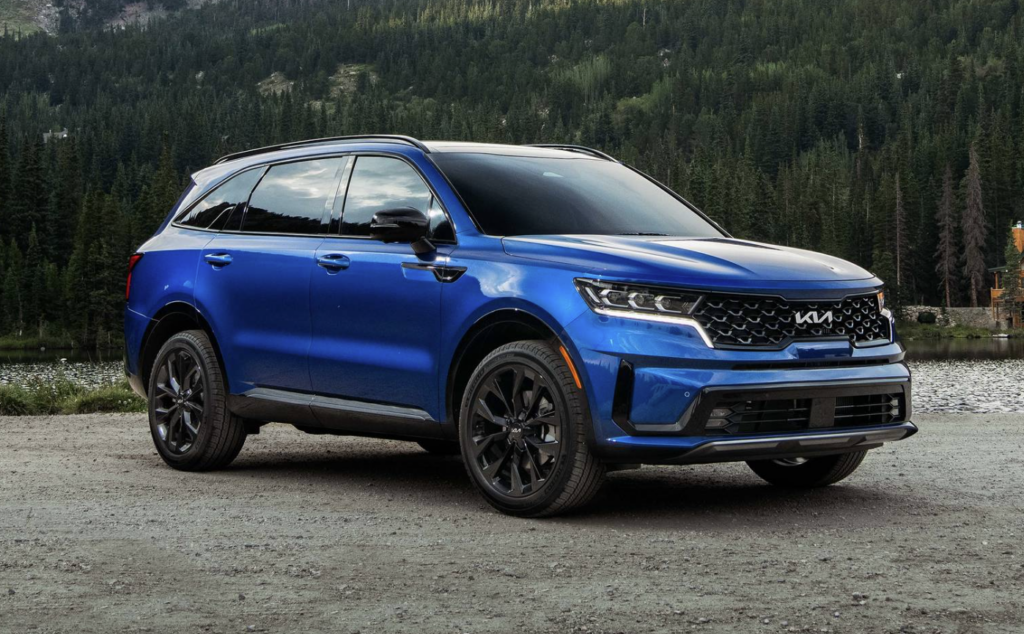
Kia’s hot-selling mid-size SUV is also listed for 21% over MSRP on average. Kia has been able to keep a higher supply of Sorentos on dealer lots, with nearly 3,000 available nationwide. I just about dropped my coffee when I saw that Kia Sorento plug-in hybrids (PHEVs) are listed for over $60,000 in some parts of the country. See the Sorento listings near you here.
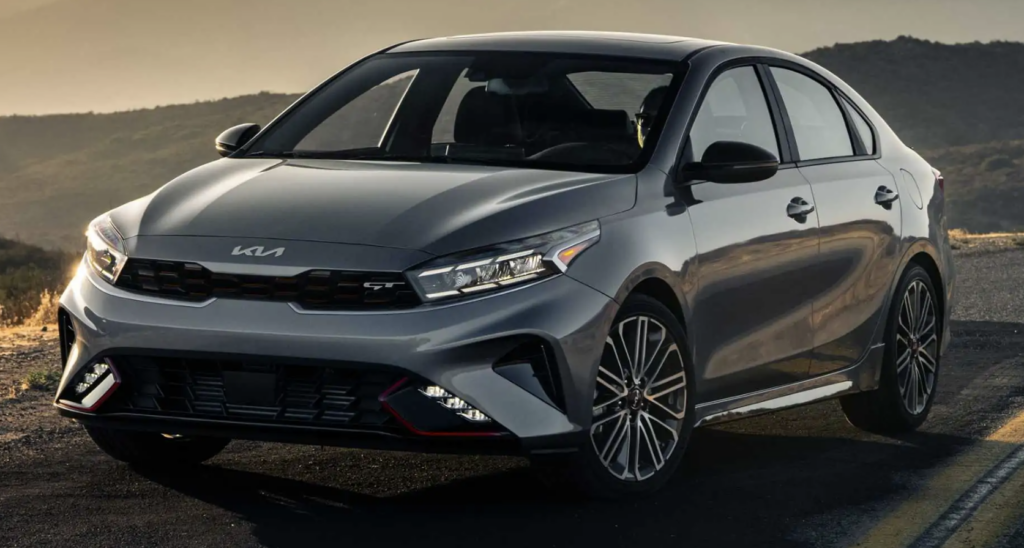
The third Kia model with a 21% average markup in 2022 is the Forte budget sedan. The consensus among reviewers of the Forte is that it’s simply an ‘okay’ car. Is it worth $34,000? Some dealers seem to think so.
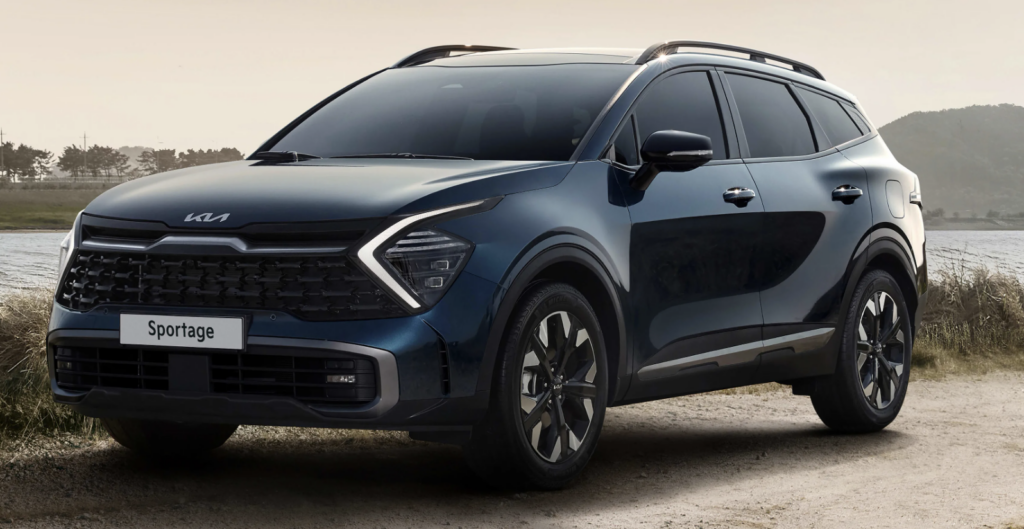
With a 19% average markup, this typically affordable compact SUV is no longer cheap. The Sportage has a starting MSRP of $24,090, but it’s very hard to find one under $35,000, and some approach $50,000. Would you pay that much for a Kia compact SUV?
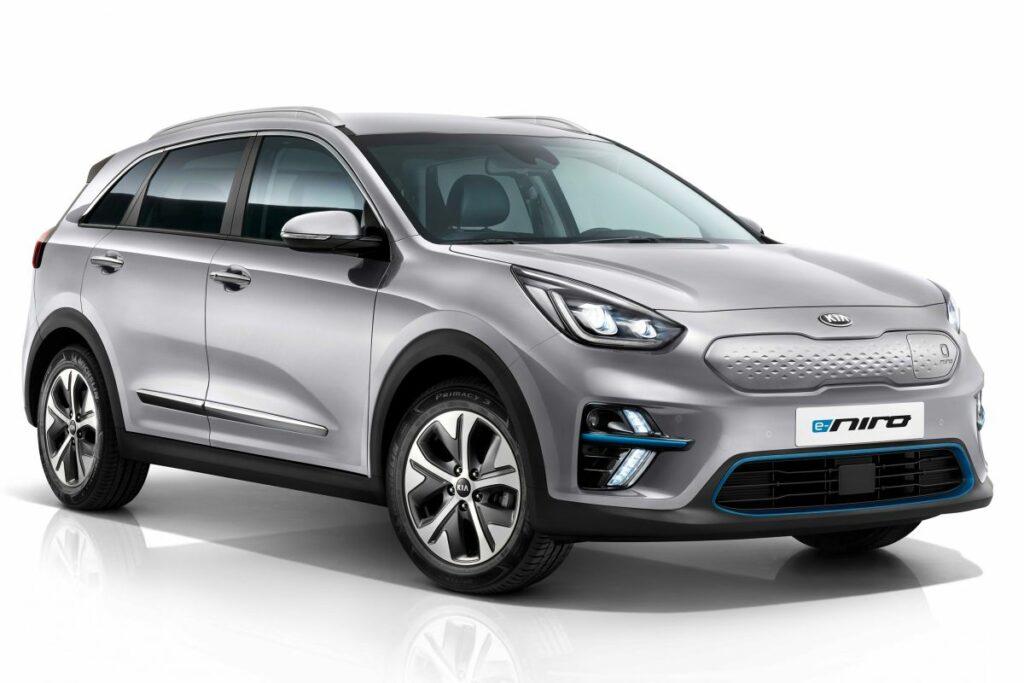
The Niro is popular, having sold well over 20,000 units annually in the U.S. before the chip shortage slashed production. Does its popularity justify the 19% average markup on the Niro? The electric version of the Niro has seen the most ludicrous price increases. Although the MSRP for a 2022 Niro EV EX Premium is $44,650, dealer prices reach up to $52,000 before taxes and fees.
It’s not just new car prices that are out of control. At CarEdge, we’ve been tracking used car price trends, and it’s hardly any better at the auction house. Seasonal price trends have gone out the window, and supply chain disruptions continue to put a damper on any semblance of normalcy. We’ve seen new car inventory plummet and struggle to climb back at all.
What will it take for the car price bubble to burst? Supply will have to catch up to demand. Until that happens, dealers (and automakers) have the upperhand when it comes to pricing. Be sure to join the CarEdge Community to stay up to date with the very latest car price and inventory news.

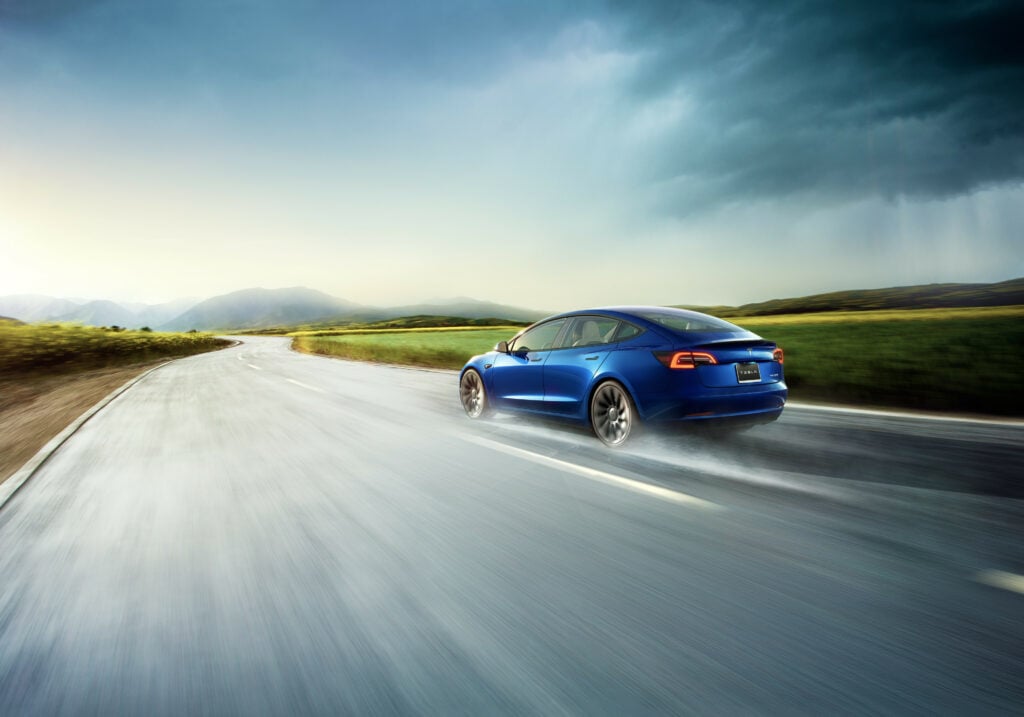
Until charging stations are commonplace, owning an electric vehicle will require more planning and preparation than one would expect for a day’s drive. Range is the new MPG, however real-world range isn’t easy to pin down. When the U.S. EPA provides official range ratings, the figures are based on vehicles driving in controlled environments on a predetermined track. EV ownership is full of nuances, and one of the greatest is the affect of weather on range. Let’s explore how electric vehicles perform in cold weather, hot weather, rain and wind.
Cold weather reduces EV range, but how much depends on how toasty you keep the cabin. Sub-freezing temperatures reduce range by between 12% and 30%, but that’s without the climate control on to warm the cabin. Data from AAA found that once the heater is turned on, EV range can drop by as much as 41%. Some real-world tests have found range losses closer to 50% with below-zero temperatures. That’s not good if you travel long distances across the northern states or the Interior West. More on specific impacts below.
Yes, hot weather does reduce EV range. According to research conducted by AAA, hot temperatures don’t have quite as great of an impact as cold temperatures, but it’s still noticeable. In temperatures of 95 degrees Fahrenheit and the air conditioning on, driving range decreases by 17% on average.
A 17% drop in range would mean that a Model Y normally rated for 330 miles on a charge would get closer to 273 miles. Not too big of a deal. For electric vehicles with less EPA-rated range, it matters more. The standard range 2022 Nissan Leaf normally gets 150 miles on a charge, but that would drop to 124 miles in 95-degree weather. Ouch.
Rain, snow and anything else falling from the sky does lower EV range. Why? It creates drag, and EV efficiency is all about aerodynamics. The heavier the rain, the greater the impact on range, even if temperatures are perfect for battery performance.
Speaking of which, what is the ideal temperature for electric vehicle battery performance? Geotab’s analysis of data from 4,200 EVs found that 70 degrees Fahrenheit (21.5 Celsius) is ideal for battery performance. That’s not only perfect for maximum range, it’s great weather all around. Learn more in Geotab’s full report.
Similarly, wind’s impacts on electric vehicle range have to do with drag. Drag is in essence aerodynamic friction. Your fancy new electric car can’t slide through the air so efficiently with friction working on it.
Wind can work against you or for you. With a steady tailwind pushing you along, it’s common to exceed range expectations even on the highway. When there’s a substantial headwind, range drops, and sometimes by quite a lot. The impacts of wind on EV range are much more noticeable at highway speeds. It’s possible to gain or lose up to 20% of expected range depending on wind direction.
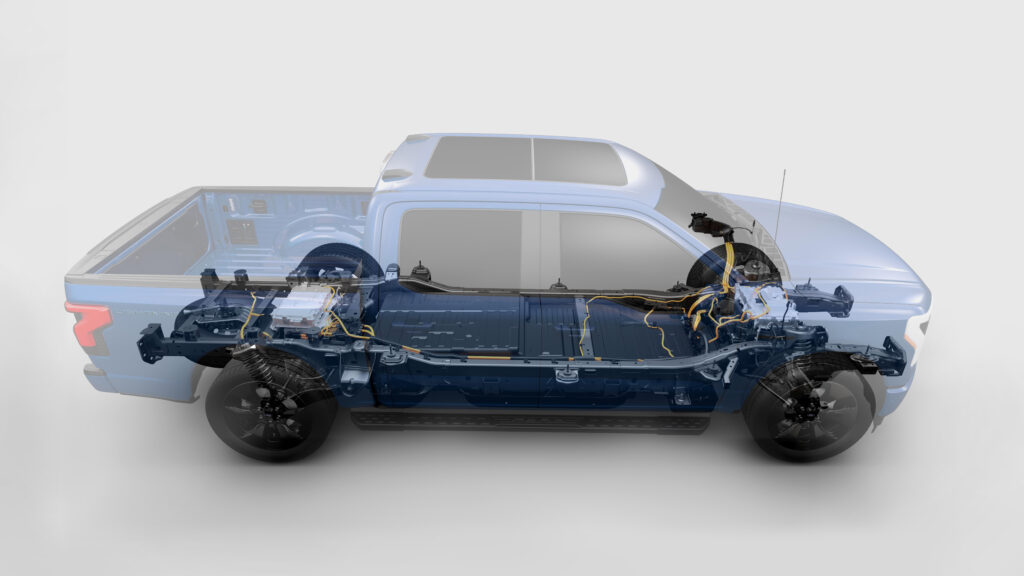
Temperature impacts battery performance differently depending on battery type and overall vehicle engineering. Features such as a heat pump, advanced battery preconditioning and even heated seats are just some of the many ways that engineers can do their best to optimize EV performance in suboptimal weather.
EV data specialists at Recurrent looked at data from all of the popular electric vehicle models. They found that EV range in hot and cold weather varies widely from one make and model to another.
Here’s how some of America’s most popular electric vehicles are affected by cold weather and summer heat.
| Make | Model | Rated Range | Real-World Range (70 deg F) | Cold Weather Range Loss |
|---|---|---|---|---|
| Tesla | Model 3 | 353 miles | 339 miles | 335 miles (-5% from rated range) |
| Tesla | Model Y | 330 miles | 320 miles | 323 miles (-2% from rated range) |
| Tesla | Model S | 405 miles | 397 miles | 380 miles (-6% from rated range) |
| Tesla | Model X | 351 miles | 326 miles | 326 miles (-7% from rated range) |
| Ford | Mustang Mach-E | 305 miles | 284 miles | 198 miles (-35% from rated range) |
| Chevrolet | Bolt | 259 miles | 254 miles | 171 miles (-34% from rated range) |
| Nissan | Leaf | 226 miles | 237 miles | 205 miles (-9% from rated range) |
| Hyundai | Kona | 258 miles | 288 miles | 240 miles (-7% from rated range) |
| Audi | e-tron | 222 miles | 224 miles | 206 miles (-7% from rated range) |
For a full breakdown of Recurrent’s findings, check out their 2021 report here.
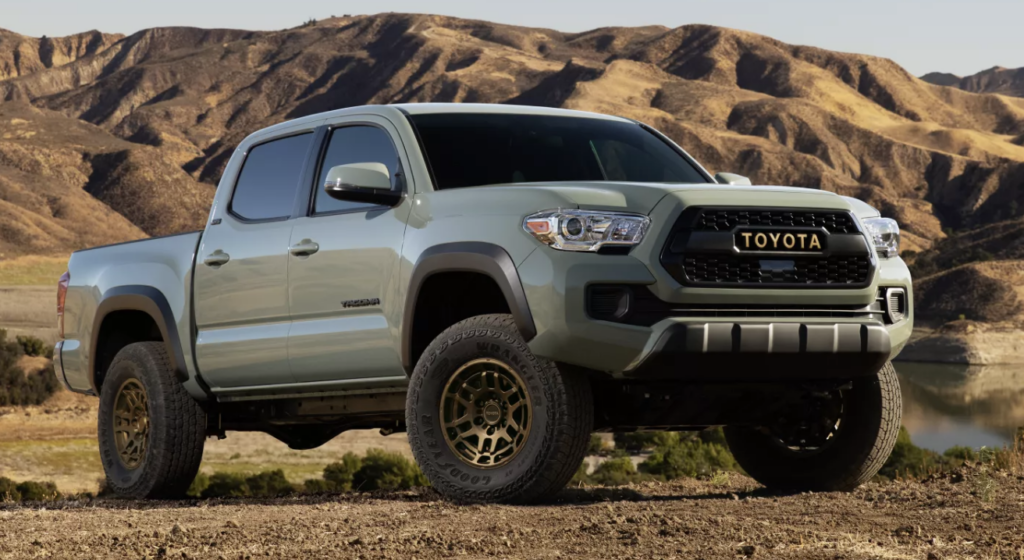
The U.S. Department of Energy says that vehicles powered by traditional internal combustion engines (ICE) also suffer efficiency losses as a result of hot and cold weather. ICE vehicles are especially impacted by hot weather due to air conditioning power requirements. The Department of Energy estimates that ICE vehicles lose about 25% of their typical fuel economy when operating with air conditioning on high settings.
One major difference between EVs and ICE vehicles is the affect of cold weather. Electric vehicles use quite a bit of energy to run the heater, whereas ICE vehicles redirect heat generated by the engine and therefore avoid significant effects on efficiency.
Although EV charging stations are becoming commonplace around major cities, many interstate highways have sparse charging infrastructure. Until charging stations are more reliable and easier to find, driving an EV in cold and hot weather will complicate EV ownership and delay EV adoption. A national charging network is on the way, and public fast-charging networks are growing quickly. With EV market share soaring every month, it’s imperative that we find solutions to this seasonal challenge that affects millions.
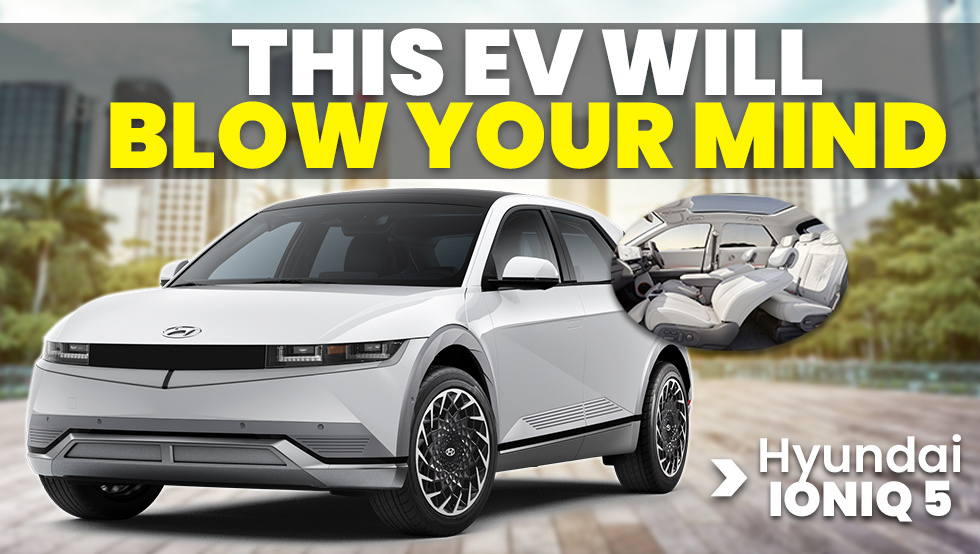
Update: I just got the recall fix done at my local Hyundai dealer. They had never seen an IONIQ 5 before, and one employee asked if I was coming in for an oil change. Nevertheless, I was in and out of the dealership in about 30 minutes.
As an IONIQ 5 owner myself, I was not thrilled to see the first manufacturer recall coming in one month into ownership. I love the car, and it would take a lot to change that. Here’s what you need to know about the 2022 Hyundai IONIQ 5 recall.
On May 12, Hyundai dealers received notification of a stop-sale for IONIQ 5 electric crossovers built between November 2021 and April 2022. The US National Highway Traffic Safety Administration (NHTSA) and Hyundai have announced a recall for select VIN numbers of the 2022 model year IONIQ 5.
The IONIQ 5 recall is for the potential for disruptions to the vehicle’s parking actuator system when the vehicle is off. Sudden voltage fluctuations may occur while the vehicle is off, potentially causing the parked vehicle to disengage from ‘Park’ momentarily. If this occurs while the vehicle is parked on uneven terrain, vehicle rollaway is possible.
While no incidences have been reported in North America, 4 incidences have occurred in South Korea. No injuries have been reported. This is a serious recall with the potential for crashes and injuries if preventative action is not taken.
My own IONIQ 5 is affected, so I’ve experienced this firsthand. Upon entering my vehicle’s VIN number into Hyundai’s online recall search tool, the following summary and technical information was displayed:
“Hyundai is initiating a safety recall to address a condition involving the parking actuator system in certain 2022 model year Hyundai IONIQ 5 vehicles in the U.S. and Canada. Hyundai is initiating this action to ensure the safety of its vehicles for Hyundai customers.”
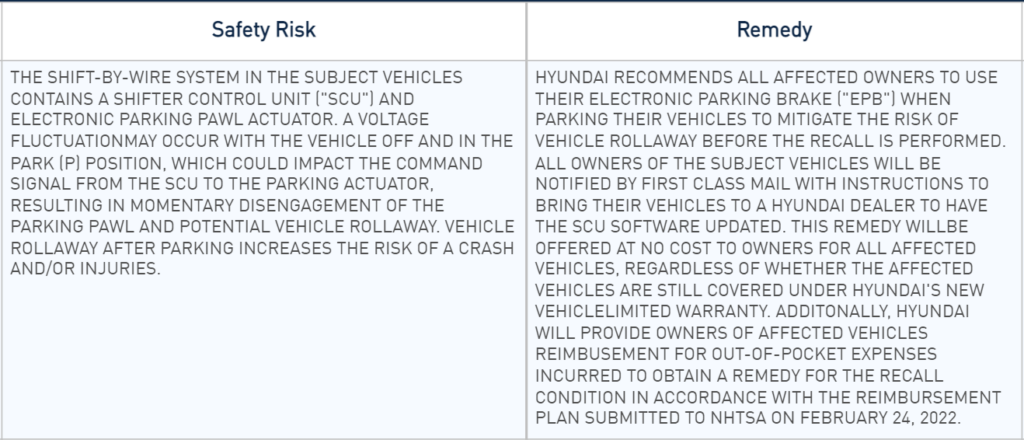
“The shift-by-wire system in the subject vehicles contains a shifter control unit (“SCU”) and electronic parking pawl actuator. A voltage fluctuation may occur with the vehicle off and in the park (P) position, which could impact the command signal from the SCU to the parking actuator, resulting in momentary disengagement of the parking pawl and potential vehicle rollaway. Vehicle rollaway after parking increases the risk of a crash and/or injuries.”
“Hyundai recommends all affected owners to use their electronic parking brake (“EPB”) when parking their vehicles to mitigate the risk of vehicle roll-away before the recall is performed. All owners of the subject vehicles will be notified by first class mail with instructions to bring their vehicles to a Hyundai dealer to have the SCU software updated. This remedy will be offered at no cost to owners for all affected vehicles, regardless of whether the affected vehicles are still covered under Hyundai’s new vehicle limited warranty.”
I’m not a fan of all-caps, so I typed it out for you above. But here’s how Hyundai shared the recall information:
To see if your Hyundai IONIQ 5 is affected by this recall, enter your vehicle’s VIN number into the database at Hyundai’s online recall search tool. Affected owners will be notified, but the quickest way to find out if you’re affected is to use the online tool.
Recalls happen all the time, but I sure wish this could be fixed with an over-the-air update from the convenience of my home. Even Tesla electric vehicles see an abundance of recalls, but Tesla’s integration of OTA update capability rarely makes them an inconvenience. While you await your dealer service center visit, Hyundai says it’s best to engage the parking brake to prevent possible vehicle roll-away. Don’t park on a hill without the parking brake engaged.
As an IONIQ 5 owner myself, I’ll be following the situation closely. Check back for updates.

We hear it all the time: electric cars save you money. Electricity is cheaper than gas, EVs require less maintenance, and incentives abound. However, there’s no hiding the fact that electric vehicles are expensive, especially the models with the best range, performance and charge rates. To shed light on the reality of electric vehicle savings, we dug deep into the data. How long does it take to break even when buying an EV? We were surprised with what we found.
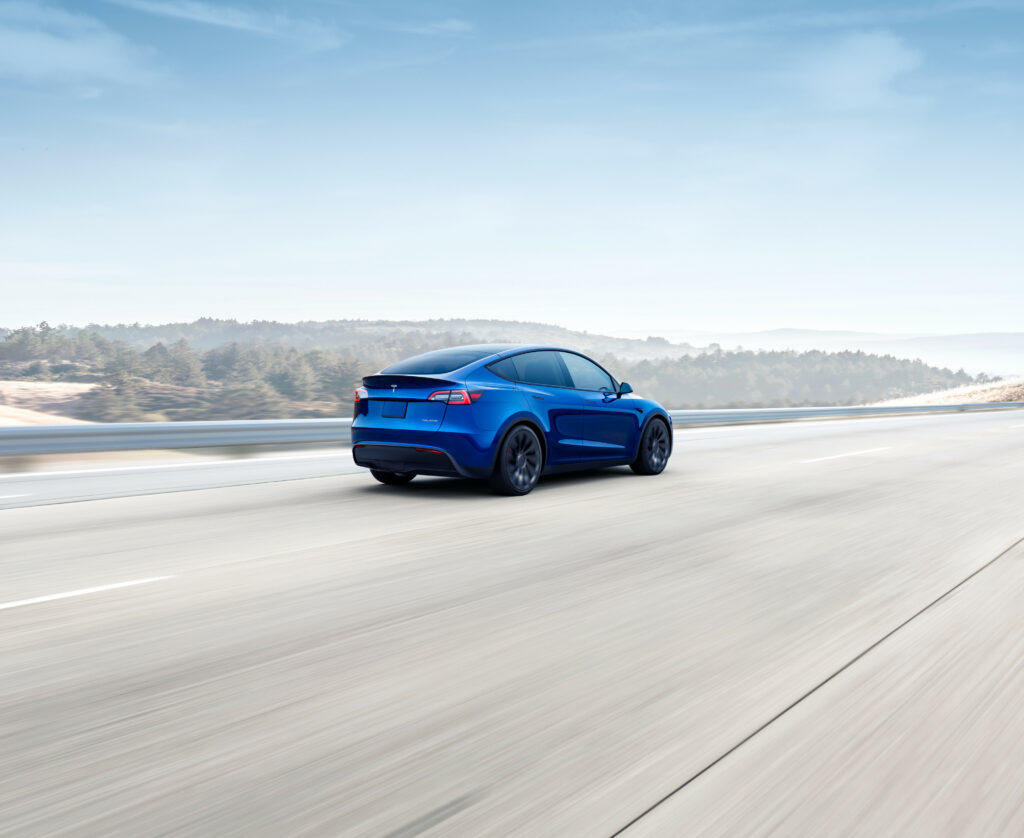
The X4 is one of the most direct competitors to the 2022 Tesla Model Y, the best selling electric vehicle in America. Although Tesla models no longer qualify for the federal EV tax credit, the cost of the BMW X4 and high fuel consumption make this an interesting comparison.
| Model | MSRP | Price Difference | Incentives | Fuel Economy | Range | Time to Refuel | Cost to Refuel ($5.00/gal or $0.14 per kWh) | Annual Fuel Cost (15,000 miles) | Average Annual Maintenance Cost | Time to Break Even |
|---|---|---|---|---|---|---|---|---|---|---|
| BMW X4 xDrive30i | $51,800 | -- | 24 MPG | 413 miles | 5 min | $86.00 | $3123 | $228 | ||
| Tesla Model Y Long Range | $62,990 | +$11,190 | State and local only | 3.8 mi/kWh (125 MPGe) | 330 miles | 20 to 30 min | $10.50 | $477 | $77 | 4 years |
Pickup trucks get the worst fuel economy. It’s just a matter of physics; the shape of a truck is not aerodynamic, and they’re often heavy. The F-150 Lightning weighs 35% more than the gas-powered F-150. So you would think that the time to break even would be shorter when buying an electric truck over the combustion equivalent.
This side-by-side comparison highlights the importance of price parity for EVs. When EVs are similarly priced to ICE vehicles, the cost of ownership savings are crystal clear. But what about when the electric version costs over $25,000 more out the door? Have a look for yourself.
| Model | MSRP | Price Difference | Incentives | Fuel Economy | Range | Time to Refuel | Cost to Refuel ($5.00/gal or $0.14 per kWh) | Annual Fuel Cost (15,000 miles) | Average Annual Maintenance Cost | Time to Break Even |
|---|---|---|---|---|---|---|---|---|---|---|
| Ford F-150 Platinum 4WD 3.5 | $62,070 | -- | 20 MPG | 520 miles | 5 min | $130.00 | $3750 | $228 | ||
| Ford F-150 Lightning Platinum | $90,874 | +$28,804 | Fed, state and local | 2.1 mi/kWh (70 MPGe) | 320 miles | 45 min | $18.34 | $860 | $77 | 9.5 yrs (7 yrs with tax credit) |
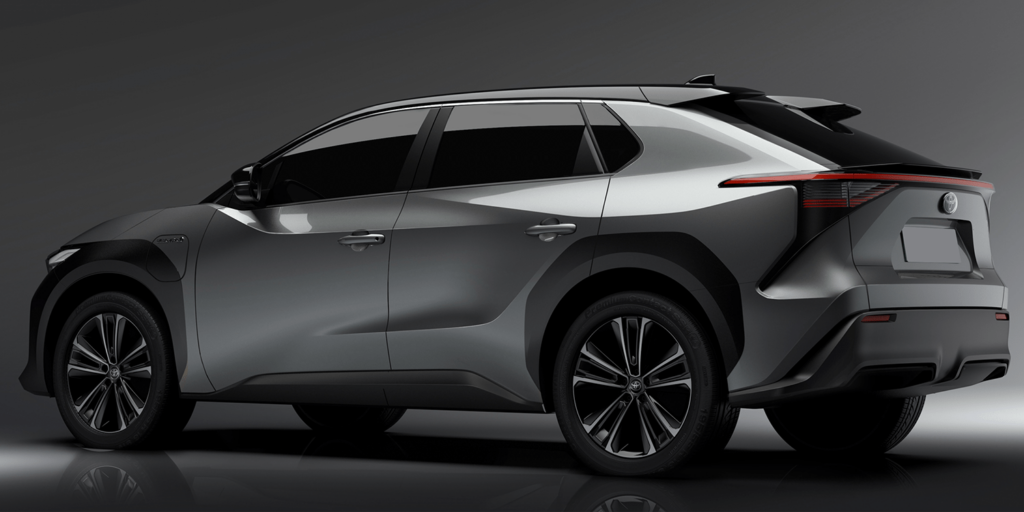
Toyota sells nearly half a million RAV4s every year. Will things change now that Toyota has launched its first fully-electric vehicle? The all-new bZ4X lacks the range and charging speed to compete with the best in 2022’s electric segment, but how does it stack up to the popular RAV4 hybrid? How long would it take to break even when paying a premium for the electric bZ4X?
| Model | MSRP | Price Difference | Incentives | Fuel Economy | Range | Time to Refuel | Cost to Refuel ($5.00/gal or $0.14 per kWh) | Annual Fuel Cost (15,000 miles) | Average Annual Maintenance Cost | Time to Break Even |
|---|---|---|---|---|---|---|---|---|---|---|
| Toyota RAV4 XLE Hybrid | $30,545 | -- | 40 MPG | 580 miles | 5 min | $72.50 | $1,875 | $228 | ||
| Toyota bZ4X XLE FWD | $42,000 | +$11,455 | Fed, state and local | 3.5 mi/kWh (119 MPGe) | 252 miles | 1 hour | $10.19 | $606 | $77 | 8 years (2.7 yrs with tax credit) |
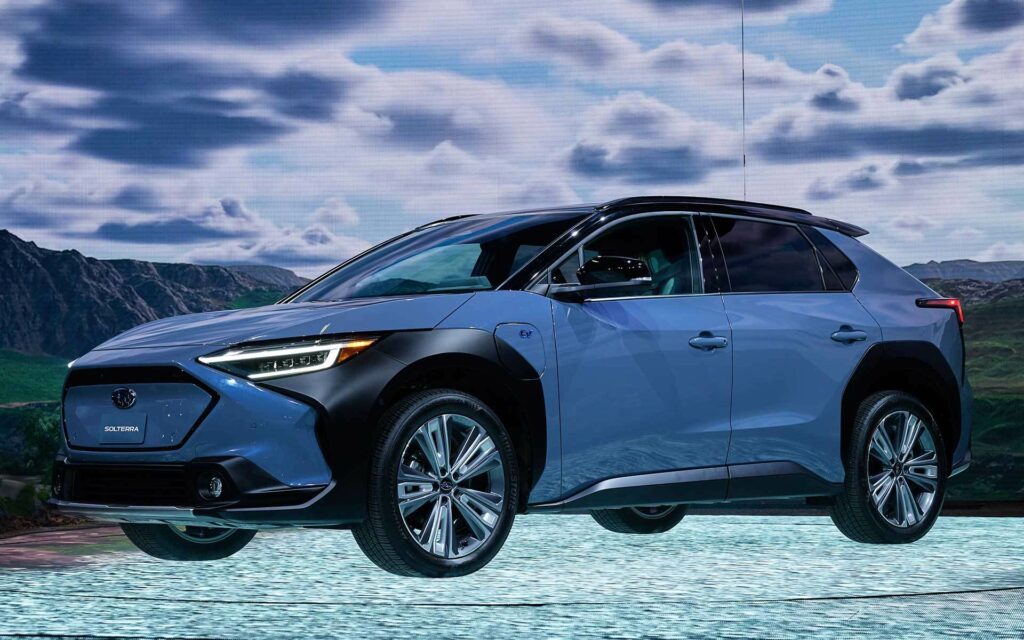
Subaru’s first EV is built on the same electric platform as the new Toyota bZ4X. Subaru is known for being Earth-friendly, but is the new Solterra EV friendly to your wallet? With range and charging figures more akin to 2015’s standards than today’s best EVs, the Subaru Solterra is off-road capable, but a tough sell for those who truly venture off the beaten path.
| Model | MSRP | Price Difference | Incentives | Fuel Economy | Range | Time to Refuel | Cost to Refuel ($5.00/gal or $0.14 per kWh) | Annual Fuel Cost (15,000 miles) | Annual Maintenance Cost | Time to Break Even |
|---|---|---|---|---|---|---|---|---|---|---|
| Subaru Forester base | $25,395 | -- | 29 MPG | 481 miles | 5 min | $83.00 | $2,588 | $228 | ||
| Subaru Solterra Premium | $46,220 | +$20,825 | Fed, state and local | 3.1 mi/kWh (104 MPGe) | 228 miles | 1 hour | $9.97 | $677 | $77 | 10 years (6.5 yrs with tax credit) |
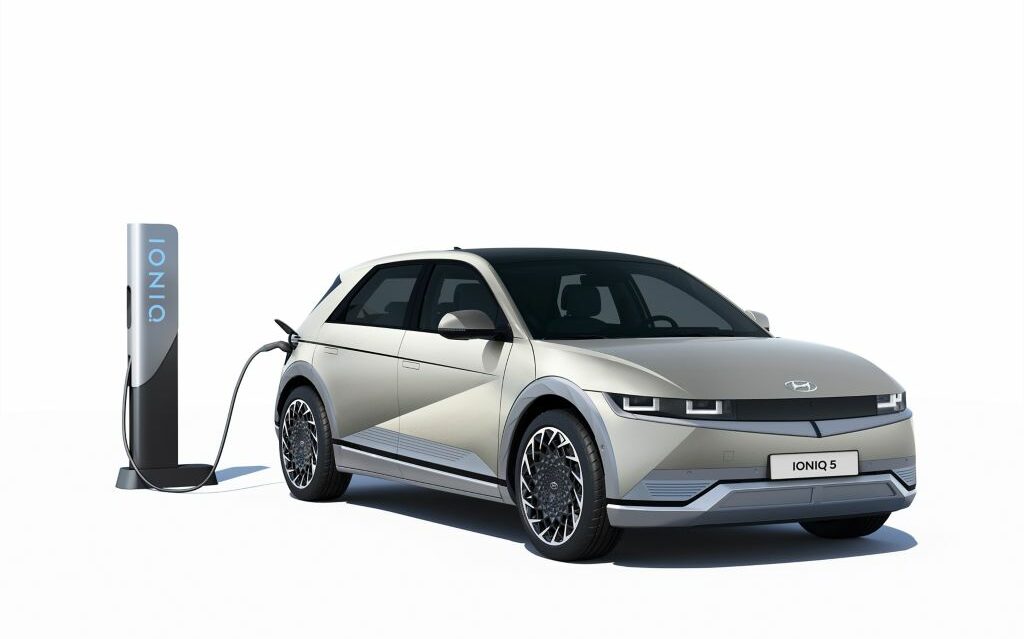
The Hyundai IONIQ 5 won big at the 2022 World Car Awards, but is it a winner for your wallet? It all depends on how much you drive, and how long you plan to keep the vehicle. The Hyundai Santa Fe just received a total makeover, and its price remains much lower than the IONIQ 5’s. Still, EVs are super efficient and electricity is cheap. Just how long would it take to break even when buying an IONIQ 5 EV instead of the more affordable Santa Fe crossover?
Disclaimer: I own a Hyundai IONIQ 5 Limited AWD, and it’s awesome.
| Model | MSRP | Price Difference | Incentives | Fuel Economy | Range | Time to Refuel | Cost to Refuel ($5.00/gal or $0.14 per kWh) | Annual Fuel Cost (15,000 miles) | Average Annual Maintenance Cost | Time to Break Even |
|---|---|---|---|---|---|---|---|---|---|---|
| Hyundai Santa Fe SEL | $27,875 | -- | 26 MPG | 489 miles | 5 min | $94.00 | $2,883 | $228 | ||
| Hyundai IONIQ 5 SEL RWD | $45,900 | +$18,005 | Fed, state and local | 3.4 mi/kWh (114 MPGe) | 303 miles | 20 to 30 min | $10.15 | $502 | $77 | 7 years (4.2 yrs with tax credit) |
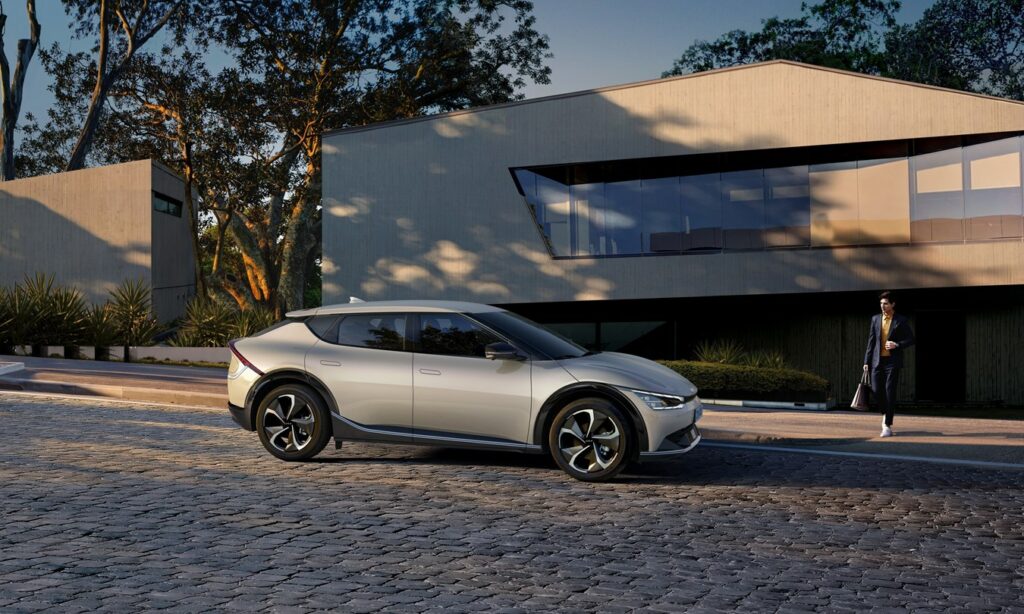
In many states and localities, thousands of dollars of additional incentives are available. Colorado, Connecticut, Delaware, Maryland and California are just some of the states with very generous EV incentives. State and local incentives can reduce the time to break even considerably. For example, in Delaware, buyers of the Hyundai IONIQ 5 will break even versus the Santa Fe in just 3.5 years with the federal EV tax credit and state rebates factored in.
Conversely, for car buyers who can’t take advantage of the federal EV tax credit or any state incentives, it will take many more years to reap the full savings of switching to an electric vehicle. In the case of the new Ford F-150 Lightning, it could take up to 8 years to break even without any incentives, assuming 15,000 miles per year of driving.
Check this out >>> The North Carolina Clean Energy Technology Center’s DSIRE database is the BEST one-stop resource for all EV incentives. Plus, you’ll see what solar power incentives are available in your area too.
The difference between driving 10,000 miles per year and 20,000 miles per year is massive when it comes to realizing the savings of driving an EV. The average American driver travels about 14,000 miles per year in their vehicle. Simply put, long-distance commuters, frequent travelers and fleet operators will see the greatest cost savings of going electric.
With the 2023 Ford F-150 Lightning, a driver who travels 15,000 miles per year and can take advantage of the full $7,500 federal EV tax credit should expect to break even versus a combustion F-150 in 7 years. However, if they drive 25,000 miles per year, the break even period narrows to just 4 years. After that, they will be saving roughly $4,000 every year in fuel and maintenance costs. Clearly, EVs make more sense as a long-term purchase.
The maintenance figures included in this cost comparison is sourced from We Predict, a Michigan-based data analysis company. They dug deep into automotive maintenance data and found that during the first three years of vehicle ownership, the average annual maintenance for an electric vehicle is just $77. And based on personal experience, that’s likely for new tires (EVs are MUCH heavier).
During the same period, combustion vehicles average $228 in annual maintenance, with most of the costs in the first few years going towards oil changes and the like.
We may be underestimating the maintenance savings associated with going electric when comparing luxury brands. For example, BMW is notorious for costly maintenance. Opting for a Tesla Model Y over a BMW will likely result in even greater maintenance savings, and therefore a reduced break-even period.
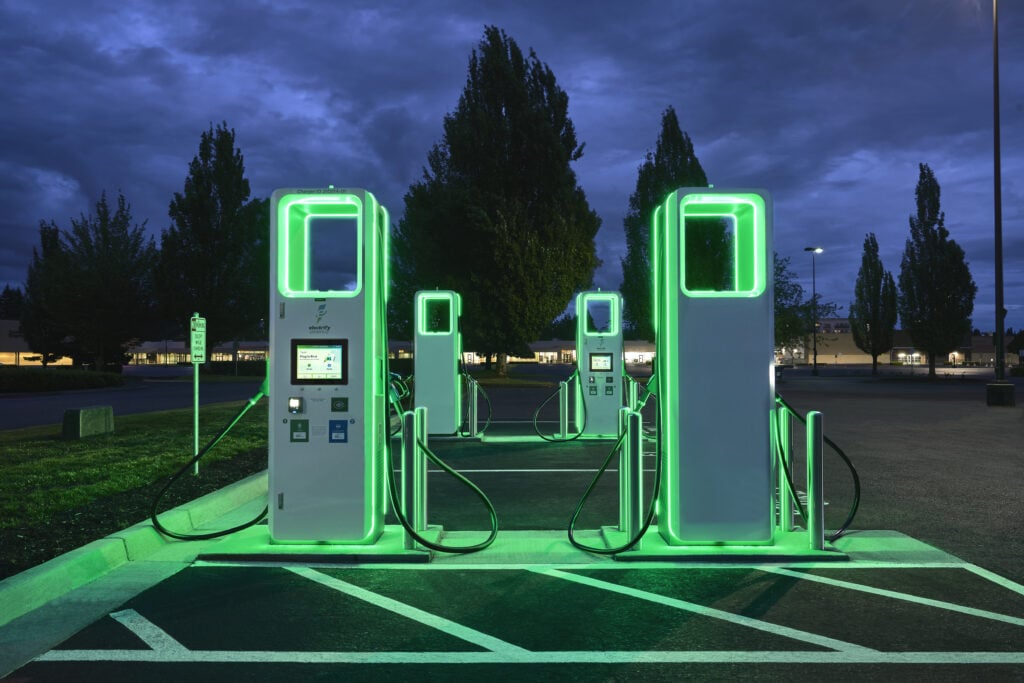
As of early June 2022, the average gas price in the United States is $4.87 per gallon. In California, it’s $6.34. Nevada, Hawaii, Washington, Oregon and Illinois all have gas prices much higher than the national average. In these states, EV drivers will see even greater fuel savings.
Let’s take a closer look at an example of someone purchasing a Hyundai IONIQ 5 in California. We’ll assume that the consumer qualifies for the full $7,500 EV tax credit and the $2,500 state rebate for a zero-emissions vehicle. They drive 15,000 miles per year. At gas prices of $6.34 per gallon, the break even point for the IONIQ 5 versus the Hyundai Santa Fe arrives in just 2.5 years, versus 4 years for the rest of the nation. That figure includes the 59% higher residential electricity rates in California.
What can we learn from this EV cost of ownership comparison? The specifics of your situation matter.
These are the most important questions to ask when deciding whether or not it makes sense to buy an EV in 2022. Have questions? Let us know in the comments, or better yet join the CarEdge family at caredge.kinsta.cloud/community. You can also reach me at [email protected]. We’d love to hear from you.

Canceling your extended car warranty may seem like a daunting task, but it can be a wise decision if you no longer need the coverage or if it’s no longer cost-effective. In this step-by-step guide, we’ll explore the reasons you might consider canceling your extended warranty, walk you through the cancellation process, and share tips on what to expect afterward. By following these guidelines, you can navigate the cancellation process with confidence and potentially save money in the long run.
You’ve bought the car, only to realize that the price of the extended warranty you just purchased is way higher than you remembered. How could this be? The salesperson likely included the extended warranty in your monthly payment quote, and probably glanced over the total cost. Although you’ve already signed on the dotted line, not all hope is lost.
Every extended warranty product has a ‘flat cancel’ period detailed in the contract. If you opt to cancel the extended warranty within the flat cancellation period, you will get a FULL refund. Typically, the extended warranty flat cancellation period is 30 to 60 days after the date of purchase.
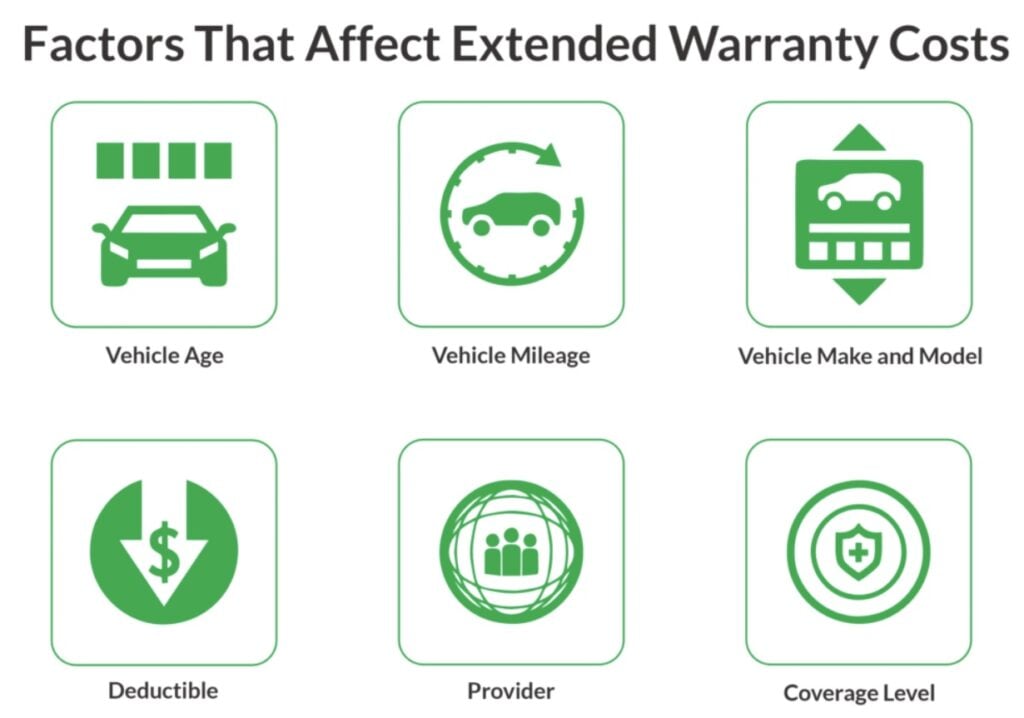
Note: If you choose to cancel your extended warranty product, you will NOT receive a check in the mail. Your monthly payment remains the same unless you refinance. The refunded amount will be applied directly to your auto loan. While this isn’t ideal if you’re looking to rake in some cash, this does mean that you will eventually pay off your auto loan early, as the refund reduces the principal on the loan by that amount.
What if I’m outside of the ‘flat cancel’ period? No worries. You will receive a prorated refund applied to your auto loan’s principal balance.
The most direct way to cancel your extended warranty is to contact the accounting department at the dealership. The accounting department is usually responsible for processing the cancellation and refund paperwork, so this is the quickest way to complete the cancellation of your extended warranty. Be sure to take note of the name and phone number of the associate who assisted you. You’ll need that later.
Note: If you solely contact the finance manager at the dealership, there’s a decent chance that they will ‘sit on it’ to continue making money off of the extended warranty product that they sold you. This is why it’s best to contact the accounting department instead.
One week after contacting the dealership’s accounting department, call back to get a status update. Have they processed the cancellation? Can they email you proof of cancellation? If they haven’t gotten around to it yet, tell them you’ll be calling back in a few days to get another update.
Maybe you’ve owned the vehicle for a few years, but now it’s time to say goodbye. You’re selling your vehicle, and you remember that you still have extended warranty coverage. Could you get a prorated refund now that you’re selling? Yes!
After you’ve sold or traded the car, make a photocopy of the purchase order. The purchase order has the information that the dealer needs to process your extended warranty cancellation.
On the purchase order, either circle or highlight the following information:
You’re going to want to type (or write) a brief letter detailing your instructions for the cancellation. The letter should have the following essential information:
Submit the purchase order and letter to the dealership where you purchased the vehicle. Be sure to find the contact information for the accounting office to ensure that your cancellation is expedited.
Follow up the next week to verify that the cancellation request has been received, and to find out if it has been processed. If the dealership hasn’t gotten around to it yet, call back until you receive verification that the cancellation has been processed.
If you decide to cancel your extended warranty, it’s important to note that you will not receive a check in the mail. Instead, the refunded amount will be applied directly to your auto loan, meaning your monthly payment will remain the same unless you refinance. While this may not be ideal if you were hoping to receive cash, the benefit is that the refund will reduce the principal on your loan, helping you pay off your auto loan earlier.
If you’re outside of the ‘flat cancel’ period, don’t worry. You will still receive a prorated refund, which will be applied to your auto loan’s principal balance. This ensures that even if you’re canceling your extended warranty later in the coverage period, you can still benefit from a reduced loan balance and a potential earlier payoff.
This template is for canceling a warranty for a vehicle with a loan in place.
ABC Dealership
Attention Accounting Department
Attention Finance Manager
DATE
Please cancel my Vehicle Service Contract on VIN number ___________.
It is a (year make model) that I/we purchased from your
dealership in (month/year) under the name(s) of ______________________.
The odometer on my vehicle currently reads: _________.
I understand that the amount will be sent to my lender to be applied to the principal balance.
Please call should you have any questions _ _ _ – _ _ _ – _ _ _ _
Please email should you have any questions ___________________.
I/we will follow up on this within a reasonable amount of time. Thank you for your immediate attention to this matter,
Your Signature
Download this template here.
This template will help you cancel the extended warranty when you trade in your vehicle.
ABC Dealership
Attention: Accounting Department
Attention: Finance Manager
DATE – (the date you traded your vehicle on your new Purchase/Buyers Order)
This is a written notice to cancel my/our Vehicle Service Contract on
VIN number ________________.
It is a (year make model) that I/we purchased from your dealership in (month/year) under the name(s) of ________________.
I/we have traded this vehicle and have attached the information you need for cancellation to this written request.
Please call should you have any questions _ _ _ – _ _ _ – _ _ _ _
Please email should you have any questions ________________________
I/we will follow up on this within a reasonable amount of time. Thank you for your immediate attention to this matter.
Your Signature
Download this template here.

Ready to outsmart the dealerships? Download your 100% free car buying cheat sheets today. From negotiating a deal to leasing a car the smart way, it’s all available for instant download. Get your cheat sheets today!

October 2022 Update: Hyundai and Kia models with dual-clutch transmissions are subject to a new recall and stop-sale. Model year 2021 – 2023 vehicles are included. See the details below.
A recall remains in effect for the Kia Telluride and Hyundai Palisade. This recall is separate from another recall earlier this year in which nearly 6 million vehicles produced between 2011 and 2019 were flagged for separate fire risks. See the details and learn how to check if your VIN number is included below.
Let’s dive in to what you need to know about Kia & Hyundai fire recalls.
| NHTSA Recall ID | Vehicle Make | Vehicle Model(s) | # Vehicles Recalled | Recall Date |
|---|---|---|---|---|
| 21V331 | KIA | 2013-15 Optima and 2014-15 Sorento | 440,270 | 5/10/2021 |
| 21V308 | HYUNDAI | 2021 Santa Fe | 2 | 5/3/2021 |
| 21V301 | HYUNDAI | 2019-20 Elantra, 2019-21 Kona and Veloster | 125,840 | 4/28/2021 |
| 21V303 | HYUNDAI | 2013-15 Santa Fe Sport | 151,205 | 4/28/2021 |
| 21V277 | KIA | 2022 Kia Carnival | 2,744 | 4/21/2021 |
| 21V259 | KIA | 2021 Seltos, 2020-21 Soul | 147,249 | 4/13/2021 |
| 21V208 | HYUNDAI | 2021 Genesis G80, GV80 | 147 | 3/25/2021 |
| 21V160 | HYUNDAI | 2015-16 Genesis, 2017-2020 Genesis G80 | 94,646 | 3/10/2021 |
| 21V161 | HYUNDAI | 2019-21 Genesis G70 | 552 | 3/10/2021 |
| 21V137 | KIA | 2017-19 Cadenza, 2017-21 Sportage | 379,931 | 3/4/2021 |
| 20V750 | KIA | 2012-2013 Sorento, 2012-2015 Forte and Forte Koup, 2011-2013 Optima, Hybrid, 2014-2015 Soul, and 2012 Sportage | 294,756 | 12/2/2020 |
| 20V746 | HYUNDAI | 2012 Santa Fe, 2011-13 and 2016 Sonata Hybrid, 2015-16 Veloster | 128,948 | 12/1/2020 |
| 20V630 | HYUNDAI | 2019-2020 Kona | 6,707 | 10/13/2020 |
| 20V543 | HYUNDAI | 2016-2021 Tucson | 652,054 | 9/4/2020 |
| 20V518 | KIA | 2019 Stinger | 9,443 | 8/27/2020 |
| 20V519 | KIA | 2013-15 Optima and 2014-15 Sorento | 440,370 | 8/27/2020 |
| 20V520 | HYUNDAI | 2013-15 Santa Fe Sport | 151,205 | 8/27/2020 |
| 20V399 | KIA | 2020 Sedona | 5,385 | 7/8/2020 |
| 20V393 | HYUNDAI | 2011-2012 Elantra and Sonata Hybrid, 2012 Accent and Veloster | 272,126 | 7/2/2020 |
| 20V121 | HYUNDAI | 2013-2014 Sonata | 206,896 | 2/28/2020 |
| 20V100 | KIA | 2013-2014 Optima | 141,774 | 2/21/2020 |
| 20V101 | KIA | 2011-2012 Sedona | 51,465 | 2/21/2020 |
| 20V088 | KIA | 2006-2010 Sedona and 2007-2009 Sorento | 228,829 | 2/14/2020 |
| 20V061 | HYUNDAI | 2007-2010 Elantra and 2009-2011 Elantra Touring | 476,111 | 2/4/2020 |
| 19V204 | HYUNDAI | 2013 Veloster | 16,487 | 3/14/2019 |
| 19V120 | KIA | 2012-16 Soul | 378,967 | 2/22/2019 |
| 19V101 | KIA | 2011-12 Sportage | 32,296 | 2/15/2019 |
| 19V063 | HYUNDAI | 2011-13 Tucson | 120,000 | 2/5/2019 |
| 18V934 | HYUNDAI | 2011-2014 Sonata and 2013-14 Santa Fe Sport | 150,730 | 12/28/2018 |
| 18V907 | KIA | 2011-2014 Optima, 2011-2013 Sportage, 2012-2014 Sorento | 71,653 | 12/19/2018 |
| 18V754 | KIA | 2018 Stinger | 16,011 | 10/25/2018 |
| 18V704 | HYUNDAI | 2017-18 Ioniq | 10,575 | 10/5/2018 |
| 18V666 | KIA | 2017-2018 Niro | 27,030 | 9/25/2018 |
| 18V260 | HYUNDAI | 2017 Ioniq | 10,156 | 4/24/2018 |
| 18V257 | KIA | 2017 Niro | 27,029 | 4/20/2018 |
| 18V026 | HYUNDAI | 2006 Sonata, 2006-11 Azera | 87,854 | 1/9/2018 |
| 17V586 | KIA | 2017 Sorento | 62 | 9/21/2017 |
| 17V578 | HYUNDAI | 2017 Santa Fe | 420 | 9/20/2017 |
| 17V224 | KIA | 2011-2014 Optima, 2011-2013 Sportage, 2012-2014 Sorento | 618,160 | 3/31/2017 |
| 17V226 | HYUNDAI | 2013-2014 Sonata and Santa Fe Sport | 572,000 | 3/31/2017 |
| 16V815 | KIA | 2008-09 Sportage | 71,704 | 11/10/2016 |
| 15V568 | HYUNDAI | 2011-2012 Sonata | 470,000 | 9/10/2015 |
| 15V015 | KIA | 2014 Forte | 86,880 | 1/16/2015 |
| 11V256 | KIA | 2004-07 Spectra | 58,322 | 4/25/2011 |
| 10V388 | KIA | 2010 Soul, 2011 Sorento | 35,185 | 8/31/2010 |
Hyundai and Kia owners began suing the automakers in 2015 after they refused to pay to repair or replace the Theta II engine. Hyundai settled the class-action suit.
What is this lawsuit about?
The people who filed these lawsuits are called Plaintiffs, and the companies they sued, HMA, HMC, and others, are called Defendants. The Plaintiffs allege that the Class Vehicles suffer from a defect that can cause engine seizure, stalling, engine failure, and engine fire. They also allege that engine seizure or stalling can be dangerous if experienced. Furthermore, the Plaintiffs also allege that some owners and lessees have been improperly denied repairs under the vehicle’s warranty. HMA and HMC deny Plaintiffs’ allegations.
Which Hyundai vehicles are included?
The “Class Vehicles” are 2011–2019 model year Hyundai Sonata, 2013–2019 model year Hyundai Santa Fe Sport, and 2014–2015 and 2018–2019 model year Hyundai Tucson equipped with 2.0 liter and 2.4 liter genuine Theta II gasoline direct injection engines within OEM specifications.
What can I get from the settlement?
On August 22, 2022, the NHTSA issued a recall and stop-sale for model year 2020-2022 Hyundai Palisades in the United States. 245,030 Palisades are impacted. Affected new Palisades will not be available for purchase until they have received the recall fix.
The recall is due to a newly discovered fire risk that has resulted in three fires in Canada, and several instances of melted components.
A safety report filed with the NHTSA explains that debris and moisture accumulation on the tow hitch harness module printed circuit board may cause an electrical short, which can result in a fire.
See if your Hyundai Palisade VIN number is included in this recall at Hyundai’s official recall checker.
On August 22, 2022, the NHTSA also issued a recall and stop-sale for model year 2020-2022 Kia Tellurides in the United States. 36,417 Kia Telluride VIN numbers are impacted. The stop-sale means that affected new Tellurides will not be available for purchase until they have received the recall fix.
Just as with the Hyundai Palisade recall, the Telluride recall is due to a newly discovered fire risk that has resulted in three fires in Canada, and several instances of melted components.
A safety report filed with the NHTSA earlier this month explains the risk of concern. Debris and moisture accumulation on the tow hitch circuit board may cause an electrical short. If a short occurs, accumulated debris may ignite and cause a fire.
See if your Kia Telluride VIN number is included in this recall at Kia’s official recall checker.
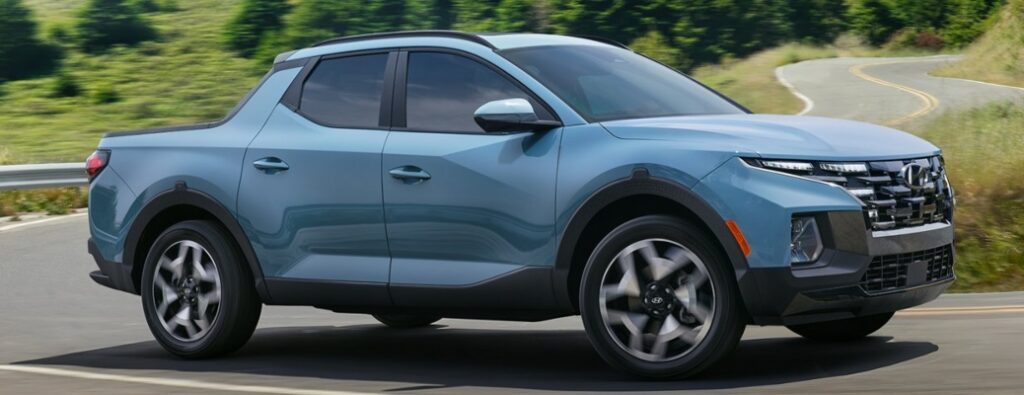
A new Hyundai and Kia recall was issued in October 2022 for models equipped with dual-clutch transmissions. This includes the following vehicles:
Hyundai
2021-2022 Hyundai Sonata
2022 Hyundai Santa Cruz
2022 Hyundai Elantra N
2021-2022 Hyundai Velostar N
2022 Hyundai Kona N
2021-2022 Hyundai Santa Fe
Kia
2021-2022 Kia Sorento
2021-2023 Kia K5
See if your Hyundai or Kia vehicle is included in this recall at the NHTSA’s official recall page.

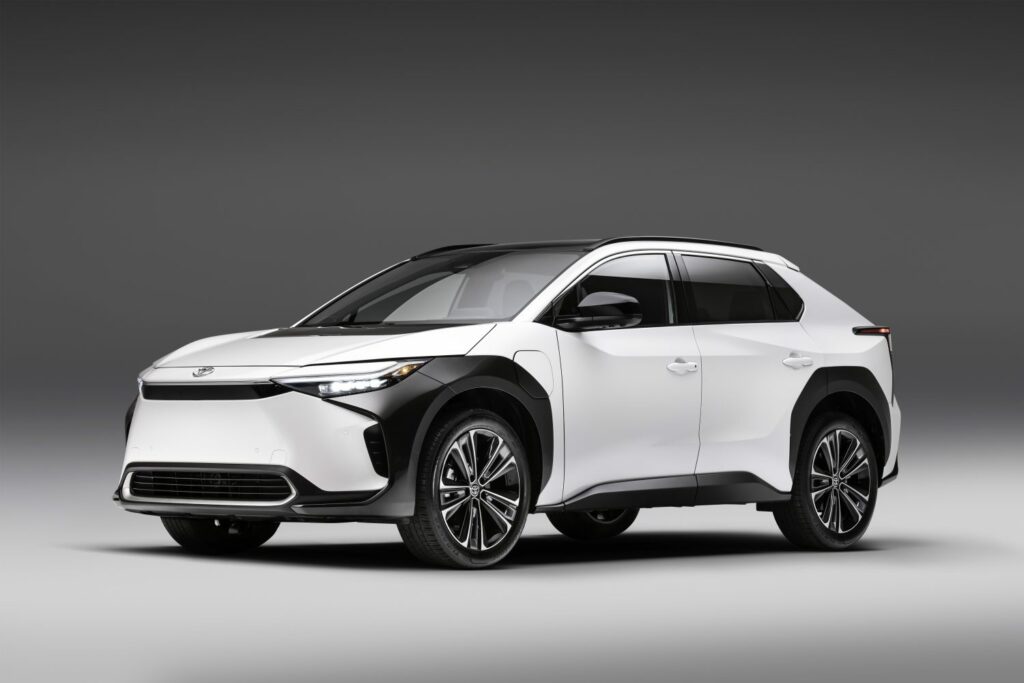
November 2022 Update
Is this the beginning of a Toyota EV scandal?
Norwegian EV testers have found that the Toyota bZ4X does not get anywhere close to achieving the claimed range, efficiency and battery capacity shared by Toyota. The most we’ll known EV testers in Norway, Elbil24, tested the AWD Toyota bZ4x three times in 70-degree weather, and we’re shocked with the data they collected.
Here’s a summary of what they found, but I recommend reading it for yourself at elbil24.no (using a translator). Elbil24 found that the AWD Toyota bz4x has a 62 kilowatt-hour usable battery, much lower than the 71 kWh Toyota claims. In standardized range testing with an outdoor temperature of 70 degrees F and with the climate control set to 73 F, the bZ4X drove just 190 miles on a full charge. Its efficiency is 25% worse than Toyota claims. Merely turning the climate control on dropped the range estimate by nearly 30%.
This isn’t the first poor showing for the model. Toyota bZ4X charging tests are bad to the point that it’s almost scary. InsideEVs previously found that it takes 90 minutes (yes, 1.5 hours) to charge the AWD bZ4X from 0% to 90% (adding 205 miles of range). Trying to get the car to 100% was pointless. It took another few HOURS. Check out their experience here.
Needless to say, we can’t recommend the Toyota bZ4X or its platform sibling the Subaru Solterra with testing showing huge disappointments. We’ll update this page as we learn more.
When Toyota unveiled the Prius hybrid in August of 2000, green tech and sustainability advocates jumped for joy, while the rest of the world pondered the reliability and durability of a hybrid gasoline-electric powertrain. Toyota proved to the world that it was on to something, and has since gone on to sell more than 15 million hybrid vehicles globally. Over 22 years later, Toyota has launched its first-ever fully-electric vehicle, the 2023 Toyota bZ4X. Has the bZ4X electric crossover been worth the wait? Well, it depends on your driving habits and budget. Here’s what we know.
For those who were anticipating an affordable EV from Toyota, I have some bad news. The 2023 bZ4X starts nearly $17,000 above the entry-level RAV4, and $12,000 over the RAV4 XLE Hybrid. The bZ4X is offered in two trims: XLE and Limited. The front-wheel drive XLE starts at $43,215 with destination. Adding dual-motor all-wheel drive to either trim will tack on $2,080. The Toyota bZ4X Limited with all-wheel drive comes out to $49,995. Of course, these MSRPs are before any dealer markups.
Although the bZ4X is Toyota’s first fully-electric mass-market vehicle, America’s best-selling brand sold enough Prius and RAV4 plug-in hybrids (PHEVs) to approach the sales cap enshrined in the existing federal EV tax credit. In 2022, the federal EV tax credit is worth up to $7,500, depending on your tax liability. Tesla and General Motors electric vehicles no longer qualify for this incentive after the two automakers exceeded their 200,000 sale limit, and completed the phase-out period.
Analysts (and even Toyota itself) estimate that the bZ4X will remain eligible for the full $7,500 EV tax credit through 2022. Soon after, they expect to hit the 200,000 sale limit, and the one-year phase out period will ensue until the credit disappears entirely.
State incentives in the form of rebates, tax credits and tax exemptions promote EV adoption in a number of states around the country. Find out if your state offers generous incentives here.
Toyota will offer bZ4X owners and lessees one year of free fast charging at EVgo stations.
EVgo is America’s third-largest public charging network behind Tesla and Electrify America. Over 800 DC fast chargers are located around the U.S., with most located on the coasts, Texas and Great Lakes region.
Before you get too excited about free charging at EVgo, let’s talk charging capabilities. Electric vehicle enthusiasts like myself are puzzled by the outdated charging speeds of the 2023 bZ4X. The front-wheel drive bZ4X is capable of charging at up to 150 kilowatt speeds, which isn’t bad (if the charging curve can sustain that). However, the more powerful and likely more popular all-wheel drive bZ4X is only capable of charging at 100 kilowatts. Why the difference? Battery supply shortages forced Toyota to source the batteries for these two powertrain variants from two different suppliers. And with these charging speeds, it almost seems like Toyota was scraping the bottom of the global battery barrel.
The bZ4X’s charging times are wild, and not in a good way. A recent bZ4X charging test by Kyle Conner of Out of Spec Reviews found that it took 58 minutes (an hour!!!!!) for the AWD bZ4X to charge from 10% to 80%.
Additionally, InsideEVs found that it took 93 minutes to charge from 0% to 90%. That’s NOT normal for an EV in 2022. For comparison, my very own Hyundai IONIQ 5 accomplishes the same feat in 20 minutes, and Tesla’s can do that in 15 minutes. Over 80% of EV charging is done at home overnight, but if you’re a frequent traveler, be very wary of the Toyota bZ4X’s charging speeds.
The 2023 bZ4X’s range is merely okay. It would not be NEARLY as big of an issue if it could charge faster. The front-wheel drive bZ4X is rated for 242 miles with the Limited trim, and 252 miles on the XLE. Upgrade to dual-motor all-wheel drive, and range suffers. The AWD Toyota bZ4X is EPA-rated for 222 miles on the Limited, and 228 miles with lower trims.
Can Performance and Features Redeem Toyota’s First EV?
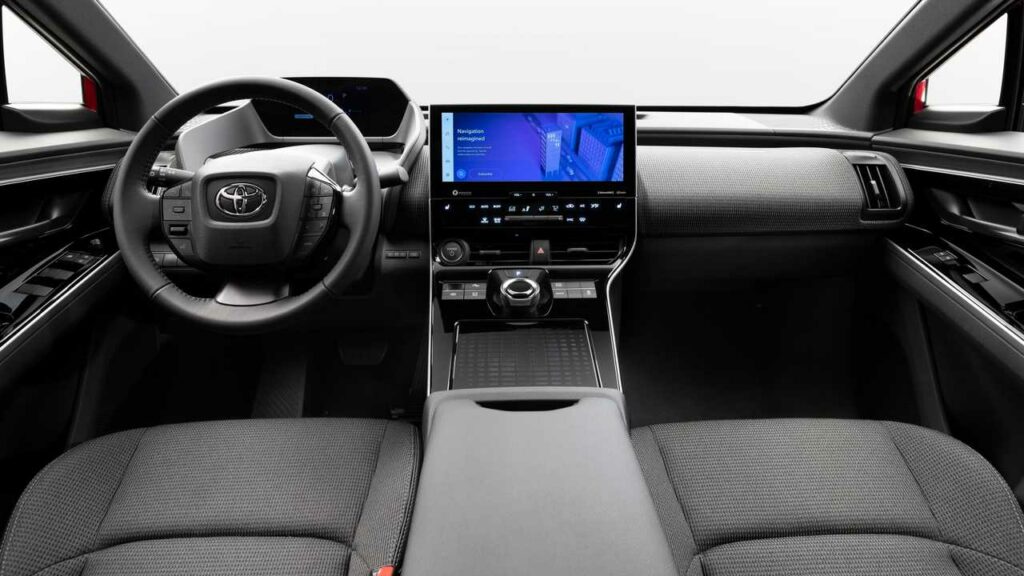
The bZ4X comes standard with a panoramic glass roof. There’s also adaptive cruise control, lane-departure warning, lane-keeping assist, blind-spot monitoring, rear cross-traffic alert, and Safe Exit Assist. The Limited’s features include a motion-activated power liftgate, a heated steering wheel, heated and ventilated front seats, an upgraded camera, 20-inch rims and faux-leather upholstery. Does that make it worth the hours you’ll spend charging? I’m not so sure.
Toyota’s first EV is loaded with safety features, but bZ4X charging and range capabilities leave a lot to be desired. With the all-wheel drive variant, you’re essentially buying 2016 tech at 2023 prices.
I know more than a few Toyota fans who are disappointed by the bZ4X’s specs. Will this EV turn out to be a winner for Toyota? Time will tell.

Gas prices are up over 50% since last year, and that has more drivers looking to an electric vehicle for their next car purchase. The average EV costs a whopping $19,000 more than internal-combustion engine (ICE) vehicles in 2021, and that figure has surely risen after a dozen price hikes from Tesla and MSRP increases from the rest. So, affordability is hard to come by when shopping for an EV. Fortunately, EV incentives can make a difference, and a big difference depending on where you live.
In the United States, the federal EV tax credit remains in effect for up to $7,500 off of next year’s taxes. Revisions to the electric vehicle tax credit failed passage in 2021, but legislators are looking into other pathways for revisions to the law. (Stay up to date with the latest here.)
The current federal EV tax credit code was written with a 200,000 vehicle cap per automaker. Once an automaker sells 200,000 electric vehicles, a step-down of the credit begins to phase out the incentive before it completely disappears. How does the EV tax credit phase out? The credits continue at full value until the second quarter after the 200,000 sale threshold is reached. For the next six months, the EV tax credit steps down to half of the maximum value ($3,750), followed by one-quarter value for the final six months ($1,875).
These are the automakers no longer eligible for the federal EV tax credit:
Others have been slow to catch up, but the industry is going all-in on EVs.
These are the next automakers expected to reach the 200,000 sale cap for the federal EV tax credit:
Toyota’s place on the list is due in large part because of plug-in hybrid (PHEV) sales contributing to sales totals.
See the latest federal EV tax credit phase out numbers at EVAdoption, an amazing resource full of head-turning data.
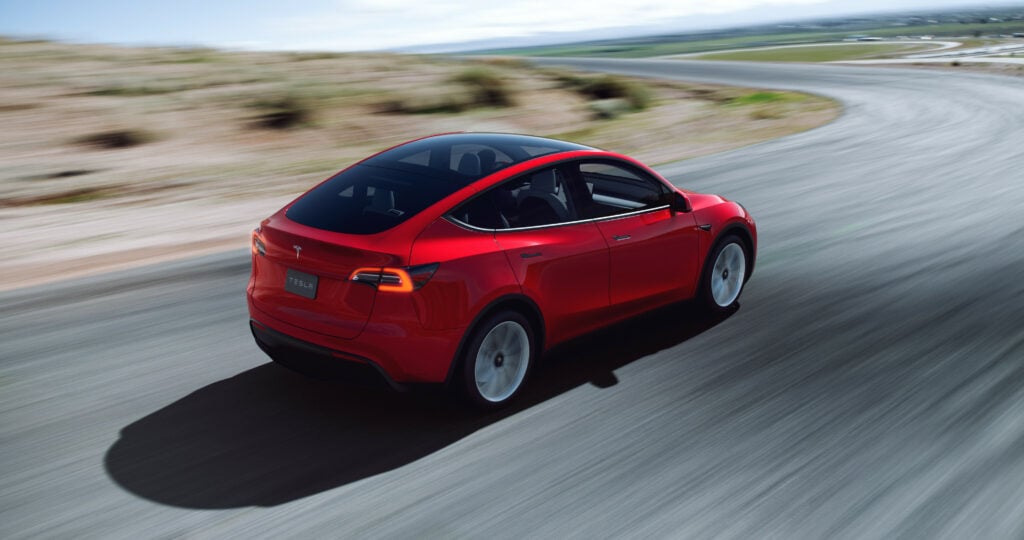
EV incentives are subject to frequent change at the whims of legislators and the limits of funding. Stay informed as you consider your EV purchase. Several states around the country have pending legislation that may affect electric vehicle incentives in the year to come.
EV cost of ownership largely depends on availability of incentives, at least until EV prices come down to cost parity with ICE. When will EVs get cheaper? Not in 2022, and it may be a few years before raw material costs and supply shortages settle into a new normal. In fact, that may be just in time for battery shortages if electric vehicles become as popular as many would suspect.
What do you think? Are state and federal incentives keeping the electric dream alive? What would happen to automaker’s half-trillion dollar electrification plans if incentives were to evaporate overnight? It’s a scary thought considering what’s at stake for them.
At a time when the average transaction price for a new vehicle is inching closer to $50,000, getting your money’s worth matters more than ever. Electric vehicles are popular, but they’re expensive. Most importantly, not all EVs are equal in terms of range, charging speed, and overall value for the money. These are the worst deals for a new electric car in 2022, plus some better alternatives on the market today.
Long the authority when it comes to hybrid powertrains, the world waited with great anticipation for the first all-electric Toyota. The automaker that brought us the legendary Prius collaborated with Subaru to engineer the 2023 Toyota bZ4X, and its sibling the Subaru Solterra (more on that below). The result is puzzling. At a time when Hyundai, General Motors and of course Tesla are bringing cars to market with fast-charging times under 30 minutes, Toyota jumps into the game with an electric crossover that takes a whole hour to charge under optimal conditions.
Okay, so it charges slowly. What about the Toyota bZ4X’s range? The front-wheel drive bZ4X is rated for 242 miles with the Limited trim, and 252 miles on the XLE. Upgrade to dual-motor all-wheel drive, and range suffers. The AWD Toyota bZ4X is EPA-rated for 222 miles on the Limited, and 228 miles with lower trims.
Pricing starts at $43,215 before incentives, and tops out at $49,995 for the bZ4X Limited all-wheel drive.
Here’s a summary of what the 2023 Toyota bZ4X offers:
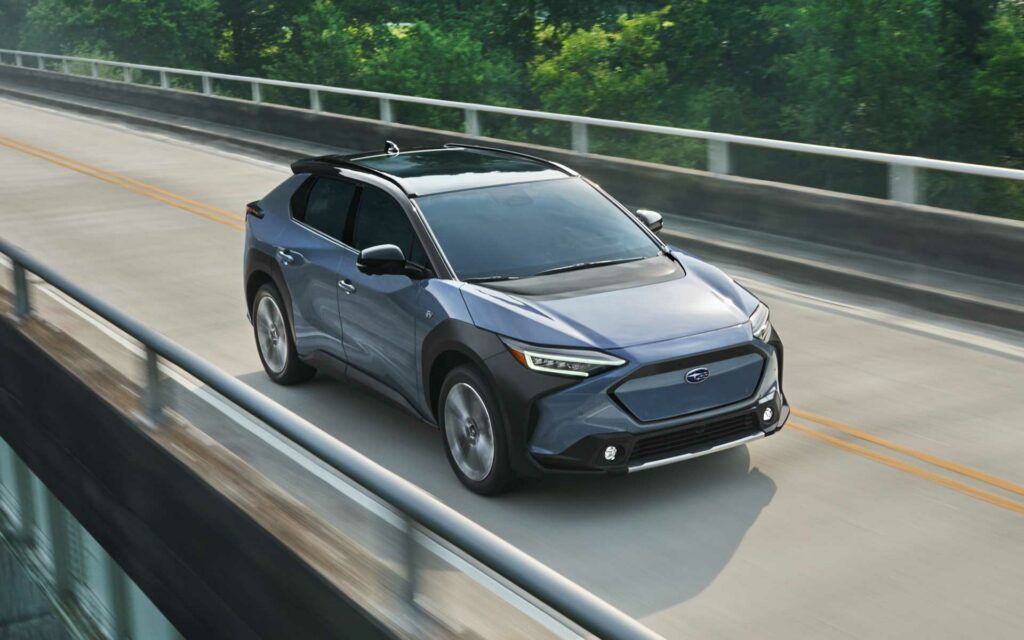
I get why Subaru drivers love their cars. I’m a fan of the outdoorsy, all-terrain capable vehicles at an attainable price. Now that Subaru’s first electric vehicle has arrived, I’m heartbroken. It’s not a compelling EV, especially compared to the competition as a 2023 model.
Toyota’s new electric platform paired with all-wheel drive and the Subaru badge will set you back at least $46,220, and the Solterra Touring’s MSRP is a lofty $53,220. Range isn’t anything to brag about. In fact, it just might cause range anxiety from day one.
2023 Subaru Solterra
Perhaps if you don’t travel too far off the beaten path, the 2023 Subaru Solterra could be right for you. But that defeats the purpose of having a Subaru, doesn’t it?
Here’s our full review of the Subaru Solterra.
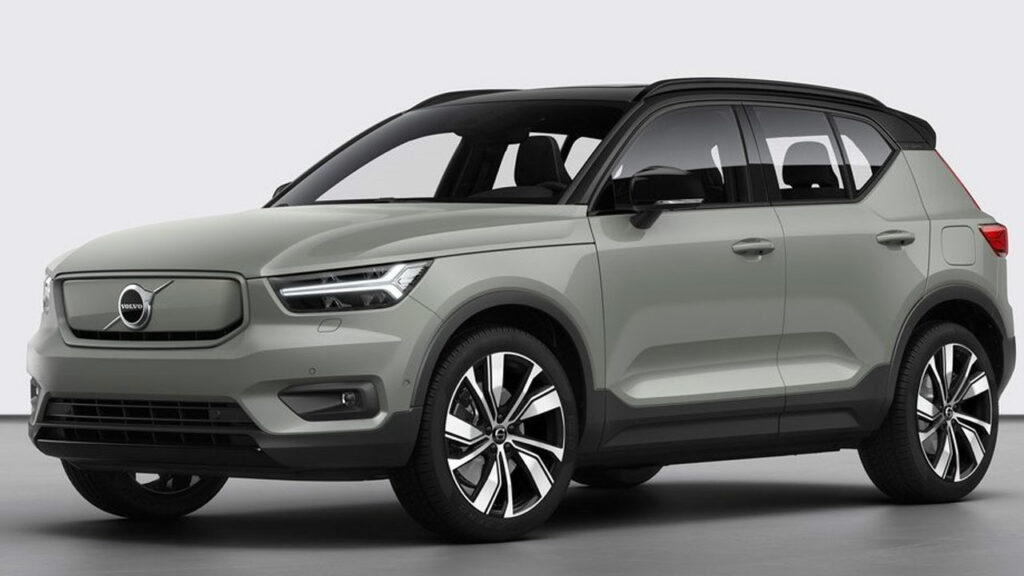
When it comes down to the specs, looks and driving experience, the 2022 Volvo XC40 Recharge is not a bad car. Many owners love its zippy performance and Scandinavian looks. What’s not to like? The price paired with the range. The XC40 Recharge is not an affordable EV. With a starting price of $51,700 and most trim options ending up around $60,000, this Volvo’s price approaches that of its competitor: the Tesla Model Y.
Here’s what to expect from the 2022 Volvo XC40 Recharge:

The I-PACE was one of the first electric vehicles to earn mainstream popularity in North America. When it arrived in 2018, range and charging capabilities were on-par with the best. What’s the problem then? Jaguar has not invested in powertrain upgrades for the I-PACE, and it has consequently fallen out of favor among EV buyers.
The 2022 Jaguar I-PACE starts at an MSRP of $71,200, plus destination and fees. What do you get for such a lofty price, other than the Jaguar brand?
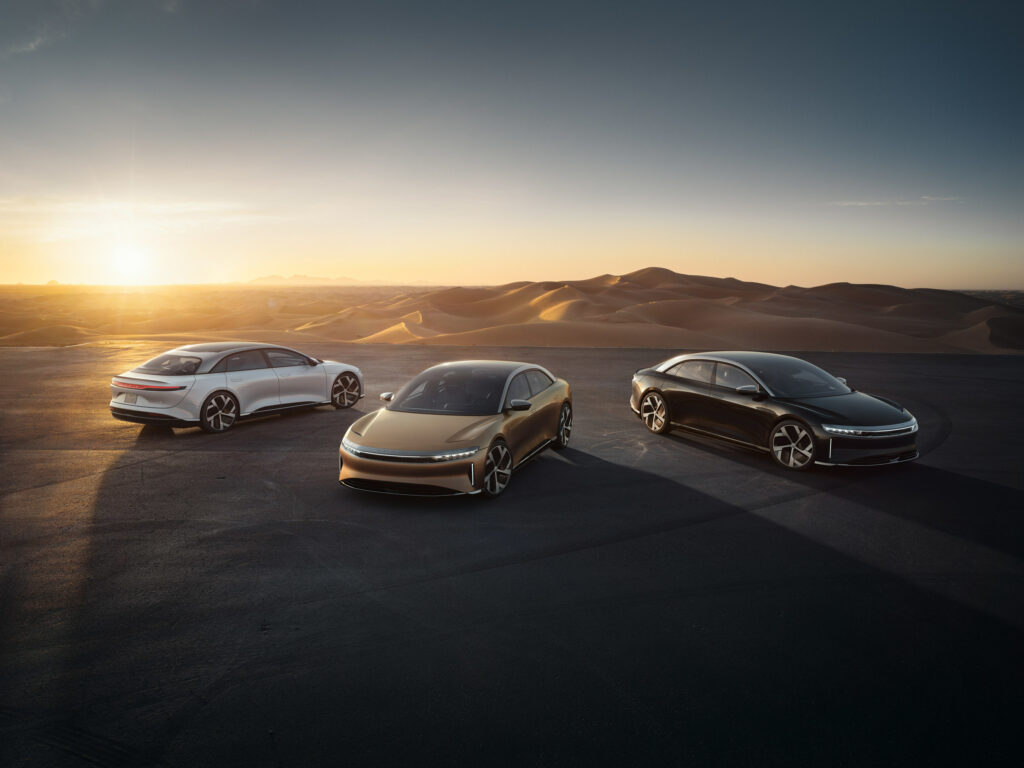
Seasoned electric vehicle enthusiasts may be surprised to see the Lucid Air on this list of overpriced EVs, but hear me out. Although the newly-released 2022 Lucid Air starts at $78,900, you’d be hard pressed to find one in 2022 for under $150,000. Lucid’s design is sharp and sleek, and it’s certainly worthy of a luxury price tag. But if you want all the bells and whistles seen in Lucid’s commercials, brace yourself for sticker shock. The fully-loaded Lucid Air Dream Edition costs $169,900.
Within the electric luxury sedan segment, the Lucid Air makes the Tesla Model S look like a bargain. Although the base ‘Air Pure’ starts at $77,400, the Air Pure won’t be available until late 2022 at the earliest. If you’re looking for luxury, a glass roof, and insane performance, the Tesla Model S offers that and more at $99,990. Even with the federal EV tax credit factored in, the Lucid Air Dream Edition costs over $50,000 more, and stepping down to the Lucid Air Grand Touring at $139,900 will still cost 30% more than the Tesla.
At least you get some impressive specs with the Lucid Air, but the competition offers more value and a longer track record of build quality and electric powertrain performance. Still, the Lucid Air is the range king of all electric cars for now.
Here’s our full review of the Lucid Air.
At CarEdge, we’re all about solutions. If you’re on the market for one of these overpriced electric cars, here are some more compelling EVs to take for a test drive.
2022 Hyundai IONIQ 5
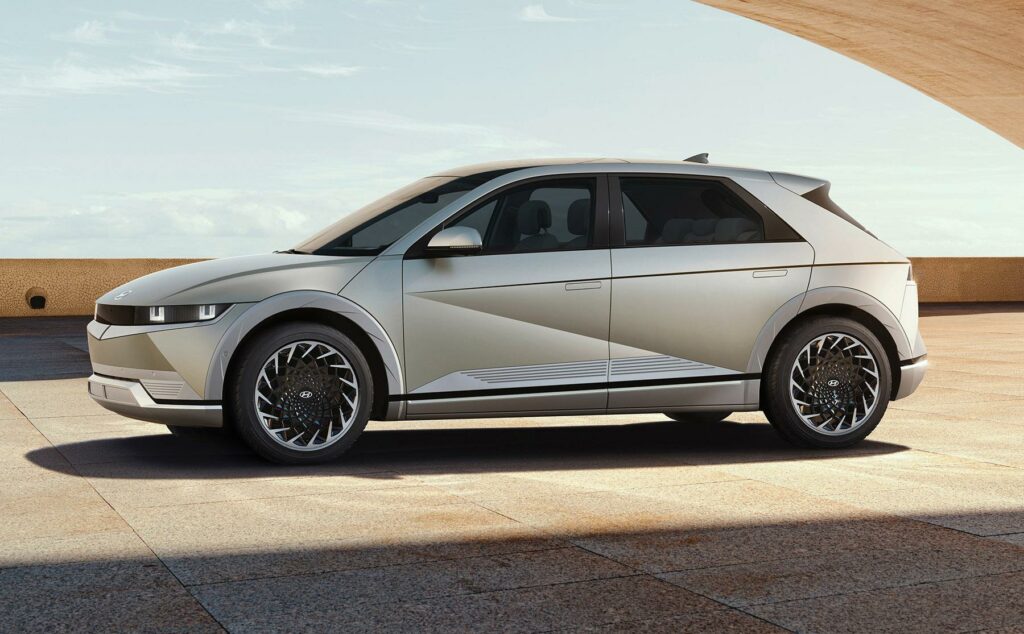
Why? For less than $50,000, this retro-styled EV sports a roomy cabin, decent range, and ultra-fast charging powered by the new e-GMP platform’s 800-Volt engineering.
Price: $44,875 – $56,200
Range: 256 to 303 miles
Charge time: Adds 180 – 200 miles of range in 18 minutes (230 kW charge speeds)
Availability: Available now. Check CarEdge Car Dealer Reviews to find the best dealers to work with.
Does it qualify for the federal EV tax credit? Yes!
Learn more with our in-depth review of the IONIQ 5.
2022 Kia EV6
Why? If you love the Hyundai IONIQ 5’s specs and pricing, but aren’t a fan of the looks, chances are the Kia EV6 will be right up your alley. This sporty electric crossover is also powered by the new e-GMP platform’s 800-Volt architecture for the fastest charging available.
Price: $40,900 – $55,900
Range: 274 to 310 miles
Charge time: Adds 190 – 210 miles of range in 18 minutes (230 kW charge speeds)
Availability: Available now. Check CarEdge Car Dealer Reviews to find the best dealers to work with.
Does it qualify for the federal EV tax credit? Yes!
Learn more with our in-depth review of the EV6.
2022 Ford Mustang Mach-E
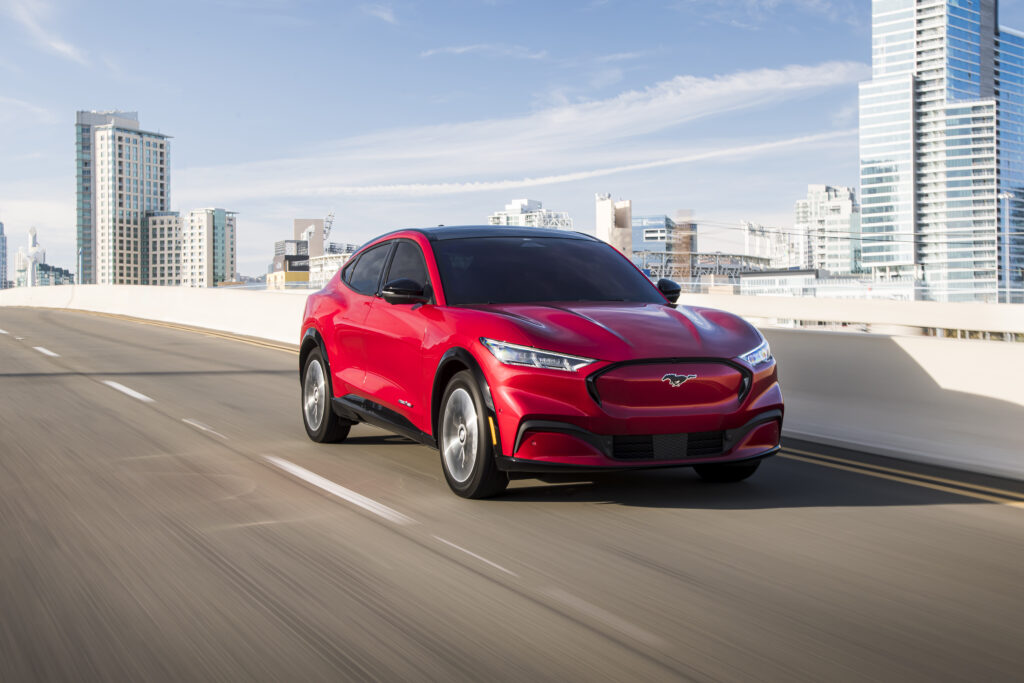
Why? You’d be hard-pressed to find a dissatisfied Mustang Mach-E owner. This EV is on a much more sport-oriented suspension, with a family-friendly modern interior.
Price: $43,895 – $61,995
Range: 224 to 314 miles
Charge time: Charging improvement incoming via over-the-air update, but for now, the Mustang Mach-E adds 59 miles of range in ten minutes, and charging from 10%-80% takes about 45 minutes.
Availability: Available now. Check CarEdge Car Dealer Reviews to find the best dealers to work with.
Does it qualify for the federal EV tax credit? Yes!
Learn more with our in-depth review of the Mustang Mach-E.
2022 Tesla Model Y
Why? This is still the best electric crossover on the market. Great efficiency, range and charging speeds paired with Tesla’s superior over-the-air update capabilities makes this EV the EV sales leader. If only it still qualified for the federal tax credit!
Price: $62,990 – $82,990
Range: 303 – 330 miles
Charge time: Add 200 miles of range in 15 minutes at over 1,200 Tesla Supercharger locations in North America.
Availability: Available now via Tesla’s direct-to-consumer sales, or pre-owned on CarEdge Car Search.
Does it qualify for the federal EV tax credit? No, not unless the tax credit is revised by congress.
Learn more with our in-depth review of the Model Y.
2022 Volkswagen ID.4
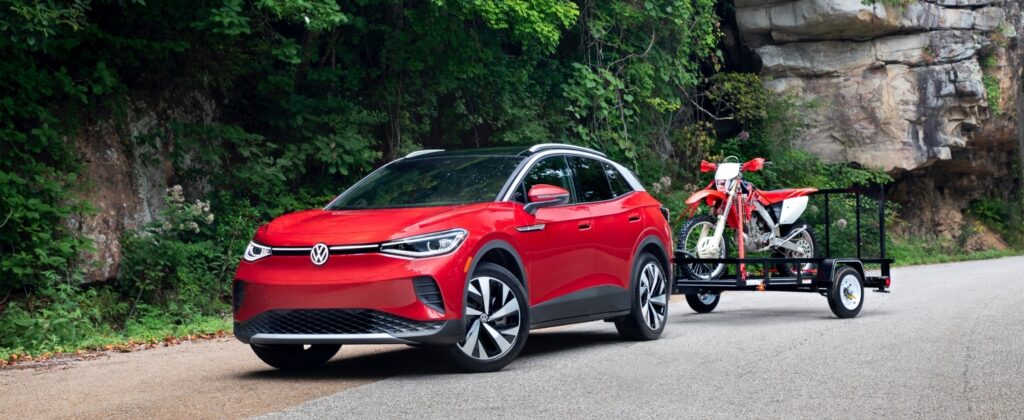
Why? If you can find one at MSRP, the ID.4 is a solid choice for those opting for a more leisurely, less sporty EV. However, it has lost much of its appeal ever since the Hyundai and Kia electric crossovers hit the market with much faster charging.
Price: $41,230 – $52,500
Range: 249 – 260 miles
Charge time: Add up to 190 miles of range in 40 minutes
Availability: Available now. Check CarEdge Car Dealer Reviews to find the best dealers to work with.
Does it qualify for the federal EV tax credit? Yes!
Learn more with our in-depth review of the ID.4.
2022 Tesla Model S
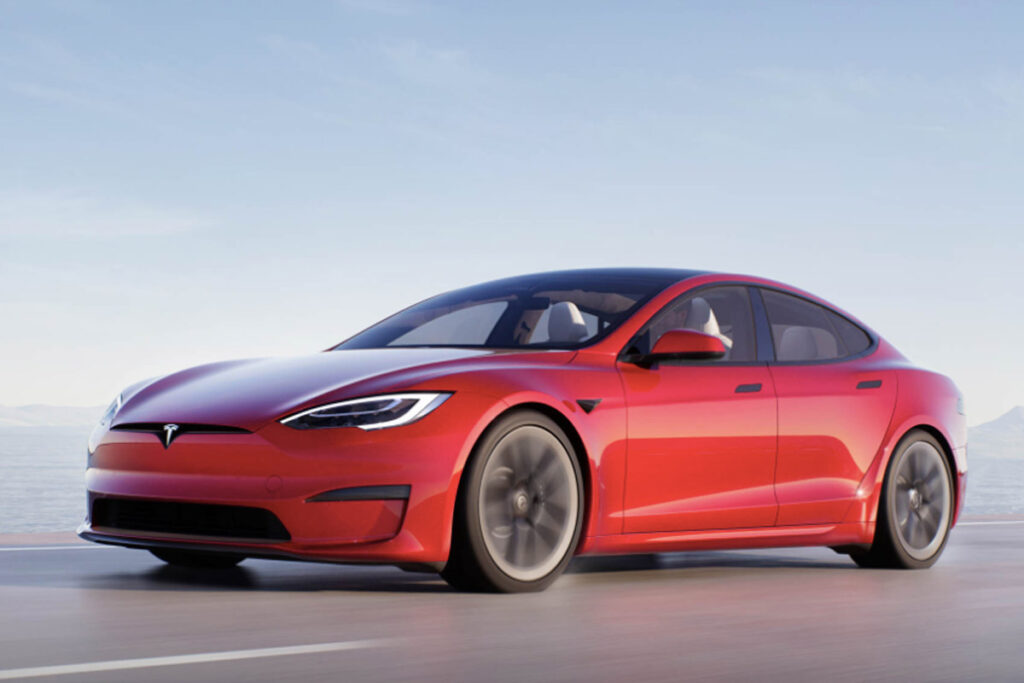
Why? Tesla’s first mass-produced model has matured into the gold standard among luxury EVs. It’s pricey, but sky-high resale value and frequent OTA updates make this Tesla a smart choice for those in the market for something larger than the more popular Model 3.
Price: $99,990 – $156,990
Range: 348 – 405 miles
Charge time: Add up to 200 miles of range in 15 minutes
Availability: Available now via Tesla’s direct-to-consumer sales, or pre-owned on CarEdge Car Search.
Does it qualify for the federal EV tax credit? No, not unless the tax credit is revised by congress.
2022 Mercedes-Benz EQS
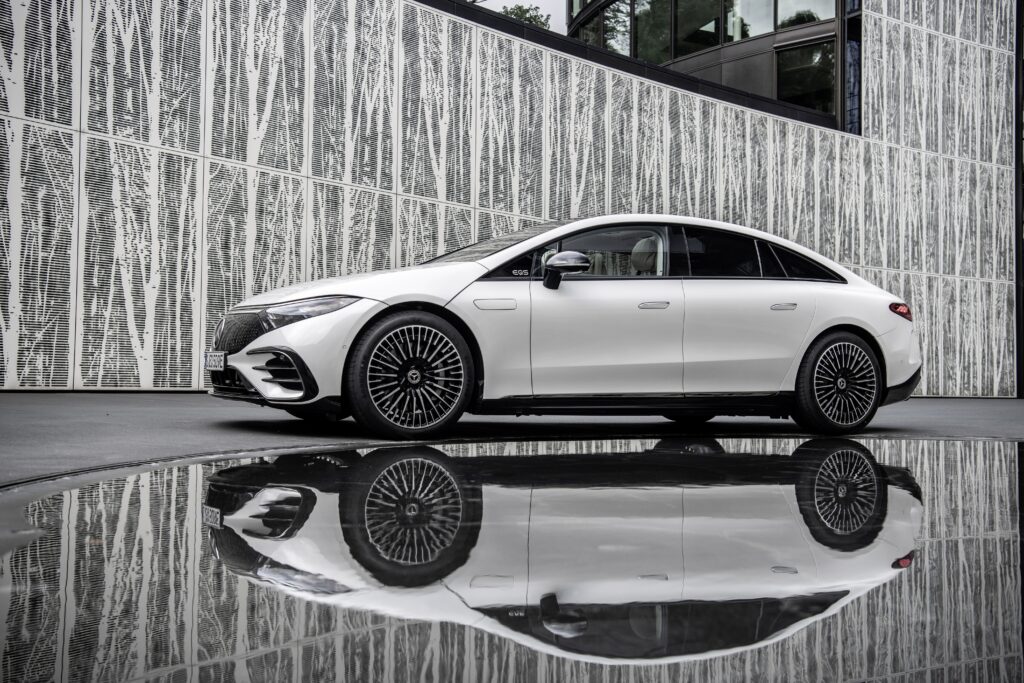
Why? The first dedicated electric vehicle from Mercedes to make it to North America is something to behold. It doesn’t have the Tesla Supercharger network, but the interior is luxury on another level.
Price: $102,310 – $108,510
Range: 350 miles
Charge time: Add up to 200 miles of range in 20 minutes
Availability: Available now. Check CarEdge Car Dealer Reviews to find the best dealers to work with.
Does it qualify for the federal EV tax credit? Yes!
Learn more with our in-depth review of the EQS.
Do you agree with this analysis, or did we miss the mark? Please, let us know in the comments below, or join us at the CarEdge Community to talk cars, deals and more. Our CarEdge auto experts are ready to take the headache out of your car buying experience.
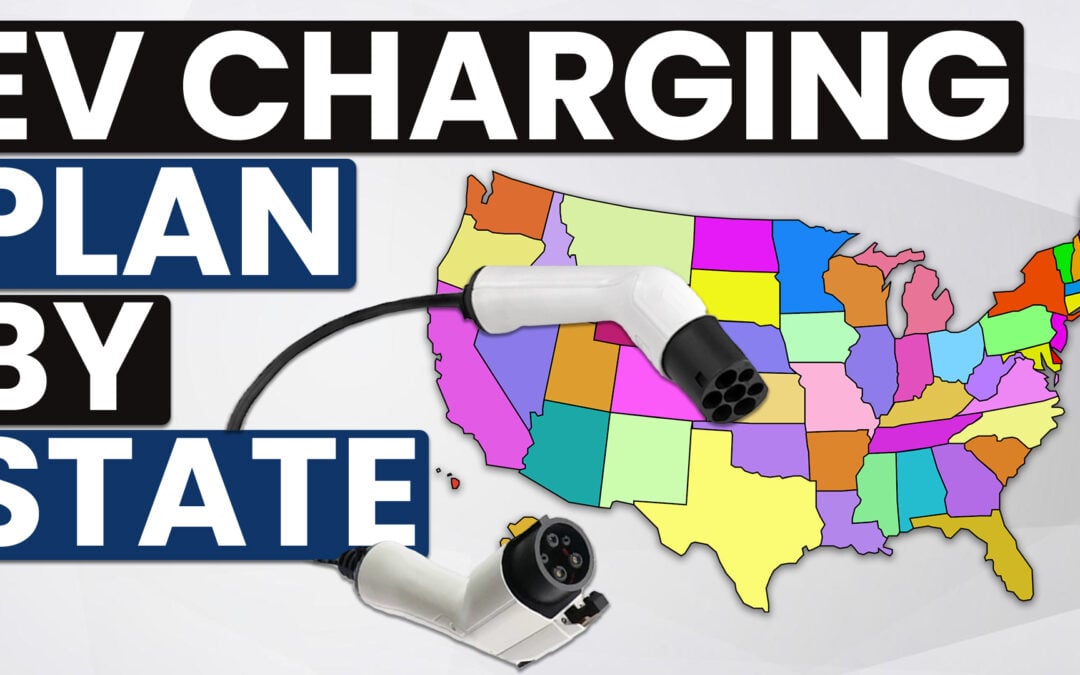

Here in the United States, the first quarter of 2023 brought EV market share to 7.2% along with a new EV sales record, despite an overall auto market slump. Electric cars are hot right now, but buying one is easier said than done. Supply shortages, insufficient charging infrastructure and unattainable prices are just some of the reasons why many Americans want an EV, but hesitate to make the switch. Nevertheless, California has announced a ban on new ICE vehicles that starts in 2035. Other states are beginning to follow suit. Which states are banning ICE cars, and which 17 are likely to go that route next? The answers tell us a lot about where the automotive industry is headed, and also the challenges that consumers may face when buying a car in the next decade.
Why don’t states have to follow federal emissions rules? Well they do, but they are allowed to enforce more stringent rules. California was originally granted a waiver from the 1970 Clean Air Act so that it could enforce even stricter emissions standards to combat smog. Since then, other states have followed suit with transportation-related emissions targets.
Today, nearly a quarter of Americans live in a state where sales of internal combustion engine (ICE) vehicles are set to be phased out.
If you’re no stranger to the auto industry, you likely know that California’s strict emissions standards have shaped fuel economy standards and electrification plans for a few decades. In August of 2022, California announced that it will phase out gasoline-powered cars by 2035 to reduce demand for fossil fuels responsible for human health hazards and climate-warming emissions. Governor Gavin Newsom said the transportation sector is “responsible for more than half of all of California’s carbon pollution, 80 percent of smog-forming pollution, and 95 percent of toxic diesel emissions.”
Will California’s ICE ban be moved forward to 2030? It’s possible. While it seemed to be a likely move just one year ago, the limitations that automakers face in making EVs will likely prevent states from moving up timelines to before 2035. Still, some politicians are advocating for a quicker phase out of fossil fuels, and the cities of Oakland, Culver City and Berkeley are already targeting a 2030 deadline.
The California Air Resources Board (CARB) adopted the Advanced Clean Cars II proposal on August 25. In addition to banning light-duty vehicles powered by internal combustion engines in 2035, the new rules set a timeline for a phase-out period.
California’s new CARB policy requires that 35 percent of new passenger vehicle sales in California must consist of zero-emissions vehicles by 2026, with the requirement increasing to 68 percent by 2030, and 100% in 2035.
A new regulation promoted by the California Air Resources Board (CARB) would require that rideshare companies achieve a level of zero greenhouse gas emissions and to ensure 90 percent of their vehicle miles are fully electric by 2030. California, a state that relies on ridesharing more than most other American states, will be putting the pressure on Uber, Lyft and others.
The new EV tax credit impacts everyone. See the models that qualify, and the many that don’t.
Since the 1990s, 17 states have enacted laws requiring state emissions policies to mirror those of California. These are the states that follow CARB emissions standards:
All of these states and the District of Columbia are likely to officially adopt the 2035 ICE ban in the coming days or weeks.
We’re one nation under different sets of rules. Washington and Massachusetts have so-called trigger laws in the books that require them to follow the lead of the California Air Resources Board (CARB). With the latest news from California, Washington and Massachusetts have also announced a 2035 ban on ICE cars.
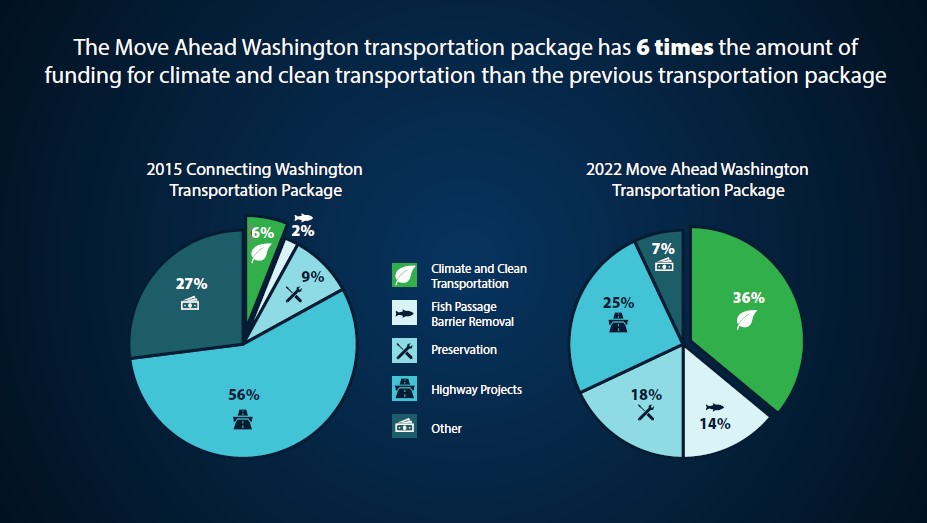
Previously, the 2022 Move Ahead Washington transportation package passed the state’s legislature and made it to Governor Inslee’s desk for a signature. Thirty-six percent of the $16 billion transportation package is dedicated to climate-friendly transportation infrastructure, such as electric vehicle charging, public transit electrification, and even low-emissions ferries.
Within the 2022 Move Ahead Washington package is a bold new policy aimed at ending sales of new internal combustion engine (ICE) vehicles starting in 2030, just 7 years away. For now, Washington has decided to pursue California’s 2035 target. Perhaps politicians in Washington state have been keeping an eye on automakers struggling to ramp up EV production just 7 years from the more ambitious target.
“Transportation is our state’s largest source of greenhouse gas emissions. There is no way to talk about climate change without talking about transportation. This package will move us away from the transportation system our grandparents imagined and towards the transportation system our grandchildren dream of,” Inslee said in a statement.
In 2020, transportation overtook electricity generation as the top source of carbon emissions in the United States.
New York will ban the sale of ICE cars and light-duty trucks starting in 2035. In September 2021, Governor Kathy Hochul signed a bill implementing the future ban. The New York law also seeks to eliminate emissions from medium- and heavy-duty vehicles by 2045. The state government is required to create a detailed plan for zero-emissions vehicle development by the end of 2023.
The New York ICE ban has eyes on the truck sector. Governor Hochul instructed the Department of Environmental Conservation (DEC) to propose new regulations that will accelerate the adoption of electrified trucks in particular.
“When adopted, this new regulation will require an increasing percentage of all new trucks sold in New York to be zero-emissions vehicles beginning with the 2025 model year, cementing our state as a national leader on actions to address climate change while spurring economic opportunities and helping to reduce air pollution,” said DEC Commissioner Basil Seggos.
Massachusetts is another state with a trigger law requiring state emissions policy to mirror that of the California Air Resources Board. The state has now adopted the same 2035 ICE ban that the Golden State has.
Roughly 27 percent of Massachusetts emissions come from passenger vehicles. As the state seeks out strategies to achieve net-zero fossil-fuel emissions by 2050, a ban on the sale of new combustion-powered vehicles has entered the picture.
Massachusetts is one 17 states that adhere to California’s vehicle emission standards, a policy first adopted in 1991 to ensure the state has strict anti-pollution regulations.
In 2021, Virginia became the 17th state to adopt some of California’s tailpipe emission standards that are stricter than federal rules. One year later, elections shifted the balance of power.
“House Republicans will advance legislation in 2023 to put Virginians back in charge of Virginia’s auto emission standards and its vehicle marketplace,” House Speaker Todd Gilbert said in an August 2022 statement, according to the AP. “Virginia is not, and should not be, California.”
For the time being, Virginia is on track to ban light-duty ICE vehicles in 2035 as it follows California’s lead. With a republican governor and House, it is quite possible that this could change.
In 2023, the 17 CARB states are seeking to set a target date for the nationwide phase-out of combustion-fueled light-duty vehicles starting in 2035.
Why stop at heavy duty trucks? The battery and charging technology isn’t quite there yet for big rigs, and supply chain logistics are too fragile to disrupt with talk of bans on combustion engines.
Proponents of a nationwide ban on ICE sales say that it’s the most effective way to combat pollution since emissions spread beyond state borders. A nationwide ban on ICE vehicles does not appear likely for now, but we’ll keep an eye on the latest developments at both the state and federal levels.