
CarEdge saved me over 4,500 dollars on a brand new Honda Pilot. I can't say thank you enough.
Price intelligence
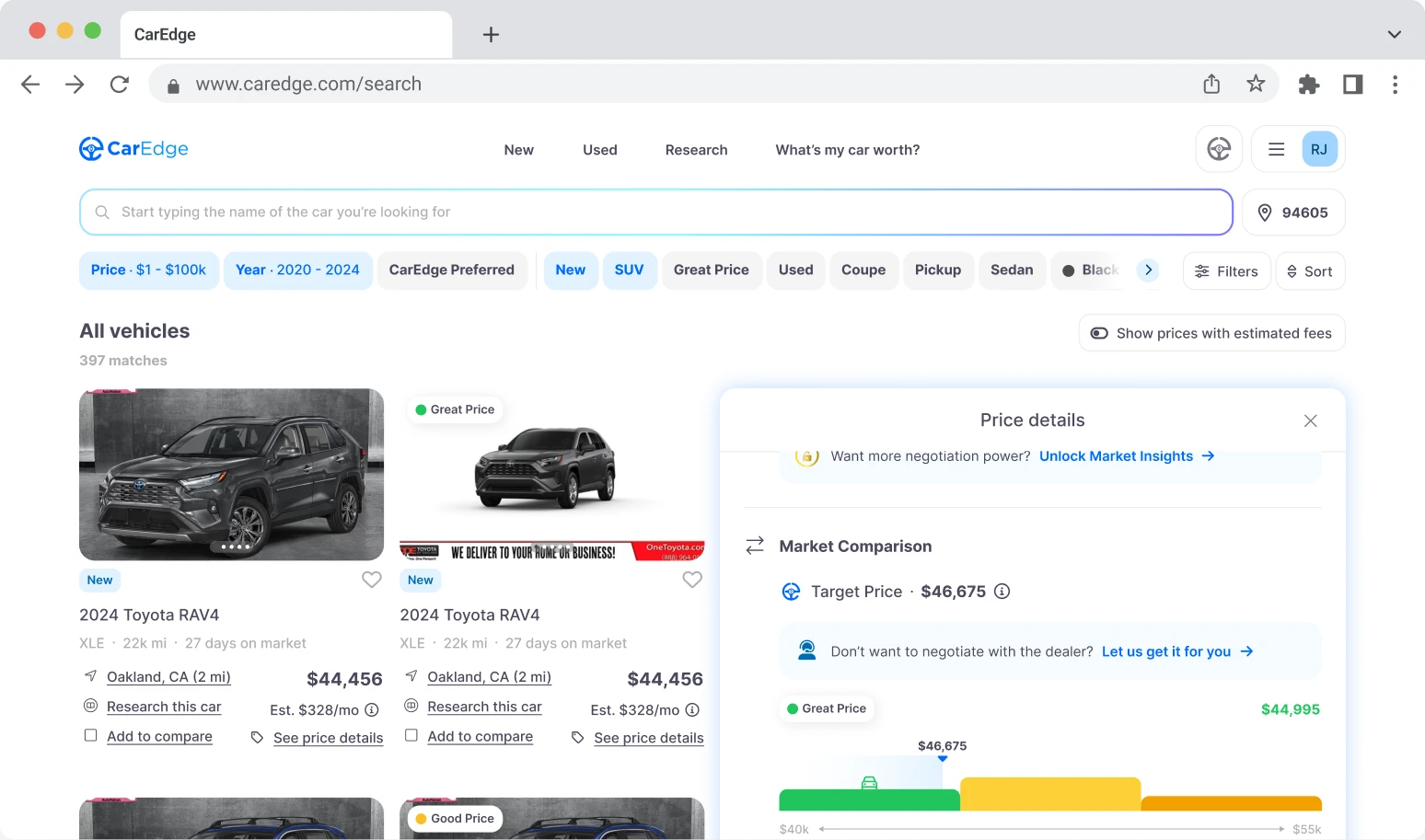
Find a wide range of vehicle listings with market insights on new and used listings near you.

What can I do with CarEdge?
 CarEdge Insights
What can I do with CarEdge?
Get access to exclusive information so you can make an informed car buying decision — all in one place.

Find a wide range of vehicle listings with market insights on new and used listings near you.
Track your vehicle’s value and cash in when the time is right to sell.

Access to our proprietary data to help you find the right car, at the right price. Find these unlocked on every listing after subscribing.

With our expert-led, tech-enabled car buying service, we will locate, negotiate, and deliver your vehicle so you can get a new car hassle free.


Help us personalize your CarEdge experience — it only takes a second.
Your answers help us personalize your CarEdge journey — we’ll follow up with tips and next steps that match your buying timeline.
Thinking about holding onto your car for the long haul? You’re not alone. In today’s car market of rising prices and rapid depreciation, many drivers are wondering whether it’s smarter to stick with the car they already own.
At CarEdge, we believe informed decisions save you thousands. Here’s what you need to know before deciding whether to keep your vehicle for longer, or start fresh with something new.
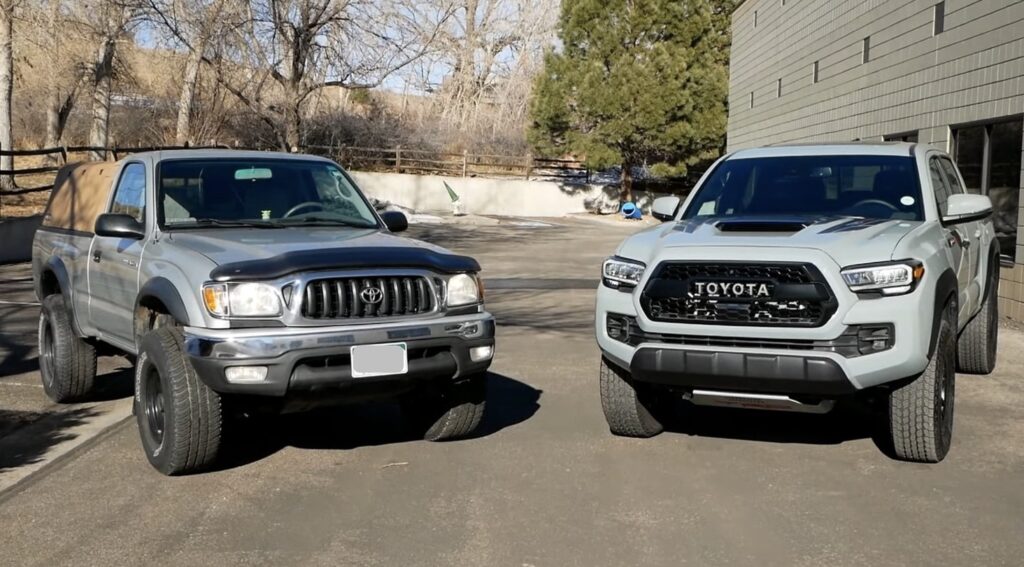
New cars lose 20–30% of their value in the first year alone. By keeping your car longer, you avoid taking that financial hit repeatedly. Plus, you won’t be shelling out for sales tax, registration fees, or dealership add-ons every few years. Insurance costs also tend to drop with older cars. This is especially if you drop comprehensive or collision coverage once the car’s value declines significantly as the miles add up.
Check out our free cost of ownership data
Most auto loans are paid off in 3–6 years. If you hold onto the car after that, you’ll enjoy years of driving without a monthly payment. Having a paid-off car means freeing up cash for other priorities, like savings or paying down debt.
You know your car. Its quirks, service history, how it drives in snow or rain—there’s no learning curve. That trust and comfort can go a long way in peace of mind, especially when you’ve maintained the car well.
Even the greenest EV has a carbon footprint from manufacturing. Holding onto your current car—even if it’s not electric—can be more environmentally friendly than replacing it with a new one every few years.
Buying a car can be a hassle. Keeping your current car means no time spent researching new models, test driving, negotiating prices, or dealing with trade-ins. It’s one less thing to worry about.

Even well-built cars eventually wear down. Between years 8 and 12, expect bigger-ticket repairs like suspension work, HVAC issues, or transmission problems. Costs can vary dramatically depending on the make and model, but reliability becomes less predictable.
See maintenance rankings by make and model
Newer vehicles often come with advanced safety features like automatic emergency braking, adaptive cruise control, blind spot monitoring, and more. Your old ride might not have these, which can make a big difference in both safety and comfort.
Seats wear out. Touchscreens lag. The cabin might feel outdated or less comfortable over time. Even if the engine runs strong, the driving experience may start to feel more like a chore.
After 10 years, most vehicles have very little resale value. This is especially true for cars with well over 100,000 miles on the odometer. In contrast, if you sell after 5 years, you might still recover 40–60% of the original price. If you plan to trade in later, timing matters.
We’ve got plenty of free depreciation tools to keep you informed.
If you own an EV, charger standards and technology may evolve. For instance, early Nissan LEAF owners are encountering challenges finding compatible charging these days. Even gasoline vehicles might also face limitations as fuel blends change or emissions standards tighten. An older car could eventually feel outdated or even unsupported.
Let’s say you buy a $35,000 car.
Over 10 years, buying two newer vehicles could cost $8,000 to $15,000 more than keeping one car the whole time, depending on the model, insurance, taxes, and maintenance needs.
If your car is still safe, reliable, and not draining your wallet in repairs, holding onto it a few more years is often the smartest financial choice. On the other hand, if maintenance costs or safety concerns are piling up, it may be time to move on.
Need help figuring out whether your current car is worth keeping?
👉 Check out the CarEdge Value Tracker, and know when it makes sense to sell.
Or, explore how long-term ownership compares to financing something newer with our full Cost to Own Rankings.

Car shoppers expecting blowout Memorial Day deals in 2025 may have noticed something different this year: the discounts just aren’t what they used to be. From lackluster financing specials to higher-than-usual lease payments, automakers appear to be holding back. The reason? A sudden drop in new car inventory has automakers tightening the reins.
Here’s a look at the latest new car inventory numbers, and how automakers are responding to this temporary ‘buyer’s market’.
From April to May 2025, new-vehicle inventory in the U.S. fell from 3.08 million to 2.8 million vehicles — a 10% decline. The latest numbers are courtesy of inventory management firm Lotlinx, which shared their market update with Automotive News. That’s the steepest drop we’ve seen since early 2023, and it’s no coincidence.
As buyers rushed to beat potential tariff-related price hikes, dealer lots thinned out fast. With fewer cars available, many automakers have pulled back on Memorial Day incentives, especially for popular models.
The latest inventory tally found that the estimated days’ supply of new cars shrank to 58 days, down from 71 days a month prior.
Compare that to a year ago, when inventory stood at 2.86 million with a 75-day supply — and you can see why 2025 isn’t delivering the same sales splash. Although inventory levels are similar to May of 2024, cars are selling much faster right now.
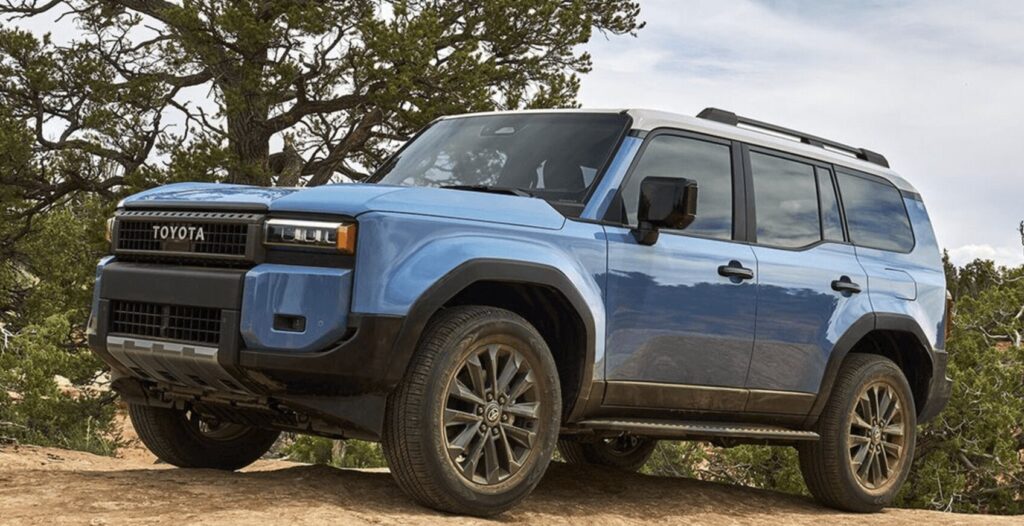
Among the seven automakers that report monthly inventory and sales data, Ford and Toyota saw the sharpest declines in supply. Toyota continues to operate with the tightest inventory in the U.S., holding less than 30 days’ supply.
Ford’s situation is more complex. Despite facing an inventory crunch, Ford also raised prices on several popular models, including the Maverick, Bronco Sport, and Mustang Mach-E, all of which are produced in Mexico and now subject to increased tariffs. Instead of making Memorial Day a big sales moment, Ford is charging more. You can read our full breakdown of Ford’s underwhelming Memorial Day sales and price hikes here.
Lotlinx data shows hybrids are in the shortest supply at just 48 days nationwide. Traditional gas-powered vehicles follow at 59 days, with electric vehicles sitting at 90 days of supply — a month-over-month increase for the EV segment.
Here’s a quick snapshot of May inventory by new car segment:
Even the highest-supply category — crossovers — saw declines from April levels.
Although overall Memorial Day incentives are milder in 2025, there are still some solid offers out there — especially if you’re flexible on model, trim, or location. We rounded up the Best Memorial Day Car Deals of 2025, including great lease specials, 0% financing, and up to $10,000 in cash offers. The deals are out there this May, if you know where to look.
But if you’re shopping for a high-demand model like the Honda CR-V, Toyota RAV4, or any hybrid under $35K, expect dealers to play hardball. With dwindling inventory, there’s just no reason to discount deeply — and they know it.
In May 2025, the used car market is heating up — and fast. Between rising prices, a shortage of low-mileage vehicles, and renewed demand driven by economic uncertainty, it’s officially a seller’s market. But that doesn’t mean buyers are out of luck. Here’s what’s driving the shift, how used car prices are trending, and what shoppers can do to stay ahead of the game this summer.
CarEdge’s own Ray Shefska recently checked how much his 2020 MINI Clubman was worth on the used market. Just six weeks after receiving a $16,600 offer, that same car was valued at $19,000 — a 15% increase in value. While Ray’s experience may sound extreme, it perfectly illustrates the broader trends driving up used car prices this spring.
So what’s going on? Several forces are converging this spring to push prices higher:
One result? The average age of a used car for sale is now 6.7 years — a 26% increase from 2020, when the average was just 5.3 years according to Manheim. However, many buyers still prefer a more gently-used vehicle, so younger pre-owned cars are selling for a steep premium in 2025.
👉 Track your car’s value for free with the CarEdge Garage
After peaking above $28,000 in 2022, average used car prices dipped to just under $25,000. But now, prices are bouncing back.
Cox Automotive reports that the supply of used cars under $15,000 — often the most in-demand by budget-conscious buyers — is at its lowest level since 2021. These affordable vehicles are also selling the fastest.
Wholesale price data from Black Book shows that used car values are up 2.75% over the past two months — but that’s just the average. Zoom in on the most desirable vehicles, and the price increases are even sharper.
Vehicles that are 0 to 2 years old are appreciating much faster than older cars. Buyers have caught on to the sharp depreciation that hits new cars as soon as they leave the lot — and they’re now prioritizing lightly-used vehicles instead.
That’s creating a perfect storm: low supply, high demand, and rapidly climbing prices for newer used cars. Meanwhile, older vehicles — especially those over 6 years old — are either holding steady or even losing value.
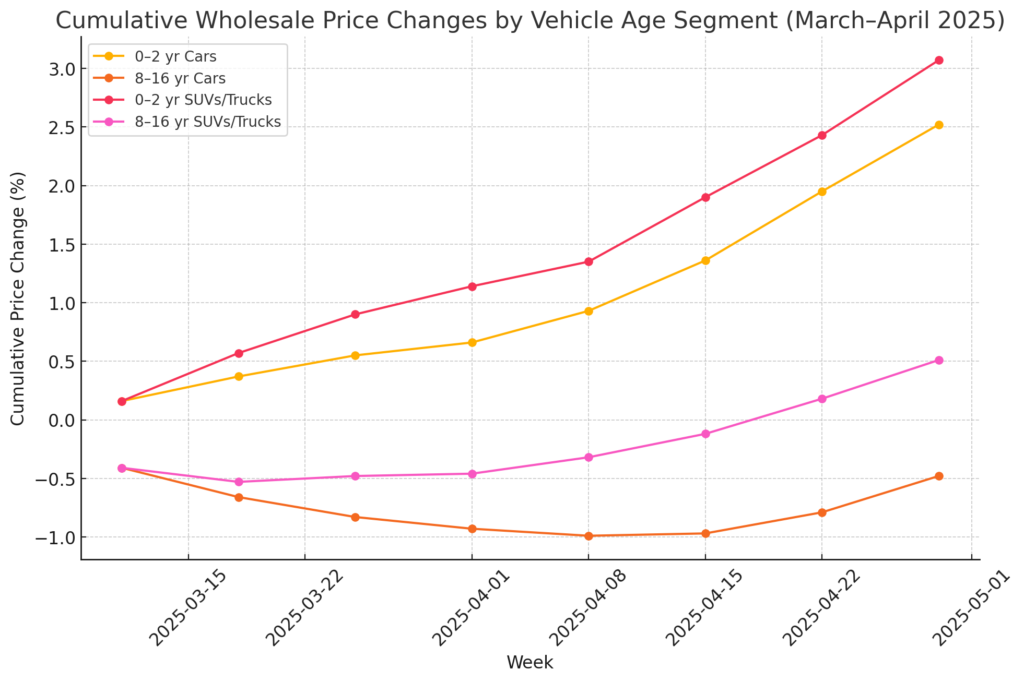
The takeaway? The younger the used car, the stronger its market value right now.
We track used car prices weekly here. Add this to your bookmarks if you’re in the market!
If you’re thinking about selling a car that’s less than five years old — especially one with low mileage — now is the time. Dealers and private buyers are paying top dollar for clean, late-model vehicles.
💰 See your car’s value instantly — and get a cash offer on the spot!
Yes, prices are rising. But used car shoppers still have a chance to land a great deal — especially if new car incentives dry up due to tariff pressures or reduced inventory. Here’s how to stay ahead:
Use CarEdge Car Search to locate used cars that have sat on dealer lots the longest. These units are often the most negotiable.
Arm yourself with free negotiation cheatsheets and walk into the dealership with confidence. A well-informed buyer is a powerful buyer.
A pre-purchase inspection can save you thousands down the road. It’s your best defense against buying a lemon.
Keep your options open. If one deal falls through or a dealer won’t budge on price, move on. Also, don’t get talked into paying for overpriced add-ons or junk fees. Here’s what’s legit, and what’s a ripoff.
Feeling overwhelmed? Let a professional handle the hard part. CarEdge’s Car Buying Service offers expert help — and now features our most affordable option ever.
The 2025 used car market is undergoing rapid changes heading into May. Values are rising, inventory is tightening, and shoppers are rushing to lock in deals before prices rise further. Whether you’re selling a low-mileage car for top dollar or hunting for a well-priced used vehicle, the key is to do your homework, whether you’re buying or selling.
Wondering which SUVs will hold their value best in today’s unpredictable car market? The latest CarEdge Research update reveals the 2025 SUVs with the best resale value, based on total cost of ownership, projected depreciation, and real-world market data. Whether you’re buying new or used, these models are the smart picks for long-term value.

Predicted Depreciation: 25% over 5 years
5-Year Resale Value: $46,648
The Toyota 4Runner continues its reign as one of the top SUVs for resale value. When buying new, the 4Runner is expected to retain 75% of its original value after five years of ownership, assuming typical driving habits. With a market day supply of 71 days, it’s moderately negotiable if you’re buying new.
If you buy a 4Runner that is two years old, you could save $11,361 compared to buying new. When buying a two-year old 4Runner, expect only $4,105 in depreciation over the first three years of ownership. That’s not bad at all.
In 2025, the average price for a three-year-old 4Runner is $41,978.
👉 See the complete Toyota 4Runner resale value and cost of ownership analysis

Predicted Depreciation: 31% over 5 years
5-Year Resale Value: $26,223
The Toyota RAV4 is still one of the most dependable crossovers on the road, something Toyota fans have bragged about for years. In addition to excellent reliability, the RAV4 holds its value surprisingly well. With typical driving habits, the RAV4 is expected to retain 69% of its original value after five years.
What if you buy used? Buying a two-year-old RAV4 could save you $6,000 versus new. This assumes a selling price of $37,774 when new.
Used three-year-old RAV4s sell for $28,876 on average in 2025. But if you’re eyeing a new one, good luck negotiating—market supply sits at just 31 days.
👉 See the complete Toyota RAV4 resale value and cost of ownership analysis

Predicted Depreciation: 31% over 5 years
5-Year Resale Value: $16,590
The Hyundai Venue might be a budget-friendly SUV, but it still holds value well. When buying a new Venue, you can expect it to retain 69% of its value after five years. With a 98-day supply, there’s room to negotiate if buying new.
If you go used, a two-year-old Venue can save you about $5,000 over buying new, and your depreciation over the next three years is just $2,253—hard to beat. Three-year-old Venues sell for around $17,826 in 2025.
👉 See the complete Hyundai Venue resale value and cost of ownership analysis

Predicted Depreciation: 32% over 5 years
5-Year Resale Value: $21,218
With Honda’s reputation for reliability, the HR-V is a solid choice for long-term ownership. On average, buying a gently used HR-V saves you $5,655, and depreciation over three years lands just above $4,000.
Used three-year-old HR-Vs sell for about $21,519. New models are not very negotiable, with a 59-day market supply. For comparison, the overall auto market averages 83 days of market supply right now.
👉 See the complete Honda HR-V resale value and cost of ownership analysis

Predicted Depreciation: 32% over 5 years
5-Year Resale Value: $21,278
The Corolla Cross is a newer addition to Toyota’s SUV lineup, and it’s already proving to be a leader in SUV resale value. It’s popular for many reasons, including affordability, safety, and high fuel economy to name a few. With a tight 33-day supply, you won’t find many bargains on new inventory. The Corolla Cross is manufactured in Alabama, so it’s likely to avoid direct impacts for auto tariffs.
Three-year-old models sell for an average price of $24,024 in 2025. For some, it may be worth it to buy new with such low depreciation.
👉 See the complete Toyota Corolla Cross resale value and cost of ownership analysis

Predicted Depreciation: 32% over 5 years
5-Year Resale Value: $32,949
A newcomer to the Toyota SUV lineup, the Crown Signia shows early signs of holding its value well. The Crown Signia is the larger sibling to the Toyota Crown, which replaced the Avalon a few years back. Used pricing isn’t widely available yet, but new models are in high demand with a 31-day supply.
👉 See the complete Toyota Crown Signia resale value and cost of ownership analysis
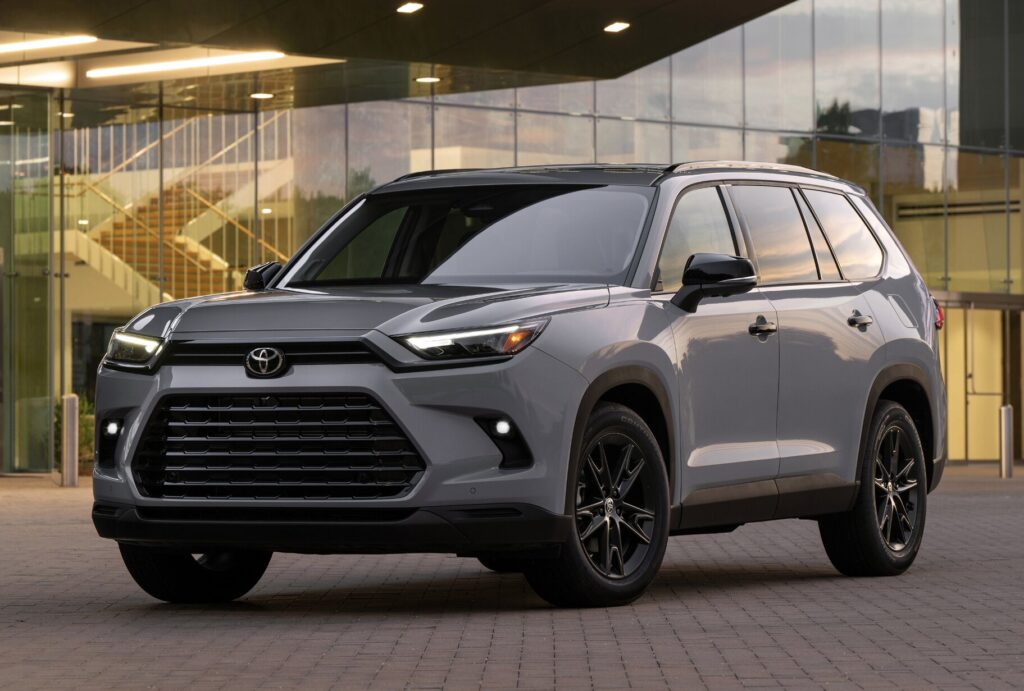
Predicted Depreciation: 32% over 5 years
5-Year Resale Value: $37,545
One of Toyota’s most family-friendly options, the Grand Highlander blends space, reliability, and excellent resale value. New supply is limited with just 34 days of market supply. It will be tough to negotiate Grand Highlander prices in 2025, but markups are uncommon.
Buying a gently used Grand Highlander (about two years old) should save you nearly $12,000. Over the next three years, depreciation would be about $5,613 when buying used.
👉 See the complete Toyota Grand Highlander resale value and cost of ownership analysis
Predicted Depreciation: 32% over 5 years
5-Year Resale Value: $42,074
Back after a short hiatus, the new Toyota Land Cruiser is already holding value like a champ. The Land Cruiser is forecast to retain 68% of its original value after five years. With a 45-day supply, there’s modest room for negotiation if buying new. It’s not cheap, however. The 2025 Land Cruiser starts at $58,150 with mandatory destination fees. That makes it one of the most expensive Toyota models on sale today.
👉 See the complete Toyota Land Cruiser resale value and cost of ownership analysis
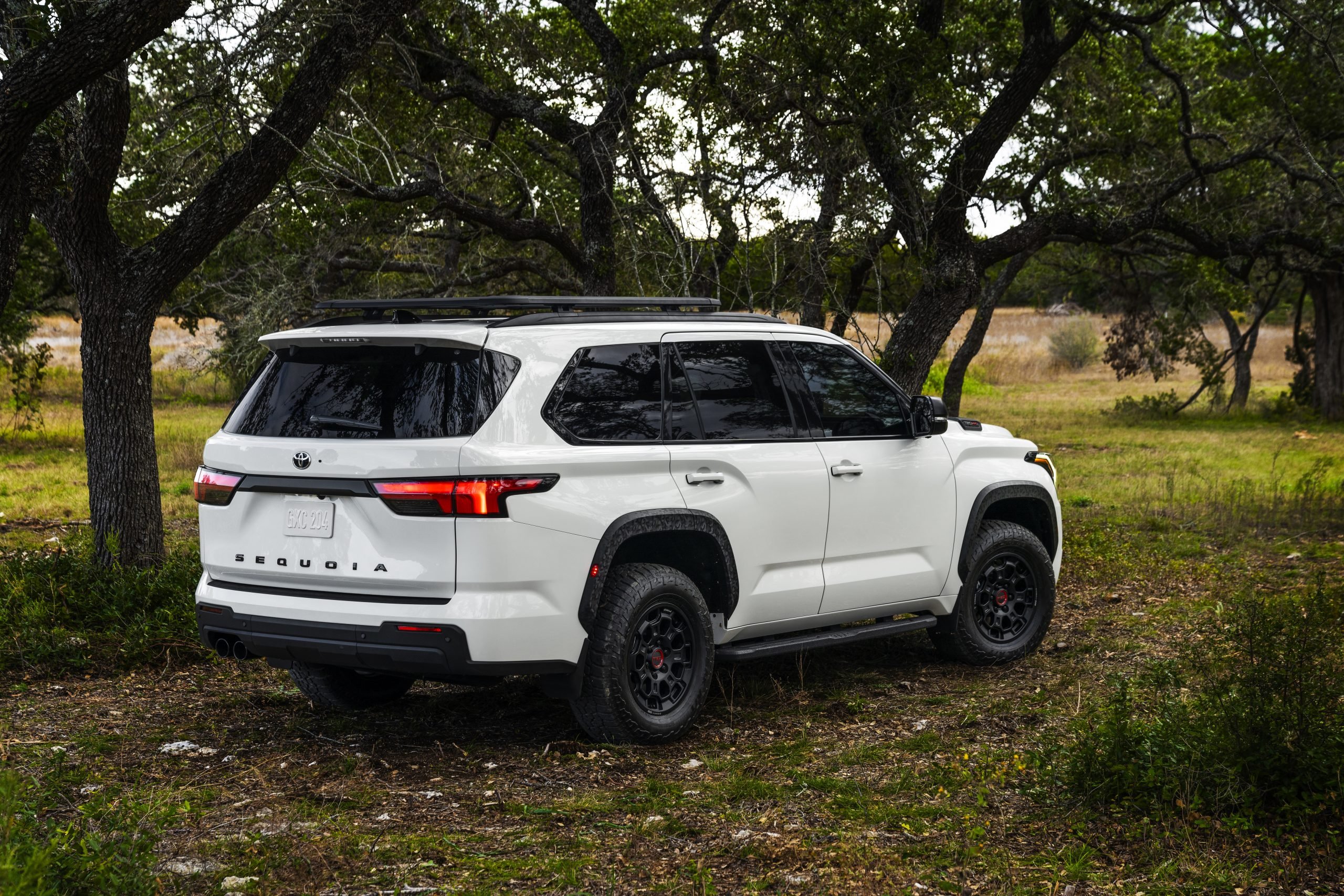
Predicted Depreciation: 33% over 5 years
5-Year Resale Value: $54,387
The Toyota Sequoia is the most expensive SUV on this list—but it still manages to retain value impressively well. Looking to spend less? Buy it two years old and save about $11,000 on average. If you go this route, expect $15,746 in depreciation if you own it for three years.
New models are moderately negotiable with a 49-day supply. That’s far below the industry average of 83 days of supply, but is decently high for a Toyota.
👉 See the complete Toyota Sequoia resale value and cost of ownership analysis
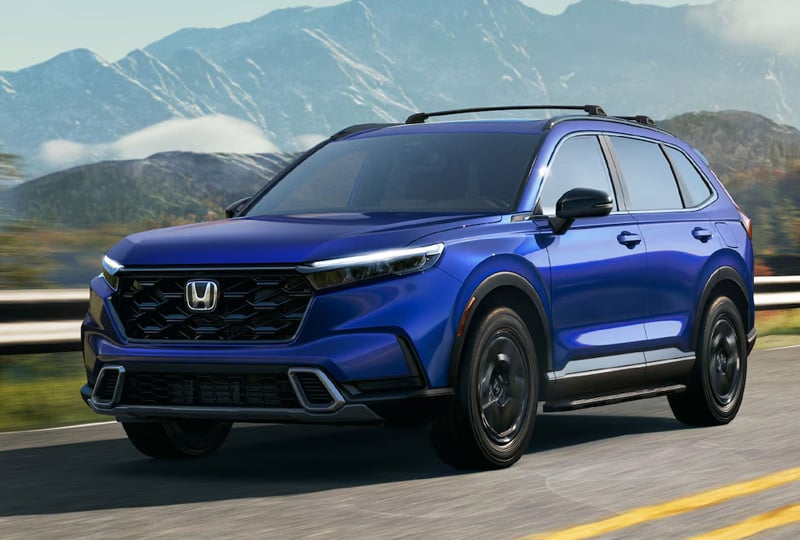
Predicted Depreciation: 33% over 5 years
5-Year Resale Value: $26,527
The Honda CR-V remains one of the best-selling SUVs in America, and for good reason. Its strong resale value reflects consistent reliability, broad appeal, and efficient performance. With just 33% depreciation forecasted over the first five years of ownership, it holds its own in today’s market.
However, don’t expect huge discounts on a new CR-V. With 41 days of market supply in 2025, it’s tough to negotiate this popular crossover—unless you find highly negotiable inventory that’s been sitting on the dealership lot for many months.
👉 See the complete Honda CR-V resale value and cost of ownership analysis
If you’re shopping for an SUV in 2025, don’t just consider price—resale value matters more than ever. Every SUV on this list ranks among the top in CarEdge’s total cost of ownership data, helping you to avoid unexpected depreciation. Buying a car is never an investment, but it’s smart to know what to expect.
Explore resale value and cost of ownership comparisons at CarEdge Research

Selling your car online has never been easier, thanks to instant cash offers (ICOs) from companies like CarMax, Carvana, and EchoPark. But not all offers are equal—some look great at first glance but come with hidden fees, inconvenient conditions, or last-minute price changes. If you’re considering selling your car, here’s what you need to know to get the best deal.

The biggest mistake car sellers make is accepting the first offer they receive without checking other options. Instant cash offers can vary widely depending on the buyer, and some companies may offer significantly more for your car than others. The best way to get an accurate comparison is to request quotes from multiple online buyers on the same day. Market values fluctuate frequently, so comparing offers within a short timeframe ensures you’re getting a fair and competitive price. Here’s the easiest way to compare offers.
With this critical step covered, let’s talk about what sellers should do to ensure they’re getting the most money possible when selling a car online.
Most instant cash offers are only valid for a limited time—some for 7 days, while others expire in 24-48 hours. A shorter window might pressure you into accepting an offer before comparing other options. If possible, get multiple offers on the same day to ensure an accurate comparison.
Some online car buyers reduce their offer after an in-person inspection, citing previously unmentioned damages or wear and tear. Others may charge processing fees, title transfer fees, or towing costs. Be sure to ask about any potential deductions before finalizing the sale.
Many instant offers are based on self-reported vehicle condition—but companies may have different standards for what qualifies as “excellent” or “good” condition. Some buyers are more lenient with minor cosmetic damage, while others use it as a reason to lower their offer during the final inspection.
The value of your car can change daily based on market demand. Seasonal trends, fuel prices, and overall supply can all impact how much your car is worth. For the best results, compare offers on the same day rather than over several weeks.
Not all buyers value your car the same way. Some companies purchase cars at wholesale prices to resell at auctions, while others aim for retail resale. Large dealerships or national online retailers often provide better offers than local dealers relying on auction pricing.
Some services make selling your car simple, while others require extra effort. Consider factors like:
Choose a buyer that offers a smooth, hassle-free process.
If your car still has a loan balance, find out whether the buyer will handle the payoff directly or if you’ll need to settle it first. Also, ensure the buyer provides clear title transfer documentation to avoid future liability issues.
Before accepting an offer, check online reviews to see if other sellers have had good experiences. Some companies are known for bait-and-switch tactics, while others have a strong reputation for fair pricing and fast transactions.
Some dealerships offer higher instant cash offers if you’re trading in rather than selling outright. If you plan to buy another car soon, check if a trade-in deal can get you more value.

Instant cash offers can be a great way to sell your car quickly, but taking the time to compare them properly can save you hundreds or even thousands of dollars. By considering offer expiration dates, potential deductions, and how the sale is handled, you can ensure you’re getting the best deal possible. Compare offers with CarEdge in minutes — no commitment required!
Reviewed: 5 Best Instant Cash Offer Sites to Sell Your Car [2025]
If you’re looking to buy a used car, you may want to rethink your purchasing timeline. April is likely to be the worst month of the year to do so. Used car prices remain high, and are likely headed even higher as seasonal influences drive up demand. Heres what buyers and sellers should consider before entering the used car market in April 2025.

In spring of 2025, the average used car price is $25,128. Unfortunately, prices are expected to climb even higher in April. Why? It’s a perfect storm of factors: tax refunds are hitting bank accounts, spring fever is in the air, and summer road trips are on the horizon. The demand for used cars surges every April, making it a tough time for buyers looking for a deal.
The biggest headwind for used car buyers in April? Seasonality. As the above graph of used car prices shows, prices rise like clockwork each April. Warmer weather (and Uncle Sam’s paychecks) bring buyers out in full force each year as winter comes to an end.
Adding fuel to the fire, the lingering effects of the pandemic-era production shortages are still impacting the market. Between 2020 and 2023, 19.6 million vehicles were never built due to supply chain disruptions. That’s nearly 20 million fewer used cars making their way into the market over time, and the reduced supply continues to push prices higher.
Recent data from Black Book shows that used car prices are climbing sharply.
“The market gained momentum last week, recording the largest single-week increase since early April of last year. Bidder activity was strong nationwide, driven by discussions about tariffs—despite the one-month reprieve for the auto industry—and typical signs of a robust spring buying season, resulting in larger-than-usual increases.”
At wholesale auctions, Black Book’s latest weekly report continues notable trends we’ve seen over the past month:
Previous weeks have shown similar trends in the wholesale used car market. This tells us that newer, low-mileage used cars are getting more expensive, while older, higher-mileage vehicles remain more negotiable. If you’re set on buying a used car this spring, consider expanding your search to older models with more miles to avoid the sharpest price increases.
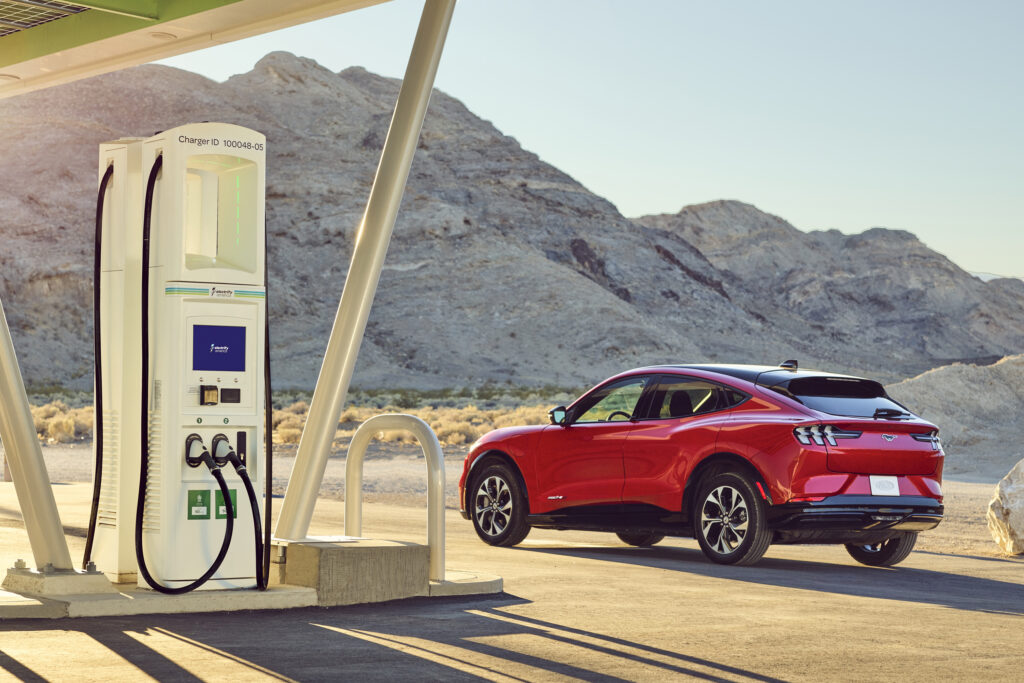
While the overall used car market is tough for buyers, there are a few segments where deals still exist:
Financing a used car in 2025 is no bargain either. The Federal Reserve’s 2024 rate cuts did little to ease auto loan rates. It’s crucial for drivers to consider the impact of today’s loan rates before setting a budget. You may be shocked by how much your payment increases with APRs this high. The average used car loan APR is 14%, but if you have poor credit, you could see rates closer to 20% APR.
To put that into perspective, let’s say you finance $25,000 over 72 months at 14% APR. Over the life of the loan, you’ll pay $12,090 in interest alone—raising your total cost of ownership by nearly 50%.
If you have good credit, you might be better off considering a new car with a low APR offer. Right now, there are 34 models available with 0% financing and dozens more with rates under 3% APR. Even though new cars cost more upfront, lower interest rates could save you thousands over time.
If you’re thinking about selling or trading in your car, April is one of the best times to do it. Rising used car prices mean you’ll get top dollar, especially for low-mileage models that are in high demand. Take advantage of the seasonal market trends and get the most money for your vehicle while demand is strong.
Compare Instant Cash Offers in Seconds — No Commitment, No Phone Calls, Just Cash!
For most buyers, waiting until after the spring price surge cools down is the best strategy. If you have to buy now, consider shopping for older, high-mileage cars or highly-rated used EVs, and compare APR offers carefully to avoid overpaying on interest.
For sellers, the time is now. April’s used car prices will offer your best bet to maximize resale value before the market levels off later in the year.
Thinking about buying or selling? Use CarEdge Pro to track market trends and find the best deal possible. We’re consumer advocates on your side!