
CarEdge saved me over 4,500 dollars on a brand new Honda Pilot. I can't say thank you enough.
Price intelligence
Find a wide range of vehicle listings with market insights on new and used listings near you.
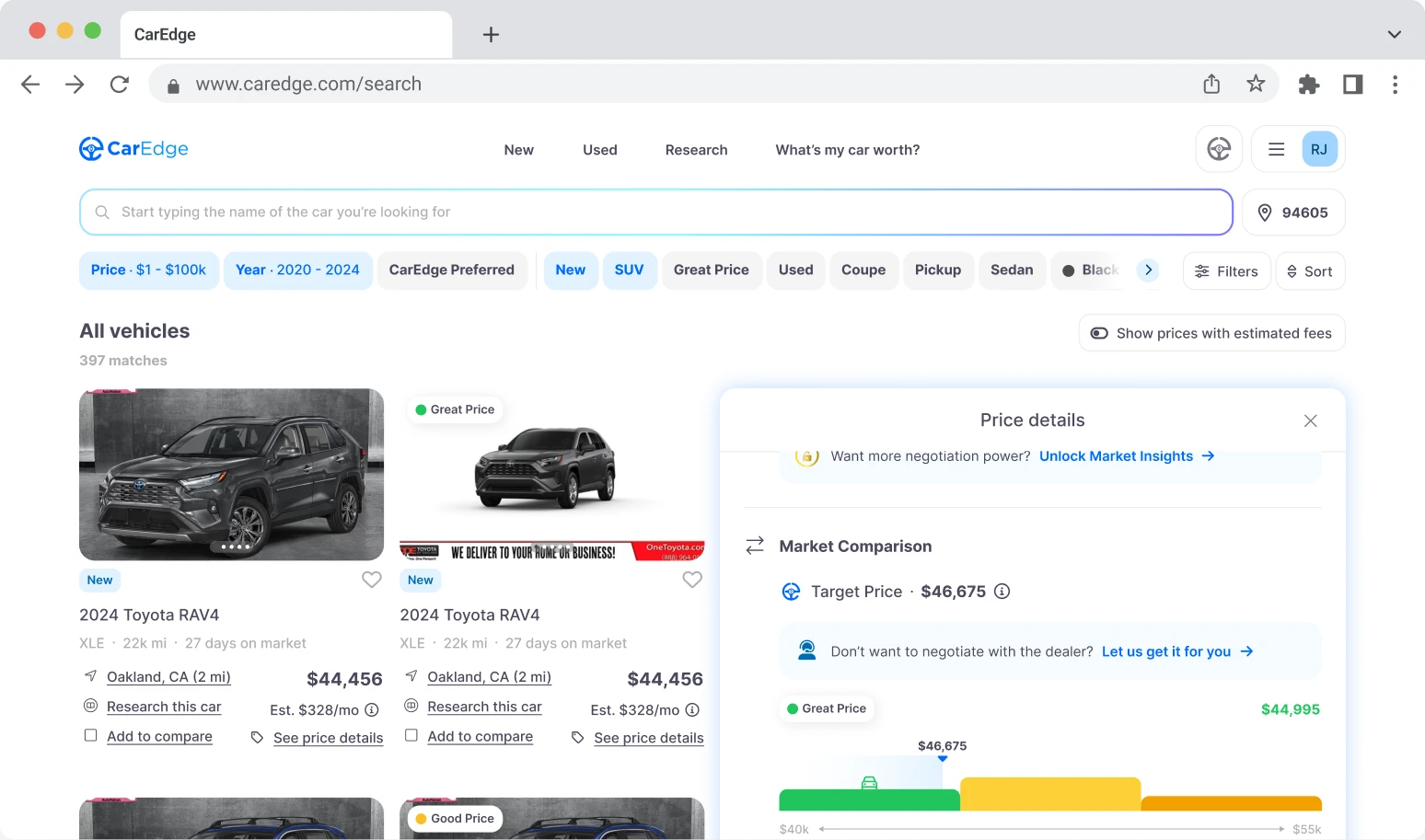

What can I do with CarEdge?
 CarEdge Insights
What can I do with CarEdge?
Get access to exclusive information so you can make an informed car buying decision — all in one place.

Find a wide range of vehicle listings with market insights on new and used listings near you.
Track your vehicle’s value and cash in when the time is right to sell.

Access to our proprietary data to help you find the right car, at the right price. Find these unlocked on every listing after subscribing.

With our expert-led, tech-enabled car buying service, we will locate, negotiate, and deliver your vehicle so you can get a new car hassle free.


Help us personalize your CarEdge experience — it only takes a second.
Your answers help us personalize your CarEdge journey — we’ll follow up with tips and next steps that match your buying timeline.
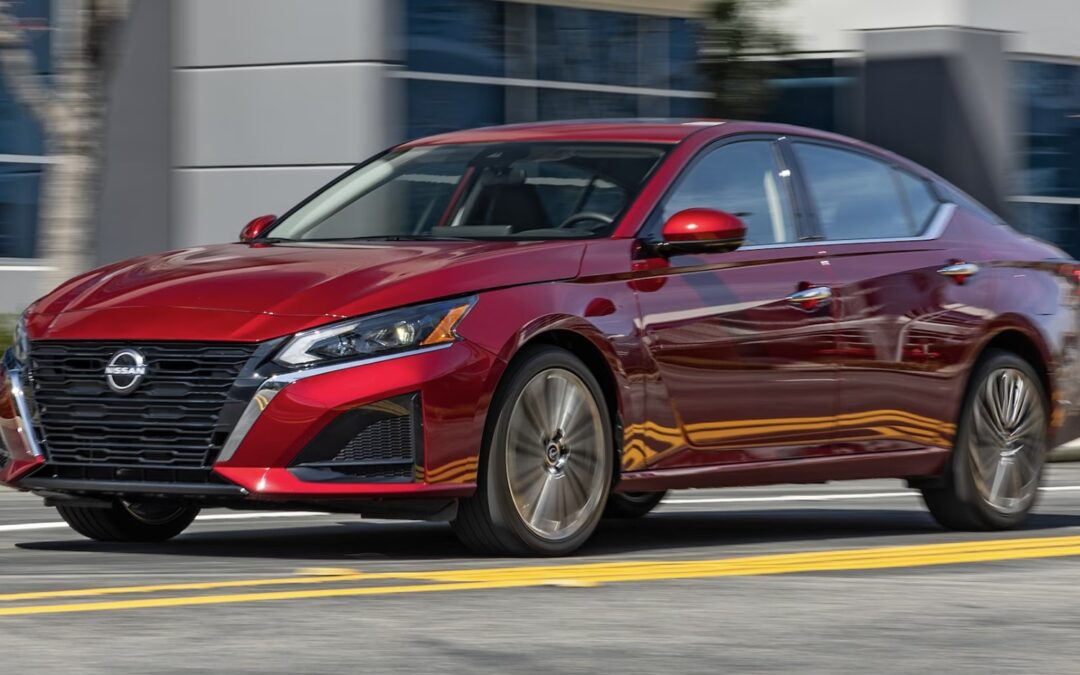
When an automaker announces that a model is being discontinued, it’s natural to be skeptical of any deals advertised. After all, why would a manufacturer stop making something if it was any good? The reality is more nuanced. Some cars get the axe because they’re genuinely flawed, but many others are discontinued for reasons that have nothing to do with quality.
If you’re willing to do your homework, buying a discontinued model can be a smart financial move. The key is understanding what you’re getting into. Here’s everything you need to know about the benefits and risks of buying a car that’s on its way out.
Dealers are highly motivated to clear inventory when a model is being phased out. That motivation translates directly into savings for you, especially if you’re well prepared to negotiate. It’s not uncommon to negotiate 10-20% below MSRP on discontinued models, especially if the inventory is moving slowly. The exception is for specialty models, like the discontinued Dodge Challenger Hellcat or Audi TT.
Beyond the discounted sticker price, discontinued models often come with larger rebates, cheap lease offers, or low-interest financing. These incentives may not always be advertised prominently, so it pays to ask your dealer directly about any incentives that might be available.
Don’t hide the fact that you’re aware the model is being canceled! In fact, you may notice a change in tone from the salesperson once you make that clear.
👉 See the best new car incentives of the month
By the time a car reaches its final production year, most of the bugs have been worked out. The platform, powertrain, and components are usually well-tested and reliable because engineers have had years to refine the design and address common issues. In many cases, you’re getting a mature, debugged product rather than a first-year model with unknown quirks.
Automakers are legally required to supply replacement parts for several years after discontinuation. This means you won’t be stranded without critical components during the prime ownership years. For routine maintenance and common repairs, parts availability is rarely an issue in the first decade.
Most discontinued cars never go up in value, but from time to time, a rarity will catch the eye of car collectors. Some discontinued cars develop a cult following years after production ends. The Toyota FJ Cruiser, Pontiac G8, and Honda Element are prime examples of vehicles that gained enthusiast appeal and saw their resale values stabilize or even climb.
If you’re buying a model with unique styling, strong performance, or a loyal fanbase, there’s a chance it could buck the typical depreciation curve. But don’t count on it.
The most significant downside is accelerated depreciation. Discontinued models often lose value faster because future buyers worry about parts availability, manufacturer support, and the perception that the car was “not good enough” to keep in production. Cars like the Ford Fusion and Chevrolet Cobalt, which were discontinued in favor of SUVs, depreciated faster than average.
👉 Compare depreciation, maintenance costs, and more with the FREE CarEdge Research Hub.
While parts are usually available for the first decade, things get dicier after that. Specialized components, especially for niche models, can become difficult or expensive to source.
Once production stops, aftermarket companies lose interest. Fewer accessories, upgrades, and performance parts get developed for discontinued models. If you enjoy customizing your vehicle or want access to a wide range of modifications, a discontinued car will leave you with limited options.
If the model was axed due to poor sales or a strategic pivot by the manufacturer, you may find that dealer expertise and factory support fade over time. Technicians become less familiar with the vehicle, service bulletins stop being issued, and the manufacturer’s attention shifts entirely to current models. This can make routine service more complicated.
When it’s time to sell, you’ll have a smaller pool of interested buyers. Many shoppers specifically filter out discontinued models when searching online, limiting your market.
The single most important factor in mitigating risk is parts commonality. Car parts commonality is the degree to which different vehicles share identical or interchangeable components, enabling easier, faster, and more affordable repairs. If the discontinued model shares its engine, transmission, or platform with a vehicle that’s still in production, you’re in much better shape.
Look at how similar discontinued models have held their value over time. The Chevy Impala, Honda Fit, and Ford Fusion are recent examples you can study. If depreciation has been steep and consistent, factor that into your decision. See how much your car is worth in minutes.
Dealers may not advertise all available rebates on discontinued models. Cancelled cars often have clearance sales or unadvertised incentives that can lower your out-the-door cost big time. Don’t be shy about asking what’s available.
Any used car can have issues, but with parts availability being more of a concern for discontinued models, it’s even more important to get a pre-purchase inspection. A thorough pre-purchase inspection by an independent mechanic can identify any red flags before you commit.
These inspections will cost you between $100 and $200, but considering what unforeseen repairs will set you back, it’s an expense that pays for itself.
Buying a discontinued car isn’t inherently a bad decision, think of it as a trade-off. You’re giving up some resale value and long-term parts availability in exchange for immediate savings and proven reliability. For buyers who plan to keep their vehicle for the long haul, who prioritize upfront cost savings, and who choose models with strong parts commonality, buying a discontinued model can be a smart move.
The key is going into the purchase with your eyes wide open. Do your research, negotiate with confidence, and don’t rush into any decisions. If you follow these guidelines, a discontinued car can deliver years of reliable, affordable transportation.
Thinking about buying soon? There’s a new, better way to find the best car deal. CarEdge Pro gives you real-time pricing data and negotiation tools to help you secure the best deal, while CarEdge Concierge can handle the entire buying process for you.
Planning to buy a discontinued car? Have questions for the experts? Reach out to us anytime at the free CarEdge Community.
October 2025 has become a graveyard for auto nameplates. From luxury sedans to electric crossovers, there are seven cars and trucks to bid farewell to this month. The culprits? Shifting consumer preferences, the expiration of federal EV tax credits, and corporate belt-tightening are all to blame. Here’s what’s getting the axe, and what it means for shoppers still hoping to snag one before they’re gone for good.
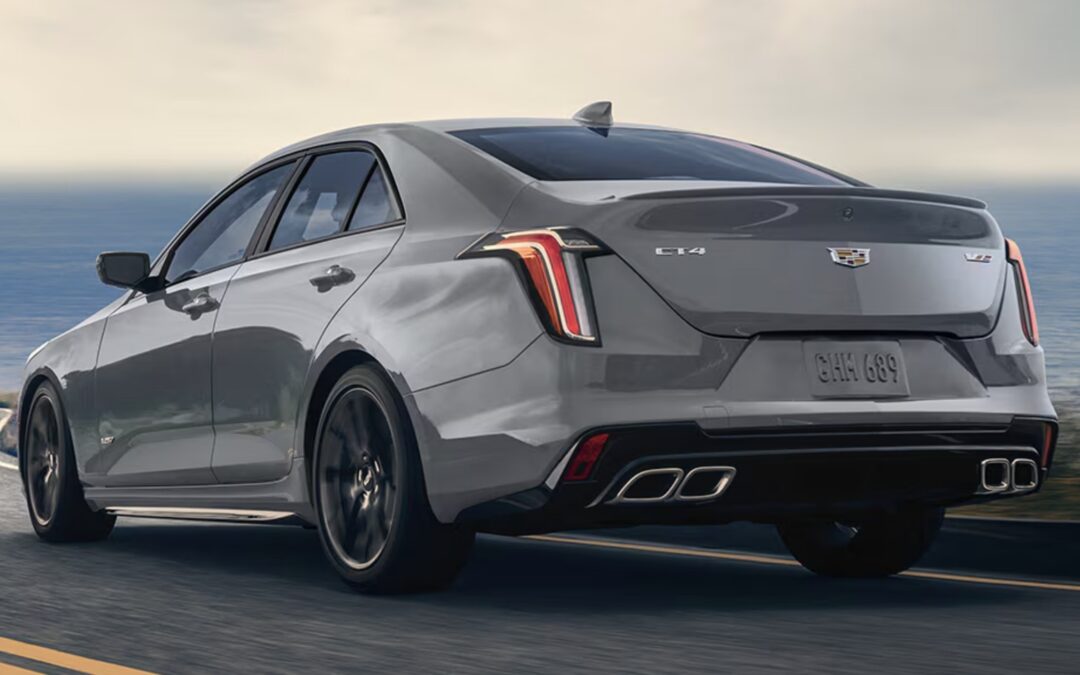
The 2026 model year will be the last for the Cadillac CT4. Car and Driver recently confirmed what had been spreading through Cadillac enthusiast communities like wildfire: John Roth, Vice President of Global Cadillac, sent a letter stating that CT4 production at Michigan’s Lansing Grand River Assembly will end in June 2026.
The writing has been on the wall for years. From August through October 2025, Cadillac sold just 1,422 copies of the CT4. These are truly dismal numbers for a brand trying to recapture its former glory as the symbol of American luxury.
As of October 2025, 2,323 CT4s remain on dealer lots with an average selling price of $49,260 according to CarEdge Pro.
👉 See remaining Cadillac CT4 inventory and negotiability factors.
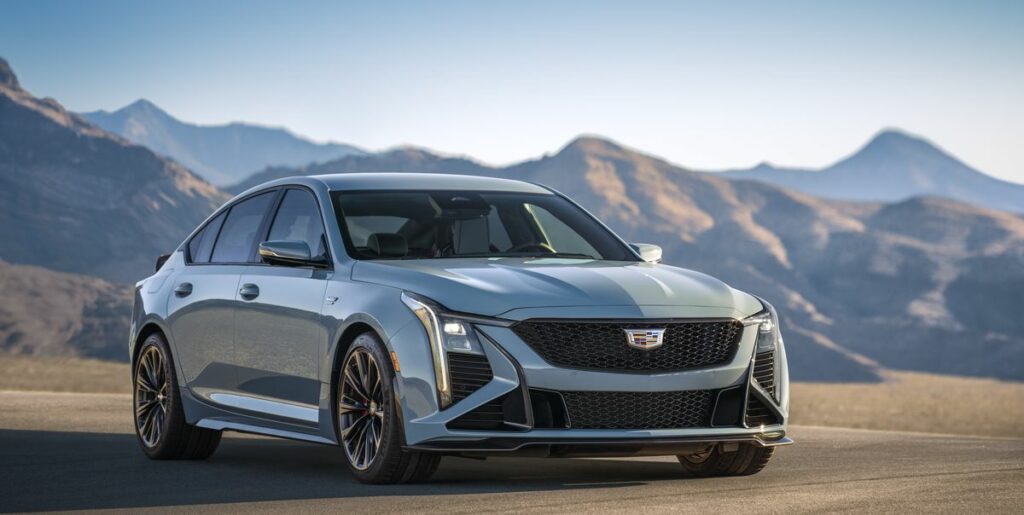
The CT5 gets a slightly longer lease on life, with production continuing through the end of 2026. But don’t cry too hard for this one. Cadillac has confirmed that a replacement powered by an internal combustion engine will arrive at some point in the future. That should alleviate fears of total EV domination for the brand. We think it’s most likely that the CT5 will return as a performance car with limited production, essentially a reimagined CT-5 V-Series.
Why are both sedans getting discontinued? The answer is simple: North Americans want crossovers and SUVs. In Q3 2025, Cadillac sold just 4,000 units of the CT5. As of October 2025, 4,037 CT5s sit on dealer lots with an average selling price of $65,824 according to CarEdge Pro.
👉 See remaining Cadillac CT5 inventory and negotiability factors.

This is the second time the ZDX nameplate will be retired, and likely the last with a track record like this. Acura recently announced that production has ended for the short-lived ZDX electric SUV after just a two-year run. Car Dealership Guy first reported the ZDX’s demise, which Honda later confirmed to Car and Driver: “To better align our product portfolio with the needs of our customers and market conditions, as well as our long-term strategic goals, we can confirm the Acura ZDX has ended production.”
Internal memos made it clear that the expiration of the federal EV tax credit played a significant role. In Q3 2025, Acura sold just 1,580 copies of the ZDX in the U.S. As of October 2025, just 157 ZDXs remain on dealer lots with an average selling price of $71,309 according to CarEdge Pro.
👉 See remaining Acura ZDX inventory and negotiability factors.
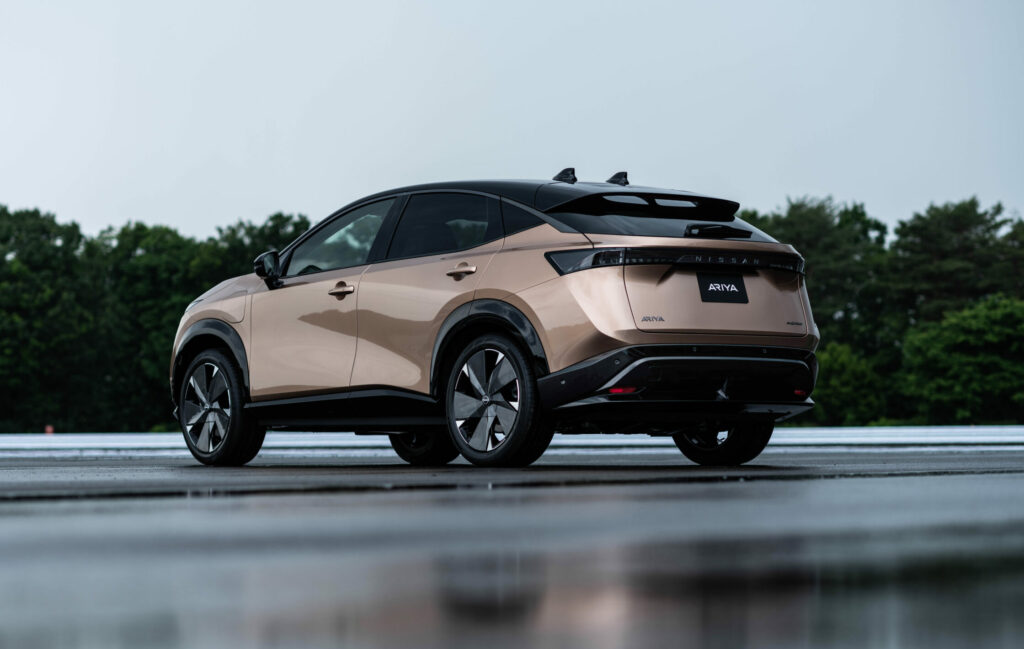
Nissan is thinning its U.S. electric lineup in response to slowing sales, import tariffs, and the expiration of federal tax incentives. “This decision enables the company to reallocate resources and optimize its EV portfolio as the automotive landscape continues to evolve,” Nissan said in a memo reported by Automotive News.
Nissan has also delayed or canceled four next-generation electric models planned for Mississippi production. The new-generation LEAF EV just launched with a starting price of $31,485, and would likely cannibalize Ariya sales anyway. In Q3 2025, Nissan sold just 3,210 Ariyas. As of October 2025, just 235 remain on dealer lots with an average selling price of $41,408 according to CarEdge Pro.
Even the new LEAF is experiencing turbulence. According to the Nikkei business daily, Nissan has slashed production by more than half for September through November due to lower-than-expected battery deliveries. For financially struggling Nissan, pausing the Ariya makes strategic sense, even if it leaves (or… LEAFs?) EV shoppers with fewer options.
👉 See remaining Nissan Ariya inventory and negotiability factors.
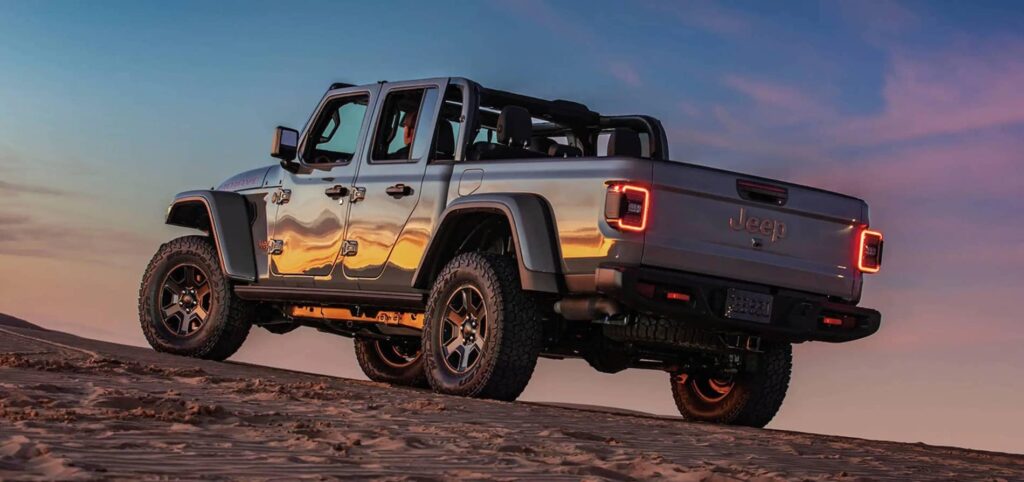
The 2026 Jeep Gladiator 4xe is dead before it ever officially arrived. As parent company Stellantis tightens its finances and streamlines its bloated lineup, several models are falling prey to the budget axe.
The Jeep Grand Cherokee 4xe and Wrangler 4xe remain on sale, but that’s hardly reassuring. Jeep’s two plug-in hybrids were recently bricked by software issues, leaving drivers stranded. They also rank near the bottom for overall reliability.
If that’s the fate of Stellantis’ flagship plug-in hybrid, maybe the Gladiator 4xe dodged a bullet by never launching.

The small, affordable Kia Soul crossover won’t make it to 2026. Production ended in October, marking the end of an era for quirky, budget-friendly transportation. It’s unfortunate to see yet another affordable car discontinued at a time when average car prices have officially exceeded $50,000 for the first time.
The Soul debuted in 2008 alongside the Nissan Cube and Scion xB (remember those oddities?), and outlived both by several years. The Soul’s Q3 2025 sales reached just over 14,000, which is not bad for a car on the chopping block.
As of October 2025, there’s an abundance of Souls on dealer lots: 7,450 to be exact, with an average selling price of $23,121 according to CarEdge Pro. That places it in the top five most affordable new cars on sale in 2025. If you want a cheap, quirky crossover, act quickly before the Soul is gone.
👉 See remaining Kia Soul inventory and negotiability factors.
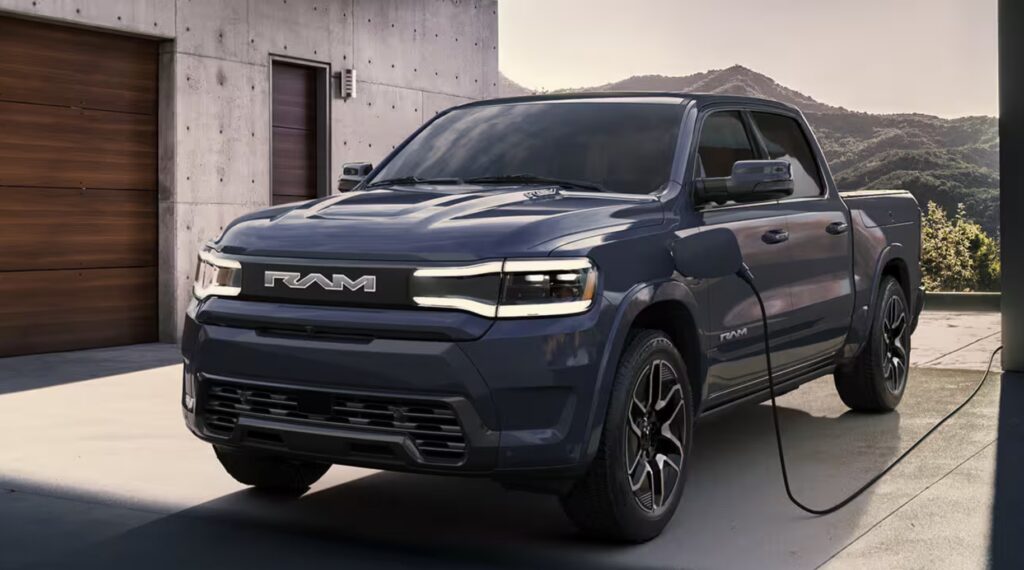
Another of Stellantis’ electrified dreams has vanished before it ever arrived. The 2027 Ram 1500 REV was slated to compete with the F-150 Lightning and Chevrolet Silverado EV, but disappointing electric truck sales sent this Ram to the graveyard before production even started.
Instead, Stellantis intends to bring a plug-in hybrid Ram truck to market in the near future. It’s a pragmatic pivot that reflects the reality of the truck market: buyers want electrification benefits without range anxiety or charging concerns.
The REV’s cancellation is a reminder that even America’s truck obsession has limits when it comes to electrification.
October’s cancellation spree reveals three major trends reshaping the automotive landscape. First, sedans continue their slow death march as consumers flee to crossovers and SUVs. Second, the expiration of federal EV tax credits has manufacturers second-guessing their electric ambitions. Third, corporate consolidation and cost-cutting are claiming victims before they ever reach showrooms. All-in-all, these cancellations are bad for the consumer looking for variety, as automakers continue to prioritize high volume, high profit margin models over budget models and EV experiments.
Should you buy a discontinued car model, or are there too many risks to justify the discounts? We did a deep dive to answer these questions for you. You can check that out here.

In October 2025, the average new car transaction price officially surpassed $50,000 for the first time. This milestone has been creeping up on the market for years following the rapid price increases of 2022 and 2023, and it arrived to little fanfare. The truth is, consumers are growing accustomed to annual price hikes. But it doesn’t have to be this way. Will manufacturers finally acknowledge the need for affordable options, or will prices continue their relentless climb? To get answers, we spoke to three industry experts to understand where the car market is headed in 2026.
According to a recent report from Kelley Blue Book, the average transaction price (ATP) of a new vehicle in the U.S. crossed the $50,000 threshold in September 2025. New-vehicle prices have risen steadily for more than a year, with the pace of increases accelerating in recent months. September’s annual gain of 3.6% marked the largest year-over-year increase since the spring of 2023.
It’s troubling to see that consumers aren’t pushing back against higher prices – at least not enough to stop the upward trend. Car buyers have more tools than ever before, from AI-powered negotiation to full-service car buying concierges, yet many still pay sticker price or close to it. The reality is that having a car is often a necessity in the U.S. Where public transportation is lacking and job opportunities are spread out, many Americans have no choice but to buy a car when they need one, regardless of where prices happen to be at the time.
Even the used car market offers little relief, with prices still running about 20% higher than they were just five years ago.
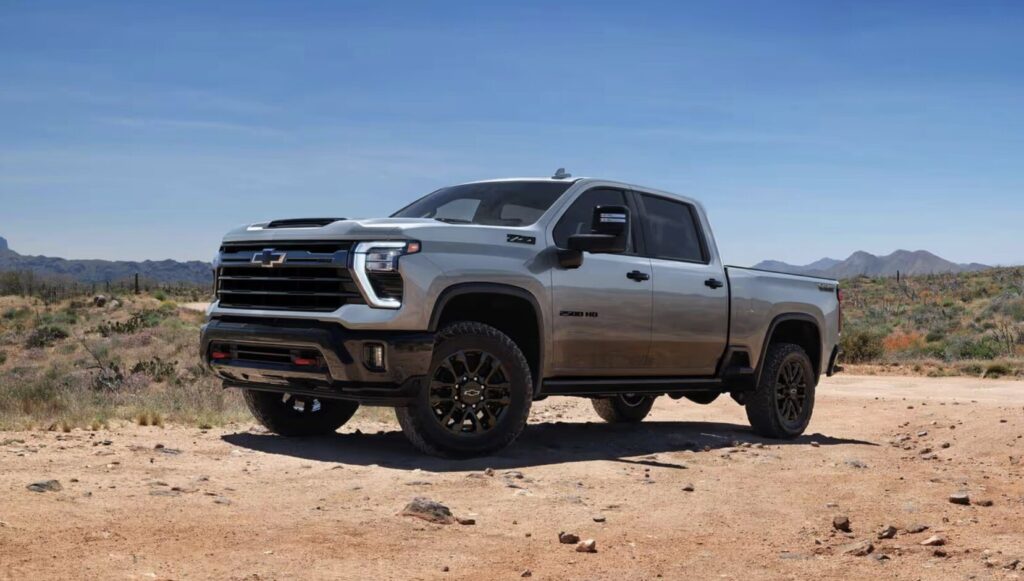
MSRPs aren’t the only numbers trending higher for the 2026 model year. Some OEMs, most notably General Motors, are raising mandatory destination charges by hundreds of dollars, often on top of MSRP increases. It’s a clever way to sneak additional costs onto the Monroney Label without technically raising the base price. But it’s not just GM. Destination charges for the Ford F-150 are now $2,595, a 25% increase from the 2024 model year. Most other full-size trucks are around $2,000 for delivery. This fee isn’t negotiable, but most other fees are.
Unfortunately, many shoppers will never notice the difference until they’re signing papers at the dealership.
As of October 2025, here are the manufacturers with the most noteworthy price hikes announced for the 2026 model year:
Subaru — The biggest single jump we’ve seen: the 2026 Subaru Outback now starts at $36,445, up $5,030 compared to 2025. Subaru achieved this by dropping the previous base trim entirely, effectively raising the entry price by roughly $5,000 overnight.
Volkswagen — Multiple models moved up across the board. The 2026 Jetta sees increases up to 4.7% on certain trims (the SE jumps from $25,775 to $26,985, a $1,210 hike), and the 2026 Taos base climbs by $1,055. Several Atlas and Atlas Cross Sport trims are also more expensive.
Hyundai (ICE SUVs) — The redesigned 2026 Palisade base SE rises $1,735 to $40,430, roughly a 4.7% bump. Meanwhile, Hyundai is cutting prices on the Hyundai IONIQ 5 by up to $8,500.
BMW — The luxury brand implemented a broad MSRP increase of about 2% across many 2026 models, adding roughly $1,100 to $2,500 to most models.
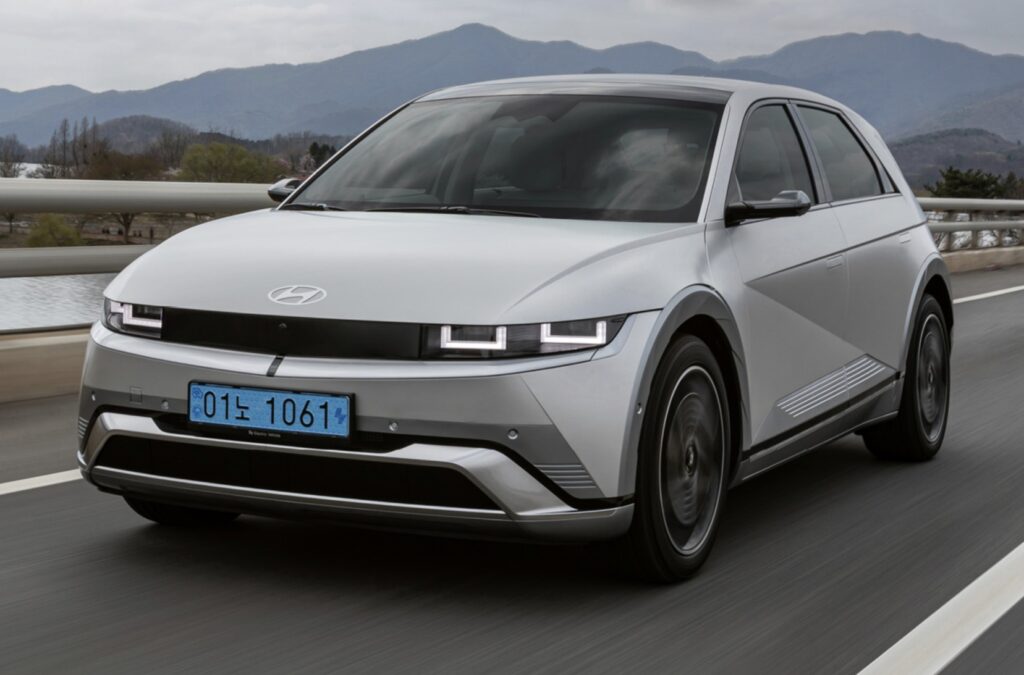
Not all 2026 models are getting more expensive. In fact, electric vehicles are bucking the trend entirely. Following the loss of federal EV incentives for many models, automakers are slashing prices to keep buyers interested. The Hyundai IONIQ 5 and Ford F-150 Lightning are both getting several thousand dollars cheaper for 2026.
Better-equipped budget options are also arriving on the scene, with the revived Chevy Bolt and the all-new Nissan LEAF both available for around $30,000 in 2026. Gone are the slow-charging, limited-range budget EVs of the last decade.
The case for lower EV prices in 2026 leans on a few key factors: increased competition, improved battery production efficiency, and the need to maintain sales momentum without federal tax credits propping up demand. As more electric models flood the market, automakers have no choice but to compete on price if they want to move inventory.
If you’re shopping for an SUV or truck in 2026, prepare for higher prices. These segments are more likely to see increases due to rising material costs, tariff impacts, and strategic trim adjustments. Several 2026 models have already launched with higher entry prices compared to their 2025 counterparts. The exception, once again, is anything electric, which is already seeing falling prices.
One way that truck brands quietly nudge prices ever higher is by leaving base trims largely untouched, since they’re the commonly cited headline number used in advertising. Instead, they hike prices for mid and upper-spec trims, which make up a larger portion of actual sales anyway. The unfortunate truth is that most buyers never notice.
Anything that sells quickly will most certainly not see falling prices. Popular SUVs and models from Toyota and Honda remain in high demand, giving these brands little incentive to negotiate or offer meaningful discounts. If a vehicle is flying off the lot, you can bet the price isn’t coming down.
Looking ahead to 2026, the market dynamics point toward continued price growth, albeit at a slower pace than the chaotic years of 2022 and 2023. CarEdge predicts that new car prices will rise 2-4% overall in 2026, with significant variation depending on the type of vehicle you’re shopping for.
Here’s how we see the market breaking down:
Popular SUVs and trucks: Expect increases of 3-5%, especially for high-demand models from Toyota, Honda, and domestic brands. These vehicles will continue to command premium pricing as long as inventory remains tight and consumer demand stays strong.
Sedans and mainstream crossovers: More moderate increases in the 2-3% range. These segments face more competition and less pricing power, which should keep increases relatively modest.
Electric vehicles: Prices will fall 3-8% as automakers fight for market share and compensate for the loss of federal incentives on many models. If you’ve been waiting to go electric, 2026 could be your year. Be sure to shop EV lease deals to avoid the depreciation hit when you buy.
Luxury vehicles: Expect 2-3% increases across the board, with premium brands continuing to test the upper limits of what affluent buyers will pay.
The wild card in all of this is incentives. While MSRPs are rising, automakers may offset some of the pain with bigger cash offers, low-APR financing deals, and lease specials, especially on models that aren’t moving as quickly as expected.
Predictions are always tough, especially when it comes to the auto market. The forecasts above assume a relatively stable economy, continued falling interest rates, and no major supply chain disruptions. Of course, wildcard scenarios could dramatically alter the trajectory of the car market in 2026. It wouldn’t be the first time. Here are some of the factors we’re watching closely:
Any combination of these factors could push prices higher or lower than our baseline forecast. The key is to stay informed and be ready to act when the right opportunity presents itself.
With prices trending higher, staying in control of your car deal has never been more important. The good news is that you don’t have to navigate the car market alone.
Know the real cost before you step into the dealership. Use CarEdge Calculators to get the invoice prices, compare current incentives, and see what others are paying in your area. The more information you have, the stronger your negotiating position.
Time your purchase strategically. End of month, end of quarter, and end of model year are still the best times to buy. Dealers have quotas to hit, and that pressure can work in your favor.
Get pre-approved for financing. Never rely solely on dealer financing. Having a pre-approved loan from a bank or credit union gives you leverage and ensures you’re not overpaying on the interest rate.
Consider alternatives to buying new. If 2026 prices are too high, a certified pre-owned vehicle or a lightly used car from 2024 or 2025 could offer better value. You’ll avoid the worst of the depreciation and still get a relatively modern vehicle.
Use professional help. Negotiating with dealerships is their full-time job. It’s not yours. That’s where services like CarEdge Concierge, America’s #1 full-service car buying service, come in. Our team of experts handles the entire buying process for you — from finding the right vehicle to negotiating the best price to coordinating delivery. You get a great deal without the stress.
If you prefer a DIY approach but want professional-grade tools, CarEdge Pro is the AI-powered negotiation toolkit that empowers you to take control of your deal. Get real-time pricing data, personalized negotiation scripts, and step-by-step guidance that helps you buy like a pro.
No matter which path you choose, the key is to stay informed, stay patient, and refuse to overpay. The market may be tilted in favor of automakers right now, but armed with the right information and tools, you can still win.
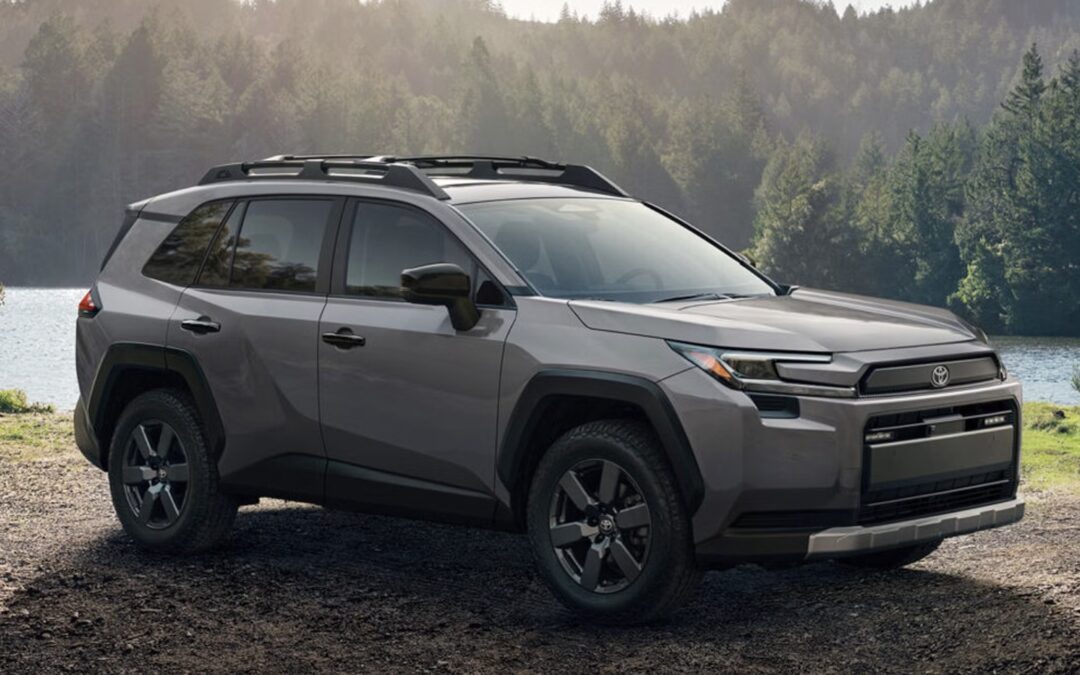
SUV prices are on the move again for 2026, but not all in the same direction. While most automakers are implementing modest price increases, a few surprises stand out. Meanwhile, some manufacturers are still sitting on mountains of 2025 inventory, delaying their 2026 announcements.
We’ve broken down the 2026 pricing changes for America’s 10 most popular SUVs, calculating exactly how much more (or less) you’ll pay for each trim level. The average price increase across all models with confirmed pricing sits at 1.6%. That’s not terrible, but it adds up when you’re already spending $30,000 to $60,000 on a vehicle.
Here’s what you need to know about 2026 SUV pricing before you head to the dealership.
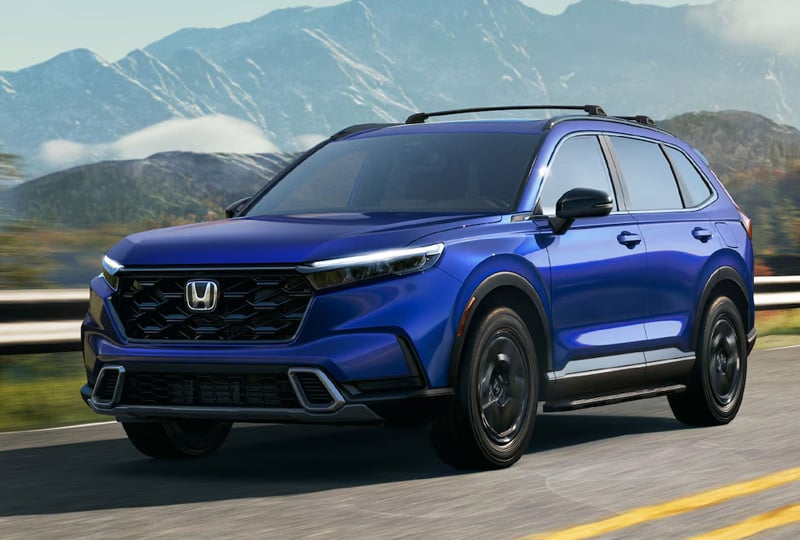
2026 Pricing Changes:
What’s New for 2026: For 2026, all trims receive a larger 9.0-inch touchscreen. Wireless Apple CarPlay and Android Auto are now standard, as is a wireless smartphone charging pad.
The CR-V consistently ranks among America’s top SUVs for its combination of value and utility, not to mention Honda’s legendary reliability. It’s plenty popular, having sold 402,000 copies last year. The addition of new connectivity features for 2026 keeps it competitive with newer rivals like the Volkswagen Tiguan, Mazda CX-50, and especially the redesigned 2026 Toyota RAV4.
Find Honda CR-V deals with CarEdge

2026 Pricing Changes:
What’s New for 2026: Following a full redesign for the 2025 model year, the Equinox sees few changes for 2026. A few new paint options and accessories are all that’s new.
The recently redesigned Equinox has struck a chord with budget-conscious buyers. Starting just over $30,000, it offers compelling value in the competitive compact SUV segment. Although the Equinox remains a great value, it’s not getting any cheaper. GM continues to raise prices across the lineup, with an average price hike of 2.5% for the Equinox across trims.
Find Chevy Equinox deals with CarEdge
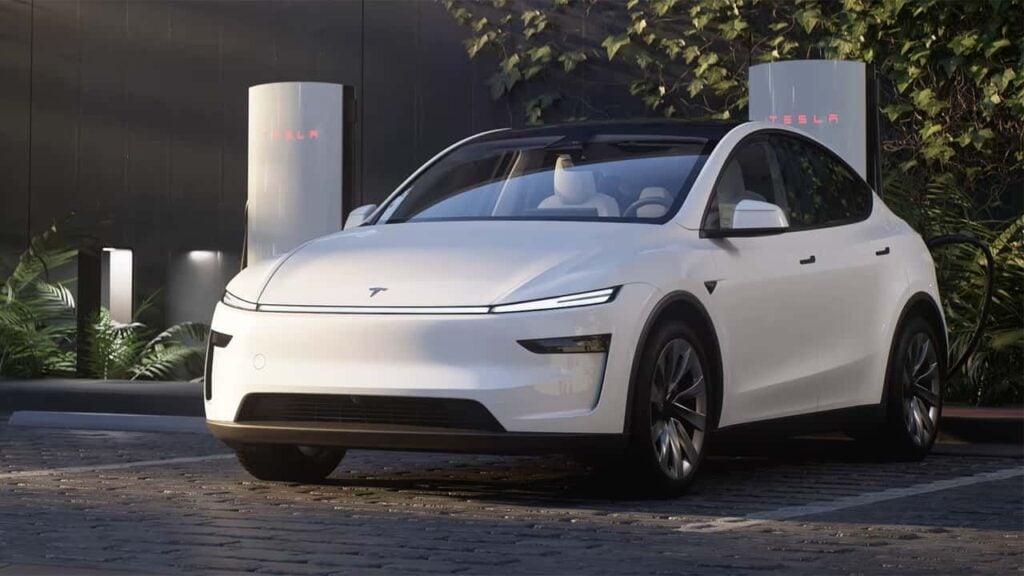
2026 Pricing Changes:
The new Model Y Standard was announced on October 7th, with a roughly $5,000 lower price tag in exchange for the loss of a glass roof, and notably, Autopilot. The Model Y Performance sees a price hike for 2026, but remains well below 2023 prices when Tesla models were in highest demand.
The Model Y has long been America’s best-selling electric vehicle and one of the most popular SUVs overall. Thanks to its impressive range (over 300 miles), quick acceleration, and access to Tesla’s expansive Supercharger network, many have been converted to the EV lifestyle with the Model Y.
Don’t overlook depreciation with any EV. See how the Model Y depreciates over time.
Build your Model Y at Tesla.com

2026 Pricing Changes:
What’s New for 2026: Other than two new paint colors, nothing changes for the 2026 Trax.
As one of the most affordable new SUVs in America, the Trax offers an amazing value. That’s why we’re hoping Chevrolet takes a break from the price hikes following a 5% increase in the base MSRP for 2026.
Find Chevy Trax deals with CarEdge
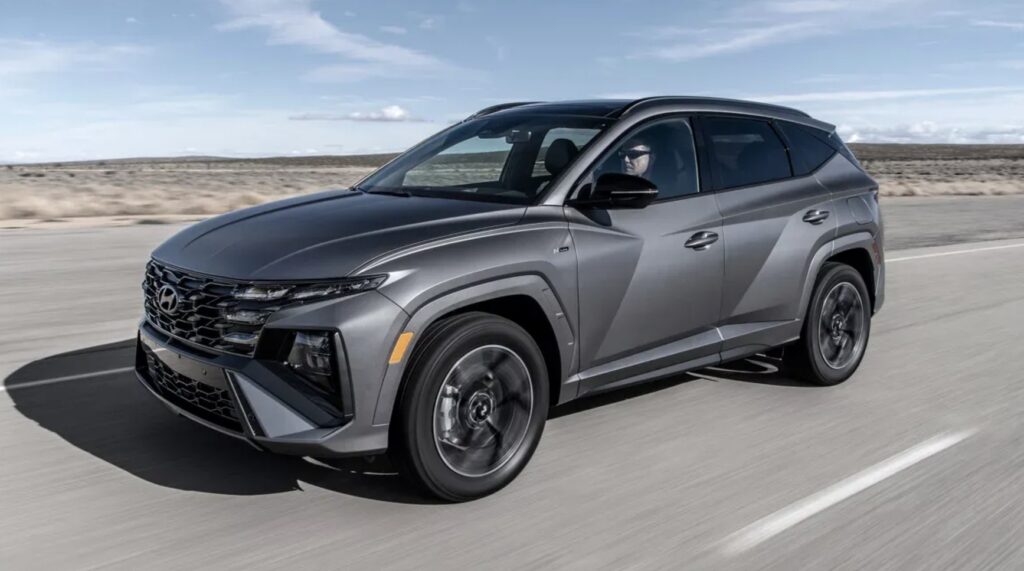
2026 Pricing Updates:
What’s New for 2026: Refreshed in 2025, the Tucson is still fresh enough that we expect to see no significant changes for the 2026 model year.
Hyundai’s industry-leading warranty coverage provides peace of mind, while available Tucson hybrid and plug-in hybrid variants offer excellent fuel economy.
Find Hyundai Tucson deals with CarEdge
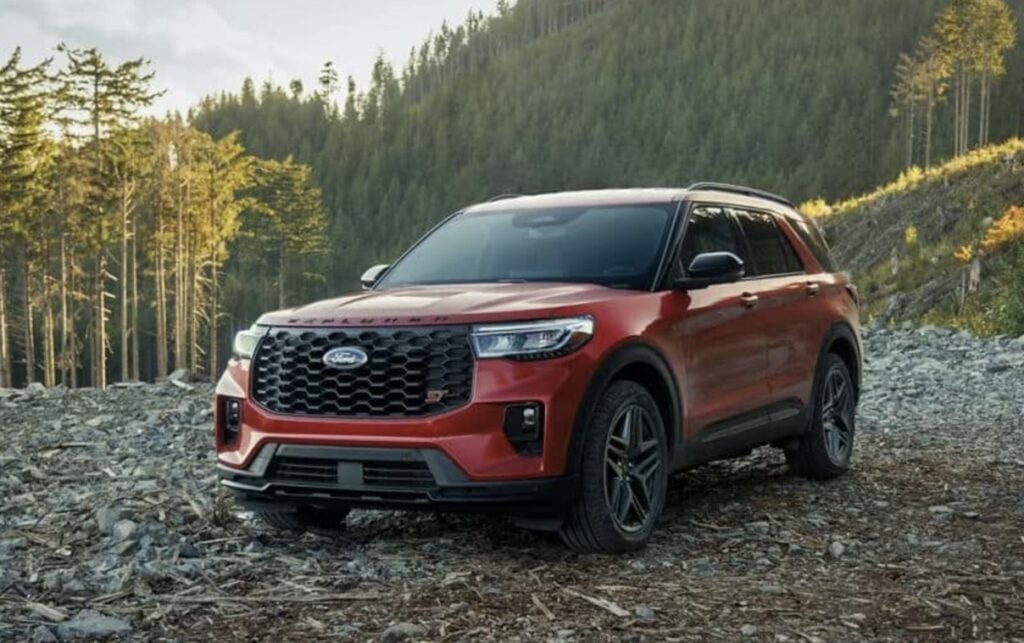
2026 Pricing Updates:
What’s New for 2026: There’s a new Tremor trim for the 2026 Explorer, which gains off-road capabilities. Otherwise, the Explorer remains largely the same as the 2025 model year.
It’s great to see the Explorer Active getting $1,585 cheaper for 2026. Offering three-row seating and genuine towing capability, the Explorer has been a go-to for families for three decades. Although the 2026 model sees a 1% price DECREASE averaged across trims, let’s not forget that just five years ago, the Explorer base trim was $6,000 cheaper. SUV price inflation is real.
Find Ford Explorer deals with CarEdge

2026 Pricing Updates:
What’s New for 2026: Besides a new blacked-out trim option, nothing changes for 2026.
The Rogue has become Nissan’s best-seller by delivering a comfortable, quiet ride with generous passenger and cargo space at a competitive price. Its a straightforward, no-nonsense crossover at an affordable price. However, Nissan is in trouble. As the automaker’s sales tumble, Nissan becomes even more dependent on the success of its few winners, namely the Rogue, Kicks, and Pathfinder. The Altima has been critical for Nissan, but it’s headed for the graveyard after 2025.
See Nissan Rogue deals near you

Pricing:
What’s New for 2026: The base Crosstrek now gets the same 180-hp 2.5-liter four-cylinder engine as the rest of the lineup.
The Crosstrek serves as the gateway to Subaru’s outdoor-oriented brand. The power upgrade for 2026 addresses one of the previous base model’s main weaknesses, making it an even better value. The Crosstrek also has reasonable depreciation, according to our resale value rankings.
See Subaru Crosstrek deals near you
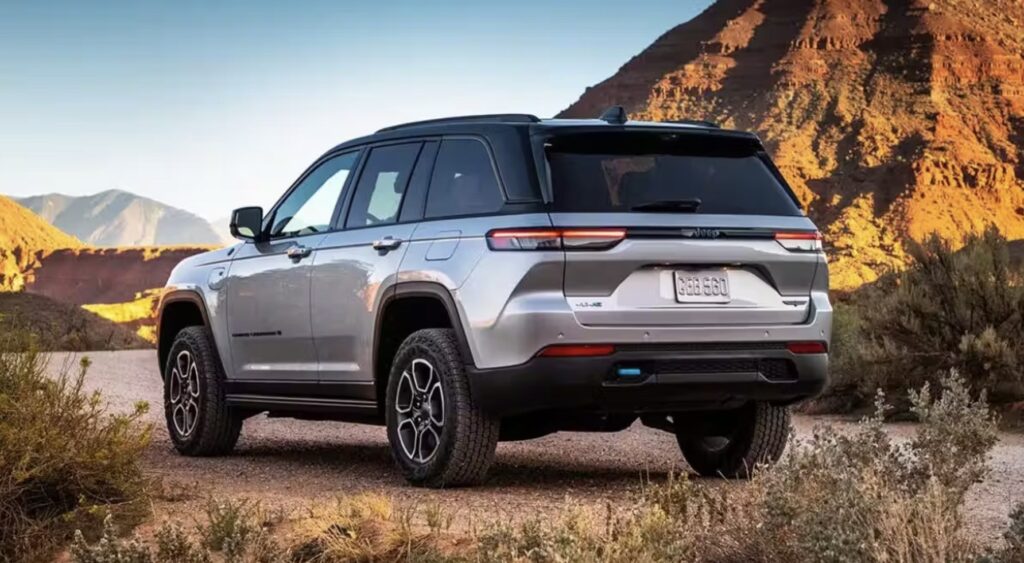
Pricing: Not yet announced as of October. See remaining 2025 Grand Cherokee listings.
What’s New for 2026: With 41,000 2025s on dealership lots and 850 leftover 2024s in October, it’s no surprise that the 2026 Grand Cherokee hasn’t been announced. Check back for pricing updates as information becomes available.
Pricing: Not yet announced as of October. See remaining 2025 RAV4 listings.
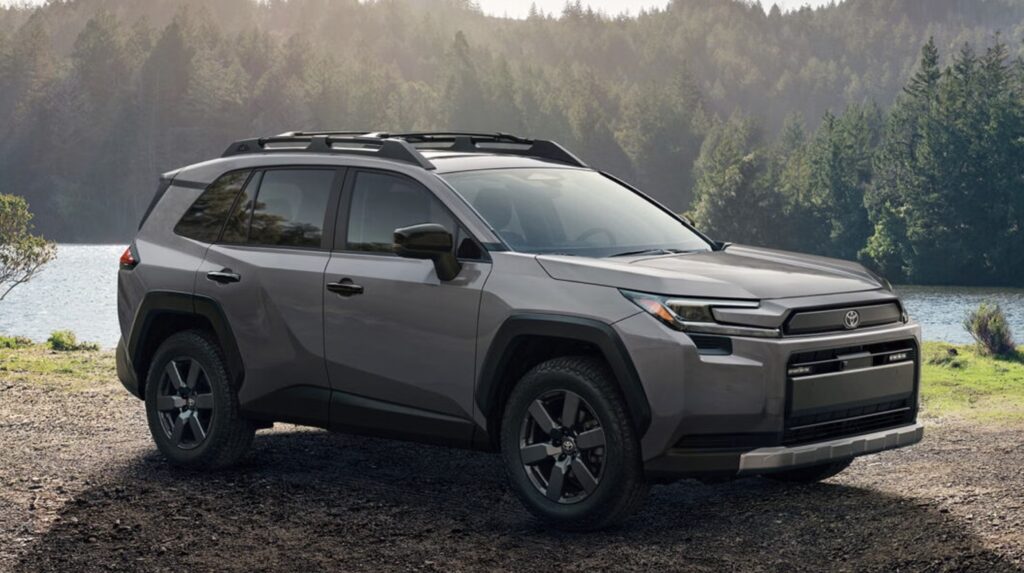
What’s New for 2026: The 2026 RAV4 gets a massive upgrade for the new model year. With a bold new design, standard hybrid powertrain, and more horsepower than ever before (now 226 HP). Pricing hasn’t been announced yet as of October, but we expect it to arrive any day now. In the meantime, Toyota still has 72,000 2025 models left to sell.
If you’re shopping for a popular SUV in 2026, expect to pay a bit more than last year. Frankly, car buyers are tired of seeing ever-rising MSRPs. Although the average price increase of 1.6% is modest, most of these SUVs have seen prices increase by over $5,000 since 2020, often a 20% increase or more.
We track car price inflation, and it’s happening across brands, across price points, and regardless of powertrain. The real story here isn’t just the year-over-year changes. It’s the long-term trend.
Getting a fair deal is still possible, and we’re glad you found us. Use CarEdge’s free research tools and America’s best car search tools to compare real-time pricing, analyze depreciation, and find the lowest prices in your area. Don’t pay MSRP when better deals are out there.
If you’re planning to buy or lease a car soon, don’t let October slip under the radar. While everyone else is marking their calendars for December, deals are here that rival expectations for year-end car sales. We’re talking 0% APR financing, lease payments that won’t eat your monthly budget, and cash incentives that look like a typo.
Here’s the thing: automakers are already in clearance mode. They’re not waiting until December to get started with serious incentives. They’re staring down packed lots and deliveries of next year’s models, which means October has become the soft launch for discount season. Welcome to a buyer’s market, at least for some makes and models.
Here are the 10 best new car deals in October 2025.
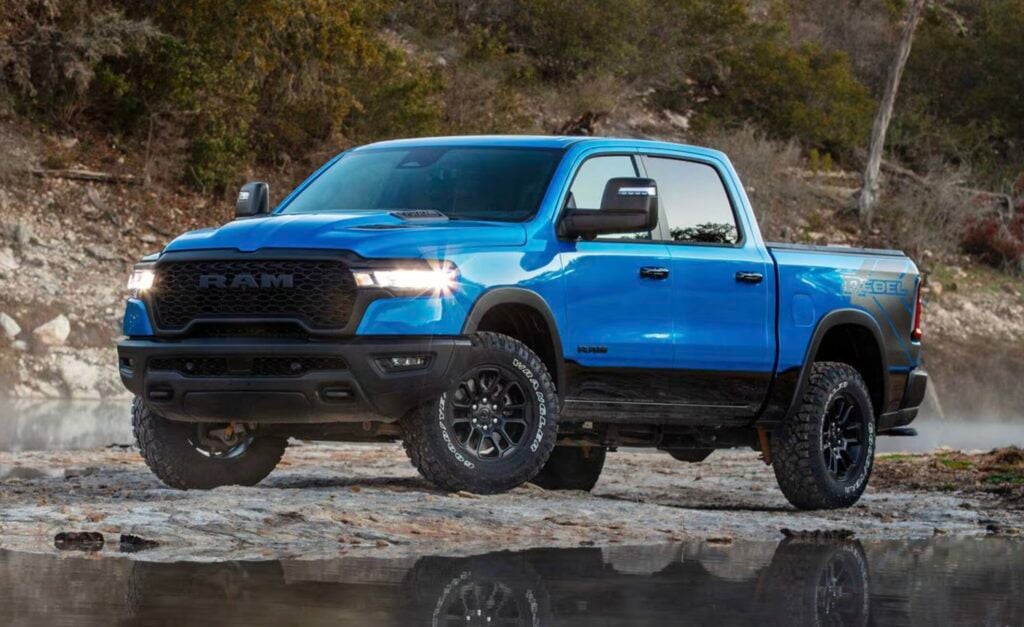
0% APR financing for 72 months
This isn’t just the best truck deal of October, it’s the strongest financing offer across the entire market. A six-year loan at 0% interest means buyers save thousands compared to typical rates. If a Ram pickup is on your radar, this is the month to make your move. Ford and GM can’t match this deal, at least not yet. December may change that.
👉 Browse Ram 1500 listings near you, and see offer details.
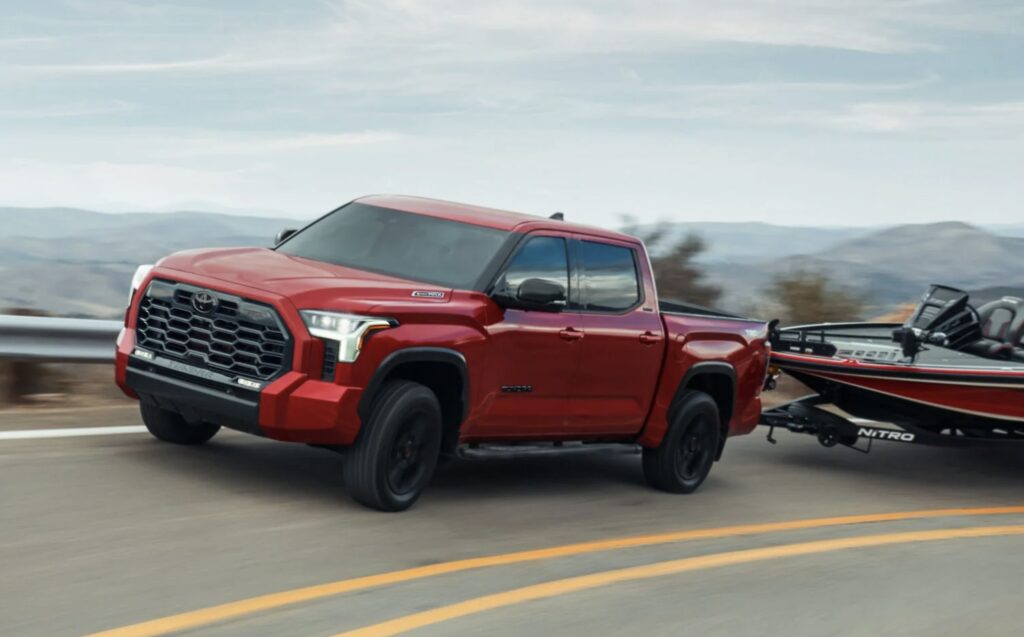
1.75% APR financing for 72 months
Toyota almost never offers low-interest financing, because its trucks usually sell just fine without incentives. That’s what makes this Tundra deal stand out — 1.75% APR for six years is a rare chance to save. Toyota’s incentives are notoriously regional in nature, so be sure to check your local offers.
👉 Search Toyota Tundra deals near you, and see Toyota offer details.
0% APR financing for 60 months
Nissan is keeping its zero-percent financing streak alive for a third straight month. With global financial struggles putting pressure on the brand, Nissan is leaning heavily on U.S. buyers to stabilize sales. Shoppers benefit with no-interest loans on three of Nissan’s most popular SUVs.
👉 Find Nissan offers near you, and see Nissan offer details.

0% APR financing for 60 months
Mitsubishi just joined the short list of automakers offering interest-free financing across all 2025 models. From the Outlander to the Eclipse Cross, every vehicle qualifies for five years of free money. That’s worth thousands in savings over the life of the loan.
👉 Browse Mitsubishi inventory near you, and see offer details.

0% APR financing for 60 months
GM wants to stay ahead of Ford in the EV race, and it’s extending its 0% APR special for a fourth month. The Equinox EV is America’s best-selling non-Tesla EV, with 8,000+ sold in September. Buyers of the higher-priced Silverado EV stand to save the most with interest-free financing. The new Trail Boss spec is proving to be a popular electric truck.
👉 Browse Chevy deals near you, and see offer details from Chevrolet.
1.9% APR for 63 months, or lease for $249/month (36 months, $2,748 due)
The Crosstrek has quickly become Subaru’s best-selling model in the U.S., and October brings your chance to score a deal. Buyers can choose between low-APR financing or a competitive lease at just $249/month — perfect timing as winter approaches.
👉 Check Subaru Crosstrek listings near you, and see Subaru offer details.
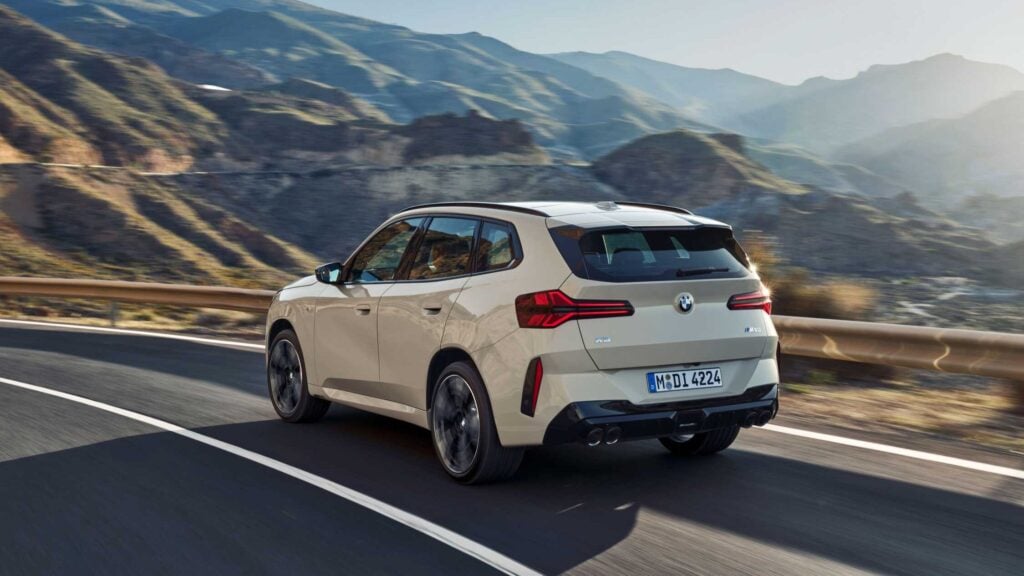
1.99% APR financing for 60 months
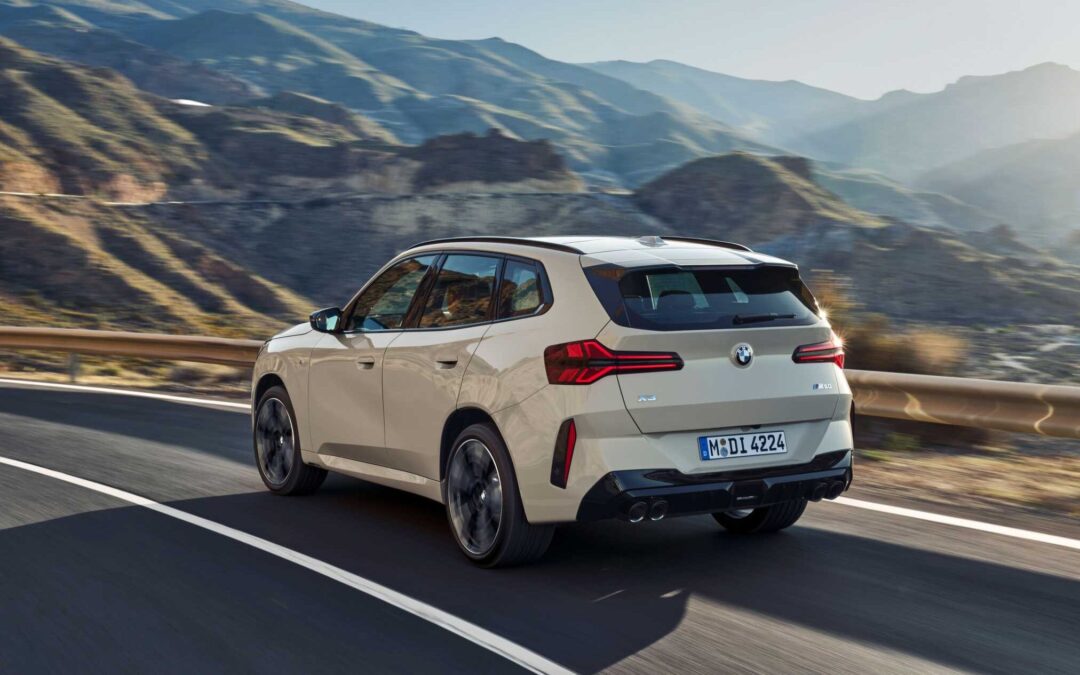
Luxury buyers, we didn’t forget about you. In fact, luxury shoppers save the most when financing rates drop. The cost to finance a more expensive vehicle will always be higher. In October, BMW’s popular X3 and flagship X7 are available with 1.99% APR financing for five years. That’s a big win for Beemer fans.
👉 Browse BMW inventory near you, and see offer details.

Lease for $279/month (24 months, $2,499 due at signing)
Buick’s zero-down specials are gone, but the brand continues to lead with competitive lease offers. At just $279/month, the Envista crossover remains one of the cheapest new-car leases in America.
👉 See Buick Envista deals near you, and see Buick offer details.
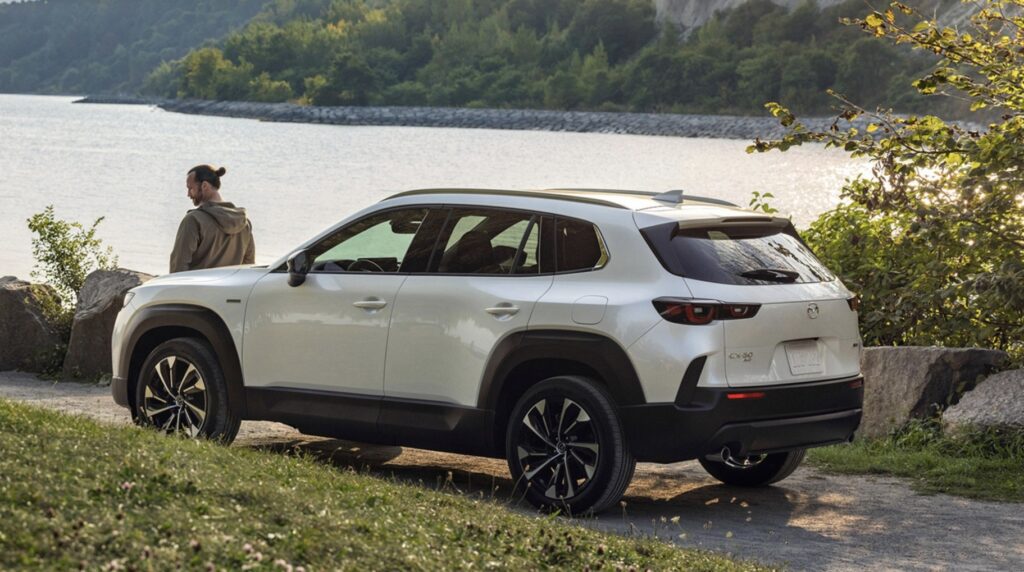
1.9% APR for 60 months
Mazda’s October incentives are mostly lackluster, but the CX-50 offer stands out. With standard all-wheel drive and plenty of ground clearance, this compact SUV is an excellent pick for northern drivers gearing up for winter. It’s even a Top Safety Pick (Plus) winner from IIHS crash testing.
👉 Find Mazda CX-50 offers near you, and see Mazda offer details.

$6,500 cash bonus
Infiniti is pushing hard to win back American buyers, and the discounts show it. The QX50 and QX55 come with $6,500 in retail bonus cash, while the larger QX80 tops the chart with up to $10,000 in incentives this month.
👉 Browse Infiniti listings near you, and see offer details.
October isn’t as deal-packed as year-end sales, but these offers prove it’s still a great month to buy if you shop the deals. Automakers are eager to keep momentum going before November and December’s clearance events bring the biggest discounts of the year. With that in mind, if you don’t see a deal you like, patience will pay off. Year-end clearance sales are just weeks away.
Now, for a dose of reality.
If you’ve bought or leased a car in the past few years, you know that dealers still play games to squeeze an extra penny out of your wallet. Even when the deals look great on paper, buying a car is often still a pain.
The good news? You have a NEW tool at your disposal that simply didn’t exist this time last year. In 2025, car shoppers are letting AI handle the awkward negotiating with salespeople.
👉 Let AI negotiate car prices for you
Prefer to keep it old school? We get it. Start with these FREE car buying resources and Vehicle Research Hub, courtesy of the team of experts here at CarEdge. If you ever get stuck or simply have questions, reach out to us. We’re here to help!