
CarEdge saved me over 4,500 dollars on a brand new Honda Pilot. I can't say thank you enough.
Price intelligence
Find a wide range of vehicle listings with market insights on new and used listings near you.
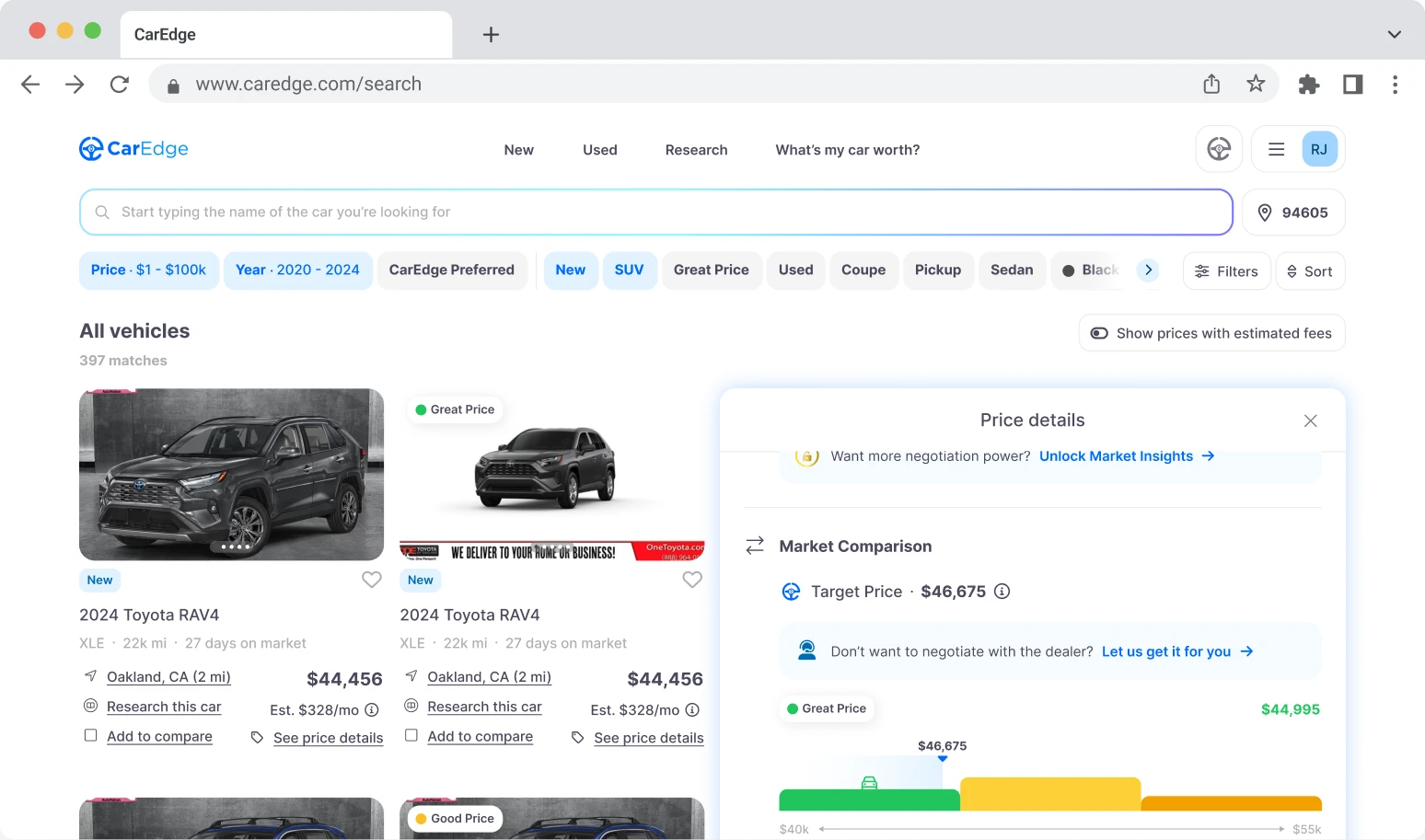

What can I do with CarEdge?
 CarEdge Insights
What can I do with CarEdge?
Get access to exclusive information so you can make an informed car buying decision — all in one place.

Find a wide range of vehicle listings with market insights on new and used listings near you.
Track your vehicle’s value and cash in when the time is right to sell.

Access to our proprietary data to help you find the right car, at the right price. Find these unlocked on every listing after subscribing.

With our expert-led, tech-enabled car buying service, we will locate, negotiate, and deliver your vehicle so you can get a new car hassle free.


Help us personalize your CarEdge experience — it only takes a second.
Your answers help us personalize your CarEdge journey — we’ll follow up with tips and next steps that match your buying timeline.

If you’ve seen new car sales that promise “0% APR for well-qualified buyers,” you may have been left wondering if you meet the criteria. What is considered a well-qualified car buyer, and why does it matter? Let’s break it down in plain English. Whether you’re financing, leasing, or paying cash, knowing if you’re a well-qualified buyer could significantly impact your car buying budget.
A well-qualified buyer is someone who meets an automaker’s criteria for the best advertised deals, like 0% financing, the best lease deals, or cash-back incentives.
But here’s the catch: every automaker and lender sets their own definition of “well-qualified,” and they’re not always upfront about it. However, our CarEdge car buying experts have seen it all over the years, and we’ve gathered some of the most common requirements to be considered a well-qualified buyer in the eyes of a lender.
If that’s you, great! You’re likely to qualify for top-tier financing and lease offers. But if not, there are still ways to save money and negotiate a great deal.
When you see a deal advertised on a dealership’s website or in a commercial, there’s usually fine print that says “for well-qualified buyers.” That’s their way of saying not everyone gets the offer.
This can lead to frustration and confusion when you show up expecting a certain payment, and leave with a much higher quote.
Knowing your buyer profile ahead of time helps you avoid surprise costs and gives you negotiating power. That’s where CarEdge can help.
At CarEdge, we help car buyers save time, money, and a whole lot of stress. We never work for the dealer, we always advocate for the consumer. Our free car buying guides walk you through every step of the process, from financing to negotiating and spotting dealership tricks.
Explore our most popular free resources:
Want to understand your financing options and improve your chances of becoming a “well-qualified buyer”? Start with our Financing Guide.
If you’d rather skip the stress and get expert help, our premium services are built for you:
Negotiation Expert – We’ll Do the Haggling
Already know what you want? Our experts will negotiate your deal for you, saving you money and time.
CarEdge Concierge – Full-Service Car Buying Help
Let our team handle everything, from finding the right car to locking in the deal. You just show up to sign and drive.
NEW: Have AI Negotiate For You
New from CarEdge, our AI agent will negotiate with dealership salespeople while you’re doing something better with your precious time. There’s nothing like it out there. Check out CarEdge AI.
The term “well-qualified buyer” is one that few car buyers understand when stepping foot in the dealership. But when you’re informed and prepared, you level the playing field. It’s always smart to have an honest, holistic view of your financial situation before getting serious about buying any new or used car.
Whether you’re ready to shop today or just starting to explore your options, CarEdge is here to help you every step of the way. Learn more about how CarEdge makes car buying easy.
CarEdge is a trusted resource for car buyers, offering data-backed insights, negotiation tools, and expert guidance to help consumers save time and money. Since 2019, CarEdge has helped hundreds of thousands of drivers navigate the car-buying process with confidence. Learn more at CarEdge.com.

If you’re waiting for Labor Day to score a deal on your next car, you don’t have to wait much longer. Most August incentives are already live, and with many running through September 2, this is effectively our first look at Labor Day car deals.
So far, Ford, Hyundai, Subaru, Jeep, and Mazda have launched some of the most competitive offers we’ve seen all summer — including zero-down leases, 0% financing, and cash discounts.
That said, the full story hasn’t been written yet. We’re still waiting on major brands like Toyota, GM, and Nissan to reveal their August deals. We’ll be updating this guide throughout August as new Labor Day sales arrive. For now, here are the 10 best car deals in August 2025… so far.

Lease from $499/month for 36 months with just $499 due at signing
Why it’s a great deal: F-150 lease deals almost never come with this little due at signing. This is a shockingly low barrier for a full-size pickup. See Ford offer details.
👉 Check F-150 listings with local market insights
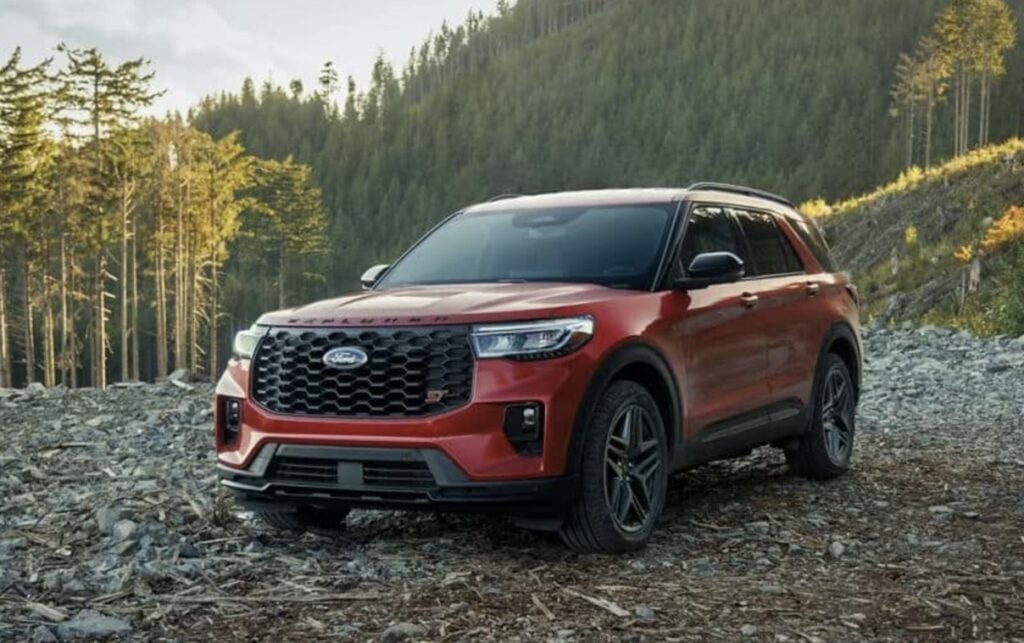
Lease from $499/month for 36 months with $499 due at signing
Why it’s a great deal: Rare to see Explorer leases with such low upfront cost, especially for a 4WD trim. See Ford offer details.
👉 See Explorer deals with local market insights

Lease from $399/month for 36 months with $399 due at signing
Why it’s a great deal: AWD crossovers under $400/month with almost nothing due are few and far between in 2025. Unfortunately, the Escape is one of the models to be discontinued in 2026. See Ford offer details.
👉 See Ford Escape listings with local market insights
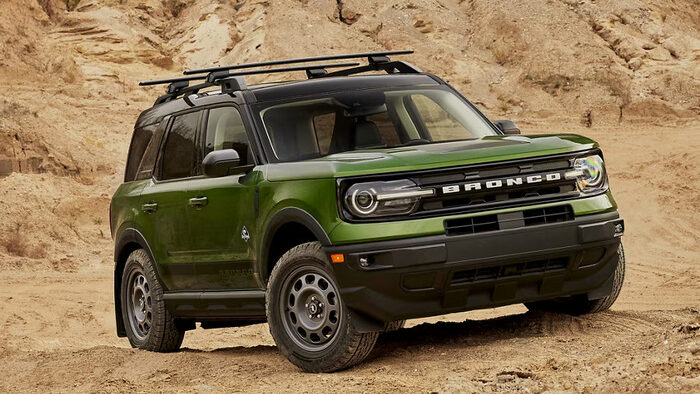
Lease from $399/month for 36 months with $399 due at signing
Why it’s a great deal: Bronco Sport inventory is high right now, and this deal undercuts most competing compact SUVs with similar styling and capability. See Ford offer details.
👉 View Bronco Sport listings with local market insights

Get up to $7,750 in total cash savings on remaining 2024 models
Why it’s a great deal: There are still hundreds of 2024 Wagoneers on lots — and few 2025s available. This is a clearance push with real negotiation leverage. See Jeep offer details.
👉 Browse the most negotiable Jeep inventory
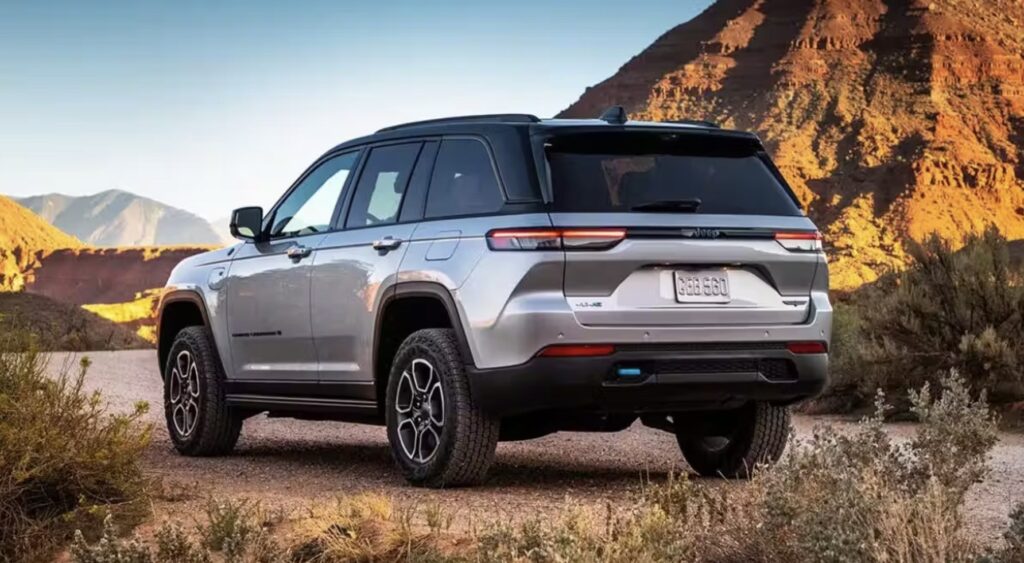
0% APR financing for 72 months
Why it’s a great deal: With many EVs and PHEVs seeing high APRs, this interest-free offer stands out. Bonus: It qualifies for federal EV incentives. See Jeep offer details.
👉 Browse the most negotiable Jeep inventory
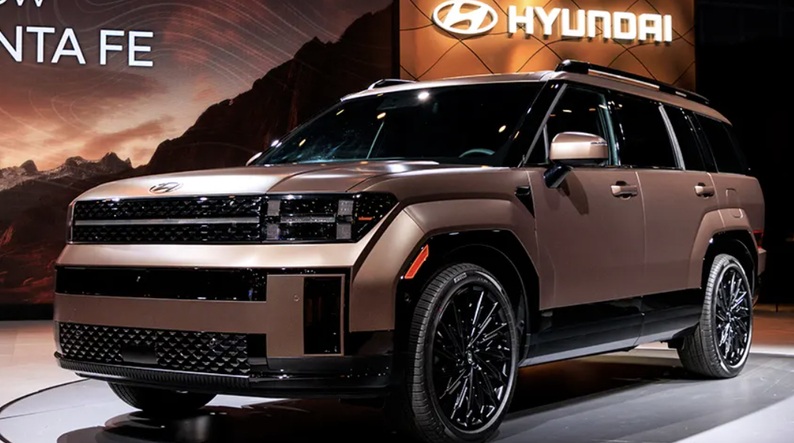
0% APR for 60 months + up to $3,500 in cash savings
Why it’s a great deal: Hyundai rarely combines 0% APR financing with bonus cash for a gas-powered model. Hyundai’s Labor Day deals for the Santa Fe and Palisade are among the best we’ve seen in years. See Hyundai offer details.
👉 Find Santa Fe deals near you

0% APR for 60 months + up to $1,500 cash + 90-day payment deferral
Why it’s a great deal: The Palisade has always been a hot seller for Hyundai. That’s why it’s a big deal that zero percent financing is offered for Labor Day 2025. This is an excellent choice for families needing a 3-row SUV! See Hyundai offer details.
👉 Search Palisade inventory with local market insights

$10,000 lease cash, for a lease offer from $285/month for 24 months with $3,999 due
Why it’s a great deal: Lease cash this high is virtually unheard of in today’s market. A luxury PHEV under $300/month is a steal. The flexibility of the plug-in hybrid powertrain means that you can drive electric in the city with a gas-powered hybrid for the highways. See Mazda offer details.
👉 See Mazda CX-90 PHEV listings near you
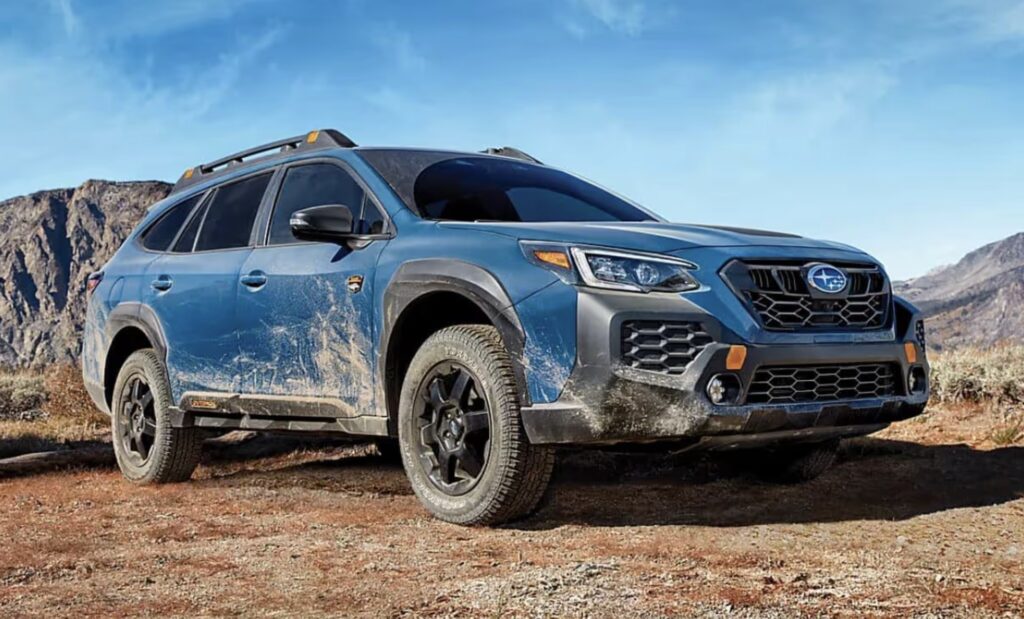
Finance with 1.9% APR for 72 months
Why it’s a great deal: Subaru rarely dips this low on interest rates for top models like the Outback. Subaru’s sales have slipped in recent months, but that makes for a buyer’s market. See Subaru offer details.
👉 Find Subaru Outback deal near you
Even with better incentives, the car dealership experience isn’t pleasant. From unwanted add-ons to costly markups and fees, buying a car is still a pain in 2025. That’s where CarEdge can help.
Use CarEdge’s AI Negotiator to have an autonomous agent get the best deal without you lifting a finger.
Or, try CarEdge Concierge if you want car buying experts to handle the search, negotiation, and every aspect of your deal for you.
DIY car buyers can dive into CarEdge Pro to unlock behind-the-scenes car market info that puts YOU in control of your deal.
At CarEdge, we’re your advocate in a confusing car market. Our team of professionals is here to help you research, compare, and negotiate every step of the way. Whether you’re looking for personalized help or want AI to do the haggling for you, we’re here to make sure you never overpay. Learn more about how we serve car buyers every day at CarEdge.com.
The summer car market is cooling off, and that’s good news if you’re a buyer. Labor Day is just around the corner, and believe it or not, Labor Day car sales are already here. Whether you’re eyeing new car deals, looking for used car bargains, or trying to beat the EV tax credit deadline, August 2025 offers real chances to save if you know where to look.
Let’s break down what’s happening in the car market right now, and how you can use it to your advantage.
Update (8/5/2025): August new car incentives are now live! See the deals at our CarEdge Deal Hub.
If it feels like used car prices have been slipping for months, that’s because they have. According to Black Book, wholesale used car prices are down about 5% since May, and we’re finally seeing those declines show up on retail lots. Compact sedans and mainstream crossovers have seen prices fall the most this summer.

Used car prices are falling for a few key reasons. First, new car incentives remain strong, drawing many would-be used car buyers toward new vehicles instead. Second, interest rates for used car loans remain above 10% APR for most buyers, while some new car offers include rates as low as 0% for 72 months for well-qualified shoppers. This makes new cars more attractive despite their higher sticker prices.
Finally, there’s the typical seasonal decline in demand. After peaking in the spring and early summer, used car interest naturally tapers off as we head deeper into the back-to-school season.
In August, expect more price drops. If you’re thinking of selling or trading-in your vehicle, we recommend doing it sooner rather than later as resale values continue to slide.
Used car dealerships are notorious for resisting price cuts until they’re forced, so don’t expect advertised discounts. But if you negotiate — or let CarEdge’s AI Negotiator do it for you — you could score serious savings.

August is usually a sleepy month for new car sales, and this year will be no different, says CarEdge Co-Founder Ray Shefska:
“August is traditionally a challenge in retail automotive due to it being back to school month. Parents are buying Nikes and bikes and all kinds of school supplies and not cars.”
Less demand means greater negotiating power for buyers, and less leverage for sellers. The exception is for EVs. After months of sales slowdowns, real-time market data from CarEdge Pro shows that electric vehicles are once again hot sellers as buyers look to buy before the federal EV tax credit expires on September 30, 2025.
Frankly, drivers have their finances focused on more pressing needs this time of year.
CarEdge’s Ray Shefska sees that August will be a rarity in that EVs will once again have the upper hand in the car market, although that won’t last long.
“If we see any uptick in sales at all,” Ray adds, “I would suspect we would see that in the EV sector with people buying those vehicles before the federal tax credits expire on September 30th. Otherwise, folks will be waiting to see what Labor Day sales have to offer in September 2025.”
As of August 2025, the average new car price is $48,907, a figure that’s remained virtually unchanged since 2022. Prices initially surged during the pandemic-era chip shortage, but rather than falling back, they’ve held steady due to persistent inflation and strong consumer demand. Despite high prices, buyers haven’t backed off. This has been a recipe for persistently high new car prices, to the delight of automakers.
August is also when we expect to learn more about 2026 model year pricing, especially with tariffs forcing automakers to make tough decisions. While many brands delayed announcing new pricing earlier this summer, August is typically when those updates begin to roll out. With higher import costs in play, some automakers may quietly raise prices, while others might hold firm to stay competitive. If you’re planning to buy a 2026 model, keep a close eye on MSRP changes this month, especially for vehicles built overseas.
August 2025 is shaping up to be a quiet month for the car market. However there are opportunities to drive home a deal if you know where to look. Slipping used car prices are giving buyers more leverage, especially if they’re willing to negotiate. On the new car side, demand is softening, except for electric vehicles, which are seeing renewed interest ahead of looming tax credit changes.
With high prices and interest rates still in play, the key to success this month is flexibility: consider alternative brands, explore leasing, and be ready to shop the deal, not just the model. If you’re in the market, take advantage of the tools and data available to help you come out ahead. Start your car search with CarEdge today.
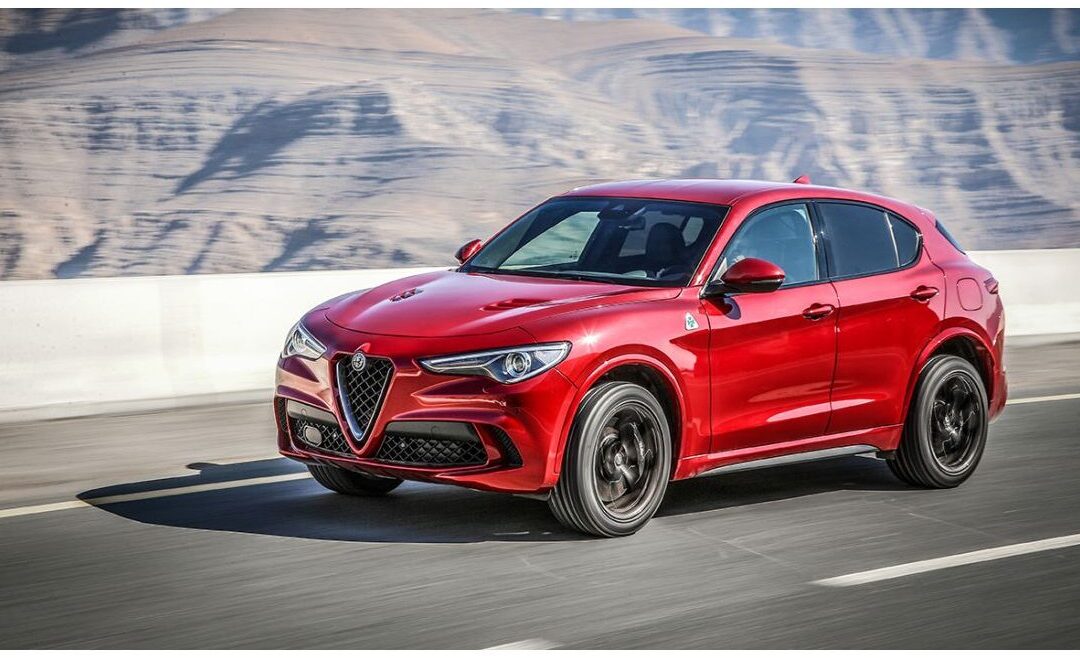
The auto industry is in a shake-up era. With shifting consumer tastes, sticky inflation, and the messy EV transition all colliding at once, several car brands are dangerously close to being pushed out of the U.S. market. And that’s before we even take tariffs into consideration.
We’re taking a close look at three brands with unvertain futures: Alfa Romeo, Chrysler, and Maserati. These three endangered brands all fall under the Stellantis umbrella, along with 11 other car brands. But it doesn’t end there. We’ll also explain why Nissan is in trouble, even if it has a bit more breathing room than the others.
“This is survival of the fittest,” says CarEdge Co-Founder and industry veteran Ray Shefska. “If you don’t have scale, domestic manufacturing, or a clear product roadmap, you’re on thin ice.”
Let’s take a look at how three car brands in peril are faring, and how a fourth might not be far behind.
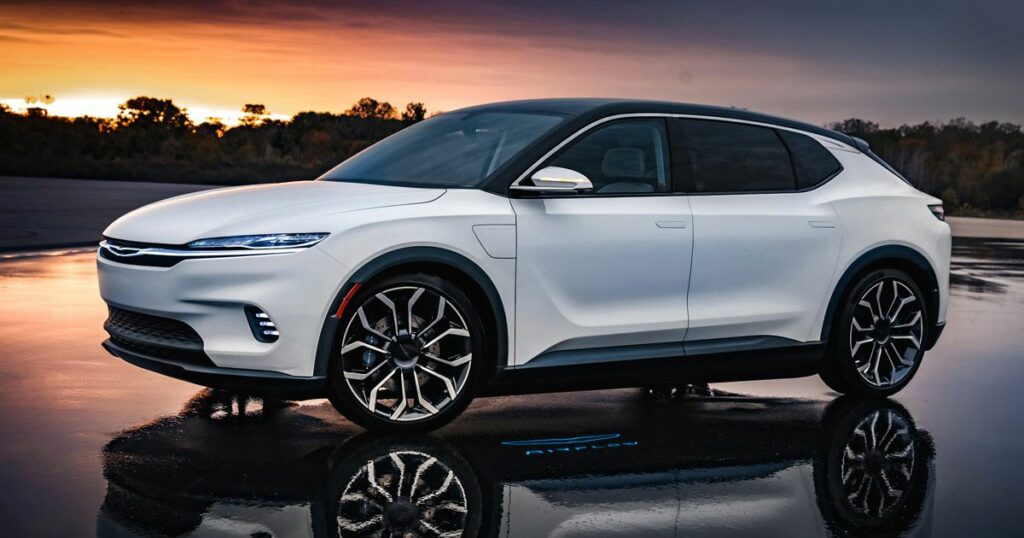
Chrysler is clinging to a single model: the Chrysler Pacifica minivan. With the Chrysler 300 gone and no other gas-powered vehicles left, the brand’s entire future hinges on a vague promise to go all-electric by 2028.
The problem? There’s no clear plan. The Chrysler Airflow concept has been put on hold indefinitely. No Chrysler EVs are in showrooms, and electric sales are stagnating in the U.S. It’s unclear if parent company Stellantis has noticed that consumers aren’t exactly rushing out to buy an electric minivan.
Ray explains:
“You can’t put all your chips on one vehicle, especially in a niche market. The Pacifica is great, but it’s not going to save Chrysler on its own. It remains to be seen if Chrysler has a game plan for beyond 2026. Right now it’s all speculation.”
Unless Stellantis delivers a compelling lineup fast, Chrysler may fade into irrelevance before it gets the chance to reinvent itself. We wouldn’t be surprised to see the Pacifica join the Dodge family to clear the path for sunsetting the Chrysler brand.

Maserati is supposed to be Stellantis’ crown jewel. But in 2025, it’s looking more like a financial anchor.
Here’s how bad it is:
And there’s no cavalry coming. No new models are scheduled until mid-2026, and existing vehicles like the Grecale and MC20 aren’t selling in meaningful numbers.
Ray’s take:
“If Maserati weren’t a luxury badge, it probably would’ve been shut down already. But even brand equity can only buy so much time.”
If Stellantis can’t find a buyer — or a miracle — Maserati’s exit from the U.S. might be a matter of when, not if.

After returning to the United States in 2014 following a 20-year absence, the brand has seen its fair share of struggles. U.S. sales are in steep decline, and new models have failed to turn things around. After peaking at over 18,000 units in 2021, Alfa Romeo’s U.S. sales dropped to just 8,868 in 2024.
There’s no new product pipeline for the U.S., and dealers are struggling to move inventory. Dealers are packed with 208 days of market supply as of July 2025. Giulia and Stelvio sales continue to slide, and the brand’s market share has fallen to well under 1% of the American car market. Meanwhile, parent company Stellantis is undergoing a strategic review of Alfa Romeo amid financial losses and big ambitions for a turnaround.
Ray Shefska puts it bluntly:
“Alfa Romeo’s a brand with no clear future in the U.S. If the next model isn’t a hit, it could quietly vanish from this market.”
Why Alfa Romeo Is at Risk
We can’t count Alfa Romeo out just yet, but it’s not looking good for the brand’s future in North America.
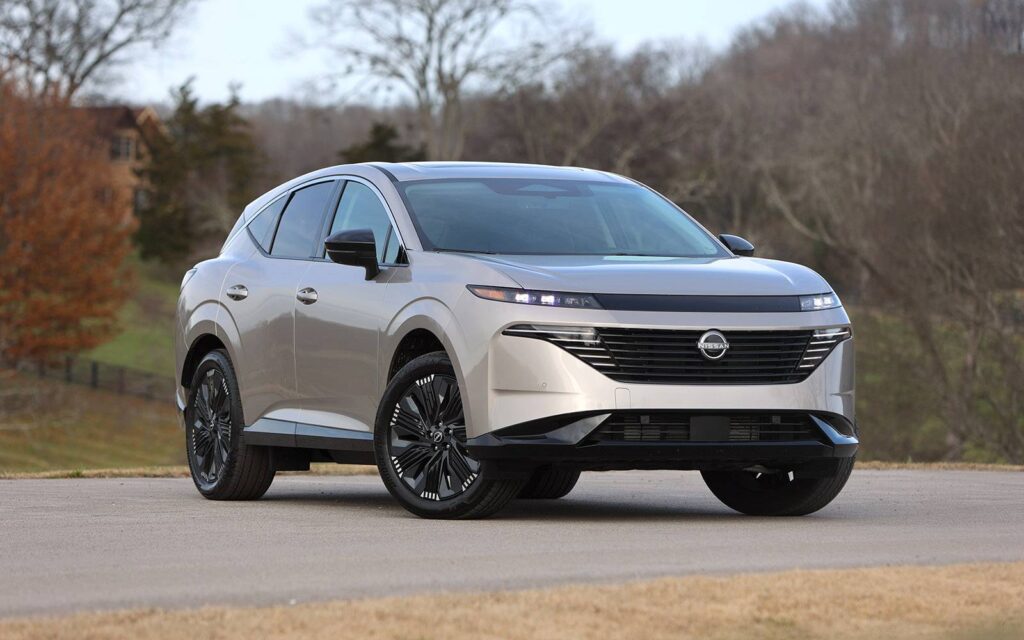
Nissan isn’t in immediate danger of disappearing from the U.S. market, but there’s no denying the brand is struggling.
Recent signs of trouble:
That said, Nissan is still a volume player with global scale and a decent EV head start. The Ariya and LEAF haven’t set the world on fire, but Nissan’s investments in product refreshes and future battery tech could help it turn a corner — if it survives the next few years.
Nissan’s global footprint gives it some flexibility, and its strong brand recognition in the U.S. still holds value. However, to stay relevant, the automaker needs a bold strategy to reclaim leadership in the years to come.
If you’re shopping one of these brands, resale value and long-term support should be front of mind. Vehicles from discontinued brands often take a resale hit and may be harder to maintain over time. Take a look at today’s resale values for the Pontiac, Saturn, and Oldsmobile brands, for example.
That said, it’s not all bad news. Struggling brands often see heavy discounts at the dealership, especially if inventory builds up. Be sure to stay on top of the latest deals of the month with CarEdge’s Deal Hub.
We’ll be tracking what happens to these brands closely in the months ahead. Bookmark CarEdge for updates, or subscribe to our free newsletter to stay ahead of the curve.
Ready for a whole new way of buying a car? Try CarEdge’s AI Negotiator today. Sit back, relax, and let AI do the haggling for you!
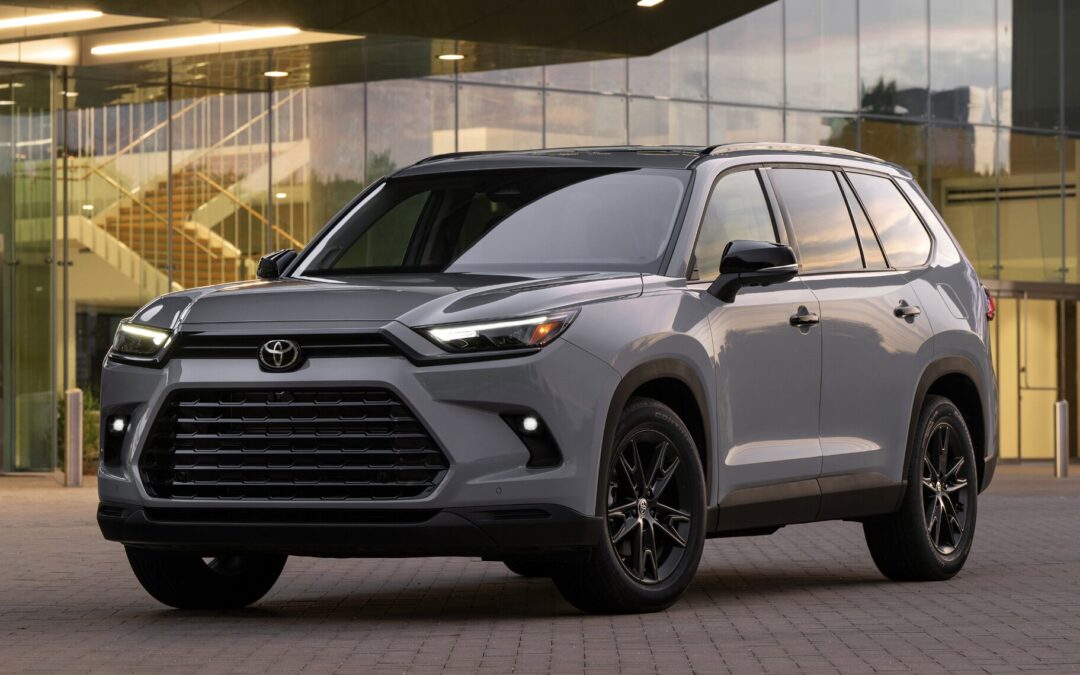
It’s true that SUVs have taken over the car market in recent years, but not all are hot sellers. In fact, the gap between the fastest and slowest-selling models is growing. In 2025, some SUVs and crossovers are being scooped up as soon as they hit the lot, while others are sitting unsold for more than six months. Whether you’re a buyer looking for a great deal or a seller trying to time the market, understanding which SUVs are moving (or not) is essential.
We analyzed August car market data to find the SUVs with the lowest and highest market day supply (MDS). MDS is a measure of how many days it would take to sell through current inventory at the current sales pace. Here are the winners and losers in 2025’s SUV market.
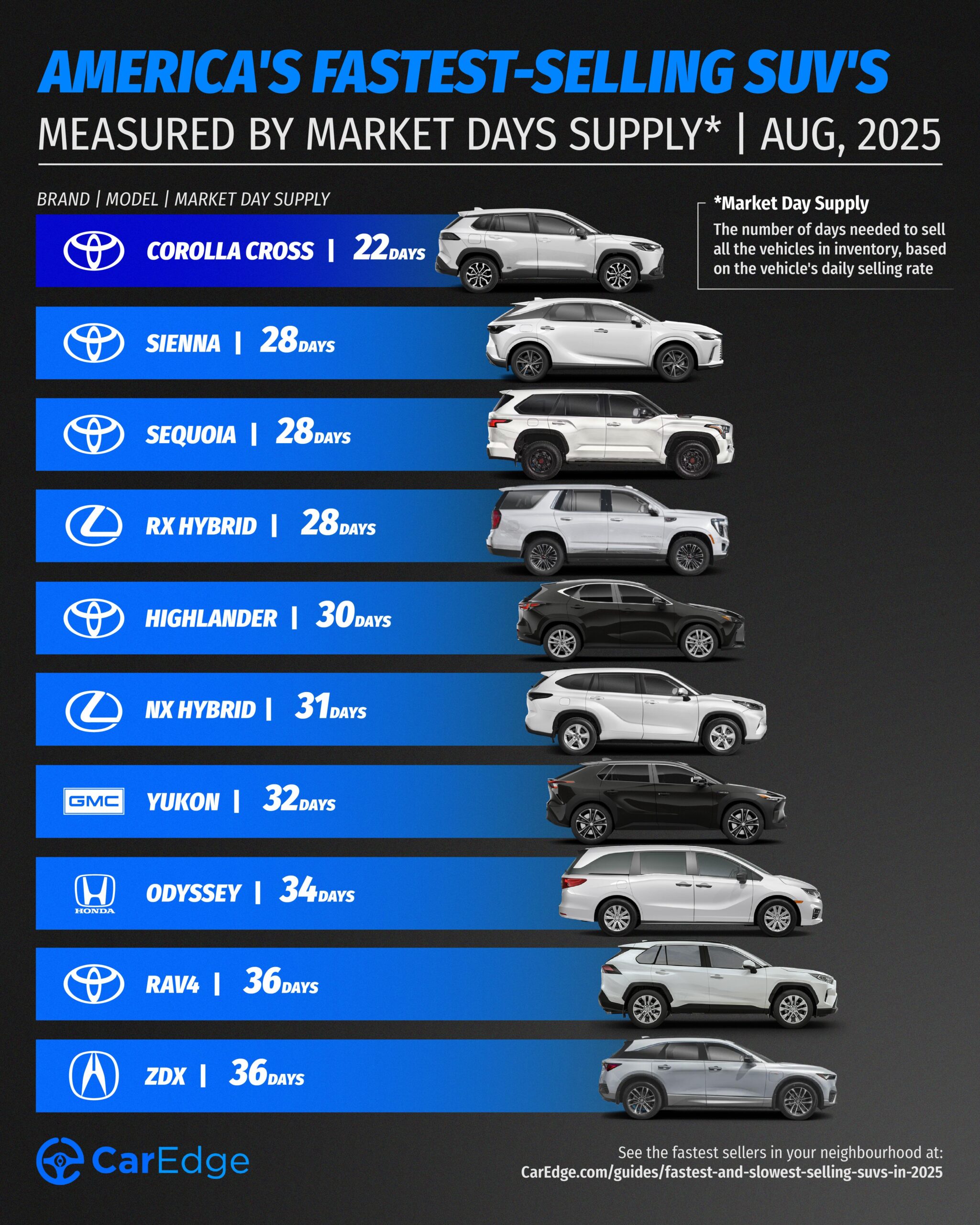
These are the SUVs and crossovers with the lowest market day supply as of August 2025. That means they’re in high demand right now, and are likely harder to negotiate on due to limited availability.
| Make | Model | Market Day Supply | Total For Sale | Total Sold (45 days) | Average Selling Price |
|---|---|---|---|---|---|
| Toyota | Corolla Cross | 22 | 9,443 | 18,965 | $31,181 |
| Toyota | Sienna | 28 | 9,572 | 15,344 | $51,591 |
| Toyota | Sequoia | 28 | 3,348 | 5,325 | $83,490 |
| Lexus | RX Hybrid | 28 | 2,511 | 4,085 | $63,083 |
| Toyota | Highlander | 30 | 5,470 | 8,172 | $52,052 |
| Lexus | NX Hybrid | 31 | 2,750 | 3,962 | $54,654 |
| GMC | Yukon | 32 | 4,373 | 6,126 | $87,674 |
| Honda | Odyssey | 34 | 5,654 | 7,574 | $46,334 |
| Toyota | RAV4 | 36 | 56,325 | 69,950 | $37,540 |
| Acura | ZDX | 36 | 1,217 | 1,501 | $68,906 |
Source: CarEdge Pro
Toyota’s reputation for reliability, fuel efficiency, and value continues to drive strong demand for Toyota SUVs like the Corolla Cross, Sienna, and Sequoia. Seven of the 10 fastest-selling SUVs in 2025 are Toyota or Lexus models. Lexus joins the mix with the RX and NX Hybrids, two compact options that luxury buyers love. GMC’s Yukon is the only ‘Detroit Big Three’ SUV on the list this month.
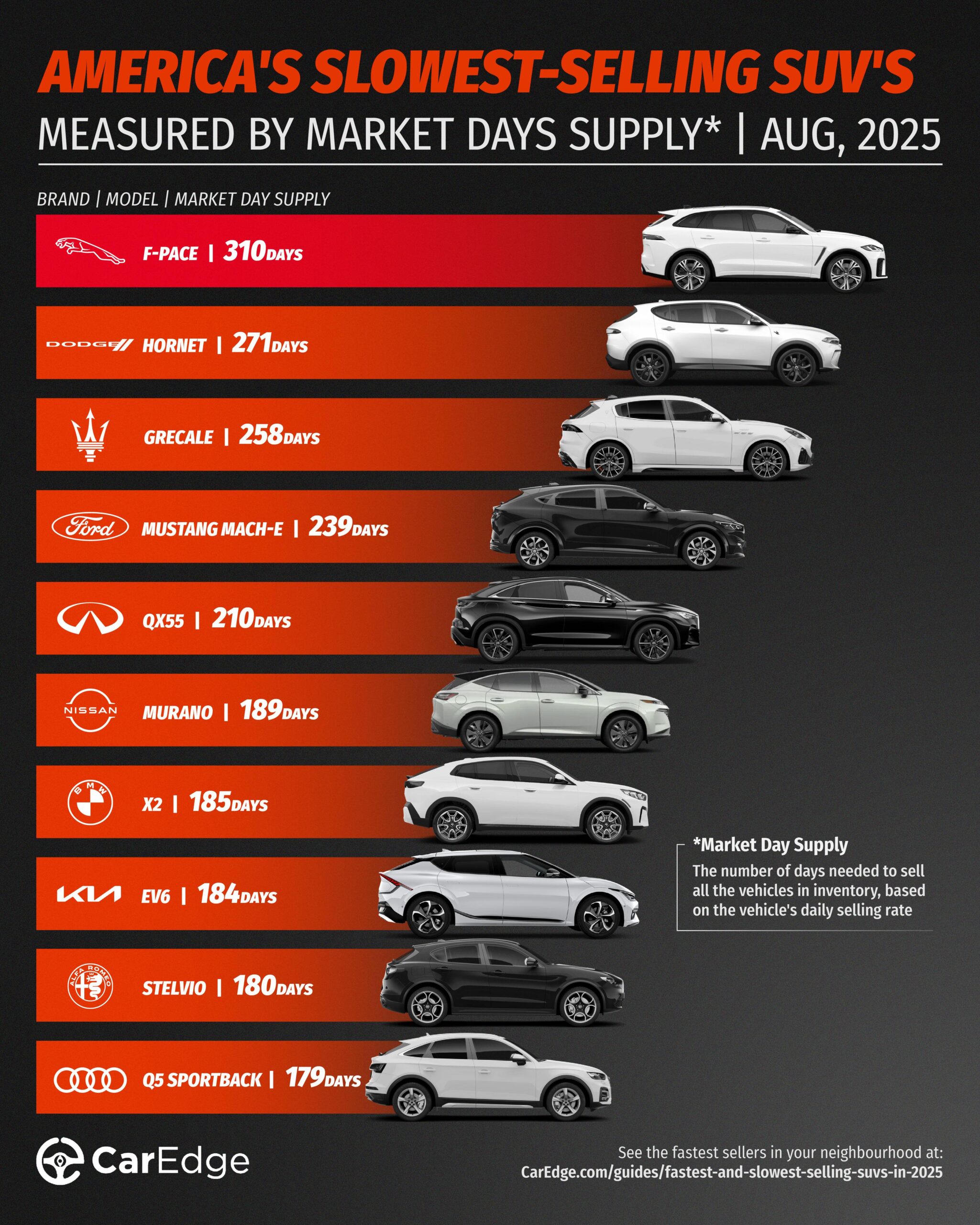
These SUVs have the highest market day supply, which means they’re sitting unsold for longer. Buyers may be able to score better deals on these slowest-selling SUVs in August, especially with this new AI negotiator doing the work for you.
| Make | Model | Market Day Supply | Total For Sale | Total Sold (45 days) | Average Selling Price |
|---|---|---|---|---|---|
| Jaguar | F-PACE | 310 | 2,751 | 399 | $69,742 |
| Dodge | Hornet | 271 | 2,911 | 484 | $36,536 |
| Maserati | Grecale | 258 | 631 | 110 | $79,872 |
| Ford | Mustang Mach-E | 239 | 22,597 | 4,247 | $48,656 |
| Infiniti | QX55 | 210 | 936 | 201 | $53,990 |
| Nissan | Murano | 189 | 20,164 | 4,797 | $47,020 |
| BMW | X2 | 185 | 1,238 | 301 | $52,596 |
| Kia | EV6 | 184 | 4,613 | 1,128 | $50,536 |
| Alfa Romeo | Stelvio | 180 | 842 | 210 | $56,239 |
| Audi | Q5 | 179 | 7,566 | 1,898 | $56,305 |
Source: CarEdge Pro
Many of these models fall into EV or luxury segments where buyer demand is softer in 2025. Jaguar’s F-PACE is the slowest-selling SUV today. Surprisingly, just three Stellantis models are in the bottom 10. The Ford Mustang Mach-E stands out as an electric SUV with sluggish sales despite aggressive incentives. There’s a lot more competition in the electric crossover segment, and Ford is struggling to keep up with hot sellers from GM, Hyundai, and Tesla.
For any of these slow-selling SUVs, prices will be more flexible if you come equipped with negotiation know-how.
If you’re looking for a deal, start with the slowest sellers this month. High inventory levels mean dealers are likely motivated to talk pricing if you negotiate with confidence. It’s always best to take a look at the best incentives of the month, too.
“If you’re shopping for a slow-selling SUV, the ball is in your court,” says auto industry veteran Ray Shefska. “Dealers know those vehicles aren’t moving, and that gives you the upper hand in price negotiations.”
Shopping Toyota, Honda, or Lexus? Expect tighter inventory and less room for negotiation. You may need to move quickly if you find the right trim. However, this is no reason to pay for unwanted add-ons or dealer markups!
Thinking about EVs? There are some good deals out there, but know what you’re getting into. EVs like the Mustang Mach-E might feature great incentives, but they also depreciate quickly. Unless you know you’ll be keeping your EV for several years, leasing is the smarter choice.
With CarEdge Concierge, our experts do the legwork for you, from researching inventory to negotiating with dealers. Already know what you want? Use our AI Negotiation Expert service and have CarEdge AI negotiate with car dealers anonymously!
Explore more free tools and resources with car buying guides, cost of ownership comparisons, and downloadable cheat sheets. There’s no reason to shop unprepared in 2025!
CarEdge is a trusted resource for car buyers, offering data-backed insights, negotiation tools, and expert guidance to help consumers save time and money. Since 2019, CarEdge has helped hundreds of thousands of drivers navigate the car-buying process with confidence. Learn how to buy a car the easy way at CarEdge.com.