
CarEdge saved me over 4,500 dollars on a brand new Honda Pilot. I can't say thank you enough.
Price intelligence
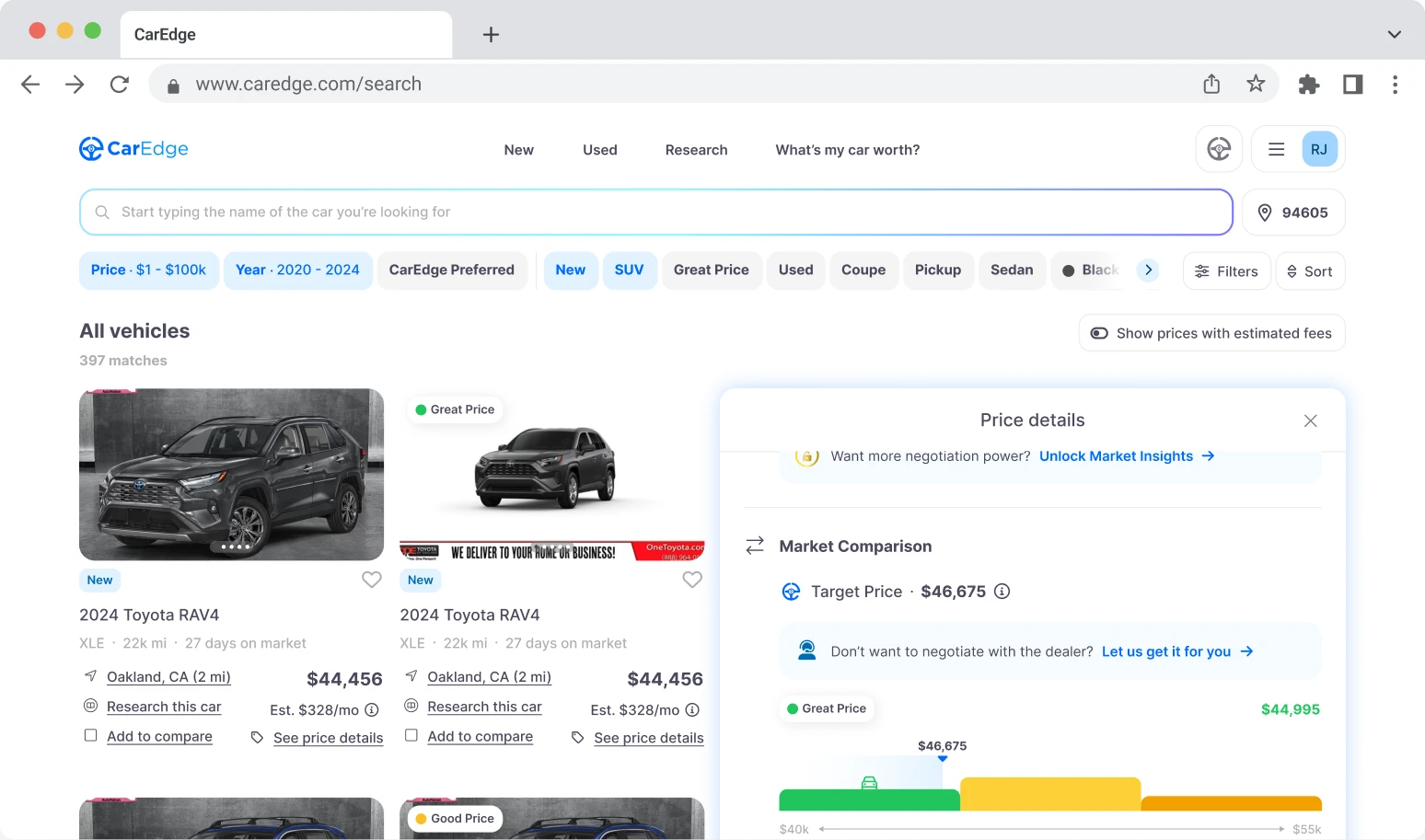
Find a wide range of vehicle listings with market insights on new and used listings near you.

What can I do with CarEdge?
 CarEdge Insights
What can I do with CarEdge?
Get access to exclusive information so you can make an informed car buying decision — all in one place.

Find a wide range of vehicle listings with market insights on new and used listings near you.
Track your vehicle’s value and cash in when the time is right to sell.

Access to our proprietary data to help you find the right car, at the right price. Find these unlocked on every listing after subscribing.

With our expert-led, tech-enabled car buying service, we will locate, negotiate, and deliver your vehicle so you can get a new car hassle free.


Help us personalize your CarEdge experience — it only takes a second.
Your answers help us personalize your CarEdge journey — we’ll follow up with tips and next steps that match your buying timeline.

Buying a car is a big decision, and preparation is key. Whether you’re purchasing a brand-new ride or hunting for the best used car deal, having the right documents, financing, and negotiation strategy in place will save you time, money, and stress.
So, what do you need to buy a car? From essential paperwork to must-have research, this car buying checklist walks you through everything step by step. Let’s dive in.
If you’re buying a brand-new car, you’ll want to ensure you have the right documents, financing, and tools before heading to the dealership.
Before you buy a car, make sure you have:
◻ Valid Driver’s License – Required for test drives and financing.
◻ proof of Insurance – Most dealerships require insurance before you drive off the lot. Call your provider to add the new car or get a quote beforehand.
◻ Credit Score – It’s smart to check your credit score before heading out to buy a car. Higher credit scores qualify for the lowest interest rates. Check yours for free with tools like Credit Karma or Experian.
◻ proof of Income – Many lenders require recent pay stubs or tax returns, especially for lower credit scores.
◻ proof of Residency – A document with your name and address, such as a utility bill, lease agreement, or bank statement, may be needed for financing approval.
◻ Trade-In Documents (If applicable) – Bring your vehicle title, loan payoff amount, and extra key fobs if you may be trading in your current car.
◻ Pre-Approval Letter (optional but recommended) – Getting pre-approved for an auto loan gives you negotiating power and prevents last-minute surprises.
Before signing the dotted line, do your homework:
◻ Set a Budget – Know the total cost of ownership, not just the monthly payment. Don’t forget insurance, maintenance, and fuel costs.
◻ Compare Prices – Use tools like CarEdge Pro to see what others are paying for the same model in your area.
◻ Check Manufacturer Incentives – Automakers frequently offer 0% APR, cash rebates, or lease specials for select models. See all of this month’s best offers at the CarEdge Deal Hub.
◻ Request an Out-the-Door Price Quote – Always get a detailed breakdown of pricing, including dealer fees. Wondering what to expect? Use this free OTD calculator to run the numbers.
◻ Review the Warranty – Know what’s covered and for how long. Some warranties are better than others. Consider an extended warranty for added peace of mind.
◻ Shopping EVs? Know What to Expect – EV ownership is different. Review our free EV Buyer’s Guide for all of the details.
◻ Beware of Markups & Add-Ons – Dealerships often add unnecessary extras like nitrogen-filled tires, VIN etching, and “protection plans.” You don’t have to agree to these add-ons!
◻ Negotiate the Out-the-Door Price, Not Monthly Payments – Dealers love to talk in terms of monthly payments to hide extra costs. Don’t fall for it! Focus on the total out-the-door price instead.
◻ Review the Loan Terms Carefully – Avoid 84-month car loans that keep you upside down for years. Even 72 month loans increase your risk of negative equity, which can make it hard to sell your car in the future.
◻ Don’t Sign Until You Understand Everything – Take your time. Have a close look at any contracts and agreements. Ask questions. Walk away if needed.
Buying a used car requires extra steps to avoid hidden problems and costly surprises. Here’s everything you need to check before making a purchase.
◻ Valid Driver’s License – Required for test drives and financing.
◻ proof of Insurance – You’ll need to insure the car before taking it home.
◻ Credit Score & Pre-Approval (If financing) – Be familiar with your latest credit score before shopping. The best credit scores qualify for the lowest rates. Compare rates from local banks and credit unions before you head to the dealership. Big banks rarely have the best auto loan rates.
◻ Method of Payment – Have a plan for how you will make your down payment if you decide to purchase a vehicle. There are limits to how much you can charge to a credit card, usually less than $5,000.
◻ Trade-In Documents (If applicable) – Have your title, loan payoff amount, and registration ready.
Don’t get burned by a bad used car. Do this first:
◻ Check the Vehicle History Report – Use Carfax or AutoCheck to check for accidents, title issues, and odometer fraud.
◻ Look Up Market Value – Use tools like CarEdge Pro to compare prices and see negotiability.
◻ Verify the Car’s Title – Avoid cars with salvage, rebuilt, or lemon titles.
◻ Get a Pre-Purchase Inspection (PPI) – Have a trusted mechanic inspect the car before you buy.
◻ Review Maintenance Records – A well-documented service history is a good sign of a reliable car. This is especially useful when buying from a private seller.
◻ Check for Recalls – Use NHTSA.gov to check for unfixed safety recalls.
Test driving isn’t just about comfort – it’s about catching problems:
◻ Check for Odd Noises – Listen for knocking, grinding, or whining sounds.
◻ Check for dashboard warning lights – Never buy a car with warning lights on. This indicates that repairs are urgently needed. If tire pressure is low, make sure the warning light turns off once air is added.
◻ Test Acceleration & Braking – Make sure the car accelerates smoothly and brakes firmly. Brake replacement costs hundreds of dollars.
◻ Inspect for Rust or Frame Damage – Look under the car and in wheel wells for rust spots. Once rust starts, it’s hard to stop it.
◻ Check Tire Wear – Uneven tire wear may indicate alignment or suspension issues.
◻ Test All Features – AC, heat, lights, windows, seat adjustment, infotainment system – make sure everything works.
◻ Remember to get a Pre-Purchase Inspection with an independent mechanic before you buy. It’s a hassle, but could save you thousands of dollars in unexpected repair costs.
◻ Negotiate the Out-the-Door Price – Use market data to get the best deal.
◻ Review the Bill of Sale – Ensure it includes price, VIN, mileage, and all seller details.
◻ Complete the Title Transfer & Registration – Each state has different requirements. If you’re buying a used car from a private seller, consult your state’s DMV website for instructions.
◻ Double-Check for Fees & Add-Ons – Avoid unnecessary dealer “processing fees” or bogus charges. These are the only legit dealer fees.
◻Finalize Financing & Insurance – Ensure loan terms are correct before signing, including the APR and loan length. Even during the final steps of the car buying process, it’s not too late to correct mistakes or tricky dealer add-ons.

The cost of buying a new car could soon get even higher. With tariffs on Canadian and Mexican auto imports set to take effect on March 4, new car prices in the U.S. are set to rise to new records. Here’s a look at how automotive industry analysts expect President Trump’s tariffs to impact U.S. car prices in 2025.
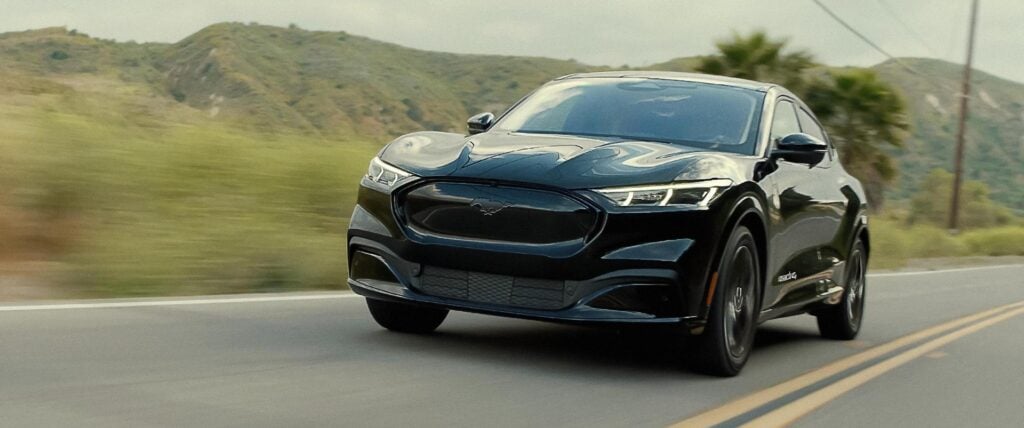
President Trump has announced new tariffs on imported vehicles, car parts, and other goods will begin this month. Starting March 4, a 25% tariff on imports from Canada and Mexico will take effect, along with a 10% duty on imports from China. The administration claims the tariffs are intended to curb illegal drug trafficking and immigration. However, the move could severely disrupt the auto industry, where nearly 90% of vehicle exports from Mexico and Canada are destined for the U.S.
Industry experts are sounding the alarm. Flavio Volpe, president of Canada’s Automotive Parts Manufacturers’ Association, warns that the tariffs could bring auto production to a halt. “At 25%, absolutely nobody in our business is profitable by a long shot,” he said.
With supply chains at risk, U.S. automakers could feel the impact almost immediately. Car buyers in 2025 may need to act before MSRPs rise or adjust their budgets to account for potential price hikes. Here’s what drivers should know about the impact of tariffs on their wallet.
If fully enacted, the tariffs will add an estimated $60 billion in costs to the auto industry, according to AlixPartners research. Much of that cost is expected to be passed on to consumers. With the average new car price hovering near record highs, an extra $3,000 per vehicle could push some buyers out of the market entirely. In March 2025, the average new car price sits at $48,641. With the added costs of tariffs, new car prices are on track to surpass $50,000 for the first time.
For automakers, higher costs will likely result in production slowdowns and job losses. Manufacturing hubs in Detroit, Ontario, and across Mexico could see thousands of layoffs as companies struggle to absorb the added costs.
President Trump’s decision to impose a 10% tariff on Chinese imports will have a limited direct impact on U.S. vehicle sales. However, the tariffs will significantly affect auto parts, potentially driving up already high vehicle prices for consumers. The impacts on auto parts are likely to drive auto insurance rates higher, too.
According to the U.S. International Trade Commission, the U.S. imports between $9 billion and $10 billion in auto parts and accessories each year.
Among automakers, Ford and General Motors will be the hardest hit. The biggest impact will be on Ford’s Lincoln Nautilus and GM’s Buick Envision. Together they made up 95% of the 88,515 China-made vehicles sold in the U.S. last year.
“It’s mainly GM and Ford that are really hit from a volume standpoint,” said Jeff Schuster, vice president of automotive research at GlobalData, in an interview with CNBC. “Our domestic guys are the ones taking the brunt of this, at least for full vehicles … but it can be muted to some extent.”
Volvo and luxury EV maker Polestar also produce vehicles in China, and will be subject to import tariffs. However, the impact of tariffs on Chinese imports will be small compared to that of the tariffs on goods from Mexico and Canada. According to GlobalData, new cars made in China represented just 0.6% of the roughly 16 million new vehicles sold in 2024 in the U.S.

If tariffs are fully enacted against imports from Mexico and Canada, Automotive News reports that several automakers will be affected. A few big American automakers will face rising costs from the new 10% tariff on imports from China. These are the cars likely to see rising prices due to tariffs in 2025:
Audi: Volkswagen Group’s Audi plant in Mexico builds the Audi Q5. The factory produced nearly 176,000 cars in 2023, many of which were exported to the United States.
BMW: The BMW plant in San Luis Potosi, Mexico produces the 3 Series, 2 Series Coupe, and M2, with nearly all output going to the U.S.
Ford: With three plants in Mexico, Ford exported nearly 196,000 vehicles to the U.S. and Canada in the first half of 2024 alone, with 90% of those going to the U.S. Ford also has a plant in Oakville, Canada. The Detroit automaker will also be impacted by the 10% tariff on imports from China. The Lincoln Nautilus luxury SUV is manufactured in China, and will be subject to new import tariffs.
General Motors: GM imported roughly 750,000 vehicles from Canada and Mexico in 2024. This includes key models like the Chevy Silverado, GMC Sierra, and electric versions of the Equinox and Blazer. GM’s Buick Envision is largely manufactured in China. Envisions that are destined for the U.S. market will be subject to the new 10% tariff on imports from China.
Honda: 80% of Honda’s Mexican-made vehicles are exported to the U.S. and has warned that continued tariffs may force a production shift.
Kia: Under the Hyundai Motor Group umbrella, Kia operates a Mexican factory producing its own vehicles and some Hyundai Santa Fe SUVs.
Mazda: In 2023, Mazda exported around 120,000 vehicles from Mexico to the U.S. Mazda has suggested that it may reconsider future investments due to U.S. tariffs.
Nissan: Nissan manufactures the Sentra, Versa, and Kicks in Mexico, with nearly 505,000 vehicles built in the first nine months of 2024.
Stellantis: FCA (now under Stellantis) operates assembly plants in Saltillo, Mexico (Ram pickups and vans) and Toluca, Mexico (Jeep Compass). Stellantis also has plants in Ontario, Canada.
Toyota: In 2025, Toyota builds its Tacoma pickup truck exclusively in Mexico, selling more than 230,000 units in the U.S. in 2023.
Volkswagen: VW Group operates a large factory in Puebla, Mexico. This is where VW produces the Jetta, Tiguan, and Taos for U.S. export. In Canada, VW is investing $4.9 billion to build a battery factory in St. Thomas, Ontario, set to start production in 2027.
With new vehicle prices already at historic highs, adding another $3,000 to the price tag could drive even more consumers toward used cars or force them to hold onto their vehicles longer. Dealers may also see a slowdown in sales as affordability becomes a growing concern.
Automotive repair costs will feel the impacts of the new 10% tariff on certain imports from China. Many electrical component for today’s collision repair are sourced from the Chinese market. As a result, auto insurance premiums are set to rise in 2025.
The auto industry is one of the most interconnected sectors in North America. Car parts often cross borders multiple times before a final vehicle reaches the consumer. The new tariffs disrupt decades of trade agreements and could lead to long-term shifts in manufacturing.
While some automakers, like BMW, have committed to continuing investment in Mexican production, others are scrambling to adjust supply chains. In what could be a longer-lasting impact, some are reevaluating their manufacturing strategies.
Trump has suggested that the tariffs will push automakers to bring production back to the U.S. However, industry experts argue that shifting manufacturing isn’t so simple. Building new plants and establishing new supply lines takes years. In the meantime, consumers are the ones who will feel the pinch.
General Motors, Ford, and other automakers have already stated that they won’t move production unless they see clear long-term benefits. Instead, they intend to mitigate the immediate impact of tariffs through supply chain adjustments and pricing strategies.
Tariffs on auto imports from Canada, Mexico, and China are likely to send car prices higher in 2025. This all comes at a time when new car prices are already near all-time highs. If you’re in the market for a new car, staying informed and being strategic could save you thousands.
CarEdge’s Take: If you’re considering buying any car in 2025, it’s worth watching how these tariffs play out. If prices rise sharply, buyers may want to consider negotiating harder on new cars, exploring used car options, or waiting for potential policy changes.
CarEdge will continue to track these developments and provide insights on how they affect car prices, financing, and buying strategies. For the latest updates and money-saving tips, check out our free car buying tools and expert analysis.

Believe it or not, February is one of the slowest months of the year for car sales. The rush of year-end deals has faded, and the spring car-buying season hasn’t kicked off yet. However, for shoppers in search of big savings, this lull can work in your favor. Dealerships are eager to move inventory, especially if you know where to look. If you’re ready to negotiate, February can be one of the best times to land a great deal on a new car.
Here’s where to find the best car deals in February 2025.
That means more than a quarter of all new cars for sale today (26%) are leftovers from last year – far more than usual for this time of year.
While this inventory pileup is a problem for automakers, it’s good news for car buyers. Dealers need to clear out these older models to make room for the latest 2025 arrivals, and that means bigger discounts, stronger incentives, and more room for negotiation.
Some of the best deals in February 2025 will be found on overstocked 2024 models with:
✅ 0% APR financing offers
✅ Cash discounts
✅ Lease specials well below market value
To maximize savings, focus on models with high inventory levels and longer days on the lot. The more desperate the dealer is to move a car, the better deal you can negotiate. CarEdge Pro is a great tool to check a vehicle’s inventory levels and days on the lot in your area.
Here’s a look at some of the cars, trucks, and SUVs with the most remaining 2024 inventory right now, and therefore, the highest negotiability:
Remaining 2024s: 9,597 (81% of all new inventory)
Average Selling Price: $46,710

Remaining 2024s: 81,373 (60% of all new inventory)
Average Selling Price: $63,267

Remaining 2024s: 10,942 (59% of all new inventory)
Average Selling Price: $40,529
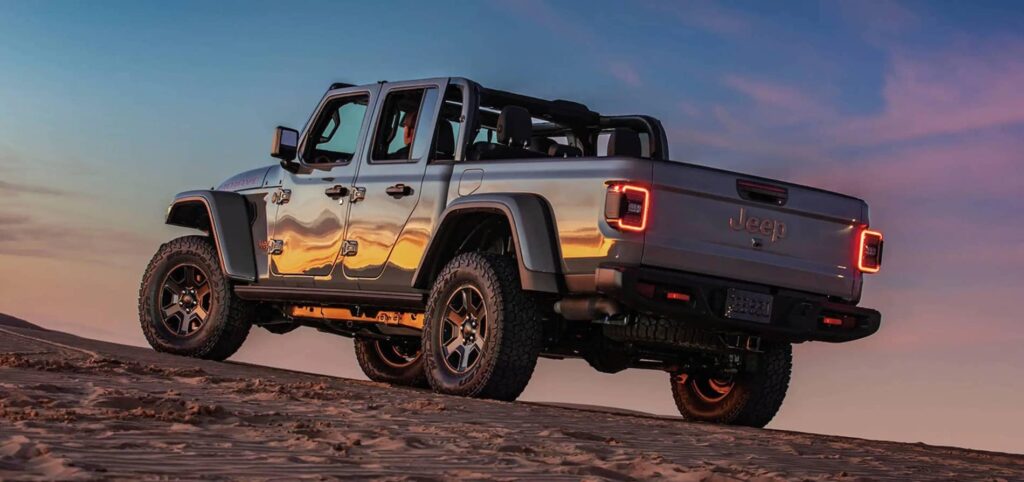
Remaining 2024s: 5,710 (42% of all new inventory)
Average Selling Price: $50,016

Remaining 2024s: 2,672 (31% of all new inventory)
Average Selling Price: $27,675

Remaining 2024s: 16,397 (30% of all new inventory)
Average Selling Price: $29,389

Remaining 2024s: 8,154 (22% of all new inventory)
Average Selling Price: $43,084

Remaining 2024s: 9,872 (12% of all new inventory)
Average Selling Price: $50,925
See the Fastest and Slowest Selling Cars in YOUR City (FREE Tool)
With a surplus of leftover 2024 models still sitting on dealer lots, February is a prime opportunity to negotiate a great deal on a new car. Whether you’re eyeing 0% APR financing, big cash discounts, or unbeatable lease specials, the key to maximizing savings is knowing which cars have the highest inventory and the most negotiability.
At CarEdge, we empower car buyers with the tools and expertise needed to shop smarter and save more. Use CarEdge Pro to see real-time inventory levels, dealer pricing trends, and hidden negotiation opportunities in your area. Looking for a hands-off approach? Our CarEdge Car Buying Service takes care of everything for you—from negotiation to delivery, ensuring you get the best deal without the stress.
🚗 Start shopping smarter today with CarEdge.

If you’re planning to shop for a car this February, you’re in luck – President’s Day car sales are almost here. Automakers and dealerships are rolling out some of their most competitive offers, hoping to move excess inventory before the spring car-buying season heats up.
But before you start shopping, it’s important to understand the trends shaping the 2025 car market. We spoke to CarEdge Co-Founder Ray Shefska to see what’s driving the automotive world right now. From February car price trends to the latest auto financing outlook, here’s what you need to know before heading to the dealership this President’s Day.

Heading into February 2025, 860,000 new 2024 models remain on car dealership lots. With that said, it’s no surprise that many of the best car deals from the end of 2024 are still available.
Automakers are pushing incentives to clear out remaining 2024 models, especially for brands with excess inventory. While some brands have returned to lower discounts, others—particularly Stellantis (Jeep, Ram, Dodge, Chrysler), Ford, and Subaru – continue to offer deep discounts, 0% APR financing, and lease specials heading into February.
See ALL of the best cash, finance, and lease deals right now
📌 Tip: If you’re on the hunt for serious savings, check dealership inventory levels. The higher the supply, the more negotiable the price. Remaining 2024 models are particularly negotiable in 2025.

The average new car price in January 2025 was $49,740 – just shy of the all-time record set in December 2022. Despite falling prices for some models, luxury cars and full-size trucks continue to push prices higher. The popularity of luxury cars in 2025 is contributing to rising average prices. In fact, more buyers than ever before are choosing luxury models with MSRPs over $80,000.
But it’s not just Mercedes and BMW that are thriving. Truck sales are healthy in 2025, with average selling prices north of $65,000 today.
Unfortunately, new car prices remain well above pre-pandemic levels. In fact, new car prices have risen over 40% in the past decade. This means that even with President’s Day discounts, buying a new car will still require strong negotiation skills.
📌 Tip: Use this ultimate Car Buying Guide to check market pricing and invoice pricing before heading to the dealership.

Many buyers were hoping for major relief in interest rates in 2025, but auto loan rates are still high. As of early 2025, Cox Automotive reports that the average APR for new car loans hovers around 9%, while used car loans remain near 14% APR. The Federal Reserve has hinted that further rate drops will be slow to come in 2025 as inflation remains a concern.
Zero percent financing deals are rare – less than 5% of new car buyers secure these rates. To qualify for the lowest rates featured in 2025’s President’s Day car sales, including 0% APR offers, it’s crucial to have excellent credit and a solid debt-to-income ratio. If you’re looking for the best financing terms, consider getting pre-approved with a credit union or local bank before visiting the dealership.
📌 Tip: Don’t show your cards too soon. There’s no need to share how you’ll be paying for the car until after you negotiate the out-the-door price. That’s the number that matters.
There’s good news for used car shoppers in 2025 – prices have been steadily falling. The average used car price in early 2025 is $25,721, and many models from 2021-2023 are becoming far more affordable than they were just a year ago.
However, time is of the essence for used car deals. Tax return car buying season is almost here, and will drive the demand for affordable used vehicles higher.
📌 Tip: Buying a car with your tax refund? Here are 5 tips for success.

With new car prices still high, leasing can be a great way to avoid steep depreciation. Automakers are offering some of the best lease deals in years, with many lease deals available for under $300/month. EVs and plug-in hybrids are especially affordable right now.
Depreciation has returned to historic norms in 2025. This is good news for used car buyers looking to snag a deal on a lightly-used vehicle, but bad news for new car buyers. It’s common for a new car to lose over 30% of its value in the first two years of ownership.
Leasing offers protection from depreciation, since you simply return the vehicle at the end of the contract. Negative equity is a growing problem in 2025, with thousands of drivers unable to sell their vehicles due to underwater loans. For those who prefer the latest and greatest vehicle every few years, it’s worth looking into.
📌 Tip: Check out our Guide to Negotiating a Lease Deal
Car dealerships will be advertising big discounts this February, but not every deal is worth taking. With high new car prices, rising incentives, and falling used car values, being an informed buyer is more important than ever. This Free Car Buying Guide is a must-have!
To summarize, here’s what car shoppers should be mindful when shopping President’s Day car sales in 2025:
✔ Check manufacturer incentives and financing offers before heading to the dealership.
✔ Use behind-the-scenes tools like CarEdge Pro to see if a vehicle is truly a good deal.
✔ Always negotiate the out-the-door price, not just the monthly payment.
✔ Consider leasing if you don’t plan on keeping your car long-term. Lease deals ARE negotiable.
✔ For used cars, negotiate based on market supply and how long cars have been sitting on the lot. Tax refund car buyers will drive up demand very soon!
🚗 Get your FREE car buying guide today, and save more while stressing less!


Real-time car market data reveals that Ford’s EV sales are gaining momentum as 2025 kicks off. The Mustang Mach-E is reaching unprecedented sales heights, with sales rates up 50% in recent months. Meanwhile, the F-150 Lightning continues to carve out its place in the electric truck market with steady growth.
With generous incentives continuing into 2025, Ford’s EV strategy appears to be paying off. But as federal EV tax credits face potential changes, many buyers are rushing to take advantage of the perks while they last. Here’s what the latest sales data reveal about Ford’s position in the EV market today.

According to the latest market data from CarEdge Pro, 45-day running sales totals of new Mustang Mach-E’s has reached a new all-time high in January. In the 45 day period stretching from mid-December to late January 2025, 7,280 new Ford Mustang Mach-Es have been sold in the U.S. The latest sales figures represent a 50% increase in sales rates over the past two months.
Today’s real-time sales rates hint at a strong performance for Ford’s electric vehicle sales in the first quarter of 2025. In 2024, Ford sold 51,745 Mustang Mach-Es in the United States. In Q4 2024, Ford captured 8.7% of EV market share in the U.S., landing it in fourth place behind Tesla, General Motors, Hyundai, and Kia.
Following a big year-end sales push, Ford continues to offer huge incentives for those looking to buy or lease the Mustang Mach-E in 2025. Right now, Ford is offering 0% APR for 72 months for remaining 2024s. The best lease offer currently advertised is the 2024 Mustang Mach-E Premium All-Wheel Drive from $209/month for 24 months with $5,359 due at signing. EV leases are a great way to avoid the hidden costs of depreciation.
Take this EV Buyer’s Guide with you when you shop!
Ford’s electric truck sales are also climbing in early 2025. According to the latest numbers from CarEdge Pro, Ford sold 4,586 copies of the F-150 Lightning in the 45 days leading up to January 28th. However, sales of the F-150 Lightning are just a fraction of the gas-powered F-150’s sales. Nearly 45,000 gas-powered F-150s were sold during the same period.
Without a doubt, electric truck sales trends are looking positive in early 2025. Ford’s running sales rate has steadily climbed since October. Zero percent financing is tempting more truck fans to give an electric pickup a try.
Right now, Ford is offering 0% APR for 72 months for remaining 2024 F-150 Lightnings. The financing offer can be combined with a $3,000 bonus cash incentive. As of late January 2025, 3,200 of the 3,500 new F-150 Lightnings on sale in the U.S. are leftover 2024 models.
Here’s a look at 45-day sales totals from July 2024 through January of 2025.

For EV buyers looking to take advantage of federal EV tax credits, there’s a sense of urgency in early 2025. With the Trump administration promising to end EV tax credits, those who were on the fence about buying are promptly at decision time. And judging by EV sales trends in January, many of the EV market’s previous window shoppers are ready to make a purchase or lease.
As of late January, the F-150 Lightning is still eligible for the Federal EV tax credit. The Mustang Mach-E lost eligibility last year due to the Inflation Reduction Act’s sourcing requirements. With things changing quickly, be sure to consult the official eligibility resource at FuelEconomy.gov.

Ford’s latest sales numbers prove the automaker is making strides in the competitive EV market. With the Mustang Mach-E reaching record-breaking sales rates and the F-150 Lightning steadily growing its share, Ford’s electric vehicle strategy is gaining traction in early 2025.
However, for those looking to cash in on federal EV tax credits and limited-time offers, the clock is ticking. The potential phase-out of federal incentives has created urgency among buyers, and Ford’s aggressive lease and financing deals make now a great time to act. It’s not clear if the best incentives will continue through February.
Today’s car shoppers have groundbreaking tools at their fingertips that level the playing field unlike ever before. Use tools like the CarEdge Deal Hub and CarEdge Pro to compare offers, understand incentives, and make an informed decision to save more and stress less.