
CarEdge saved me over 4,500 dollars on a brand new Honda Pilot. I can't say thank you enough.
Price intelligence
Find a wide range of vehicle listings with market insights on new and used listings near you.

What can I do with CarEdge?
 CarEdge Insights
What can I do with CarEdge?
Get access to exclusive information so you can make an informed car buying decision — all in one place.

Find a wide range of vehicle listings with market insights on new and used listings near you.
Track your vehicle’s value and cash in when the time is right to sell.

Access to our proprietary data to help you find the right car, at the right price. Find these unlocked on every listing after subscribing.

With our expert-led, tech-enabled car buying service, we will locate, negotiate, and deliver your vehicle so you can get a new car hassle free.


Help us personalize your CarEdge experience — it only takes a second.
Your answers help us personalize your CarEdge journey — we’ll follow up with tips and next steps that match your buying timeline.

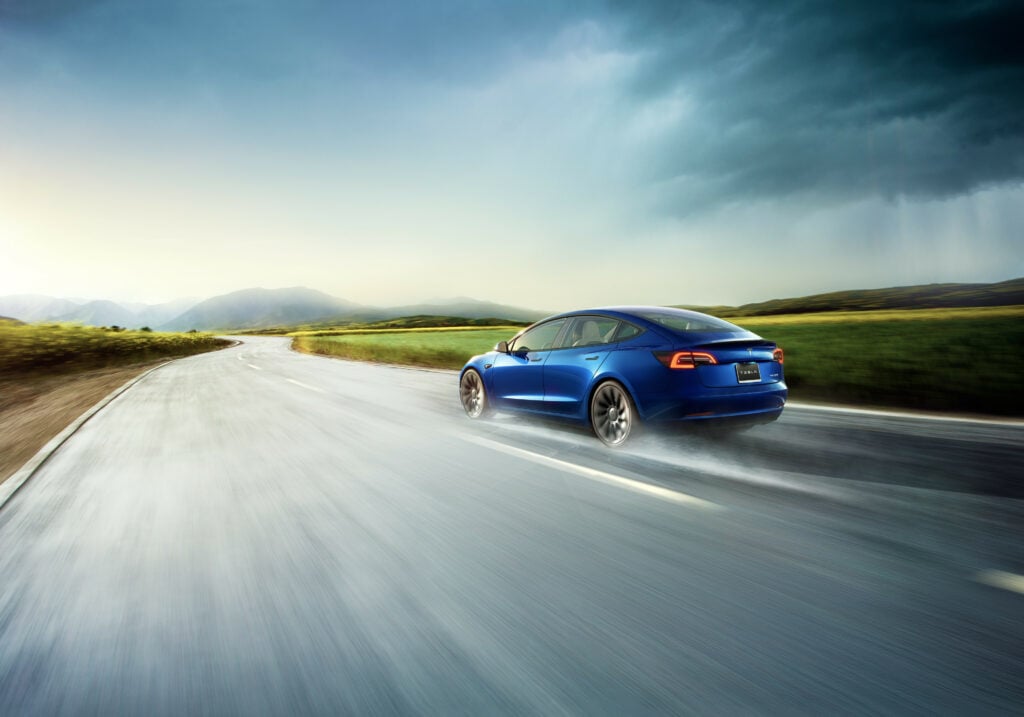
Until charging stations are commonplace, owning an electric vehicle will require more planning and preparation than one would expect for a day’s drive. Range is the new MPG, however real-world range isn’t easy to pin down. When the U.S. EPA provides official range ratings, the figures are based on vehicles driving in controlled environments on a predetermined track. EV ownership is full of nuances, and one of the greatest is the affect of weather on range. Let’s explore how electric vehicles perform in cold weather, hot weather, rain and wind.
Cold weather reduces EV range, but how much depends on how toasty you keep the cabin. Sub-freezing temperatures reduce range by between 12% and 30%, but that’s without the climate control on to warm the cabin. Data from AAA found that once the heater is turned on, EV range can drop by as much as 41%. Some real-world tests have found range losses closer to 50% with below-zero temperatures. That’s not good if you travel long distances across the northern states or the Interior West. More on specific impacts below.
Yes, hot weather does reduce EV range. According to research conducted by AAA, hot temperatures don’t have quite as great of an impact as cold temperatures, but it’s still noticeable. In temperatures of 95 degrees Fahrenheit and the air conditioning on, driving range decreases by 17% on average.
A 17% drop in range would mean that a Model Y normally rated for 330 miles on a charge would get closer to 273 miles. Not too big of a deal. For electric vehicles with less EPA-rated range, it matters more. The standard range 2022 Nissan Leaf normally gets 150 miles on a charge, but that would drop to 124 miles in 95-degree weather. Ouch.
Rain, snow and anything else falling from the sky does lower EV range. Why? It creates drag, and EV efficiency is all about aerodynamics. The heavier the rain, the greater the impact on range, even if temperatures are perfect for battery performance.
Speaking of which, what is the ideal temperature for electric vehicle battery performance? Geotab’s analysis of data from 4,200 EVs found that 70 degrees Fahrenheit (21.5 Celsius) is ideal for battery performance. That’s not only perfect for maximum range, it’s great weather all around. Learn more in Geotab’s full report.
Similarly, wind’s impacts on electric vehicle range have to do with drag. Drag is in essence aerodynamic friction. Your fancy new electric car can’t slide through the air so efficiently with friction working on it.
Wind can work against you or for you. With a steady tailwind pushing you along, it’s common to exceed range expectations even on the highway. When there’s a substantial headwind, range drops, and sometimes by quite a lot. The impacts of wind on EV range are much more noticeable at highway speeds. It’s possible to gain or lose up to 20% of expected range depending on wind direction.
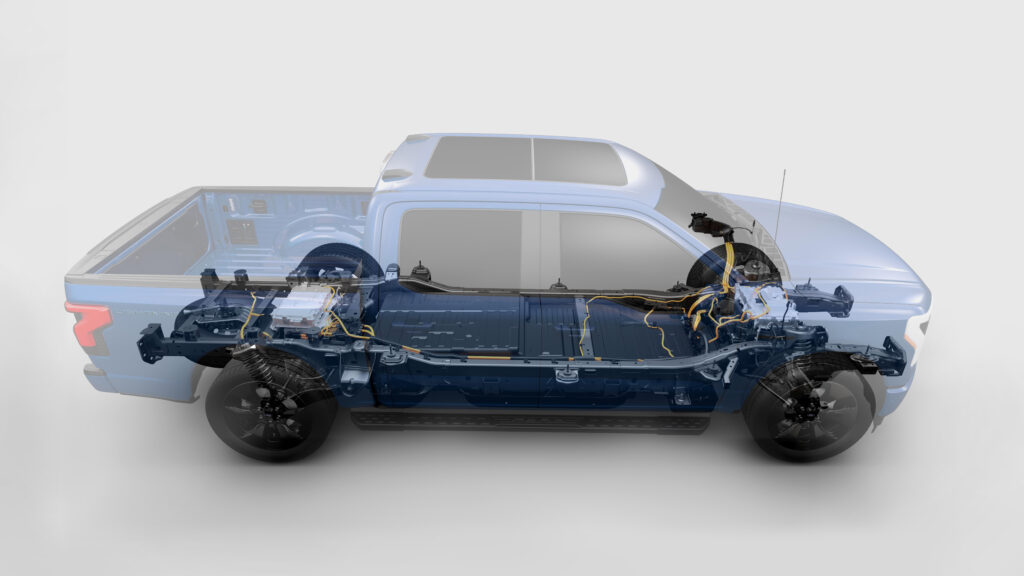
Temperature impacts battery performance differently depending on battery type and overall vehicle engineering. Features such as a heat pump, advanced battery preconditioning and even heated seats are just some of the many ways that engineers can do their best to optimize EV performance in suboptimal weather.
EV data specialists at Recurrent looked at data from all of the popular electric vehicle models. They found that EV range in hot and cold weather varies widely from one make and model to another.
Here’s how some of America’s most popular electric vehicles are affected by cold weather and summer heat.
| Make | Model | Rated Range | Real-World Range (70 deg F) | Cold Weather Range Loss |
|---|---|---|---|---|
| Tesla | Model 3 | 353 miles | 339 miles | 335 miles (-5% from rated range) |
| Tesla | Model Y | 330 miles | 320 miles | 323 miles (-2% from rated range) |
| Tesla | Model S | 405 miles | 397 miles | 380 miles (-6% from rated range) |
| Tesla | Model X | 351 miles | 326 miles | 326 miles (-7% from rated range) |
| Ford | Mustang Mach-E | 305 miles | 284 miles | 198 miles (-35% from rated range) |
| Chevrolet | Bolt | 259 miles | 254 miles | 171 miles (-34% from rated range) |
| Nissan | Leaf | 226 miles | 237 miles | 205 miles (-9% from rated range) |
| Hyundai | Kona | 258 miles | 288 miles | 240 miles (-7% from rated range) |
| Audi | e-tron | 222 miles | 224 miles | 206 miles (-7% from rated range) |
For a full breakdown of Recurrent’s findings, check out their 2021 report here.
The U.S. Department of Energy says that vehicles powered by traditional internal combustion engines (ICE) also suffer efficiency losses as a result of hot and cold weather. ICE vehicles are especially impacted by hot weather due to air conditioning power requirements. The Department of Energy estimates that ICE vehicles lose about 25% of their typical fuel economy when operating with air conditioning on high settings.
One major difference between EVs and ICE vehicles is the affect of cold weather. Electric vehicles use quite a bit of energy to run the heater, whereas ICE vehicles redirect heat generated by the engine and therefore avoid significant effects on efficiency.
Although EV charging stations are becoming commonplace around major cities, many interstate highways have sparse charging infrastructure. Until charging stations are more reliable and easier to find, driving an EV in cold and hot weather will complicate EV ownership and delay EV adoption. A national charging network is on the way, and public fast-charging networks are growing quickly. With EV market share soaring every month, it’s imperative that we find solutions to this seasonal challenge that affects millions.

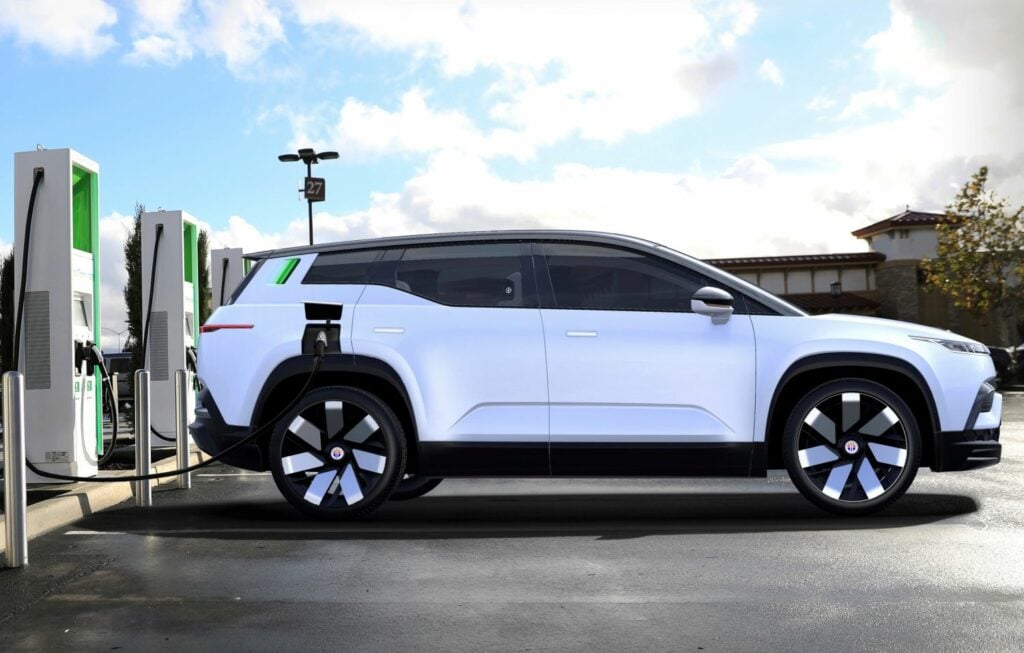
Sadly, these days it’s not possible to leisurely head to a dealership and pick out the perfect vehicle. Inventory remains at record lows, and supply chain shortages are going to get worse before they get better. The electric lifestyle is an adjustment for most first-time EV buyers, and preparation eases the transition considerably. You don’t want your new car honeymoon to be ruined by missed opportunities or misconceptions. Here are five reasons why you should plan ahead before making your first electric car purchase.
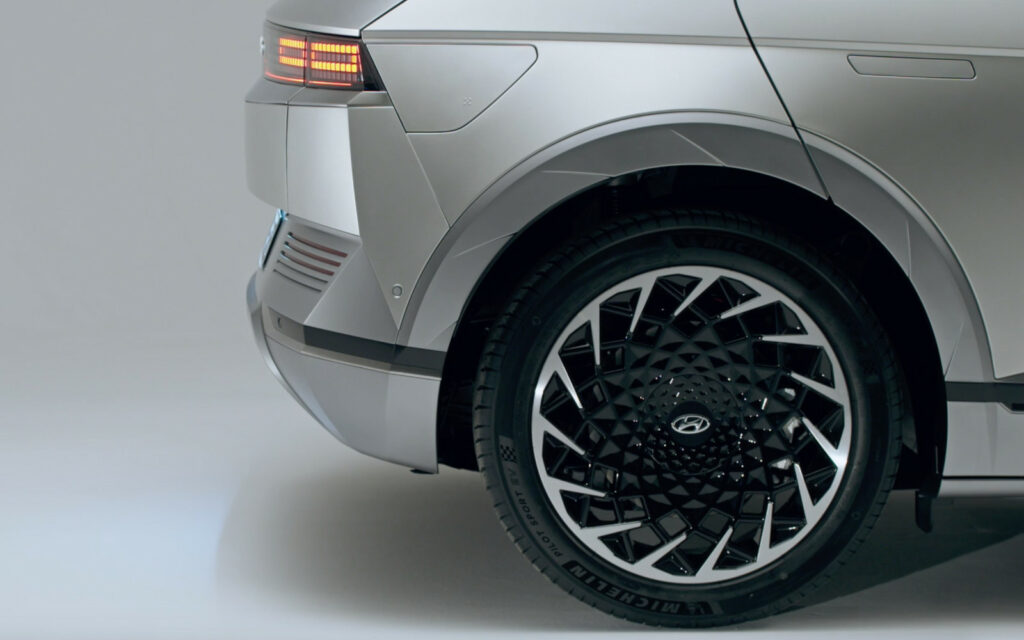
Inventory is slim to none for all new autos, and electric vehicles have been hit especially hard by the supply shortages of 2021 and 2022. EVs are the product of truly global supply chains, and that makes them particularly vulnerable to disruptions. EV leader Tesla has so far avoided the worst of the supply shortages, however high demand has new orders seeing delivery dates over 8 months away.
Tesla isn’t the only automaker seeing serious delays. The popular Volkswagen ID.4, Ford Mustang Mach-E and Hyundai IONIQ 5 are all hard to find on a dealer lot nationwide. Data from Cox Automotive shows that day’s supply, the preferred industry metric for new car availability, is dismal for several electric vehicle makers.
Here’s the day’s supply for popular brands that sell electric cars in America. Tesla, Rivian and Lucid sell directly to consumers, so there is no available data for their models.
As bad as these supply estimates are, many shoppers note that many dealers have just a few cars on the lot. Don’t expect to find exactly what you want at your local dealership.
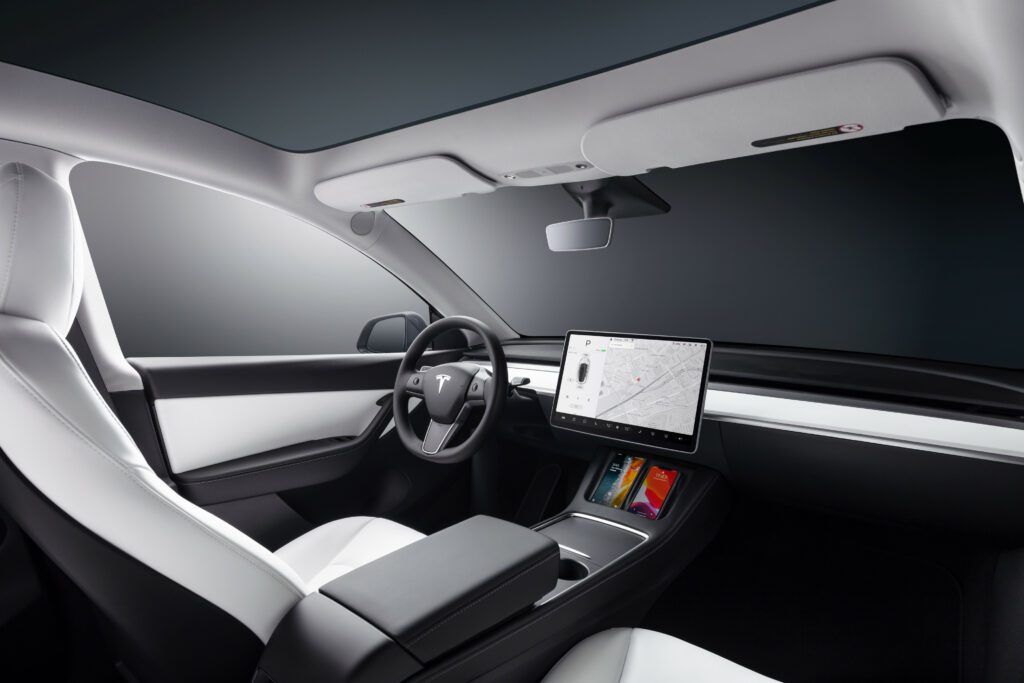
If you’re eager to get yourself into a new car as soon as possible, check out CarEdge Car Search to locate electric cars around the country. Beware misleading postings from dealerships. I’ve found that about half of dealer postings are actually misrepresenting cars that are already spoken for.
It’s not fun, but it’s worth it to call around. Soon, you may find yourself forgetting which dealers you’ve contacted, so it’s wise to keep a spreadsheet of who you’ve reached out to, and their inventory situation. While you’re at it, keep track of what their dealer markups are for EVs. Some dealers are taking advantage of the situation and charging $5,000, $10,000 or even $20,000 over MSRP.
If you don’t find what you’re looking for at a competitive price point, most automakers let you place an order for their popular EVs. Sometimes, you’ll have to order through a dealership, so keep that in mind if you don’t see a way to place an order on the automaker’s website. For example, the Hyundai IONIQ 5 and Cadillac Lyriq can only be ordered through a participating dealer.
If you have your eyes set on a Tesla, placing an order is simple. In fact, it takes just a few minutes (but requires a non-refundable deposit). However, demand far exceeds supply for Tesla models. Expect to wait 6-10 months for a Model Y.
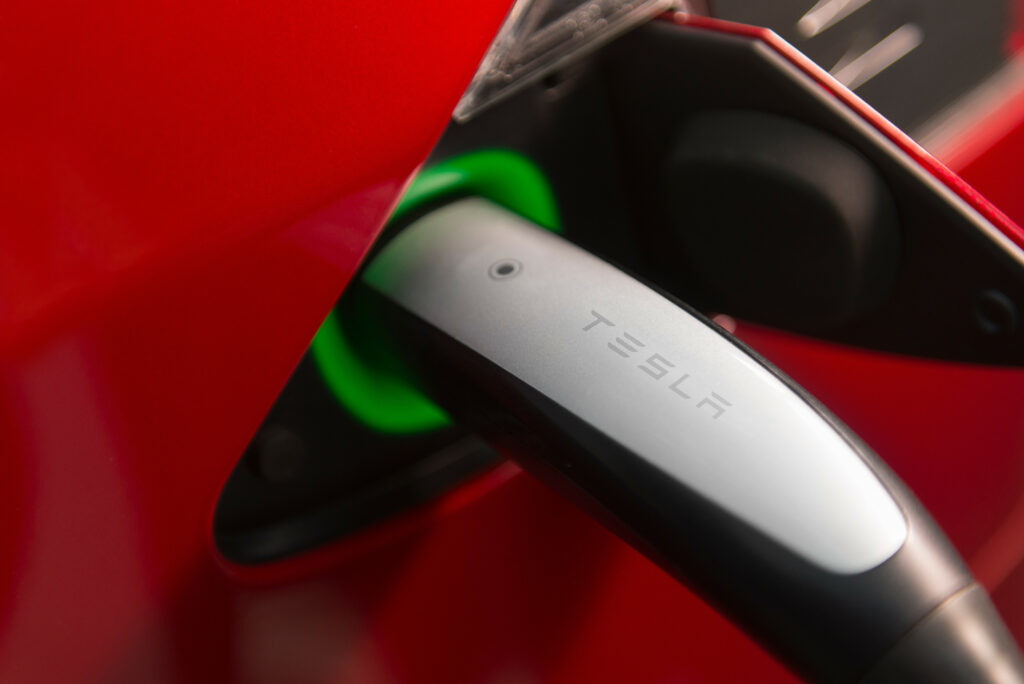
If you drive less than 30 miles a day and live near public fast chargers, don’t sweat it. However, long distance commuters and rural EV owners will be glad they thought about how to meet their charging needs.
Over 80% of electric car charging is done at home at affordable residential electricity rates, costing less than $15 for a full charge. If you skip any special home charger installation, plugging in to a typical wall socket will add two to four miles of range per hour. Over 12 hours (at night, for example), a standard wall outlet will add about 25 to 50 miles of range. However, frequent travelers will get tired of the slow charging speeds possible with basic 110-volt wall outlets.
For those who regularly drive more than 50 miles each day, it will likely be worth the investment to get a level 2 home charger installed. A level 2 charger increases power supply to 240 volts, and adds about 20 to 40 miles of range per hour. Unless you’re lucky enough to already have a 240-volt dryer outlet in your garage, installing a level 2 charger at home can cost between $700 and $1500, depending on labor costs and the condition of existing electrical infrastructure in the home.
We’ve covered all you need to know about how much it costs to charge an electric car in our CarEdge guide to charging.
At some point, a public DC fast charger will be essential for travels. If you purchase an electric vehicle with over 200 miles of range, getting to one shouldn’t be a problem. However, there continues to be wide variation in charge times, and that will make or break the EV ownership experience for frequent travelers.
The Hyundai IONIQ 5, Kia EV6 and Tesla models can all add about 200 miles of driving range in about 20 minutes. However, the 2023 Subaru Solterra EV takes 56 minutes to add the same range. Pay attention to the details, and consider how each electric model would fit into your lifestyle and needs.
For many households, tax liability fluctuates from year to year. If you know when a particularly large tax bill will be due, it might be a great time to buy an electric vehicle. The current federal electric vehicle tax credit is worth up to $7,500, however tax filers who owe at least as much in annual tax liability will get the full benefit from the credit. For example, a family who has a federal tax liability of $5,500 will only be able to claim $5,500 of the EV tax credit. That’s why it makes sense to purchase an EV when tax liability is expected to be at least $7,500.
Plug-in hybrids qualify for between $2,500 and $7,500, depending on battery size.
The credit (non-refundable) remains in effect for all automakers who have yet to reach the law’s 200,000-vehicle limit. Tesla and General Motors have surpassed the limit, so buyers of the Bolt, Silverado EV, and Tesla models won’t benefit from this generous incentive unless Congress overhauls the law. Revisions to the EV tax credit are possible in 2022. Stay up to date with the latest EV tax credit developments here.
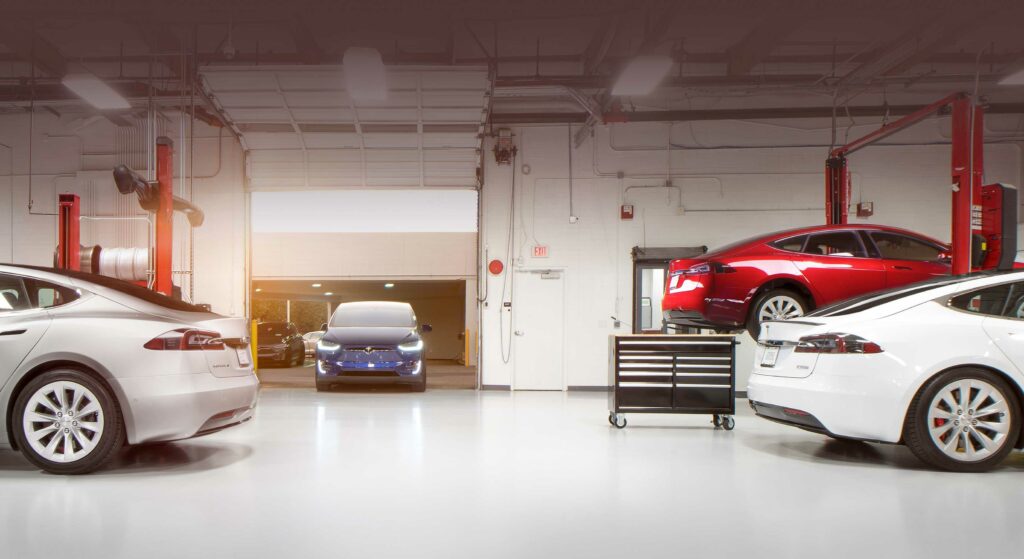
If you live anywhere near a major metropolitan area, especially along the coasts, you’ve got nothing to worry about. The rest of us need to bear in mind the limits of EV newcomers like Rivian, Lucid and Fisker when it comes to serviceability. Tesla now has 150 service centers across the country, but a few states remain without a Tesla service center. Fisker’s affordable Ocean electric SUV is loaded with impressive specs, however service centers will be few and far between for years to come.
This is where the strength of legacy automakers really stands out. A Tesla or Rivian service center will be hard to find in rural America, however legacy automakers have established dealer networks in every corner of the country.
Before you go out and buy an EV, have a plan for how and where you’ll get it serviced. Electric vehicles come with a great warranty, so you’ll definitely want a way to take advantage of it.
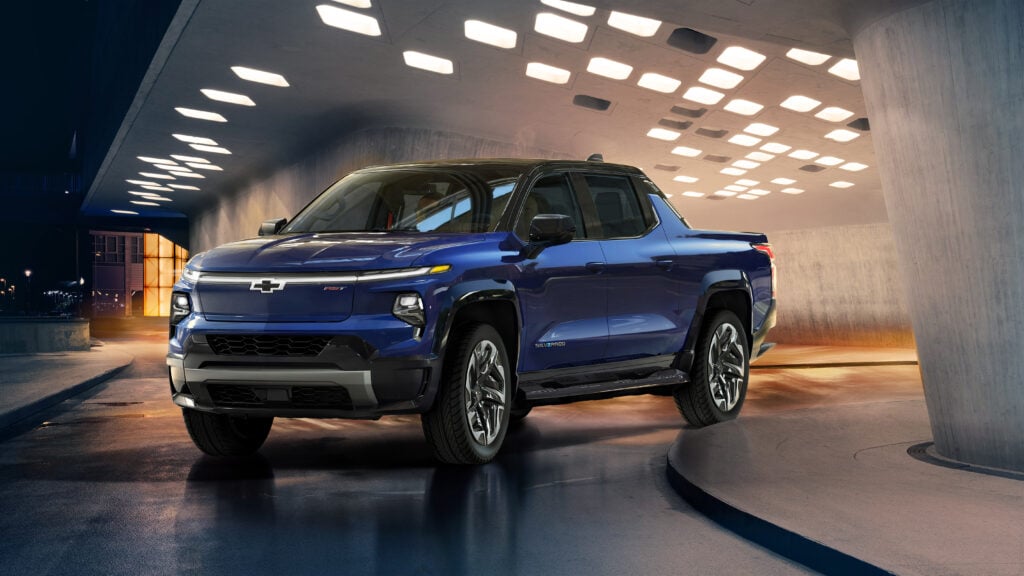
There’s always something bigger and better in the development pipeline. Newer models tout more range, faster charging and improved performance. On the other hand, prices tick upward with every added feature.
When does it make sense to hold out for the latest and greatest? It depends on what you value most, and which electric vehicle features you desire most. Looking to get more range out of a Volkswagen or Hyundai EV? 2023 models get a slight bump. Craving faster charging? Waiting a year might save you five minutes per charge. Don’t expect huge changes from one year to the next. Automakers have set the expectation for incremental improvements.
Ultimately, it will be up to you to decide what’s worth the wait, and when it makes sense to buy (or lease) an electric car.
Planning ahead for your electric car purchase not only has the potential to save you money, it also makes the transition to the electric lifestyle a lot easier. It’s important to consider your household’s unique needs and wants as you shop around. In 2022, EVs represent past, present and leading-edge technologies at a wide range of price points. Here at CarEdge, we’re keeping track of EV availability in 2022.
As always, CarEdge Electric is here to empower you with the knowledge to approach car ownership with confidence. Our weekly EV newsletter is full of helpful tips, the latest EV news, and new car reviews. Consider becoming a member for expert insights and one-on-one guidance throughout the car buying process.

Finally, the world knows why Ford has yet to name an electric vehicle the ‘Model e.’ On March 2, Ford announced the formation of a distinct unit for electric vehicle operations. The decision paves the way for the automaker to accelerate EV development while opening new avenues for direct-to-consumer sales. Ford says they are driven by the need to compete and win against both new EV competitors and established automakers.
3/3/22 Update: Ford CEO and President Jim Farley explained the move and how it affects dealers.
“This is only about creating incredible products that improve over time. To create a better customer experience than yesterday. And ultimately, to win as a company. The reality is, our legacy organization has been holding us back. We had to change.”
Ford wants a certain number of dealers to opt in to a new Model e sales model. Model e dealers would not hold inventory. Instead, they will facilitate the delivery of online orders, much as Tesla does for their customers. Electric vehicles will be sold at non-negotiable prices. That’s just one step away from direct-to-consumer sales.
“Our message to dealers is, we’re betting on you. Get ready to specialize,” Farley said.
Ford’s announcement outlines the establishment of two new operational divisions that will remain under the corporate umbrella of Ford Motor Company. Ford Model e will take on the future of electric vehicle development and sales. Ford Blue will become Ford’s combustion-powered division, encompassing everything from the F-150 to the Bronco.
The two new divisions within Ford will continue to collaborate and propel the greater Ford enterprise forward, according to the press release detailing the plans. Ford Model e and Ford Blue will join Ford Pro as the corporation continues to branch out its business model. In 2021, Ford Pro was launched as a one-stop shop for commercial and government customers.
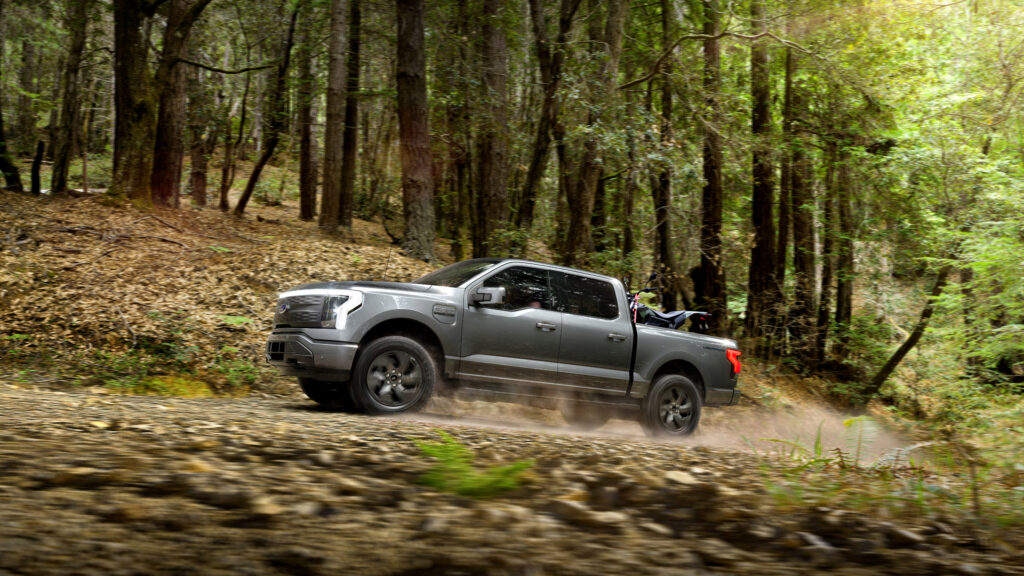
The creation of Ford Model e was driven by the success of the popular Ford Mustang Mach-e and the overflowing support for the upcoming F-150 Lightning. Interestingly, Ford cited the success of their dedicated EV division in China as another source of inspiration for the launch of Ford Model e.
Ford President and CEO Jim Farley will take on yet another role as President of Model e. Farley has long been an outspoken proponent of Ford’s ambitious electrification plans.
“Ford Model e will be Ford’s center of innovation and growth, a team of the world’s best software, electrical and automotive talent turned loose to create truly incredible electric vehicles and digital experiences for new generations of Ford customers,” Farley said.
Ford hopes that Model e will attract and retain the best engineers and software developers to Ford. As autonomous driving and wireless over-the-air updates become the norm, Ford wants to be a leader in the reimagined automotive industry that’s currently in the making. A lot more computers, and a lot less oil. They’re pushing full steam ahead with ground-up development of electric vehicles. EV platform design, battery research and development, electric motors and inverters and charging infrastructure will all fall under the umbrella of Ford Model e. There are also plans to advance recycling infrastructure in both cost-cutting and environmentally responsible ways.
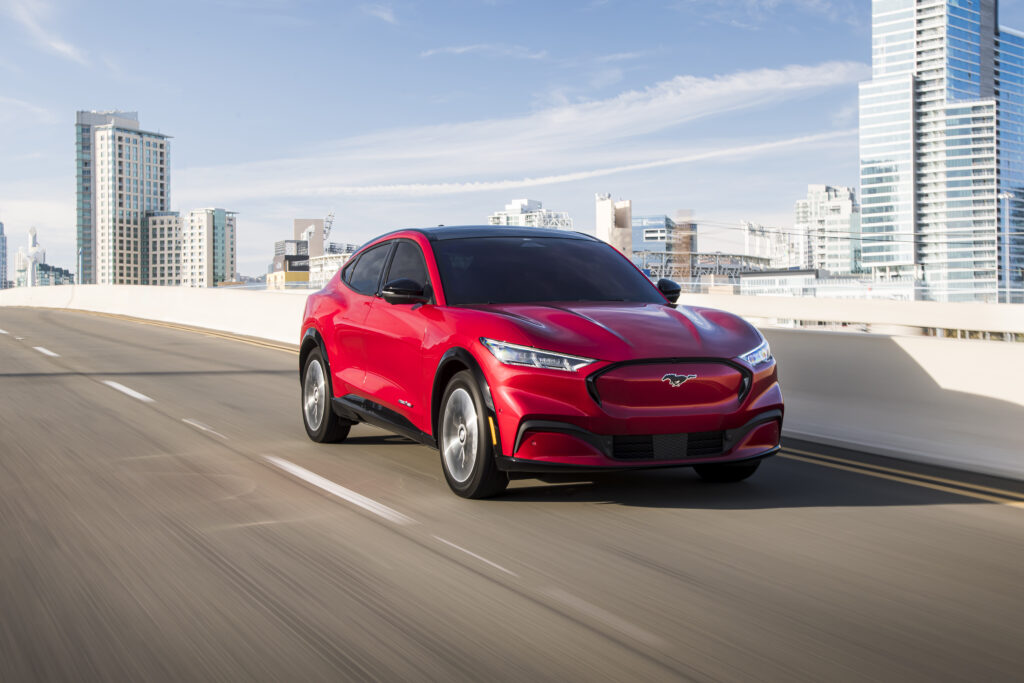
Ford not-so-subtly shared one of their larger ambitions for their new electric vehicle division: foregoing the dealership model. We’ve seen Ford’s corporate leadership speak out against outrageous dealer markups as the F-150 Lightning nears delivery. Ford’s announcement highlights the changes to their EV sales model:
“Ford Model e also will lead on creating an exciting new shopping, buying and ownership experience for its future electric vehicle customers that includes simple, intuitive e-commerce platforms, transparent pricing and personalized customer support from Ford ambassadors.”
Yeah, transparent pricing would be welcome. It’s great and almost shocking to see a legacy automaker making such a large pivot away from the status quo. Could the direct-to-consumer model win over new customers to the Ford brand?
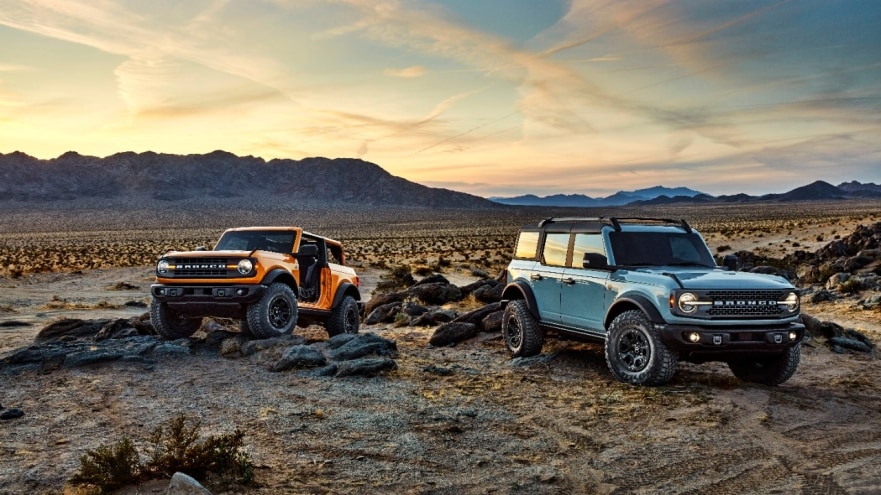
CEO Jim Farley calls the Ford+ plan the company’s biggest opportunity for growth and value creation since Henry Ford scaled production of the Model T. Ford Blue will work to optimize Ford’s combustion-powered models and profitability through strengthened consumer relationships, quality improvements and greater operational efficiency.
“Ford Blue’s mission is to deliver a more profitable and vibrant ICE business, strengthen our successful and iconic vehicle families and earn greater loyalty by delivering incredible service and experiences. It’s about harnessing a century of hardware mastery to help build the future. This team will be hellbent on delivering leading quality, attacking waste in every corner of the business, maximizing cash flow and optimizing our industrial footprint.”
Ford CEO Jim Farley has long said that Tesla needs to be taken seriously. Tesla, Rivian, Lucid and newcomer Fisker are all having success with direct-to-consumer sales. However, these automakers and any others who go this route face a maze of state laws that present roadblocks for direct-to-consumer sales. The dealership lobby is strong in much of the United States. So much so that a recent West Virginia bill was introduced that would ban most over-the-air updates in the state, all so that dealerships can continue to rake in service center revenue.
Other automakers are in the weeds with the dealership model, too. Kia’s much-lauded EV6 electric crossover is facing opposition from Kia dealerships. They’re simply not adapting to the coming rush of electric vehicles. Jalopnik reported that EV6 buyers are reaching out to them with stories of dealers who are making buying an EV6 a lot harder than it should be.
Nationwide, 17 states currently have a ban on direct-to-consumer sales. Eleven more states have carved out specific exceptions for Tesla (and in some cases, other automakers that sell only EVs). That’s why Tesla technically can’t sell directly to consumers in states like Texas and Washington. It’s an antiquated system in need of change.
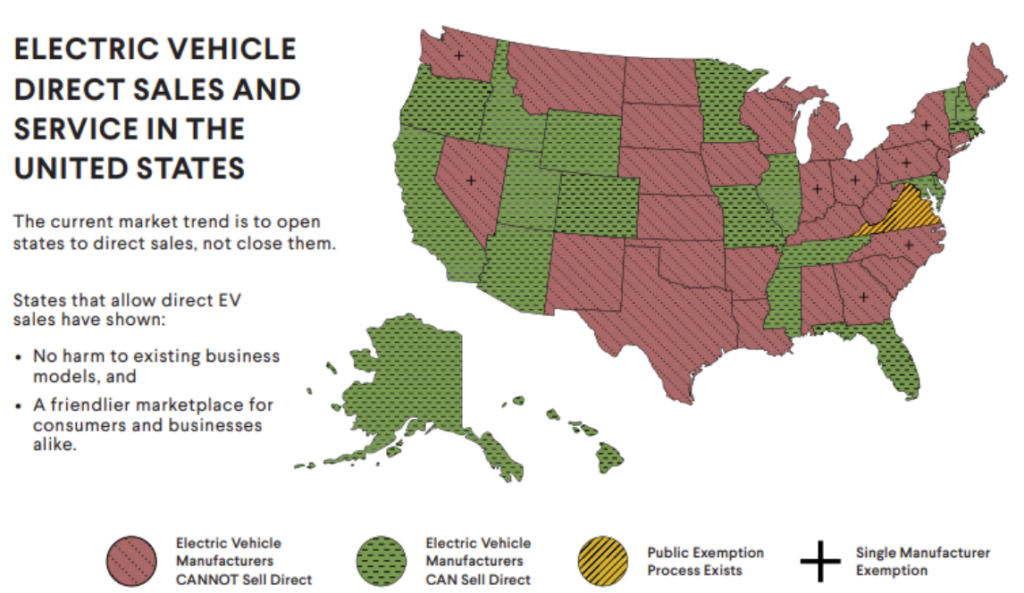
Ford recognizes the tides of change approaching automotive sales. Automotive News reported that efforts to permit direct-to-consumer sales have been introduced in 10 states. Several of the bills already failed. More are surely to come as electric vehicle market share surpasses 5% of new auto sales in America.
This is long overdue. Consumers are fed up with dealer markups, deceptive sales tactics and stressful experiences at the dealership. But this isn’t the end for dealerships. There will be a need for dealers for decades to come, even if sales shift away from their franchises.
Electric vehicles are coming, like it or not. Ford is aiming for annual production of more than 2 million EVs by 2026. They expect EVs to represent half of global volume by 2030. Automakers say that half a trillion dollars will go to electric vehicle development this decade. However, EVs currently can’t be serviced at the neighborhood repair shop, or in one’s home garage. Certified technicians certified in electric vehicle repair are quickly going to be in high demand at service centers everywhere. Dealership service centers aren’t going away. In fact, dealership service centers will likely see business grow as more consumers opt for electric vehicles.
Ford’s new Model e and Ford Blue divisions present a massive opportunity for new revenue streams and efficiency within Ford’s R&D and sales operations. Will other legacy automakers follow suit? Truthfully, they are very likely making plans as we speak. CarEdge will keep you up to date with consumer-focused automotive news. More change is surely to come.
Electric vehicles now make up 9% of the global market, and 4.5% of American auto sales. Estimates vary, but many analysts expect electric vehicle sales to reach 40% market share in 2030. Will their crystal ball prove correct? It’s now looking possible. New data from the International Energy Agency beat previous forecasts by 26%. In 2020, Loren McDonald of EVAdoption predicted that electric vehicle sales would make up 3.55% of the US market in 2021. With the official tally now coming in a full percentage point higher, the electric momentum is accelerating. When the chip shortage finally ends, the production of EVs will likely be prioritized by automakers. Considering the massive half-trillion dollar investments OEMs have committed to electrifying their lineups, I’m sure they’re happy to see that there’s a growing market for their future products.
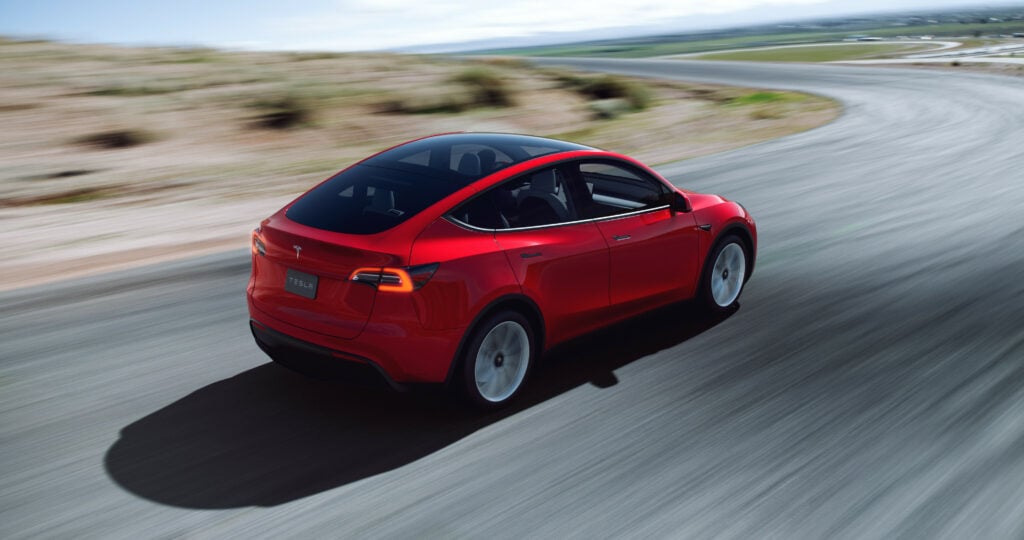
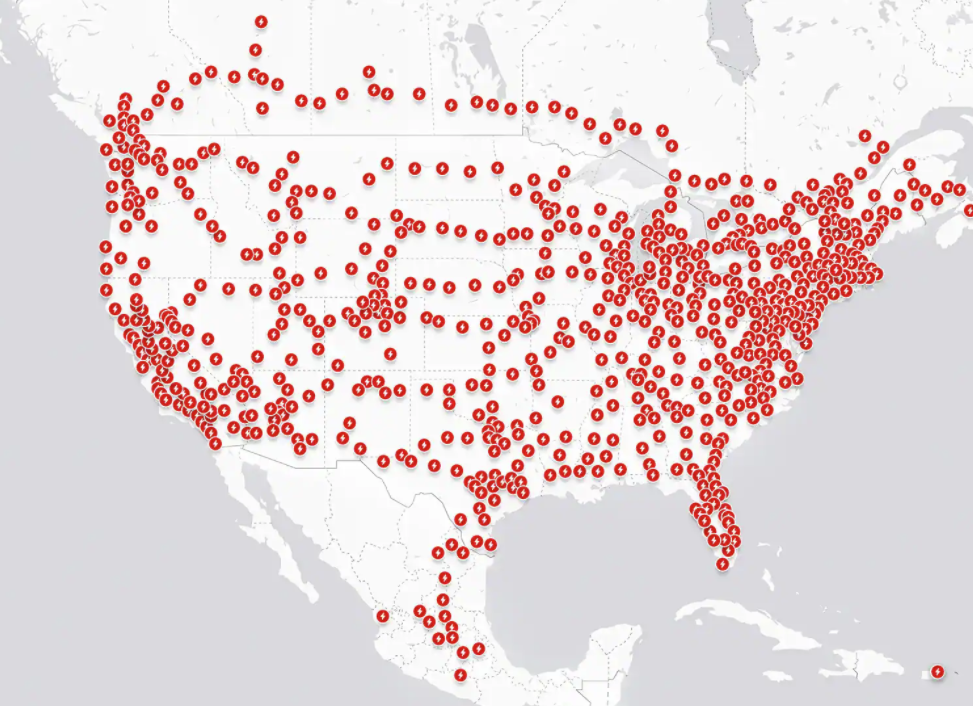
Tesla’s pioneering Supercharger network of DC fast chargers remains the industry standard for electric vehicle charging. With 3,476 locations, hassle-free plug-and-charge and consistent reliability, only Electrify America has come remotely close to what Tesla offers. For the past decade, Superchargers have been known for convenience and accessibility, but a few pending developments could change that. Here’s what we’re watching:
Tesla continues to dominate electric vehicle sales in America and abroad. In 2021, Tesla year-over-year sales grew 87% to 936,172 vehicles globally. In the United States, Cox Automotive estimates that Tesla delivered 352,472 vehicles to customers. Tesla’s 2021 sales were enough to (probably) unseat BMW as luxury sales leader in the US.
In 2021, Tesla installed 8,221 new Superchargers at 912 stations around the world. This represents 35% growth in just one year, a huge accomplishment for the EV leader. However, will it be enough? Sales have been outpacing Supercharger growth for years now. The vast majority of charging stations never see a crowd, but that could change soon as Tesla’s zero-hassle sales model and superior technology have drawn more buyers to the brand.
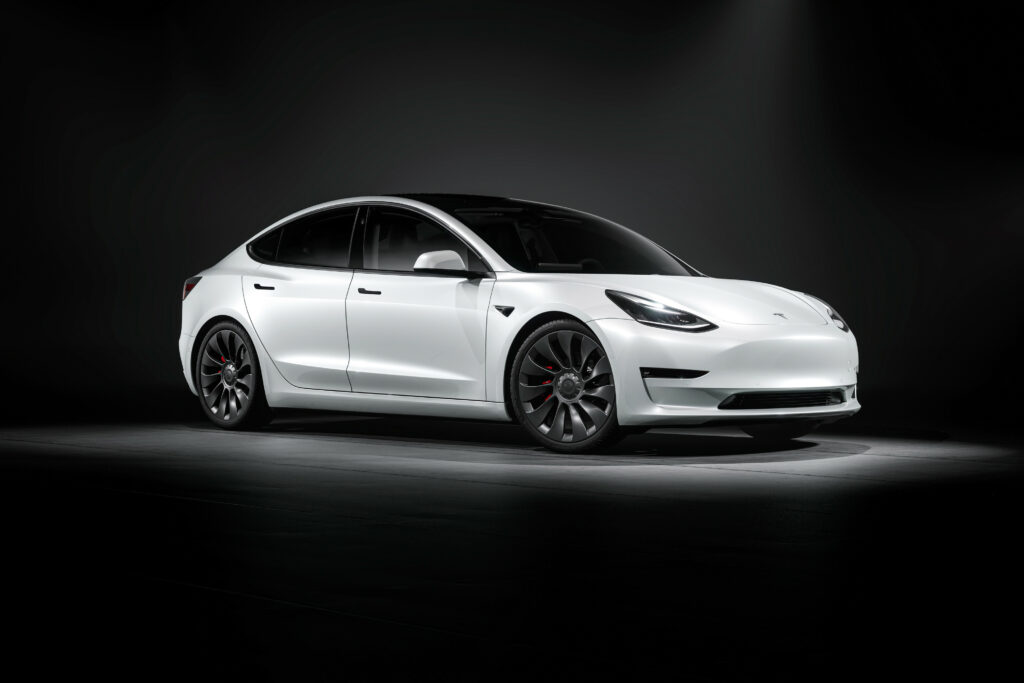
Tesla CEO Elon Musk confused Tesla owners and thrilled non-Tesla owners when he shared the company’s intentions to open up some Superchargers to non-Tesla cars. In early 2022, several Supercharger locations in France, Norway and the Netherlands are open to all. If open access spreads to North America, Superchargers will see a flood of traffic as Ford Mustang Mach-E’s, Volkswagen ID.4’s, Hyundai IONIQ 5’s and dozens of other models gain access to America’s largest fast charging network.
Something positive came out of Volkswagen’s dieselgate debacle. As part of a 2016 settlement with the United States Environmental protection Agency and the California Air Resources Board, VW was ordered to spend $2 billion on something that would clean up the air. The result was the birth of Electrify America.
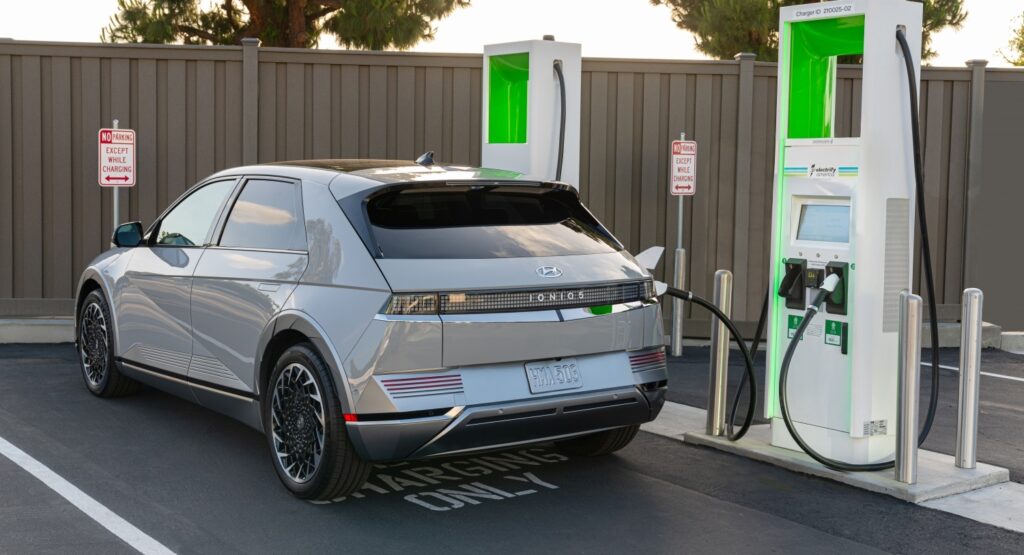
After installing their first chargers in 2018, Electrify America now has 3,500 charging stations at 800 locations around the US. The big difference between Electrify America and Tesla Superchargers is accessibility. Any electric vehicle can pull up to an EA station to charge. Only Tesla models are allowed to charge at Superchargers, except for select Superchargers in Europe that are open to all.
Electrify America has its faults though. Drivers often encounter out-of-order chargers, and most vehicles are not yet compatible with the convenient plug-and-charge capability that you’ll find at Tesla Superchargers. Reports indicate that reliability is improving at Electrify America, and several automakers say their new EVs will have seamless plug-and-charge capability.
Tesla’s record growth is great news for the automaker, but the picture is more complicated for Tesla owners. Tesla Superchargers in California and East Coast hotspots already fill up during peak travel. You could argue that gas stations do too, but waiting in line to plug in and then wait another 20 minutes to charge is not the same thing.
Fortunately, charging is about to get a lot easier in America. Public and private partnerships are currently designing a National Charging Network that will bring charging to remote locations and more American highways. The Supercharger network will continue to grow, as evidenced by the hundreds of ‘coming soon’ locations just added to the Tesla Supercharger map.
Some gas stations are getting into the charging game. Why don’t more add DC fast chargers to their parking lots? DC fast charger installation is expensive. We’re talking over $100,000 in most cases. Public-private partnerships appear set on helping businesses overcome the prohibitive costs of installing chargers. That would certainly benefit a rapidly electrifying nation of drivers.
Let us know what you think in the comments below. Better yet, connect with auto experts and fellow car enthusiasts at caredge.kinsta.cloud/community, where we work for YOU.

Some may think of electric vehicles as a concept of the future, but over 2 million EVs are already on American roads. By 2030, that figure may exceed 5 million. Where will all of these EVs juice up on road trips? Say hello to the gas station of the future. Charging stations are growing as more automakers commit to electrification.
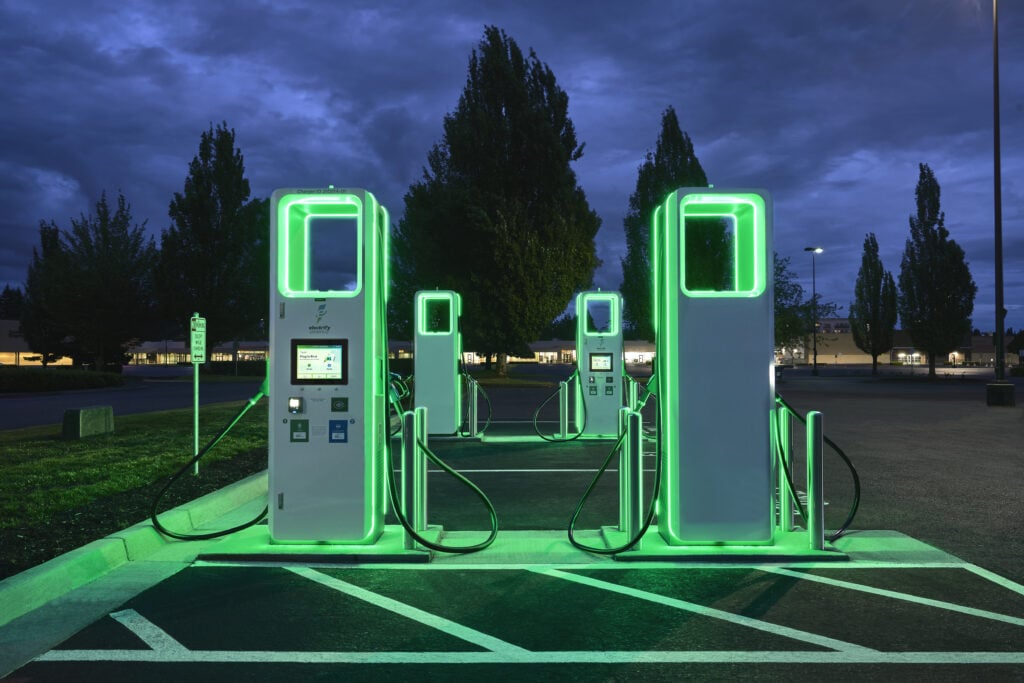
Among the key players in EV charging is Electrify America. With roots in the 2015 dieselgate debacle, Electrify America is out to show the masses that electric cars are accessible and convenient. Maybe you’ve even seen their glowing green stations in your local Walmart parking lot. Who knows, you might find yourself at an Electrify America station sooner than you think.
Let’s cover the basics of Electrify America:
Let’s dive in.
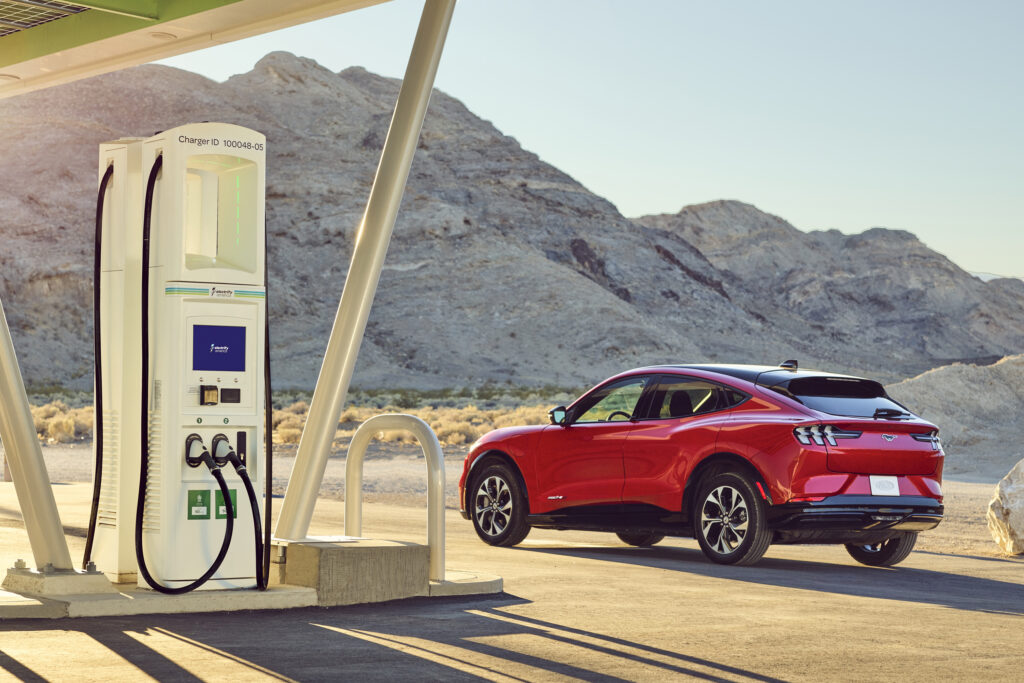
Electrify America is the rebranded name for the initiative that Volkswagen created and funded as part of its 2016 settlement with the United States Environmental protection Agency and the California Air Resources Board. VW was caught red-handed cheating on emissions tests for millions of diesel cars sold in the US. Remember when everyone had to sell back their cool Golf TDI? VW hit rock bottom in 2015. As part of the $2 billion punishment, Volkswagen is prohibited from branding the charging network as a VW enterprise.
So here we have it, Electrify America! Storied past aside, EA is now a large and rapidly growing player in the world of electric vehicles. Despite initial skepticism, EA showed it was serious by following through on their initial goal of adding 2,000 DC fast chargers within a few years. An average of four EA stations were opened every week since the official debut of Electrify America in May of 2018. Now, EA is embarking on the next stage of growth.
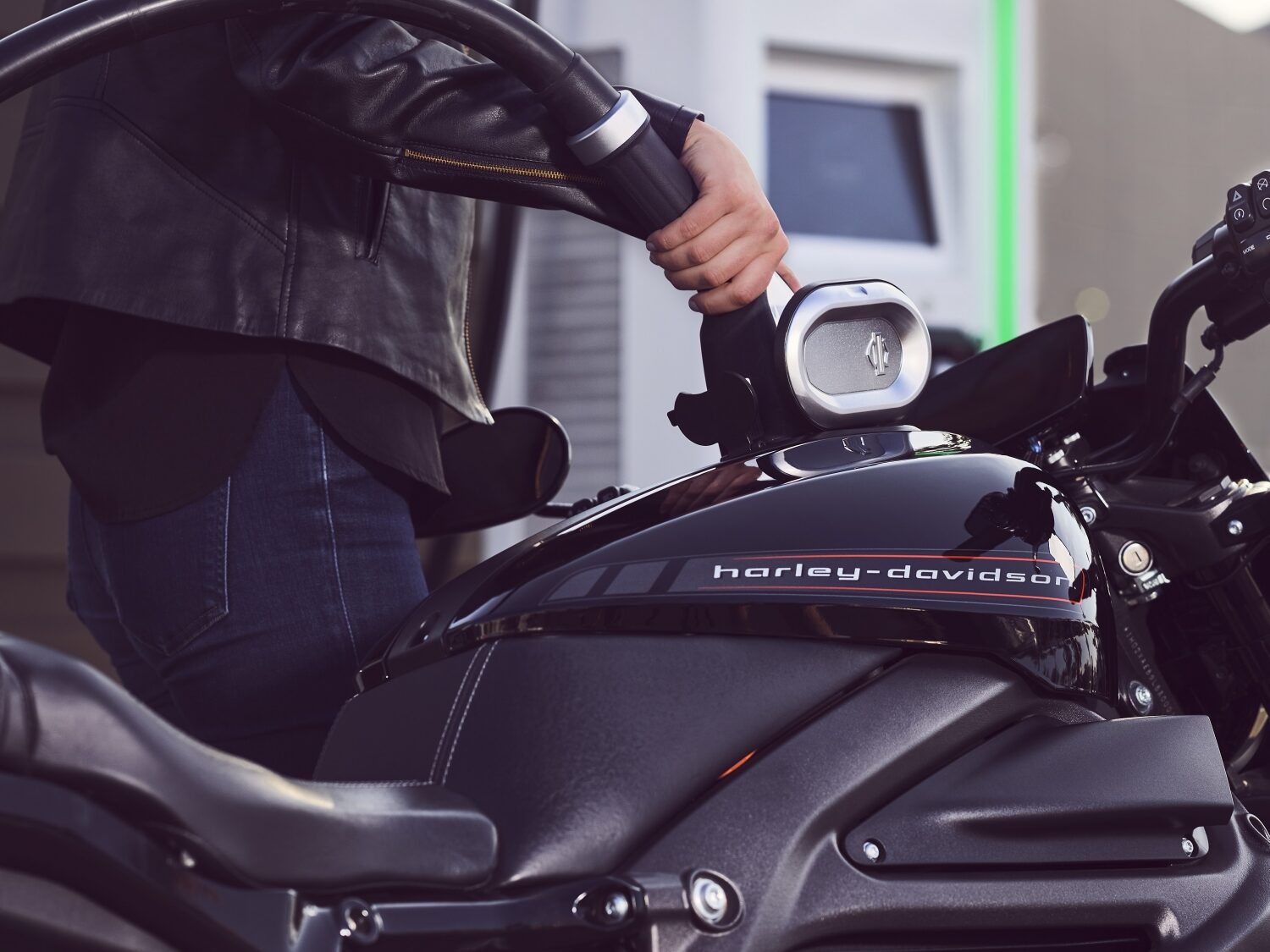
Good news! Any electric vehicle model can plug in at Electrify America charging stations. Even Teslas can charge here, despite having their own exclusive Supercharger network. Tesla may have a walled garden for its customers, but EA is open to all. EA stations include several CCS plug types, which work with nearly all EV models. The stations also have a CHAdeMO plug, which only the Nissan Leaf uses as of 2022.
Plug-and-charge is a convenience feature popularized by Tesla, but now spreading among automakers. Considering Electrify America’s Volkswagen roots, you’d think plug-and-charge would be a given for VW electric cars. Not so, at least not yet. However, it looks like automakers are at fault here, not EA. The 2022 Ford Mustang Mach-E already offers plug-and-charge, saving time and hassles for owners. GM says it will soon, but not by the time Cadillac Lyriq deliveries begin this year.
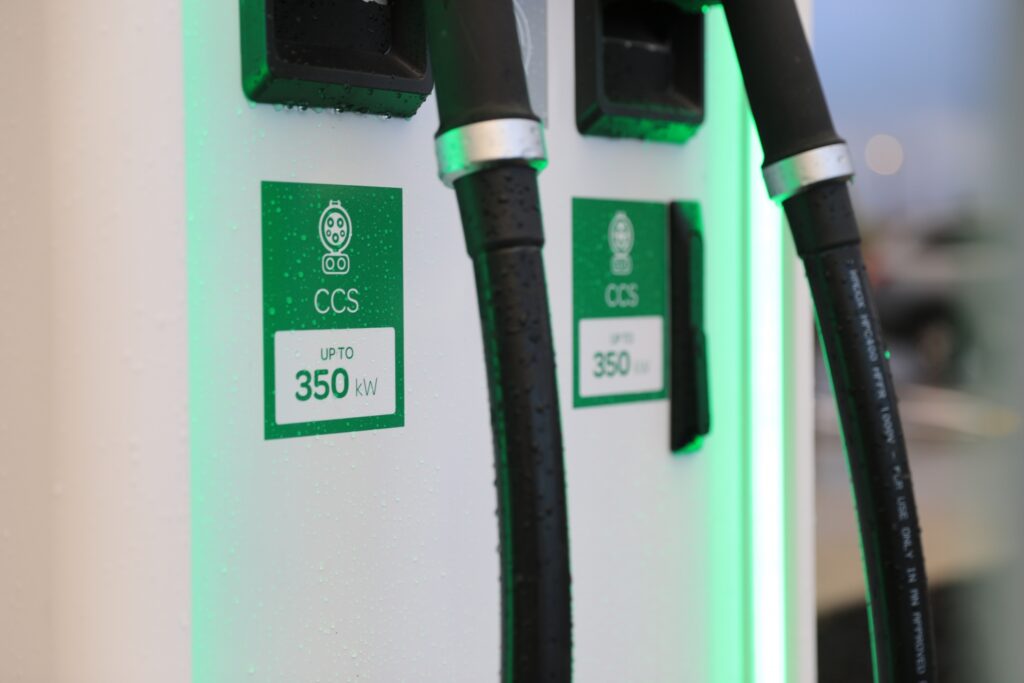
Electrify America charging stations are installed with future-proofing in mind. The vast majority of stations are capable of supplying the latest EVs with up to 350 kW charge speeds. In 2022, only a few EVs are capable of such rapid charging. The Hyundai IONIQ 5, Lucid Air and Porsche Taycan are a few examples. If your EV only accepts slower charging speeds, Electrify America certainly has the power you need to juice up.
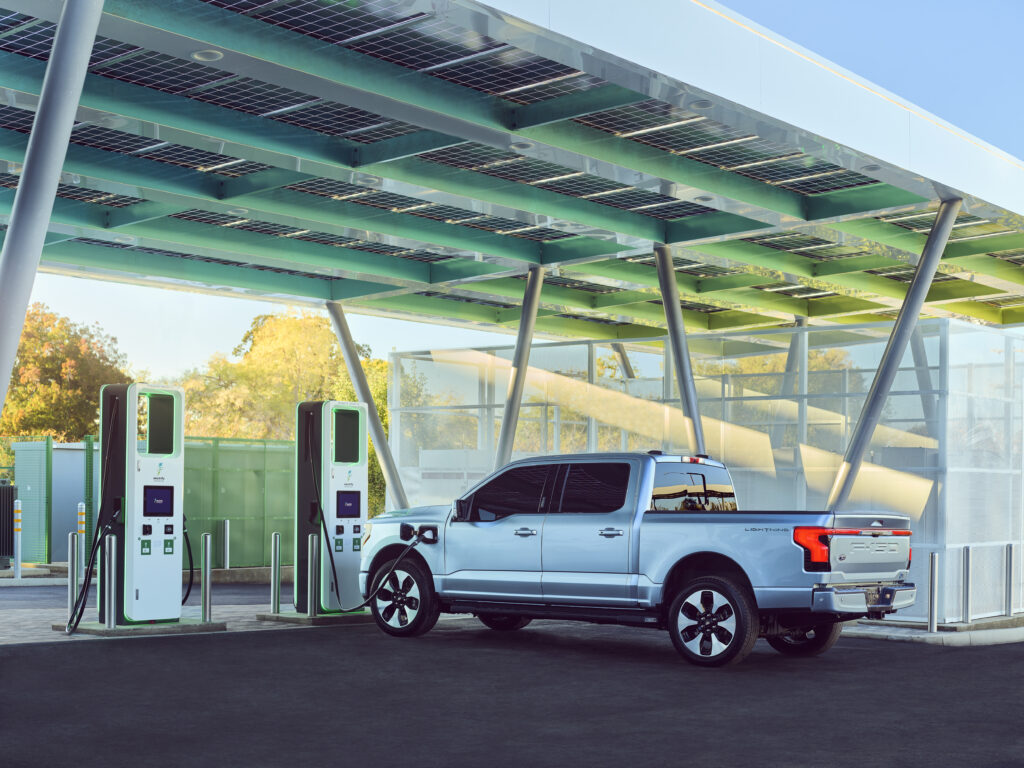
Some lucky EV drivers will have some amount of free charging at Electrify America. The Volkswagen ID.4, Hyundai IONIQ 5, Polestar 2 and even the Lucid Air all come with two or three years of complimentary charging at EA.
Electrify America pricing is determined by the following price tiers. Customers can either pay $0.43 per kilowatt-hour of electricity, or become a Pass+ member for just $4/month and charge up at $0.31 per kWh. For the Ford Mustang Mach-E with the standard battery, a full charge will cost about $21.00 as a Pass+ member, but $30.00 as a guest.
Having such an affordable membership plan is an interesting approach. It almost seems like Electrify America is aiming to become a subscription that everyone with an EV will buy into for a sense of range security, even if they rarely use the network. Learn more about Electrify America pricing and how much it costs to charge an electric vehicle at home or on the road here.
After an extremely fast build-out, EA now has chargers in 47 states. Only North Dakota, Wyoming and West Virginia have yet to receive EA chargers. Some states have many chargers. Metro areas like Washington DC, Atlanta, New York City, and of course all of California have a high density of EA charging stations.
A large number of EA stations are located in Walmart parking lots. Others are at Target stores, shopping malls, gas stations, and other frequented stops. With the new federal push for a national EV charging network, highway rest areas may soon get their own charging stations.
As of early 2022, Electrify America has 710 charging stations active in the US. Over 100 more are on the way soon. Three-quarters of existing charging ports are of the CCS type. The remainder are CHAdeMO-type plugs, almost exclusively for the Nissan Leaf. The rest of the EV world has moved on from CHAdeMO.
Here are all of the Electrify America charging locations as of early 2022. Future stations are in gray.
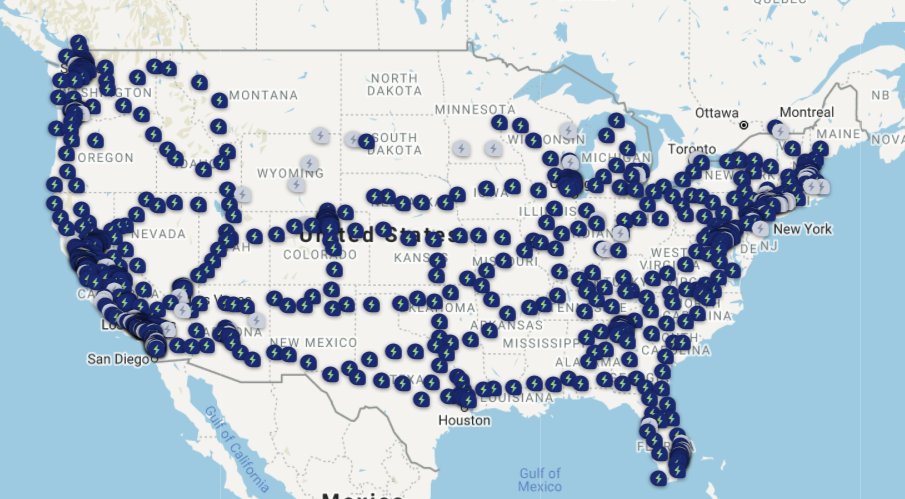
Source: Electrify America
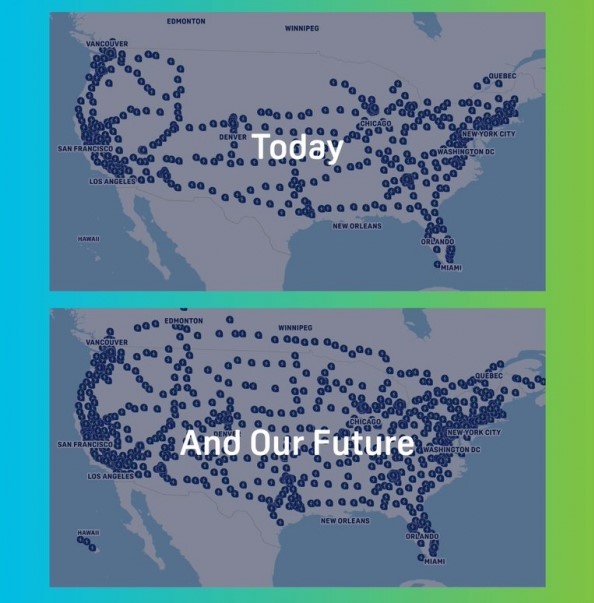
Electrify America’s original goal was to have about 800 charging stations and approximately 3,500 individual chargers in the U.S. by the end of 2021. As you can see above, they clearly exceeded that ambitious goal. Now, EA is looking ahead to their 2025 Boost Plan. The new plan calls for increasing the total number of charging stations to more than 1,700 and 9,500 individual chargers by the end of 2025. Soon, all 50 states will be home to EA charging stations. For me in West Virginia, that can’t come soon enough. It’s a charging desert out here in the hills.
With so much competition arriving in the electric vehicle segment, buyers have far more options than they did just a few years prior. Back in 2018, it was Tesla, the Chevy Bolt and the Nissan Leaf that were selling in big numbers. Now look at the list of every EV on sale in 2022. Consumers have options! And by the time Electrify America’s 2025 Boost Plan is carried out, EV sales are expected to make up at least 12% of total vehicle sales.
Still, Tesla continues to lead electric sales by a large margin. Tesla drivers can charge at Electrify America stations if they bring their own plug adapter. Unfortunately, only Tesla cars can plug in at the sprawling Tesla Supercharger network. Tesla’s proprietary network of exclusive chargers just reached a major milestone. As of late 2021, there are 30,000 charging stalls at over 5,000 locations worldwide. One-sixth of those charging stations were built in the latter half of 2021 alone. In the US, there are nearly 1,000 Supercharger locations, a figure that is rapidly growing.
Tesla also has a level 2 Destination Network at tourist destinations, hotels, restaurants and other destinations. Soon, there will even be a Megacharger Network to support the coming Tesla Semi. Rumors abound that Tesla will open up the Supercharger network to non-Tesla cars, as they have already tried in select European countries. Until that officially happens in the US, Superchargers remain off limits to Ford, GM, Hyundai and every other automaker’s EVs.
Tesla Superchargers are not free. In fact, charging will cost $0.28 per kilowatt-hour of electricity in most markets. Learn more about how much it costs to charge an electric vehicle in our recent report.
Clearly, electricity is cheaper than gasoline, no matter where you plug in:
| Cost of Charging to 100% at a Tesla Supercharger | Cost of Charging to 100% at Electrify America as a Member | Cost of Charging to 100% at Electrify America as a Guest | Cost of Filling up an 18 Gallon Tank of Gas at $3.25/Gallon |
| $22.96 | $25.42 | $35.26 | $58.50 |
The automotive industry is commiting to EVs. With nearly half a trillion dollars committed to EV development this decade, is this a ‘too big to fail’ moment? However, what good are EVs if there’s nowhere to charge them? Actually, over 80% of electric vehicle charging happens at home. Still, road trips would be dead if automakers electrify without having public fast chargers as widespread as today’s gas stations.
Aside from the Tesla Supercharger network, Electrify America is the best shot we have at rapidly building out a DC fast charging network across America. Automakers, utilities and even the federal government are currently figuring out how to grow charging infrastructure in America. The recent National EV Charging Summit highlighted those efforts, and also the immense challenges ahead. Electrify America’s 2025 Boost Plan offers a glimpse of the electric future to come along American highways.
What do you think? Will Electrify America and the growing Tesla Supercharger network be enough for EVs to comfortably reach the forecasted 30-40% market share in 2030?