
CarEdge saved me over 4,500 dollars on a brand new Honda Pilot. I can't say thank you enough.
Price intelligence
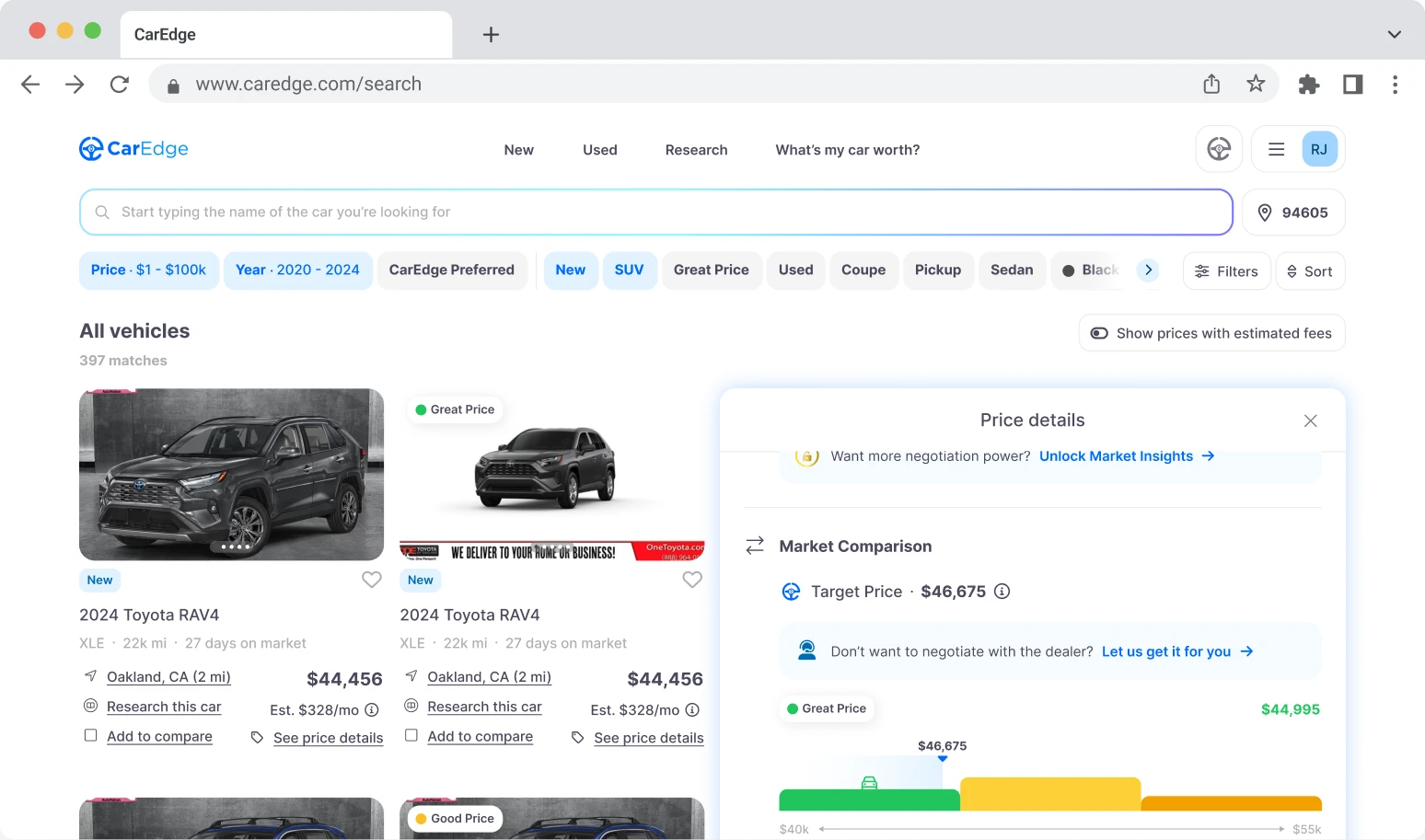
Find a wide range of vehicle listings with market insights on new and used listings near you.

What can I do with CarEdge?
 CarEdge Insights
What can I do with CarEdge?
Get access to exclusive information so you can make an informed car buying decision — all in one place.

Find a wide range of vehicle listings with market insights on new and used listings near you.
Track your vehicle’s value and cash in when the time is right to sell.

Access to our proprietary data to help you find the right car, at the right price. Find these unlocked on every listing after subscribing.

With our expert-led, tech-enabled car buying service, we will locate, negotiate, and deliver your vehicle so you can get a new car hassle free.


Help us personalize your CarEdge experience — it only takes a second.
Your answers help us personalize your CarEdge journey — we’ll follow up with tips and next steps that match your buying timeline.

The end of the year is the best time to buy a new car. Each year, from Black Friday through New Years Day, automakers and dealerships alike bring out their biggest sales. Automakers are looking to prop up year-end sales numbers, while dealerships want to clear out any remaining inventory from the previous model year. For car shoppers, this is the ultimate buyer’s market. During this time, a bit of preparation can save you a lot of time and money. These are our top tips for what to do before you head to the dealership this December.
Dealerships have financing options, but it’s often best to shop around first. Some of the best places to look are small local banks and credit unions. They’re more likely to tailor car loan options to fit your needs. Credit unions in particular often have lower interest rates, since they are nonprofit organizations that don’t have to answer to shareholders. However, they also have eligibility requirements, such as a certain residence or employer.
Both banks and credit unions also offer prequalification—a loan offer that’s good within a certain window—so you’ll know how much you can borrow before heading to the dealership. Prequalifying gives you leverage at the dealership. When the dealership finance manager brings out their “best rate”, you’ll likely have a better offer already in your pocket that you can ask them to match or beat.
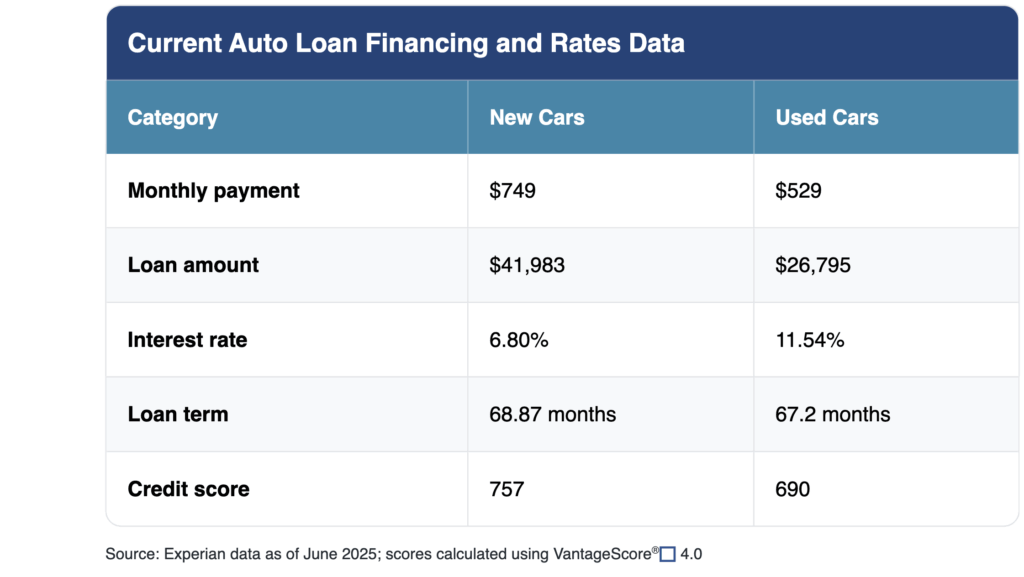
It’s always a good idea to check your credit score before car shopping. Your credit score is a major factor in what loan offers you will receive. Credit scores can be easily checked through services like Experian and CreditKarma, and while dealerships will also do this during the sales process, it’s best to verify for yourself rather than rely on what a salesperson is telling you.
Higher scores in the 700 to 800 range generally qualify for the best loan terms. For example, automakers frequently advertise 0% APR financing, but that’s usually linked to a high credit score. A lower credit score could mean a higher interest rate. If you’re in that category, paying down debt can help boost your score before you buy.
If you’re trading in a car, it’s also a good idea to get a sense of its market value before sitting down with a salesperson. Like any business, dealers are looking to maximize profits, and when it comes to accepting trade-ins, that means buying low and selling high. Luckily, there are plenty of online tools like CarEdge, Kelley Blue Book, and Edmunds for finding the value of your used car. A dealer isn’t going to offer you market value—again, they need to leave room for profit when they resell—but it’s important to know how close their offer is.
To get the most for your trade-in, make sure your car looks and runs its best. A thorough cleaning, both inside and out, and taking care of small maintenance issues can go a long way. Dealers often deduct the cost of reconditioning from their offers, so a well-kept car helps you keep more value. Just don’t overspend — major repairs rarely add enough to the trade-in price to pay for themselves. Focus on affordable improvements that make your car look cared for and ready to drive.

Once you have your financing and trade-in sorted, it’s time to actually start shopping. It’s best to be proactive and look for deals rather than wait for a salesperson to tell you. Now is the perfect time to start thinking about a car purchase for December, as many automakers’ year-end deals are already in place as Black Friday specials. CarEdge’s Best Deals Hub is the perfect place to compare this month’s new car incentives.
As of this writing, we’re already seeing 42 offers of 0% financing and a few dozen leases under $250 a month. Although December is the best month to buy, if you see something you like and your finances are in order, there’s no reason to wait until next month.
When it comes time to negotiate, why not have AI do the hard part for you? CarEdge Pro is your ticket to empowered car buying. Rather have an expert handle it all? Learn more about our Car Buying Service.
Now is the best time to score a deal on a new car or truck. Year-end deals are already being rolled out. But as with any other time of the year, a bit of preparation can go a long way. If your finances and trade-in are sorted before heading to the dealership, you’ll get better deals and a smoother buying process. When buying a car, a little bit of preparation can go a long way.
CarEdge can help. Learn how CarEdge’s team of auto experts can drive home your best deal ever with your personal Concierge, or equip yourself with the ultimate DIY car buying toolkit, CarEdge Pro.
And of course, we’ve got you covered with FREE car buying help over on YouTube, and on the CarEdge Community forum. We hope to see you there!
![Ford’s Best Black Friday Sales [Now Live]](https://caredge.com/wp-content/uploads/2025/11/2025-F-150.jpg)
Black Friday marks the start of the year-end sale season for big automakers, including the Blue Oval. It’s hands-down the best time of the year to buy a car, so if you’ve been waiting to act, these deals could see you behind the wheel of a 2025 Ford for less. With 375,000 2025 models to still offload, Ford has just over a month to clear out this year’s inventory for brand-new 2026 models arriving soon.
Black Friday Sales: 0% APR for 60 months, $0 down payment, and no payments for 90 days
Lease Offer: $477/month for 36 months with only $477 due at signing, and zero down payment (STX models only)
How many ways can you prepare a Thanksgiving turkey? We’d guess nearly as many F-150 trims as there are available from Ford. Unless you plan to put your new F-150 straight into the workforce, the STX model is where the most basic yet modern features come into play. With MSRPs ranging from $40,045 to $77,895, much can set any given F-150 apart from another—besides being built Ford tough.
These offers expire on January 5, 2026. See offer details.
Browse F-150 listings with the power of local market data
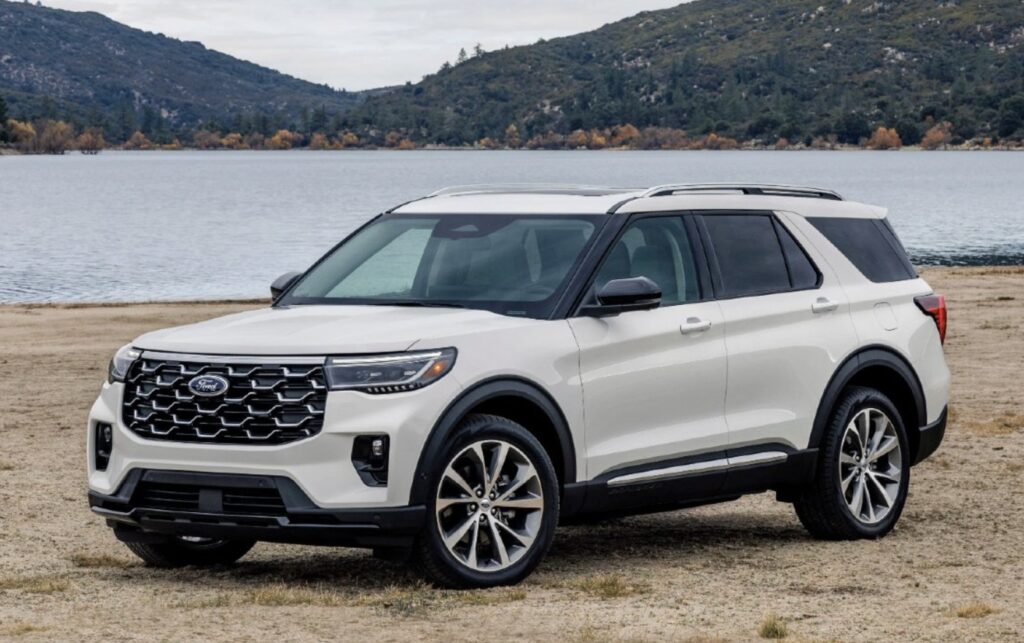
Black Friday Sales: 0% APR for 60 months, $0 down payment, and no payments for 90 days
As one of Ford’s many entries into the three-row SUV market segment, the 2025 Explorer holds its own among competitors both foreign and domestic as equal parts family car and road warrior. MSRP puts it in the $41,745 to $58,465 range, depending on the trims and packages you select.
This offer ends on January 5, 2026. See offer details.
Browse Explorer listings with market price data

Black Friday Sales: 0% APR for 60 months, $0 down payment, and no payments for 90 days
Lease Offer: $399/month for 36 months with just $399 due at signing, and zero down payment
Versatility redefined, the 2025 Ford Escape offers buyers numerous features and options for its MSRP of $31,010 to $39,005. Available as a hybrid or plug-in hybrid in addition to the standard 1.5-liter gas-powered engine, the 2025 Ford Escape seats up to five and boasts up to 65.4 cubic feet of cargo space behind the front seats. Even with a recent facelift as part of a 2023 mid-cycle refresh, the 2025 Escape continues to effortlessly blend modern aesthetics with classic design.
These offers expire on January 5, 2026. See offer details.
Browse Escape listings with local market data
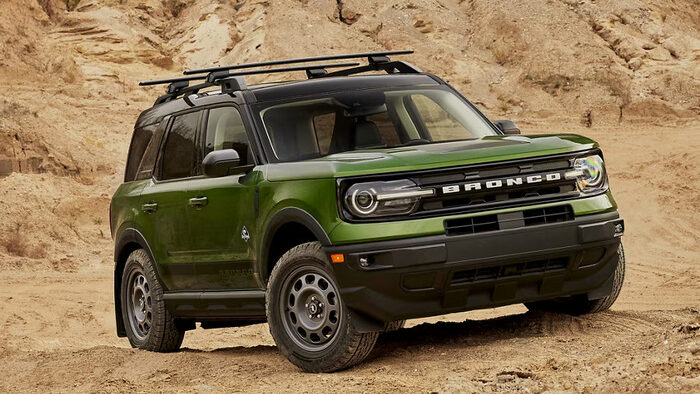
Black Friday Lease Offer: $398/month for 36 months with just $398 due at signing and zero down payment
Despite occupying the entry-level spot among the many Bronco Sport models available, the Big Bend 4×4 is anything but basic. For an MSRP of $33,690 to $42,110, the 2025 model comes standard with five Goes Over Any Type of Terrain (G.O.A.T.) Modes, Ford’s standard suite of Co-Pilot360 safety technologies, and a 1.5-liter EcoBoost engine capable of an estimated 25 MPG city and 30 MPG highway. The Bronco Sport proves powerful things can come in smaller packages.
These offers expire on January 5, 2026. See offer details.
Browse Bronco Sport listings with the power of local market data
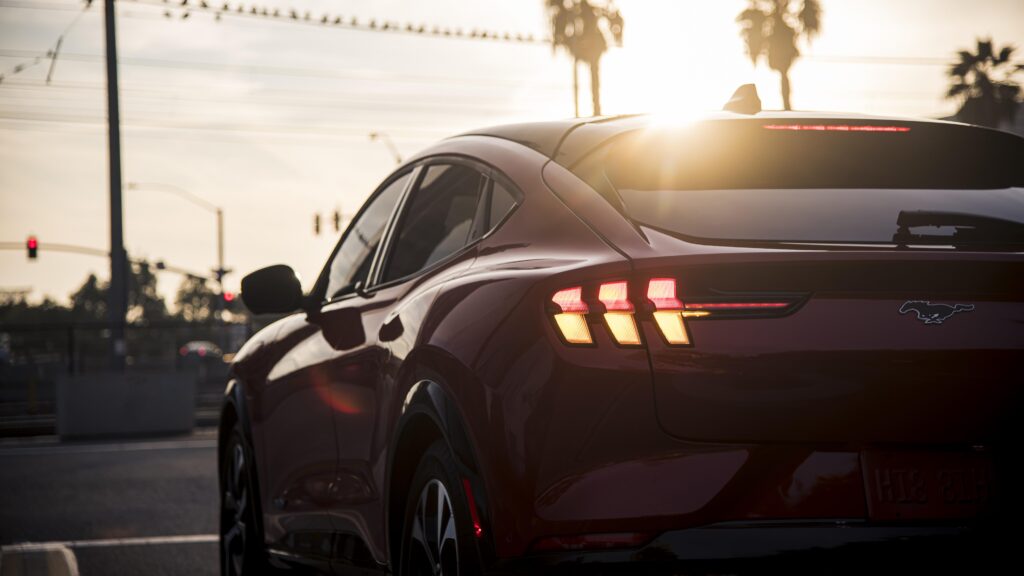
Black Friday Sales: 0% APR for 72 months, $0 down payment, and no payments for 90 days
Henry Ford’s Model T may have irrevocably changed the look of traditional horsepower, but the Mustang Mach-E proves that evolution goes even further. With an MSRP ranging from $39,990 to $57,990, the 2025 Mustang Mach-E features Ford’s newest Connectivity Package, BlueCruise, and a brand-new Sport Appearance Package. With nothing down or due well into 2026 as part of this year’s Black Friday sale, you might rethink your relationship with the pump.
This offer ends on January 5, 2026. See offer details.
Browse Mustang Mach-E listings with market price data
If you’ve held out on negotiating the purchase of your new Ford until now, it’s time to cash in on the best deals you’ll see for the remainder of 2025. End your year on a high note by getting behind the wheel of a new 2025 Ford F-150, Mustang Mach-E, or any of the other models above, for less. But before you rush out to your nearest Ford dealer, be sure to download our car-buying cheat sheet to walk into the showroom prepared.
Don’t feel like adding navigating tough negotiations to your busy schedule? Let an AI agent handle the sale for you with CarEdge Pro. Let getting the best deal on a new Ford be your gift to yourself this holiday season.
Black Friday deals are here, and they’re available on a wide variety of vehicles. We’ve rounded up the best Black Friday deals available on full-size pickup trucks going into the holiday season. We looked at cash rebates, financing, and lease offers for each full-size model, as well as the overall best offer among electric pickups. Here are the truck offers worth the test drive right now.
The best Black Friday deal applies to the most popular full-size truck. Ford is offering 0% APR financing for 60 months on in-stock F-150 models, with no down payment (excluding taxes, title, and license fees). Ford also offers the option to defer the first payment by up to 90 days. Buyers must take delivery by January 5, 2026. See offer details.
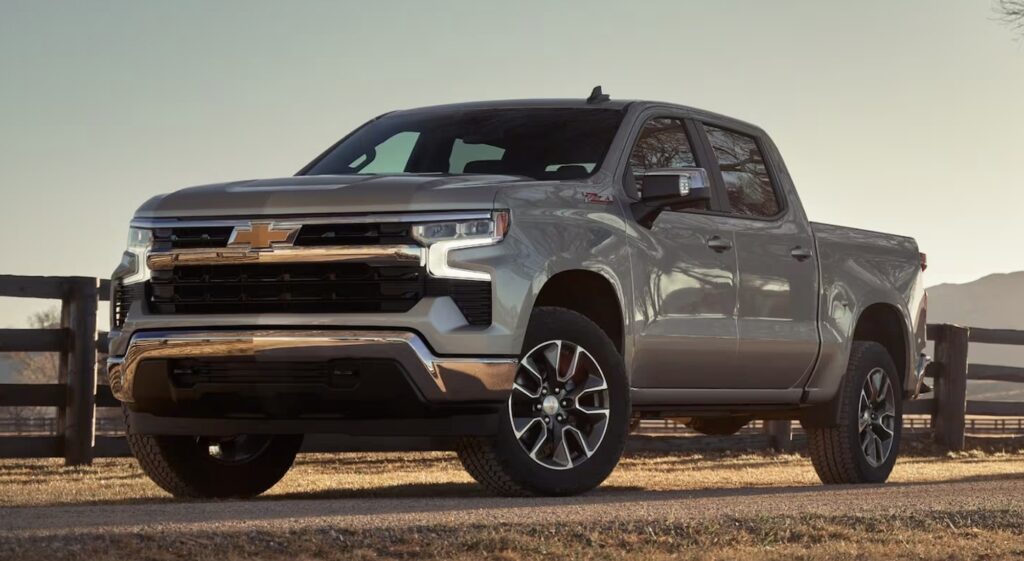
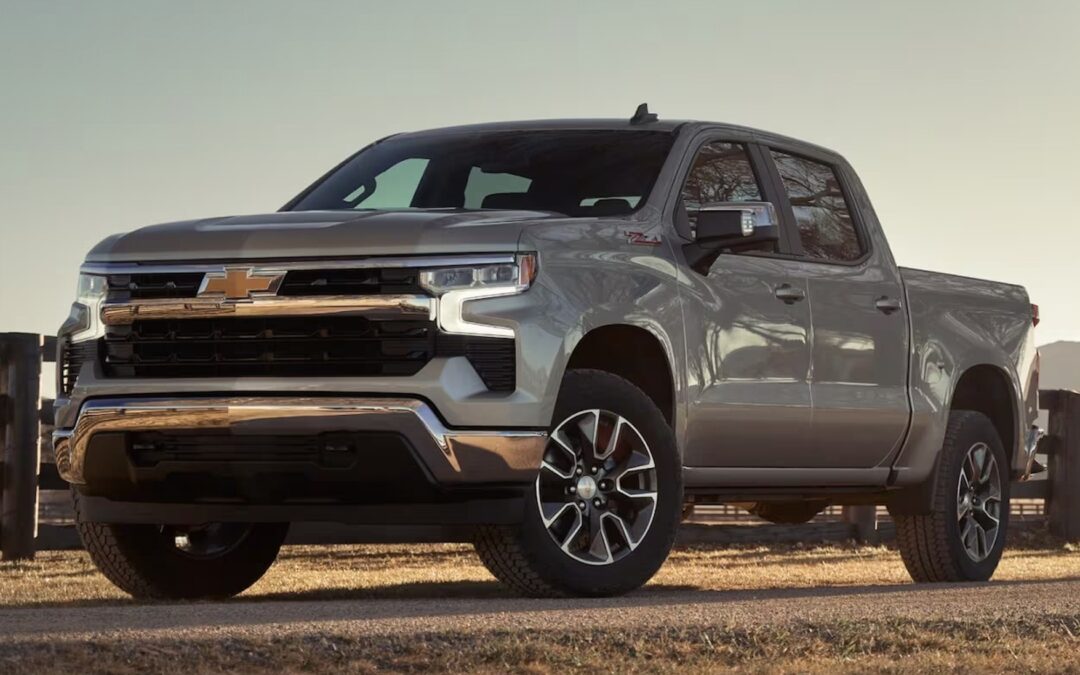
Chevy is offering 0% APR financing for 36 months to well qualified buyers who take delivery December 1. Costco members can also get a $1,000 or $1,250 cash incentive (depending on the membership level) that can be applied to a purchase or lease.
With few changes for 2025, the Silverado remains focused on the fundamentals. Its diverse powertrain lineup includes turbo-four, V8, and diesel options, and trim levels range from the fleet-oriented WT to the luxurious High Country. See Chevy offer details.
See Chevy Silverado 1500 listings at CarEdge Car Search

In addition to its 0% APR financing offer we covered above, Ford is rolling out leasing offers ahead of Black Friday. At the time of publication, Ford’s best deal is $477 a month for 36 months. That’s with just $477 due at signing, but applies only to STX Crew Cab models with the 2.7-liter turbocharged V6 engine.
Following a major update for the 2024 model year, the F-150 added more driver-assistance features and a luxe Platinum Plus Package for 2025. A wide choice of powertrain options and trim levels remain F-150 strengths, along with user-friendly features. See Ford offer details.
See Ford F-150 listings at CarEdge Car Search
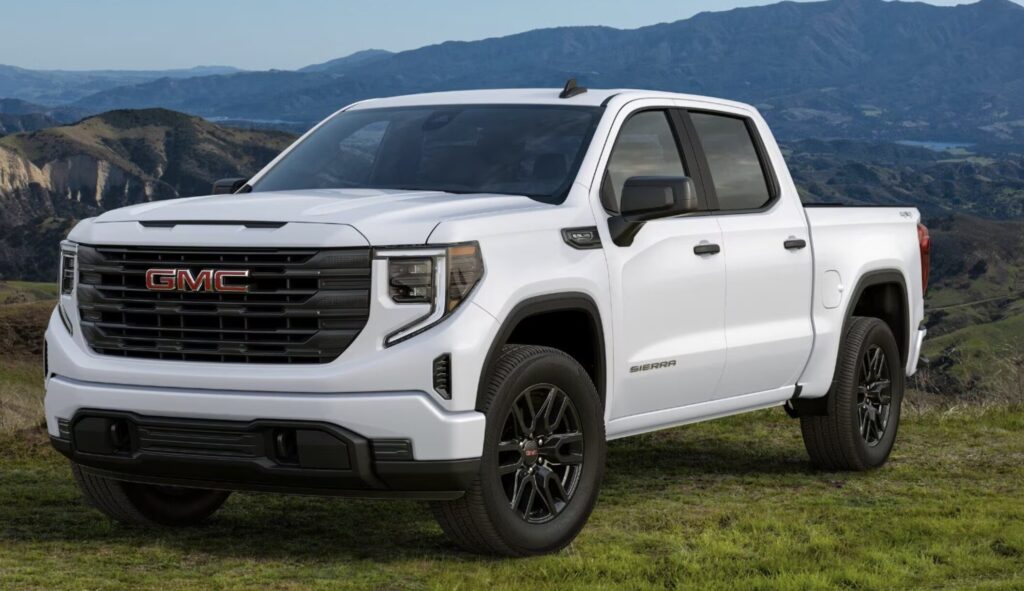
GMC has a few compelling deals for buyers willing to stick with the four-cylinder Turbo Max engine. Up to $8,000 in cash incentives are available for Turbo Max models. That includes a $2,750 “purchase allowance,” $1,750 in “bonus cash,” and $3,500 for returning GMC customers. Incentives rise to $12,031 on Elevation models with the Crew Cab and Turbo Max, with 0% APR financing. Returning lessees can also lease that same truck at $299 a month for 24 months, with $4,009 due at signing.
A twin of the Chevrolet Silverado 1500, the Sierra offers the same features and powertrains. The main differences are down to design and a lineup aimed more at retail customers than commercial buyers. See GMC offer details.
See GMC Sierra 1500 listings at CarEdge Car Search

Current Ram lessees can get into a 2025 Ram 1500 for $399 a month for 42 months, with $3,399 due at signing. This lease offer applies only to the Big Horn Crew Cab with four-wheel drive and the V6 engine. Ram is also offering 0% financing for 72 months, cash incentives equivalent to 10% off the MSRP of certain trucks, plus an extra $2,000 cash incentive for returning customers. These offers expire on December 1, see offer details.
The big news for the 2025 model year was the adoption of Stellantis’ Hurricane turbocharged inline-six as the replacement for the Hemi V8. That decision has already been reversed for the 2026 model year. Available four-corner air suspension makes the Ram 1500 among the best-riding trucks, while the cab can be equipped with a bevy of screens.
See Ram 1500 listings at CarEdge Car Search
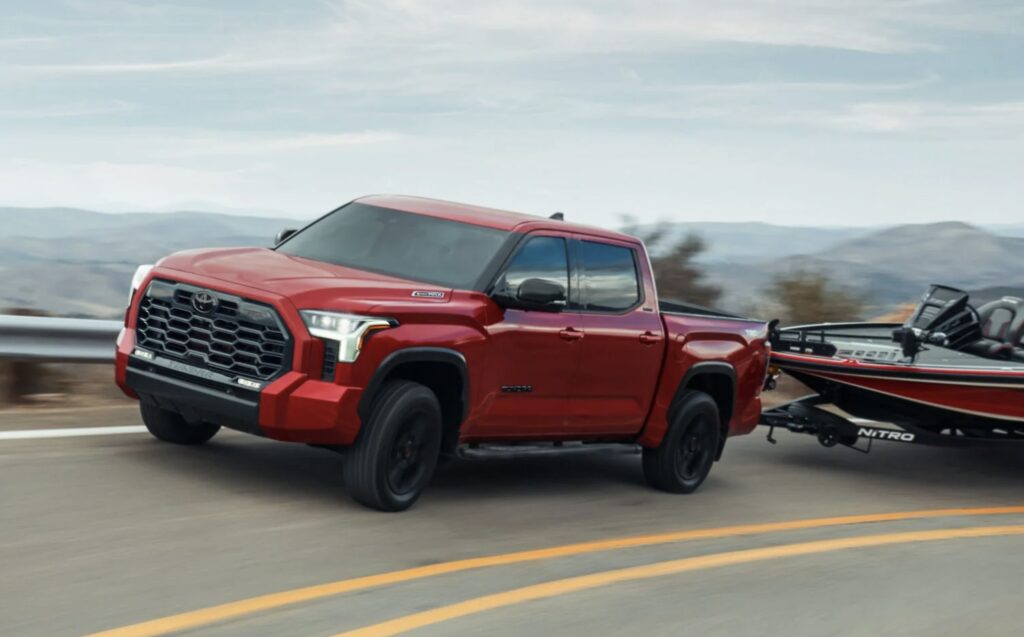
Toyota’s best Tundra lease offer going into Black Friday is $469 a month for 39 months, with $3,999 due at signing. That offer applies to the SR5 Crew Max with four-wheel drive. Toyota is also offering a $3,000 cash incentive for most 2025 Tundra trim levels. See Toyota offer details.
As the only Japanese full-size pickup to consistently compete with the dominant Americans, the Tundra received a new Rally Package and added feature content for 2025. Twin-turbo V6 and hybrid powertrains distinguish this Texas-built truck. Other highlights include a TRD Pro off-road model and an available 14-inch touchscreen.
See Toyota Tundra listings at CarEdge Car Search
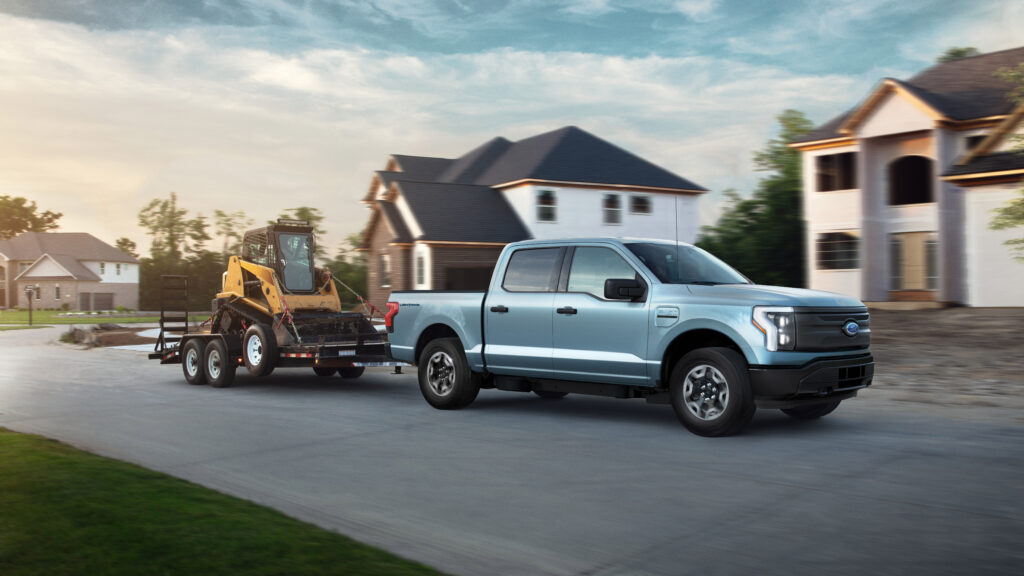
Shoppers also have several all-electric options to choose from, although deals are harder to find going into Black Friday. The best comes from Ford, which is offering 0% financing for 72 months on the F-150 Lightning through January 5. Ford is also waiving the down payment and letting customers defer the first financing payment up to 90 days. What’s more, $1,000 in bonus cash is being put on the hood. Additional rebates may also be available in certain regions, and a $329 lease offer (for 36 months) also beats other electric pickups. Heavy incentives aren’t surprising, as The Wall Street Journal recently reported that Ford is considering ending production of the Lightning.
![Every Black Friday 0% APR Offer [2025]](https://caredge.com/wp-content/uploads/2025/06/2025-Subaru-Outback-deals-1080x675.jpg)
Just in time for the flip from a seller’s market to the first buyer’s market of 2025, Black Friday APR deals are here. In November, there are about three dozen offers of zero-percent financing in the new car market, and many of them are good for 60 months. In a perfect storm that gives car buyers even more leverage, model year switchover is upon us. This means that 2026 models continue to fill dealer lots, and finding a home for leftover 2025 inventory is a top priority for sellers. In other words, as the buyer, you’ve got all the leverage this Black Friday.
The CarEdge Team dug through every automaker Black Friday sale to find the best deals. Here’s the complete rundown of every zero-percent offer live for well-qualified buyers right now.
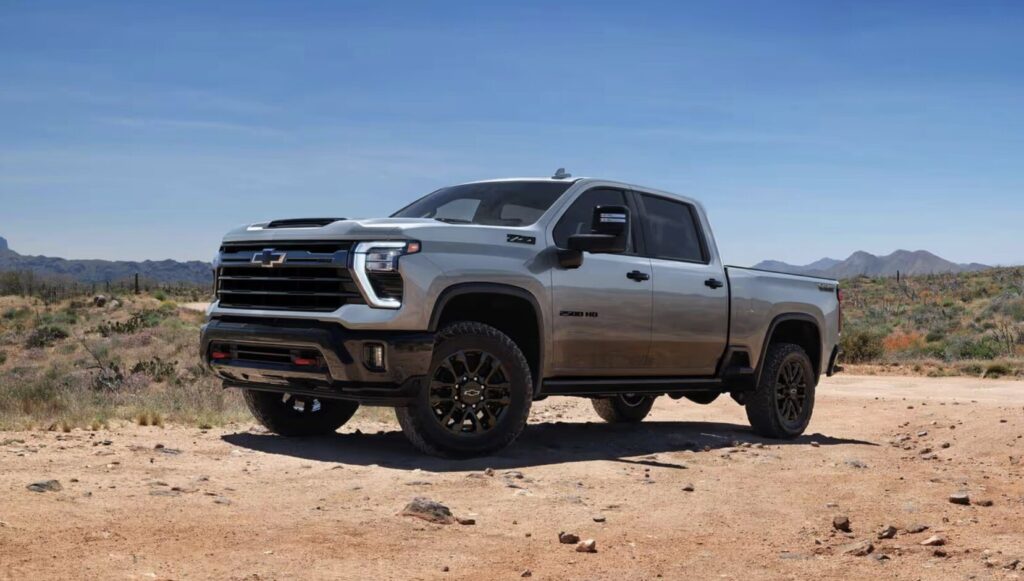
The Silverado 1500 and two popular crossovers are eligible for three years of interest-free financing for Black Friday 2025. Chevy’s electric models continue to feature zero percent financing through November. See Chevrolet offer details.

It’s November 2025, yet Dodge is still advertising sales for a 2024 model. The Hornet is consistently one of the slowest-selling cars in America. Of course, the 2025 Charger Daytona is also eligible. See Dodge offer details.

The F-150 Lightning qualifies for the soon-to-expire $7,500 federal tax credit for EVs. For November, zero percent financing is also a huge incentive. See Ford offer details.
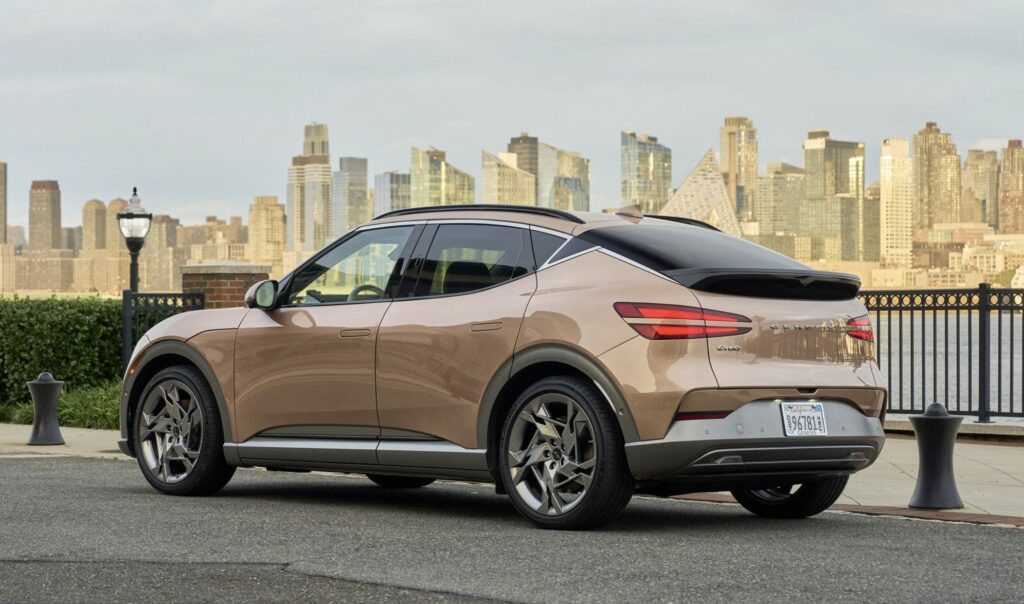
The GV60 is the luxury sibling to the top-selling Hyundai IONIQ 5. It’s now available with interest-free financing for five years. See Genesis offer details.

GMC is offering 0% APR financing for the popular Sierra 1500 this month, although this incentive is limited to 36 months. See GMC offer details.

Honda’s only Black Friday zero percent financing offer is for the 2025 Honda Prologue. As a top-selling brand with rapid inventory turnover, don’t expect Honda to offer 0% financing often. See Honda offer details.
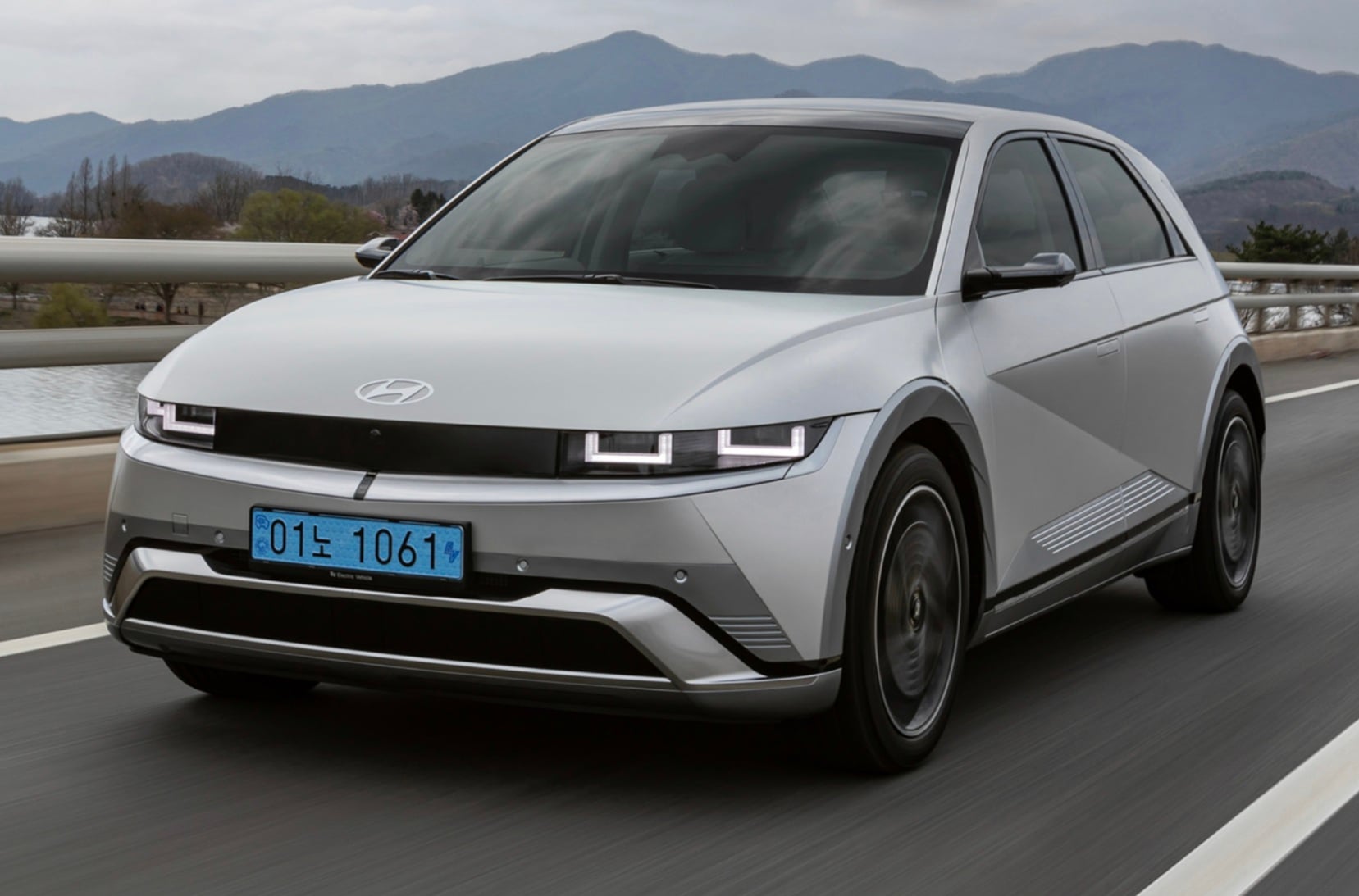
In November, Hyundai is aggressively heading into Black Friday sale season with zero percent financing. It’s not just EVs this time—the Santa Fe and Tucson also qualify. See Hyundai offer details.
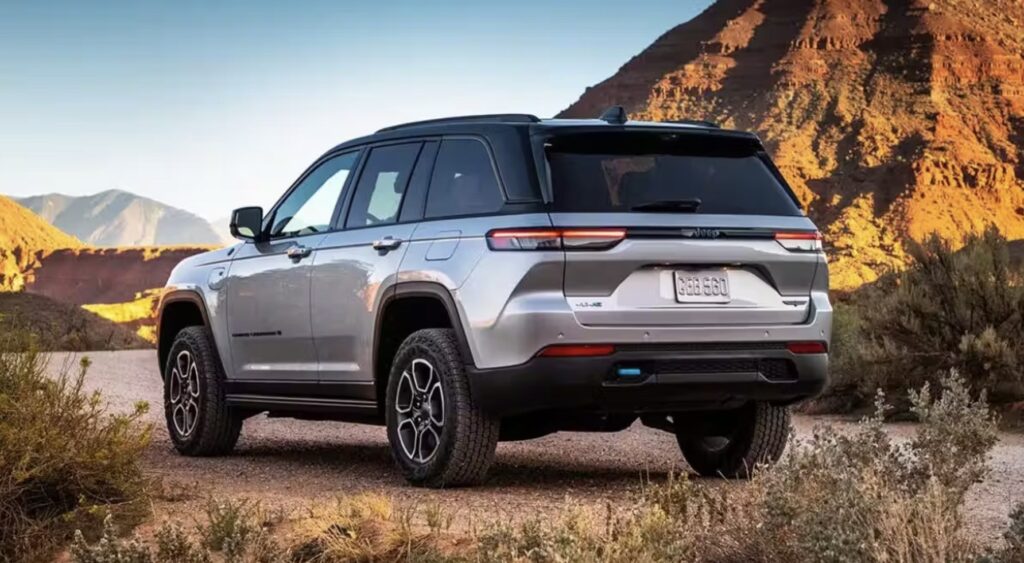
Jeep’s Black Friday sale brings zero percent financing for the 2025 Jeep Grand Cherokee, the brand’s top-selling model. See Jeep offer details.

Kia is offering several zero percent financing deals in November, including some of the best offers of the month. See Kia offer details.
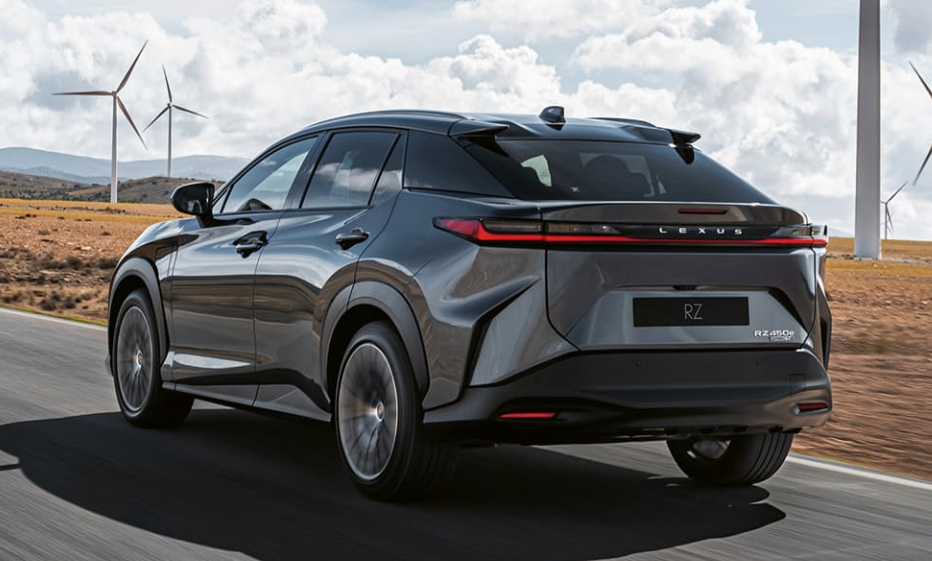
You know it’s a buyer’s market when Lexus is offering zero percent financing. That’s virtually unheard of. The all-electric Lexus RZ can be financed free of interest for six years. On a cautionary note, be wary of steep depreciation! See Lexus offer details.
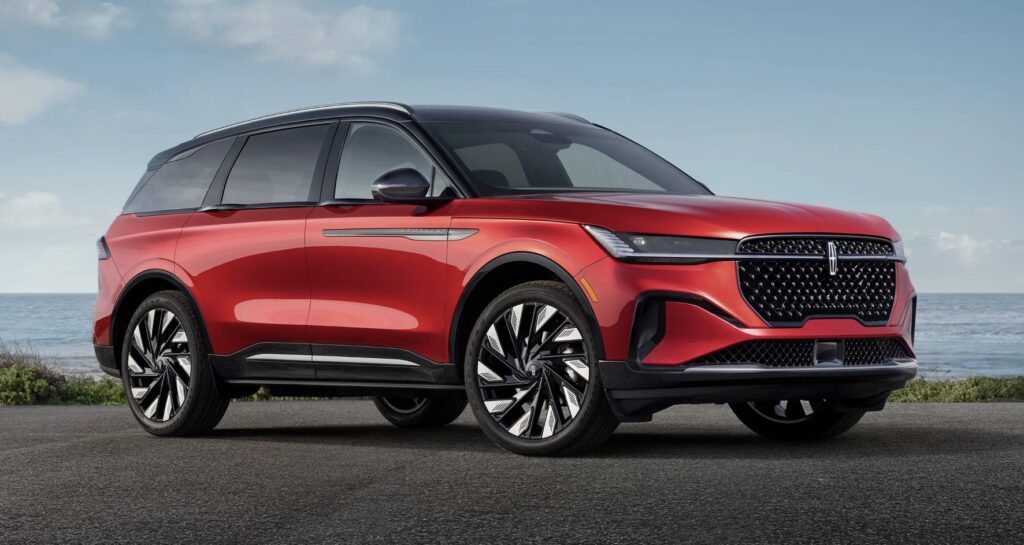
Lincoln doesn’t offer 0% financing often, and nor do any other luxury brands. But as luxury sales slow, automakers are bringing out the ‘big guns’ to sell cars. See details from Lincoln.

Mitsubishi is offering zero percent financing for ALL 2025 inventory. This deal isn’t just for Black Friday, it’s valid through the end of the year. See offer details from Mitsubishi.
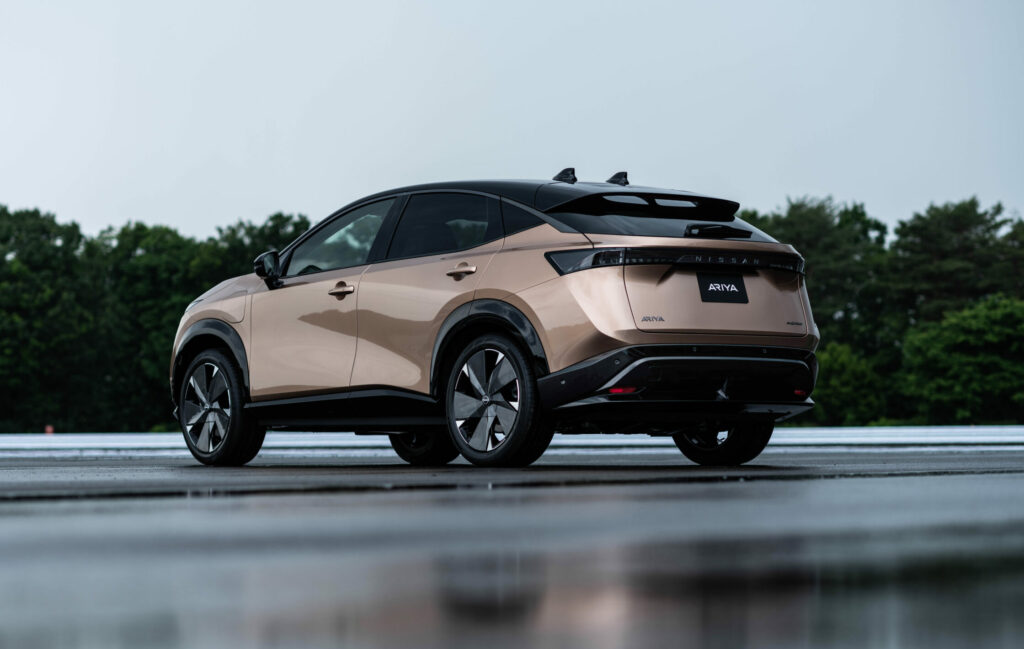
Nissan continues to offer competitive financing deals, especially on their electric and crossover models. The ARIYA was recently discontinued from the U.S. market, but hype for the new LEAF is overshadowing that in the news. See Nissan offer details.
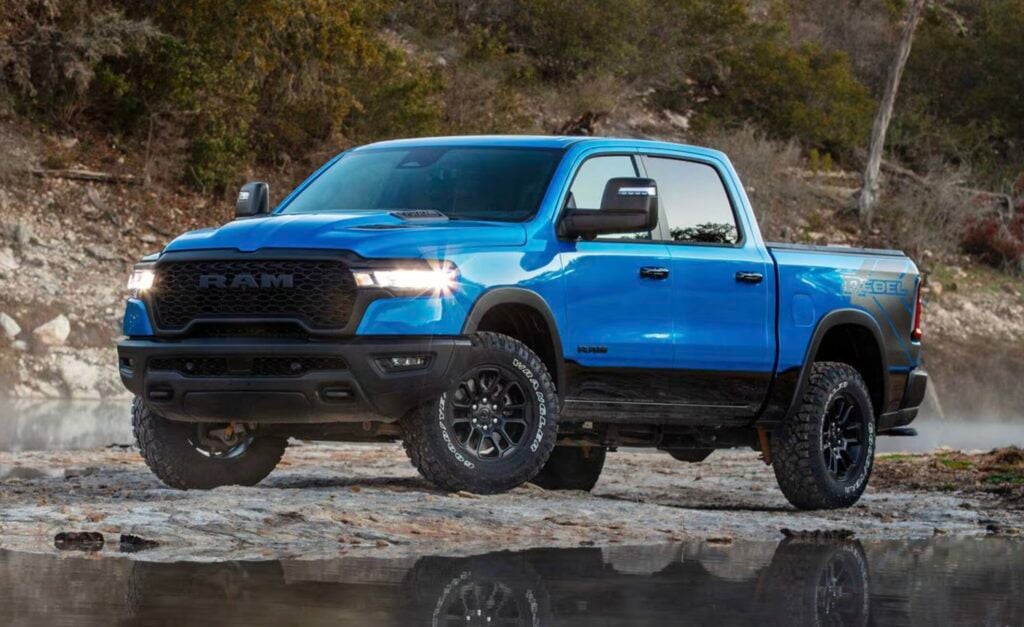
The best Black Friday truck offer in November is this exceptional zero percent financing deal for 72 months for the 2025 Ram 1500. The 2026 model is also eligible for five years of interest-free financing. It’s free money! Ford and Chevy can’t match that, although the F-150 is available to lease for under $1,000 down. See the best truck deals of the month here.
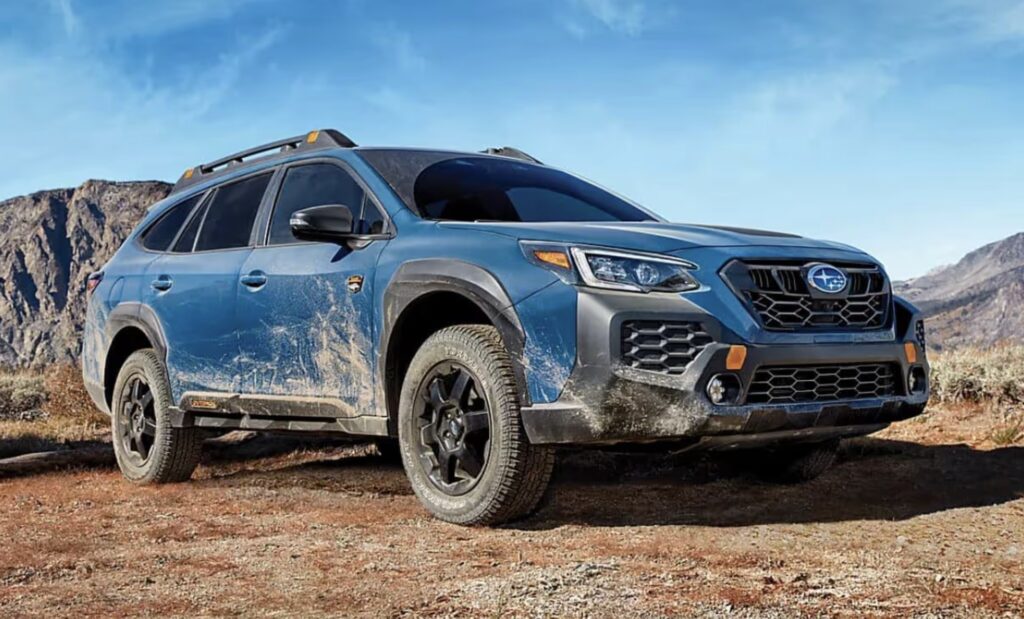
The 2025 Outback is now advertised with three years of interest-free financing. The 2025 Solterra’s 72-month offer continues as most buyers await the refreshed 2026 model. See offer details.

For Black Friday, Volkswagen is offering zero percent financing for the Taos, and the all-electric ID.4. See other VW sales, including zero-down leases.
Black Friday marks the beginning of 2025’s year-end sales. Smart shoppers have been waiting all year for this, so expect the best deals to sell out quickly (especially for in-demand Toyota, Honda, and specialty models). This is a fleeting opportunity to save. Cars won’t be getting any cheaper once 2026 rolls around. We can already see that reflected in 2026 model pricing.
Tired of car buying hassles? Let AI negotiate for you! Learn more about CarEdge’s NEW AI Negotiator, recently featured in Fortune!
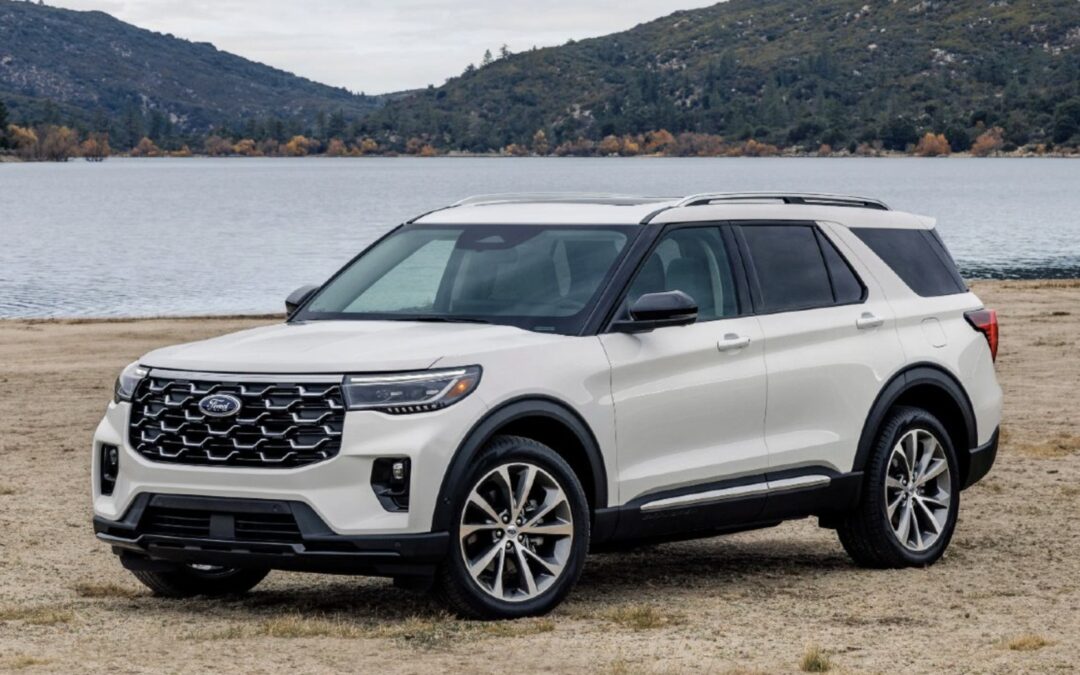
One undeniable sign that it’s officially a buyer’s market is that year-end sales are arriving earlier than ever in 2025. Black Friday SUV deals are here, and for SUV shoppers planning to buy in December, you may want to move up your timeline. This year’s deals include 0% APR financing, deferred payment programs, and cheap lease offers. To save buyers time and money during this hectic season, we sorted through all the sales to find the best incentives. Here’s a look at five Black Friday SUV deals worth your time.
Black Friday Sales: 0% APR for 60 months, $0 down payment, and no payments for 90 days.
As a top-seller in the mid-size SUV segment, we don’t see zero percent financing often for the Explorer. Don’t expect this offer to return once 2025 inventory is cleared out. These offers expire on January 5, 2026. See offer details.
Browse Explorer listings with the power of local market data
Black Friday Sales: 0% APR for 60 months, $0 down payment, and no payments for 90 days.
Lease Offer: $399/month for 36 months with just $399 due at signing, and zero down payment
These offers expire on January 5, 2026. See offer details
Browse Escape listings with local market data

Black Friday Sales: 0% APR financing for 36 months. Lease Offer: $289/month for 36 months with just $419 due at signing (ultra low-mileage lease)
These offers expire on December 1, 2025. See offer details
Browse Trailblazer listings with local market data
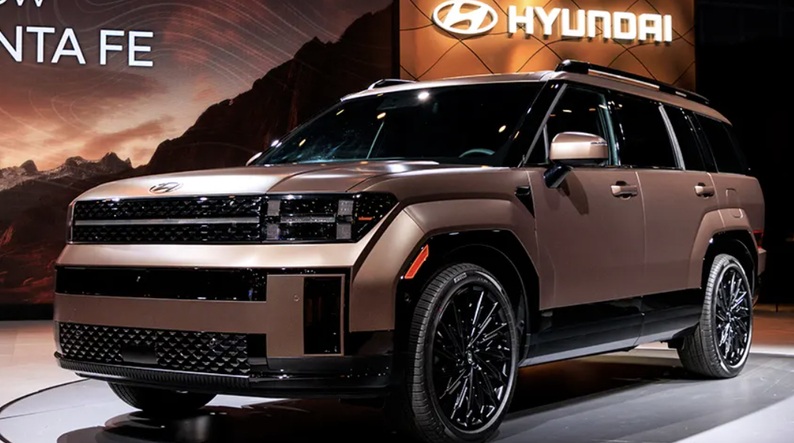
Black Friday Sales: 0% APR financing for 60 months with no payments for 90 days, plus up to $3,500 bonus cash (offers can be combined).
Lease Offer: Contact dealer for current lease specials
These offers expire on December 1, 2025. See offer details.
Browse Santa Fe listings with market price data
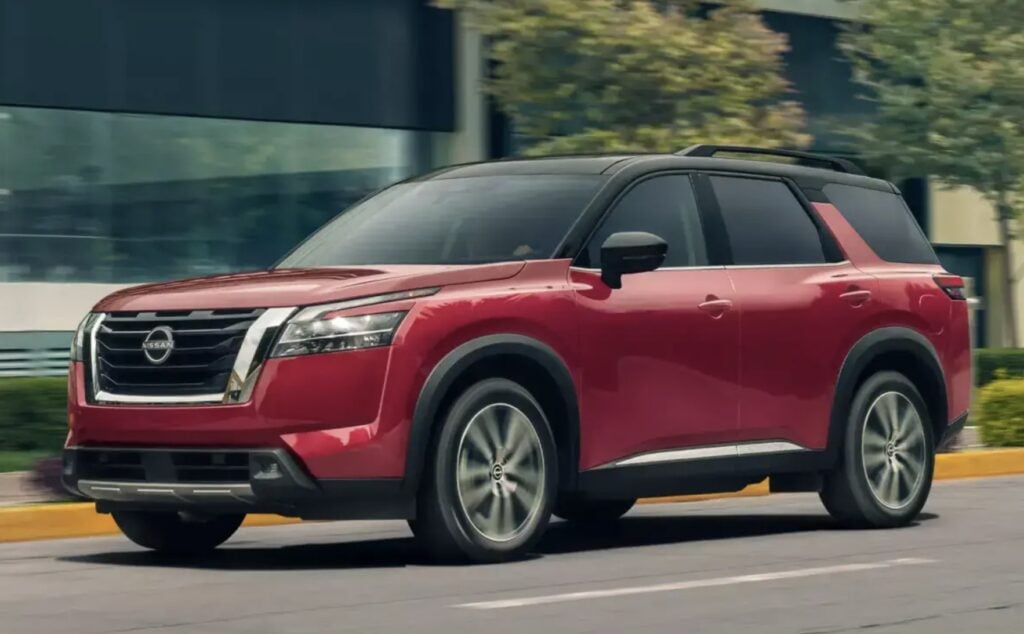
Black Friday Sales: 0% APR financing for 60 months OR $5,000 cash (offers cannot be combined).
Lease Offer: Contact dealer for current lease specials
This offer expires on December 1, 2025. See offer details.
Browse Pathfinder listings with the power of local market data
For most of 2025, car dealers and automakers have enjoyed a sellers market. Now, as new car inventory rises and the new year quickly approaches, the car market has flipped. Black Friday deals are only the beginning of the year-end buying season. If you don’t see the deal you’re after, just wait a few weeks. December sales will be even bigger.
Stay tuned to the CarEdge Best Deals Hub for the latest updates, and don’t forget to download your free car buying cheat sheets and take them with you to the dealership.
The 2026 model year is underway, and that means plenty of new cars. In addition to the many vehicles undergoing redesigns and refreshes, several automakers are expanding their lineups with something completely new. These five all-new cars are all expected to arrive within the 2026 model year. While some models might get to dealerships later in 2026, at least one should be available for a test drive as soon as next month.
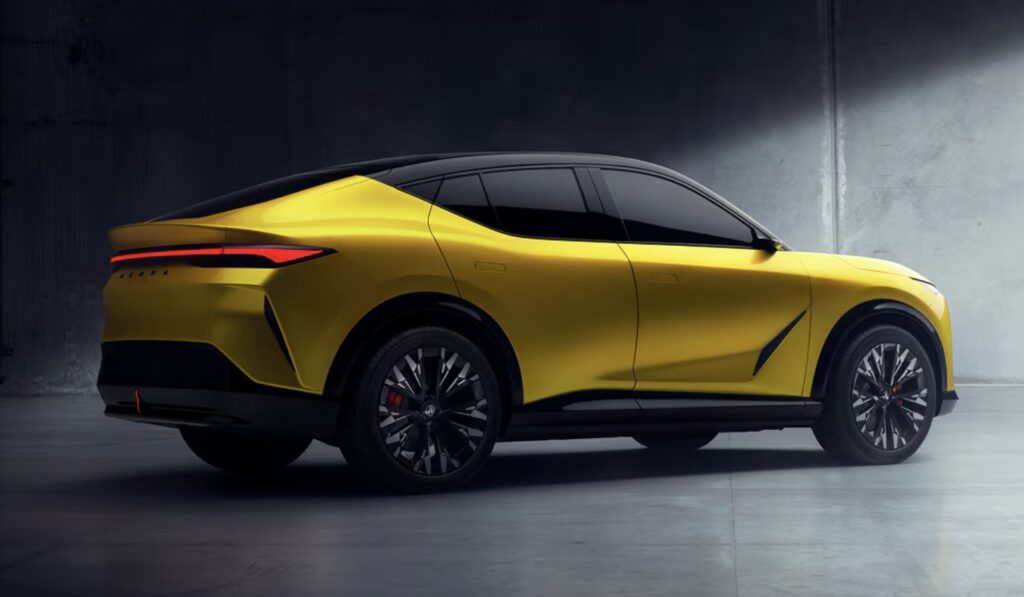
Acura discontinued its first EV—the ZDX crossover SUV—after just two years on the market. However, Acura says that was always part of the plan. The ZDX (along with its Honda Prologue cousin) was based on General Motors’ Ultium architecture and manufactured by the automaker as a stopgap while Acura and parent Honda engineered homegrown EVs. The first of those purely Acura EVs will revive the Acura RSX name, originally used on a small coupe in the early 2000s. Now, the RSX name will be inherited by a new model with the more popular crossover body style.
A platform designed to keep the center of gravity as low as possible and a dual-motor powertrain should provide a sporty experience. The new RSX will feature a new operating system dubbed Asimo (after Honda’s humanoid robot). The arrival of the Asimo OS will leave plenty of room for software-based features, which are yet to be announced. As a nod to EV competitors, Acura will offer bidirectional charging that will let the RSX serve as a mobile power source.
Expected arrival: Second half of 2026
Where will it be made? Ohio, USA
Why it’s worth waiting for: Acura may be late to the game, but the RSX promises to be a fresh take on what an electric SUV can be.
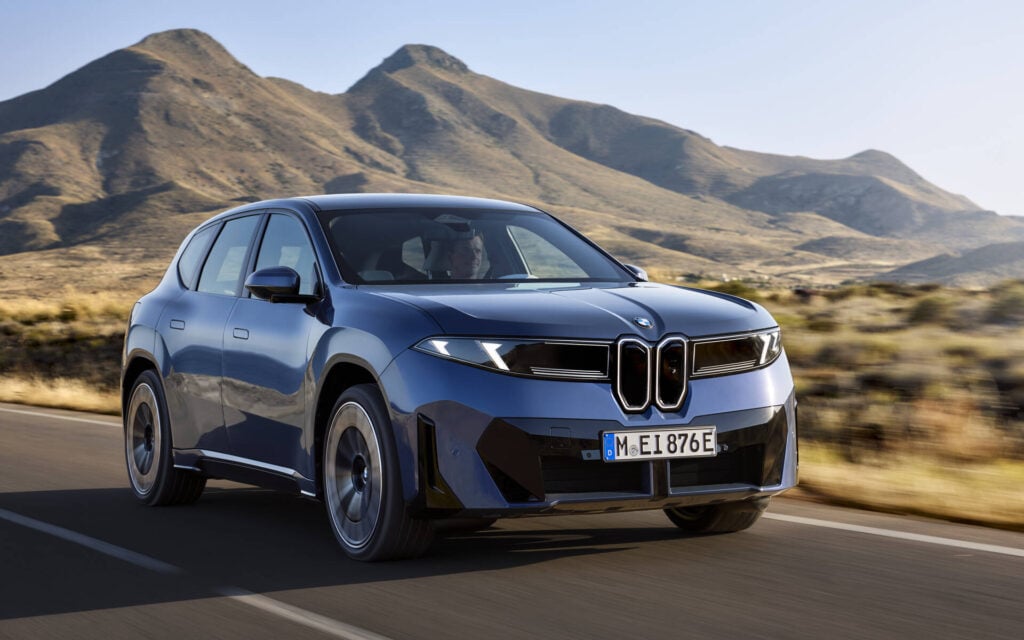
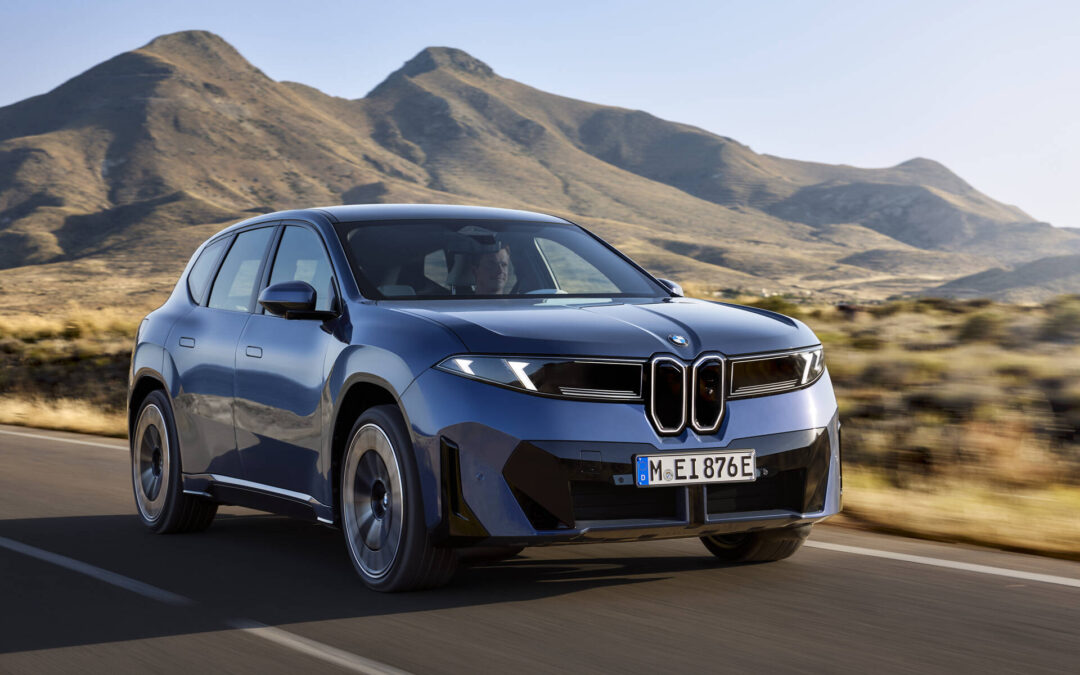
BMW is launching its next-generation EV family, the Neue Klasse (German for “new class”) with the iX3, a small SUV with a similar form factor to the gasoline X3. While BMW has plenty of experience with EVs, the iX3 represents a clean break from the past. Nearly everything has been reimagined, from the battery cells and pack design, to the panoramic dashboard display, to a high-power charging system that will allow the iX3 to recover 230 miles of range in just 10 minutes. The 2026 BMW iX3 will also feature a NACS (Tesla) charge port which will give owners access to more than 20,000 Tesla Supercharger stations across the United States.
Total range is expected to be around 400 miles, thanks to efficiency improvements throughout. A standard dual-motor powertrain generates 463 horsepower, getting the iX3 from zero to 60 mph in 4.7 seconds. A streamlined electrical architecture, with four main “superbrain” computers, is designed to integrate powertrain, chassis, and driver-assistance systems for a more natural responsive feel, preserving BMW’s hallmark driving dynamics.
Expected arrival: Mid-2026
Where will it be made? Debrecen, Hungary
Why it’s worth waiting for: Faster charging, greater efficiency, and smarter tech should make the iX3 the true Ultimate Driving Machine of the EV era.
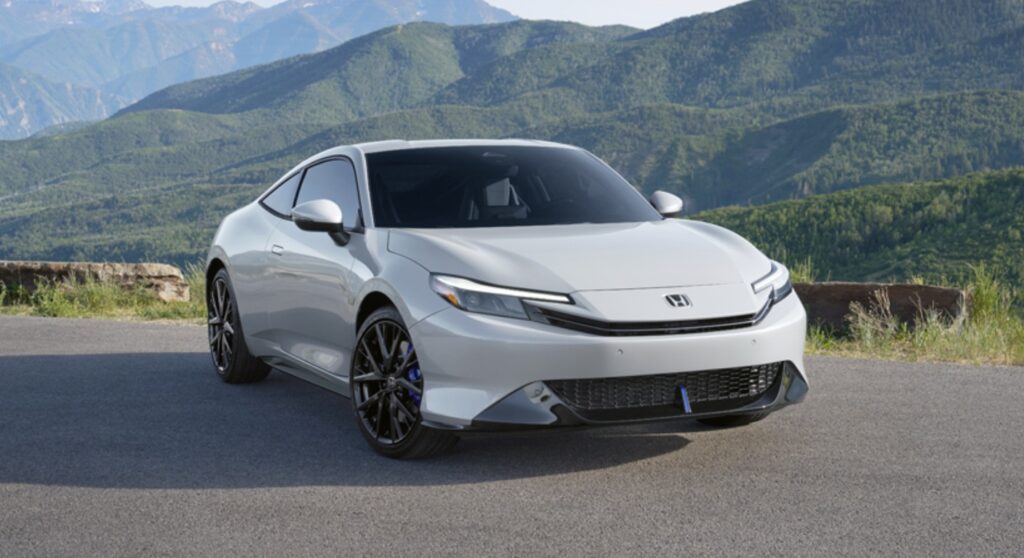
Last seen in 2001, the Honda Prelude returns as a sporty hybrid coupe borrowing some of the best bits from the Civic. It uses the powertrain from the current Civic Hybrid sedan and hatchback, rated at the same 200 hp, but it also borrows the dual-axis front suspension from the Civic Type R to help quell understeer.
To further improve the driving experience, Honda has devised a new powertrain control system called S+ Shift that makes the Prelude respond more like a conventional, non-hybrid car. All of this is packaged in two-door coupe bodywork that’s become quite rare, and pricing will reportedly start around $40,000. That should make the sixth-generation Prelude a great option for buyers who want a fun car, but don’t want to splurge.
Expected arrival: Late 2025
Where will it be made? Saitama, Japan
Why it’s worth waiting for: Combining fun and fuel efficiency in what should be a relatively affordable package, the reborn Prelude fills a blank space in the market.
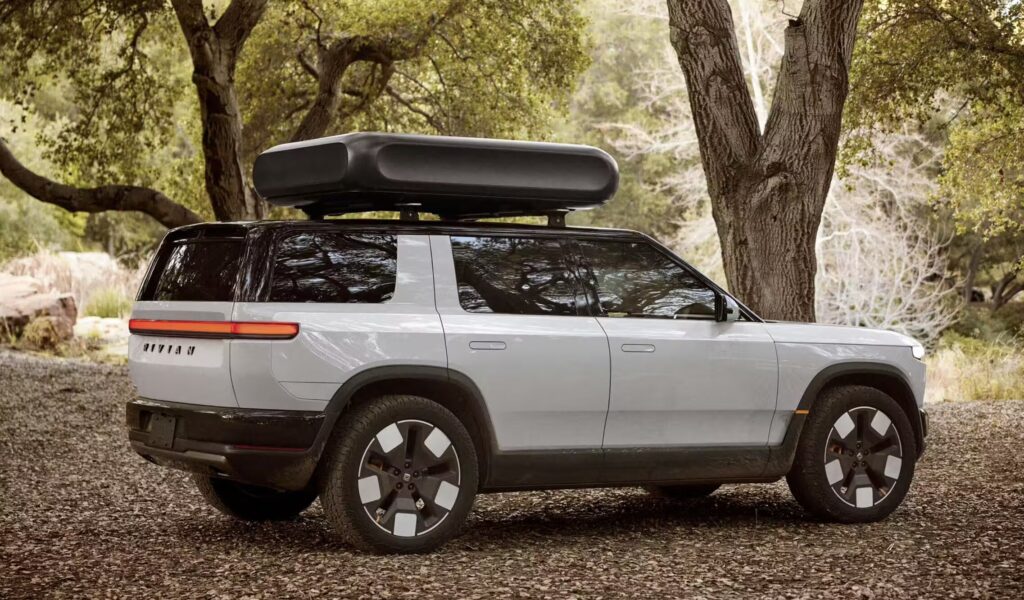
The Rivian R2 electric SUV is set to be one of the most compelling new vehicles of the coming year. The Rivian R1S and R1T offer unique designs, true utility, and impressive range and performance, but at luxury-car prices. The R2 is expected to offer those same attributes at a starting price below $50,000, providing a more rugged alternative to popular EVs like the Ford Mustang Mach-E, Hyundai Ioniq 5, and Tesla Model Y.
Like other Rivians, the R2 should be greater off-road, while single-, dual-, and tri-motor powertrain options will provide brisk acceleration on pavement. The R2 will also feature a built-in NACS charge port and drivers will have access to Tesla Supercharger stations. In typical Rivian fashion, a highly functional interior aimed at outdoor lifestyles will also be part of the package.
Expected arrival: Early 2026
Where will it be made? Illinois and Georgia, USA
Why it’s worth waiting for: An adventure-ready Rivian at a lower price, without compromises on utility, charging, or range.
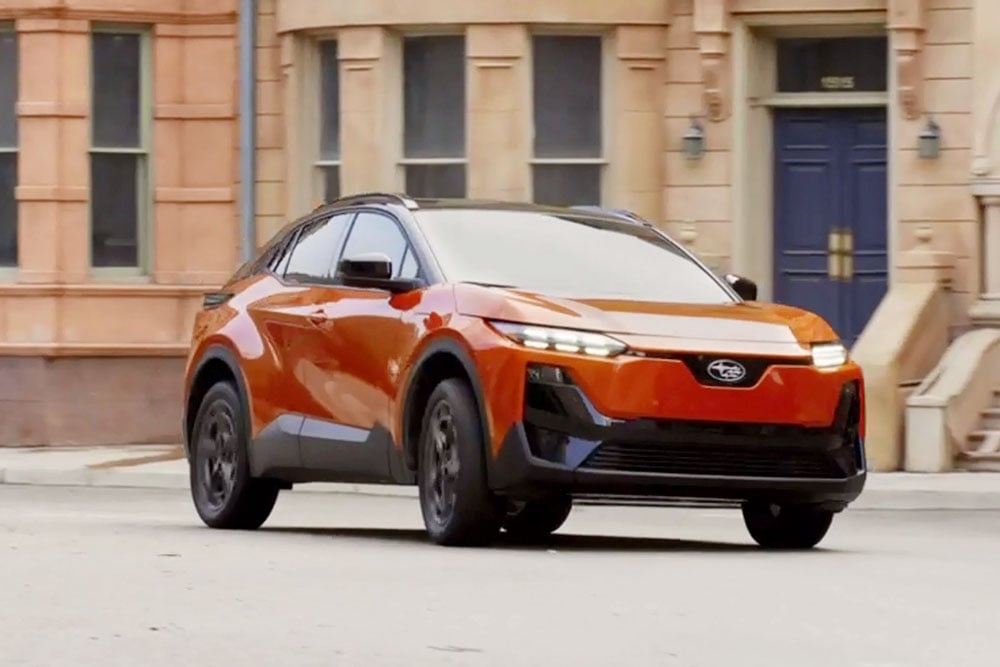
Affordable EVs are experiencing a resurgence with the redesigned 2026 Nissan Leaf and updated 2027 Chevrolet Bolt EV. And for Subaru fans, there’s the new Uncharted. It’s a smaller electric crossover slotting below the Solterra sharing DNA with the new Toyota C-HR.
Unlike Toyota, Subaru plans to offer a lower-priced front-wheel drive version with an estimated 300 miles of range, albeit in limited numbers. The more common dual-motor all-wheel drive powertrain will offer up to 338 hp and a zero to 60 mph time of less than five seconds, plus a respectable 290 miles of range. Like the updated 2026 Solterra, the Uncharted has a NACS port, granting owners access to Tesla Supercharger stations.
And with the Solterra already starting at just under $40,000, the smaller Uncharted should be among the cheapest new EVs when it arrives at dealerships in early 2026.
Expected arrival: Early 2026
Where will it be made? Toyota, Japan
Why it’s worth waiting for: As EV shoppers become more price-conscious in the wake of tariffs and canceled incentives, the arrival of this more-affordable electric Subaru couldn’t be better timed.
After a year of limited inventory, rising prices, and dealerships holding all the cards, the car market has finally shifted in favor of consumers. If you’ve been waiting for the right time to buy or lease a car, that moment may have arrived. Here are three clear signs that we’re in a buyer’s market, and why December will bring even bigger opportunities to save.
The days of empty dealer lots and stiff competition are over. According to Cox Automotive, both new and used car inventory levels are climbing, giving buyers more options and significantly more negotiating power.
Used Car Inventory Hits 2025 High
Used car inventory has reached a new high for 2025, hitting 48 days of market supply. There are now 2.26 million used cars for sale across the U.S., with an average listing price of $25,825. This increase in available vehicles means dealers are more motivated than ever to move inventory off their lots. It also means that those who trade-in and sell are getting less for their vehicles than in months prior. For used car buyers, all signs point towards a buyer’s market.
New Car Inventory Climbs to Highest Level Since Q1
On the new car side, inventory is also rising as buyers strategically wait for December’s year-end incentives. As of the latest data from Cox Automotive, new car inventory has climbed to 84 days, with 2.87 million new cars for sale—a 4.8% increase month over month. New car inventory is now at the highest level since the first quarter of this year.
Why This Matters for Buyers
Higher inventory levels translate directly to greater negotiating power at the dealership. When dealer lots are filling up, the leverage shifts from seller to buyer. Dealers need to move vehicles to make room for incoming inventory, and that pressure works in your favor. It’s officially a buyer’s market.

Nothing signals a buyer’s market quite like aggressive incentives, and November’s deals are some of the best we’ve seen all year. December will be even better. “There’s a reason we always tell the CarEdge Community to wait until December for the best deals,” noted CarEdge co-founder Ray Shefska. “But if you see a deal you like in November, don’t stress yourself out about it. Now is a great time to buy, and many of this month’s sales will simply be carried over to December.”
0% APR Financing Spreads to Luxury and Popular Models
Zero-percent financing is creeping into the luxury car market and appearing on models that aren’t accustomed to receiving big discounts. In November, there are 29 offers of zero-percent financing available—and it’s not just slow-sellers and EVs benefiting from these deals.
Popular, high-demand models like the Chevy Silverado 1500, Ram 1500, and Hyundai Tucson now feature interest-free financing. This is a big shift from the seller’s market of recent years, when even modest incentives were rare.
Lease Deals Are Getting Better Too
If you’re considering leasing, the deals are equally compelling. Ford is offering a number of lease specials with just the first month’s payment due at signing. Dozens of new cars are now available for under $250 per month with under $3,500 due at signing.
With depreciation being the #1 hidden cost of car ownership, leasing is a smart way to protect your wallet. You avoid the steep depreciation hit that comes with owning a new car, while still enjoying the latest models with full warranty coverage.
The calendar doesn’t lie, and dealers know it. When 2026 arrives, any 2025 model still sitting on the lot instantly becomes “last year’s model”, and takes a significant depreciation hit.
900,000 Reasons to Negotiate
There are currently 900,000 2025 model year vehicles sitting on dealer lots across the country. That means dealers have just weeks left to sell these cars before they face growing losses. No dealer wants to be stuck with dozens of last year’s models when the new year begins.
Model Year Changeover Has to Happen One Way or Another
This creates a powerful incentive for dealers to negotiate. They need to clear out 2025 inventory to make room for 2026 models, and they’re willing to offer aggressive discounts to do it. For informed buyers, this represents one of the best opportunities of the year to score a deal.
If you’ve been on the fence about buying or leasing a car, the conditions are aligned in your favor. It’s officially a buyer’s market after many months of stagnation. Take advantage of higher inventory to negotiate confidently, explore the best financing and lease deals we’ve seen in years, and use the pressure of model year changeover to secure additional discounts.
Don’t go it alone when shopping for year-end car deals. Use your personal AI agent to negotiate car prices with ease, or have a human Concierge give you the complete white-glove experience. CarEdge always works for consumers, and never dealers or automakers.
How do we do it? Our team brings decades of experience in the business to the table. We simply keep the lights on by providing expert car buying services to the everyday driver!
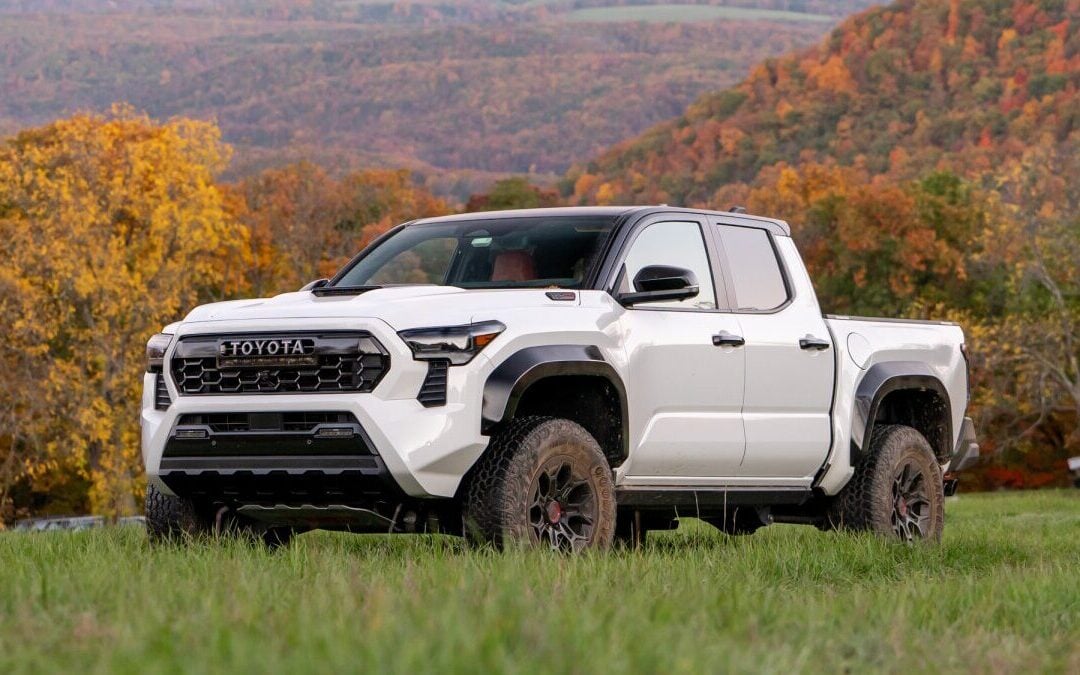
With the model year changeover underway and financial results to report, automakers are offering year-end deals to help clear out leftover inventory and boost sales numbers. And two of the most popular brands are also among the most aggressive when it comes to discounts in the final weeks of the calendar year. You’ve probably heard about Happy Honda Days or Toyotathon, but which will have the best year-end sales in 2025: Honda or Toyota?
While Honda already released some year-end deals, we’re still waiting to see what Toyota has in store. For now, we can look at a few signs hinting at which one might offer better deals. If cars are selling well, there’s less need to discount them, but if they sit on dealer lots for too long, discounts are more likely to follow. So sales data and other metrics can at least tell us which automaker is more likely to roll out the big sales.
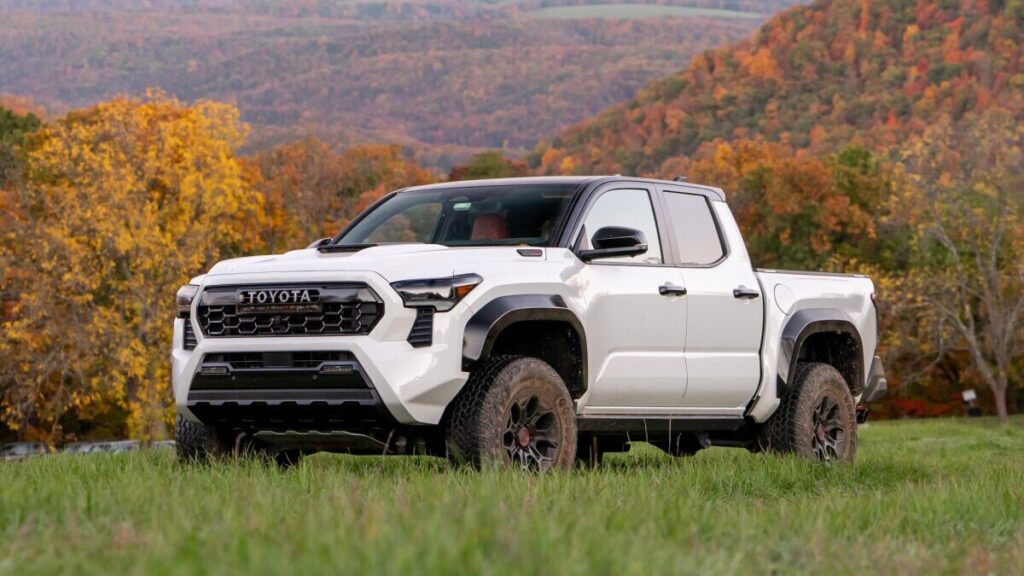
Going into November, several key metrics for vehicle sales show Toyota in a much stronger position than Honda. According to CarEdge data, the current overall industry average for new-car inventory is 90 days of market supply. This means that at the current rate of sales, dealers have enough new vehicles on their lots to last 90 days before that supply needs to be replenished. Lower numbers indicate more demand, and while Honda is beating the industry average at 69 days, Toyota is even further ahead at 39 days-worth of inventory.
With its cars staying on dealer lots comparatively longer than Toyota’s, Honda has more incentive to offer deeper discounts in order to get inventory moving. Cars that remain unsold at dealerships aren’t making money, and with costly floorplanning costs, there comes a point where it’s worthwhile to lower the price in order to finally sell some cars.
Making room for the coming year’s models is also an incentive. Although, because many 2026 Honda and Toyota have already been on sale for some time, that may not be as much of a factor here.
While November sales will set the stage for year-end sales, unless they’re drastically different from October’s numbers, Toyota will be the leader. Honda’s sales rose 0.5% in October compared to the previous month, but Toyota’s sales spiked by 12%, according to Automotive News.
Some of that difference can be attributed to temporary circumstances. Light-truck sales surged overall, a trend that favors Toyota, whose Tacoma and Tundra appeal more to mainstream truck buyers than Honda’s unorthodox Ridgeline. The Tacoma saw a major sales increase, while Ridgeline sales were down 6.5% over the previous month. Whether truck demand remains elevated through the end of the year remains to be seen, however.
But as Automotive News notes, the Toyota Corolla and 4Runner also saw big sales increases similar to the Tacoma. And while the Honda Passport had a record month, with sales up 85.1% year-over-year, the Toyota Grand Highlander has a similar sales jump. That’s impressive considering that the Passport is newer, with that big year-over-year sales boost fueled by the ramp-up of production for the redesigned 2026 model.
See Toyota inventory near you — and negotiate with AI to rake in the savings.
Besides sales numbers and supply levels, another important metric is average transaction prices (ATP). Automakers and dealers want to maximize the profit on each vehicle sold, but that can vary depending on how much a given vehicle costs to make and how much dealers are paying to add them to their inventory. The higher the ATP, the more room for profit.
Our data show that the average selling price for a new car in the United States is around $50,000. At the time of publication, both Honda and Toyota come in beneath that, averaging $38,527 and $42,856, respectively. That’s not unexpected, as both brands are on the mainstream side, with several value-focused models in their respective lineups.
The transaction price is what the car actually sells for, compared to the manufacturer’s suggested retail price (MSRP) listed on the window sticker and in ads, which is, the name says, just a suggestion. Higher ATP can also reflect a greater mix of high-trim-level or well-optioned vehicles being sold, compared to base models. Either way, the higher the ATP, the more money automakers and dealers are likely to be making.
Lower transaction prices thus leave less room for discounts while maintaining profits. So even with slower sales, Honda may not have as much maneuvering room when it comes to year-end sales, although it is already offering 0% APR financing on two slow-selling models—the Ridgeline and the Prologue electric SUV. And Toyota may only offer deeper discounts if higher prices start turning away more shoppers—which wasn’t the case in October.
Browse Honda listings with the power of local market data.
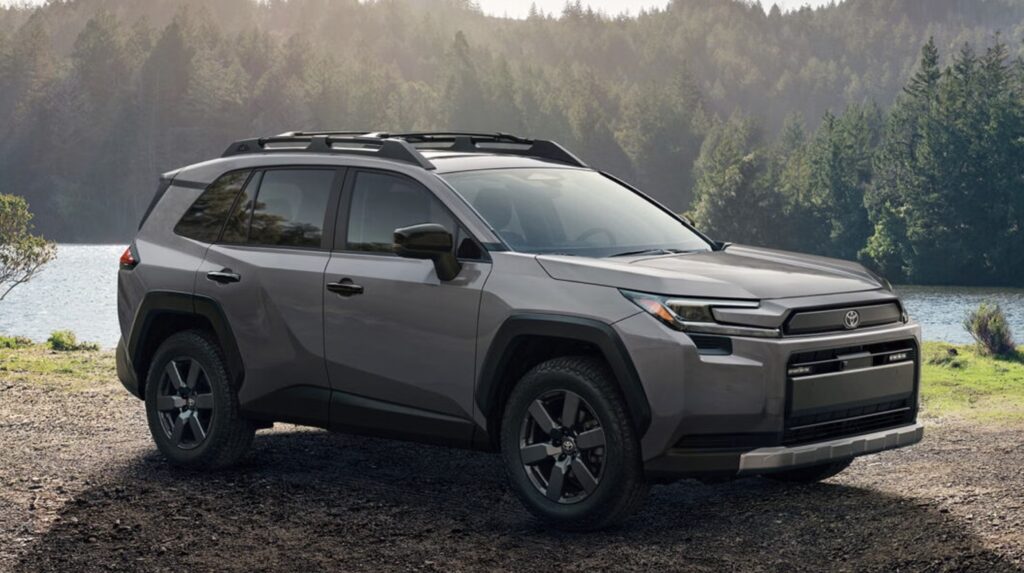
As 2025 draws to a close, Toyota may also have one more potential advantage. The 2026 Toyota RAV4—a redesigned version of the popular compact crossover SUV—is due to start reaching dealerships in December. The RAV4 was already a top seller despite being one of the older models in its segment, and this sixth-generation version brings chassis and tech updates, a standard hybrid powertrain (plug-in hybrids models will follow), and more design choices.
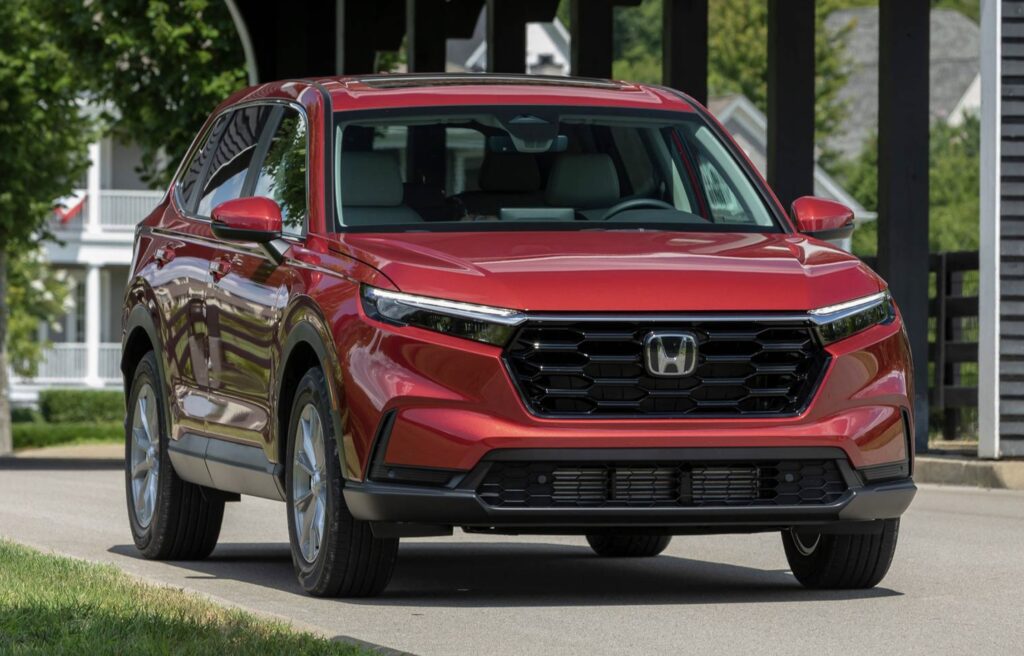
Honda’s competitor—the CR-V—has similar name recognition (both are among the original small crossovers) and an equally solid reputation. But for 2026, Honda only gave the CR-V a minor refresh, and 2026 CR-V models have already been on sale for some time. With its redesigned RAV4 only just arriving at showrooms, Toyota has little incentive to discount it. Honda, in contrast, might have to offer some deals in order to regain shoppers’ attention.
Stay up to date with the latest year-end sales from Toyota and Honda at our Best Deals Hub.
With buyers flocking to Toyota and Honda dealerships in December, expect firm pricing and plenty of competition. The good news is that you have a powerful advantage in your car buying toolkit: CarEdge’s new AI car price negotiator.
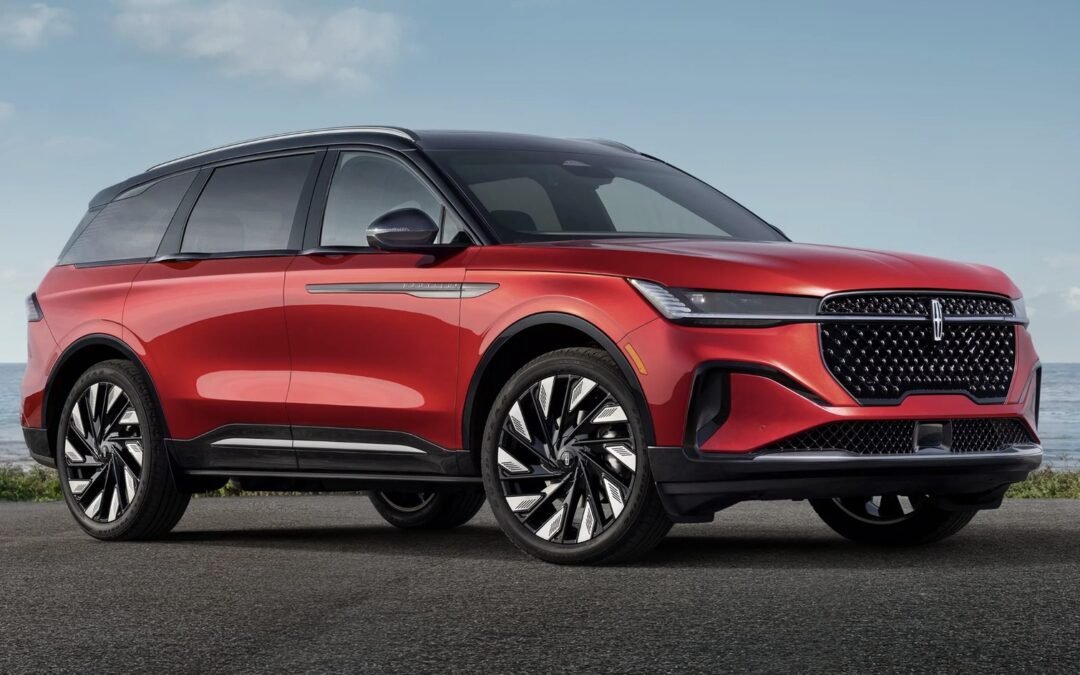
Honda and Ford just kicked off their year-end sales a whole month early. With deals that expire in early 2026, these two OEMs are jumping the line in the rush to clear out 2025 models. Here’s a look at the best year-end sales from Honda, Acura, Ford, and Lincoln, effective immediately.
Honda doesn’t need to offer the best incentives for one simple reason: their cars sell quickly on their own. So it comes as no surprise that for December, Honda’s best offers are low-APR financing and ‘average’ lease deals. The exception is the 2025 Honda Prologue, which sees continuing 0% APR financing for 60 months.
Here’s a look at Honda’s best year-end sales through December 2025.
2025 Honda Prologue: 0% APR financing for 60 months
2025 Honda Ridgeline: 0.99% APR financing for 60 months
2025 Honda Accord and Accord Hybrid: 2.99% APR financing for 60 months
2026 Honda CR-V and CR-V Hybrid: 3.99% APR financing for 60 months
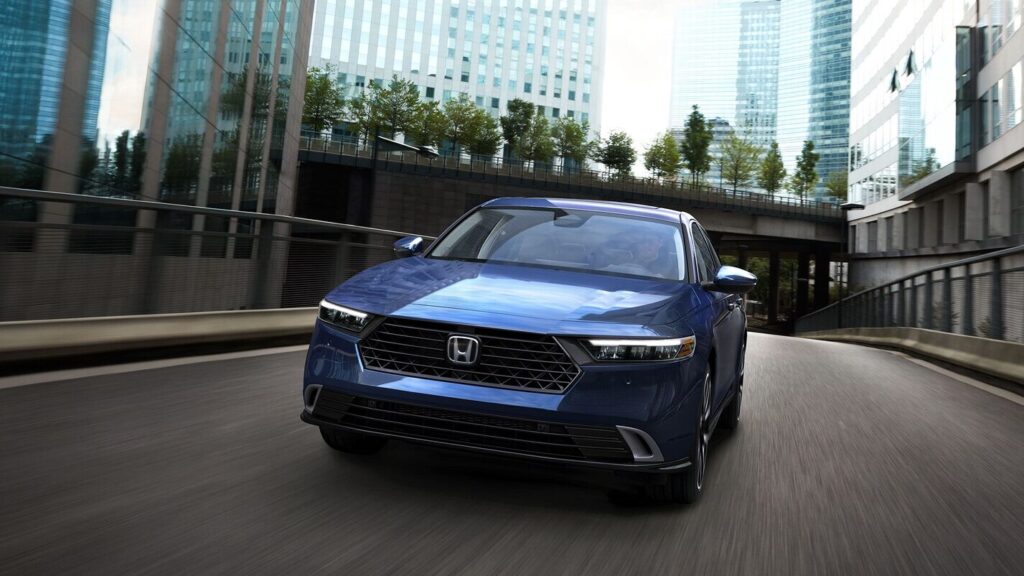
2025 Honda Accord LX: $279 for 36 months with $4,099 due at signing
2026 Honda Civic LX: $239 for 36 months with $3,599 due at signing
2026 Honda CR-V LX: $319 for 39 months with $4,199 due at signing
Depending on how November’s sales trend for Honda, we could see the automaker unveil more aggressive incentives after Black Friday. Nothing is set in stone, even with offers lasting into the first week of January.
See Honda offer details at Honda.com, and browse local listings.
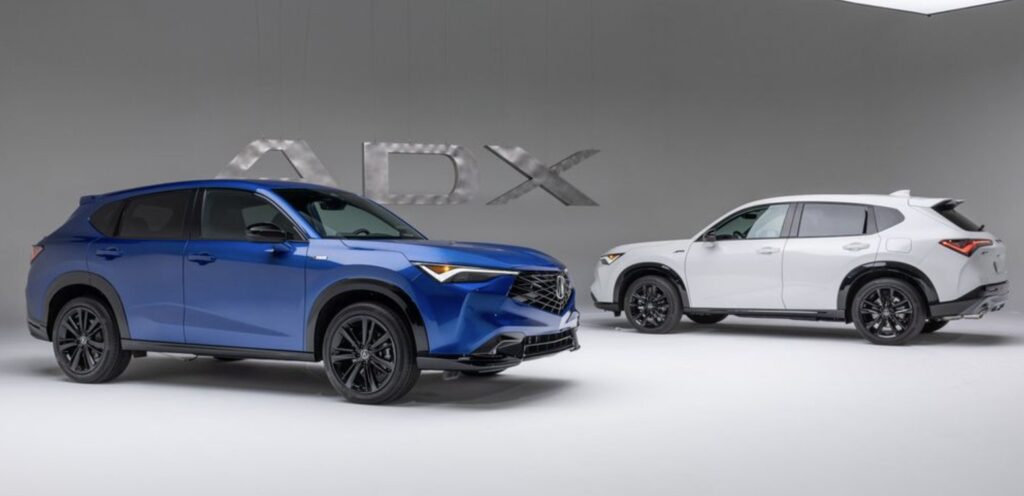
Luxury brands rarely offer big sales, and with Acura, it’s slim pickings this month. For Acura sales extending through the end of the year, the best offer is for the ADX, Acura’s entry-level crossover.
These are the standout offers from Acura for November and December.
2025 Acura ADX: Lease from $429/month for 36 months with $3,499 due at signing.
2025 Acura Integra: 3.99% APR for 60 months
2026 Acura MDX: 4.99% APR for 60 months
2025 Acura RDX: 4.99% APR for 60 months
2025 Acura TLX: 4.99% APR for 60 months
These Acura offers are good through January 5, 2026. See details at Acura.com, and browse local Acura listings.
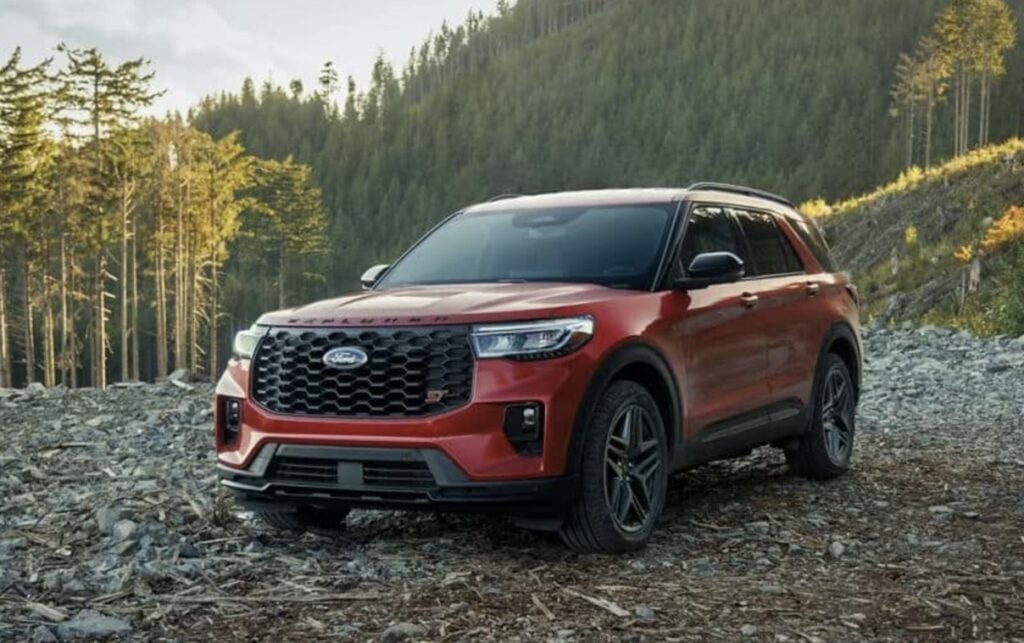
There’s a common theme with Ford’s year-end sales: variety. Ford is offering a selection of finance, cash, and lease deals. We dug through them all to find the best.
2025 Ford Explorer: 3.9% APR financing for 72 months, plus $1,500 bonus cash
2025 Ford Bronco Sport: Lease from $398/month for 36 months with just $399 due at signing
2025 Ford Bronco: Lease from $499/month for 36 months with just $499 due at signing
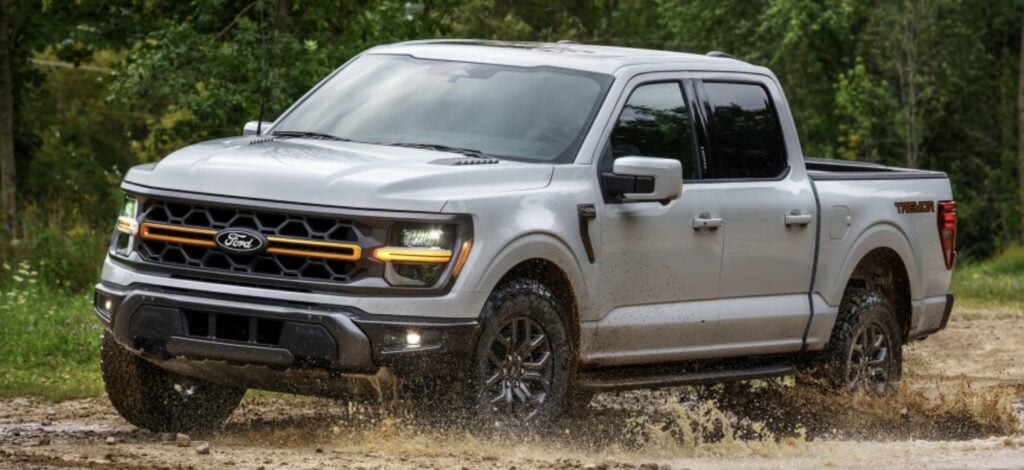
Option 1 (ends 11/19/25): 0% APR financing for 36 months, $0 down payment, no payments for 90 days
Option 2: (ends 11/19/25): 3.9% APR financing for 72 months, plus $3,250 bonus cash for the STX and XLT
Option 3: (ends 11/19/25): Lease the SuperCrew STX from $477/month for 36 months with just $477 due at signing
Option 4: From now through the end of the year, take advantage of $3,250 cash back on the 2025 F-150 XLT
When Ford’s November sales expire, we expect a new batch of Black Friday deals. Check back for the latest.
See offer details at Ford.com, and browse local Ford inventory.
For several months, Lincoln has been pushing controversial 84-month financing for the 2025 Lincoln Aviator. Here at CarEdge, we don’t advise taking out an 84-month auto loan — it’s easy to owe more than your car is worth.
Finally, Lincoln is here with new incentives worth the hype. Here’s what luxury shoppers can expect this Black Friday and through December.
2025 Lincoln Aviator: 0% APR for 48 months, $0 down payment, no payments for 90 days, and $1,000 bonus cash
2025 Lincoln Nautilus: 0% APR for 48 months, $0 down payment, no payments for 90 days, and $1,000 bonus cash
2025 Lincoln Corsair: 0% APR for 48 months, $0 down payment, no payments for 90 days, and $1,000 bonus cash
See Lincoln offer details, and browse local Lincoln listings with market insights.
It’s only November. The avalanche of year-end car deals from other brands won’t arrive until after Black Friday. With that said, if you see the sale you’ve been waiting for now, there’s no reason to wait. However, if you’re less than impressed, or simply need a few more weeks to get your finances in order, you’ve got a few more weeks until the best deals of the year roll out.
Don’t go it alone! Have AI negotiate your out-the-door price BEFORE heading to the dealership with CarEdge Pro. Or, have a human expert handle your entire deal, from car search to negotiating every line item, with our white-glove service CarEdge Concierge.
The time of the year we’ve all been waiting for is finally here. Let’s make the most of it!
Learn about the easiest way to buy a car at CarEdge.com.
SUVs have replaced sedans as the default choice for most new car buyers, and it’s easy to see why. Today’s SUVs require far fewer compromises than they used to. For example, while gas guzzling was once the norm, many SUVs now offer fuel-efficient hybrid powertrains. Saving fuel helps keep ownership costs low, but that can be negated by poor reliability.
That’s why we’ve identified the most reliable hybrid SUVs for the 2026 model year. Predicting long-term reliability for brand new vehicles is always challenging, but by analyzing past model years and real-world data, we can pinpoint which models are most likely to keep running smoothly for years to come.
Honda has one of the best reputations for reliability in the business, and while it does have several SUVs in its lineup, only the CR-V is offered with a hybrid powertrain. That’s okay, though, because the CR-V is Honda’s bestselling model in North America—SUV or otherwise.
Honda’s two-motor hybrid system eliminates a conventional transmission for maximum efficiency, giving the CR-V up to 40 mpg combined with front-wheel drive and 37 mpg combined with all-wheel drive (it’s the only Honda hybrid available with all-wheel drive).
The CR-V Hybrid is a few years into its current generation, which should mean fewer potential issues. For 2026, it gains larger touchscreens, standard wireless Apple CarPlay/Android Auto connectivity, and a new TrailSport trim level.

The Sorento Hybrid was the top-ranked three-row SUV in Consumer Reports’ most recent reliability survey, making it one of a handful of models to outperform their non-hybrid counterparts. The current generation arrived for the 2021 model year but received a facelift for 2025 that makes it look a lot more current inside and out.
Unlike Honda, Kia prefers to use a conventional six-speed automatic transmission with an integrated electric motor, a setup that returns up to 37 mpg combined in front-wheel drive models and 34 mpg combined in all-wheel drive models. For 2026, a Terrain Mode is now standard with all-wheel drive, and a new X-Line package adds blacked out trim.

Lexus is a fixture in pretty much every reliability survey and study, and the NX compact SUV doesn’t let the side down. It was among the most reliable models in the most recent Consumer Reports rankings, after all.
Last redesigned for the 2022 model year, the NX uses Lexus parent Toyota’s ubiquitous hybrid system and adds a lower-priced front-wheel drive option in addition to the previously available all-wheel drive model, which uses a dedicated electric motor to drive the rear wheels in place of a driveshaft. The NX Hybrid is EPA-rated at 40 mpg combined with front-wheel drive and 39 mpg combined with all-wheel drive.

If you’re looking for a bigger SUV, the Lexus RX is available with the same hybrid system as the NX, and also has a good reputation for reliability. It was the second-ranked midsize premium SUV in the 2025 J.D. Power U.S. Vehicle Dependability Study, behind the Lexus GX (which isn’t sold as a hybrid).
Lexus actually has two RX hybrid models: the RX 350h and the RX 500h F Sport Performance, both with standard all-wheel drive. The RX 350h is EPA-rated at 36 mpg combined, but the RX 500h drops to 27 mpg combined, a tradeoff for this model’s 366 horsepower—120 hp more than the RX 350h.
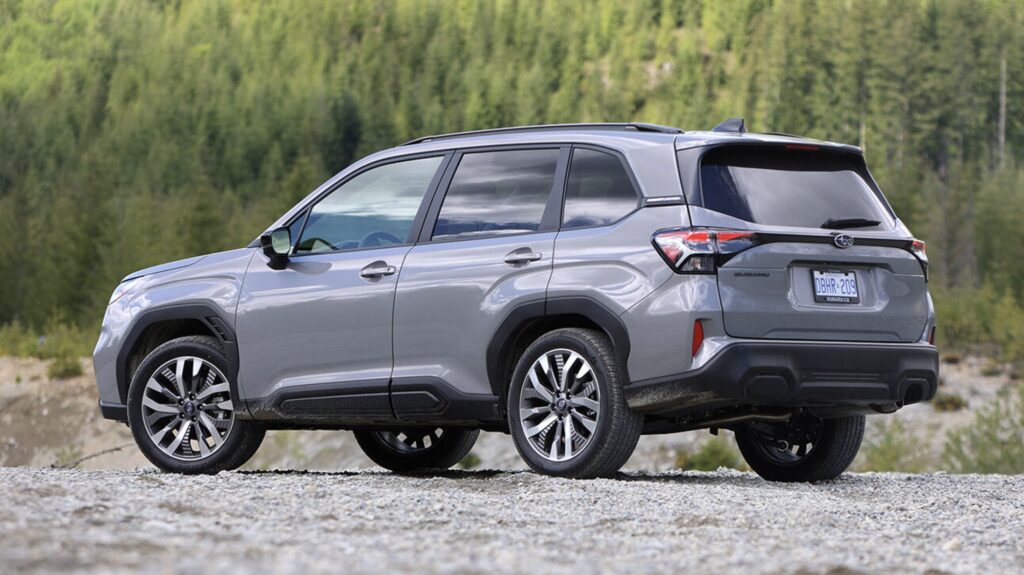
The Forester was just redesigned for the 2025 model year, adding a hybrid powertrain option for the first time. While redesigns can sometimes compromise reliability as new components and production processes are introduced, the Forester maintained a well-above-average reliability score in the latest Consumer Reports survey.
The hybrid model also combines tried-and-true components, including Toyota’s hybrid system and a Subaru boxer engine and mechanical all-wheel drive system. Its 35 mpg combined EPA rating is slightly less than some competitors, but Subaru viewed it as a reasonable compromise to maintain greater off-road capability.
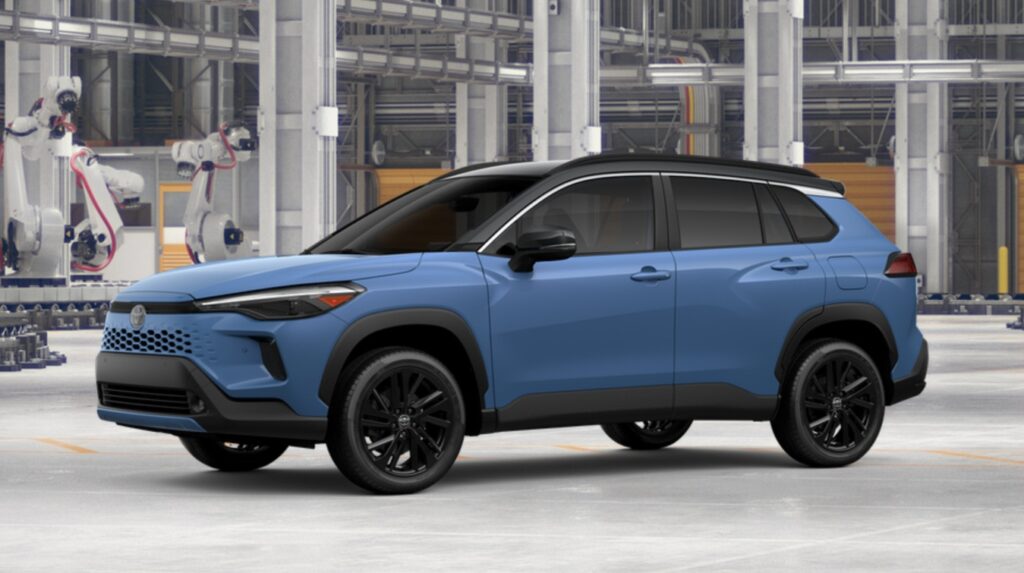
The Toyota Corolla Hybrid is a reliable and frugal compact sedan, but for those who want more cargo space, or who just like the look of an SUV, Toyota also offers the Corolla Cross. This cute ute shares the Corolla’s TNGA-C platform and powertrain, albeit with a larger 2.0-liter four-cylinder engine that bumps up horsepower to account for the Cross’ added weight, and standard all-wheel drive.
The Corolla Cross Hybrid was introduced for the 2023 model year and gets a mild facelift and larger available touchscreen for 2026, while maintaining its impressive 42 mpg combined EPA rating.

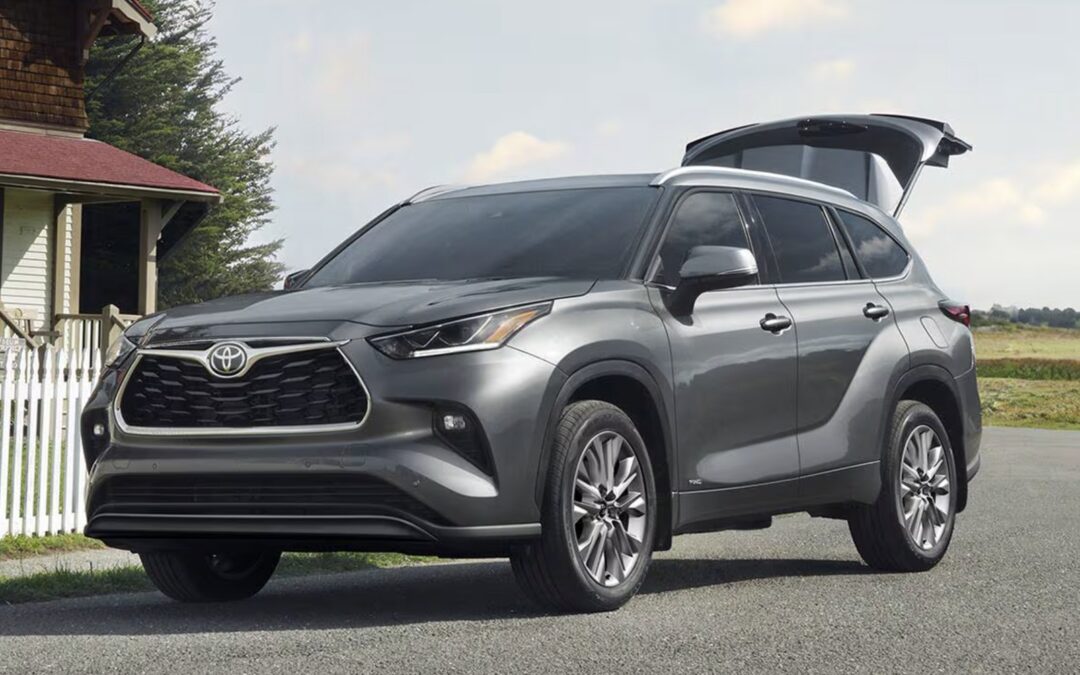
One of the first hybrid SUVs, the Highlander Hybrid has become a staple of taxi and ride-share fleets because of its dependability, fuel efficiency, and three-row seating. It was the second-ranked three-row SUV in the most recent Consumer Reports reliability survey (just behind the Kia Sorento Hybrid discussed above), which bodes well for the 2026 model, as it carries over basically unchanged.
Using similar powertrain tech to other Toyota and Lexus hybrids, the Highlander Hybrid is estimated to get up to 35 mpg (all-wheel drive was made standard for the 2025 model year) while offering seating for up to eight and a 3,500-pound towing capacity.