
CarEdge saved me over 4,500 dollars on a brand new Honda Pilot. I can't say thank you enough.
Price intelligence
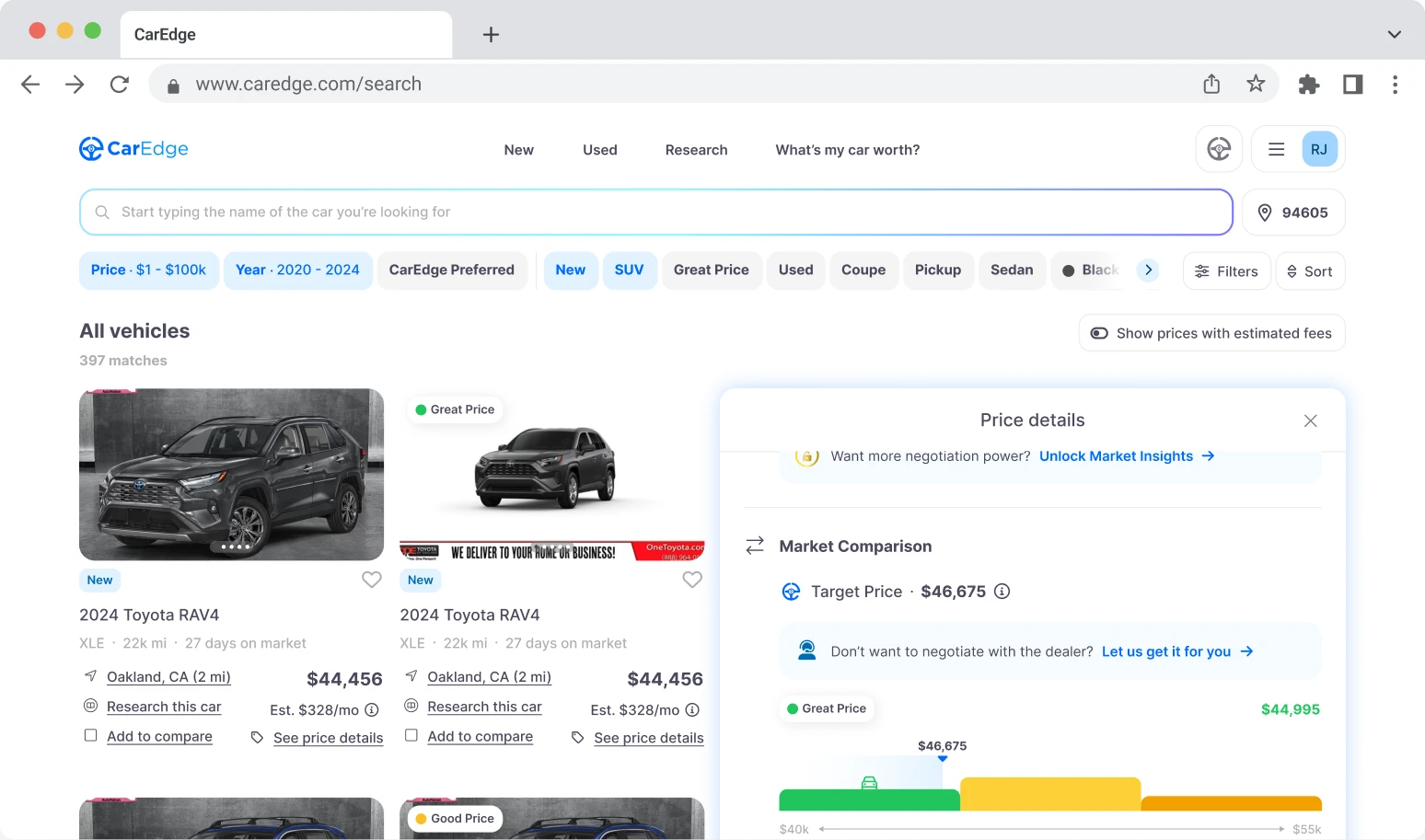
Find a wide range of vehicle listings with market insights on new and used listings near you.

What can I do with CarEdge?
 CarEdge Insights
What can I do with CarEdge?
Get access to exclusive information so you can make an informed car buying decision — all in one place.

Find a wide range of vehicle listings with market insights on new and used listings near you.
Track your vehicle’s value and cash in when the time is right to sell.

Access to our proprietary data to help you find the right car, at the right price. Find these unlocked on every listing after subscribing.

With our expert-led, tech-enabled car buying service, we will locate, negotiate, and deliver your vehicle so you can get a new car hassle free.


Help us personalize your CarEdge experience — it only takes a second.
Your answers help us personalize your CarEdge journey — we’ll follow up with tips and next steps that match your buying timeline.

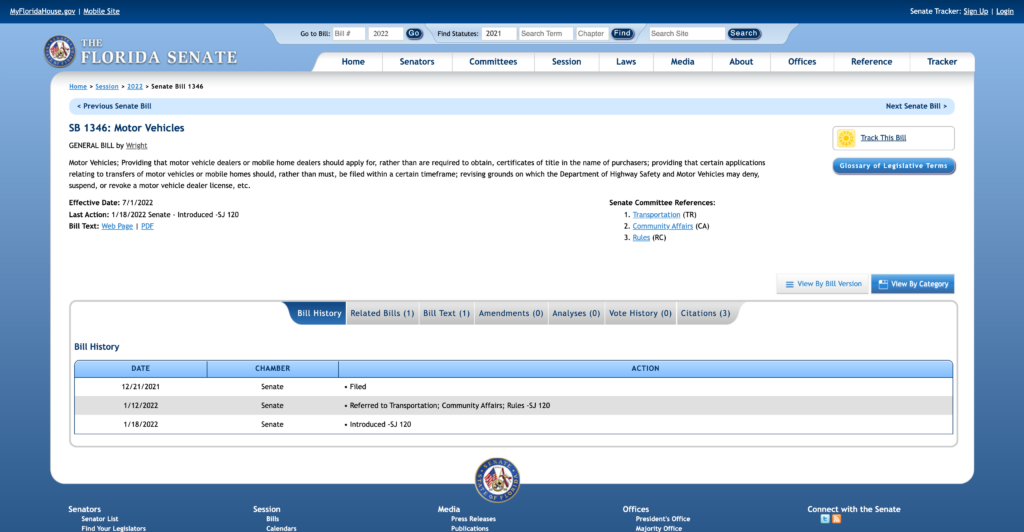
A new bill in the state of Florida is quite possibly the most confusing and concerning piece of legislation we’ve seen in years as it relates to consumers and car buying. SB 1346: Motor Vehicles in the Florida state Senate was proposed by Senator Tom Wright of Florida’s district 14.
We have contacted Mr. Wright’s office and have not heard back from them.
The bill as proposed would remove the legal requirement for a car dealer or motor home dealer to “obtain certificates of title”. The bill would also remove the requirement that a dealer be required to inform the state about transfers of ownership of a vehicle.
This is pure craziness, especially amidst the ongoing lawsuit against Carvana that claims the company has not been able to get customers the permanent title and registration for their vehicles. How convenient would it be if the law changed to no longer make that a requirement? Wow.
Carvana and other startup online car dealers like Vroom and Shift have been plagued with issues. Their Better Business Bureau pages paint a concerning story. Many customers have waited months to get their permanent registration for their vehicle. Without the title and registration you cannot get insurance or legally operate a vehicle. This issue has occurred in many states.


Now, this proposed law in Florida would get rid of that issue by simply removing the law that required Carvana and all dealers to obtain the title of a vehicle. That’s purely insane, as the title is the one document that states who truly owns the property.
Here is the complete language of the bill:
Motor Vehicles; Providing that motor vehicle dealers or mobile home dealers should apply for, rather than are required to obtain, certificates of title in the name of purchasers; providing that certain applications relating to transfers of motor vehicles or mobile homes should, rather than must, be filed within a certain timeframe; revising grounds on which the Department of Highway Safety and Motor Vehicles may deny, suspend, or revoke a motor vehicle dealer license, etc.
We’ll update this page as the bill progresses through the Florida state Senate.
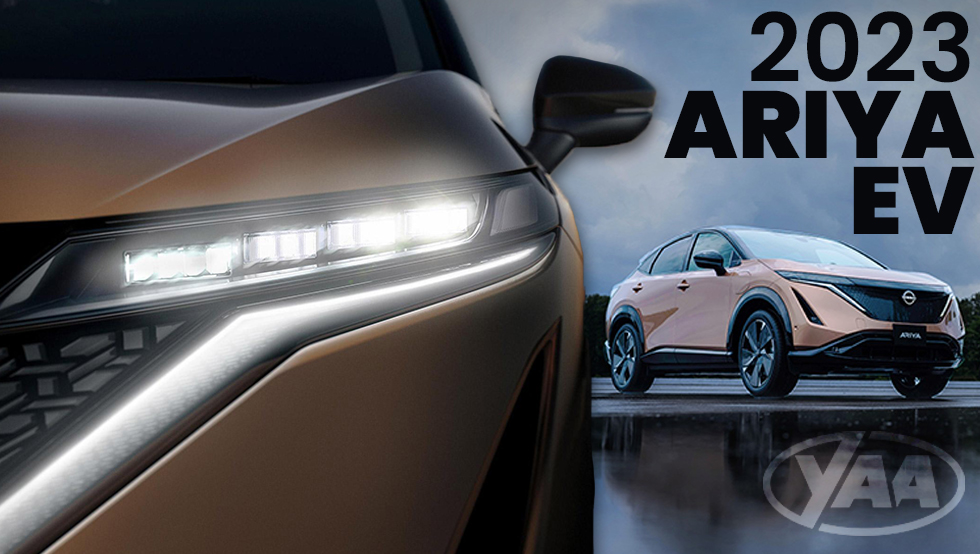
The all-new 2023 Nissan Ariya is arriving to high expectations. Following a decade of delayed development, controversy, and Nissan’s former leadership in EVs long gone, the Ariya has a lot to live up to. For years, Nissan led the pack. Over half a million Leaf’s were sold globally by 2021. However, EVs from Tesla, Korean automakers and even General Motors eventually surpassed the Leaf’s market share in America as the 2010s came to a close.
Today, competition in the electric crossover segment is even more fierce. Will the 2023 Nissan Ariya’s pricing act as a deterrent, or will the progressive design language and decent range drive sales? Let’s dive into what this much-anticipated electric crossover will have to offer.
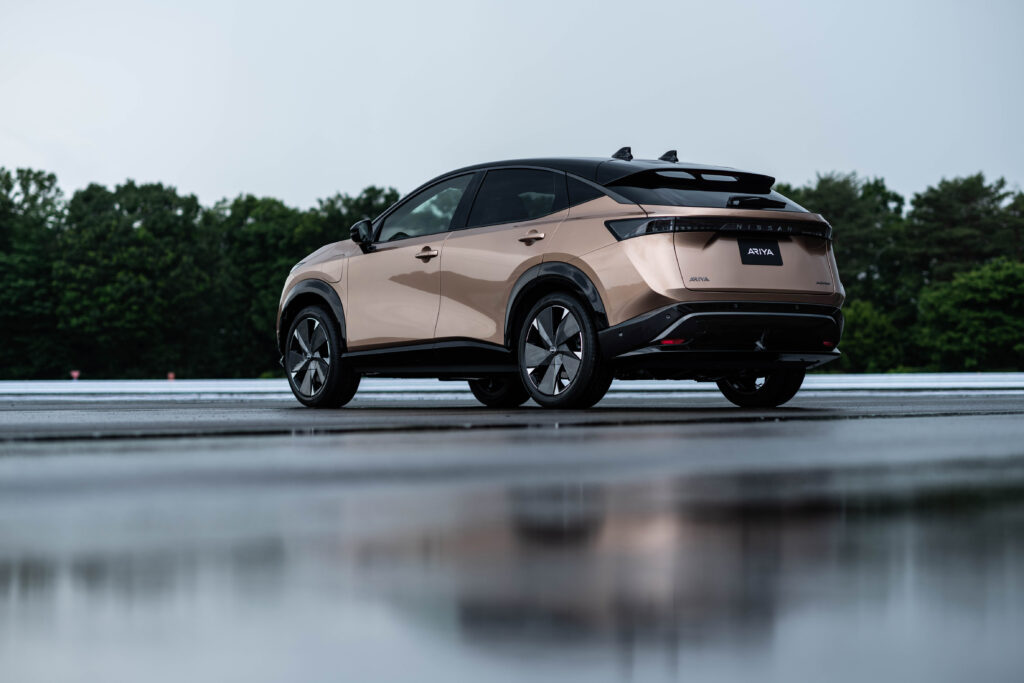
What do you picture when you think of Nissan’s brand? The affordable Altima, Frontier, maybe the bug-eyed electric Leaf? Soon, the Ariya will up the ante for the Japanese automaker’s brand image.
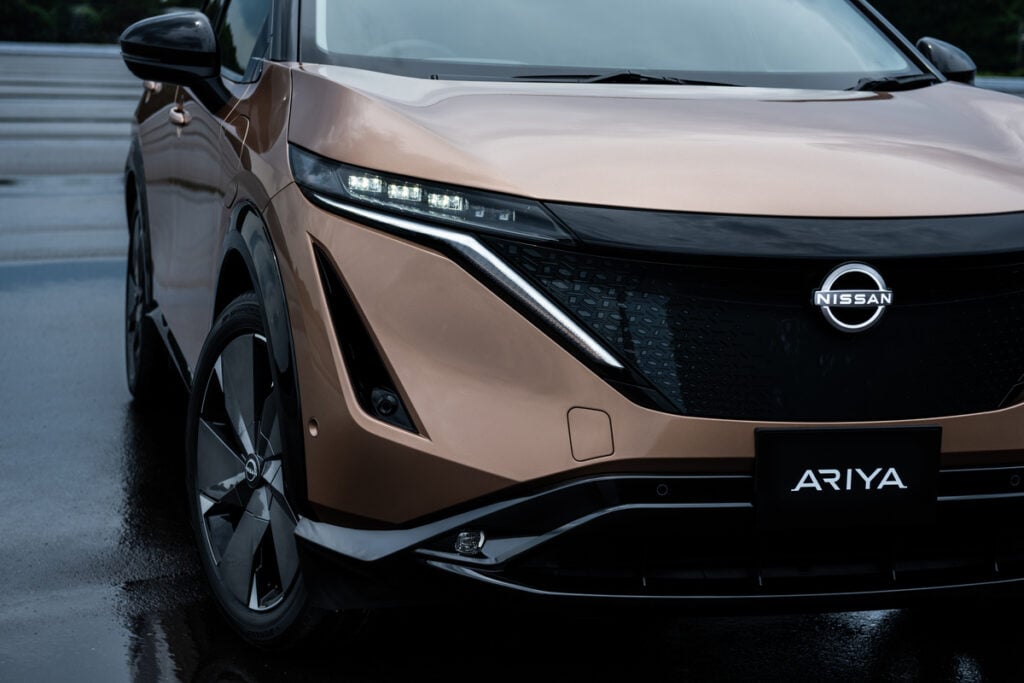
The 2023 Nissan Ariya features futuristic design language and a suite of next-gen tech. The exterior conjures up ideas of what a Murano might look like a decade into the future. The front fascia stands out with a large black faux grill topped off with slender LED headlights. A large, redesigned Nissan logo sits prominently front and center, illuminated by 20 LEDs.
Nissan says the Ariya is proudly inspired by Japanese culture, culminating in a delicate balance between futurism and tradition.
The general body styling fits a lot of usable space into a relatively compact footprint, all thanks to the flexibility of the new electric platform underlying the cabin. The Ariya’s crossover stance is supported by 7 inches of ground clearance, width of 75”, and a length of 183”. At a height of 65 inches, the Ariya is 2 inches higher than the popular Hyundai IONIQ 5.
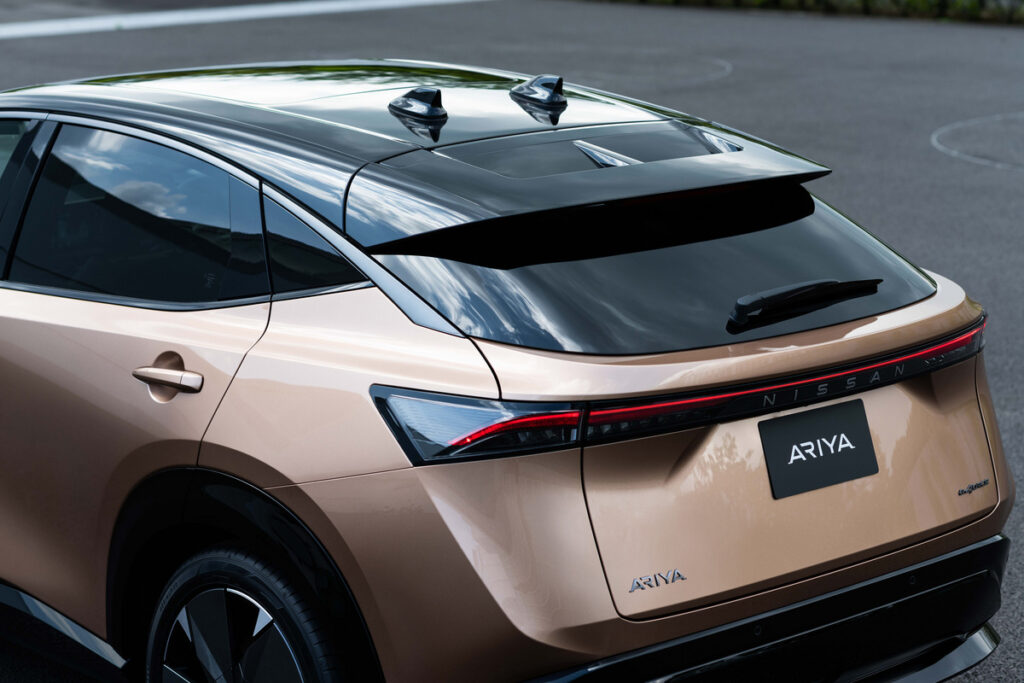
The 2023 Nissan Ariya is available with six two-tone paint combinations and three full-body colors. Most of what we’ve seen so far is the Akatsuki copper and black package, which draws inspiration from the moment just before dawn.
The open and driver-focused front dash features two 12.3” screens, haptic controls and interior lighting (as is the trend these days). Nissan says the Ariya’s interior draws inspiration from the Japanese concept of ‘ma’, which refers to qualities belonging to both space and time. They liken the interior to a ‘sleek cafe lounge on a starship’, and that’s a reasonable comparison given the looks and feel of it all.
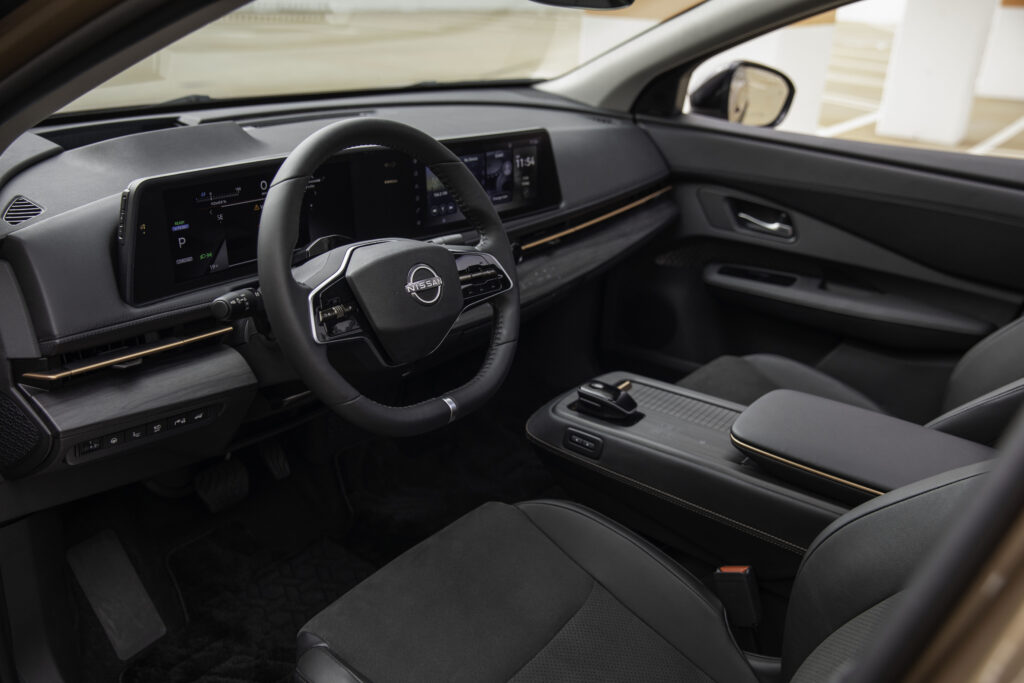
It’s clear that Nissan cares deeply about the design language of the 2023 Ariya. While the result is an eye-catching crossover, it seems that interior dimensions have taken a back seat. The front and back rows do provide ample room for four to maybe five passengers, but the sloping roof design makes for just 17 cubic feet of rear cargo space with front-wheel drive. Add a second motor in the back and rear cargo capacity drops further to just under 15 cubic feet.

Inside the cabin, the few who’ve had access to the pre-production prototypes say that passenger volume is similar to what you’ll find in the Tesla Model Y. The lack of a central transmission tunnel creates an abundance of leg room throughout, which is most notable in the backseat. If you’re wanting a panoramic glass roof, you can have that on the higher trims. Nissan has not yet released official interior volume specifications.

ProPILOT Assist comes standard as a driver assistance feature, an admirable decision possibly taken out of the Volkswagen ID.4’s playbook. ProPILOT Assist is a hands-on assistance system that helps drivers stay centered in their lane, navigate highway traffic and maintain a set speed and distance to the vehicle ahead. The higher trims (Premiere and Platinum+) upgrade to ProPILOT 2.0, which enables hands-off driving on the highway with the help of 360-degree sensing using 7 cameras, 5 radar sensors and 12 sonar sensors.
Dual 12” screens provide the driver with Nissan’s latest infotainment and digital gauge cluster. The Ariya is capable of receiving remote over-the-air updates to improve performance and tech, a feature popularized by Tesla but rarely matched in terms of usefulness.
The Ariya is the first model to be powered by the Renault-Nissan-Mitsubishi Alliance’s new Common Module Family (CMF)-EV platform. At the core of the CMF-EV platform is a 4-inch tall battery pack along the floor. The narrow battery pack opens up the cabin above to more passenger volume and design flexibility. There are two battery sizes to choose from for the Nissan Ariya: 65 kWh and 90 kWh.
What kind of battery does the Ariya have? Nissan decided to source NMC (Lithium-Nickel-Manganese-Cobalt-Oxide) batteries from Chinese battery leader CATL, who also supplies to Tesla, Volkswagen and several other global automakers.
If you’ve ever heard horror stories about the older Nissan Leaf’s battery woes, fear not. The new CATL battery is completely different and state-of-the-art. The old Leaf was a driving experiment in the earliest days of electric vehicles.
Front-wheel drive trims produce 238 horsepower (178 kW), reaching 60 mph in 7.4 seconds. Nissan clearly thinks highly of the Ariya, as the price point sits above several competitors. The Ariya Venture+ base trim’s price starts at $44,485 before incentives (and before dealer markups), and the premium Platinum+ offers AWD and 389 HP (442 lb-ft of torque) for a price of $60,190. The price for the mid-grade Evolve+ package starts at $50,190. With a 0-60 time of around five seconds, the AWD Ariya can hold its own against the other electric crossovers.


Sadly, the Nissan Ariya does not qualify for the new federal tax credit. Where is the Ariya built? For at least the 2023 model year, Nissan will build the Ariya in Japan. The new tax credit requires North American assembly.
See the FULL list of EV tax credit winners and losers.
The 300 mile target range is on par with class leaders like the Model Y and Mustang Mach-E, IONIQ 5 and EV6. However, there’s a catch. The maxed-out 300 mile range is only for the entry-level Ariya Venture+ front-wheel drive trim. This is great for budget-minded shoppers, but the opposite of what we see in the Model Y and Mustang Mach-E. Typically, higher trims equal more range in EVs. Check out the full spec sheet of range, battery capacity and power output below.
The Ariya’s max charging speed is 130 kW at a DC fast charger like those at Electrify America. There’s the chance that, like the Volkswagen ID.4, the Ariya could have a great charging curve that maintains high charging speeds longer than some competitors. In fact, Nissan told Tom Moloughney of InsideEVs that the Ariya can add 175 miles of range in 30 minutes of DC fast charging.
The total cost of charging depends on how and where you charge. We covered all the charging cost details in our recent feature.
Charging isn’t always a deal breaker, especially if you don’t travel long distances very often. Keep in mind that most EV charging happens at home overnight. Charging at home, the Nissan Ariya can receive 7.2 kW with a level 2 charger plugged into a 240 volt outlet. That’s nearly 20% less than home charging speeds in the Ford Mustang Mach-E and Volkswagen ID.4. Will it matter? If you’re likely to charge overnight, it probably won’t.
As the Nissan looks beyond the Leaf EV, they’re reaching for a different set of electric car buyers. The Nissan Ariya’s price ranges from $44,485 to $61,485, and that’s about $20,000 more than the Leaf.
The Ariya is many years in the making, but there’s a lot more to come from Nissan’s EV development team. Nissan recently shared their goal of producing 15 electric models by 2030. Hopefully early adopters of the Ariya will find that Nissan’s $17.5 billion investment is paying off.

For a 2023 model, the Ariya’s max charging speed of 130 kW is behind the curve. Three of the direct competitors in the segment offer over 250 kW charging for about the same price. That isn’t to say there aren’t some real positive things to say about this EV. If you’re ready to get in line for the 2023 Nissan Ariya, patience will come in handy. Nissan says that limited numbers of Ariyas will arrive at select dealers starting in late 2022.
CarEdge Just Launched a New Search Engine to Make Buying Your Next Car Easier!
We have thousands of EVs (and other vehicles) listed today. Each listing includes industry insights, empowering data and the true TotalPrice that will make buying a car the transparent process it should’ve always been. Check it out here!
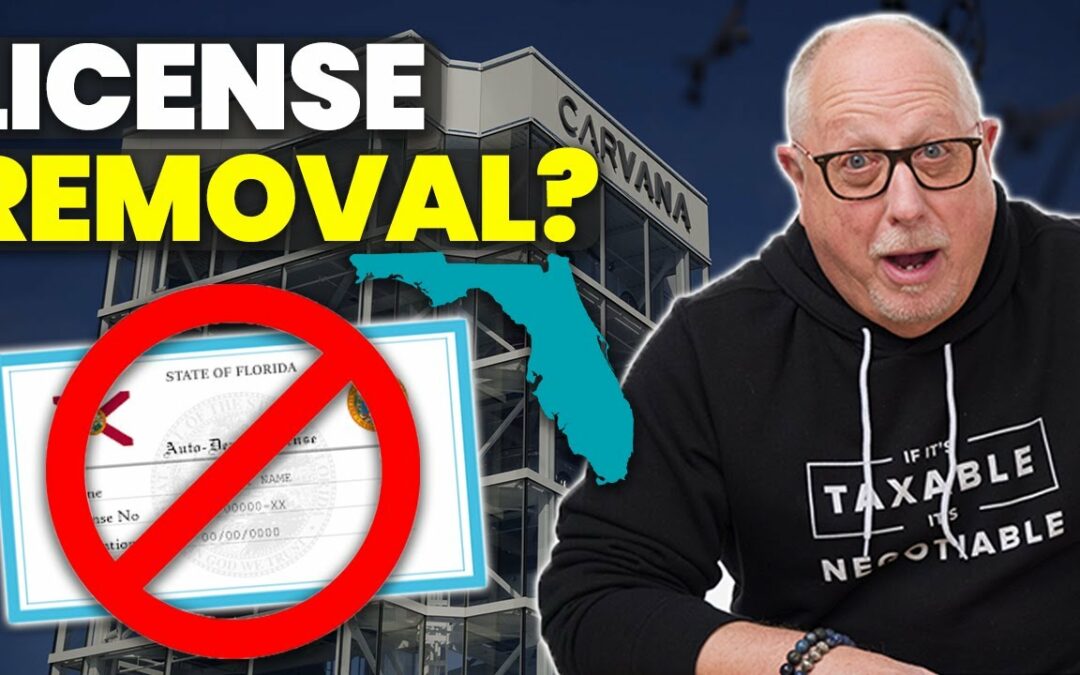
Legal troubles are mounting for Carvana. The second-largest used vehicle dealer in the nation has faced a class action lawsuit in Pennsylvania, regulatory woes in Florida, a suspended license in Illinois, and now criminal charges.
Paul Breaux, Carvana’s lead lawyer, is facing 57 criminal charges in the state of Illinois. It’s been revealed that in May of this year, the Illinois Secretary of State filed 27 counts of failure to transfer vehicle titles by a dealership and 50 counts of improper use of titling and registration.
Carvana is on the defensive. In a statement issued by the company, Breaux said that the charges lack merit. “The State of Illinois has charged me because Carvana delivered a car to a customer’s home. This is surprising and confusing both because it feels extremely anti-consumer and because I proactively met with several Illinois officials in 2017 to describe this exact practice and they did not then nor have they since raised any concerns, during which time we’ve delivered tens of thousands of cars to Illinois homes and provided exceptional customer experiences.”
We can only speculate that if the Secretary of State of Illinois filed 57 charges against Breaux, there’s more to the story than Carvana is ready to admit.

The charges are extensive, but in summary, Carvana is in trouble for continuing to sell and deliver used vehicles in Illinois after the state had suspended their dealers’ license on May 10. Illinois’ Secretary of State Police Director Elmer Garza told Automotive News that as Carvana’s legal representative, Breaux bears responsibility for wrongdoing related to the company’s licensing in the state. In February, Illinois announced that it had begun investigating consumer complaints about the company’s vehicle titling and registration procedures.
Garza told Automotive News that they weren’t just dealing with isolated incidents, but rather extensive complaints. “In this particular case, we had over 100 complaints against [Carvana] for failure to transfer title, which resulted in an inspection, which resulted in the other charges,” Garza said. “Most of that stuff is records violations pertaining to their licensing agreement with the state.” It now looks like their investigation found at least 57 instances of legal wrongdoing.
Illinois charged Breaux with two counts of failure to comply with licensees’ requirement to keep records and make inspections; one count of failure to comply with licensees’ requirement to document evidence of right to possession; one count of failure to comply with licensees’ requirement on records for new and used vehicles; and one count related to maintaining records for special plates.
In a separate filing on May 12, the agency charged Breaux with two counts of Carvana operating as an unlicensed used-vehicle dealer.

In early 2022, the Secretary of State’s office found that Carvana had been regularly abusing the use of the state’s temporary tags and had been failing to properly transfer title of vehicles sold in the state.
Carvana recovered their license to sell in Illinois after a judge blocked state agencies from revoking their dealer license while the investigation continued. It’s unclear how today’s news of dozens of charges filed will impact Carvana’s license to sell in the state.
A class action lawsuit was filed against Carvana in Pennsylvania in late 2021. The lawsuit alleges that Carvana has unlawfully delayed permanently transferring certain car titles, despite having a contractual obligation to do so in a timely manner.
In Florida, Carvana narrowly avoided having their dealer license suspended. Carvana was under fire for breaking Florida law by failing to deliver titles to customers within 30 days of purchase. The Florida Department of Highway Safety and Motor Vehicles decided it would not go after Carvana’s license, citing “significant progress” in how Carvana operates in the state. That includes Carvana’s no-brainer decision to stop selling vehicles until the vehicle’s title is in their possession. Yes, you read that right.
In North Carolina, Carvana has been closely watched by the Attorney General. Wake County, home to Raleigh, suspended Carvana’s license to sell for six months due to a flood of consumer complaints. In Charlotte, Carvana is essentially on probation as the state monitors sales carefully. North Carolina attorney general Josh Stein told WSOC-TV that he’s received more than 60 complaints about Carvana that involve all sorts of issues.
The latest developments in Illinois show that this saga is far from over.
Don’t buy from Carvana unless you have a substantial auto repair fund and a whole lot of patience. Time and time again, Carvana has sold faulty, poorly maintained used vehicles to unsuspecting buyers. Carvana does offer a 7 day return option, but too many Carvana buyers are seeing their vehicles turn into symbols of misery very quickly. In one recent instance, Carvana tried to compensate a buyer with a measly $300 when her Volkswagen Tiguan had a catastrophic failure just days after it was sold. As if that wasn’t enough, Carvana led the consumer down a terrible path of expensive towing fees, poor customer service, and more. You can check out the full story here.
And then there’s the title and registration problem. Carvana has faced lawsuits and investigations in three states for failing to transfer the titles of vehicles they sold to the buyer. In arguably worse cases, Carvana even sold cars when they themselves did NOT even have the title yet. Wow.
As consumer advocates, we wouldn’t wish the Carvana experience on anyone. Sure there are success stories, but it’s just too much of a gamble with your hard-earned money. Selling to Carvana is a different story, we’re about to explain.
What about selling a car to Carvana? When it comes time to say goodbye to your beloved (or hated) current set of wheels, you have more options than ever before. From Vroom to CarMax and even the guy down the block, everyone wants to buy your used car. But when it comes to selling to Carvana, here’s what you need to know.
Carvana pays top dollar for used cars. The only way you’re likely to get a better offer is to sell to a private party. Carvana is in growth mode, meaning that they aim to sell more and more cars to grow their business. As a publicly traded company, they have to please their investors, and that means growth. Therefore, they usually outbid other online car buyers. That means more money for you.
If you’re wondering if selling to Carvana is a good deal, the answer is that it usually is. Still, you’ll want to see what Carvana’s competitors can offer you. That’s why we created a way for you to compare multiple quotes, all in one spot. You’ll only enter your car’s info once! Try it out and let us know what you think!
Our own Zach Shefska sold his own car to Carvana and documented the whole experience. See how it went, and what advice he has to share, in this guide to selling to Carvana.
Buying a car is hard, and it’s becoming even more difficult. Car prices are through the roof, and online car dealers like Carvana and Vroom are struggling to satisfy their customer. These companies stormed onto the scene offering a simple and easy car buying process, however, right now Carvana is facing a class action lawsuit from disgruntled customers, and Vroom isn’t faring much better.
Carvana has grown very fast. In 2015 they sold just 6,500 vehicles nationally. In 2021 that number skyrocketed past 300,000. The company recently celebrated an impressive milestone; one million total vehicles retailed since their founding.
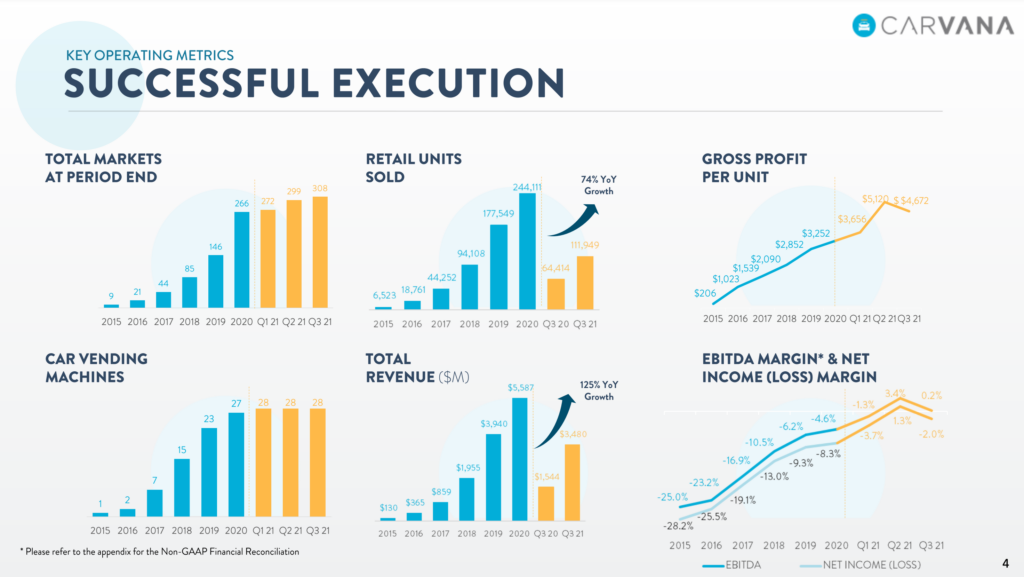
Carvana’s rapid growth has led to investor fanfare and a sky-high stock price. But what’s happening under the hood (pun intended) at Carvana? Things aren’t quite as rosy.
Right now there is an active class action lawsuit against Carvana, and it alleges many missteps the company has taken when interacting with their customers. The most egregious being title and registration issues that do not allow customers to legally drive the vehicles they’ve purchased.
Let’s breakdown the Carvana lawsuit, what is alleged, and what you need to know.
👉 Click here if you’re interested in a full review of selling to Carvana. I sold them my Volvo a little over a year ago and vlogged the experience.
A class action lawsuit has been filed in Pennsylvania court against Carvana. The suit alleges that Carvana has unlawfully delayed transferring cars’ titles for months. Without a title, a consumer cannot lawfully operate a motor vehicle or secure insurance because they cannot lawfully claim ownership of it. That’s obviously a problem when you’ve just spent tens of thousands of dollars to “buy” a car.
The suit, filed in Pennsylvania, breaks consumer protections as outlined in the Pennsylvania Unfair Trade Practices and Consumer protection Law.
Carvana has faced this issue in other states as well. For example multiple news reports from Florida tell the same story. Carvana actually lost their dealers license in North Carolina in 2021 for the same issue as well. At this point it is a well known pattern of behavior that Carvana is not capable or producing the permanent title and registration for all of their vehicles.
According to the lawsuit, one of the plaintiffs purchased a 2017 Kia Sportage from Carvana on December 29, 2020. Carvana then delivered the vehicle to their residence with an Arizona temporary license tag. The customer signed the sales and delivery documents in paper and electronic form.
Over the course of nearly a year, and after countless email exchanges, Carvana never provided the driver with their permanent registration. Instead, they issued six different temporary tags from multiple different states (Arizona, Tennessee, and Pennsylvania).
Without proper registration and a vehicle’s title you cannot legally operate it. You also can’t claim ownership of it. By withholding the permanent title from a customer, Carvana essentially sold someone a car and did not actually transfer ownership. The lawsuit alleges this happened to other customers as well.
You don’t have to look too far to see that getting a vehicle’s title and registration from Carvana are common issues. The Better Business Bureau page for Carvana is concerning. Plus, a quick dive on Reddit, TikTok, and other social media exposes even more common problems faced by Carvana customers.
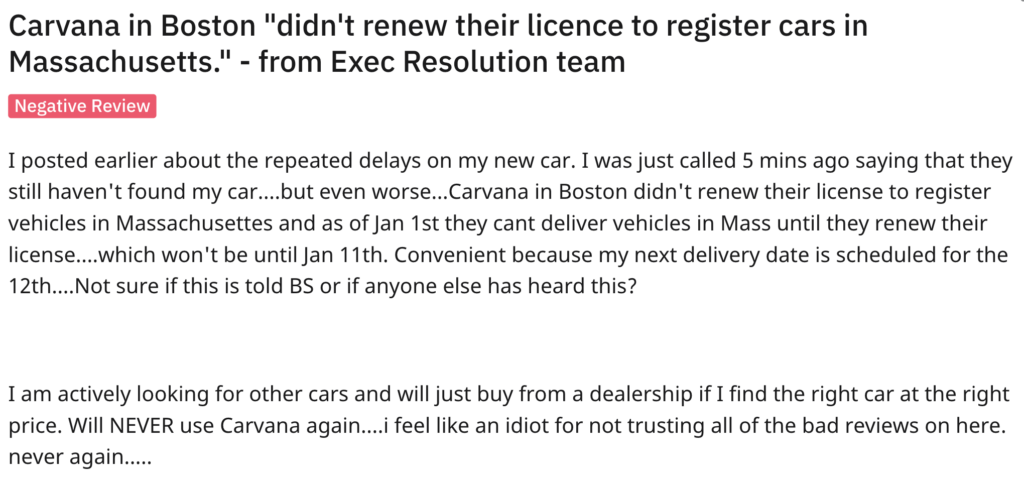
Take for example this experience documented on reddit from car buyer in Massachusetts. Carvana has struggled to maintain their dealer licenses in many states. If your dealer license lapses or is suspended you cannot legally sell vehicles. That’s exactly what happen in Boston, resulting in delays for customers.
Then there was the viral TikTok of former Carvana employees saying that the company does not disclose accidents or recondition cars effectively. While we cannot comment on the validity of these statements, it is important to understand that Carvana does purchase cars from rental car companies, and rental car companies do not report accidents to insurance companies or services like CarFax. They don’t have to, since they can simply take care of the repairs in-house. This means you may not know you’re buying a vehicle that previously had damage, and this is why we always recommend getting a pre-purchase inspection on a used car.

In addition the title and registration issues that led to the current Carvana lawsuit, these other issues are things you should be aware of before you buy a car from Carvana.
What about selling a car to Carvana? Are there any common issues or challenges you should expect to face then?
No! Generally speaking, selling to Carvana is easy and simple. Honestly, it’s a bit too simple and easy … They barely inspect the vehicle, they come to you with a tow truck, and they give you the money immediately.
👉 Click here if you’re interested in a full review of selling to Carvana. I sold them my Volvo a little over a year ago and vlogged the experience.
Should you do business with Carvana? Is the company “legit”? The owners of Carvana, Ernest Garcia II and his son Ernest Garcia III, have a long history in the automotive industry.
Before Carvana, Ernest Garcia II pleaded guilty to felony bank fraud charges for his role in the collapse of Charles Keating’s Lincoln Savings and Loan Association in the early 1990’s. After that experience, Garcia bought Ugly Duckling, a bankrupt rent-a-car franchise. After many years Garcia renamed the company DriveTime. Nowadays, DriveTime and Carvana do a lot of business together.
While Carvana’s origin story is interesting, it doesn’t inspire much confidence. This is especially true when you realize that Garcia II sold more than $3.6 billion of Carvana stock last year.
Is Carvana legit? Sure, they are a massive business, with billions of dollars in the bank, but do they play by the rules and leave a good taste in your mouth? That’s still to be determined.

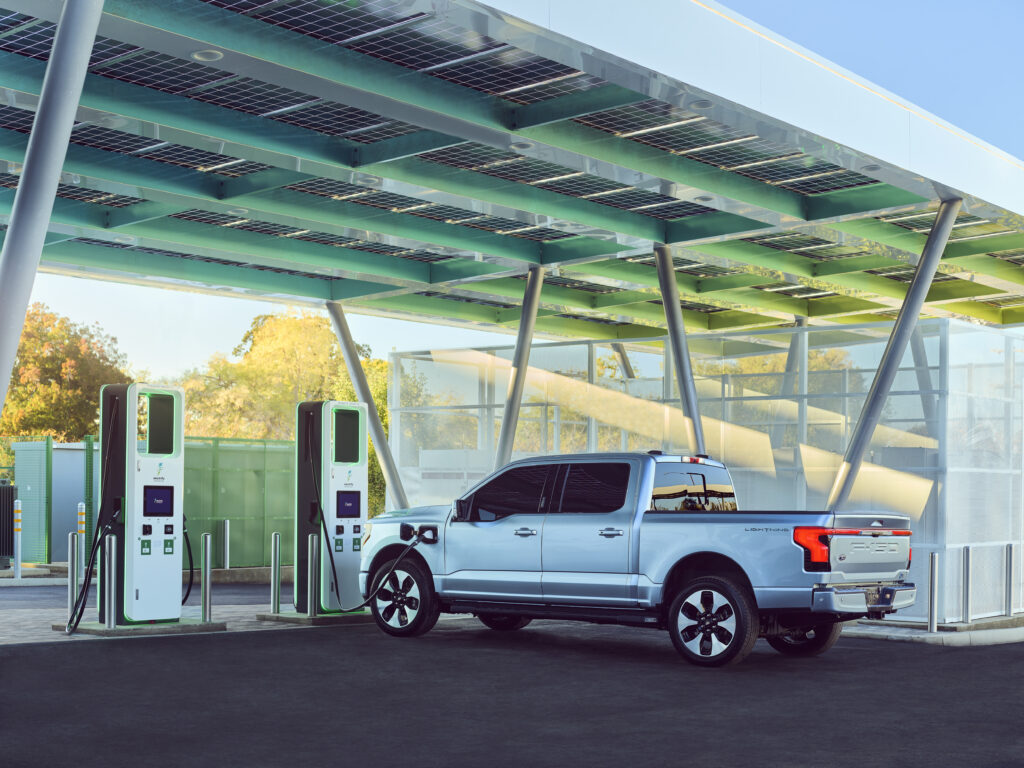
The 2022 National EV Charging Summit was held virtually this week, but the pandemic isn’t stopping the golden era of electric vehicles. The summit featured a series of virtual roundtable discussions about the state of EV charging stations in America, and how the build-out of a national charging network will bring confidence to EV-curious consumers. The summit was led by the EV Charging Initiative, a diverse group of stakeholders from across industries and the public sector.
The National EV Charging Summit united automakers, charging equipment manufacturers, community organizers and a number of government officials around a common goal: bringing reliable, convenient charging to all Americans. Even Department of Energy Secretary Jennifer Granholm popped in to share her commitment. Here’s what we learned from the summit.

Over 62% of Americans support building out a nationwide charging network, and 39% of American drivers are considering buying an electric vehicle next time they’re in the market for a car. While many auto enthusiasts lament the demise of the spirited combustion engine, frugal drivers are welcoming the fuel savings, albeit at a higher upfront cost. At current residential electricity rates, charging up is equivalent to spending about $1.00 per gallon of gas.
However, many Americans live in a charging desert. What good is the EV revolution if there’s nowhere to charge? Most EV drivers plug in at home, but not everyone can do that. From apartment dwellers to rural residents, owning an EV simply isn’t viable if there aren’t chargers for road trips, family visits and work transportation needs. When it makes sense for consumers, electric vehicles offer plenty of benefits. Cheaper fuel, less maintenance, sporty performance and no tailpipe emissions to name a few. But EVs risk remaining a symbol of luxury and impracticality if it doesn’t get a lot easier to charge up in America.
In summary, federal funding is supposed to get the ball rolling, and the private sector will take it from there. EV charging stations, particularly DC fast chargers, are really expensive to install. On top of upfront costs, America’s electrical grid is not ready for the demand that would be generated by mass adoption of EVs.
Department of Energy Secretary Jennifer Granholm highlighted the need for upgrading the national power grids to not only prepare for the adoption of EVs, but to also clean up the sources of energy that power them. She noted that “EVs are only as clean as the energy that’s produced to power them.” To lead partnerships and planning, the US Department of Energy and US Department of Transportation are partnering together to establish a new joint office tasked with building out a national charging network.
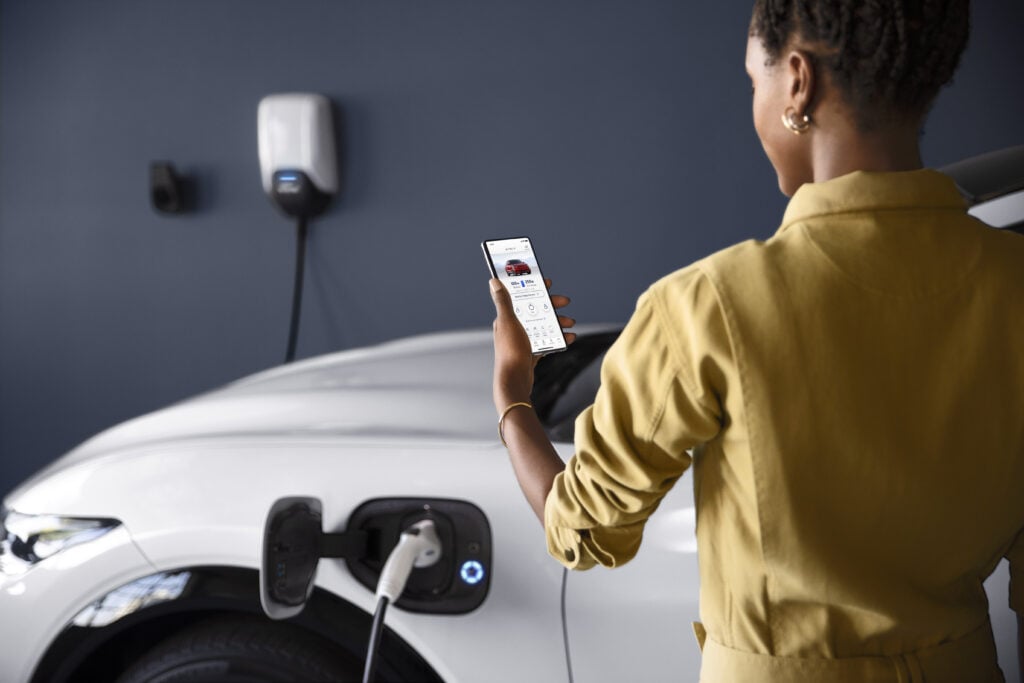
At one point, the summit even turned into a forum for announcing thousands of new job openings. Secretary Granholm and others touted 2,000 new EV-related jobs in a new joint office between the DOE and DOT. This new office will coordinate the build-out of the national charging network.
The real details were discussed and pressure-tested when representatives from the private sector and utilities came together to talk about what needs to be done, and the numerous challenges that lie in the road ahead. A practical, consumer-focused approach was a common theme. As RMI Managing Director Britta Gross put it, “no amount of level one or level two chargers can instill consumer confidence in EVs without DC fast chargers.”
What needs to happen first? The US Department of Transportation and Department of Energy are mapping out a plan of action to make EV charging stations commonplace by 2025. By fall of 2022, every state will have a detailed plan and timeline for how to execute the electric charging station network buildout. Summit panelists understood that without universal access to public fast charging, the EV revolution is dead in the water. No one wants to spend $50,000 on a car that could leave them stranded desperate for electrons on the interstate.
The coming national charging network is not just a government project. Utilities and private industry are getting in on the action too. Utilities have a lot of skin in the game. They stand to make a lot more money if charging infrastructure turns out to be a lucrative business venture for power providers. We heard more about the new partnership between American utilities that we learned about last month. The Edison Electric Institute (EEI), an association representing US utilities, announced a monumental initiative to combine the forces of 51 investor-owned electric companies, one electric cooperative, and the Tennessee Valley Authority. This new coalition is a coordinated effort to install thousands of fast charging ports along major U.S. travel corridors by the end of 2023. The coalition members are committing $3 billion of their own money to bring fast chargers online over the next two years.
America’s three electrical grids in the lower 48 states need to be ready for the power demand to come. The last time the electrical grid underwent such sudden, major change was the adoption of air conditioning in the 1950s. Utility representatives at the summit understood the importance of this, and outlined the road ahead for needed upgrades. However, it’s going to cost some money.
There are three funding sources leading the way with the build-out of America’s EV charging infrastructure: Public funds, utility investments and private sector capital. Federal funding is already jump-starting the growth. DOE Secretary Granholm touted the recent bipartisan Infrastructure Law that allocated $7.5 billion for charging stations and the associated infrastructure. She also addressed the costs of going electric. The Secretary made sure to promote the revised EV incentives that face an uncertain future in the Senate.
Automakers, suppliers, charging infrastructure companies and others have already committed over $330 billion to EV development by 2025. However, summit participant Atlas estimates that $90 billion in funding is specifically needed for EV charging stations if EVs are to reach dominance in the light-duty passenger vehicle segment. But on the global scene, that’s pennies. Worldwide, climate investments are forecast to total $23 trillion by 2030.
As we’ve mentioned above, utilities are throwing money at this too. The Edison Electric Institute members are committing $3 billion of their own money to bring EV charging stations online over the next two years. Southern California Edison plans on upping their annual electric charging station installations to 8,000 annually, up from 1,000 a year in 2020. Half of them will go in underserved areas.
Summit panelists expressed a desire to get OEMs to the table for these discussions. When talking about big money like this, the pragmatic approach is to involve the OEMs who will turn this lofty vision into reality. How would the billions in funding best serve the build-out? Equipment manufacturers probably have some good ideas.
Rick Spina from GM shared the company’s commitment to providing $750 million for accelerating the rollout of home, public and commercial charging. GM is rolling out Ultium Charge 360, a line of turnkey charging solutions meant to be sold from the dealership. Ford also has big charging plans for their Blue Oval network partners.

The conference, while well-intentioned, was an echo chamber at times. In other words, we heard a lot of the same themes repeated over the course of the day. Here’s the gist of it all:
“Confidence inspiring” – Right now, charging an EV is not confidence inspiring unless you are a Tesla driver. But Teslas are expensive, and other OEMs are going electric. Charging needs to be easy and carefree.
“Best practices” – The EV charging industry needs standardization. There are too many types of charger connections, payment hoops to jump through, and other complications that should be made simple for the consumer.
“Charging equity” – Panelists emphasized bringing charging to places where it’s not available now, like apartment complexes, small towns and underserved communities.
“Incentives” – Installing a DC fast charger station is not a quick money-making business decision. Installers spend $50,000 to upwards of $100,000 to install a station. Incentives bring installation a lot closer to making financial sense.
“Partnerships” – The federal government can’t do this alone, and neither can private industry. Working together is the only way this will turn out well.
“Consumer focus” – What does the consumer want? Affordable, easy and quick charging experiences. Developers seem to have this in mind, and that’s a relief.
“Reliability” – You know how gas stations sometimes have plastic bags covering the pumps if they are out of order? It’s no big deal if you can drive across the street to another gas station. With EV charging stations, broken chargers can ruin a road trip. Chargers need to work, and they need to work all the time.
“Job Opportunities” – Numerous panelists shared exciting job opportunities for veterans, underserved communities, and any electricians looking to expand their skill sets.
There was a lot of talk at the National EV Charging Summit, but also some substance. Clearly, a lot needs to be done before EV charging infrastructure becomes as commonplace as it needs to be. Automakers are all-in with EVs, and you could argue that there’s no turning back. It remains to be seen if their half-trillion dollar investments will be worth it in the end. However, the outcome depends on if we can build a future where owning and charging an electric vehicle is an accessible and reliable experience that empowers the consumer, not burdens them. We’ll keep you up to date with the latest as big changes head our way.
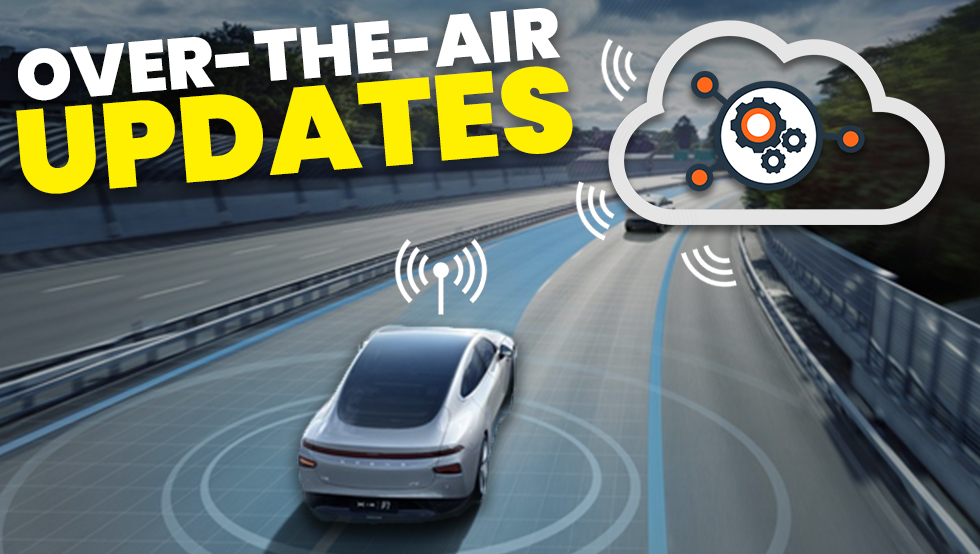
At what point does a car become more of a computer on wheels? Computer integration in the automotive industry is nothing new, however it’s accelerating at breakneck speed. Both software and hardware become outdated in no time at all. Is there a way for car buying habits to steer clear of the two-year replacement cycle that smartphones have fallen into?
As soon as computers grew wheels (in the form of electric vehicles), forward-thinking automakers launched over-the-air (OTA) update capabilities. Tesla was the first to do it, and now the likes of Ford, GM and Volkswagen are among the legacy OEMs marketing their vehicles as OTA-ready. Although, not all who’ve tried it have succeeded without hiccups. Here’s how OTA updates are changing car ownership, and what’s to come in the years ahead.
You know when your phone gives you a push notification about scheduling a time to install the latest software updates and bug fixes? Well, cars can do that too now. OTA updates are not just for software fixes. With OTA capability, vehicles can receive enhanced performance and safety improvements via a simple wireless internet connection.
OTA updates eliminate the need for making a service center visit for many simple fixes and updates. The updates are sent and downloaded via access to a cloud-based server with a wireless internet connection. Many updates are free of charge, and all safety enhancements are at no cost. However, we are entering a new era where OTA presents a new revenue stream for car makers.
Everyone’s getting in on the subscription business, and the auto industry is no different. There are two kinds of OTA updates: those for infotainment, and those for vehicle performance and control. They may target either software or firmware, the latter of which required more advanced security protocols to implement.
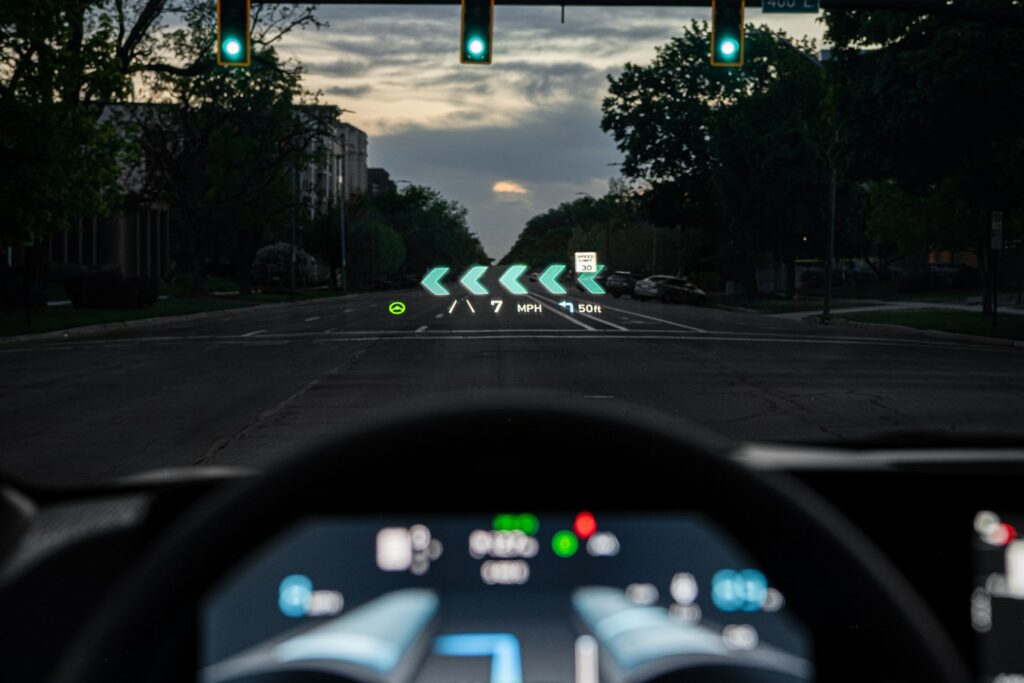
Infotainment updates improve the user experience. A classic example is how Volkswagen ID.4 owners are pleading for an improved infotainment performance after the original equipment was delivered with a laggy touchscreen and haptic buttons. Fortunately for ID.4 owners, the car is among VW’s first generation of OTA-capable models, and a fix is on the way.
Sometimes, OTA revisions cause frustration and even anger from customers. Tesla recently pushed the Version 11 user interface to all of it’s vehicles via over-the-air download. The result was strong critical feedback from customers, most of whom were complaining about the automaker trying to fix something that wasn’t broken.
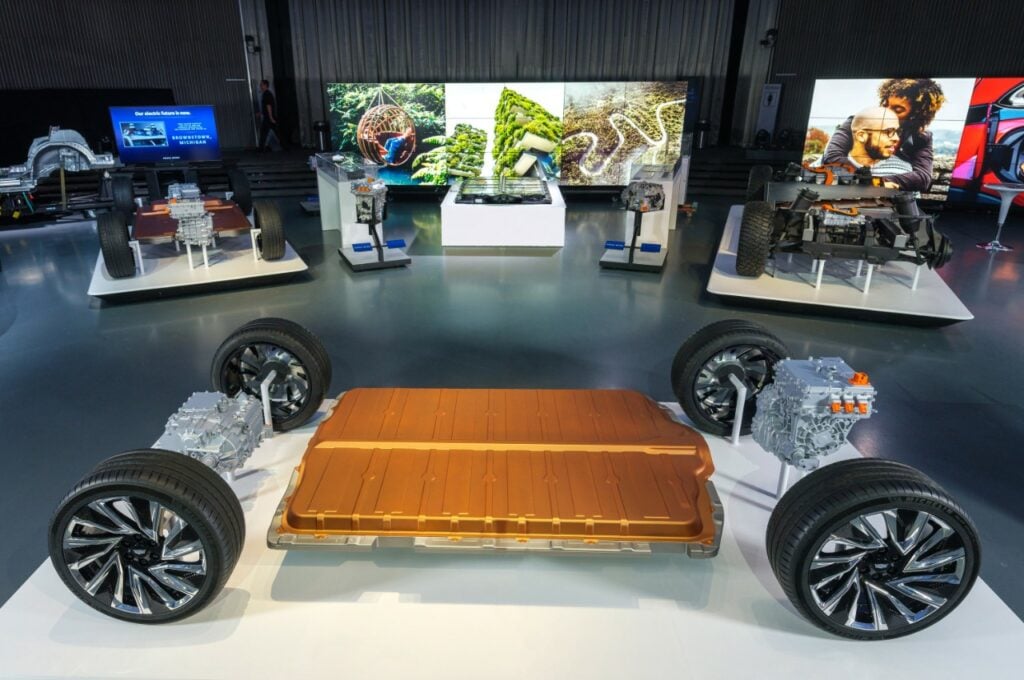
How is it that the 2023 Tesla Model 3 has a quicker 0-60 time now than it had when it was first purchased? Or how Tesla vehicles can gain or lose access to the controversially-named ‘full self-driving’ based on driver safety scores? With OTA capability, automakers can send everything from a power boost to a pedestrian avoidance feature to cars already in driver’s hands.
Vehicle performance and control updates can include updates to the vehicle’s powertrain, chassis systems, and advanced driver assistance systems (ADAS). Of course, updates to these critical components of a vehicle are only possible when the components are electronically controlled and operated. For this reason, an older car model can’t be retrofitted to become OTA capable.
Tesla was the first automaker to roll out over-the-air capabilities with the launch of the Model S in 2012. After years of skepticism from the competition, here are the other OEMs that have announced or commenced OTA updates in their vehicles:
| Automaker | OTA-Upgraded Components |
| Audi | Navigation |
| BMW | Infotainment, optional features |
| Ford | ADAS, several other components |
| General Motors | Nearly every vehicle component on EVs, major components on combustion vehicles |
| Honda | Infotainment |
| Hyundai | Infotainment, voice assistance |
| Jaguar/Land Rover | Infotainment, charging capabilities |
| Lucid | Nearly every vehicle component and system |
| Mercedes-Benz | Infotainment, navigation |
| Nissan | Infotainment |
| Polestar | Nearly every vehicle component and system |
| Porsche | Limited functions |
| Rivian | Nearly every vehicle component and system |
| Stellantis (FCA) | Infotainment |
| Tesla | Nearly every vehicle component and system |
| Toyota | Infotainment |
| Volkswagen | Several vehicle components and systems on EVs |
| Volvo | Nearly every vehicle component and system |
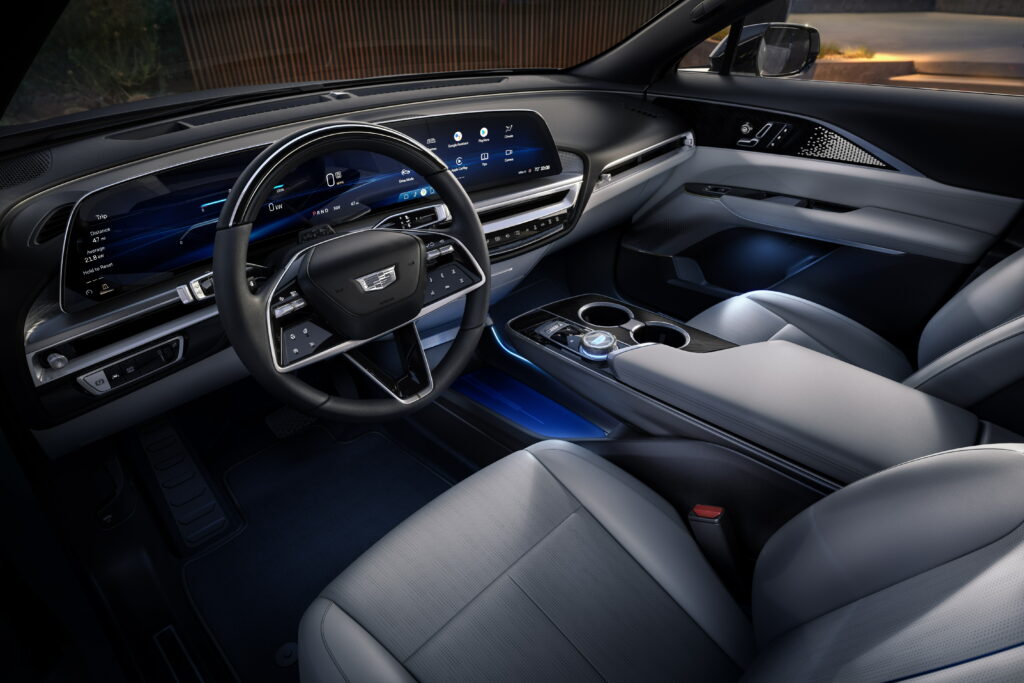
We’re used to having virus protection on our computers. If we don’t, bad guys will find a way to compromise the computer and access personal information. Are the same security and privacy concerns applicable to automotive OTA updates?
Since OTA updates require a wireless internet connection to install, there are risks for malware and the unintended release of personal information. The best way to protect yourself from these risks is to only accept OTA updates while connected to a secure network, such as the wifi network at your home. Don’t try updating your car at the fast food or coffee shop drive thru!
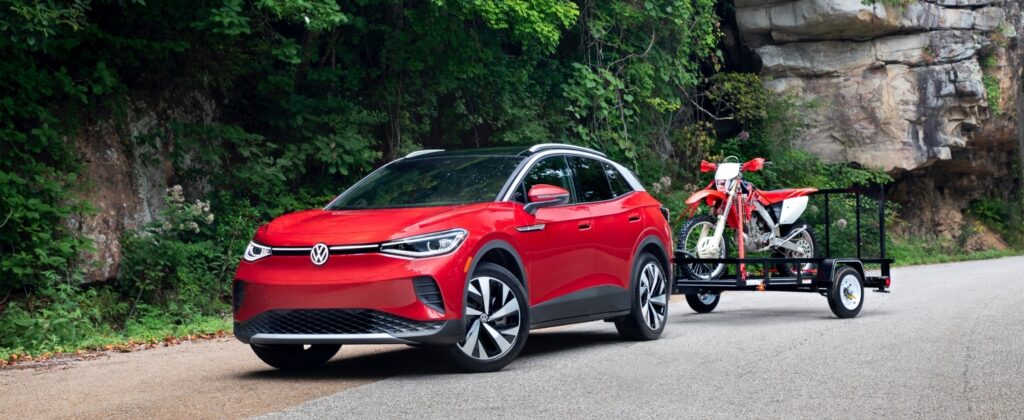
Over-the-air updates are about to take the auto industry by storm. Now that major OEMs are proudly marketing their ability to improve the user experience (which itself sounds like they’re selling more of a tech product than a car), a paradigm shift is at hand. Volkswagen Group CEO Herbert Diess recently told The Verge about VW’s plan for a reimagined future where the relationship between the automaker and customers is more intimate and dynamic with the power of OTA updates and new ways of customizing the ownership experience.
“Imagine: for a long time, we did not have access to a customer as a company. The customer access was exclusively with our retail network. What we experienced over time was that people walk away from our retail outlets and go to third parties to substitute some of the spare parts or buy new tires. Now, we have a new opportunity to be in direct contact with the customer, which is totally new for us.”
Not only is the largest automaker in the world committing to OTA capability, the likes of Ford, GM and even tech-cautious Toyota are joining the bandwagon too. Will OTA updates remain a free upgrade for millions of car owners? Unfortunately, that’s already slipping away. Tesla offers acceleration boost upgrades for its popular Model Y for $2,000, and Toyota recently tried making customers pay for remote start, a feature that is OTA-controlled.
Even the CEO over at Volkswagen Group acknowledges the new money-making avenues made possible by software updates, telling The Verge that eventually, customers will have to pay for what they want.
“We have that revenue in mind for sure as well. Customers will be prepared for some features they didn’t buy at the start, probably after a few years or after a few months — even if they consider taking another option or another software feature, the customers would be prepared to pay a monthly fee or a one-time expenditure.”
There are advantages and disadvantages of OTA update capabilities, but it seems that the advantages far outweigh any negatives that may come with this game-changing technology. As Tesla has shown the industry, there’s a future not too far away when most recalls may be fixed via a quick overnight update, and vehicles get better over time, helping them to retain resale value.
Are you ready to treat your vehicle more like a smartphone than a means of transportation? What do you think the outcome of this major industry shift will be for consumers, dealers and automakers? Will dealerships falter without the steady stream of vehicle service that they’re used to? Only time will tell.
When my dad and I founded CarEdge in 2019 we knew that the way people bought cars was inevitably going to change. Our best guess was that the hassle of negotiating a car deal would stick around for another 20, maybe 30 years. We hoped that by then the price of a car would simply be the price of a car, and the “grind it out” nature of trying to buy an auto at a fair price would be long forgotten.
Well, I think we may have been wrong.
Over the past week, two memos have been leaked from major domestic automakers. One from Ford, and another from GM (screenshots below). Both of the letters are directed towards their dealer bodies, and they each make it clear: stop screwing around with customers and tarnishing our brand.
Could the beginning of the end of car dealerships be happening right before our eyes? I think the answer is a resounding “yes”.
Before we unpack the memos from Ford and GM, let’s take a trip down memory lane. Why do car dealerships even exist?
Reports vary, but the first car dealership was opened in either 1897 or 1898. Automakers of this era leveraged a variety of sales channels to sell their initial vehicles, dealer partners being one of them. These partners were exactly that; partners. Dealers were not owned and operated by the automaker, instead they were independent third party businesses that agreed to abide by rules and regulations put in place by the automaker.
Automakers loved this model. It was (and still is) highly profitable for them. They loved it so much that they lobbied state-by-state to pass “franchise dealer” laws that make it illegal for a vehicle manufacturer to sell directly to a consumer, instead they have to sell through a franchised dealer.
Traditional automakers are great at designing, manufacturing, and distributing their product. They are not interested in day-to-day customer engagement, setting up service appointments, or doing anything beyond building and selling cars to their dealers.
Automakers get paid when they wholesale a vehicle to their dealer partner. Then the dealer has to (no pun intended), deal with the end user. In this way, legacy automakers have been able to separate themselves from the expensive practices of customer engagement and instead pass that along to their dealer partners.
Why do car dealerships exist? Because automakers have been able to generate massive profits from this system. However, after 100+ years, it appears another model may potentially be even more valuable for them.
Tesla notoriously refused to sell their cars through dealer partners. Instead, the upstart EV automaker insisted on having their customers purchase directly from them. This is illegal in many states, however after lobbying for many years, most states now have “carve out” laws that allow EV manufacturers to sell directly to consumers.
Here’s example of that “carve out” language in Connecticut:
Would allow a manufacturer to receive a dealer’s license if it does not have a franchise agreement with a new-car dealer in the state, if it builds only electric vehicles and only sells the vehicles it builds, and if it does not have a controlling ownership link to a manufacturer licensed as a dealer in the state.
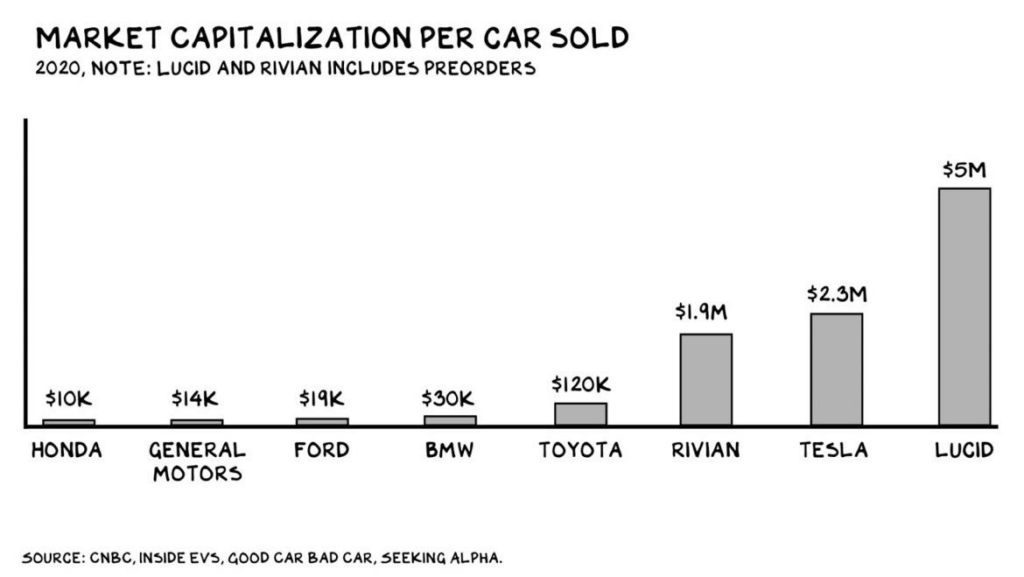
Nowadays EV automakers can sell direct to consumer in many states via the internet, and they are just starting to prove how lucrative this business model can be. Tesla, Rivian, and Lucid are shining examples of how valuable direct to consumer sales models can be. Tesla is a $1T+ company, and Rivian, even though they’ve only sold a few hundred vehicles is valued at north of $100B. Ford, GM, and other legacy automakers want to catch up. For perspective, Toyota, the highest valued traditional automaker, is “only” worth $330B.
Within the past week both Ford and GM have sent memos to their dealers that say the exact same thing: don’t tarnish our brand, treat customers well, or lose allocation of inventory from us. These leaked memos represent the first attempt Ford and GM are taking to “stand up” to their dealers.
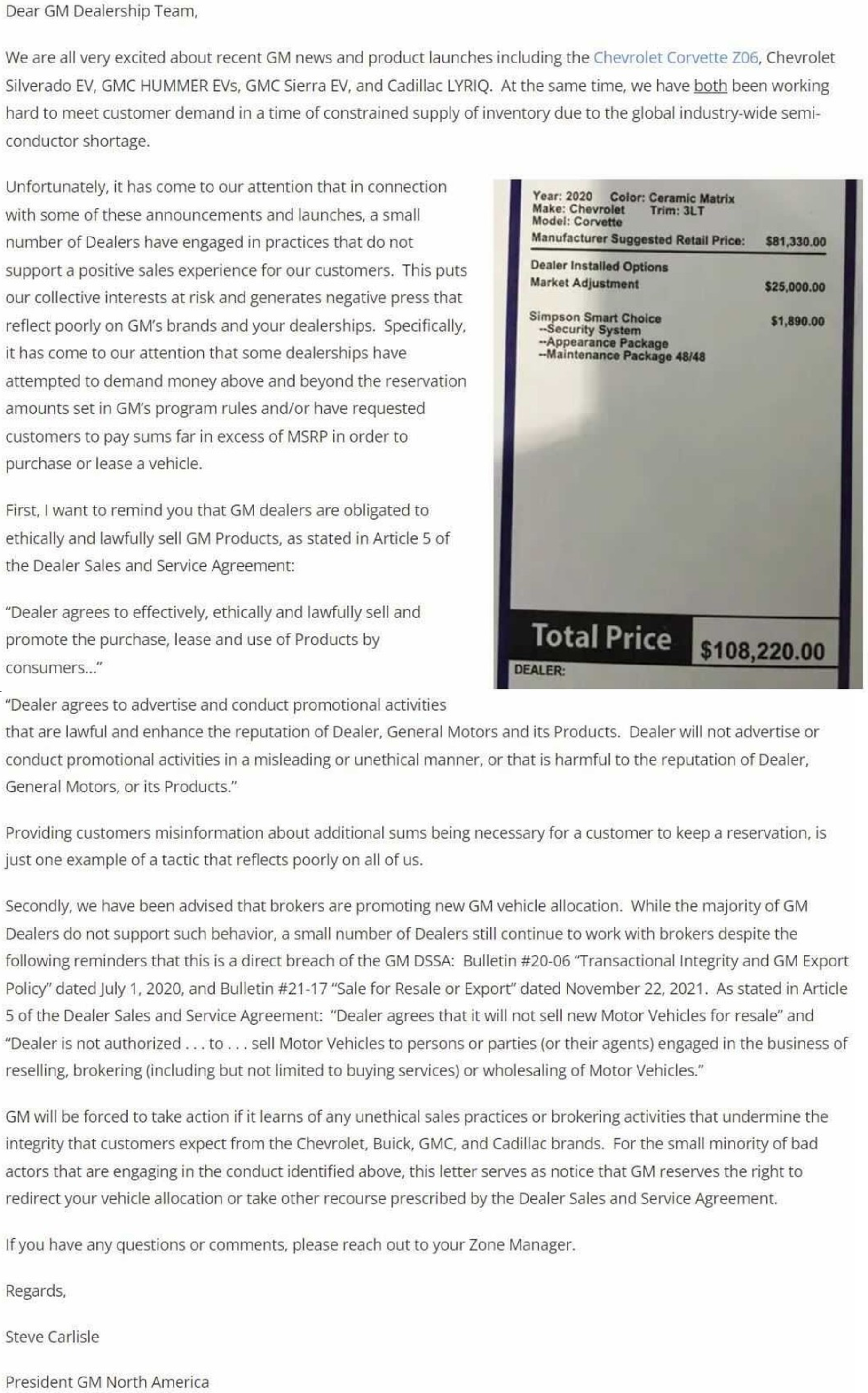

Both memos reference the dealership’s franchise agreement, and both make it clear that if the dealership does not treat customers in a way that enhances their brand, they will take away allocation of inventory.
Sure, these memos represent the first time we’ve seen automakers stand up to their dealers, and for that reason, we’re excited to see them, however the issue is, if GM or Ford actually tries to enforce their own rules they’ll certainly get taken to court. Why? Because nearly every Ford and GM dealership in the United States breaks their rules, so if they begin to selectively enforce the rules, you can be certain some dealer groups will fight back.
While the franchise dealership model has served automakers well for 100+ years, it’s clear as day that a transition away from that model is upon us. This transition won’t happen overnight, and we shouldn’t expect dealerships to simply vanish. Dealerships play a vital role in society, especially when it comes to vehicle repairs and maintenance, however it appears clear that Ford, GM, and many other automakers want to catch up to Tesla’s valuation, and one of the ways they’ll do that is by taking more control of the sales process.
Dealerships aren’t going anywhere anytime soon, but the shift away from the dealer model is happening 20 years earlier than we had imagined. It will be interesting to see how this market evolves, especially as Tesla and other EV startups continue to get praise.
CES 2022 was marked by innovations in the metaverse, NFTs, crypto, and sustainability. But many of the greatest headlines from CES 2022 were in the arena of automotive news. Here are five stories that stood out from automakers that brought their best and brightest.
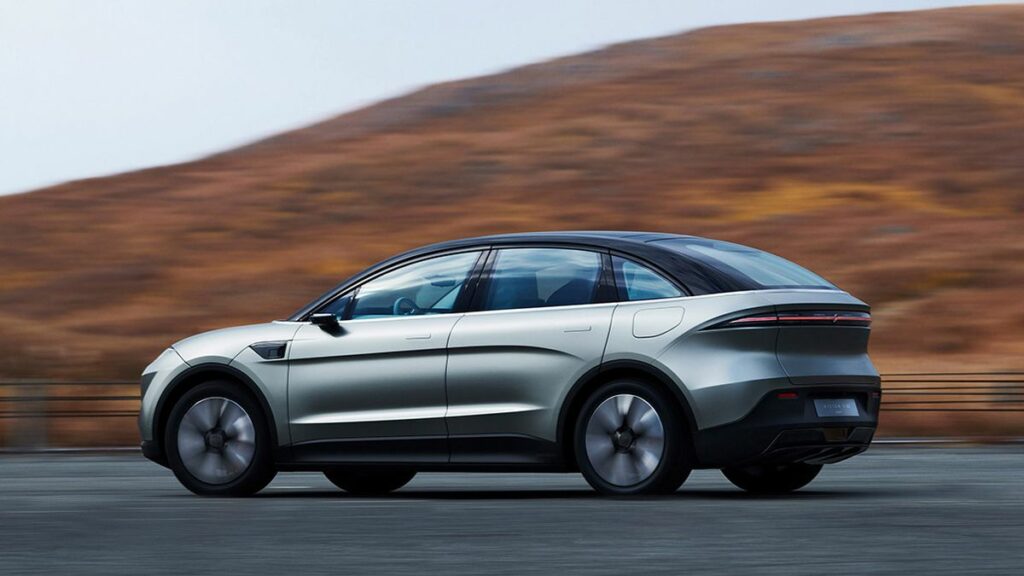
At CES 2020, Sony announced “VISION-S,” an initiative to bring Sony’s tech know-how into the world of mobility. There was a prototype sedan on display, and it was all the rage among automotive and PlayStation enthusiasts. Sony secretly started public road testing in Europe in December of the same year, and has now shared that they were conducting a number of driver experience tests featuring their cutting-edge vehicle technology platform under development.
Two years after kindling their own automotive rumors, Sony CEO Kenichiro Yoshida confirmed the establishment of Sony Mobility at CES 2022. During the announcement, Sony unveiled Vision-S 02, an electric crossover prototype, but offered no specific details about pricing or release dates. With the electric vehicle space getting more and more crowded as legacy OEMs and startups alike unveil their EV plans, Sony must be quite confident that they have something special to bring to the table as they launch Sony Mobility. We’ll be following this one closely.
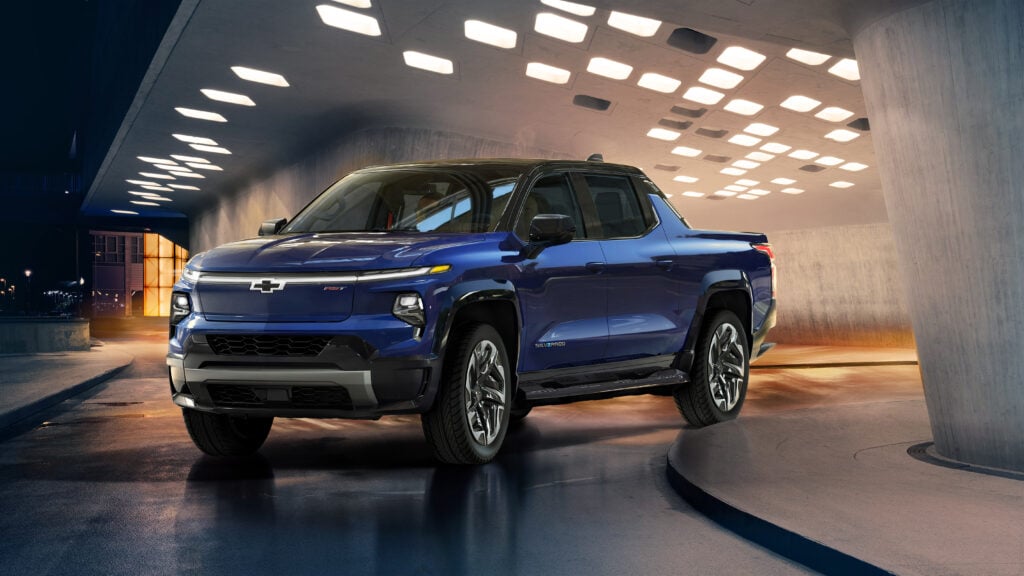
Arguably the biggest headline out of CES 2022 was the full unveiling of the 2024 Chevrolet Silverado EV. With up to 400 miles of range, powerful performance and both luxury and work-oriented trims, the 2024 Silverado EV is positioned to fiercely compete with the F-150 Lightning and Rivian R1T. Who knows, maybe the Tesla CyberTruck will be trickling out of Tesla’s Gigafactory by the time the Silverado EV arrives in customer hands starting in 2023.
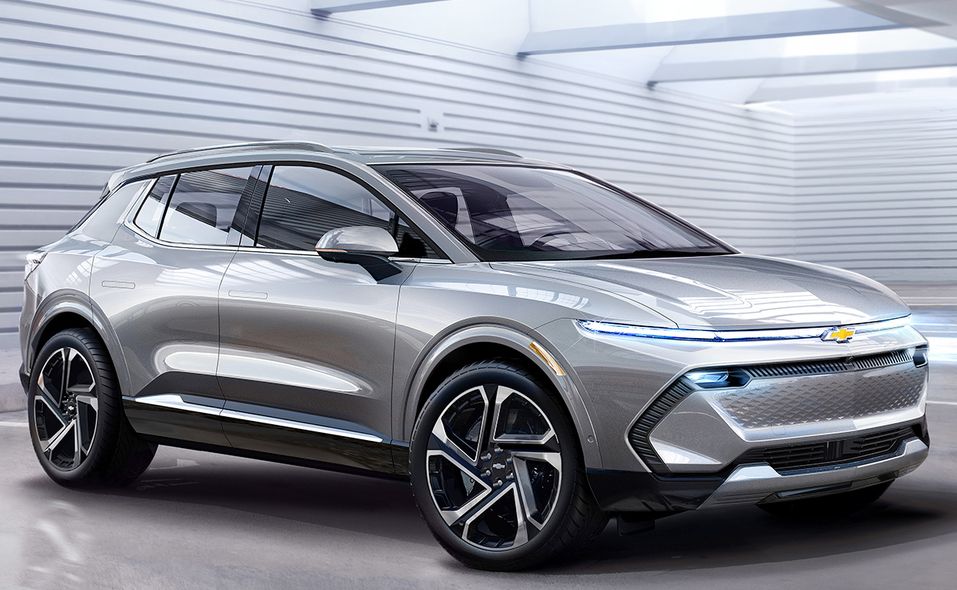
Electric vehicles are still expensive. Until prices come down, most consumers won’t be considering going electric for their next purchase. That’s why Chevrolet’s announcement of a $30,000 electric Equinox is a big deal for the whole industry. Coming in 2023, the Equinox EV will be based on GM’s highly-efficient and affordable Ultium platform.
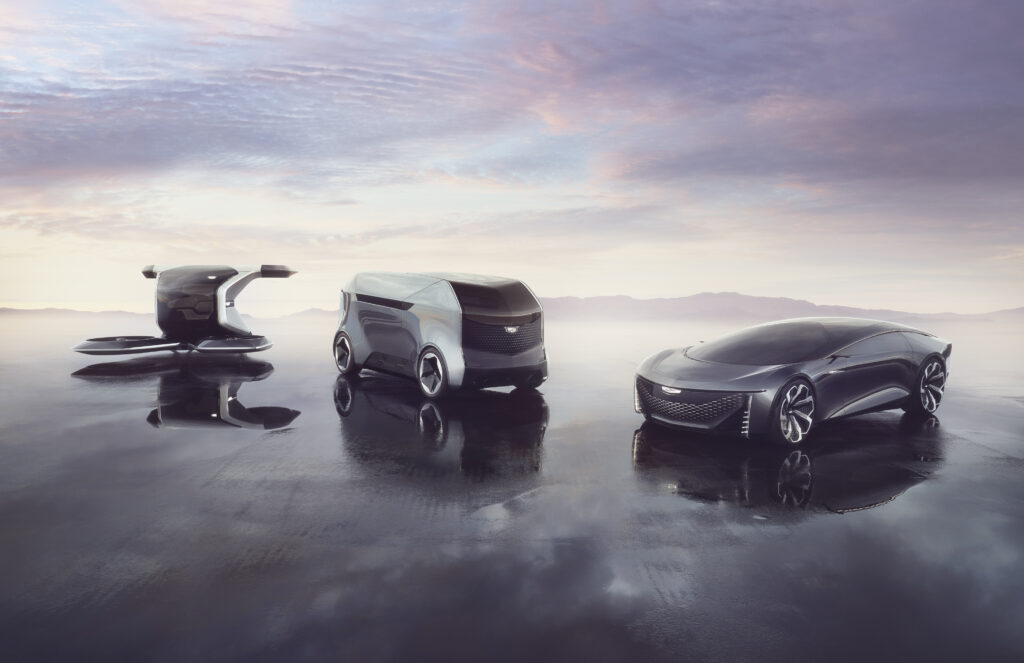
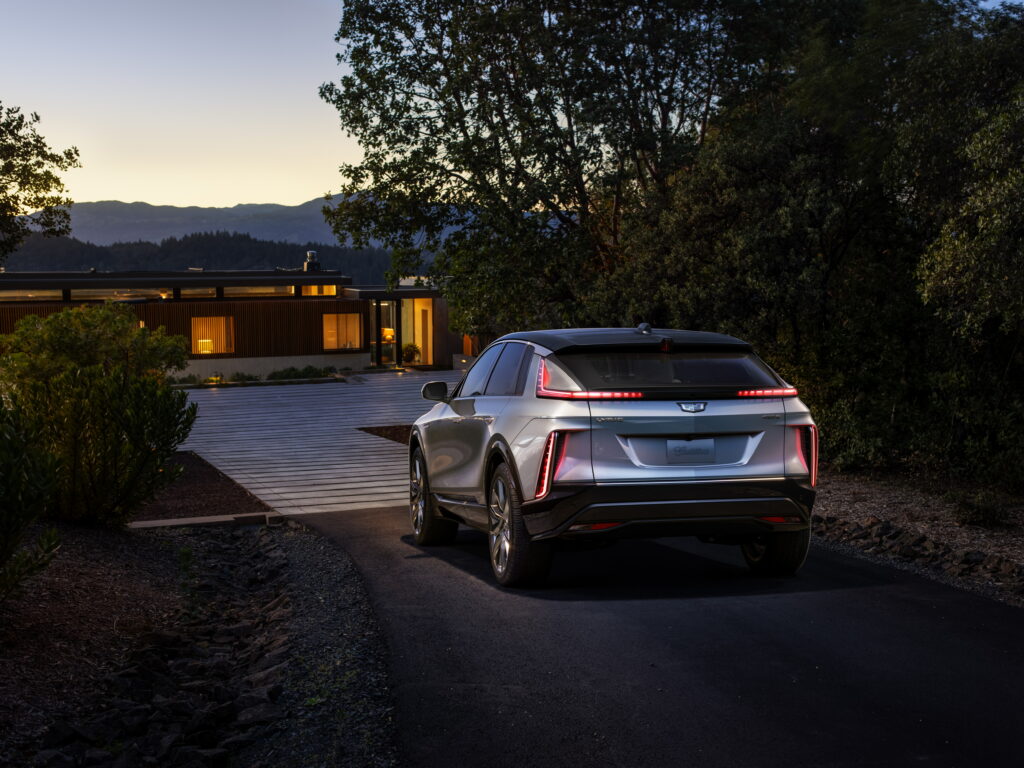
Cadillac is slated to become the first GM brand to go all electric by 2030. The 2023 Cadillac Lyriq will be the first electric Cadillac to arrive at dealerships later this year, and it’s one beautiful luxury crossover. However, it turns out the Cadillac has even more ambitious plans on the table.
At CES, Cadillac introduced the funky and far-out InnerSpace concept. The InnerSpace ‘design experience,’ as Cadillac puts it, is the latest addition to their Halo Concept Portfolio. The InnerSpace is a two-passenger autonomous electric luxury concept vehicle that features nearly 360-degree panoramic views, massive LED displays with integrated augmented reality, and ‘wellness recovery’ features. It sure is something to think about.
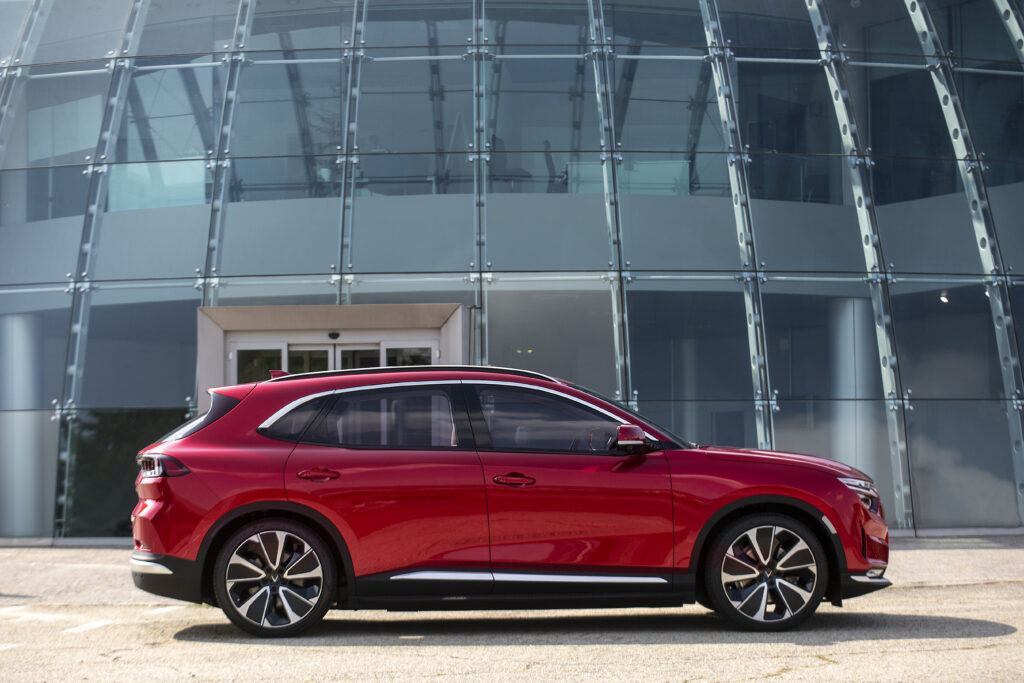
VinFast has been taking the EV scene by storm. Part of their sudden popularity is probably due to the EV stock craze, but some of the attention is because of the different and controversial approach the Vietnamese startup is taking for power supply. VinFast says it will lease batteries to customers rather than including them as standard equipment. They likely took inspiration from Chinese electric automaker Nio’s success with battery swapping, but at least batteries come with their vehicles.
Also at CES 2022, VinFast shared prototypes of their upcoming electric SUVs, the VF-8 and VF-9. VinFast already began deliveries of its first electric SUV in Vietnam last year. It intends to deliver six EVs to international markets by mid-2023.
At CES, the company shared pricing for two models that are nearing production. The midsized VF 8 SUV will start at $41,000. The three-row VF 9 will start at $56,000. However, there’s a big catch. Those prices are without the battery! We’ll see how North American consumers feel about buying an EV without its most essential component.
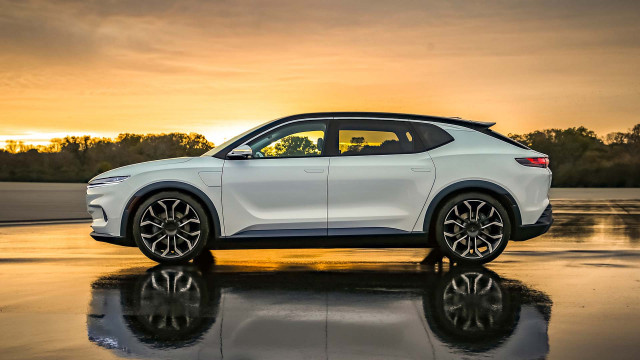
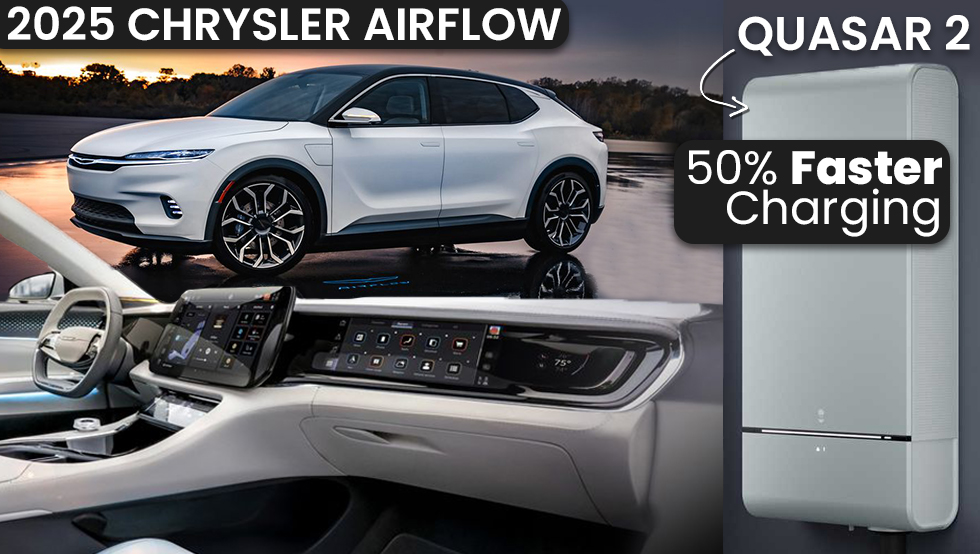
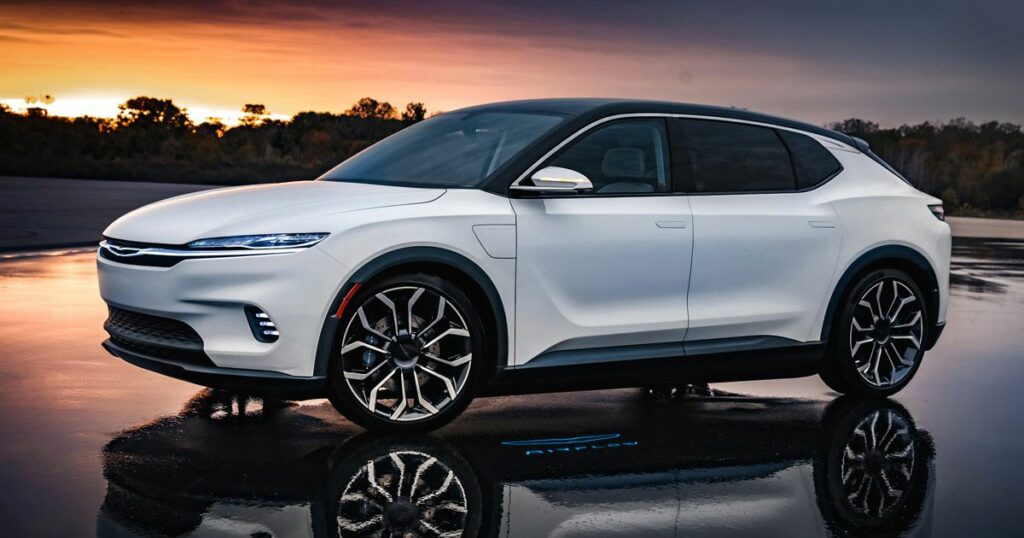
Talk about ambition! In 2022, Chrysler has zero electric vehicles for sale. In fact, it doesn’t intend to sell any EVs until 2025. No big deal, right? What if I told you that by 2028, Chrysler plans to be 100% electric? As crazy as that sounds, that’s exactly the plan that Stellantis shared with us at CES 2022. From the looks of it, they do have a promising EV in the works.
The 2025 Chrysler Airflow is a sleek electric sedan concept that may be closer to production than it seems. The automaker calls it a technology-forward design optimized for efficiency and driver experience. The Airflow integrates leading-edge drive-system technology with intuitive AI and connected vehicle technology that delivers 350- to 400-mile range. They also say it includes the new “STLA SmartCockpit, powered by STLA Brain, that enables an extension of digital, work and home environments, all in sync to create a personalized experience for every passenger.”
Chrysler also says that the Airflow will include STLA AutoDrive, a Level 3 autonomous driving system. That’s a bold claim considering that even the best driver assistance systems today are Level 2, requiring active monitoring at all times. The upcoming Chrysler EVs will also be upgradable via over-the-air (OTA) software updates.
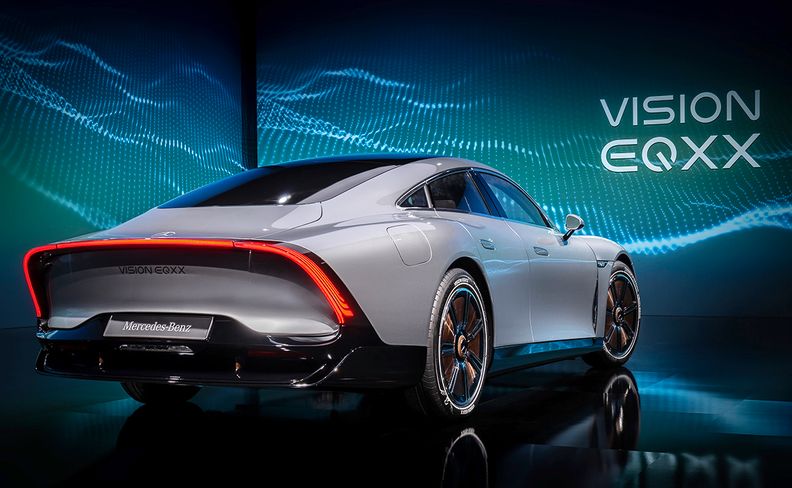
As of 2022, the best long-range EVs on the market offer 400-500 miles of range on a single charge. Notably, the Lucid Air, Tesla Model S and brand-new Mercedes EQS are capable of going the distance. Now, Mercedes-Benz says it is aiming to bring an electric vehicle with more than 620 miles of range to the market by 2024.
The Vision EQXX concept is “more than just a car, it’s a technology program,” according to Mercedes-Benz Chief Technology Officer Markus Schäfer. The next-generation of Mercedes EVs will feature redesigned battery architecture that includes more silicon to increase energy density without making the battery any larger. If you’re in the market for a long-range luxury Mercedes, the German automaker has big plans for taking electric luxury to new heights.
You may have noticed something about the automotive headlines out of CES 2022: the golden era of EVs appears to be upon us. The roaring ‘20s are turning out to be the whirring ‘20s as electric motors make their way into seemingly every new auto. Whether consumers and infrastructure are ready or not, OEM investments in electrification seem unstoppable at this point. What do you think? Are you excited for what’s to come? Or do you see trouble on the horizon? We’ll keep you up to date as the industry transforms like never before.
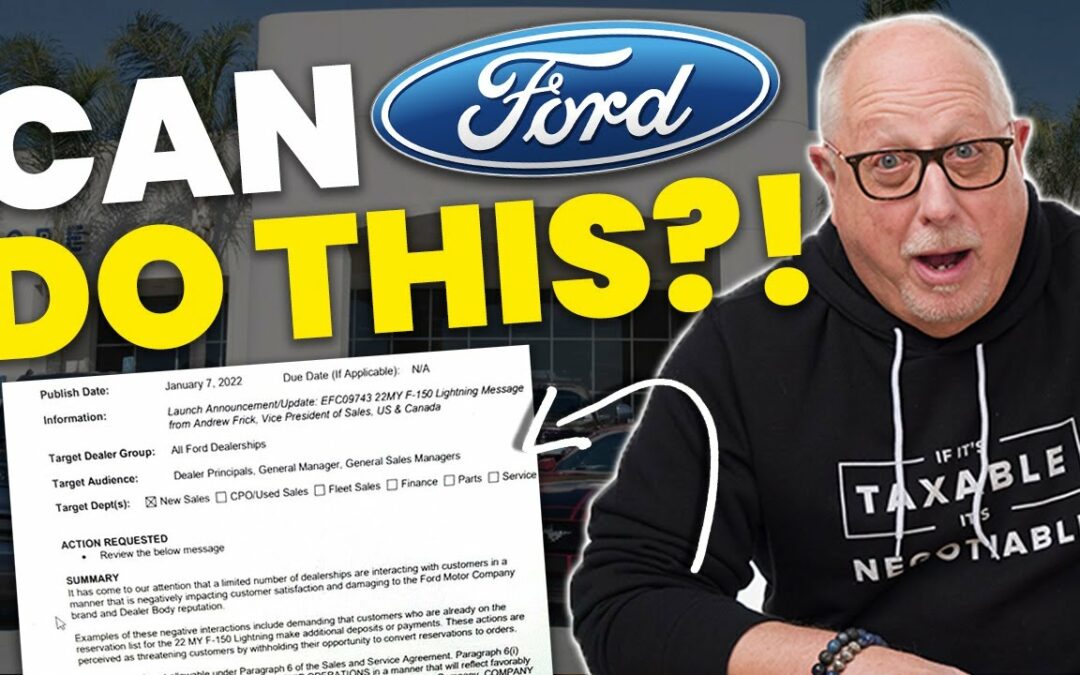
It goes without saying that the Ford F-150 Lightning is one of the hottest new electric trucks to hit the market in 2022. With over 200,000 reservations and a groundswell of support to produce more EV trucks, Ford appears to be “all-in” on the F-150 Lightning. So much so that Ford is beginning to play a bit of hardball with their dealers and their customers, unlike anything we’ve ever seen before.
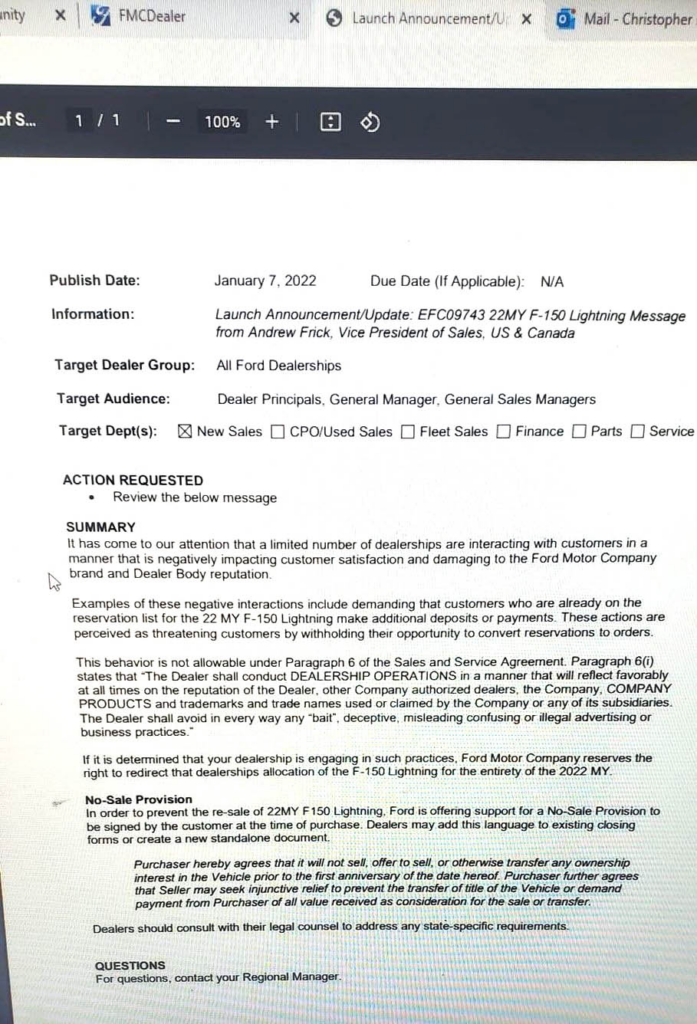
👉 A memo sent from Ford corporate to their dealers was recently leaked online, and from it we learned a lot about how the legacy automaker is thinking about the release of the F-150 Lightning. “It has come to our attention that a limited number of dealerships are interacting with customers in a manner that is negatively impacting customer satisfaction and damaging to the Ford Motor Company brand and Dealer Body reputation.” Huh, a car dealer interacting with customers in a way that is not consumer-centric? We’ve never heard of that!
Here’s what you need to know about the new 2022 Ford F-150 Lightning, it’s pricing, how dealers are (and aren’t) marking it up, the “no sale” clause and more.
Pricing for the 2022 Ford F-150 Lightning was recently announced and confirmed by Ford. The MSRP before options for each trim level are:
An additional $10,000 will get you the Extended Range battery pack, and myriad other options can easily increase the MSRP of a new 2022 F-150 Lightning.
There are no currently no incentives on the Ford Lightning (with the exception of existing military and first responder discounts). Ford continues to offer financing incentives, which may become more attractive as the Federal Reserve contemplates interest rate hikes in 2022.
Pricing for the F-150 Lightning is competitive with the other electric trucks that are on the market and have been announced by major automakers.
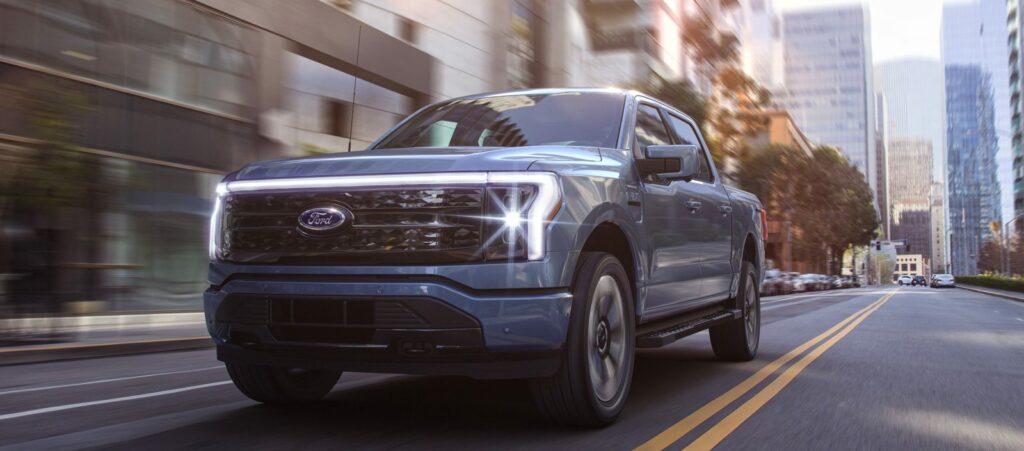
In the memo from Ford to their dealers they explicitly stated, “Examples of these negative interactions include demanding that customers who are already on the reservation list for the 22 MY [2022 model year] F-150 Lightning make additional deposits or payments. These actions are perceived as threatening customers by withholding their opportunity to convert reservations to orders.”
If you are on a Lightning reservation list and your dealer is requesting you put down an additional deposit or pay extra to retain your reservation, you DO NOT need to do that. Reference this memo when you reply to the dealer. Ford is adamant about preserving some sort of “positive” customer experience when it comes to purchasing the Lightning.
For the first time in a long time, we have an automaker standing up to their dealer body. Traditionally, automakers let their dealers do whatever they want with customers. At the end of the day MSRP does stand for “Manufacturers Suggested Retail Price”. That being said, Ford recognizes that companies like Tesla (which is currently valued at 10 times the valuation of Ford) have improved the customer experience, and Ford needs to catch up.
The memo goes on to read:
“This behavior is not allowable under Paragraph 6 of the Sales and Service Agreement. Paragraph 6(i) states that ‘The Dealer shall conduct dealership operations in a manner that will reflect favorably at all times on the reputation of the Dealer, other Company authored dealers, the Company, Company products and trademarks and trade names used or claimed by the Company or any of its subsidiaries. The Dealer shall avoid in every way any ‘bait’, deceptive, misleading confusing or illegal advertising or business practices.'”
This part of the memo is a bit humorous since Ford could easily reprimand all of their dealers for false advertising. As we all know bait and switch practices, deceptive pricing, and misleading and confusing tactics are used day in and day out at countless dealerships. That being said, Ford is threatening to not allocate F-150 Lightning inventory to dealers who behave in this way with the Lightning. That’s newsworthy as it’s the first time Ford or any major automaker has stood up to their dealers on a mass-market vehicle, and it could signal the beginning of the end for unilateral dealer control over the customer experience.
Ford is not only exhibiting control over their dealers, they’re also trying to control the re-sale market of the Lightning. From the memo, “In order to prevent the re-sale of 22MY F-150 Lightning, Ford is offering support for a No-Sale provision to be signed by the customer at the time of purchase. Dealers may add this language to existing closing forms or create a new standalone document.”
The language Ford sent to their dealers reads, “Purchaser hereby agrees that it will not sell, offer to sell, or otherwise transfer any ownership interest in the Vehicle prior to the first anniversary of the date herof. Purchaser further agrees that Seller may seek injunctive relief to prevent the transfer of title of the Vehicle or demand payment from Purchaser of all value received as consideration for the sale or transfer.”
The memo goes on to state, “Dealers should consult with their legal counsel to address any state-specific requirements.”
Not only is the legality of this language a question, the ethics of it are questionable too. How can Ford try and control what a consumer can do after allowing their dealers have been adding additional dealer markup to their vehicles for over a year now?
Ford recognizes that their customers could make a profit by buying a new 2022 F-150 Lightning and re-selling it on the used car market. They have added this language to prevent them from doing that, but they haven’t done anything to stop their dealers from adding tens of thousands of markup to their vehicles. This seems like an overstep. Instead of trying to control consumers, Ford should focus on controlling their dealers first.
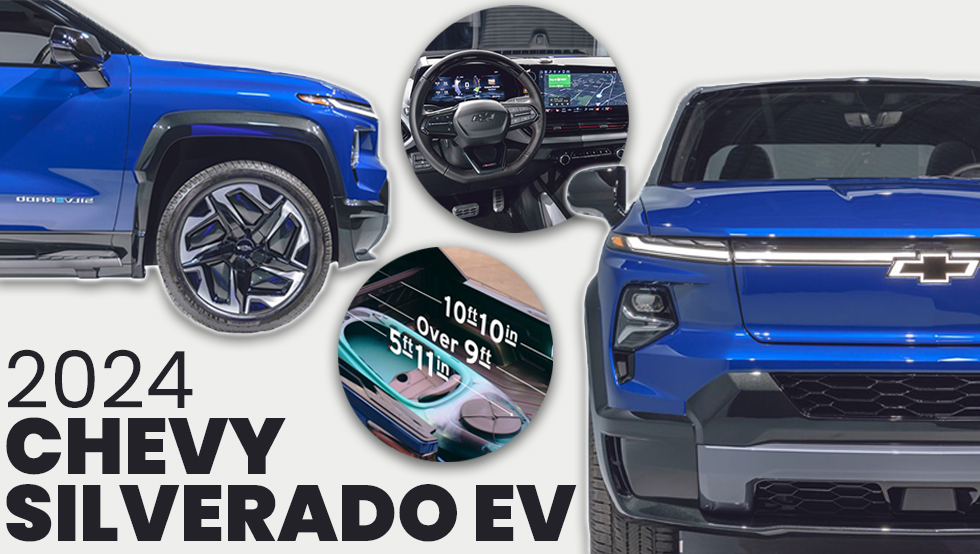
This year’s CES is full of EV headlines, from a Sony EV to Chrysler’s Airflow concept and much more. GM’s accelerated push into electric vehicles made news with multiple head-turning announcements at CES. Arguably, the unveiling of the 2024 Chevrolet Silverado EV is the biggest deal of all in an expo full of automotive gamechangers.
Although Tesla’s Cybertruck started the electric pickup conversation with the swing of a sledgehammer into a windshield in 2019, other automakers are much closer to bringing electric trucks (or dare I say e-trucks?) to market. The outdoorsy Rivian R1T has begun deliveries, and the GMC Hummer EV is crab-walking its way into customers’ hands. But these two premium offerings are a price point or two above what the majority of drivers can afford. Enter the Ford F-150 Lightning and its chief competition, the all-new Chevrolet Silverado EV.
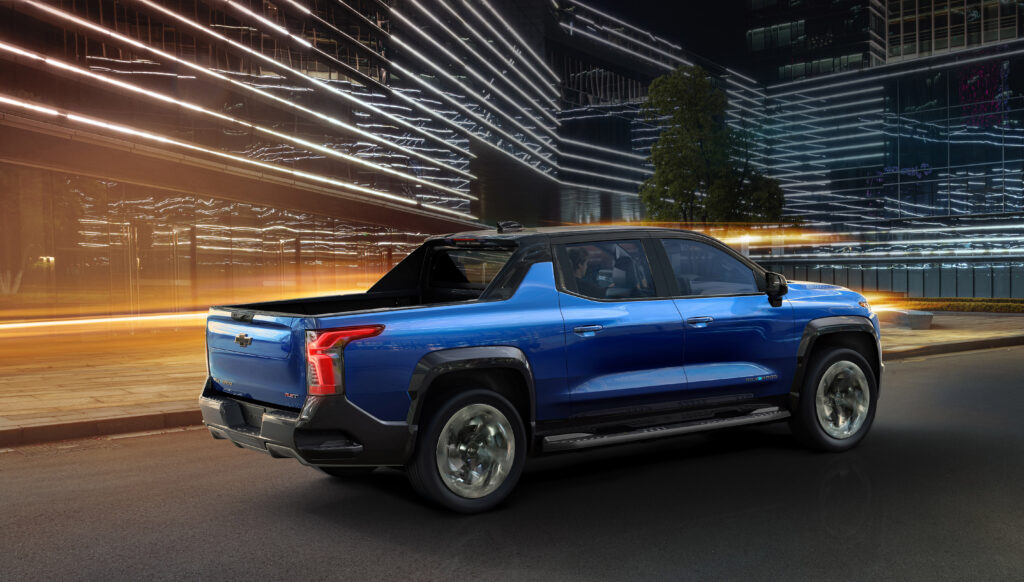
During the CES unveiling last week, General Motors CEO Mary Barra made it clear that the upcoming electric Silverado “can be what you need and want it to be”, as they put it. Those in need of a long-range electric work truck with 10 power outlets for tools and equipment will find what they need in the Silverado ‘Work Truck’ or WT. All trims will be Crew Cab designed with a 40/60 split on the second row.
For the truck-aspiring commuter or casual heavy-hauler, the boundary-breaking Silverado RST ups the ante and launches the MSRP to six figures. You could argue that the RST is closer to what the new Hummer offers than the WT version of the Silverado. Surveys of EV-curious consumers show that Americans are feeling uneasy about the switch from gas stations to charging infrastructure. The 2024 Silverado EV is out to change that, with up to 400 miles of range and true rapid charging capabilities.
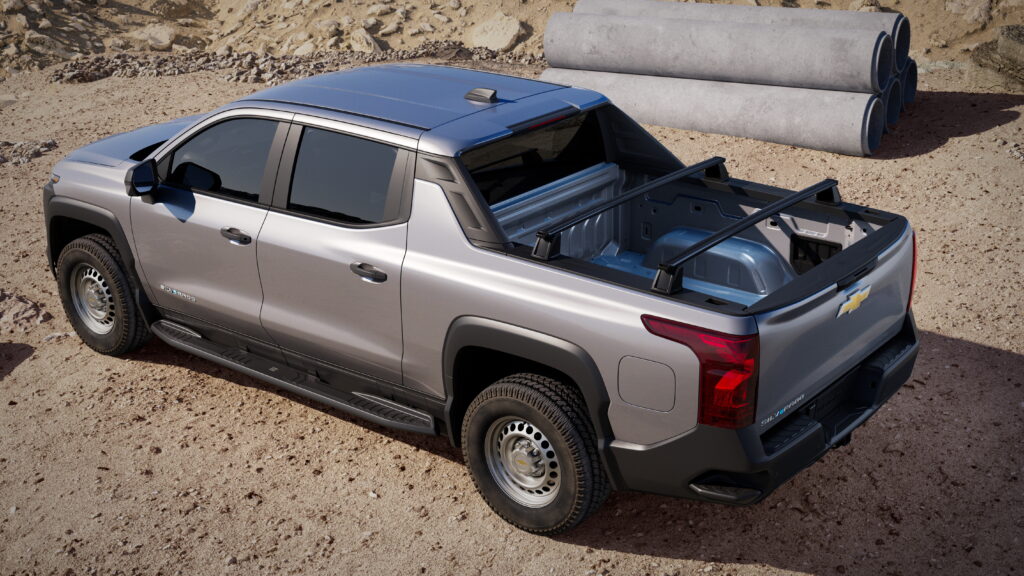
For now, Chevrolet only mentions a future with a “full lineup of Silverado EVs” that will include mid-level trims. The press release announcing the launch outlines plans to “unleash the full Silverado EV portfolio, including WT (with a starting MSRP of $39,900 + destination charges), RST, Trail Boss and more. Customers will have the ability to content the truck across various price ranges, with MSRPs around $50,000, $60,000, $70,000, $80,000 and more.” We’ll update this page as we learn more.
When GM first ventured into the world of electrification with the Chevrolet Volt in 2010, battery costs were about $1,000 per kWh. That meant that the Volt’s 16 kWh battery was the most expensive component of the car. Now, Mary Barra says that their all-new Ultium platform will be produced at less than $100 per kWh. To be frank, that’s a gamechanger for any legacy automaker, let alone one that has been plagued with battery recalls and outdated electric powertrains. The press release announcing Ultium didn’t beat around the bush, stating that “the first generation of GM’s future EV program will be profitable.”
What does the Ultium platform mean for the 2024 Silverado EV? Outstanding range figures, efficient electric motors and exceptional charging speeds will come standard. Chevrolet claims up to 400 miles of range, and 100 miles of added driving range in just 10 minutes at DC fast chargers. All OEMs partner with suppliers for battery (and combustion engine) components to some extent. GM’s engineers designed the Ultium platform, but LG will be in charge of making the battery packs for the time being. Despite the kerfuffle between the two corporations over LG’s Chevy Bolt battery debacle, it looks like the partnership is continuing. Besides, LG Chem is a respected battery supplier for Stellantis, Lucid and even some Tesla models.
In summary, the upcoming electric Silverado is charging full steam ahead in the race to dominate the electric pickup truck segment. Here’s what GM has shared with us so far:
| Trim (EV) | HP | Torque (lb-ft) | 0-60 mph | Offboard Power | Range (miles) | Charging Speed | Starting MSRP |
| Silverado WT | 510 | 615 | TBD | 10.2 kW | Up to 400 | Up to 350 kW | $39,900 |
| Silverado Mid-Trims TBD | TBD | TBD | TBD | 10.2 kW | TBD | Up to 350 kW | $50,000 |
| Silverado RST | Up to 664 | Up to 780 | 4.5 s | 10.2 kW | Up to 400 | Up to 350 kW | $105,000 |
When it comes to towing and payload, the Silverado EV is no slouch. GM says a future WT Max version will be capable of towing 20,000 pounds.
| Trim | Towing | Payload | Bed Size | Max Available Load Floor |
| Silverado WT EV | 8,000-20,000 lbs | 1,200 lbs | 5′ 11″ | TBD |
| Silverado Mid-Trims TBD | TBD | TBD | 5′ 11″ | TBD |
| Silverado RST EV | 10,000 lbs | 1,300 lbs | 5′ 11″ | 10′ 10″ |
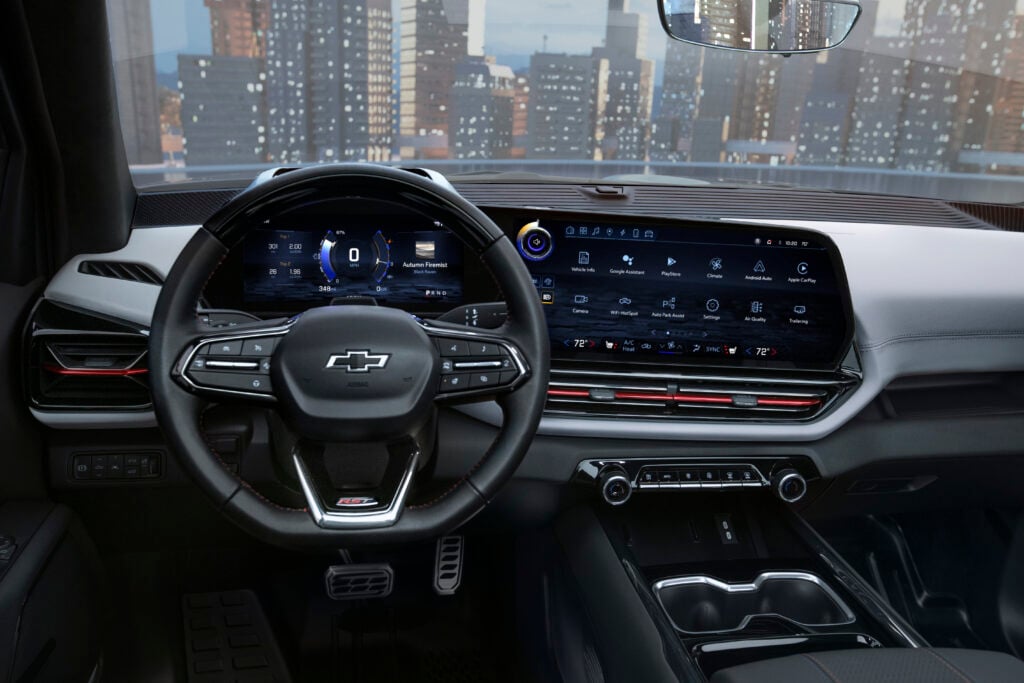
The Silverado EV is packed with the latest technology, including an advanced software system that enables over-the-air updates, a feature popularized by Tesla that is quickly spreading among automakers. As a driver approaches the luxurious RST, a distinctive lighting animation greets them. Infotainment and driver information is presented on the RST’s large 17-inch screen, which is paired with a neighboring 11-inch driver instrument display. There’s also a driver head-up display with a field of view over 14 inches.
The RST includes trailer-capable Super Cruise, GM’s hands-free driver-assistance technology. Super Cruise works on more than 200,000 miles of compatible roads across the U.S. and Canada.
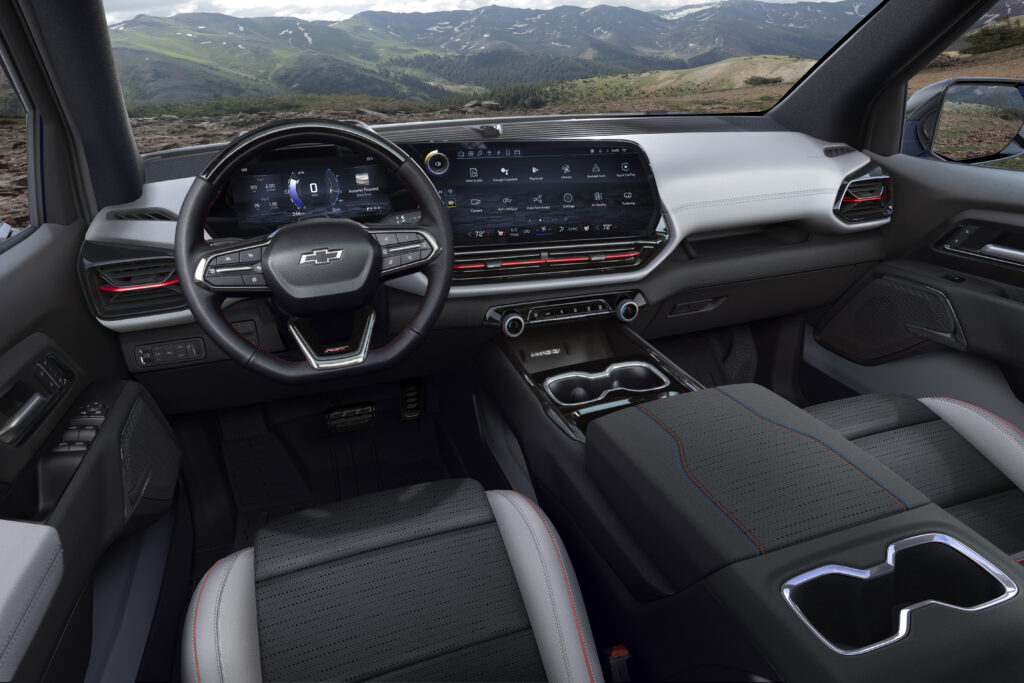
The 2024 Silverado will enter a crowding field of full-size electric trucks. What makes the Silverado stand out from the F-150 Lightning, Rivian R1T, GMC Hummer EV and the eventual Tesla Cybertruck?
This is outstanding, and it might even be too good. With the DC fast charging capabilities that come with the Silverado (see below), there’s hardly a need for more than 300 miles of real-world range. On the other hand, 400 miles of range makes the Silverado EV a great overlanding option for those who venture far off the beaten path. In all likelihood, Chevrolet will have quite the upcharge for the maximum range. Most trim options will most likely feature ranges in the 250-320 mile range. The Silverado’s main competitor, the Ford F-150 Lightning, is only capable of up to 300 miles of range on select trims. With the Ford, a minimum price tag of about $70,000 unlocks the max range.
All trims of the Silverado EV will be capable of super-fast DC fast charging at 350 kW speeds. In 2022, only the Porsche Taycan and Lucid Air are capable of such rapid charging. Soon, the Hyundai IONIQ 5 and Kia EV6 will join their ranks. Why then, is it ‘up to’ 350 kW charging? Not all public fast chargers are capable of such high outputs. The good news is that all new Electrify America charging stations are equipped for 350 kW. GM says that the Silverado will add 100 miles of range in just 10 minutes at such a powerful charging station. Of particular note, the F-150 Lightning will only accept 150 kW charging speeds. The Silverado has a clear advantage here.
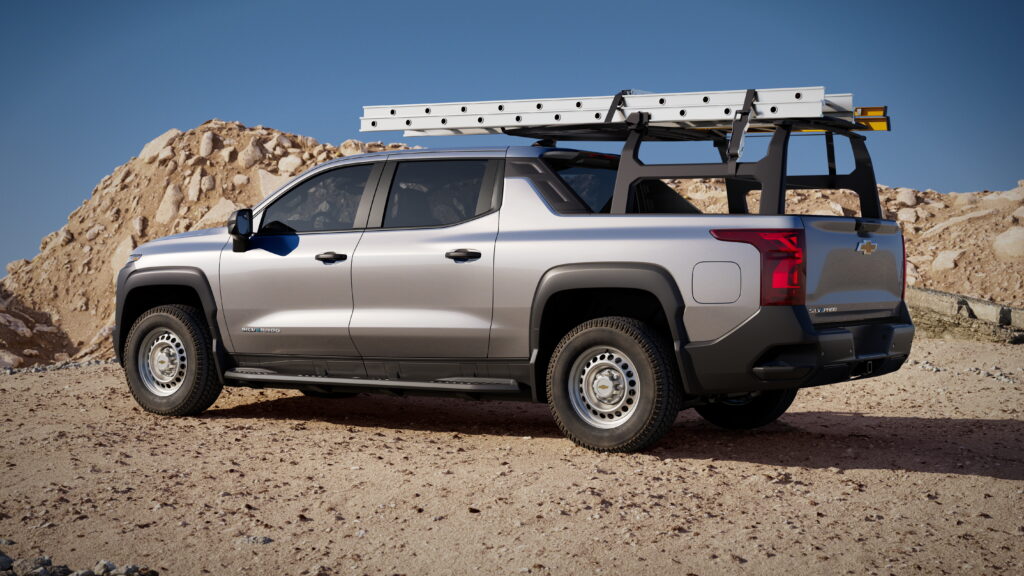
GM says that the new Silverado is basically a rolling generator, if you buy the required accessories. “When combined with the available accessory power bar, the Silverado EV’s PowerBase charging system offers up to 10 outlets, to provide a total of 10.2kW of all-electric power for countless worksite or recreational needs, including powering your home, with the required equipment.” It can even charge other electric vehicles!
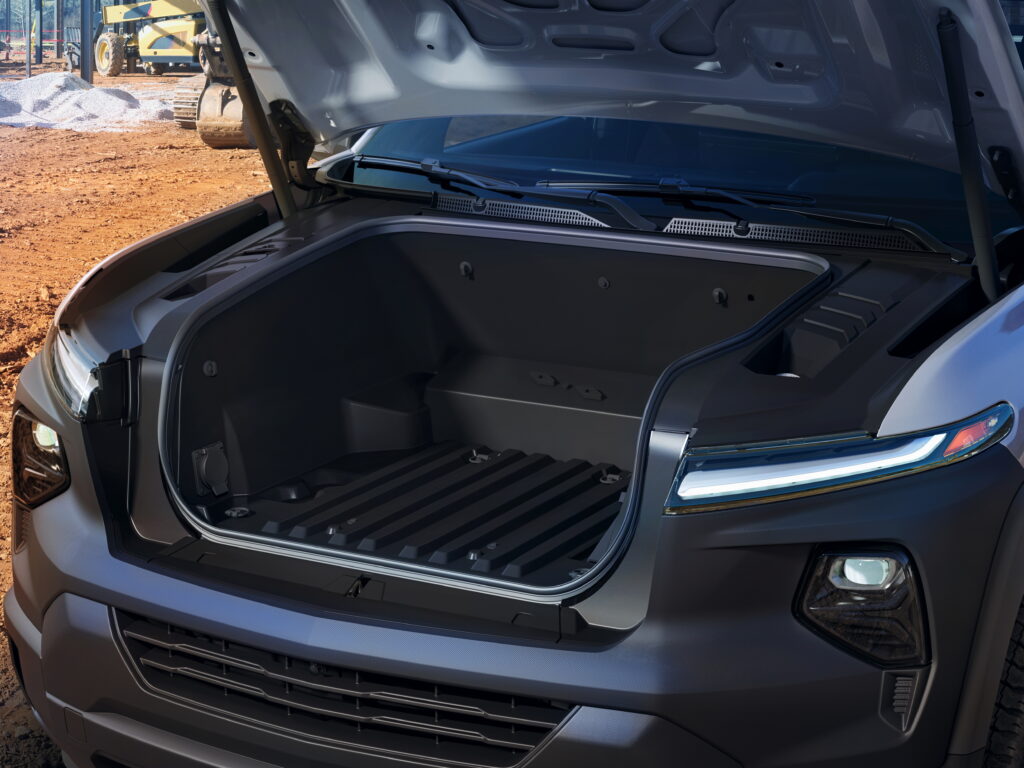
On the RST, the storage capacity of the 5-foot-11-inch bed is maximized thanks to the Multi-Flex Midgate, which provides just over 9 feet of storage between the cab and the tailgate when the Midgate is open. The Silverado RST EV has a noticeably larger bed than the F-150 Lightning’s 5.5 foot offering. But wait, there’s more! The Multi-Flex Tailgate enables up to 10 feet, 10 inches of load floor and storage capability. An available tonneau cover allows for fully lockable, weatherproof storage. Furthermore, there’s a sizable frunk (front trunk) that Chevy is calling the eTrunk.
GM has a plan for the rollout of the 2024 Silverado EV, so we’ll give it to you straight from the horse’s mouth.
“The Silverado EV will be assembled with domestically and globally-sourced parts at GM’s Factory ZERO, Detroit-Hamtramck Assembly Center — a facility repurposed and retooled with a $2.2-billion investment devoted to EV production.
In spring 2023, the Silverado EV will debut a WT model offering GM’s longest range battery with an expected GM-estimated range of over 400 miles on a full charge. In fall 2023, a fully loaded RST First Edition model, also delivering a 400-mile range, will debut with an MSRP of $105,000 + DFC. After production ramps up, Chevrolet will unleash the full Silverado EV portfolio, including WT (with a starting MSRP of $39,900 + DFC), RST, Trail Boss and more. Customers will have the ability to content the truck across various price ranges, with MSRPs around $50,000, $60,000, $70,000, $80,000 and more, allowing them to choose the truck that meets their capability and pricing needs.”
So there you have it. Availability is limited through 2023 or perhaps well into 2024. In fact, most EVs have limited availability through 2022, as we outlined for you in our recent article. The F-150 Lightning does have the advantage here, as it will be available starting late this year.
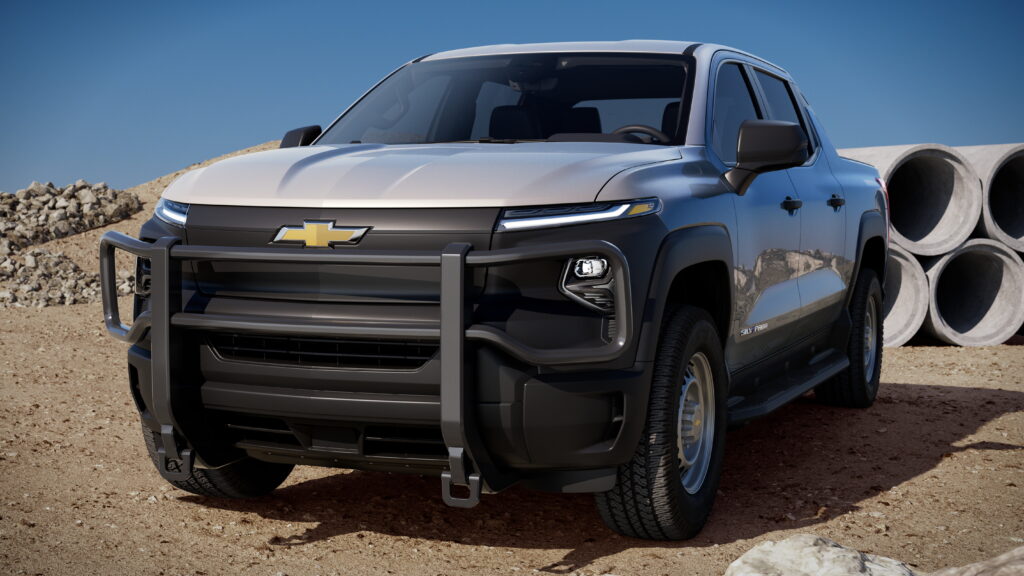
The upcoming electric Silverado looks to be a transformational truck with amazing range, power and flexibility. Plus, there’s a whole lot of luxury on the RST. Here’s what we’re keeping an eye on as your consumer advocates: Several of the neat features that Chevrolet touts are only available with the purchase of ‘accessories’. The following features require some sort of accessory or upgrade:
As you can see, the pricing structure may become a numbers game once Chevrolet starts shipping the Silverado EV to dealerships in 2023. Hopefully the available accessories are offered at a reasonable price.
The 2024 Chevrolet Silverado EV shows just how far legacy OEMs have come in their push towards electrification. GM has already committed $35 billion to electrification over the next decade, and their prized Ultium platform is looking like a real gamechanger. It’s exciting that we’ll soon see the result of their investments. What do you think? Is the electric truck segment about to get serious? Or were you hoping for lower prices and better specs? Let us know in the comments below, or better yet, join our CarEdge Community forum to connect with auto experts, consumers and fellow car enthusiasts.
We have thousands of EVs (and other vehicles) listed today. Each listing includes industry insights, empowering data and the true TotalPrice that will make buying a car the transparent process it should’ve always been. Check it out here!

In October 2025, U.S. dealerships have 2.83 million new vehicles in stock, representing an increase from this spring’s car buying rush.
Retail sales of new vehicles have followed seasonal patterns this year. Although trade wars, global instability, and broader economic conditions have all added complexity to today’s car market, 2025 has mostly been good news in terms of inventory.
Here are important definitions that will help you understand and interpret the car market data below:
Market Day supply: This is the number of days needed to sell all vehicles in inventory, based on the previous month’s daily selling rate. Learn more about MDS.
Inventory: This is the unit count of vehicles on hand at dealerships, factory lots, ports of entry, and in transit.
All data is sourced from CarEdge Pro and Cox Automotive.
Let’s dive in!

As we can see below, Stellantis brands, Ford, and Mazda have the most inventory among the mainstream automakers. Toyota and Honda brands have the least inventory, and as a result, the least negotiable prices.
| Brand | Brand Days of Supply (MDS) | Total New Inventory | Trend (MDS) |
|---|---|---|---|
| Total New Market | 79 | 3,021,724 | Steady |
| Acura | 98 | 30,024 | higher |
| Audi | 103 | 48,335 | Lower |
| BMW | 80 | 66,637 | Higher |
| Buick | 104 | 44,201 | Higher |
| Cadillac | 101 | 45,385 | Steady |
| Chevrolet | 76 | 312,715 | Steady |
| Chrysler | 124 | 11,639 | Higher |
| Dodge | 112 | 17,722 | Steady |
| Ford | 106 | 476,793 | Steady |
| GMC | 88 | 132,149 | Steady |
| Genesis | 124 | 23,096 | Higher |
| Honda | 57 | 187,202 | Lower |
| Hyundai | 84 | 200,666 | Lower |
| Infiniti | 98 | 11,597 | Steady |
| Jeep | 123 | 142,348 | Higher |
| Kia | 80 | 165,396 | Lower |
| Lexus | 37 | 37,421 | Lower |
| Lincoln | 119 | 29,093 | Steady |
| Mazda | 94 | 89,045 | Lower |
| Mercedes-Benz | 98 | 73,289 | Steady |
| Mini | 138 | 10,548 | Higher |
| Mitsubishi | 109 | 15,363 | Lower |
| Nissan | 102 | 172,674 | Steady |
| Porsche | 85 | 14,226 | Lower |
| Ram | 149 | 126,961 | Higher |
| Subaru | 83 | 124,820 | Higher |
| Toyota | 34 | 264,164 | Lower |
| Volkswagen | 105 | 83,465 | Steady |
To provide car buyers with additional insights, we’ve pulled the latest inventory data for the best-selling cars in America for top brands. Looking for local data? Check out CarEdge Pro.
| Make | Model | Day Supply | Total For Sale | Inventory Trend |
|---|---|---|---|---|
| Ford | F-150 | 103 | 109,017 | Steady |
| Ford | Explorer | 81 | 39,068 | Lower |
| Ford | Escape | 95 | 30,878 | Lower |
| Ford | Bronco Sport | 124 | 40,100 | Steady |
See Ford listings near you with local market data
| Make | Model | Day Supply | Total For Sale | Inventory Trend |
|---|---|---|---|---|
| Chevrolet | Silverado 1500 | 86 | 70,152 | Lower |
| Chevrolet | Equinox | 68 | 40,736 | Lower |
| Chevrolet | Traverse | 75 | 25,430 | Higher |
| Chevrolet | Trailblazer | 76 | 16,432 | Lower |
| Chevrolet | Trax | 47 | 24,639 | Lower |
See Chevrolet listings near you with local market data
| Make | Model | Day Supply | Total For Sale | Inventory Trend |
|---|---|---|---|---|
| Toyota | RAV4 | 38 | 60,855 | Higher |
| Toyota | Camry | 16 | 22,029 | Lower |
| Toyota | Corolla | 20 | 17,892 | Lower |
| Toyota | Highlander | 42 | 7,128 | Higher |
| Toyota | Tacoma | 49 | 60,489 | Steady |
See Toyota listings near you with local market data
| Make | Model | Day Supply | Total For Sale | Inventory Trend |
|---|---|---|---|---|
| Honda | CR-V | 54 | 51,749 | Steady |
| Honda | Civic | 50 | 19,734 | Lower |
| Honda | Accord | 69 | 28,601 | Steady |
| Honda | Pilot | 60 | 17,669 | Steady |
See Honda listings near you with local market data
| Make | Model | Day Supply | Total For Sale | Inventory Trend |
|---|---|---|---|---|
| Hyundai | Tucson | 106 | 51,764 | Steady |
| Hyundai | Elantra | 85 | 30,877 | Lower |
| Hyundai | Santa Fe | 92 | 35,661 | Steady |
| Hyundai | Palisade | 50 | 23,789 | Lower |
| Hyundai | Kona | 80 | 12,128 | Higher |
See Hyundai listings near you with local market data
| Make | Model | Day Supply | Total For Sale | Inventory Trend |
|---|---|---|---|---|
| Kia | K4 | 46 | 15,055 | Lower |
| Kia | Telluride | 62 | 15,704 | Steady |
| Kia | Sorento | 102 | 24,141 | Steady |
| Kia | Carnival | 99 | 16,273 | Higher |
See Kia listings near you with local market data
| Make | Model | Day Supply | Total For Sale | Inventory Trend |
|---|---|---|---|---|
| Mazda | CX-5 | 137 | 34,185 | Higher |
| Mazda | CX-30 | 106 | 13,560 | Lower |
| Mazda | CX-50 | 101 | 25,025 | Lower |
| Mazda | CX-90 | 36 | 6,846 | Lower |
See Mazda listings near you with local market data
| Make | Model | Day Supply | Total For Sale | Inventory Trend |
|---|---|---|---|---|
| Subaru | Outback | 79 | 30,486 | Lower |
| Subaru | Crosstrek | 86 | 45,287 | Lower |
| Subaru | Forester | 72 | 22,928 | Steady |
| Subaru | Ascent | 101 | 7,757 | Higher |
See Subaru listings near you with local market data

Ready to outsmart the dealerships? From negotiating a deal to leasing a car the smart way, it’s all available for instant download. Get your FREE cheat sheets today!