
CarEdge saved me over 4,500 dollars on a brand new Honda Pilot. I can't say thank you enough.
Price intelligence
Find a wide range of vehicle listings with market insights on new and used listings near you.
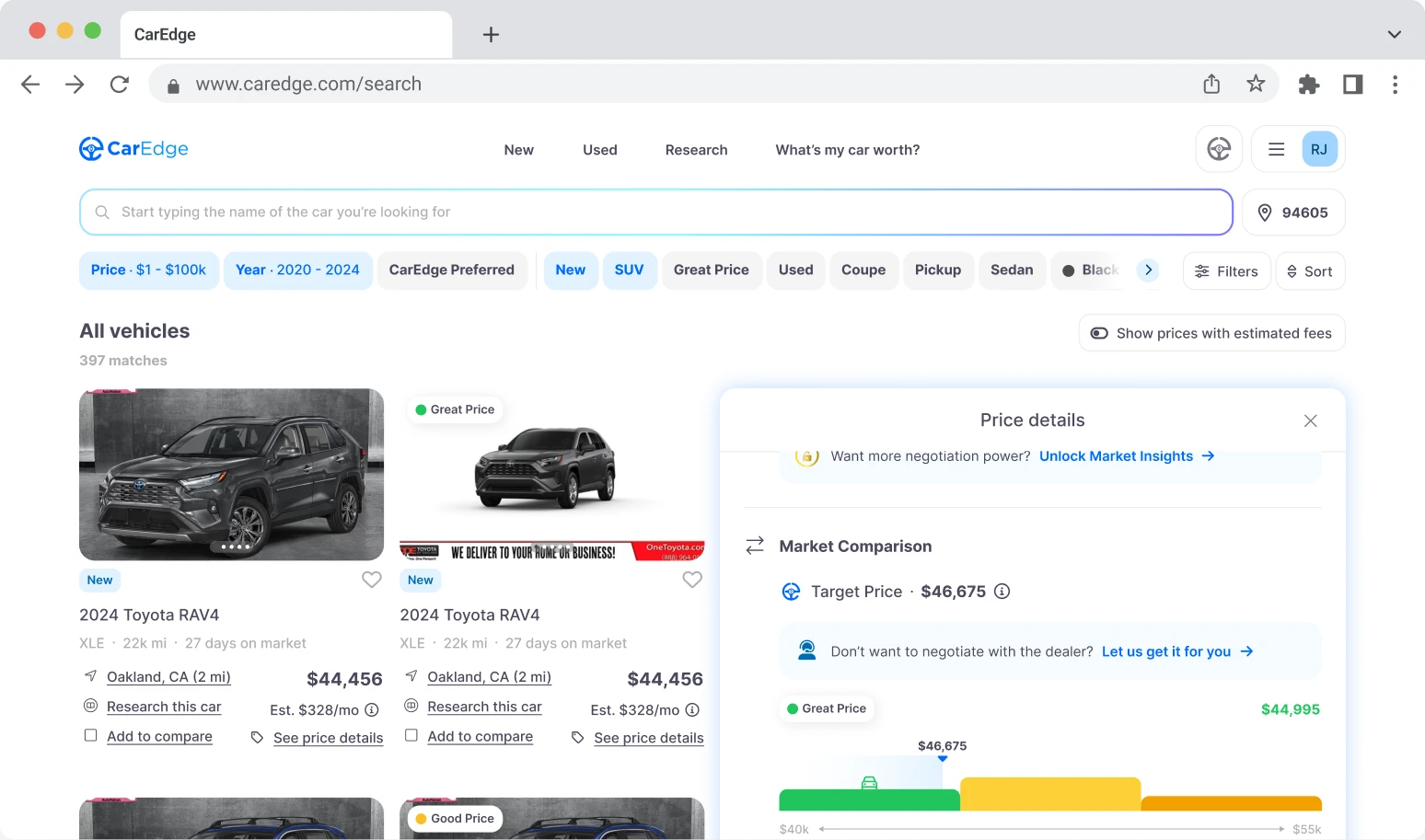

What can I do with CarEdge?
 CarEdge Insights
What can I do with CarEdge?
Get access to exclusive information so you can make an informed car buying decision — all in one place.

Find a wide range of vehicle listings with market insights on new and used listings near you.
Track your vehicle’s value and cash in when the time is right to sell.

Access to our proprietary data to help you find the right car, at the right price. Find these unlocked on every listing after subscribing.

With our expert-led, tech-enabled car buying service, we will locate, negotiate, and deliver your vehicle so you can get a new car hassle free.


Help us personalize your CarEdge experience — it only takes a second.
Your answers help us personalize your CarEdge journey — we’ll follow up with tips and next steps that match your buying timeline.

Memorial Day is one of the biggest car shopping weekends of the year, and Ford and Chevrolet are battling for buyer attention with very different strategies. Ford is leaning heavily on employee pricing and cash offers, while Chevrolet is rolling out ultra-low APR deals and more competitive leases—especially on trucks and EVs.
Which brand offers the better deals overall? We compared their top incentives across five popular vehicle segments to help you decide.
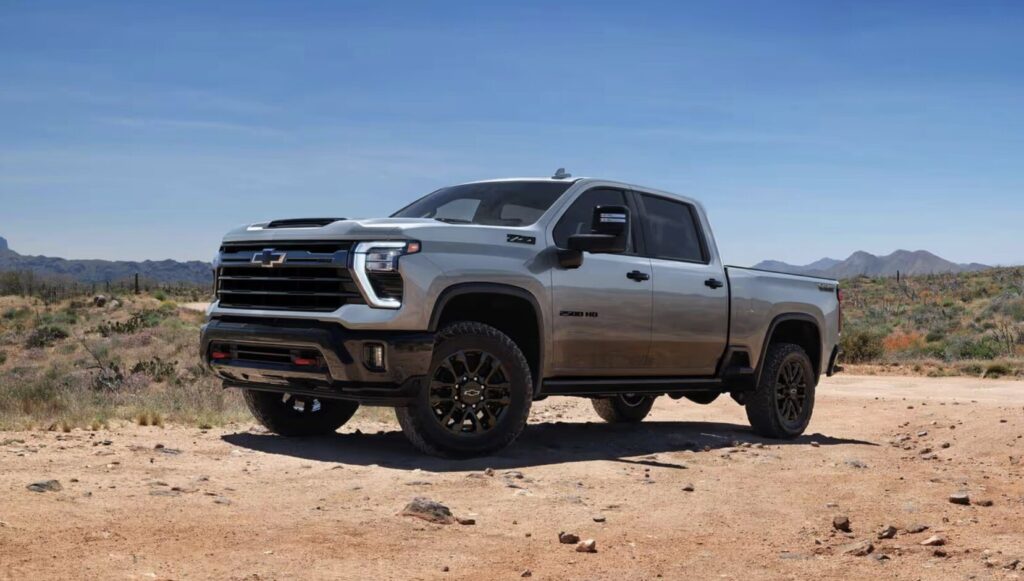
Verdict: This one’s not close. Chevy beats Ford on APR, lease price, and comparable cash incentives.
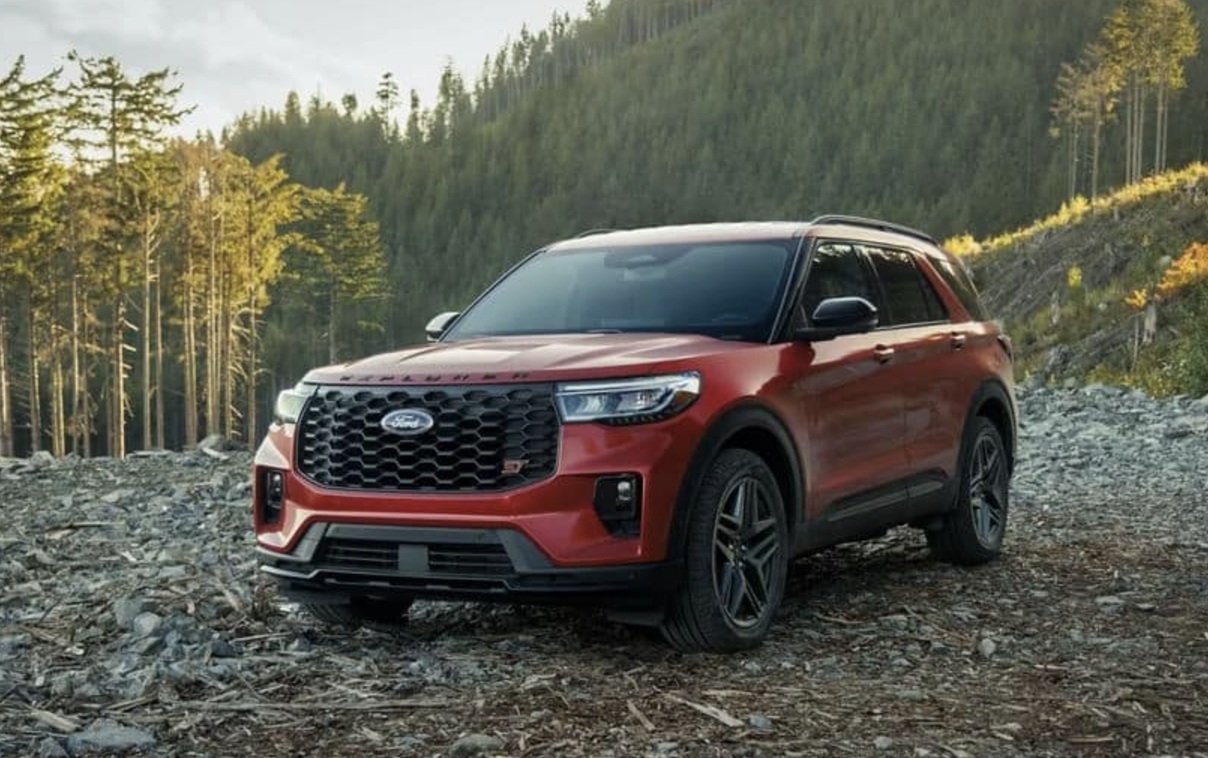
Verdict: Ford’s lease is far more attractive in both price and term length. Explorer wins this round.

Verdict: Ford has generous cash incentives, but Chevy wins on lease affordability and financing. Equinox comes out ahead.

Verdict: Ford offers better upfront savings, but Chevy’s 0% APR may be more valuable for buyers financing a large SUV. Call this one a tie depending on how you’re paying. It’s important to note that Chevrolet’s incentives on the Suburban and Tahoe are for leftover 2024 models. Just a few hundred remain across the nation.

Verdict: Ford offers a better lease price and throws in a charger, but Chevy’s 0% APR and EV tax credit make the Blazer EV the better all-around deal. Chevrolet is not yet advertising any offers for the 2025 model, so this isn’t exactly an apples to apples comparison.
If you’re financing a vehicle this Memorial Day, Chevrolet offers stronger incentives nearly across the board, with APR as low as 0% and lease prices that beat Ford’s in most categories.
Ford’s strategy this year leans on employee pricing and cash allowances, which can still be valuable—especially if you’re buying with cash or securing outside financing.
Before making a decision, be sure to check regional offers for both brands. Ford’s employee pricing can vary by model and location, while Chevrolet may sweeten the deal even further with conquest or loyalty incentives.
Need help finding or negotiating your deal? Let CarEdge do the hard work. Whether you’re buying or leasing, our car buying services are now more affordable than ever.
A month after sweeping automotive tariffs took effect, new car prices in the U.S. remain remarkably steady. CarEdge’s latest analysis of transaction data shows that despite headlines and automaker warnings, buyers haven’t felt the sting of higher prices—yet.
But don’t get too comfortable. As early signs from Ford suggest, automakers may soon begin passing on the cost of tariffs to buyers. Here’s what we’re seeing so far—and what to expect next.
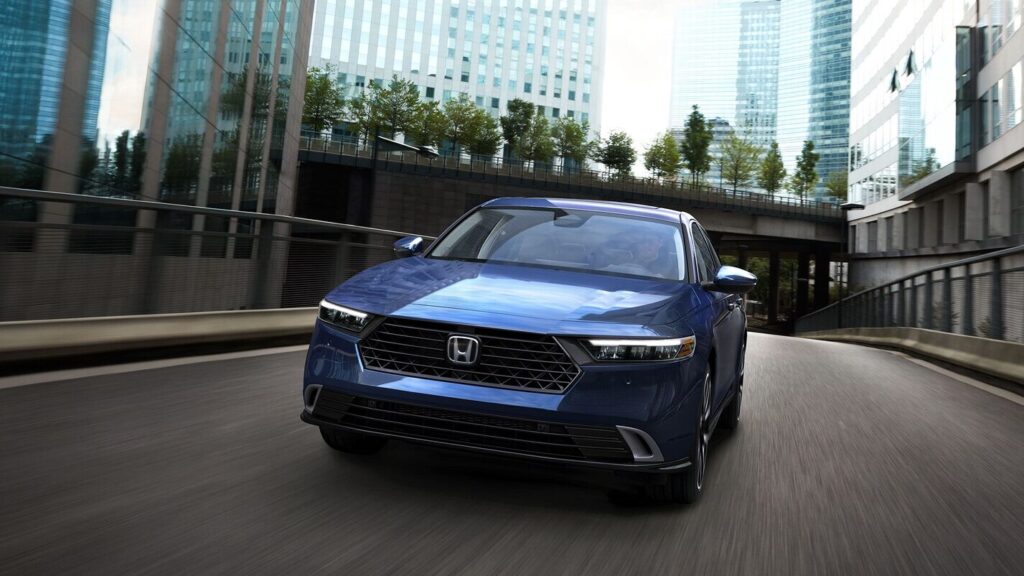
On April 1, 2025, just two days before new auto tariffs took effect, the average selling price of the 25 best-selling vehicles in the United States was $41,338. By May 1, it had risen by just $2 to $41,340.
That’s a negligible increase—especially considering typical spring seasonality in car sales. Among these top-sellers, only the Subaru Crosstrek and Chevrolet Trax saw prices rise by more than half a percent. The Honda Accord followed closely with a modest 0.48% increase.
Here’s a look at how prices changed for the top 25 best-selling vehicles in America from April to May 2025, with data sourced from CarEdge Pro, which is open to all:
| Make | Model | 4/1/25 Avg Selling Price | 5/1/25 Avg Selling Price | Price Change |
|---|---|---|---|---|
| Chevrolet | Silverado 1500 | $54,241 | $54,021 | -0.41% |
| Chevrolet | Equinox | $32,658 | $32,655 | -0.01% |
| Chevrolet | Trax | $24,968 | $25,123 | 0.62% |
| Ford | F-150 | $58,798 | $58,737 | -0.10% |
| Ford | Explorer | $49,740 | $49,701 | -0.08% |
| GMC | Sierra 1500 | $61,568 | $61,025 | -0.88% |
| Honda | CR-V | $37,972 | $38,043 | 0.19% |
| Honda | Civic | $28,791 | $28,825 | 0.12% |
| Honda | Accord | $34,184 | $34,348 | 0.48% |
| Hyundai | Tucson | $35,875 | $35,818 | -0.16% |
| Jeep | Grand Cherokee | $47,971 | $48,085 | 0.24% |
| Kia | Sportage | $34,428 | $34,482 | 0.16% |
| Nissan | Rogue | $34,521 | $34,554 | 0.10% |
| Nissan | Sentra | $23,654 | $23,616 | -0.16% |
| Ram | Ram 1500 | $58,222 | $58,067 | -0.27% |
| Subaru | Crosstrek | $31,834 | $32,068 | 0.74% |
| Subaru | Forester | $36,876 | $37,017 | 0.38% |
| Subaru | Outback | $38,296 | $38,460 | 0.43% |
| Tesla | Model Y | $48,990 | $48,990 | 0.00% |
| Toyota | RAV4 | $37,590 | $37,524 | -0.18% |
| Toyota | Camry | $35,247 | $35,352 | 0.30% |
| Toyota | Corolla | $25,666 | $25,657 | -0.04% |
| Toyota | Tacoma | $46,763 | $46,644 | -0.25% |
| Toyota | Highlander | $52,079 | $52,073 | -0.01% |
| Toyota | Tundra | $62,514 | $62,627 | 0.18% |
The takeaway? For now, mainstream car buyers aren’t seeing noticeable price hikes, even in a market rattled by global trade policy.
Vehicles imported from Mexico also show minimal pricing movement. In fact, the average price increase across 20 Mexico-built models sold in the U.S. was just 0.03% from April to May.
Still, a few models stand out with larger increases:
But price drops weren’t uncommon either:
Here’s a closer look at selling price trends for every car made in Mexico and exported to the U.S.:
| Make | Model | Country of Origin | 4/1/25 Avg Selling Price | 5/1/25 Avg Selling Price | Price Change |
|---|---|---|---|---|---|
| Audi | Q5 | Mexico | $57,103 | $56,072 | -1.81% |
| BMW | 2 Series Coupe | Mexico | $49,960 | $50,081 | 0.24% |
| BMW | 3 Series | Mexico | $55,550 | $55,670 | 0.22% |
| Chevrolet | Blazer EV | Mexico | $49,843 | $50,597 | 1.51% |
| Chevrolet | Equinox EV | Mexico | $43,632 | $43,593 | -0.09% |
| Chevrolet | Silverado 1500 | U.S. and Mexico | $54,241 | $54,021 | -0.41% |
| Ford | Bronco Sport | Mexico | $34,107 | $34,647 | 1.58% |
| Ford | Mustang Mach-E | Mexico | $49,072 | $49,729 | 1.34% |
| Ford | Maverick | Mexico | $34,001 | $33,293 | -2.08% |
| GMC | Sierra 1500 | U.S. and Mexico | $61,568 | $61,025 | -0.88% |
| Honda | Prologue | Mexico | $54,310 | $54,354 | 0.15% |
| Kia | K4 | U.S. and Mexico | $25,221 | $25,261 | 0.16% |
| Nissan | Kicks | Mexico | $25,897 | $26,084 | 0.72% |
| Nissan | Sentra | Mexico | $23,654 | $23,616 | -0.16% |
| Ram | Ram 3500 | Mexico | $70,856 | $71,033 | 0.25% |
| Ram | Ram 1500 | U.S. and Mexico | $58,222 | $58,067 | -0.27% |
| Ram | Ram 2500 | Mexico | $64,231 | $63,544 | -1.07% |
| Toyota | Tacoma | Mexico | $46,763 | $46,644 | -0.25% |
| Volkswagen | Jetta | Mexico | $26,262 | $26,455 | 0.73% |
| Volkswagen | Taos | Mexico | $29,670 | $29,876 | 0.69% |
| Volkswagen | Tiguan | Mexico | $32,875 | $32,944 | 0.21% |
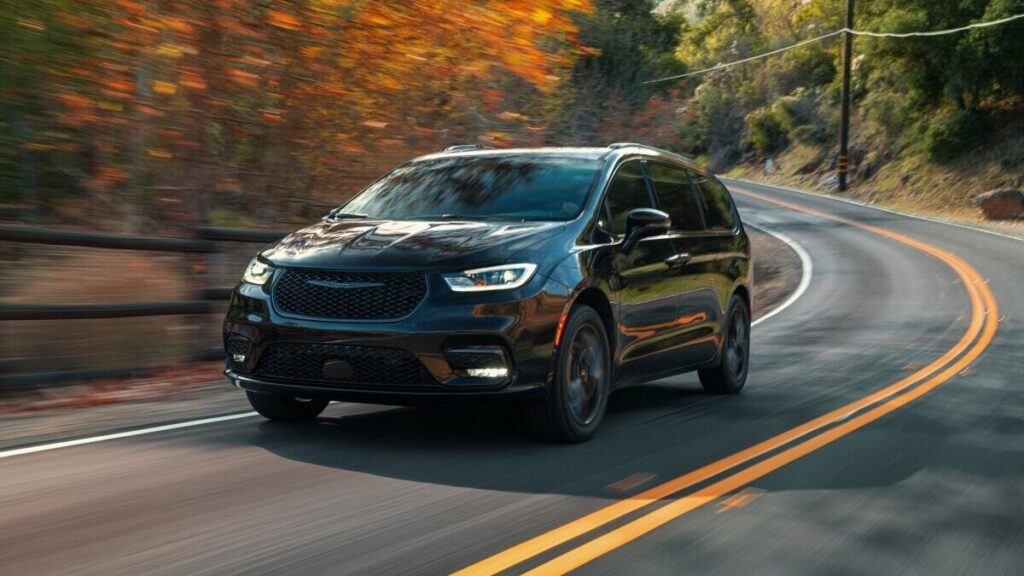
Canada is home to production for several popular American-market vehicles, and these models saw a 0.82% average increase in selling prices from April to May 2025.
The Dodge Charger stands out with a 3.50% increase—but that jump has an explanation. Dodge continues to sell a mix of older 2023 models and newer 2025 Charger Daytona EVs. The newer, higher-priced models are beginning to make up a larger share of monthly sales. It’s 2025, but Stellantis continues to sell a few hundred 2023 Chargers every month.
Here’s how prices changed for all Canada-built vehicles exported to the U.S.:
| Make | Model | Country of Origin | 4/1/25 Avg Selling Price | 5/1/25 Avg Selling Price | Price Change |
|---|---|---|---|---|---|
| Chrysler | Pacifica | Canada | $47,735 | $48,140 | 0.85% |
| Chrysler | Voyager | Canada | $40,633 | $40,655 | 0.05% |
| Dodge | Charger | Canada | $58,055 | $60,086 | 3.50% |
| Honda | CR-V | U.S. and Canada | $37,972 | $38,043 | 0.19% |
| Honda | Civic | U.S. and Canada | $28,791 | $28,825 | 0.12% |
| Lincoln | Nautilus | China and Canada | $61,361 | $61,503 | 0.23% |
While average prices haven’t surged yet, some automakers are already adjusting. In early May, Ford quietly raised MSRP on three of its most tariff-exposed models—all built in Mexico:
Price hikes reached up to $2,000, according to dealer communications reviewed by Reuters.
Why does this matter? Because it suggests the real effects of tariffs are just beginning to show. Automakers may have waited until inventory cleared or pricing strategies were finalized before making any major moves. Perhaps they’ve been holding off on price hikes to show goodwill to their customers. Either way, now that Ford has blinked, others may follow.
Expect broader price adjustments to emerge in the coming weeks as automakers update pricing strategies for the 2026 model year. Stay tuned to CarEdge for the latest updates. We’ll be back with our next auto tariff price check in early June.
[FREE Tool] Tariff Price Checker: See if your next car is directly impacted
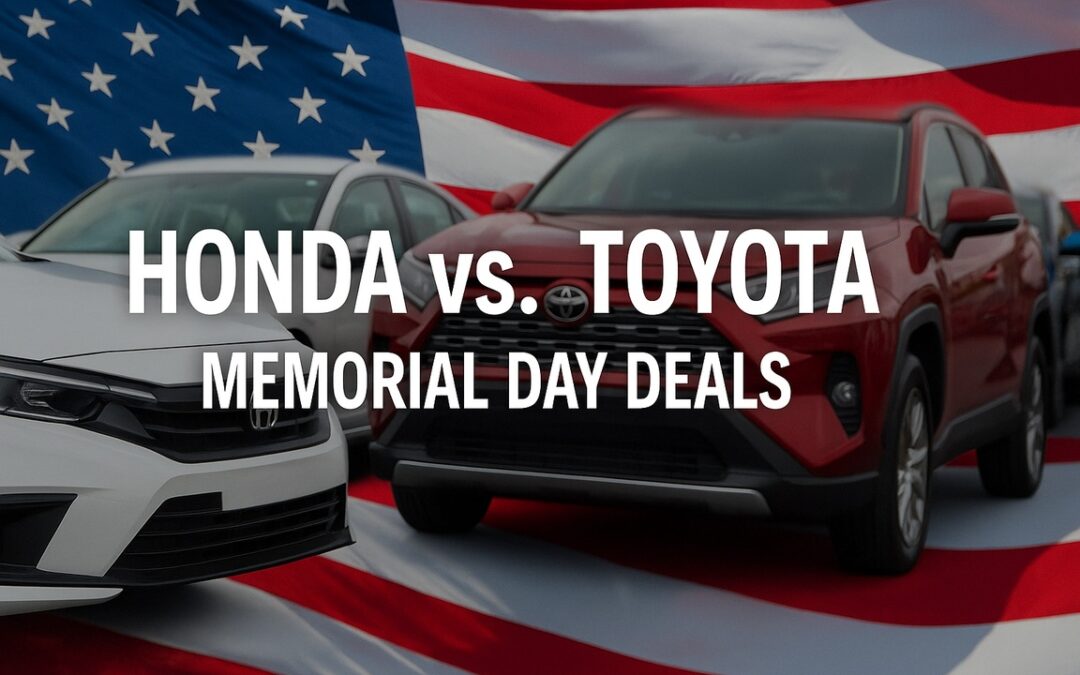
As Memorial Day car sales heat up, many shoppers are comparing two of the most trusted automakers in America: Toyota and Honda. Both brands offer strong incentives this May, but depending on the type of vehicle you’re after, one stands out as the better deal. So who’s winning Memorial Day 2025? Let’s break it down.
When it comes to overall savings, Honda beats Toyota in most Memorial Day offers for 2025, especially for buyers financing with low APR. Models like the Honda Accord and Honda Passport come with market-leading financing rates, and better lease terms in many regions.
However, Toyota’s not out of the game. In fact, shoppers looking to lease a compact sedan or a minivan will find Toyota’s deals hard to beat, especially for the Toyota Corolla and Sienna.
Let’s compare the top matchups in May to see where the real deals lie.
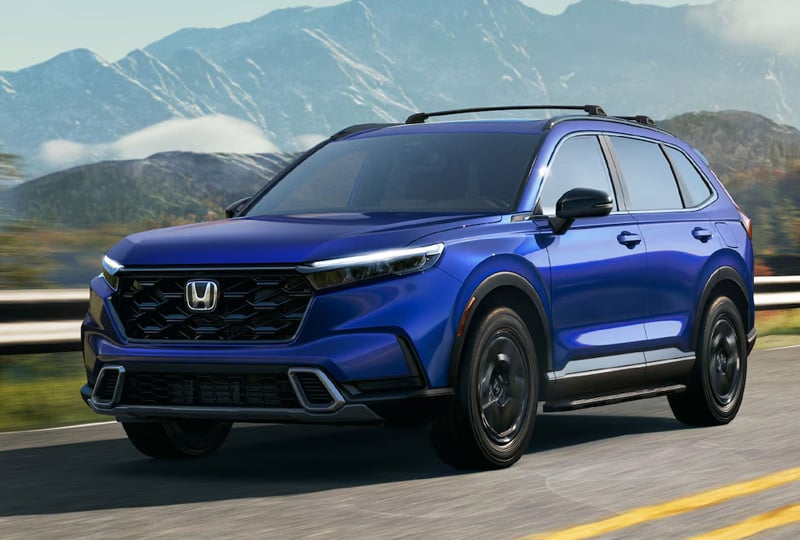
Verdict: Honda takes the win on financing, but Toyota offers the more affordable lease. The better deal depends on how you plan to pay.
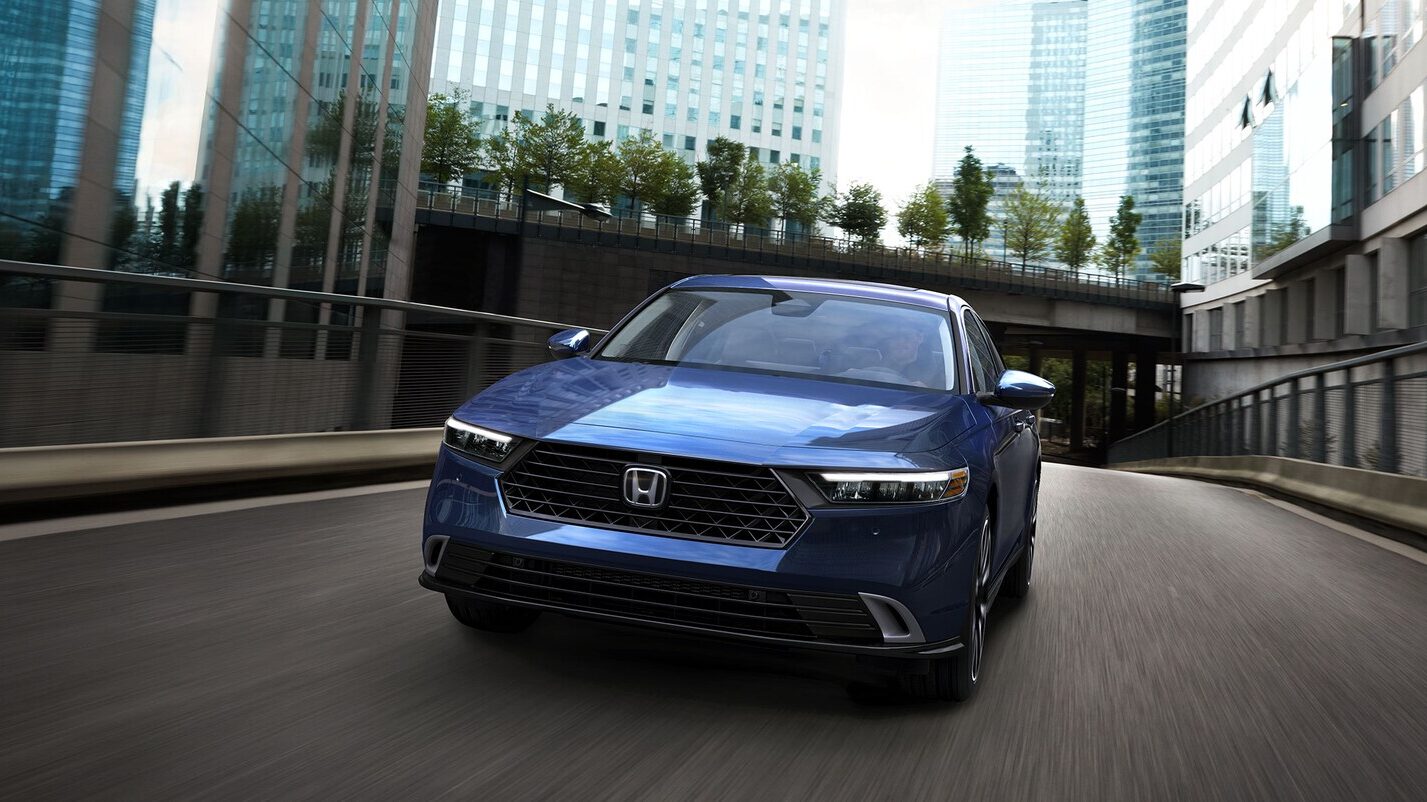
Verdict: Honda wins this one easily, offering a lower APR and a lease with less due at signing.
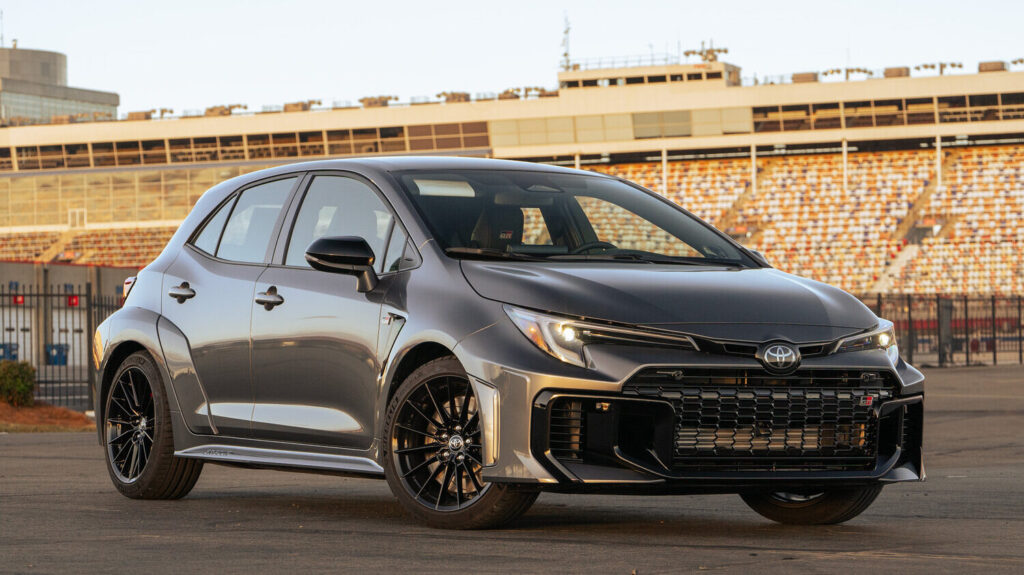
Verdict: This is Toyota’s strongest Memorial Day deal. The Corolla’s lower lease price and financing beat Honda’s Civic by a wide margin.
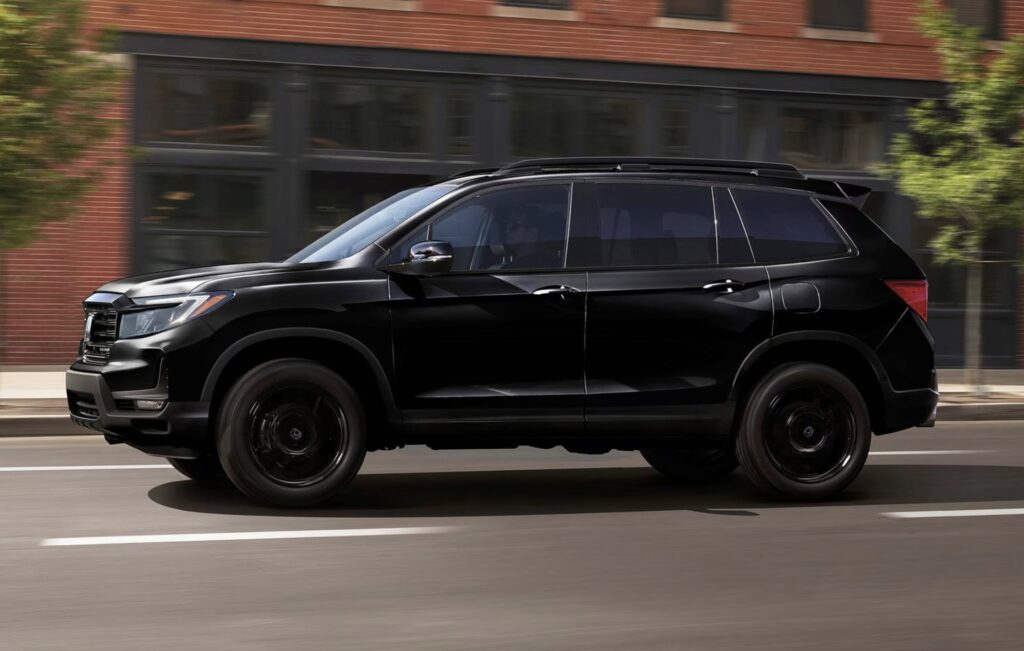
Verdict: While the Highlander lease is more affordable, Honda’s APR financing blows Toyota’s out of the water. Financing? Go with the Passport.
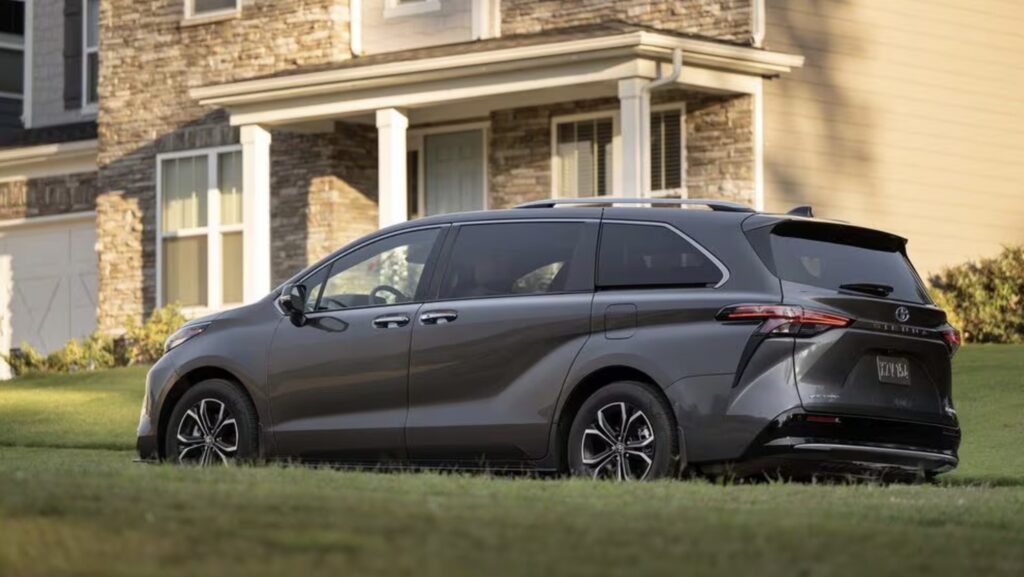
Verdict: Families looking for a minivan lease will find better value with the Toyota Sienna. Monthly payments are $100 lower than the Odyssey.
While Honda has stronger national Memorial Day offers in 2025, Toyota’s regional incentives can vary a lot, and in some areas, you might find even better lease or finance deals than those listed above. Always check your local Toyota incentives before ruling them out.
Looking for the easiest way to buy or lease a car this Memorial Day? CarEdge’s Car Buying Services can help you secure the best deal—without the stress. From full-service Concierge help to budget-friendly negotiation support, we’ve got your back.

Car shoppers expecting blowout Memorial Day deals in 2025 may have noticed something different this year: the discounts just aren’t what they used to be. From lackluster financing specials to higher-than-usual lease payments, automakers appear to be holding back. The reason? A sudden drop in new car inventory has automakers tightening the reins.
Here’s a look at the latest new car inventory numbers, and how automakers are responding to this temporary ‘buyer’s market’.
From April to May 2025, new-vehicle inventory in the U.S. fell from 3.08 million to 2.8 million vehicles — a 10% decline. The latest numbers are courtesy of inventory management firm Lotlinx, which shared their market update with Automotive News. That’s the steepest drop we’ve seen since early 2023, and it’s no coincidence.
As buyers rushed to beat potential tariff-related price hikes, dealer lots thinned out fast. With fewer cars available, many automakers have pulled back on Memorial Day incentives, especially for popular models.
The latest inventory tally found that the estimated days’ supply of new cars shrank to 58 days, down from 71 days a month prior.
Compare that to a year ago, when inventory stood at 2.86 million with a 75-day supply — and you can see why 2025 isn’t delivering the same sales splash. Although inventory levels are similar to May of 2024, cars are selling much faster right now.
Among the seven automakers that report monthly inventory and sales data, Ford and Toyota saw the sharpest declines in supply. Toyota continues to operate with the tightest inventory in the U.S., holding less than 30 days’ supply.
Ford’s situation is more complex. Despite facing an inventory crunch, Ford also raised prices on several popular models, including the Maverick, Bronco Sport, and Mustang Mach-E, all of which are produced in Mexico and now subject to increased tariffs. Instead of making Memorial Day a big sales moment, Ford is charging more. You can read our full breakdown of Ford’s underwhelming Memorial Day sales and price hikes here.
Lotlinx data shows hybrids are in the shortest supply at just 48 days nationwide. Traditional gas-powered vehicles follow at 59 days, with electric vehicles sitting at 90 days of supply — a month-over-month increase for the EV segment.
Here’s a quick snapshot of May inventory by new car segment:
Even the highest-supply category — crossovers — saw declines from April levels.
Although overall Memorial Day incentives are milder in 2025, there are still some solid offers out there — especially if you’re flexible on model, trim, or location. We rounded up the Best Memorial Day Car Deals of 2025, including great lease specials, 0% financing, and up to $10,000 in cash offers. The deals are out there this May, if you know where to look.
But if you’re shopping for a high-demand model like the Honda CR-V, Toyota RAV4, or any hybrid under $35K, expect dealers to play hardball. With dwindling inventory, there’s just no reason to discount deeply — and they know it.

In 2025, the landscape for British car exports to the United States has been significantly influenced by recent trade developments, particularly the imposition of tariffs and subsequent negotiations between the two nations. In 2024, UK automakers exported 106,000 cars to the United States, but that figure is expected to plummet in 2025. This has American car buyers asking, ‘Which cars are made in the United Kingdom for export to the US?’ How can car buyers prepare for the latest developments in US-UK trade relations?
Here’s the comprehensive list of cars manufactured in the UK that are shipped to the US market, and how the latest US-UK trade deal could impact availability and prices.
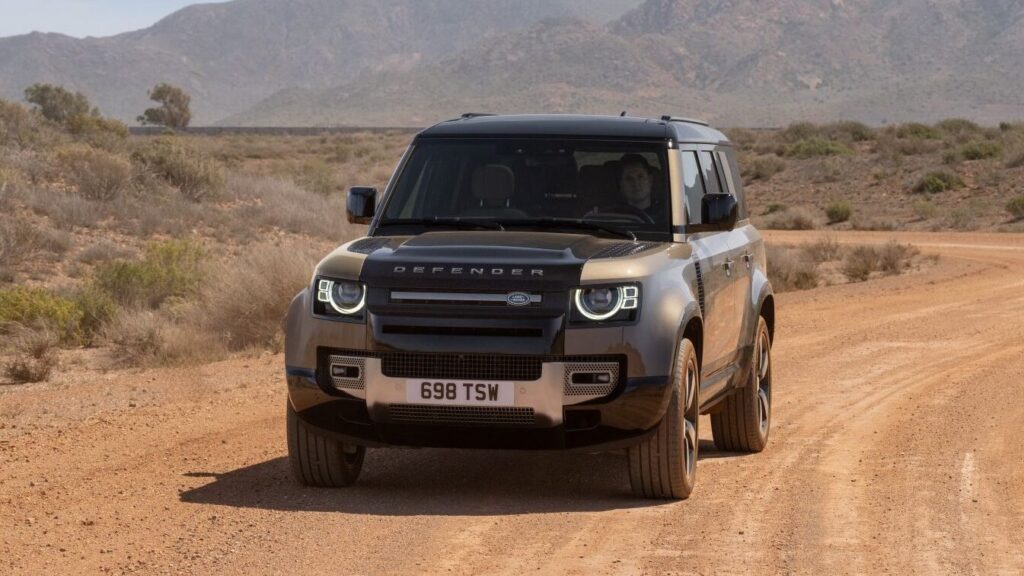
Several UK-based manufacturers continue to export vehicles to the US in 2025, predominantly in the premium and luxury segments:
In April 2025, the U.S. government imposed a 25% tariff on imported cars and parts, significantly affecting UK manufacturers. Jaguar Land Rover temporarily halted shipments to the US to assess the financial implications. Other manufacturers, including Rolls-Royce and Aston Martin, evaluated their responses to these tariffs.
The UK government engaged in trade negotiations with the US to address these challenges. On May 8, 2025, a trade agreement was announced, reducing US tariffs on British car exports from 27.5% to 10% for up to 100,000 vehicles annually. Tariffs on steel and aluminum were eliminated, which will benefit the UK automotive industry indirectly.
The recent trade agreement offers a more favorable environment for UK car manufacturers exporting to the US. However, the industry remains cautious, as the deal is provisional and requires further finalization. Manufacturers are closely monitoring the situation and adjusting their strategies to navigate the evolving trade landscape.
If you’re eyeing a UK-made vehicle for purchase in the United States, it’s important to shop around to compare prices as tariff impacts remain uneven across the nation. Some dealers have been reportedly adding tariff price hikes to their limited inventory allocations, while others have been left without much inventory at all.
Use CarEdge Pro to leverage local car market data and save time, money, and stress in 2025. Looking for personal assistance with your deal? CarEdge Concierge is here for you. We’re here to help!