
CarEdge saved me over 4,500 dollars on a brand new Honda Pilot. I can't say thank you enough.
Price intelligence
Find a wide range of vehicle listings with market insights on new and used listings near you.
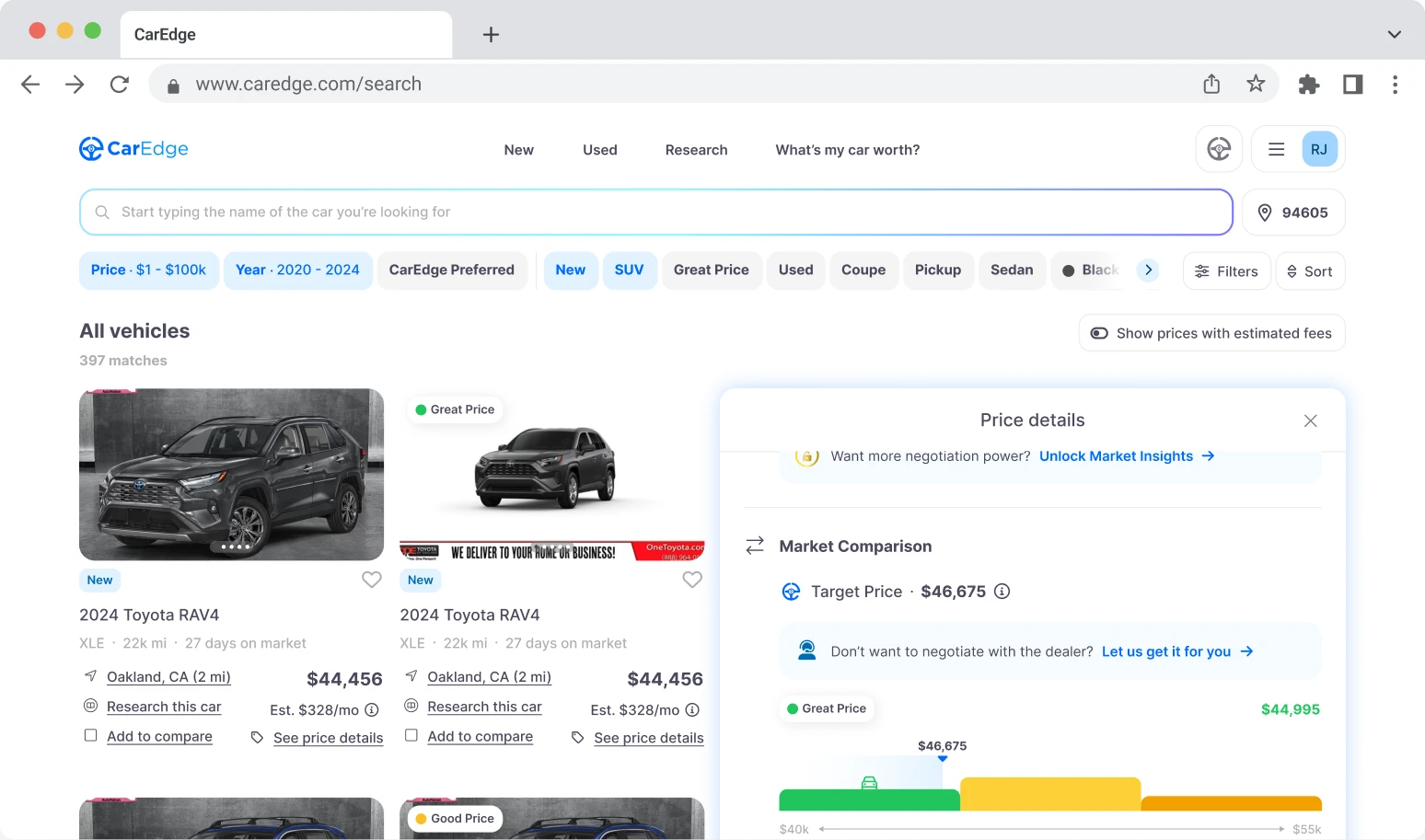

What can I do with CarEdge?
 CarEdge Insights
What can I do with CarEdge?
Get access to exclusive information so you can make an informed car buying decision — all in one place.

Find a wide range of vehicle listings with market insights on new and used listings near you.
Track your vehicle’s value and cash in when the time is right to sell.

Access to our proprietary data to help you find the right car, at the right price. Find these unlocked on every listing after subscribing.

With our expert-led, tech-enabled car buying service, we will locate, negotiate, and deliver your vehicle so you can get a new car hassle free.


Help us personalize your CarEdge experience — it only takes a second.
Your answers help us personalize your CarEdge journey — we’ll follow up with tips and next steps that match your buying timeline.

Ford just dropped a major deal that’s sure to grab attention — and save you thousands if you’re car shopping this spring. As new auto tariffs take effect, Ford is flipping the script with its bold new “From America, For America” campaign. What does that mean for you? Starting now, most new Ford and Lincoln vehicles are available at employee pricing — yes, the same deal Ford workers get.
Ford’s promotion is expected to run through June 2, giving shoppers an extended window to snag steep discounts on nearly every model in the lineup. But Ford isn’t doing this purely out of a good gesture. We’ll take a look at how Ford’s inventory situation is ripe for a clearance sale.
According to CarEdge Pro, Ford is sitting on a mountain of unsold inventory — over 522,000 new vehicles nationwide in early April, which equals a 122-day supply. More than 194,000 of those are leftover 2024 models, which dealers are eager to move before newer shipments arrive.
Ford’s inventory levels have been well above the industry average for months, and with 25% tariffs on imported vehicles kicking in, the pressure is on. Ford’s North American operations are expected to take a hit, and this employee pricing strategy looks like a smart play to clear out excess inventory quickly — before the market gets even more volatile.

Normally reserved for Ford employees, “A Plan” pricing gives you access to the lowest available price on a new vehicle — well below MSRP. Typically, this is referred to as Ford Invoice Pricing. Now, Ford is extending that deal to everyday buyers in an effort to cut through the confusion as tariffs begin to ripple through the market.
Thousands in savings are now on the table, especially on popular models like the F-150, Escape, Explorer, and even foreign-built Fords like the Maverick, Bronco Sport, and Mustang Mach-E.
Here’s a look at what’s included in Ford’s employee pricing promotion from April to June 2025.
Included models:
Excluded models:
This is a retail-focused promotion, so it’s aimed squarely at individual car buyers looking to save on a new Ford this spring.
Here’s a real-world example of employee pricing at the dealership, courtesy of one of our CarEdge Car Buying Service customers. The A Plan pricing that Ford is offering is in red:
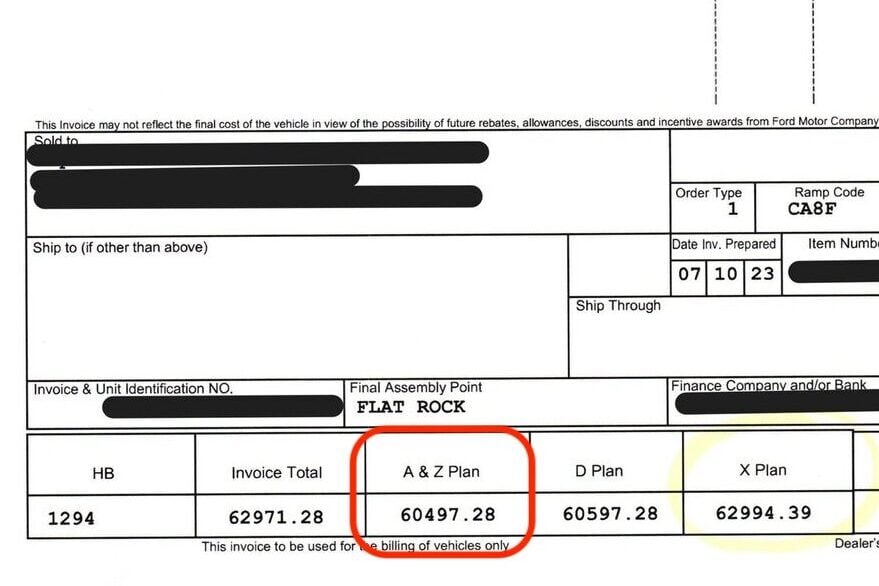
Ford’s offer is for ‘A Plan’ employee pricing, which you can see above alongside various other incentive levels. Wondering what ‘DB’ is? It’s something the public normally doesn’t see: dealer holdback. Dealer holdback is an amount of money paid to a car dealership from the manufacturer on each new vehicle they sell. As you can see, Ford’s promotion is a great deal, offering rock-bottom prices just as new cars are set to rise due to tariffs.
In a statement to The Detroit News, Ford execs said they want to bring “clarity and certainty” to buyers amid rising prices and economic uncertainty. With plenty of inventory sitting on dealer lots and consumer sentiment cooling, Ford is hoping this price drop will keep buyers engaged — even as tariffs drive up costs behind the scenes.
“Even after a really strong March, our inventory levels are super healthy across our dealer network,” said Robert Kaffl, Director of U.S. Sales and Dealer Relations at Ford. “This employee pricing adds some certainty to what could be an uncertain situation.”
In other words, Ford has an oversupply of new cars and trucks in 2025. With tariffs casting tremendous uncertainty in the broader car market, and Ford looking to bear the brunt of tariff impacts, Ford is looking to get ahead of the situation with what amounts to a clearance sale. We may even see competing OEMs, notably GM and Stellantis, follow suit to remain competitive.
Employee pricing often means thousands off MSRP, but if you want to know exactly how much you’ll save on the Ford you’ve got your eye on, we’ve got the perfect tool for you.
👉 Check the Dealer Invoice Price on Any Ford
With the CarEdge Dealer Invoice tool, you can:
Invoice pricing is a great estimation of Ford’s employee pricing. It’s simply the price of the vehicle, with all dealership profits removed. If you’re looking to estimate how much you could save with Ford employee pricing, our Dealer Invoice Price tool is what you’re looking for.
If you’ve been waiting for the right time to buy a Ford, this might be it. With employee pricing available to all and inventory high, Ford dealers are ready to deal. But don’t wait too long — this promotion ends June 2, and exclusions apply to newly launched models.Want to get the best price? Check the dealer invoice price first, then go in with confidence. Happy spring car shopping! We’ll share the best spring car deals as they arrive. We keep track of all of the best manufacturer offers over at CarEdge Best Deals.

With the arrival of automotive tariffs, the cost of importing vehicles—and the parts they’re made from—is on the rise. For car buyers looking to dodge the steepest price hikes, shopping for a vehicle assembled in the United States could help soften the blow. In 2026, there are 117 new car and truck models with final assembly in the U.S. From SUVs built in the South to pickups rolling off lines in the Midwest, there are plenty of options for shoppers who want to support domestic manufacturing and potentially avoid the worst of the tariff impacts.
But before you jump to conclusions, there are a few important caveats to understand.
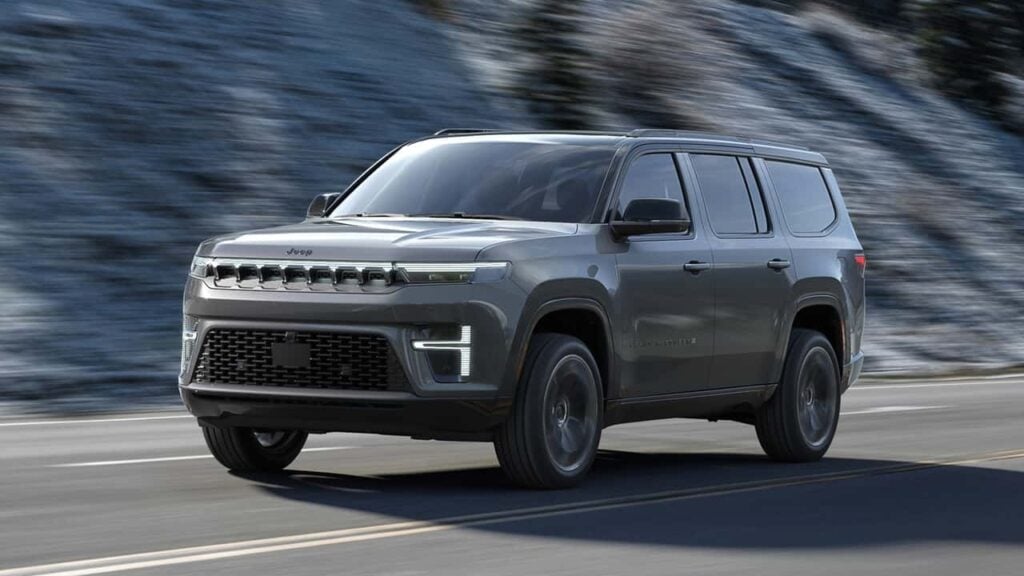
Automotive supply chains are global, and final assembly is just one piece of the puzzle. While the models listed here are all assembled in the United States, many of their parts are sourced from around the world—especially from our North American neighbors in Canada and Mexico. Some of these vehicles are even produced outside the U.S. for other markets, though we’ve focused only on those assembled for sale here at home.
It’s also important to note that the latest round of tariffs applies to imported car parts, not just fully assembled vehicles. That means even models built in American factories may see price increases if key components are subject to tariffs. So while U.S. final assembly offers some insulation from global trade headwinds, it doesn’t make a car completely immune.
Below you will find all 117 cars, trucks, SUVs and EVs with final assembly in the United States of America in 2026. These vehicles are made in facilities around the country, however it’s worth reminding readers that each one of these cars could not be finished without global supply chains.
These are the cars and trucks made in America in 2026:
| Make | Model | Locations of U.S. Final Assembly |
|---|---|---|
| Acura | TLX | Marysville, Ohio, USA |
| Acura | Integra | Marysville, Ohio, USA |
| Acura | MDX | Marysville, Ohio, USA |
| Acura | RDX | Marysville, Ohio, USA |
| Acura | ZDX | Spring Hill, Tennessee, USA |
| BMW | X3 | Spartanburg, South Carolina, USA |
| BMW | X4 | Spartanburg, South Carolina, USA |
| BMW | X5 | Spartanburg, South Carolina, USA |
| BMW | X6 | Spartanburg, South Carolina, USA |
| BMW | X7 | Spartanburg, South Carolina, USA |
| BMW | XM | Spartanburg, South Carolina, USA |
| Buick | Enclave | Lansing, Michigan, USA |
| Cadillac | Celestiq | Warren, Michigan, USA |
| Cadillac | CT4 | Lansing, Michigan, USA |
| Cadillac | CT5 | Lansing, Michigan, USA |
| Cadillac | Escalade | Arlington, Texas, USA |
| Cadillac | Escalade IQ | Detroit, Michigan, USA |
| Cadillac | Lyriq | Spring Hill, Tennessee, USA |
| Cadillac | Vistiq | Spring Hill, Tennessee, USA |
| Cadillac | XT5 | Spring Hill, Tennessee, USA |
| Cadillac | XT6 | Spring Hill, Tennessee, USA |
| Chevrolet | Corvette | Bowling Green, Kentucky, USA |
| Chevrolet | Tahoe | Arlington, Texas, USA |
| Chevrolet | Suburban | Arlington, Texas, USA |
| Chevrolet | Traverse | Lansing, Michigan, USA |
| Chevrolet | Colorado | Wentzville, Missouri, USA |
| Chevrolet | Silverado 1500/2500 | Flint, Michigan, Springfield, Ohio, and Fort Wayne, Indiana, USA |
| Chevrolet | Silverado EV | Detroit, Michigan, USA |
| Dodge | Durango | Detroit, Michigan, USA |
| Ford | Bronco | Wayne, Michigan, USA |
| Ford | Escape | Louisville, Kentucky, USA |
| Ford | Expedition | Louisville, Kentucky, USA |
| Ford | Explorer | Chicago, Illinois, USA |
| Ford | F-150 | Dearborn, Michigan and Kansas City, Missouri, USA |
| Ford | F-150 Lightning | Dearborn, Michigan, USA |
| Ford | Ranger | Wayne, Michigan, USA |
| Ford | Super Duty | Louisville, Kentucky and Avon Lake, Ohio, USA |
| Ford | Mustang | Flat Rock, Michigan, USA |
| Genesis | GV70 | Montgomery, Alabama, USA |
| GMC | Acadia | Delta Township, Michigan, USA |
| GMC | Hummer EV | Detroit, Michigan, USA |
| GMC | Yukon | Arlington, Texas, USA |
| GMC | Canyon | Wentzville, Missouri, USA |
| GMC | Sierra | Roanoke, Indiana, USA |
| GMC | Sierra EV | Detroit, Michigan, USA |
| Honda | Accord | Marysville, Ohio, USA |
| Honda | Civic | Greensburg, Indiana and East Liberty, Ohio, USA |
| Honda | CR-V | Greensburg, Indiana and East Liberty, Ohio, USA |
| Honda | Passport | Lincoln, Alabama, USA |
| Honda | Pilot | Lincoln, Alabama, USA |
| Honda | Ridgeline | Lincoln, Alabama, USA |
| Honda | Odyssey | Lincoln, Alabama, USA |
| Hyundai | Elantra | Montgomery, Alabama, USA |
| Hyundai | Sonata | Montgomery, Alabama, USA |
| Hyundai | Tucson | Montgomery, Alabama, USA |
| Hyundai | IONIQ 5 | Georgia, USA |
| Hyundai | IONIQ 9 | Georgia, USA |
| Hyundai | Santa Cruz | Montgomery, Alabama, USA |
| Hyundai | Santa Fe | Montgomery, Alabama, USA |
| Infiniti | QX60 | Smyrna, Tennessee, USA |
| Jeep | Grand Cherokee | Detroit, Michigan, USA |
| Jeep | Wagoneer | Warren, Michigan, USA |
| Jeep | Grand Wagoneer | Warren, Michigan, USA |
| Jeep | Wrangler | Toledo, Ohio, USA |
| Jeep | Gladiator | Toledo, Ohio, USA |
| Kia | EV6 | West Point, Georgia, USA |
| Kia | EV9 | West Point, Georgia, USA |
| Kia | K5 | West Point, Georgia, USA |
| Kia | Telluride | West Point, Georgia, USA |
| Kia | Sportage | West Point, Georgia, USA |
| Kia | Sorento | West Point, Georgia, USA |
| Lexus | ES | Georgetown, Kentucky, USA |
| Lexus | TX | Princeton, Indiana, USA |
| Lincoln | Aviator | Chicago, Illinois, USA |
| Lincoln | Corsair | Louisville, Kentucky, USA |
| Lincoln | Navigator | Louisville, Kentucky, USA |
| Lucid | Air | Casa Grande, Arizona, USA |
| Lucid | Gravity | Casa Grande, Arizona, USA |
| Mazda | CX-50 | Huntsville, Alabama, USA |
| Mercedes-Benz | GLE | Tuscaloosa, Alabama, USA |
| Mercedes-Benz | GLS | Tuscaloosa, Alabama, USA |
| Mercedes-Benz | EQE SUV | Tuscaloosa, Alabama, USA |
| Mercedes-Benz | EQS SUV | Tuscaloosa, Alabama, USA |
| Nissan | Altima | Smyrna, Tennessee, USA |
| Nissan | Rogue | Smyrna, Tennessee, USA |
| Nissan | LEAF | Smyrna, Tennessee, USA |
| Nissan | Pathfinder | Smyrna, Tennessee, USA |
| Nissan | Frontier | Canton, Mississippi, USA |
| Nissan | Titan | Canton, Mississippi, USA |
| Nissan | Murano | Canton, Mississippi, USA |
| Polestar | Polestar 3 | Ridgeville, South Carolina, USA |
| Ram | Ram 1500 | Sterling Heights, Michigan, USA |
| Rivian | R1T | Normal, Illinois, USA |
| Rivian | R1S | Normal, Illinois, USA |
| Subaru | Crosstrek | Lafayette, Indiana, USA |
| Subaru | Outback | Lafayette, Indiana, USA |
| Subaru | Legacy | Lafayette, Indiana, USA |
| Subaru | Ascent | Lafayette, Indiana, USA |
| Tesla | Model 3 | Fremont, California, USA |
| Tesla | Model Y | Austin, Texas, USA |
| Tesla | Cybertruck | Austin, Texas, USA |
| Tesla | Model S | Fremont, California, USA |
| Tesla | Model X | Fremont, California, USA |
| Toyota | Corolla | Blue Springs, Mississippi, USA |
| Toyota | Camry | Georgetown, Kentucky, USA |
| Toyota | RAV4 | Georgetown, Kentucky, USA |
| Toyota | Highlander | Princeton, Indiana, USA |
| Toyota | Grand Highlander | Princeton, Indiana, USA |
| Toyota | Sequoia | San Antonio, Texas, USA |
| Toyota | Sienna | San Antonio, Texas, USA |
| Toyota | Tundra | San Antonio, Texas, USA |
| Toyota | Corolla Cross | Huntsville, Alabama, USA |
| VinFast | VF8 | North Carolina, USA |
| VinFast | VF9 | North Carolina, USA |
| Volkswagen | Atlas Cross Sport | Chattanooga, Tennessee, USA |
| Volkswagen | Atlas | Chattanooga, Tennessee, USA |
| Volkswagen | ID.4 | Chattanooga, Tennessee, USA |
| Volvo | S60 | Ridgeville, South Carolina, USA |
| Volvo | EX90 | Ridgeville, South Carolina, USA |

As tariffs begin to reshape the auto market, shopping for a model with final assembly in the United States is one way to prepare for potential price hikes. These American-made vehicles may be less exposed to the harshest impacts, but they’re not completely shielded. Global supply chains mean that many parts are still imported and subject to new tariffs.
While it remains true that automakers may absorb some of the added costs from tariffs, it’s undeniable that the longer tariffs stay in place, the more likely price hikes are for models down the road. We may see sub-$30,000 cars vanish from the market if tariffs stick around for too long.
If you’re in the market for a new car, it’s more important than ever to stay informed. Use our Auto Tariff Checker to see if the car you’re considering could be affected by rising import costs. With the right tools and a little planning, you can stay ahead of the market and make a smarter buying decision.
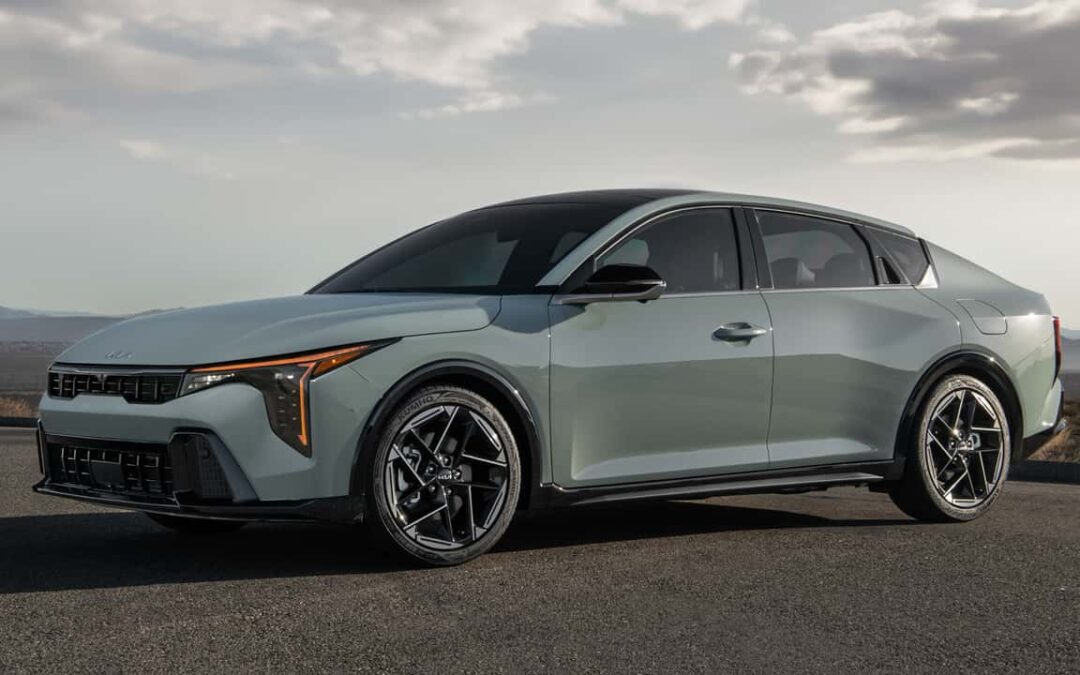
It’s already tough to find a new car under $30,000 — and if new tariffs on imported vehicles go into effect, it’s about to get even harder.
The Trump administration’s new 25% tariffs on imported cars and parts could add thousands to the price of some of America’s most affordable vehicles, according to Bloomberg reporting in Automotive News. Models built in South Korea, Mexico, and Canada — including popular budget models from General Motors, Hyundai, Ford, and Nissan — would be hit hardest. The result? Some of the cheapest new cars on the market might disappear entirely.
Car prices are already near record highs, with the average new vehicle now costing nearly $48,641 according to the latest market update. For budget-conscious drivers, the small pool of new cars under $30,000 is one of the last affordable options. But about half of those vehicles are built outside the U.S., meaning they’re directly in the crosshairs of these tariffs.
According to Cox Automotive, vehicles assembled in Mexico or Canada could see average price hikes of $5,855 if the tariffs are fully passed on to consumers. And because these tariffs target the very models designed to be affordable, the impact could be especially painful for first-time buyers, younger drivers, and working-class families.
Here’s a look at the latest round of tariffs from the Trump administration as of March 28, 2025:
| Targeted Countries | Product | Tariff | Status |
|---|---|---|---|
| All imports | Steel, aluminum | 25% | Began March 12, 2025 |
| All imports | Semiconductors | 25% | Expected in early April 2025 |
| All imports | Pharmaceuticals | 25% | Expected in early April 2025 |
| All imports | Cars, auto parts | 25% | To begin on April 3 for cars, May 3 for parts |
| All imports | Copper | Unknown | Unclear |

Here are just a few of the vehicles that could be affected:
See if your next car is impacted by tariffs with our free auto tariff checker:
There are a few exceptions. Honda and Toyota still build some affordable cars in the U.S., including:
If these tariffs take effect, these could be the last true “budget” new cars made in America. These two cars are already among the fastest-selling cars in America. With fewer affordable options to come, competition, and even prices, may soon increase.
Industry leaders are sounding the alarm. Ford CEO Jim Farley is not mincing words, saying at an industry conference that 25% tariffs would be “devastating” and would “blow a hole in the U.S. industry that we’ve never seen.” Stellantis chairman John Elkann warned that the tariffs could threaten affordability and hurt demand. Even Trump has acknowledged that vehicle prices may rise, though he argues that long-term gains in domestic manufacturing will be worth the short-term pain.
But in the meantime, automakers will face tough decisions. Some may stop importing their most affordable vehicles altogether. Others might simply pass the cost along to buyers.
This tariff fight comes at a time when car affordability is already stretched thin. High interest rates and inventory shortages have pushed many would-be new car buyers into the used market. But even there, things aren’t easy.
The average used car now in inventory is over six years old. This marks an all-time high as drivers hold on to their vehicles for longer. The pandemic disrupted production, and we’re still feeling the ripple effects today. Fewer lease returns and a tighter supply of 1- to 3-year-old models have driven up prices on older used cars, too. If tariffs price out would-be new car buyers from the market, we could see used car prices climb higher yet again.
We track used car prices weekly here
If you’re in the market for a car under $30,000, it may be time to act before prices rise even further. Now is a good time to compare the latest manufacturer incentives, from zero percent financing to cheap lease deals. Unfortunately, some of these models are more likely to disappear entirely due to tariffs eliminating slim profit margins for budget models.
If you’re looking to stretch your budget but you’re not ready to buy, you might find better value in a lightly used car in the months ahead. However, if tariffs stick around for several months or more, even used car prices are likely to be impacted. CarEdge is tracking these developments closely. Check out our Vehicle Tariff Checker to see how your favorite model might be impacted.
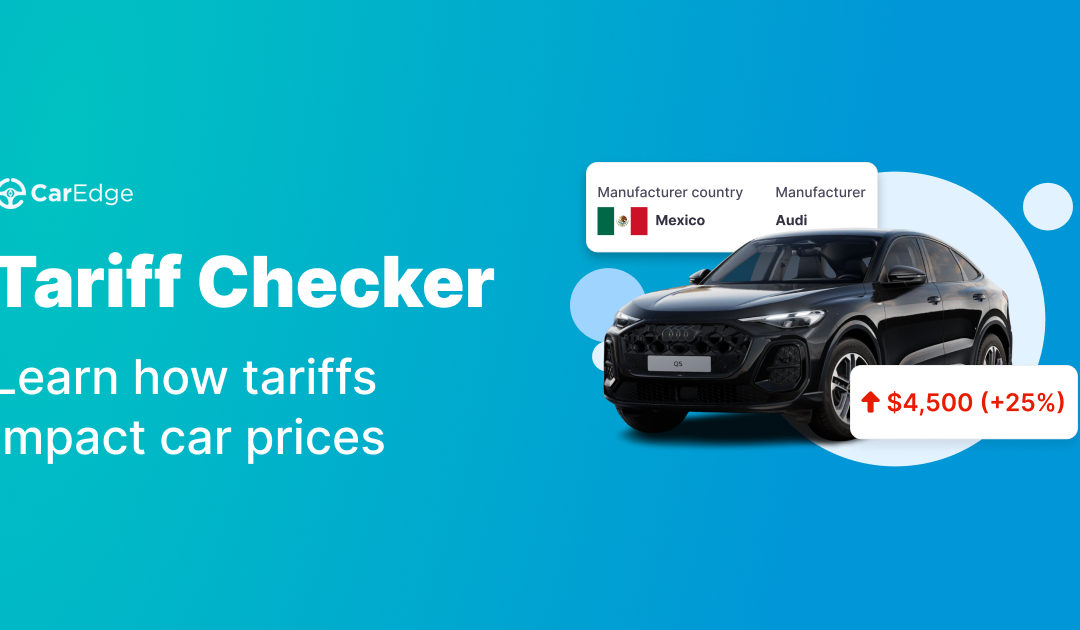
President Trump has signed sweeping new auto tariffs for vehicles built outside of the U.S., marking a significant escalation in the administration’s ongoing trade battle. The move could directly impact car prices across the board, including the vehicle you might be shopping for in 2025.
Check if the car you’re considering is impacted by the new tariffs with this free Auto Tariff Calculator.
On March 26, President Donald Trump announced a 25% tariff on vehicles manufactured outside the United States, set to begin on April 3, as outlined in a March 26 executive order from the White House. In addition to vehicles, specific auto parts—such as engines, transmissions, and key powertrain and electrical components—will also face the 25% tariff. These tariffs on auto parts will take effect by May 3.
The new tariffs are part of Trump’s broader “reciprocal tariff” strategy, officially set to begin April 2. However, the president signaled earlier this week that auto-specific levies would come sooner — and now it’s happening. Markets reacted swiftly to the news, with auto stocks taking a dive following Bloomberg’s initial report that new tariffs were arriving early.
“We’re going to apply a 25 percent tariff to all cars not built in the United States,” Trump said during a White House press conference. “We’re raising the base rate from 2.5 percent to 25 percent.”
According to the March 26 executive order, there are few exemptions for the new tariffs on imported cars and components. Parts that qualify for duty-free treatment under the United States-Mexico-Canada Agreement (USMCA) will be exempt from the new tariffs—at least until the Commerce Department creates a system to apply the tariffs solely to the non-U.S. portion of those parts. For vehicles from Canada and Mexico that meet USMCA requirements, the tariffs will apply only to the value of their non-U.S. content.
These price hikes could significantly reduce car sales in the U.S. and trigger job losses across major auto manufacturing states like Michigan, Ohio, Indiana, Illinois, Missouri, Texas, South Carolina, and Alabama, as well as in Ontario, Canada.
However, the policy also drew praise from the United Auto Workers (UAW) union, which called it a “historic” win for American labor. UAW President Shawn Fain said the tariffs help reverse decades of “harmful” free trade deals that hurt working-class communities. In a statement, the union urged automakers not to pass the added costs on to consumers and expressed support for legislation requiring them to absorb the impact. The UAW also called for federal aid to protect workers from any disruptions caused by reshoring efforts.
With nearly half of all new vehicles sold in the U.S. in 2024 coming from overseas, and $474 billion in automotive imports last year alone, the economic ripple effects could be far-reaching. Key exporters to the U.S. include Mexico, Japan, South Korea, Canada, and Germany.
Whether you’re eyeing a new Honda, BMW, Hyundai, or even a Jeep or Ford, today’s announcement could raise prices across the board. Even U.S.-assembled cars aren’t immune if they rely on imported parts or manufacturing partnerships abroad. However, some cars will be impacted more severely than others.
The new auto tariffs are expected to sharply increase new car prices, according to the Anderson Economic Group. CEO Patrick L. Anderson told Automotive News that buyers and workers alike could feel the effects within weeks, with vehicle costs projected to rise by $4,000 to $10,000—even for many models considered “American.”
Auto prices are already sky-high in 2025. Industry analysts also expect auto insurance rates to rise due to tariffs in 2025.
President Trump argues the tariffs will strengthen the U.S. auto industry by pushing production stateside. On Monday, he touted Hyundai’s $21 billion U.S. expansion as proof that his approach is working. Still, the global auto market is deeply interconnected, and relocating manufacturing isn’t something that happens overnight.
Automakers — including executives from Ford and Stellantis — have warned the administration that sudden tariffs could stall production, threaten U.S. jobs, and create more uncertainty in an already fragile supply chain.
Whether you’re planning to buy new, lease, or even wait it out, it’s more important than ever to know how these tariffs could affect the price of the vehicle you’re considering. Even the used car market will see impacts as some new car buyers shift their buying plans.
For car shoppers, it’s time to take a closer look at what’s coming next. Use our free Auto Tariff Calculator to find out if the car you’re shopping for is likely to be hit by these new tariffs.
We’re keeping a close eye on what comes next — and we’ll update you as the situation unfolds. In the meantime, make sure you go into your next car deal with eyes wide open.

Spring car buying season is here, and that means so are some of the best car deals we’ve seen in months. 2025 models are filling dealer lots, yet many automakers are struggling to offload last year’s inventory. That means more negotiating power for you, if you know where to look.
Based on current market trends, these five automakers are most likely to roll out the biggest discounts, low-APR offers, and lease specials in April 2025.
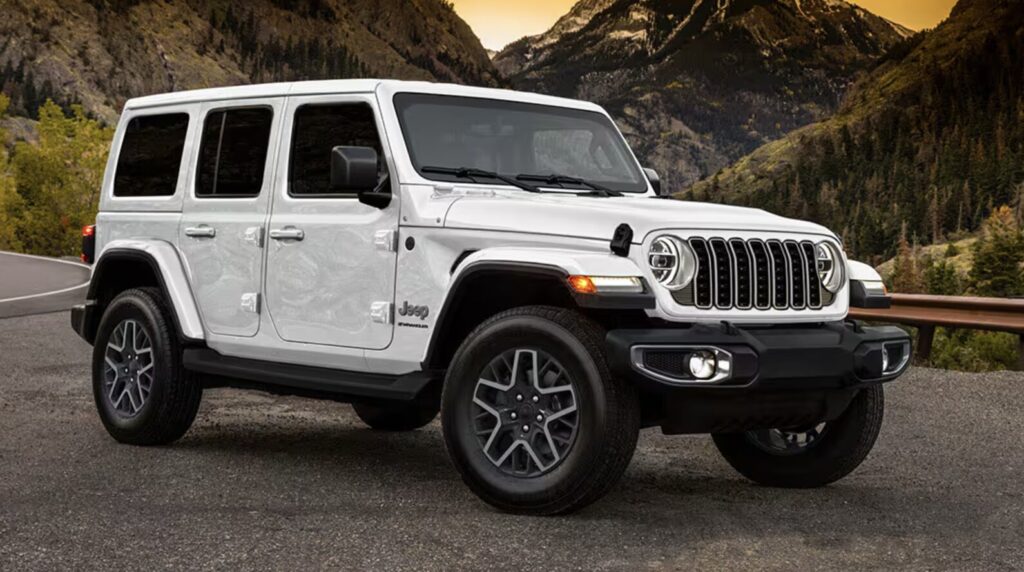
Jeep continues to lead the pack when it comes to excess inventory, and that means buyers can expect another month of strong incentives.
Here’s why Jeep will likely offer big deals in April:
Jeep’s move upmarket hasn’t worked out as planned. As a result, premium models like the Grand Wagoneer and the all-new Wagoneer S electric SUV are being deeply discounted. Expect 0% APR offers and aggressive lease specials across Jeep’s SUV lineup in April.
Get FREE Pro & Find the BEST Jeep Deals Near You

Nissan’s U.S. outlook is shaky, and its overstocked lots reflect that. With warnings about Nissan’s financial challenges growing more urgent, it’s not clear if the automaker will survive to see the next decade. But for now, slowing sales equals bigger incentives for buyers in 2025.
Here’s why we expect Nissan to offer some of the best deals in April:
Nissan’s deep incentives might not help their bottom line, but they’re great for shoppers. Expect continued 0% APR offers on models like the Rogue and Altima, plus lease and finance specials to help move aging stock.
Get Your FREE Guide to Buying a Nissan – And Saving More

Mazda is facing inventory pressure it hasn’t seen in years. If sales don’t catch up, expect Mazda to start rolling out more aggressive deals in April.
Why Mazda could be a top pick for April savings:
In March, Mazda offered 0.9% APR for 36 months across much of its lineup. For April, we’re watching for a return to 0% APR for 60 months on models like the CX-50, CX-90, and Mazda 3.
See Mazda’s Best Offers This Month

Ram is sitting on a mountain of trucks, and dealers are eager to make room for 2025 models. With slowing demand and rising prices, April could be one of the best times to buy a truck.
Current Inventory Snapshot:
Ram’s problem is affordability. Many of their trucks are priced near or above $80,000, and that’s tough to finance in today’s high-interest-rate environment. In March, Ram offered 1.9% APR for 72 months and up to $6,500 in cash allowances. April deals could be even better.
See the Best Truck Deals in YOUR ZIP Code

Ford is heading into April with bloated inventory, especially for its most popular SUVs and trucks. That’s a sign that bigger deals are on the way.
Ford’s Inventory Situation:
So far, Ford has focused the best incentives on EVs. However, if gas-powered inventory keeps piling up, expect larger discounts and better APR offers on SUVs and trucks in April.
Compare Ford Deals in Your Area
April 2025 is shaping up to be a great month for car shoppers, especially if you’re flexible about the brand or model. Jeep, Nissan, Mazda, Ram, and Ford are all under pressure to move vehicles quickly. That gives you the upper hand in negotiations.
For car buyers, that means:
🚗 Before you buy, make sure you’re getting the best deal possible. Use CarEdge’s Free Car Buyer’s Guide to compare offers, track inventory trends, and negotiate with confidence.