
CarEdge saved me over 4,500 dollars on a brand new Honda Pilot. I can't say thank you enough.
Price intelligence
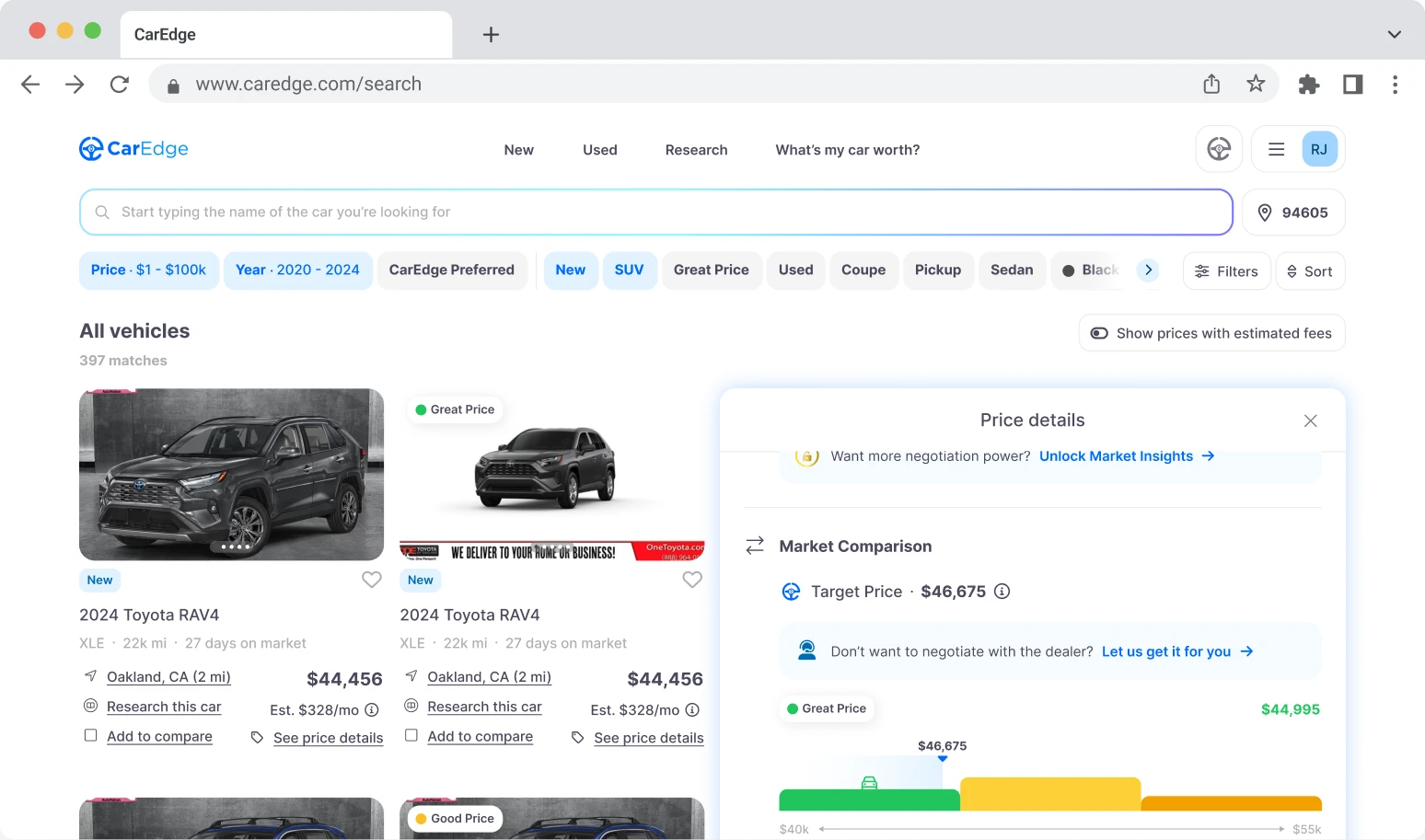
Find a wide range of vehicle listings with market insights on new and used listings near you.

What can I do with CarEdge?
 CarEdge Insights
What can I do with CarEdge?
Get access to exclusive information so you can make an informed car buying decision — all in one place.

Find a wide range of vehicle listings with market insights on new and used listings near you.
Track your vehicle’s value and cash in when the time is right to sell.

Access to our proprietary data to help you find the right car, at the right price. Find these unlocked on every listing after subscribing.

With our expert-led, tech-enabled car buying service, we will locate, negotiate, and deliver your vehicle so you can get a new car hassle free.


Help us personalize your CarEdge experience — it only takes a second.
Your answers help us personalize your CarEdge journey — we’ll follow up with tips and next steps that match your buying timeline.

Picture this: you walk into a dealership in late 2025, and sitting right there on the lot is a brand-new 2024 model that’s been waiting for a buyer since last year. The dealer is motivated, you have leverage, and thousands of dollars in savings are within reach. Sound too good to be true? It’s not, and it’s happening right now across America.
With 85,000 new 2024 models still unsold as we approach the end of 2025, car shoppers have an opportunity to score major deals on the vehicles that dealers are most eager to move off their lots. Here’s where you’ll find the most negotiable new cars in October, November, and during December’s year-end car sales.
The numbers tell a compelling story. This year’s carryover inventory is significantly larger than what we saw in 2024. As of late September 2025, there were 85,000 leftover 2024 models on sale in the U.S. That’s compared to just 50,000 leftover 2023s at this same time last year.
Even more surprising? There are still 8,000 new 2023 models sitting unsold as of September 2025.
This surplus didn’t happen by accident. Automakers delayed some 2026 model rollouts and maintained higher inventory levels as the market adjusted to tariffs, interest rate fluctuations, and unpredictable demand for certain trim levels. EVs were slow to sell until the recent urgency to take advantage of expiring federal incentives.
The result is a perfect storm of aging inventory that dealers need to sell. That means serious negotiating power for buyers who know where to look.
Here’s your baseline: on most leftover 2024 models, you should be targeting at least 15-20% off MSRP to offset the immediate depreciation that comes with buying a previous model year. Be sure to check depreciation forecasts before you buy.
The key is flexibility and strategy. Be open to different colors and option packages, and remember that your savings can come from multiple sources: direct price reductions, finance incentives, and removal of dealer add-ons from your out-the-door price.
Dreading haggling with the car salesman? Let AI do the negotiating for you. Over 2,000 shoppers have already saved with this all-new car buying tool. Consider it CarEdge’s best kept secret in 2025!

Based on current inventory levels, these ten models offer the best opportunities for substantial savings. Not coincidentally, they’re dominated by trucks and SUVs—segments where high MSRPs make percentage discounts particularly valuable.
America’s bestselling truck also leads the leftover inventory list. With nearly 3,000 2024 F-150s still available, dealers are ready to deal, especially on higher-trim models with inflated MSRPs.
Negotiation Strategy: Start at 20% off MSRP on 2024 F-150s. If they won’t meet your price target, accept a combination of cash discounts and a lower financing rate, often referred to as a ‘rate buydown’. Another option is to let AI do the negotiating for you.
Ford is discontinuing the Escape at the end of 2025, and sluggish sales likely contributed to the decision. The compact SUV market has been unpredictable, leaving many 2024 Escapes in limbo on dealer lots. Soon, one of the most affordable Ford models will be gone for good.
Negotiation Strategy: Find a dealer with multiple 2024 Escapes and get out-the-door quotes from multiple dealers to negotiate with leverage.
Heavy-duty trucks aren’t moving quickly in many markets, particularly high-specification builds that carry premium price tags. In 2025, the Ram 2500 sells for north of $70,000 on average.
Negotiation Strategy: Focus on both price and APR—push for a discount plus rate APR buydown to maximize your monthly payment savings. Financing any high-dollar truck is quite expensive, and a lower APR can save you thousands of dollars over the life of the loan.
The initial Bronco excitement has cooled, leaving plenty of 2024 models for negotiation-minded buyers.
Negotiation Strategy: You should be able to confidently negotiate 15% off MSRP for 2024 Bronco models. If MSRP discounts stall out, negotiate for high-value accessories (roof racks, protection packages) at no charge. These will also help to lift your car’s resale value should you choose to sell.
Big trucks mean big MSRPs, which translate to big depreciation risks that every buyer should be aware of.
Negotiation Strategy: Anchor your offer at 15-20% off and verify there are no unwanted add-ons or “market adjustment” fees. Here’s which fees are fake, and which are legit.
High supply in the crowded compact SUV segment puts the negotiating advantage squarely with buyers. 2024 models are the most negotiable SUVs in the market today.
Negotiation Strategy: Show that you’ve done your market research, and then push aggressively on percentage discounts. You have the advantage when negotiating any year-old model.
More than half of all new Dodge Hornets are 2024 models as of late September 2025. Despite being a newer nameplate, the Hornet has never been a hot seller. In fact, it routinely ranks among the slowest-selling new cars in America. Plenty of 2024 Hornets remain, and Stellantis dealers are motivated to clear them.
Negotiation Strategy: If a straight 20% discount proves difficult, ask for 0% APR to bridge the gap. Leasing may be a better option with little to no money down.
Similar to the Ford Super Duty, aging heavy-duty trucks can be negotiated hard in the right circumstances.
Negotiation Strategy: Don’t hesitate to bring up how costly ‘floorplanning expenses’ must be for an expensive truck like this. That’s a big part of why dealers will be happy to sell it at a discount. Be willing to travel to nearby dealers; a short drive can easily be worth several thousand dollars in savings.
Competitive incentives in the full-size truck segment create high expectations for discounts across all brands.
Negotiation Strategy: Get three out-the-door quotes from different dealers before discussing trade-ins or financing. Or, let CarEdge’s AI Negotiator do it all for you.
Midsize trucks face pressure in many regions as 2024s compete with incoming 2025s and 2026s for lot space.
Negotiation Strategy: Use dealer-to-dealer competition on identical or nearly identical stock numbers.

When we examine the data by manufacturer, one pattern emerges clearly: Stellantis brands are dramatically overrepresented in carryover inventory, creating big opportunities for buyers who know where to look.
The numbers are striking:
Maserati’s situation deserves special attention. With more than one-third of all Maserati inventory consisting of 2024 models, luxury shoppers should negotiate with particular confidence.
High-MSRP vehicles are especially vulnerable to depreciation once they’re considered “last year’s model,” so it’s important to lock in significant savings (15% off MSRP at the very least).
With 2026 models approaching and dealers facing carrying costs on aging inventory, the next few months represent prime negotiating season for leftover 2024s. Whether you’re shopping for a Ford F-150, a Jeep SUV, or any of the other models with substantial carryover inventory, your goal should be clear: secure at least 15-20% off MSRP through some combination of cash discounts, financing rate buydowns, and fee elimination (especially for unwanted add-ons).
The key to success is preparation and persistence. Know your goals, understand the local market, and negotiate from a position of strength. With 85,000 leftover 2024s still waiting for buyers, the deals are out there. And now, you know where to find them.
Time is a factor, but it’s working in your favor for now. The longer these vehicles sit, the more motivated dealers become. Start your search today, and you could drive away with both a great car and bragging rights about the deal you negotiated.
Ready to put AI to work for YOU, and not the billionaires? Learn how CarEdge AI negotiates deals on your behalf.

Buying a car is a big deal, and it’s normal to have a lot of questions. Whether you’re a first-time buyer or have been through the process before, knowing what to ask can make everything a lot smoother. Here are some common questions every car dealer should be prepared to answer, so you can feel confident and informed about your purchase. Remember, knowing the right questions to ask when buying a car can make all the difference. Knowledge is power when it comes to buying a car in 2025!

Why it’s important: One of the most important questions to ask when buying a car is about the total price, commonly referred to as the ‘Out-the-Door Price’. Knowing the OTD price, including taxes, fees, and any add-ons, helps you understand the full financial commitment. A reputable dealer should provide a clear breakdown of these costs. Try our free Out-the-Door Price Calculator to get a feel for the numbers to expect.
Why it’s important: First of all, knowing how long a specific VIN has been waiting for a buyer gives you an instant snapshot of the negotiability. The longer a car sits, the more car dealers are willing to cut you a deal. Dealerships finance their inventory, and these ‘floorplanning costs’ add up quickly in today’s high-interest environment.
👉 Unlock days on the lot, market supply data, and local price trends with CarEdge Pro, now including invoice prices!

See the best new car incentives this month!
Why it’s important: Understanding the available APR offers, cash discounts and rebates, or lease specials can help you make an informed decision. Sometimes, the salesperson may not mention all offers unless you inquire. Asking about what incentives are available and when they expire is one of the essential questions to ask when buying a car.
Why it’s important: A test drive allows you to experience the car’s performance, comfort, and features firsthand. A reputable dealer will always allow a test drive, giving you the chance to ensure the car meets your expectations. No test drive? No deal!
Why it’s important: Understanding the terms of the warranty is essential for knowing what is covered and for how long. Asking detailed questions about the warranty coverage, including any exclusions and the duration of the coverage, can help you make an informed decision.
It’s important to ask 1) who the extended warranty is managed by (for example Fair, AUL, Endurance, or one of the other companies), 2) the duration of the coverage (mileage and time period), 3) covered components (the details matter, feel free to ask for the contract), 4) the deductible amount if you file a claim, and 5) if roadside assistance is included.
Before you agree to any coverage, compare your offer to CarEdge’s Extended Warranty, backed by Fair’s trusted coverage.
Why it’s important: For used cars, a vehicle history report includes information about accidents, repairs, and previous ownership. This report is crucial for assessing the car’s condition and history, making it one of the key questions to ask when buying a used car.
If you’re shopping at a dealership, never pay for this report. It should be offered free of charge. If it’s not available, that’s a red flag! We’d advise you to look elsewhere, no matter how ‘perfect’ the car seemed.
Why it’s important: Having the car inspected by an independent mechanic is especially important for used cars. The industry term for this is a Pre-Purchase Inspection (learn more about PPIs here). This inspection can reveal any potential issues that may not be apparent during a test drive.
If the dealer shows any hesitation about letting you get the car inspected by an independent mechanic (ie one that’s NOT working at the dealership), there may be something they’re hiding. What good is a used car if you end up needing thousands of dollars in maintenance when you drive it home?
Q: What is the Out-the-Door Price?
A: The out-the-door (OTD) price includes the vehicle’s sticker price plus taxes, dealer fees, and any add-ons. Always ask for this number to understand your total financial commitment. Try CarEdge’s free Out-the-Door Price Calculator to see what to expect.
Q: How long has this car been on the lot?
A: The longer a car sits, the more negotiable it becomes. Dealers pay financing costs (floorplanning), so vehicles on the lot for months often come with better discounts. CarEdge Pro reveals days on lot, invoice pricing, and market supply data. Even better, our AI Negotiator includes these data points and more, without you lifting a finger.
Q: What manufacturer or dealer incentives are available? Can I stack them?
A: Cash rebates, APR offers, and lease specials can save you thousands, but not all salespeople will mention them upfront. Ask about current offers, expiration dates, and whether they stack. See the best new car incentives this month at the CarEdge Best Deals Hub.
Q: Can I take the car for a test drive?
A: Of course! If any seller dares to say no, that’s an immediate dealbreaker. A test drive helps you evaluate comfort, performance, and features. If a dealer or private seller refuses, that’s a red flag. No test drive? No deal.
Q: What are the terms of the warranty?
A: Ask about who manages the coverage, how long it lasts, what’s included, the deductible, and if roadside assistance is covered. Compare the dealer’s offer with CarEdge’s Extended Warranty backed by Fair, so you know you’re protected.
Q: Can I see the vehicle history report? (For used cars)
A: This report shows accidents, ownership history, and major repairs. Dealers should provide it for free—if they won’t, walk away. It’s a must-have when buying used.
Q: Can I get the car inspected by an independent mechanic? (For used cars)
A: A Pre-Purchase Inspection (PPI) can uncover hidden issues. If a dealer hesitates to allow one, take that as a warning sign. Spending a little upfront could save you thousands in surprise repairs. Learn how PPIs work.

Navigating the car buying process can be overwhelming, but equipping yourself with these questions to ask when buying a car can help you feel more confident and informed. Understanding the OTD price, days on the lot, incentives, and other crucial details ensures you make a smart buying decision
Tired of car shopping hassles? Let us handle it for you with our CarEdge Concierge service. Our experts will find the perfect vehicle, negotiate the best price, and take care of all the details, saving you time and money. Learn more about CarEdge Concierge, the #1 car buying service in America.
NEW in 2025: Welcome to the future of car buying. Let CarEdge’s AI Negotiator do the talking, and watch the out-the-door price fall in real time! Here’s how it works.

Year-end car shopping is a goldmine for savings, but only if you know how to approach it. We’re glad you found us, because you’ve come to the right place. Dealers and automakers are under pressure to hit sales targets, clear out old inventory, and start the new year strong. That means zero percent financing, cash discounts, and motivated salespeople.
We spoke to CarEdge Co-Founder and auto industry veteran Ray Shefska to see how the pros do it. Here are five tips and tricks to help you get the best year-end car deal in December of 2025. The best time of the year to buy a car is finally here.
The best time to buy a car is late in the day, late in the month, and especially in December. The final days of the month tilt the odds in your favor as sales teams scramble to meet quotas. December is a double-whammy, as dealers and automakers try to meet both annual and quarterly sales goals.
But there’s another overlooked factor: the day of the week. Most shoppers pack dealerships on weekends, which leaves you competing for attention. CarEdge Co-Founder and 44-year industry veteran Ray Shefska puts it plainly:
“The best day to buy? Wednesday. Traffic is light, and if you show you’re serious about buying that day, you’re more likely to find a motivated salesperson ready to make a deal.”
Here’s a real-world example: A CarEdge member in Ohio reported saving several hundred dollars off MSRP just by coming in on a Wednesday near the end of December. The salesperson admitted they were behind on their monthly goal and “needed the sale.” See the latest success stories, or share your own, at the CarEdge Community Forum.
Go when the dealership is quiet and the clock is ticking. That’s when you’ll find sales staff most motivated to say “yes.”

Dealers are trained to ask early if you’re paying cash, financing, or trading in. The goal? To use that info against you, reshuffling numbers to maximize their profit. If you reveal your plan too soon, you give them the upper hand.
Instead, keep the conversation focused on one thing: negotiating the lowest Out-the-Door Price for the vehicle. Once that’s nailed down, only then should you bring up financing or trade-ins. Treat each as a separate transaction.
Real-world example: A California buyer went into a Honda dealership intending to trade in a 2019 CR-V. By waiting until after securing the lowest OTD price on the new car, they avoided the dealer blending trade-in value into the deal. The result? They saved an additional $1,500 compared to the dealer’s first “package offer.”
Keep your cards close until the price is locked. It’s one of the simplest tricks that saves buyers thousands.

Most buyers know about cash rebates and low APR financing, but fewer realize how often you can combine multiple incentives, from loyalty cash to regional bonuses. Some automakers even offer hidden discounts for groups like first responders, military, educators, or recent grads.
The trick is to ask the dealer to show you every incentive you qualify for, including the ones they might not advertise.
Real-world example: Last month, a shopper buying a Chevy Equinox combined a $1,000 loyalty incentive with a $750 regional bonus and a $500 educator discount, on top of a $2,000 cash rebate that was advertised nationally. It can’t hurt to ask!
Don’t just settle for what’s listed online. Dig deeper, ask questions, and stack those offers to shrink your out-the-door price.
In 2025, leasing remains popular for models that depreciate quickly, like EVs and luxury cars. If your lease is ending around year-end, don’t assume you have to start fresh with a new deal. You have several options to consider. Sometimes, buying out your lease is the smarter move, especially if your residual value is lower than today’s market prices.
Another option is rolling into a new lease with extra perks. Dealers may throw in loyalty cash or waive fees to keep you with the brand. If you’re just one to three months away from the end of your lease, ask if there are any lease loyalty perks for rolling into a new lease, either now or when your lease ends.
Real-world example: A few years ago, Tesla lessees found that buying out their Model 3 leases was cheaper than trying to lease or finance a new one after used Tesla prices spiked. Meanwhile, BMW dealers offered up to $1,500 in loyalty cash for customers ending a lease and starting a new one before December 31.
Consider ALL of your lease-end options. Year-end deals apply here too, and sometimes they’re the best deals of all.
Walking into a dealership blind is a mistake. Inventory levels, selling rates, and local price trends tell you everything you need to know about a new or used car’s negotiability. Your understanding of the local market can make or break your negotiating leverage. Luckily, new tools exist in 2025 that the last generation of car buyers could have only dreamed of.
Knowledge is power. CarEdge Pro makes it simple to check which cars are overpriced or negotiable in your area before you ever step foot in the showroom. Armed with data, you control the conversation.
Or, better yet, have your personal AI Negotiator handle it all for you. From negotiating with thousands of local market data points to effectively talking the price down, over 3,000 shoppers have saved money with CarEdge AI. Try the NEW easiest way to negotiate car prices.
Q: When is the best time to buy a car?
A: The best car deals of the year arrive in the latter half of December, especially from December 20–31. Dealers and automakers are racing to hit end-of-month and year-end sales targets, which makes them more flexible on pricing. If you can, shop mid-week (like Wednesday) when traffic is light, and salespeople are eager to close a deal.
Q: Should I tell the dealer if I’m paying cash or trading in?
A: Not right away. If you reveal your payment method or trade-in plans too early, the dealer can use that information to shift numbers in their favor. Always negotiate the Out-the-Door Price first, then bring up financing and trade-ins as separate discussions.
Q: Can I combine different discounts and incentives?
A: Yes, usually. Many incentives can be “stacked.” Cash rebates, low APR financing, loyalty bonuses, regional offers, and even discounts for educators, first responders, or military members may all apply. Always ask the dealer to show you every incentive you qualify for, even the ones they don’t advertise. When it comes to incentives that often can’t be stacked, those are usually going to be huge cash discounts and low-APR financing offers. Check the fine print on any advertised deals before heading to the dealership.
Q: How do I know if a car is negotiable at year-end?
A: Local market insights provide the best clues. Models with high market day supply are usually negotiable, while fast-selling, low-supply vehicles have less wiggle room. Tools like CarEdge Pro let you see which cars are overpriced, underpriced, or sitting too long on lots in your area, so you know where you have leverage before you step into the showroom. Check out the slowest-selling cars in your area.
Year-end car buying shouldn’t be stressful—it’s your best opportunity to drive home a deal to be proud of. From timing your purchase and stacking incentives, to holding back key details until the right moment, these tips are guaranteed to give you the upper hand when it matters most.
And remember: the best negotiator is the one who comes prepared. With CarEdge, you can see which cars are overpriced, which are negotiable, and how much room is left in the deal—so you walk into the dealership with confidence, and walk out with savings. Or, you can have your anonymous, personal AI negotiator do it all for you.
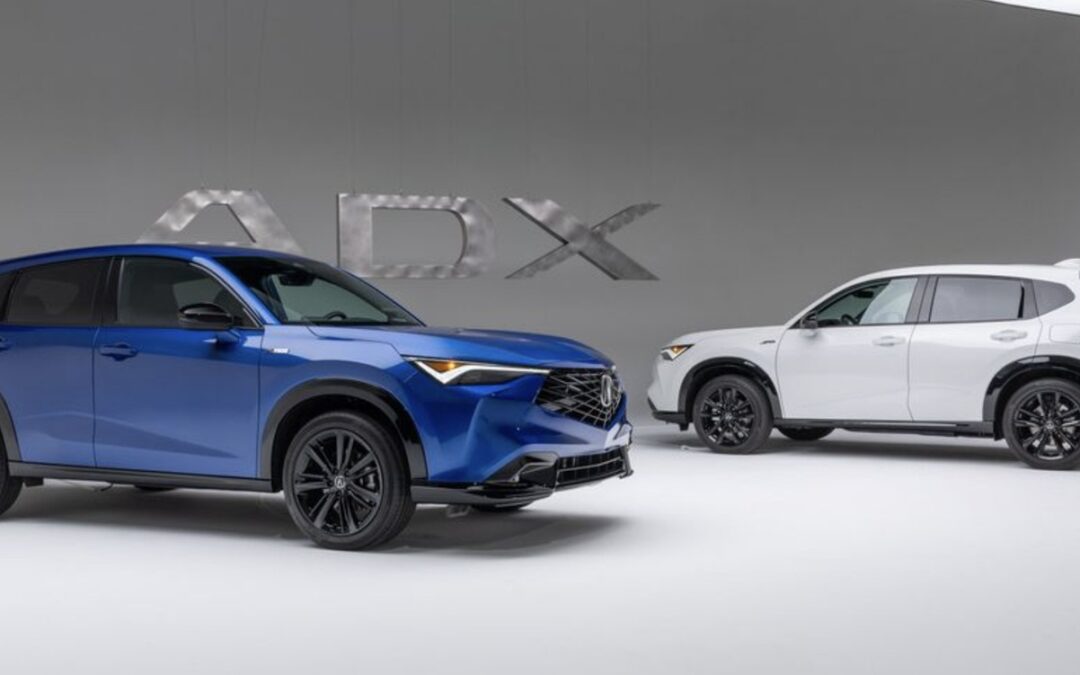
If Halloween decorations filling store shelves are any sign, fall is here — and automakers are getting an early start, too. October incentives are already rolling out, even though September isn’t over. Acura, Honda, and Volkswagen have all dropped their October offers ahead of schedule, giving buyers a jump on low-APR financing and competitive lease deals.
Here’s a look at the top offers announced so far. All of these deals are valid through November 3, 2025, unless otherwise noted.
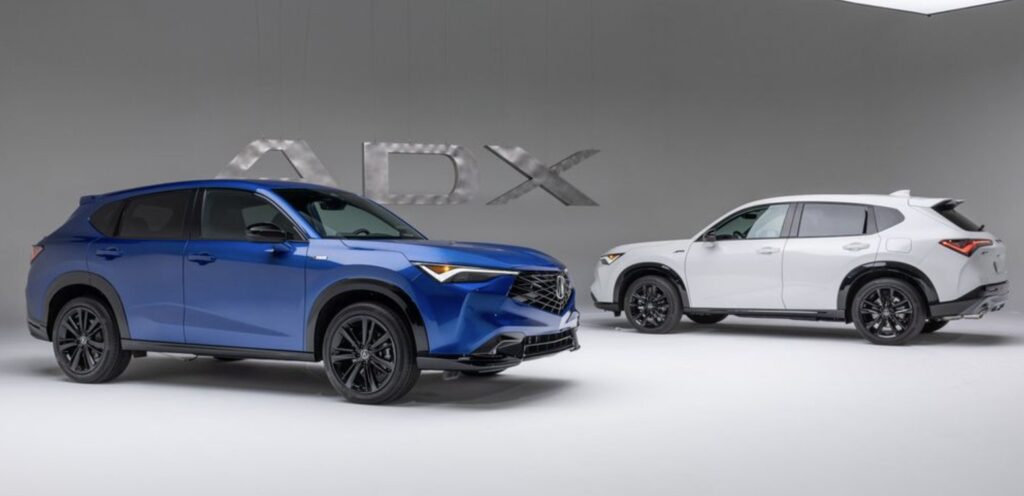
Acura is leaning into affordable financing this fall, with rates well below the national average. According to Cox Automotive, the average new car loan APR is 9.43%, although buyers with credit scores over 760 average 5.50% as of September 2025.
Acura rarely matches luxury rivals on incentives, but 3.99% APR for the ADX stands out. The Integra lease is competitive for shoppers looking at entry-level luxury leases.
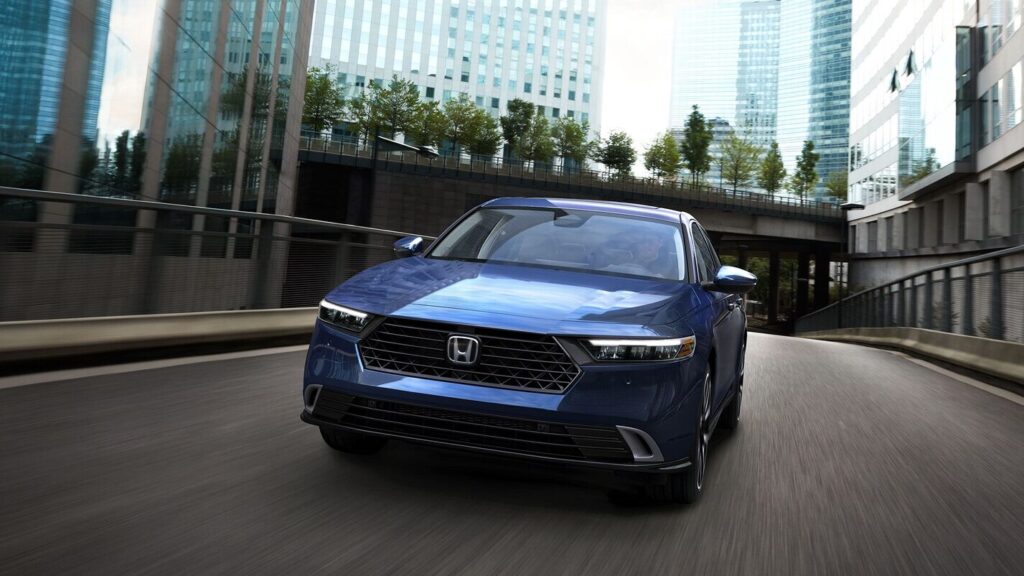
Honda continues to outdo Toyota when it comes to incentives. All of these Honda deals are good through October.
Honda’s Prologue offer is a great deal, especially with the soon-to-expire federal EV credit. If you’re considering Honda’s first all-electric SUV, September 30 is the deadline to lock in maximum savings.
Otherwise, Honda doesn’t have to offer big incentives since their cars usually fly off dealer lots. With that said, the Accord and CR-V have great APR offers for October.

Volkswagen is pairing low APRs with bonus cash for its larger models while keeping leases affordable on entry-level crossovers.
The Atlas deal is flexible, letting buyers choose between low-interest financing or a hefty cash rebate. Just note: VW’s EV deals on the ID.4 and ID.Buzz end in September, so don’t wait if those are on your list. The ID.4 is made in Tennessee, and does qualify for the vanishing federal EV incentive.
October incentives are off to an early start, but these aren’t the only deals we’ll see. The vast majority of manufacturer incentives will arrive on the first or second of October. With plenty of 2025 models still on dealer lots this late in the year, we expect plenty of zero percent financing, cash discounts, and cheap leases.
Stay tuned to CarEdge as we track every October car deal. Whether you’re eyeing low APR financing, a competitive lease, or cash rebates, we’ll keep you updated with the latest ways to save.
👉 Want to skip the back-and-forth at the dealership? Let CarEdge’s AI Negotiator take care of it all. See how it works.
Car buyers, take note: Year-end sales are still months away, but that doesn’t mean you can’t score a good deal right now. We found 10 of the best cash discounts that expire at the end of the month. Some deals slash more than a quarter off MSRP.
Below, we’ve rounded up the 10 biggest cash discounts right now. All MSRPs include destination fees, and incentives may vary slightly by region. Every one of these deals expires on September 30, 2025, so act fast.

The Hornet hasn’t been the sales hit Dodge expected, but that’s translating into one of the deepest discounts in recent memory for a compact SUV. You can drive home the plug-in hybrid version of the Hornet with 27% off MSRP right now.
See offer details, or view Hornet listings near you.

Hyundai is sweetening the deal on the redesigned Kona Electric. Importantly, this $7,500 incentive is a manufacturer cash offer, not the federal EV tax credit. The Kona Electric doesn’t qualify for federal incentives, which expire at the end of this month.
See offer details, or view Kona Electric listings near you.
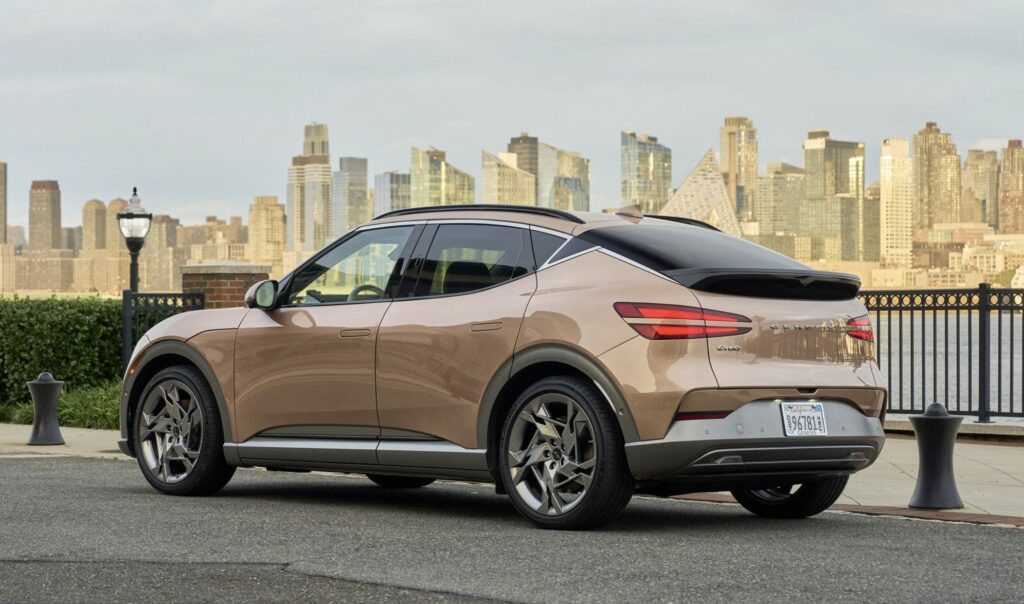
Genesis is cutting prices on its GV60 luxury EV as sales remain slow. Buyers can also choose an alternative 0% financing option. The GV60 is not eligible for federal EV incentives, but state incentives may apply.
See offer details, or view GV60 listings near you.
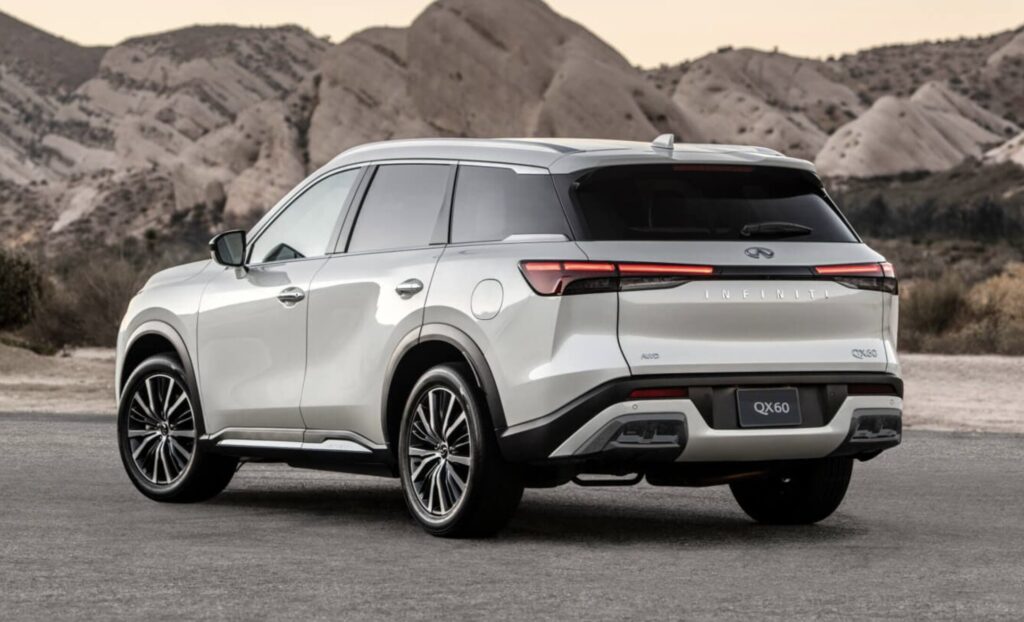
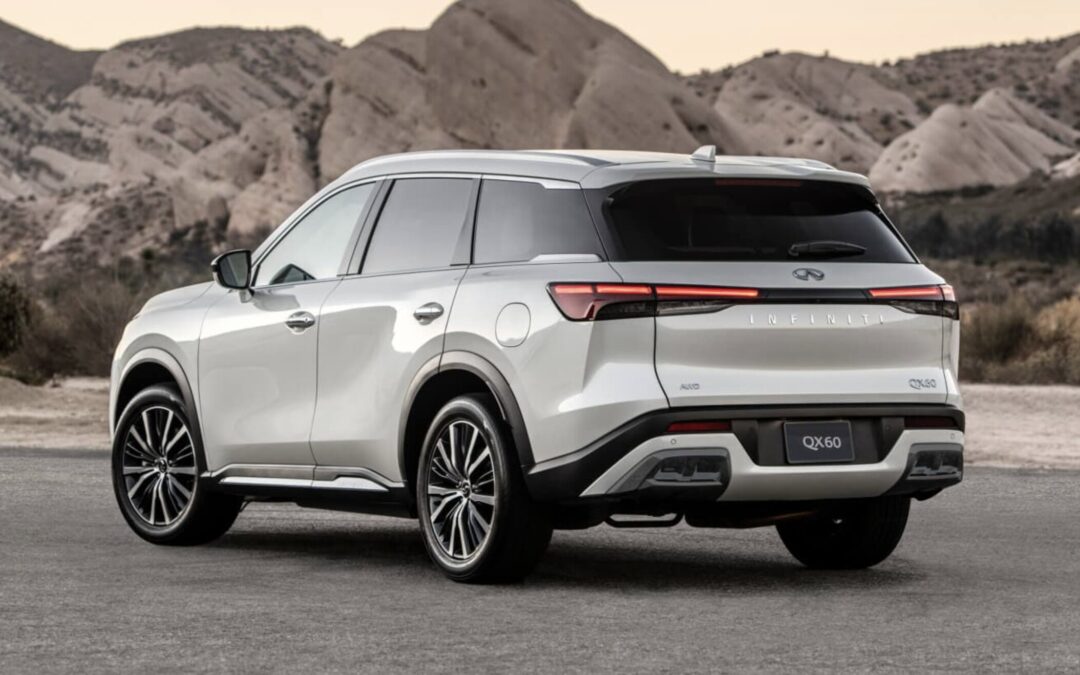
Luxury three-row SUVs rarely see this kind of discount, but considering parent company Nissan’s slowing sales and vanishing market share, perhaps it’s not such a surprise. September brings a hefty $8,000 off the Infiniti QX60.
See offer details, or view QX60 listings near you.

Ram’s pricing pressure continues. With 15% off MSRP, Big Horn models are suddenly priced far more competitively in the full-size truck segment. Don’t expect deals like this on the F-150 or Silverado.
See offer details, or view Ram truck listings near you.

The Sierra 1500 Elevation trim is carrying big incentives this September. Zero-percent financing aside, this is about as good as it gets for Sierra 1500 deals.
See offer details, or view GMC Sierra listings near you.
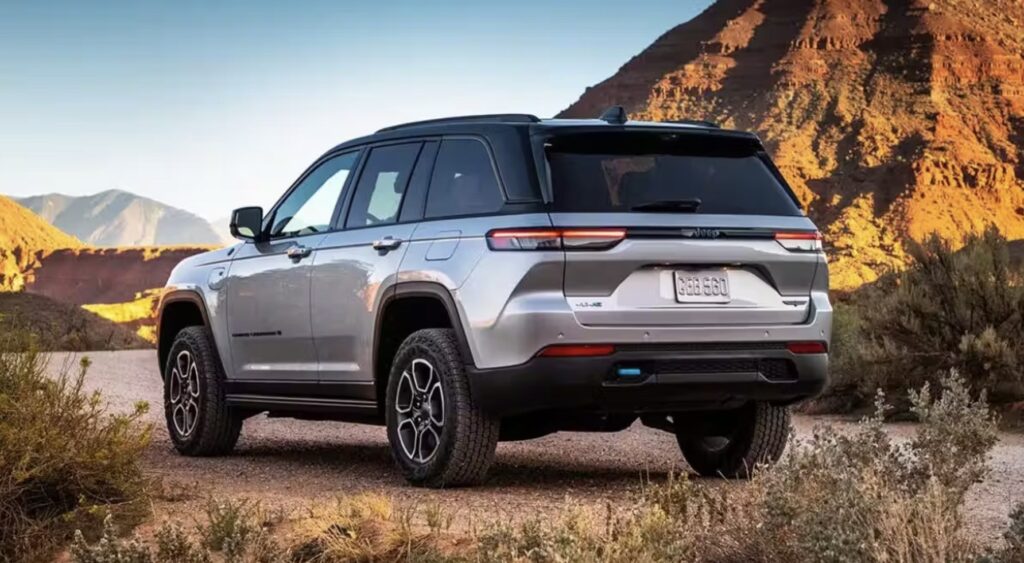
Plug-in hybrids like the Jeep Grand Cherokee 4xe are heavily incentivized right now, with nearly $8,000 in cash savings. Why is Jeep’s 4xe series the subject of clearance pricing? Reliability concerns give shoppers pause. See Grand Cherokee total cost of ownership data here.
See offer details, or view Jeep listings near you.

The Encore GX is Buick’s affordable small crossover, and $3,000 off makes this entry-level SUV a great deal. These days, it’s easy to forget that Buick was once known as a luxury brand.
See offer details, or view Buick listings near you.
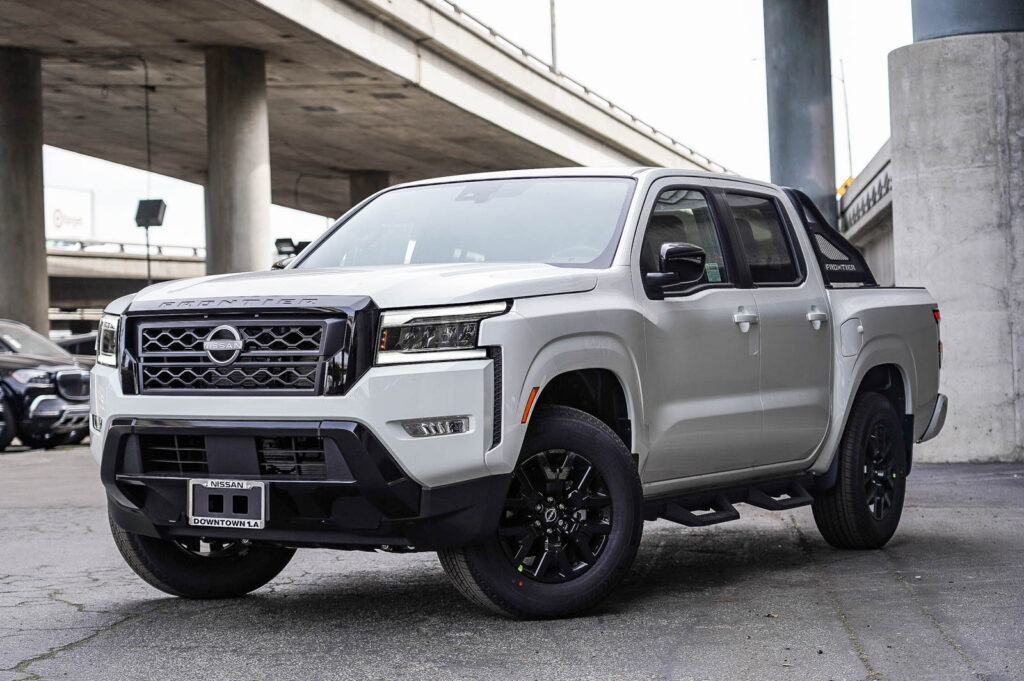
Nissan is offering a $3,500 cash discount on the Frontier as the automaker struggles to improve U.S. sales numbers. As Toyota, Honda, Hyundai, and Kia have gained fans, Nissan has lost a lot of ground. Car buyers can use that to your advantage.
See offer details, or view Nissan listings near you.
2025 Jeep Gladiator Rubicon 4×4 – 10% Off MSRP
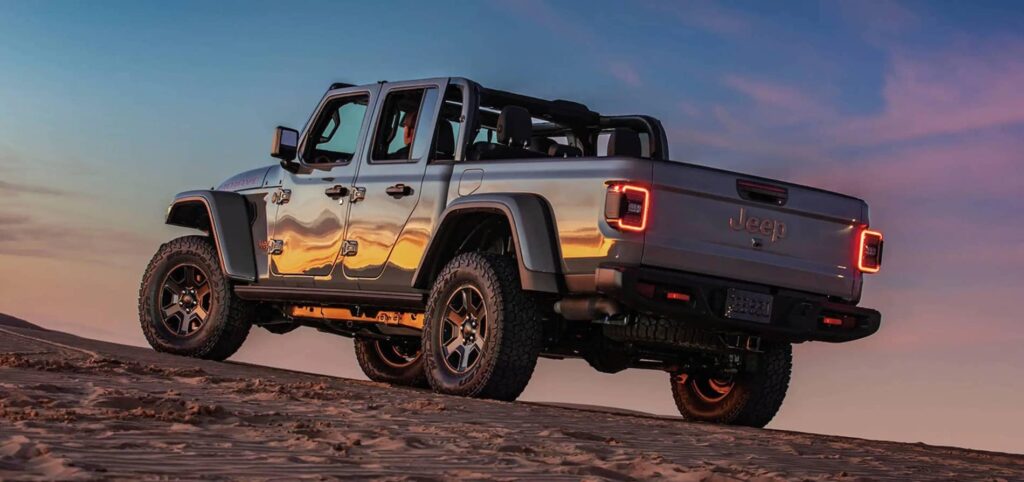
Grab your rubber ducks! Jeep is out to conquer the off-road world with $5,500 off MSRP for the 2025 Gladiator Rubicon. With competition from the Ford Bronco and Toyota Land Cruiser, Jeep is fighting for market share like never before.
See offer details, or view Jeep listings near you.
September’s cash deals won’t last forever, but luckily year-end sales are just around the corner. If you’re not a fan for any of these offers, chances are you won’t have to wait long to find something you like.
As CarEdge’s Ray Shefska puts it:
“If you don’t see the deal you’re looking for this month, don’t worry — chances are you’ll find it during December’s year-end sales push. Automakers and dealers always get aggressive to clear out inventory before the calendar flips. But if you’re shopping for an EV, now is the time to buy. Federal tax credits expire at the end of September, and waiting could mean leaving thousands on the table.”
Want to know where the real car deals are? Use CarEdge Pro to see behind the scenes of your local market and CarEdge Concierge if you’d like a professional to negotiate your deal for you.
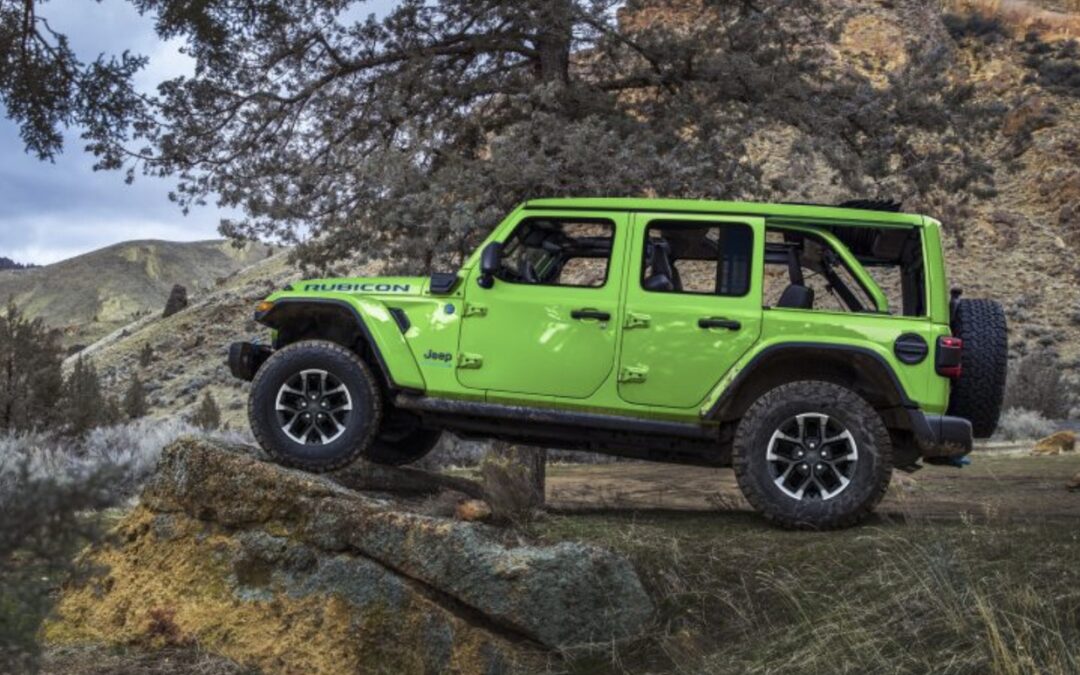
Car prices have been climbing for years, and overall, that’s a trend that continues for 2026. But here’s the twist: a handful of 2026 models are actually cheaper than last year’s. And we’re not just talking about EVs. From crossovers to trucks, these seven models buck the trend with real price cuts. (All prices include mandatory destination charges, which unfortunately are still on the rise.)
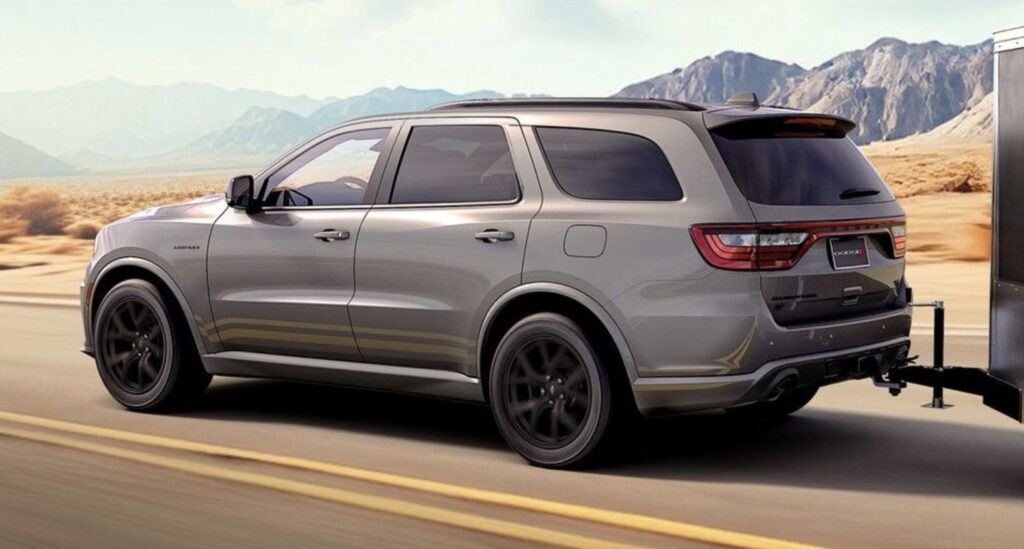
2026 Base Price (MSRP + destination): $47,490
For 2025, Stellantis is out to turn around falling sales. Core to their strategy is adjusting pricing to lure in buyers. For 2026, the Dodge Durango R/T Plus is a whole lot more affordable. The Plus version of the popular Durango R/T gains premium features like leather-trimmed heated/ventilated seats, power sunroof, and adaptive safety tech.
👉 Learn more about the Dodge Durango
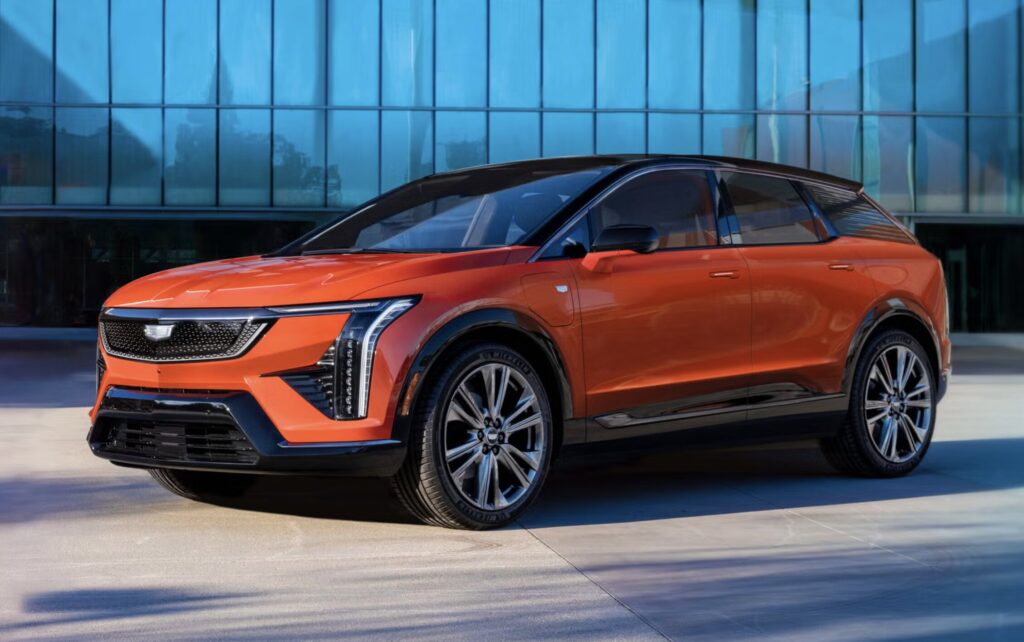
2026 Base Price (MSRP + destination): $52,395
Cadillac trimmed the Optiq’s price by nearly $2,000 for 2026 with the addition of a new entry-level Luxury rear-wheel-drive trim. Without federal incentives, it remains to be seen how sales will trend. At least this luxury electric crossover now has a more accessible starting point.
👉 Learn more about the Cadillac Optiq
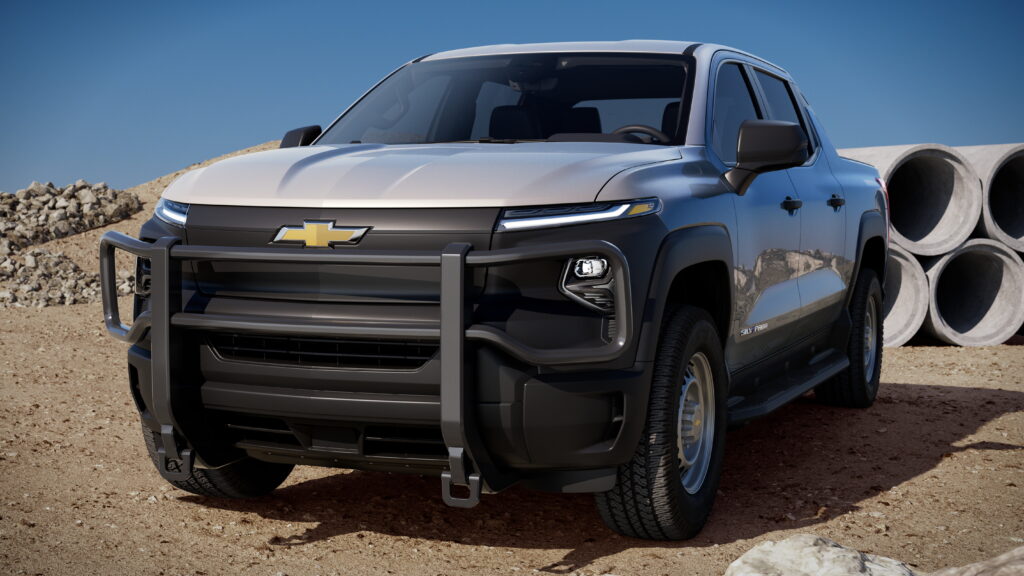
2026 Base Price (MSRP + destination): $54,895
Chevy lowered the price of the Silverado EV’s Work Truck trims, bringing the starting price down to $54,895. Buyers can choose from three WT trims with ranges spanning 293 to 493 miles. Even at the top, the ‘26 Silverado EV is more affordable. Chevy swapped out the $97,895 RST Max Range for a new $88,695 Trailboss Max Range.
👉 Learn more about the Chevrolet Silverado EV
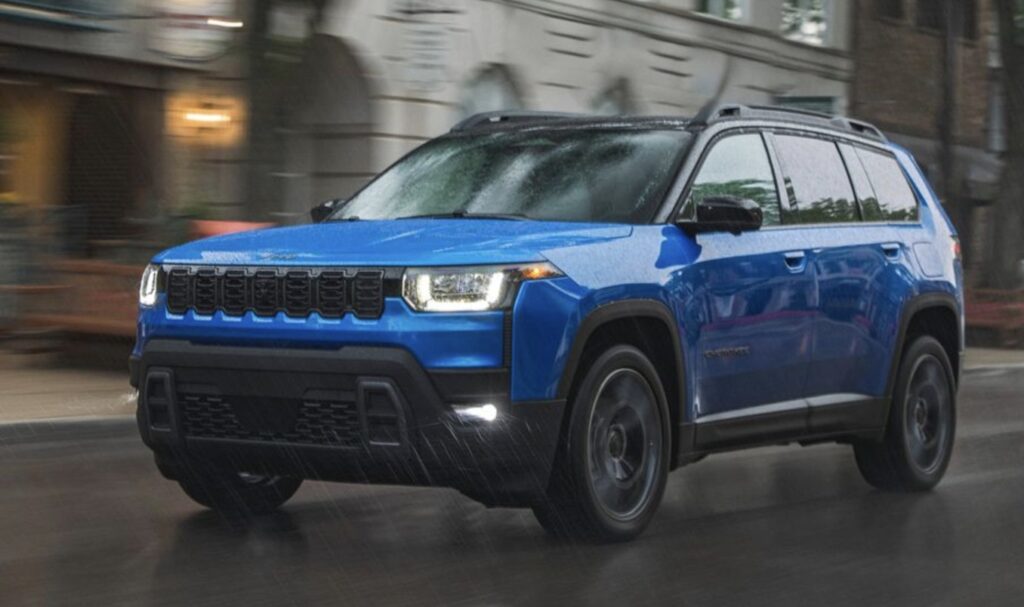
2026 Base Price (MSRP + destination): $36,995
After skipping 2024 and 2025, Jeep revived the Cherokee for 2026 with an all-new design, larger dimensions, and a standard hybrid powertrain. Despite improvements, the base price is $2,295 cheaper than the 2023 Cherokee that ended production.
👉 Learn more about the Jeep Cherokee
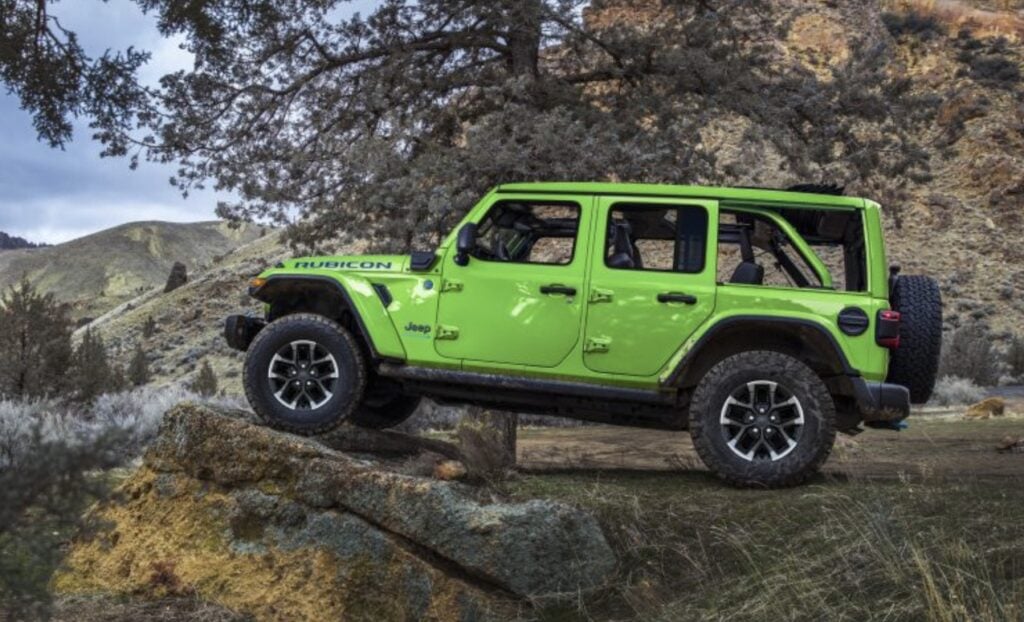
2026 Base Price (MSRP + destination): $47,355
The Wrangler lineup remains mostly unchanged for 2026, but the Rubicon trim received a rare price cut of more than $1,500. While other Wrangler trims have seen hikes, off-road fans who want the Rubicon will be saving money. Who to thank? Jeep’s slowing sales, unfortunately.
👉 Learn more about the Jeep Wrangler

2026 Base Price (MSRP + destination): $61,395 (Light Long Range)
The base EV9 still starts at $56,395, unchanged from 2025, but several trims in the lineup are cheaper in 2026. The popular GT-Line dropped by $2,000 to $73,395, while the Land is $1,000 less at $67,395. Buyers focused on higher trims will benefit the most.

2026 Base Price (MSRP + destination): $25,135
For 2026, Kia introduced a new entry-level front-wheel-drive LX trim, bringing the Seltos’ starting price down by nearly $1,000. That makes the Seltos one of the cheapest crossovers you can buy new in 2026.
👉 Learn more about the Kia Seltos
It’s rare to see new models get cheaper, but any price cut is worth noting. The truth is, the only way we’ll see more of them is if buyers push back against rising MSRPs. The best way to send that message? Skip the models with price hikes whenever you can. Vote with your wallet!
Shoppers looking to maximize savings should check local car market conditions, shop the deals, and be ready to negotiate. And most of all, NEVER shop monthly payments, and ALWAYS shop the out-the-door price!
Learn how CarEdge can make car buying (and leasing) easier than ever before.
When it comes to the end of a car lease, you have a few different options for what you can do. To make the best choice possible, it’s important to understand a few factors that go into your options at the end of your car lease.
Deciding what to do at the end of a car lease depends mostly on how you feel about the car. Of course, your financial situation and inclinations also come into play. We’re about to explore each of the options available to you as your lease ends.
When you return your leased car, it will be thoroughly inspected, this is called the “lease-end inspection,” and it’s important to understand that you may be charged fees for excessive wear and tear to the vehicle. When you take your vehicle to the dealership they’ll be looking for:
Before you head for the dealership, you should ensure you have everything that came with the car to avoid additional fees. This means you’ll want to bring both sets of keys, make sure the spare tire is in the trunk, have the original floor mats in the vehicle, etc, etc.
If you plan to simply return the vehicle, you should also be prepared to pay the lease disposition fee, which is often around $400 (although the exact amount is on your lease contract). This fee is to cover the costs of reselling your leased car, and if you plan to return your vehicle (and not lease another vehicle from the same manufacturer) you cannot get out of paying this fee. If you went over your mileage allotment expect to get a bill sent to you, and if you’re terminating your lease before it’s over, expect even more fees (as well as the reality that you’ll still need to make your remaining lease payments).
Let’s say you want to return your car and then get a new lease. That is of course also an option, and one the dealership will be excited to help with. It’s likely that the dealership has contacted you in the months leading up to your lease-end to try and get you into a new lease already, and so by the time you show up to return your vehicle you may have already put together your new lease deal.
When you return a vehicle and then lease another from the same manufacturer they will waive the lease disposition fee. The vehicle you are returning will still need to go through a lease-end inspection, and you’ll face fees if you don’t have the second set of keys, or went over the allotted mileage.
You may be able to roll any lease equity over into a new lease as well. Lease equity is the positive equity created when your car is worth more than the residual value stated in your lease terms. Equity typically only occurs when you have severely under-driven the mileage stated on your lease, or when you simply get lucky because of an increased demand for your specific car.
For example, let’s say you lease a Honda Accord, and the stated residual value at the end of the term is $15,000. You lease it and barely drive it during the 36 month lease. You head to the dealership to return your current lease and move into a new Accord. When you arrive the dealership lets you know that the vehicle’s “book value” (how much they’re willing to buy it for) is $16,000. Rather than return the vehicle, you work with the dealer to buy it, trade it in, and roll over the equity ($1,000) into the new lease.
When leasing a car, many people decide to move into a new lease with the same dealership. While reasonable, you should shop around before jumping into another lease. Like we always preach, you should negotiate the largest dealer discount from MSRP before committing to a car deal. Learn how CarEdge can make negotiating your lease easy.
If you’ve enjoyed your leased car you always have the option of buying it outright at the end of your lease. You know exactly how much you’re going to pay for the car (the residual value set when you signed the lease contract), and you know everything about the vehicle (since you’ve been driving it for the past few years).
The residual price is in your leasing contract and was determined based on their estimation of what your car would be worth at the end of the lease. Comparing the residual value against the current market value is often the deciding factor for people considering buying their leased car.
For example, John leases a Toyota Prius, and at the time the contracts are drawn up, the manufacturer calculates that the Prius will be worth 58% (residual values are always represented as percentages) of its original MSRP. That means John can buy his Prius outright, at the end of the lease for $17,000 (remember, this is a hypothetical). Because of market conditions, and the fact that John only put 18,000 miles on the Prius, he knows the vehicle is worth $20,000 if he sold it to a private party, or $18,500 if he sold it to the dealer. These figures mean John should almost certainly buy the car since it’s $1,500 cheaper than the market rate.
However, if John’s lease comes to an end and the book value on his Prius is actually $15,000, John would be paying an extra $2,000 over his Prius’ market value if he bought it outright at the end of the lease. In this case John would be better off turning in the leased Prius and buying one elsewhere for $15,000.
Learn how to understand your lease contract [free guide]
One of the most challenging decisions people face when considering what to do at the end of a car lease is often the same decision that originally led them to their lease: should you lease it or buy it?
There are pros and cons to both options. Objectively considering both will ultimately help you decide what to do at the end of a car lease.
People decide to buy cars at the end of their leases all the time. There are many good reasons why. However, there are also a few notable drawbacks.
Pro:
Cons:
Buying a car usually makes more financial sense than leasing a car. One benefit of purchasing the vehicle that you’ve been leasing is that you know exactly how it’s been driven and maintained, as compared to buying a used car off the lot.
Some people are serial car leasers. They’d never want to commit to owning the same car for longer than a lease. Let’s take a look at some reasons why.
Pro:
Cons:
You may notice that these pros and cons lists are quite similar to the lists you might make before you first got into a lease. That’s because deciding what to do at the end of a car lease is similar to deciding to start a lease in the first place: lease a new car or buy the one you’ve been driving.
Deciding between the three lease end options detailed above can often be tricky. It typically comes down to how you feel about the car. If you love the way it drives and you want to keep driving it, buying it is usually the best option, even if the numbers say you should turn it in. Conversely, if you dislike driving it and you’ve been counting down the days, it’s probably best to turn it in and walk away.
Now you know what to do at the end of a car lease, but you still have homework to do. You need to determine the car’s current market value and compare it against the residual price. The difference between these numbers will help you decide what to do at the end of a car lease.
One thing you learn as you get older is that there’s no such things as an “easy way out.” Although, when it comes to ending your car lease early, you may have a few options. Depending on your circumstances, there are a few creative ways you can end your car lease early without hurting your bank account.
Car dealers, and their manufacturers are always looking for two things: ways to make money, and how to sell more cars.
If your lease isn’t due for another few months, but you really want to get into a new car, the odds are that a dealer is going to put their best foot forward to help you make that a reality. Why? Because they’ll make money selling the new lease, and they’ll sell another car. Both of those things benefit the dealer.
Although, this positive attitude needs to be taken with a grain of salt. Your current lease agreement is a legally binding document.
Getting a good deal on a car is all about leverage. If your lease isn’t due for 3 months, and you have a legally binding contract that says you’ll make the remaining payments, you don’t have too much leverage. With all this being said, there are some creative ways you can approach this situation. Let’s get into the weeds of how you can end your car lease early.
The short answer is “no.” The long answer is “probably.” Why do I say that? Because a lot of factors are in play.
First, how many monthly payments do you have left on your current lease? If you have less than three, the odds are high that the dealer and the leasing company will work with you to forgive your remaining lease obligations in exchange for getting into a new car (although there are caveats to this that we’ll cover below). On the other end of the spectrum, if you have six, eight, or twelve payments left on your lease, it is less likely that the dealer will have any interest in helping you out. Why would they? You’ve got a whole year’s worth of payments to continue making, and with each check you write, they make money.
Take a look at your original lease agreement and locate the termination date of the lease (the date you would return the car if you completed the lease). You can typically also find this information in your online payment portal. This date is the most important thing for you to keep in mind, and it’s the date that the dealership and the leasing company will be referring to when they consider how “friendly” they’ll be in forgiving your remaining lease payments.
To end your car lease early without penalty, you’ll want to research lease pull-ahead programs. Car lease pull-ahead programs are specific incentive programs that leasing companies create to entice prospective customers to lease a new vehicle. A lease pull-ahead program is your best option for ending a car lease early.
Leasing companies generally do not readily provide this information. Instead, each month the captive finance company (Toyota Financial Services, for example) will send it’s dealerships a list of new and ongoing incentive programs for customers.
These lists are huge, complex, and not particularly easy to understand. Within these monthly guidelines, dealers may find pull-ahead programs that are intended to incentivize customers to buy new cars. Keep in mind that incentive programs are different for each region within the United States. Two dealerships may have two very different incentive programs in any given month. This is partly why you don’t see lease pull-ahead programs advertised nationwide.
You can try and find this information online, although your best bet is to call your local dealership, or the leasing company itself.
At the end of the day, if you’re looking to end your car lease early you need to recognize that you have a legal obligation to fulfill the contract you signed. With that being said, you know that dealers and leasing companies want to lease you a new car, and you can use that to your advantage to ask for incentives and programs to help offset the remaining payments you have on your current lease.
In need of some assistance from auto lease experts? Learn how The CarEdge Team can help!
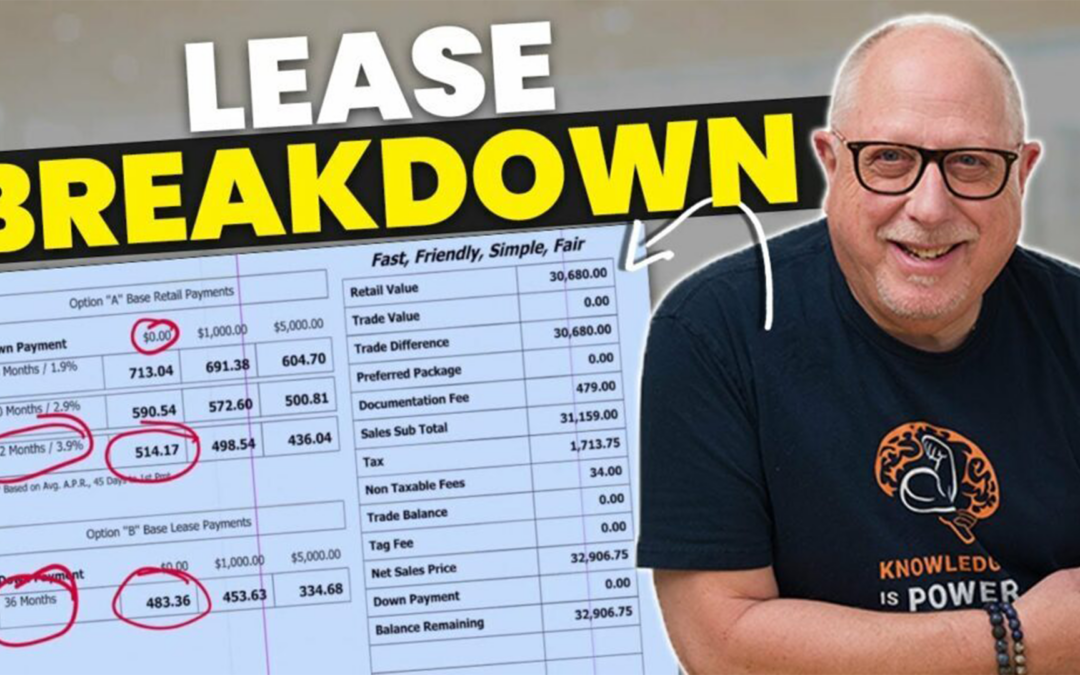
Whether you’re considering a lease for your next car or currently have a car on lease, you’re probably aware that a lease gives you no ownership. However, many dealerships processing end-of-lease returns neglect to mention an important detail. In some cases, when a lease is returned, the car has equity on it worth hundreds or even thousands. It’s called auto lease equity, and it’s money that should go in your pocket.

When you lease a car, you don’t get to drive it as much as you want. Rather, the lease is made out for a specific mileage level. Depending on the model and contract, you could be allowed anything from 30,000 miles to 60,000 miles in the three years that you keep the car. If you go over your mileage limit, you will be charged for overages when it’s time to return the car at the end of the 36-month lease period. This can be an expensive miscalculation on your part, so be careful to not exceed your mileage limit, unless you’re prepared to pay up at the end.
Should the opposite happen – if you manage to drive less than you’re allowed – you’ll have ended up paying more for the car than you’ve actually used. It’s this difference that makes up the equity that you have in your car. When the dealership sells the car on the used market, they are likely to get more than they originally hoped for, as they expected the car to have more mileage. They should give you a share of this windfall. Depending on the model and how many miles you’ve managed to save, you could have equity worth a substantial sum of money in the car.
If you’re wondering whether you have auto lease equity, the process is simple.
See, we told you it would be simple. It’s worth checking if you have lease equity, especially if you’re not too happy with your current ride.
Most dealerships don’t pay cash for the lease equity that your car brings them. Rather, they offer to give you credit that you can put towards your next lease, buying a new car, or even if you decide to buy the leased car outright. That’s always an option. Unfortunately, dealerships are often less than upfront about lease equity, and often fail to bring up the subject in the hope that their customers won’t know enough to ask.
See all of your lease-end options
Before you hand in the key at the end of your lease, it’s important that you look at the odometer and determine how many miles you’ve saved. If you’re under your lease mileage allowance, you should bring it up when it comes time to give back the car. Doing so could save you a lot of money in the form of a hefty discount on your next car.
Now for some free car leasing advice from CarEdge co-founder Ray Shefska! Subscribe to our YouTube channel for more tips and tricks for buyers and sellers.

If you’re shopping for a car in 2025, timing matters more than ever. Interest rates, expiring EV incentives, and dealership lots overflowing with new models have created a rare window for buyers to save big. But here’s the catch: not everyone should buy now.
For most car shoppers, the smartest move is to wait for year-end car sales in November and December. EV buyers are the exception, and we’ll explain why.
Mark your calendar. The first big wave of year-end deals will show up around Black Friday in late November. But the real flood of discounts lands in December, when automakers and dealers face the end-of-year crunch.
This is when manufacturers pile on cash rebates, 0% APR financing, and lease specials to hit sales targets and clear out inventory. Dealers are under pressure too, eager to move 2025 models off the lot before they officially become “last year’s cars.”
Now that we’ve covered when showtime will arrive, let’s get into who should wait for year-end specials, and who should just go ahead and buy now.
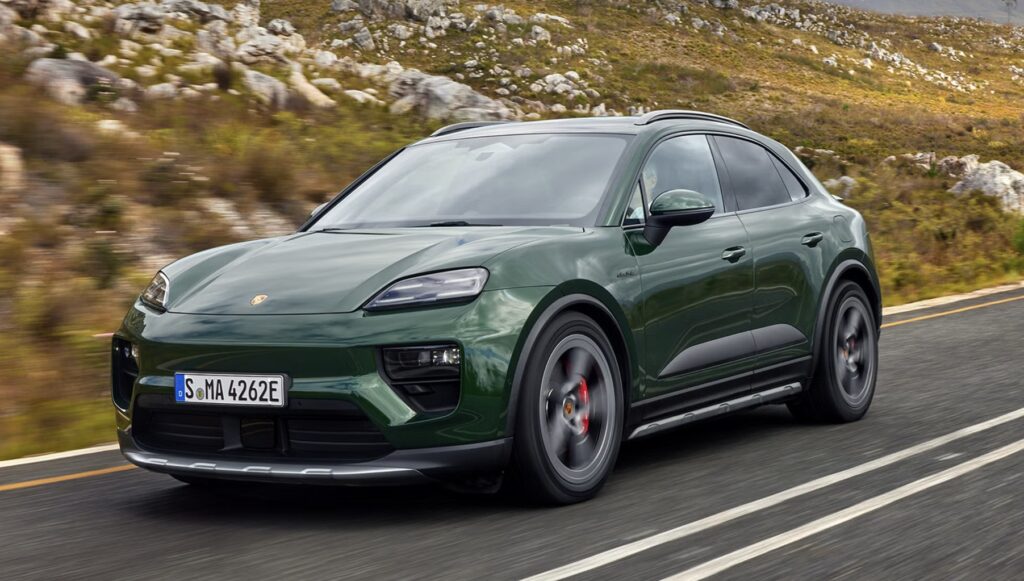
If you’re considering an electric vehicle, the clock is ticking. The federal EV tax credit expires on September 30, 2025. New IRS guidance confirms that buyers can still claim the credit as long as they have a binding written order with a deposit in place by that date—even if delivery happens later.
For the first time ever, electric vehicle inventory is lower than the overall new car market, at least by the Market Day Supply measure of demand. As buyers rush to snag their $7,500 point-of-sale discount or tax credit, several top electric models have fallen below 30 days of market supply. This makes EVs less negotiable for the time being, at least until inventory builds back up.
Ray Shefska, CarEdge co-founder, puts it plainly:
“EV shoppers should take advantage of the federal tax credits before they expire. Do it now, not later. It will be a while before EVs pile up on dealership lots again, so now is your best chance at savings.”
If you’re buying an EV, September is your deadline. After that, the credit vanishes, and you’ll be left paying more until inventory builds back up in 2026. Check out local EV listings with insider market data.
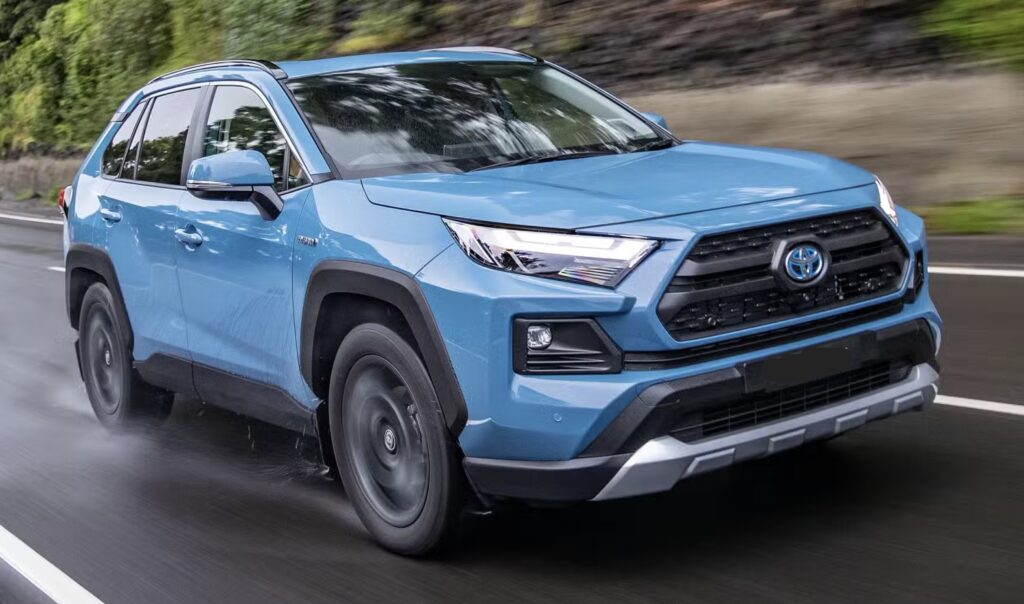
If you’re shopping for a gas-powered or hybrid vehicle, patience will pay off. Unlike EV buyers who need to act fast, the best move for everyone else is to wait until year-end sales in November and December.
That’s when automakers roll out their biggest discounts of the year to clear 2025 models off lots and make room for 2026 arrivals. Expect 0% APR financing, thousands in cash rebates, and aggressive lease specials once Black Friday kicks off the season.
Ray Shefska puts it this way:
“Manufacturers and dealers get more aggressive in December than at any other time of the year. That’s when you’ll see the deals worth waiting for.”
If you’re buying an ICE or hybrid model, hold off until year-end. You’ll likely save more by waiting just a few months than by rushing into a deal today.
If you’re hunting for the deepest discounts this November and December, look at leftover 2025 models. With 2026 vehicles already arriving, automakers don’t want unsold inventory sitting around. That’s where the best year-end car sales will be found.
As of September 2025, two-thirds of all new car inventory is from the 2025 model year. Open to something older for a greater discount? There are 90,000 2024 models that are still looking for buyers. Buyers should confidently negotiate at least 15% off MSRP for these cars and trucks that will soon reach their second birthday without a buyer.
Expect to see aggressive year-end car deals on:
Put simply: year-end sales are the last chance to score thousands off a 2025 model before automakers reset the board with higher 2026 prices.
If you’re thinking about waiting until next year, think twice. Automakers are already rolling out price hikes for 2026 models, and they’re not small. Subaru has announced increases across much of its lineup, Chevrolet is sneaking in higher MSRPs and padded destination fees, and other brands are following suit.
The truth is, MSRPs rarely fall, and 2026 will be no exception. Even if incentives improve later, higher sticker prices and fees mean many buyers will end up paying more. That’s why year-end 2025 car sales are your best shot at grabbing a 2025 model before the price resets upward.
Here’s another reason to wait: the Federal Reserve is expected to cut interest rates in late 2025, with meetings in September, October, and December. By November and December, auto financing could finally become more affordable.
Lower rates mean two things:
That’s why it pays to be prepared. Shoppers who know what fair pricing and rates look like will be better positioned when demand picks up.
Dealers love to talk about monthly payments, but don’t let that distract you from the total out-the-door cost. Always shop around before accepting a higher APR from the dealership, especially if you’re buying in-demand models like Toyota, Lexus, or Honda. Competitors like Mazda, Hyundai, and Kia commonly offer greater discounts and APR incentives.
CarEdge can help you compare financing offers, negotiate discounts, and avoid dealer tricks. Whether you’re looking at year-end clearance sales or considering one of the last EV credits, the right strategy can save you thousands.
See how we can help make car buying easy and pain-free, no matter your budget.