
CarEdge saved me over 4,500 dollars on a brand new Honda Pilot. I can't say thank you enough.
Price intelligence
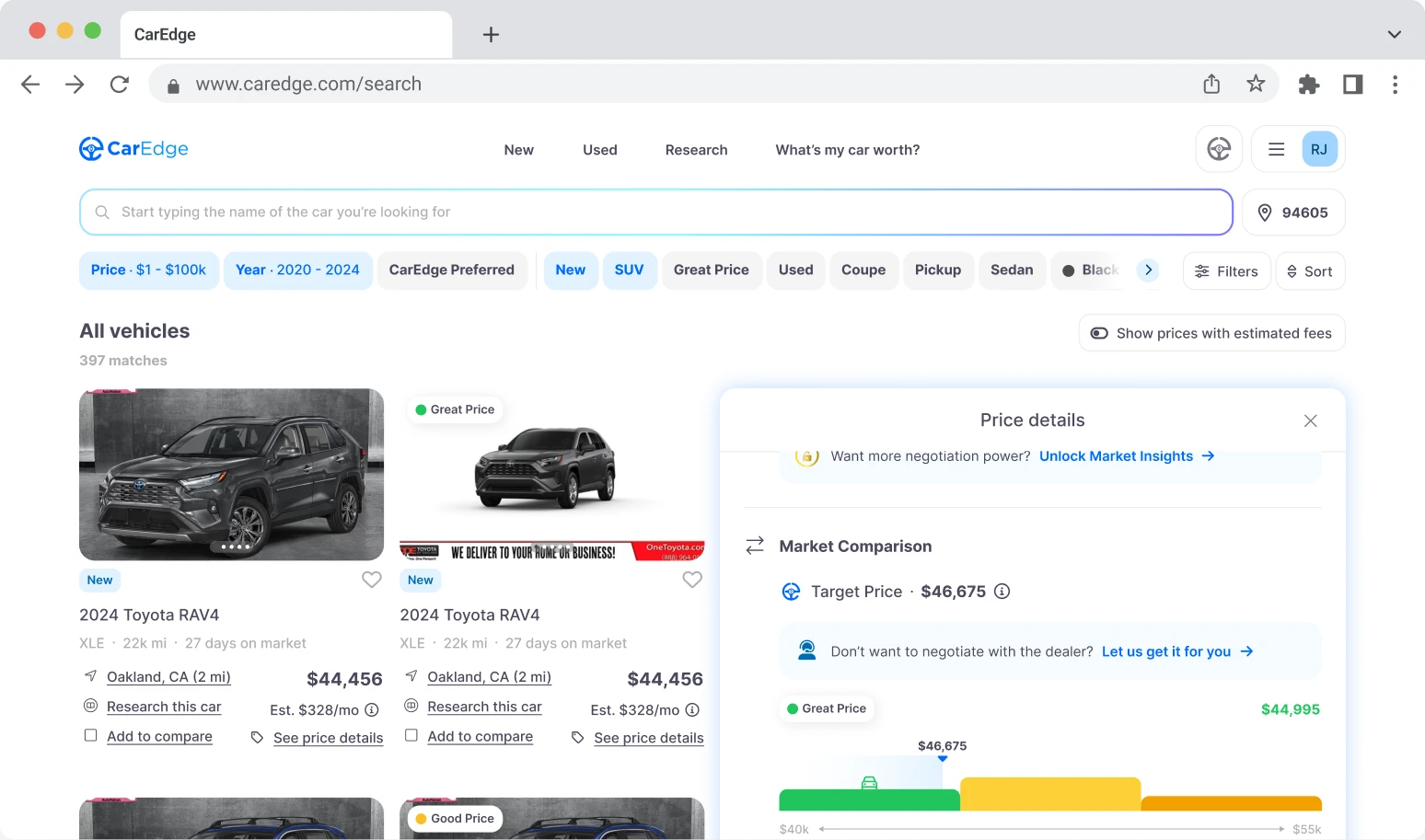
Find a wide range of vehicle listings with market insights on new and used listings near you.

What can I do with CarEdge?
 CarEdge Insights
What can I do with CarEdge?
Get access to exclusive information so you can make an informed car buying decision — all in one place.

Find a wide range of vehicle listings with market insights on new and used listings near you.
Track your vehicle’s value and cash in when the time is right to sell.

Access to our proprietary data to help you find the right car, at the right price. Find these unlocked on every listing after subscribing.

With our expert-led, tech-enabled car buying service, we will locate, negotiate, and deliver your vehicle so you can get a new car hassle free.


Help us personalize your CarEdge experience — it only takes a second.
Your answers help us personalize your CarEdge journey — we’ll follow up with tips and next steps that match your buying timeline.
The auto industry is in a shake-up era. With shifting consumer tastes, sticky inflation, and the messy EV transition all colliding at once, several car brands are dangerously close to being pushed out of the U.S. market. And that’s before we even take tariffs into consideration.
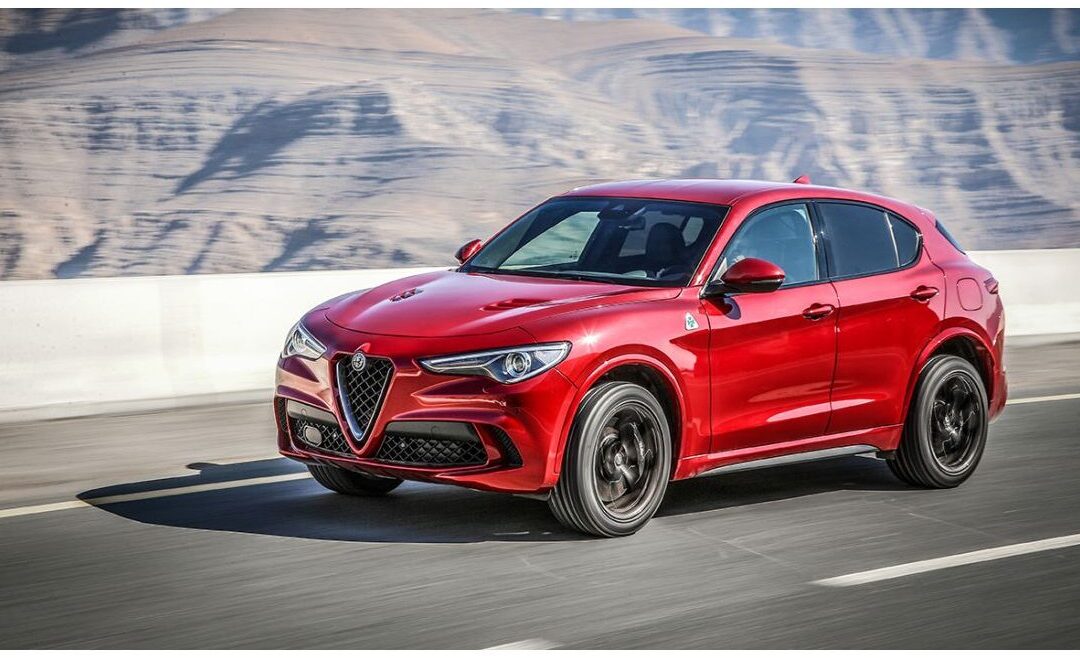
We’re taking a close look at three brands with unvertain futures: Alfa Romeo, Chrysler, and Maserati. These three endangered brands all fall under the Stellantis umbrella, along with 11 other car brands. But it doesn’t end there. We’ll also explain why Nissan is in trouble, even if it has a bit more breathing room than the others.
“This is survival of the fittest,” says CarEdge Co-Founder and industry veteran Ray Shefska. “If you don’t have scale, domestic manufacturing, or a clear product roadmap, you’re on thin ice.”
Let’s take a look at how three car brands in peril are faring, and how a fourth might not be far behind.
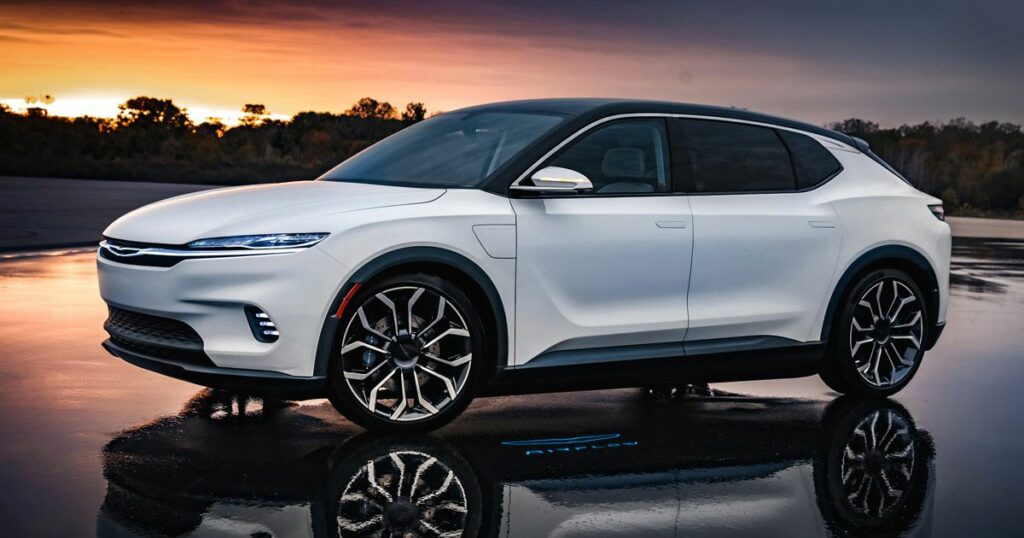
Chrysler is clinging to a single model: the Chrysler Pacifica minivan. With the Chrysler 300 gone and no other gas-powered vehicles left, the brand’s entire future hinges on a vague promise to go all-electric by 2028.
The problem? There’s no clear plan. The Chrysler Airflow concept has been put on hold indefinitely. No Chrysler EVs are in showrooms, and electric sales are stagnating in the U.S. It’s unclear if parent company Stellantis has noticed that consumers aren’t exactly rushing out to buy an electric minivan.
Ray explains:
“You can’t put all your chips on one vehicle, especially in a niche market. The Pacifica is great, but it’s not going to save Chrysler on its own. It remains to be seen if Chrysler has a game plan for beyond 2026. Right now it’s all speculation.”
Unless Stellantis delivers a compelling lineup fast, Chrysler may fade into irrelevance before it gets the chance to reinvent itself. We wouldn’t be surprised to see the Pacifica join the Dodge family to clear the path for sunsetting the Chrysler brand.

Maserati is supposed to be Stellantis’ crown jewel. But in 2025, it’s looking more like a financial anchor.
Here’s how bad it is:
And there’s no cavalry coming. No new models are scheduled until mid-2026, and existing vehicles like the Grecale and MC20 aren’t selling in meaningful numbers.
Ray’s take:
“If Maserati weren’t a luxury badge, it probably would’ve been shut down already. But even brand equity can only buy so much time.”
If Stellantis can’t find a buyer — or a miracle — Maserati’s exit from the U.S. might be a matter of when, not if.

After returning to the United States in 2014 following a 20-year absence, the brand has seen its fair share of struggles. U.S. sales are in steep decline, and new models have failed to turn things around. After peaking at over 18,000 units in 2021, Alfa Romeo’s U.S. sales dropped to just 8,868 in 2024.
There’s no new product pipeline for the U.S., and dealers are struggling to move inventory. Dealers are packed with 208 days of market supply as of July 2025. Giulia and Stelvio sales continue to slide, and the brand’s market share has fallen to well under 1% of the American car market. Meanwhile, parent company Stellantis is undergoing a strategic review of Alfa Romeo amid financial losses and big ambitions for a turnaround.
Ray Shefska puts it bluntly:
“Alfa Romeo’s a brand with no clear future in the U.S. If the next model isn’t a hit, it could quietly vanish from this market.”
Why Alfa Romeo Is at Risk
We can’t count Alfa Romeo out just yet, but it’s not looking good for the brand’s future in North America.
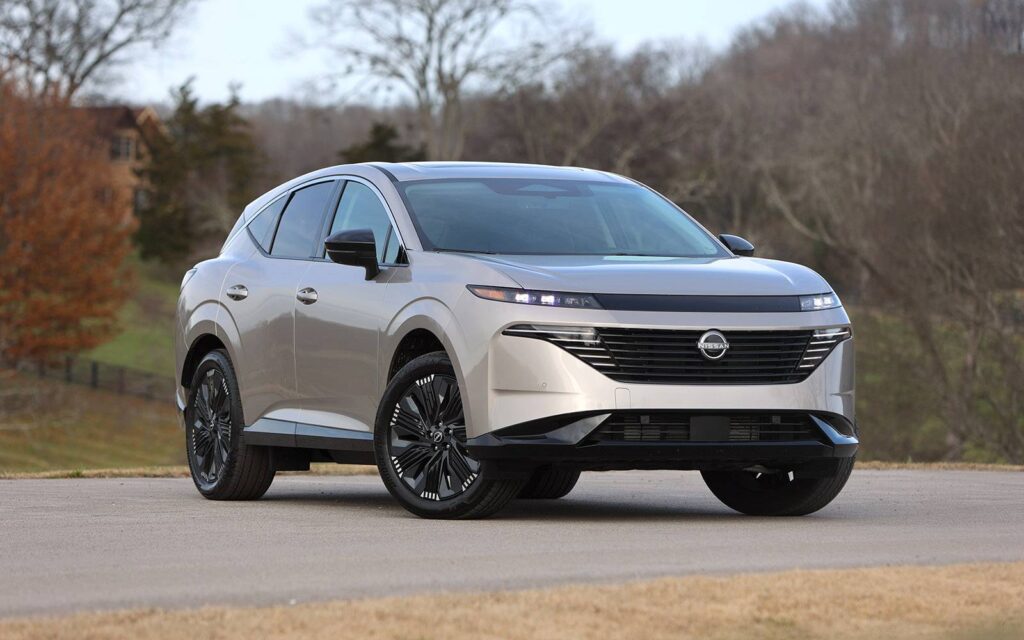
Nissan isn’t in immediate danger of disappearing from the U.S. market, but there’s no denying the brand is struggling.
Recent signs of trouble:
That said, Nissan is still a volume player with global scale and a decent EV head start. The Ariya and LEAF haven’t set the world on fire, but Nissan’s investments in product refreshes and future battery tech could help it turn a corner — if it survives the next few years.
Nissan’s global footprint gives it some flexibility, and its strong brand recognition in the U.S. still holds value. However, to stay relevant, the automaker needs a bold strategy to reclaim leadership in the years to come.
If you’re shopping one of these brands, resale value and long-term support should be front of mind. Vehicles from discontinued brands often take a resale hit and may be harder to maintain over time. Take a look at today’s resale values for the Pontiac, Saturn, and Oldsmobile brands, for example.
That said, it’s not all bad news. Struggling brands often see heavy discounts at the dealership, especially if inventory builds up. Be sure to stay on top of the latest deals of the month with CarEdge’s Deal Hub.
We’ll be tracking what happens to these brands closely in the months ahead. Bookmark CarEdge for updates, or subscribe to our free newsletter to stay ahead of the curve.
Ready for a whole new way of buying a car? Try CarEdge’s AI Negotiator today. Sit back, relax, and let AI do the haggling for you!
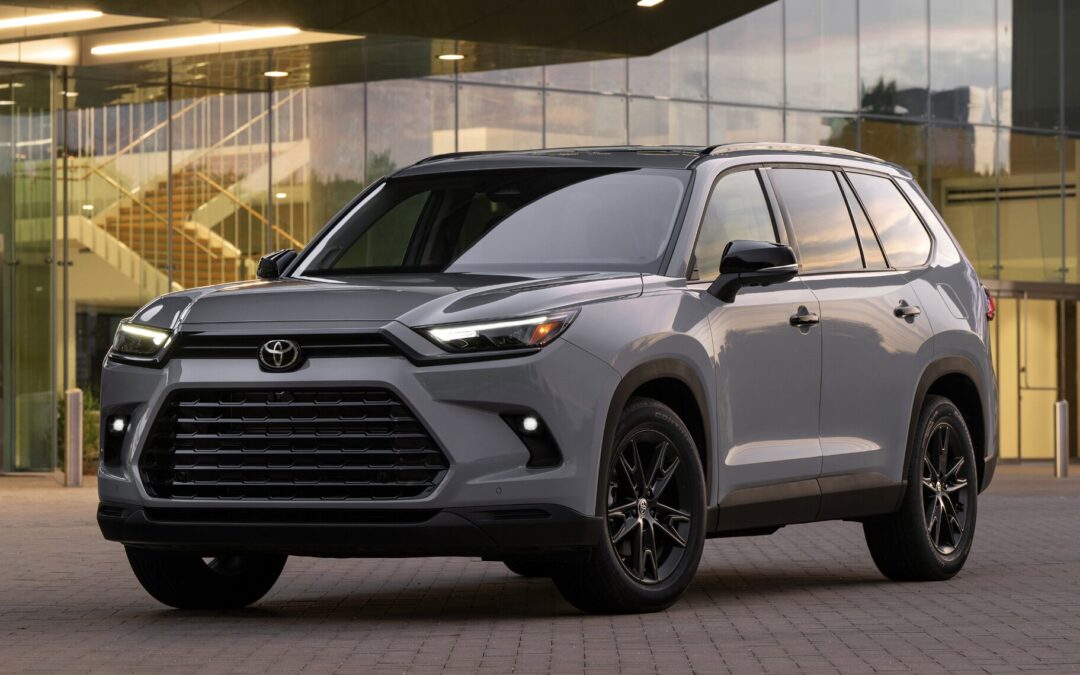
It’s true that SUVs have taken over the car market in recent years, but not all are hot sellers. In fact, the gap between the fastest and slowest-selling models is growing. In 2025, some SUVs and crossovers are being scooped up as soon as they hit the lot, while others are sitting unsold for more than six months. Whether you’re a buyer looking for a great deal or a seller trying to time the market, understanding which SUVs are moving (or not) is essential.
We analyzed August car market data to find the SUVs with the lowest and highest market day supply (MDS). MDS is a measure of how many days it would take to sell through current inventory at the current sales pace. Here are the winners and losers in 2025’s SUV market.
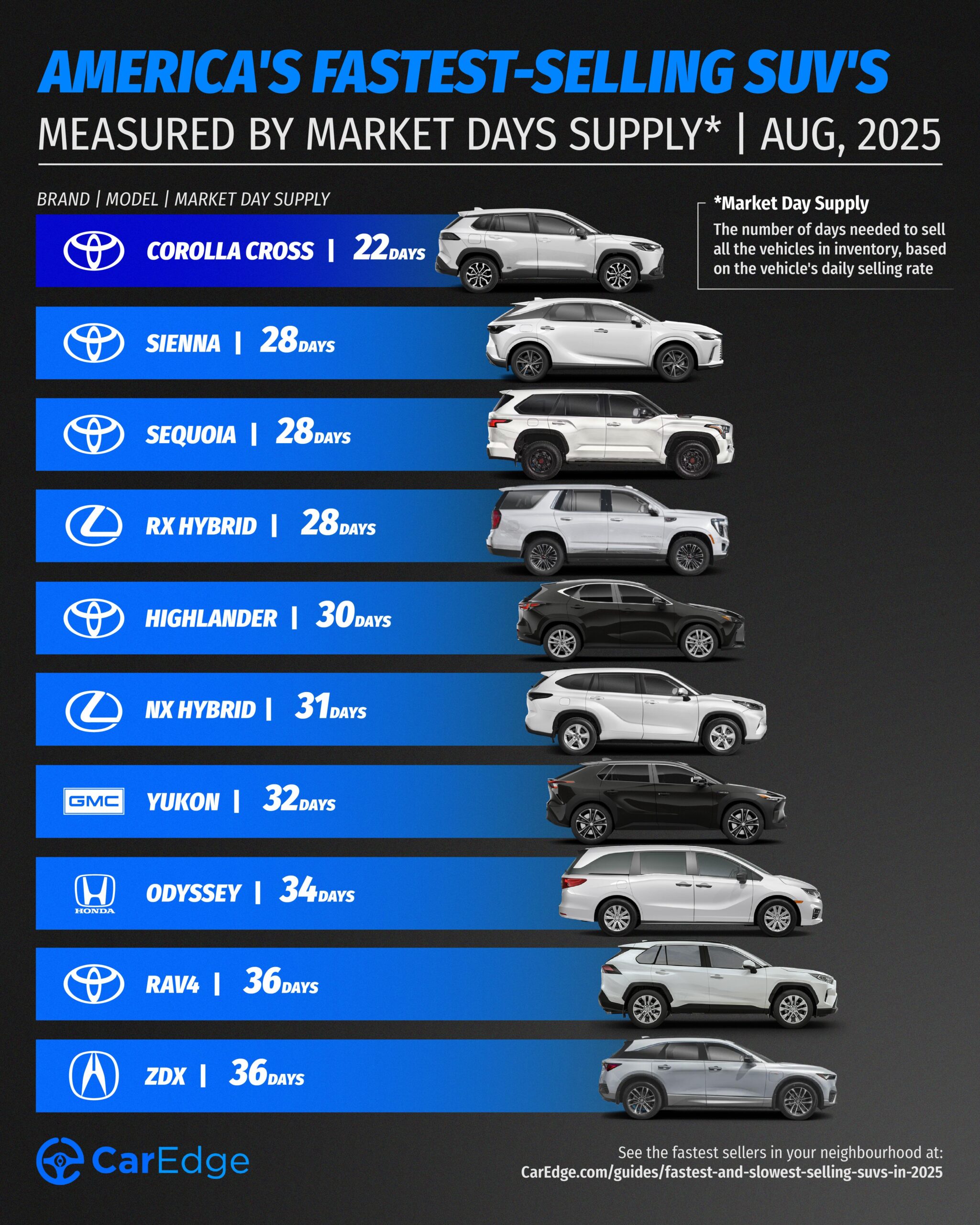
These are the SUVs and crossovers with the lowest market day supply as of August 2025. That means they’re in high demand right now, and are likely harder to negotiate on due to limited availability.
| Make | Model | Market Day Supply | Total For Sale | Total Sold (45 days) | Average Selling Price |
|---|---|---|---|---|---|
| Toyota | Corolla Cross | 22 | 9,443 | 18,965 | $31,181 |
| Toyota | Sienna | 28 | 9,572 | 15,344 | $51,591 |
| Toyota | Sequoia | 28 | 3,348 | 5,325 | $83,490 |
| Lexus | RX Hybrid | 28 | 2,511 | 4,085 | $63,083 |
| Toyota | Highlander | 30 | 5,470 | 8,172 | $52,052 |
| Lexus | NX Hybrid | 31 | 2,750 | 3,962 | $54,654 |
| GMC | Yukon | 32 | 4,373 | 6,126 | $87,674 |
| Honda | Odyssey | 34 | 5,654 | 7,574 | $46,334 |
| Toyota | RAV4 | 36 | 56,325 | 69,950 | $37,540 |
| Acura | ZDX | 36 | 1,217 | 1,501 | $68,906 |
Source: CarEdge Pro
Toyota’s reputation for reliability, fuel efficiency, and value continues to drive strong demand for Toyota SUVs like the Corolla Cross, Sienna, and Sequoia. Seven of the 10 fastest-selling SUVs in 2025 are Toyota or Lexus models. Lexus joins the mix with the RX and NX Hybrids, two compact options that luxury buyers love. GMC’s Yukon is the only ‘Detroit Big Three’ SUV on the list this month.
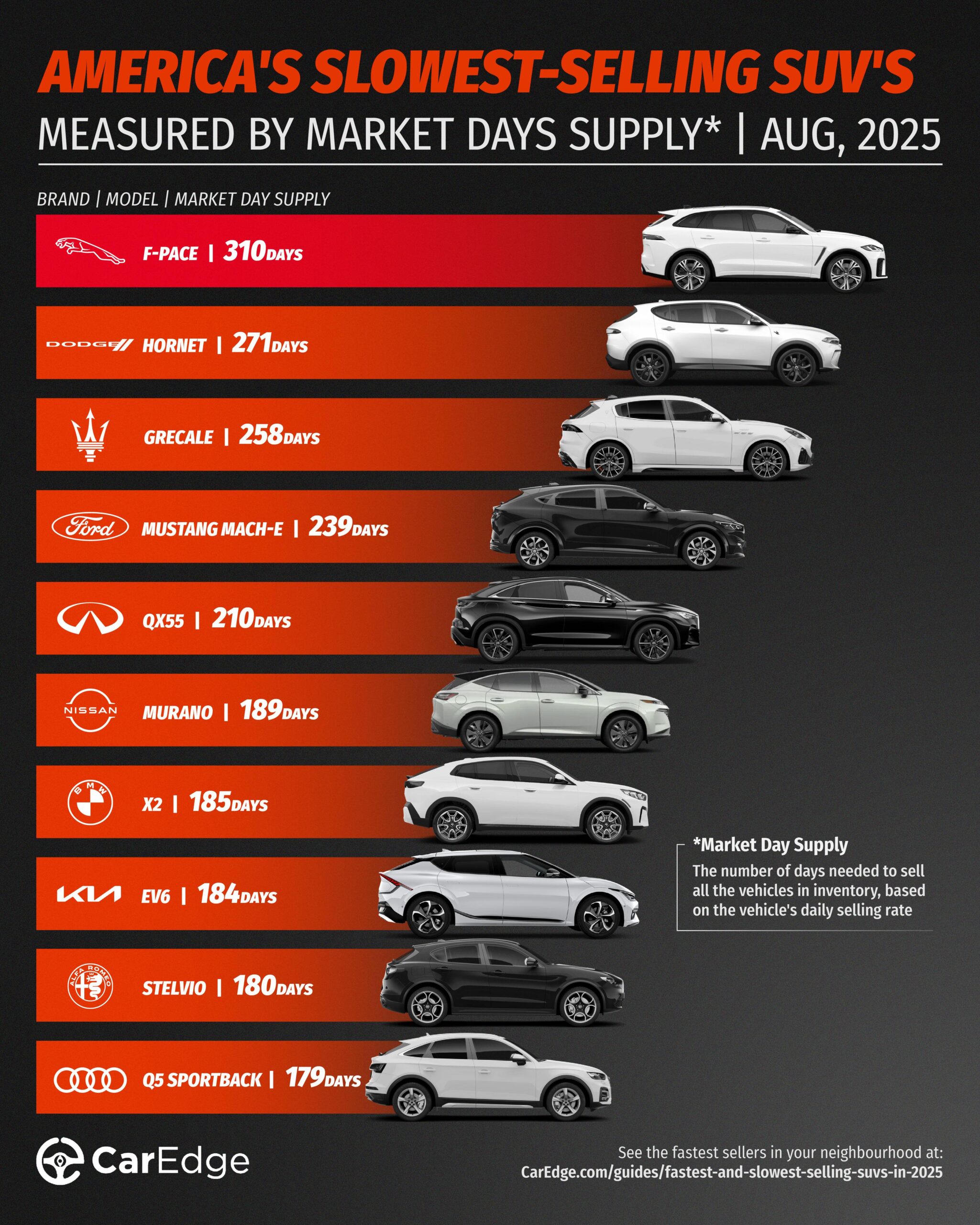
These SUVs have the highest market day supply, which means they’re sitting unsold for longer. Buyers may be able to score better deals on these slowest-selling SUVs in August, especially with this new AI negotiator doing the work for you.
| Make | Model | Market Day Supply | Total For Sale | Total Sold (45 days) | Average Selling Price |
|---|---|---|---|---|---|
| Jaguar | F-PACE | 310 | 2,751 | 399 | $69,742 |
| Dodge | Hornet | 271 | 2,911 | 484 | $36,536 |
| Maserati | Grecale | 258 | 631 | 110 | $79,872 |
| Ford | Mustang Mach-E | 239 | 22,597 | 4,247 | $48,656 |
| Infiniti | QX55 | 210 | 936 | 201 | $53,990 |
| Nissan | Murano | 189 | 20,164 | 4,797 | $47,020 |
| BMW | X2 | 185 | 1,238 | 301 | $52,596 |
| Kia | EV6 | 184 | 4,613 | 1,128 | $50,536 |
| Alfa Romeo | Stelvio | 180 | 842 | 210 | $56,239 |
| Audi | Q5 | 179 | 7,566 | 1,898 | $56,305 |
Source: CarEdge Pro
Many of these models fall into EV or luxury segments where buyer demand is softer in 2025. Jaguar’s F-PACE is the slowest-selling SUV today. Surprisingly, just three Stellantis models are in the bottom 10. The Ford Mustang Mach-E stands out as an electric SUV with sluggish sales despite aggressive incentives. There’s a lot more competition in the electric crossover segment, and Ford is struggling to keep up with hot sellers from GM, Hyundai, and Tesla.
For any of these slow-selling SUVs, prices will be more flexible if you come equipped with negotiation know-how.
If you’re looking for a deal, start with the slowest sellers this month. High inventory levels mean dealers are likely motivated to talk pricing if you negotiate with confidence. It’s always best to take a look at the best incentives of the month, too.
“If you’re shopping for a slow-selling SUV, the ball is in your court,” says auto industry veteran Ray Shefska. “Dealers know those vehicles aren’t moving, and that gives you the upper hand in price negotiations.”
Shopping Toyota, Honda, or Lexus? Expect tighter inventory and less room for negotiation. You may need to move quickly if you find the right trim. However, this is no reason to pay for unwanted add-ons or dealer markups!
Thinking about EVs? There are some good deals out there, but know what you’re getting into. EVs like the Mustang Mach-E might feature great incentives, but they also depreciate quickly. Unless you know you’ll be keeping your EV for several years, leasing is the smarter choice.
With CarEdge Concierge, our experts do the legwork for you, from researching inventory to negotiating with dealers. Already know what you want? Use our AI Negotiation Expert service and have CarEdge AI negotiate with car dealers anonymously!
Explore more free tools and resources with car buying guides, cost of ownership comparisons, and downloadable cheat sheets. There’s no reason to shop unprepared in 2025!
CarEdge is a trusted resource for car buyers, offering data-backed insights, negotiation tools, and expert guidance to help consumers save time and money. Since 2019, CarEdge has helped hundreds of thousands of drivers navigate the car-buying process with confidence. Learn how to buy a car the easy way at CarEdge.com.

Not all trucks fly off the lot. In fact, the gap between the fastest and slowest-selling pickups is wider than ever in 2025. With some trucks selling in just over a month, and others sitting unsold for over six months, knowing what’s hot (and what’s not) can make or break your next deal.
That’s why understanding Market Day Supply (MDS) is more important than ever for anyone buying or selling a truck in 2025. At CarEdge, we used real-time inventory and sales data to identify the fastest- and slowest-selling trucks in August 2025.
MDS tells us how long it would take to sell all the current inventory of a particular model at the current sales pace, assuming no new units are added. A low MDS means a truck is selling quickly. A high MDS, on the other hand, signals oversupply, and that can mean buyers have more leverage at the dealership.
Whether you’re buying new or considering a trade-in, here’s what the latest market data from CarEdge Pro reveals about the best-selling and worst-selling trucks in America.
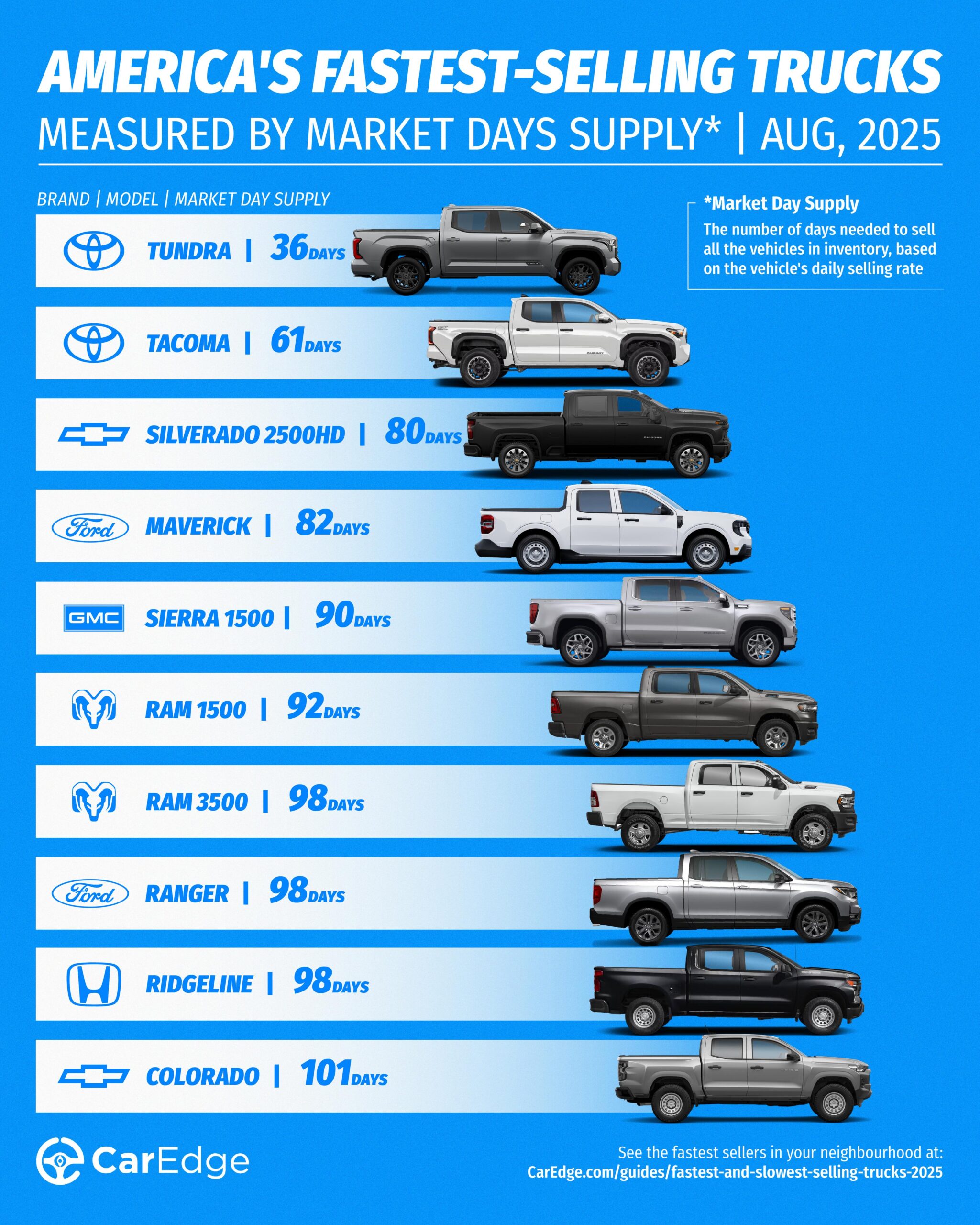
These trucks are in high demand and selling quickly. But if you’re hoping to negotiate a deal on one of these, don’t count on much wiggle room unless you work with a pro.
| Make | Model | Market Day Supply | Total For Sale | Total Sold (45-days) | Average Selling Price |
|---|---|---|---|---|---|
| Toyota | Tundra | 36 | 22,749 | 28,471 | $62,618 |
| Toyota | Tacoma | 61 | 65,840 | 48,478 | $46,065 |
| Chevrolet | Silverado 2500HD | 80 | 25,290 | 14,257 | $65,316 |
| Ford | Maverick | 82 | 26,332 | 14,392 | $32,780 |
| GMC | Sierra 1500 | 90 | 46,018 | 23,053 | $61,040 |
| Ram | Ram 1500 | 92 | 37,951 | 18,505 | $58,746 |
| Ram | Ram 3500 | 98 | 9,059 | 4,170 | $53,961 |
| Ford | Ranger | 98 | 14,265 | 6,543 | $43,902 |
| Honda | Ridgeline | 98 | 10,542 | 4,830 | $44,941 |
| Chevrolet | Colorado | 101 | 24,931 | 11,062 | $42,768 |
Source: CarEdge Pro
The Toyota Tundra is the fastest-selling pickup truck in August 2025. On average, the Tundra sits on the lot for just one month before finding a buyer. Toyota’s Tacoma is in second place, with trucks from GM, Ford, and Ram far behind.
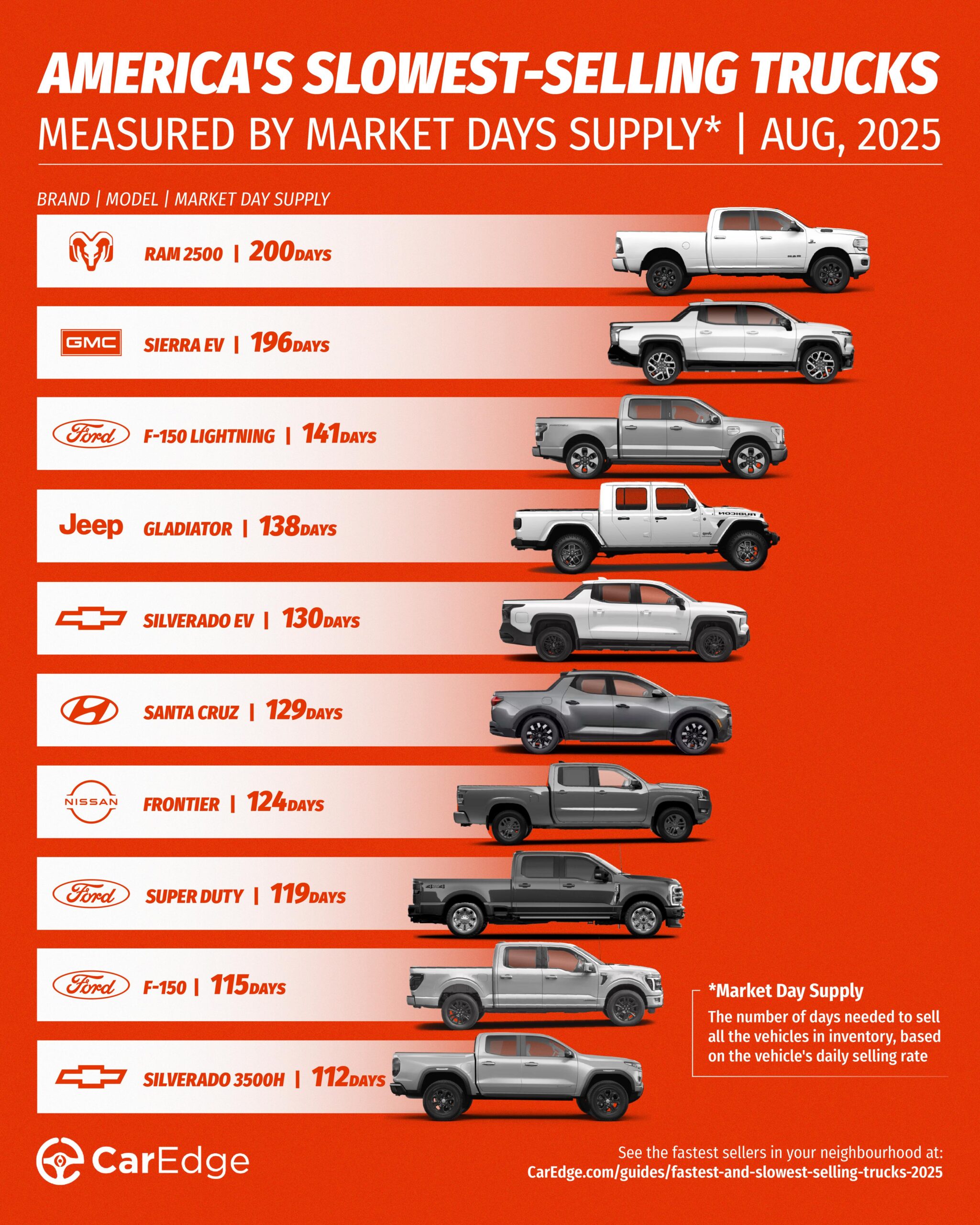
On the flip side, these trucks are struggling to move. Some of these trucks are taking more than six months to sell on average. If you’re in the market, these pickup trucks offer room for negotiation, especially with DIY market insights.
| Make | Model | Market Day Supply | Total For Sale | Total Sold (45 days) | Average Selling Price |
|---|---|---|---|---|---|
| Ram | Ram 2500 | 200 | 31,729 | 7,149 | $63,370 |
| GMC | Sierra EV | 196 | 3,707 | 853 | $92,215 |
| Ford | F-150 Lightning | 141 | 9,096 | 2,900 | $68,721 |
| Jeep | Gladiator | 138 | 17,419 | 5,672 | $47,500 |
| Chevrolet | Silverado EV | 130 | 3,661 | 1,263 | $92,215 |
| Hyundai | Santa Cruz | 129 | 9,279 | 3,231 | $35,724 |
| Nissan | Frontier | 124 | 18,228 | 6,629 | $39,132 |
| Ford | SuperDuty | 119 | 39,493 | 14,944 | $71,782 |
| Ford | F-150 | 115 | 116,720 | 45,571 | $59,354 |
| Chevrolet | Silverado 3500HD | 112 | 9,917 | 3,990 | $69,644 |
Source: CarEdge Pro
The Ram 2500 is the slowest-selling truck in America right now. However, electric pickup trucks are in second and third place as buyers struggle to make the switch to EVs. Sellers can expect these slow-selling trucks to sit on the lot for at least four months, but this creates great chances to negotiate savings for buyers.
As the truck market ebbs and flows, it’s easy to become overwhelmed. Luckily, there are new tools and services available that take the hassle out of buying a truck entirely. Here’s how CarEdge can help.
👉 Negotiate anonymously with CarEdge AI (NEW!)
👉 Have a pro negotiate your deal with CarEdge’s Car Buying Service

Buying a used car can be a smart financial decision — if you ask the right questions. Pre-owned vehicles come with unique risks, from hidden damage to unclear pricing. That’s why it’s crucial to go into the process prepared and confident.
Use this guide to make sure the dealership (or private seller) is giving you the full picture. If they dodge any of these questions, consider it a red flag.
Used car prices often vary by dealership, but the OTD price reveals the real cost, including taxes, fees, and dealer-installed accessories.
👉 Use our free Out-the-Door Price Calculator to compare offers.
The longer a used car sits, the more room there is to negotiate. A vehicle that’s been on the lot for 45–60+ days may come with bigger discounts.
📊 Use CarEdge Pro to check days on lot, supply, and local market pricing.
A Carfax or AutoCheck report should be free and readily available. It reveals accidents, maintenance, and ownership history.
🚨 No history report = red flag. Walk away if they won’t provide one.
It’s important to note that if you’re buying a used car from a private seller, you may need to purchase your own vehicle history report. All you’ll need is the car’s VIN.
A Pre-Purchase Inspection (PPI) can uncover hidden mechanical issues that a dealer won’t mention. This step alone can save you thousands.
Pro tip: Always choose an independent mechanic who’s not affiliated with the seller.
Used cars can vary greatly, even within the same make, model, and year. A test drive helps you catch mechanical concerns and ensure comfort. Drive on a variety of road surfaces at low and high speeds.
Take note: A test drive doesn’t replace the need for a pre-purchase inspection by an independent mechanic.
Used cars may still have factory warranty remaining or include a dealer-backed warranty. Ask for details, and if they’re selling you an extended warranty:
Compare to CarEdge Extended Warranty plans for full transparency. No markups, just clear coverage.
Buying from a private seller can sometimes get you a better deal. However, it comes with more risk and fewer protections than buying from a dealership. That’s why it’s critical to ask the right questions up front.
Here are some additional questions you should ask a private party seller before agreeing to buy a car:
💡 Pro Tip: Bring a printed bill of sale template and ensure both parties sign it. Also, double-check your local DMV requirements for title transfers and taxes before finalizing anything. See some examples here, but always ensure that all required fields are on your form.

Buying used doesn’t mean buying blind. Let CarEdge’s car buying service do the legwork:
✅ We find the best pre-owned vehicles
✅ We negotiate pricing and review contracts
✅ We coordinate inspections, delivery, and paperwork
Learn more about how CarEdge can help.
CarEdge is your trusted partner for smarter used car shopping. We provide expert tools, unbiased insights, and negotiation support — so you never overpay. Start your car search at CarEdge.com and take control of your next purchase.

Understanding what’s on a new car’s window can save you from overpaying or falling for dealer tricks. If you’ve ever heard the terms Monroney sticker or window sticker and felt confused — you’re not alone. These labels are crucial for transparency when buying a car, and every buyer should know what to look for.
In this guide, we’ll break down what a Monroney sticker is, why it exists, and how to read it. You’ll leave feeling more confident and equipped to understand what a car really includes — no matter what a salesperson might tell you.
Before car buyers had access to standardized pricing, buying a car was like walking into the Wild West. Salespeople could pick and choose what to tell you — and what to charge.
That all changed with the creation of the Monroney sticker, a federally mandated label that must be displayed on every new car for sale in the U.S. You’ll also hear it referred to as the window sticker — they’re the same thing.
This label lists everything a shopper needs to know about the car’s equipment, price, and origin. It was designed to protect buyers and level the playing field.
Only 9% of Americans say car salespeople have high ethical standards — the lowest of any profession according to Gallup. That’s why federal law stepped in.
Here’s what’s included on every Monroney sticker:
Check out an example of where you’ll find this important information:
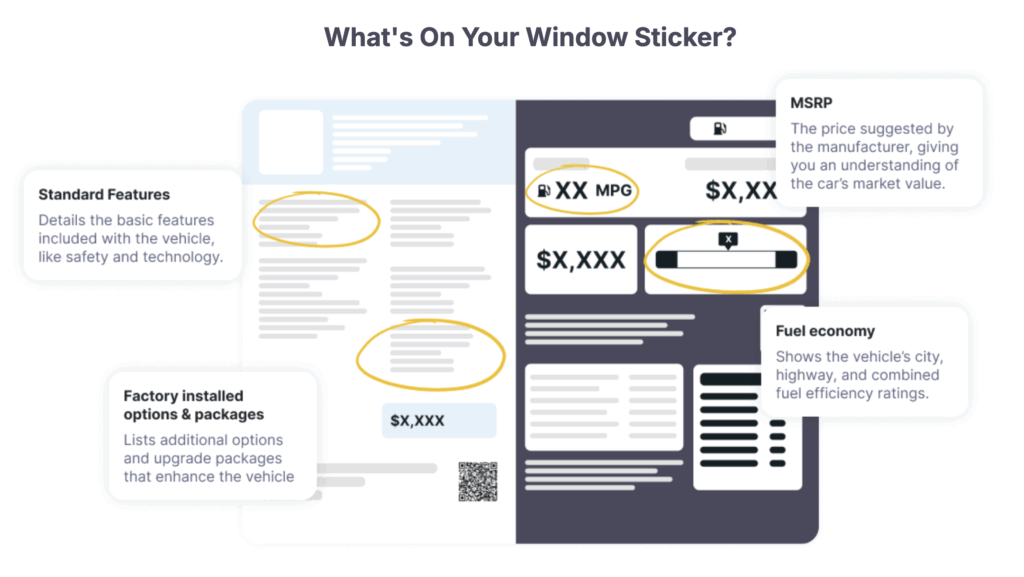
📌 Important: Dealer-installed accessories (like pinstripes, floor mats, or nitrogen tires) are not listed on the Monroney sticker. They appear on a separate dealer addendum sticker, which is not federally regulated.
The name comes from Senator Almer “Mike” Monroney, who sponsored the Automobile Information Disclosure Act of 1958. Signed into law by President Dwight Eisenhower, the act required automakers to include standardized labels on all new cars.
Before this law, car buyers had no way to verify what was included in a vehicle or whether the price was fair.
Monroney was a leader in consumer protection and also played a role in creating the Federal Aviation Administration (FAA). His legacy lives on every time you look at a new car’s window sticker.
Want to learn more about the law? Visit the Consumer protection Branch at the U.S. Department of Justice.
Let’s recap what you’ll find on a new car’s Monroney (window) sticker. This information is required by law and cannot be altered or removed by dealers:
💡 Tip: If you don’t see this sticker on a new car, ask why — and consider walking away.
So you’re standing on a dealership lot — where should your eyes go first?
The Edmunds guide to reading a window sticker is an excellent visual breakdown. You can view it here, but here’s a quick summary:
In today’s car market, dealer markups and confusing add-ons are everywhere. But the Monroney sticker keeps it real — it’s the one label they can’t legally change.
When you’re comparing similar vehicles across different dealerships, the window sticker helps you:
Whether you’re shopping used or just want to do your research from home, you no longer have to visit the lot to see the original window sticker. CarEdge now offers access to digital Monroney stickers on most vehicles — giving you instant insight into the car’s features, options, and MSRP breakdown.
✅ Great for used cars that originally included premium options
✅ Helps compare trim levels and original pricing
✅ Saves time and reveals red flags before you visit the dealership
View the original window sticker — and shop smarter from the start.
Q: Is a Monroney sticker required by law?
A: Yes. Every new car for sale in the U.S. must display a Monroney sticker — it’s federal law.
Q: Are Monroney and window stickers the same thing?
A: Yes. These two terms refer to the same federally required label.
Q: Can dealers alter or remove the Monroney sticker?
A: No. It’s illegal for dealers to modify or remove the sticker prior to sale.
Q: Does the window sticker include dealer add-ons?
A: No. Only manufacturer-installed options are listed. Dealer-installed accessories appear on a separate sticker.
Q: Do used cars have a Monroney sticker?
A: No. The law only applies to brand-new vehicles. However, used vehicles may have copies of the original sticker or digital replicas provided by the dealer.
Founded by industry veterans, CarEdge is your trusted resource for transparent car buying. From understanding pricing to negotiating deals and avoiding scams, we provide data-backed insights, expert tools, and concierge services to help you buy with confidence.Want help with your next car purchase? Let us find and negotiate the best deal for you! Explore CarEdge’s car buying help today.

Buying a car doesn’t have to mean spending weekends at dealerships or stressing over sales tactics. If you’re looking for a hassle-free, professional way to purchase your next vehicle, car buying services, also known as car concierges, might be exactly what you need.
These services take care of the entire car buying process for you, from sourcing vehicles to negotiating prices and coordinating delivery. In this guide, we’ll explain exactly how car buying services work, what they offer, and why so many drivers choose to use one.
A car buying service, also known as a car concierge, is a professional service that simplifies the car buying process by doing the work for you. Whether you’re buying new or used, a concierge can help you find your ideal vehicle, negotiate the best price, and manage the paperwork and delivery.
Think of it as a personal assistant for buying a car — one that knows the auto industry inside and out and advocates for your best deal.
“If your car buying service seems too complicated, they’re doing something wrong. The best in the business are easy to understand and navigate.”
— CarEdge Team

Car buying services provide an all-in-one solution for shoppers who want to save time, money, and stress. Here’s what a top-tier car buying concierge will offer:
A concierge begins by learning your exact preferences — make, model, trim, color, features, budget, and timeline.
This is where the concierge adds serious value.
Already own a vehicle? No problem.
Once the deal is done, the concierge arranges delivery and ensures everything’s finalized.
Curious how it all comes together? Here’s what the car concierge process typically looks like:
Your journey begins with a quick consultation — by phone, email, or chat. You’ll share your goals, budget, preferences, and trade-in situation. Most services charge a flat fee between $1,000 and $3,000, sometimes with additional delivery charges.
The concierge searches the market and presents you with a handpicked list of vehicles that match your criteria.
Once you pick your top choice, the concierge gets to work negotiating.
With the deal locked in, your concierge arranges delivery or pickup, manages the paperwork, and ensures a smooth, painless handoff.
Wondering if a car buying service is worth it? Here are some of the top reasons drivers turn to a concierge:
Skip the dealership entirely. You don’t have to browse endless listings, haggle with salespeople, or worry about paperwork. Your concierge handles everything.
Concierges negotiate every day and know what’s fair — and what’s not. Many customers end up saving more than the cost of the service.
Buying a car can be overwhelming. A concierge makes it easy, clear, and confidence-inspiring. No pressure, no games.
Car concierges are perfect for:
When it comes to car buying services, not all concierges are created equal. CarEdge Concierge stands out with industry expertise, real-time market tools, and a track record of saving customers thousands.
With CarEdge, you’re not just hiring a service — you’re gaining a trusted advocate in your corner. Try CarEdge Concierge and make your next car purchase the easiest one yet.
Q: What is a car buying concierge?
A: A car buying concierge is a professional who helps you purchase a vehicle by handling the search, negotiation, trade-in, paperwork, and delivery — all on your behalf.
Q: How much does a car buying service cost?
A: Most services range from $1,000 to $3,000, plus delivery fees if the vehicle is shipped.
Q: Can a concierge help with used cars too?
A: Absolutely. Many customers use car buying services to find and negotiate for high-quality used vehicles.
Q: Do I still get to choose the car?
A: Yes! The concierge provides a shortlist of options, and you approve every step of the process.
Q: Is using a car buying service worth it?
A: If you value convenience, transparency, and expert-level negotiation, the answer is yes — especially when you consider the time and money you could save.
CarEdge is a trusted resource for car buyers, offering data-backed insights, negotiation tools, and expert guidance to help consumers save time and money. Since 2019, CarEdge has helped hundreds of thousands of drivers navigate the car-buying process with confidence. Learn more at CarEdge.com.

Another year, another batch of cars driving off into the sunset. As automakers shift toward electrification and trim unprofitable models, 2026 will bring a surprising number of cancellations. Longtime favorites like the Nissan Altima, Ford Escape, and Cadillac XT5 will be gone in 2026, despite continuing to sell in decent volume. Whether you’re a fan of affordable sedans or luxury crossovers, you’ll want to take note of what’s leaving the showroom floor for good.
Here are all the cars, crossovers, and SUVs confirmed to be discontinued in the U.S. in 2026.
In case you missed it: All the cars being cancelled in 2025.
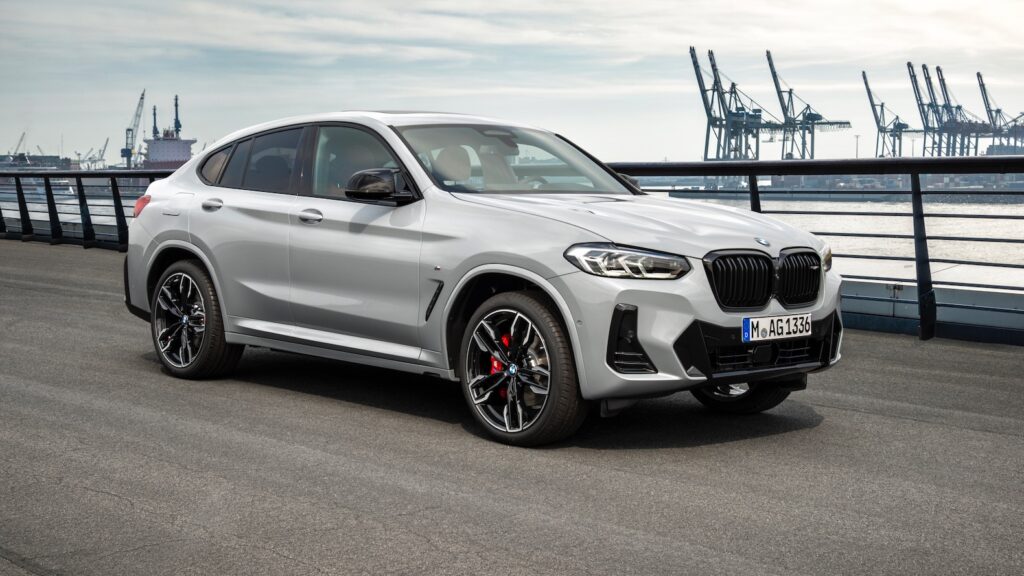
BMW quietly discontinued the X4, with just one hundred leftover 2025 models remaining in America.

The XT6 will end production even sooner, with 2025 marking its final model year. Cadillac’s three-row luxury SUV has never been a huge standout in the segment, and it’s being phased out as GM prepares to scale up EV production across its brands.

One of Ford’s top-selling models over the past two decades, the Escape is reaching the end of the road. According to reporting from Ford Authority, production will end after the 2025 model year. The Louisville Assembly plant that manufactures the Escape will be retooled for a new electric model.
See Ford Escape listings before they’re gone
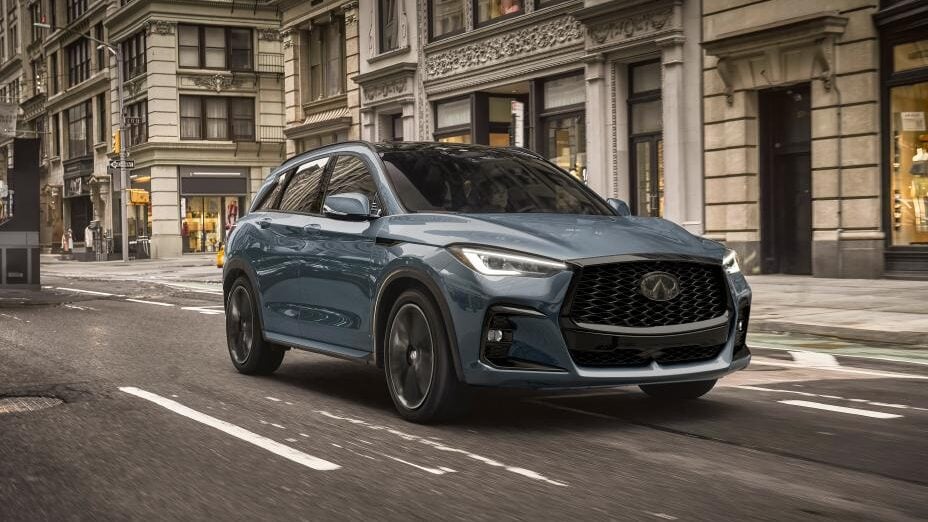
Nissan’s luxury brand is slipping, and these models are now gone.

After 17 years in the game, the Kia Soul has been discontinued for 2026. It’s one of the last truly affordable crossovers out there.
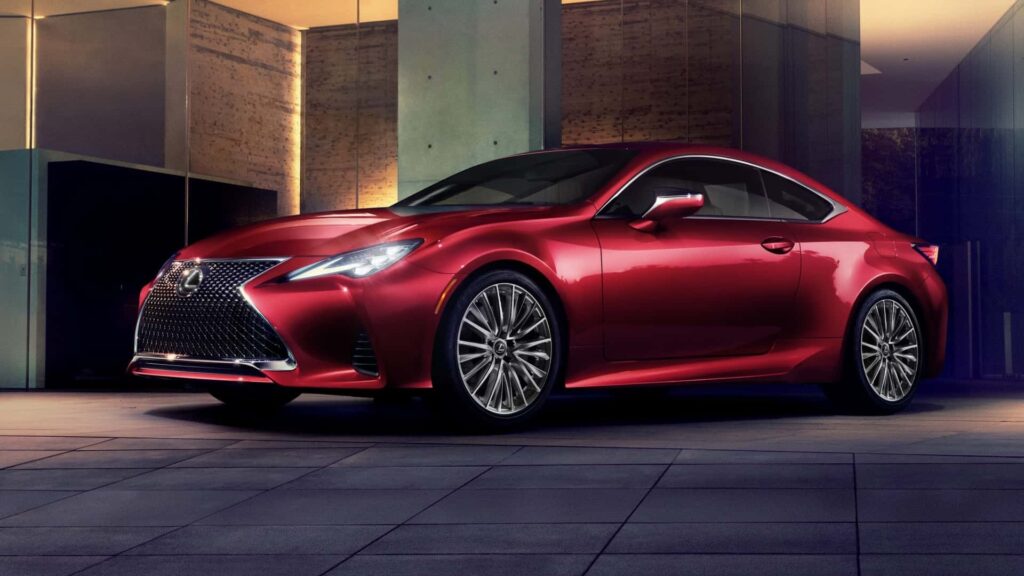
The 2025 RC F Final Edition delivered a powerful shot of adrenaline, but the RC is now out of production.

Another sedan bites the dust. The Altima, once a darling of the mid-2000s, will be discontinued in 2026 as Nissan restructures its lineup and refocuses on more profitable segments. After retiring the Maxima last year, the Altima’s demise reflects Nissan’s move away from sedans.
See local Altima listings with price insights
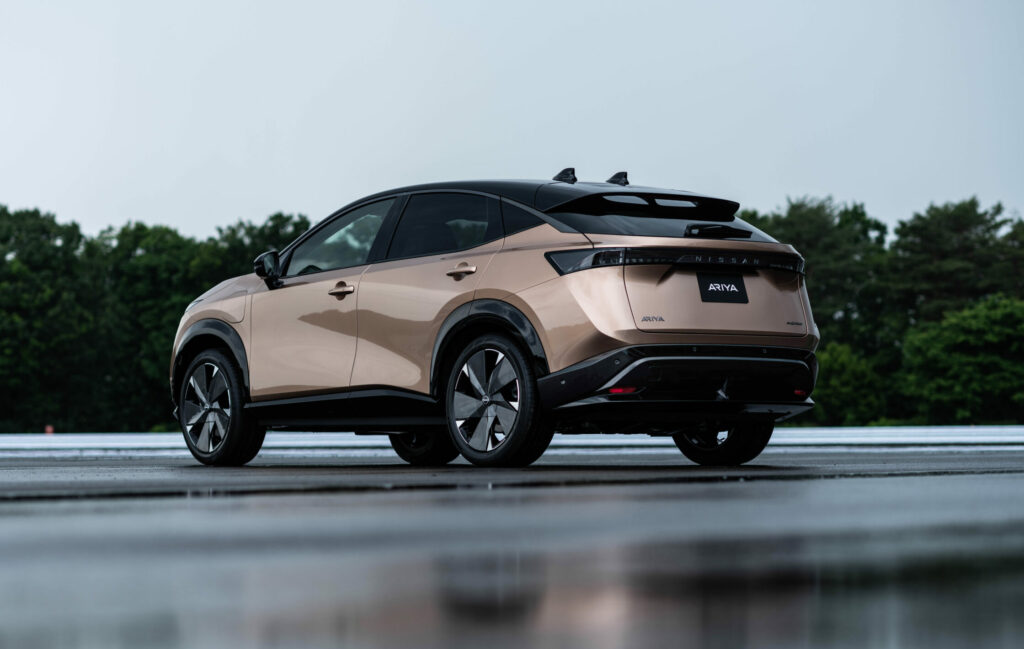
The Ariya failed to win over EV fans, largely due to the flood of competing electric crossovers with more competitive pricing. In 2026, the all-new Nissan LEAF will replace the Ariya in the lineup.

In 2025, the Versa holds the title of America’s last new car under $20,000. But that affordability wasn’t enough to keep it alive. The Versa will be discontinued in 2026 due to low profit margins and dwindling demand for budget sedans. It’s a sad sign of the times: affordable new cars are becoming extinct.
Find Nissan Versa listings near you

Say goodbye to Porsche’s iconic soft-top roadster. The 718 Boxster is being phased out after 2025, making room for an all-electric successor in the coming years. Like its drop-top sibling, the Cayman will also exit the lineup.
See Porsche listings in your city

While the new Macan EV is already a hit, the gas-powered Macan is on its way out. The gas variant will be discontinued after 2025 as Porsche pushes for an all-electric lineup by the end of the decade. With Taycan sales dwindling, it’s not clear if that goal will hold up much longer.
Browse Porsche Macan listings today

The final car was built on Sept 12, 2025; there’s no 2026 model. However 2,500 new 2025 models remain unsold as of late December.
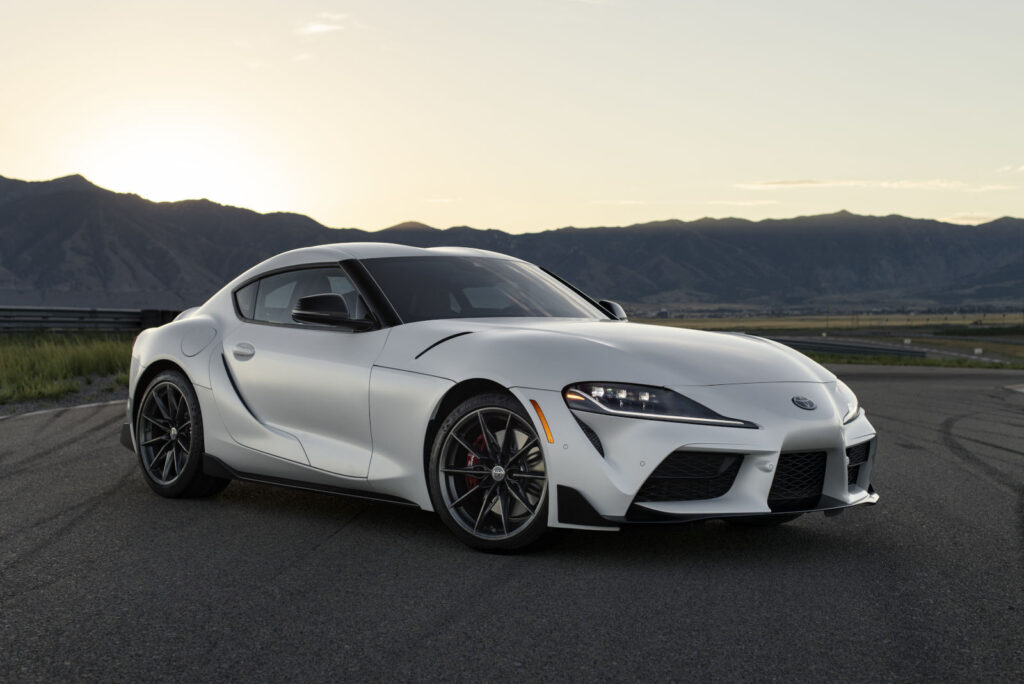
Toyota has confirmed that the current-generation Supra will end production in 2026. While it may return one day, Toyota fans will face a gap in production before a next-generation version appears. For now, the Supra nameplate is heading back into the vault.
See Toyota Supra listings in your city

Due to the ongoing global trade conflict and rising tariffs, Volvo has decided to end U.S. sales of the European-built S90 sedan. This marks the end of a premium, understated luxury car that struggled to find a large audience in America.
Browse Volvo cars for sale near you
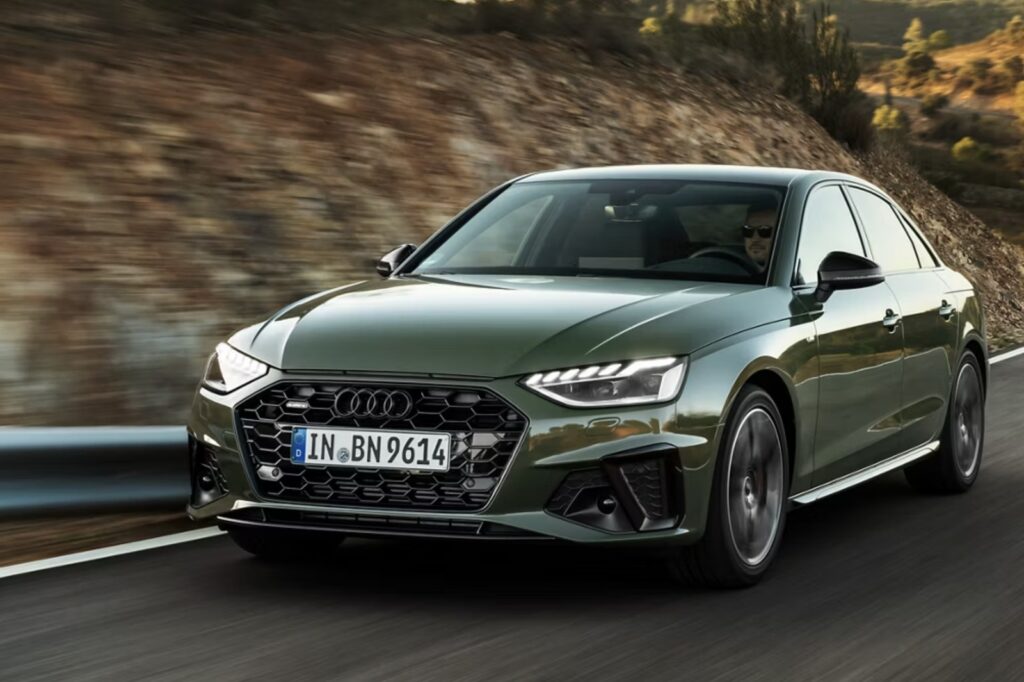
After a long and respected run, the Audi A4 is technically being retired in favor of newer electrified and performance-focused offerings. However, Audi says its spirit will live on in the Audi A5. Audi has simply decided to change their naming convention, and will now reserve even numbers for EVs. We’re not sure if name changes will be enough to lure in buyers, but we’ll see!
See Audi A4 listings before they’re gone
If you’re thinking about buying one of the models listed above, the good news is that you’ve got time to act. The cars and SUVs above will be on dealership lots through most of 2026. The bad news is that once these 2026 models are sold, they’ll be gone forever. Want help negotiating a great deal before these disappear? That’s what we’re here for.
👉 Have a pro negotiate for you with CarEdge Concierge
👉 Track local inventory and prices with CarEdge Pro
Q: Are these cars being discontinued globally or just in the U.S.?
A: Most of the vehicles listed above are being dropped from the U.S. market. Some may continue in other countries, especially where sedans are still in demand. For example, the Volvo S90 and the overseas equivalents of Nissan’s sedans will continue to be sold in Mexico, Asia, and beyond.
Q: Why are so many sedans and budget cars being discontinued?
A: profitability. Automakers make more money on crossovers, SUVs, and EVs. As sedan sales fall and costs rise, entry-level cars like the Versa are increasingly unviable.
Q: Can I still get a deal on a discontinued car?
A: Yes. As dealers try to move the last of their inventory, prices often become more negotiable. Tools like CarEdge Pro can help you spot these opportunities.
Q: What’s replacing these models?
A: In most cases, they’re being replaced by EVs or not replaced at all. For example, the gas-powered Macan is being succeeded by the Macan EV, while others like the Altima and Versa are simply ending with no direct replacement.

Some of the best July car deals didn’t arrive until after Independence Day.
Several automakers let their July 4th deals quietly expire early, only to roll out even better offers for the second half of the month. Ford just unveiled several interest-free financing offers, and best-selling SUVs from Honda, Nissan, and Hyundai are now heavily discounted. From interest-free financing to dirt-cheap leases, these summer incentives are big news.
Here’s what changed this week, brand by brand.
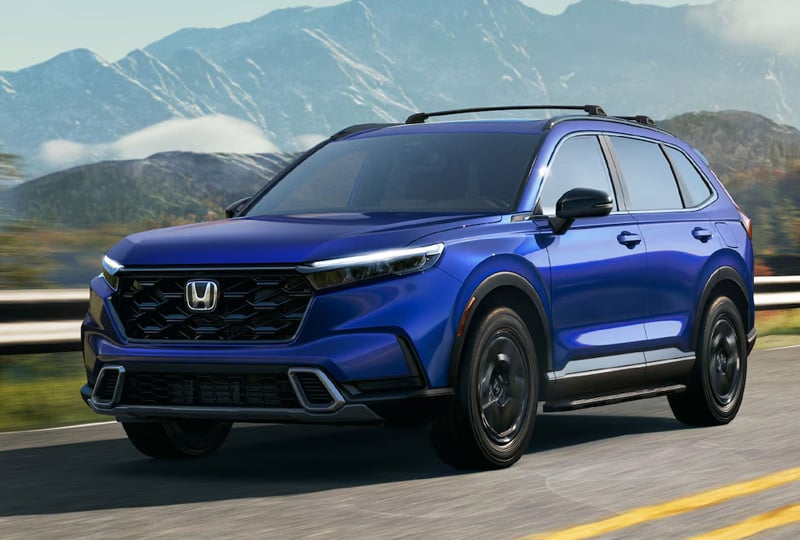
What’s Out:
Honda let attractive lease offers for the Accord expire. But there’s good news — strong new incentives are taking their place.
What’s New:
What Continues:
See Honda inventory with local market insights, and check terms and conditions.
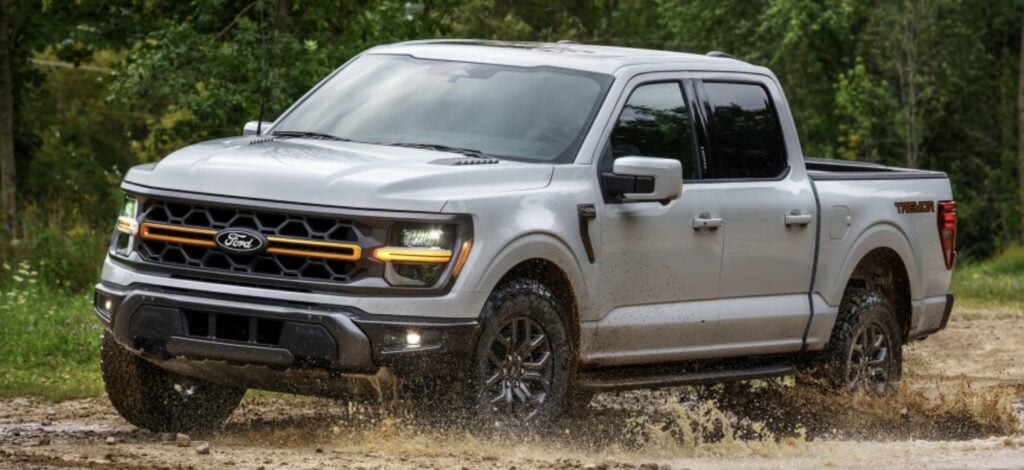
What’s Out:
Ford has ended its Ford Employee Pricing program. In its place? The new Ford Summer Sales Event, which surprisingly brings better deals than before. New offers of 0% financing, big cash offers, and some of Ford’s best lease deals in months are now live.
What’s New:
Browse Ford inventory in your area, and see deal terms and conditions

What’s Out:
Several low-APR financing offers have been replaced by something better in July. Hyundai is stepping up their game with 0% APR on a best-selling family SUV.
What’s New:
What Continues:
See Hyundai inventory near you and check offer terms and conditions
What’s New:
What Continues:
See Nissan inventory with local market insights, and check terms and conditions.
Kia’s Fourth of July deals expired on July 7 — but unlike the others, they haven’t yet released new incentives. As of July 9, 2025, Kia’s site simply says “Coming Soon.” We’ll be watching closely and will update you as soon as new offers are live. See the latest at Kia.com.
The second half of July might bring even better opportunities than the Fourth of July. But sorting through all the fine print takes time, and a whole lot of confidence.
That’s where we come in.
CarEdge helps you save time, money, and hassle. From finding the best available offer in your area to negotiating the out-the-door price, our expert car buying team works on your behalf. No stress, no games, just a car deal you can be proud of.

Artificial intelligence is changing the way Americans buy cars, and it’s a transition that is happening quickly. In the first-ever survey of its kind, CarEdge asked 500 car shoppers if they’re using AI tools like ChatGPT to research, compare, and negotiate during the car buying process.
The results confirm a major shift is underway. One in four car buyers in 2025 is already using AI tools to gain an edge, and future buyers are even more likely to embrace these technologies.
Car buyers are finding AI to be a valuable tool. Among those who used tools like ChatGPT, Perplexity, Google Gemini, and others, 88% said it was helpful. AI is quickly becoming a trusted co-pilot for car buyers.
This report offers the first data-backed look at how AI tools are reshaping the car buying experience. For the automotive industry, the message is clear: buyers are more empowered than ever — and they’re bringing AI to the dealership.

The 2025 CarEdge AI & Car Buying Survey reveals a clear and growing trend: AI tools are quickly becoming part of the car buying process for a significant portion of consumers. Here are the standout findings:
25% of car buyers in 2025 say they used or plan to use AI tools like ChatGPT during the shopping or buying process. This contrasts with a recent survey by Elon University that found 52% of Americans now use AI large language models. While signs point towards increased adoption of AI tools, the CarEdge survey found that most car buyers are still in the early stages of integrating these tools into high-stakes decisions like vehicle purchases. This suggests there’s still significant room for growth in AI adoption amongst car buyers.
Among those who haven’t bought a car yet this year, 40% say they are using or plan to use AI tools during their search or deal-making. This is nearly 3x higher than the 14% seen among those who already bought a car earlier in the year.
Among those who used AI:
Of the respondents who had already leased a car in 2025, none reported using any AI tools.
AI adoption among car buyers is still in its early stages, but clear trends are beginning to emerge.
Just 14% of those who already bought a vehicle this year used AI tools during the process. Adoption rates were nearly identical across new and used buyers, with 14% in each group saying they used AI tools.
The numbers jump significantly when looking at those who haven’t yet bought in 2025. Among this group — who represent 39% of total respondents — 40% say they either already use or plan to use AI tools during their car search and buying process.
That’s more than triple the current usage rate among recent buyers, suggesting AI adoption is accelerating as awareness grows and tools become easier to use.
This group also appears to be more proactive: 60% of those who used AI tools during their buying journey said they used them “a lot,” while 40% used them only occasionally.
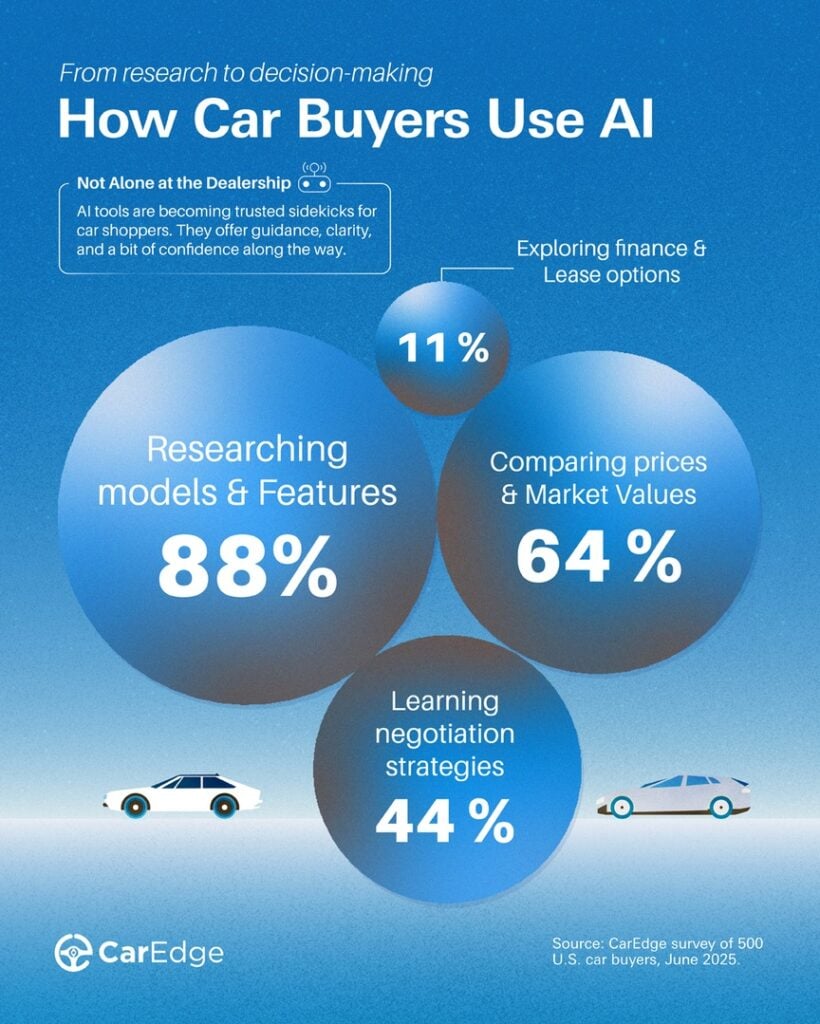
AI tools are quickly becoming essential research companions for car shoppers looking to make more informed, confident decisions. After all, why go it alone when a wealth of automotive knowledge powered by large language models (LLMs) is right in your pocket?
Among buyers who used AI tools during their car purchase or lease process, here’s how they put them to work:
The most common use by far, AI tools helped buyers learn about different models, trims, features, and reliability. For many, it was like having an always-available expert to explain the pros and cons of their options.
Buyers used AI to better understand fair pricing, from invoice pricing to out-the-door.
Nearly half of AI users leaned on these tools to prepare for conversations with salespeople. Whether role-playing negotiation scenarios or asking how to spot add-on fees, this group used AI to level the playing field at the dealership.
A much smaller portion of buyers used these tools to become familiar with leasing vs. financing, how to calculate payments, and similar queries.
Car buying has always been tilted in favor of the dealership. Information asymmetry — what the dealer knows versus what the customer knows — has long been the source of consumer frustration, confusion, and overpayment.
That dynamic is beginning to shift.
This survey confirms what many in the industry are only starting to realize: AI is giving car buyers the upper hand. Tools like ChatGPT are helping consumers cut through the noise, ask smarter questions, and avoid common dealership traps. Instead of relying on guesswork or scattered advice, buyers are turning to AI for fast, personalized guidance at every step.
But one auto industry veteran has words of caution for buyers relying heavily on AI tools.
“It’s both surprising and a little scary to see how quickly people are turning to AI to guide such a major financial decision,” said Ray Shefska, Co-Founder of CarEdge. “While tools like ChatGPT can be powerful, they’re only as good as the data behind them. AI should complement your research, not replace your own critical thinking.”
That perspective underscores the real takeaway of this report: AI works best when it’s used thoughtfully as a tool, not as a crutch. In an age where automation raises fears of job loss or decision-making without human oversight, this survey offers a more optimistic view — one where technology helps everyday consumers make smarter choices. Used wisely, AI can help level the playing field and bring more transparency and fairness to the car buying experience.
This survey was conducted by CarEdge between June 19 and June 24, 2025. A total of 500 U.S. respondents participated, recruited through the CarEdge email newsletter and social media channels. Questions were tailored based on buying status to better understand how and when AI tools were used in the car shopping process.
Founded in 2019 by father-and-son team Ray and Zach Shefska, CarEdge is a leading platform dedicated to empowering car shoppers with free expert advice, in-depth market insights, and tools to navigate every step of the car-buying journey. From researching vehicles to negotiating deals, CarEdge helps consumers save money, time, and hassle. Join the hundreds of thousands of happy consumers who have used CarEdge to buy their car with confidence.
With trusted resources like the CarEdge Research Center, fair pricing tools, and hundreds of guides on YouTube, CarEdge is redefining transparency and fairness in the automotive industry.
Follow us on YouTube, TikTok, X, Facebook, and Instagram for actionable car-buying tips and market insights. Join the CarEdge Community to connect with car buyers and sellers nationwide.
Contact for Media Inquiries:
[email protected] | www.CarEdge.com

If you’re car shopping in 2025, timing your purchase can save you thousands. But when exactly do new car models hit the lot? Whether you’re looking for the latest redesign or trying to score a deal on last year’s model, knowing when new model years arrive is key.
Let’s break down what you need to know in 2025.
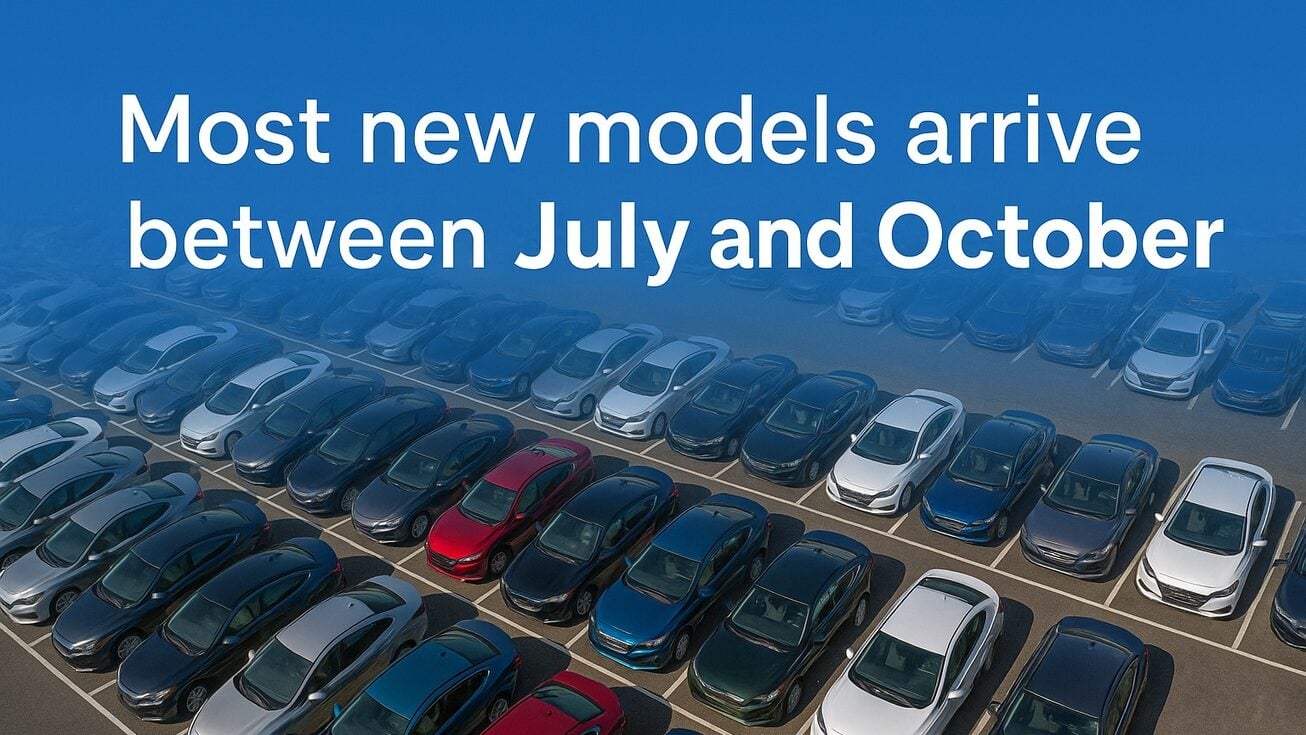
Most new car models arrive between July and October. Automakers often start announcing new models in the spring, but actual inventory availability ramps up closer to Labor Day.
However, 2025 is shaping up differently. Due to ongoing pricing uncertainty tied to U.S. tariffs on imported vehicles and components, automakers are delaying 2026 model rollouts more than usual. They’re waiting to decide if they need to raise prices, and if so, by how much.
Here’s what the cycle usually looks like in a normal year:
| Month | What Happens |
| March–May | Automakers announce new models and redesigns |
| June–August | Early shipments of select models begin |
| September–October | Most new models arrive on lots |
| November–December | Outgoing model year clearance ramps up |
In most years, Labor Day weekend marks the transition point, with dealers juggling clearance deals on remaining inventory and early shipments of the next model year.
In a word: uncertainty.
Thanks to new tariffs on imported vehicles and parts, automakers are facing higher costs — but they’re not sure how much of that to pass on to consumers. Instead of rushing to release 2026 models, many brands are delaying their rollouts as long as possible. This gives them time to assess:
That means in 2025, you’re likely to see 2026 models arrive later than usual, especially for import-heavy brands and luxury vehicles.
Why it matters: If you’re waiting for a 2026 redesign, be prepared for a later release date than in past years — and a possible price hike.
Understanding new model release timing can help you:
Score a Deal on the Outgoing Model Year — When new models arrive, dealers are motivated to clear out last year’s inventory. That’s when you’ll find end-of-model-year discounts, often paired with special financing or cash bonuses.
Avoid Buying Right Before a Major Redesign — If a model is about to be refreshed or redesigned, buying the current version could mean more depreciation. (CarEdge depreciation rankings often show big dips for just-redesigned models.)
Plan Ahead for Limited Inventory — If you’re targeting a specific trim or color of a new model, knowing when it will actually arrive helps you get ahead of low inventory or long waitlists.
Yes — some brands release models earlier or on non-traditional schedules. For example:
Always check with your local dealer or use a tool like CarEdge Car Search to track what’s in stock near you.
In most years, new car models roll out between July and October, with peak availability around Labor Day. But in 2025, the timeline is shifting. Thanks to tariff-driven pricing uncertainty, many 2026 models will arrive later than usual, as automakers wait to see how much prices will rise.
If you’re eyeing a new car, keep this in mind:
Use CarEdge Pro to identify the vehicles with the highest inventory levels and greatest negotiability in your area. These are the cars most likely to be discounted (often with some negotiation effort). CarEdge Pro is your toolkit to know exactly where the leverage is.
A: Most new car models are released between July and October, with the highest volume arriving around Labor Day. Automakers often announce new models in the spring, but dealer inventory builds closer to late summer and early fall.
A: In 2025, automakers are delaying 2026 model rollouts due to uncertainty around U.S. auto tariffs. They’re waiting to decide whether to raise prices — and by how much — which is pushing back launch timelines.
A: To find the best deals on outgoing models, shop between August and December when dealers are clearing 2025 inventory. Use tools like CarEdge Pro to spot the most negotiable cars on the lot.
A: If the model you want is getting a redesign, waiting might be worth it — but expect delays and higher prices for 2026 models. If you’re flexible, buying the current model year during clearance season could save you thousands.
Let a CarEdge Concierge do the hard work. From finding the right car to negotiating the price, CarEdge makes car buying easy.
Save time. Save money. Get the deal you deserve.