
CarEdge saved me over 4,500 dollars on a brand new Honda Pilot. I can't say thank you enough.
Price intelligence
Find a wide range of vehicle listings with market insights on new and used listings near you.

What can I do with CarEdge?
 CarEdge Insights
What can I do with CarEdge?
Get access to exclusive information so you can make an informed car buying decision — all in one place.

Find a wide range of vehicle listings with market insights on new and used listings near you.
Track your vehicle’s value and cash in when the time is right to sell.

Access to our proprietary data to help you find the right car, at the right price. Find these unlocked on every listing after subscribing.

With our expert-led, tech-enabled car buying service, we will locate, negotiate, and deliver your vehicle so you can get a new car hassle free.


Help us personalize your CarEdge experience — it only takes a second.
Your answers help us personalize your CarEdge journey — we’ll follow up with tips and next steps that match your buying timeline.
![The Best Labor Day Full-Size Truck Deals [September 2025]](https://caredge.com/wp-content/uploads/2025/06/2025-Ford-F-150-Tremor-1080x675.jpg)
This Labor Day, automakers are rolling out rare incentives to keep truck sales moving along, and that means 0% APR financing, cheap lease payments, and cash discounts on full-size trucks. If you’ve had your eye on a full-sized truck, these September Labor Day deals are worth a closer look.
Most Labor Day sales run through September 2, 2025, but since Labor Day falls on September 1 this year, it’s likely that many of these promotions will stick around well into the month.
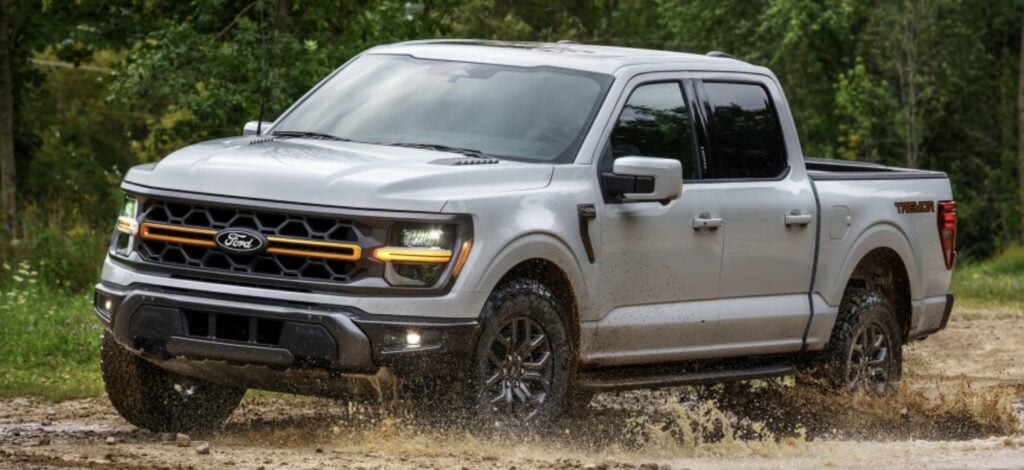
Labor Day Deal: Lease the F-150 for $499/month for 36 months with $499 due at signing
With just $499 due at signing, Ford’s Labor Day lease special is about as close as it gets to a no-money-down offer on America’s best-selling truck.
This offer expires on 9/2/2025. See Ford F-150 local listings and offer details.
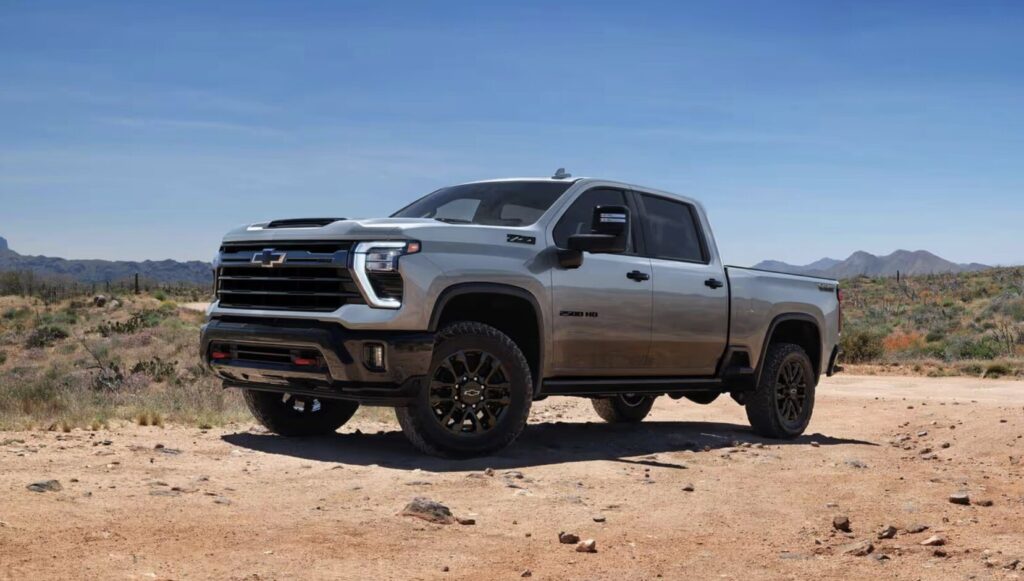
Labor Day Deal: 0% APR for 36 months
Chevy is keeping things simple with 0% APR for 36 months on the Silverado 1500. At today’s high interest rates, this adds up to several thousand dollars in interest savings.
This offer expires on 9/2/2025. See Silverado local listings and offer details.
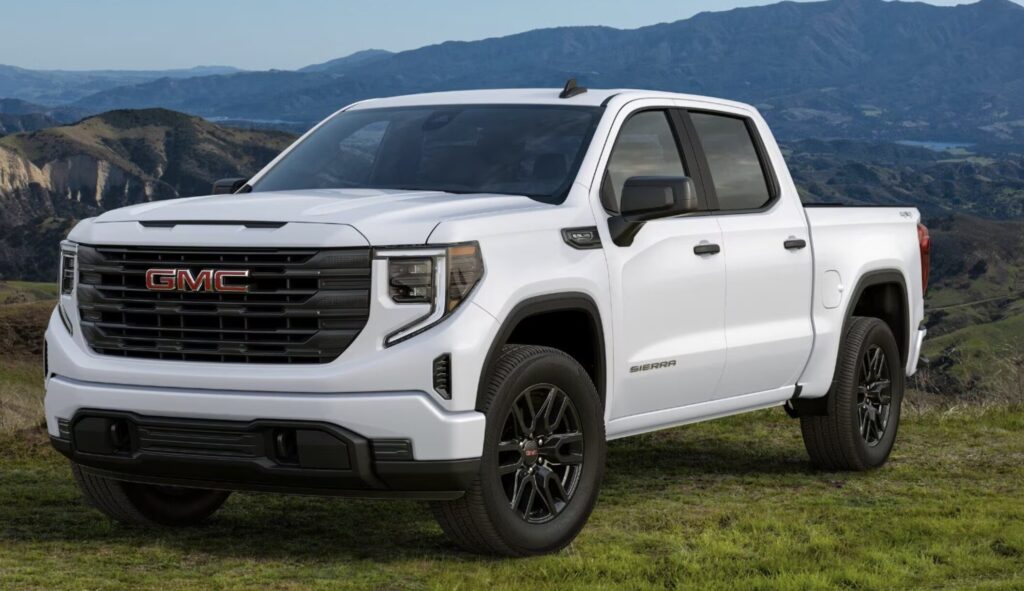
Labor Day Deal: 0% APR for 36 months
Clearly, GM is looking to sell some trucks. The Sierra 1500 matches its Chevy sibling this Labor Day with 0% financing for three years.
This offer expires on 9/2/2025. See Sierra 1500 local listings and offer details.
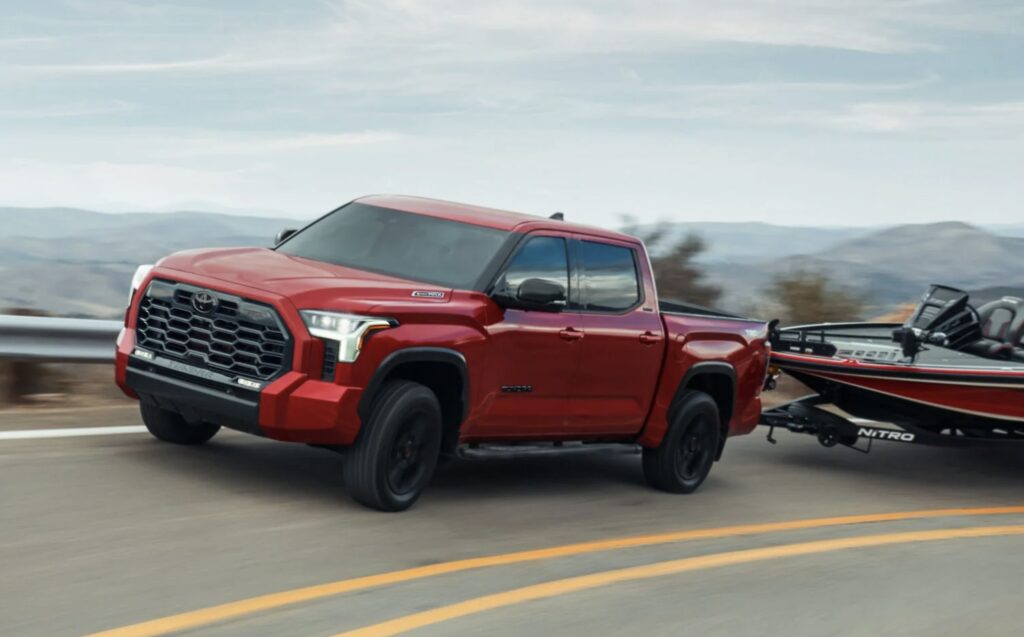
Labor Day Deal: 1.99% APR for 72 months in select markets
Toyota’s 1.99% APR for up to 72 months is one of the longest-term low-interest deals on the list, though availability may vary by region. Be sure to check offer details for your ZIP code.
This offer expires on 9/2/2025. See Tundra local listings and offer details.
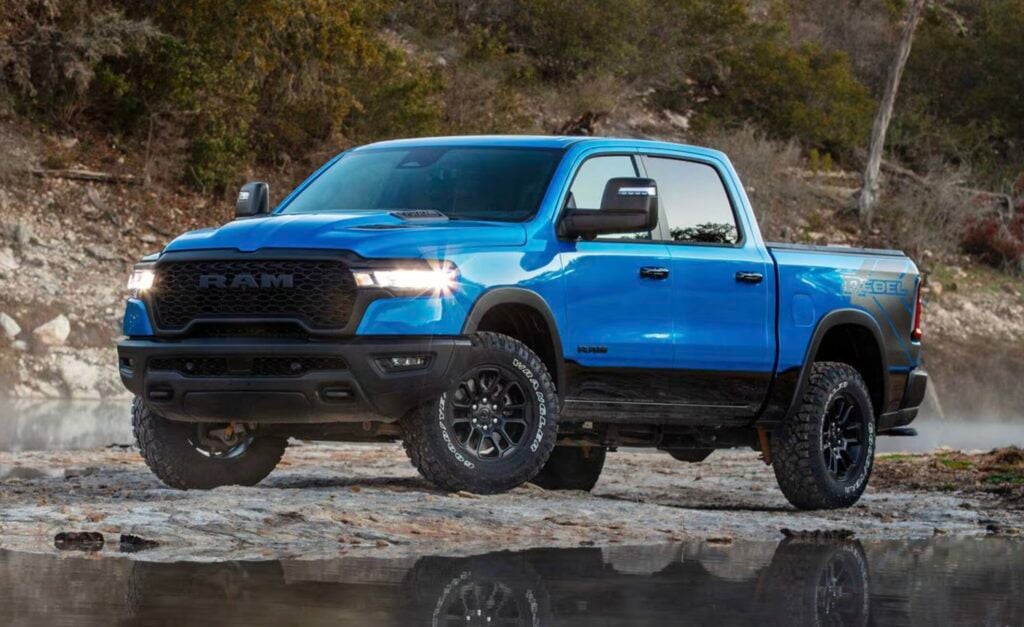
Labor Day Deal: 2.9% APR for 72 months
A 2026 model with low-APR incentives? Unexpected, but we’ll take it! The 2026 Ram 1500 comes with 2.9% APR financing for six years.
This offer expires on 9/2/2025. See Ram 1500 local listings and offer details.
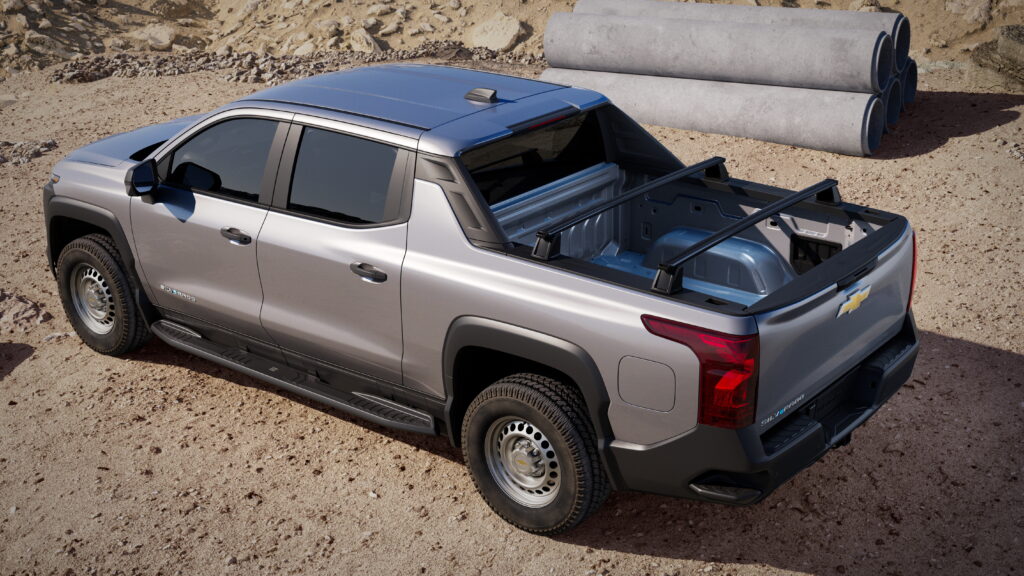
Labor Day Deal: 0% APR for 60 months plus $7,500 federal tax credit (ends 9/30/2025)
The Silverado EV offers up to 492 miles on a charge thanks to its massive battery. It’s also the best electric truck for towing, according to many reviewers. To top that off, it charges like a beast.
If you plan to take advantage of the $7,500 EV tax credit that expires on September 30, you’ll need to stick below the $80,000 price cap for trucks.
This offer expires on 9/2/2025. See Silverado EV local listings and offer details.
Automakers are leaning on heavy incentives to keep sales strong, and buyers are the ones reaping the benefits. From zero percent financing to dirt cheap leases, the Labor Day truck deals this August and September are head-turners.
Among them, Ford’s lease offer with nearly zero money down stands out as a true gem — a rare find in today’s high interest rate environment. No matter what truck you’re after, just don’t wait too long. After September, the next real chance for savings won’t arrive until the year-end clearance sales in December.
Full-sized truck deals don’t get much better than this. With 0% APR offers and Ford’s cheap lease deals, and even regional APR specials from Toyota, September is the sweet spot for locking in a truck deal. Prices are only headed higher in 2026, so waiting could cost you.
At CarEdge, you’ll never overpay for a pickup. Learn more about how CarEdge makes truck shopping quick and easy.
![Labor Day Lease Deals: The Best Offers From Every Automaker [2025]](https://caredge.com/wp-content/uploads/2023/08/Labor-day-deals-1080x675.png)
If you’re looking for the cheapest way to get into a new car, leasing is the way to go. Labor Day lease specials are here, with manufacturer deals that last through September 2, 2025. Expect nothing less than leases under $200/month, low money down, and the last big hurrah of EV lease deals before the tax credit expires. We’ve pulled the best Labor Day lease deals that offer the best value right now.
As always, the following advertised manufacturer offers exclude taxes, title, and fees. The dealer sets the final price.
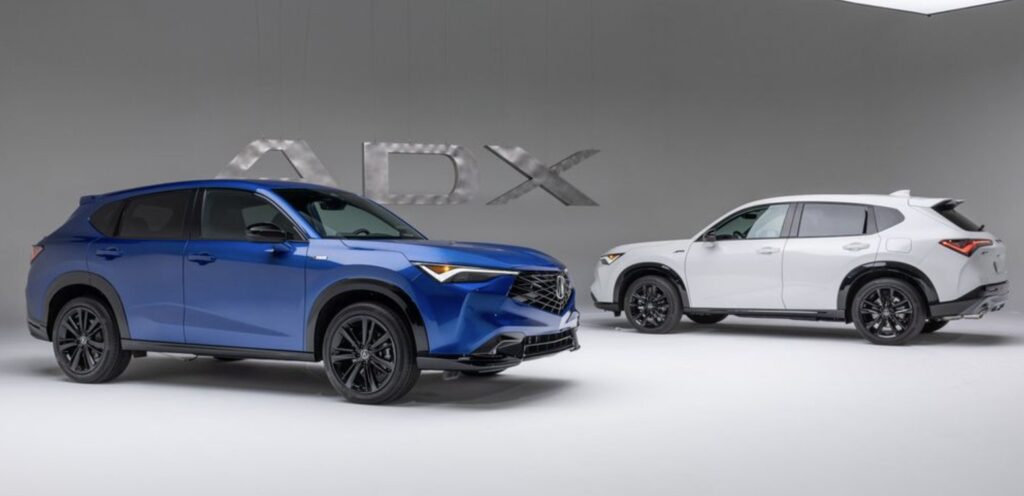
Lease the 2025 Acura ADX for $429/month for 36 months, $3,499 due at signing
See offer details, and view local Acura listings
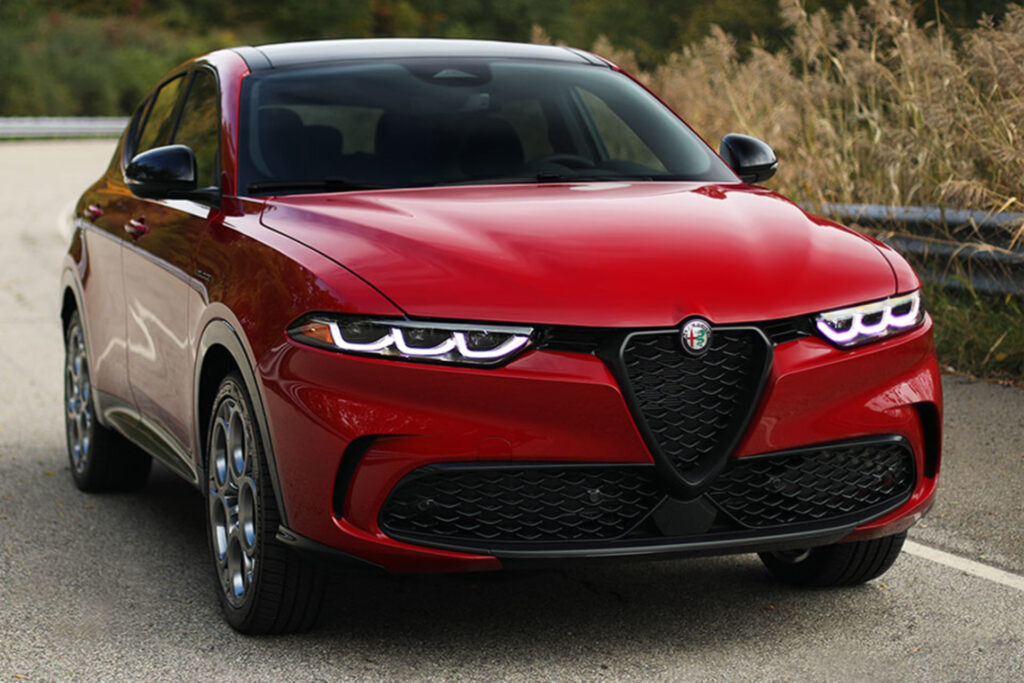
Lease the 2025 Alfa Romeo Tonale for $294/month for 36 months, $4,999 due at signing
See offer details, and view Alfa Romeo listings

Lease the 2025 Audi Q4 e-tron for $299/month for 24 months, $4,244 due at signing
See offer details, and view Audi listings in your area
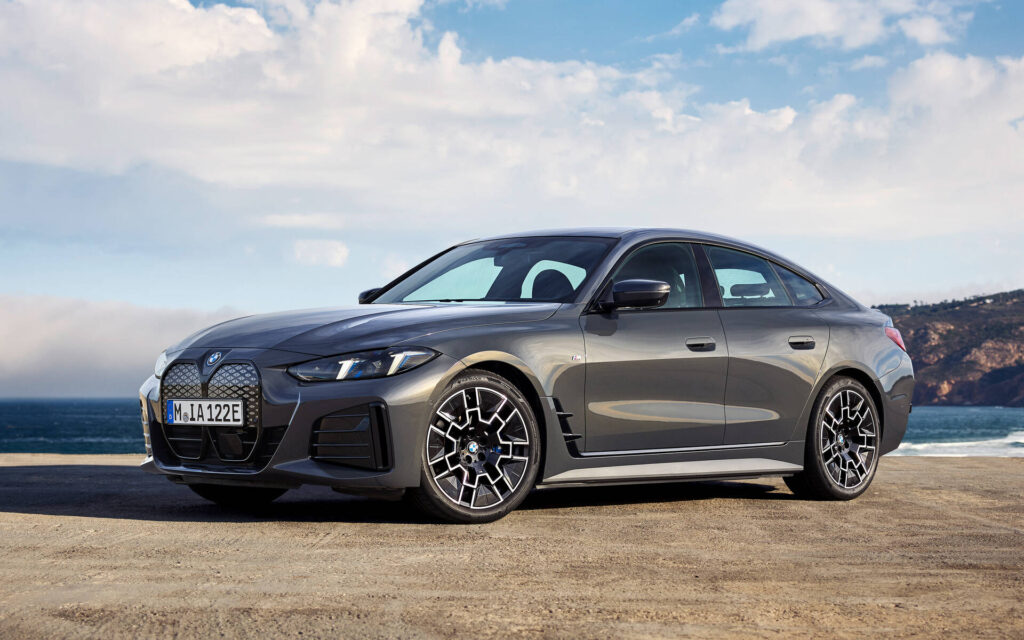
Lease the 2025 BMW i4 eDrive40 for $399/month for 36 months, $4,999 due at signing
See offer details, and view local BMW listings

Lease the 2025 Buick Encore GX AWD Preferred for $349/month for 39 months with $0 down at signing for current GM lessees (2020 model or newer)
See offer details, and view local Buick listings
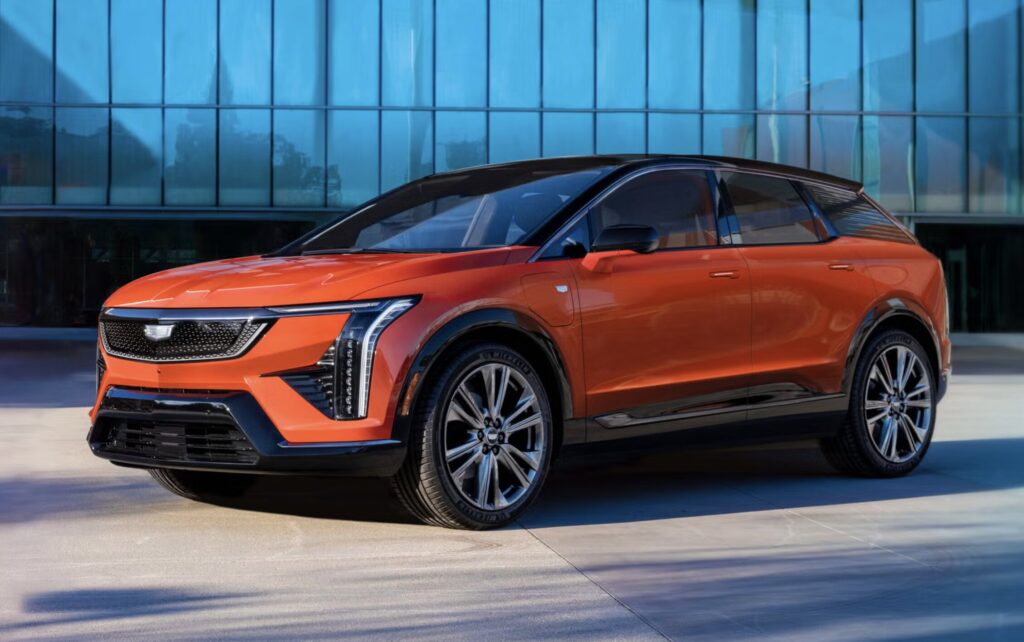
Lease the 2025 Cadillac Optiq EV with $479/month for 24 months, $4,989 due at signing
This offer includes a $2,000 lease incentive for current owners or lessees of 2011 or newer Cadillac vehicles.
See offer details, and view local Cadillac listings

Lease the 2025 Chevrolet Trax for $269/month for 36 months, $2,509 due at signing
See offer details, and view local Cadillac listings
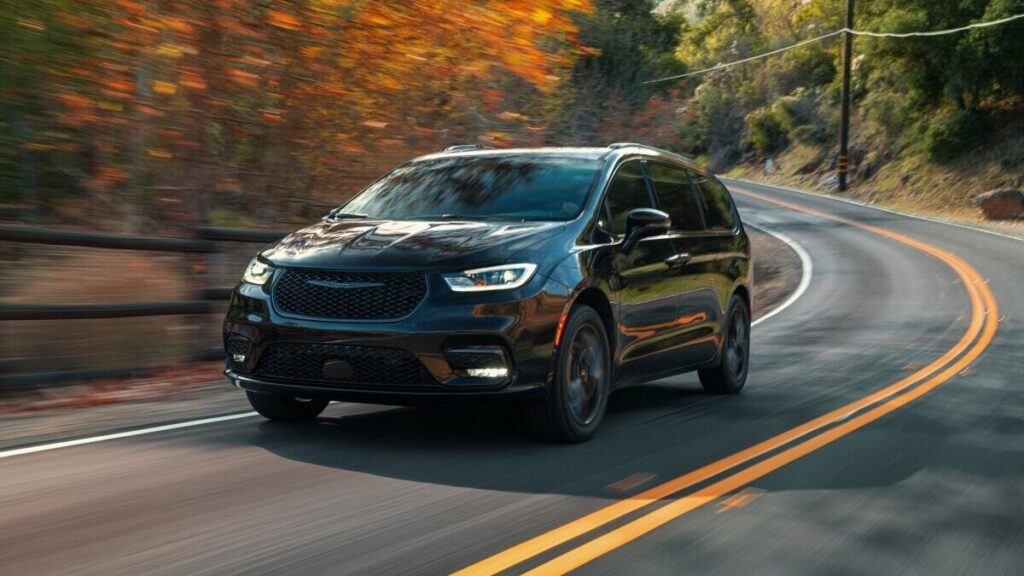
Lease the 2025 Chrysler Pacifica Plug-In Hybrid for $513/month for 39 months with $3,999 due at signing
This offer includes a $7,500 EV incentive from Chrysler.
See offer details, and view local Chrysler listings

Lease the 2025 Dodge Durango for $459/month for 36 months, $3,999 due at signing
See offer details, and view local Dodge listings

Lease the 2025 Ford F-150 STX for $499/month for 36 months, $499 due at signing
This is the best F-150 Labor Day lease deal we’ve ever seen, hands down.
See offer details, and view local F-150 listings
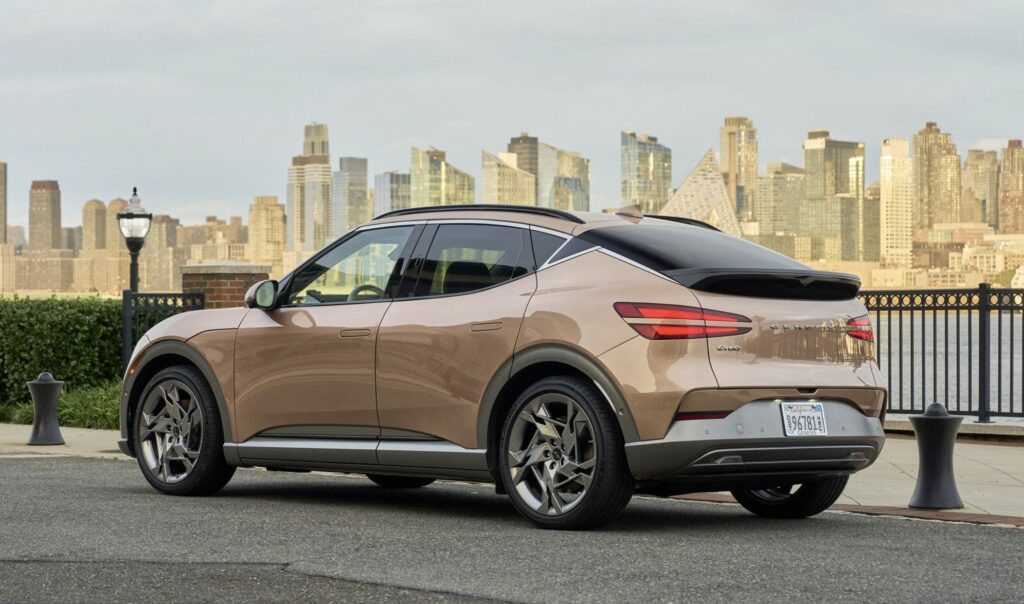
Lease the 2025 Genesis GV60 Standard RWD for $389/month for 33 months, $5,999 due at signing
This offer includes $13,750 in lease incentives, making it the best luxury lease deal for Labor Day 2025.
See offer details, and view local Genesis listings

Lease the 2025 Honda Prologue AWD EX for $159/month for 24 months, $2,599 due at signing
This lease well under $200/month with little money down is the best EV lease offer for Labor Day. This offer includes the application of the federal EV tax credit, which ends on September 30, 2025.
See offer details, and view local Honda listings
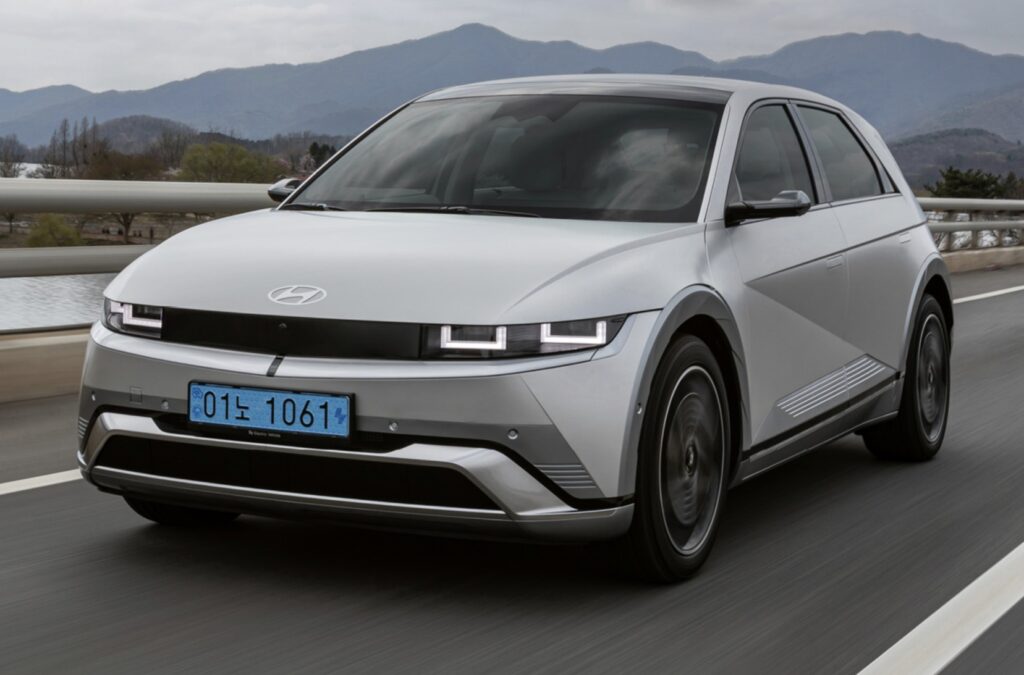
Lease the 2025 Hyundai IONIQ 5 SE RWD for $199/month for 24 months, $3,999 due at signing
This offer includes the $7,500 EV lease bonus, which is likely to expire after September 30.
See offer details, and view local Hyundai listings

Lease the 2025 Infiniti QX50 Pure AWD for $509/month for 36 months, $6,569 due at signing
See offer details, and view local Infiniti listings
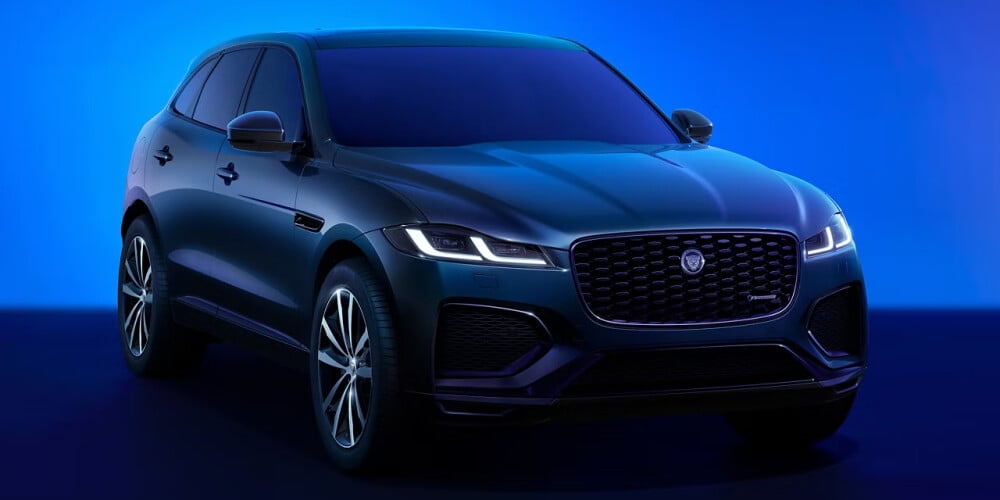
Lease the 2026 Jaguar F-PACE for $949/month for 36 months, $6,995 due at signing
See offer details, and view local Jaguar listings
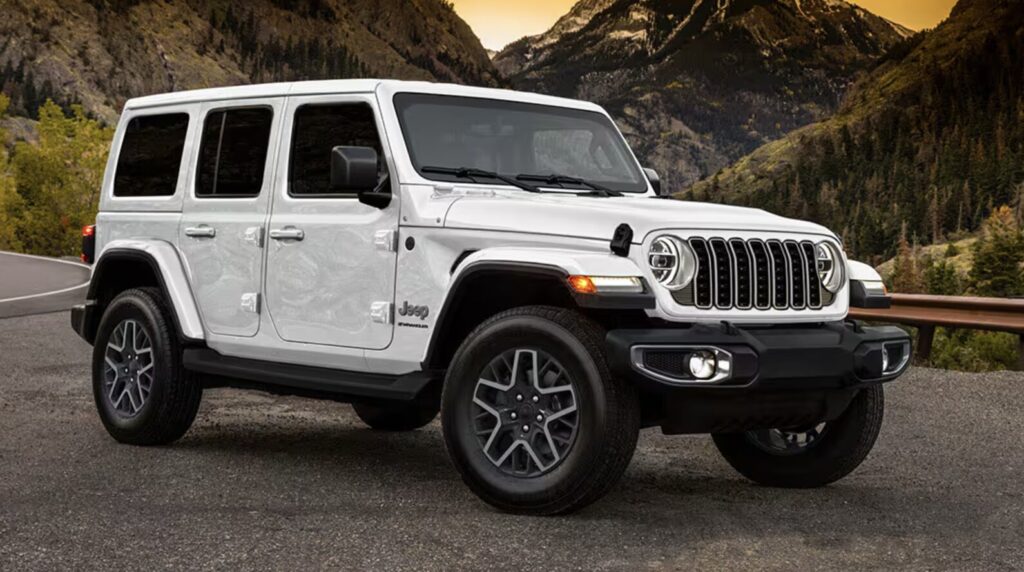
Lease the 2025 Jeep Wrangler 4xe for just $293/month for 24 months, $3,999 due at signing
This offer includes the $7,500 Jeep incentive for plug-in hybrids.
See offer details, and view local Jeep listings

Lease the 2025 Kia Niro EV for $109/month for 24 months, $3,999 due at signing
Kia is practically giving the Niro EV away with a shockingly low monthly payment of just over one hundred bucks.
See offer details, and view local Kia listings

Lease the 2025 Range Rover Velar for $749/month for 36 months, $6,995 due at signing
See offer details, and view local Range Rover listings
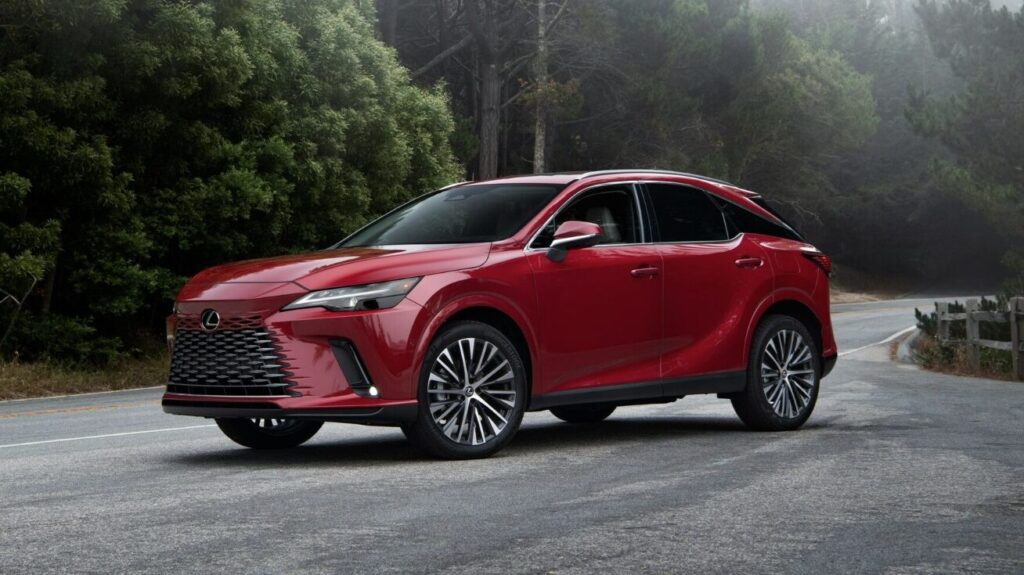
Lease the 2025 Lexus RX 350 Premium AWD for $569/month for 36 months with $4,999 due
See offer details, and view local Lexus listings
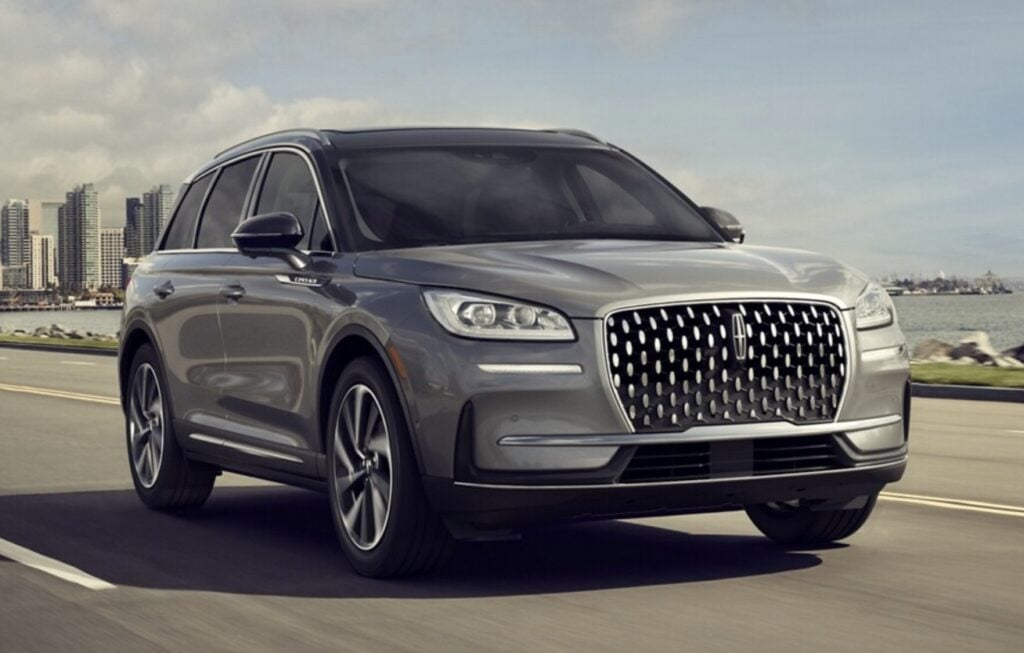
Lease the 2024 Lincoln Corsair for $276/month for 24 months with $4,325 due at signing
It’s important to note that this offer is for remaining 2024 inventory, but it’s the most affordable Lincoln offer we’ve seen in recent years.
See offer details, and view Lincoln listings

Lease the Lucid Air Pure for $509/month for 36 months with $2,869 due at signing
This is a shockingly low luxury EV lease deal for Labor Day 2025.

Lease the 2025 Mazda CX-90 Plug-In Hybrid for $109/month for 24 months, $6,749 due at signing
If you can afford the amount due at signing, this is a stellar deal. In fact, it might be Mazda’s best lease offer in recent years.
See offer details, and view local Mazda listings

Lease the 2025 Mercedes-Benz GLA 250 SUV for $469/month for 36 months, $4,663 due at signing
See offer details, and view local Mercedes-Benz listings
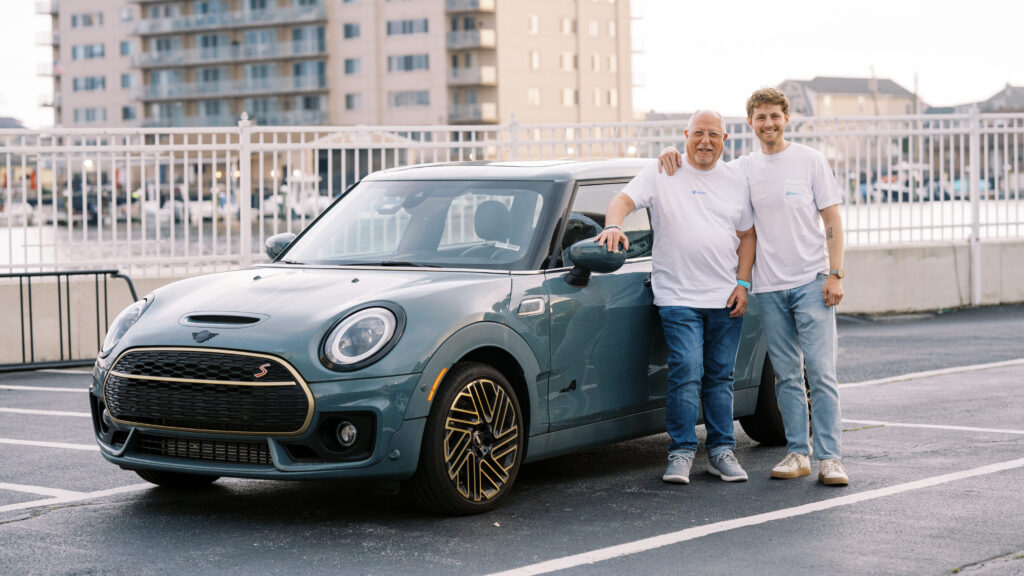
Lease the 2025 MINI Hardtop 2-Door for $299/month for 39 months, $4,119 due at signing
See offer details, and view local MINI listings

Lease the Nissan Sentra SV FWD for $269/month for 36 months, $2,409 due at signing
See offer details, and view Nissan listings
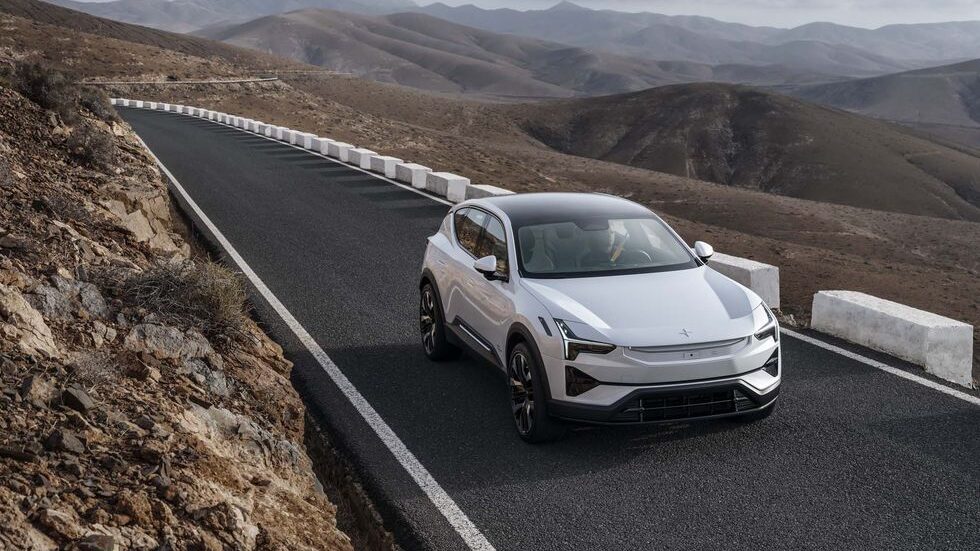
Lease the 2025 Polestar 3 for $399/month for 27 months with $5,399 due at signing
See offer details, and view Polestar inventory
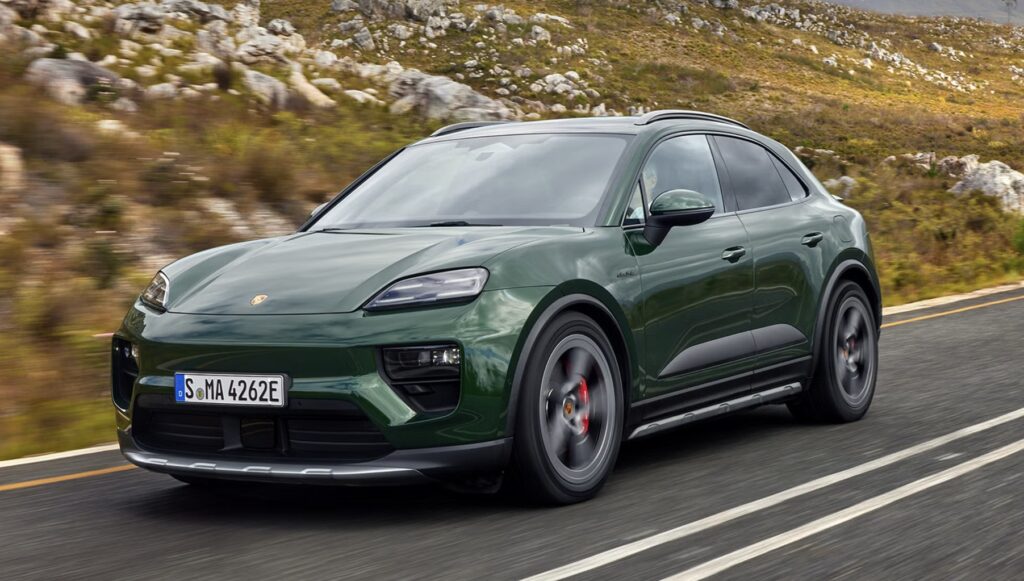
Lease the all-new Porsche Macan Electric for $949/month for 39 months, $4,929 due at signing
See offer details, and view Porsche listings
Lease the 2025 Ram 1500 Big Horn for $429/month for 42 months, $3,999 due at signing
This offer is for returning FCA lessees (Ram, Chrysler, Jeep, Dodge, and others).
See offer details, and view Ram listings
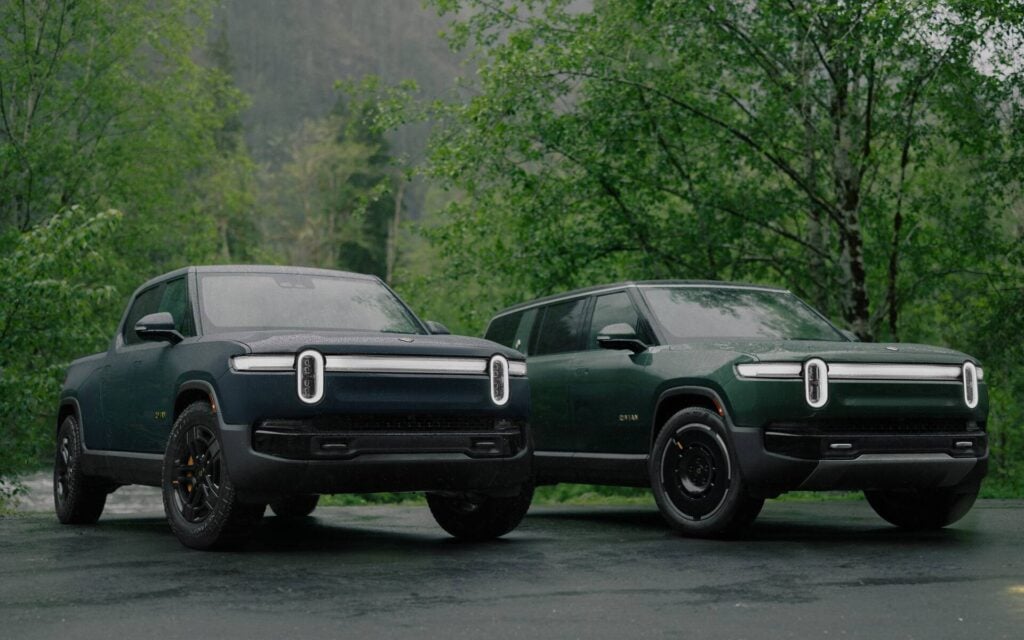
Between $12,000 – $15,500 in lease savings
For Labor Day deal season, Rivian is offering an Endless Adventure Bonus, and an Electric Refresh offer.When you combine those lease specials with the $7,500 EV tax credit ending in September, you get well over $10,000 in lease savings.
See offer details at Rivian.com

Lease the 2024 or 2025 Subaru Solterra for just $299/month with $299 due at signing
This is one of the best Subaru lease specials in recent years, and is not likely to last past September 2.
See offer details, and view local Subaru listings

Lease the 2025 Corolla for $189/month for 36 months with $3,999 due (select markets)
See offer details, and view Toyota listings
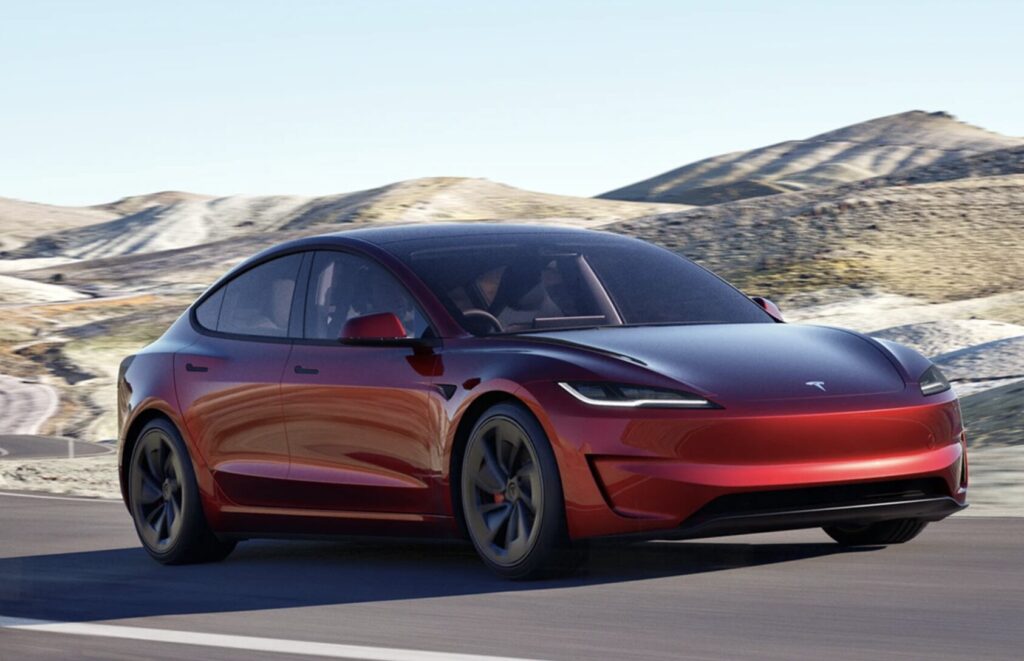
Lease the 2025 Model 3 for $299.month for 24 months with $3,000 due at signing
This Tesla Labor Day offer includes the $7,500 EV tax credit, which will end on September 30.
See offer details at Tesla.com

Lease the 2025 Volkswagen Tiguan S for $299/month for 36 months, $3,999 due at signing
See offer details, and view Volkswagen listings
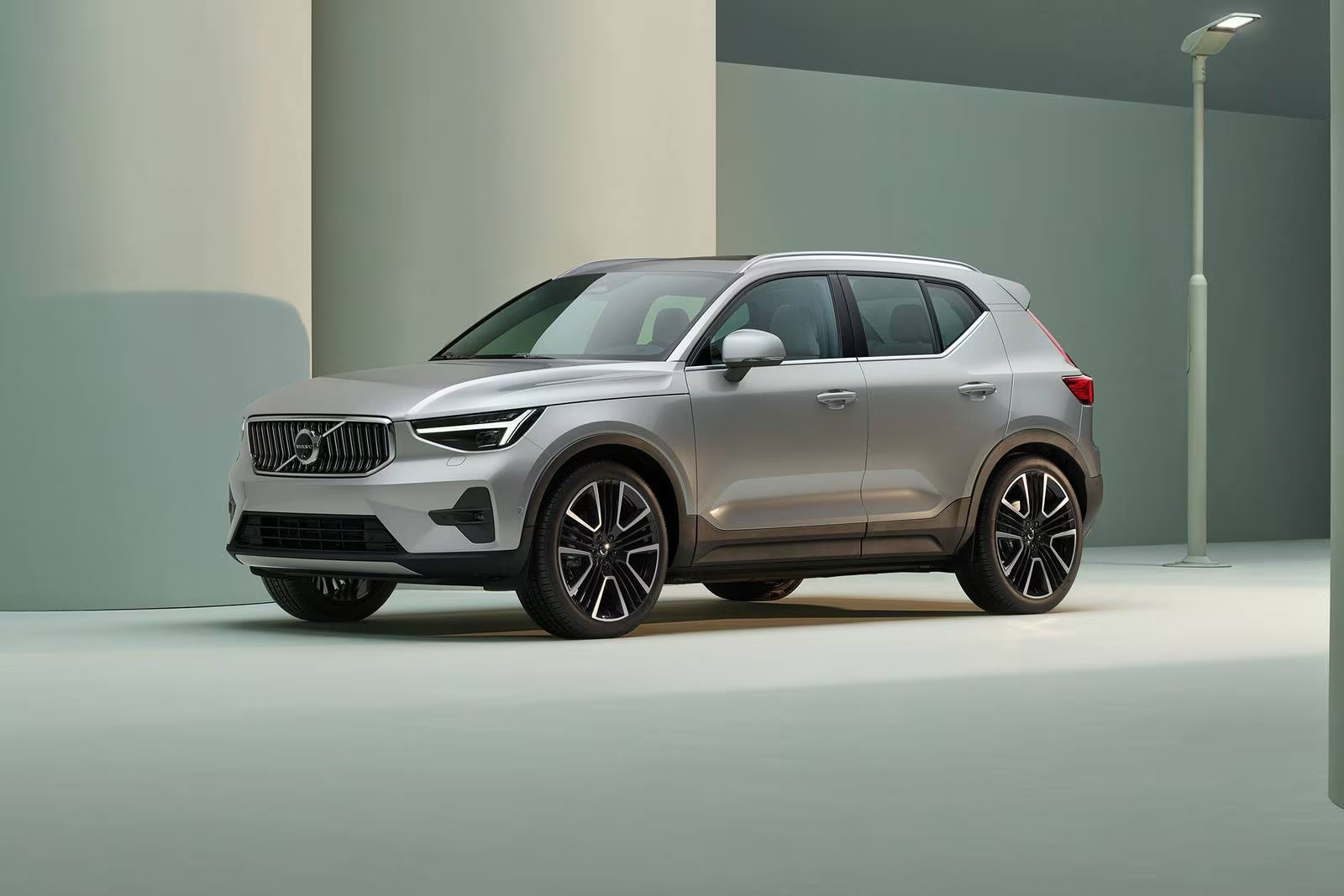
Lease the 2025 Volvo XC40 Core Bright for $409/month for 36 months, $2,689 due at signing
See offer details, and view Volvo listings
Labor Day is one of the few times of the year that lease offers truly shine. Dealers want 2025 inventory gone before 2026 models start to crowd dealership lots. That’s why we’re seeing a flood of great lease offers in September.
Time is of the essence for Labor Day 2025 lease deals. Most manufacturer incentives end on September 2, but some dealer-specific sales could stretch through the month.
Tired of car buying hassles? Let a professional do it for you! Learn more about CarEdge Concierge, the most-trusted car buying service out there.
![Every Labor Day 0% APR Offer [2025]](https://caredge.com/wp-content/uploads/2025/08/Labor-Day-2025-0-APR-sales-1080x638.jpg)
Why pay interest if you don’t have to? Labor Day is when automakers roll out their best 0% APR deals to clear out inventory before year-end sale season. We cut through the noise and gathered every 0% APR offer for Labor Day 2025. Take advantage of these Labor Day sales before they expire on September 2, 2025.

0% APR for 72 months for the 2024 Acura ZDX
This offer expires on 9/2/2025. See Acura listings with local market data

0% APR for 60 months: Equinox EV, Blazer EV and Silverado EV
0% APR for 36 months: 2025 Chevrolet Silverado 1500
This offer expires on 9/2/2025. See Chevrolet local pricing insights
0% APR for 72 months for the 2025 Chrysler Pacifica PHEV
This offer expires on 9/2/2025. See Chrysler local market insights

0% APR for 72 months for the 2024 Dodge Charger Daytona and 2024 Dodge Hornet eAWD
This offer expires on 9/2/2025. See Dodge local pricing insights
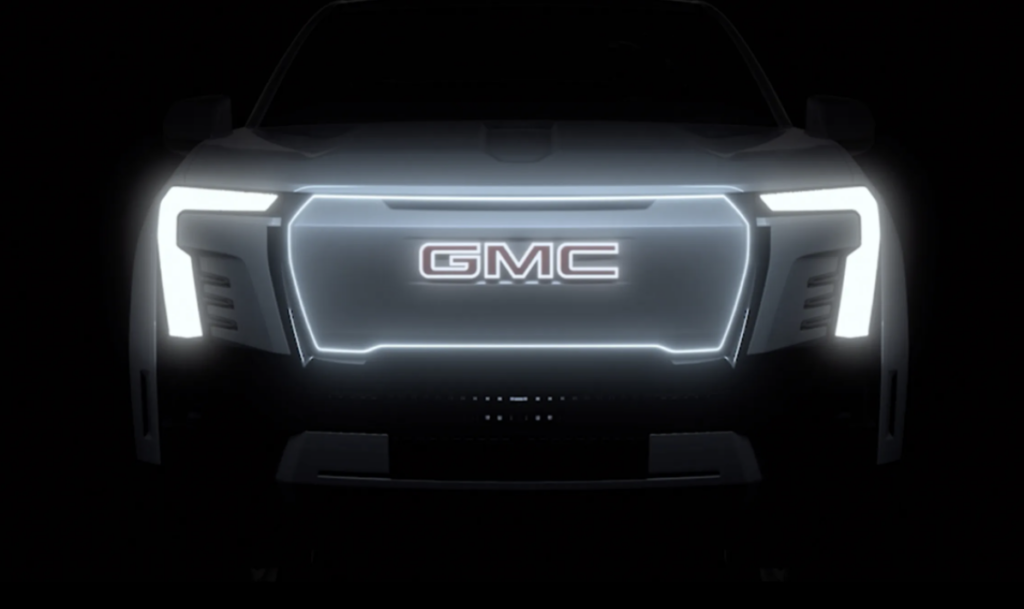
0% APR for 36 months: 2025 GMC Sierra 1500, GMC Hummer EV
This offer expires on 9/2/2025. See GMC local pricing insights and listings

0% APR for 60 months: 2025 Honda Prologue
This offer expires on 9/2/2025. See Honda local pricing insights and listings

0% APR for 60 months: 2025 Hyundai Palisade
0% APR for 60 months: 2025 Hyundai Santa Fe
0% APR for 48 months: 2025 Hyundai IONIQ 6
This offer expires on 9/2/2025. See Hyundai local market insights

0% APR for 72 months: 2025 Kia Niro EV
0% APR for 60 months: 2025 Kia EV6
0% APR for 48 months: 2025 Kia EV9, 2025 Kia Sportage, 2025 Kia Sorento
These offers expire on 9/2/2025. See Kia local market insights
0% APR for 72 months: 2024 Jeep Grand Cherokee 4xe, 2024 Jeep Wrangler 4xe, 2024 Jeep Wagoneer S
This offer expires on 9/2/2025. See Jeep local pricing insights and listings

0% APR for 60 months: 2025 Mitsubishi Outlander
0% APR for 48 months: 2024 Eclipse Cross
This offer expires on 9/2/2025. See Mitsubishi local market insights
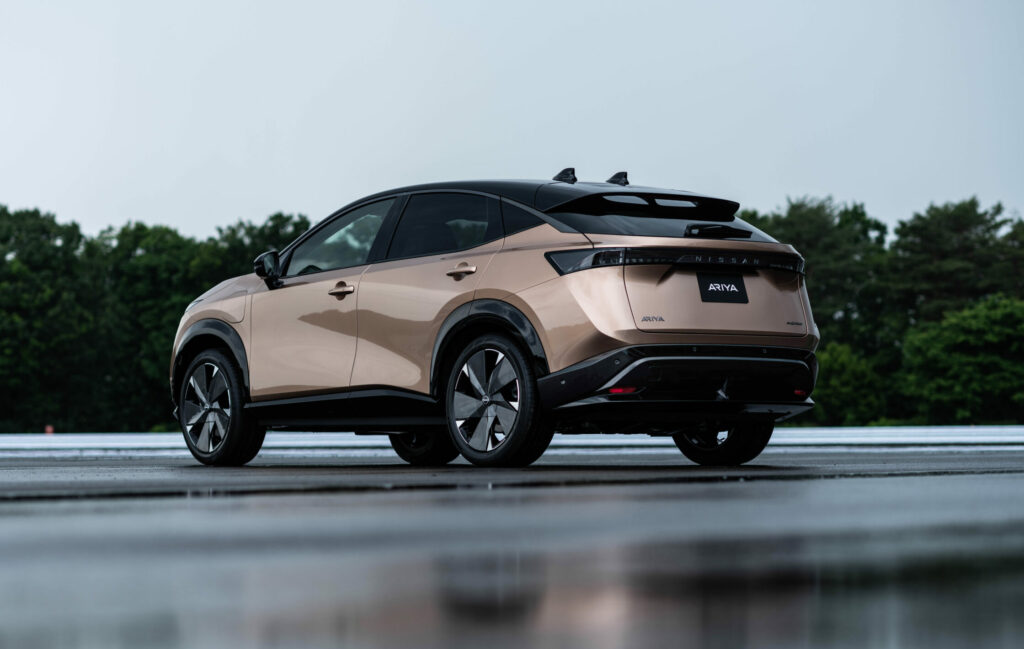
0% APR for 60 months: 2025 Nissan Rogue, 2025 Nissan Pathfinder, 2025 Nissan Murano
0% APR for 72 months: 2025 Nissan Ariya, 2025 Nissan LEAF
These offers expire on 9/2/2025. See Nissan local market insights
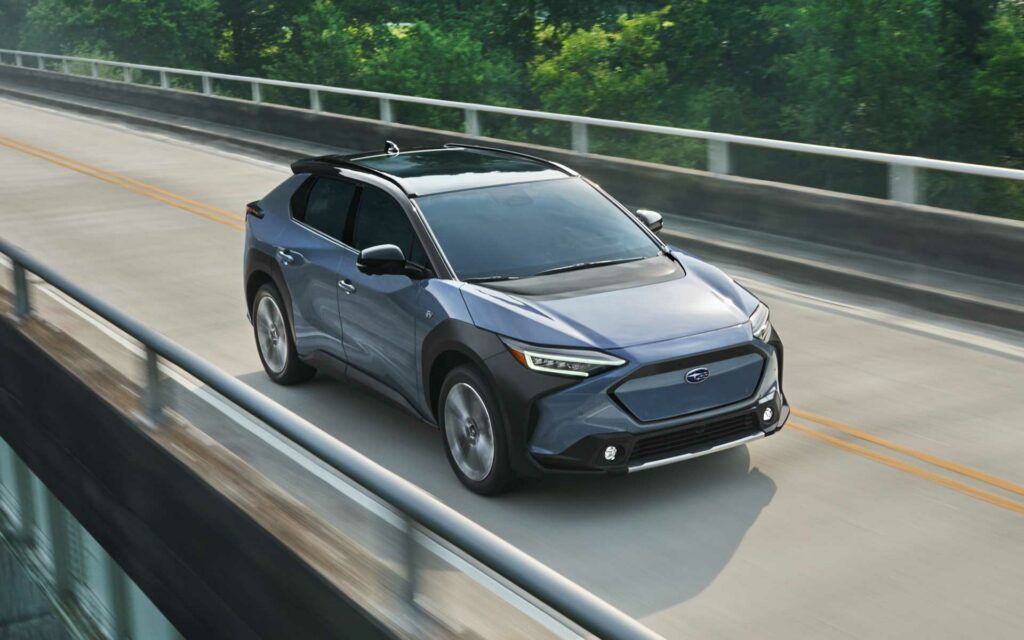
0% APR for 72 months: Solterra EV
These offers expire on 9/2/2025. See Subaru local market insights
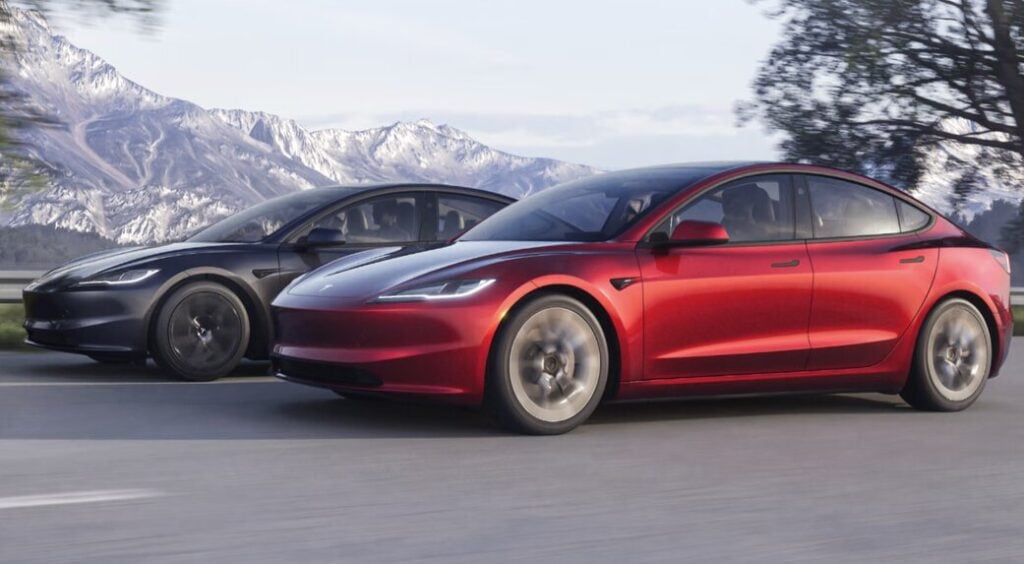
For Labor Day, Tesla is offering zero percent financing for the 2025 Tesla Model 3 and Tesla Cybertruck, but only with the purchase of FSD.
Note that Tesla’s offers are subject to change at any time, not necessarily at month’s end. Learn more at Tesla.com.

0% APR for 60 months: 2025 Toyota bZ4X
See Toyota local market insights

0% APR for 72 months (or $5,000 cash offer): 2025 Volkswagen ID.4
See VW local market insights + the BEST deals
Labor Day is one of the few times the numbers lean your way. Dealers want 2025 inventory gone before 2026 models start to crowd dealership lots. That’s why we’re seeing a flood of 0% APR offers in August and September. As CarEdge Co-Founder and auto industry veteran Ray Shefska always says, financing is just one piece of the deal—lock the out-the-door price first. Don’t tip your hand on how you’ll finance, and don’t mention a trade-in until the price is set.
Time is of the essence for Labor Day 2025 car sales. Most manufacturer incentives end on September 2, but some dealer-specific sales could stretch through the month.
Tired of car buying hassles? Let a professional do it for you! Learn more about CarEdge Concierge, the most-trusted car buying service out there!
A few times a year, the calendar hands car buyers a major advantage. Labor Day is one of the few times when the numbers actually lean your way. Expect nothing less than 0% APRs, cash on the hood, and ridiculously cheap leases. CarEdge’s Ray Shefska has been in this business long enough to know not every “deal” is a deal, so we asked him to share the 10 best offers that actually save you money this Labor Day. Here are the best of the best in August and early September.

Lease from $499/mo for 36 months with just $499 due at signing
Ford doesn’t usually let you drive off in an F-150 with this little down. For a pickup this size, it’s a surprisingly cheap way to get in. However, there’s plenty of competition from Ram and Toyota this month as you’ll see below. See Ford offer details.
👉 Check F-150 listings with local market insights
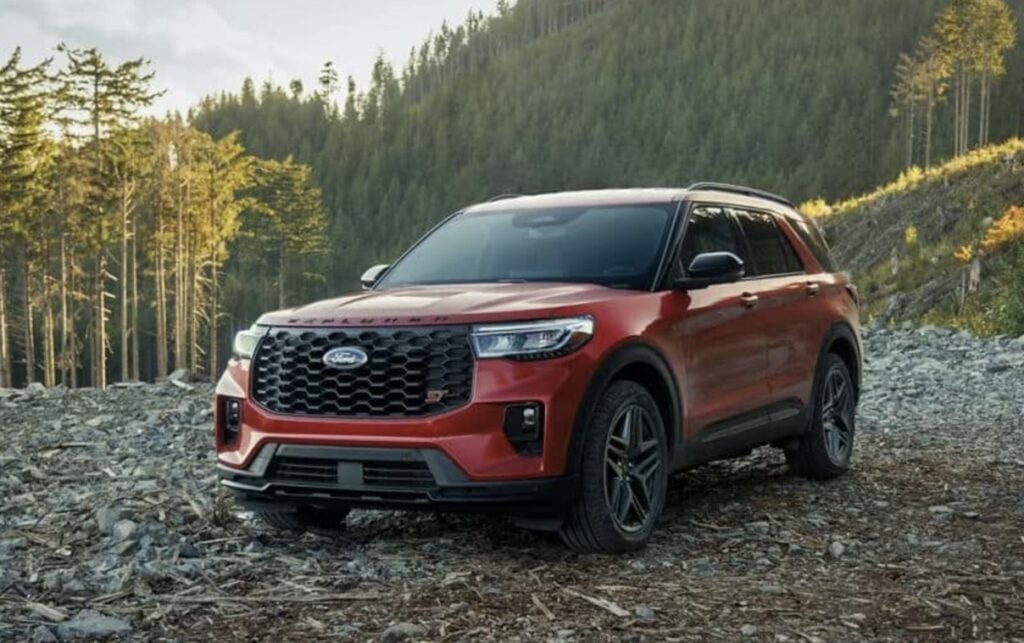
Lease from $499/mo for 36 months with $499 due at signing
Ford’s Labor Day lease sale is truly something special. If you’re considering any Ford model in the months ahead, it’s probably worth it to consider acting sooner to lock in lease savings. See Ford offer details.
👉 See Explorer deals with local market insights
1.9% APR for 72 months
The Ram 1500 is one of the ‘big three’ trucks, but that doesn’t mean it’s a fast-seller. But with 77 days of market supply, incentives seem to be doing their job. This is the best sales rate for the Ram 1500 in recent memory.
In select markets, Ram is also offering the option of 15% off MSRP plus 3.9% APR for 72 months. See Ram offer details.
👉 See Ram 1500 listings with local market insights
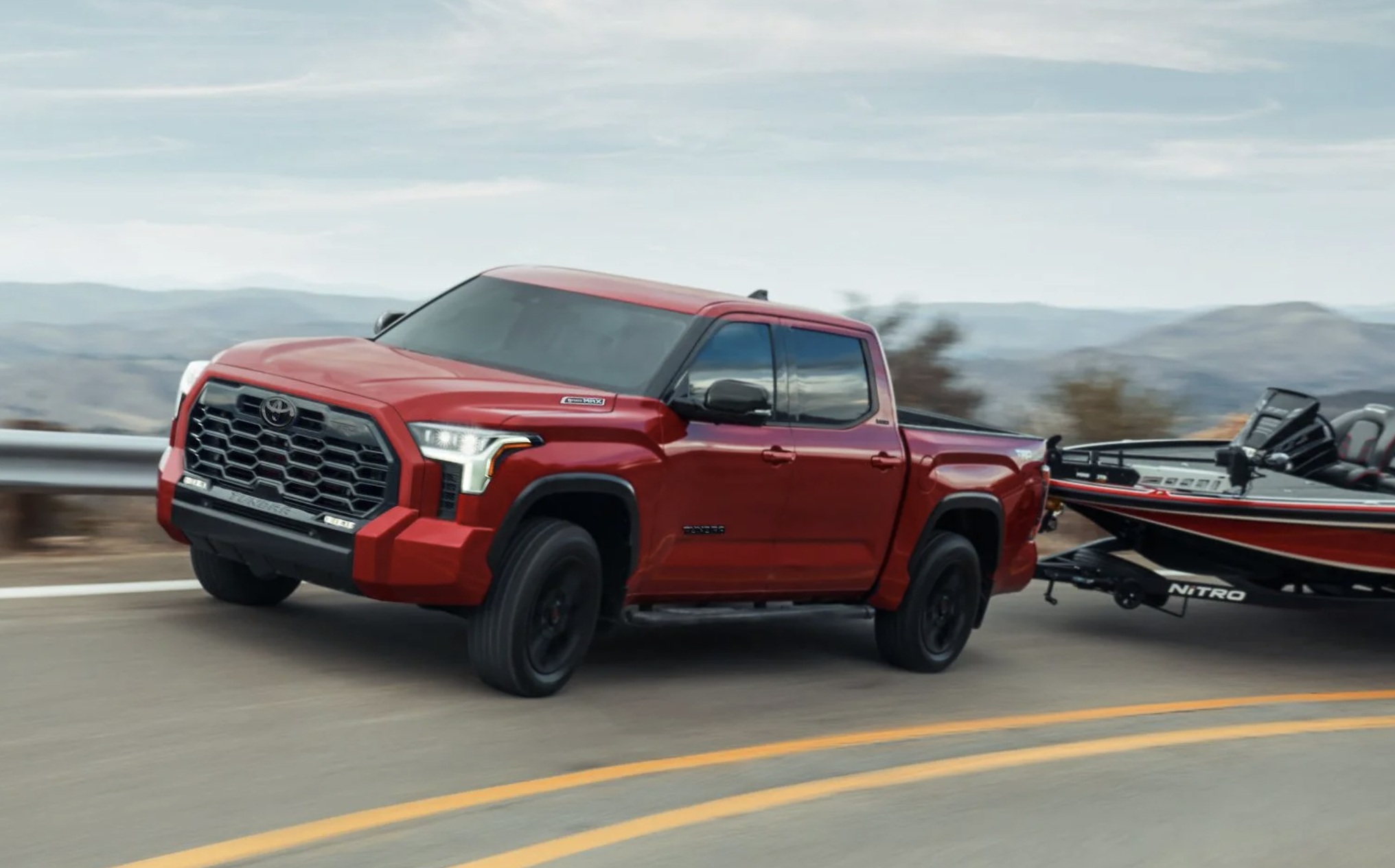
1.99% APR for 72 months in select markets
The Tundra is a full-size truck that’s just as capable as the competition from Ford and GM. With six years of low-APR financing, this is a deal worth the test drive. See Toyota offer details.
👉 View Tundra listings with local market insights

0% APR for 60 months (tax credit expires September 30)
Chevy’s Equinox EV is the best-selling non-Tesla EV, with sales nearing the 10,000 mark in the month of July. Buyers see the Equinox EV as a standout value with pricing well under $40,000 and zero percent financing, and that’s before the tax credit is taken into consideration. Speaking of the federal EV tax credit, buyers have until the end of September to take advantage of the incentive. See Chevrolet offer details.
👉 Browse Equinox EV inventory
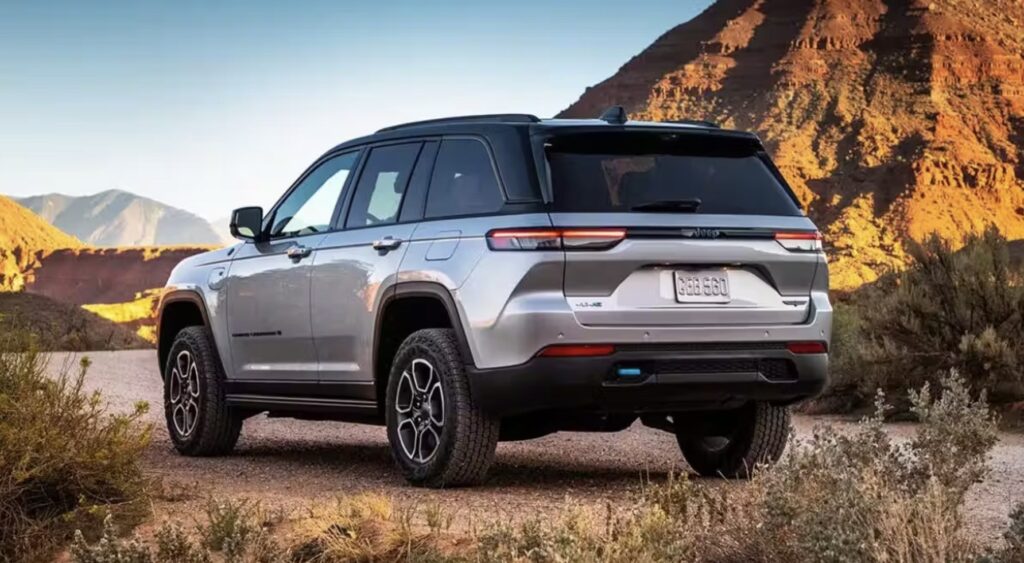
0% APR financing for 72 months
Among popular SUVs and crossovers, this interest-free offer from Jeep stands out. As a bonus, the Grand Cherokee 4xe plug-in hybrid qualifies for federal EV incentives. See Jeep offer details.
👉 Browse the most negotiable Jeep inventory

0% APR for 60 months, or lease for $159/mo for 36 months with $2,599 due
I think it’s safe to say that Honda has been surprised by the instant hit they’ve had with the Honda Prologue. Inventory is selling quickly as buyers rush to get ahead of the September tax credit deadline. See Honda offer details.
👉 Find Honda deals near you

0% APR for 60 months + up to $1,500 cash + 90-day payment deferral
The Palisade has always been a hot seller for Hyundai. That’s why it’s a big deal that zero percent financing is offered for Labor Day 2025. This is an excellent choice for families needing a 3-row SUV. See Hyundai offer details.
👉 Search Palisade inventory with local market insights

$10,000 lease cash, for a lease offer from $285/mo for 24 months with $3,999 due
Lease cash this high is virtually unheard of in today’s market. A three-row plug-in hybrid for under $300/month? That’s almost too good to be true. The flexibility of the PHEV powertrain means that you can drive electric in the city with a gas-powered hybrid for the highways. See Mazda offer details.
👉 See Mazda CX-90 PHEV listings near you
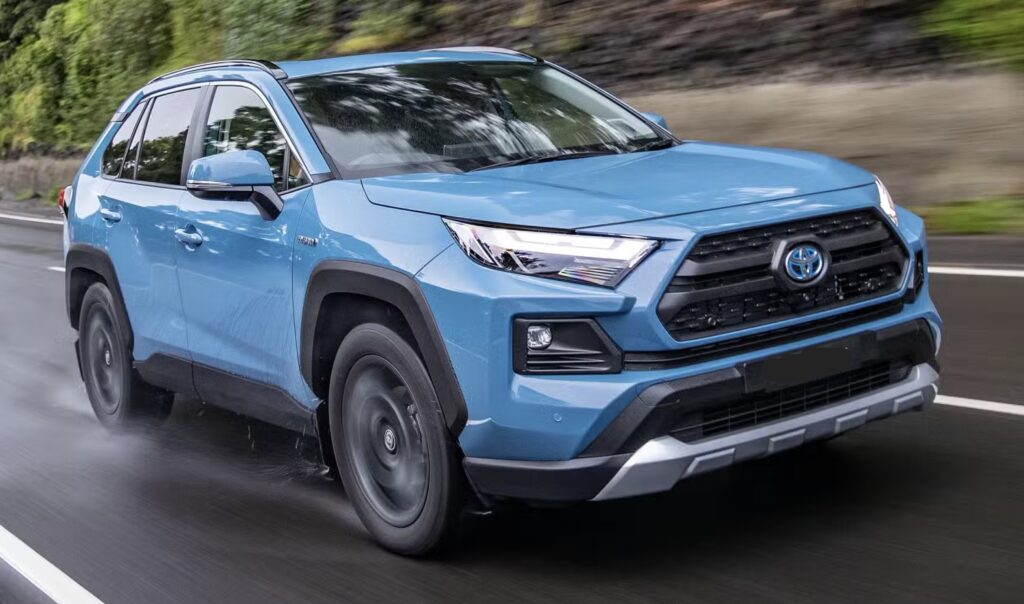
$6,500 lease cash in select markets
Toyota is the fastest-selling automaker in America in 2025, with everything from the RAV4 to the bZ4X flying off dealer lots. That’s precisely why this deal is special. Toyota has little incentive to cut prices, so take advantage of this Labor Day while it lasts.
👉 Find Toyota RAV4 deal near you

These offers expire in just a few weeks. Dealers will flip the switch once September passes, especially for electric vehicles that are selling much faster than expected ahead of the sunset of the EV tax credit. There’s no excuse for walking into the dealership blind. Use the tools we’ve built at CarEdge to make sure you’re getting the real deal, not just dealer talk.
From unwanted add-ons to costly markups and fees, buying a car is still a pain in 2025. That’s where CarEdge can help.
Use CarEdge’s AI Negotiator to have an autonomous agent get the best deal without you lifting a finger.
Or, try CarEdge Concierge if you want car buying experts to handle the search, negotiation, and every aspect of your deal for you.
DIY car buyers can dive into CarEdge Pro to unlock behind-the-scenes car market info that puts YOU in control of your deal.
At CarEdge, we’re your advocate in a confusing car market. Our team of professionals is here to help you research, compare, and negotiate every step of the way. Whether you’re looking for personalized help or want AI to do the haggling for you, we’re here to make sure you never overpay. Learn more about how we serve car buyers every day at CarEdge.com.
By Zach Shefska, Co-Founder & CEO of CarEdge
Spending $50,000 should be fun, exciting, and rewarding. Sadly, for both consumers and car dealers, the car buying process is typically the opposite. Riddled with inefficiencies and frustrations, the age of AI presents an opportunity to redefine retail automotive sales.
Trust between buyers and sellers is at an all-time low. In Gallup’s annual trustworthiness of profession survey, car salespeople consistently rank at the very bottom. In the most recent poll, only 7% of Americans reported that they trust car salespeople to have high honesty and ethics. It’s no surprise then that many shoppers dread stepping into a showroom. Lack of transparency on pricing, confusing add-ons, and high-pressure tactics have made the process feel adversarial.
Not only does this broken status quo tarnish dealers’ reputations, it also hurts their bottom line. Consider the fact that the turnover rate for dealership sales consultants is nearly 72% (double that of other roles at the dealership). Dealerships are unable to retain their sales staff. Why? The quality of life for a sales consultant in a dealership can be poor, and while the pay can make up for it for a while, it is untenable for many long-term.
Ask any dealership sales team about their pain points, and they’ll inevitably mention lead bloat – a flood of online leads and inquiries, most of which go nowhere. Third-party listing websites and lead generators grew quickly as retail auto sales transitioned online in the mid to late 2000s. These websites often blast the same customer inquiry out to multiple dealerships, creating a frenzy where five stores chase one lukewarm prospect.
The result is wasted time and money: the average dealership converts only about 2% of its third-party leads into sales, however third-party leads make up a significant amount of total lead volume. That means salespeople must sift through countless inquiries to sell just one car (or dealerships invest in expensive business development centers, adding to their already high cost infrastructure).
The incentives in today’s system are misaligned – many third-party platforms profit from quantity of leads, not quality of outcomes. Dealers and OEMs end up paying for lots of noise and very little signal. This traditional model leaves everyone dissatisfied. Consumers feel pestered and distrusted, and dealers waste resources chasing ghosts.
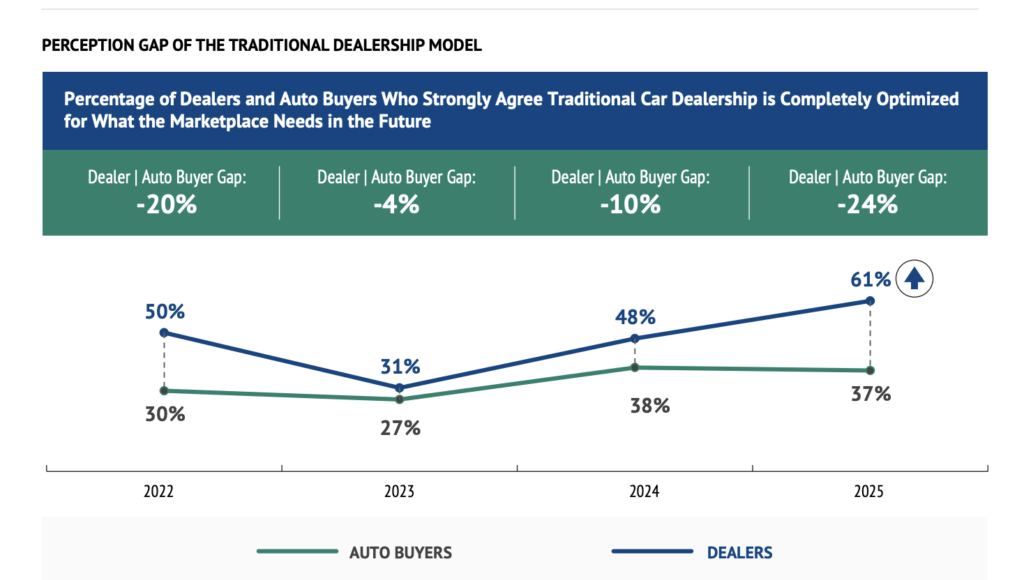
It’s no wonder then that this paradigm has led to the largest gap between dealer and consumer expectations, ever. In 2025, 61% of dealers believe buying a car from a dealership is “completely optimized,” whereas only 37% of consumers agree. There is a lot of work to be done to close this gap, and improve the overall experience for the entire marketplace.
Is there a better way? I believe so, and AI will usher in change at an unprecedented rate.
A recent survey found that 25% of consumers are already using tools like ChatGPT to assist them in purchasing a vehicle, and that 40% of consumers say they will use AI tools to support them in their future vehicle purchases. AI adoption at dealerships is significantly higher (albeit nascent in scope), with nearly 90% of dealerships reporting that they have already deployed AI at their store.
Let’s start with third-party shopping websites. These platforms are incentivized to keep users scrolling through thousands of listings, with dealers and OEMs paying fees for sponsored placements and advertisements. Their user experiences are optimized for form fills and lead submissions with dark UX patterns encouraging users to submit more and more leads – quantity over quality.
Think of your own search behavior for a moment. Before LLMs, you likely scrolled through the first page of results on Google to find the blue link you wanted to click on. How do you search now? You use AI Mode, or type a question into ChatGPT. There’s a reason why Google search traffic is falling for publishers, and it’s because there is a fundamental shift in how consumers access information.
The same is true for retail automotive. Third-party car shopping websites will evolve to look more like ChatGPT. Imagine an intuitive interface where you can ask questions, share input, and ultimately be presented with options that work for you. AI will change how consumers research and ultimately decide on the vehicle they want to purchase.
Dealerships will spend less time explaining features and capabilities – customers will have vetted that information with their AI shopping agent first. Sales consultants won’t waste time chasing leads that aren’t in the market to shop – instead they’ll get notifications from buyer’s AI shopping agents that the customer is ready to purchase. Because consumers will be more educated and empowered before contacting a dealership, we will see a fundamental shift in the leads business away from quantity and towards quality. This is good.
Agentic AI presents a compelling use case for consumers and dealers to hand off even more of the rudimentary grunt work of car buying as well. Why would I go to the dealership and haggle with the salesperson when my AI shopping agent can do it for me? As a dealership operator, why would I employ a sales consultant and sales manager to negotiate with an AI agent? I wouldn’t. For these customers, AI agents will handle it instead.
Agentic commerce means agentic commerce. Agents representing both consumers and dealers will engage with each other. Cost infrastructure will come down and time will be given back to the humans previously in the loop.
Buying a car is one of the few purchases consumers engage in that requires negotiation. Salespeople and sales managers negotiate every day, but customers do it once every three to five years. Negotiations are a dreaded (and time consuming) part of the buying process and a perfect example of where agentic AI can level the playing field, increase efficiency, and drive positive outcomes.
At CarEdge we’re already seeing the beneficial impacts of agentic AI for both sellers and buyers. Consider the story of Thomas. He came to CarEdge in June looking to purchase a Honda Accord. Thomas’ AI agent contacted numerous dealerships in his area that all had the vehicle he was interested in, right down to the specific trim and options.
While Thomas was at work, his AI agent engaged with the dealerships and ultimately, after 13 messages back and forth with one dealer in particular, achieved an out the door price of $36,900. The initial out the door price quote was $38,180.

Thomas went in that afternoon and purchased the vehicle. Thomas saved time, and $1,280 thanks to his AI agent. This is how agentic commerce is already influencing retail automotive.
How does the entire automotive ecosystem win with agentic AI? It’s simple. Data.
Car prices are notoriously opaque. The only way to really know what you are going to pay for a car is to contact a dealer and get an out the door price quote. The FTC and states’ attorney generals have gone after myriad dealerships over the years for bait and switch pricing and forced add-ons. However the practice is still prevalent, and in many cases, it’s a cost of doing business.
Take for example this Nissan Rogue for sale in Florida.

The online advertisement is hard to decipher, however it appears the price is $32,415.
Upon contacting the dealership, the price is actually:

$34,239 (plus tax/title/fees & payoff – whatever that is in this case). How and why did the price increase by nearly $2,000? Who knows. But this is all too common in retail automotive.
These practices obviously frustrate and confuse customers, however they also harm dealers who are reputable and don’t play games. Andrew Wright, Managing Partner at Vinart Dealerships shared his frustrations on X:
“I inquired about what this major 3rd party classified listings company was doing to police their platform for dealers engaging in deceptive pricing practices. The answer in short: NOTHING… All of the major classified listings platforms (Cars Commerce, Autotrader, CarGurus, Carfax, etc.) know that this is going on and they are doing NOTHING to stop it. In fact, they are REWARDING this behavior by affixing “great deal” badges on cars with deceptively low pricing.”
How do AI agents solve this problem? It’s simple. They collect, organize, and retain complete pricing data to bring unparalleled transparency. Currently, there is no third-party collecting accurate data on vehicle pricing (including dealer fees and add-ons). There have been some nascent attempts to flag bad actors (i.e. Markups.org and online review websites), however their scope and efficacy is limited, and we all know that consumers and dealers are equally capable of leaving bad reviews that stretch the truth. Pricing transparency isn’t just good for customers, it’s a competitive edge for honest dealers. AI helps surface trustworthy dealers in a crowded market and rewards them with more sales.
AI agents flip the script. Instead of relying on human beings to get out the door pricing and then manually enter that information into some sort of crowd-sourced database, AI agents are able to automate this process, removing any potential biases.
At CarEdge, our car shopping agents have been deployed 10,000 times since launch in late July, and we have collected data on thousands of dealerships. Want to know which dealer is adding “mandatory” nitrogen tire fill for $399 to all of their vehicles? We know it. Want to know which dealers are not playing games and leading with transparency? We have it.
AI agents level the playing field for consumers and dealers. Publishing and sharing this data will bring transparency unlike ever before, and will challenge the industry to operate more efficiently and fairly for everyone involved. Again, this is only possible thanks to agentic AI.
Artificial intelligence’s impact on retail auto will be profound (and it already is). From vehicle research and selection, to negotiation and pricing, agentic AI brings much needed transparency and efficiency to an industry that desperately needs it.
For consumers, the car buying experience is about to get radically easier. For dealers and OEMs, the ones who embrace this new model won’t just survive, they’ll lead. The age of agentic AI is here, and it’s time we start building with it.
Some August car deals are so big, you might think the automaker made a typo. We’re talking five-figure discounts, including a staggering $15,000 off one model. Automakers are pulling out all the stops to move metal before 2026 models arrive, and the result is a clearance sale you don’t see every summer. These Labor Day offers are the best new car deals out there, period.

August Savings: $15,000 off MSRP
Offer valid through: 9/30/2025
Base MSRP: $126,795
Audi is offering one of its largest cash discounts ever on the S e-tron GT quattro. The $15,000 incentive applies to both purchases and leases. Not in the market for an electric sports car? No problem. Most Audi models are advertised with cash discounts between $2,000 and $6,000 right now.
See Audi S e-tron GT listings in your city
August Savings: $12,250 (2024 models) or $7,750 (2025 models)
Offer valid through: 9/2/2025
Base MSRP: $61,590
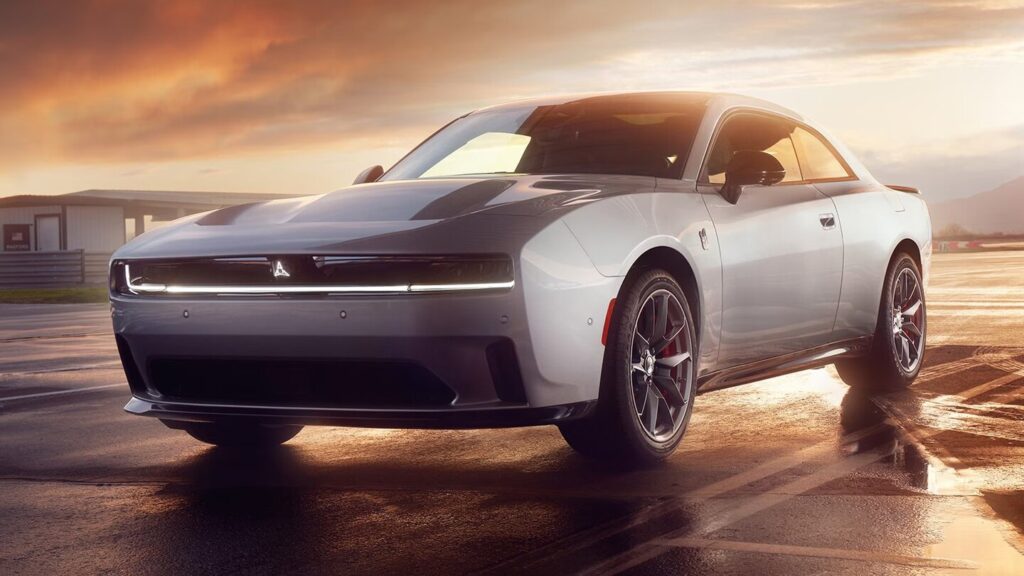
Dodge is offering huge incentives to clear out the last of the 2024 inventory. But before you get too excited about the $12,250 cash allowance, it’s important to note that this offer is for the Charger Daytona EV. It’s fast and has the classic muscle car look, but the only engine burbles you’ll be hearing are artificially produced with speakers. That’s a tough pill to swallow for muscle car enthusiasts.
Compare Dodge Charger listings in your city
August Savings: $10,000 lease cash
Offer valid through: 9/2/2025
Base MSRP: $51,475
Lease: $285/month for 24 months with $3,999 due at signing (before taxes and fees)
Mazda is going big on the CX-90 PHEV this month, offering $10,000 in lease cash. With three rows, plug-in hybrid efficiency, and the most savings we’ve seen from Mazda in a long time, the CX-90 PHEV is a compelling alternative to pricier luxury SUVs. Unfortunately, the Mazda CX-90 PHEV does not qualify for the federal tax credit for PHEVs, which ends on September 30, 2025.
See Mazda CX-90 Plug-In Hybrid listings in your city

August Savings: $10,000 off MSRP
Offer valid through: 9/2/2025
Base MSRP: $41,160
Nissan is offering $10,000 customer cash on the all-electric Ariya crossover, but this offer can’t be combined with Nissan’s 0% APR for 72 months. Most owners say that the Ariya is great for around town, but it’s not the fastest-charging EV for road trips.
See Nissan Ariya listings in your city
August Savings: $7,500 off MSRP (purchase only)
Offer valid through: 9/2/2025
Base MSRP: $41,045
Kia’s Niro EV gets $7,500 customer cash this month, nearly a 20% discount off MSRP. This offer applies to purchases only, not leases, making it the best deal in August for anyone ready to commit to EV ownership. With 253 miles of range yet painfully slow charging (expect about 50 minutes for 10 – 80% at a public fast charger), the Niro EV is best for commuting around town.
The Niro EV does not qualify for federal tax credits.
See Kia Niro EV listings in your city

August Savings: $7,750 off MSRP
Offer valid through: 9/2/2025
Base MSRP: $93,945
Jeep is offering $7,750 off the flagship Grand Wagoneer after stagnant sales caused a buildup of last year’s models. The more affordable Wagoneer and Wagoneer S EV are both offered with similar cash discounts in August 2025.
Compare Jeep Grand Wagoneer listings in your city
August Savings: $7,750 off MSRP
Offer valid through: 9/2/2025
Base MSRP: $41,400
Stellantis is doing everything it can to sell aging inventory. At this point, some Dodge Hornets are approaching two years on dealership lots. In August, Dodge is offering $7,750 off the Hornet. Two-thirds of Dodge Hornet lot inventory are remaining 2024 models. There are even about 100 2023s still unsold.
See Dodge Hornet listings in your city
August Savings: $5,250 cash allowance
Offer valid through: 9/2/2025
Base MSRP: $54,595
Minivan shoppers, take note: the Pacifica PHEV is offering $5,250 cash allowance this month. With room for seven, a fuel-sipping hybrid drivetrain, and Chrysler’s Stow ‘n Go seating, it’s a great deal for big families.
Compare Chrysler Pacifica listings in your city
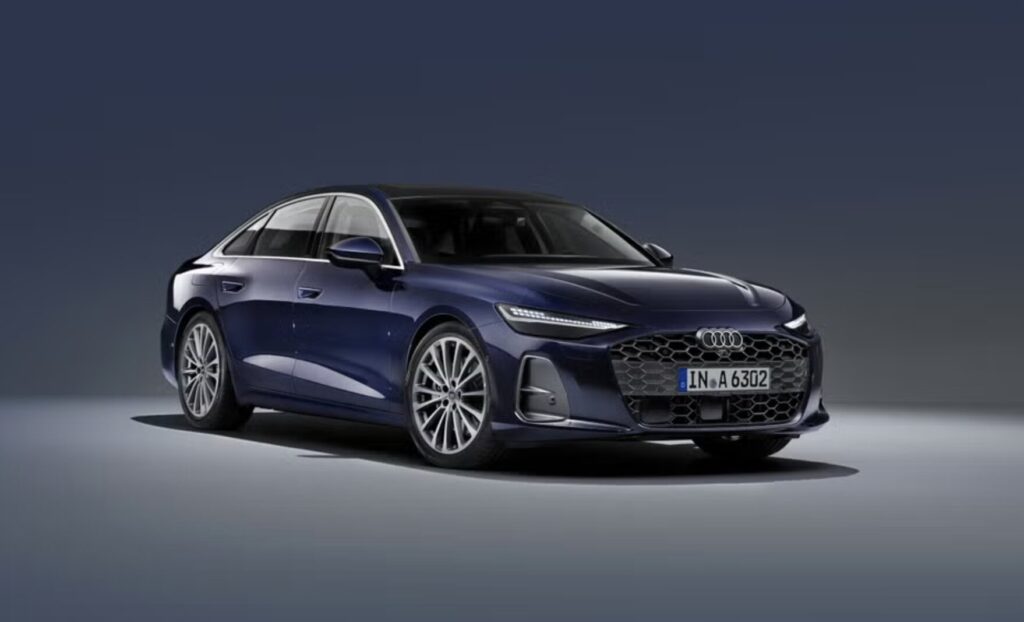
August Savings: $5,000 off MSRP
Offer valid through: 9/2/2025
Base MSRP: $60,700
Audi’s A6 55 TFSI quattro sedan is available with $5,000 off MSRP whether you buy or lease. Audi’s U.S. sales have been falling, and Volkswagen Group is pushing incentives to sell these higher margin luxury models before they become last year’s cars.
See Audi A6 listings in your city

August Savings: $5,000 off MSRP
Offer valid through: 9/2/2025
Base MSRP: $50,290
Jeep is offering $5,000 off the 2025 Grand Cherokee L Limited 4×4 in August. The Grand Cherokee is one of the better-selling Jeep models right now, but with an oversupply on dealership lots, even the Grand Cherokee isn’t safe from clearance sales.
See Jeep Grand Cherokee L listings in your city
We believe in shopping the deals, saving money, and stressing less when buying or leasing a car. That’s why we keep track of ALL the best deals each month over at the CarEdge Deal Hub.
But if you’re tired of haggling over prices, add-ons, and financing, we totally understand.
Have a CarEdge Pro handle your deal, with help now available for a fraction of the cost.
Learn more about the EASIEST way to buy or lease a car in 2025.
CarEdge is a trusted resource for car buyers, offering data-backed insights, negotiation tools, and expert guidance to help consumers save time and money. Since 2019, CarEdge has helped hundreds of thousands of drivers navigate the car-buying process with confidence. Learn more at CarEdge.com.
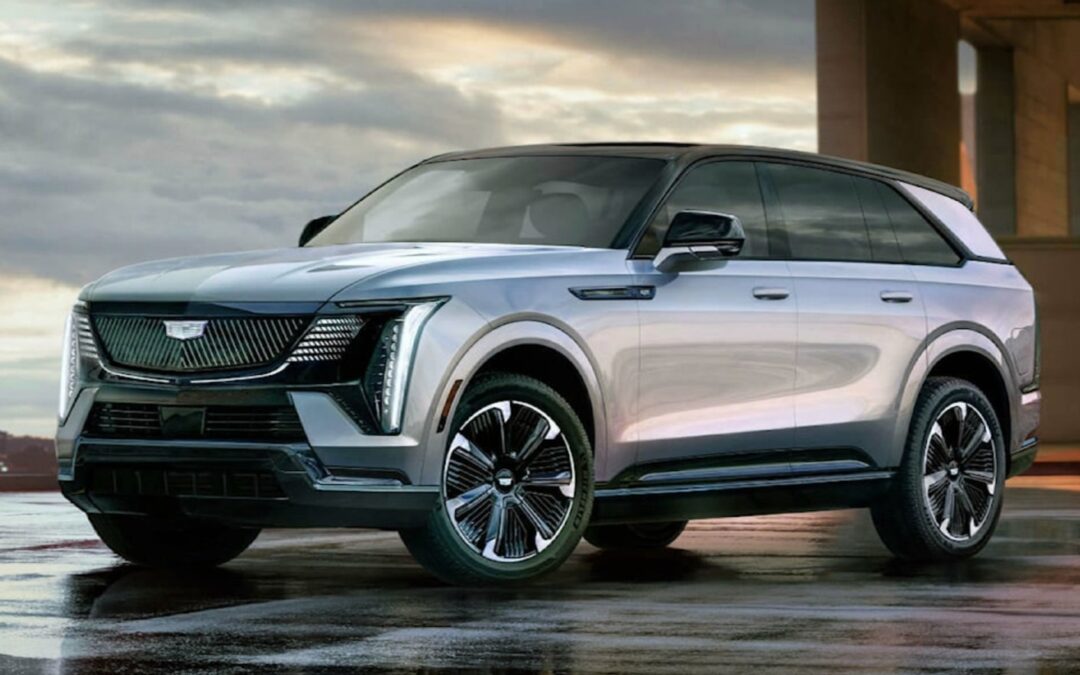
Electric vehicles continue to carve out an ever-so-slightly bigger slice of the car market, but demand isn’t evenly spread. Some EVs are flying off dealer lots in a matter of weeks, while plenty of others are sitting unsold for more than eight months. Knowing which models are moving quickly, and which are stagnant, can give you the upper hand.
We analyzed August car market data to find the EVs with the lowest and highest market day supply (MDS). MDS measures how many days it would take to sell through current inventory at the current sales pace. Here are the standouts in today’s EV market.
These are the EVs with the lowest market day supply as of August 2025. That means they’re in high demand right now, and likely harder to negotiate on due to limited availability.
| Make | Model | Market Day Supply | Total For Sale | Total Sold (45 days) | Average Selling Price |
|---|---|---|---|---|---|
| Toyota | bZ4X | 32 | 1,511 | 2,123 | $42,248 |
| Acura | ZDX | 36 | 1,122 | 1,397 | $68,906 |
| Mercedes-Benz | EQB | 39 | 766 | 882 | $60,956 |
| BMW | i4 | 44 | 1,835 | 1,875 | $66,829 |
| Nissan | LEAF | 49 | 513 | 470 | $28,695 |
| Nissan | Ariya | 49 | 2,456 | 2,045 | $40,049 |
| Lexus | RZ | 53 | 1,167 | 999 | $50,696 |
| Chevrolet | Equinox EV | 57 | 12,061 | 9,594 | $41,909 |
| Mercedes-Benz | EQS | 59 | 363 | 277 | $118,731 |
| Chevrolet | Blazer EV | 68 | 5,814 | 3,835 | $51,083 |
Source: CarEdge Pro
Toyota’s bZ4X tops the list this month at just 32 days of supply, showing that Toyota loyalists will consider an EV with the Toyota badge. This is intriguing since Toyota has been kicking its EV transition down the road for as long as it could. The 2026 Toyota bZ will replace the bZ4X in name, and will look a lot better in our opinion.
Nissan scored a rare double appearance with both the LEAF and Ariya selling quickly. But don’t let Nissan’s EV sales rate fool you: they’re still selling electric models in much lower volumes than Chevrolet, Hyundai, Ford, and obviously Tesla.
Mercedes-Benz and Chevrolet also have two models each in the top 10. The Chevy Equinox EV is the best-selling electric car outside of Tesla right now, at least in terms of total sold.
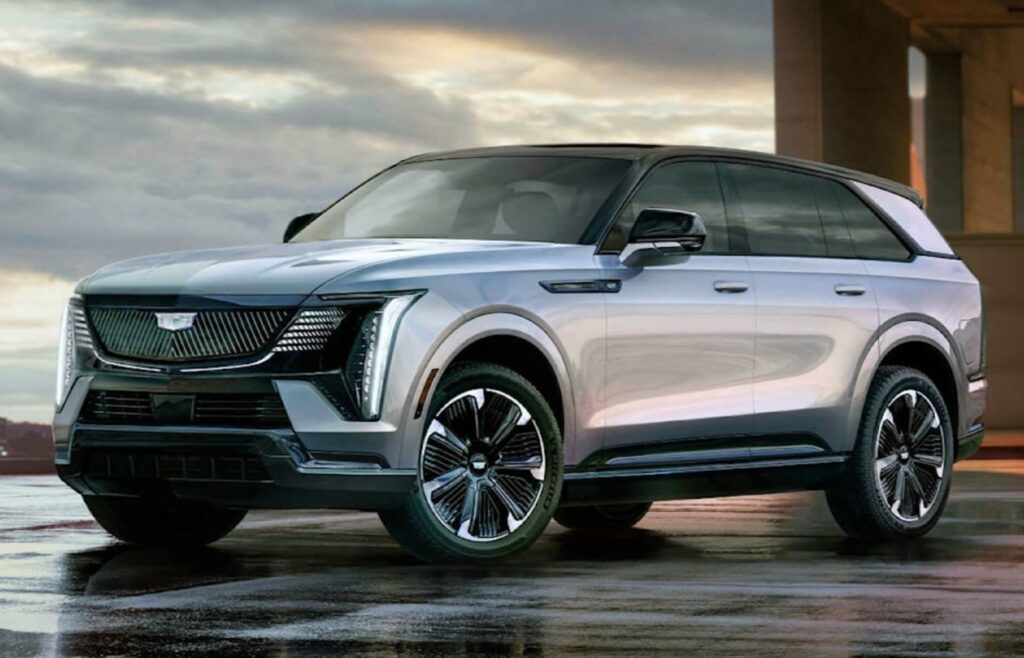
These EVs have the highest MDS, meaning they’re sitting unsold for far longer than average. Buyers may be able to score bigger discounts on these models — especially with CarEdge’s AI Negotiator doing the legwork for you.
| Make | Model | Market Day Supply | Total For Sale | Total Sold (45 days) | Average Selling Price |
|---|---|---|---|---|---|
| Cadillac | Escalade IQ | 254 | 4,274 | 757 | $144,271 |
| Ford | Mustang Mach-E | 238 | 23,363 | 4,426 | $48,656 |
| Porsche | Taycan | 229 | 1,937 | 380 | $143,805 |
| Volkswagen | ID. BUZZ | 216 | 3,473 | 722 | $67,433 |
| Audi | Q6 e-tron quattro | 196 | 6,003 | 1,380 | $74,856 |
| GMC | Sierra EV | 173 | 3,789 | 985 | $92,215 |
| Volkswagen | ID.4 | 173 | 6,330 | 1,648 | $47,670 |
| Hyundai | IONIQ 9 | 172 | 4,438 | 1,162 | $71,002 |
| Cadillac | Vistiq | 170 | 4,842 | 1,279 | $98,815 |
| Kia | EV6 | 155 | 4,541 | 1,321 | $50,536 |
Source: CarEdge Pro
Cadillac’s Escalade IQ is the slowest-selling EV in America right now, with an eye-popping 254 days of supply. Luxury EVs dominate the slowest sellers, including the Porsche Taycan, Audi Q6 e-tron. The Ford Mustang Mach-E also finds itself here again, with nearly 8 months of supply on dealer lots despite big incentives. For buyers, these numbers point to opportunities, but only if you know how to negotiate.
If you’re chasing a deal, start your search with the slowest sellers. High inventory levels give you leverage, and dealers will be more motivated to talk price. Always check the latest EV incentives.
In August and September, expect an EV buying frenzy for any models that qualify for the new and used EV tax credits. Those incentives are going to expire on September 30, 2025.
“If you’re shopping for a slow-selling EV, you have more negotiating power than you might think,” says auto industry veteran Ray Shefska. “But with the federal tax credits ending September 30, you can combine dealer discounts with a major incentive — that’s a rare opportunity to save big.”
See which electric vehicles qualify for federal tax credits ending on September 30.
Thinking about leasing? It’s worth considering. EVs tend to depreciate faster than gas-powered cars, and leasing can protect you from steep resale losses down the road. See depreciation forecasts for free with CarEdge’s Research Hub.
With CarEdge Concierge, our experts handle everything from finding available inventory to negotiating with dealers. Already know the exact EV you want? Use our first-ever AI Negotiator and let CarEdge AI negotiate with dealers anonymously on your behalf. It’s our most affordable car buying help ever!
You can also explore free tools like cost of ownership comparisons, car market updates, and our most popular free resource, downloadable negotiation cheat sheets. There’s no reason to shop unprepared in 2025.
If you’ve seen new car sales that promise “0% APR for well-qualified buyers,” you may have been left wondering if you meet the criteria. What is considered a well-qualified car buyer, and why does it matter? Let’s break it down in plain English. Whether you’re financing, leasing, or paying cash, knowing if you’re a well-qualified buyer could significantly impact your car buying budget.
A well-qualified buyer is someone who meets an automaker’s criteria for the best advertised deals, like 0% financing, the best lease deals, or cash-back incentives.
But here’s the catch: every automaker and lender sets their own definition of “well-qualified,” and they’re not always upfront about it. However, our CarEdge car buying experts have seen it all over the years, and we’ve gathered some of the most common requirements to be considered a well-qualified buyer in the eyes of a lender.
If that’s you, great! You’re likely to qualify for top-tier financing and lease offers. But if not, there are still ways to save money and negotiate a great deal.
When you see a deal advertised on a dealership’s website or in a commercial, there’s usually fine print that says “for well-qualified buyers.” That’s their way of saying not everyone gets the offer.
This can lead to frustration and confusion when you show up expecting a certain payment, and leave with a much higher quote.
Knowing your buyer profile ahead of time helps you avoid surprise costs and gives you negotiating power. That’s where CarEdge can help.
At CarEdge, we help car buyers save time, money, and a whole lot of stress. We never work for the dealer, we always advocate for the consumer. Our free car buying guides walk you through every step of the process, from financing to negotiating and spotting dealership tricks.
Explore our most popular free resources:
Want to understand your financing options and improve your chances of becoming a “well-qualified buyer”? Start with our Financing Guide.
If you’d rather skip the stress and get expert help, our premium services are built for you:
Negotiation Expert – We’ll Do the Haggling
Already know what you want? Our experts will negotiate your deal for you, saving you money and time.
CarEdge Concierge – Full-Service Car Buying Help
Let our team handle everything, from finding the right car to locking in the deal. You just show up to sign and drive.
NEW: Have AI Negotiate For You
New from CarEdge, our AI agent will negotiate with dealership salespeople while you’re doing something better with your precious time. There’s nothing like it out there. Check out CarEdge AI.
The term “well-qualified buyer” is one that few car buyers understand when stepping foot in the dealership. But when you’re informed and prepared, you level the playing field. It’s always smart to have an honest, holistic view of your financial situation before getting serious about buying any new or used car.
Whether you’re ready to shop today or just starting to explore your options, CarEdge is here to help you every step of the way. Learn more about how CarEdge makes car buying easy.
CarEdge is a trusted resource for car buyers, offering data-backed insights, negotiation tools, and expert guidance to help consumers save time and money. Since 2019, CarEdge has helped hundreds of thousands of drivers navigate the car-buying process with confidence. Learn more at CarEdge.com.
If you’re waiting for Labor Day to score a deal on your next car, you don’t have to wait much longer. Most August incentives are already live, and with many running through September 2, this is effectively our first look at Labor Day car deals.
So far, Ford, Hyundai, Subaru, Jeep, and Mazda have launched some of the most competitive offers we’ve seen all summer — including zero-down leases, 0% financing, and cash discounts.
That said, the full story hasn’t been written yet. We’re still waiting on major brands like Toyota, GM, and Nissan to reveal their August deals. We’ll be updating this guide throughout August as new Labor Day sales arrive. For now, here are the 10 best car deals in August 2025… so far.
Lease from $499/month for 36 months with just $499 due at signing
Why it’s a great deal: F-150 lease deals almost never come with this little due at signing. This is a shockingly low barrier for a full-size pickup. See Ford offer details.
👉 Check F-150 listings with local market insights
Lease from $499/month for 36 months with $499 due at signing
Why it’s a great deal: Rare to see Explorer leases with such low upfront cost, especially for a 4WD trim. See Ford offer details.
👉 See Explorer deals with local market insights

Lease from $399/month for 36 months with $399 due at signing
Why it’s a great deal: AWD crossovers under $400/month with almost nothing due are few and far between in 2025. Unfortunately, the Escape is one of the models to be discontinued in 2026. See Ford offer details.
👉 See Ford Escape listings with local market insights
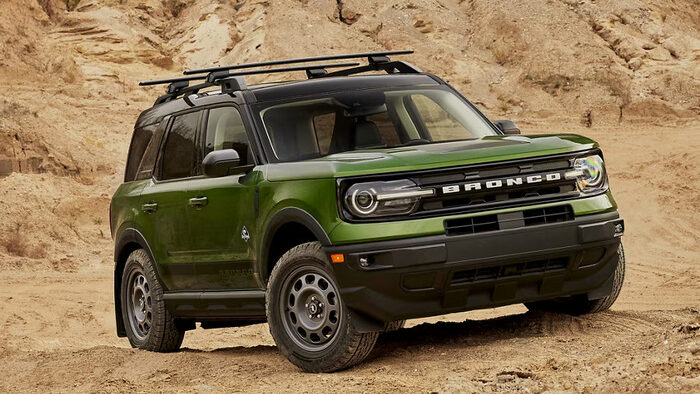
Lease from $399/month for 36 months with $399 due at signing
Why it’s a great deal: Bronco Sport inventory is high right now, and this deal undercuts most competing compact SUVs with similar styling and capability. See Ford offer details.
👉 View Bronco Sport listings with local market insights

Get up to $7,750 in total cash savings on remaining 2024 models
Why it’s a great deal: There are still hundreds of 2024 Wagoneers on lots — and few 2025s available. This is a clearance push with real negotiation leverage. See Jeep offer details.
👉 Browse the most negotiable Jeep inventory
0% APR financing for 72 months
Why it’s a great deal: With many EVs and PHEVs seeing high APRs, this interest-free offer stands out. Bonus: It qualifies for federal EV incentives. See Jeep offer details.
👉 Browse the most negotiable Jeep inventory
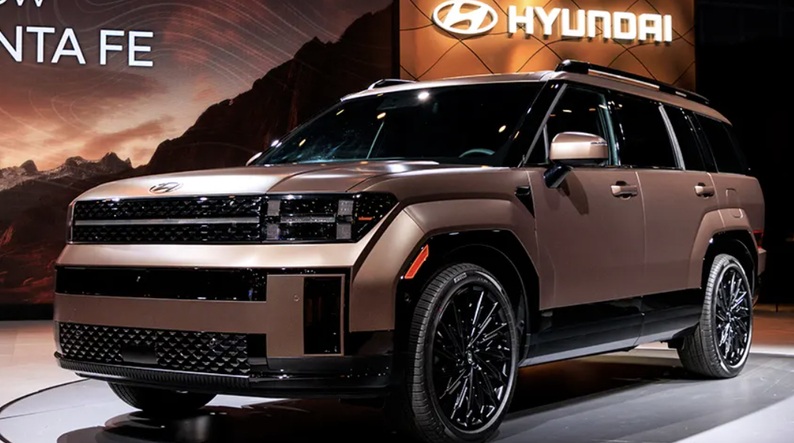
0% APR for 60 months + up to $3,500 in cash savings
Why it’s a great deal: Hyundai rarely combines 0% APR financing with bonus cash for a gas-powered model. Hyundai’s Labor Day deals for the Santa Fe and Palisade are among the best we’ve seen in years. See Hyundai offer details.
👉 Find Santa Fe deals near you
0% APR for 60 months + up to $1,500 cash + 90-day payment deferral
Why it’s a great deal: The Palisade has always been a hot seller for Hyundai. That’s why it’s a big deal that zero percent financing is offered for Labor Day 2025. This is an excellent choice for families needing a 3-row SUV! See Hyundai offer details.
👉 Search Palisade inventory with local market insights
$10,000 lease cash, for a lease offer from $285/month for 24 months with $3,999 due
Why it’s a great deal: Lease cash this high is virtually unheard of in today’s market. A luxury PHEV under $300/month is a steal. The flexibility of the plug-in hybrid powertrain means that you can drive electric in the city with a gas-powered hybrid for the highways. See Mazda offer details.
👉 See Mazda CX-90 PHEV listings near you
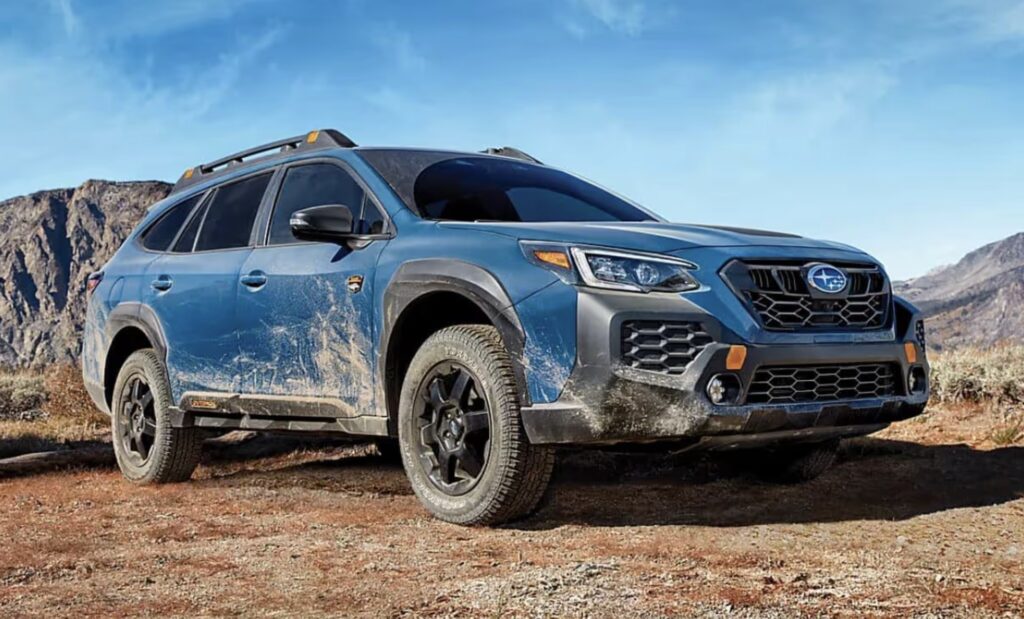
Finance with 1.9% APR for 72 months
Why it’s a great deal: Subaru rarely dips this low on interest rates for top models like the Outback. Subaru’s sales have slipped in recent months, but that makes for a buyer’s market. See Subaru offer details.
👉 Find Subaru Outback deal near you
Even with better incentives, the car dealership experience isn’t pleasant. From unwanted add-ons to costly markups and fees, buying a car is still a pain in 2025. That’s where CarEdge can help.
Use CarEdge’s AI Negotiator to have an autonomous agent get the best deal without you lifting a finger.
Or, try CarEdge Concierge if you want car buying experts to handle the search, negotiation, and every aspect of your deal for you.
DIY car buyers can dive into CarEdge Pro to unlock behind-the-scenes car market info that puts YOU in control of your deal.
At CarEdge, we’re your advocate in a confusing car market. Our team of professionals is here to help you research, compare, and negotiate every step of the way. Whether you’re looking for personalized help or want AI to do the haggling for you, we’re here to make sure you never overpay. Learn more about how we serve car buyers every day at CarEdge.com.
The summer car market is cooling off, and that’s good news if you’re a buyer. Labor Day is just around the corner, and believe it or not, Labor Day car sales are already here. Whether you’re eyeing new car deals, looking for used car bargains, or trying to beat the EV tax credit deadline, August 2025 offers real chances to save if you know where to look.
Let’s break down what’s happening in the car market right now, and how you can use it to your advantage.
Update (8/5/2025): August new car incentives are now live! See the deals at our CarEdge Deal Hub.
If it feels like used car prices have been slipping for months, that’s because they have. According to Black Book, wholesale used car prices are down about 5% since May, and we’re finally seeing those declines show up on retail lots. Compact sedans and mainstream crossovers have seen prices fall the most this summer.

Used car prices are falling for a few key reasons. First, new car incentives remain strong, drawing many would-be used car buyers toward new vehicles instead. Second, interest rates for used car loans remain above 10% APR for most buyers, while some new car offers include rates as low as 0% for 72 months for well-qualified shoppers. This makes new cars more attractive despite their higher sticker prices.
Finally, there’s the typical seasonal decline in demand. After peaking in the spring and early summer, used car interest naturally tapers off as we head deeper into the back-to-school season.
In August, expect more price drops. If you’re thinking of selling or trading-in your vehicle, we recommend doing it sooner rather than later as resale values continue to slide.
Used car dealerships are notorious for resisting price cuts until they’re forced, so don’t expect advertised discounts. But if you negotiate — or let CarEdge’s AI Negotiator do it for you — you could score serious savings.

August is usually a sleepy month for new car sales, and this year will be no different, says CarEdge Co-Founder Ray Shefska:
“August is traditionally a challenge in retail automotive due to it being back to school month. Parents are buying Nikes and bikes and all kinds of school supplies and not cars.”
Less demand means greater negotiating power for buyers, and less leverage for sellers. The exception is for EVs. After months of sales slowdowns, real-time market data from CarEdge Pro shows that electric vehicles are once again hot sellers as buyers look to buy before the federal EV tax credit expires on September 30, 2025.
Frankly, drivers have their finances focused on more pressing needs this time of year.
CarEdge’s Ray Shefska sees that August will be a rarity in that EVs will once again have the upper hand in the car market, although that won’t last long.
“If we see any uptick in sales at all,” Ray adds, “I would suspect we would see that in the EV sector with people buying those vehicles before the federal tax credits expire on September 30th. Otherwise, folks will be waiting to see what Labor Day sales have to offer in September 2025.”
As of August 2025, the average new car price is $48,907, a figure that’s remained virtually unchanged since 2022. Prices initially surged during the pandemic-era chip shortage, but rather than falling back, they’ve held steady due to persistent inflation and strong consumer demand. Despite high prices, buyers haven’t backed off. This has been a recipe for persistently high new car prices, to the delight of automakers.
August is also when we expect to learn more about 2026 model year pricing, especially with tariffs forcing automakers to make tough decisions. While many brands delayed announcing new pricing earlier this summer, August is typically when those updates begin to roll out. With higher import costs in play, some automakers may quietly raise prices, while others might hold firm to stay competitive. If you’re planning to buy a 2026 model, keep a close eye on MSRP changes this month, especially for vehicles built overseas.
August 2025 is shaping up to be a quiet month for the car market. However there are opportunities to drive home a deal if you know where to look. Slipping used car prices are giving buyers more leverage, especially if they’re willing to negotiate. On the new car side, demand is softening, except for electric vehicles, which are seeing renewed interest ahead of looming tax credit changes.
With high prices and interest rates still in play, the key to success this month is flexibility: consider alternative brands, explore leasing, and be ready to shop the deal, not just the model. If you’re in the market, take advantage of the tools and data available to help you come out ahead. Start your car search with CarEdge today.