
CarEdge saved me over 4,500 dollars on a brand new Honda Pilot. I can't say thank you enough.
Price intelligence
Find a wide range of vehicle listings with market insights on new and used listings near you.

What can I do with CarEdge?
 CarEdge Insights
What can I do with CarEdge?
Get access to exclusive information so you can make an informed car buying decision — all in one place.

Find a wide range of vehicle listings with market insights on new and used listings near you.
Track your vehicle’s value and cash in when the time is right to sell.

Access to our proprietary data to help you find the right car, at the right price. Find these unlocked on every listing after subscribing.

With our expert-led, tech-enabled car buying service, we will locate, negotiate, and deliver your vehicle so you can get a new car hassle free.


Help us personalize your CarEdge experience — it only takes a second.
Your answers help us personalize your CarEdge journey — we’ll follow up with tips and next steps that match your buying timeline.

The Chevrolet Bolt’s recent fall from grace has had many EV-curious drivers wondering if EVs are even safe to drive. A quick look at US vehicular fire data makes it clear that car fires were a problem long before EVs (hey Ford Pinto!), but EVs do bring new challenges to automotive safety. Any material that can store enough energy to power a car, whether batteries or gasoline, is capable of volatility and potential safety hazards. However, a closer look at the statistics reveals surprising trends and comparisons. Will the dozens of EVs coming to market in 2022 face the same issues of older models? It’s important to get to the bottom of this. Your advocates at CarEdge will keep you informed with the latest information. Here’s what we know.
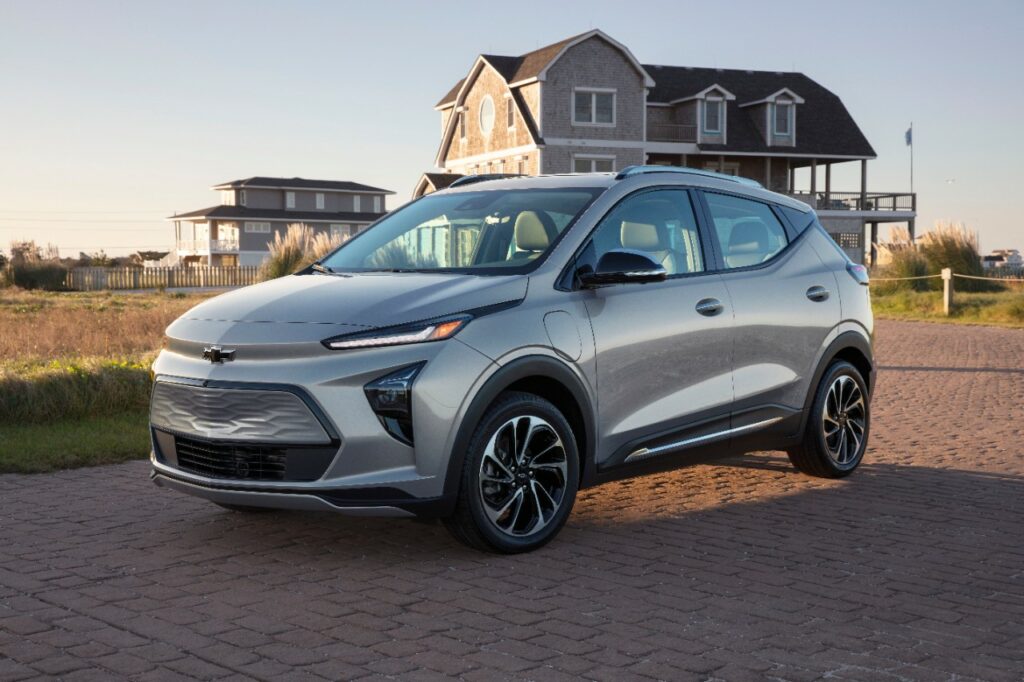
Data compiled by the National Fire protection Association (NFPA) and the US Department of Transportation shows that among all vehicle types, there’s an average of one vehicle fire per 19 million miles driven. Both the NFPA and the Center for Auto Safety say there is not yet a centralized database for electric vehicle fire statistics. In an effort to address the lack of information surrounding EV battery fires, Tesla decided to begin releasing statistics in their annual impact reports.
Tesla’s 2020 Impact Report says that from 2012-2020, there’s been one Tesla fire per 205 million miles traveled. The fact that Tesla models made up 79% of American EV sales in 2020 highlights the relevance of their data. Unfortunately, other automakers haven’t released comparable data (we’re looking at you GM!). We’re hopeful that will change soon.
This comparison doesn’t hide the fact that some EV models have had major problems. Most notably, the ongoing Chevrolet Bolt recall is costing GM and battery supplier LG a few billion dollars to resolve. The Hyundai Kona briefly made headlines with multiple fires. It seems like every Tesla fire makes it into the news. Henrik Fisker’s first shot at launching an automotive brand ended in tears when Hurricane Sandy flooded dozens of early Karma’s with saltwater, resulting in some setting ablaze. EV fires are real, and every one is serious and worthy of proper investigation.
An in-depth study of EV battery fires conducted by the NTSB found that most incidents are caused by a dangerous phenomenon known as thermal runaway. All modern electric vehicles have a thermal management system of some sort. Thermal management keeps the battery operating within the ideal range for performance and safety. Some thermal management systems use liquid coolants, others employ air or refrigerant coolants. But these systems are only designed to work during normal operating conditions. When a battery is punctured or contains manufacturing defects, a short circuit can occur when the anode and cathode come in contact. A shorted circuit can cause rapid thermal runaway. Simply put, if a damaged or defective battery malfunctions, it produces a lot of heat, and may result in a fire.
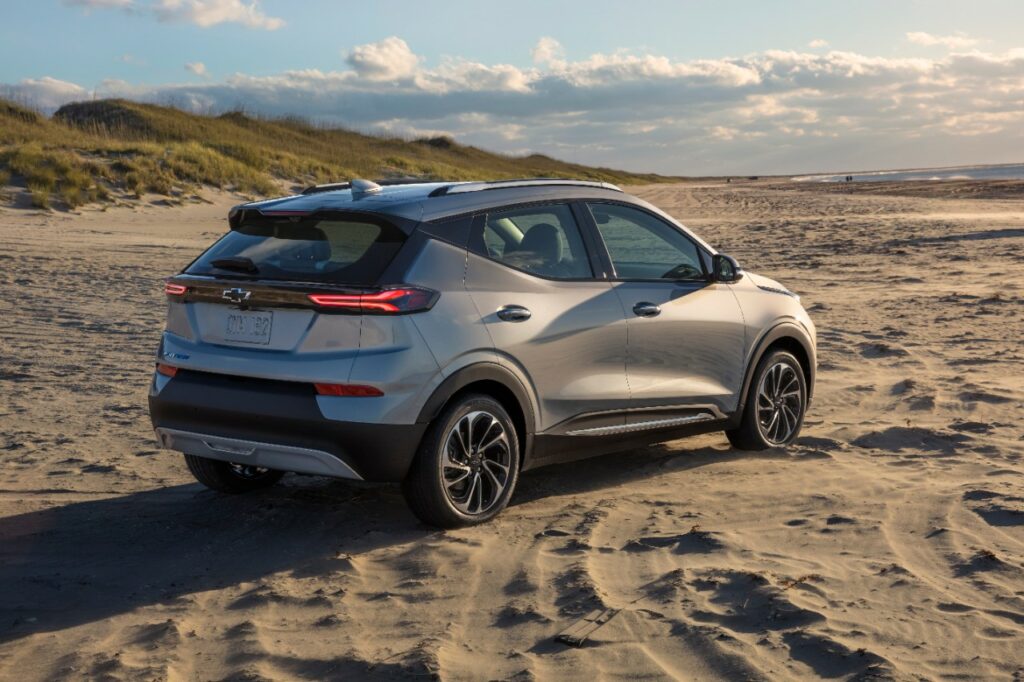
A spokesperson for LG, the battery supplier for the Bolt, shared the cause of the recent fires with Consumer Reports. “GM and LG have identified the presence of two rare simultaneous defects, found in the same battery cell, made during the module manufacturing process.” GM explained that the cause is a torn anode tab and folded separator within the batteries. What it comes down to is two very rare defects simultaneously occurring in the same battery cells.
As of December 2021, GM is just beginning the recall process. Owners of 2017-2019 Bolts will receive an all-new battery pack. Affected 2020-2022 cars will receive replacement batteries for the affected modules. Will the fix take care of the hazard once and for all? Considering the massive engineering effort that has gone into identifying the problem and proposing a solution, Chevy Bolts will likely have undergone even more safety checks than most cars are ever subjected to.
Anytime a Tesla goes up in flames, it’s sure to make the news. But how common are Tesla fires compared to combustion vehicle fires? Engineers (and nervous investors) have looked into every incident, and here is what they’ve found. GLJ Research analyst Gordon Johnson found reports of about 160 Tesla vehicle fires as of 2020, when there were 1 million Teslas on the road globally. That works out to about 0.01% of Teslas being involved in fire incidents, a figure that is less than most other OEMs.
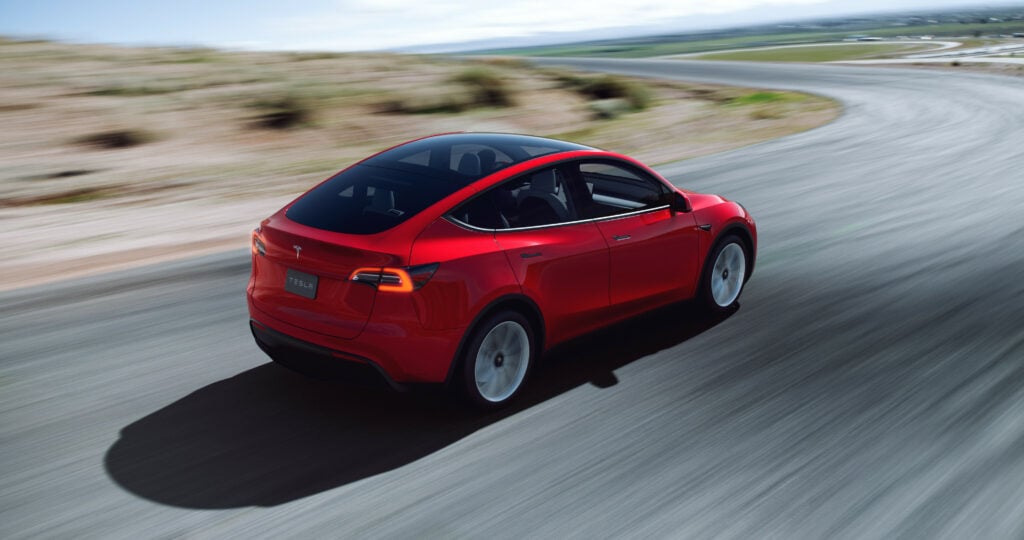
The high publicity of Tesla’s isolated fire events prompted the automaker to address the topic directly in their own 2020 Impact Report. Tesla says there has been approximately one Tesla vehicle fire for every 205 million miles traveled. The report goes on to point out that analyses of combustion-powered vehicle fires conducted by the National Fire protection Association (NFPA) and U.S. Department of Transportation shows one fire for every 19 million miles travelled. As Elon Musk once spouted on his infamous Twitter account, “Not super surprising, given that internal combustion engine cars literally have ‘combustion’ in their name.”
Perhaps one reason Tesla has avoided the major recalls that the Chevy Bolt, Hyundai Kona and some hybrids have faced is the fact that Tesla regularly pushes over-the-air updates to all of their cars. If a thermal management issue is ever discovered by their engineers, for example, it would most likely be solved with a quick software update. Most automakers have yet to implement OTA updates at this level of precision, but Ford, Volkswagen and even GM are coming around to the idea.
Although the data clearly shows that EVs are less prone to car fires than combustion vehicles, there are major safety concerns for the firefighters who extinguish the flames when an EV fire does occur. Firefighters need special training to learn how to safely approach EV-related incidents, but only two-thirds of departments have had the opportunity due to funding constraints.
EV battery fires require A LOT more water to extinguish. Tesla’s First Responders Guide recommends 3,000 to 8,000 gallons of water on hand to put out a Tesla fire. Some fires have needed 30,000 gallons of water to extinguish. Basically, firefighters have to do whatever it takes to cool down the battery, and that’s really hard to do with so much energy densely packed into the pack. Once the fire appears fully extinguished, there’s a chance it could still flare up, even days later. Towing services and junkyards are advised to park damaged electric vehicles at least 50 feet from other vehicles in the yard. As EVs become more popular, that might not be feasible in just a few years.
The National Transportation Safety Board’s (NTSB) review of emergency response guidelines from 36 EV manufacturers found that all had ways to mitigate the risk of high-voltage shocks, but none of the guides addressed how to reduce the risk posed by energy stored in the batteries, such as procedures for minimizing reignition or instructions on where and how to spray water to cool the batteries. Clearly, EV automakers have some serious work to do for the safety of first responders.

Although EV battery fires are still infrequent compared to traditional vehicles, there are still ways to make EVs safer. Solid state batteries are nearly ready for mass production. They promise to revolutionize the automotive industry with extreme efficiency, affordability and incredible duration. The solid electrolyte that lies within is less volatile than the liquid electrolytes used in today’s lithium ion batteries. Solid Power, a leading solid state battery developer, has conducted third-party testing to examine the safety of solid state batteries when they’re exposed to stressors such as puncture or short-circuiting. No fires occurred at all during laboratory testing, only voltage loss.
Over-the-air updates will soon be a feature (or add-on) of most vehicles on the market. OTA updates present an opportunity for automakers to address future battery safety concerns without even needing to issue a full recall. Tesla’s leadership in OTA updates set an example that legacy OEMs are following.
Early on during the rise of EVs (2012-2017), batteries had never before been produced at such high volumes. New manufacturing techniques were needed, and assembly lines had to flush out the usual inefficiencies that affect any new manufacturing process at scale. Now that EV production is maturing and battery suppliers have been at it for a decade or more, engineers, chemists and industrial designers are well-versed in the best practices of making batteries that are both cost effective and safe. Just like with refining and transporting petroleum products, battery production can go wrong if safety and sound engineering aren’t top of mind.
More data is needed, but Tesla’s 2020 Impact Report provides the best look yet at how common EV battery fires are in comparison to non-electric vehicles. Tesla EVs make up 79% of American EV sales, so their data are somewhat representative of the EV market as a whole. The statistics suggest that Teslas are far less prone to fire than combustion vehicles, which is a very different story than one would gather from watching the news. However, Tesla’s overall reliability ratings remain low, which is concerning in its own right.
What about other EV makers? With popular models like the Ford Mustang Mach-E, Volkswagen ID.4 and Hyundai IONIQ 5 hitting the roads this year, we should have more data soon. Every publicized EV fire damages consumer sentiment about the shift to electrification. Surely, automakers investing over $300 billion in EVs would throw everything they’ve got at fixing safety hazards and ensuring that EVs are the safest cars on the road. At CarEdge, we’ll continue to monitor the latest and we’ll bring you any updates as EVs go mainstream in 2022.
We have thousands of EVs (and other vehicles) listed today. Each listing includes industry insights, empowering data and the true TotalPrice that will make buying a car the transparent process it should’ve always been. Check it out here!
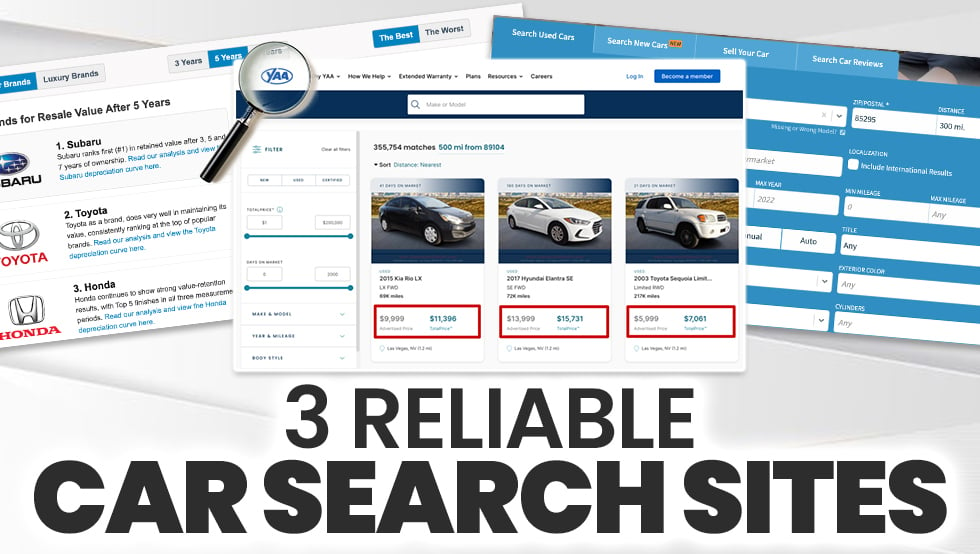
Car search websites are everywhere. Google search “cars for sale” and you’ll be greeted by tons of advertisements. It makes sense why — car dealers are willing to pay for leads, so in-turn car search engines are willing to pay to get car shoppers to visit their websites.
The issue with traditional car search websites (like AutoTrader, TrueCar, and CarGurus) is that they all prioritize the experience for their customers — the dealers that pay for those ads — and not the consumers (you and me). As a result if you try and use any of the name brand car search sites you’ll quickly realize you’re in for fake prices, spammy phone calls, and “sponsored” listings everywhere.
Today we decided to share the 3 car search websites we like to use to cut through the noise and actually get good information during our car search. No one has sponsored us or paid to be a part of this post.
Let’s dive in.

CarEdge does a few things right when it comes to building a truly consumer friendly car search website. First and foremost, we like that there are:
If you’ve ever searched for a car on one of the traditional car search engines you know how frustrating it is to see one price, fill out the form, get multiple phone calls, and then learn that the “real” price is much higher than what was advertised online. CarEdge solves this problem with their simple and intuitive car search site.
CarEdge has new, used, and certified pre-owned search filters. There are no sponsored listings or ads on the website. This might not sound like a big deal, but once you experience an ad-free car search website you won’t want to go back. The TotalPrice shows you how much you should really expect to pay for the car you are interested in, and the “coaching” from former dealers is useful and helpful.

The negotiation insights and 4 step buying guide are really helpful, especially for car shoppers who want to get the best deal possible.
Many car buyers focus on performance, safety, tech, or comfort when it comes to their vehicle. CarEdge isn’t trying to change that, but they do want consumers to put a bit more focus on cost of ownership. Remember, cars (usually!) are depreciating assets! This means that after a few years of ownership you could be thousands of dollars underwater in your new ride.
CarEdge wants car buyers to make smarter financial decisions, and to do that they have invested a lot of time and money into building a great car search website with vehicle depreciation and cost of ownership data. CarEdge might not have the “sexiest” website, but their data is unparalleled in the industry. We don’t know of any other car search websites where you can get detailed depreciation, maintenance, and total cost of ownership data on a particular year, make, model, and trim of vehicle FOR FREE!

One of the most common questions we get at CarEdge is, “How can I find the exact used car I am looking for, with the right packages, options, etc?” The answer is, it’s really hard! We know a lot of car shoppers are looking for ways to get window stickers on used cars, and while AutoTempest doesn’t have a solution for that (no one really does), they do have a REALLY powerful used car search engine that DEFINITELY helps you zero in on the car you’re looking for.
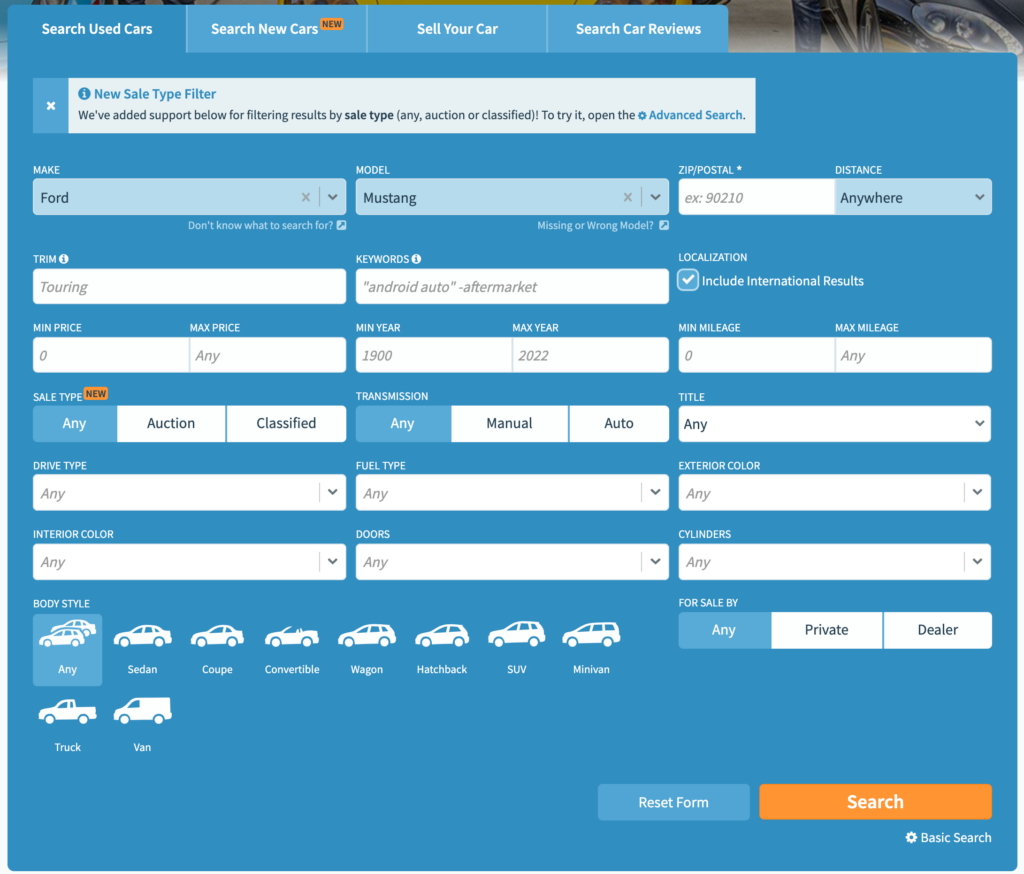
AutoTempest is a car search aggregator. They pull together listings from multiple sources into one search. Think of AutoTempest like Kayak but for used cars.
Through their partnerships with Cars.com, TrueCar, Carvana, and more, AutoTempest is able to provide the most comprehensive used car search on the internet. Take a look at the initial search page … That’s a lot of options! AutoTempest is seriously the industry leader when it comes to filtering and options for used cars.
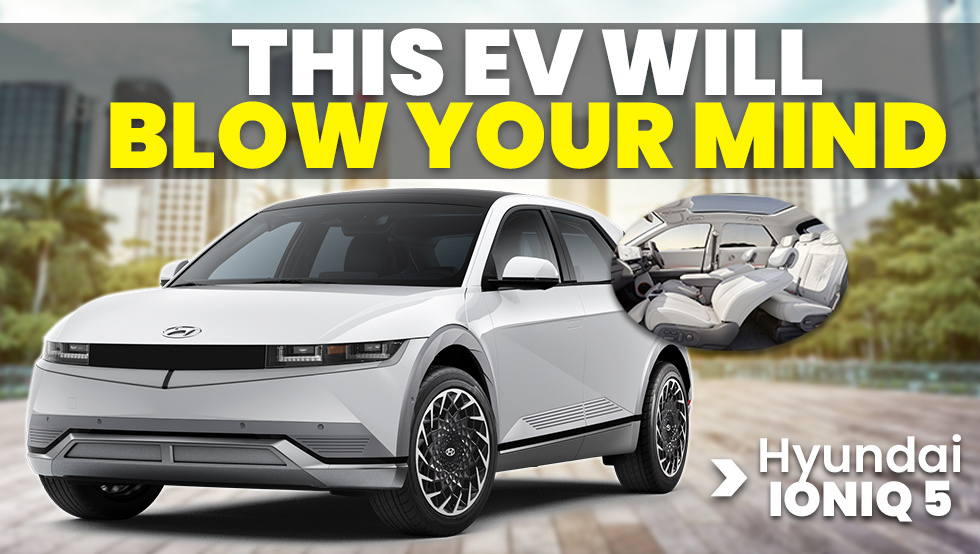
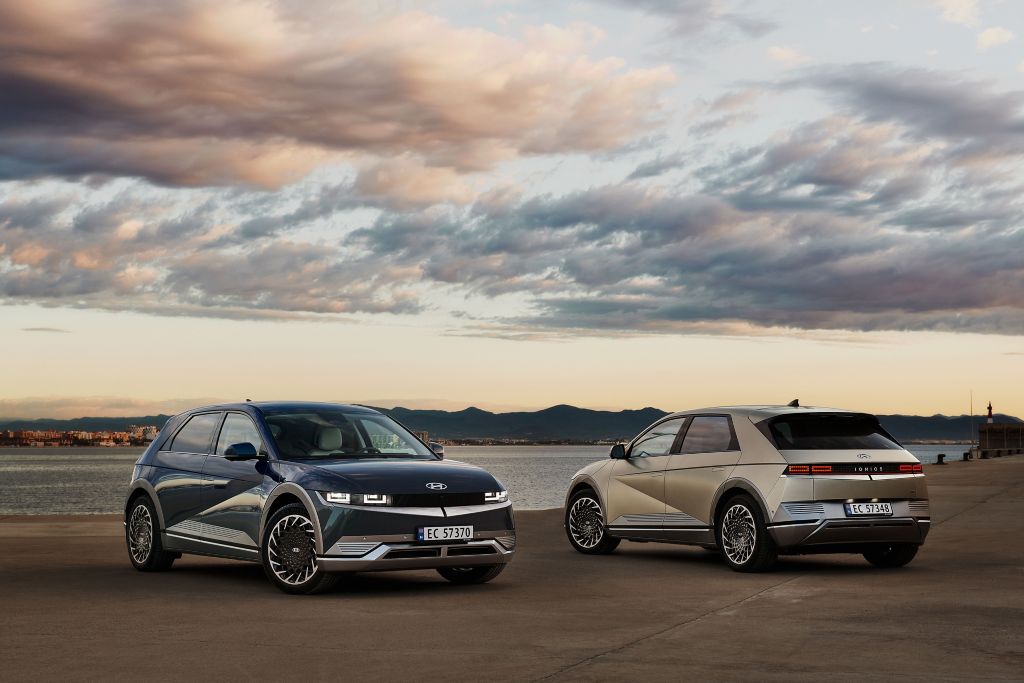
The 2023 Hyundai IONIQ 5 is racking up the awards and trophies. How does the Car and Driver EV of the Year stand out from the competition? It looks different, charges better, and goes further on a charge. Did I mention it rides like a Benz? Let’s take a closer look at the hottest EV in America.
“That’s a Hyundai?!” I hear it all the time. Owning an IONIQ 5 doesn’t come with many downsides, but small talk with parking lot strangers can be one of them. The 2023 Hyundai IONIQ 5 is a uniquely retro electric crossover with looks to turn heads, tech to blow minds and pricing to create an order backlog in no time. Calling a new entrant to the EV market a “Tesla killer” is a long overused trope. There’s no such thing, Tesla is in its own lane with a loyal fan base. But what is indeed possible and overdue are true EV competitors that can compete with the excitement that Tesla brought to the automotive industry. The all-new Hyundai IONIQ 5 just might be the one.
The Hyundai Pony (1975-1990) was the Korean automaker’s first mass-produced vehicle built for export. It was the stereotypical box car, economical and not entirely safe by today’s standards. As Hyundai looked to turn its 2010s IONIQ into an entire lineup of EVs, they decided to draw inspiration from the classic Pony. The team even decided to retrofit an original Pony with an EV powertrain and updated interior. Apparently Hyundai’s engineers had so much fun that they then turned a 1986 Grandeur into a lavish EV concept too. But it’s their production-ready EVs that are turning heads at auto shows and drawing new customers to the brand. With the Hyundai IONIQ 5 pricing just released and cars arriving at dealerships within weeks, here’s what you need to know about the 2023 Hyundai IONIQ 5, a nostalgic car from the future.
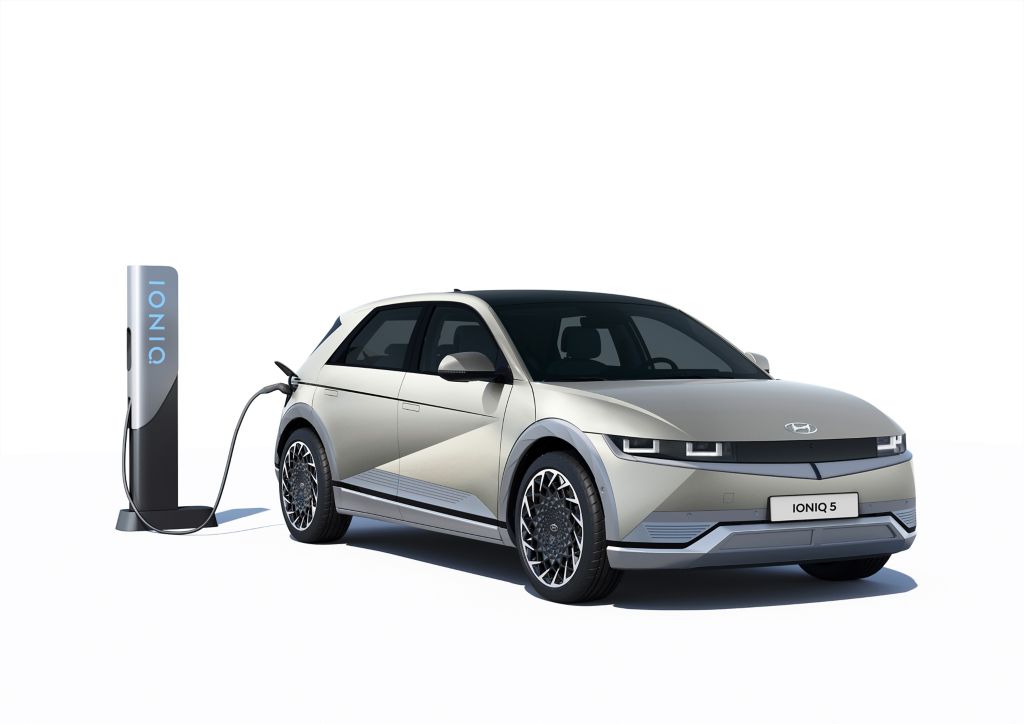
Crossovers are all the rage right now, but size often comes at the expense of fun and enjoyment. Are crossovers and compact SUVs ever really fun to drive? The rear-wheel drive IONIQ 5 is tame enough that it would never be mistaken for a Model Y. On the other hand, not every car needs to compete with Tesla. The IONIQ 5 is nearly perfect for its use case: care-free urban commuting and floating along the highway.
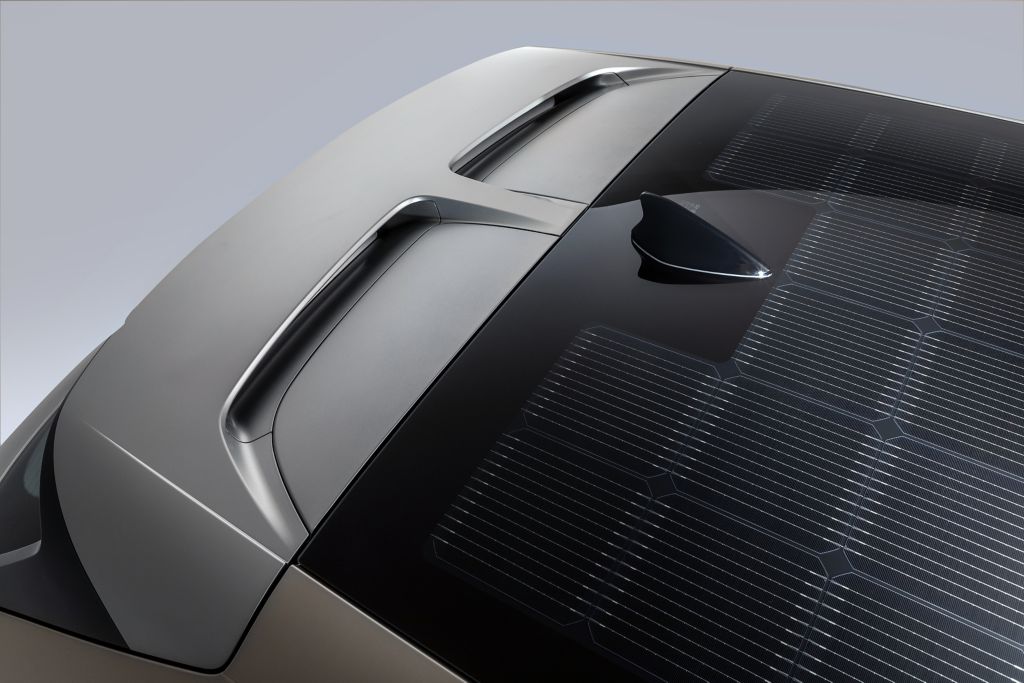
The RWD option is powered by a single motor that produces 225 horsepower and 258 lb-ft of torque when paired with the larger 77.4 kWh battery pack, but only 168 horsepower with the entry-level 58 kWh pack. The smaller battery is good for 220 miles of EPA-range. Most buyers will want the long-range battery RWD option, which is rated at 303 miles of range. Adding a second motor to the front axle gives the all-wheel drive option a spicy kick, nearly rivaling that of the much more expensive Tesla Model Y Long Range. With 320 horsepower and 446 lb-ft of torque, the AWD IONIQ 5 can get up and go with a 0-60 time of 5.2 seconds, a big improvement over the RWD’s seven second range. AWD lowers the range to 266 miles, which is significantly lower than the Teslas, but a bit better than most variants of the Mustang Mach-E AWD and Volkswagen ID.4. The low center of gravity and the fact that the car weighs over 4,000 pounds helps it tuck into corners nicely, keeping it well-planted on the road.
The IONIQ 5 is built on Hyundai’s new dedicated EV platform, the curiously-named e-GMP. This electric platform to be shared with Kia and Genesis offers decent efficiency and range, but exceptional fast-charging speeds. We’re talking even better than Tesla! The IONIQ 5 is the first of Hyundai’s new line of 800-volt EVs capable of charging at 350 kWh at a fast charger. The only other vehicle on the market capable of charging almost that fast is the $75,000+ Lucid Air luxury sedan. For the 2023 Hyundai IONIQ 5, charging from 10% to 80% (adding about 215 miles of range) takes just 18 minutes.
A distinctive angular design and unmistakable pixel headlights and taillights appeal to fans of retro styling. The IONIQ 5’s eye-catching styling breathes life into the electric vehicle market at a time when many car enthusiasts are lamenting the unemotional experience that many EVs offer. It’s almost too good to be true that this EV looks like a concept car that actually made it to production!
The 2023 Hyundai IONIQ 5 is available in three trims: SE, SEL and Limited. Each can be paired with either rear-wheel drive or all-wheel drive. The base SE trim is the only option for buyers wanting the standard range battery. The SE is equipped with smart cruise control, dual 12.3-inch touchscreens (one for the digital gauges and the other for infotainment), and Android Auto/Apple CarPlay. Cloth seating is standard, and so are the pixelated LED lights on the exterior. All trim levels come with Hyundai’s SmartSense safety features: Forward Collision-Avoidance Assist, pedestrian and cyclist detection, reverse collision avoidance assist, and blind-spot collision avoidance assist.
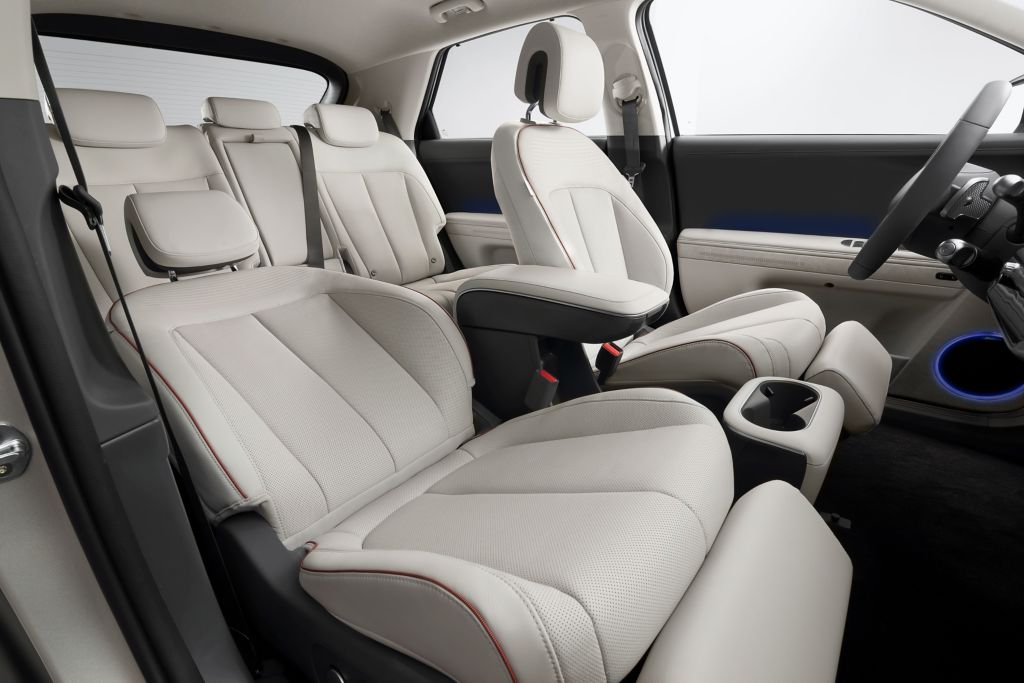
Moving up a notch, the SEL gains ambient lighting, a power liftgate, and Hyundai’s semi-autonomous Highway Driving Assist II. The top-of-the-line Limited is decked out with 20-inch wheels, a panoramic sunroof, a heads-up display and Bose premium audio. The spacious cabin features a zero-gravity driver and passenger seats that recline nearly flat, presumably for naps during charging breaks. In Limited models, the center console slides back and forth and opens up to wireless charging below. The Limited also has Remote Park Assist, which essentially allows you to remotely maneuver your car in a parking lot.
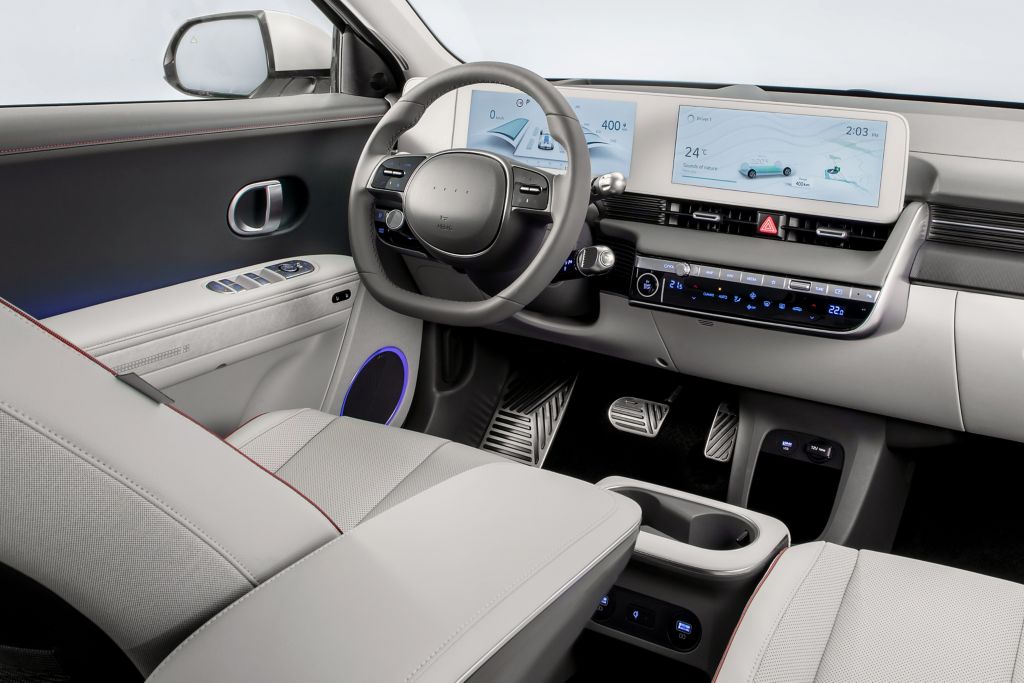
After much anticipation, Hyundai IONIQ 5 pricing has been announced. The ultra-competitive MSRPs quickly garnered automotive headlines. Starting at just $41,450 for the 58 kWh smaller battery base model, the IONIQ 5 is available for thousands less than was expected.
Most buyers will opt for the larger battery pack (77.4 kWh), which is comparable to other class competitors. With standard rear-wheel drive, the IONIQ 5 SE with the long range battery starts at $45,500. All-wheel drive is available for $3,500-3,900 more. The Limited trim starts at $52,600 and maxes out over $57,000 with all options included.

These base MSRPs are exactly that, suggested retail prices. Some dealerships are STILL adding $5,000 in ‘market adjustments’ to the MSRP. In 2023, we don’t recommend paying markups on any new cars. The market has cooled since last year.
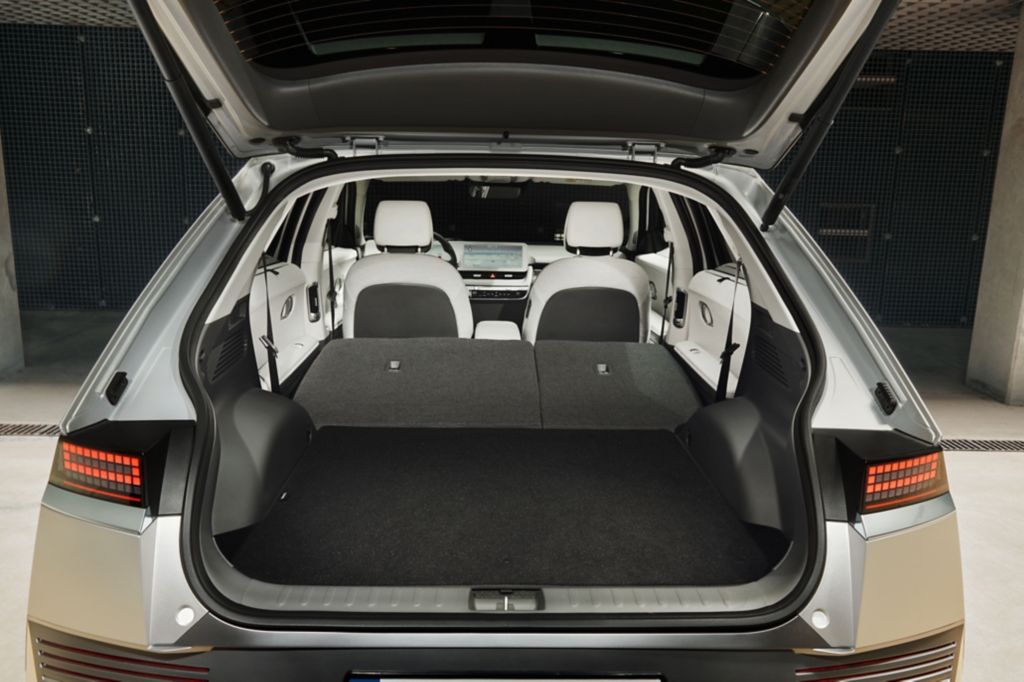
All in all, the IONIQ 5 is going to hold its own in the quickly crowding electric crossover segment. Cargo space is on par with the Mach-E at 27.2 cubic feet (59.3 with the seats down), but noticeably less than the ID.4 and Model Y. The IONIQ 5 is definitely the winner in terms of charging speeds. It takes about half of the time to charge to 80% as the ID.4 and Mustang Mach-E. Ford’s 2023 Mustang Mach-E appears to be chasing the more premium Model Y. It is hardly in the same class as the IONIQ 5 now that the price has been increased to $45,000-67,000.
Efficiency is a tad lower than the Tesla Model Y. The Model Y squeezes 330 miles out of a 75 kWh battery, but then again it does cost $20,000 more. The IONIQ 5 does offer one particular feature that Tesla fans are sure to envy: vehicle-to-load charging. By plugging in to either the port located under the second-row seats or the one adjacent to the exterior car charging port, high-powered electric equipment can be charged or powered using the vehicle as a giant mobile battery. This is the future we need!
The rear-wheel drive long-range IONIQ 5 seems to be the value sweet spot. At just $45,500 for 303 miles of range, super-fast charging speeds and looks to kill, the IONIQ 5 is going to be popular.
As with any EV, we recommend taking a test drive to really experience the thrill of driving electric. Zero tailpipe emissions is great, but so is zippy acceleration in near silence.

Everyday we receive dozens of questions from the CarEdge Community. Recently one question has appeared more and more frequently, “Should I buy a car now or wait until 2022?” Traditionally, the end of the year is the best time to buy a new or used car, and that’s because car dealerships have sales quotas they are trying to attain before the end of the year. If they achieve their sales quotas they get large checks from the manufacturer.
That being said, everything in 2021 has been abnormal, and for the first time since 1896 (the year the first car dealership opened!), automakers aren’t waving hundreds of thousands of dollars in “incentives” in front of their dealers. Instead, this year, unlike any other, end of year quotas aren’t in effect. If a dealership has a quota, it is self-imposed, and not from the manufacturer. As a result, our expectation is that end of year car deals will less attractive than in years past.
With that in mind the question remains, “Should I buy a car now or wait until 2022?” Let’s dive in and answer that!
Let’s kick things off with a quick discussion on buying new vs. used right now. In today’s market there is a short supply of both new and used vehicles. How tight is supply? Typically there are 2 to 3 million new cars in inventory at any given time. Right now that number is less than 1 million.
Search all new and used car inventory in one place! 👉 Try CarEdge’s FREE Car Search
Used car inventories are not doing much better. Because of the lack of new car supply, more and more consumers and businesses (think rental car companies) have been buying up used cars. That, paired with that fact that very few lease cars are coming back to the market (and with good reason, most people are buying out their leases and making a profit), we’re in a situation were used car prices are up more than 50% in 2021 alone!
This is as good a time as ever to remind you that if you don’t need to buy a car right now, you really shouldn’t. Prices on both the new and used car side are astoundingly high. However, in our estimation, new cars are a better value right now than used cars. That because we have seen CarEdge members get deals at MSRP on new cars, which represents a way better value than buying a comparable 2 or 3 year old used car for it’s original MSRP with tens of thousands of miles on it.
Is it better to buy new or used right now? The answer, if you can afford it, is buy new.
If you do decide to buy a new car right now be prepared for the process. Many dealerships do not have inventory on their lot, and that means you’ll be placing a factory order. We have a complete step-by-step guide to factory ordering for FREE that you can use.
Your goal for a new car deal should be MSRP + dealer doc fee + taxes + registration. If a dealership is trying to add on thousands of dollars in extras, you can and should negotiate on them.
The amount of negotiating leverage you have will also depend on the local area supply of vehicles. For example, if you’re looking to buy a new 2022 Subaru Outback, it’s helpful to know that the days supply of inventory right now is 5. Compare that to the days supply of inventory of a new 2021 Ford EcoSport which has a days supply well north of 100. You are much more likely to get a car dealer to negotiate on the EcoSport (which has been discontinued), then you will with a Subaru dealership. It’s simply because they have more supply of the EcoSport than the Outback.
Deal School 2.0 is 100% FREE: 👉 Learn how to negotiate right now!
If you chose to buy a new car in this market, this type of local market analysis can help you come in prepared (and with realistic expectations) for your car deal. You can capture all of this data for free by simply using the car search on caredge.kinsta.cloud.
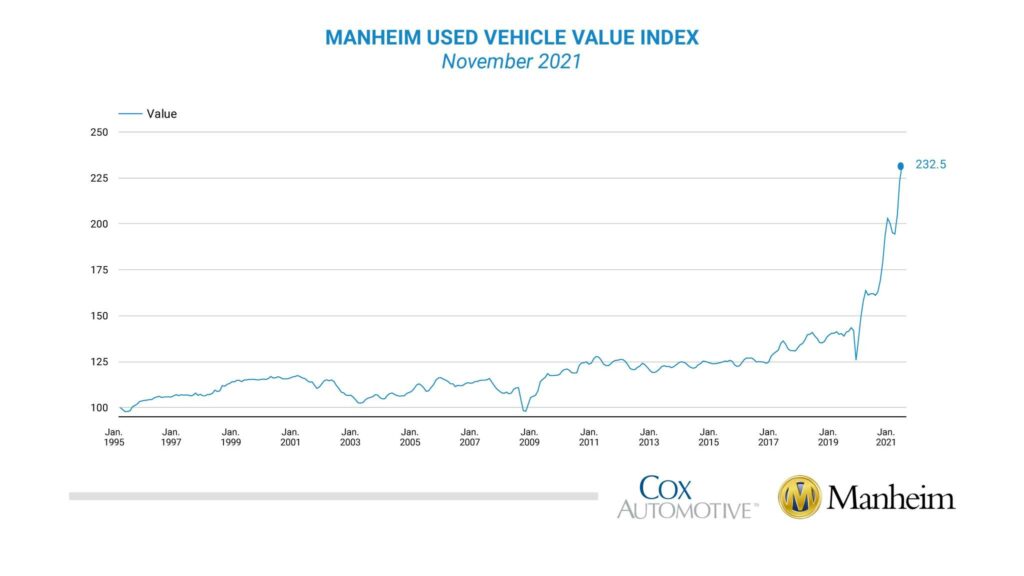
Used car prices are through the roof. There is no other time in history where we have seen used car prices appreciate as much as they have in 2021.
Should you buy a used car right now, even at the end of the year? No. Not unless you absolutely cannot afford a new car, or cannot afford to wait for a factory order. If you do decide to buy a used car their are a few tactics you can use to determine if you are paying a fair price (relative to the current market conditions).
The first suggestion we have if you are buying a used car is to see what Black Book, Carvana, and Vroom would pay to buy the car if you were selling it to them. To do this you can simply take the VIN of the vehicle you are interested in purchasing, and run it in Black Book, Carvana, and Vroom. See the short video below.
CarEdge Members get 10% your LemonSquad Pre-Purchase Inspection: 👉 Get my discount!
Once you’ve seen the valuations from Black Book, Carvana, and Vroom, you should have a pretty good sense for if the vehicle is priced fairly. If it is, when you contact the seller be sure to get the out the door price (we encourage you to use our free email templates to do that), and then request a pre-purchase inspection. We have a complete guide to pre-purchase inspections here.
To recap, you should only buy a car right now if you need to, not it if you want to. That being said, if you do buy a car right now, we think new cars represent a better value than used cars. In your quest to find a car dealer who will sell you a new car at MSRP, here are a few resources you should reference:
We hope this helps you answer the, “Should I buy a car now or wait until 2022” question. CarEdge is here to help you as you navigate one of the strangest and most difficult car buying markets of all time.
Here are comments from CarEdge Community members on the original post that inspired this article.

If America is to go electric as the automakers claim, access to EV charging stations will have to grow exponentially in just the next few years. As it stands today, there are 63,000 public charging stations, but only 17,460 are fast chargers. That works out to just 37 charging ports per 100,000 Americans. Industry experts estimate the US will need more than 100,000 public fast chargers for the 22 million EVs that are expected to hit American roads by 2030.
Most charging is done at home, but public chargers are an important piece of the puzzle. They are essential for interstate travel and road trips. Will hitting the road in an EV ever be as simple and hassle-free as it is in a combustion vehicle? Here are the latest developments in the world of EV charging access.
President Biden, the US Department of Transportation, and the US Department of Energy announced the allocation of $5 billion over five years for the establishment of a National EV Charging Network. The funding is made possible by the Bipartisan Infrastructure Law, which was signed into law in November of 2021.
The chief goal of the charging funds is to create a network of EV charging stations along the Interstate Highway System. The total amount available to states in 2022 is $615 million, but states must submit an EV Infrastructure Deployment Plan before they can access these funds. A second, competitive grant program designed to further increase EV charging access in locations throughout the country, including in rural and underserved communities, will be announced later this year.
Learn more about how much each state is receiving to build electric car charging stations here.
Although EVs only made up 5% of US passenger vehicle sales through mid-2021, a recent survey found that 39% of Americans say they are likely to purchase an EV for their next vehicle. On top of that, OEM executives expect half of all sales to be electric in 2030, just eight years ahead. Taken together, this points towards a future where EVs are no longer fringe models with limited audiences; EVs are going mainstream.
Over 80% of charging is done at home at very affordable residential rates. The remainder is at public charging stations that vary widely in pricing. In the states that lead in EV ownership, existing charging stations often have long wait times during periods of busy travel. The need for more public charging presents a business opportunity just waiting to be taken advantage of, and now the big utilities are taking notice.
Just this month, the Edison Electric Institute (EEI), an association representing US utilities, announced a monumental initiative to combine the forces of 51 investor-owned electric companies, one electric cooperative, and the Tennessee Valley Authority. This new coalition is a coordinated effort to install thousands of fast charging ports along major U.S. travel corridors by the end of 2023. The coalition members are committing $3 billion of their own money to bring fast chargers online over the next two years.
The 2021 bipartisan infrastructure package passed by congress allocates $7.5 billion for the expansion of charging to 500,000 charging plugs nationwide. The administration announced plans to designate highways as “corridor-ready” for electric vehicles, meaning charging stations are located no more than 50 miles apart and no more than five miles off the highway.
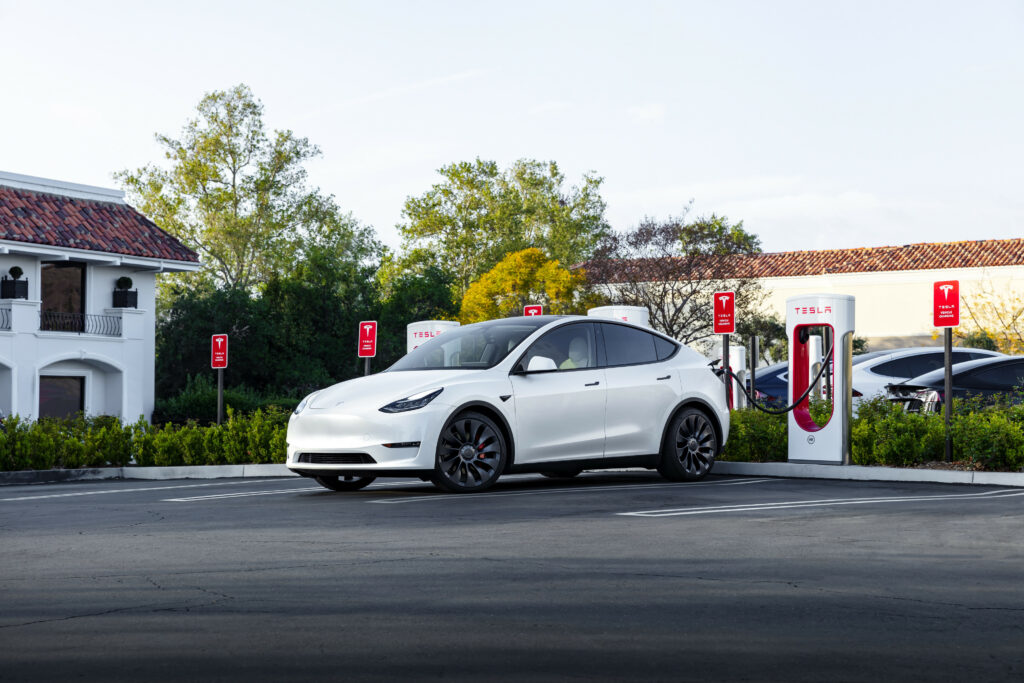
For most of the last decade, Tesla’s Supercharger network was the only nationwide fast-charging network for EV owners. It was long rumored that Tesla was on the verge of opening select Supercharger locations to all EV owners, but it appears that North American Tesla Superchargers will remain a walled garden for now. Tesla has already opened Supercharger access to all in France, The Netherlands, and Norway. Non-Teslas pay a higher price for charging, and Tesla says that will fund the continued growth of the network.
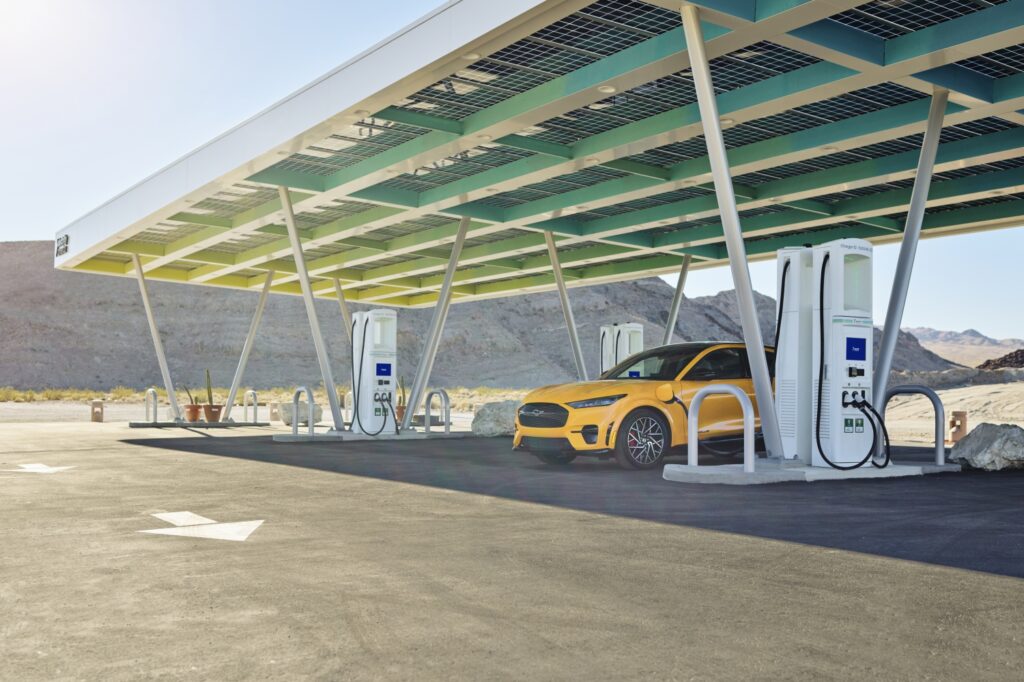
One outcome of the Volkswagen dieselgate debacle was the creation of Electrify America, a VW-funded nationwide charging network in the US. After a rocky start plagued by unreliability and low use, things are looking up for EA. This past summer, EA announced their “Boost Plan” to more than double their current EV charging infrastructure in the United States and Canada. At the end of 2021, EA has completed nearly 800 charging stations with a total of 3,500 charge ports. By the end of 2025, EA plans to have more than 1,800 fast charging stations and 10,000 individual chargers installed.
The all-new Volkswagen ID.4 electric crossover comes with three years of free fast charging at Electrify America stations. Hyundai and Ford are also offering limited free charging incentives for their EVs. As the networks expand, the value of these free charging incentives will grow.
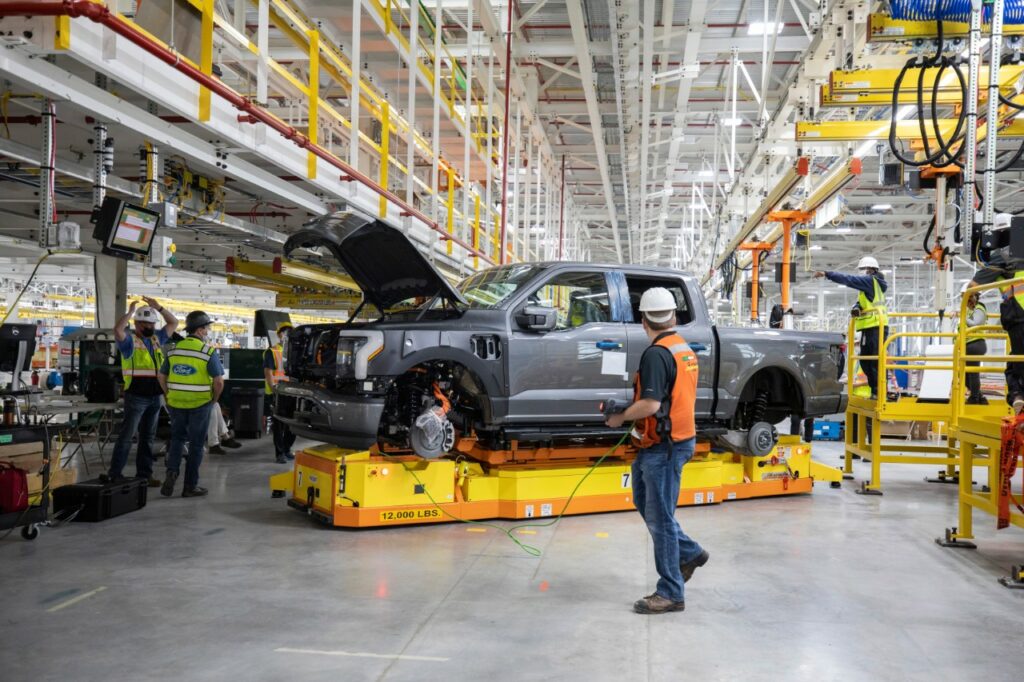
Legacy automakers and EV startups have plans to make public charging easier for their customers. GM announced Ultium Charge 360, a plan that will integrate charging networks for seamless use with all GM vehicles. They’ve established partnerships with EVgo, Blink, ChargePoint and other big names in North America. Furthermore, GM’s new Dealer Community Charging Pro will see dealerships playing an active role in bringing 40,000 level 2 chargers to underserved communities, including rural and urban locations.
Ford’s BlueOval charging network makes plug-and-charge possible for the Mustang Mach-E and future EV models, a nod to Tesla’s plug-and-charge popularity. Ford says that they want charging an EV to be as simple as stopping at a gas station.
By the end of 2023, Rivian’s Adventure Network of chargers will have 3,500 fast chargers installed at 600 sites in North America. Rivian’s brand targets outdoor enthusiasts and overlanding types, so the new network will cater to EV owners who venture off the beaten path. At first, the Rivian Adventure Network will be exclusive to Rivian owners, but the company says they will open it up to other EV brands shortly after. This is a big deal for EV owners looking for zero-emissions wilderness adventures, especially considering that the much-hyped Subaru Solterra all-wheel drive EV barely makes it 220 miles on a charge.
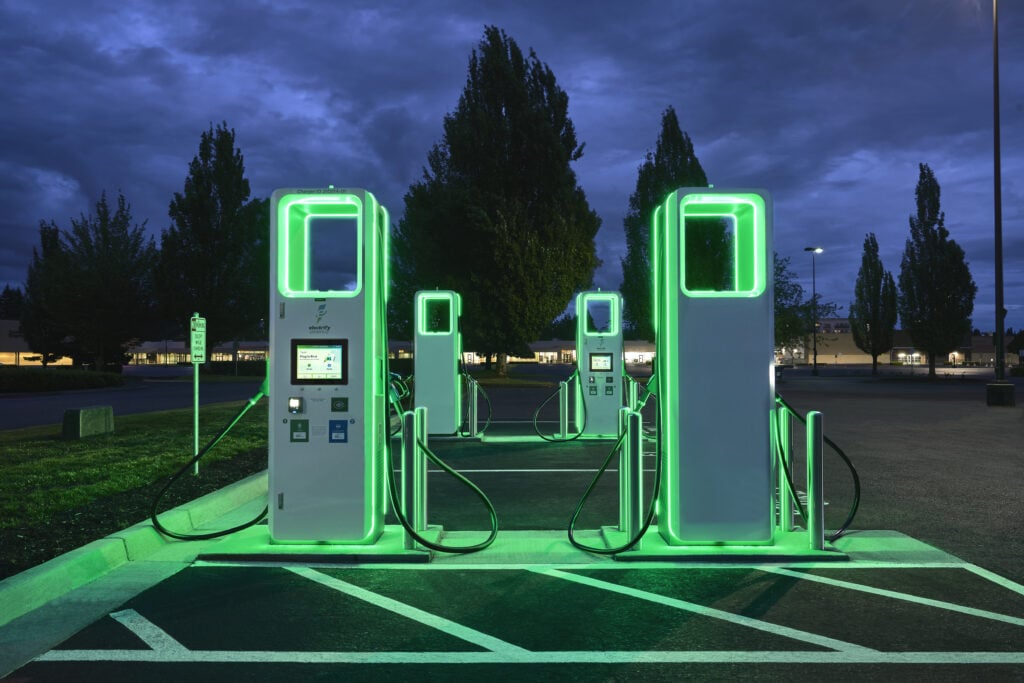
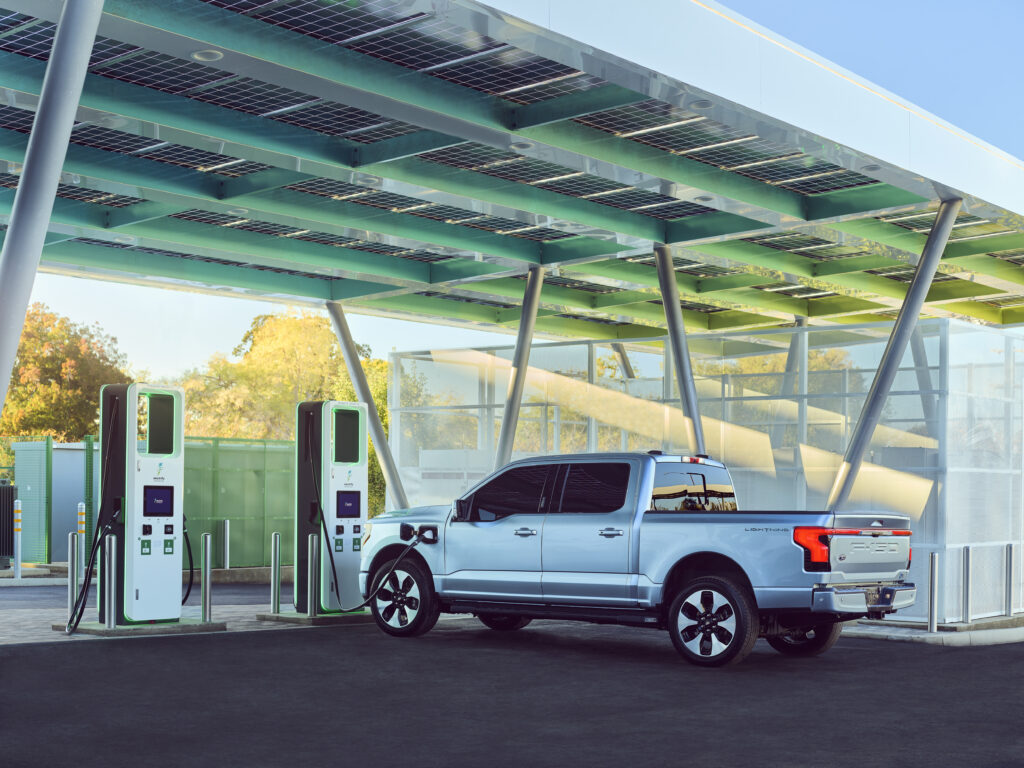
The short answer is no, not for decades, if ever. However, more and more gas stations are adding fast chargers to their parking lots. Sheetz, a popular gas station chain in the East, has been the site of many Tesla Superchargers. In Maryland, one gas station ditched gas entirely for EV charging stations. The new infrastructure bill’s $7.5 billion for EV charging will bring chargers to more gas stations, truck stops and interstate rest areas. The Department of Energy already keeps track of every fast charging station in the nation, and even has a neat map of stations to explore.
Retailers are seeing the benefits of hosting EV charging. Most Electrify America stations are located in Walmart or Target parking lots in close proximity to dining and shopping. Movie theaters and shopping malls often offer free charging for customers. This is a trend we expect to continue, bringing convenience and the occasional free charge to EV owners.
EV charging stations are great for highway adventures, but it’s important to remember that EV owners who rely on public charging will spend far more on charging than those who charge mostly at home. EV drivers who pay for public charging will see a much higher total cost of ownership, possibly even approaching that of a combustion vehicle.
More EV models are making their debut in 2022, and almost all of them charge at over 150 kW. This is great for those wanting to go electric yet dreading long waits at a charger. The next two years will transform the experience of EV ownership in America. With so many new fast chargers coming online and even better models to choose from, EV technology just might be maturing right as American infrastructure catches up with demand.
In 2021, Tesla’s one-size-fits-all crossover took the top spot in EV sales with over 132,000 sold in the US through November. The 2022 Tesla Model Y represents the electric giant’s staying power as a force to be reckoned with, and legacy OEMs are late to the game. Tesla recently shared important updates to the Model Y, along with a series of significant price increases. Here’s what you need to know about the 2022 Tesla Model Y.
Tesla’s Model 3 sedan recently became the first electric vehicle to surpass 1 million cumulative deliveries. The car also has some of the highest customer satisfaction ratings, despite low reliability scores. However, there was always one thing in particular that Model 3 owners wanted more of: space. When the Model Y crossover launched in 2019, Tesla offered a solution for those who desired an electric crossover.
Need a family-sized cabin? Want a sporty drive and all-weather confidence? How about class-leading charging speeds and EPA-rated range? The Model Y has these features and a LOT more. If you’re ready to buy a 2022 Tesla Model Y, get in line. Demand has been through the roof. The current backlog of orders shows an estimated delivery window in April-July 2023 for orders placed in July 2022. Upcoming 2022 updates, high customer satisfaction, and the fact that this vehicle is good at almost everything are all reasons for the runaway demand.
Tesla recently announced a small range increase for the Model Y. The updated figures have the Long Range all-wheel drive base version at 330 miles of combined city and highway driving with the 19” gemini wheels, up from 326 miles. This continues to be the all-electric crossover with the longest range on the market.
The Long Range base trim is listed for $67,190 ($65,990 + $1,200 doc fee). Upgrading to the 20” induction wheels (+$2,000) lowers range to 318 miles. The Performance variant ($71,190) gets 303 miles of range.
All new Model Ys can charge at up to 250 kW, which translates to adding 200 miles of range in just 15 minutes at a Tesla Supercharger. There’s now one more free paint option. Both pearl white multicoat and midnight silver metallic are available at no additional cost. Tesla’s controversial and unfinished Full Self-Driving is unlocked for $10,000 (all Tesla’s are equipped with the necessary hardware for FSD). All in all, a fully-loaded red Model Y Performance with FSD will cost a grand total of $87,190 before taxes.
To date, Model Ys have been built in Fremont, California for the North American market and in China for Europe and Asia. That will soon change with the opening of Giga Texas, Tesla’s brand-new factory and headquarters just outside of Austin.
The first Austin-built Model Y’s are rolling off the production line with a surprise in store. These first Texas-made Model Y’s are all-wheel drive ‘standard range’ Model Y’s with Tesla’s new 4680 tabless battery cells. Tesla is reportedly offering the first batch of this new Model Y variant to customers awaiting orders nearby.
The Model Y Standard Range AWD will cost a few thousand less than the long-range AWD (rumored to be $59,990), but range will be an EPA-rated 279 miles instead of 330. The battery pack has less capacity, with 68 kilowatt-hours instead of the larger 82 kWh pack. Zipping to 60 mph will take 5.0 seconds or so, which is just a hair slower than the long-range variant.
What’s so special about Tesla’s new 4680 batteries? This larger form factor features a streamlined design that is more energy dense and lightweight per unit of energy stored. In fact, Tesla’s 4680 cells are challenging the promise of solid state batteries, an emerging technology that legacy OEMs are betting on.
2022 Model Ys built at Giga Texas will start with a world-first: single castings for the front and rear portions of the frame. Following the introduction of Tesla’s megacasting, 2021 Model Ys are already produced with a single rear casting, which is one huge metal cast that replaces what was previously made of 70 individual parts. Mega-castings bring three important benefits for Tesla and their customers. Improved structural rigidity translates to better crash test performance.
Castings greatly simplify production. The new castings also make sense for the incorporation of an all-new structural battery pack for Tesla’s new 4680 batteries. Tesla is moving away from the ‘skateboard design’ that most automakers use for their battery packs, and is transitioning to battery integration into the frame of the car itself.
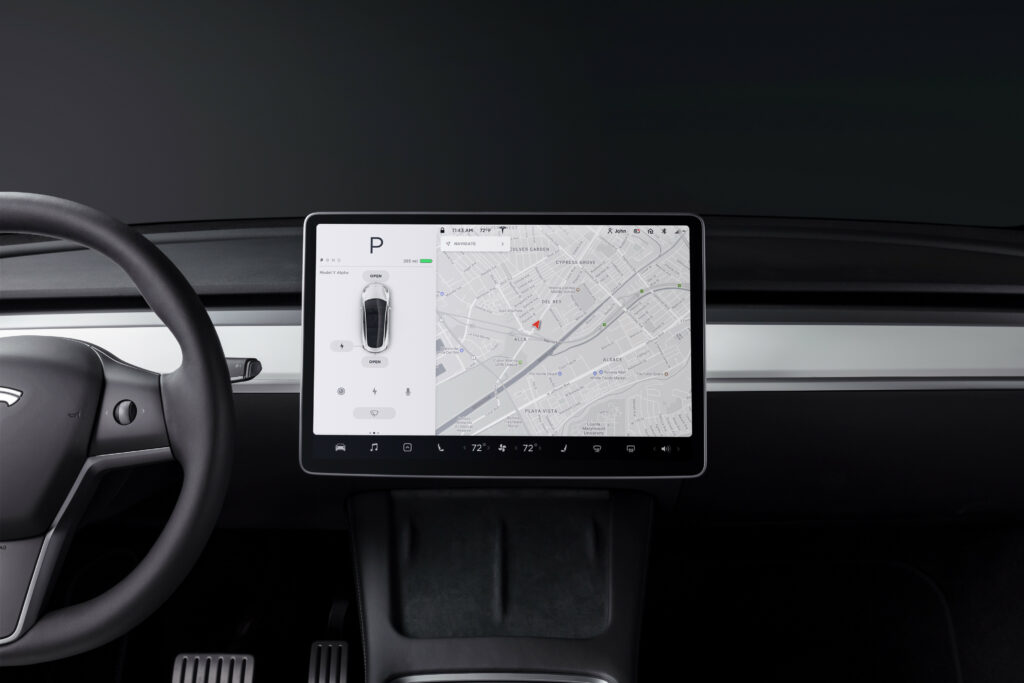
New for 2022, the Model Y is gaining an in-cabin radar that will monitor driver awareness, detect vehicle intrusions, and possibly even alert authorities if a child is left behind in a hot car. It also looks like all new Tesla models will now have the refreshed user interface that the luxurious Mode S and X received in 2021. This new UI enables the driver to customize the infotainment display as desired. Model X, Model S and made-in-China Model Ys have transitioned to a new AMD Ryzen chip for the media computer. The result has been quicker performance for the many apps that are accessible through the infotainment interface. It’s not a guarantee, but the 2022 Model Y built at Giga Texas may include the new AMD chip.
All Tesla’s receive over-the-air updates periodically, a game-changing strategy that’s now spreading through the auto industry. Even years down the road, the Model Y is likely to gain new features and better performance through OTA updates. All you need is a wifi connection.
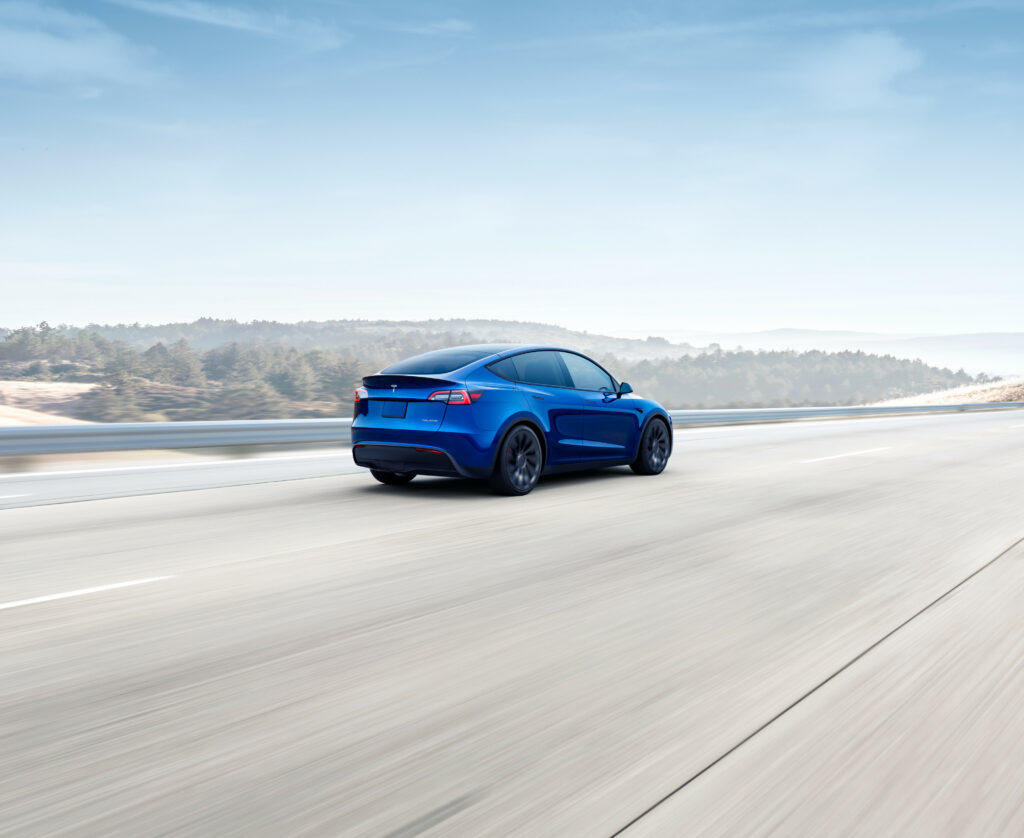
Rarely does a compact SUV perform like a track car. That’s exactly what you get with the 456 hp Model Y Performance. The Performance is the top-tier trim, cranking out 497 lb-ft of torque and propelling to 60 mph in just 3.5 seconds. It also comes with a lowered suspension and 21” uberturbine wheels. All that power comes with a range penalty, dropping it down to a still-respectable 303 miles.
Even the Model Y Long Range base variant is really fun to drive. With 384 hp and 376 lb-ft of torque, the most affordable Model Y still rockets to 60 mph in just 4.8 seconds. A test drive reveals that the power just keeps building beyond 60 mph. The Long Range has a top speed of 135 mph, and the Performance tops out at 155 mph. It’s easy to get a speeding ticket in this family car. Ground clearance is 6.6”, so off-roading capabilities are limited without modifications.
Some critics claim that Tesla’s are a bunch of one-trick ponies. They go fast in a straight line, but that’s about it. My experience test driving the Model Y has shown otherwise. It’s fun on a curvy road, and it feels well-planted on a variety of road surfaces and weather conditions. It weighs in at 4,416 pounds, so that’s what we’d expect. All Model Ys now include double-paned glass, so road noise is greatly reduced compared to the early Model 3’s, although it’s not as quiet as any of the German luxury cars.
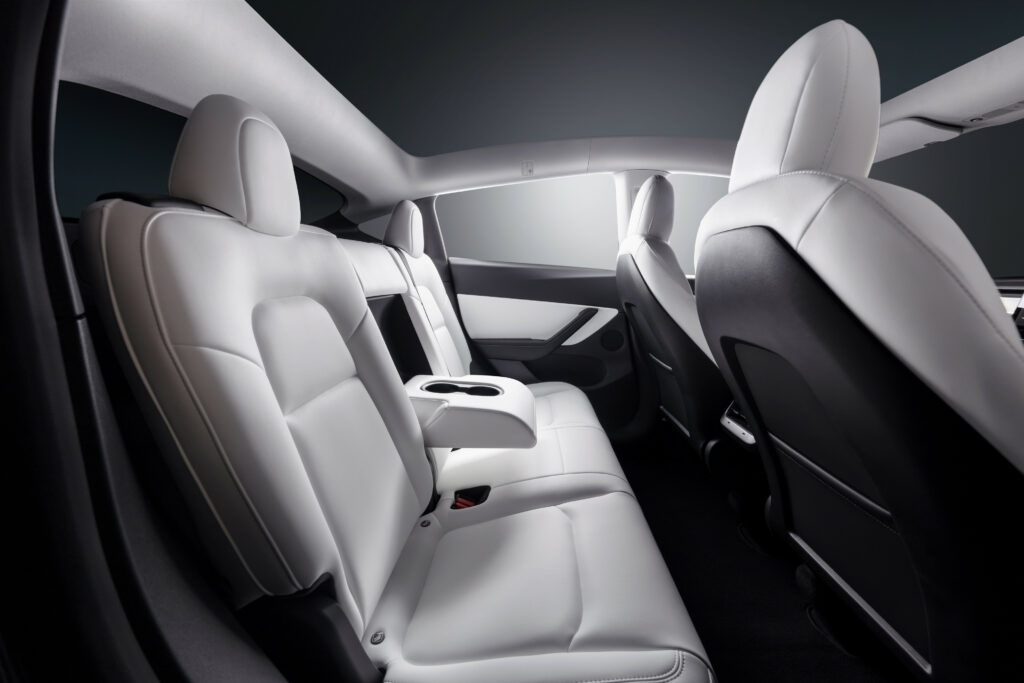
When Tesla unveiled the Model Y, it was met with mixed reactions. Some thought it looked like a bloated Model 3, others saw it as the automaker’s key to world domination. Now that the dust has settled, the Model Y has garnered a devoted fan base of families, track enthusiasts and everything in between.
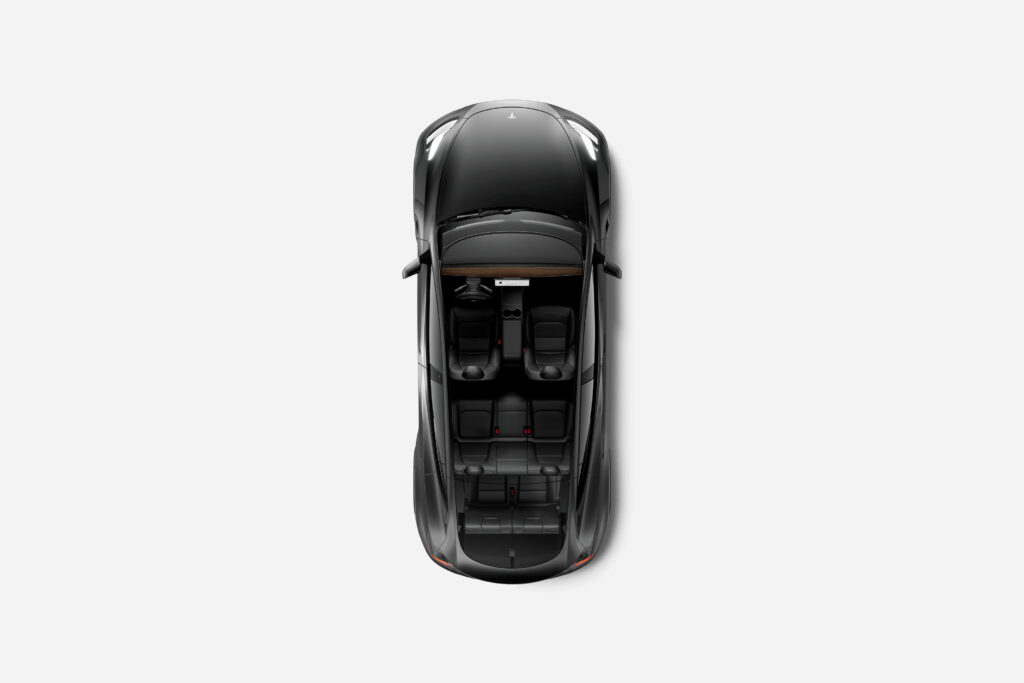
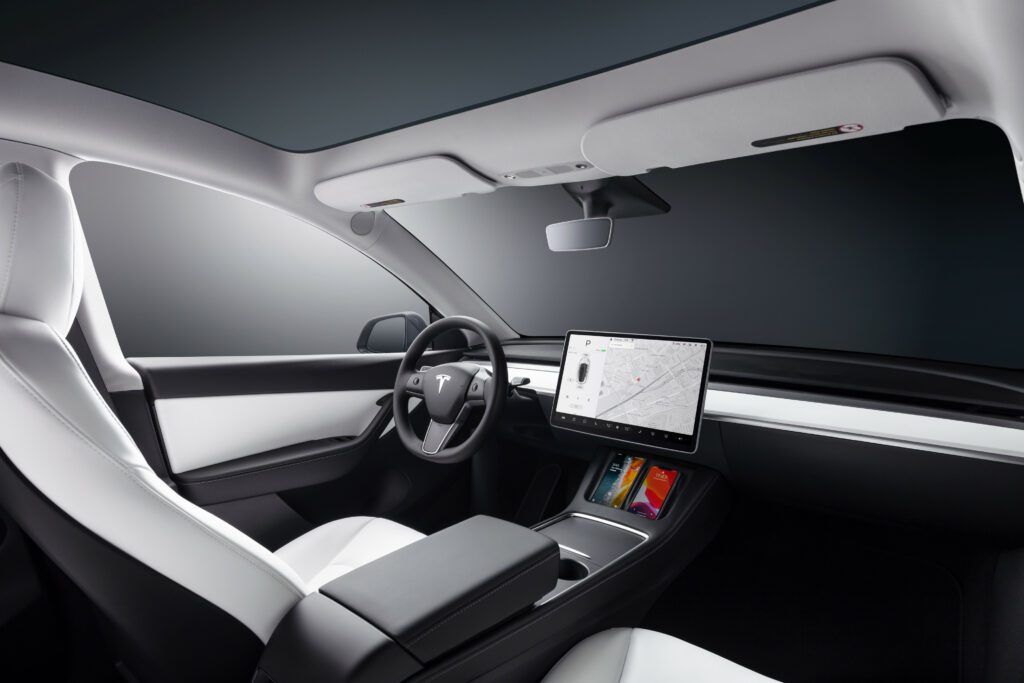
The Model Y’s broad popularity is attributed to its multifunctionality. It’s a family crossover, but it’s also a performance car. Inside, passengers are quite comfortable. There’s exceptional second-row leg and shoulder room. Thanks to a standard glass panoramic roof (without a sunshade), head room is more than enough, even for tall passengers. The rear seats recline slightly in case anyone wants to doze off while gazing up at the sky. An optional third row of seats can be tucked into the cargo area for an extra $3,000. It’s such a tight fit that you might as well go for a Model X if you really need a three-row SUV.
The rear cargo area is accessed through a power liftgate that opens up to 30 cubic feet with the second row in use. With those seats flat, there’s a whopping 68 cubic feet of cargo space. And unlike the class-competing Volkswagen ID.4, there is a large, deep front trunk (frunk!) that is excellent for storing charging cables, smelly shoes or pungent takeout food.
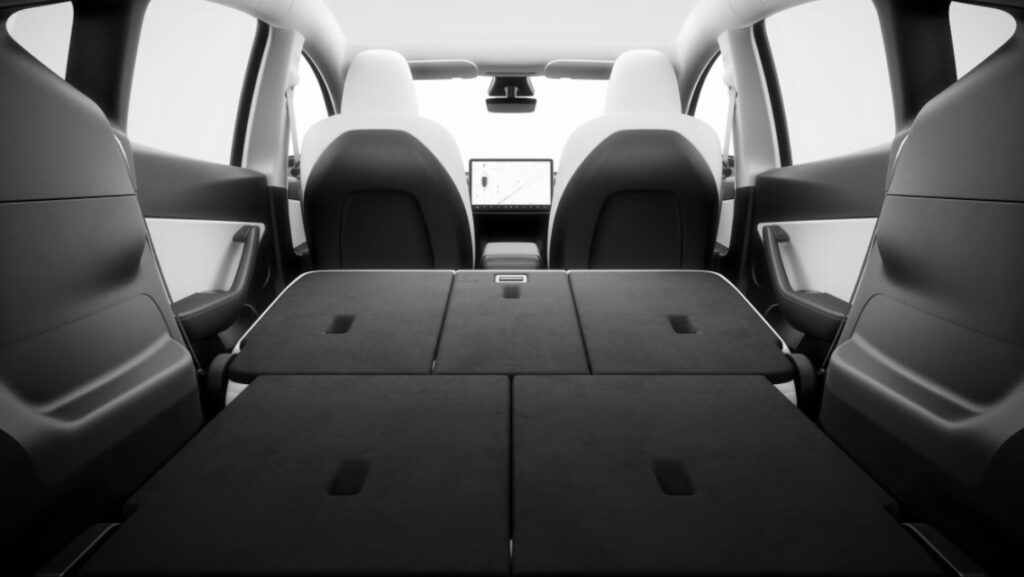
All Teslas include vegan leather at all trim levels. Black comes standard, but white is available for $1,000. Ownership experience shows that the white seats can stain, particularly due to excessive wearing of blue jeans. Yes, Tesla can send a Roadster into orbit, but can’t stain-proof their luxury seats.
The speedometer, navigation, climate controls, audio controls and most other features are accessed through the 15.5” touchscreen centrally mounted on the Model Y’s dash. Speaking of audio, there’s a 14-speaker premium sound system with two amps and a subwoofer. The immersive sound is a winner for audiophiles. There’s no gauge cluster like you’ll find in the Model S and X, but most drivers say they get used to it quickly. Infotainment and navigation are accessed through Tesla’s Premium Connectivity subscription, which costs $10 per month after the trial period.
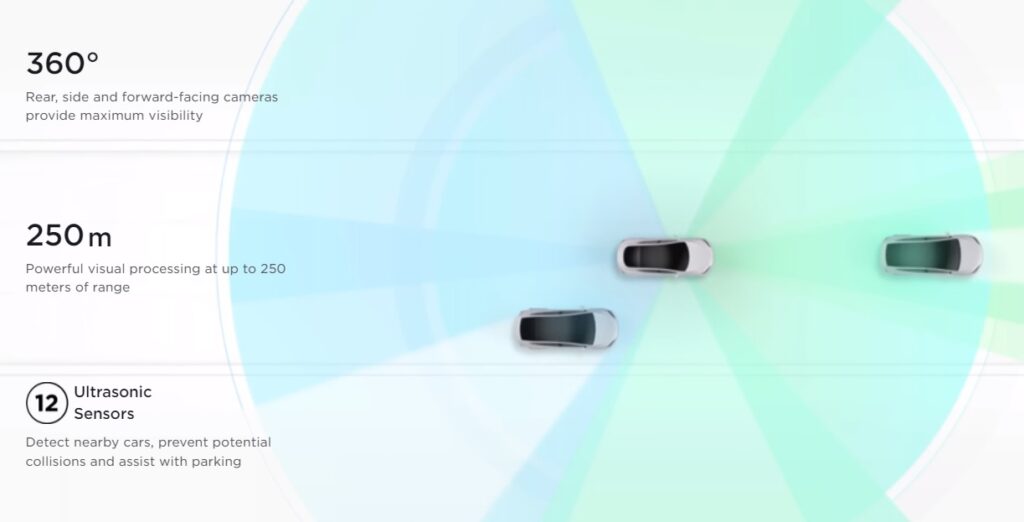
All Tesla cars come equipped with Autopilot, Tesla’s basic driver assist software. Standard autopilot is a combination of lane centering and adaptive cruise control, and it’s one of the best in the industry. If you’re expecting to hop in your car, take a snooze and be whisked away to work, you’ll be disappointed.
Tesla’s ‘Full Self Driving’ (FSD) costs an additional $12,000, but not all who pay for it even have access to it. Presumably fearing liability and regulatory challenges, Tesla requires all drivers who want FSD early access to pass a driving test. The test is conducted over about a week, during which the car carefully monitors patterns of acceleration, braking, following distance and more. Suffice to say, thousands of Tesla owners are angry about this surprise requirement, and many are locked out of their $12,000 purchase for the time being.
For those who do have access to the Beta version of FSD, it’s still not a fully-autonomous system. Even Tesla itself admits it is level 2 autonomy, which means that the driver must be prepared to take control of the vehicle at all times. Musk and his team promise that full autonomy (level 3 and above) is right around the corner, but they’ve been saying that for almost five years now.
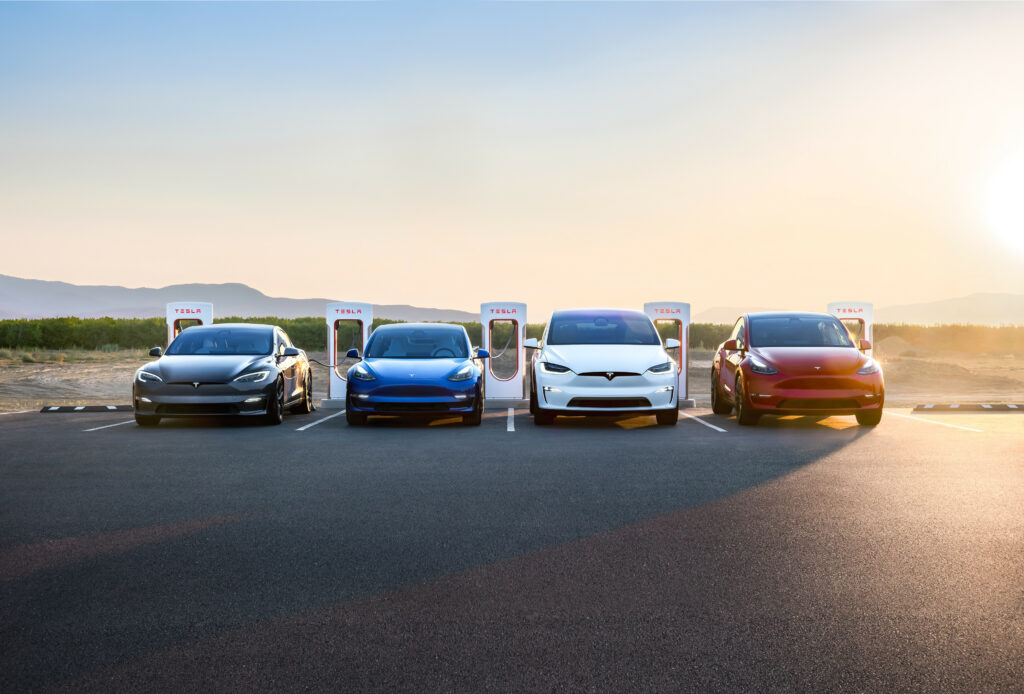
The Model Y is the most popular EV in America, and it has the specs and performance to back it up. With up to 330 miles of range, some of the fastest charging in the industry and software that just keeps getting better, there’s plenty to love. It’s not a cheap car, and whether or not EV incentives will once again apply to Tesla’s is yet to be determined. Tesla keeps raising prices, as do nearly all automakers. How the Model Y’s value compares to other 2022 EVs will depend on how competitors like the Ford Mustang Mach-E and Volkswagen ID.4 set their pricing for the upcoming model year.
If you’re ready to take the dive, you can reserve a Model Y with a $250 nonrefundable deposit. For the Long Range Model Y with the base Gemini wheels, expect to wait 11 months for delivery. If you add any upgrades, delivery is ‘only’ 7 months away. On top of that, Tesla is constantly upgrading their vehicles both in production and through OTA updates. If you order now, the car you get in several months time may very well have an even better range and further updated tech. Tesla’s mastery of the latest and greatest is something to consider when shopping for an electric crossover. This segment is getting crowded fast, but the 2022 Tesla Model Y remains one of the best.

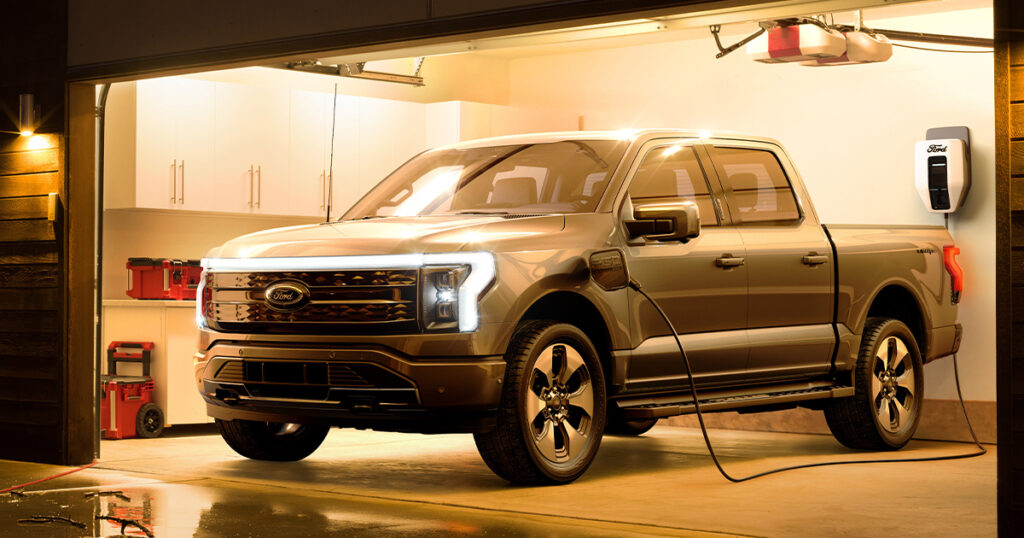
Lithium-ion batteries have reigned supreme for two decades now. They’re easily rechargeable, versatile and long-lasting. They even made cell phones and laptops possible. As early electric vehicles like the Nissan Leaf and Chevy Volt began production, the use of Li-ion batteries skyrocketed. But in the world of technology and engineering, there’s always something newer and better. While Li-ion batteries have been driving electrification, engineers have been hard at work in the background, eagerly trying to bring its likely successor, the solid-state battery, to mass production.
Solid-state batteries have been called the next frontier in electric mobility. Could EVs with 500-mile ranges and 10-minute charge times be right around the corner? Automakers are funneling billions of dollars into the research and development of these game-changing batteries and the challenge of manufacturing them at scale. Whether or not consumers will ever see the benefits of EVs powered by solid-state batteries remains to be seen, but OEMs are closer than ever before to the ‘holy grail’ of electrification.

First, battery basics. Batteries contain two electrodes, a cathode and an anode. Connecting the electrodes is an electrolyte, which is a material that conducts electricity between the two electrodes. Lithium-ion, alkaline and most other existing battery types use a liquid electrolyte. Solid-state batteries, on the other hand, replace the liquid electrolyte found in other batteries with a solid electrolyte. Some labs are toying with inorganic ceramics for their electrolyte, others are trying it out with polymers. In essence, most of today’s batteries are ‘wet batteries.’ Solid-state batteries are ‘dry’, and with that comes many benefits, but also some new challenges.
It comes down to 4 things: safety, efficiency, durability and cost savings.
Rigorous analyses show that EVs are less prone to vehicle fires than combustion vehicles, with notable exceptions. Still, Li-ion batteries are susceptible to short-circuiting when abused, a big problem that can lead to fires. Moving beyond liquid electrolytes to solids could reduce the risk of battery-related vehicle fires.
While battery density is decent in Li-ion batteries, laboratory research shows that solid-state batteries are far superior (up to 10x greater in experimental cells). Should solid-state batteries make it to mass production, OEMs will be faced with deciding whether to produce cars with massive ranges (400-500 miles), or producing cars with decent range (250-350 miles) that require smaller battery packs than today’s EV models. Smaller packs would save money, but larger ranges would likely boost sales.
Today’s EV batteries degrade slowly with mileage. Anyone who has owned an early Nissan Leaf or Tesla Model S knows that well. It’s common for an EV to retain 80% of its original EPA-rated range after driving 100,000 miles, but some models fare worse. Solid-state batteries could change that. Any technology that boosts reliability and durability will be a welcome addition for consumers on the market for an EV.
Back in 2015, Tesla was achieving battery production costs of about $150 per kilowatt-hour. That translated to a 100 kWh battery pack that cost $15,000 for the Model S. At the time, Elon Musk knew that battery production would have to become far more affordable before EVs could approach cost-parity with combustion vehicles. He and others in the emerging EV industry set the ambitious goal of $100 per kWh. Today, that goal has been reached for some automakers, including Tesla.
Even with this monumental accomplishment, EVs are still a bit expensive. With affordability and engineering achievements in mind, the US Department of Energy thinks that $60 kWh batteries are within reach. A part of reaching that goal in this decade will be the mass production of a far more efficient battery. Solid-state technology could be the key.
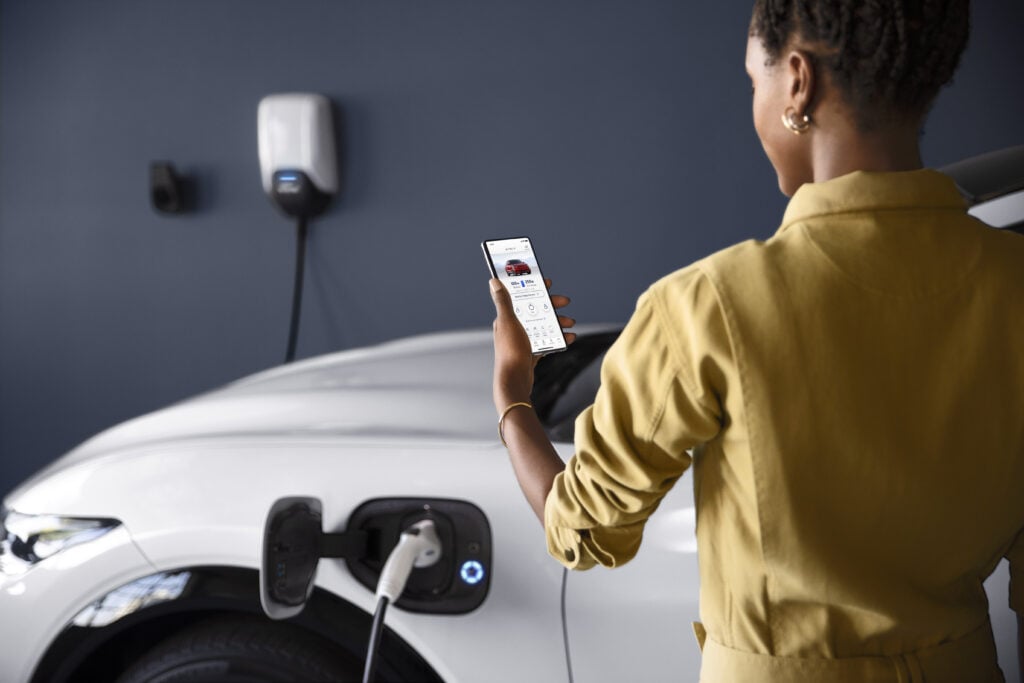
Despite the promising headlines, not everyone is convinced that tomorrow’s EVs will be powered by solid-state batteries. For those that are, partnerships and startup acquisitions have been central to their strategies. Here’s where major automakers stand in future battery research and development:
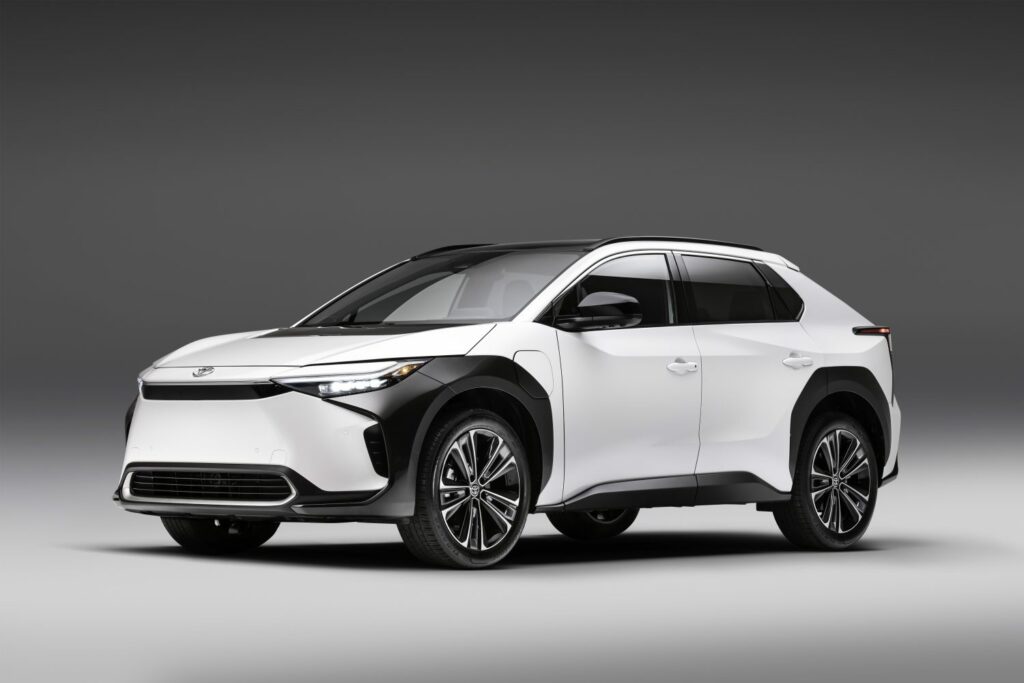
Toyota is investing $13.5 billion in new battery tech, including solid-state batteries. They’ve been working hard to bring solid-state to mass production for several years. Toyota’s battery engineers cite ongoing issues with limited service life as a remaining obstacle, but a working prototype may hit the test track in 2023. Unlike some, Toyota is not taking a sharp turn towards an EV-only lineup. Leadership has indicated that they’re playing the long game, and they are confident that their investments will pay off in the long run.

General Motors has a stated goal of 60% lower battery costs for the second generation of its new Ultium EV platform. On top of GM’s massive EV investment, the General recently announced a new $5 billion battery development facility in Michigan. GM says the new facility will “allow GM to accelerate new technologies like lithium-metal, silicon and solid-state batteries, along with production methods that can quickly be deployed at battery cell manufacturing plants.” It sounds like GM is playing it safe and would rather not put all of its battery ‘eggs’ in one basket.
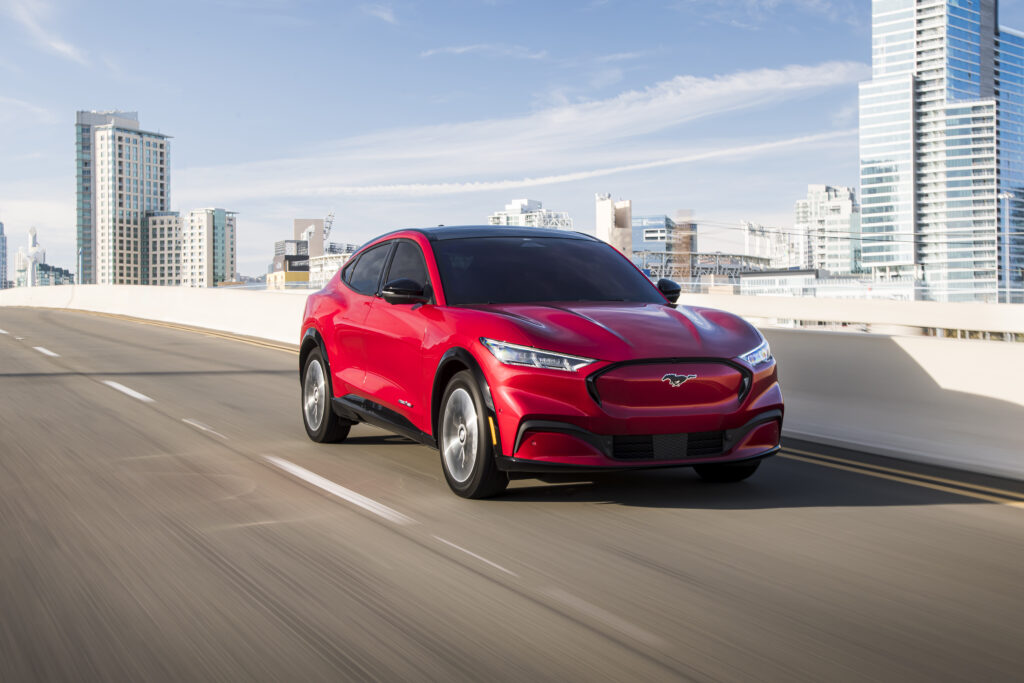
Ford is laser-focused on solid-state. Ford’s engineers say that solid-state batteries “can be made on today’s lithium-ion battery lines, allowing Ford to reuse about 70 percent of its capital investment in lithium-ion manufacturing lines.” They’re taking the partnership route, teaming up with both SK Innovation and Solid Power to bring solid-state batteries to their EVs in the latter half of the 2020s. Ford recently announced plans to build a $11.4 billion battery production facility with international battery R&D leader SK Innovation. At about the same time, Ford also announced that it is boosting its investment in Solid Power, another promising solid-state battery developer. “By simplifying the design of solid-state versus lithium-ion batteries, we’ll be able to increase vehicle range, improve interior space and cargo volume and ultimately deliver lower costs and better value for customers,” shared Ted Miller, Ford’s manager of electrification subsystems and power supply research.
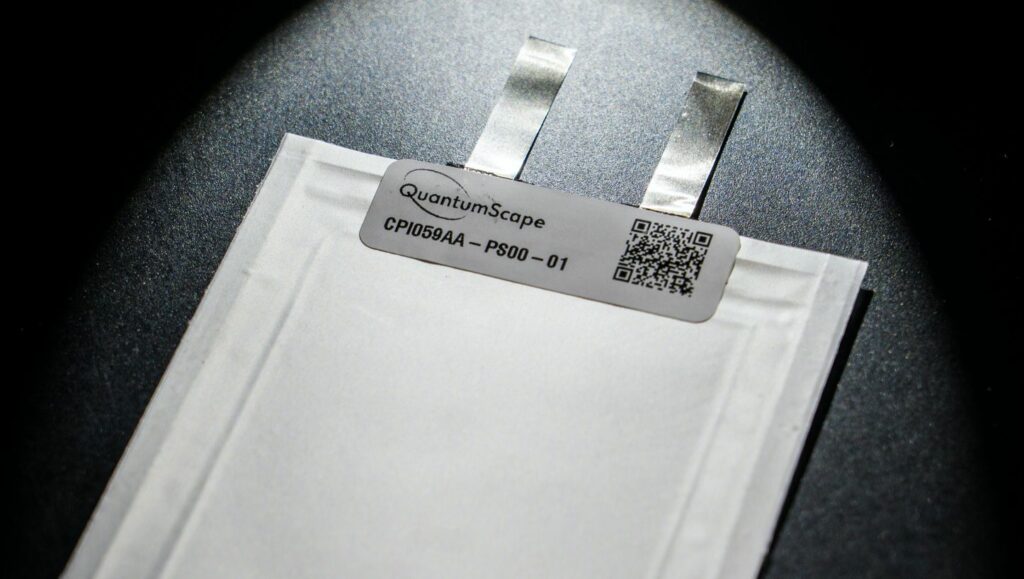
In 2019, Volkswagen Group launched a partnership with QuantumScape, a Stanford University startup that is a leader of solid-state development. QuantumScape claims to be close to a scalable solid-state battery, and VW hopes to bring it to production in late 2024 or so. VW opted to increase its investment in QuantumScape by an additional $200 million in 2020 for a total investment of $300 million, so it looks like the world’s largest automaker is sure of its footing in battery development.
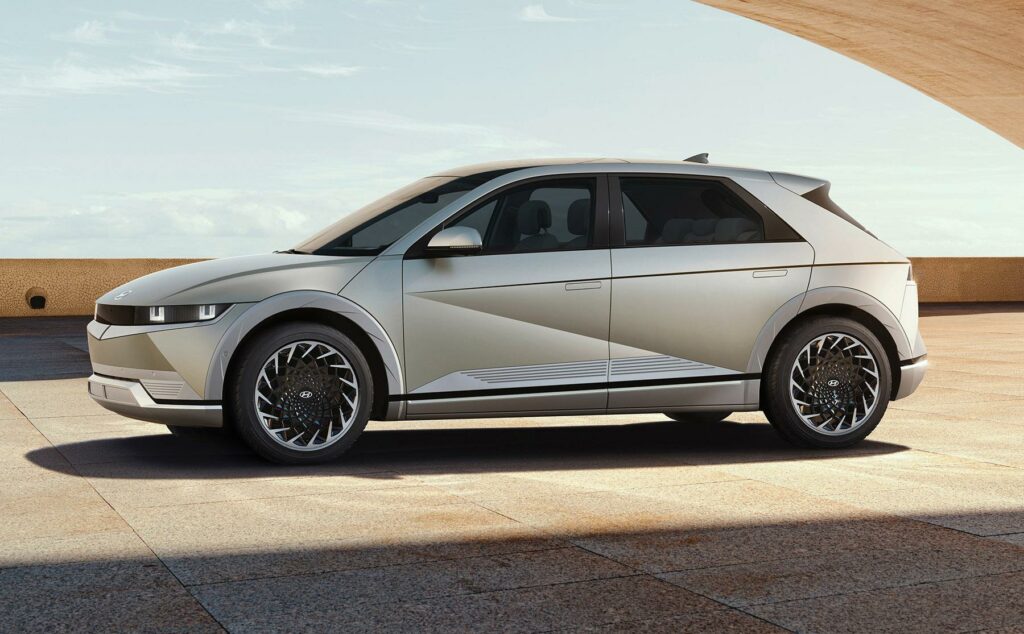
Hyundai-Kia, Stellantis and Mercedes-Benz have all entered into separate partnerships with Factorial Energy, a Massachuesetts-based battery tech startup with promising solid-state battery development. Stellantis wants to roll out solid-state technology in 2026, but some industry experts are skeptical of such a quick timeline.
If this technology has been in the works since 1978, why aren’t solid-state batteries already in cars? Partly, it’s because Li-ion batteries work just fine for most applications. The mass adoption of EVs is accelerating, and the limitations of Li-ion battery charging speed, durability and thermal management are driving the latest push to find something better.
There have been major achievements in battery technology over the years. Decades of research went into the creation of a stable solid-state electrolyte, and many great options have been developed. Now, improving durability and manufacturing techniques are the main challenges.
Early prototypes have been plagued with problems like damage after repeated charging. Some of the damage is due to dendritic growth that can short-circuit the battery, leading to thermal runaway (a fire!). Dendritic growth is a risk with current liquid electrolyte batteries, but it was long thought that solid electrolytes wouldn’t be susceptible. Solid electrolytes transmit battery stress more than liquid electrolytes do, and research indicates that this can further contribute to shortened battery life with repeated charging and discharging. Bringing solid-state batteries to the masses will depend on finding solutions to these engineering challenges.
Ford says it can build solid-state batteries using 70% of the existing Li-ion manufacturing process. If this is true, that could be a huge leap forward. The battery-powered arms race is underway among OEMs. Whoever can unlock the extended range, quicker charging and (hopefully) greater durability of this technology will hold the key to electric dominance. But what about the elephant in the room? Tesla is on a different trajectory altogether.
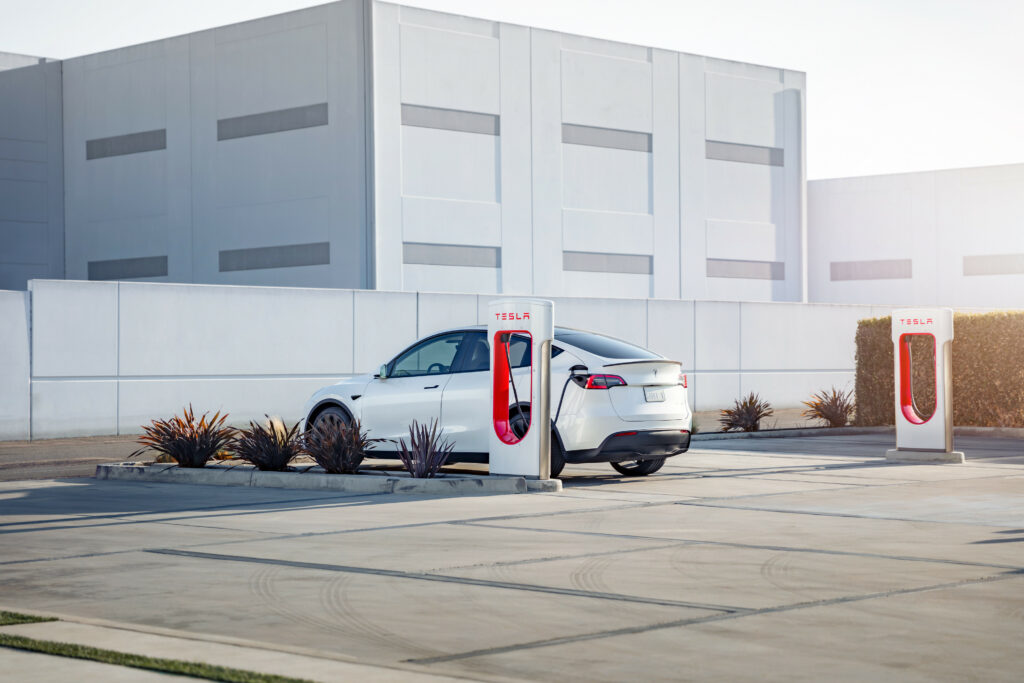
Tesla is notably NOT interested in solid-state batteries. Their engineers even call solid-state a ‘false promise’ and a distraction. Instead, at Tesla’s Battery Day event the company shared details about their all-new battery, the 4680 lithium-ion cylindrical battery engineered with Panasonic.
The 4680 is not unlike a household D battery in size, but the engineering inside is unique. The batteries are tabless, more energy dense and far easier to make. They are cobalt-free and feature a silicon anode, two industry firsts. Tesla claims the new battery manufacturing process will enable a 100-fold increase in battery production capacity by 2030. The larger cylindrical cells fit more active battery material into the casing for a 5× improvement in energy storage and a 6× increase in power. Tesla hasn’t achieved this alone; they’ve acquired Maxwell Technologies, Grohmann, and other battery startups as they’ve partnered with Panasonic and Chinese battery leader CATL.
Will Tesla ever pivot towards solid-state batteries? As of now, it’s not in their plan.
It looks like industry experts don’t think the first mass production of solid-state batteries will happen before 2025. This technology has huge potential to disrupt the automotive industry. Imagine EVs with 500-mile ranges, excellent safety and reliability, and charging times equal to that of refueling at a gas station. But hurdles remain for automakers and the various battery startups they’ve built strategic partnerships with.
The era of EVs is already here. We’ve seen it firsthand at the 2021 LA Auto Show, and OEMs are showing how serious they are about electrification by spending lots of money on engineering and manufacturing. Today’s EVs rely on existing lithium-ion batteries. It’s all but certain that 2023-2024 models will continue to use the latest iterations of Li-ion batteries. However, once manufacturers figure out how to produce durable solid-state batteries at scale, it may turn out to be the last nail in the coffin for combustion powertrains. What do you think? Is Tesla right about the ‘false promise’ of solid-state batteries, or will Toyota and others change the game with their own new battery technology?

Used car prices have increased more than 50% in 2021. Historically, used cars decrease in value. You know the old saying about buying a new car? “The moment you drive off the lot, it’s worth 20% less.” Well, in today’s crazy market, the moment you drive a new car off the dealer’s lot it might actually be worth 20% more!
The ongoing chip shortage and undersupply of new vehicles is driving used car prices higher. Rental car companies, car dealers, and consumer demand are keeping prices elevated. Until new car inventories rebound to pre-pandemic levels, we’ll see elevated used car pricing.
With more and more consumers not returning their leases, fewer quality used cars are making it to the market. If your lease is coming due, please do not just return it to the dealer, instead, sell it for a profit. You would be leaving money on the table!
Each month we update you on the latest trends in used car prices. Last month’s data can be found here: https://caredge.com/guides/used-car-prices-november-2021/
We also track new car prices and inventory levels. Our hope is that we can help you make an informed decision when it comes time to purchase your next vehicle.
This page will be updated weekly with new data from Black Book, Cox Automotive, and other sources.
If you have specific questions about used car prices please ask them on the CarEdge Community Forum.
To get the Black Book value of your vehicle you can do that here: https://app.CarEdgemember.com/trade-in
Let’s dive in.
Wholesale used car price increases show no signs of slowing down. The latest data from Manheim and Black Book show wholesale and retail used car prices hitting all-time record highs. Manheim’s used vehicle value index chart paints and eery picture; the data almost looks fake.
Data from Black Book suggests that wholesale used car prices have increased more than 50% since the beginning of this year. The purple line shows 2021 used car price changes. The blue line represents 2019. The differences are stunning.
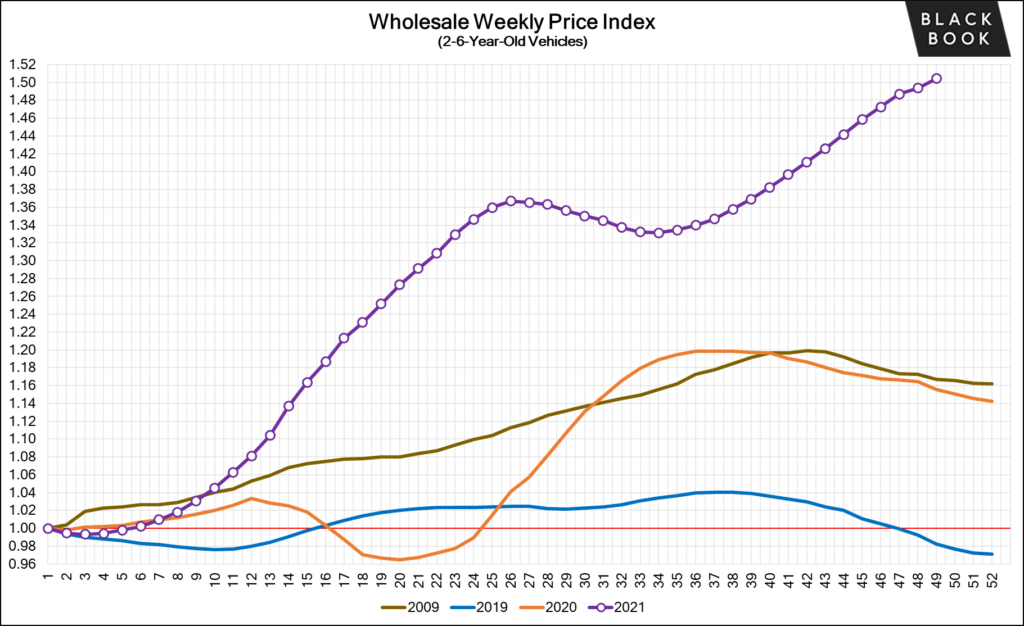
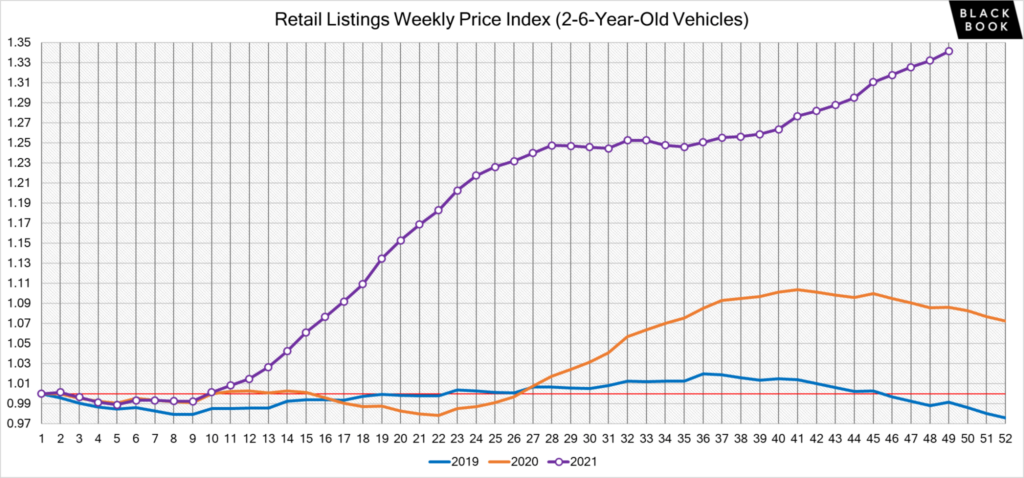
Wholesale prices are not the only ones going up. Used car retail prices are also hitting all-time highs. Black Book data shows retail used car prices have increased nearly 35% since the beginning of the year. Traditionally the end of the calendar year is when used car prices decrease. That is not the case right now.
One positive indication in the data comes from Cox Automotive. They reported that inventory levels in October were up 20,000 units from September. September ended with 2.28 million used vehicles in inventory, while October ended with 2.30 million. October’s supply was still about 8% lower than 2020.
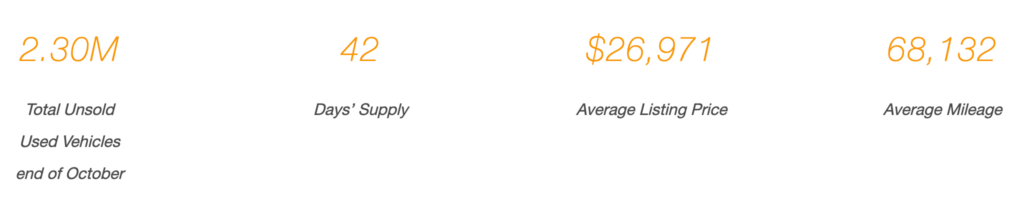
Cox also estimates that the days supply of used car inventory is at 42. Their data suggests that about 1.65 million used vehicles were sold in October 2021, up 40,000 units from the 1.61 million sold in September. October sales ran about 7% below the same year-ago period.
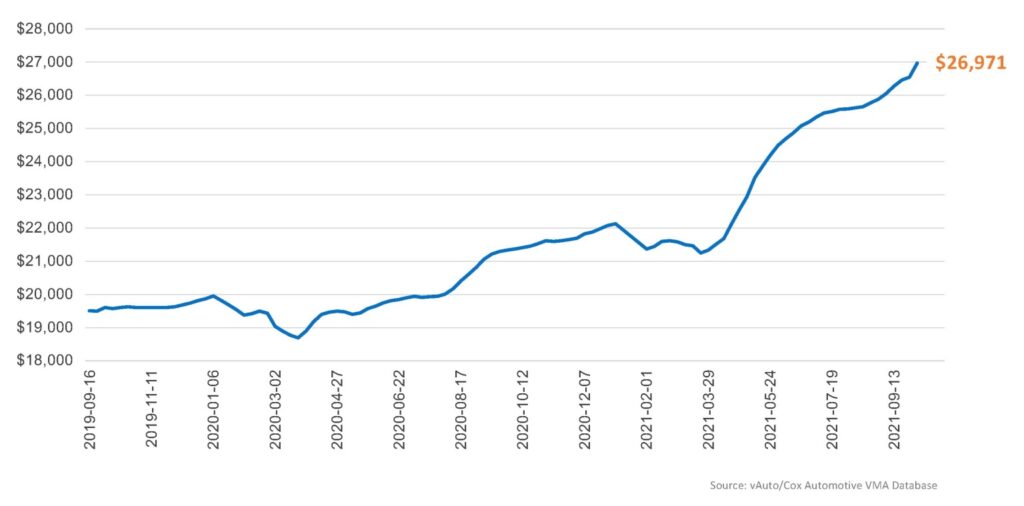
Both Cox and Black Book show retail used car prices hitting all-time highs. Cox has the average listing price for used vehicles at a new record of $26,971. That’s a $400 increase from September ($26,548).
Week-over-week Black Books has reported another increase in wholesale used car, truck, and SUV prices. The latest weekly increase was .41%. The price increase among trucks, SUVs, and vans was greater than car price increases.
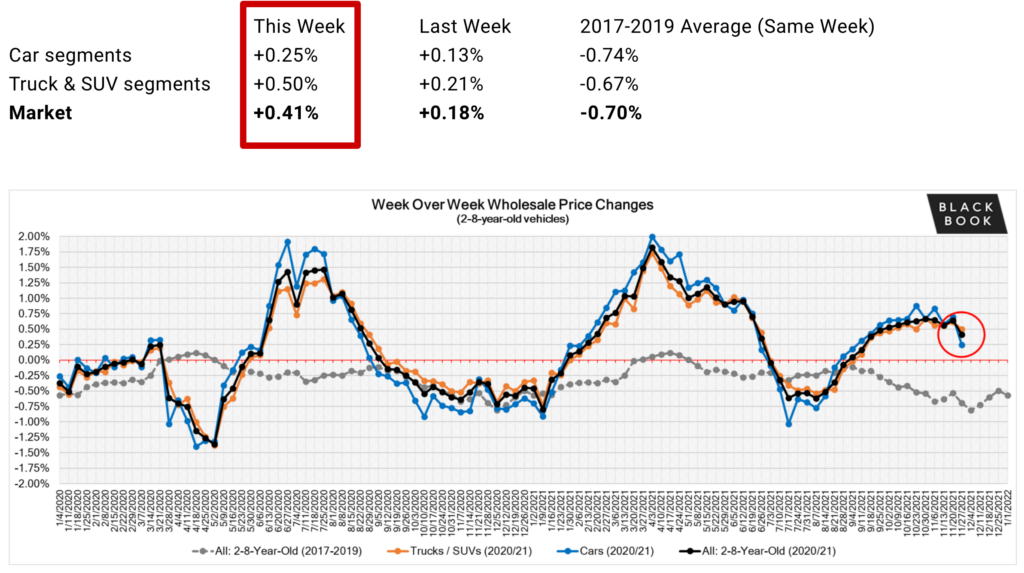
Used car prices will continue to appreciate as long as automakers are struggling to produce enough new vehicles. We track new car inventory levels monthly. The latest new car inventory data for December is not promising.
That being said, many manufactures, including Toyota have signaled that the worst of the chip shortage is behind them. Other manufacturers, such as General Motors, are removing core features from their new vehicles in an effort to ship them to their dealers.
It’s unclear whether we’re “on the other side” of the chip shortage yet, and our expectation is that used car prices will continue to rise until it is more clear that the new car shortage is alleviated.
Not all used cars are appreciating equally. Used trucks, SUVs, and especially vans are increasing at rapid (and unbelievable) rates. Look at the data provided by Manheim and Black Book below.
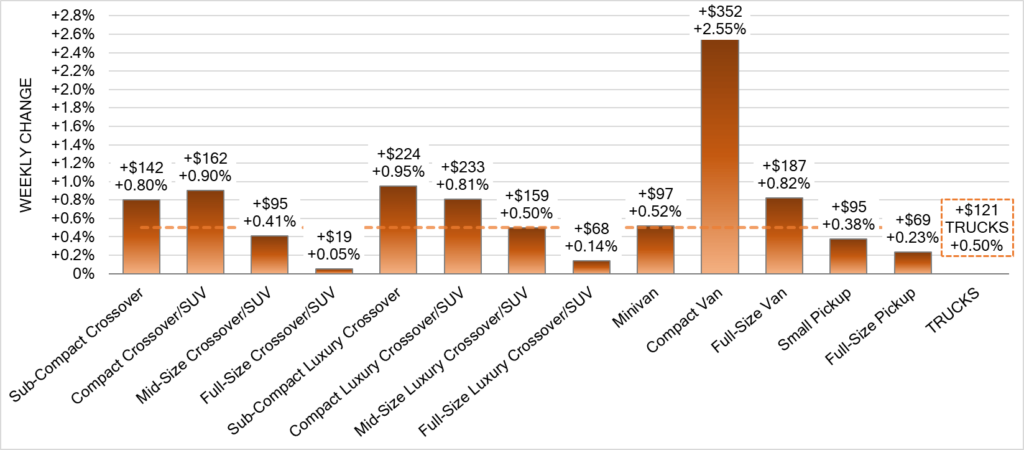
Black Book data shows that just last week used compact van prices increased over 2.5%. That’s UNHEARD of. These are your Ford Transit Connects, Mercedes-Benz Metris, Ram ProMaster City, and Nissan NV200.
Compact and sub-compact crossovers increased nearly 1% week-over-week.
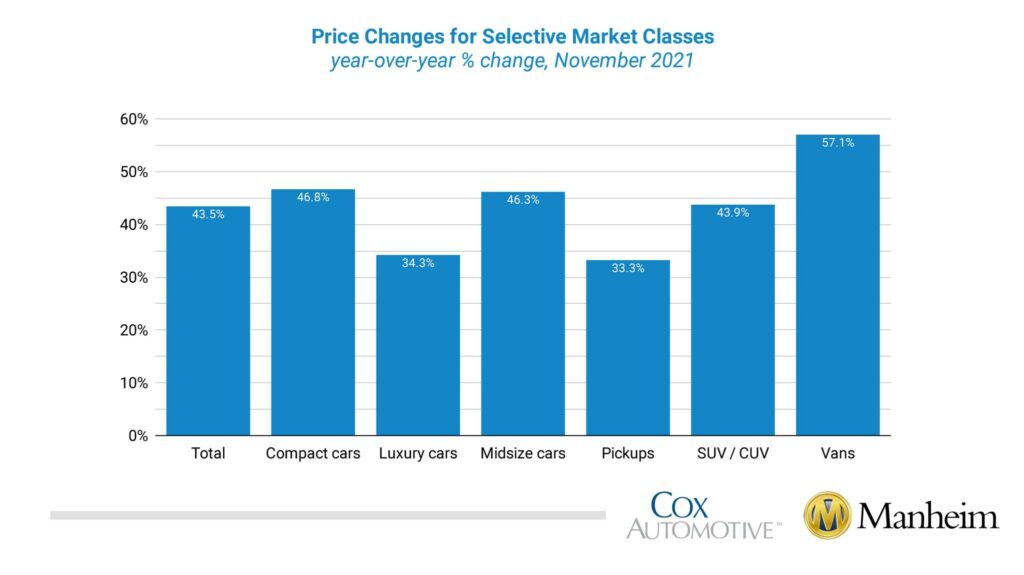
As you can see, the data from Manheim also shows vans leading the way in terms of price increase.
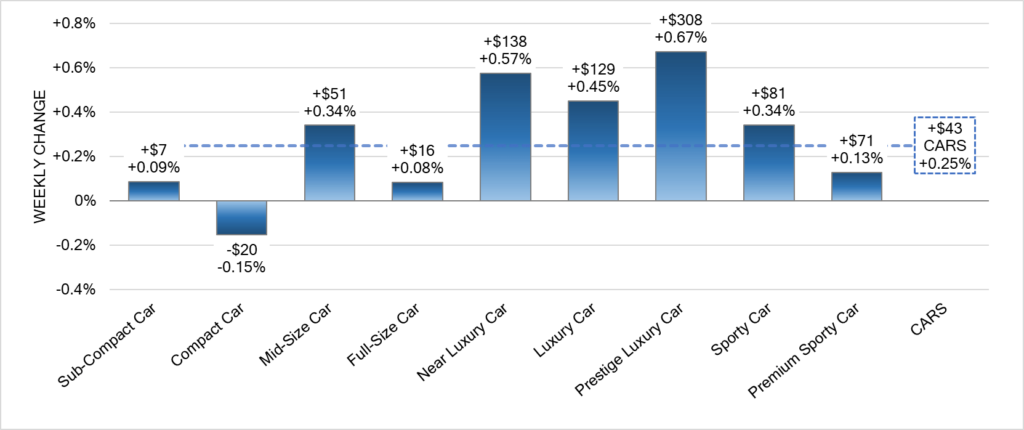
Certain used cars are increasing in value more rapidly than others. For example near luxury cars (think your Genesis and Acuras) are increasing rapidly week-over-week. The same goes for prestige luxury cars like your BMWs, Mercedes-Benz, and Audis.
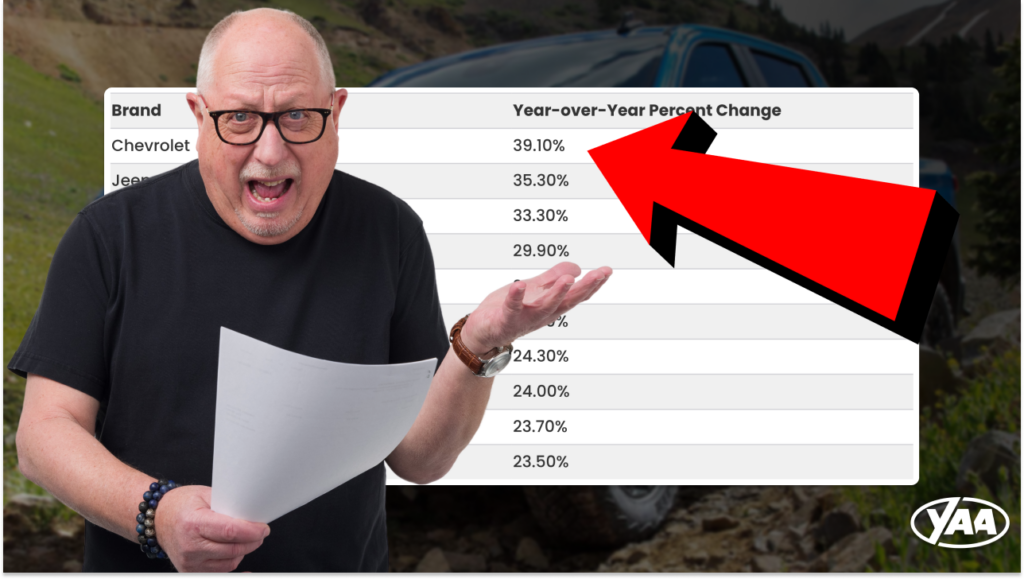
We recently published data on which brands have seen their new and used prices increase the most (and least) year-over-year: https://caredge.com/guides/which-brands-prices-have-increased-the-most-least-in-2021/
Black Book provides “sales rate” data from the wholesale used car auctions.
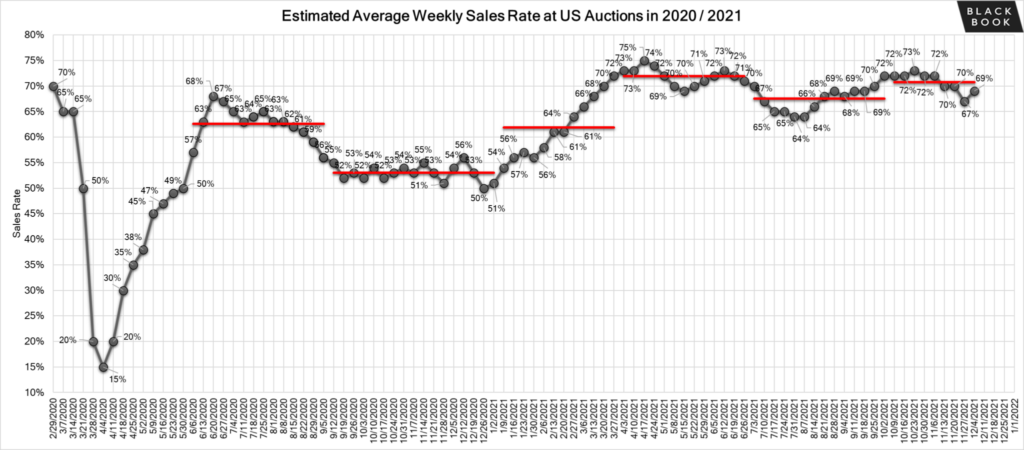
Directly from Black Book:
The weekly estimated average sales rate has remained stable at the 70% mark for the 2nd week in a row. This time last year, the estimated average weekly sales rate was around 51%, so while floor prices continue to rise, buyers continue to purchase vehicles at auction at a higher rate.
Typically the holiday season signals an increase in newer used vehicles. This is because of lease returns and rental vehicles coming to the auction. This year that is not happening to previously expected levels. While there was a slight uptick in newer model year vehicles rolling across the lane this past week, a significant portion of vehicles are arriving damaged.
Franchise car dealers are grounding lease returns and not sending them to auction. Fierce competition at the auctions can be mostly attributed to large independent dealerships and rental companies. Because of inventory scarcity, we have seen bidding wars across the country. Wholesale values and floors continue to increase and give no indication of slowing down.
We’ve heard stories from our community of similar experiences at the auction, and it appears that rougher and rougher vehicles are crossing the auction block at this time.
No. From all of the data we’ve been able to get our hands on, it looks like there isn’t a single style of vehicle or particular nameplate that is not increasing in value right now. We know that certain vehicles are appreciating less than others, however all vehicles are increasing in value right now.
Luxury vehicles, and in particular luxury SUVs are appreciating much less rapidly than other vehicles. Take for example the Mercedes-Benz GLC, it has only appreciated 8% year over year. This further reinforces the theory for why the Mirage has increased in value nearly 50%; consumers need affordable and attainable used cars, not expensive and luxurious ones.
Although our crystal ball has been notoriously cloudy here at CarEdge, we feel confident in saying that used car prices will continue to increase well into 2022. Even when automakers get production back up to speed for new vehicles, there will be lingering effects from this period of time where they have not been able to produce at expected capacity.
Also, the price to produce new vehicles has gone up. As a result of the chip shortage (and other supply chain issues), we expect MSRP on new vehicles to be considerably higher than before. Why? Because the manufacturers costs are increasing, and they will likely pass that along to the consumer. As a result, the demand for used cars will continue to be high because used cars (especially vehicles like the Mitsubishi Mirage) will be the only “attainable” price point vehicles for many people.
For these reasons, we think week over week, and month over month used car price increases will continue for at least another 12 months.
If used car prices are likely going to continue to appreciate, it would make sense to hold onto your used vehicle and wait to sell it. That being said, our best recommendation is to track the value of your used vehicle weekly. To do this we encourage you to use the “value my vehicle” section of your CarEdge account. You should also get quotes from Carvana, Vroom, CarMax, etc.
There may be small fluctuations in price from week to week, but we expect the price of your vehicle to gradually increase overtime. The indicator for when to sell will be when you see week over week declines in the value of your vehicle.
Our recommendation has been, and will continue to be to stop buying cars! We’re so passionate about this that we even made a website: http://stopbuyingcars.com/
However, if you need to buy a used car right now, here’s what you need to remember.
The only way to know if you’re getting a fair deal is to get the out-the-door price from the seller and then compare that to the vehicle’s value. To get the out-the-door price follow this guide:
To know if the vehicle’s price is fair, we encourage you to run the VIN through the CarEdge vehicle valuation page and to also get a quote from Carvana to see what they would pay to buy the car right now. If the Carvana quote is close to what you are paying for the vehicle, then it’s likely a pretty fair deal.
In today’s market, with “rougher” used cars for sale it is critically important that you get a pre-purchase inspection done on the vehicle you are thinking of purchasing. We have heard too many horror stories of people buying used cars “as-is” and then getting stuck with a piece of junk. Avoid that, and get a PPI!
Last but not least, consider getting an extended warranty on your used vehicle. CarEdge partnered with AUL Corporation to sell extended warranties with a flat markup, transparent pricing, and free consultations with an Auto Advocate. If we can help you protect your use car, we want to. More on that here: https://caredge.com/extended-warranty/ and request a free quote here: https://app.CarEdgemember.com/service-contract

Each month we have been tracking new car inventory levels. Traditionally the end of the year is the best time to buy a car. This is because automakers provide large incentives to their dealers to sell as many cars as possible before the year-end. 2021 is very different.
Current new car inventory levels declined to new lows in December. With a lack of inventory, there will be no incentives or bonus programs for dealers this year. Why would there be? There are not enough cars to sell!
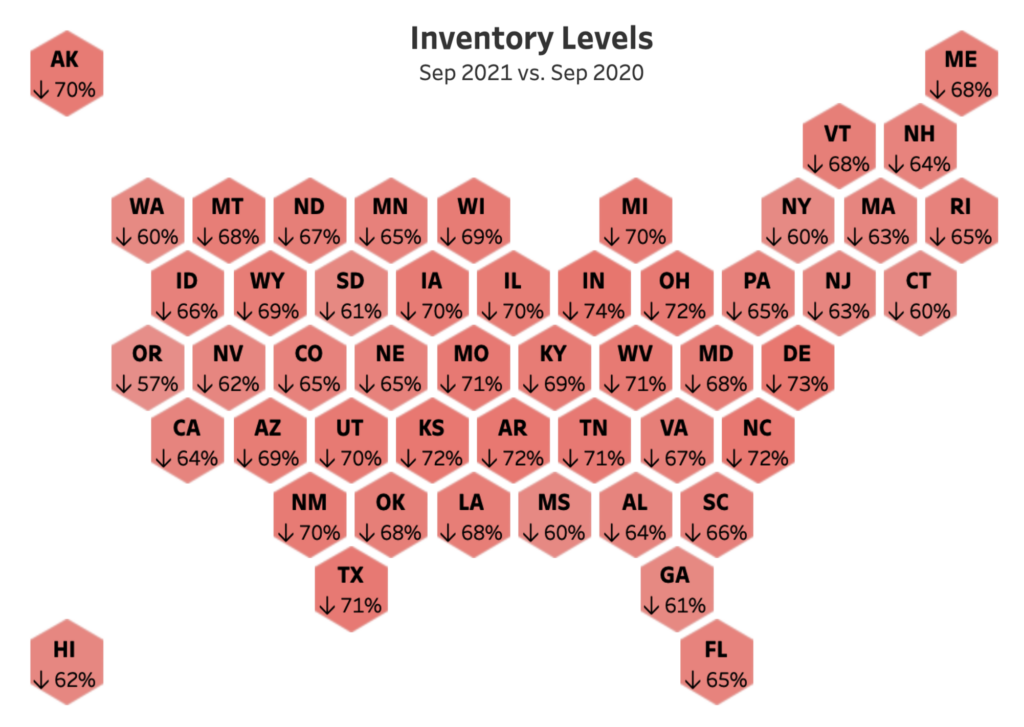
Below we breakdown the inventory levels of all of the major automakers we are able to source data on. You will see which cars have the highest inventory levels right now (an indicator that you may be able to negotiate the price of the car), and those that have the least inventory right now.
To view November’s new car inventory data, click here.
You can access all of the data here: https://docs.google.com/spreadsheets/d/1sDB4ybm8F6VQotMS-HyjWv9n5IdQjTF6mbw8RwbbYXo/edit?usp=sharing
Days supply: Number of days needed to sell all vehicles in inventory, based on the previous month’s daily selling rate
Inventory: Unit count of vehicles on hand at dealerships, factory lots, ports of entry and in transit on a specific date
Based on days supply, here are the top eight vehicles with the most inventory:
| Inventory Units (December) | Inventory Units (November) | Inventory Units (October) | Inventory Change (November to December) | Days Supply on Dec 1 | Days Supply on Nov 1 | Days Supply on Oct 1 | Days Supply Change (November to December) | |
| EcoSport | 12,100 | 6,900 | 6,500 | 5,200 | 164 | 133 | 90 | 31 |
| E-series van | 6,600 | 7,300 | 7,400 | -700 | 57 | 48 | 57 | 9 |
| Fusion | 8,500 | 100 | 100 | 8,400 | 55 | 82 | 60 | -27 |
| Mustang | 8,500 | 5,900 | 6,000 | 2,600 | 54 | 52 | 55 | 2 |
| Transit | 9,700 | 9,300 | 11,900 | 400 | 51 | 32 | 30 | 19 |
| Maverick | 5,300 | 2,700 | 3,900 | 2,600 | 49 | 18 | 193 | 31 |
| 60 series | 1,600 | 1,700 | 1,600 | -100 | 42 | 44 | 37 | -2 |
| Expedition | 7,800 | 6,900 | 7,900 | 900 | 41 | 33 | 34 | 8 |

Based on solely the number of units available, here are the top ten vehicles with the most inventory:
| Inventory Units (December) | Inventory Units (November) | Inventory Units (October) | Inventory Change (November to December) | |
| Total Toyota | 97,900 | 112,800 | 83,200 | -14,900 |
| F series | 84,300 | 95,000 | 94,200 | -10,700 |
| Toyota trk | 73,000 | 73,100 | 66,600 | -100 |
| Total Honda | 66,300 | 60,900 | 65,800 | 5,400 |
| Explorer | 26,500 | 24,700 | 23,400 | 1,800 |
| Toyota car | 24,900 | 22,200 | 16,600 | 2,700 |
| Total Kia Motors | 24,000 | 23,000 | 32,000 | 1,000 |
| Total Lexus | 18,300 | 17,500 | 24,900 | 800 |
| Total Hyundai | 17,100 | 19,900 | 26,700 | -2,800 |
| Kia trk | 14,000 | 15,000 | 19,000 | -1,000 |
You can check the current inventory levels of a particular vehicle in your market by running a free market price report in your CarEdge account.
See your local inventory levelsBased on days supply, here are the cars, trucks, and SUVs with the lease inventory right now:
| Inventory Units (December) | Inventory Units (November) | Inventory Units (October) | Inventory Change (November to December) | Days Supply on Dec 1 | Days Supply on Nov 1 | Days Supply on Oct 1 | Days Supply Change (November to December) | |
| Subaru trk | 5,700 | 4,500 | 6,400 | 1,200 | 5 | 4 | 5 | 1 |
| SUBARU OF AMERICA | 7,400 | 6,000 | 8,100 | 1,400 | 5 | 4 | 5 | 1 |
| Subaru car | 1,700 | 1,500 | 1,700 | 200 | 6 | 5 | 6 | 1 |
| Mazda trk | 4,800 | 6,000 | 10,100 | -1,200 | 7 | 10 | 13 | -3 |
| MAZDA NA | 6,000 | 7,500 | 12,400 | -1,500 | 7 | 10 | 13 | -3 |
| Insight | 200 | 700 | 1,100 | -500 | 8 | 9 | 14 | -1 |
| Hyundai car | 3,900 | 6,200 | 11,700 | -2,300 | 9 | 9 | 15 | 0 |
| Hyundai trk | 13,200 | 13,700 | 15,000 | -500 | 9 | 10 | 11 | -1 |
| Total Hyundai | 17,100 | 19,900 | 26,700 | -2,800 | 9 | 11 | 12 | -2 |
| Mazda car | 1,200 | 1,500 | 2,300 | -300 | 9 | 10 | 13 | -1 |
While Subaru’s days supply of inventory increased (from 4 units to 5) this month, they still have an incredibly limited number of vehicles on dealer’s lots. Mazda’s day supply decreased considerably from 10 to 7 this month as well.
Based on the total number of available units, here are the cars with the least inventory:
| Inventory Units (December) | Inventory Units (November) | Inventory Units (October) | Inventory Change (November to December) | |
| Clarity | 100 | 100 | 200 | 0 |
| 90 series | 100 | 100 | 100 | 0 |
| Insight | 200 | 700 | 1,100 | -500 |
| XC40 | 600 | 800 | 1,500 | -200 |
| TLX | 800 | 1,400 | 2,000 | -600 |
| Navigator | 1,000 | 1,300 | 1,400 | -300 |
| ILX | 1000 | 400 | 100 | 600 |
| Mazda car | 1,200 | 1,500 | 2,300 | -300 |
| Aviator | 1,600 | 1,800 | 1,800 | -200 |
| 60 series | 1,600 | 1,700 | 1,600 | -100 |
These are the vehicles with the lowest days supply of inventory right now, which means you shouldn’t expect to get a “deal” on any of these cars. The dealership knows they have very limited inventory and they likely won’t be getting new cars from the manufacturer anytime soon. Negotiating on these cars will likely yield frustration.
Learn more about the chip shortage. Read: The How We Ran out of Cars in the US
| Inventory Units (December) | Inventory Units (November) | Inventory Units (October) | Inventory Change (November to December) | Days Supply on Dec 1 | Days Supply on Nov 1 | Days Supply on Oct 1 | Days Supply Change (November to December) | |
| Fusion | 8,500 | 100 | 100 | 8,400 | 55 | 82 | 60 | -27 |
| Mustang | 8,500 | 5,900 | 6,000 | 2,600 | 54 | 52 | 55 | 2 |
| Bronco | 7,800 | 6,200 | 5,000 | 1,600 | 23 | 23 | 37 | 0 |
| Bronco Sport | 6,700 | 15,400 | 12,600 | -8,700 | 14 | 45 | 27 | -31 |
| E-series van | 6,600 | 7,300 | 7,400 | -700 | 57 | 48 | 57 | 9 |
| EcoSport | 12,100 | 6,900 | 6,500 | 5,200 | 164 | 133 | 90 | 31 |
| Edge | 13,000 | 16,900 | 12,800 | -3,900 | 33 | 49 | 47 | -16 |
| Escape | 10,400 | 14,800 | 14,500 | -4,400 | 26 | 30 | 32 | -4 |
| Expedition | 7,800 | 6,900 | 7,900 | 900 | 41 | 33 | 34 | 8 |
| Explorer | 26,500 | 24,700 | 23,400 | 1,800 | 35 | 32 | 29 | 3 |
| F series | 84,300 | 95,000 | 94,200 | -10,700 | 33 | 38 | 37 | -5 |
| Maverick | 5,300 | 2,700 | 3,900 | 2,600 | 49 | 18 | 193 | 31 |
| Mustang Mach-E | 4,000 | 5,600 | 5,000 | -1,600 | 31 | 53 | 79 | -22 |
| Ranger | 8,900 | 10,500 | 10,100 | -1,600 | 27 | 39 | 49 | -12 |
| Transit | 9,700 | 9,300 | 11,900 | 400 | 51 | 32 | 30 | 19 |
| Transit Connect | 3,200 | 2,200 | 1,500 | 1,000 | 29 | 41 | 98 | -12 |
| Continental | – | 100 | 179 | 0 | ||||
| Aviator | 1,600 | 1,800 | 1,800 | -200 | 23 | 23 | 26 | 0 |
| Corsair/MKC | 2,000 | 2,200 | 2,500 | -200 | 34 | 23 | 31 | 11 |
| Nautilus/MKX | 2,400 | 4,100 | 3,500 | -1,700 | 25 | 45 | 33 | -20 |
| Navigator | 1,000 | 1,300 | 1,400 | -300 | 25 | 29 | 29 | -4 |
| FORD MOTOR CO | 221,800 | 239,800 | 232,100 | -18,000 | 34 | 37 | 37 | -3 |
Ford invoice pricing can be found here: https://caredge.com/guides/ford-invoice-price/
| Inventory Units (December) | Inventory Units (November) | Inventory Units (October) | Inventory Change (November to December) | Days Supply on Dec 1 | Days Supply on Nov 1 | Days Supply on Oct 1 | Days Supply Change (November to December) | |
| ILX | 1000 | 400 | 100 | 600 | 34 | 46 | 5 | -12 |
| NSX | – | – | – | 16 | 10 | |||
| RLX | – | – | – | 45 | 67 | |||
| TLX | 800 | 1,400 | 2,000 | -600 | 17 | 27 | 26 | -10 |
| MDX | 2,200 | 1,900 | 1,100 | 300 | 15 | 16 | 13 | -1 |
| RDX | 2,500 | 3,600 | 4,000 | -1,100 | 15 | 18 | 21 | -3 |
| Total Acura | 6,500 | 7,300 | 7,200 | -800 | 17 | 19 | 19 | -2 |
| Inventory Units (December) | Inventory Units (November) | Inventory Units (October) | Inventory Change (November to December) | Days Supply on Dec 1 | Days Supply on Nov 1 | Days Supply on Oct 1 | Days Supply Change (November to December) | |
| Accord | 8,200 | 9,500 | 6,900 | -1,300 | 13 | 17 | 14 | -4 |
| Civic | 10,800 | 6,800 | 8,200 | 4,000 | 20 | 14 | 13 | 6 |
| Clarity | 100 | 100 | 200 | 0 | 20 | 35 | 49 | -15 |
| Fit | – | – | 70 | – | 70 | |||
| Insight | 200 | 700 | 1,100 | -500 | 8 | 9 | 14 | -1 |
| CR-V | 11,600 | 9,200 | 14,800 | 2,400 | 13 | 10 | 21 | 3 |
| HR-V | 11,700 | 13,400 | 13,900 | -1,700 | 27 | 31 | 28 | -4 |
| Odyssey | 1,700 | 1,300 | 2,400 | 400 | 18 | 13 | 11 | 5 |
| Passport | 3,700 | 2,400 | 4,500 | 1,300 | 32 | 17 | 19 | 15 |
| Pilot | 8,700 | 6,900 | 11,100 | 1,800 | 27 | 20 | 23 | 7 |
| Ridgeline | 3,100 | 3,300 | 2,700 | -200 | 22 | 27 | 25 | -5 |
| Total Honda | 66,300 | 60,900 | 65,800 | 5,400 | 19 | 17 | 19 | 2 |
| Inventory Units (December) | Inventory Units (November) | Inventory Units (October) | Inventory Change (November to December) | Days Supply on Dec 1 | Days Supply on Nov 1 | Days Supply on Oct 1 | Days Supply Change (November to December) | |
| Genesis car | 2,900 | 3,500 | 4,100 | -600 | 39 | 49 | 68 | -10 |
| Genesis trk | 2,600 | 3,000 | 3,700 | -400 | 19 | 24 | 28 | -5 |
| Total Genesis | 5,500 | 6,500 | 7,800 | -1,000 | 26 | 33 | 40 | -7 |
| Inventory Units (December) | Inventory Units (November) | Inventory Units (October) | Inventory Change (November to December) | Days Supply on Dec 1 | Days Supply on Nov 1 | Days Supply on Oct 1 | Days Supply Change (November to December) | |
| Hyundai car | 3,900 | 6,200 | 11,700 | -2,300 | 9 | 9 | 15 | 0 |
| Hyundai trk | 13,200 | 13,700 | 15,000 | -500 | 9 | 10 | 11 | -1 |
| Total Hyundai | 17,100 | 19,900 | 26,700 | -2,800 | 9 | 11 | 12 | -2 |
| Inventory Units (December) | Inventory Units (November) | Inventory Units (October) | Inventory Change (November to December) | Days Supply on Dec 1 | Days Supply on Nov 1 | Days Supply on Oct 1 | Days Supply Change (November to December) | |
| Kia car | 10,000 | 8,000 | 13,000 | 2,000 | 12 | 9 | 13 | 3 |
| Kia trk | 14,000 | 15,000 | 19,000 | -1,000 | 14 | 15 | 17 | -1 |
| Total Kia Motors | 24,000 | 23,000 | 32,000 | 1,000 | 13 | 12 | 15 | 1 |
| Inventory Units (December) | Inventory Units (November) | Inventory Units (October) | Inventory Change (November to December) | Days Supply on Dec 1 | Days Supply on Nov 1 | Days Supply on Oct 1 | Days Supply Change (November to December) | |
| Mazda car | 1,200 | 1,500 | 2,300 | -300 | 9 | 10 | 13 | -1 |
| Mazda trk | 4,800 | 6,000 | 10,100 | -1,200 | 7 | 10 | 13 | -3 |
| MAZDA NA | 6,000 | 7,500 | 12,400 | -1,500 | 7 | 10 | 13 | -3 |
| Inventory Units (December) | Inventory Units (November) | Inventory Units (October) | Inventory Change (November to December) | Days Supply on Dec 1 | Days Supply on Nov 1 | Days Supply on Oct 1 | |
| Subaru car | 1,700 | 1,500 | 1,700 | 200 | 6 | 5 | 6 |
| Subaru trk | 5,700 | 4,500 | 6,400 | 1,200 | 5 | 4 | 5 |
| SUBARU OF AMERICA | 7,400 | 6,000 | 8,100 | 1,400 | 5 | 4 | 5 |
| Inventory Units (December) | Inventory Units (November) | Inventory Units (October) | Inventory Change (November to December) | Days Supply on Dec 1 | Days Supply on Nov 1 | Days Supply on Oct 1 | Days Supply Change (November to December) | |
| Lexus car | 5,200 | 4,700 | 5,900 | 500 | 31 | 29 | 29 | 2 |
| Lexus trk | 13,100 | 12,800 | 19,000 | 300 | 21 | 19 | 27 | 2 |
| Total Lexus | 18,300 | 17,500 | 24,900 | 800 | 23 | 21 | 27 | 2 |
| Inventory Units (December) | Inventory Units (November) | Inventory Units (October) | Inventory Change (November to December) | Days Supply on Dec 1 | Days Supply on Nov 1 | Days Supply on Oct 1 | Days Supply Change (November to December) | |
| Toyota car | 24,900 | 22,200 | 16,600 | 2,700 | 19 | 20 | 11 | -1 |
| Toyota trk | 73,000 | 73,100 | 66,600 | -100 | 17 | 21 | 18 | -4 |
| Total Toyota | 97,900 | 112,800 | 83,200 | -14,900 | 17 | 21 | 18 | -4 |
| Inventory Units (December) | Inventory Units (November) | Inventory Units (October) | Inventory Change (November to December) | Days Supply on Dec 1 | Days Supply on Nov 1 | Days Supply on Oct 1 | Days Supply Change (November to December) | |
| 60 series | 1,600 | 1,700 | 1,600 | -100 | 42 | 44 | 37 | -2 |
| 90 series | 100 | 100 | 100 | 0 | 28 | 42 | 34 | -14 |
| XC40 | 600 | 800 | 1,500 | -200 | 12 | 10 | 18 | 2 |
| XC60 | 3,700 | 4,100 | 4,200 | -400 | 29 | 37 | 33 | -8 |
| XC90 | 2,000 | 2,000 | 2,700 | 0 | 20 | 21 | 23 | -1 |
| VOLVO CAR USA | 8,000 | 8,700 | 10,100 | -700 | 25 | 27 | 27 | -2 |
| Inventory Units (December) | Inventory Units (November) | Inventory Units (October) | Inventory Change (November to December) | Days Supply on Dec 1 | Days Supply on Nov 1 | Days Supply on Oct 1 | Days Supply Change (November to December) | |
| Fusion | 8,500 | 100 | 100 | 8,400 | 55 | 82 | 60 | -27 |
| Mustang | 8,500 | 5,900 | 6,000 | 2,600 | 54 | 52 | 55 | 2 |
| Bronco | 7,800 | 6,200 | 5,000 | 1,600 | 23 | 23 | 37 | 0 |
| Bronco Sport | 6,700 | 15,400 | 12,600 | -8,700 | 14 | 45 | 27 | -31 |
| E-series van | 6,600 | 7,300 | 7,400 | -700 | 57 | 48 | 57 | 9 |
| EcoSport | 12,100 | 6,900 | 6,500 | 5,200 | 164 | 133 | 90 | 31 |
| Edge | 13,000 | 16,900 | 12,800 | -3,900 | 33 | 49 | 47 | -16 |
| Escape | 10,400 | 14,800 | 14,500 | -4,400 | 26 | 30 | 32 | -4 |
| Expedition | 7,800 | 6,900 | 7,900 | 900 | 41 | 33 | 34 | 8 |
| Explorer | 26,500 | 24,700 | 23,400 | 1,800 | 35 | 32 | 29 | 3 |
| F series | 84,300 | 95,000 | 94,200 | -10,700 | 33 | 38 | 37 | -5 |
| Maverick | 5,300 | 2,700 | 3,900 | 2,600 | 49 | 18 | 193 | 31 |
| Mustang Mach-E | 4,000 | 5,600 | 5,000 | -1,600 | 31 | 53 | 79 | -22 |
| Ranger | 8,900 | 10,500 | 10,100 | -1,600 | 27 | 39 | 49 | -12 |
| Transit | 9,700 | 9,300 | 11,900 | 400 | 51 | 32 | 30 | 19 |
| Transit Connect | 3,200 | 2,200 | 1,500 | 1,000 | 29 | 41 | 98 | -12 |
| Continental | – | 100 | 179 | 0 | ||||
| Aviator | 1,600 | 1,800 | 1,800 | -200 | 23 | 23 | 26 | 0 |
| Corsair/MKC | 2,000 | 2,200 | 2,500 | -200 | 34 | 23 | 31 | 11 |
| Nautilus/MKX | 2,400 | 4,100 | 3,500 | -1,700 | 25 | 45 | 33 | -20 |
| Navigator | 1,000 | 1,300 | 1,400 | -300 | 25 | 29 | 29 | -4 |
| FORD MOTOR CO | 221,800 | 239,800 | 232,100 | -18,000 | 34 | 37 | 37 | -3 |
| ILX | 1000 | 400 | 100 | 600 | 34 | 46 | 5 | -12 |
| NSX | – | – | – | 16 | 10 | |||
| RLX | – | – | – | 45 | 67 | |||
| TLX | 800 | 1,400 | 2,000 | -600 | 17 | 27 | 26 | -10 |
| MDX | 2,200 | 1,900 | 1,100 | 300 | 15 | 16 | 13 | -1 |
| RDX | 2,500 | 3,600 | 4,000 | -1,100 | 15 | 18 | 21 | -3 |
| Total Acura | 6,500 | 7,300 | 7,200 | -800 | 17 | 19 | 19 | -2 |
| Accord | 8,200 | 9,500 | 6,900 | -1,300 | 13 | 17 | 14 | -4 |
| Civic | 10,800 | 6,800 | 8,200 | 4,000 | 20 | 14 | 13 | 6 |
| Clarity | 100 | 100 | 200 | 0 | 20 | 35 | 49 | -15 |
| Fit | – | – | 70 | – | 70 | |||
| Insight | 200 | 700 | 1,100 | -500 | 8 | 9 | 14 | -1 |
| CR-V | 11,600 | 9,200 | 14,800 | 2,400 | 13 | 10 | 21 | 3 |
| HR-V | 11,700 | 13,400 | 13,900 | -1,700 | 27 | 31 | 28 | -4 |
| Odyssey | 1,700 | 1,300 | 2,400 | 400 | 18 | 13 | 11 | 5 |
| Passport | 3,700 | 2,400 | 4,500 | 1,300 | 32 | 17 | 19 | 15 |
| Pilot | 8,700 | 6,900 | 11,100 | 1,800 | 27 | 20 | 23 | 7 |
| Ridgeline | 3,100 | 3,300 | 2,700 | -200 | 22 | 27 | 25 | -5 |
| Total Honda | 66,300 | 60,900 | 65,800 | 5,400 | 19 | 17 | 19 | 2 |
| Genesis car | 2,900 | 3,500 | 4,100 | -600 | 39 | 49 | 68 | -10 |
| Genesis trk | 2,600 | 3,000 | 3,700 | -400 | 19 | 24 | 28 | -5 |
| Total Genesis | 5,500 | 6,500 | 7,800 | -1,000 | 26 | 33 | 40 | -7 |
| Hyundai car | 3,900 | 6,200 | 11,700 | -2,300 | 9 | 9 | 15 | 0 |
| Hyundai trk | 13,200 | 13,700 | 15,000 | -500 | 9 | 10 | 11 | -1 |
| Total Hyundai | 17,100 | 19,900 | 26,700 | -2,800 | 9 | 11 | 12 | -2 |
| Kia car | 10,000 | 8,000 | 13,000 | 2,000 | 12 | 9 | 13 | 3 |
| Kia trk | 14,000 | 15,000 | 19,000 | -1,000 | 14 | 15 | 17 | -1 |
| Total Kia Motors | 24,000 | 23,000 | 32,000 | 1,000 | 13 | 12 | 15 | 1 |
| Mazda car | 1,200 | 1,500 | 2,300 | -300 | 9 | 10 | 13 | -1 |
| Mazda trk | 4,800 | 6,000 | 10,100 | -1,200 | 7 | 10 | 13 | -3 |
| MAZDA NA | 6,000 | 7,500 | 12,400 | -1,500 | 7 | 10 | 13 | -3 |
| Subaru car | 1,700 | 1,500 | 1,700 | 200 | 6 | 5 | 6 | 1 |
| Subaru trk | 5,700 | 4,500 | 6,400 | 1,200 | 5 | 4 | 5 | 1 |
| SUBARU OF AMERICA | 7,400 | 6,000 | 8,100 | 1,400 | 5 | 4 | 5 | 1 |
| Lexus car | 5,200 | 4,700 | 5,900 | 500 | 31 | 29 | 29 | 2 |
| Lexus trk | 13,100 | 12,800 | 19,000 | 300 | 21 | 19 | 27 | 2 |
| Total Lexus | 18,300 | 17,500 | 24,900 | 800 | 23 | 21 | 27 | 2 |
| Toyota car | 24,900 | 22,200 | 16,600 | 2,700 | 19 | 20 | 11 | -1 |
| Toyota trk | 73,000 | 73,100 | 66,600 | -100 | 17 | 21 | 18 | -4 |
| Total Toyota | 97,900 | 112,800 | 83,200 | -14,900 | 17 | 21 | 18 | -4 |
| 60 series | 1,600 | 1,700 | 1,600 | -100 | 42 | 44 | 37 | -2 |
| 90 series | 100 | 100 | 100 | 0 | 28 | 42 | 34 | -14 |
| XC40 | 600 | 800 | 1,500 | -200 | 12 | 10 | 18 | 2 |
| XC60 | 3,700 | 4,100 | 4,200 | -400 | 29 | 37 | 33 | -8 |
| XC90 | 2,000 | 2,000 | 2,700 | 0 | 20 | 21 | 23 | -1 |
| VOLVO CAR USA | 8,000 | 8,700 | 10,100 | -700 | 25 | 27 | 27 | -2 |
| TOTAL | 478,800 | 490,000 | 483,600 | -11,200 | 17 | 18 | 20 | -1 |
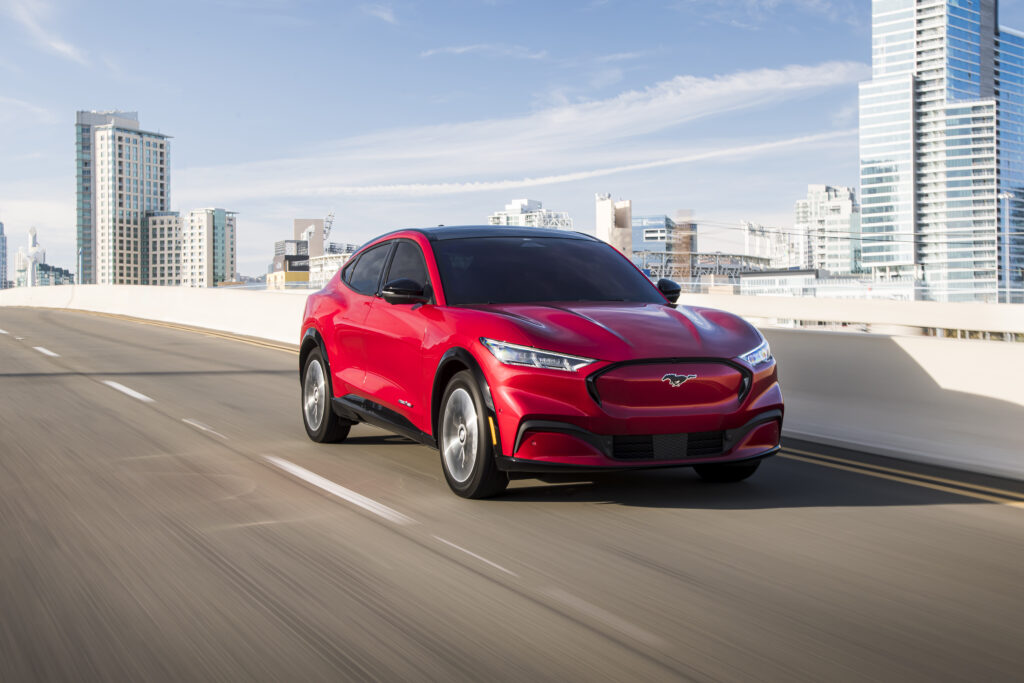
When Ford announced that it intended to bestow the Mustang name upon its first dedicated EV, it was a polarizing moment for auto enthusiasts. Now that the dust has settled, many Mach-E drivers feel that the car lives up to the name. After making a debut as a 2021 model, the 2022 Ford Mustang Mach-E is receiving some noteworthy upgrades. Ford is even welcoming a spicy GT variant to the lineup.
October 2021 was a great month for Ford EV sales. Sales reached an all-time high of 14,062 EVs and plug-in hybrids in October, a 195% increase year-over-year. Nearly 3,000 of those sales are attributed to the Mustang Mach-E, Ford’s flagship electric vehicle. Mach-E owners love their cars, and over 90% say they would recommend the model to others. Let’s explore why the Mustang Mach-E is making a name for itself among performance enthusiasts and families alike, and what planned updates are in store for the 2022 Ford Mustang Mach-E.

For the first time in the Mustang’s 56 year history, there’s an all-new member of the family. The Mach-E is a muscular SUV with a sleek and undeniably Mustang-inspired design. It combines a spacious compact crossover cabin, a touch of performance, and an EPA-estimated range of up to 300 miles. Following the popularity of Tesla’s giant infotainment screen and panoramic glass room, the Mustang Mach-E features these and much more. The ride is firm but tight in the corners. It’s a very heavy car with a low center of gravity, and that’s felt in the handling.
The Mach-E is available with standard and extended-range battery options, and each can be paired with either rear-wheel or all-wheel drive powered by permanent magnet motors. The more family-oriented extended-range all-wheel-drive configuration targets 346 horsepower and 428 lb-ft of torque, which is on par with the best of the segment. Unlike some EVs, early testing shows the Mach-E getting the mileage that is advertised. InsideEVs testing found that the extended-range rear-wheel drive Mach-E can go 282 miles at constant 70 mph highway speeds, which even beats the 276 miles Tesla’s Model Y achieved in the real-world test.
Mustang fans were thrilled to learn that a GT Performance Mach-E is hitting the roads in 2022. This Model Y Performance competitor “brings the thrills Mustang is famous for” as Ford puts it, targeting 0-60 mph in 3.5 seconds, 480 horsepower and 634 lb-ft of torque with the Performance package.

2022 brings a few updates to the Mach-E’s battery and infotainment. One of the only complaints about the car has been the inconvenient charging curve at DC fast chargers. Once the 2021 Mach-E is over 80% state of charge, the charging rate plummets, meaning that drivers sit around waiting for it to trickle electrons into the battery pack. The 2022 model will fix that, and existing 2021 cars will receive an over-the-air update that will improve charging times for current owners. But for now, the 2021 Mach-E can add 59 miles in ten minutes, and charging from 10%-80% takes about 45 minutes. If you’re new to EVs, this may sound disappointing, but keep in mind that fast charging usually only happens on road trips, where you can take advantage of Ford’s new FordPass charging network partners. The vast majority of charging is done at home overnight.
Every EV battery includes a buffer of unusable capacity. In 2022, the Mach-E will have a slightly reduced buffer, which translates to a bump in range. A reduced buffer isn’t a bad thing, it simply means that Ford’s engineers have seen enough data to feel confident in how the battery is performing under a range of conditions. The updated range figures haven’t been announced yet, but each trim will likely add at least ten miles.
The 2022 Mach-E’s 15.5” portrait-oriented infotainment screen receives a few tweaks to improve functionality. CarPlay is now more customizable, and Ford’s navigation system is more useful. Most importantly, the car’s estimation of the state of charge when arriving at a destination is getting more accurate and intelligent. The system can now direct the driver towards alternative charging stations if the intended destination is out of working order.
Ford’s BlueCruise hands-free driving technology will be available as a monthly subscription beginning in 2022. New cars come with a free trial period. BlueCruise allows for hands-free driving on over 100,000 miles of highways, so long that eyes remain on the road.

*The 2022 model year receives a $1,000 MSRP increase. Be aware that many dealers are charging well over MSRP. Shop around, take online dealer listings with a large scoop of salt. It’s best to call the dealer to find out what true pricing is.
The 2022 Ford Mustang Mach-E starts at a base price of $43,895 for the standard range rear-wheel drive variant. Adding AWD to the standard battery pack brings the price up to $46,595 while dropping range to 211 miles. The Premium trim includes a panoramic glass roof, premium interior features, and more. The optional extended range battery lists for $54,100 with RWD and $56,800 with AWD. The fully-loaded GT performance lists for $61,995, which makes for a compelling buy now that the Tesla Model Y dual-motor base version costs roughly the same.
These MSRP’s are before taxes and fees, and the ongoing supply shortage has had numerous Ford dealerships implementing massive markups on their Mach-E’s. Some buyers are paying dealer markups of over $10,000 to get their hands on one. Consider yourself lucky if you can find one at MSRP.
All Ford EV’s continue to qualify for the $7,500 federal tax credit for the purchase of an electric vehicle. However, there are likely to be major changes to federal incentives in 2022, the details of which are still being worked out in congress. Ford currently builds the Mach-E in Mexico, but that’s expected to change with Ford’s new dedicated EV production facilities in Tennessee and Kentucky. If the Mach-E becomes an American made EV, additional incentives may apply. Several states offer incentives too. In California, New York and others, combined state and federal incentives can bring the effective price of the Mach-E below $35,000.
The Mustang Mach-E has turned out to be a compelling electric crossover for a large segment of buyers. Whether you’re drawn to sporty handling and excellent build quality or the idea of a family-sized Mustang, this car is worth a test drive (if you can find one). One thing that strengthens the case for the Mach-E is the capability for over-the-air updates. Tesla introduced OTA to the industry, and Ford was the quickest to see the game-changing benefits it brings. If you buy an electric Ford today, there’s a good chance your car will have more range, better performance and even more features a year from now. Plus, with $22 billion in planned EV investment through 2025, there’s no need to worry about EV tech becoming a passing fad.
Ford’s continued eligibility for the federal EV tax credit is another reason to keep this car high on your shopping list. The Mach-E’s most obvious competitor, the Tesla Model Y, no longer qualifies after the automaker exceeded the 200,000 sale limit. Changes to federal incentives are more than likely on the way, and Ford EV’s may end up qualifying for additional federal incentives. But don’t get too excited about adding the Mach-E to your driveway anytime soon. As of December 2021, shortages and delays are pushing delivery times out to 28+ weeks. That’s at least seven months of waiting!
What’s your impression of the Ford Mustang Mach-E? Does it live up to the legendary name, or is this a different car altogether? Regardless, Ford is proud of this performance-minded electric crossover. The team at CarEdge will keep you updated as automakers increasingly go electric. Check out the latest Ford Mustang Mach-E listings on our new listing service that features info and insights that empower you to negotiate the best deal every time.