
CarEdge saved me over 4,500 dollars on a brand new Honda Pilot. I can't say thank you enough.
Price intelligence
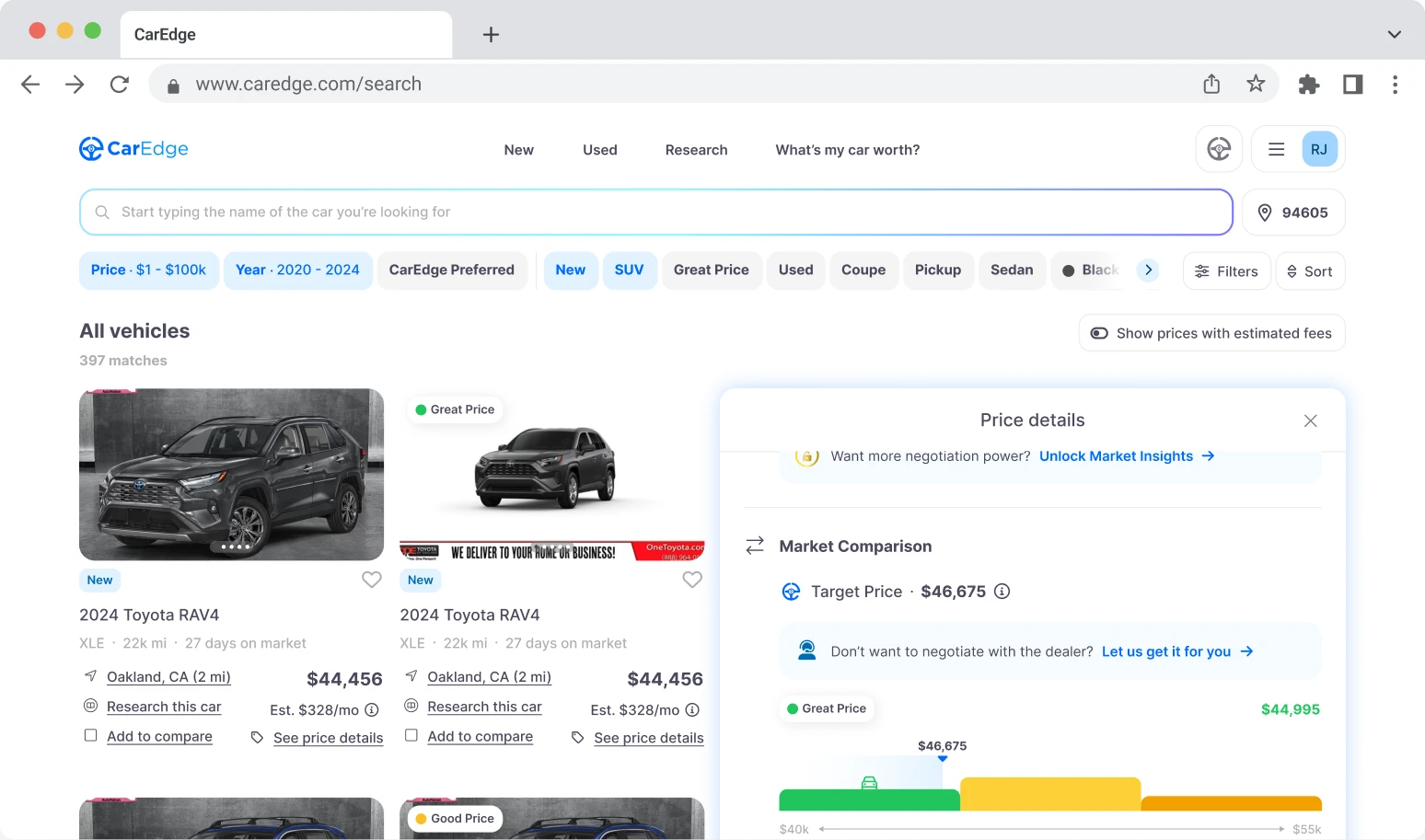
Find a wide range of vehicle listings with market insights on new and used listings near you.

What can I do with CarEdge?
 CarEdge Insights
What can I do with CarEdge?
Get access to exclusive information so you can make an informed car buying decision — all in one place.

Find a wide range of vehicle listings with market insights on new and used listings near you.
Track your vehicle’s value and cash in when the time is right to sell.

Access to our proprietary data to help you find the right car, at the right price. Find these unlocked on every listing after subscribing.

With our expert-led, tech-enabled car buying service, we will locate, negotiate, and deliver your vehicle so you can get a new car hassle free.


Help us personalize your CarEdge experience — it only takes a second.
Your answers help us personalize your CarEdge journey — we’ll follow up with tips and next steps that match your buying timeline.

More drivers are warming up to the idea of electric vehicles, yet, for many, the high purchase price of EVs is too much. On top of that, EVs depreciate faster than other types of cars, leaving many buyers without equity for years to come. The best electric vehicle leases provide a great way to avoid these two obstacles. By leasing, you experience the cutting-edge technology of EVs without the long-term financial commitment. By the time your lease ends, electric mobility will be miles ahead of today’s car models.
These aren’t just the cheapest EV leases available right now. Instead, we’ve curated this list of the BEST EV lease deals in April 2025. What’s the difference? All of these electric cars and SUVs offer fast charging, plenty of range, and high driver satisfaction. Note that these manufacturer lease offers exclude tax, title, and fees. The dealer sets the final price.
👉 Not sure if leasing is for you? Be sure to check out The Consumer’s Guide to Leasing.

Best Lease Deal: $179/month for 24 months with $3,999 due at signing.
The Kia EV6 is one of the fastest-charging EVs available today, period. In face, it’s the fastest-charging EV on sale in 2024 for under $50,000, on pace with the Hyundai IONIQ 5 and Tesla’s most affordable models. For those interested in buying, the EV6 is available with zero percent financing for 72 months right now.
This offer ends on 4/30/2025. See offer details.
Browse Kia EV6 listings with the power of local market data
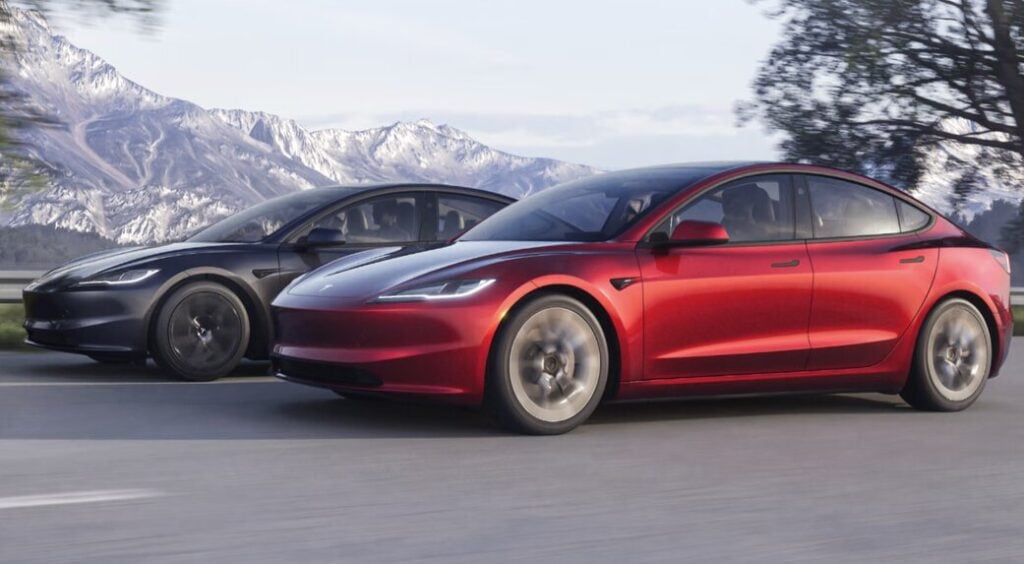
Best Deal: $299/month for 36 months with $1,000 due at signing.
The Tesla Model 3 is still the king of EVs. Even as sales growth stalls, it’s still Tesla’s market. Legacy automakers can only hope for second place. The main Tesla advantages in 2025 are the vast Supercharger network, and the ease of over-the-air software updates for feature upgrades and recall fixes. The newly-refreshed Model Y is also available with great lease terms.
See offer details at Tesla.com.
Browse used Tesla listings before buying new

Best Lease Deal: $299/month for 24 months with $4,169 due at signing.
The Chevy Equinox EV is one of the best cheap EVs on sale in April 2025. InsideEVs recently awarded the Equinox EV with their ‘Breakthrough EV of the Year‘ award. Despite more recently arriving, the Equinox EV is outselling the Chevrolet Blazer EV by a wide margin. The Equinox EV also has 0.9% APR for 60 months for those wanting to buy.
This offer ends on 4/30/2025. See offer details.
Browse Equinox EV listings with the power of local market data

Best Lease Deal: Lease the Honda Prologue front-wheel drive Touring from $239/month for 24-36 months with just $3,199 due at signing.
Honda went from zero EV sales to having one of the top-selling models in America. This is a stark contrast with Toyota, who has struggled to sell the less impressive bZ4X electric crossover.
This offer ends on April 30, 2025. See offer details.
Browse Honda Prologue listings with the power of local market data
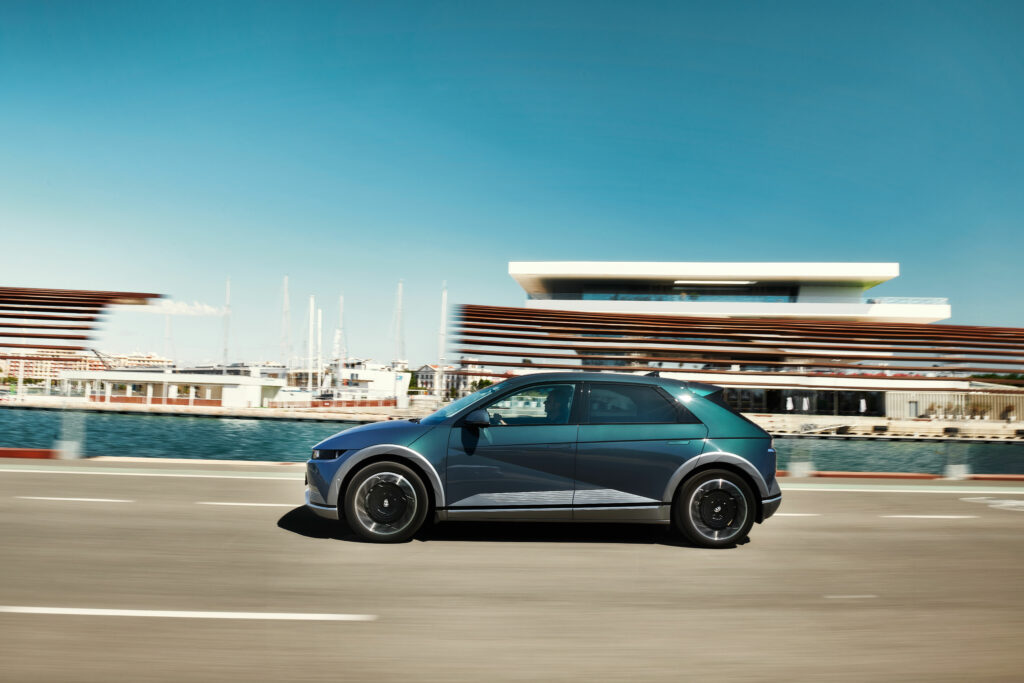
Leasing an EV is the best way to try out the electric vehicle lifestyle without the hefty price tag and long-term commitment. Our rundown of the top electric vehicle leases offers insights into deals that provide both value and quality.
👉 Tired of car buying hassles? Let a professional do it for you! Learn more about CarEdge Concierge, the most-trusted car buying service out there!

Stepping into a car dealership can feel like entering a high-stakes poker game, but with the right guidance, you can confidently call their bluff. CarEdge’s Ray Shefska lifts the veil on dealership tactics with secrets from his impressive 40+ year tenure in the industry. While maximizing profits is part of their playbook, you don’t have to be an unwitting participant. With CarEdge by your side, here are the pivotal questions and strategies to empower your negotiations.
Correct answer: I have a total out-the-door price in mind. I’d like to stay focused on that.
Wrong answer: Yes, I don’t want my monthly payment to be more than $700 per month.
Why: Once the dealer knows what your monthly payment goal is, they immediately start thinking about how much wiggle room they have for add-on products, incentives and other odds and ends of the deal. Once you share your desired monthly payment, you’ll be negotiating that number for the rest of the deal. This makes it alarmingly easy to lose sight of how much you’re actually paying for the car.
Correct answer: I just want to know what the out-the-door number is, can we stay focused on that for now?
Wrong answer: I think I could put between $5,000 and $10,000 down. It depends on what the price of the car is, and how much you give me for the trade-in.
Why: This question is another tactic the salesperson uses to turn you into a ‘payment buyer’. Yes, you’ll eventually have to tell them what your down payment is, but do NOT volunteer that information too early in the negotiation! Car dealership salespeople are going to.
Note: Often, the salesperson will phrase this question as if it’s coming from the bank. For example, “The bank typically wants you to put 20% cash down or more. Were you planning on doing that?” You can still refuse to answer this question early on in the conversation. Remember, you’re still trying to get the out-the-door price from them. That’s the number that matters.
Correct answer: I haven’t decided yet. Once we’ve established an out-the-door number, we can discuss things like that.
Wrong answer: Yes of course, how much can you give me for it?
Why: You should always treat buying a car and trading in as TWO separate transactions, because they truly are. See what your car is worth with offers from multiple online buyers here.
These are the questions you’re most likely to encounter at the finance office. For even more tips, examples and advice, see our Finance Office Cheat Sheet. It’s one of our many free resources!
Correct answer: I have thought about this and I’ve even been pre-approved with competitive credit unions, so I do understand what my loan terms should be in order to keep my payment affordable.
Wrong answer: No, I haven’t thought about it yet. Can you help me lower my payment even further?
Why: When you express uncertainty about your desired loan term, finance managers spot an opportunity to manipulate the loan term to make a deal appear more attractive. By extending the loan term, they can “lower” your monthly payments, even if it ends up costing you more in the long run due to interest.
Correct answer: Yes, if you can beat the rate I have on my pre-approval from the credit union, I’d consider it. The rate and the payment would need to come down enough to justify it.
Wrong answer: Sure! That sounds easier.
Why: Be sure to mention that your payment would need to come down in addition to getting a lower interest rate. Why? All too often, the finance manager can offer you a slightly lower interest rate, only to trick you into add-on products later, meaning that your monthly payment ends up the same or even higher than it was originally.
Are you interested in our tire care package for just $6 per month? Or theft protection for just $10 per month?
Correct answer: Thanks, but for each of these products, I need to see the total cost of the product, not just the monthly payment.
Wrong answer: Awesome, wow I see that this theft protection only adds $10 per month!
Why: Expect them to show you the monthly payment, not the total price of the products on their menu. You’ll have to ask for them to point out the total price. Remember this: A product that adds ‘just’ $10 to your monthly car payment over a 60-month loan term will actually cost you $600.
Would you pay $600 for something like tire protection or theft protection? Or, could you buy these products elsewhere for half the price? This is how you should think about the menu products.
The finance office is not the time to lose sight of the number that matters: the out-the-door price!
Familiarize yourself with car dealer fees and products with our complete introduction.
Ready to outsmart the dealerships? Download your 100% free car buying cheat sheets today. From negotiating a deal to leasing a car the smart way, it’s all available for instant download. Get your cheat sheets today!
Remember that when buying or leasing a car, knowledge is power!

Most car buyers don’t typically think of autumn as a great time to buy a car, but it’s the perfect time if you know where to look. Whether you’re planning to buy, hoping to sell, or are just curious about where the industry is headed, you’ve come to the right place. Buckle up as we steer you through the latest trends, from brand inventories and market conditions to financial forecasts. Let’s roll!
The new car market still hasn’t reached so-called ‘normal’. Will it ever? Only a fool would make bold predictions after what we’ve all witnessed this decade. However, let’s talk about what we do know.
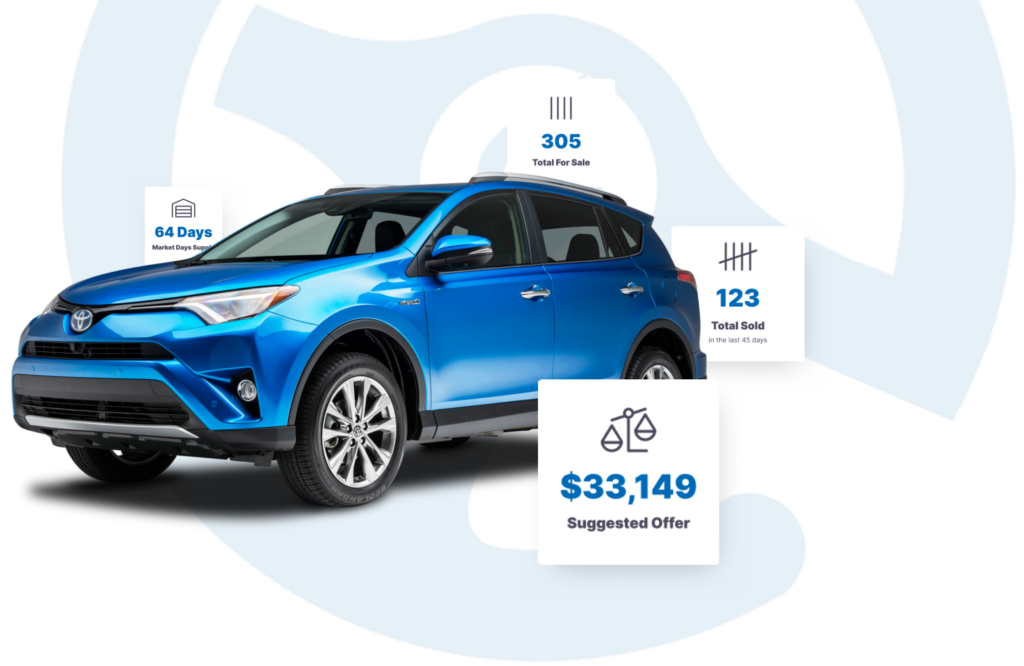
This autumn, we’re seeing an increase in cars on the lot, yet a significant disparity persists between automakers in terms of inventory levels. The current industry average hovers just under 60 days in terms of Market Day Supply. Why should you care about Market Day Supply (MDS)? This metric is crucial when understanding how much bargaining power you might have at the dealership. Brands with a high MDS are more eager to shift their inventory, and therefore, more likely to negotiate on price.
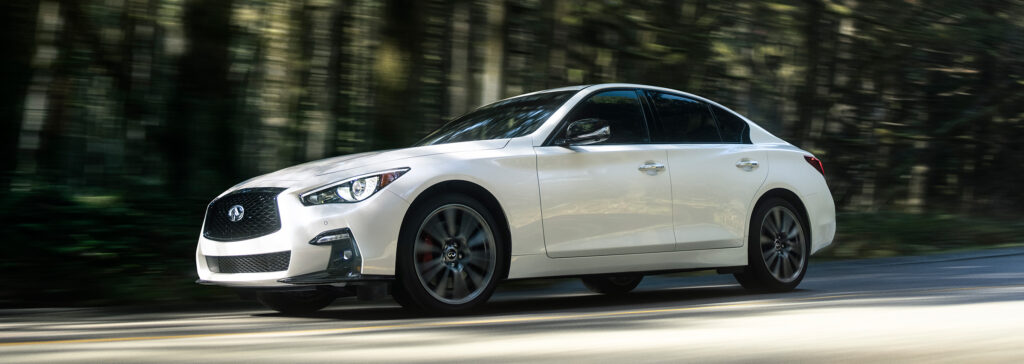
In the present market, Infiniti, Chrysler, Lincoln, Ford, Dodge, Buick, and Jeep have high inventory levels. This makes them prime targets for savvy buyers looking to negotiate a better deal. Here’s a look at nationwide inventory for the most negotiable new car brands:
| Make | Market Day Supply (Nationwide 9/1/23) |
|---|---|
| Infiniti | 119 |
| Chrysler | 179 |
| Lincoln | 128 |
| Ford | 99 |
| Dodge | 190 |
| Buick | 113 |
| Jeep | 179 |
| Market Average | 72 |
As you can see, all of these brands are dealing with a surplus of new car inventory right now. The longer that a new car sits on a dealer’s lot, the more negotiable it becomes for the knowledgeable car buyer. Dealers pay ‘floorplanning costs’ to keep inventory, so every day cuts into their profit margins. Learn how to use this information to your advantage with this 100% free Car Buying Cheat Sheet.
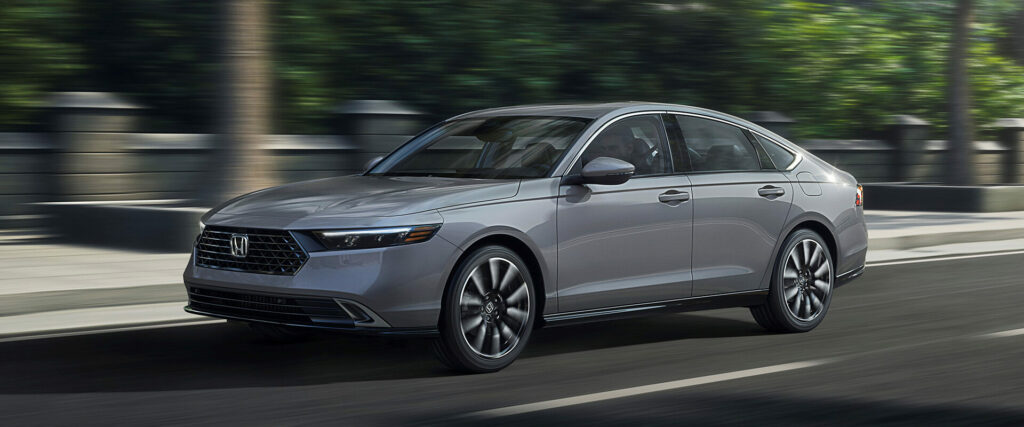
On the flip side, if you’re looking at Kia, Honda, Subaru, Lexus, BMW, and Toyota, be prepared for a bit of a struggle. These brands are facing low inventory levels. In some instances, new arrivals are pre-sold before they even hit the lot!
Here’s nationwide inventory for these new cars:
| Make | Market Day Supply (Nationwide 9/1/23) |
|---|---|
| Kia | 35 |
| Honda | 33 |
| Subaru | 48 |
| Lexus | 50 |
| BMW | 49 |
| Toyota | 40 |
| Market Average | 72 |
See local car market data for every make and model with CarEdge Data.
Surprisingly, Subaru remains a brand that’s willing to negotiate even when their inventory is low. Let’s take a look at some examples of today’s Subaru inventory:
| Make | Model | Market Day Supply | Total For Sale |
|---|---|---|---|
| Subaru | Ascent | 66 | 6,992 |
| Subaru | Solterra | 82 | 2,092 |
| Subaru | Crosstrek | 61 | 18,096 |
| Subaru | Forester | 74 | 26,782 |
| Subaru | Outback | 80 | 24,836 |
| Subaru | Impreza | 63 | 4,031 |
| Subaru | Legacy | 58 | 3,498 |
| Subaru | WRX | 83 | 3,339 |
| Subaru | Brand Average | 71 | 89,879 |
Our Coaches frequently empower Subaru lovers with the skills to negotiate even low-inventory new and used Subaru models. Check out these success stories of what is possible!
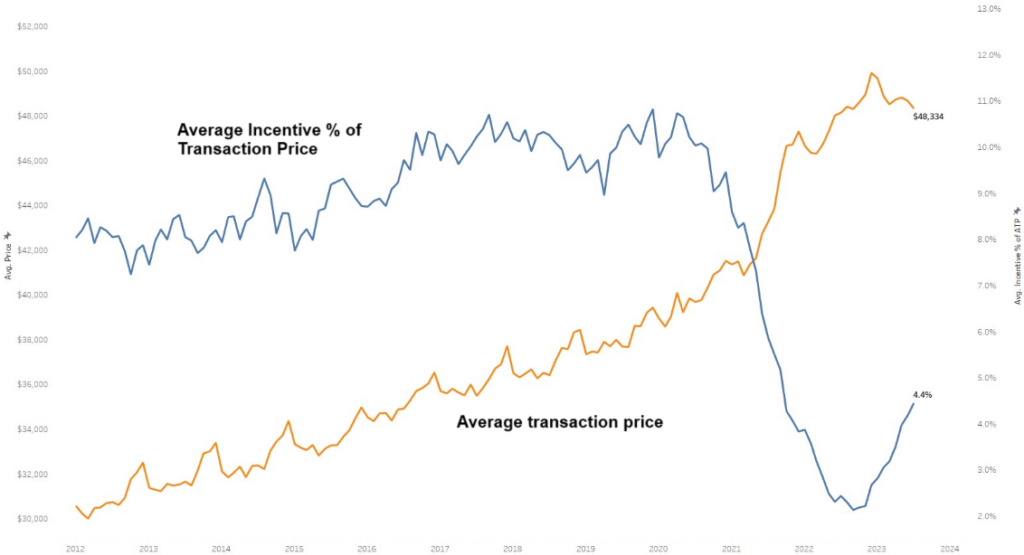
These are the top trends that our team of Car Coaches are watching this fall season. Each of these variables has the potential to disrupt the new car market in significant ways.
Inventory Surge: The buildup of new car inventory has already begun, but the question remains, will it last into fall? With sky-high interest rates continuing to dominate buyer’s mindsets, we think it will. We predict a buildup of new vehicle inventory as we near the end of 2023, slowly but surely.
Manufacturer Incentives: Manufacturer incentive spending is at a two-year high, accounting for 4% of the transaction price on average. Brands like Ram and Jeep have recently advertised new models at 10-15% below MSRP. If manufacturers increased their incentives to pre-pandemic historical norms around 7-9%, that would entice more buyers to take action. We don’t expect automakers to raise incentives at such a rapid pace by winter, however.
The UAW Wildcard: There’s speculation of a 10-20 day UAW strike that could cause short-term hiccups. While we don’t expect this to be a game-changer, it’s something to keep an eye on. It would, however, be a bigger deal for automakers like Stellantis and General Motors. Analysts estimate that a 10-day strike would cost them about $5 billion.
CarEdge New Car Market Seasonal Rating: It’s a ‘fine’ time to buy a new car.
Better deals are anticipated this winter, but depending on what vehicle you’re in the market for, this autumn just might be the perfect time to negotiate a great deal.
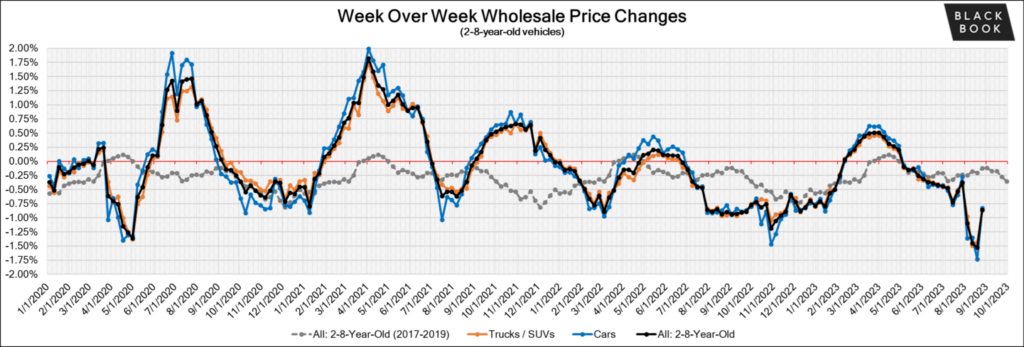
While used car prices have slightly decreased, they are still far above historical averages. This means you’re unlikely to snag a bargain, especially if you’re gunning for a reliable vehicle with a clean history for under $20,000.
Pro Tip: Never enter the used car market blind. Always get a pre-purchase inspection (PPI) to understand the future maintenance needs and overall condition of the car.
Trade-in values will continue to slowly decline as wholesale auction values are expected to keep falling. Following historically steep declines in wholesale used car prices in July and early August, we expect a more gradual decline in the fall.
Whereas used cars, trucks and SUV values were falling at a rate of -1.00% to -1.5% weekly as of last month, we expect weekly used car values to decline by around -0.5% to -0.3% for most of this season. Why? There’s no indication that a glut of used car inventory will arrive on the market any time soon to drive down values quickly.
The best used car sellers (especially those looking to trade-in) should hope for is slow but steady drops in value in September through November. You’re likely to get more for your trade-in or used car sale today than you will in a few months.
CarEdge Used Car Market Seasonal Rating: very difficult for buyers on a budget.
This is especially true if you’re looking for a vehicle of decent, reliable quality for under $20,000. Interest rates incentivize large down payments and cash buyers, but most of us don’t have the means to put $10,000 or $20,000 down.
No matter what, don’t give up. From free car buying resources to 1:1 expert help with your deal, the CarEdge team is here to help!
If you’re in the market for a new or used car, here’s our most important advice for you: Generally, say NO to market adjustments. A lot has changed since the madness and mayhem of late 2021 and early 2022. The exceptions are true specialty vehicles like Ford Bronco Raptor or Toyota RAV4 Prime, which are so in-demand that markups are almost a given.
For most new and used car models, there’s no way car dealers could justify additional markups in 2023. Staring down a tough deal? Work with a Car Coach to negotiate the BEST deal possible.
We’ll leave you with these reader favorites (100% free). Happy car shopping!

In this market analysis driven by CarEdge Data, we’ll take you on a tour through the market day supply of new cars across all 50 states and break down the inventory for the five major automakers. Armed with data, you’ll be in the best position to negotiate a great deal on your next vehicle.
Looking for the best and worst states to buy a car? We’ll answer these questions and more with the latest data. You’ll also want to check out the states with the highest fees and taxes.
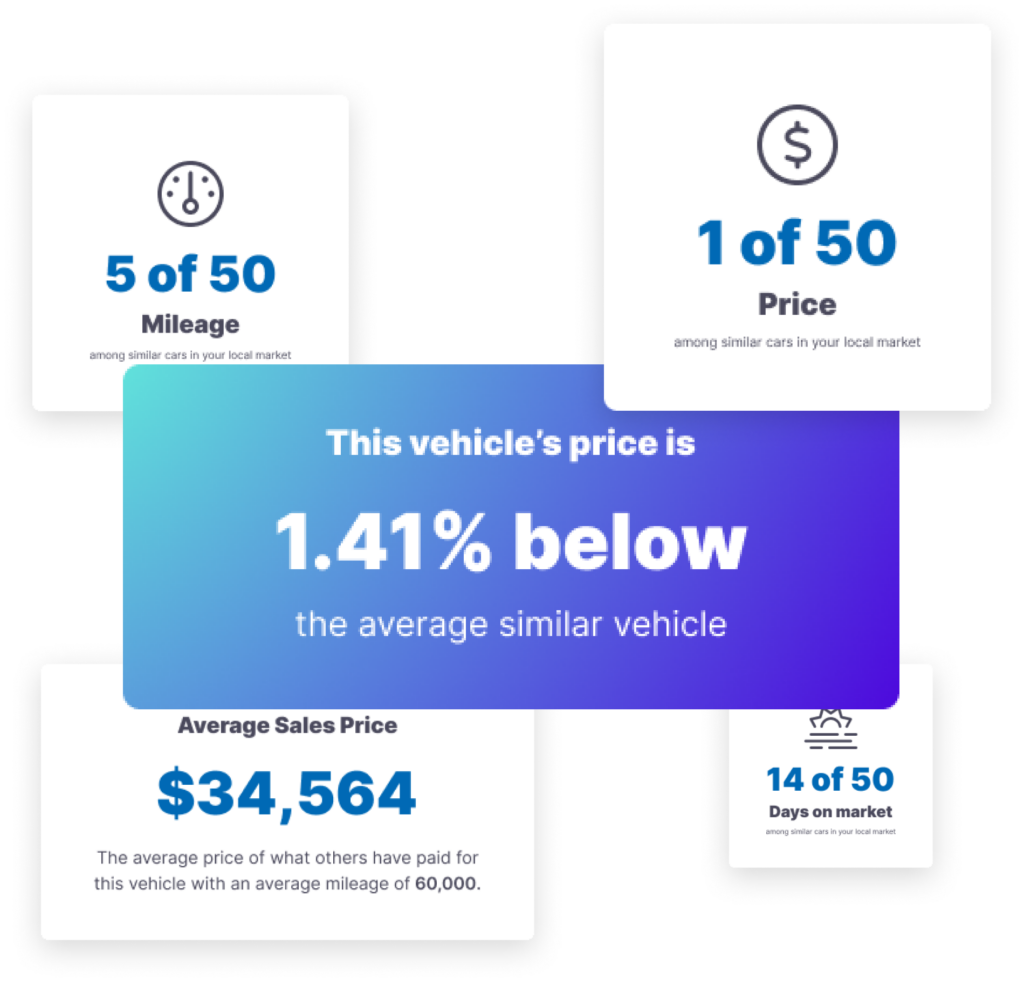
At CarEdge, we leverage cutting-edge tools to dig deep into the auto industry. One crucial metric we focus on is ‘market day supply, also known as ‘MDS’. Essentially, it provides an estimate of how many days it would take to sell off the current inventory of vehicles at the present rate of sales, assuming that no new vehicles are added to the inventory.
In a balanced market, a 60-day supply of new cars is considered the standard, providing a decent equilibrium between supply and demand.
Anything substantially above this indicates an oversupply, while anything below 40 days suggests a shortage. This information serves as a starting point to identify potential negotiation leverage for smart car buyers like you.
Let’s dive in and take a look at automotive trends across the United States. We’re looking at overall new car supply in all 50 states, and supply numbers for the top-selling brands in the U.S.: Ford, Toyota, Chevrolet, Honda, and Hyundai.
Use the sort feature by clicking on the arrows at the top of each column.
| State | New Car Inventory (Day Supply - All Makes) | Ford Days Supply | Toyota Days Supply | Chevrolet Days Supply | Honda Days Supply | Hyundai Days Supply |
|---|---|---|---|---|---|---|
| Alabama | 68 | 130 | 40 | 53 | 34 | 58 |
| Alaska | 92 | 106 | 13 | 97 | 40 | 120 |
| Arizona | 74 | 104 | 44 | 58 | 35 | 81 |
| Arkansas | 69 | 109 | 13 | 59 | 18 | 78 |
| California | 73 | 95 | 41 | 65 | 43 | 71 |
| Colorado | 69 | 95 | 42 | 49 | 28 | 89 |
| Connecticut | 75 | 118 | 47 | 54 | 32 | 55 |
| Delaware | 78 | 116 | 48 | 61 | 31 | 68 |
| Florida | 72 | 97 | 46 | 71 | 33 | 51 |
| Georgia | 67 | 86 | 36 | 64 | 33 | 61 |
| Hawaii | 83 | 105 | 23 | 152 | 69 | 86 |
| Idaho | 76 | 90 | 36 | 61 | 20 | 79 |
| Illinois | 70 | 126 | 42 | 54 | 25 | 59 |
| Indiana | 69 | 92 | 40 | 60 | 22 | 65 |
| Iowa | 80 | 112 | 45 | 60 | 32 | 60 |
| Kansas | 70 | 87 | 47 | 61 | 39 | 35 |
| Kentucky | 67 | 84 | 37 | 54 | 28 | 52 |
| Louisiana | 74 | 124 | 38 | 66 | 28 | 56 |
| Maine | 69 | 100 | 42 | 53 | 31 | 58 |
| Maryland | 72 | 107 | 51 | 68 | 27 | 68 |
| Massachusetts | 70 | 103 | 49 | 57 | 31 | 67 |
| Michigan | 69 | 106 | 40 | 52 | 26 | 60 |
| Minnesota | 75 | 89 | 42 | 63 | 37 | 67 |
| Mississippi | 69 | 106 | 31 | 61 | 26 | 58 |
| Missouri | 75 | 98 | 51 | 49 | 28 | 68 |
| Montana | 77 | 84 | 42 | 74 | 35 | 75 |
| Nebraska | 80 | 114 | 59 | 60 | 24 | 84 |
| Nevada | 75 | 87 | 35 | 70 | 28 | 87 |
| New Hampshire | 69 | 104 | 40 | 82 | 33 | 52 |
| New Jersey | 67 | 108 | 51 | 62 | 35 | 52 |
| New Mexico | 71 | 86 | 33 | 69 | 22 | 76 |
| New York | 68 | 93 | 46 | 61 | 30 | 52 |
| North Carolina | 66 | 100 | 37 | 53 | 23 | 60 |
| North Dakota | 82 | 104 | 49 | 85 | 23 | 70 |
| Ohio | 71 | 103 | 41 | 64 | 23 | 72 |
| Oklahoma | 72 | 90 | 29 | 59 | 23 | 62 |
| Oregon | 85 | 88 | 52 | 86 | 46 | 188 |
| Pennsylvania | 73 | 103 | 43 | 68 | 31 | 53 |
| Rhode Island | 82 | 93 | 43 | 65 | 41 | 57 |
| South Carolina | 63 | 116 | 36 | 66 | 25 | 46 |
| South Dakota | 94 | 92 | 52 | 89 | 26 | 123 |
| Tennessee | 69 | 91 | 49 | 66 | 29 | 69 |
| Texas | 69 | 92 | 34 | 58 | 32 | 58 |
| Utah | 72 | 99 | 27 | 41 | 26 | 91 |
| Vermont | 116 | 127 | 73 | 71 | 190 | 132 |
| Virginia | 68 | 92 | 47 | 63 | 27 | 63 |
| Washington | 76 | 94 | 50 | 82 | 38 | 87 |
| West Virginia | 74 | 97 | 45 | 66 | 29 | 57 |
| Wisconsin | 74 | 111 | 44 | 59 | 24 | 75 |
| Wyoming | 95 | 65 | 61 | 106 | 49 | 143 |
There’s a lot to digest in the above table, so we’re going to focus in on the states with the highest and lowest new car inventory overall, and for each of the five best-selling car brands in America.

If you’re looking for more room to negotiate, consider buying a car in states with high inventory levels. Not sure where to start? Here’s our guide to buying a car in another state.
Vermont leads with an impressive 116-day supply, followed by Wyoming at 95 days, South Dakota at 94 days, and Alaska at 92 days. Other states rounding off the top ten in this category include Oregon, Hawaii, North Dakota, Rhode Island, Iowa, and Nebraska—all well above the 60-day norm.

On the flip side, states like South Carolina, North Carolina, Georgia, Kentucky, New Jersey, Alabama, New York, Virginia, Arkansas, and Colorado have the lowest new car inventories, all hovering around the 60-70 day supply mark.
Negotiating a new car is certainly not impossible in these states, as our team of Coaches has helped hundreds of buyers in these states this year alone. But with the tightest inventory, it’s simply smart buying to be aware of the overall market from day one.
You might be asking, if a balanced market hovers at a 60-day supply, why are the states with the lowest inventory still above this mark? Well, these numbers are an average across all brands—from the glut of Ram trucks to the scarcity of Hondas and Subarus. For specifics on make and model for any zip code or region, CarEdge Data has you covered.
Next, we’ll dive deeper and take a closer look at the five best-selling automotive brands in America. There are some BIG differences between the top players when it comes to inventory on dealer lots.
Ford inventory is among the highest in the auto market right now, with the brand having a 97-day supply of new cars nationwide. In some states, Ford’s inventory exceeds 120-day supply.
If you’re eyeing a Ford, states like Alabama, Vermont, Illinois, Louisiana, and Connecticut offer the most room for negotiation due to 100+ day supplies of new cars.
Conversely, Wyoming, Montana, Kentucky, New Mexico, and Georgia are your least favorable states in terms of Ford inventory.
Notably, Ford’s electric Mustang Mach-E, traditional Mustang, and Explorer have the most supply, while the Maverick and Ranger are relatively sparse and tougher (but not impossible) to negotiate.
Browse local Ford listings with the power of data.
Toyota’s nationwide average stands at a tight 42-day supply. Vermont, Wyoming, Nebraska, Oregon, and South Dakota have the highest inventory for Toyota. In contrast, states like Arkansas, Alaska, Hawaii, Utah, and Oklahoma have the least Toyota inventory.
The Sequoia, Corolla, and Sienna are currently in high demand, all with less than 40-day supplies. The electric bZ4X, 4Runner, and Crown have the highest inventory numbers, and as a result, the highest negotiability from the get-go.
See localized inventory, price and negotiability with CarEdge Data.
Chevrolet averages a balanced 61-day inventory nationwide. For Chevy, Hawaii, Wyoming, Alaska, South Dakota, and Oregon are your go-to states for choice and negotiability, while Utah, Missouri, Colorado, Michigan, and North Carolina are less ideal with tighter supply.
The Silverado and Equinox are most abundant on dealer lots. The Corvette, Trax, and Colorado have the least inventory.
Honda’s supply averages a mere 32 days nationally, owing to lingering effects of the supply chain shortages that every automaker previously dealt with. States like Vermont, Hawaii, Wyoming, Oregon, and California have the highest Honda inventory, but nowhere even comes close to Vermont.
There are just five Honda dealerships in Vermont, but between them there are 1,014 new Hondas for sale. Day’s supply sits around 180 days, which is highly unusual for Honda. Perhaps Honda buyers in New England should consider heading to The Green Mountain State for the greatest negotiability.
Arkansas, Idaho, New Mexico, Indiana, and Oklahoma offer the least room for negotiation with the lowest Honda inventory. When it comes to model inventory, the HR-V and Passport have the greatest supply nationwide, while the CR-V and Pilot are much harder to come by.
Hyundai has been steadily climbing the ranks in the battle for automotive market share. As Summer 2023 winds down, Hyundai’s inventory numbers are looking healthy, and notably better than competitors Honda and Toyota. There’s currently a 62-day supply of new Hyundai’s nationwide, with quite a bit of variability from one state to the next.
Hyundai inventory is most abundant in Oregon, Wyoming, Vermont, South Dakota, and Alaska. In contrast, Kansas, South Carolina, Florida, New York, and New Jersey have less stock.
The IONIQ 6 and IONIQ 5 are abundant, while the Venue and Elantra are in short supply. Hyundai and sibling Kia have really struggled to sell EVs ever since the revamped federal tax credit removed eligibility due to the ‘Made in America’ requirement.
See Hyundai inventory and price data near you.
Ready to utilize data for unparalleled negotiating leverage? We’ve got tools to suit your needs and budget. From free resources to expert car buying help, we’ve got it all. Enjoy these reader-favorite free car buying tools:
Ready to negotiate a sweet deal? Collaborate with a Car Buying Coach for insider-only insights or opt for a one-time consultation through CarEdge Consult. For the DIY aficionados out there, CarEdge Data provides the robust market intelligence you need to navigate your car buying journey.
Regardless of your budget, we have a plan to help you save thousands. Embark on your informed car buying adventure today with peace of mind! With CarEdge, you’ll know you got the BEST deal.

Ford’s inventory is overflowing in 2023. Indeed, the brand known for its robust line-up seems to be outpacing the current car market’s appetite. Paradoxically, price tags on these vehicles have climbed a staggering 27% since 2019. It appears Ford is navigating uncharted waters with an abundance of cars at their dealerships, waiting for buyers.
For those considering adding a new Ford to their garage, this might just be your golden opportunity. Let’s explore further.
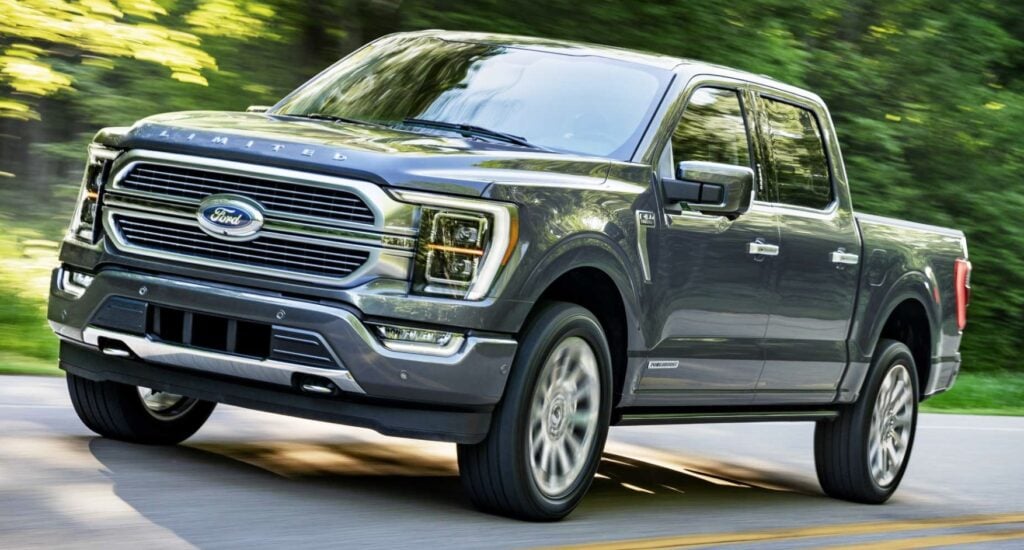
In the automotive world, a balanced market dances around the 60-day inventory supply benchmark. This means, without the influx of any new stock, dealerships should ideally exhaust their current inventory in a two-month span at the prevailing sales rate. In 2023, Ford’s numbers have dramatically eclipsed this industry norm.
Currently, Ford boasts a 96-day supply, translating to a whopping 318,339 cars available across American Ford dealerships. Some models like the all-electric Mustang Mach-E and Ford’s van lineup, including the Transit and E-Series, have even higher inventory supplies, with the former leading at an impressive 214 days.
Even the iconic Mustang isn’t zipping away as speedily as one might expect, with a 168-day inventory. F-150 inventory is climbing as ‘trimflation’ pushes truck prices ever higher. As we approach Labor Day 2023, F-Series inventory sits at 117 days nationwide. For the best-selling electric truck on the market, the F-150 Lightning, there’s currently a 97-day supply nationwide with 3,632 for sale.
As Labor Day 2023 approaches, let’s delve deeper into the inventory landscape of every Ford model.
For comparison’s sake, here are the ten new car models with the highest inventory right now.
| Make | Model | Market Day Supply | Total For Sale | Total Sold (45 Days) |
|---|---|---|---|---|
| Lincoln | Aviator | 403 | 4,771 | 533 |
| Jeep | Renegade | 393 | 11,550 | 1,322 |
| Jeep | Cherokee | 364 | 4,606 | 570 |
| Ram | Ram 2500 | 354 | 23,910 | 3,042 |
| Chrysler | Pacifica Hybrid | 344 | 7,235 | 947 |
| Jeep | Grand Wagoneer | 331 | 3,771 | 513 |
| Jeep | Gladiator | 291 | 21,743 | 3,360 |
| Ram | Ram 1500 Classic | 247 | 5,051 | 920 |
| Mitsubishi | Outlander PHEV | 241 | 1,679 | 313 |
| Maserati | Grecale | 234 | 2,171 | 417 |
This is serious stuff, folks. When an automaker inches north of 80 days’ supply of new cars, it’s noteworthy. When best-selling models are all over 100 days’ supply, that’s big news. Ford’s luxury nameplate is also flooded with unsold new cars.

Ford Motor Company’s premium brand has an unprecedented inventory problem right now. Just how much unsold Lincoln inventory is sitting on lots right now? Lincoln overall has a 125-day supply. Here’s the breakdown by model:
If you’re looking for a more premium SUV, Lincoln dealerships should be willing to negotiate on pricing with inventory numbers like these. See localized inventory and pricing insights with CarEdge Data.
Why on Earth would we be sharing inventory numbers with the masses? Does anyone care? In fact, you should care if you’re in the market for a new Ford. Real-time inventory data is just one of the many data points that our CarEdge Coaches use to help our members. When inventory is high, dealers are more likely to budge on every aspect of the deal, from trade-in valuation to out-the-door pricing.
In simple terms, here’s how these numbers can be used as leverage. Looking for an affordable electric vehicle with great range, fast charging and the federal tax credit? Show your local Ford dealer that you’re familiar with the Mustang Mach-E’s inventory surplus. Ready to negotiate a sweet deal on a new F-150, Explorer or Mustang? You now have data on your side.
Access ALL of the latest car market data with CarEdge Data, your one-stop resource for auto insights. Ready for a pro to assist? Work with a CarEdge Coach for live support from start to finish, or schedule a Consult for a quick chat. We’re on your side! Let us know how we can help you save the most with your new or used car deal.