
CarEdge saved me over 4,500 dollars on a brand new Honda Pilot. I can't say thank you enough.
Price intelligence
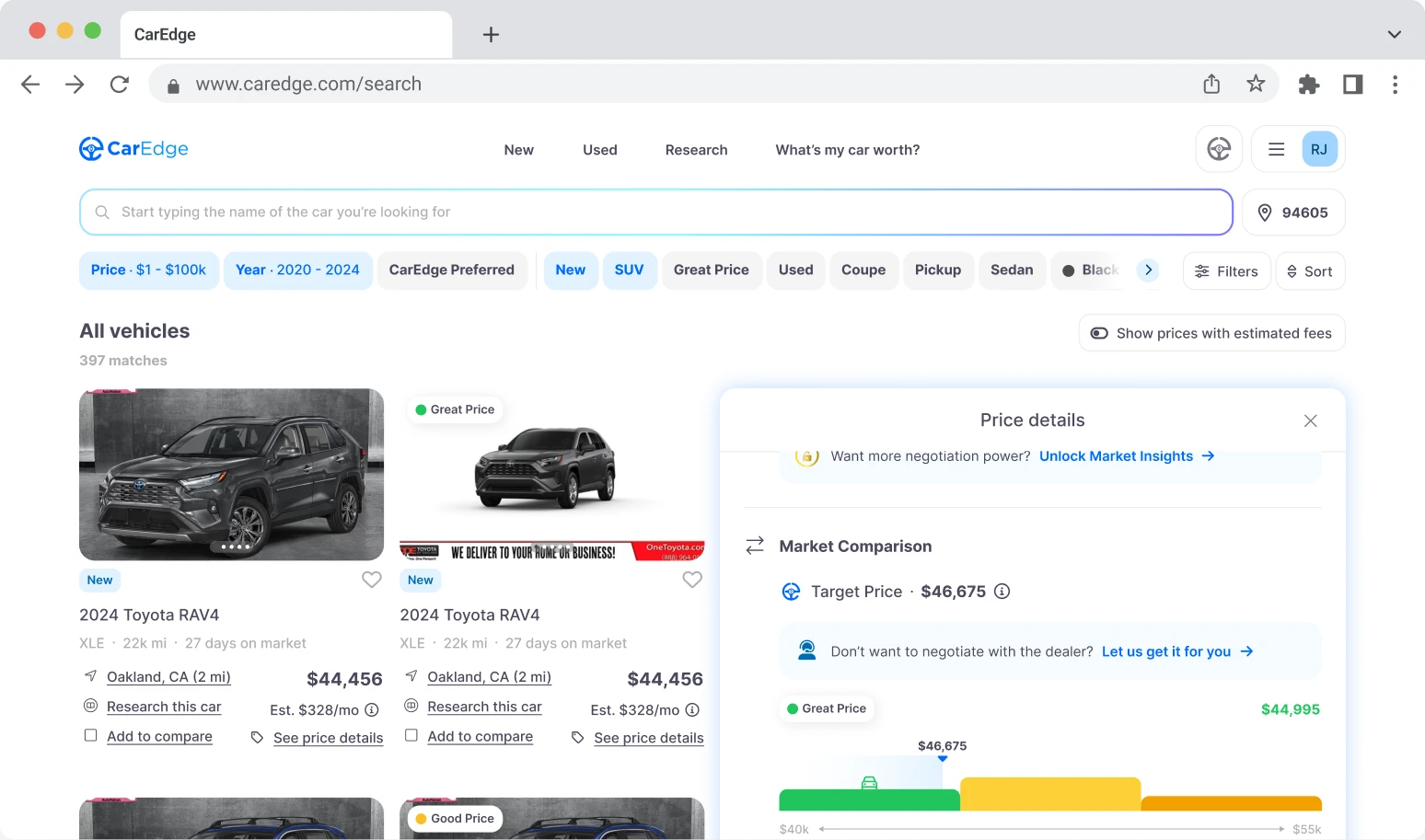
Find a wide range of vehicle listings with market insights on new and used listings near you.

What can I do with CarEdge?
 CarEdge Insights
What can I do with CarEdge?
Get access to exclusive information so you can make an informed car buying decision — all in one place.

Find a wide range of vehicle listings with market insights on new and used listings near you.
Track your vehicle’s value and cash in when the time is right to sell.

Access to our proprietary data to help you find the right car, at the right price. Find these unlocked on every listing after subscribing.

With our expert-led, tech-enabled car buying service, we will locate, negotiate, and deliver your vehicle so you can get a new car hassle free.


Help us personalize your CarEdge experience — it only takes a second.
Your answers help us personalize your CarEdge journey — we’ll follow up with tips and next steps that match your buying timeline.
As spring car buying season approaches, the new and used car markets are ripe for deal seekers. However, knowledge is certainly power in 2024. Attractive low APR offers have continued well beyond year-end sales, making new cars a potentially better deal than used ones. Additionally, the glut in new car inventory has tilted the scales, making new vehicles more negotiable. For those not keen on long-term commitments, leasing emerges as an appealing option, thanks to favorable terms spurred by the oversupply. If you’re wondering if spring 2024 is a good time to buy a car, here are three things you should know before stepping foot on a dealership lot.
If you’re on the fence about whether it makes sense to buy new or used in spring 2024, the tie-breaker may be today’s enticing new car APR offers. 2023’s year-end deals seem to have bled over into the new year, propelled by surging new car inventory, and hundreds of thousands of unsold 2023 models.
As of the latest promos, we counted no fewer than ten 0% financing offers. When you zoom out to include deals below 1.99% APR, that number grows to 21 active offers. But if you’re not paying attention, it’s easy to fall victim to today’s overall high interest rates.
Whether you intend to buy new or used, it’s important to factor in the cost of borrowing money when budgeting for your next vehicle. Despite the great incentives available today, as of the most recent data, the average new car loan rate is 9.95% APR. Used car loan rates are even higher, closing in on 14% APR.

Insurance rates have gone up, too. In 2023, car insurance premiums climbed 24%, the quickest spike in decades. In 2024, Insurify predicts that rates will climb an additional 7%. On the bright side, the US Energy Information Administration forecasts average gas prices to remain lower than in recent years. The EIA expects US gas prices to average $3.40/gallon in 2024.
All in all, it’s smart to prepare for the total cost of owning a vehicle BEFORE you buy. Take advantage of CarEdge’s free data for detailed cost of ownership rankings, with data on maintenance, depreciation, insurance, and more.
Simply put, there’s a worsening oversupply of new cars right now. As we race towards spring car buying season, there’s no sign of the new car glut easing. As of today, there’s an 89-day supply of new cars in America. Typically, that figure is closer to 60 days. Some brands, such as Nissan, Jeep, Ram, and Ford, have nearly twice the average inventory. Nissan can’t seem to sell cars right now. Stellantis has been in the same boat for well over a year.
👉 See the latest new car inventory numbers here.
Why does inventory matter to consumers? We say it all the time: when inventory surges, deals are sure to follow. Some cars, trucks, and SUVs are more negotiable than others. Here at CarEdge, we stay on top of the latest market trends. Why do we do it? To bring you insights on where the best deals are, of course. As of today, the following new and used car segments are most negotiable, considering supply, demand, and inventory data: Electric vehicles, trucks, vans, luxury crossovers and SUVs. This is a generalization based on the model-specific inventory and deal insights available through CarEdge Data.
👉 See the specific new car models with the highest and lowest inventory here.

Used car prices are falling, albeit more so at wholesale auctions than on dealer lots. In 2023, used prices fell 7%, and are now down 21% from all-time highs in December of 2021.
Our team of CarEdge Coaches reports that used car prices are certainly more negotiable today than they were in months past, but car dealers are stubbornly resisting the downward pressure in the market, and are too often leaving price tags as-is. Don’t let that stop you from mastering car buying negotiation skills.
👉 Try Deal School, our 100% FREE car buying course!
If you don’t expect to hold on to your next vehicle for more than five years, consider leasing to avoid the massive depreciation that comes along with buying any new car. Gone are the days of selling any used car for a profit. With the ongoing oversupply of new vehicles, it’s not just APR and cash offers that are abundant right now. Leasing deals are shockingly good this month.
When a dealer leases a car, they’re technically still making a sale. It’s just that the leased car is sold to a third party who then leases it. So in other words, automakers and dealers alike love leasing a car to you, and offer sweet deals in times of high new car supply. Here are a few of the best lease deals this month:
See all of this month’s lease deals
Wondering if leasing makes sense for you? Check out CarEdge Co-Founder Ray Shefska’s guide to leasing versus buying in 2024.
The spring of 2024 offers compelling reasons for consumers to consider new vehicles, thanks to attractive APR offers and an oversupply that enhances negotiation potential. However, buyers should tread carefully, considering high loan rates and insurance premiums. For those looking for flexibility, leasing provides a viable path to bypass the steep depreciation of new car purchases. Remember, you can always see this month’s best APR, cash, and lease deals here. We update our resources as soon as the latest offers are announced.
👉 Looking for help, or simply want to hand over the keys and take the hassle out of car buying completely? Learn more about buying your next vehicle with CarEdge.

Ready to outsmart the dealerships? Download your 100% free car buying cheat sheets today. From negotiating a deal to leasing a car the smart way, it’s all available for instant download. Get your cheat sheets today!

Drivers despise haggling with salespeople. From bait-and-switch pricing to misleading online prices, there’s a lot to dislike about the whole experience. It’s no surprise that just 26% of car buyers think that the car buying process is transparent. In the age of online shopping, wouldn’t it make sense to buy your next car online? Today, there’s a better way to find the perfect vehicle at the right price. Here’s how CarEdge is taking no-haggle car buying to the next level.
Price transparency is a real problem in car buying. We hear horror stories from car shoppers all the time. It’s about time that someone did something about it. Here at CarEdge, our team set out to find a lasting solution to car buying woes. The result was the launch of a new way to buy a car: pre-negotiated, no-haggle car pricing through a network of vetted car dealers.
By choosing to only work with honest car dealers with stellar reputations, CarEdge is changing the way Americans buy cars. Imagine this: you browse for cars online, find the vehicle you want at a price you’re happy with, and then connect with your personal Concierge who will take it from there. Days later, your car is delivered to your driveway.
How does CarEdge work? Is there a catch? Next, we’ll lay out the entire process, from start to finish.

Buying a car through CarEdge involves a stress-free process that’s managed entirely from the comfort of your home. Here’s an overview of how it works:
👉 For more information, visit CarEdge’s How It Works page.

On average, drivers who buy with CarEdge save a few thousand dollars on their new car. In many cases, CarEdge is able to source the exact vehicle a customer wants (make, model, year, trim, and even color), for thousands of dollars less than you’ll find elsewhere. CarEdge even has below-invoice deals (that’s far below MSRP!).
We welcome you to browse hundreds of real, unfiltered CarEdge reviews at the CarEdge Community Forum. See how much you could save in time, money, and hassle!
Got questions or want more information about no-haggle car buying with CarEdge? Simply want to talk to our team of experts? We’re here to help! We’re real people here to save you real money. Feel free to reach out to us at [email protected] with any inquiries or for further assistance.
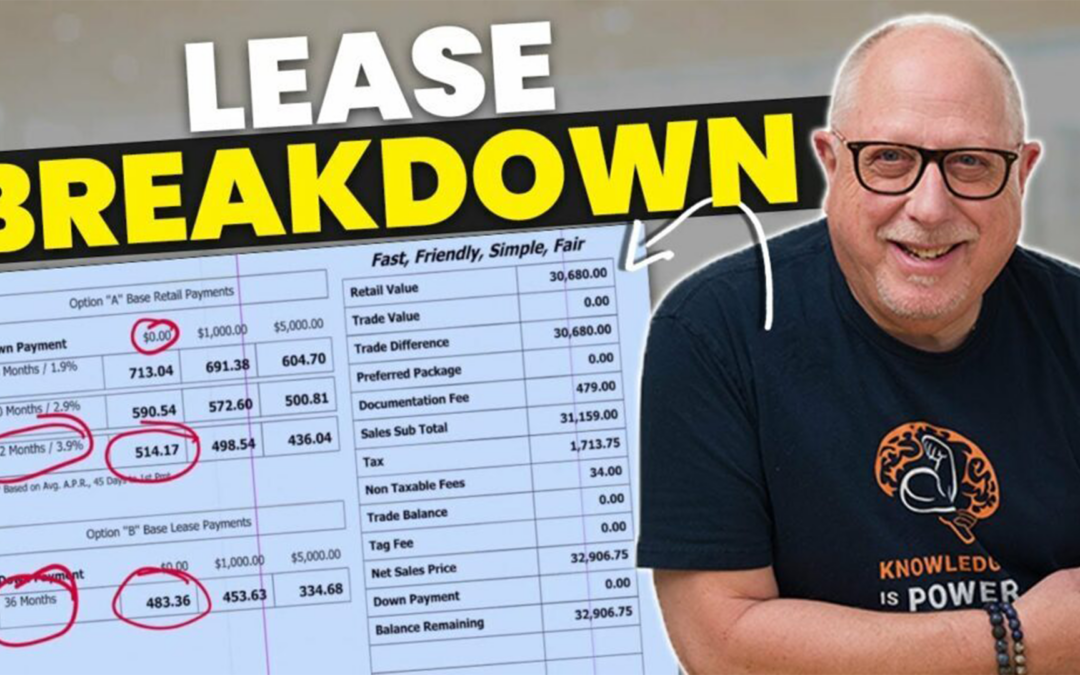
The decision between buying and leasing a car is a tricky one. In 2024, this choice is even more pertinent due to shifting market dynamics and attractive manufacturer incentives. Drawing insights from CarEdge Co-Founder Ray Shefska, we delve into the nuances of buying versus leasing to help you make an informed decision.
Leasing has traditionally been a popular option for drivers seeking lower monthly payments and the flexibility to change cars every few years. However, leasing fell out of favor during the pandemic era. In 2024, leasing is once again growing in popularity as drivers look to avoid the high interest rates that come with buying. There are also reasons why the dealers and car manufacturers themselves are fans of leasing.
Leasing keeps customers coming back to the dealership, more so than selling does. It’s also seen as a proven method of increasing brand loyalty. Ray highlights that many manufacturers are trying to increase the number of vehicles that are being leased due to the benefits it offers both dealerships and customers. Leasing ensures customers return at the end of their term, potentially increasing brand loyalty and dealership traffic.
Historically, leasing deals accounted for about 30% of all new car sales. However, this figure has recently dipped to around 17-18%. In response, manufacturers are rolling out aggressive leasing deals to climb out of the leasing slump. In early 2024, there’s an abundance of attractive lease offers for popular models.
First, let’s talk about whether buying or leasing makes sense for you.
Leasing in 2024 offers several advantages over buying:
👉 See the Best Lease Offers This Month
Purchasing a vehicle outright continues to be a viable option for those looking for long-term value and ownership. These are the main advantages of buying instead of leasing:
👉 If you’re looking for a complete, in-depth breakdown of leasing see the CarEdge Consumer’s Guide to Leasing in 2024.
The decision to buy or lease in 2024 hinges on personal preferences, driving habits, and financial considerations. Ray advises, “Customers should check the manufacturer website and see what kind of sales and lease offers are available in their area before heading to the dealership.” Additionally, it’s crucial to check insurance costs before falling head over heels for any new car.
👉 See this month’s best leasing and financing offers
In 2024, whether to buy or lease a car depends on your individual needs and lifestyle. With manufacturers pushing more attractive lease deals, leasing may become a more appealing option for many. Leasing is a great way to avoid the worst effects of today’s high interest rates.
However, the long-term benefits of ownership and the freedom that comes with buying a car remain compelling factors. By carefully weighing the pros and cons and staying informed about current offers, you can make a decision that best suits your circumstances and ensures your satisfaction in the ever-changing automotive landscape.
Ready to outsmart the dealerships? Download your 100% free car buying cheat sheets today. From negotiating a deal to leasing a car the smart way, it’s all available for instant download. Get your cheat sheets today!
In the realm of car buying, understanding market days supply can be a game-changer for finding great deals. Market days supply refers to the number of days it would take to sell all current inventory at the current sales pace without additional supply. A higher market day’s supply indicates more room for negotiation, often leading to better incentives for buyers. Currently, Nissan stands out with an overall market day supply of 135 days. That’s nearly double the ‘healthy’ inventory standard of between 45 to 80 days of supply on hand. The context of today’s market reveals a concerning trend for the brand, and a potential advantage for deal seekers.
Here’s a look at the latest Nissan inventory, and where you can find the best offers this month.

Nissan’s situation is dire for two reasons: the rapid growth of its inventory, and falling market share in the U.S.
Right now, Nissan’s inventory sits at 135 days of supply, with 185,875 cars unsold. In December 2023, Nissan’s days of supply were at 112, a significant jump from a “healthy” 71 days in September 2023. This near doubling of inventory in just four months raises questions about Nissan’s market position and sales strategy.
The decline in Nissan’s US market share further complicates the picture. From holding 11% of American new car sales in 2018, Nissan’s share plummeted to 6% in 2022. Despite a 23% increase in sales in 2023, with 898,796 vehicles sold, its market share dipped further to 5.8%. Nissan’s EV sales continue to struggle, too. In other words, Nissan is in trouble in the U.S. car market.
Here’s a look at Nissan’s real-time inventory in the U.S. market:
| Make | Model | Market Day Supply | Total For Sale |
|---|---|---|---|
| Nissan | Altima | 160 | 20871 |
| Nissan | Ariya | 166 | 5028 |
| Nissan | Armada | 248 | 5683 |
| Nissan | Frontier | 184 | 19824 |
| Nissan | Kicks | 165 | 18054 |
| Nissan | LEAF | 252 | 2594 |
| Nissan | Maxima | 114 | 842 |
| Nissan | Murano | 164 | 6936 |
| Nissan | Pathfinder | 119 | 16222 |
| Nissan | Rogue | 87 | 44908 |
| Nissan | Sentra | 186 | 30632 |
| Nissan | Titan | 255 | 5781 |
| Nissan | Versa Sedan | 105 | 6318 |
| Nissan | Z | 182 | 904 |
Let that sink in. Nissan only has one model with under 100 days of supply. Remember, a healthy inventory is between 45-80 days, depending on the time of the year. Three models exceed 200 days.
But how does Nissan compare to the competition? Are Honda, Toyota, and Mazda also in the same boat? Let’s take a look.
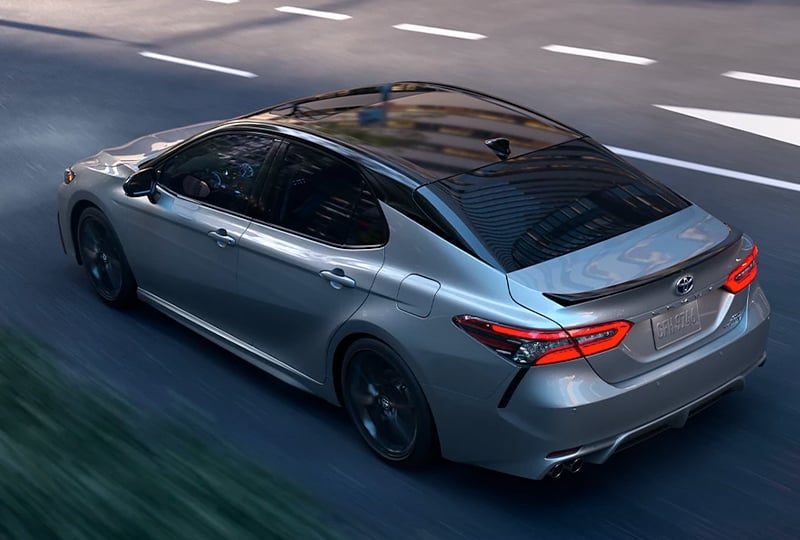
Nissan’s primary rivals include other Asian automotive giants renowned for blending reliability with affordability. Here’s how Nissan’s inventory levels compare to its key competitors:
Yet, Nissan’s inventory dilemma isn’t isolated within the global market. American brands also show varied levels of supply:
This comparison highlights Nissan’s unique position and suggests that for those looking to purchase a new car, Nissan dealerships might be more inclined to offer attractive deals to reduce their bloated inventories. For deal hunters, Nissan’s current predicament could be a silver lining, offering the chance to negotiate more favorable terms on a new vehicle. See detailed inventory numbers for your area with CarEdge Data.
👉 See the most negotiable new cars, trucks, and SUVs this month
With Nissan’s current oversupply, this month presents prime opportunities for buyers to snag great deals. From 0% APR on select models to substantial cash back offers, there’s a wide array of incentives available. Check out the highlighted deals for models like the 2024 Altima and the 2023 Rogue. For a more detailed look at local market data, utilize CarEdge Data‘s insights.

2024 Nissan Altima: 0% APR for 36 months
2024 Nissan Murano: 0% APR for 36 months
2023 Nissan Titan and Titan XD: 0% APR for 60 months
2023 Nissan Rogue: 1.9% APR for 60 months
Most other models qualify for APR offers under 3.0% APR
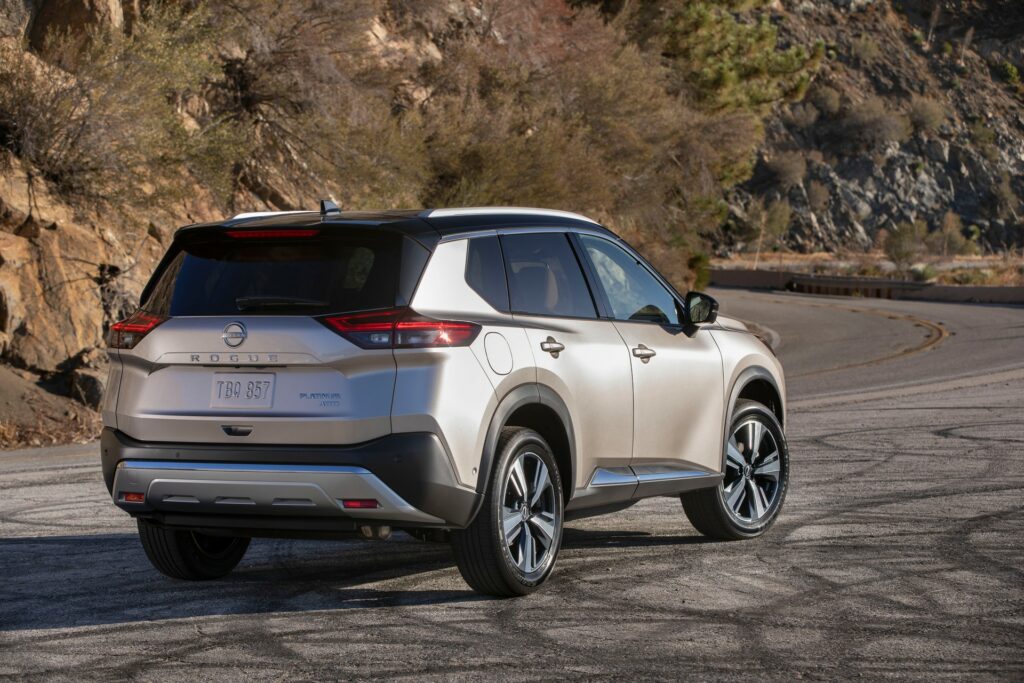
2024 and 2023 Nissan Titan: $3,590 total savings + $1,500 cash back
2023 Nissan Murano: $4,500 total savings
2023 Nissan Rogue: $2,000 cash back
2024 and 2023 Nissan Armada: $1,500 cash back
Several Nissan models qualify for $500 – $1,000 cash back. See the details at NissanUSA.com
2024 Nissan Sentra S: $269 for 36 months with $3,059 due
2024 Nissan Altima SV: $289 for 36 months with $3,389 due
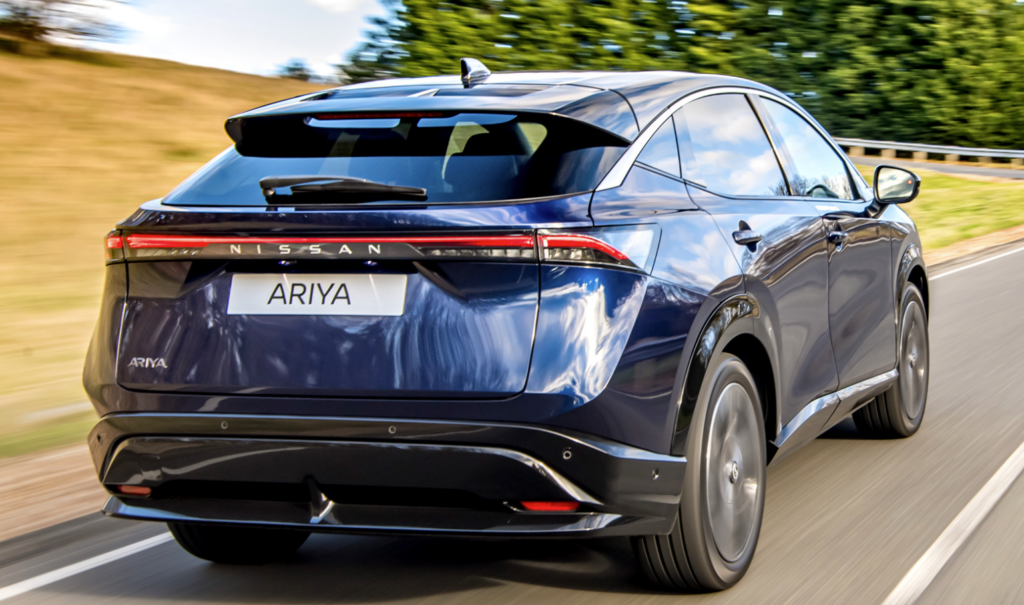
2023 Nissan Ariya Engage FWD: $199 for 18 months with $4,399 due
2023 Nissan Rogue S AWD: $339 for 36 months with $3,739 due
2024 Nissan Pathfinder S 4WD: $409 for 36 months with $3,849 due
See all of Nissan’s offers this month at NissanUSA.com. Negotiate with confidence using CarEdge Data’s local market insights.
In conclusion, Nissan’s current oversupply and market position may seem like a challenge for the brand, but it spells good news for smart car buyers. With a high market day supply and a noticeable dip in U.S. market share, Nissan is more likely to offer attractive deals to move inventory.
This unique situation provides a rare opportunity for deal hunters to secure favorable terms on a new Nissan, from leasing to financing. By leveraging the current market dynamics and utilizing resources like CarEdge Data for local market insights, buyers can navigate this buyer-friendly market with confidence.
Ready to outsmart the dealerships? Download your 100% free car buying cheat sheets today. From negotiating a deal to leasing a car the smart way, it’s all available for instant download. Get your cheat sheets today!

When it comes to buying a car in 2024, there are three things to know to spend less, and avoid overpaying. To navigate this evolving market, we sought the expert advice of CarEdge Co-Founder Ray Shefska, who shared his top insights for those looking to purchase a new or used vehicle this year. Here are three crucial points to consider before making your decision.

The first key point is the potential for negotiation due to aging inventory. Remember this: the average new car sells for nearly $50,000 these days, but you DON’T have to spend that much. Lot inventory has risen substantially over recent months, especially with new cars. Use this to your advantage!
Auto industry veteran Ray Shefska emphasizes the importance of doing your research before talking to ANY salesperson. “With the cost of carrying on hand inventory higher than it has been in over a decade, how many days a vehicle has been in the dealer’s inventory is extremely important.” Ray is referring to sky-high floorplanning costs. High interest rates don’t just hit buyers; car dealers are impacted too.
Ray advises asking the salesperson or Sales Manager about the oldest vehicles in terms of inventory days, especially those that match your preferences in trim and color. Better yet, use tools like CarEdge Data to find particularly negotiable new or used car inventory in your area.
👉 See this month’s most and least negotiable new cars
As Shefska points out, aging inventory is perfectly ripe for negotiating a sweet deal. “The longer any vehicle sits, the greater the carrying costs are, and the greater the impact is on the profitability of the vehicle sale.” This situation presents a unique opportunity for buyers to put car buying skills to work, saving thousands of dollars along the way.
👉 Try CarEdge’s Deal School (100% FREE) to master the art of negotiating!

The second critical thing to know before buying any car in 2024 is your credit situation. Knowing your credit score is always a good thing, but with auto loan rates averaging north of 10% APR, it matters now more than ever before.
It’s painful to say, but the average new car APR is now 9.95%. Used car prices may be lower, but be prepared to pay more in loan interest. Today, the average used car rate is almost 14% APR. Ray stresses the importance of getting pre-approved and knowing your budget limits. “If you’re open to APR offers below 5%, the opportunities are nearly endless as automakers increase incentives to sell excess inventory,” he adds, highlighting the importance of shopping around.
Remember, before committing to a car purchase, it’s crucial to know where your credit score stands and what monthly payment you can comfortably afford.
There are plenty of free car payment calculators available online, such as this calculator from NerdWallet. Be sure to enter an APR that you’re likely to qualify for! Not sure? Perhaps a good first step would be to speak with your local credit union.
Wouldn’t it be nice if loan payments were all you had to plan for? Your monthly car bill is just the beginning. There’s also gas money, the possibility of repairs or routine maintenance, and of course car insurance. And that’s aside from worsening depreciation in 2024.
A recent analysis by Insurify shows that auto insurance premiums increased by 24% in 2023 and are likely to climb an additional 7% in 2024. This makes it essential to get an insurance quote before finalizing your vehicle purchase. As Ray warns, “Many people are shocked when they find out how much their insurance premium will increase because of the vehicle that they just purchased.” Understanding this expense is crucial for maintaining a manageable monthly budget. Learn more about auto insurance rates in 2024.
These insights offer a clear roadmap for new and used car buyers in 2024. By focusing on these key areas – negotiating on aging inventory, understanding your financial capacity, and considering rising ownership costs like insurance and maintenance – you can make a well-informed and financially sound decision when purchasing your next vehicle. Remember, preparation and knowledge are your best tools in the current automotive market.
👉 We track the best deals every month. See this month’s best new car deals here.
Ready to outsmart the dealerships? Download your 100% free car buying cheat sheets today. From negotiating a deal to leasing a car the smart way, it’s all available for instant download. Get your cheat sheets today!
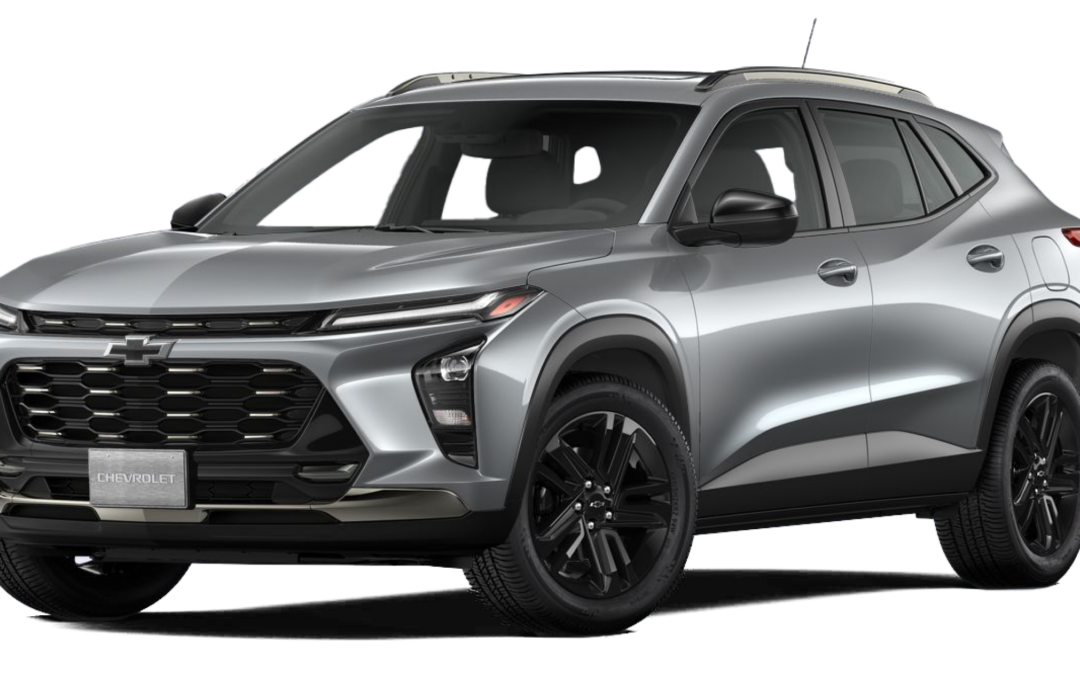
The average price paid for a new car has jumped by 30% in just five years, but that doesn’t mean you can’t get a great deal on an affordable new ride. In early 2024, the average selling price of a new car remains near all-time highs at $48,759. Believe it or not, today there are still several new cars on sale for under $25,000. These are the Consumer Reports reliability ratings for the five cheapest new cars on sale in 2024.

Starting Price: $20,400
Fully-Loaded Price: $25,000+
Special Offer: Buy or lease for just $399/month. Learn more
Consumer Reports Reliability Rating: 43/100
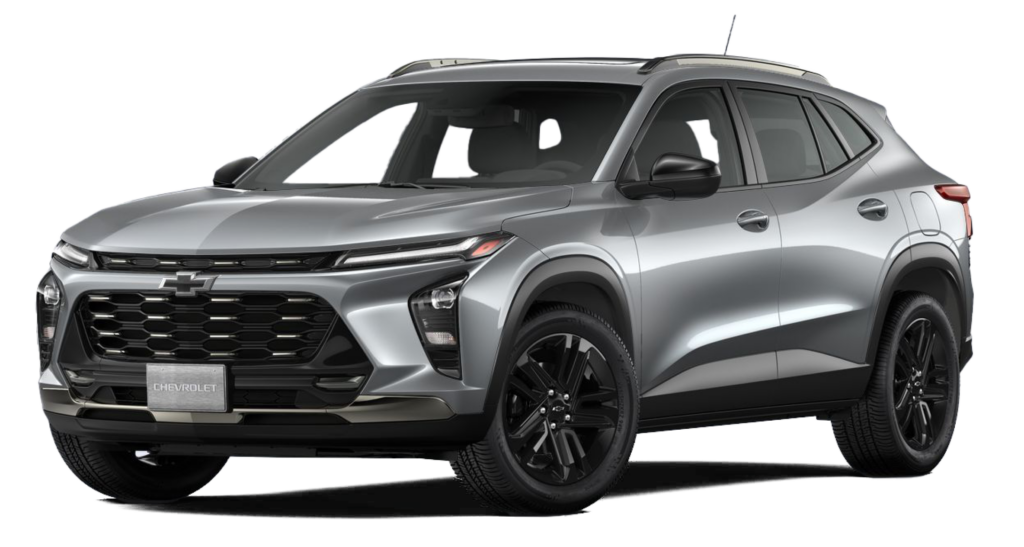
The 2024 Chevrolet Trax stands out for its sleek and modern design, which is paired with a shockingly affordable price for an SUV. It offers impressive fuel efficiency, making it an economical choice for both city driving and longer journeys. Additionally, the Trax is equipped with the latest technology and safety features, ensuring a comfortable and secure driving experience.
Browse Chevrolet Trax listings with the power of local market data.

Starting Price: $16,290 (manual), $17,960 (automatic)
Fully-Loaded Price: $29,995
Consumer Reports Reliability Rating: 45/100
The 2024 Nissan Versa Sedan offers exceptional value as one of the only new cars available for under $20,000 today. The Versa offers a surprising range of features and solid quality. It boasts a comfortable and spacious interior considering its sub-compact size. Additionally, the Versa Sedan delivers good fuel economy, averaging 32 miles per gallon in the city and 40 MPG on the highway.
Browse Nissan Versa listings with the power of local market data.

Starting Price: $16,695
Fully-Loaded Price: $26,130
Consumer Reports Reliability Rating: 50/100
The 2024 Mitsubishi Mirage is a cost-effective, affordable new car. Considering it’s not a hybrid, the Mirage is very fuel efficient, boasting 36 MPG in the city and 43 MPG on the highway. It features a range of trims and modern technology, along with notable safety, including 7 airbags. That’s a lot for such a small car. This makes it a practical choice for those prioritizing economy and safety in a small vehicle.
Browse Mitsubishi Mirage listings with the power of local market data.
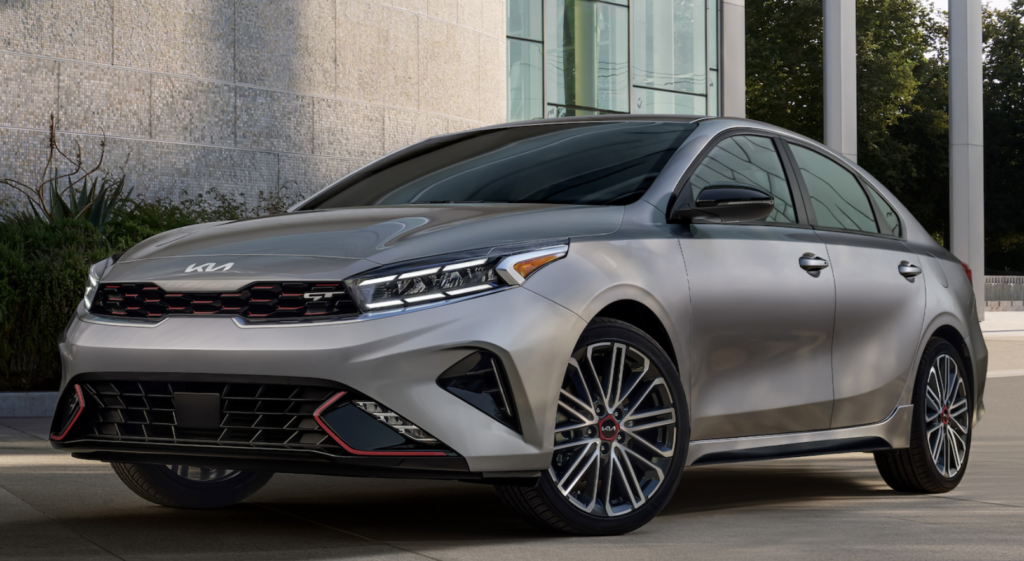
Starting Price: $19,990
Fully-Loaded Price: $32,985+
Consumer Reports Reliability Rating: 67/100
The 2024 Kia Forte is now Kia’s most affordable offering after the discontinuation of the Kia Rio last year. The Forte is a compact sedan that combines practicality with the best reliability ratings for under $20,000. It features a spacious interior for the price, with a total interior volume of 96.0 cubic feet. This spaciousness is complemented by a range of options and trims, catering to various preferences and needs. The Forte is a great choice for those who desire more than the cheaper Mitsubishi and Nissan can offer.
Browse Kia Forte listings with the power of local market data.

Starting Price: $19,800
Fully Loaded Price: $31,995+
Consumer Reports Reliability Rating: 60/100
The 2024 Hyundai Venue stands out as the only other SUV on this list, albeit a subcompact one. It offers a decent cargo volume of 18.7 cubic feet with the rear seats up, which expands to 31.9 cubic feet when the rear seats are folded down. This makes it a versatile choice for both daily commutes and more demanding cargo needs. The 2024 Hyundai Venue is the only SUV priced below $20,000, but even with destination fees applied, it’s going to surpass that figure. Its compact size, affordability, and versatile nature make the Venue a unique offering for those seeking a budget-friendly SUV.
Browse Hyundai Venue listings with the power of local market data.
In conclusion, the search for affordable and reliable new cars in 2024 reveals a diverse range of options under $25,000. Models like the Chevrolet Trax, Nissan Versa, Mitsubishi Mirage, Kia Forte, and Hyundai Venue stand out for their balance of price, reliability, and modern features. Each offers unique advantages, from the Trax’s incredible value to the Venue’s versatility as a subcompact SUV. These models demonstrate that affordability doesn’t necessarily come at the expense of quality and reliability. See the latest deals on the Chevy Trax and more here.
Ready to outsmart the dealerships? Download your 100% free car buying cheat sheets today. From negotiating a deal to leasing a car the smart way, it’s all available for instant download. Get your cheat sheets today!

If you’re thinking about buying or selling a vehicle in 2024, you’ve most likely encountered an unfortunate truth in today’s market: trade-in values have taken a dive. But what’s driving this decline, and how does it affect your next vehicle purchase? Will trade-in values fall further in 2024? Let’s delve into the dynamics of trade-in values in 2024, exploring the causes behind this trend and what you can expect when you decide to trade in your vehicle.

In 2024, trade-in values are trending downward, primarily due to a steady decline in used car values at wholesale auctions. Last year’s volatility in the wholesale used car market has led to an 11% drop in values within just two months towards the end of 2023. We’re seeing that trend carry over into 2024. Despite this decrease at the wholesale level, retail prices have remained stubbornly high, resisting substantial drops as dealers maintain higher price points.
The used car dealers who make offers for trade-ins are nervous about two things: the slowing used car market, and high interest rates. Many dealers suffered huge losses on electric vehicle trade-ins in 2023 as values went into freefall. The same could be said about other vehicle segments, from vans to luxury SUVs.
The used car market turmoil has resulted in trade-in values falling more dramatically compared to retail prices.
👉 See this week’s used car market update
CarEdge Co-founder Ray Shefska has some thoughts to share about trade-in values in 2024. Ray highlights that, despite the drops, trade-in values in 2024 are still far from what they used to be pre-pandemic. The automotive market is slowly inching towards a balance, but it’s a gradual process. “The car market remains out of balance due to the 16 million vehicles that were never built during the pandemic shortages. This shortfall will continue to impact the market throughout the decade, but we’re starting to see signs of improvement,” he noted.
What can you do to stay on top of the latest trends in trade-in values for your car? Get offers from online buyers with no strings attached! See real-time offers from online buyers with CarEdge.
According to Ray, 2024 is expected to bring back some normalcy in terms of market seasonality, which has been absent for a while. The early part of 2024 has already seen a dip in trade-in values, attributed to the post-December buying slump.
However, this trend is likely to reverse during the tax refund season in spring, which typically sees an uptick in used car purchases. This increase in demand often leads to a temporary boost in trade-in values.
“Post-tax season, I expect a slight decline in trade-in values in early summer, followed by a steady market until the year-end car buying season. Remember, depreciation is normal for every vehicle. What we’ve seen over the past few years was abnormal to say the least.”
Ray’s pulse on the market is rooted in over 40 years in the automotive industry. If anyone knows a thing or two about trade-in values, it’s Ray.
Historically, vehicle values take a 20% hit in the first year of ownership. It’s normal to lose around 40% of a car’s original value in the first five years.
Navigating the auto trade-in market in 2024 requires an understanding of these new trends and their underlying causes. From the pandemic’s lasting impact to the return of market seasonality, various factors are shaping trade-in values this year. Whether you’re planning to trade in your vehicle soon or later in the year, staying informed about these trends can help you make a more strategic decision, ensuring you get the best value for your car in a shifting market.
👉 Don’t forget to check your car’s trade-in values from online buyers (no spam, guaranteed!). Get your no-hassle offers here.
Ready to outsmart the dealerships? Download your 100% free car buying cheat sheets today. From negotiating a deal to leasing a car the smart way, it’s all available for instant download. Get your cheat sheets today!

When searching for the best new car deals, a powerful tool is the latest local inventory data. Equipped with behind-the-scenes market insights, you’re setting out with negotiation leverage on your side. The best way to compare apples to apples in new car inventory is with a little-known metric: market day supply. Market Day Supply (MDS) refers to the number of days it would take to sell all current inventory at the current rate of sales, without any new supply being added. MDS isn’t perfect, but it’s one of the best tools we have for gauging supply and demand in the new car market.
With a mix of leftover 2023 models and newly arrived 2024s piling up on dealer lots, now is the perfect time to put your car buying toolkit to work to hunt down some deals.
We’ve used CarEdge Data to identify the new car brands with the most and least inventory in every region in America. Skip ahead to your region using the table of contents below.

These are the most and least negotiable new cars in Maine, Massachusetts, Connecticut, Rhode Island, New Hampshire, and Vermont in early 2024.
| Make | Market Day Supply | Total For Sale |
|---|---|---|
| Dodge | 314 | 1754 |
| Chrysler | 260 | 838 |
| Ram | 258 | 4448 |
| Jeep | 249 | 12836 |
| Buick | 131 | 1036 |
| Make | Market Day Supply | Total For Sale |
|---|---|---|
| Toyota | 48 | 13930 |
| Lexus | 48 | 1956 |
| BMW | 49 | 3000 |
| Honda | 57 | 8134 |
| Cadillac | 64 | 636 |
As is the trend in recent times, Stellantis brands dominate the list of most negotiable new cars in New England. Asian automakers like Toyota, Lexus, and Honda have the least inventory.
See local market inventory for specific models with CarEdge Data.
This region includes the states of New York, New Jersey, Pennsylvania, Delaware, Maryland, and Washington DC this month.
| Make | Market Day Supply | Total For Sale |
|---|---|---|
| Dodge | 311 | 9182 |
| Chrysler | 218 | 3028 |
| Jeep | 198 | 35721 |
| Ram | 192 | 12880 |
| Mazda | 120 | 24950 |
| Make | Market Day Supply | Total For Sale |
|---|---|---|
| BMW | 46 | 9378 |
| Honda | 48 | 24661 |
| Lexus | 49 | 8008 |
| Toyota | 50 | 36908 |
| Cadillac | 55 | 3254 |
Stellantis brands take the top spot yet again. These are the same brands we saw on this list over most of the past year. However, it is interesting to see Mazda inventory so high on the East Coast.
See local market inventory for specific models with CarEdge Data.
This region includes Virginia, North Carolina, South Carolina, Florida, Georgia, Tennessee, West Virginia, Kentucky, Alabama, Mississippi, Louisiana, and Arkansas in early 2024.
| Make | Market Day Supply | Total For Sale |
|---|---|---|
| Dodge | 365 | 29398 |
| Ram | 211 | 33461 |
| Jeep | 184 | 37196 |
| Chrysler | 166 | 3694 |
| Buick | 125 | 11446 |
| Make | Market Day Supply | Total For Sale |
|---|---|---|
| Toyota | 38 | 75528 |
| Honda | 43 | 33148 |
| Kia | 46 | 21222 |
| Lexus | 46 | 14694 |
| BMW | 53 | 13157 |
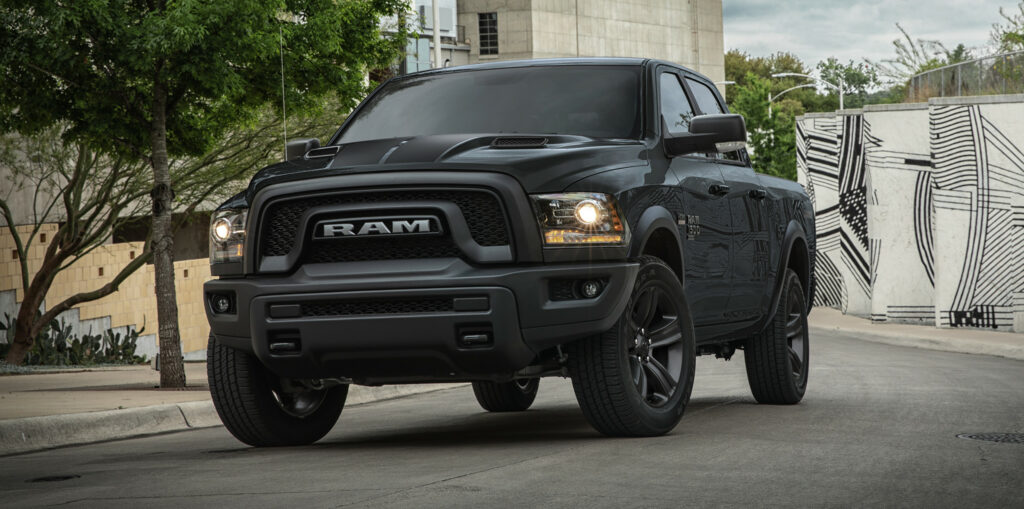
There’s a whole year of inventory for new Ram trucks in the Southeast right now. Toyota, Kia, Honda, and BMW are far less negotiable with slim supply.
See local market inventory for specific models with CarEdge Data.

This region includes Ohio, Indiana, Michigan, Illinois, Wisconsin, Iowa, Missouri, Minnesota, Kansas, Nebraska, South Dakota, and North Dakota right now.
| Make | Market Day Supply | Total For Sale |
|---|---|---|
| Dodge | 354 | 13671 |
| Ram | 178 | 28066 |
| Jeep | 164 | 35543 |
| Chrysler | 142 | 4302 |
| Buick | 129 | 18753 |
| Make | Market Day Supply | Total For Sale |
|---|---|---|
| Lexus | 38 | 4786 |
| Toyota | 41 | 30521 |
| Honda | 43 | 23579 |
| Cadillac | 53 | 4754 |
| BMW | 62 | 7074 |
As expected, Stellantis brands like Dodge, Ram, and Jeep have the highest inventory and therefore the most negotiability in the Midwest.
See local market inventory for specific models with CarEdge Data.
In the Southwest region, we’ve included the states of Texas, Oklahoma, New Mexico, Arizona, and Nevada in early 2024.
| Make | Market Day Supply | Total For Sale |
|---|---|---|
| Dodge | 361 | 16824 |
| Chrysler | 229 | 2190 |
| Ram | 188 | 21176 |
| Jeep | 178 | 20976 |
| Nissan | 123 | 30298 |
| Make | Market Day Supply | Total For Sale |
|---|---|---|
| Toyota | 39 | 28338 |
| Lexus | 47 | 7636 |
| Kia | 50 | 10604 |
| Cadillac | 50 | 4032 |
| Honda | 51 | 17611 |
This month, Nissan joins Stellantis brands in the ranks of most negotiable new cars based on inventory.
See local market inventory for specific models with CarEdge Data.

In this region, we have California, Oregon, Washington, Alaska, and Hawaii this month.
| Make | Market Day Supply | Total For Sale |
|---|---|---|
| Dodge | 396 | 10698 |
| Ram | 265 | 13031 |
| Jeep | 220 | 17964 |
| Chrysler | 212 | 2496 |
| Nissan | 134 | 19606 |
| Make | Market Day Supply | Total For Sale |
|---|---|---|
| Toyota | 39 | 41813 |
| Honda | 49 | 26063 |
| BMW | 50 | 11087 |
| Kia | 56 | 11823 |
| Cadillac | 58 | 2190 |
Looking for car deals on the west coast? Follow the inventory! Stellantis brands like Dodge, Ram, Jeep, and Chrysler are the most negotiable car brands in states like California and Oregon.
See local market inventory for specific models with CarEdge Data.
In the Mountain West region, we have Colorado, Utah, Wyoming, Montana, and Idaho in early 2024.
| Make | Market Day Supply | Total For Sale |
|---|---|---|
| Dodge | 352 | 1682 |
| Chrysler | 210 | 369 |
| Jeep | 199 | 6543 |
| Ram | 180 | 6723 |
| Nissan | 151 | 4845 |
| Make | Market Day Supply | Total For Sale |
|---|---|---|
| BMW | 40 | 987 |
| Toyota | 47 | 9400 |
| Honda | 57 | 3283 |
| Lexus | 57 | 1125 |
| GMC | 65 | 3221 |
Nissan joins Dodge, Ram, Jeep, and Chrysler on the list of most negotiable car brands in 2024. BMW, Toyota, Honda, and GMC have the least inventory in the Mountain West.
See local market inventory for specific models with CarEdge Data.
Did you notice a trend in the data? It’s abundantly clear that Stellantis brands (Chrysler, Dodge, Jeep, and Ram), are having a VERY tough time selling cars in 2024. Everywhere you look, Stellantis’ vehicles are sitting on the dealership lots for longer than any other cars today. Does that make them more negotiable? Yes, but not always. The dealer has to be reasonable and motivated to sell. By you arriving with this powerful market data in hand, you’re setting off on the right foot. Negotiation know-how is worth a lot in today’s car market!
👉 Try our 100% FREE car buying course: Deal School from CarEdge
Ready to outsmart the dealerships? Download your 100% free car buying cheat sheets today. From negotiating a deal to leasing a car the smart way, it’s all available for instant download. Get your cheat sheets today!
It’s a new year, but car buyers are still facing some of the same challenges. In 2024, the dilemma of choosing between a new or used car is influenced by several factors, including depreciation rates, interest rates, price trends, and the lingering effects of the pandemic. Let’s break down what you need to know to make the best decision in 2024.
Key Takeaways:
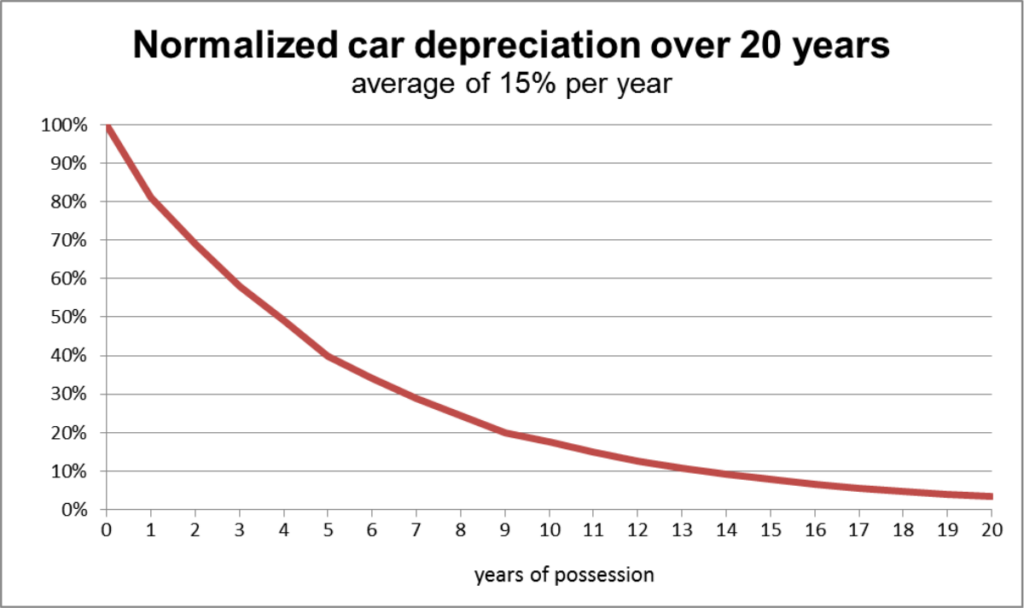
The automotive landscape has seen dramatic shifts in trade-in and resale values over the past few years. In 2024, a trend that began last year is continuing: used car prices are declining in wholesale markets, impacting trade-in values significantly. The era of purchasing a new car and flipping it for profit is over. Instead, we’re returning to the traditional pattern where new cars lose a substantial portion of their value as soon as they leave the dealership.
This year, expect to see an uptick in subvented rates from captive lenders, as new car sales decelerate. Low APR offers are here to stay in 2024. Manufacturers are increasingly offering incentives to clear inventory, including surprising zero percent financing deals available in January. Despite stable interest rates, the high cost of loans remains a critical factor in the car market. Consequently, we anticipate a larger share of new car loans will be sourced through captive lenders like Hyundai Motor Finance, Ford Credit, and Toyota Financial Services.
Towards the end of 2023, data from Cox Automotive showed an uptick in 0% APR offers. We expect this trend to continue into 2024.
With the average used car loan rate now north of 13% APR, plenty of used car shoppers are checking out new car offerings to simply pay less interest.
Check out the best APR offers this month

Don’t pay dealer markups for any vehicle in 2024. No matter what the salesperson might tell you, we’re firmly in a buyer’s market. This isn’t 2022’s car market anymore.
After consecutive years of rising MSRPs, the tide is turning in 2024. Although prices for the latest models have increased for the 2024 model year, we don’t foresee this trend continuing once 2025 model pricing is announced.
Resistance to high prices is growing among consumers, evident in slowing sales and increasing inventory, particularly for expensive cars, SUVs, and trucks. This resistance is gradually influencing the used car market as well.
These 2023 models have the most remaining inventory, and high negotiability
Used-car wholesale prices have given up 53% of their pandemic gains. However, wholesale markets are largely off limits to the average car buyer. Unfortunately, this drop is less pronounced in retail prices. According to the Consumer Price Index, retail used car prices have given up just 36% of the pandemic price spike two years later. Retail used car prices are down 12.6% from the July 2022 highs.
Why are used car prices still high in 2024?
The auto market is still feeling the lasting effects of the pandemic-induced semiconductor chip shortage. Pandemic-related factory shutdowns resulted in 16 million vehicles never being produced. These missing vehicles contribute to a global shortage of used cars, expected to last until at least the late 2020s. Ray Shefska of CarEdge predicts a return to normalcy in the used car market might not occur until 2030.
In 2024, used car prices will continue their gradual decline, influenced by high interest rates deterring potential buyers. With new car loan rates exceeding 13% APR, a 20-year high, many buyers are turning away from used cars in favor of new vehicles with more attractive financing options. Indeed, new car deals make more sense for many buyers in 2024.
2024 presents a nuanced picture for car buyers. While new cars offer more favorable financing options and the appeal of owning a brand-new vehicle, they also come with the risk of rapid depreciation and of course, higher prices.
On the other hand, used cars, although more affordable, are still priced relatively high due to market shortages years ago. Ultimately, the decision depends on individual priorities, financial situations, and long-term plans for vehicle ownership.
Free Car Buying Help Is Here
Ready to outsmart the dealerships? We have FREE resources for new and used car buyers alike. Download your 100% free car buying cheat sheets today. From negotiating a deal to leasing a car the smart way, it’s all available for instant download. Get your cheat sheets today!

As we step into 2024, American drivers are noticing a larger auto insurance bill with their policy renewals. Based on an analysis of 97 million auto insurance quotes from Insurify, a clear picture emerges of the key trends in car insurance prices for this year. We’ll examine the factors driving up costs, and take a look at how consumers and the industry are adapting.
In 2023, auto insurance rates in the U.S. climbed 24% to an all-time record high. The spike in rates was driven by rising repair costs, natural disasters, and more frequent car accidents. This uptick in insurance costs led to record losses for insurers. The latest data suggests that car insurance premiums aren’t done climbing. Insurify projects that car insurance rates will increase by 7% in 2024. That’s almost double the typical annual rise.
The national average cost of a full-coverage policy now stands at $2,019 per year, amounting to 2.6% of the median household income. In comparison, state-minimum liability insurance averages at $1,154 annually.
In 2023, car insurance rates increased by 638% more than the average wage growth. Nearly 62% of Americans reported a rise in their car insurance rates, and about 22% experienced more than one increase in the same year.
To combat these hikes, many drivers opted to lower their coverage limits or increase their deductibles. Insurify’s data shows that most drivers took action to reduce their premiums, often accepting more risk in exchange for lower monthly premiums.

New York stands out with the highest car insurance costs in the country, averaging $3,374 annually for a full-coverage policy.
States with lower incomes are feeling the brunt of these insurance cost increases. Drivers in these states spend a larger portion of their earnings on car insurance, exacerbating the financial strain on households already facing economic challenges.

The past few years have been tough for the insurance industry. After suffering a $3.8 billion net underwriting loss in 2021, losses deepened to $26.9 billion in 2022. 2023’s numbers are still pending, but there were some signs of a recovery late in the year.
The rising costs of maintenance and repairs, increased severity of accidents, and pandemic-induced market fluctuations have all contributed to these losses. The Bureau of Labor Statistics reported an 8.46% increase year-over-year in auto repair costs as of November 2023.
Advanced vehicle technologies and electric vehicles bring new challenges, with repair costs for high-tech cars and EVs like Tesla being substantially higher. Insurance companies are increasingly forced to choose between writing a check for a $20,000 repair bill after a seemingly minor accident, or writing the car off altogether.
In light of the rising car insurance rates, here are some practical recommendations for car buyers looking to save money on their auto insurance in 2024:
By following these recommendations, car buyers can make more informed decisions and potentially save money on their auto insurance in 2024, despite the overall trend of rising rates.For more information on the latest auto insurance trends, check out Insurify’s latest update.
Ready to outsmart the dealerships? Download your 100% free car buying cheat sheets today. From negotiating a deal to leasing a car the smart way, it’s all available for instant download. Get your cheat sheets today!