
CarEdge saved me over 4,500 dollars on a brand new Honda Pilot. I can't say thank you enough.
Price intelligence
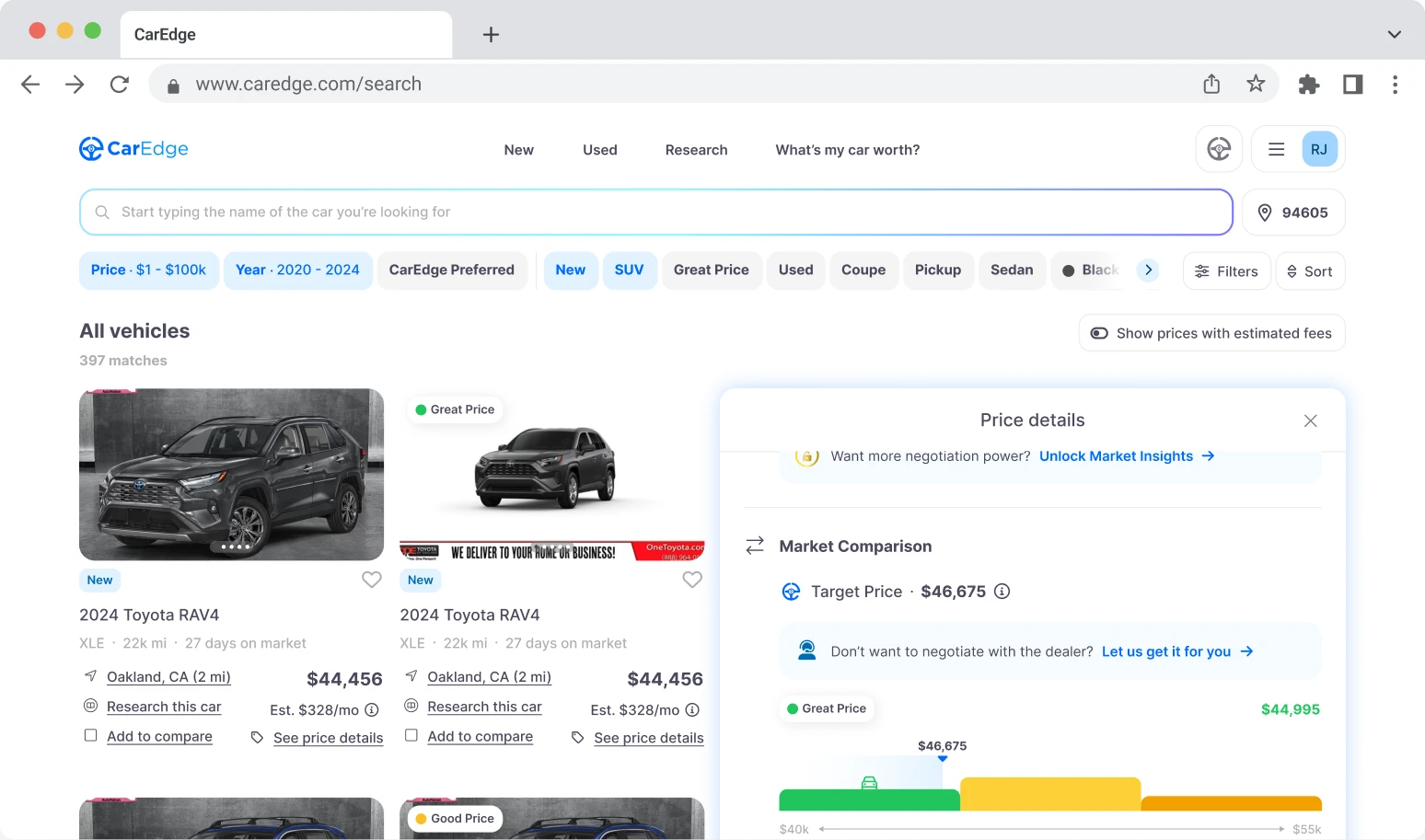
Find a wide range of vehicle listings with market insights on new and used listings near you.

What can I do with CarEdge?
 CarEdge Insights
What can I do with CarEdge?
Get access to exclusive information so you can make an informed car buying decision — all in one place.

Find a wide range of vehicle listings with market insights on new and used listings near you.
Track your vehicle’s value and cash in when the time is right to sell.

Access to our proprietary data to help you find the right car, at the right price. Find these unlocked on every listing after subscribing.

With our expert-led, tech-enabled car buying service, we will locate, negotiate, and deliver your vehicle so you can get a new car hassle free.


Help us personalize your CarEdge experience — it only takes a second.
Your answers help us personalize your CarEdge journey — we’ll follow up with tips and next steps that match your buying timeline.
If you’ve ever wondered whether it’s better to lease or buy a car, you’re not alone. There’s no one-size-fits-all answer, but with careful considerations, the right choice for you is within reach. One thing is for sure – leasing provides a low-cost path to buying a new car at a time when MSRPs are near record highs. In this guide, we’ll talk to CarEdge’s car buying pros to see what advice they’re giving our customers, and how you can put expert insights to work for your own car deal. Buckle in, because we’ve got quite a bit to cover.
For those who prioritize their budget, leasing might seem like an attractive option. Rising interest rates and inflated car prices have resulted in hefty monthly payments for new car buyers. Jerry, one of our CarEdge Coaches, points out that “rising prices and interest rates are generating monthly payments never seen before for new car consumers.”
Financing a vehicle, especially without a substantial down payment, can sometimes result in monthly payments that exceed what many people can comfortably afford. In such cases, leasing a vehicle with a more manageable monthly payment may be the only viable solution.
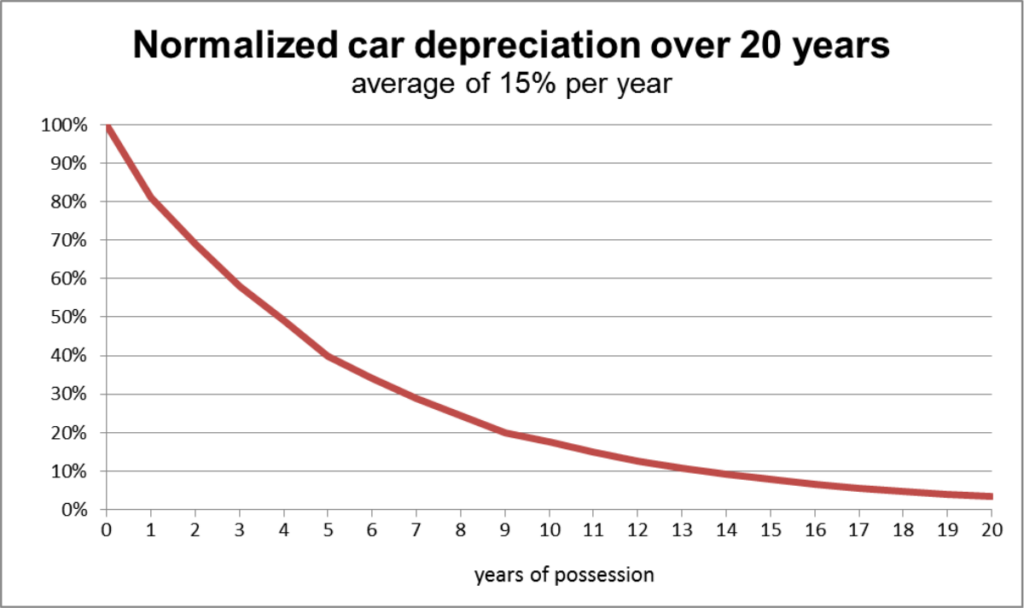
However, if you’re someone who values long-term ownership and plans to keep a car for 7-10 years, purchasing is often the financially sound choice. Mario, one of our veteran CarEdge Coaches, says that long-term car ownership is always best. “There’s no doubt that keeping a car for 7-10 years is the most financially sound option, surpassing any tempting lease deals, no questions asked.” Owning a car outright offers the advantage of not having to worry about monthly payments once the loan is paid off.
For drivers with different priorities or those who frequently upgrade to a new car, leasing can be an attractive option. Leasing allows you to enjoy a new car every few years without the hassle of selling or trading in your vehicle. It’s particularly advantageous for those who prefer to drive the latest models with updated features.
Leasing is also a good option for electric vehicle adopters. By the time your EV lease is up, range and charging speeds will have improved. Plus, EV resale values are hard to predict, as with any new technology. In this case, Jerry advises, “When considering any EV or plug-in hybrid, you definitely will want to research lease deals. There’s a good chance a lease is the better option.”
See the best EV lease deals this month
If you have relatively stable needs but don’t want to bear the risk of maintaining a car out of warranty, the decision becomes more complex. In these cases, financing often comes out ahead, but you should assess the “opportunity cost” of leasing against the financial gain of building equity for 5 years before upgrading, as Mario suggests. By comparing the total cost of ownership over a 3-6 year period for both leasing and financing, you can make an informed decision.
Compare cost of ownership data here (100% free)
To make the comparison, calculate your total leasing expenses for the chosen period, including monthly payments, upfront cash, fees upon returning the car, and other expenses such as fuel and insurance. Then, determine your total monthly out-of-pocket cost by dividing this sum by the lease duration. Repeat the process for financing, adding up the total cost, and determining your projected equity position by month 36.
Finally, compare the out-of-pocket costs for both options to decide which suits your needs and budget. This simple exercise should help you determine if leasing is a better option for your financial situation.
When deciding between leasing and financing, consider manufacturer incentives and resale value. Our CarEdge Coaches never recommend paying for dealer markups, or anything over MSRP. But when the price is right, buying can certainly become the clear solution.
As Mario points out, “Buying becomes a better option for vehicles that offer substantial discounts and incentives from both the manufacturer and the lender.” For vehicles with high resale value, financing may be the better choice, as you can build equity over time. In contrast, for vehicles with significant discounts or depreciation, leasing may be the more economical option.
In the end, the decision to lease or buy a car should align with your specific circumstances and priorities. Budget-conscious drivers might find leasing more accessible, while those planning long-term ownership may prefer financing. Incentives, and resale value also matter. Remember that there’s no one-size-fits-all answer to the leasing vs. buying dilemma. So, whether you opt for a lease or decide to finance, careful research and consideration will lead you to the right decision.
Fortunately, we’ve got dozens of 100% FREE car buying and leasing resources available.
Here are a few CarEdge Community favorites:
See Pre-Negotiated Car Prices With Home Delivery Nationwide
The Best New Car Lease Deals (Updated Monthly)
The Best New Car Incentives in November
Ready to outsmart the dealerships? Download your 100% free car buying cheat sheets today. From negotiating a deal to leasing a car the smart way, it’s all available for instant download. Get your cheat sheets today!


As the year comes to a close, many automakers are offering deals to entice potential buyers, and Mazda is no exception. From no payments for 90 days for all new Mazda vehicles, to 0.9% APR for popular models, Mazda has some of the best year-end deals. In this overview, we’ll take a closer look at Mazda’s offers, helping you navigate through the available lease, finance, and cash deals.
When you buy your new Mazda with CarEdge, you pay the CarEdge Fair Price and never step foot in a dealership again.
Here’s Our CarEdge Promise:
It’s car buying done right! Learn more about buying with CarEdge.
Browse CarEdge Mazda listings, or click on any of the links below. Enjoy the deals!
A total of five popular Mazda models qualify for APRs under 2% in December. In a new car market with the average APR hovering around 10%, these are some of the best year-end car sales today.
0% APR for 60 months + No payments for 90 days
0.9% APR for 36 months + No payments for 90 days
2023 Mazda CX-30 (Turbo trims only)
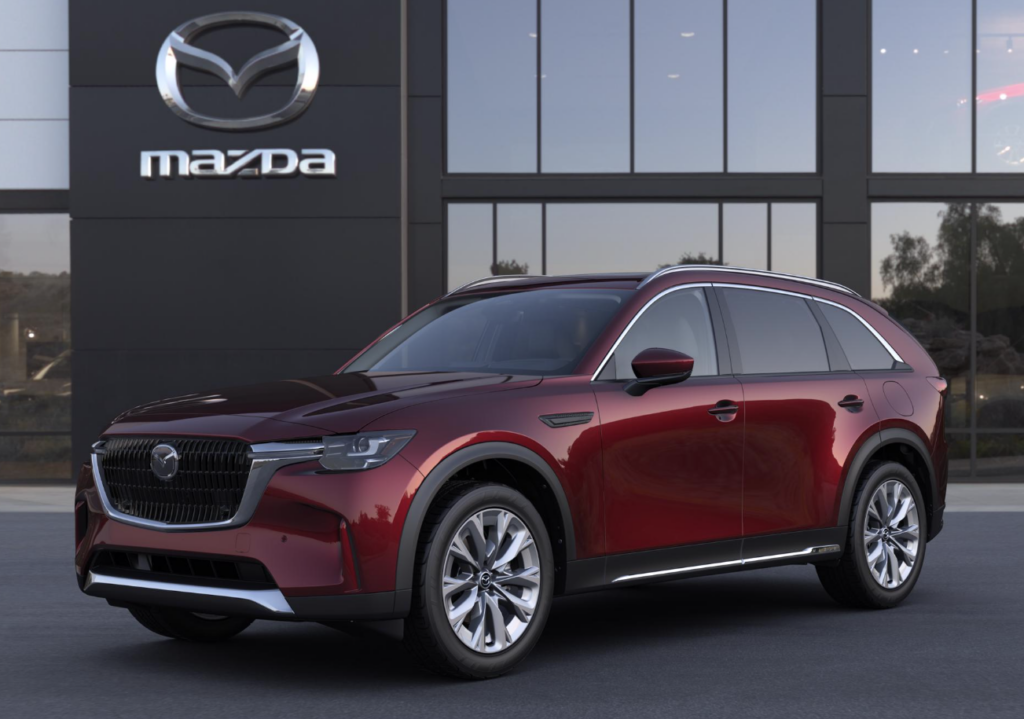
2024 Mazda CX-90 (Turbo Select, Turbo Preferred, Turbo Preferred Plus, Turbo Premium, or Turbo Premium Plus trims)
2023 Mazda MX-5 Miata (including RF)
1.9% APR for 60 months + No Payments for 90 Days

2.9% APR for 36 months

2024 Mazda CX-90 (Turbo S, Turbo S Premium, or Turbo S Premium Plus trims)
2023 Mazda CX-30 (Non-Turbo trims only)
3.9% APR for 36 months + No payments for 90 days

$1,500 Mazda Lease to Lease Loyalty Reward offer is for customers returning their original Mazda CX-9 leased through Mazda Capital Services when leasing any new2024 Mazda CX-90 vehicle through Mazda Financial Services.
$297/month for 36 months with $2,999 due
$301/month for 36 months with $2,999 due
$309/month for 36 months with $2,999 due
$344/month for 36 months with $3,999 due
$344/month for 36 months with $2,999 due
$349/month for 36 months with $2,999 due
$379/month for 36 months with $2,499 due
$379/month for 36 months with $2,999 due
$415/month for 36 months with $4,999 due
$2,000 lease customer cash
$457/month for 36 months with $2,999 due
$493/month for 36 months with $2,999 due
$533/month for 36 months with $4,999 due
$7,500 lease customer cash
$750-$2,000 customer bonus cash: 2023 Mazda CX-30
$1,000 Mazda Loyalty Reward Pro: 2024 Mazda CX-90
Mazda’s November offers provide a range of financing and leasing choices for prospective buyers. Whether you’re interested in purchasing a new Mazda with low APR financing or considering a lease option, there are various incentives available this month.
Ready to outsmart the dealerships? Download your 100% free car buying cheat sheets today. From negotiating a deal to leasing a car the smart way, it’s all available for instant download. Get your cheat sheets today!

So far, 2025 is shaping up to be another year full of twists for car shoppers. After a buyer-friendly 2024 marked by falling prices and rising incentives, this year brings fresh uncertainty — from tariffs and interest rates to new model arrivals and shifting consumer demand. The big question remains: Should you buy a car now, or wait?
At CarEdge, we’re closely tracking the latest market trends to help you time your next car purchase. Here’s what you need to know for spring and summer 2025.
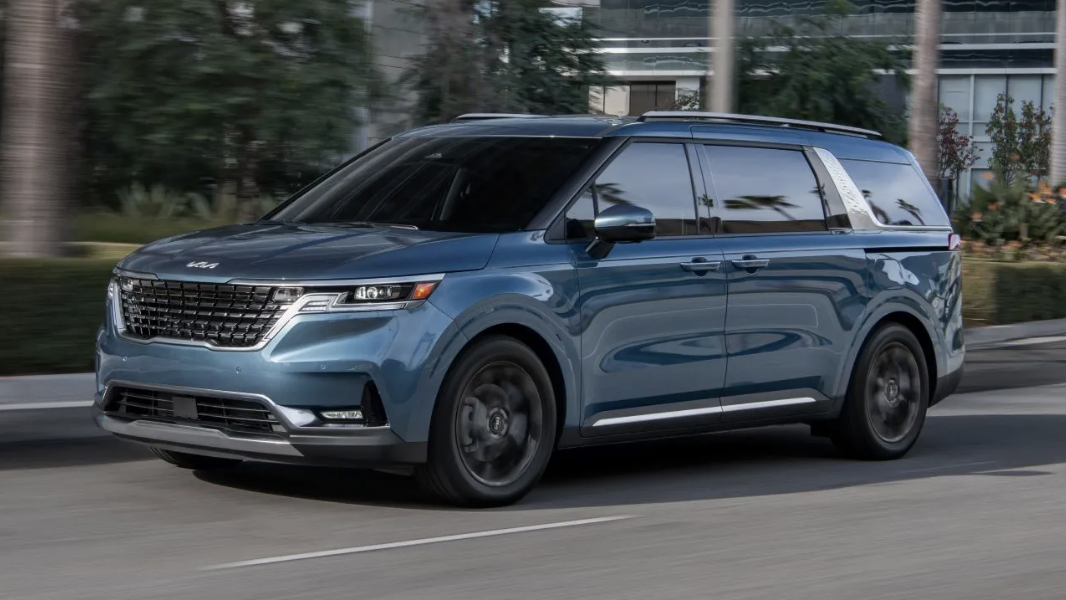
Let’s start with some good news: there are still solid new car deals available this spring. Automakers are trying to keep sales strong as summer approaches, especially with many 2024 models still on lots. Here’s what’s driving the deals:
In early April, 25% tariffs took effect on imported vehicles. For now, automakers are absorbing the costs to keep prices competitive — but that won’t last forever. As supply chains adjust, expect higher MSRPs and fewer discounts on imported vehicles later in 2025. That means spring and early summer could be your last chance to buy before price hikes hit.
Use CarEdge’s Auto Tariff Checker to see if your next vehicle is impacted.
Despite steady sales, dealership lots are still full. Many brands have over 100 days of supply — well above the 60-day benchmark of a balanced market. That’s expensive for dealers, who are now more willing to offer discounts or throw in extra incentives to close a deal. If you’re shopping now, you’ve got the upper hand.
See the fastest and slowest-selling cars this month
Every week, more 2025 models are hitting showrooms. As of April, about two-thirds of dealer inventory is still made up of leftover 2024 models, which means dealers are getting desperate to move them before summer incentives roll out. This puts you in a great position to score a deal — especially on models with aging inventory.
New car prices had been showing signs of softening, but auto tariffs are likely to send prices higher yet again. Here’s a snapshot of what we anticipate in spring and summer of 2025:
Used car prices have been falling for much of the past year, but that trend may be slowing. Here’s what we’re watching:
In other words, it’s a bit of a coin flip. If you find a used car you love at a price and rate you’re comfortable with, it’s a perfectly fine time to buy. But if you’re not in a rush, waiting for loan rates to drop could unlock even better deals. The challenge is guessing when that will actually happen.
👉 See this week’s used car market update
For well-qualified car shoppers, this month’s sales present a great opportunity to secure a low interest rate. With numerous incentives, now is a fine time to buy if you’re in need of a vehicle soon. Of course, the best decision for you wallet is usually to keep the vehicle you already have, but sometimes that’s not an option. If you’re considering an import, buying sooner may help you avoid the full impact of tariffs. Be sure to check if your next car is impacted by tariffs.
Looking at the used car market, it’s tougher to foresee price trends considering the dynamics at play. If tariffs send new car prices higher, more drivers will shift their focus to used car lots. This higher demand would send used vehicle prices higher. With so many moving parts, it’s difficult to predict where the used car market will be months from now.
CarEdge Co-Founder and 43-year auto industry veteran Ray Shefska has this timely advice for used car shoppers late in 2024: If you find the car you want at the right price with a loan rate you are happy with, now is a ‘fine’ time to buy. Waiting only prolongs the car market uncertainty at this point.
Tired of the car buying hassles? If you’re looking for a better way to buy a new or used car, we’re glad you found us. CarEdge is the #1 car buying service in America, with thousands of happy customers sharing their success stories.
👉 Learn how CarEdge takes the pain out of buying your next car, all while saving you money!

As the 2023 holiday season approaches, the automotive market is showing signs of change, particularly in the used car sector. After a period of record-high prices in 2022, there’s a light at the end of the tunnel for those seeking more affordable options. While used car prices have remained flat at retail lots, a steady decline has continued for months at wholesale auctions. Lower prices may soon reach retail consumers, with year-end sales in the new car market being the catalyst. Let’s take a look at how used car deals could play out in December.
The cost of borrowing money is at a 20-year high, and used car sales are feeling the impacts. Demand for used cars has been on a slight downward trend in 2023. As of the most recent data from October, used car sales are down by 4% year-over-year. Unfortunately, used car prices have resisted downward pressure for most of the year.
Finally, that could be starting to change. Retail used car prices have seen a modest reduction of 0.7% over the past month after numerous ups and downs. However, since the start of 2023, prices have not moved much, hovering around an average listing price of $26,500. This is despite wild swings in wholesale prices.
The pace of this price decline has been slow, largely due to the supply of used cars in the retail market. With a current 49-day supply, down only slightly from previous months, a significant increase in inventory would be necessary for a more substantial drop in prices. However, patient buyers may finally get the relief they’ve been hoping for.
Stay updated with the latest trends and data on used car prices by following our weekly price updates at CarEdge.
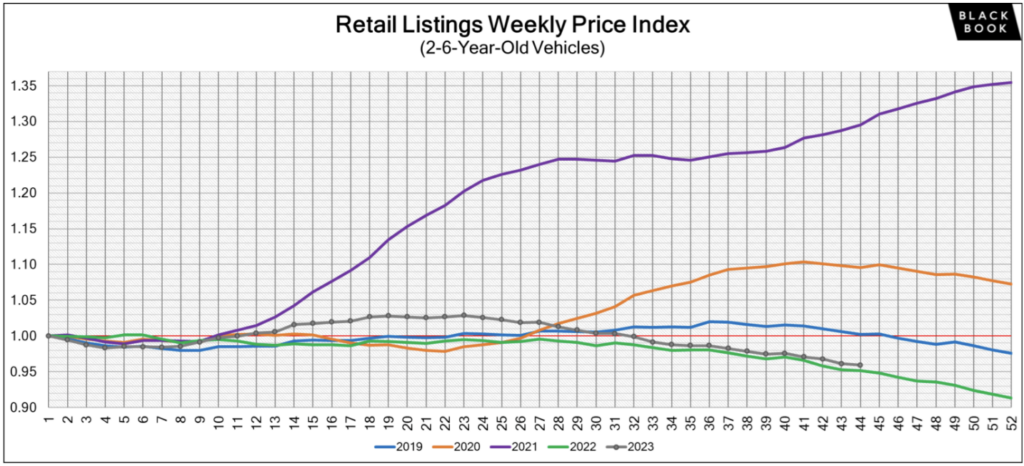
For those waiting for a drop in used car prices, December 2023 appears promising. The potential for substantial price reductions is on the horizon, accelerated by Black Friday deals drawing more buyers to new car lots as early as November.
Interestingly, the key to understanding the potential for a used car price drop lies within the new car market, specifically in year-end sales dynamics. The end of the year is traditionally a prime time for new car purchases, as dealers and automakers strive to clear out current year models. This year, an abundance of new car inventory is anticipated, with the overall new car market experiencing an 83-day supply as of November. Some brands, such as Jeep and Ram, have over 100 days of inventory. This surplus exceeds the healthy market-day supply range of 40 to 60 days, indicating a pressing need for sales. How does this play into the used car market?
This surplus in the new car market should benefit used car buyers. Massive new car sales in December are likely to divert consumer attention from used to new vehicles. The appearance of attractive financing offers, like 0% APR could further encourage this shift.
In fact, used car buyers may want to reconsider once they realize the cost of today’s interest rates. A new car at MSRP with 0% APR financing may be a better deal than a used car at 14% APR. Believe it or not, today’s average used car loan rate is 14% APR.
How much will that interest cost you over an entire loan term? A $25,000 used car loan will actually cost you $35,000 over a 60 month term once the average 14% APR is factored in. You could get a decent new car with low APR for about the same price.
Be sure to check the best new car deals this month.
How much might used car prices drop by the end of 2023? Car dealers have been notoriously stubborn with their sticker prices, as evidenced by unchanged average listing prices this year. What will improve most in December is the negotiability of used cars. For car buyers prepared with negotiation know-how, December will present a rare opportunity to save thousands of dollars.
For all but the most in-demand models, buyers should be able to negotiate 10% off of the listing price for used cars. For the average priced used car, that would amount to approximately $2,500 in savings.
Remember, you can always check local market dynamics with CarEdge Data. Perhaps your dream car is more negotiable than you’d think!
Ready to outsmart the dealerships? Download your 100% free car buying cheat sheets today. From negotiating a deal to leasing a car the smart way, it’s all available for instant download. Get your cheat sheets today!

2023 is shaping up to be an exceptional year for year-end car deals. A perfect storm of high inventory, soaring interest rates, and holiday sales is coming together to bring big discounts. Here’s why savvy car shoppers should take 2023’s year-end car deals seriously.
👉 Just want to see the deals? See December’s best new car incentives here.
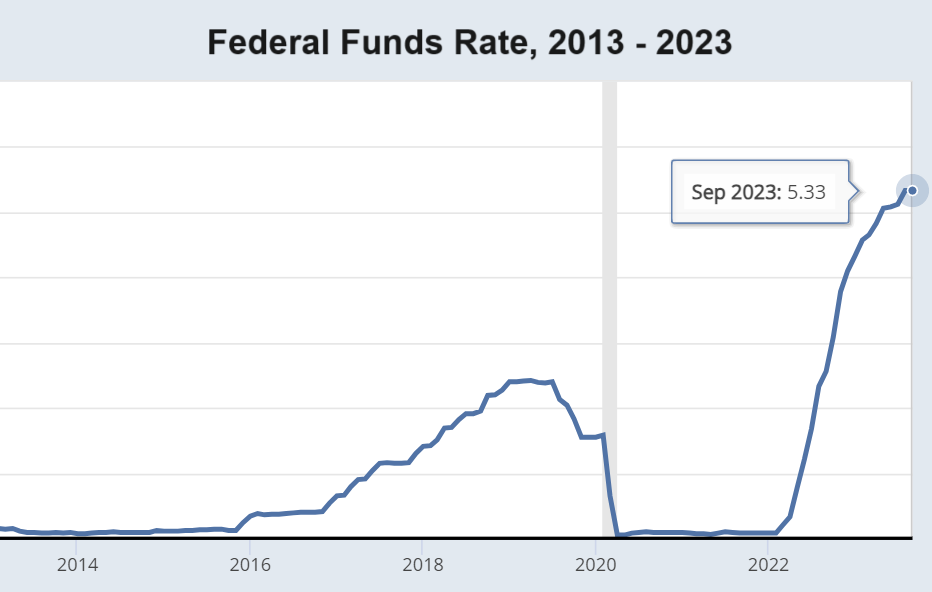
One of the most compelling reasons to expect significant year-end car deals in 2023 is the steady rise in interest rates throughout the year. The average new car loan APR is now 9%, with used car loans averaging around 14%.
As the cost of borrowing money increases, automakers and dealerships will be motivated to lure buyers with more attractive financing options. Simultaneously, rising rates mean higher dealership floorplanning costs, which put additional pressure on dealers to move inventory. With rates on the climb, it’s an opportune moment for buyers to lock in a low-interest loan before they potentially rise even further.
👉 These are the best auto financing offers in December.
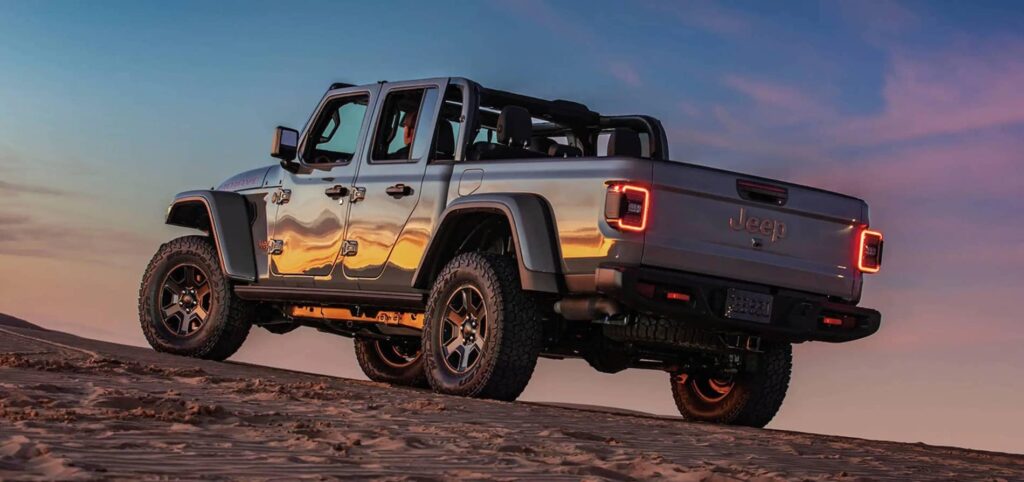
The auto industry has seen an influx of new car inventory in 2023. Factors like supply chain improvements, slower sales, and high MSRPs have contributed to a surplus of vehicles waiting for buyers. Dealerships are eager to clear out these excess stocks by year-end to make room for the next year’s models. This means potential discounts, rebates, and promotions that can significantly reduce the purchase price.
👉 See the most recent new car inventory update here.
Sluggish car sales in the earlier part of the year have left many dealerships with excess inventory. In an effort to meet annual sales targets and improve cash flow, dealerships often resort to offering generous discounts and incentives in the final months of the year. For buyers, this translates into an excellent opportunity to snag a deal on the vehicle they desire.

Some things never change. Every year, the holiday season is when car dealerships roll out their best deals. Automakers and dealerships understand that consumers are ready to spend during this time, and they respond with enticing promotions, discounts, and special offers. After decades of holiday sales, consumers have come to expect big discounts in December, and often wait all year for amazing year-end car deals.

As the year comes to a close, automakers and dealerships are eager to clear out remaining inventory to make way for the arrival of new models. This urgency often translates into even more competitive pricing and incentives as they aim to finish the year on a strong note.
👉 December’s big year-end sales are out now! Here’s the best of the best.
In summary, 2023’s year-end car deals are the best sales we’ve seen all year due to a combination of rising interest rates, high new car inventory, holiday promotions, and the need to clear out existing stock. Car buyers who are patient and strategic in their approach can capitalize on these factors to secure a fantastic deal on their next vehicle.
Ready to outsmart the dealerships? Download your 100% free car buying cheat sheets today. From negotiating a deal to leasing a car the smart way, it’s all available for instant download. Get your cheat sheets today!

Take one look at this month’s incentives, and one thing becomes clear: zero percent financing is on the rise. Whether you’re buying or leasing, here’s a look at the best new car offers for September 2024. It’s worth pointing out that automakers update their incentives between the second and fifth business day of each month. Check back for updates!
Seeking to finance your new vehicle with a low interest rate? Given that the average APR for new car loans is now over 9%, securing a low rate isn’t easy. However, these brands are stepping up to the plate with rare offers.
👉 Slash Your Car Loan Interest: Expert Tips for New and Used Car Buyers

What do automakers do when they seriously need to sell some cars? They bring on zero percent financing. In a serious effort to attract buyers, all of the following models are all advertised for 0% APR in September 2024. These are by far the most widespread sales so far this year.
FORD – 2024 Ford F-150 (36 months), 2024 Ford Mustang Mach-E (72 months), 2024 Ford Expedition (36 months)
MAZDA – 2024 Mazda CX-30, CX-5, and Mazda3 (0% APR for 36 months)
JEEP – All Jeep models, from the legendary Wrangler to the Grand Cherokee, have 0% APR for 36 months right now. See Jeep listings near you.
KIA – 2024 Kia EV9, EV6 (0% APR for 48 months). The slower-charging Niro EV is offered with 0% financing for 60 months.
NISSAN – 2024 Nissan Rogue, Pathfinder (0% APR for 36 months); 2024 Nissan Titan (60 months)
VOLKSWAGEN – 2024 Volkswagen ID.4 (0% financing for 72 months), 2024 Volkswagen Tiguan (0% APR for 60 months).
SUBARU – 0% financing for 72 months: 2024 Subaru Solterra

The deals don’t end at zero percent financing. Several more models are available at just 0.9% APR this month.
These are the models advertised with 0.9% APR in September:

In September, Chevrolet is joined by Subaru, Nissan, and Kia with 1.9% APR financing deals. Considering that the average new car APR is now approaching 10%, this is a steal.
Chevrolet: Colorado, Equinox, Blazer, Trailblazer
2024 GMC Acadia, 2024 GMC Canyon
👉 Here’s every automaker’s best financing offers this month.

When it comes to new car incentives, more shoppers are considering a lease as MSRPs soar ever higher. These are the best lease deals this month.

Sedans may be out of style, but they’re the most affordable. Check out these sedan lease offers for September 2024:

This month, SUV lease deals provide compelling offers for families. Now is a great time to consider leasing, especially if you go for one of the best new car offers listed below.

For truck fans, the Ford F-150 is the best truck lease deal in September 2024.
See all of this month’s best truck offers here.
👉 See ALL of the best lease deals from every major automaker
Ready to outsmart the dealerships? Download your 100% free car buying cheat sheets today. From negotiating a deal to leasing a car the smart way, it’s all available for instant download. Get your cheat sheets today!

Jeep has some of the worst reliability ratings of any automaker today, but some models are considerably better than others. We had originally planned to identify the five most reliable Jeep models, but we ran into a problem. None of the nine Jeep models earns higher than 3 out of 5 stars for reliability. Therefore, we’ve listed the models from most reliable to least reliable, according to Consumer Reports testing and surveys.
Overall, the Jeep brand ranks #24 out of the 25 car brands that CR tests for reliability. Who scored worse? Believe it or not, it was Mercedes-Benz.
We also included current inventory numbers, and there are A LOT of Jeeps sitting on dealer lots today. The deals are out there, if you learn how to negotiate. More on that below.
Base Price: $37,695
Current Nationwide Inventory: 198 market days of supply

Reliability Rating: 3/5
Satisfaction Rating: 2/5
Overall Score: 64
About the rating: Despite receiving a face-lift, new minor features, and a turbocharged engine option, the refreshed Jeep Cherokee remained a lackluster model in a competitive segment. As a result, the Cherokee was discontinued in 2023. It continues to suffer from transmission issues, a stiff ride, and uninspiring handling. The optional turbo engine fails to provide a noticeable improvement in performance. While Jeep addressed some design concerns, this updated version falls short of expectations, highlighting the gap between its promising specs and on-road performance.
See Jeep Cherokee listings with the power of local market data.
Base Price: $61,595
Current Nationwide Inventory: 260 market days of supply

Reliability Rating: 2/5
Satisfaction Rating: 3/5
Overall Score: 51
About the rating: The all-new Wagoneer, built on the Ram 1500 pickup’s body-on-frame construction, offers a comfortable three-row experience with seating for up to 8. However, its pricing, starting at about $10,000 more than competitors before factoring in a high $2,000 destination charge, raises eyebrows. The 5.7-liter V8 engine delivers a robust 392 horsepower, but it’s accompanied by very poor fuel economy, achieving just 15 mpg overall. The independent rear suspension contributes to a smooth ride, but the SUV’s bulk becomes apparent in corners and turns. Inside, the cabin boasts space, leather, and upscale materials, although some controls and displays are less user-friendly. Safety features like forward collision warning and automatic emergency braking come standard, with optional advanced driver assistance features available.
See Jeep Wagoneer listings with the power of local market data.
Base Price: $91,140
Current Nationwide Inventory: 264 market days of supply
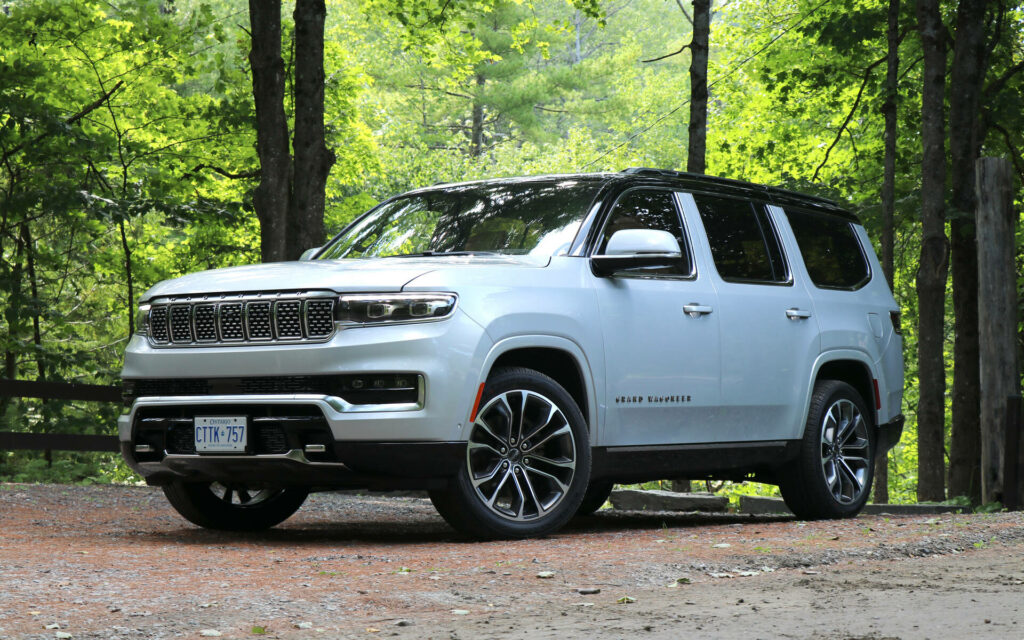
Reliability Rating: 2/5
Satisfaction Rating: 3/5
Overall Score: Not Tested
About the rating: Consumer Reports says that the Grand Wagoneer’s expected reliability and satisfaction ratings are based on similar models, which in this case, is surely the 2023 Wagoneer that was tested.
See Jeep Grand Wagoneer listings with the power of local market data.
Base Price: $36,495
Current Nationwide Inventory: 200 market days of supply
Reliability Rating: 2/5
Satisfaction Rating: 3/5
Overall Score: 55
About the rating: The redesigned Grand Cherokee offers a more premium cabin, improved fuel economy, and added refinement compared to its predecessor. It retains the same core powertrain, a 293-horsepower 3.6-liter V6, delivering smooth acceleration and linear power delivery. While it handles relatively well for its size, it falls short of the agility of competitors like the Ford Explorer. The cabin is quiet and well-finished with ample space and comfortable front seats. However, some controls are cluttered and confusing, and the instrument cluster changes can be distracting. The Grand Cherokee comes with a standard suite of safety features, but its historically below-average reliability may deter some buyers.
See Jeep Grand Cherokee listings with the power of local market data.
Base Price: $42,130
Current Nationwide Inventory: 175 market days of supply

Reliability Rating: 2/5
Satisfaction Rating: 3/5
Overall Score: 53
About the rating: The Grand Cherokee’s long-awaited three-row “L” version bridges the gap between mainstream and luxury SUVs but has performance limitations. The base 290-horsepower V6 struggles with acceleration and gets 19 mpg overall. It handles reasonably well, but the steering lacks feedback, and tire grip is mediocre. The cabin is spacious but may not comfortably accommodate adults in the third row. The interior has glossy-black trim, wood, and some misaligned panels, and the controls are cluttered. Connectivity is good, and safety features are standard, but it’s not ideal for serious off-roading.
See Jeep Grand Cherokee L listings with the power of local market data.
Base Price: $32,095
Current Nationwide Inventory: 224 market days of supply

Reliability Rating: 2/5
Satisfaction Rating: 3/5
Overall Score: 25
About the rating: The current Jeep Wrangler maintains its rustic charm, iconic design, and off-road capabilities while enhancing its powertrain, amenities, and connectivity features. However, it comes with drawbacks such as awkward access, excessive wind noise, and a rough ride. The Wrangler’s body-on-frame construction, solid axles, and removable features cater to off-road enthusiasts, especially the Rubicon version. Nevertheless, its on-road performance falls short of modern SUV standards, with stiff handling, pronounced body roll, and a jittery ride, making it less suitable for daily commuting or highway driving. In conclusion, the Wrangler excels in off-road adventures but is not a good choice for any other driving scenarios.
See Jeep Wrangler listings with the power of local market data.
Base Price: $38,775
Current Nationwide Inventory: 190 market days of inventory
Reliability Rating: 2/5
Satisfaction Rating: 3/5
Overall Score: 36
About the rating: The Jeep Gladiator, essentially a Wrangler-based pickup truck with a 5-foot bed, inherits many of the Wrangler’s pros and cons. It stands out in the small truck class due to its unique character and better ride quality, thanks to a rear suspension borrowed from the Ram 1500. Off-road capabilities are impressive, and it offers a robust 3.6-liter V6 engine with good towing capacity, though fuel economy is average. On the downside, handling is clumsy, and the cabin lacks some comfort features, including power seat adjustments. Wind noise can be bothersome at highway speeds, and while it’s appealing for off-road enthusiasts, its higher price and optional safety features may give potential buyers pause.
See Jeep Gladiator listings with the power of local market data.
Base Price: $28,400
Current Nationwide Inventory: 210 market days of inventory

Reliability Rating: 2/5
Satisfaction Rating: 1/5
Overall Score: Not Tested
About the rating: Consumer Reports says that the Jeep Compass’ expected reliability and satisfaction ratings are based on similar models, which in this case, is likely the Cherokee and Renegade, which were tested. Consumer Reports did drive the Compass, however, and didn’t find much to like about it. CR says that when compared to its competitors, the Compass falls short in various aspects. It offers a stiff and jittery ride, and the rear seat is both low and flat, detracting from its overall appeal.
See Jeep Compass listings with the power of local market data.
Base Price: $28,343
Current Nationwide Inventory: 194 market days of inventory

Reliability Rating: 2/5
Satisfaction Rating: 1/5
Overall Score: 40
About the rating: Don’t buy a Jeep just for the brand name. The Jeep Renegade boasts a modern design and a solid build, offering decent rear cargo space. However, its charm wanes quickly due to cumbersome handling, a choppy ride, uncomfortable front seats, and limited visibility. The nine-speed automatic transmission can be hesitant, paired with the 2.4-liter engine, affecting power and performance. While its Trailhawk version shines off-road, the Renegade faces tough competition from more refined and economical compact SUVs like the Honda CR-V and Toyota RAV4. With a score
See Jeep Renegade listings with the power of local market data.
While reliability is a crucial factor in choosing your next vehicle, it’s essential to consider other elements. Factors like fuel efficiency, comfort, safety features, and the car’s total cost of ownership play significant roles in your decision-making process. While we understand that every driver has their own preferences, there’s an undeniable truth car buyers must confront: Jeep does not score well in any of these categories.
From ride comfort to fuel economy, maintenance costs to recalls, Jeep is not a top performer. But we get it: Jeep makes offroad adventures possible at an affordable price point. That’s something special, so we’re sure Jeep will continue to do well in the future. However, we hope that Jeep does improve the common complaints and faults, with the simple goal of having a better product in the future.
You’re not alone in this journey! Our dedicated team of CarEdge Coaches is here to assist you every step of the way. With expert advice and personalized guidance, we ensure you not only choose a reliable vehicle but one that truly fits your lifestyle and brings joy to every drive. Ready to embark on a stress-free and informed car-buying adventure? Contact a CarEdge Coach today, and let’s find your next car at a price you can afford!!
Love the daily Ray and Zach show? Check out our new podcast, AutoInsiders with Ray Shefska!
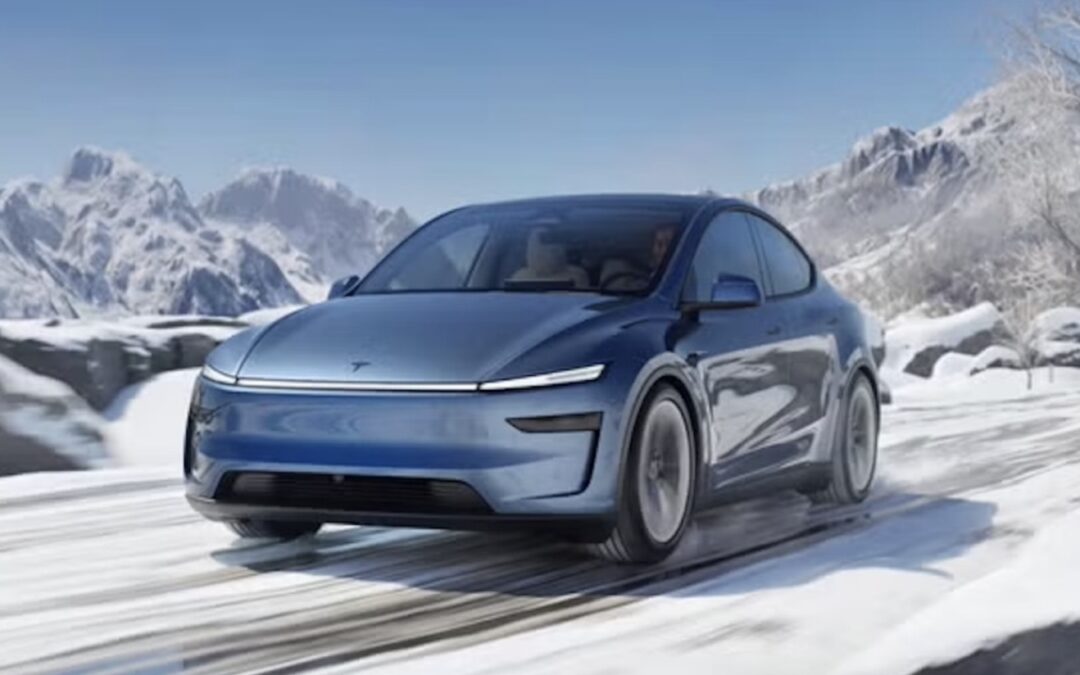

For those who are not interested in a massive, all-wheel drive truck, finding a car or crossover SUV that’s safe in the snow can be a challenge. We’re here to simplify your Car Search with this list of the best vehicles for winter driving, from snow to slush and beyond. Better yet, these all-wheel drive models offer the best value for your wallet as we head into the cool season.

Base Price (with all-wheel drive): $27,890 with destination fees
Fuel Economy: 27 mpg city and 35 mpg highway
Ground clearance: 5.9 inches
Reliability Rating: 3/5 according to Consumer Reports
Satisfaction Rating: 3/5 according to Consumer Reports
Why It’s Great For Winter: This is the go-to all-wheel drive sedan for under $30,000. That’s why it’s a shame that the 2025 model year will be the last. Subaru is discontinuing the Legacy after more than 30 years in the market. With excellent fuel economy, decent clearance for a sedan, and Subaru’s standard all-wheel drive, all shoppers in the market for a car with AWD should consider the Legacy while it can still be found on dealer lots. The good news is that there will be plenty of used Legacy’s on dealership lots for years to come.
See Subaru Legacy listings with local market data.

Base Price (with all-wheel drive): $30,595
Fuel Economy: 25 mpg city and 33 mpg highway
Ground clearance: 5.5 inches
Reliability Rating: 3/5 according to Consumer Reports
Satisfaction Rating: 3/5 according to Consumer Reports
Why It’s Great For Winter: The Mazda3 sedan offers something that’s increasingly rare: standard all-wheel drive on a sedan at a good price. From the Carbon Edition trim level and up, all-wheel drive is included, providing drivers with greatly improved traction in the snow.
See Mazda3 sedan listings with local market data.

Base Price (with all-wheel drive): $29,195
Fuel Economy: 25 mpg city and 33 mpg highway
Ground clearance: 5.3 inches
Reliability Rating: 4/5 according to Consumer Reports
Satisfaction Rating: 3/5 according to Consumer Reports
Why It’s Great For Winter: The Kia’s of today hardly resemble those of yesterday. On top of great looks, the K5 sedan has optional all-wheel drive starting at under $30,000. According to Consumer Reports, the Kia K5 has excellent reliability ratings too. Equipped with winter tires, the K5 would do excellent in the snow, as long as higher ground clearance isn’t a must.
See Kia K5 listings with local market data.

Base Price (with all-wheel drive): $44,370
Range: 363 miles
Ground clearance: 5.5 inches
Reliability Rating: 3/5 according to Consumer Reports
Satisfaction Rating: 4/5 according to Consumer Reports
Why It’s Great For Winter: ICE-powered cars are no competition for electric all-wheel drive. Reaction times and traction control capabilities are noticeably quicker in an AWD EV.
Despite slim ground clearance, the considerably more expensive Tesla Model 3 is an unbeatable value. For those who can claim the $7,500 federal EV tax credit before it expires on September 30, the Model 3 starts to look like more of a bargain.
Configure your Model 3 at Tesla.com, or see used Tesla listings with fair price data.

Base Price: $31,115
Fuel Economy: 26 mpg city and 33 mpg highway
Ground clearance: 8.7 inches
Reliability Rating: 4/5 according to Consumer Reports
Satisfaction Rating: 4/5 according to Consumer Reports
Why It’s Great For Winter: The Forester gets an upgrade for the 2025 model year. In addition to the added room and features, buyers will see a higher pricetag. On the bright side, Subaru is known for largely avoiding dealer markups, making it easier to get the Subaru you want at a fair price.
Why not the Crosstrek? You simply get more for your money with the Forester. Most will appreciate more cargo volume, and more room for passengers with the Forester.
Browse Subaru Forester listings with local market data.

Base Price: $41,415
Fuel Economy: 20 mpg city and 26 mpg highway
Ground clearance: 8.7 inches
Reliability Rating: 3/5 according to Consumer Reports
Satisfaction Rating: 3/5 according to Consumer Reports
Why It’s Great For Winter: The Ascent is perfect for those who need a larger SUV with standard all-wheel drive. The 2025 Ascent has three rows of flexible seating for 8 passengers, something that other models on this list can’t match.
Ground clearance is excellent, meaning that you’ll have no trouble pushing through snow (with proper tires, of course). Fuel economy is less than desired, but that’s what you get with a large SUV.
Browse Subaru Ascent listings with local market data.

Base Price: $31,720
Fuel Economy: 24 mpg city and 30 mpg highway
Ground clearance: 8.3 – 8.6 inches
Reliability Rating: 4/5 according to Consumer Reports
Satisfaction Rating: 3/5 according to Consumer Reports
Why It’s Great For Winter: The CX-50 features standard all-wheel drive and 8.3 to 8.6 inches of ground clearance, making this a great choice for budget-conscious buyers who don’t want a Subaru. Mazda reliability ratings are rising as the brand continues to transition towards a more premium reputation. Hoping for better MPGs? For 2025, a hybrid CX-50 is joining the lineup.
There’s a CX-50 for everyone. Mazda’s lineup offers a range of well-equipped trims, from the base 2.5 S Select for just $30,300 to the premium-natured 2.5 Turbo Premium starting at $41,300.
Browse Mazda CX-50 listings with local market data.
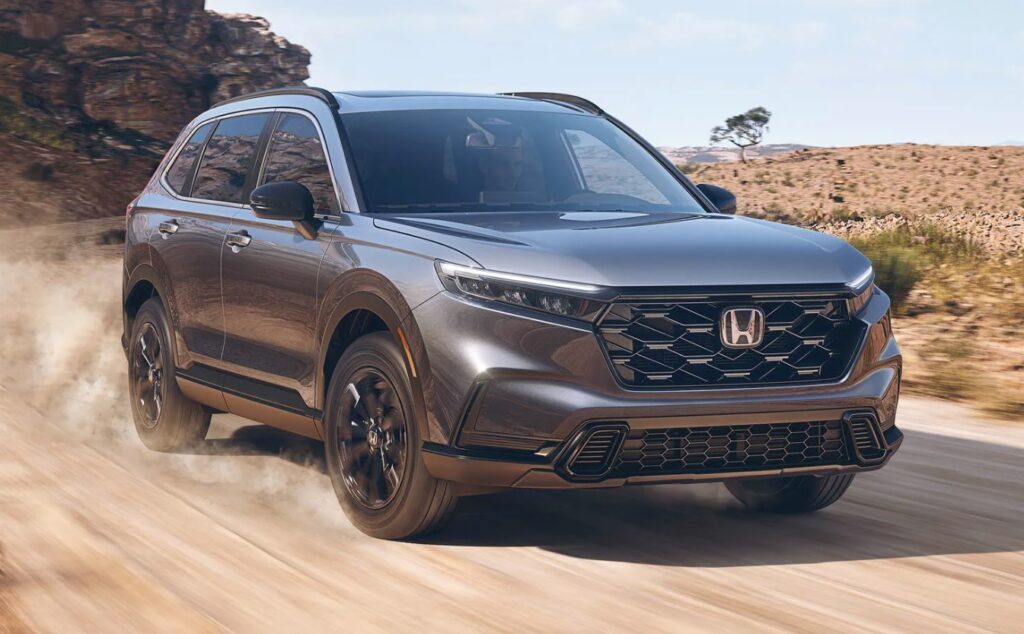
Base Price (with all-wheel drive): $31,450
Fuel Economy: 27 mpg city and 32 mpg highway
Ground clearance: 8.2 inches
Reliability Rating: 4/5 according to Consumer Reports
Satisfaction Rating: 4/5 according to Consumer Reports
Why It’s Great For Winter: It’s #2 in America in terms of SUV sales, but the CR-V is a clear winner for SUVs under $40,000. With all-wheel drive, the CR-V LX starts at a base price of $31,000.
The CR-V AWD is ideal for those who are okay with all-wheel drive that is only engaged when it’s needed. The rest of the time, the CR-V is front-wheel drive.
See Honda CR-V listings with local market data

Base Price (with all-wheel drive): $48,315
Fuel Economy: 35 miles per gallon combined
Ground clearance: 8.0 inches
Reliability Rating: 4/5 according to Consumer Reports
Satisfaction Rating: 4/5 according to Consumer Reports
Why It’s Great For Winter: There’s a lot to love about the Highlander Hybrid AWD: eight inches of ground clearance, 35 miles per gallon, and all-wheel drive on top of excellent reliability at a reasonable price.
Smaller hybrid SUVs like the Hyundai Tucson or Honda CR-V are excellent for winter when equipped with AWD, but serious winter drivers know that ground clearance matters in a snowstorm.
The only downside is limited inventory. See our latest inventory update.
Browse Highlander Hybrid listings with local market data.
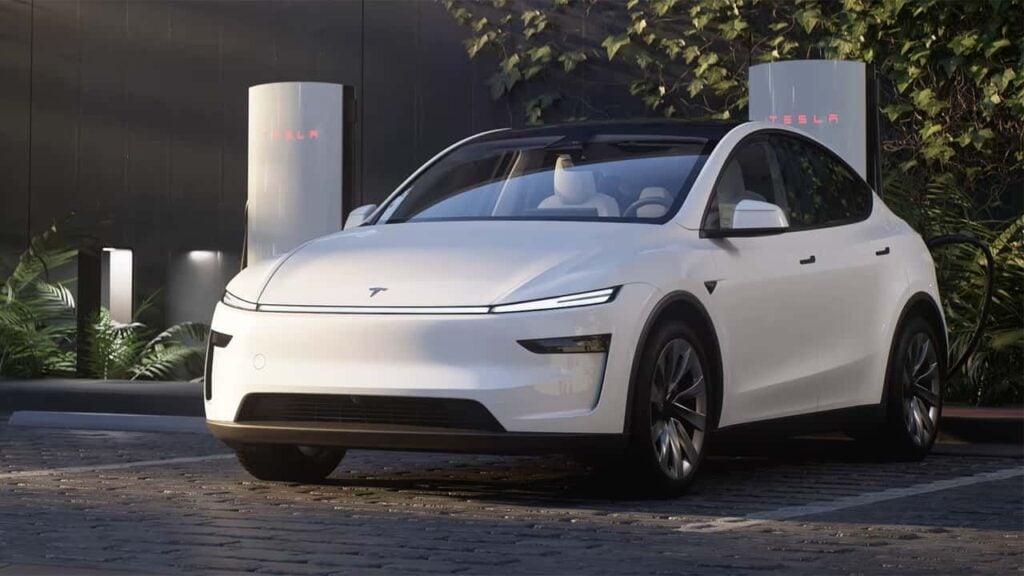
Base Price (with all-wheel drive): $49,370
Range: 308 miles (expect 20% less range in the winter)
Ground Clearance: 6.6 inches
Reliability Rating: 41/100 according to Consumer Reports
Satisfaction Rating: 4/5 according to Consumer Reports
Why It’s Great For Winter: Owning an electric vehicle is full of perks, but winter driving is not one of them. How so? EVs lose driving range in cold weather. It’s a matter of battery chemistry. On top of that, charging speeds can be slower in extreme cold without battery preconditioning capabilities.
Tesla, being the EV originators that they are, took these challenges into consideration as they built their brand. The Model Y has access to the largest and most reliable EV charging network in North America, the Tesla Supercharger network. That’s a huge help considering that the highway range in winter weather can drop below 250 miles on a full charge. With Superchargers being the easiest fast chargers to find (and use), that’s a major plus for the Model Y in winter.
Better yet, Tesla models have battery preconditioning built into route planning. This means that when you navigate to a charging station, the car will automatically warm the battery to the ideal temperature for faster charging. Battery preconditioning is an essential for EV ownership in cold climates.
When it comes to all-wheel drive, electric vehicles, including but not limited to the Model Y, have a big advantage over ICE vehicles: near-instantaneous reaction times. Everything is computer-based in an EV. Torque and traction control features are adjusted to maintain control far quicker than is possible in a traditional gas-powered vehicle. So range and charging can be tough in the winter, but EV traction is superior.

Sliding on flurries in your all-wheel drive vehicle? Before you blame the car, check your tires. Too many drivers forget the importance of winter-ready tires before venturing out in the snow. Unlike their summer counterparts, winter tires are specially designed with a different rubber compound that stays pliable in colder temperatures. This flexibility provides better grip on icy surfaces and shorter braking distances. The tread patterns on winter tires are also tailored to dig into snow and slush, channeling it away from the tire’s contact patch and enhancing traction.
Simply put, having winter tires is like equipping your vehicle with the right gear to conquer winter’s toughest terrain. All-wheel drive alone will NOT be enough to stay safe. Be sure you have tires that are suitable for winter before the first snowflakes fly.
Looking for help with your next vehicle purchase? The CarEdge Team is changing car buying for the better. From DIY options that equip you with powerful market insights to the best car buying Concierge service out there, we’re bringing pre-negotiated car deals to the masses.

Dependability matters, especially as auto repair costs soar. Have you ever experienced the delight of owning an SUV that goes above and beyond in terms of reliability? If not, we’re out to change that. In this guide, we’ll introduce you to the most reliable SUVs for 2026, courtesy of the consumer advocates at Consumer Reports.
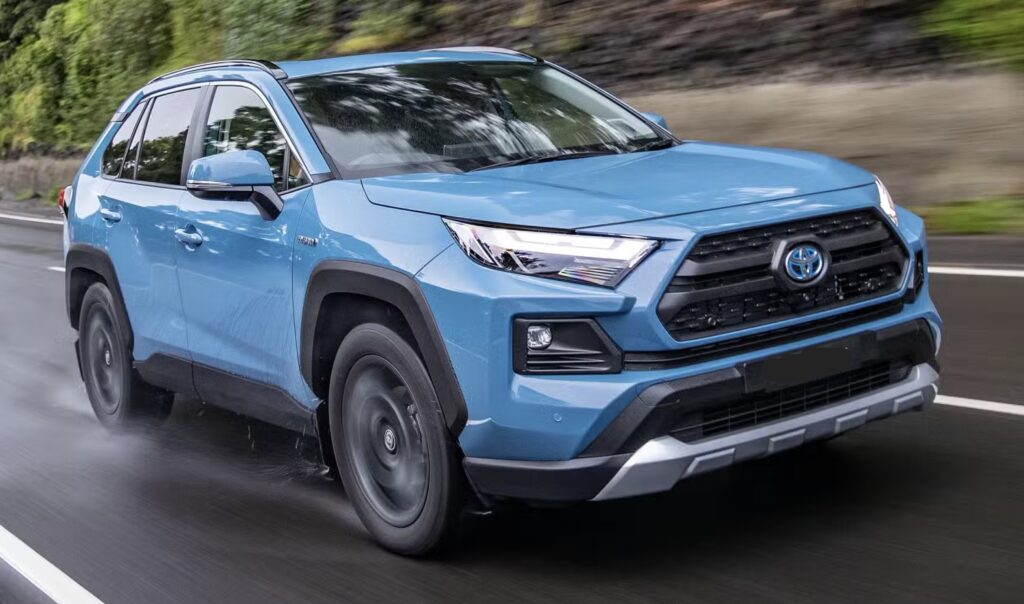
For anyone familiar with the most reliable car brands, the winners should come as no surprise. Toyota and Lexus frequent the top of the list for automotive reliability. Honda, Mazda, and Subaru are also known for making the most dependable SUVs, and also win top honors here.
| Make | Model | Year | Reliability Score | Satisfaction Score | Road Test | Base MSRP |
|---|---|---|---|---|---|---|
| Lexus | NX Hybrid | 2026 | 68 / 100 | 73 / 100 | 88 / 100 | $41,955 - $57,805 |
| Toyota | RAV4 Plug-In Hybrid | 2025 | 77 / 100 | 83 / 100 | 87 / 100 | $44,265 - $48,135 |
| Subaru | Crosstrek | 2026 | 75 / 100 | 74 / 100 | 87 / 100 | $26,995 - $34,995 |
| Honda | CR-V | 2026 | 65 / 100 | 63 / 100 | 90 / 100 | $30,920 - $50,000 |
| Toyota | Corolla Cross | 2026 | 79 / 100 | 40 / 100 | 72 / 100 | $25,035 - $33,330 |
| Toyota | RAV4 Hybrid | 2025 | 77 / 100 | 71 / 100 | 83 / 100 | $29,800 - $41,155 |
| Mazda | CX-5 | 2025 | 84 / 100 | 62 / 100 | 80 / 100 | $29,050 - $41,060 |
| Toyota | RAV4 | 2025 | 76 / 100 | 57 / 100 | 76 / 100 | $29,800 - $41,155 |
| Lexus | RX | 2026 | 69 / 100 | 68 / 100 | 82 / 100 | $49,725 - $71,860 |
| Hyundai | Tucson | 2026 | 67 / 100 | 56 / 100 | 86 / 100 | $29,450 - $40,925 |
| Porsche | Macan | 2026 | 84 / 100 | 74 / 100 | 79 / 100 | $65,400 - $112,700 |
The surprise on this list? Porsche. The Macan is tied with the Mazda CX-5 for the title of ‘most reliable small SUV or crossover’ in 2026.
Toyota occupies three spots on the list of most reliable midsize SUVs.
| Make | Model | Year | Reliability Score | Satisfaction Score | Road Test | Base MSRP |
|---|---|---|---|---|---|---|
| BMW | X5 | 2026 | 65 / 100 | 80 / 100 | 96 / 100 | $67,600 - $129,700 |
| Toyota | 4Runner | 2026 | 95 / 100 | 69 / 100 | 55 / 100 | $41,870 - $68,200 |
| Toyota | Grand Highlander Hybrid | 2026 | 73 / 100 | 74 / 100 | 90 / 100 | $39,820 - $53,975 |
| Porsche | Cayenne | 2026 | 71 / 100 | 78 / 100 | 86 / 100 | $89,900 - $214,800 |
| Toyota | Crown Signia | 2026 | 77 / 100 | 73 / 100 | 91 / 100 | $44,500 - $48,890 |
| Honda | Passport | 2026 | 97 / 100 | 78 / 100 | 82 / 100 | $44,950 - $53,850 |
| Subaru | Outback | 2025 | 73 / 100 | 73 / 100 | 91 / 100 | $29,995 - $44,730 |
The BMW X5 and Porsche Cayenne were least expected, but earned their place on the rankings.
It’s a lot tougher to find a reliable large SUV. Large SUV models from Toyota, Lexus, and BMW earned above-average ratings in dependability according to Consumer Reports testing.
| Make | Model | Year | Reliability Score | Satisfaction Score | Road Test | Base MSRP |
|---|---|---|---|---|---|---|
| Lexus | TX | 2026 | 65 / 100 | 63 / 100 | 80 / 100 | $55,640 - $79,510 |
| Toyota | Sequoia | 2026 | 48 / 100 | 65 / 100 | 59 / 100 | $64,825 - $85,235 |
| BMW | X7 | 2026 | 61 / 100 | 73 / 100 | 94 / 100 | $86,700 - $156,000 |
Popular models like the Chevrolet Suburban, Ford Expedition, and even the Toyota Sequoia all ranked poorly for reliability.
If you’re ready to make the switch, electric SUVs are the way to go for drivers determined to spend less on fuel while eliminating tailpipe emissions. However, electric models are less reliable on average. Models like the IONIQ 5, Kia EV6, and ID.4 have been plagued with problems. Here are what Consumer Reports considers to be the only reliable electric SUVs in 2026. Tesla has risen quickly to lead the list.
| Make | Model | Year | Reliability Score | Satisfaction Score | Road Test | Base MSRP |
|---|---|---|---|---|---|---|
| Tesla | Model Y | 2026 | 81 / 100 | 82 / 100 | 87 / 100 | $39,990 - $59,990 |
| Ford | Mustang Mach-E | 2026 | 60 / 100 | 73 / 100 | 78 / 100 | $37,795 - $53,395 |
| Nissan | Ariya | 2025 | 73 / 100 | 62 / 100 | 72 / 100 | $39,770 - $54,370 |
Some EVs are hot, and some are not. To provide you with real-time insights, we’ve gathered EV inventory data from CarEdge Data and Car Search to reveal which electric models are flying off the shelves, and which ones are taking their time.
We haven’t included direct-to-consumer brands like Tesla, Rivian, Lucid, VinFast, Fisker, and Polestar in our analysis. They don’t share their inventory data, but you can see their most recent sales totals here.

As the EV market continues to evolve, some models are in higher demand than others. Usually, it’s a combination of charging speeds, range, and price that bring swarms of buyers. Here, we highlight the fastest-selling electric vehicles in 2023’s market. These are the models with the lowest market-day supply (MDS), which is a reflection of inventory and daily selling rates over the past 45 days.
| Make | Model | Market Day Supply | Total For Sale (US) | Starting Price | Average Price Paid |
|---|---|---|---|---|---|
| Chevrolet | Bolt EV | 57 | 4,288 | $27,495 | $31,320 |
| Chevrolet | Bolt EUV | 60 | 1,240 | $28,795 | $33,116 |
| BMW | i4 | 60 | 2,268 | $53,195 | $63,185 |
| Kia | Kona EV | 60 | 303 | $33,550 | $39,462 |
| Audi | e-tron GT | 62 | 503 | $107,995 | $116,816 |
| Hyundai | IONIQ 6 | 73 | 3,127 | $42,715 | $49,498 |
| GMC | Hummer EV | 80 | 1,032 | $79,995 | $118,576 |
| BMW | iX | 81 | 3,645 | $88,095 | $102,447 |
| Mercedes-Benz | EQB | 88 | 3,012 | $52,750 | $62,258 |
| Subaru | Solterra | 96 | 2,270 | $44,995 | $49,913 |
The Chevy Bolt EV and larger Bolt EUV have been popular choices for budget-minded EV buyers. The i4 is a top-selling luxury sedan this month. EVs now make up 15% of BMW’s US sales, with Mercedes-Benz and Audi close behind.
The average starting price (MSRP + destination charge) of the fastest selling EVs is $50,206. On the other hand, the average selling price is $66,659, or 19% higher than the starting price for these same models. This is mostly due to the popularity of higher-trim cars, but dealer markups are also to blame. We have proof that EVs are negotiable. We don’t recommend paying any dealer markups on electric cars, trucks or SUVs.
Hyundai and Kia electric models are selling much faster right now than in recent months. Hyundai is second in EV market share in the US market, but remains far behind Tesla. Here’s the latest EV market share and sales update.

While some EVs race off dealership lots, others linger in showrooms, waiting for their new home. Technically, the all-new BMW i5 has the highest market day supply right now, but there’s a catch. The i5 is arriving on dealer lots for the first time, leading to an unrealistic inventory of 868 days. Therefore, selling rates are skewed and will remain inaccurate until the i5 has been on sale for at least 45 days. Here are the true electric models with the highest inventory and slowest selling rates:
| Make | Model | Market Day Supply | Total For Sale (US) | Starting Price (MSRP+destination) | Average Price Paid |
|---|---|---|---|---|---|
| Jaguar | I-PACE | 647 | 388 | $86,895 | $80,033 |
| Porsche | Taycan | 239 | 2,613 | $92,550 | $131,159 |
| Mercedes-Benz | EQS | 221 | 2,841 | $105,650 | $125,376 |
| Mercedes-Benz | EQS SUV | 221 | 123 | $105,550 | $130,156 |
| Ford | Mustang Mach-E | 204 | 24,874 | $44,796 | $57,807 |
| Genesis | GV60 | 190 | 1,747 | $53,195 | $65,746 |
| Ford | F-150 Lightning | 182 | 8,913 | $51,990 | $78,934 |
| Nissan | LEAF | 161 | 2,626 | $29,255 | $32,856 |
| Cadillac | Lyriq | 151 | 2,681 | $58,590 | $65,015 |
| Mercedes-Benz | EQE | 144 | 1,072 | $76,050 | $91,830 |
Among the slow-sellers, the average starting price (MSRP+destination) is $70,452. What about how much buyers are actually paying? CarEdge Data reveals that the average price paid averages out to $85,531 for these same models.
Interestingly, the average price paid for the ten slowest-selling EVs is 22% higher than the starting price, versus 19% higher for the fastest-selling EVs. This shows that luxury buyers don’t mind spending well above the base price, making $100,000+ EVs common.
Notably, the slowest-selling EVs tend to be luxury models, such as the Jaguar I-PACE and Porsche Taycan. However, the I-PACE is getting a refresh for the 2024 model year, making it a potential contender for luxury EV buyers.
Despite these slow sellers, the overall EV market continues to grow, with automakers producing more EVs than ever before. 2023 will be the first year with 1,000,000+ electric vehicles sold in America. Analysts expect the milestone to be reached in November.
If you’re as fascinated by evolving EV market data as we are, you’ll love these other market updates:
Which electric vehicles are you interested in? Which do you love, and which do you hate? Let us know in the comments below, or hop on over to the CarEdge Electric Vehicle Forum.